Key Takeaways
1. Apple is reallocating resources from the Vision Pro headset redesign to focus on AI-driven smart glasses due to positive market interest in similar products.
2. Staff are being moved to develop two eyewear models: N50, a companion device without a display, and a more advanced version with its own display.
3. The N50 model is expected to be unveiled next year, with a potential market launch in 2027, while the advanced model’s timeline has been accelerated to compete with existing smart glasses.
4. The shift in strategy follows a disappointing launch of the Vision Pro headset, deemed too complex and expensive for general use, leading Apple to target business markets instead.
5. The success of the new smart glasses hinges on Apple’s AI capabilities and will feature a redesigned Siri, custom chip, cameras, and voice control.
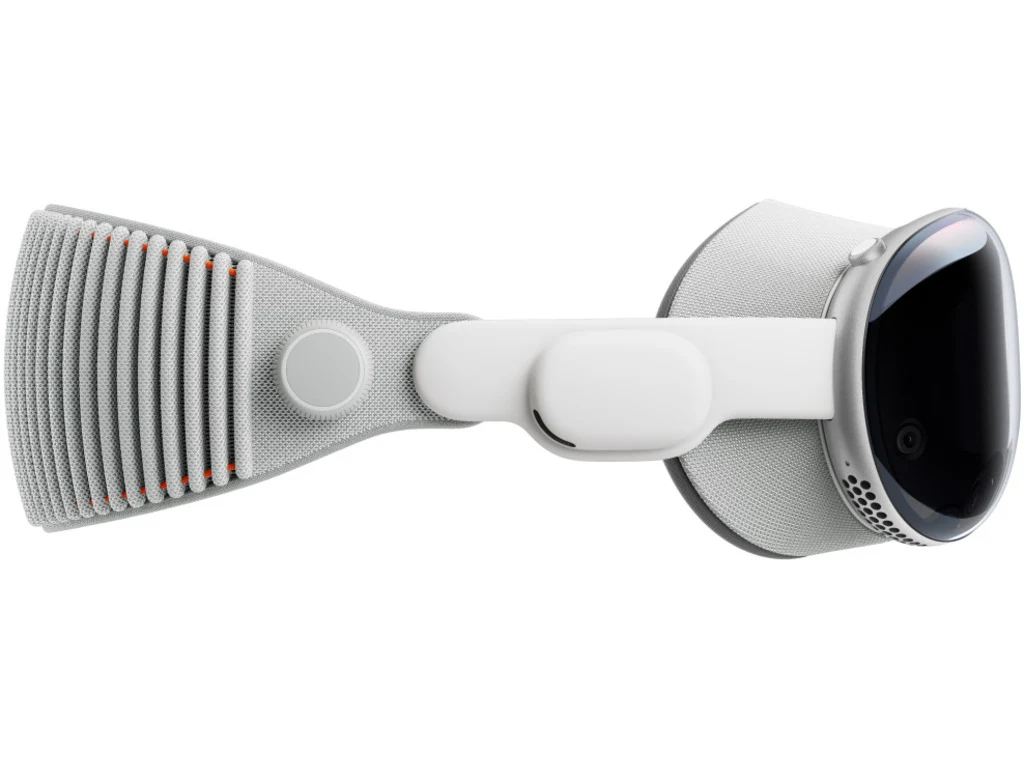
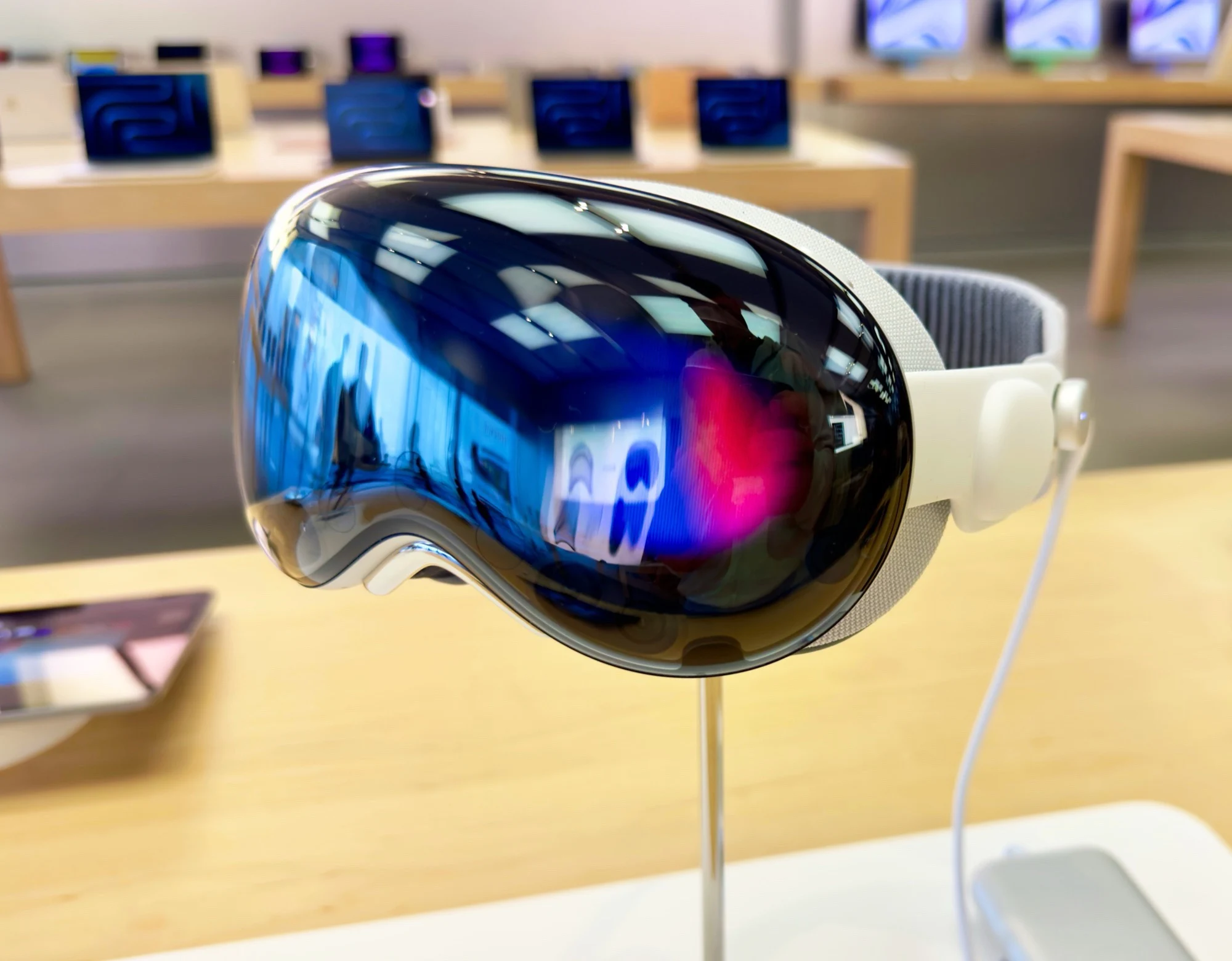
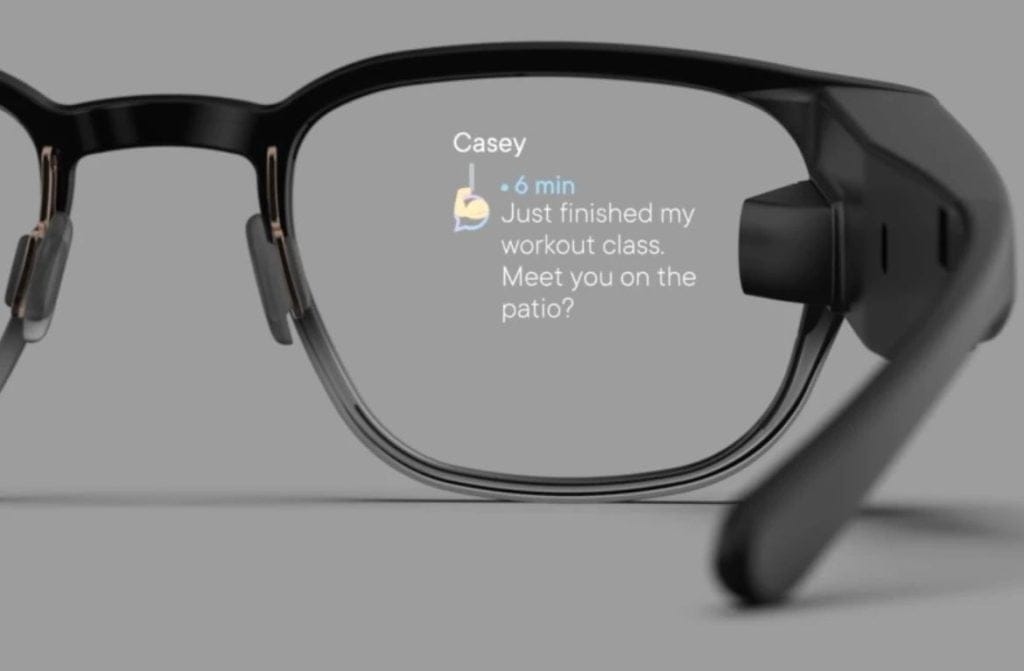
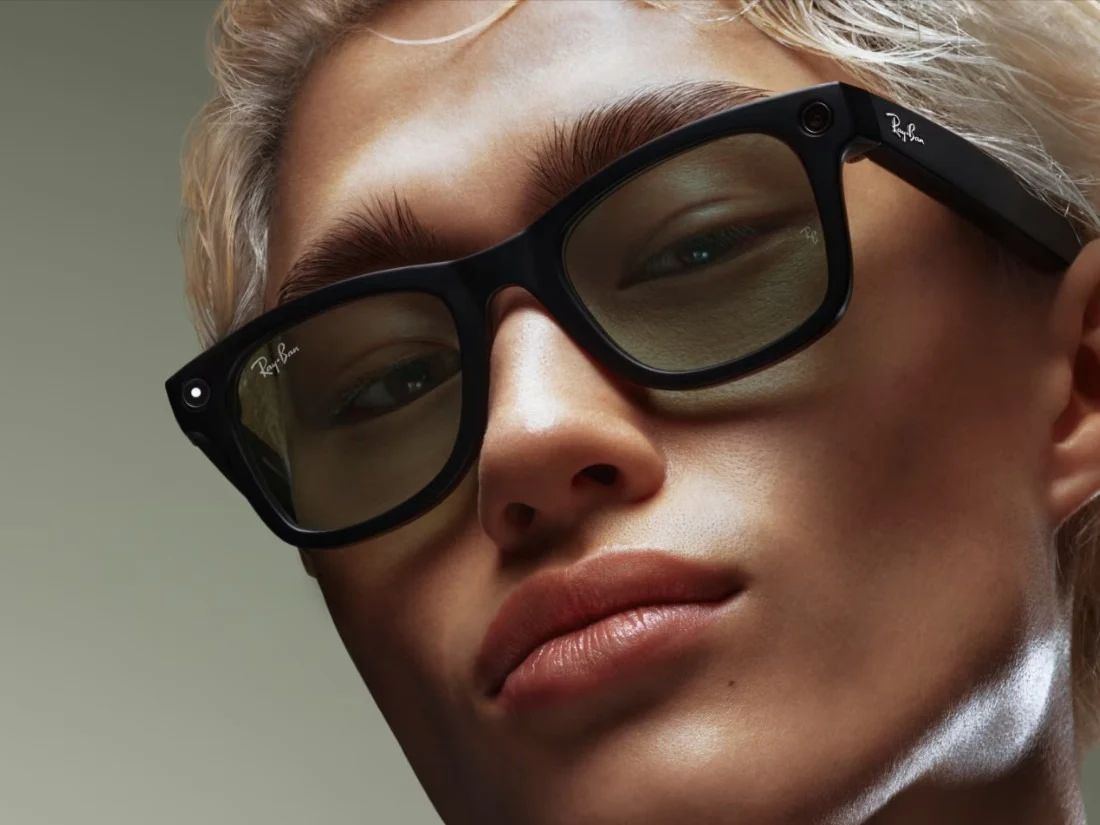
Apple is said to be making a significant shift in its resource distribution, halting efforts on a planned revamp of its Vision Pro headset to speed up the creation of AI-focused smart glasses. This internal strategy change appears to be a reaction to the market’s positive response to products like the Meta Ray-Ban smart glasses.
Staff Reallocation
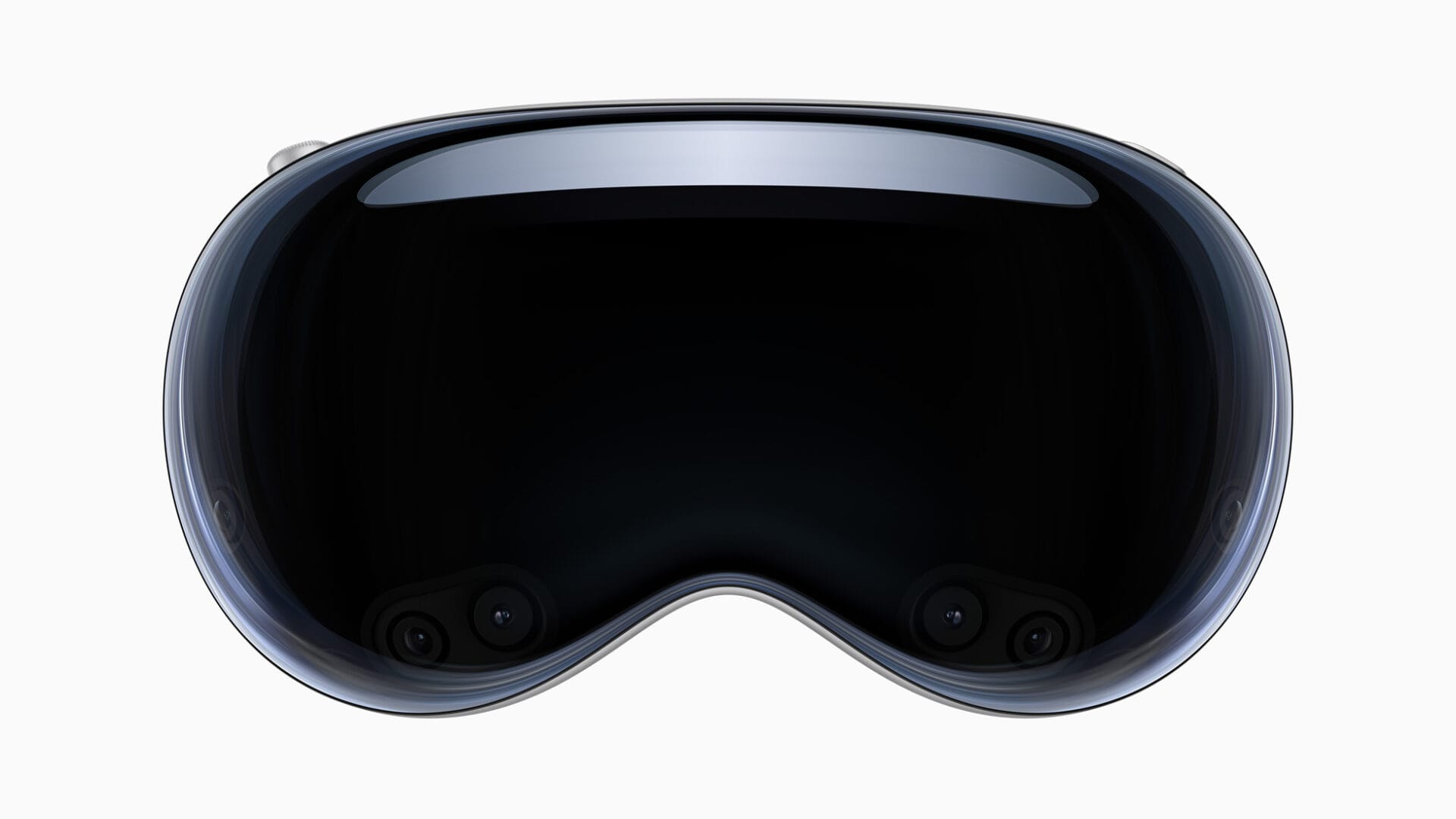
As reported by Bloomberg, the immediate change involves moving staff away from the cheaper redesign of Vision Pro (codenamed N100, which was originally aimed for a 2027 launch) and into the smart glasses team.
The report also states that Apple is currently working on two separate eyewear models, each designed for a specific purpose and timeline.
Upcoming Models
The first version, known as N50, will act as a companion device that needs a connected iPhone for processing and will not have a display. The company hopes to reveal this model next year, with a market launch potentially set for 2027.
At the same time, Apple is speeding up the schedule for a more advanced version that will include its own display. Originally scheduled for 2028, the development of this model is being fast-tracked to rival recently launched smart glasses with displays.
Market Context
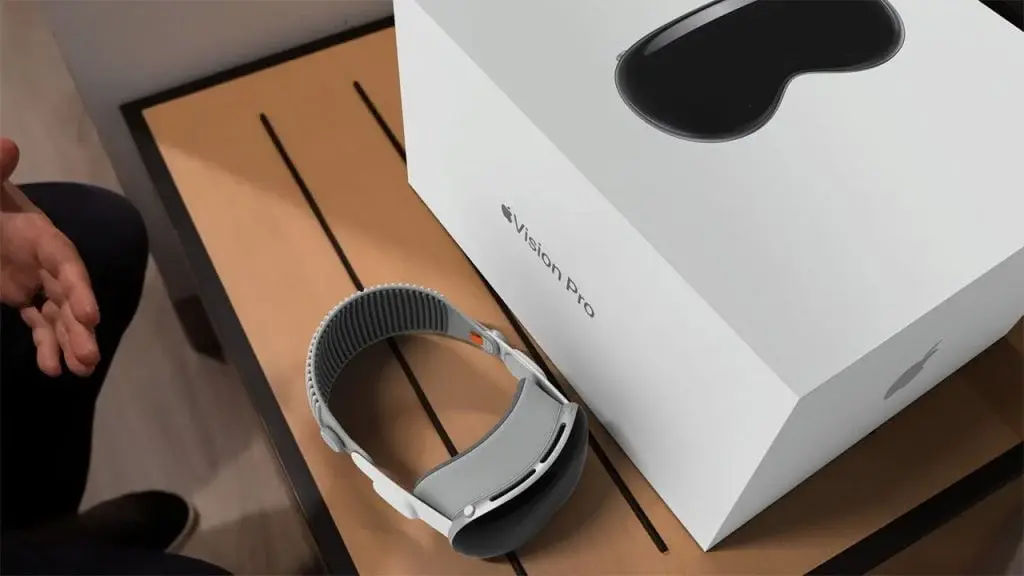
This shift in priorities comes after a lackluster consumer launch of the original Vision Pro headset. Reports suggest that executives have seen the $3,499 headset as too complex, heavy, and pricey for widespread use. Apple has since adjusted its marketing strategy, targeting business and enterprise markets instead.
The success of the new glasses will largely depend on the company’s AI prowess. These devices are expected to feature Apple Intelligence along with a redesigned Siri assistant—set to launch in early March—as the main user interface. The eyewear will also include a custom chip, cameras for capturing media, and voice control, marking the glasses as Apple’s next significant hardware category.
Source:
Link