Category: All News

  • Lenovo ThinkPad 14-Inch North America LPCAMM2 RAM Panther Lake

    Lenovo ThinkPad 14-Inch North America LPCAMM2 RAM Panther Lake

    Key Takeaway

    – Lenovo launched ThinkPad T14 Gen 7 in North America with Intel variants; AMD Gorgon Point models are still unannounced.
    – It supports user-replaceable LPCAMM2 RAM (16/32/64 GB), with the 64 GB module costing about $920 more.
    – Battery and display options include 60 Wh or 75 Wh, with four displays including a single OLED 2.8K (1800p) panel at 30–120 Hz, 500 nits, 100% DCI-P3.
    – Pricing starts at $1,618 USD (CAD 2,331); top spec configurations can reach around $3.7k USD / CAD 5.3k.

    Lenovo has had a busy few weeks with ThinkPad updates in North America. At the end of April, the company began selling the ThinkPad X1 2-in-1 Gen 11 across Canada and the US. Soon after, it introduced the ThinkPad T16 Gen 4 with Lunar Lake processors and then rolled out the ThinkPad T16 Gen 5 a few days later. Now it returns with the ThinkPad T14 Gen 7, initially in Intel variants. A successor to the AMD-based ThinkPad T14 Gen 6, currently priced at $1,349, is anticipated but not dated yet. Unfortunately, it remains unclear when AMD Gorgon Point-powered models will be available.

    North American rollout continues with Intel variants

    Across Europe Lenovo began with Intel variants for the same T14 lineup, and North America mirrors that strategy. A successor to the AMD-based ThinkPad T14 Gen 6, which was priced at $1,349, is anticipated but not dated. For now Lenovo is focusing on the T14 Gen 7 variants with Intel Core Ultra 5 325/335 vPro and Core Ultra 7 355/365 vPro, while AMD Gorgon Point models remain unconfirmed.

    RAM and display options detailed

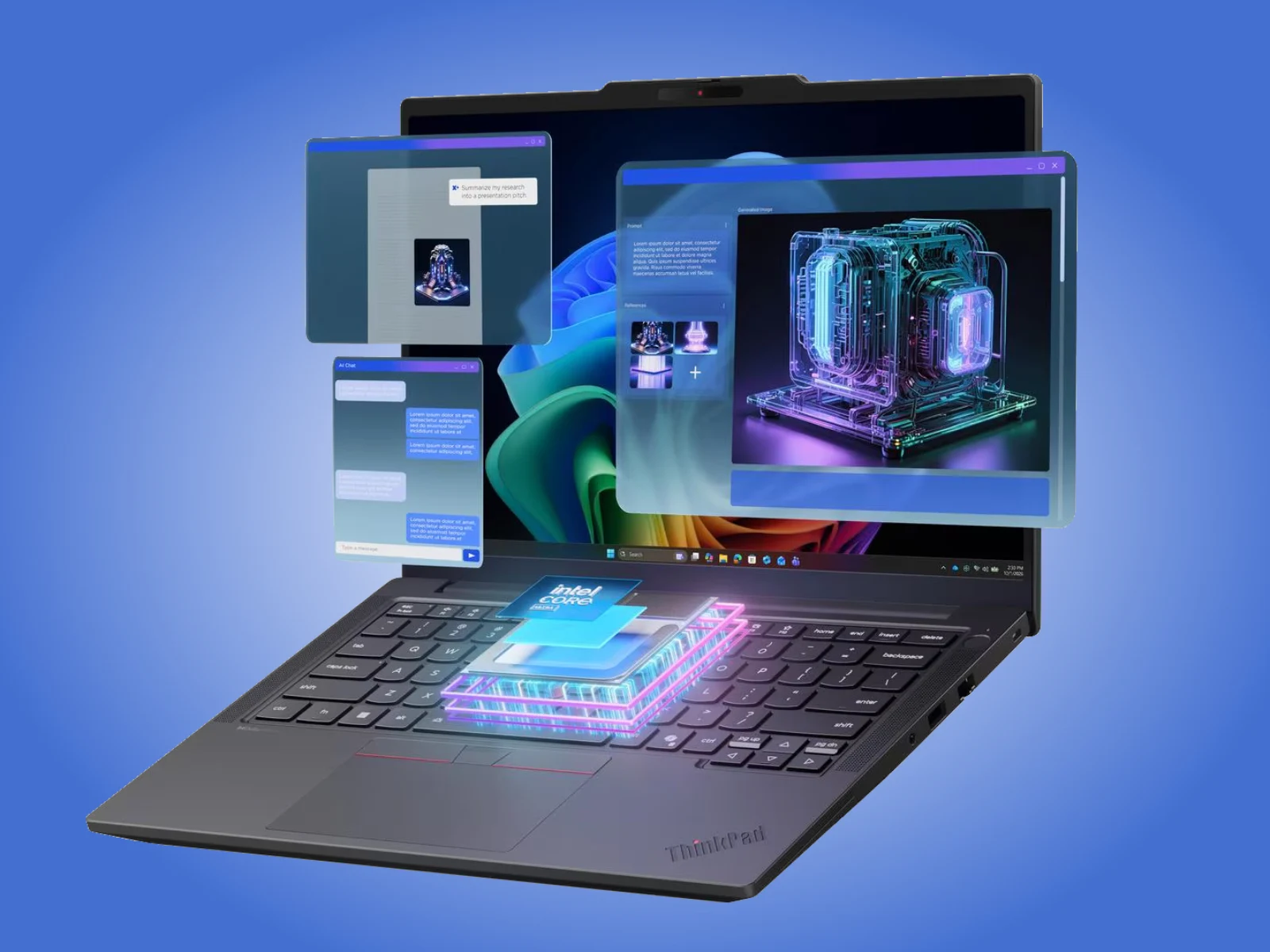
    Meanwhile, the T14 Gen 7 supports user-replaceable LPCAMM2 RAM with 16 GB, 32 GB and 64 GB LPPDR5X-8533 modules; the 64 GB module costs $920 more than a 16 GB module. The laptop can be configured with 60 Wh or 75 Wh batteries and a choice of four display options, of which only one is OLED, delivering 1800p (2.8K) with a 30-120 Hz variable refresh rate, plus an anti-glare panel that claims 500 nits peak brightness and 100% DCI-P3.

    Battery choices and OLED option

    Lenovo lists a starting price of $1,618 and CAD 2,331 for the ThinkPad T14 Gen 7, configured with a Core Ultra 5 325, 16 GB of RAM, 256 GB of storage, a 60 Wh battery and a 1200p IPS panel with about 45% NTSC. In contrast, high-end builds soar to over $3.7k and CAD 5.3k for a Core Ultra 7 365 vPro, 64 GB RAM, 1 TB storage, a 75 Wh battery and an 1800p OLED display. We are currently in the process of reviewing the ThinkPad T14 Gen 7 ourselves.

    Pricing and regional availability

    As the rollout unfolds, Lenovo Canada and Lenovo United States are coordinating this release, aligning inventories, pricing, and regional promotions. The ThinkPad T14 Gen 7 sits beside its Intel-based peers in a bid to attract professional users who demand modular RAM, flexible power options, and OLED choices. The ongoing review will clarify performance benchmarks and long-term durability across the region. Lenovo Canada & Lenovo United States.


    Sources

  • Casio GA-2100 G-Shock x Coca-Cola Collab Sells Out in Minutes

    Casio GA-2100 G-Shock x Coca-Cola Collab Sells Out in Minutes

    Key Takeaway

    – Coca-Cola 140th anniversary GA-2100CC-3A (CasiOak) sells out quickly in the UK; price £160 (~$214).
    – UK debut; previous Coca-Cola G-Shock was US/Mexico-only; no US/EU release plans announced yet.
    – Distinctive design: translucent green case, Coke bottle-inspired strap, bubble-textured brown dial, rose-gold markers, red bottle at 9 o’clock day indicator, bottle-cap caseback engraving.
    – Standard G-Shock specs: 200m water resistance, Carbon Core Guard, shock resistance, 31 time zones, 3-year battery.
    – Japan release via online lottery at ¥27,500 (~$172) as Casio uses lotteries to manage demand.

    Casio had warned buyers it would be limited — one per customer, no exceptions. It turns out even that caveat was pretty generous. The GA-2100CC-3A, which is the newest special edition G-Shock collaboration with Coca-Cola in Casio’s lineup, celebrates the beverage giant’s 140th anniversary. Earlier today (May 15), the watch sold out almost immediately after going live on the UK Casio store at £160 (~$214).

    Specs

    The watch is built on the GA-2100 platform, but it’s better known as the CasiOak. That alone guarantees attention for any new collab drop on the platform, but the Coca-Cola partnership likely pushed demand well beyond the usual G-Shock buyers. The design is built around a translucent green resin case, and a strap inspired by Coca-Cola’s iconic glass bottle. There’s a textured brown dial with bubble-like patterns. Rose-gold hour markers and hands lend some contrast to the design as well. A neat little detail is the small red bottle at the 9 o’clock position, which doubles up as the day-of-week indicator. The caseback has an engraving of a bottle-cap. Lastly, the watch ships in exclusive themed packaging.

    Build & Design

    Under the hood it’s all standard G-Shock — 200-meter water resistance, Carbon Core Guard construction, shock resistance, world time across 31 time zones, and a three-year battery. In Japan, the watch launched via an online lottery on the Casio Japan site at ¥27,500 (roughly $172). Casio has adopted this precisely because of the demand these drops generate. The UK got a direct sale instead – and this was the result. The previous Coca-Cola G-Shock, the DW6900CC23-3, came out in 2023 and was limited to the US and Mexico with no UK release. Essentially, this is the UK debut of GA-2100CC-3A, and clearly a sought-after one for British collectors, many of whom had been locked out of the last collab entirely. No release plans for the US or European Union have been announced as of writing.

    UK Release Notes

    With no official plans for a broader roll out, buyers in the UK were given a rare chance to get a Coca-Cola themed GA-2100CC-3A straight from the official store, and that kind of direct sale sparkles with urgency. The late May debut aligns with Coca-Cola’s 140th anniversary and the growing fashionainment trend that G-Shock drops tend to spark when a big brand is involved. For now, the price remains £160 in the UK (about $214) and ¥27,500 in Japan (about $172), and there is no word yet on a US or EU release, unlike some past collaborations.


    Sources

  • Amazon Luna May 2026 Free Games Lineup: Three Titles

    Amazon Luna May 2026 Free Games Lineup: Three Titles

    Key Takeaway

    1) Amazon Luna added three more free games for Prime members in May 2026, bringing the total freebies for the month to 11.
    2) Survival: Fountain of Youth (2024) is a large open-world survival game with 11 islands, crafting, and stat management, but with mixed reviews and some performance issues; Prime members can redeem an Amazon Games code.
    3) 60 Minutes to Extinction: Escape Room (2025) offers real-time bunker puzzle gameplay with a Cold War setting; puzzles can feel repetitive and immersion is limited; a GOG redeem code is included for Prime members.
    4) Lethal Honor – Order of the Apocalypse (2025) is an action roguelike with fast-paced combat and hand-drawn visuals; criticized for repetitive combat and limited content; Prime members can obtain an Epic Games Store code.

    Expanded Free Games on Luna

    Fountain of Youth details

    Additional Free Titles Overview


    Sources

  • Vivo X300 Ultra Update Fixes Major Issues

    Vivo X300 Ultra Update Fixes Major Issues

    Key Takeaway

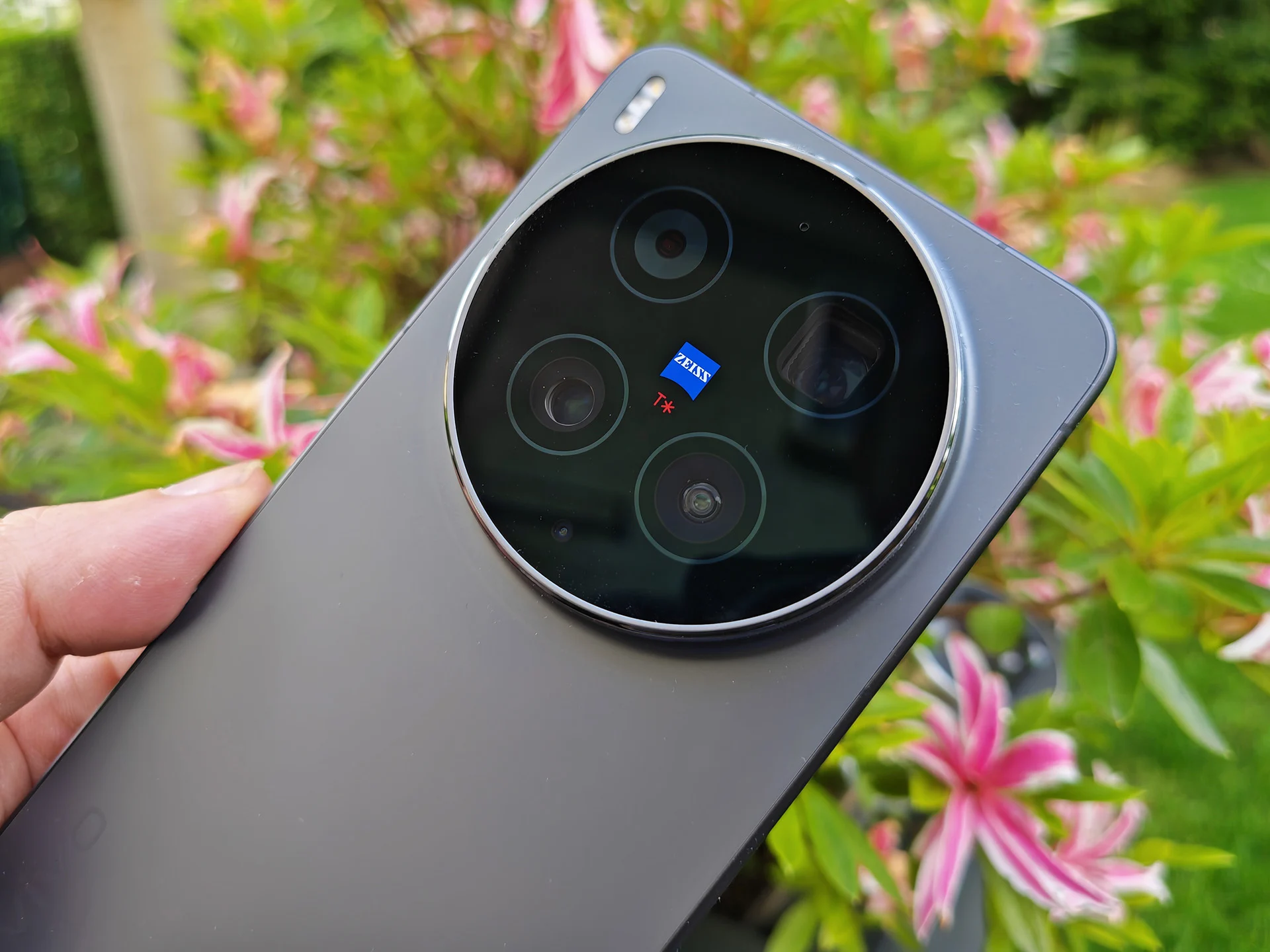
    – Stellar camera system with three large sensors, Zeiss optics, 200 MP zoom, and 25 MP native output for more detail; excellent in challenging lighting, though colors can be overly vivid at times.
    – Impressive 144 Hz LTPO OLED display, high brightness, strong color reproduction, paired with Snapdragon 8 Elite Gen 5, long battery life, and fast charging.
    – Early drawbacks included heat under heavy load causing throttling, higher idle power consumption, average speakers, and occasional oversaturated color in photos.
    – Post-update improvements (Build PD2547GF_EX_A_16.0.6.5.W30) reduced power consumption under load and improved color reproduction, leading to a revised, very positive overall verdict for photography/video enthusiasts.

    The Vivo X300 Ultra bursts onto the market as one of the most impressive new smartphones of 2026 so far, aimed primarily at people who place a high value on photography. The focus of this review is on the sophisticated camera system, which features three large sensors and Zeiss optics and is designed to deliver outstanding performance, especially in challenging lighting conditions. We appreciate the high level of detail, the powerful 200-megapixel zoom camera, and the overall versatility of the shooting options. Vivo is setting a new standard in pixel binning: instead of outputting photos at 12 megapixels by default, as many competitors do, the device captures 25-megapixel images, which is intended to preserve more detail.

    Camera system and pixel binning

    Beyond the camera, the device makes a strong impression with its display and performance. The large 144 Hz LTPO OLED panel delivers high brightness and excellent color reproduction, which helps the camera work feel more capable in real life scenarios. Add to that a powerful Snapdragon 8 Elite Gen 5, long battery life, and fast charging that keeps you moving. Nevertheless, our review isn’t without criticism: under heavy load the smartphone generates a lot of heat and noticeably throttles its performance. We also note comparatively high power consumption in idle mode and only average speakers. In some cases, the colors in photos also appear a bit too vivid or artificial. Despite these weaknesses, the overall verdict remains very positive: especially for photo and video enthusiasts, the X300 Ultra sits among the top tier.

    Display and performance

    Vivo has now made significant improvements to two of our points of criticism via an update (Build PD2547GF_EX_A_16.0.6.5.W30): first, power consumption under load, and second, the camera’s color reproduction. The update is said to carry practical gains and a promise of more consistent performance under heavy workflows, which is exactly why we retest these aforementioned features and compare the before-and-after results with some patience and curiosity.

    In terms of power consumption at idle, the Vivo X300 Ultra now performs at a level befitting a top-tier smartphone. Vivo has done an excellent job of optimizing this aspect. The idle state now feels less wasteful and cooler, which translates into longer standby times and a more pleasant experience when the device sits on a desk or in a pocket for hours. While the changes are not earth-shattering, they are noticeably practical and reflect a thoughtful approach to energy efficiency across software and hardware integration.

    The smartphone’s camera also exhibited some serious shortcomings in color reproduction at launch, particularly with brown and green tones. Here, too, the X300 Ultra shows significant improvement. The firmware adjustments seem to have tightened the sensor pipeline and tuned the color science for more natural transitions, reducing the occasional over-saturation that previously crept into scenes with tricky lighting. While not perfect in every shot, the progress is plainly visible and helps the overall camera experience.

    We have incorporated these changes into our review and adjusted the rating for the Vivo X300 Ultra. The revised assessment factors in the more efficient power behavior under load and the more consistent color rendering across a range of scenes. It remains clear that the device excels in photography-oriented use cases, even as you still push it to the limits and test for long sessions and demanding video work. This combination of strengths and improvements keeps the X300 Ultra competitive in its class and makes the case for serious everyday reliance on its camera systems.


    Sources

    • Samsung Galaxy S26: Store-Only Colors Coming to Other Retailers

      Samsung Galaxy S26: Store-Only Colors Coming to Other Retailers

      Key Takeaway

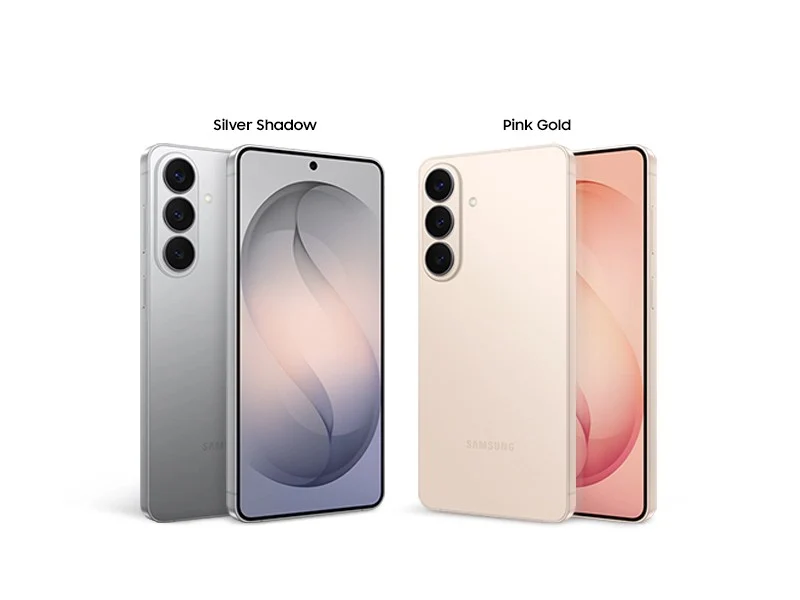
      – Samsung reportedly plans to bring the exclusive colors Silver Shadow and Pink Gold for the Galaxy S26 into regular retail (beyond Samsung’s own stores), per the BlueSky post by Roland Quandt.
      – If true, these colors could be purchasable from non-Samsung retailers once the change is implemented.
      – No date is announced yet; major retailers currently list four other colors (Cobalt Violet, Sky Blue, White, Black) as available.
      – It’s not yet confirmed whether this will apply to the Galaxy S26 Plus and Galaxy S26 Ultra; the post mentions all three models but confirmation is pending.

      When Samsung launches new flagship smartphones, color options are often reserved for the Samsung online store and Samsung Experience Stores, a pattern fans have come to expect. In the case of the Galaxy S26 series, the exclusive colors are Silver Shadow and Pink Gold, and these shades are touted as limited editions that entice collectors and enthusiasts alike. Now, a reliable leaker has revealed that the two colors will soon be available at other retailers.

      Retailer expansion hints

      Details of the scoop come from a post on BlueSky by Roland Quandt, whose track record on device leaks is well known among enthusiasts. According to a translation of the post, “Samsung is pushing the exclusive colors for the Galaxy S26 into regular retail”. The implication here is clear: these two colors will be available to buy from other stores other than Samsung’s.

      Details from BlueSky

      While the post specifically mentions the Galaxy S26, it is important to note that all three Galaxy S26 models are available in the aforementioned exclusive colors. However, given the phrasing, we cannot say with certainty whether this expansion to regular retail will include the Galaxy S26 Plus and Galaxy S26 Ultra, or if the approach will be limited to the base model only.

      In addition, there’s no date yet for when this will happen, and when we checked major retailer sites, only the four other colors — Cobalt Violet, Sky Blue, White, and Black — are available, with no current listing for Silver Shadow or Pink Gold at those locations.

      Sources
    • Sigma BF Teardown: Tiny Full-Frame Camera for Minimalists

      Sigma BF Teardown: Tiny Full-Frame Camera for Minimalists

      Key Takeaway

      – Sigma BF distinguishes itself with a minimalist aluminum unibody, a large touchscreen, touch-sensitive controls, and a small OLED settings display, setting it apart from rivals like the Panasonic S9.
      – The internals are densely packed and the rear display is glued (removable with heat), with a rubber-bottom cover hiding ten screws for access.
      – Servicing is time-consuming: disassembly involves removing multiple boards, ribbon cables, and screws before reaching the mainboard and the full-frame sensor.
      – Spare parts are not sold directly to end users, hindering DIY repairs and requiring Sigma-provided parts for any maintenance.

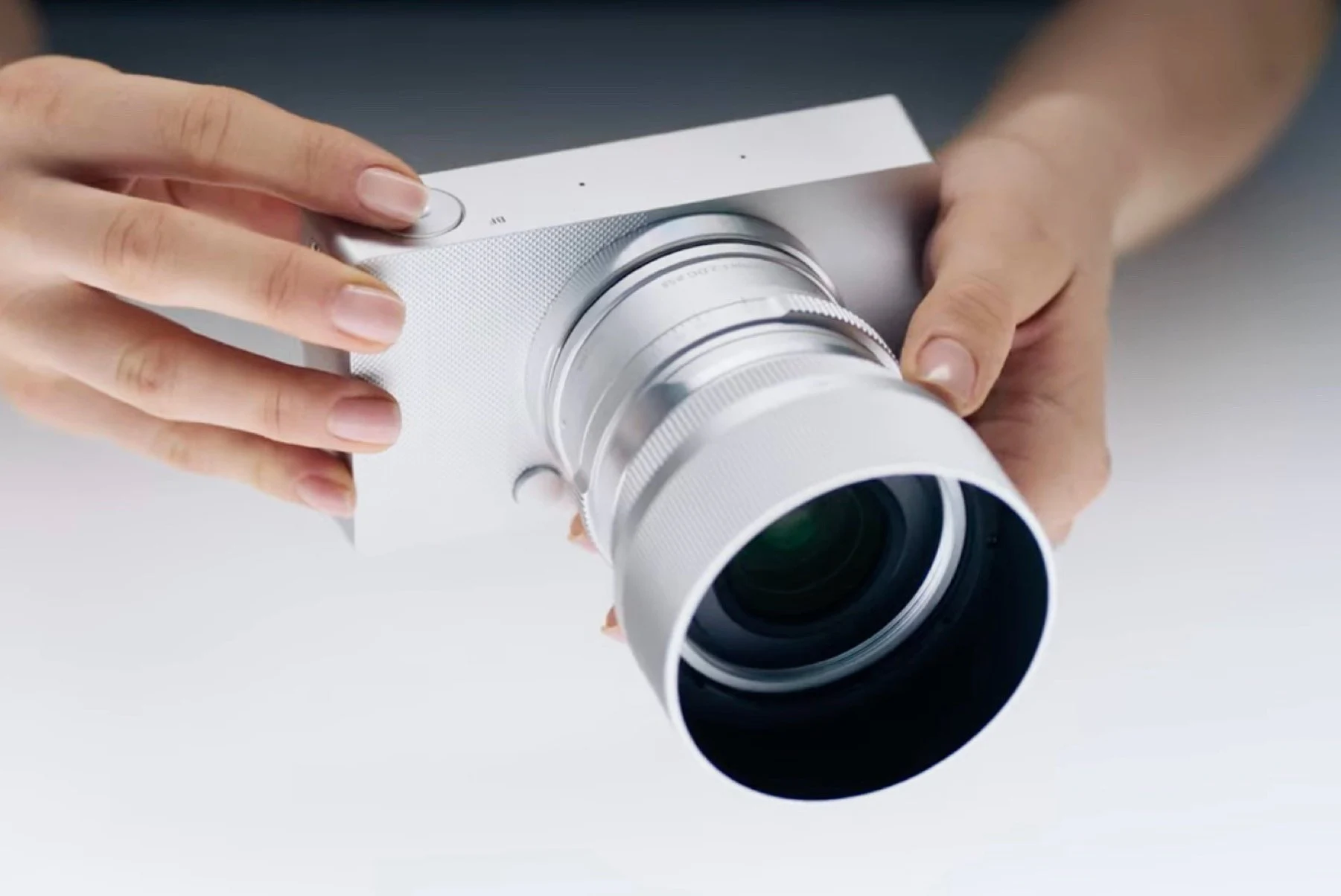
      The Sigma BF ($2,199) differs from competitors such as the Panasonic Lumix S9 primarily due to its minimalist aluminum unibody housing. With a large touchscreen, touch-sensitive buttons and a small OLED secondary display that shows settings, the Sigma BF’s operation and design are unlike any other camera on the market. The chassis feels cool to the touch, precise in its tolerances, and it communicates a sense of rugged simplicity that photographers either love or hate based on their preferences.

      Overview

      Kolari, which specializes in infrared conversions, reveals what the camera’s inner workings look like in a teardown. While the chassis is milled from a block of aluminum, there is a rubber cover on the bottom, under which a total of ten screws can be found. Once all these screws are loosened and a cable disconnected, the rear display can be removed.

      Disassembly Notes

      This is glued into the body in a similar way to a smartphone, but if the adhesive is heated with a hot air dryer, the screen can be removed without any major problems. To disassemble the camera further, numerous small boards, ribbon cables and screws have to be removed before the mainboard and ultimately the full-frame sensor can be taken out of the housing.

      This is not particularly complicated, but it is time-consuming. However, in order to repair the camera by yourself, Sigma would have to offer spare parts, which are not currently sold directly to end users. The multi-layered construction of the interior shows that Sigma has used every millimeter in the housing effectively.


      Sources

    • Windows 11 Release Preview: Copilot in Excel & Security Patches

      Windows 11 Release Preview: Copilot in Excel & Security Patches

      Key Takeaway

      – Three Release Preview builds released (24H2 and 25H2 via KB5089573; 26H1 via KB5089570), with 26H1 targeting AI PCs.
      – GA timelines: 24H2/25H2 could reach general availability as early as June 2026; 26H1 aimed for late Q3 2026 (back-to-school cycle).
      – Security fixes baked in: CVE-2026-1127 (kernel elevation) and CVE-2026-1139 (Windows graphics RCE).
      – AI/enterprise feature gains: Shared LE Audio, multi-app camera support, improved NPU task management, Copilot in Excel (offline via local models), Windows AI Studio toolkit, and new admin Group Policy objects.
      – Known issue: VPN connections may fail to reconnect after waking from sleep; manual toggle workaround.

      Microsoft pushed three new Windows 11 Release Preview builds today, May 14, giving Insiders an early look at what is likely to ship to all users in the coming months. The updates cover Windows 11 versions 24H2 and 25H2 via KB5089573, pushing both to Build 26100.8514 and 26200.8514, respectively, alongside a separate build for the upcoming Windows 11 version 26H1 via KB5089570, which targets next-generation AI PCs with strict hardware requirements. The cadence and labeling of these builds remains a little puzzling to testers, yet the core objective is straightforward: test, stabilize, and prep for broader deployment windows ahead, with feedback guiding final tweaks.

      Release Preview Build Overview

      Release Preview builds are typically the final code before a feature update ships to all users. Microsoft sources indicate that 24H2 and 25H2 could reach general availability as early as June 2026, while 26H1 is on track for a late-third-quarter launch timed to the back-to-school PC refresh cycle. The 26H1 build has specific hardware requirements: devices must have an NPU capable of at least 40 TOPS, 16 GB of RAM, and a minimum of 256 GB of NVMe storage. For enterprise customers this means planning ahead with compatible hardware in mind.

      AI Features and Security

      The release preview builds integrate fixes for two zero-day vulnerabilities from the May 2026 Patch Tuesday: CVE-2026-1127, a kernel elevation of privilege flaw, and CVE-2026-1139, a remote code execution vulnerability in the Windows graphics component. Both are fully baked into the cumulative update and will be part of the final public release. KB5089573 also introduces Shared LE Audio, enabling a single audio stream to be broadcast to multiple Bluetooth devices simultaneously. Multi-app camera support arrives as well, allowing two applications to access the same camera input at the same time, a change that addresses a longstanding limitation for users running video calls and recording software in parallel. NPU task management improvements are included across all three builds, helping Windows better distribute AI workloads between the CPU and the neural processing unit on Copilot+ devices.

      Copilot in Excel and Enterprise Readiness

      Copilot in Excel is now live in all three Release Preview builds, letting users generate formulas, pivot tables, and data visualisations by typing natural language questions directly into a taskbar pane while working in a spreadsheet. The feature requires a Microsoft 365 subscription but runs on locally cached language models, so it works without an internet connection. The Windows AI Studio toolkit, previously limited to the Dev channel, also ships with these builds, providing developers with pre-trained models for image classification, sentiment analysis, and text summarisation that run exclusively on the NPU. All three builds introduce new Group Policy Objects that give IT administrators direct control over AI features. Admins can disable or restrict Copilot integrations, manage which applications can access the NPU, and set policies for how AI agents interact with the taskbar. Microsoft describes these GPOs as part of a broader effort to make AI features enterprise-ready before the builds go to general availability. Insiders enrolled in the Release Preview channel can pull today’s updates through Windows Update immediately. A known issue affects VPN software on some configurations, with connections failing to re-establish automatically after waking from sleep, requiring a manual toggle.

      Sources
    • GuliKit TMR Joysticks Fix Switch 2 Joy-Con Drift

      GuliKit TMR Joysticks Fix Switch 2 Joy-Con Drift

      Key Takeaway

      – Nintendo Switch 2 Joy-Con 2 uses traditional analog potentiometer joysticks that can drift with wear.
      – GuliKit TMR Joystick uses electromagnetic sensing (contactless) for drift-free, smoother control and is designed for easy solderless installation in Joy-Con 2.
      – Pair price: $19.99/€19.99/£16.99; available on Amazon US/UK/DE (some other locales show listings but are unavailable).
      – iFixit provides replacement guides (video and written) and sells the GuliKit TMR Joystick for $24.99, plus a $29.99 tools bundle.

      While the Nintendo Switch 2’s Joy-Con 2 controllers boast new features, they still use traditional analog potentiometer joysticks. And unlike Hall Effect or TMR joysticks, they are likely to suffer from stick drift after wearing. While, you can simply purchase a third-party controller, you can also simply swap the joysticks for a better one, such as a GuliKit TMR joysticks.

      GuliKit TMR Joystick Overview

      The GuliKit TMR joystick uses electromagnetic sensing for smoother and precise control, a approach that feels almost futuristic, yet you can sense its advantages in practice. It also has a contactless design, so there’s no physical wear, and thus no possibility of stick drift. It is also designed to be easily installed into your Joy-Con 2 controller as there’s no need for soldering, which saves time and nerves.

      Pricing & Availability

      Priced at $19.99/€19.99/£16.99 for a pair (left and right thumbsticks), the GuliKit TMR Joystick for Joy-Con 2 is available to buy now. It is listed by retailers in the US, UK, and DE. There are also listings for the thumbsticks on local retailer websites for France, Italy, and Spain, but they are currently listed as unavailable. Those in the Netherlands can also pick it up on their local retailer website.

      Guides & Accessories

      The folks at iFixit have released a video detailing how to replace the old thumbsticks on the Joy-Con 2 with GuliKit’s. There’s a written guide for those who prefer text over video. iFixit also sells the GuliKit TMR Joystick for Joy-Con 2, although it’s more expensive at $24.99. They also have a $29.99 bundle that includes the pair of joysticks and the tools you need for the replacement.

    • Seiko Prospex Limited Edition Divers in Seiko Blue

      Seiko Prospex Limited Edition Divers in Seiko Blue

      Key Takeaway

      – Seiko marks its 145th anniversary with two limited-edition dive watches: Prospex HBB001 and HBC005.
      – Seiko Blue dominates the design, with a dual-tone bezel on the HBB001 and blue accents on the HBC005’s unidirectional bezel and seconds hand against a silver-white dial.
      – HBC005 is the premium model: Caliber 6R55, 72-hour power reserve, 40mm case, 300 m WR, inspired by Seiko’s 1965 first diver’s watch.
      – HBB001 is slightly larger at 41.7mm, Caliber 4R35, ~41-hour PR, 200 m WR, and about $800 cheaper than the HBC005.
      – Both watches go on sale in June across the US, Japan, UK, Australia, and Europe.

      Seiko is turning 145 this year, and the company is celebrating this milestone by launching a slew of special edition watches across its Prospex, Astron, and Presage lineups. We have already seen the Astron HAB004 Anniversary edition and the likes of Prospex Speedtimer SRQ059 and King Seiko SJE121. Now, the Japanese watchmaker has announced two new limited edition dive watches: the Prospex HBB001 and Prospex HBC005.

      Seiko milestone anniversaries

      Both of these models are incredibly clean, but the real star of the show here is Seiko Blue. It’s a signature, deep blue hue that’s been baked into the brand’s identity since the 1960s. On the HBB001, it makes for a super fun dual-tone rotating bezel. On the HBC005, that same blue hits the unidirectional bezel and seconds hand, creating a brilliant contrast against a crisp, silver-white dial.

      Blue allure and bezel details

      The Seiko HBC005 is the more premium and powerfull of the duo, featuring a Caliber 6R55 automatic movement that delivers an impressive 72-hour power reserve. Its 40mm stainless steel case draws inspiration from Japan’s very first diver’s watch released in 1965, embodying an iconic yet compact style. Being a dive watch, the HBC005 also offers 300 meters of water resistance.

      Mechanical powerhouses

      The Prospex HBB001, on the other hand, features a slightly larger 41.7mm stainless steel case. It’s powered by the Caliber 4R35 automatic movement, boasting an approximate 41-hour power reserve. Its 200 meters of water resistance is a step down from the HBC005, but then again, the HBB001 is also roughly $800 cheaper.

      Pricing and market release

      The Seiko Prospex HBC005 and HBB001 are scheduled to go on sale in the US, Japan, the UK, Australia, and Europe in June. The pricing in various markets is as follows: Seiko (1) (2)

      Sources
    • ASUS launches refreshed ROG NUC gaming mini PC at premium price

      ASUS launches refreshed ROG NUC gaming mini PC at premium price

      Key Takeaway

      – 2026 ROG NUC 15 uses Intel Core Ultra 200HX Plus CPU while the GPU remains unchanged from the last generation.
      – Design gets bolder branding with “For Those Who Dare” and introduces a patented removable stand that cradles the chassis.
      – Core specs stay high-end (DDR5 RAM, PCIe 5.0 storage, silent cooling) with WiFi 7 and Bluetooth 5.4.
      – Front IO features 2 USB-A ports and 1 USB-C; rear IO details are not fully disclosed in the article.
      – China pricing starts at CNY 29,999 (~$4,421) with a white variant at CNY 30,999 (~$4,569); global launch details TBD.

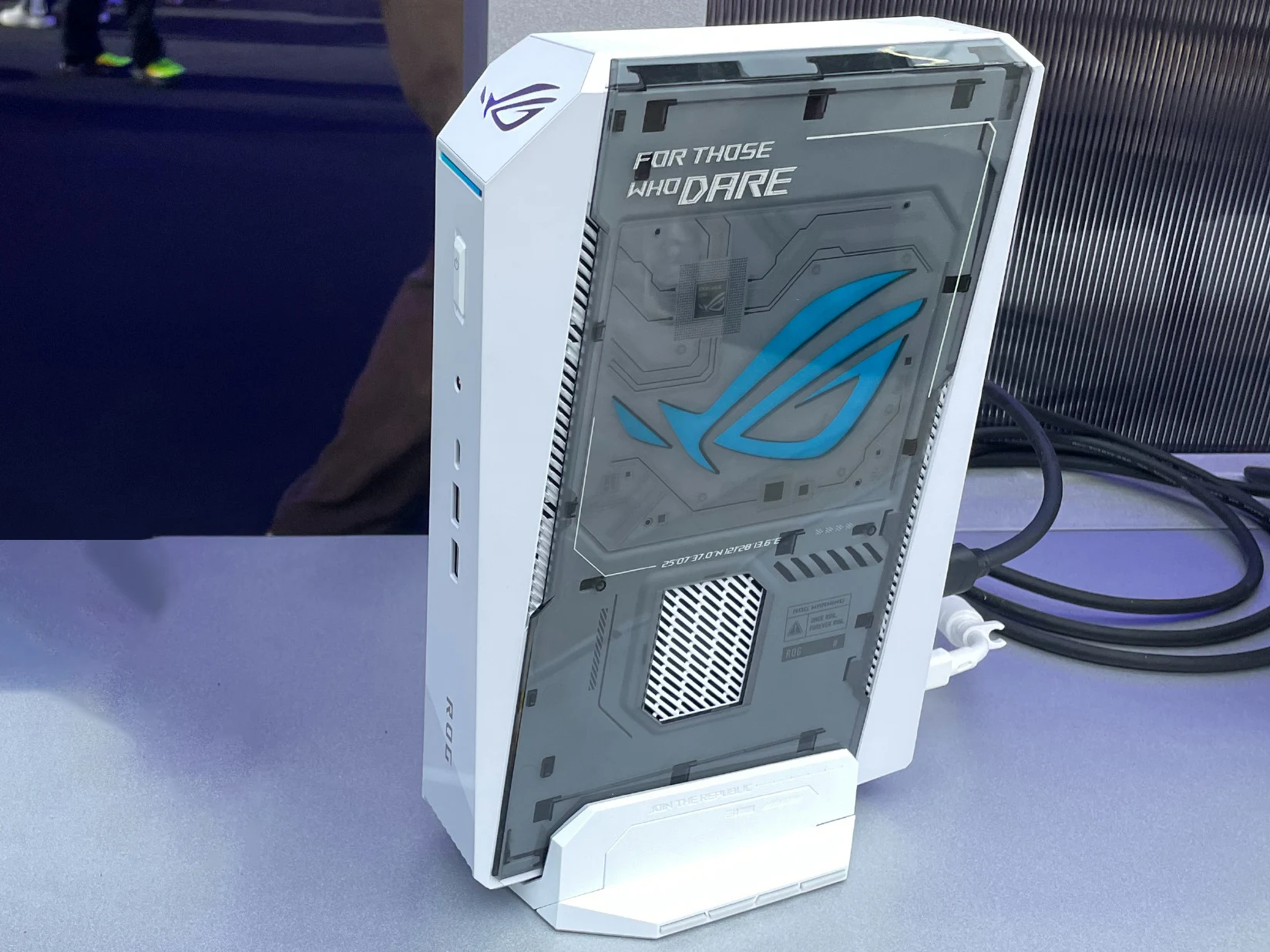
      Asus has launched the successor to the 2025 ROG NUC 15, and as we speculated, the main difference is that the Intel Core Ultra 200HX Plus series powers the gaming mini PC. The GPU department hasn’t seen an upgrade. The design changes include more prominent For Those Who Dare and ROG branding, plus a patented removable stand cradling the chassis instead of a screw-on fit.

      Design and branding updates

      Beyond these cosmetic changes, the rest of the system specs appear to be the same as the last-gen ROG NUC 15. DDR5 RAM and PCIe 5.0 storage stand out as the high-speed backbone, while the cooling remains notably quiet. Wireless connectivity includes WiFi 7 and Bluetooth 5.4, and the overall chassis is engineered to house these elements with minimal fan noise.

      Performance and ports

      Port-wise, Asus highlights the rich configuration of the 2026 ROG NUC. The front appears to have two USB Type-A and one USB-C, while the back features the following: In China, the refreshed ROG NUC mini PC starts at CNY 29,999, which is around $4,421. There’s a new white version available, costing CNY 30,999, about $4,569. The top-end option curr. $3,399 remains as a benchmark for the model lineage.

      Pricing and availability

      In China, the refreshed ROG NUC mini PC starts at CNY 29,999, which is around $4,421. There’s a new white version available, costing CNY 30,999, about $4,569. Asus has yet to share details on the available configurations and plans for the global launch. No firm date was given for a worldwide rollout, but fans hope for a formal announcement soon.

      Final thoughts

      Overall, the 2026 ROG NUC balances a strong core with bold styling and practical upgrades like the removable stand. The absence of an GPU upgrade this time around is noticeable, yet the presence of DDR5 RAM, PCIe 5.0 storage, and WiFi 7 keep it competitive in a crowded market. The real question remains the price and availability worldwide.


      Sources