Category: All News

  • Sigma BF Teardown: Inside the tiny full-frame camera

    Sigma BF Teardown: Inside the tiny full-frame camera

    Key Takeaway

    – Sigma BF costs about $2,199 on Amazon and stands out with a minimalist aluminum unibody, a large touchscreen, touch-sensitive buttons, and a small OLED secondary display.
    – Kolari’s teardown shows an aluminum chassis, a rubber bottom cover with ten screws, and a rear display glued into the body that can be removed with heat.
    – Disassembly is time-consuming, requiring removal of many small boards, ribbon cables, and screws before reaching the mainboard and full-frame sensor.
    – DIY repairs are limited by Sigma not offering end-user spare parts, despite the dense, space-efficient interior design.

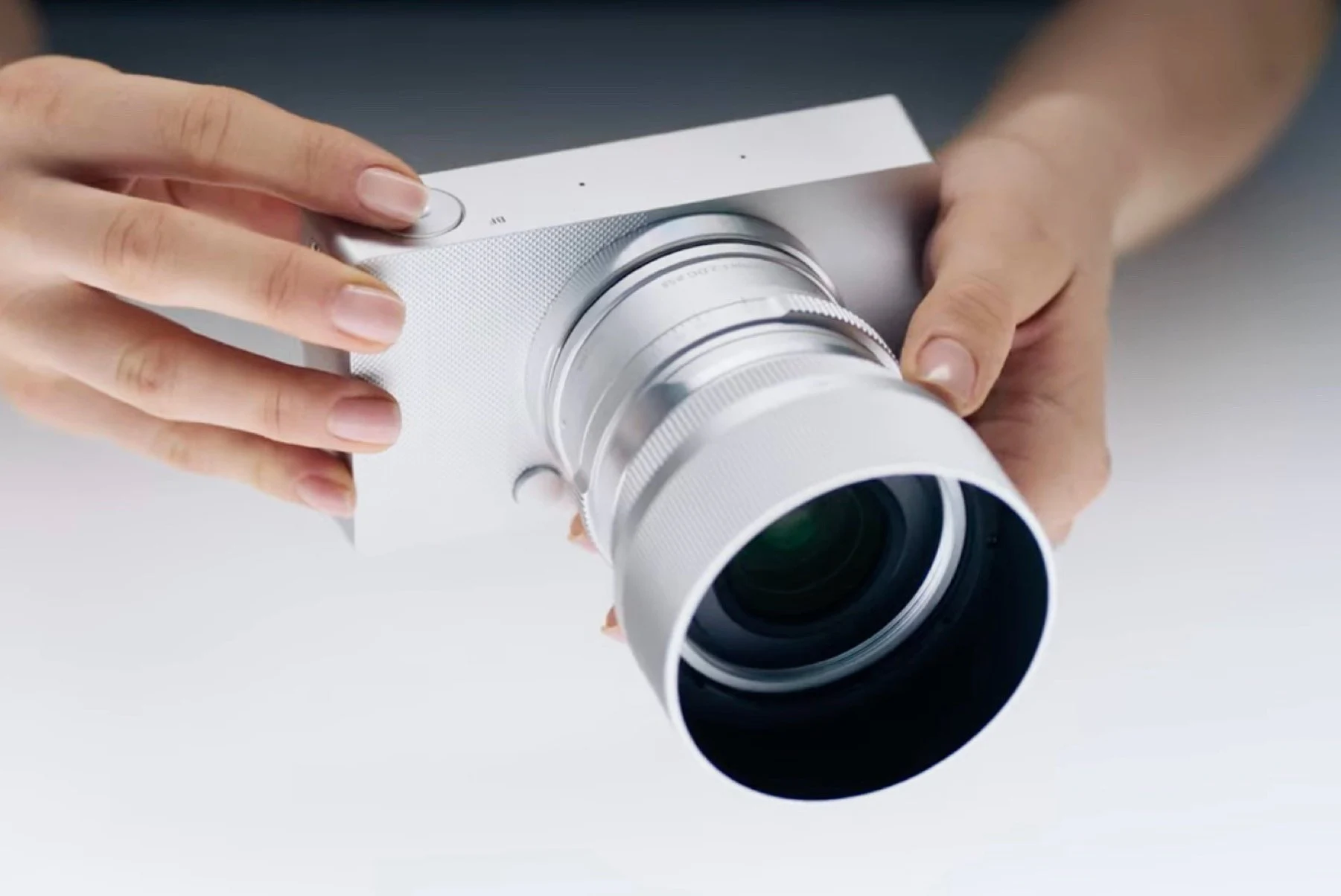
    The Sigma BF ($2,199) differs from competitors like the Panasonic Lumix S9 mainly due to its minimalist aluminum unibody housing. With a large touchscreen, touch-sensitive buttons and a small OLED secondary display that shows settings, the Sigma BF’s operation and design is unlike any other camera on the market.

    Unconventional Build

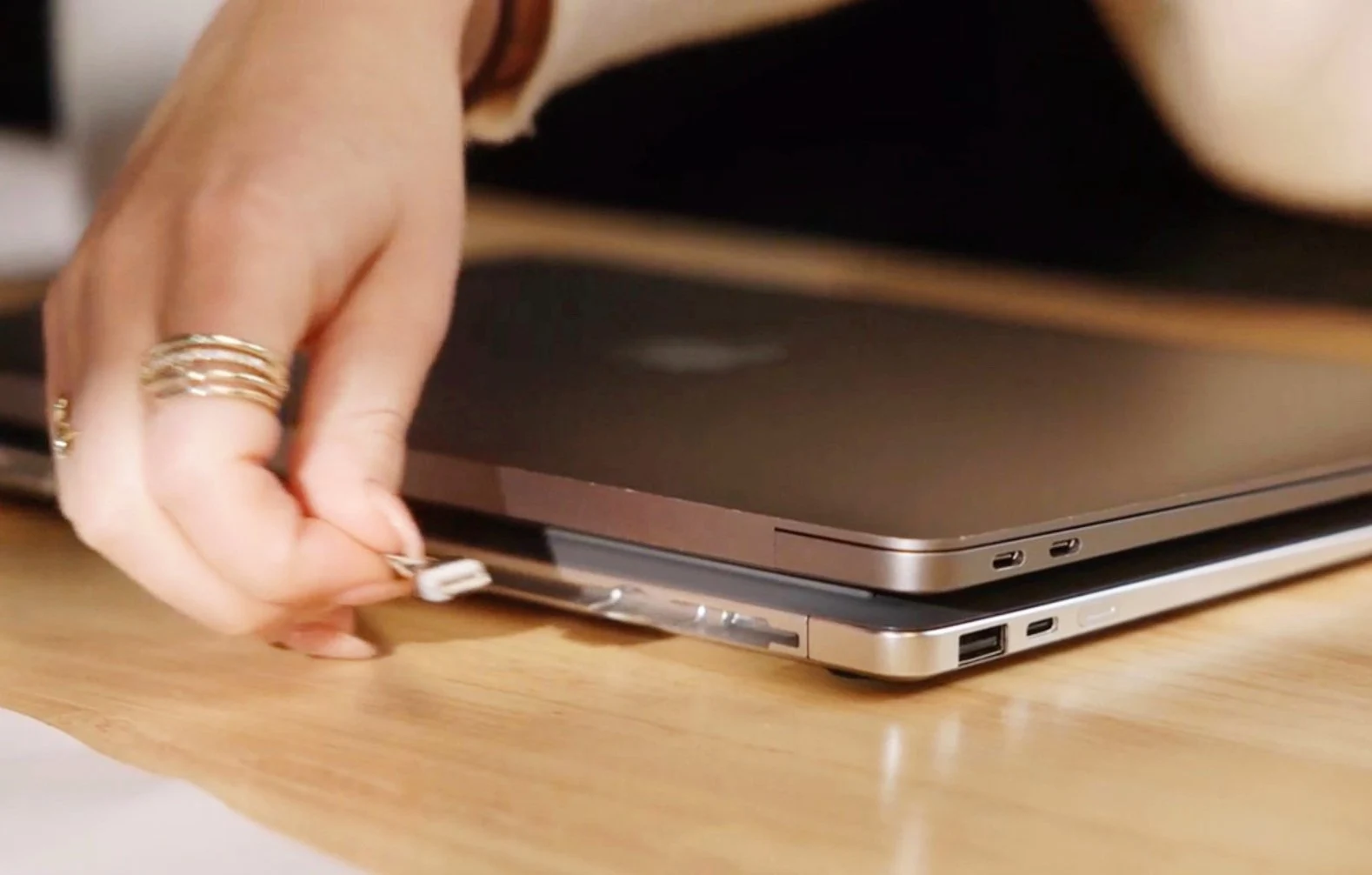
    Kolari, which specializes in infrared conversions, shows what the camera’s inner workings look like in the teardown video embedded below. While the chassis is milled from a block of aluminum, there is a rubber cover on the bottom, under which a total of ten screws can be found. Once all these screws have been loosened and a cable disconnected, the rear display can be removed.

    Internal View

    This is glued into the body in a similar way to a smartphone, but if the adhesive is heated with a hot air dryer, the screen can be removed without any major problems. To disassemble the camera further, numerous small boards, ribbon cables and screws has to be removed before the mainboard and ultimately the full-frame sensor can be taken out of the housing.

    Disassembly Nuances

    This is not particularly complicated, but it is time-consuming. Yet, in order to repair the camera by yourself, Sigma would have to offer spare parts, which are not currently sold directly to end users. The multi-layered construction of the interior shows that Sigma has used every millimeter in the housing effectively.


    Sources

  • Windows 11 Release Preview: Copilot in Excel and Security Patches

    Windows 11 Release Preview: Copilot in Excel and Security Patches

    Key Takeaway

    – Microsoft released three Release Preview builds (24H2/25H2 via KB5089573; 26H1 via KB5089570) with Build 26100.8514 and 26200.8514.
    – Timeline: 24H2/25H2 could GA as early as June 2026; 26H1 expected in late Q3 2026 (back-to-school cycle).
    – 26H1 hardware requirements: NPU ≥ 40 TOPS, 16 GB RAM, 256 GB NVMe.
    – Notable features: Shared LE Audio, multi-app camera support, improved NPU task management, Copilot in Excel with offline local models, Windows AI Studio toolkit for developers.
    – Enterprise controls and issues: New Group Policy Objects to manage AI features; VPN may fail to reconnect after sleep (manual toggle required).

    Microsoft pushed three new Windows 11 Release Preview builds today, May 14, giving Insiders an early look at what is likely to ship to all users in the coming months.

    Release Preview details

    The updates cover Windows 11 versions 24H2 and 25H2 via KB5089573, pushing both to Build 26100.8514 and 26200.8514, respectively, alongside a separate build for the upcoming Windows 11 version 26H1 via KB5089570.

    Final code status

    Release Preview builds are typically the final code before a feature update ships to all users. Microsoft sources indicate that 24H2 and 25H2 could reach general availability as early as June 2026, while 26H1 is on track for a late-third-quarter launch timed to the back-to-school PC refresh cycle. The 26H1 build has specific hardware requirements: devices must have an NPU capable of at least 40 TOPS, 16 GB of RAM, and a minimum of 256 GB of NVMe storage.

    Security fixes and vulnerabilities

    The release preview builds integrate fixes for two zero-day vulnerabilities from the May 2026 Patch Tuesday: CVE-2026-1127, a kernel elevation of privilege flaw, and CVE-2026-1139, a remote code execution vulnerability in the Windows graphics component. Both are fully baked into the cumulative update and will be part of the final public release.

    KB5089573 features

    KB5089573 also introduces Shared LE Audio, enabling a single audio stream to be broadcast to multiple Bluetooth devices simultaneously. Multi-app camera support arrives as well, allowing two applications to access the same camera input at the same time, a change that addresses a longstanding limitation for users running video calls and recording software in parallel. NPU task management improvements are included across all three builds, helping Windows better distribute AI workloads between the CPU and the neural processing unit on Copilot+ devices.

    Copilot in Excel and AI Studio

    Copilot in Excel is now live in all three Release Preview builds, letting users generate formulas, pivot tables, and data visualisations by typing natural language questions directly into a taskbar pane while working in a spreadsheet. The feature requires a Microsoft 365 subscription but runs on locally cached language models, so it works without an internet connection. The Windows AI Studio toolkit, previously limited to the Dev channel, also ships with these builds, providing developers with pre-trained models for image classification, sentiment analysis, and text summarisation that run exclusively on the NPU.

    Enterprise controls

    All three builds introduce new Group Policy Objects that give IT administrators direct control over AI features. Admins can disable or restrict Copilot integrations, manage which applications can access the NPU, and set policies for how AI agents interact with the taskbar. Microsoft describes these GPOs as part of a broader effort to make AI features enterprise-ready before the builds go to general availability. Insiders enrolled in the Release Preview channel can pull today’s updates through Windows Update immediately. A known issue affects VPN software on some configurations, with connections failing to re-establish automatically after waking from sleep, requiring a manual toggle.


    Sources
  • GuliKit TMR Joysticks for Switch 2 Joy-Con 2 Drift Fix

    GuliKit TMR Joysticks for Switch 2 Joy-Con 2 Drift Fix

    Key Takeaway

    – The GuliKit TMR joystick uses electromagnetic sensing and a contactless design to provide smoother control and eliminate stick drift compared to traditional potentiometer joysticks on Joy-Con 2.
    – It’s designed for easy, no-soldering installation in Joy-Con 2.
    – Price and availability: $19.99/€19.99/£16.99 per pair; sold on Amazon US/UK/DE (regional availability may vary).
    – iFixit offers a replacement guide/video and sells the joystick for $24.99, plus a $29.99 tool bundle.

    While the Nintendo Switch 2’s Joy-Con 2 controllers boast new features, they still use traditional analog potentiometer joysticks. And unlike Hall Effect or TMR joysticks, they are likely to suffer from stick drift after wearing. While you can simply purchase a third-party controller, you can also simply swap the joysticks for a better one, such as a GuliKit TMR joystick.

    Enhancements meet legacy tech

    The GuliKit TMR joystick uses electromagnetic sensing for smoother and precise control. It also has a contactless design, so there’s no physical wear, and thus no possibility of stick drift. It is also designed to be easily installed into your Joy-Con 2 controller as there’s no need for soldering.

    Specs and install ease

    Priced at $19.99/€19.99/£16.99 for a pair (left and right thumbsticks), the GuliKit TMR Joystick for Joy-Con 2 is available to buy now. It is offered by several retailers in the US, UK, and Germany. There are also listings on local retailer sites for France, Italy, and Spain, but they are currently listed as unavailable. People in the Netherlands can also pick it up from their local retailer.

    Availability and extras

    The folks at iFixit have released a video detailing how to replace the old thumbsticks on the Joy-Con 2 with GuliKit’s. There’s a written guide for those who prefer text over video. iFixit also sells the GuliKit TMR Joystick for Joy-Con 2, although it’s more expensive at $24.99. They also have a $29.99 bundle that includes the pair of joysticks and the tools you need for the replacement.

  • Krafted Power Bank Looks Like a Laptop, Quadruples Battery Life

    Krafted Power Bank Looks Like a Laptop, Quadruples Battery Life

    Key Takeaway

    – Replaceable four 5,000 mAh cells (labeled 20,000 mAh, ~72 Wh); real-world capacity depends on voltage and efficiency; roughly two MacBook Neo charges, about one 14″ MacBook Pro, 3–4 laptop charges unclear.
    – Compact laptop-shaped aluminum pack (27 × 19 × 1.28 cm) that can sit under a laptop during use and fits in a normal laptop bag.
    – Ports: two USB-C up to 65W (laptops) and one USB-A 18W; full recharge in ~2 hours with a 45W charger.
    – Kickstarter crowdfunding with Early Bird price $139; worldwide shipping; taxes/duties/shipping extra; potential risks of delays or defects.

    Krafted Edge packs four 5,000 mAh battery cells into an aluminum body that measures 27 x 19 x 1.28 centimeters, making it slightly more compact than an Apple MacBook Neo ($589). Thanks to its shape, which is almost exactly the same as that of a laptop, Krafted Edge can be placed comfortable under the laptop during operation and fits into a conventional laptop bag during transportation.

    Design and build

    The four battery cells can be replaced by the user so that the power bank dont have to be disposed of when the batteries reach the end of their service life. However, the manufacturer’s marketing regarding capacity should be viewed with caution. Krafted Edge has a capacity of 20,000 mAh, and without information on the voltage, the capacity can only be estimated to a limited extent. However, the power bank should hold around 72 Wh, similar to the Nitecore NB20000 Gen 3.

    • Four battery cells of 5,000 mAh each
    • Aluminum body, dimensions 27 x 19 x 1.28 cm
    • Nominal capacity about 20,000 mAh (~72 Wh)
    • Two USB-C ports up to 65 W, plus a USB-A port at 18 W
    • Fully charge in about two hours with a 45 W charger

    Even with perfect efficiency, this is just enough to charge a MacBook Neo twice; a 14-inch MacBook Pro can barely be fully charged once. It is unclear how Krafted achieves the advertised three to four full laptop charges. Even the four smartphone charges are only realistic for smartphones with a smaller battery, such as the Apple iPhone 17. Krafted Edge has two USB-C ports that can charge laptops with up to 65 watts, as well as a USB-A port with an output of 18 watts. The power bank can be fully charged in two hours using a 45 watt charger.

    Performance and crowdfunding

    The Krafted Edge Power Bank is currently being funded on Kickstarter and can be pre-ordered at the Early Bird price of $139, with delivery expected to begin in July. The manufacturer delivers worldwide, but the price does not include import sales tax, customs duties and shipping costs. Krafted is already an established accessories manufacturer, but when supporting crowdfunding campaigns there is always a risk that products will be delivered late or with defects.


    Sources

  • Seiko Prospex Limited Edition Divers with Seiko Blue Accents

    Seiko Prospex Limited Edition Divers with Seiko Blue Accents

    Key Takeaway

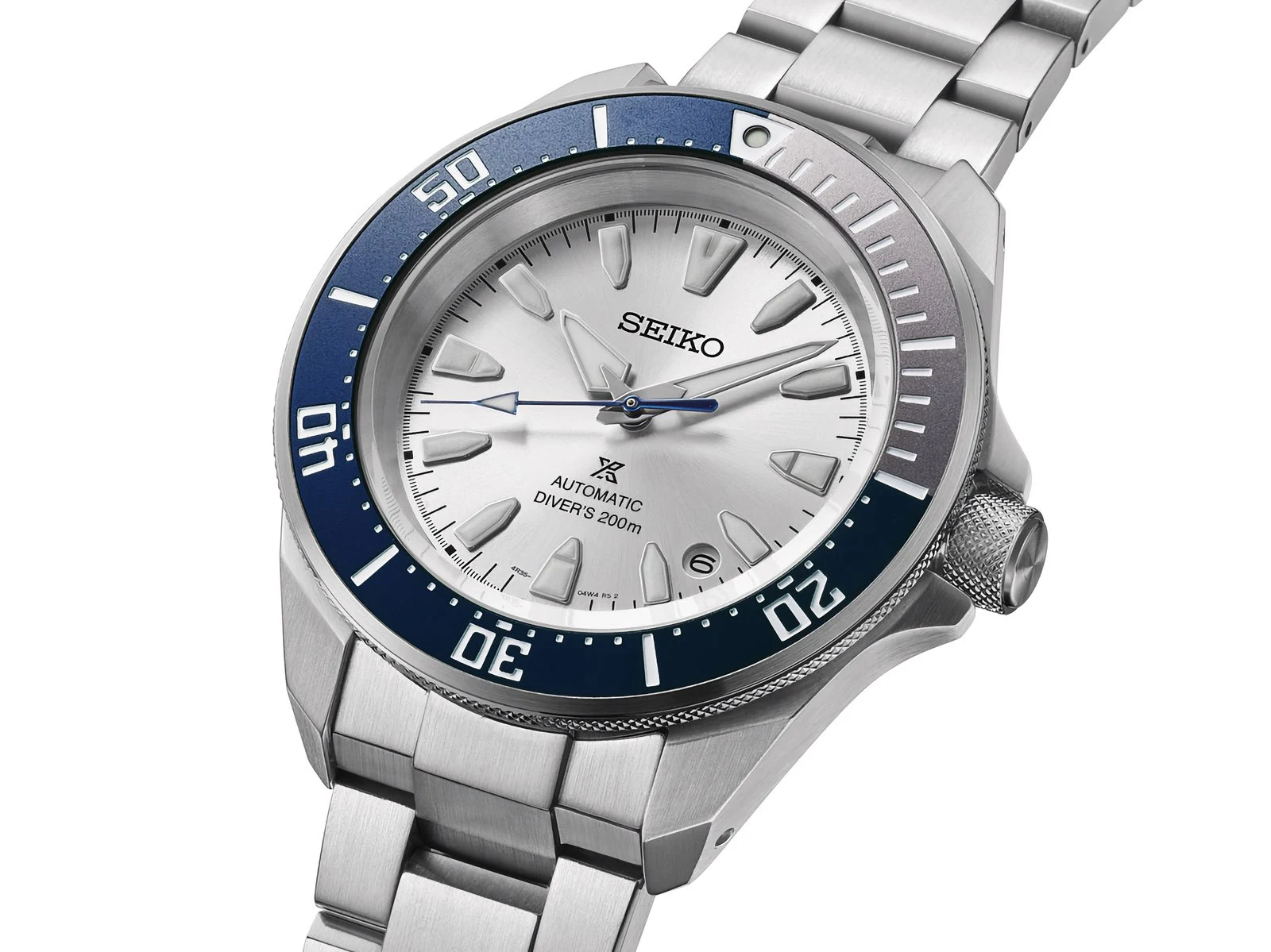
    – Seiko unveils two limited-edition Prospex dive watches for its 145th anniversary: HBB001 and HBC005, both featuring the signature Seiko Blue.
    – HBC005: premium 40mm stainless steel case, Caliber 6R55, 72-hour power reserve, 300m water resistance, inspired by Seiko’s 1965 first diver.
    – HBB001: larger 41.7mm stainless steel case, Caliber 4R35, ~41-hour power reserve, 200m water resistance, dual-tone rotating bezel, about $800 cheaper than the HBC005.
    – Availability in June across US, Japan, UK, Australia, and Europe; pricing varies by market.

    Seiko hits 145 this year, and marks it by rolling out a batch of special edition watches across Prospex, Astron, and Presage lineups. We’ve already seen the Astron HAB004 Anniversary edition and the likes of Prospex Speedtimer SRQ059 and King Seiko SJE121. Now, the Japanese maker has announced two fresh limited edition dive watches: the Prospex HBB001 and the Prospex HBC005.

    Anniversary lineup

    Seiko is rolling out these two divers with a clean look, but the real star of the show is “Seiko Blue.” It’s a signature deep blue hue baked into the brand’s identity since the 1960s. On the HBB001, it provides a fun dual-tone rotating bezel. On the HBC005, that same blue hits the unidirectional bezel and seconds hand, creating a brilliant contrast against a crisp, silver-white dial.

    Seiko Blue details

    The HBC005 is the more premium and powerful of the two, sporting a Caliber 6R55 automatic movement that delivers a respectable 72-hour power reserve. Its 40mm stainless steel case nods to Japan’s very first diver’s watch released in 1965, keeping an iconic yet compact vibe. Being a dive watch, the HBC005 also offers 300 meters of water resistance.

    Performance and dimensions

    By comparison, the Prospex HBB001 wears a slightly bigger 41.7mm stainless steel case. It runs on the Caliber 4R35 automatic movement, with about a 41-hour power reserve. Its 200 meters water resistance sits a notch lower than the HBC005, and yet the HBB001 lands roughly $800 cheaper.

    The Seiko Prospex HBC005 and HBB001 are slated to go on sale in the US, Japan, the UK, Australia, and Europe in June. Pricing across markets are as follows:


    Sources
  • Asus Launches Refreshed ROG NUC Gaming Mini PC at a High Price

    Asus Launches Refreshed ROG NUC Gaming Mini PC at a High Price

    Key Takeaway

    – CPU upgrade: Intel Core Ultra 200HX Plus powers the 2026 ROG NUC 15; GPU remains unchanged from the last generation.
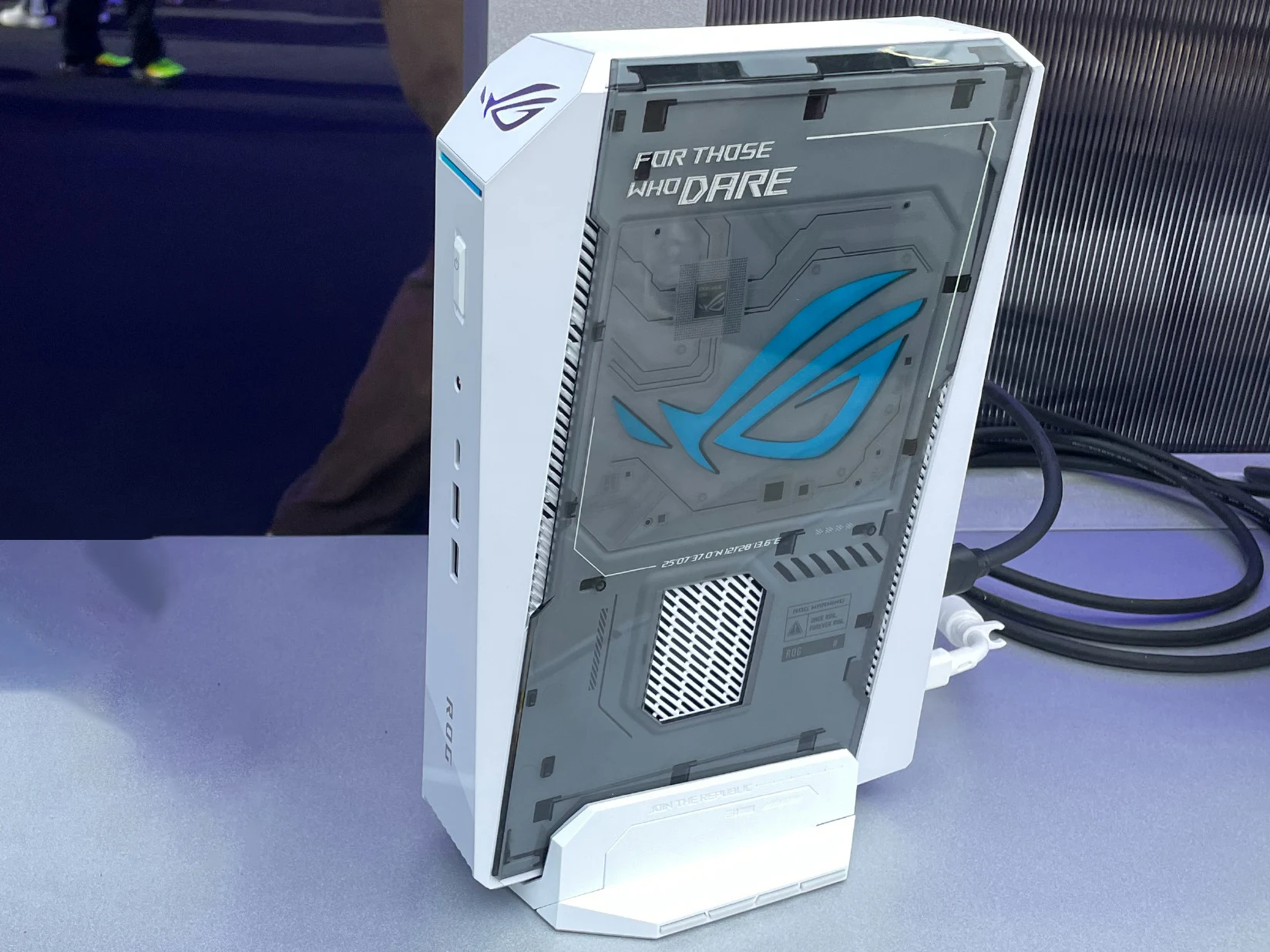
    – Design update: bolder “For Those Who Dare”/ROG branding and a patented removable stand that cradles the chassis.
    – Specs and connectivity: DDR5 RAM, PCIe 5.0 storage, silent cooling, WiFi 7, Bluetooth 5.4; front ports include 2x USB-A and 1x USB-C.
    – Availability and pricing: China starts at CNY 29,999 (~$4,421) with a white version at CNY 30,999 (~$4,569); global configurations and launch details not disclosed.

    Asus has launched the successor to the 2025 ROG NUC 15, and as we previously speculated, the main difference is that the recently released Intel Core Ultra 200HX Plus series powers the gaming mini PC. The GPU department, however, hasn’t seen an upgrade.

    Overview

    The design has also seen a notable change, with the 2026 ROG NUC coming with more prominent “For Those Who Dare” and ROG branding. Beyond these two, Asus notes that the brand-new mini PC comes with a patented removable stand that cradles the chassis rather than just a screw-on fit.

    Design updates

    Other than these, the rest of the system specs appear to be the same as the last-gen ROG NUC 15 (top-end option curr. around $3,399).

    Specifications snapshot

    Among the highlights are DDR5 RAM and PCIe 5.0 storage, both promising high-speed performance. The system is equipped with a silent cooling setup, and there are WiFi 7 and Bluetooth 5.4 for wireless connectivity.

    Key features

    Port-wise, Asus highlights the rich configuration of the 2026 ROG NUC. The front appears to have two USB Type-A and one USB-C, while the back features the following:

    Ports and layout

    In China, the refreshed ROG NUC mini PC starts at CNY 29,999, which is around $4,421. There’s a new white version available, costing CNY 30,999, about $4,569.

    Pricing in China

    Asus has yet to share details on the available configurations and plans for the global launch.


    Sources

  • Google Ends Free Service Youve Had Since 2013

    Google Ends Free Service Youve Had Since 2013

    Key Takeaway

    – Google is testing 5 GB default storage for some new Gmail accounts, down from the traditional 15 GB.
    – The change aims to preserve service quality and push users toward stronger security and data recovery practices, while curbing multi-account storage abuse.
    – Existing accounts are unaffected during the test; the rollout could be regional or someday global depending on results.
    – The move aligns with comparable offerings from others (e.g., Microsoft) and follows subtle shifts in Google’s storage messaging.

    For nearly two decades, signing up for a Google account has meant walking away with 15 gigs of free cloud storage. That number, which was shared across Gmail, Drive, and Photos, has been one of the more reliable constants in consumer tech over the years. It may not stay that way for much longer.

    Update on storage policy

    Google has confirmed it is currently testing a reduced storage allocation for newly created Gmail accounts in certain regions, where some users will receive just 5 GB by default instead of the standard 15 GB. The test was first flagged by user reports on Reddit before Google acknowledged the experiment directly to Android Authority. The company added that it is evaluating the new policy to maintain service quality — at the same time, it will also push users toward better account security and data recovery practices.

    Regions and rollout

    As of writing, Google has not disclosed which regions are part of the trial. However, early reports hint that the rollout has been concentrated in parts of Africa. Existing accounts are unaffected for now.

    Background to the change

    This move does appear to be at least partly geared towards curbing the practice of creating multiple accounts to stack free storage. If that wasn’t clear already, Google’s own support page has been quietly updated since February to describe storage as up to 15GB. It’s not hard to discern that the company had been laying the groundwork for this change for some time.

    Why it matters

    Whether the 5 GB stays regional or eventually becomes the global default for new sign-ups will depend on how the test plays out. For reference, other providers like Microsoft Outlook also bundle 5 GB of free storage with new accounts.


  • Casio MTG-B4000 Carbon Fiber Watch with Triple G Resist

    Casio MTG-B4000 Carbon Fiber Watch with Triple G Resist

    Key Takeaway

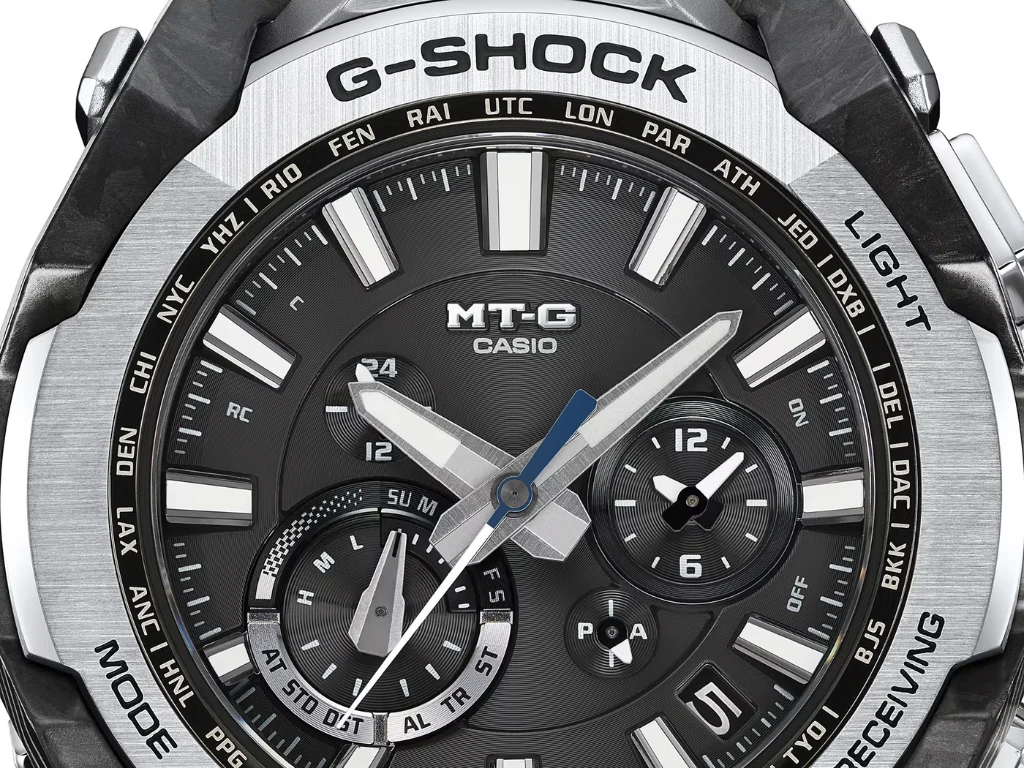
    – Casio expands MT-G with two new models (MTG-B4000B-1AJF and MTG-B4000BD-1AJF) featuring a carbon laminate frame and AI-assisted Dual Core Guard design with Triple G Resist.
    – Distinct bands: MTG-B4000B-1AJF uses a resin band with red accents; MTG-B4000BD-1AJF uses a Layer Composite Band (stainless steel + carbon fiber) and is heavier.
    – Shared tech: MultiBand 6, Bluetooth with the Casio Watches app, world time for ~300 cities (38 zones + UTC standalone), Tough Solar, 20 BAR water resistance, and sapphire glass.
    – Availability and pricing: launched May 15, 2026 in Japan; MTG-B4000B-1AJF at ¥176,000 (~$1,110) and MTG-B4000BD-1AJF at ¥203,500 (~$1,284).

    Alongside the new GBX-H5600 lineup, Casio has also launched two new additions to its premium MT-G line in Japan — the MTG-B4000B-1AJF and MTG-B4000BD-1AJF. Previously announced earlier this year, both are now available to purchase, with a new construction aproach that utilizes both carbon fiber and stainless steel with AI-assisted engineering.

    Construction & AI

    The centerpiece of both models is the carbon laminate frame — layers of carbon fiber sheet and fiberglass pressed into complex three-dimensional shapes that practically define the watch’s entire profile. You also get a stainless-steel bezel finished with a mix of hairline and mirror polishing, then treated with Black IP coating. The back cover is formed using MIM (Metal Injection Moulding) for precise, protective shaping. The case/bezel material on both variants is carbon fiber reinforced resin, paired with stainless steel.

    Casio also adds that the underlying Dual Core Guard structure was developed with the help of AI, making use of accumulated shock resistance data to optimize the design. Both watches carry Triple G Resist certification, covering shock, centrifugal gravity, and vibration resistance.

    Band Variants

    The two variants can be easily differntiated by their bands. The MTG-B4000B-1AJF uses a resin band with vivid red accents woven through the carbon frame and dial, while the MTG-B4000BD-1AJF steps up to a Layer Composite Band — alternating layers of stainless-steel and carbon fiber reinforced resin — with Black IP treatment on the band as well. The BD variant is heavier for this reason, coming in at 178 g vs 112 g for the B variant.

    Both share the same case dimensions of 56.6 × 45.3 × 14.4 mm, anti-reflective-coated sapphire glass, a screw-lock crown, and Neobrite luminous treatment.

    Tech & Features

    Both models feature MultiBand 6 radio wave reception covering Japan, North America, Europe, and China, alongside Bluetooth connectivity for automatic time syncing via the Casio Watches app. App pairing unlocks world time for around 300 cities, automatic time correction, Time & Place logging, watch status display, self-check, and phone finder. Standalone, the watches support 27 cities across 38 time zones plus UTC.

    Both run on Tough Solar, rated at approximately 5 months of operation from a full charge without solar generation, or up to 18 months in power-saving mode. Water resistance is rated at 20 BAR.

    Launch & Pricing

    Both models launched on May 15, 2026 in Japan, manufactured domestically. The MTG-B4000B-1AJF is priced at ¥176,000 (~$1,110) while the premium MTG-B4000BD-1AJF with its Layer Composite Band is priced at ¥203,500 (~$1,284).


    Sources

  • How Smart Is a Smart Irrigation Controller

    How Smart Is a Smart Irrigation Controller

    Key Takeaway

    – Most inexpensive devices offer basic schedule-based watering with no automatic weather or soil adaptation, risking overwatering and waste.

    – Truly intelligent irrigation uses data (weather, soil moisture, plant type, solar radiation/evapotranspiration) to adjust watering automatically.

    – Connectivity (Wi-Fi/Bluetooth/ZigBee) enables remote control, but the best systems automate in the background and respond to conditions rather than requiring constant manual tweaks.

    – Advanced options include open-source/OpenSprinkler for large multi-valve setups and flow-meter-equipped models (e.g., LinkTap G2S) that detect leaks/pump failures and shut off water with alerts.

    For many, an intelligent irrigation system probably needs to be able to do one single thing: water plants to an extent that provides them with sufficient moisture without any manual intervention, while at the same time not flooding the entire property. Not too difficult a task, you might think? Well…

    Overview

    Anyone who searches Google for “intelligent irrigation” receives suggestions for irrigation controllers in abundance. This includes particularly inexpensive models, such as the one that will be presented below as representative of this group.

    Budget options

    The “Insoma Automatic Water Timer Intelligent Irrigation System Sprinkler Timer” is by far the cheapest device that advertises “intelligent features,” costing around $20 on Aliexpress (as part of a welcome offer). It enables watering on a schedule (start time, duration, and frequency), manual watering for a specific time, and pausing irrigation during rainy periods.

    However, these settings must be made directly on the device; there is no automatic adjustment of the intensity depending on the season or weather. If, for example, you are away from home for a longer period of time (or if you neglect to take care of the irrigation controller for other reasons), it can certainly happen that the plants are watered much more heavily than would actually be necessary based on the weather conditions. Due to the power and water consumption, this is not only unnecessarily expensive but also a pointless burden on the environment.

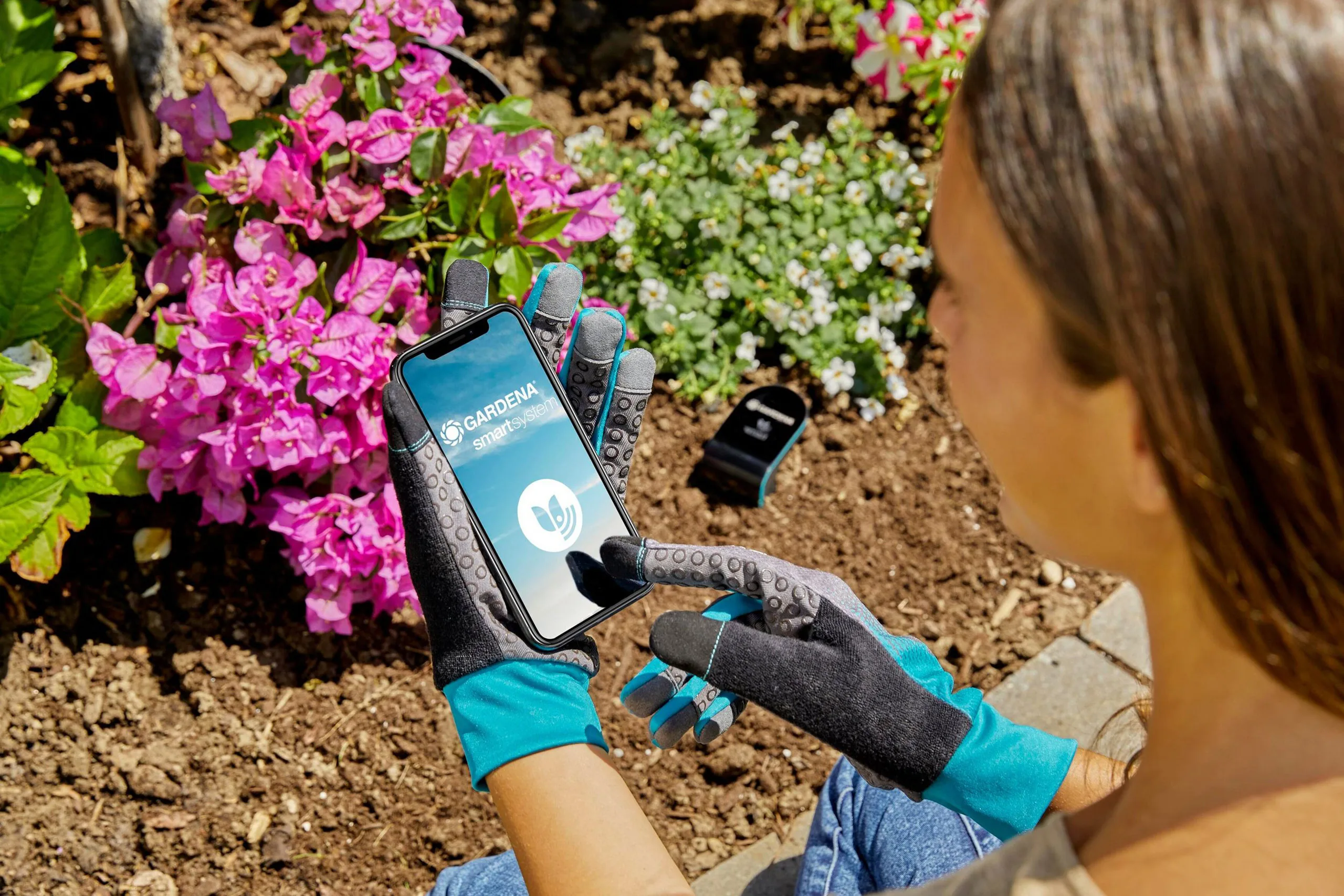
    These devices are equipped with at least one wireless module and can thus usually be connected to your own network via Wi-Fi, Bluetooth, or ZigBee. They often have the same functions as classic irrigation timers (irrigation on a schedule), but allow you to change them on the go via smartphone. This is practical, for example, for adjusting the watering intensity while on vacation. But who really wants to monitor the weather at home while on vacation and then manually change the schedule?

    Connectivity and control

    Wouldn’t it be much nicer if the irrigation system could do this independently based on weather or moisture data? Truly intelligent systems go even one step further: They also take into account parameters such as soil conditions, plant type, and solar radiation (and thus evapotranspiration). The algorithm then knows whether thirsty tomatoes in sandy soil or an undemanding lawn on clay soil needs to be watered right now.

    Depending on your own preferences (e.g., local control and true integration into the smart home vs. a closed ecosystem), a wide variety of solutions can be found. Be it irrigation controllers for large systems with multiple valves (the open-source solution OpenSprinkler should be mentioned here) or devices for direct mounting on the tap, such as the LinkTap G2S.

    The latter in particular shows what really justifies the term “smart”. It not only has the functions mentioned above but also a built-in flow meter. If the garden hose bursts or the pump suddenly stops delivering water, this anomaly is detected by the system, the valve is immediately closed, and a warning is sent to the smartphone, instead of flooding the garden in the first case, for example. Such systems not only water on demand instead of rigidly according to a schedule, but also offer additional protection against unpleasant surprises.


    Sources

  • Casio GBX-H5600 Fitness Tracking Watch Now Available to Buy

    Casio GBX-H5600 Fitness Tracking Watch Now Available to Buy

    Key Takeaway

    – Casio’s GBX-H5600 is the first G-LIDE model with an optical heart rate sensor, launching in Japan at ¥44,000; blue variant is sold out, black still available.
    – Design/tech: semi-transparent bezel with carbon fiber reinforced center, 47 g weight, 51.1 × 44.5 × 17.3 mm, high-res MIP LCD with full-dot display and tide graph imagery.
    – Health/features: optical HR (30–220 bpm), sleep recovery analysis, SpO2, steps, breathing, and activity logging (running/walking/gym); tide graph supports up to 3,300 points when paired.
    – Connectivity/power: Bluetooth to Casio Watches app for notifications, GPS-assisted distance correction, training analysis, world time; hybrid USB/solar charging, 35 hours HR-active to 11 months power-saving.
    – Specs/water resistance: 20 BAR water resistance; sunrise/sunset and moon phase data; available now on Casio Japan site.

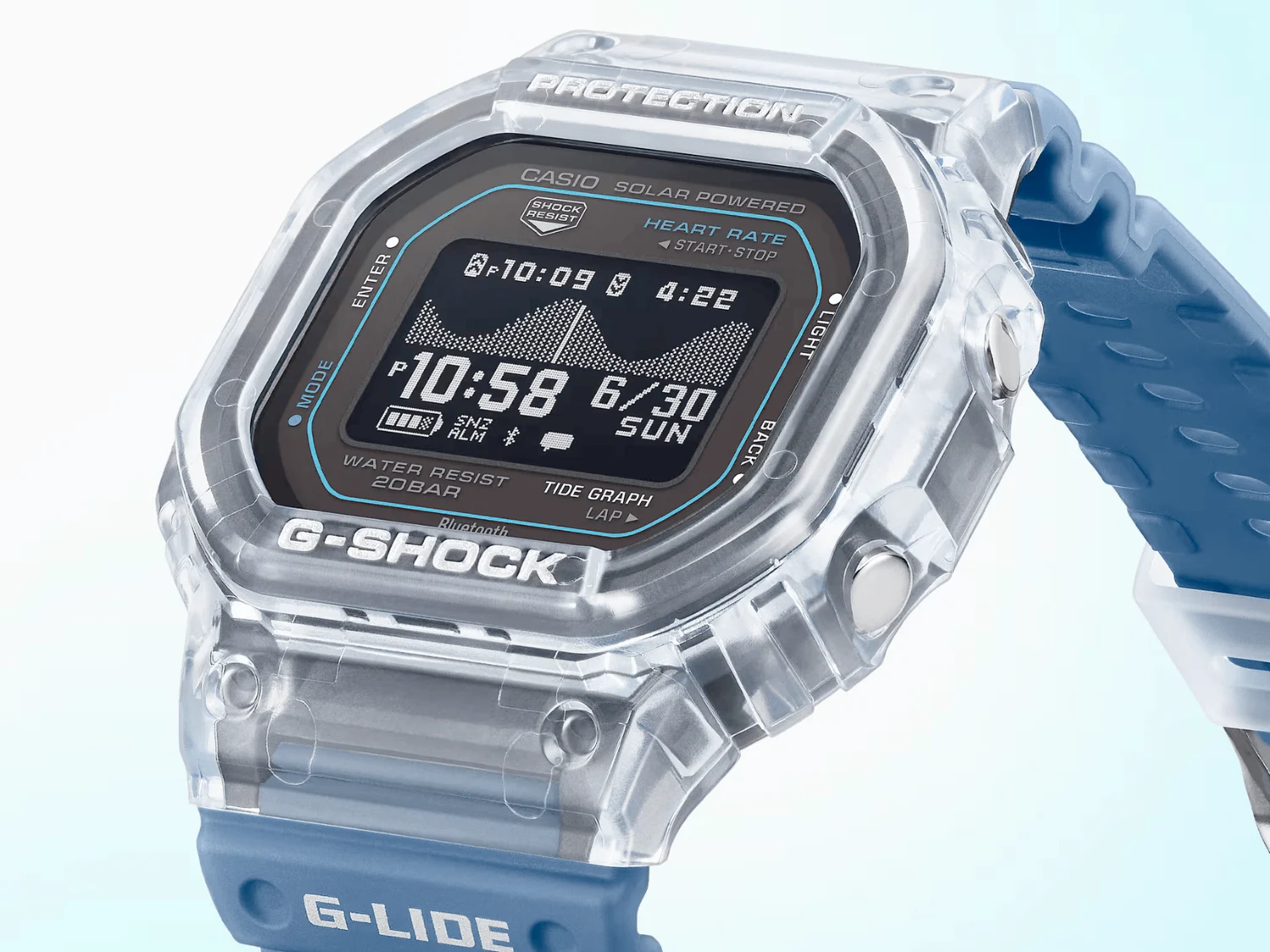
    Casio has now officially made the G-Shock GBX-H5600 series available to buy in Japan — this is a major launch too, since it’s the first G-LIDE model in the brand’s surf-oriented sub-line to feature an optical heart rate monitor. The two variants, the GBX-H5600-1JR and GBX-H5600-2JR, are priced at ¥44,000 (tax included) each. However, demand has already outpaced supply: the blue GBX-H5600-2JR is currently out of stock on Casio’s official online store, with only the black GBX-H5600-1JR still available to order.

    Availability in Japan

    Both variants feature a semi-transparent see-through bezel with a carbon fiber reinforced resin center case — the watch weighs just 47 g at 51.1 × 44.5 × 17.3 mm. It uses a high-resolution MIP (Memory In Pixel) LCD with wide viewing angles and a high-contrast full-dot display capable of rendering the tide graph wave imagery associated with the G-LIDE line.

    Display and Build

    The GBX-H5600 packs an optical heart rate sensor and a 3-axis accelerometer, which enables heart rate monitoring (30–220 bpm), sleep tracking with recovery analysis, blood oxygen measurement, step counting, breathing exercises, and detailed activity logging across running, walking, and gym workouts. Tide graph functionality covers up to 3,300 worldwide points when paired with a smartphone, alongside sunrise/sunset times and moon phase data.

    The watch connects via Bluetooth to the Casio Watches app. Doing so lets you access notifications, GPS-assisted distance correction, training analysis, and world time for around 300 cities. Power comes from a hybrid USB and solar charging system, and battery life ranges from 35 hours with heart rate active to up to 11 months in power-saving mode. Water resistance is rated at 20 BAR.

    The GBX-H5600 series is now live on Casio’s Japan website at ¥44,000 (approx. $277). As mentioned earlier, the blue variant is already sold out, with no restock date announced just yet.

    Casio continues to push the G-LIDE line with this model, signaling a global expansion may follows.


    Sources