
Tag: Sigma BF

  • Sigma BF Teardown: Tiny Full-Frame Camera for Minimalists

    Sigma BF Teardown: Tiny Full-Frame Camera for Minimalists

    Key Takeaway

    – Sigma BF distinguishes itself with a minimalist aluminum unibody, a large touchscreen, touch-sensitive controls, and a small OLED settings display, setting it apart from rivals like the Panasonic S9.
    – The internals are densely packed and the rear display is glued (removable with heat), with a rubber-bottom cover hiding ten screws for access.
    – Servicing is time-consuming: disassembly involves removing multiple boards, ribbon cables, and screws before reaching the mainboard and the full-frame sensor.
    – Spare parts are not sold directly to end users, hindering DIY repairs and requiring Sigma-provided parts for any maintenance.

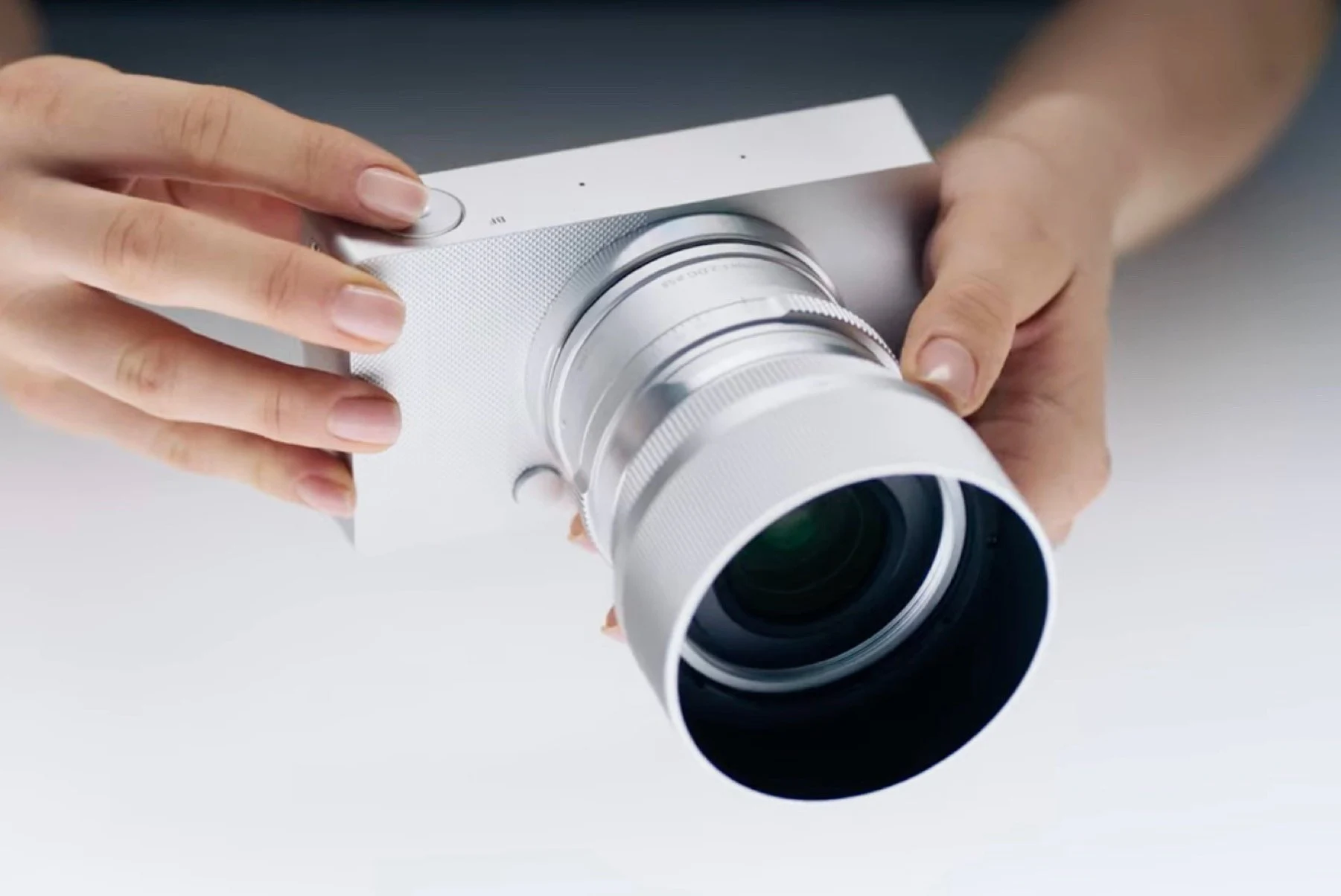
    The Sigma BF ($2,199) differs from competitors such as the Panasonic Lumix S9 primarily due to its minimalist aluminum unibody housing. With a large touchscreen, touch-sensitive buttons and a small OLED secondary display that shows settings, the Sigma BF’s operation and design are unlike any other camera on the market. The chassis feels cool to the touch, precise in its tolerances, and it communicates a sense of rugged simplicity that photographers either love or hate based on their preferences.

    Overview

    Kolari, which specializes in infrared conversions, reveals what the camera’s inner workings look like in a teardown. While the chassis is milled from a block of aluminum, there is a rubber cover on the bottom, under which a total of ten screws can be found. Once all these screws are loosened and a cable disconnected, the rear display can be removed.

    Disassembly Notes

    This is glued into the body in a similar way to a smartphone, but if the adhesive is heated with a hot air dryer, the screen can be removed without any major problems. To disassemble the camera further, numerous small boards, ribbon cables and screws have to be removed before the mainboard and ultimately the full-frame sensor can be taken out of the housing.

    This is not particularly complicated, but it is time-consuming. However, in order to repair the camera by yourself, Sigma would have to offer spare parts, which are not currently sold directly to end users. The multi-layered construction of the interior shows that Sigma has used every millimeter in the housing effectively.
    Sources

  • Sigma BF Teardown: Inside the tiny full-frame camera

    Sigma BF Teardown: Inside the tiny full-frame camera

    Key Takeaway

    – Sigma BF costs about $2,199 on Amazon and stands out with a minimalist aluminum unibody, a large touchscreen, touch-sensitive buttons, and a small OLED secondary display.
    – Kolari’s teardown shows an aluminum chassis, a rubber bottom cover with ten screws, and a rear display glued into the body that can be removed with heat.
    – Disassembly is time-consuming, requiring removal of many small boards, ribbon cables, and screws before reaching the mainboard and full-frame sensor.
    – DIY repairs are limited by Sigma not offering end-user spare parts, despite the dense, space-efficient interior design.

    The Sigma BF ($2,199) differs from competitors like the Panasonic Lumix S9 mainly due to its minimalist aluminum unibody housing. With a large touchscreen, touch-sensitive buttons and a small OLED secondary display that shows settings, the Sigma BF’s operation and design is unlike any other camera on the market.

    Unconventional Build

    Kolari, which specializes in infrared conversions, shows what the camera’s inner workings look like in the teardown video embedded below. While the chassis is milled from a block of aluminum, there is a rubber cover on the bottom, under which a total of ten screws can be found. Once all these screws have been loosened and a cable disconnected, the rear display can be removed.

    Internal View

    This is glued into the body in a similar way to a smartphone, but if the adhesive is heated with a hot air dryer, the screen can be removed without any major problems. To disassemble the camera further, numerous small boards, ribbon cables and screws has to be removed before the mainboard and ultimately the full-frame sensor can be taken out of the housing.

    Disassembly Nuances

    This is not particularly complicated, but it is time-consuming. Yet, in order to repair the camera by yourself, Sigma would have to offer spare parts, which are not currently sold directly to end users. The multi-layered construction of the interior shows that Sigma has used every millimeter in the housing effectively.


    Sources

  • Esquisse Retro Camera: Compact with Large Sensor & OLED Viewfinder

    Esquisse Retro Camera: Compact with Large Sensor & OLED Viewfinder

    Key Takeaways

    1. The Esquisse Camera features a simple design with high-quality materials, inspired by the Sigma BF and vintage styles.
    2. It is lightweight at 350 grams and offers a battery life of over 300 shots with 256GB of internal memory.
    3. The camera includes a 3-inch touchscreen and an OLED electronic viewfinder with 3.69 million dots.
    4. It has a 20-megapixel Micro Four Thirds sensor and supports various lenses, including Leica M-mount with adapters.
    5. Currently a concept, the Esquisse Camera is expected to launch in Q4 2026 with a target price below $2,000.


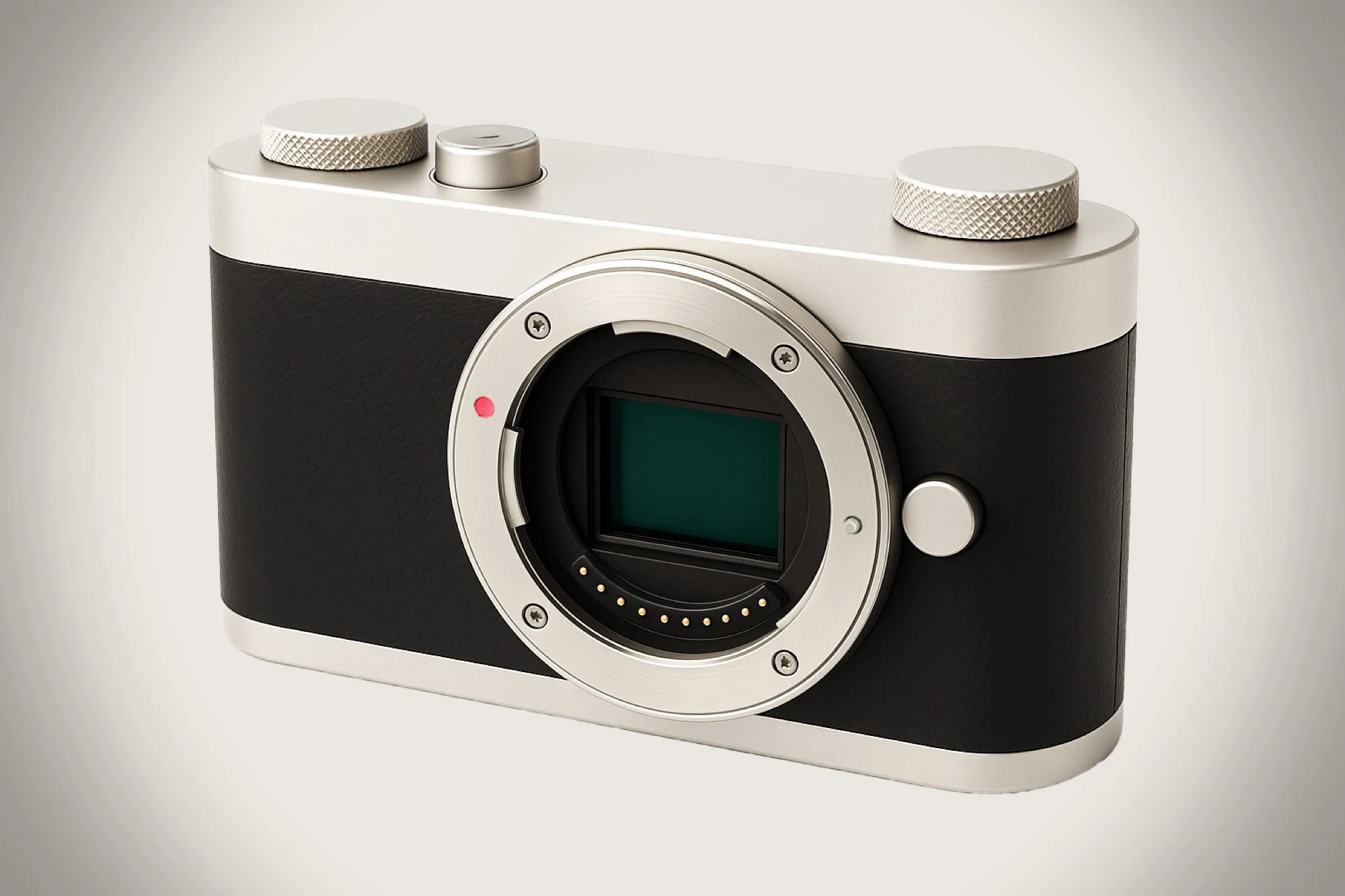
    The Esquisse Camera is designed to blend a simple look with high-quality materials, taking inspiration from the Sigma BF, while also featuring a vintage style, easy-to-use button arrangement that includes three control dials, and an electronic viewfinder. It measures 4.13 × 2.76 × 1.38 inches, making it smaller than competitors like the Sigma BF (priced at $2,199 on Amazon) and the Panasonic Lumix S9, which do not include an EVF.

    Lightweight and Functional

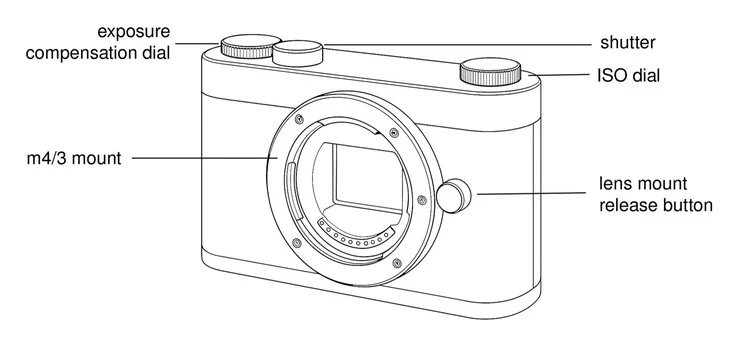
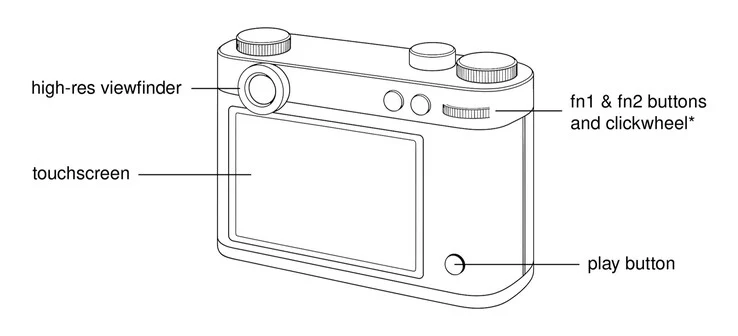
    Weighing only 350 grams, this camera is very light, yet its battery is said to last for more than 300 shots. Users can save images directly onto 256GB of internal memory. The design somewhat resembles the Leica CL, featuring aluminum plates on the top and bottom along with a black leather exterior that pays homage to traditional rangefinder cameras. The two dials on top adjust the sensor’s light sensitivity (ISO) and exposure compensation, while a third programmable dial can be found on the back, alongside two Fn buttons and a play button.

    Advanced Features

    The camera is equipped with a 3-inch touchscreen and an electronic viewfinder that sports an OLED panel boasting 3.69 million dots. It also has a 20-megapixel Micro Four Thirds sensor capable of capturing a dynamic range of 13 stops. A wide variety of lenses are available for the Four Thirds mount, and adapters allow for compatibility with other lenses, including those made for Leica M-mount.

    At this point, the Esquisse Camera remains a concept. The manufacturer is currently working on a prototype, and as per the latest plans, deliveries are expected to start in the fourth quarter of 2026. The company aims to keep the price below $2,000. Since it’s still in development, both the launch date and the price may be subject to alterations.

    Source:
    Link


  • Sigma BF Full-Frame Camera Debuts with Minimalist Design

    Sigma BF Full-Frame Camera Debuts with Minimalist Design

    Key Takeaways

    1. Minimalist Design: The Sigma BF features a unique single-piece aluminum body with a simple control scheme, including one dial and three haptic buttons for ease of use.

    2. Advanced Functionality: It includes a 35 mm sensor and a hybrid autofocus system that can track subjects in low light, along with a wide ISO range and multiple color modes.

    3. High-Quality Video Recording: The camera supports 6K and 4K video recording with electronic stabilization, offering various formats and advanced exposure settings.

    4. Compact and Lightweight: With dimensions of 130.1 x 72.8 x 36.8 mm and a weight of 446 g, the Sigma BF is designed for portability while maintaining compatibility with L-Mount lenses.

    5. Pricing and Availability: The Sigma BF is set to launch in April 2025 with a price of $1999, available in black or silver, catering to both creative photographers and videographers.


    Sigma has introduced the Sigma BF, a 24.6 MP full-frame mirrorless camera designed to allow photographers to emphasize their creativity instead of dealing with complicated controls, thanks to its minimalist approach.

    Innovative Design

    The journey toward simplicity starts with a body crafted from a single piece of aluminum, marking a first in the camera world. The BF features a streamlined control scheme, consisting of just one dial and three pressure-sensitive haptic buttons at the back, alongside a shutter release on top. The 2.1 M dots screen primarily displays the live view, while a smaller monochrome status monitor positioned above the rear dial shows the chosen settings, like shutter speed.

    Modern Functionality

    Even with its straightforward design, the Sigma BF packs contemporary functionalities. The 35 mm sensor works hand-in-hand with a hybrid autofocus system that combines contrast and passive autofocus, capable of tracking both human and animal subjects in lighting as low as -5 EV, with an ISO range from 6 to 102,400. It supports full manual settings and offers 13 color modes, allowing for image capture as 6,016 x 4,012 pixel 14-bit RAW or JPEG files at a speed of up to 8 frames per second.

    Video Capabilities

    For videographers, this camera can record electronically-stabilized 6K and 4K footage at a frame rate of up to 29.97 fps, and 2K videos at rates as high as 119.88 fps. Videos with stereo sound can be saved in H.264, HEVC H.265, or L-Log formats onto 230 GB of built-in storage. In video mode, the camera’s base ISO is set at 1,250. Users can also activate a selectable histogram, zebra pattern, and false color monitors to help with video exposure settings.

    Specifications and Compatibility

    The dimensions of the camera are 130.1 x 72.8 x 36.8 mm (5.1 x 2.9 x 1.4 in.) and it weighs 446 g (15.7 oz.) including the battery. It is compatible with L-Mount lenses, featuring nine updated Sigma I series prime lenses ranging from 17mm to 90mm, which have been re-released with new color options and product names but maintain the same optical performance.

    Availability and Pricing

    The Sigma BF is set to launch in April 2025, available in black or silver colors, with a projected MSRP of $1999.

    Source:
    Link