Author: GizNews

  • Gigabyte Unveils 3 Gaming Monitors with Tandem OLED & Mini LED

    Gigabyte Unveils 3 Gaming Monitors with Tandem OLED & Mini LED

    Key Takeaway

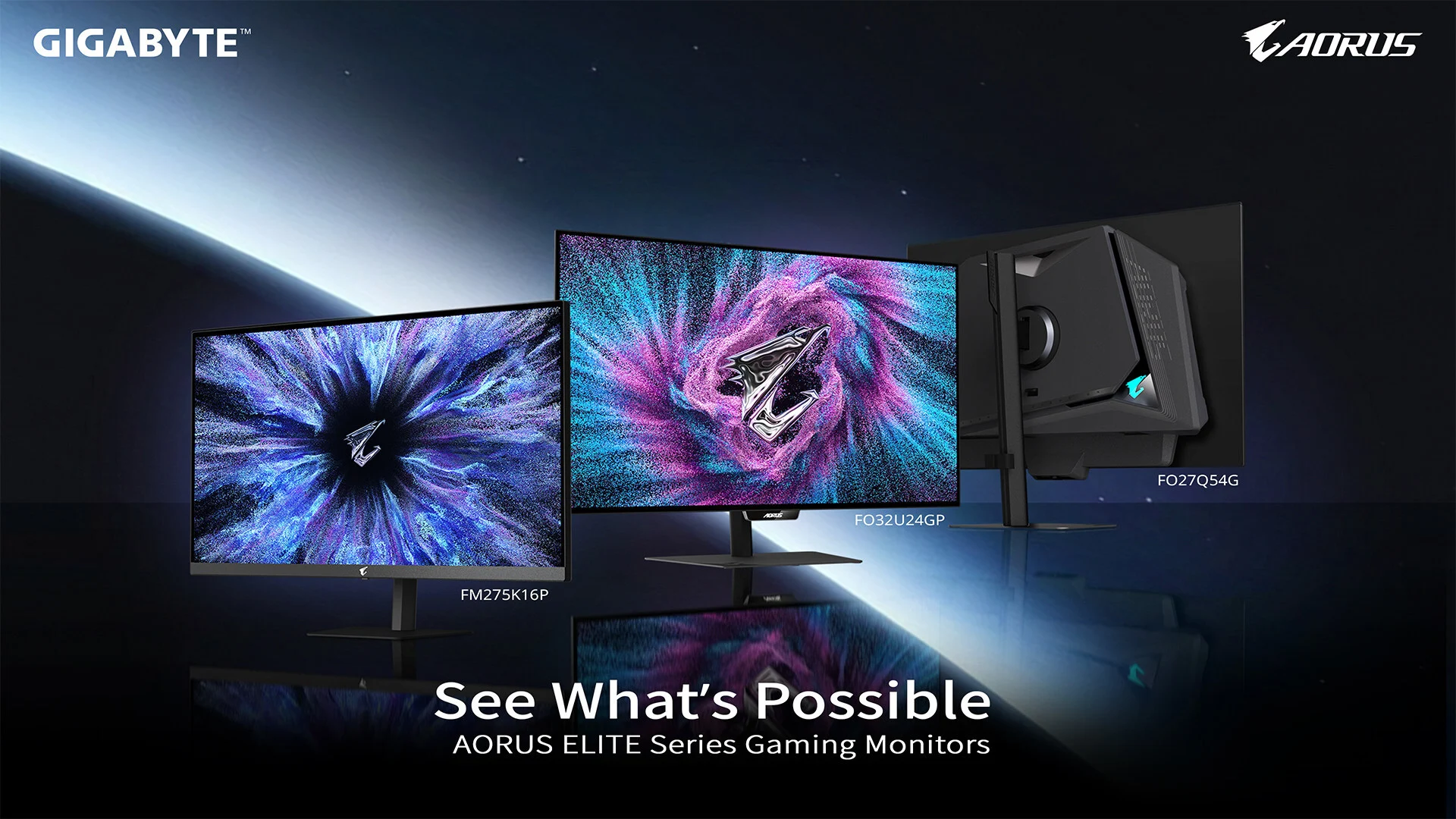
    1. Gigabyte launched three new Aorus Elite series gaming monitors at Computex 2026: the FM275K16P (27-inch 5K Mini LED), FO32U24GP (32-inch tandem OLED), and FO27Q54G (27-inch tandem OLED).
    2. The FM275K16P is the world’s first 27-inch 5K Mini LED glossy gaming monitor, featuring 2,304-zone local dimming and multi-mode resolution/refresh rate switching (5K 165 Hz, 4K 220 Hz, QHD 330 Hz).
    3. The FO32U24GP and FO27Q54G tandem OLED models offer HDR peak brightness up to 1,500 nits.
    4. All models include practical gaming tools like tactical HUD, tactical crosshair, AI OLED CARE Pro, adaptive light, auto pixel clean, and eye care reminder.
    5. Full specifications, pricing, and availability details have not yet been released.


    Computex 2026 is in full swing in Taipei, with major brands introducing their latest gaming monitors, including the latest Alienware AW3926QW, the AW3426DW, Asus’ new ProArt display lineup, LG’s brand-new 2,000-nit OLED gaming monitor and Asus’ world’s first 540 Hz OLED esports monitor. Now, Gigabyte also joins the party. The company has launched its latest Aorus Elite series gaming monitor lineup at Computex 2026.

    New Aorus Elite Series Models

    The company has introduced a total of three monitors under the new Aorus Elite series monitor lineup, namely the FM275K16P, the FO32U24GP, and the FO27Q54G. The former comes with a 27-inch 5K Mini LED panel, while the latter ships with 32-inch and 27-inch tandem OLED panels.

    Specs and Brightness Features

    The FM275K16P is advertised as the world’s first 27-inch 5K Mini LED glossy gaming monitor, which delivers Retina-level 218 PPI clarity, backed by 2,304-zone local dimming for precise contrast control. Furthermore, the multi-mode support enables seamless switching across 5K 165 Hz, 4K 220 Hz, and QHD 330 Hz. The FO32U24GP and the FO27Q54G tandem OLED panel-equipped monitors boast HDR peak brightness up to 1,500 nits.

    Practical Gaming Tools and AI Features

    Moreover, these models also ship with practical gaming tools, including a tactical HUD and tactical crosshair for clearer visibility and faster reactions. Other features include AI OLED CARE Pro, auto lock, adaptive light that adjusts brightness based on ambient conditions, automatic pixel clean, and eye care reminder.
    Pricing and Availibility unknown

    Gigabyte hasn’t revealed full specifications and pricing and availability details of these monitors yet. You can learn more about Gigabyte’s Computex 2026 announcements via its official website.

    • FM275K16P: 27-inch 5K Mini LED, 2304-zone dimming, multi-mode resolution
    • FO32U24GP: 32-inch tandem OLED, 1500 nits peak brightness
    • FO27Q54G: 27-inch tandem OLED, 1500 nits peak brightness
    • Tools: tactical HUD, tactical crosshair, AI OLED CARE Pro, auto lock, adaptive light
    Sources
  • Nvidia N1X vs Apple M5 Max: Expected Performance Gap

    Nvidia N1X vs Apple M5 Max: Expected Performance Gap

    Key Takeaway

    – Nvidia’s RTX Spark (N1X) is an ARM chip with up to 20 CPU cores and 6,144 CUDA cores, directly competing with Apple M5 Max and laptop CPUs from Intel/AMD/Qualcomm.
    – CPU single-core performance trails the Apple M5 Max by ~30% and Snapdragon X2 Elite by ~20%, but matches current Intel and AMD chips.
    – GPU performance is expected to sit between a GeForce RTX 5070 and 5070 Ti laptop GPU, outperforming Apple M5 Pro/Max in gaming but slightly behind in synthetic/creative tasks.
    – The fastest N1X variant operates at a TDP of 45-80W, enabling use in both mini PCs and future laptops.
    – First laptops with the N1X are expected in fall 2026, and its value depends on pricing relative to laptops with discrete RTX 5070 Ti or RTX 5080 GPUs.


    Nvidias New Chip Takes Aim at Apple and Intel

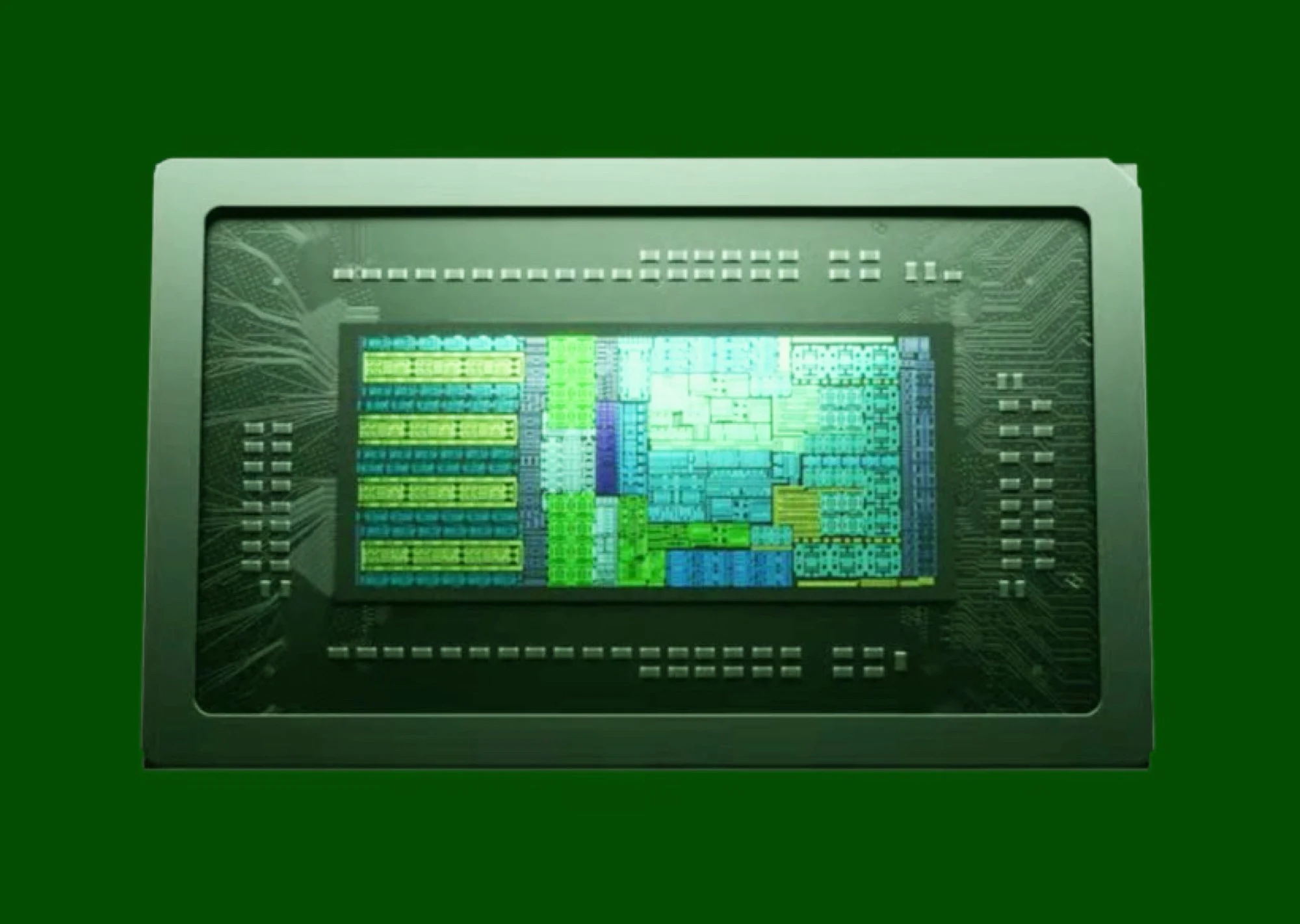
    At Computex, Nvidia presented a “new” chip that is directly competing against the Apple M5 Max and is therefore likely to compete with processors from Intel, AMD and Qualcomm in the laptop and mini PC segment. The Nvidia RTX Spark, also known as the Nvidia N1X, is practically identical on paper to the DGX Spark. This is because the Nvidia N1X also uses an ARM processor with 20 cores, a Blackwell iGPU with 6,144 CUDA compute units and up to 128 GB LPDDR5X memory. One new feature is that the chip will also be installed in laptops in the future. On the other hand, Nvidia is now also offering cheaper variants, including an N1X with 18 CPU cores and 5,120 shaders, as well as an N1 with either 10 or 12 processor cores and 2,048 to 2,560 CUDA cores. The fastest N1X can be operated with a TDP of 45 to 80 watts.

    Performance Expectations and Benchmarks

    While Nvidia has not published any benchmarks, the company is advertising the chip not only for AI applications, but also for gaming and creative professionals. The performance of the chip can already be estimated based on benchmarks of technically comparable products before the first laptops with N1X are expected to be launched on the market in fall 2026. As the comparison of the Nvidia GB10 with the current laptop processors of the competition shows, the single-core performance falls almost 30 percent behind the Apple M5 Max and almost 20 percent behind the Snapdragon X2 Elite, and is roughly on a par with the current chips from Intel and AMD. The multi-threaded benchmark shows a similar picture: the Nvidia N1X is almost a third slower than the Apple M5 Pro and Apple M5 Max, but is almost on a par with the Intel Ultra 9 290HX Plus.

    Graphics Power and Gaming Viability

    The performance of the graphics chip should be between the Nvidia GeForce RTX 5070 laptop GPU and the GeForce RTX 5070 Ti laptop GPU. Although the GPU of the N1X has slightly more compute units than the GeForce RTX 5070 Ti laptop GPU, it is operated with a significantly lower TDP and should therefore achieve lower GPU clocks. As our benchmarks show, the GPU should sit between the Apple M5 Pro and M5 Max in synthetic benchmarks and creative apps, while Nvidia should have the edge in games thanks to better drivers. After all, the Nvidia RTX Spark should far outperform both AMD Ryzen Strix Halo and the Snapdragon X2 Elite in terms of GPU performance.

    Cost and Final Considerations

    However, whether the chip will be worthwhile for gaming enthusiasts depends not least on how expensive it is compared to laptops with GeForce RTX 5070 Ti or RTX 5080 laptop GPUs. This preview only serves as a rough classification, as no laptops or mini PCs with Nvidia RTX Spark are yet available for testing.


    Sources

  • Google Pixel Watch 5 Certification Listing Leak

    Google Pixel Watch 5 Certification Listing Leak

    Key Takeaway

    – Pixel Watch 5 appears in BIS certification with four model numbers, likely representing 41mm/45mm sizes and Wi-Fi/cellular variants.
    – A near-pristine prototype was discovered while scuba diving in the Caribbean, confirming IP68 water resistance.
    – Design is identical to the Pixel Watch 4 based on leaked images.
    – The chipset is unclear: either a custom Tensor or Qualcomm’s Snapdragon Wear Elite.


    Underwater Discovery Shocks Tech World

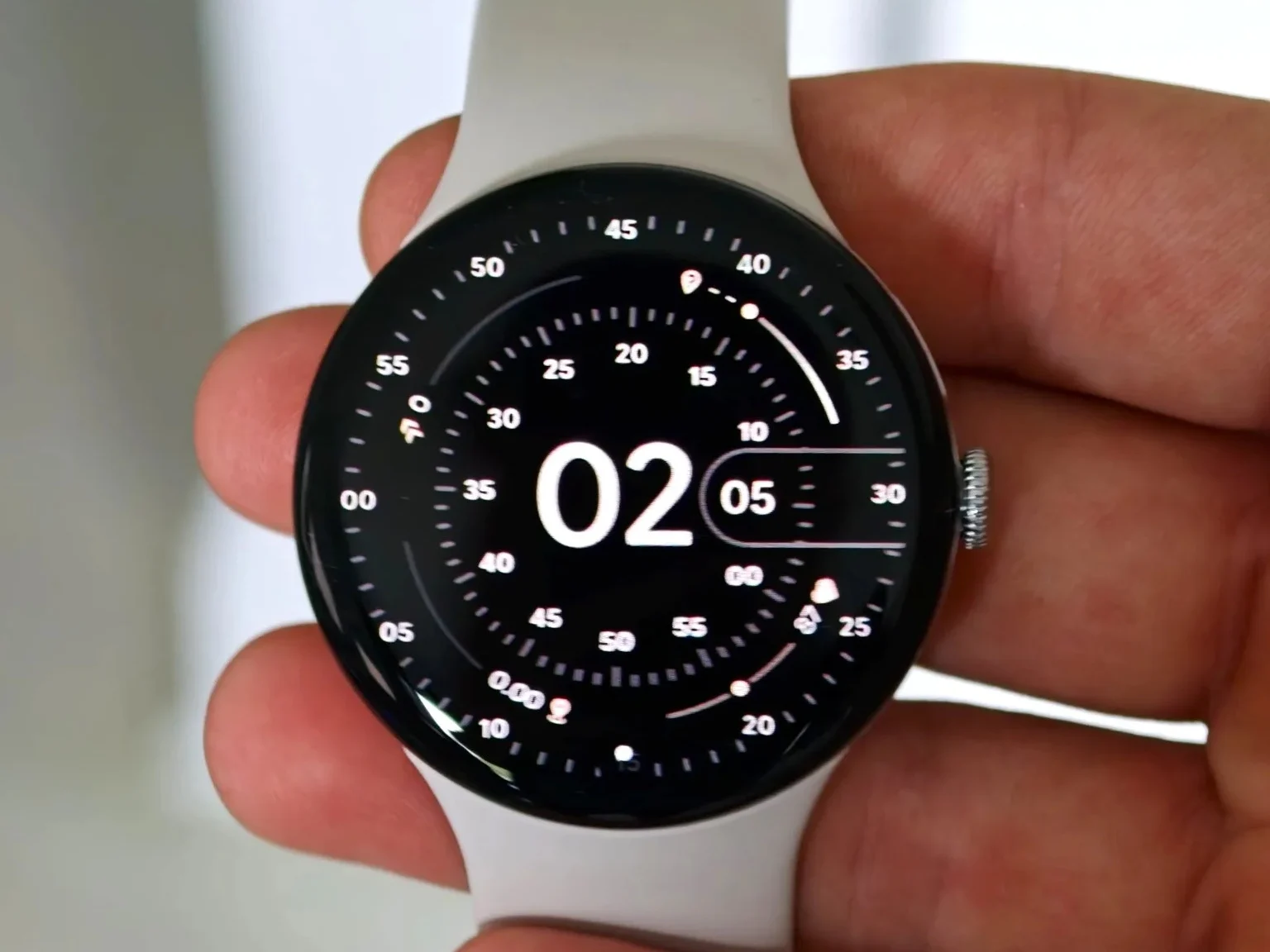
    A certification for the Pixel Watch 5 has emerged from India’s BIS agency, just one day a almost pristine prototype was discovered while diving in the Caribbean. Four model numbers are listed: G0F3Y, G1XJ6, G25QD, and GFW3R. These probably correspond to 41mm and 45mm sizes, plus Wi-Fi only and cellular trims. But at this stage, its still too early to pin down which number belongs to which version.

    Scuba diver stumbles upon prototype

    X user Randy Pitchford reported that a friend of his found a smartwatch while diving near Saint Martin island. Looking closely at the device, it turned out to be a Pixel Watch 5 based on the engraving on its back. For instance, the text clearly identifies it as the unreleased model. The discovery came just after a seperate dive yielded a similar find, making this a bizarre coincidence.

    Design unchanged and specs revealed

    From the leaked pictures, the Pixel Watch 5 looks identical to the Pixel Watch 4. The backplate also reveals other important details like IP68 ingress protection, which obviously kept salt water away from the internals. Apart from what we saw in these images, not much information is available about the upcoming wearable. Speculation suggest a custom Tensor chipset might power it, though Qualcomm recently announced the Snapdragon Wear Elite, so that could appear instead.

    Sources
  • Final Fantasy 7 Rebirth Switch 2 Review: Performance Still a Mess

    Final Fantasy 7 Rebirth Switch 2 Review: Performance Still a Mess

    Key Takeaway

    – Performance improvements over demo, but frame rates still drop into the 20s during intense battles.
    – Docked mode uses DLSS upscaling from 540p to 1080p; handheld mode targets 576p with noticeable visual cutbacks.
    – Common issues include blurry textures, reduced draw distances, regular pop-in, and occasional crashes.
    – Despite drawbacks, most reviews consider the port a technical achievement given the hardware limitations.
    – Port’s 86 Metacritic average trails the PS5 version (92) and Remake Intergrade on Switch 2 (89).


    Since the Final Fantasy 7 Rebirth Switch 2 port announcement, gamers have wondered how it would run on the handheld. A demo alleviated some fears, but also raised performance concerns. With reviews now out before the June 3rd release date, they give mixed impressions of visual quality and frame rates. Many players are crossing there fingers for a smooth experience, but early signs suggest a bumpy ride.

    Digital Foundry’s Technical Deep Dive

    Digital Foundry provided a detailed technical analysis of the Switch 2 game, noting gains over the demo. The demanding open-world RPG comes closer to maintaining its 30fps target. Stutters are less frequent, even in towns teeming with activity. That said, drops into the 20s still occur, particularly during intense battles. The outlet emphasized that while improvements where made, the game still struggles under heavy load.

    Resolution and Visual Cutbacks

    In docked mode, the title employs DLSS upscaling to boost resolution from 540p to a maximum 1080p. In handheld mode, Square Enix developers aim for a more modest 576p. Final Fantasy 7 Rebirth Switch 2 reviews highlight how cutbacks are especially apparent in the latter scenario. In either case, hair is pixelated, while NPCs and foliage have been stripped from some environments. This leads to a noticable drop in immersion when exploring the games lush landscapes.

    Harsh Criticism From Indy100

    Indy100 posted one of the most negative breakdowns of the game’s performance. Calling it “too ambitious” for the Nintendo console in its current state, the tester labels it as a “bit of a mess.” Textures often look blurry, with reduced draw distances showing the limitations of the hardware. More troubling, the journalist suffered multiple crashes during gameplay. They argued that the port feels rushed and unpolished compared to its PS5 counterpart.

    Pop-In and Enemy Glitches

    One common complaint in many Final Fantasy 7 Rebirth Switch 2 reviews is regular pop-in. Despite the optimization efforts detailed by director Naoki Hamaguchi, the glitches can be distracting when exploring. Breaking immersion, Nintendo Life also described how enemies on the horizon remain still until approaching at close range. This issue seems to plague both docked and handheld modes, making combat encounters feel less dynamic and more predictable.

    Overall Critical Reception

    Ultimately, even with performance drawbacks, most sites hail the port as a technical achievement. The Square Enix project stressed more powerful systems like the PS5 on its original 2024 release date. Yet, with an 86 Metacritic average, the port currently trails the PlayStation console version’s 92. Also, it’s slightly behind Remake Intergrade, which notched an 89 after its January debut on the handheld. Fans hoping for a flawless transition may need to adjust their expectations accordingly.

  • Garmin Update Adds Health History & Recovery Mode

    Garmin Update Adds Health History & Recovery Mode

    Key Takeaway

    – Garmin released the May 2026 Smartwatch and Cycling Computer Feature Update.
    – The update adds Gear Tracking and Bosch eBike smart system support on Edge devices (e.g., Edge 550, Edge 1050).
    – Premium golf features have already rolled out to Fenix E and Fenix 8 series via System Software 22.35.
    – More device updates are planned over the coming weeks, with no specific timeline provided.


    Garmin’s Recent Activity and New Updates

    Garmin has had a busy few months, with multiple product announcements and software updates having occured since its previous Feature Update. For instance, the company updated its Forerunner smartwatch series in mid-May with the release of the Forerunner 70 and Forerunner 170 (curr. $299 on Amazon). They also quietly improved the battery life on some older models but didnt announce this widely.

    Focus on Cycling Computers

    Now, it has returned with the May 2026 Smartwatch and Cycling Computer Feature Update. For some reason, Garmin has focused on the latter in its official announcement. Currently, it has only showcased added Gear Tracking and Bosch eBike smart system on Edge devices like the Edge 550 or Edge 1050. The Edge 550 is priced at $399.99 and the Edge 1050 is priced at $599.99. However, the May 2026 update is also said to include the following changes: new navigation alerts for dangerous turns, better integration with Di2 shifting, and improved climbpro profiles.

    • Gear Tracking now supports chain and cassette wear monitoring
    • Bosch eBike smart system compatibility for real-time battery and assist data
    • Automatic crash detection and live tracking improvements

    Rollout Status and Premium Features

    According to Garmin, these new features have already begun rolling out in some cases. For instance, the ‘premium golf features’ described in the comparison chart above appear to have already been expanded on the Fenix E and Fenix 8 series with the release of System Software 22.35. These golf features include improved hazard overlays and green contour maps, avaliable only on the higher-end models. The Fenix E starts at $799.99 while the Fenix 8 series ranges from $999.99 to $1,499.99 depending on size and materials.

    Upcoming Device Updates

    Garmin claims it will continue to update devices over the coming weeks. Unfortunately, it has not yet given any timescale for doing so. This is frustrating for users who rely on consistent firmware schedules. Please see the images above and below for more details, as well as Garmin’s official announcement. The company is expected to push these updates to other compatible models like the Venu 3 and Instinct 3 series in the near future.


    Sources

  • Asus unveils 4 OLED laptops with 25-hour battery life

    Asus unveils 4 OLED laptops with 25-hour battery life

    Key Takeaway

    – Asus refreshed the Vivobook S14 and S16 in January 2026 with AMD Ryzen AI 400, Snapdragon X2, or Intel Panther Lake chips.
    – Four new Vivobook models (S5408, S5608, TP5408, TP5608) now use Qualcomm’s older Snapdragon X (X1P-26-100) processor.
    – All four models are limited to 16 GB of soldered, non-upgradeable LPDDR5X RAM and up to 512 GB of PCIe 4.0 storage.
    – Despite size differences, all models have 50 Wh batteries, with Asus claiming over 25 hours of 1080p video playback at 150 nits.
    – Pricing and availability have not been announced yet.


    New Vivobook Models Announced

    Asus has returned to its Vivobook range with multiple new models. To recap, the company refreshed the Vivobook S14 and Vivobook S16 in January during CES 2026. As we discussed at the time, the company revealed AMD Ryzen AI 400 and Snapdragon X2 versions of the Vivobook S16, but only Intel Panther Lake versions of the Vivobook S14.

    Now, it has announced four new laptops built around Qualcomm’s older Snapdragon X (X1P-26-100) processor. Please note that Asus has informed us that the X1-26-101 mentioned on S14 and S16 product pages was done so in error. The four new Vivobook models are as follows:

    Processor and Display Details

    Confusingly, we have already reviewed the Vivobook S16 (S3607) with the same 8-core processor. The same goes for the Zenbook A14, which Asus has since replaced with Snapdragon X2-based models that we have already reviewed too. Setting that aside, Asus states that the S5408, S5608, TP5408 and TP5608 will be available with OLED displays.

    Unfortunately, all four will be limited to 16 GB of LPDDR5X RAM that is soldered and not user-upgradeable. Also, Asus plans to include up to 512 GB of PCIe 4.0 (M.2 2280) storage. All models will feature 50 Wh batteries too, despite the disparity in size between 14-inch and 16-inch models. Nonetheless, Asus claims over 25 hours of battery life when playing 1080p videos at 150 nits. The company has not confirmed pricing or availability yet, though.


  • Asus Unveils First NUC Mini-PC for Cloud Computing

    Asus Unveils First NUC Mini-PC for Cloud Computing

    Key Takeaway

    – Cheaper alternative to NUC 16 Pro with Intel Wildcat Lake processors
    – First “Cloud PC” device designed for Windows 365, requiring constant online connection
    – Available with Windows 365, Windows 11 Home, or Windows 11 Pro
    – Base model includes 8 GB RAM and 128 GB storage, supports up to 64 GB RAM and 2 TB storage
    – Pricing and availability still unknown


    Asus’s New Mini PC Revealed

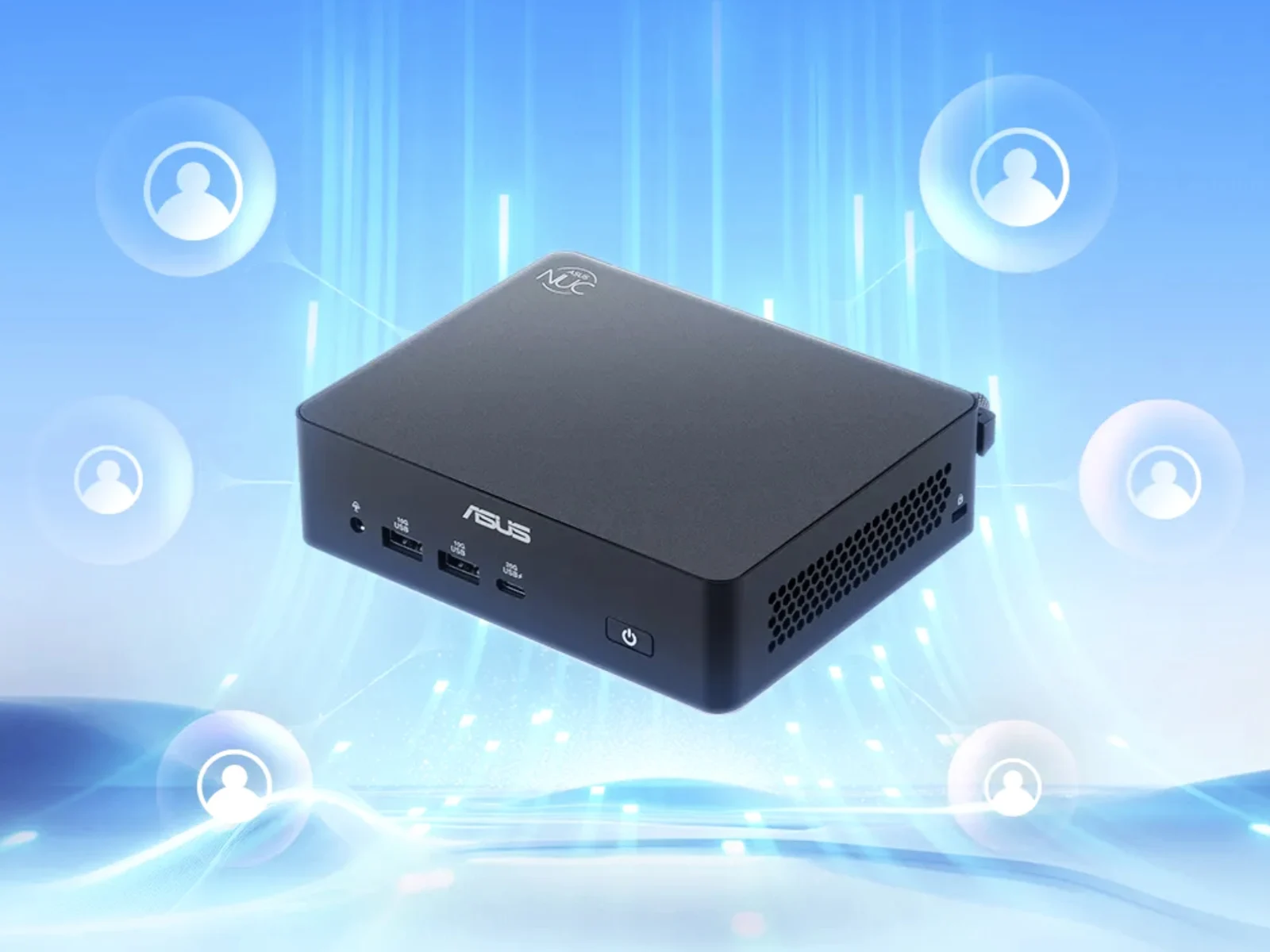
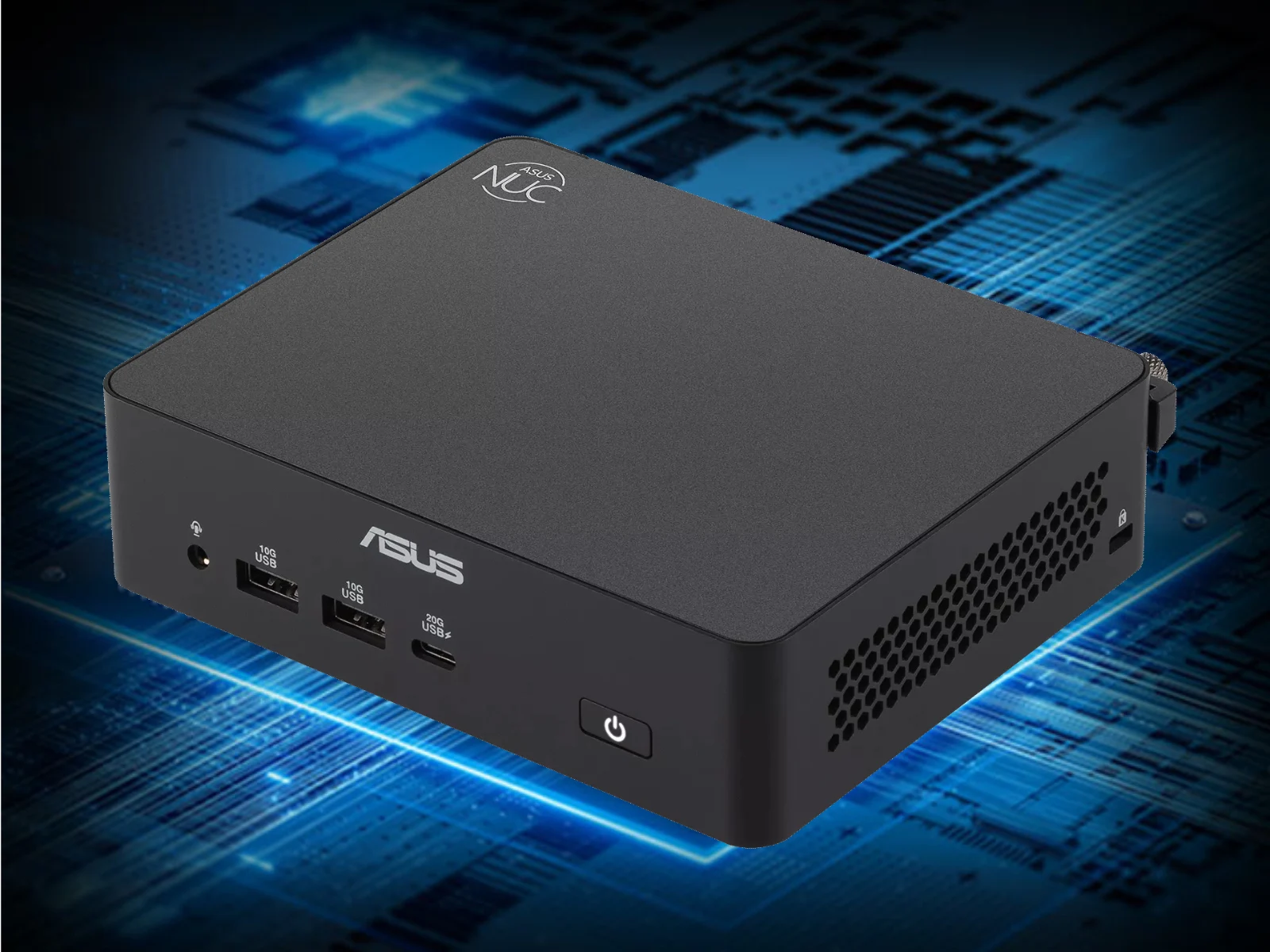
    Asus presented the NUC 16 today at Computex 2026 in Taipei. In short, the NUC 16 is a cheaper alternative to the existing NUC 16 Pro (curr. $599) with Intel Wildcat Lake processors. By contrast, the NUC 16 Pro comes with up to the Core Ultra X9 388H from Intel’s Panther Lake generation.

    Cloud-Focused Version Announced

    At the same time, the company has unveiled the NUC 16 for Windows 365. In a press release, Asus describes the latter as its ‘first Cloud PC device’, adding that the NUC 16 for Windows is a purpose-built solution designed for seamless integration with Windows 365. By shifting the entire desktop experience to the cloud, this device eliminates the risks associated with local data storage while providing a secure, responsive, and familiar environment.

    From that wording, it seems that the NUC 16 for Windows 365 operates entirely in the cloud and must always be online to function. However, Asus’ mentions that the mini-PC will be available with Windows 365 or Windows 11 Home and Windows 11 Pro. Unfortunately, the company has not clarified further yet.

    Specifications and Pricing Details

    Setting that aside, the NUC 16 for Windows 365 will be available with the Core 3 304. The slowest option in Intel’s Wildcat Lake family, the Core 3 304 features a single Cougar Cove P-Core and four Darkmont LP E-cores. Also, the processor contains an iGPU with 1 Xe3 core. According to Asus, the NUC 16 for Windows 365 supports up to 64 GB of RAM and 2 TB of PCIe Gen 4 storage, too. Only 8 GB of RAM and 128 GB of storage will be included, though. Pricing and availability remain unknown for now, just like the regular NUC 16.


    Sources

  • New Asus Mini-PCs: Intel Wildcat Lake, 64GB RAM, Thunderbolt 4

    New Asus Mini-PCs: Intel Wildcat Lake, 64GB RAM, Thunderbolt 4

    Key Takeaway

    – Asus expands NUC 16 series with new entry-level Wildcat Lake processors (Core 3 304, Core 5 320, Core 7 350).
    – Supports up to 64 GB DDR5-6400 RAM and 2 TB PCIe Gen 4 storage.
    – Available as complete mini-PC or self-assembled motherboard kit.
    – Features Bluetooth 6.0, Thunderbolt 4, and Wi-Fi 7 connectivity (except motherboard-only version).
    – Pricing and availability are currently unannounced.


    Asus have expanded the NUC 16 series with a series of new entry-level models. For context, the company unveiled the NUC 16 Pro in January during CES 2026, featuring Intel Pantuh Lake processors. While the mini-PC is available with the Core Ultra X7 358H and Core Ultra X9 388H, Asus also sells it with the less powerful Core Ultra 5 325 (curr. $599 on Amazon).

    New Wildcat Lake Options Announced

    Now, it has updated the series with Wildcat Lake options. Specifically, Asus plans to sell the NUC 16 with up to the Core 7 350. A 6-core processor, the Core 7 350 will be joined by lesser Core 3 304 and Core 5 320 variants too. According to Asus, these processors can be complemented with up to 64 GB of DDR5-6400 RAM and 2 TB of PCIe Gen 4 storage.

    Form Factor and Connectivity Details

    Moreover, the NUC 16 will be available as a complete mini-PC, a self-assembled kit of just the motherboard itself. All variants contain the same ports, though. Likewise, the complement mini-PC and kit measure 144 x 117 x 42 mm. All but the motherboard version will ship with Bluetooth 6.0, Thunderbolt 4 and Wi-Fi 7 connectivity too.

    Pricing and Availability Still Unknown

    Unfortunately, pricing and availability remain unknown for now. Have a look at the images below and Asus’ website for more details if you want find out more information about these devices.


    Sources

  • Vivo X300 Ultra vs Pro: Surprising Dxomark Camera Test

    Vivo X300 Ultra vs Pro: Surprising Dxomark Camera Test

    Key Takeaway

    – Vivo X300 Pro ranks 2nd in DxOMark, ahead of the more expensive X300 Ultra by just one point.
    – X300 Ultra loses 10 points in main camera video rating, causing its lower overall score.
    – X300 Pro outperforms X300 Ultra in low-light performance.
    – X300 Ultra excels in ultra-wide, telephoto, bokeh, and zoom, but struggles with video and low-light consistency.
    – Overprocessing leads to unnatural photos and artifacts, especially in darkness.


    Vivo X300 Ultra Camera Test Results

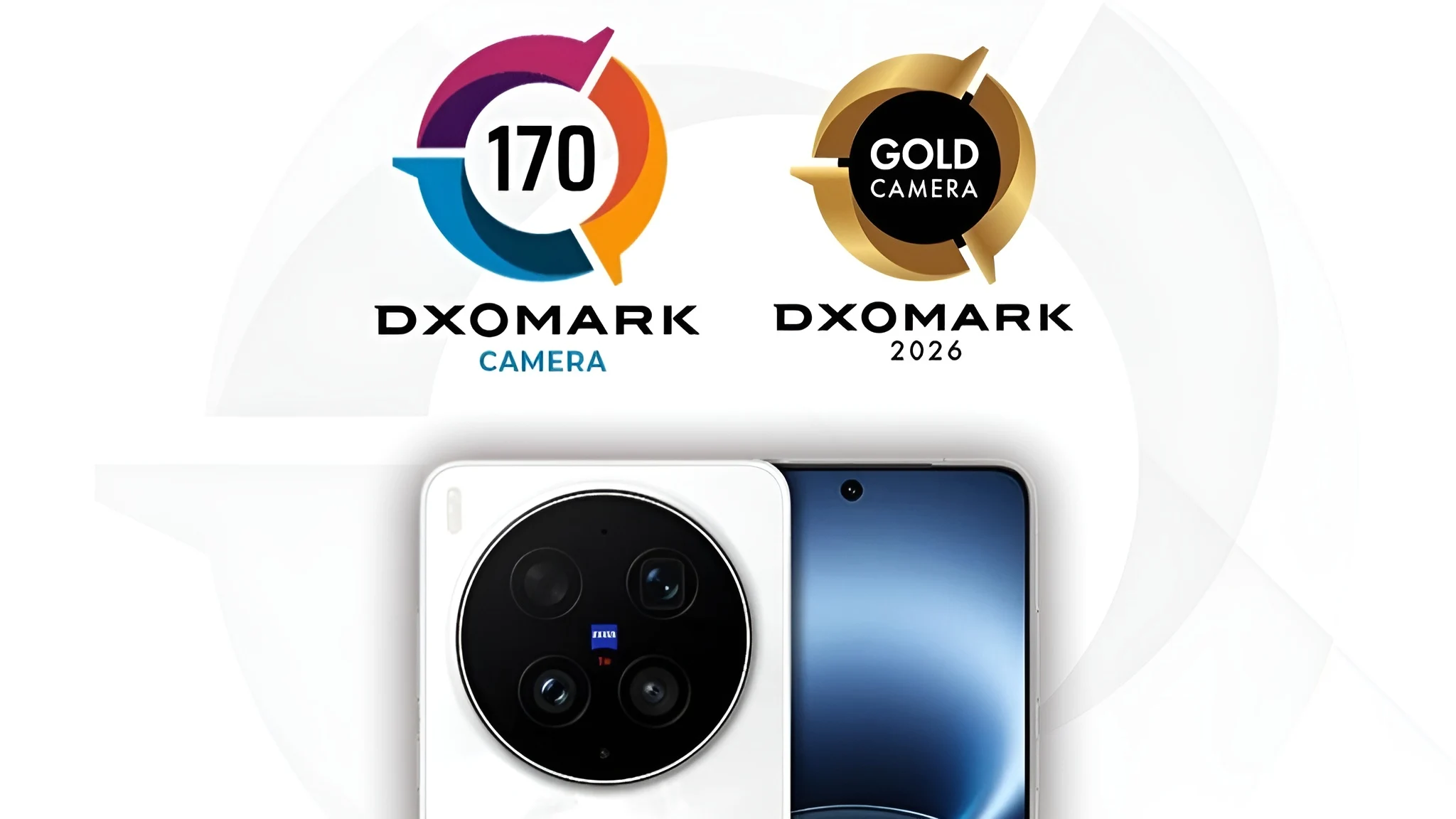
    The Vivo X300 Pro reached second place in in DxoMark camera test at the end of 2025, a position it still holds today, directly behind the Huawei Pura 80 Ultra, which has topped the ranking of the best smartphone cameras for months. There has been little movement among the top three until now: DxOMark has just published its Vivo X300 Ultra camera test, and it ends with a small surprise.

    Point Distribution and Surprising Rankings

    The current Zeiss camera flagship, which is around €600 more expensive than last year’s Pro model, lands in third place behind the Vivo X300 Pro in terms of points, which is somewhat surprising. So let’s take a look at where the Vivo X300 Ultra’s camera fell short in DxOMark’s eyes and why the more affordable Vivo flagship apparently received a slightly better rating overall.

    Video Performance and Low Light Issues

    By just a single point, the Vivo X300 Pro’s lead isn’t huge, but one could be forgiven for expecting a clear victory for the Ultra model. Looking at the point distribution between the two Vivo contenders, one outlier stands out in particular. While the X300 Ultra scores more or at least as many points as the Pro model in virtually all categories, the Vivo X300 Ultra falls short by a full 10 points in the main camera’s video rating, which apparently tipped the scales in favor of the overall score.

    In terms of usage scenarios, the Vivo X300 Pro still maintains its top position in low-light performance, ahead of the Vivo X300 Ultra. The rather negative assessment of video performance by DxoMark is likely to hurt Vivo, as the Vivo X300 Ultra was specifically developed and marketed for this area. After all, the Zeiss Ultra flagship still achieves top scores in ultra-wide-angle, telephoto, bokeh and zoom.

    Test Comments and Final Rankings

    In the test comments, the camera testers mention inconsistent performance in challenging situations, particularly during video recording and in low light. In darkness, the testers also apparently struggled with increased noise, artifacts and unnatural AI textures. In general, the testers note that the somewhat excessive overprocessing can result in unnatural photos. Nevertheless, the Vivo X300 Ultra currently dominates our list of the top camera phones, followed closely by the Vivo X300 Pro and the Oppo Find X9 Ultra in third place.

    • Vivo X300 Pro: 2nd place overall, strong low-light performance
    • Vivo X300 Ultra: 3rd place overall, 10 points lower in video rating
    • Huawei Pura 80 Ultra: 1st place, holds top ranking for months


  • ARM CEO gifts Nvidia’s Huang historic Windows-ARM device

    ARM CEO gifts Nvidia’s Huang historic Windows-ARM device

    Key Takeaway

    – ARM CEO Rene Haas gifted Nvidia CEO Jensen Huang a Surface RT, highlighting its historical significance.
    – The 2012 Surface RT featured an Nvidia Tegra 3 ARM chip, promising fanless design and 10-hour battery life.
    – Windows RT’s limited software ecosystem and poor app support made the Surface RT a commercial flop.
    – Despite failure, the Surface RT laid early groundwork for ARM’s eventual integration into Windows.
    – Nvidia’s new RTX Spark platform will continue to run on Windows, building on that foundation.


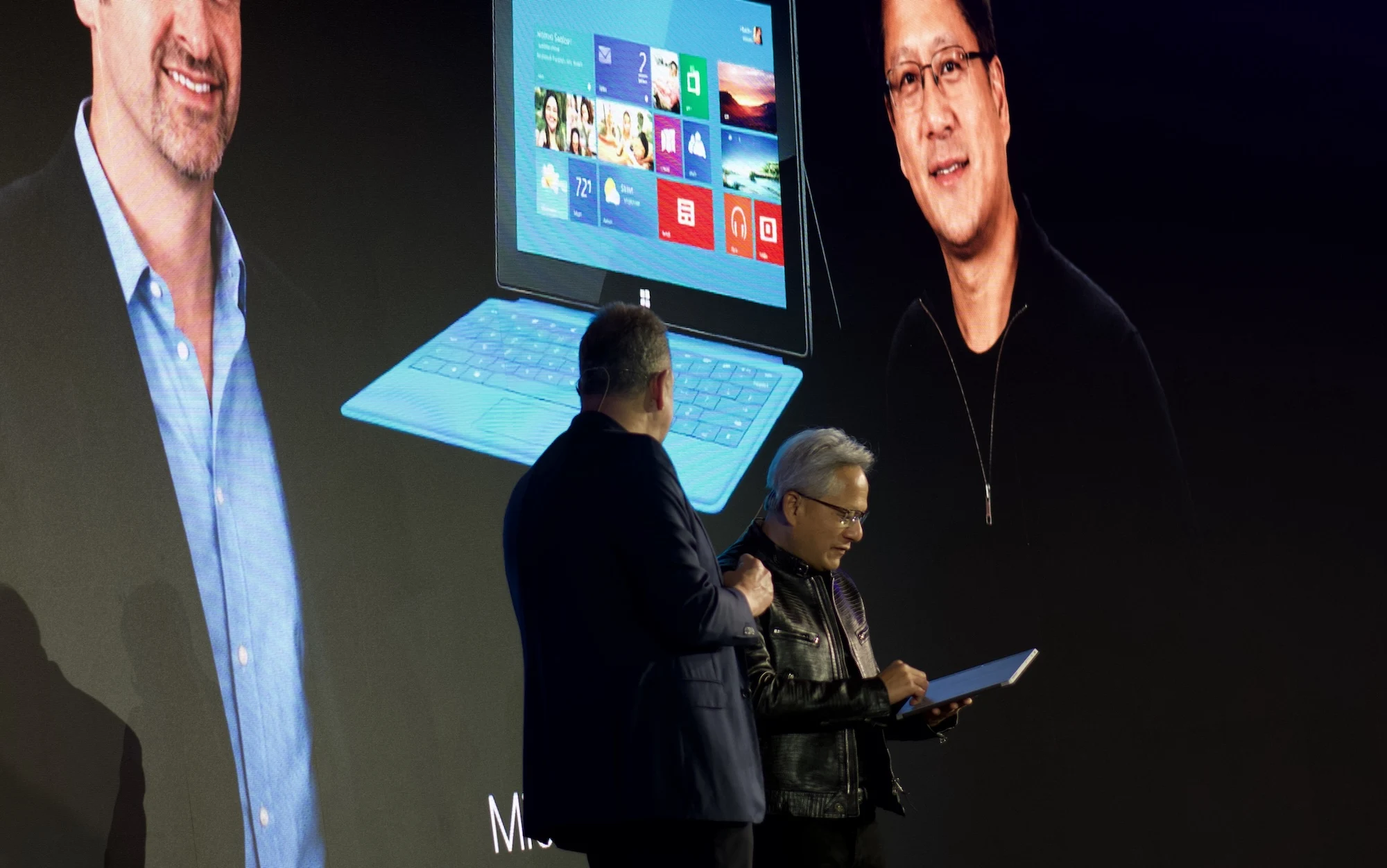
    At Arm’s Computex press conference, amidst a host of AI-related topics, the chip developer had a little surprise in store at the end. Arm CEO Rene Haas invited Nvidia CEO Jensen Huang onto the stage and presented him with a Surface RT. It was a real blast from the past, showing how far things have come.

    A gift from the past for Jensen Huang

    The Surface RT was something special at the time, as the Windows device featured an ARM chip developed by Nvidia (Tegra 3). It was unveiled by Rene Haas, who was then working for Nvidia. The promise in 2012: a fanless design and ten hours of battery life thanks to an energy-efficient platform. These were groundbreaking claims back then.

    How Microsoft redefined its Surface brand

    The Surface RT arrived at a time when Microsoft had largely abandoned the original Surface concept, a rather large table with a touchscreen and sensors for its surface. Instead, the brand name was established for tablets and notebooks. This pivot was quite drastic and changed the direction of the company.

    Back then, the device was something special. Much like the Windows Phone predecessors as MP3 players (Zune), it was extremely difficult to install apps or programs. At the time, the software infrastructure was nowhere near as advanced. In short, the Surface RT was an exciting device to give to relatives or acquaintances who weren’t very tech-savvy. After all, you couldn’t really go wrong with it, mess up the settings, or even catch malware. It was a locked down system.

    Why it was considered a commercial failure

    However, due to these limitations, the Surface RT and Windows RT were also a flop, especially since the devices weren’t particularly fast. Our review of the Surface RT from 2012 was also mixed. Microsoft’s first attempt failed, and it took several more attempts to help ARM gain some traction. After all, Windows was already working in the embedded systems sector, but that didn’t help much at the time.

    • Limited app avalibility hindered adoption.
    • Poor performance compared to Intel counterparts.
    • Confusing marketing for consumers.

    Ultimately, Microsoft, ARM and Nvidia laid the groundwork for establishing ARM in the Windows world. As Jensen Huang stated at the ARM keynote, the new RTX Spark platform will continue to run on Windows. This shows a full circle moment for the technology.

    Sources