Author: GizNews

  • Apple Launches Compact MacBook Neo Starting at $599

    Apple Launches Compact MacBook Neo Starting at $599

    Key Takeaways

    1. The MacBook Neo marks the return of a compact design, introduced at the ‘Special Apple Experience’ event in New York.
    2. It runs on the A18 Pro chipset, featuring 6 CPU cores, 5 GPU cores, and a 16-core Neural Engine, differing from the M5 chipsets in other MacBook models.
    3. The device has a 13-inch IPS display with a resolution of 2,408 x 1,506 pixels and a peak brightness of 500 nits, but has a smaller battery rated for about 11 hours of web browsing.
    4. The MacBook Neo is priced starting at $599 for the 256 GB model and $699 for the 512 GB model, with options for Touch ID and four color choices.
    5. Pre-orders for the MacBook Neo will begin shipping on March 11.


    Almost eight years have gone by since Apple stopped making the 12-inch MacBook. Now, the compact design has made a comeback with the launch of the MacBook Neo. This new model was introduced today during the ‘Special Apple Experience’ event in New York, just a day after Apple updated the MacBook Air and MacBook Pro using the M5, M5 Pro, and M5 Max chipsets.

    New Chipset Details

    Unlike the other models, the MacBook Neo does not use the Apple M5 chipsets; instead, it runs on the A18 Pro. This chipset was first seen in the iPhone 16 Pro and iPhone 16 Pro Max. The A18 Pro in the MacBook Neo has 6 CPU cores and 5 GPU cores, along with a 16-core Neural Engine and a memory bandwidth of 60 GB/s. To sum it up, the MacBook Neo comes with fewer GPU cores than the last-generation Pro iPhones from Apple.

    Display and Battery Life

    Moving on, the MacBook Neo boasts a 13-inch IPS display with a resolution of 2,408 x 1,506 pixels, a 219 PPI, and a peak brightness of 500 nits, along with a refresh rate of 60 Hz. However, it only has a 36.5 Wh battery, which is why it’s rated for about 11 hours of web browsing. The entire setup is housed in a body that measures 297.5 x 206.4 x 12.7 mm and weighs 1.23 kg, making it comparable to the smaller MacBook Air (currently priced at $899 on Amazon), but it does come with USB 2.0 and USB 3.0 Type-C ports.

    Pricing and Availability

    The starting price for the MacBook Neo is $599, which includes 256 GB of storage. Alternatively, there is a 512 GB version available for $699 that features Touch ID integrated into the power button. Both storage options include 8 GB of unified memory and come in four color choices: Blush, Citrus, Indigo, and Silver. Pre-orders are set to begin shipping on March 11.

    Source:
    Link


  • Casio Launches Slim Metal Watches Featuring 24-Hour Sub-Dial

    Casio Launches Slim Metal Watches Featuring 24-Hour Sub-Dial

    Key Takeaways

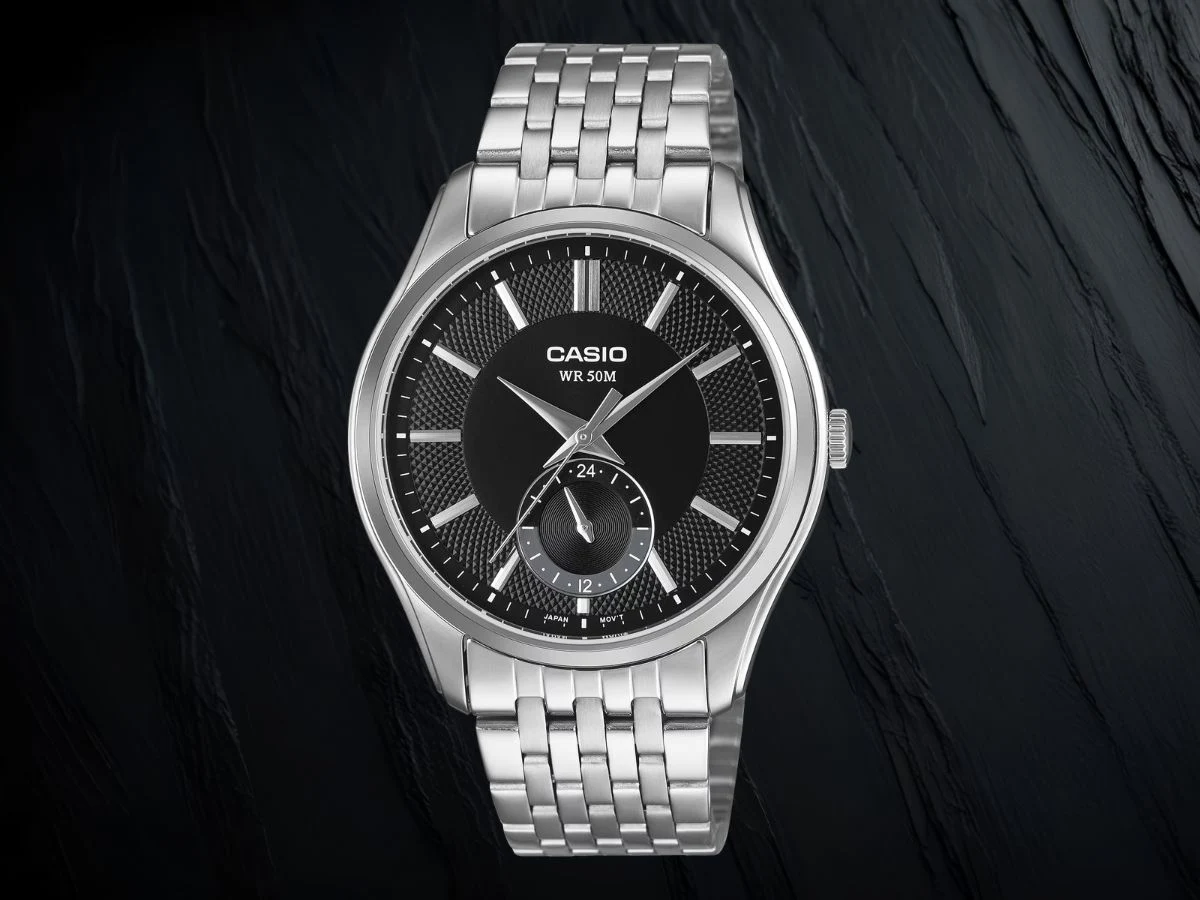
    1. The Casio MTP-B315 features a round silver stainless steel case measuring 46.5 x 40.0 x 9.7 mm.
    2. The watch includes a sub-dial for 24-hour time, three hands for hour, minute, and second, and is water-resistant up to 50 meters.
    3. It maintains accuracy within 20 seconds a month and lasts approximately three years on an SR621SW battery.
    4. There are two models with stainless steel bracelets and three models with leather straps, each having distinct dial colors.
    5. Availability and pricing for the Casio MTP-B315 watches have not yet been announced.


    Casio has announced its latest analog timepiece: the MTP-B315. Recently, five different models of this watch were showcased on the brand’s global site, along with versions of the MTP-B215 and MTP-B190.

    Design and Features

    The Casio MTP-B315 sports a round shape with a silver stainless steel case that measures 46.5 x 40.0 x 9.7 mm (about 1.83 x 1.57 x 0.38 inches). The dial showcases three hands for indicating the hour, minute, and second, along with baton indexes set in a Clous de Paris style. Additionally, there is a sub-dial located at the 6 o’clock mark that displays the time in a 24-hour format. This watch is designed to be water-resistant up to 50 meters, featuring a screw lock back and durable mineral glass.

    Performance and Variants

    As per Casio’s claims, the MTP-B315 is expected to maintain accuracy within 20 seconds a month. It is also reported to last for roughly three years when powered by an SR621SW battery. Two models of the MTP-B315 come with seven-row stainless steel bracelets, while three other versions are equipped with leather straps.

    Model Specifications

    The MTP-B315D-1AV features a metal strap and a black dial, whereas the MTP-B315D-7AV showcases a light silver face. The MTP-B315L-2AV presents a blue dial, the MTP-B315L-3AV has a blue-green dial, and the MTP-B315L-4AV is adorned with a maroon red dial. All three of these models are fitted with a genuine black leather band.

    It is still unclear when the Casio MTP-B315 watches will officially be available for purchase and what their pricing will be.

    Source:
    Link


  • Elecom Launches New Semi-Solid-State Power Bank for Users

    Elecom Launches New Semi-Solid-State Power Bank for Users

    Key Takeaways

    1. Elecom has launched the DE-C86-10000, its first semi-solid-state power bank with a 10,000 mAh battery.
    2. The power bank features a gel-based electrolyte for improved safety, reduced leakage, and includes a Health Monitor function for tracking battery health.
    3. The DE-C86-10000 offers an extended battery life, estimated to be four times longer than traditional lithium-ion batteries, and operates in temperatures from -15 to 45°C.
    4. It has three charging ports (two USB-C and one USB-A) with a maximum combined output of 20W and can charge devices like an iPhone 17 and MacBook Air.
    5. Priced at ¥8,480 (~$54), there is currently no information on availability outside of Japan.


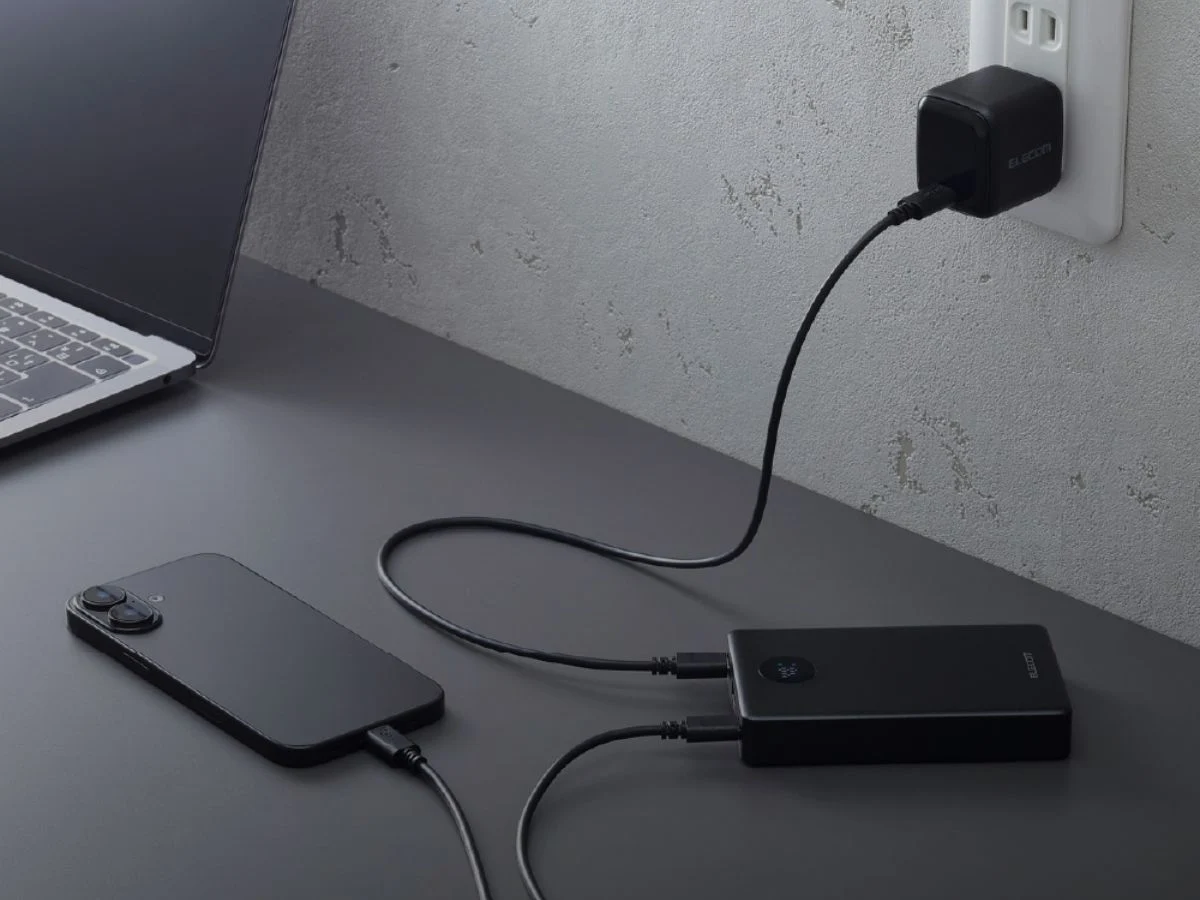
    Elecom has launched a new semi-solid-state power bank in Japan, named the DE-C86-10000. This is the brand’s first device of this type and comes just a few months after their announcement of the world’s first power bank featuring a sodium-ion battery.

    Battery and Safety Features

    The Elecom DE-C86-10000 is powered by a 10,000 mAh semi-solid-state battery (SSSB) that utilizes a gel-based electrolyte. This setup is claimed to have a lower chance of leaking compared to standard lithium-ion batteries, which helps to decrease the likelihood of battery fires. Additionally, it includes a Health Monitor function that keeps track of charge cycles and alerts users when it might be time to inspect or replace the device. This information is displayed on its built-in screen, which also indicates the remaining battery life and charging status.

    Performance and Specifications

    One of the advantages of the Elecom DE-C86-10000’s SSSB is its extended battery life, estimated to be four times longer than a similar lithium-ion battery. It also operates in a broader temperature range of -15 to 45°C (~5 to 113°F). According to the company, this power bank can charge an iPhone 17 1.8 times or a MacBook Air 13-inch M4 0.4 times. It features three ports: two USB-C ports with up to 35W and one USB-A port with 22.5W, allowing for a maximum combined output of 20W. It can be recharged via USB-C and supports pass-through charging. The dimensions are 70 x 115 x 19 mm (~2.76 x 4.53 x 0.75 inches), and it weighs approximately 220 g (~7.76 oz).

    Pricing and Availability

    In Japan, the Elecom DE-C86-10000 power banks are priced at ¥8,480 (~$54). There’s no information yet on whether or when the product will be available in other regions like Europe or North America, where Elecom already markets devices such as the Nestout Rugged Portable Charger, 5000mAh (currently priced at $44.99 on Amazon).

    Elecom, ITHome

    Source:
    Link


  • Vivo X300 FE Launch: Snapdragon 8 Gen 5, Big Battery, Features

    Vivo X300 FE Launch: Snapdragon 8 Gen 5, Big Battery, Features

    Key Takeaways

    1. The Vivo X300 FE is a rebranded version of the S50 Pro mini, originally released in China in December 2025.
    2. It features the same Snapdragon 8 Gen 5 processor, 12GB of RAM, and up to 512GB of storage as its predecessor.
    3. The camera system includes a 50MP main camera, a 50MP periscope telephoto lens with 3x optical zoom, an 8MP ultrawide camera, and a 50MP front camera.
    4. The device has a 6.31-inch AMOLED display with FHD+ resolution, a 120Hz refresh rate, and a peak brightness of 5,000 nits, along with a 6,500mAh battery that supports fast charging.
    5. The Vivo X300 FE is currently available in Russia, priced at approximately $772, with expectations for release in other markets soon.


    Vivo has quietly introduced the X300 FE in Russia, but this isn’t a completely fresh device. It is, in fact, a rebranded version of the S50 Pro mini that was released in China back in December 2025. This modified model seems to be aimed at markets outside of China, with Russia being the first to receive it.

    Specifications Overview

    There are no significant specification changes when you compare it to the S50 Pro mini, which was only available in China. The Vivo X300 FE is equipped with the same non-Elite Snapdragon 8 Gen 5 processor, along with 12GB of RAM and storage options that go up to 512GB. The camera system remains unchanged as well, maintaining consistency with its predecessor.

    Camera Details

    On the rear of the Vivo X300 FE, you’ll find a 50MP main camera, a 50MP periscope telephoto lens offering 3x optical zoom, and an 8MP ultrawide camera. These lenses are arranged in a design reminiscent of the iPhone Air’s camera layout. For selfies, there’s a 50MP front-facing camera that promises high-quality images.

    Display and Battery

    The Vivo X300 FE boasts a compact 6.31-inch AMOLED display. This screen features FHD+ resolution, a refresh rate of 120Hz, and an impressive peak brightness of 5,000 nits. Powering the device is a substantial 6,500mAh Si/C battery, which supports both 40W wireless charging and 90W wired fast charging (with a Lenovo 100W charger currently priced at $44.99 on Amazon).

    The Vivo X300 FE comes in three color options, although it’s not yet available on the official store. Russian retailers have listed the base model at RUB 60,124, which is approximately $772. Although the company has not announced availability in other regions, it is anticipated that the phone will soon reach more markets.

    Source:
    Link


  • Vivo Confirms X200 Ultra, X300 Pro Compatibility with X300 Ultra

    Vivo Confirms X200 Ultra, X300 Pro Compatibility with X300 Ultra

    Key Takeaways

    1. Vivo showcased the X300 Ultra at MWC 2026, featuring a new teleconverter accessory with two options: 2.35x and 4.7x zoom.
    2. The smaller teleconverter is less bulky and compatible with the X200 Ultra and X300 Pro smartphones.
    3. The X300 Ultra’s camera cage ensures compatibility with the X300 Pro and current 2.35x teleconverters, but compatibility with the new 4.7x teleconverter for older models is unclear.
    4. The device can record 4K/120 FPS videos in Dolby Vision and has optical image stabilization (OIS) on all rear cameras.
    5. The X300 Ultra supports 100 W wired charging globally, giving it a competitive advantage over the Galaxy S26 Ultra.


    Vivo is still highlighting the X300 Ultra this week at MWC 2026 in Barcelona. The company initially shared a teaser video that focused on the device’s sophisticated teleconverter accessory. Shortly after, Ben Sin released a brief hands-on video, offering more insights about the accessory’s 400 mm lens.

    Teleconverter Details

    Sadly, previous statements about the teleconverter including a dual lens setup were wrong. Instead, Vivo is presenting two teleconverters at MWC 2026: one that provides 2.35x zoom, and another that delivers 4.7x zoom. The smaller one is less bulky compared to the teleconverters Vivo offers for the X200 Ultra and X300 Pro, but it should still be compatible with both of those smartphones.

    Cross-Compatibility Features

    The camera cage of the X300 Ultra ensures compatibility with the X300 Pro too, as shown in an image below. Furthermore, the X300 Ultra can also work with current 2.35x teleconverters. However, it is still not clear if Vivo’s new 4.7x teleconverter will function with the X200 Ultra or X300 Pro at this moment.

    Video Capabilities and Charging

    Putting that aside, Vivo has confirmed that the X300 Ultra is able to record 4K/120 FPS videos in Dolby Vision and 10-bit D-Log. The company has also equipped all rear cameras with optical image stabilization (OIS), similar to the X200 Ultra before it, and this matches the Galaxy S26 Ultra, which is currently priced at $1,299 on Amazon. TÜV Rheinland has also verified that the X300 Ultra supports 100 W wired charging globally, giving Vivo’s upcoming flagship an edge over Samsung’s counterpart. As of now, a specific release date is still not known.

    Source:
    Link


  • SpaceX Reduces Starlink Residential Plan Price to $39/Month

    SpaceX Reduces Starlink Residential Plan Price to $39/Month

    Key Takeaways

    1. Starlink has reduced its Residential plan price to $39/month for the first six months, providing download speeds up to 100 Mbps.
    2. The promotional discount is available until March 31 and applies only to new service lines; customers risk losing the deal if they switch or terminate their service.
    3. In certain areas, Starlink is offering the Residential Kit for free, eliminating initial costs for new customers.
    4. Elon Musk insists the price drop is not in response to Amazon’s Kuiper constellation but aims to make satellite Internet more affordable.
    5. With the new pricing and increased bandwidth capacity, Starlink is positioning itself to compete effectively with local Internet service providers.


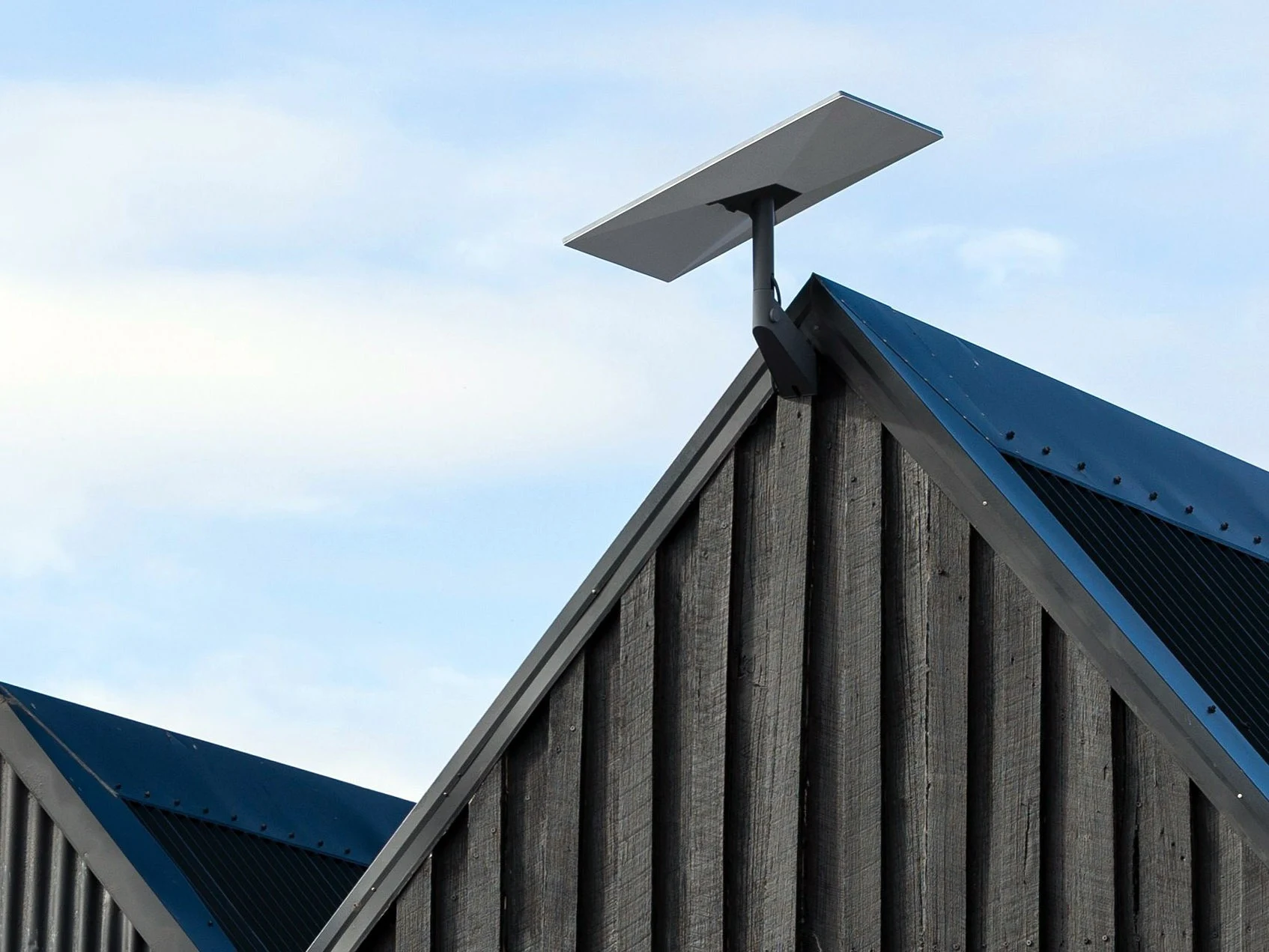
    Starlink has lowered the initial price of its Residential plan to only $39/month for the basic level, which provides download speeds of up to 100 Mbps.

    This price is just one dollar below the previous lowest price for a Starlink plan, and this offer will last for the first six months of the subscription for the Residential plan. The promotional discount for the Starlink satellite Internet plan will be available until March 31 and applies exclusively to one new service line.

    Important Conditions

    Starlink warns that customers who switch their plan, terminate their service, or face suspension will lose the promotional pricing. The new rate of $39/month is currently offered in certain areas across the US.

    In many locations where the new pricing is accessible, Starlink is also providing the Residential Kit for free, which normally costs $349 on Amazon, as a $0/month rental. Although users must return the dish if they cancel their promotional service, this effectively eliminates the initial costs associated with becoming a Starlink customer. At just $39/month, it begins to compete with traditional broadband providers.

    SpaceX’s Strategy

    Elon Musk recently rejected the idea that SpaceX is reducing Starlink hardware and plan prices in response to Amazon’s upcoming Kuiper constellation expansions. Instead, he claims the goal is to make satellite Internet more affordable for those who otherwise wouldn’t have access.

    Moreover, SpaceX is quickly launching satellites, with over 9,700 already in orbit, suggesting that the Starlink offer isn’t simply a reaction to Kuiper. With the upcoming IPO, SpaceX needs as many Starlink subscribers as possible to present to its underwriters, as Starlink is now the primary revenue source for SpaceX.

    Competing with Local Providers

    At just $39/month and with no initial equipment fees, Starlink now competes with local Internet service providers. This promotion appears to align with a significant increase in its bandwidth capacity, as SpaceX aims to attract customers for the numerous new satellites it is launching at an astonishing rate. Recently, they renamed their direct-to-cell service for carriers like T-Mobile to Starlink Mobile, suggesting ambitions to develop a standalone 5G network, utilizing space-based cell towers to provide global coverage, even in polar regions.

    Source:
    Link


  • Lenovo ThinkPad T14 G7 & T16 G5: Intel Core Ultra X7 Laptops

    Lenovo ThinkPad T14 G7 & T16 G5: Intel Core Ultra X7 Laptops

    Key Takeaways

    1. RAM Innovations: Introduction of LPCAMM2 memory standard allows for faster LPDDR5X RAM and supports upgradeable RAM with Intel Panther Lake X7 CPUs.

    2. Modular RAM Benefits: T14 Gen 7 and T16 Gen 5 are the first mainstream laptops with user-replaceable RAM and fast ARC GPUs, enhancing performance and repairability.

    3. Improved Repairability: Modular USB-C ports and easily removable battery design contribute to high repairability, earning a perfect 10/10 score from iFixit.

    4. Design Changes: New wider bar-hinge design reduces screen bezels, integrates Wi-Fi antennas into the hinge, and allows for one-handed opening.

    5. Color and Material Updates: Introduction of new aluminum display lid for T16 Gen 5 and dark blue option for T14 Gen 7, though the new color may be prone to smudging.


    Work laptops usually seen as reliable but not very thrilling. At the Mobile World Congress 2026, Lenovo presented two innovative business laptops that aim to shift this perception, offering features that could attract a variety of users: the Lenovo ThinkPad T14 Gen 7 and ThinkPad T16 Gen 5. We had the opportunity to test both devices at the event.

    RAM Innovations

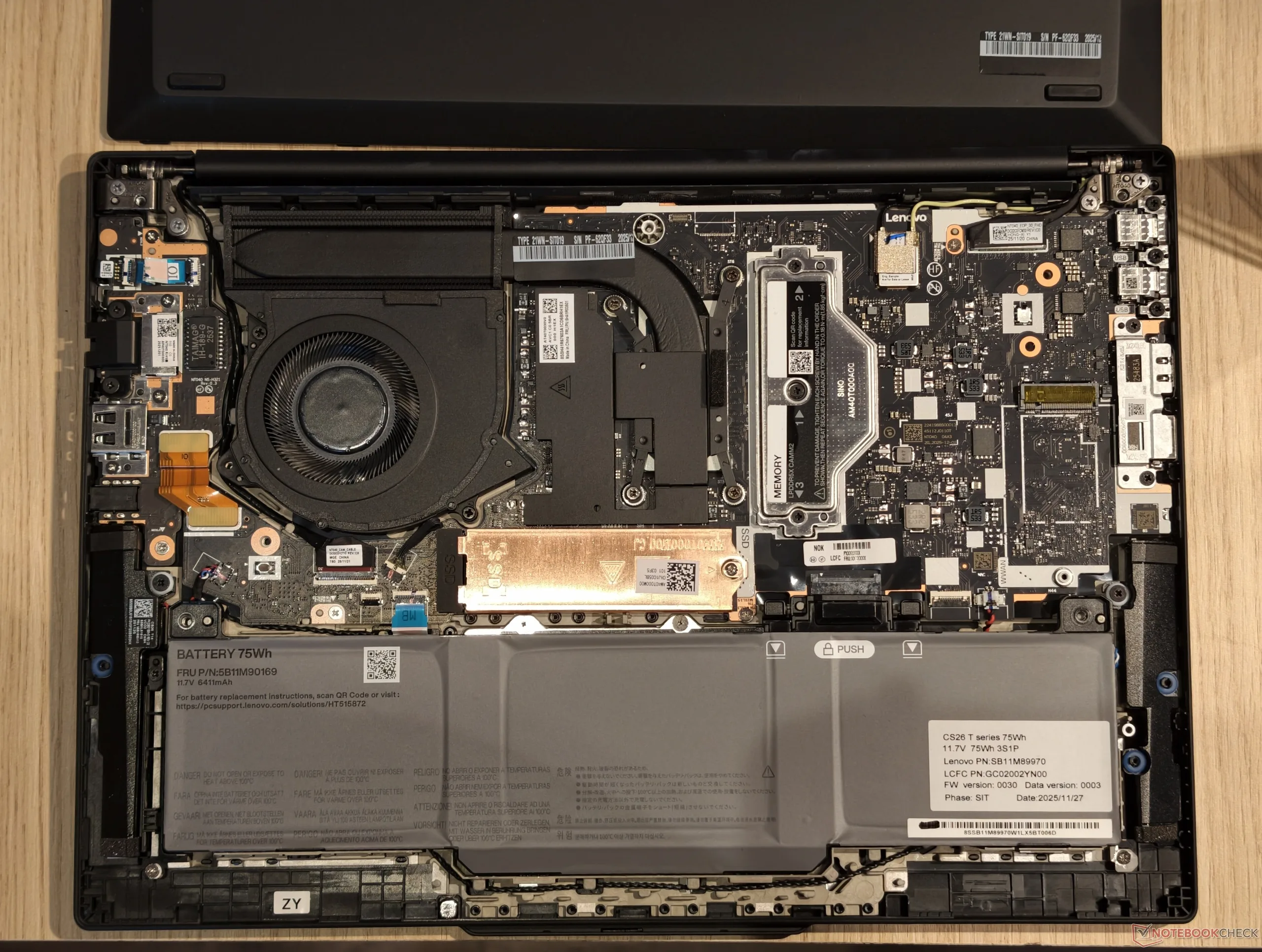
    Currently, RAM is a hot subject, and not for good reasons—particularly due to its high costs. Lenovo made a bold move with the new T series by introducing the LPCAMM2 memory standard. This new memory type replaces the conventional SO-DIMM RAM format, allowing for the use of more efficient LPDDR5X RAM that delivers much faster performance.

    Modular RAM Benefits

    Although LPCAMM2 is pricier right now, Lenovo’s choice makes sense: This RAM type is necessary to support the Intel Panther Lake X7 CPUs with upgradeable RAM, as these processors demand quick LP memory. Consequently, the T14 Gen 7 and T16 Gen 5 are unique as the only laptops available that combine fast ARC GPUs with 12 Xe3 units and user-replaceable RAM. The Panther Lake CPUs will operate at a 30 W TDP in the new T series, which is an increase from what older models in the T series could manage.

    Mainstream Adoption

    Previously, the only laptops using LPCAMM2 were part of the ThinkPad P1 / T1g (available on Amazon) series, which is a high-end workstation line. Thus, the T14 G7 and T16 G5 are the first mainstream laptops to feature this technology. For those who prefer the traditional SO-DIMM option, it’s still available: Purchasing Lenovo ThinkPad laptops with the AMD Ryzen AI 400 option provides users with two SO-DIMM slots instead.

    Lenovo could have opted to solder the LP RAM, but they chose the modular LPCAMM2 solution for better repairability. Overall, the ThinkPad T series is embracing modularity more than ever, as not just the RAM is modular. When the bottom cover is taken off, the battery can be easily removed by pressing two small release tabs, eliminating the need for tools.

    Improved Repairability

    Moreover, the essential USB-C charging ports are now modular and replaceable by users. Lenovo has even separated the fan from the heatsink, so users can clean the fan without needing to reapply thermal paste to the CPU. They’ve included some thoughtful details too: Once the last screw of the bottom cover (the center screw between the hinges) is removed, the cover pops off in the middle section automatically—no spudger required. It’s no wonder the T14 Gen 7 and T16 Gen 5 received a perfect 10/10 on the iFixit repairability score.

    Design Changes

    At first glance, the new T series seems similar to the previous models, but there are many subtle modifications: The screen lid is flat again, and the Lenovo logo has a fresh design. A more significant change is the wider bar-hinge design adopted by the T14 Gen 7 and T16 Gen 5, which allows for smaller screen bezels since the Wi-Fi antennas are now integrated into the hinge rather than being placed at the top of the screen. Additionally, new hinges make it possible to open the laptop with one hand.

    Color and Material Updates

    Lenovo is also taking a new approach with colors and materials. The ThinkPad T16 Gen 5 features a new aluminum metal display lid, which felt solid during our hands-on experience, while the ThinkPad T14 Gen 7 is also available in a dark blue option. This new hue is more understated compared to the previous grey option. Lenovo claims this color was chosen as it was the most favored by users, just edging out a dark red option. While the dark blue looked appealing, the material seemed prone to smudging, an ongoing issue with ThinkPads.

    Keyboard Modifications

    Changes to the ThinkPad keyboard haven’t been well received by long-time users, and Lenovo has made another alteration. The typing feel and key travel remain unchanged, but the keyboard’s design has been updated, featuring centered printing and a new font. This is the only modification we found questionable, as the previous font was perfectly fine. The new font even appears slightly less usable, with smaller lettering and thinner lines that are less readable. Unfortunately, this change seems to be affecting the entire ThinkPad lineup.

    For more details regarding the specifications and release date of the new T series ThinkPads, we covered that in our article about the announcement of the T14 Gen 7 and T16 Gen 5.

    Source:
    Link



  • Resident Evil Requiem: 100 FPS on Android Flagship via Emulation

    Resident Evil Requiem: 100 FPS on Android Flagship via Emulation

    Key Takeaways

    1. Cross-Platform Performance: Resident Evil Requiem runs effectively on unsupported platforms like MacBooks and Linux, showcasing its broad compatibility.

    2. Android Emulation Success: The game has been successfully emulated on an Android smartphone (RedMagic 11 Pro) using the GameHub application, allowing direct play without cloud gaming.

    3. Variable Performance: Frame rates vary significantly; indoor scenes often achieve 60-70 FPS, while outdoor areas can drop to around 40-45 FPS due to increased graphical demand.

    4. Memory Requirements: The tested device with 16 GB of RAM is crucial for smooth emulation, while devices with 8 GB may struggle, and those with 12 GB might face limitations.

    5. Future of ARM Gaming: The advancements in ARM devices may lead to improved x86-to-ARM translation tools, potentially benefiting future gaming platforms like Valve’s upcoming ARM initiatives.


    Capcom’s latest entry, Resident Evil Requiem, has just made its debut on both PC and consoles, yet early tests are already revealing its capabilities on platforms not officially supported. For example, the game has been observed to run effectively on MacBooks, despite a lack of a dedicated macOS version, and it has also performed well on a widely-used Linux distribution.

    Android Emulation Test

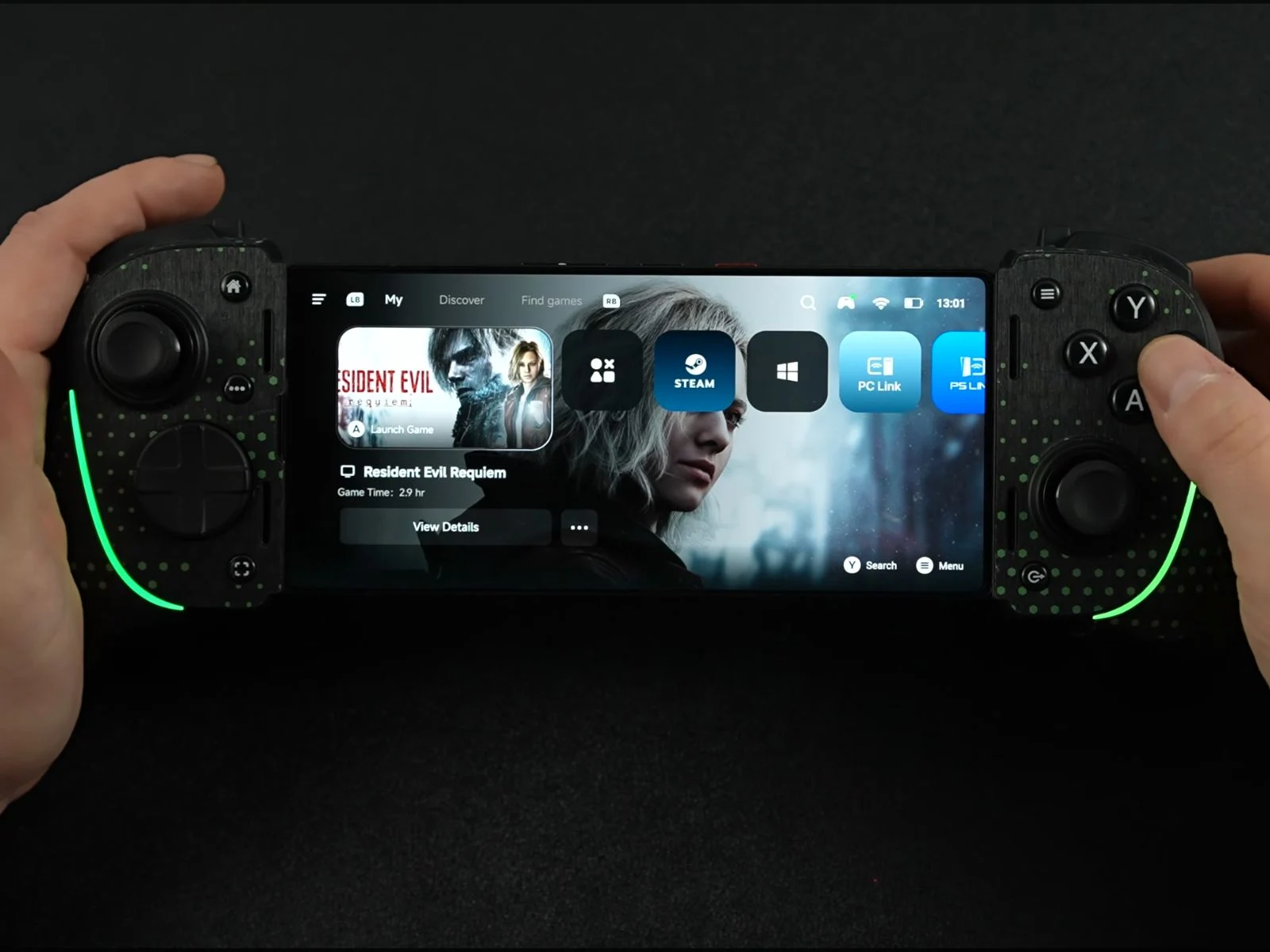
    In a new experiment shared by the YouTube channel ETA Prime, the PC version of the game has been demonstrated running on an Android smartphone through emulation. The testing took place on the RedMagic 11 Pro, a device we gave a favorable review to last year. This smartphone is equipped with the powerful Snapdragon 8 Elite Gen 5 processor. Instead of utilizing cloud gaming or streaming, the game is emulated directly via the GameHub application, which allows users to run Steam games on their Android devices.

    The results from the tests indicate that the game starts up with minimal configuration and can achieve 720p resolution with low settings, utilizing AMD FidelityFX Super Resolution (FSR 3.1) in Performance mode. The frame generation feature was turned off due to stability concerns during the tests, but the GameHub does offer optional super-resolution scaling.

    Performance Insights

    When it comes to performance on the Red Magic 11 Pro, it varied significantly based on the scene. Indoor locations, which are prevalent in the game, performed remarkably well, with frame rates frequently reaching the 60-70 FPS mark when the cap is removed. In tighter spaces, the frame rate even soared to as high as 100 FPS.

    However, outdoor areas proved to be more challenging. In expansive settings with more graphics and action, the performance dipped to around 40-45 FPS. The testing was done using the phone’s “Rise” performance mode to enhance CPU and GPU speeds. Even though the device is equipped with a cooling fan and liquid cooling system, prolonged use still leads to thermal throttling. Emulating PC games can be very taxing for mobile devices, and the Snapdragon chip can consume more than 20 watts while attempting to sustain performance.

    Memory Considerations

    Memory is also a crucial factor in this setup. The Red Magic device tested comes with 16 GB of RAM, which seems to be necessary for running modern PC games through emulation efficiently. The creator mentions that devices with only 8 GB of RAM might face difficulties, while those with 12 GB could work but may still face limitations depending on the specific game.

    Although this configuration is far from a substitute for handheld PCs like the Steam Deck or ROG Ally, the findings highlight the rapid advancements in ARM devices. The creator also hints that future ARM-based gaming platforms, such as Valve’s anticipated ARM hardware initiatives, might speed up the development of improved x86-to-ARM translation tools.

    Source:
    Link


  • Nubia Fold Launches Worldwide: Affordable Book-Style Foldable

    Nubia Fold Launches Worldwide: Affordable Book-Style Foldable

    Key Takeaways

    1. Nubia Fold is the company’s first book-style foldable device, following the Nubia Flip series.
    2. The global launch is expected by the end of the year, with a potential price around €1,000, making it a budget-friendly option compared to competitors.
    3. The device features an 8-inch AMOLED main screen and a 6.5-inch secondary display.
    4. It is powered by Qualcomm’s Snapdragon 8 Elite chip, with 12 GB of RAM and 256 GB of storage in the Japanese market.
    5. Additional specifications include a 6,560 mAh battery, 55 W wired charging, and a 50 MP main camera, among others.


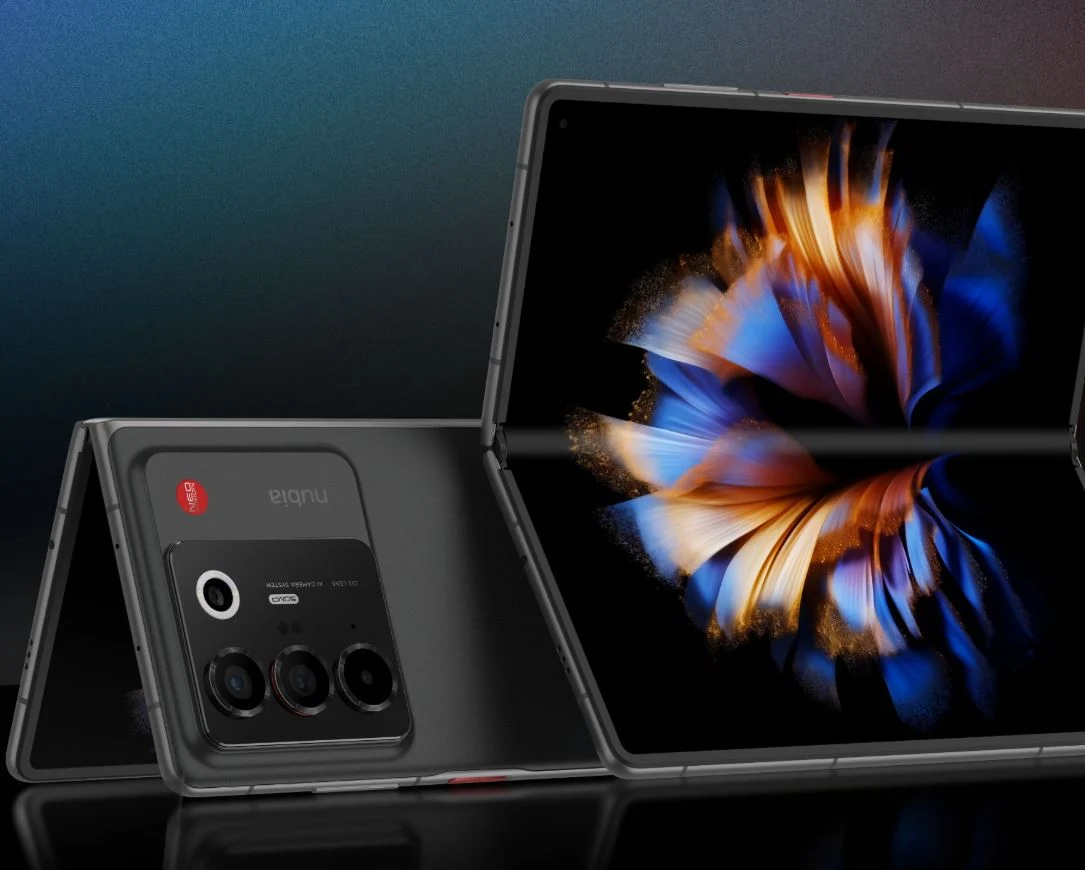
    Nubia first introduced the Nubia Fold in December. This foldable is the company’s initial book-style device, coming after the presumed success of the Nubia Flip series. Initially, the Nubia Fold was only available in Japan, but it appears that it will be released globally in the near future.

    Global Launch Plans

    According to Roland Quandt from Winfuture, Nubia is gearing up to launch the Nubia Fold worldwide by the end of the year—possibly as late as December. Similar to its Flip counterpart, this foldable phone is expected to be a more budget-friendly choice in the market, with rumors suggesting a potential price around €1,000. For context, the Galaxy Z Fold7 has a starting price of €2,099 in Europe.

    Known Specifications

    Since it has been available in Japan for several months, the Nubia Fold is already familiar to many. It boasts an 8-inch AMOLED main screen and a 6.5-inch secondary display. The device is powered by Qualcomm’s Snapdragon 8 Elite chip, and in the Japanese market, it comes equipped with 12 GB of RAM and 256 GB of storage. Additional features include a 6,560 mAh battery, 55 W wired charging, a 50 MP main camera, a 50 MP ultra-wide camera, a 5 MP macro lens, a 20 MP front-facing camera, and a fingerprint sensor integrated into the power button.

    Source:
    Link


  • Google Chrome Introduces New Two-Week Release Cycle This September

    Google Chrome Introduces New Two-Week Release Cycle This September

    Key Takeaways

    1. Chrome will switch to a biweekly release schedule for stable and beta versions starting September 2026.
    2. The first version under this new schedule will be Chrome version 153, launching on September 8, 2026.
    3. The quicker release cycle aims to provide faster updates and fixes, making tracking issues easier.
    4. The Dev and Canary versions will maintain their current release schedules, unaffected by the change.
    5. An Extended Stable option will continue for enterprises, allowing an eight-week upgrade cycle for managed fleets.


    Google has announced that Chrome will shift from its current four-week major version release schedule to a new system of stable (and beta) releases every two weeks, starting in September 2026. This transition will kick off with Chrome version 153, which is set to launch on September 8, 2026. This change will affect Chrome on desktop, Android, and iOS platforms.

    Faster Improvements

    In their announcement, Google presents the quicker release cycle as a way to deliver updates and fixes to users more rapidly. By making each version smaller, they believe this will lessen interruptions and simplify tracking issues that arise after a release.

    Dev and Canary Remain Unchanged

    Google also mentioned that the Dev and Canary versions of Chrome will not see any changes in their release schedules.

    Extended Stable for Enterprises

    For those organizations that may struggle with biweekly major upgrades, Google will continue to offer the Extended Stable option, which will maintain an eight-week milestone cycle. The company’s documentation for enterprise users specifies that Extended Stable is designed for managed fleets on Windows and Mac, advising administrators on management policies and installation options.

    In summary, the new release rhythm will enable a beta and stable version every two weeks, with a Chrome Beta for each version being available three weeks prior to the stable release. Google has also stressed that Chromebook updates will still rely on platform testing, promising to provide additional information later about how updates for managed Chromebooks will align with the new browser release schedule.

    Source:
    Link