Author: GizNews

  • Scientists Link Aircraft to Geostationary Satellite for First Time

    Scientists Link Aircraft to Geostationary Satellite for First Time

    Key Takeaways

    1. Researchers are shifting from radio waves to laser communication to improve transmission reliability and security.
    2. A successful test in France demonstrated laser communication between an aircraft and a satellite at 2.6 gigabits per second.
    3. The Alphasat TDP-1 satellite maintained a stable connection with the aircraft despite atmospheric changes and high speed.
    4. The UltraAir laser terminal, developed by Airbus, played a key role in the successful communication test.
    5. This laser technology could enable high-speed internet access for various modes of transport and enhance secure communications for commercial and defense purposes.


    In earlier times, researchers depended on radio waves for their communication needs. These radio waves tend to disperse as they make their journey. With more satellites being launched, the chances of interference and security issues are on the rise. To tackle these challenges, researchers are now turning to laser communication.

    Successful Test in France

    In a recent experiment above Nîmes, France, the European Space Agency (ESA) along with its collaborators managed to establish a connection between an aircraft and a satellite using laser tech. Throughout the flight, this system delivered data at a remarkable 2.6 gigabits per second for several minutes without any errors. At such a speed, one could download an HD film in just a few seconds.

    Steady Connection at High Speed

    During the test, the aircraft kept a consistent link with the Alphasat TDP-1, which is situated 36,000 kilometers above the Earth’s surface. What’s even more intriguing is that the aircraft was traveling swiftly, while also navigating through clouds and changes in the atmosphere. Yet, the system provided dependable connectivity the whole time.

    The UltraAir laser terminal utilized in this test was designed by Airbus, one of the key partners in this endeavor. This terminal was created as part of the ESA’s ScyLight program.

    Future Implications

    Looking ahead, this innovation could pave the way for high-speed internet access for individuals on airplanes, ships, or even in vehicles traversing isolated areas. It may also enhance secure communications for commercial and defense operations across Europe.

    Source:
    Link



  • Samsung Set for AI6 Chip Revenue Surge as Tesla Secures Wafers

    Samsung Set for AI6 Chip Revenue Surge as Tesla Secures Wafers

    Key Takeaways

    1. Tesla plans to invest $20 billion in 2026 to stay competitive in electric vehicles, robotics, and energy storage, doubling its usual spending.
    2. A significant portion of this investment will go to Samsung, with Tesla potentially paying $5 billion annually for custom chips and 5G modems.
    3. Tesla’s contract with Samsung covers 16,000 wafers monthly, but it seeks to increase this to 40,000 wafers due to rising production needs.
    4. The new AI6 chips will use Samsung’s 2nm technology, but they won’t be ready for Tesla vehicles or robots until 2028.
    5. There is uncertainty about Samsung’s ability to meet Tesla’s wafer demands and the pricing, amid high demand for AI chips affecting market dynamics.


    Faced with increasing costs of parts like AI chips and batteries, Tesla announced its largest ever capital expenditure figure during the most recent quarterly earnings call.

    Major Investment in 2026

    The company plans to invest $20 billion just to remain competitive in the electric vehicle, robotics, and energy storage markets in 2026, which is double its usual spending. A significant portion of this funding will go toward Samsung.

    Reports indicate that Tesla is seeking to secure more AI6 wafers from its Texas facility and may pay Samsung as much as $5 billion each year for chips and 5G modems that are specifically designed for Tesla’s products.

    Expanding Production Capacity

    Last year’s contract with Samsung for its foundry is worth around $2 billion annually, covering 16,000 wafers each month. However, Tesla believes it will require 40,000 wafers, leading to current discussions with Samsung to obtain the extra capacity.

    Tesla’s AI6 silicon is set to be produced using Samsung’s cutting-edge 2nm technology, and the chip manufacturer has also created a 5G modem for Tesla, which is expected to be available later this year. For reference, the current AI4 chip used in the 2026 Model Y is made with a 5nm process. However, the AI6 processor is not anticipated to be integrated into Tesla vehicles or robots until 2028, and Samsung may not be prepared with its Taylor fab in Texas this year as initially scheduled.

    Uncertain Future

    It is still unclear whether Samsung will be able to fulfill Tesla’s request and what the pricing will be. Notably, the company has been able to charge Nvidia double for its upcoming HBM4 memory due to the surge in demand for AI chips, which has driven its stock price to unprecedented levels.


    Source:
    Link


  • Apple M5 Pro and M5 Max Specs Leaked: Full Details Revealed

    Apple M5 Pro and M5 Max Specs Leaked: Full Details Revealed

    Key Takeaways

    1. Apple unveiled the M5 Pro and M5 Max chips with limited specs shared at the launch.
    2. The chips use Fusion architecture, which incorporates TSMC’s SoIC-MH 2.5D packaging technology.
    3. Expected performance improvements include up to 10% for single-threaded tasks and 20% for multi-threaded applications.
    4. The GPU in the M5 Pro and M5 Max is projected to be about 25% faster than previous models.
    5. Power consumption is expected to be stable for single-threaded tasks, but will increase under heavy load with more CPU cores.


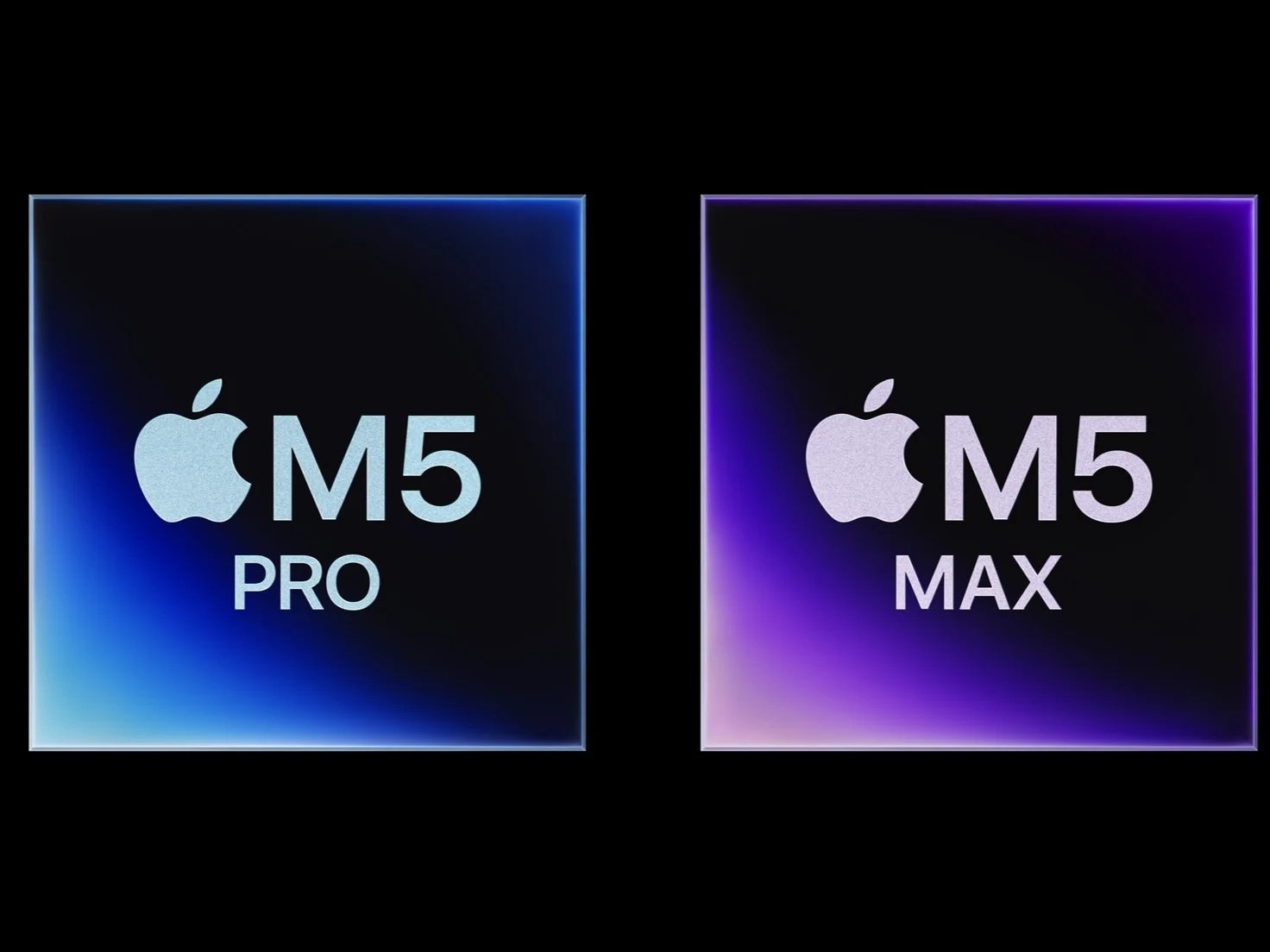
    Even though Apple officially unveiled the M5 Pro and M5 Max yesterday together with its latest MacBook Pro models, only some of their specs were shared. Typically, these details are confirmed through listings on Geekbench and other benchmarking sites. Nevertheless, a leak from Baidu has now provided insight into the internal components of both chips.

    Architecture Details

    Apple has confirmed that the M5 Pro and M5 Max utilize what they refer to as Fusion architecture. This is essentially TSMC’s SoIC-MH 2.5D packaging technology that links a CPU tile and a GPU tile using high-speed interconnects. In terms of performance, the M5 Pro and M5 Max are expected to deliver up to a 10% improvement in single-threaded workloads, a 20% boost for multi-threaded applications, and the GPU is projected to be around 25% quicker.

    Power Consumption Insights

    Power usage is anticipated to remain relatively stable across generations for single-threaded tasks. However, the additional CPU cores will inevitably cause the M5 Pro and M5 Max to consume more power when all cores are under heavy load.


    Source:
    Link


  • New Features Coming to Pixel Smartphones This Month from Google

    New Features Coming to Pixel Smartphones This Month from Google

    Key Takeaways

    1. Google has launched a new Feature Drop for several Pixel devices, including the Pixel Tablet and Pixel 9/10 Pro XL.
    2. AI enhancements focus on improving features like Circle to Search and At a Glance for better user experience.
    3. New features include Magic Cue and Gemini for restaurant locating and taxi rides, along with a multi-window desktop experience for Pixel 8 series.
    4. Desktop windowing is now available on the Pixel Tablet, enhancing its functionality.
    5. In-call Scam Detection has been expanded to additional countries: Germany, France, Italy, Japan, Mexico, and Spain.


    Google has quietly launched a new Feature Drop for several Pixel devices. This rollout comes amidst the buzz of MWC 2026 and Apple’s latest product unveilings, with the March Feature Drop set to begin on eligible devices this week.

    AI Enhancements

    As is typical, Google is emphasizing the AI upgrades it has implemented for devices such as the Pixel Tablet, Pixel 9, and the Pixel 10 Pro XL (currently priced at $1,114 on Amazon). Notably, the initial two Feature Drop updates are connected to Circle to Search. Furthermore, Google says it has improved the At a Glance feature to better respond to users’ daily routines.

    New Features

    In addition, Google is excited to share that Magic Cue and Gemini can now assist users in locating restaurants and securing taxi rides. The desktop experience is finally being rolled out to all Pixel phones starting with the Pixel 8 series. This feature offers a multi-window desktop experience when used with a keyboard and mouse, positioning Google’s desktop functionality as a competitor to Samsung DeX.

    Expanded Features

    Interestingly, desktop windowing has also arrived on the Pixel Tablet. On top of this, Google has broadened its in-call Scam Detection feature to include Germany, France, Italy, Japan, Mexico, and Spain. Check out the table below for further information regarding which new features will be available on specific devices later this month.

    Source:
    Link


  • Google Pixel Watch 4 Gains Satellite Connectivity in Europe

    Google Pixel Watch 4 Gains Satellite Connectivity in Europe

    Key Takeaways

    1. The March 2026 Feature Drop introduces new features for Pixel smartphones and the Pixel Tablet, including the long-awaited desktop windowing feature for the tablet.
    2. The older Pixel Watch 3 will receive gesture controls, allowing users to interact with their connected smartphones more easily.
    3. Satellite connectivity for the Pixel Watch 4 is expanding to more markets, including Europe, beyond its initial availability in the US.
    4. Pixel Watch 2 and newer models can now use tap-to-pay options and access transit systems without opening the Wallet app.
    5. These updates enhance the overall functionality and user experience of Google’s Pixel devices and smartwatches.


    Google is beginning to introduce a variety of fresh features to its Pixel smartphones as part of the March 2026 Feature Drop. This update is also making its way to the Pixel Tablet, which will finally have the desktop windowing feature that was missing from its earlier version.

    New Features for Smartwatches

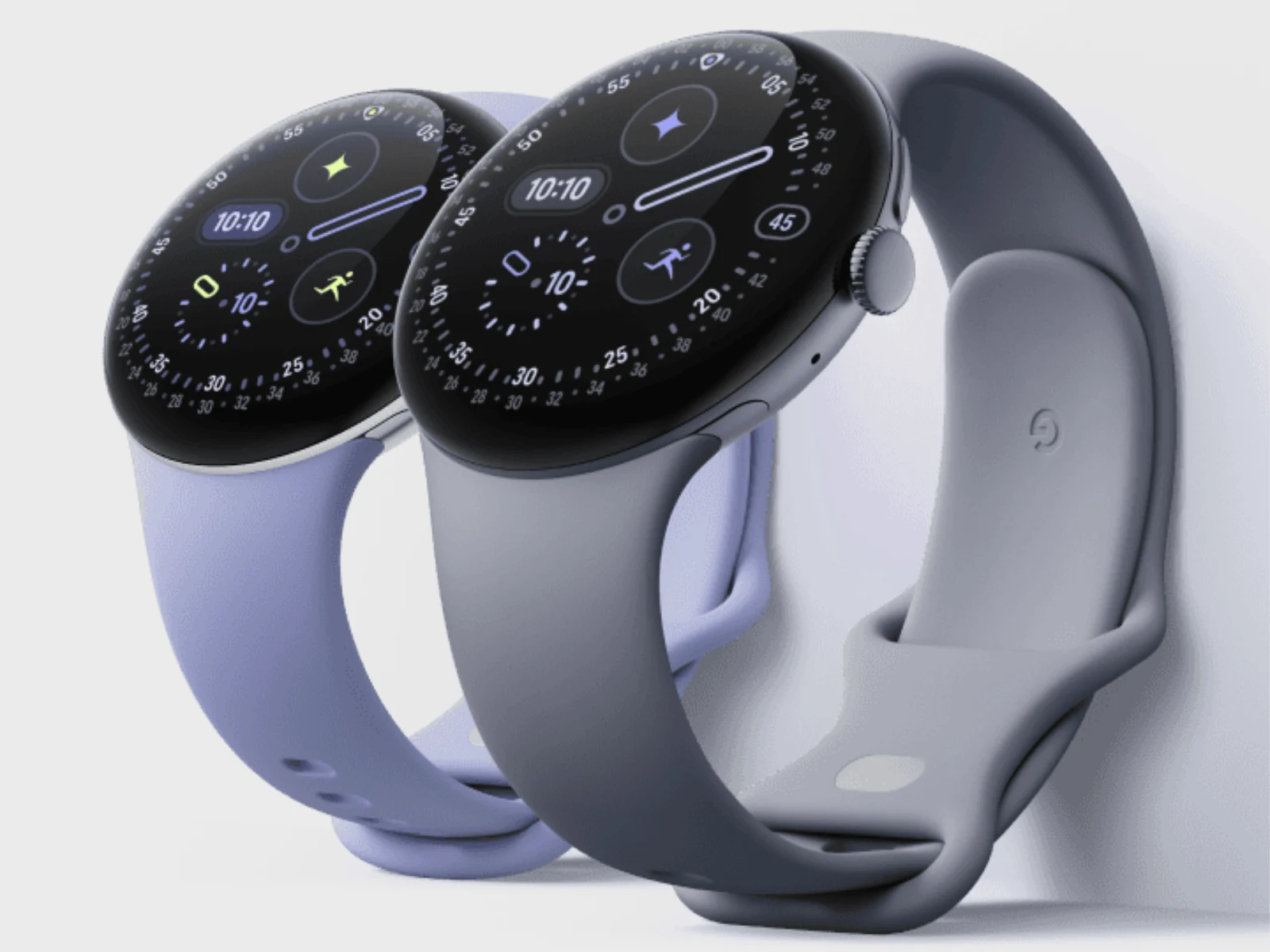
    In addition to the smartphones, Google has announced that new functionalities are on the way for its smartwatches too. For instance, the older Pixel Watch 3 will get gesture controls with the arrival of the March 2026 update. These controls, which were once only available on the Pixel Watch 4 (currently priced at $399 on Amazon), allow users to answer calls, browse notifications, and snap photos on a connected smartphone simply by tapping their thumb and index finger together on the watch.

    Expanding Connectivity Options

    Furthermore, Google has broadened the satellite connectivity options for the Pixel Watch 4, making it accessible in additional markets. Initially, this feature was only available in the US, but the March 2026 Feature Drop will also extend it to Europe. Additionally, the Pixel Watch 2 and newer models can now utilize tap-to-pay options or access transit systems without needing to open the Wallet app first. For further information, you can visit Google’s blog post.

    Source:
    Link


  • Samsung Galaxy S26 Ultra Successor to Feature New Camera Upgrade

    Samsung Galaxy S26 Ultra Successor to Feature New Camera Upgrade

    Key Takeaways

    1. Samsung has launched the Galaxy S26 Ultra at a price of $1,299, with shipping starting later this week.
    2. The Galaxy S26 Ultra will serve as Samsung’s main smartphone until early 2027.
    3. Speculation about the Galaxy S27 Ultra suggests it will move away from the ISOCELL HP2 sensor used in previous models.
    4. The Galaxy S27 Ultra is expected to feature the ISOCELL HPA sensor with Lateral Overflow Integration Capacitor (LOFIC) technology for improved HDR photography.
    5. There are conflicting reports on the size of the ISOCELL HPA sensor, with predictions that it may be marketed as ISOCELL HP6 in the Galaxy S27 Ultra.


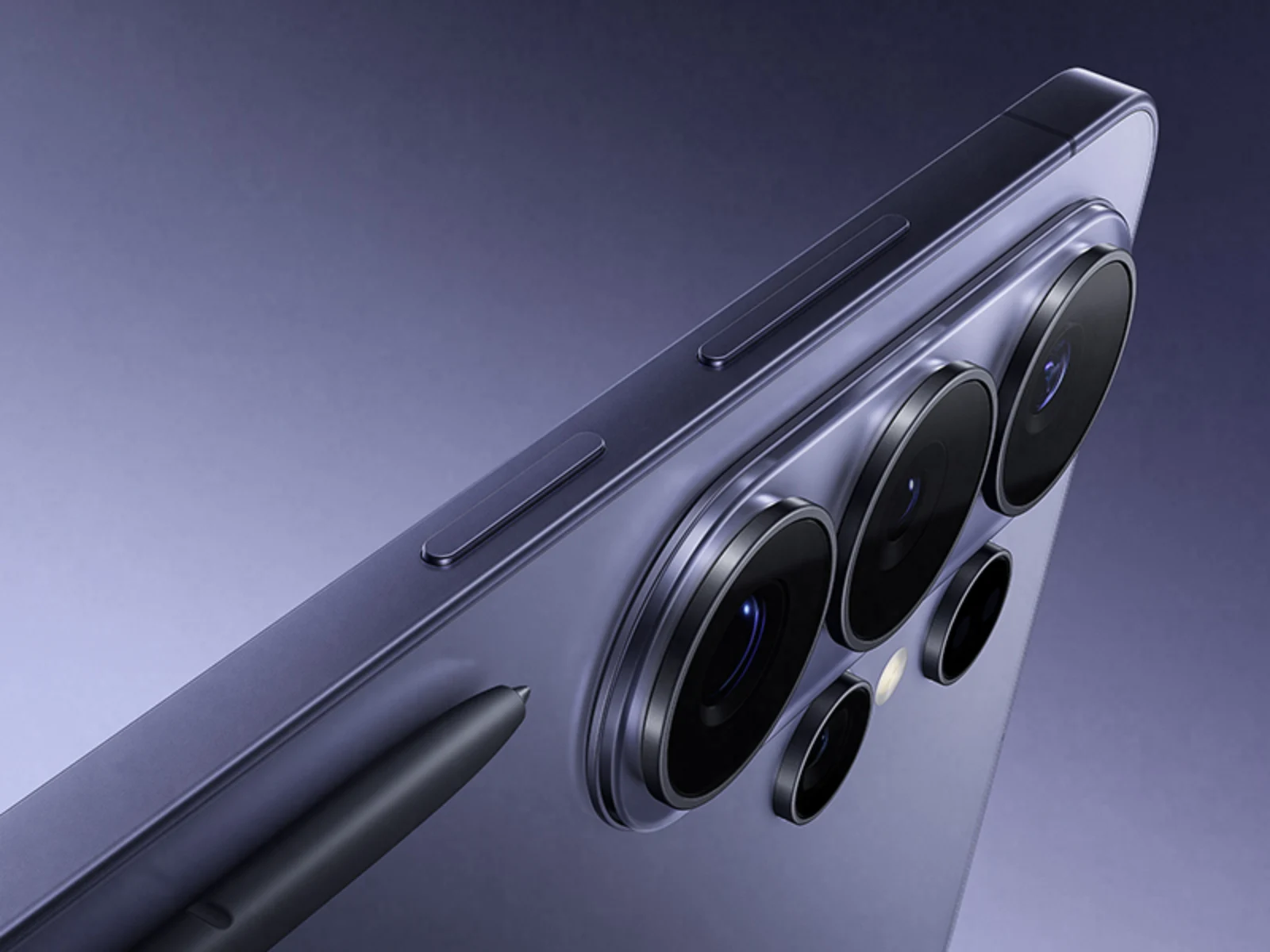
    Samsung has just introduced the Galaxy S26 Ultra worldwide (curr. $1,299 on Amazon). This model debuted alongside the Galaxy S26, Galaxy S26 Plus, and the Galaxy Buds4 series, but shipping for the Galaxy S26 Ultra won’t start until later this week. This means the Galaxy S26 Ultra is set to be Samsung’s main candybar smartphone until early 2027.

    Speculations on the Next Model

    Despite the recent launch, rumors about the successor, tentatively named the Galaxy S27 Ultra, are already surfacing. It is believed that this upcoming device will mark Samsung’s departure from the older ISOCELL HP2 sensor. For background, this 200 MP sensor has been used in all Ultra models since the Galaxy S23 Ultra, including the Galaxy Z Fold7.

    New Technology in the Pipeline

    Reports suggest that the Galaxy S27 Ultra will feature the ISOCELL HPA in some capacity, which will keep the 200 MP native output like the ISOCELL HP2. However, it will incorporate Lateral Overflow Integration Capacitor (LOFIC) technology to enhance dynamic range, especially in HDR photography.

    Sensor Size Discrepancies

    There’s a bit of a clash between Digital Chat Station and Ice Universe regarding the size of the ISOCELL HPA sensor. Currently, they are reporting sizes of 1/1.12-inch and 1/1.3-inch, respectively. Furthermore, Ice Universe anticipates that Samsung will market the ISOCELL HPA as the ISOCELL HP6 in the Galaxy S27 Ultra. At this point, we probably won’t see any concrete details about the camera hardware until late 2026.

    Source:
    Link


  • Smartphones Throttle to 70% Performance: No Impact in Tests

    Smartphones Throttle to 70% Performance: No Impact in Tests

    Key Takeaways

    1. The Realme GT 8 Pro features the Qualcomm Snapdragon 8 Elite Gen 5 processor, delivering impressive CPU performance compared to rivals like the Pixel 10 Pro XL.

    2. During stress tests, the GT 8 Pro experienced significant throttling, with performance drops of up to 70% under high heat situations.

    3. Despite some thermal throttling, the device maintained consistent CPU performance, scoring about 10% higher in Geekbench tests when cooled.

    4. In gaming scenarios, the GT 8 Pro achieved high frame rates (59.2 fps in Genshin Impact) but experienced some drops when overheated, though these were not majorly impactful for regular use.

    5. Overall, the Realme GT 8 Pro effectively handles demanding tasks and remains a strong choice for everyday use and gaming, despite some thermal limitations.


    Inside the Realme GT 8 Pro, users will find the new Qualcomm Snapdragon 8 Elite Gen 5 processor. Our assessments of the flagship model show that it boasts impressive CPU capabilities, placing it far ahead of several rivals like the Pixel 10 Pro XL.

    Performance Under Pressure

    The question arises: how does this top-tier smartphone, equipped with a powerful SoC, manage the heat it generates during regular usage? During our evaluations, the GT 8 Pro showed noticeable throttling. In stress tests using 3DMark, we noted a performance drop of as much as 70%. Do these constraints become obvious while playing demanding games in real-world situations?

    To explore this, we pushed the test unit to its limits using the Burnout benchmark until it overheated (which took about 10 to 15 minutes). Shortly after, we subjected the CPU to a Geekbench test and the GPU to a gaming benchmark.

    Consistent CPU Performance

    Regarding CPU strength, there hasn’t been a significant difference when comparing our Geekbench results. When adequately cooled, the Realme device scored about 10% higher in both single-core and multi-core evaluations.

    In daily tasks, this performance drop is hardly noticeable. After the GT 8 Pro powered down due to excessive heat, we didn’t see any major issues like stuttering or lag in the system interface.

    Moreover, with the Snapdragon 8 Elite Gen 5 at a working temperature, the Realme phone still outperforms a Google Pixel 10 Pro XL powered by its Tensor G5 in optimal conditions.

    Gaming Capabilities

    Next, the Realme device needed to showcase its skills in a gaming scenario. For this test, we tried playing the demanding title Genshin Impact with the highest detail settings, targeting 60 frames per second.

    In our stress test, the GT 8 Pro achieved an impressive 59.2 fps, while the high-end device previously managed nearly the same at 59.4 fps when it was cool. Although frame rate drops were a bit more noticeable when the phone was heated—sometimes falling to 48 fps, while drops to 51 fps were noted without any load—this is unlikely to create a major impact during regular usage.

    Conclusion

    In conclusion, the Realme GT 8 Pro demonstrates that it can handle demanding tasks effectively, even under stress. The Snapdragon 8 Elite Gen 5 processor provides robust performance, though some thermal throttling is evident. Nonetheless, for everyday use and gaming, it still stands out as an excellent choice.


  • Casio G-Shock Collaboration Watch with Compass Expands Availability

    Casio G-Shock Collaboration Watch with Compass Expands Availability

    Key Takeaways

    1. Casio has launched the G-Shock x Team Land Cruiser Toyota Auto Body GWGB1000TLC1A watch in North America and Europe, now available in the UK market.
    2. The watch is priced at $970 in the US and €879 in Europe, with limited stock available.
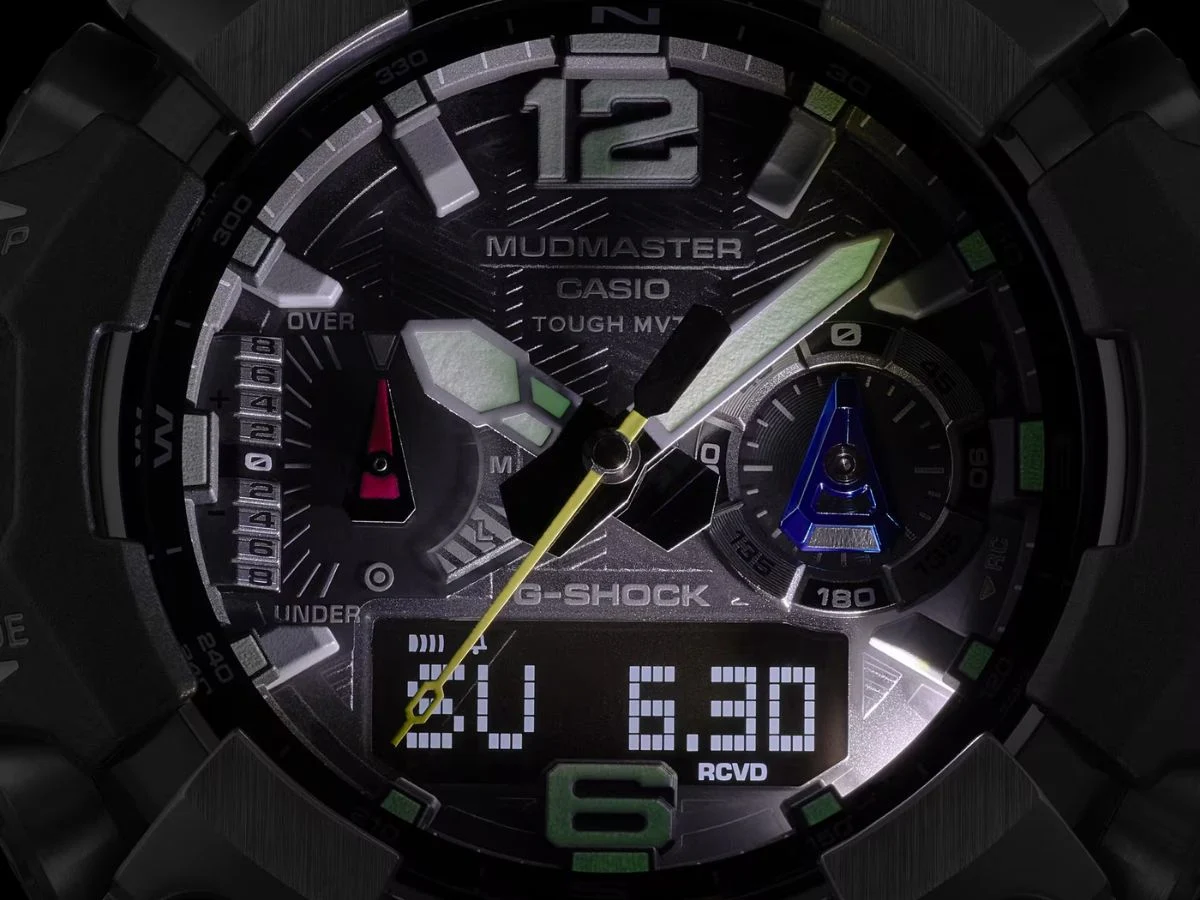
    3. The design features a black dial with vibrant highlights, a black ion-plated stainless steel bezel, and a sand-like textured resin strap.
    4. Key features include radio control (Multiband 6), Bluetooth, a compass, thermometer, altimeter/barometer, and Tough Solar charging technology.
    5. The watch is water-resistant up to 200 meters and includes a double LED backlight for the digital display.


    Casio has launched the G-Shock x Team Land Cruiser Toyota Auto Body GWGB1000TLC1A watch in more regions throughout North America and Europe. This new model was first introduced in early 2026 and has now made its way to the UK market.

    You can purchase the Casio G-Shock x Team Land Cruiser Toyota Auto Body GWGB1000TLC1A watch through the brand’s US online store for $970. It has also been advertised as available at the physical Casio store located in SoHo, New York, via social media channels.

    Availability in Europe

    Moreover, the Casio G-Shock GWG-B1000TLC-1A can be found in EU countries such as the Netherlands, Spain, and Germany. In this region, it is priced at €879 in the brand’s online store. It’s important to mention that stock is limited, as indicated on the product listings.

    Design and Features

    The G-Shock GWGB1000TLC1A watch is created in partnership with Team Land Cruiser Toyota Auto Body (TLC). It features a black dial with vibrant highlights, encased in a black ion-plated stainless steel bezel. The casing itself is crafted from carbon fiber-reinforced resin, and the textured resin strap is described as having a sand-like texture.

    The Mudmaster GWG-B1000 is equipped with radio control (Multiband 6) and Bluetooth capabilities. This Triple Sensor model includes a compass, thermometer, and altimeter/barometer, and it can display sunrise and sunset times. Additional features consist of a stopwatch, several alarms, and a timer. The digital display against the black background can be lit up using a double LED backlight. Furthermore, this model is water-resistant up to 200 meters and comes with Tough Solar charging technology.

    Source:
    Link


  • Amazfit Smartwatch Users Receive 7 New Mini Apps

    Amazfit Smartwatch Users Receive 7 New Mini Apps

    Key Takeaways

    1. Seven new Mini apps have been released for Amazfit smartwatches, including the Amazfit T-Rex Ultra 2.
    2. Key apps include Wrist-list for checklists, Sound Generator for audio testing, and AlarmZone requiring user interaction to turn off alarms.
    3. Two new games, Block Breaker and Mr. Roundy, offer entertainment with various levels and control options.
    4. Additional apps include Rain Runner and Squash Scoring, enhancing functionality and fun.
    5. Users can download the new Mini Apps from the Mini App Store within the Zepp Health app.


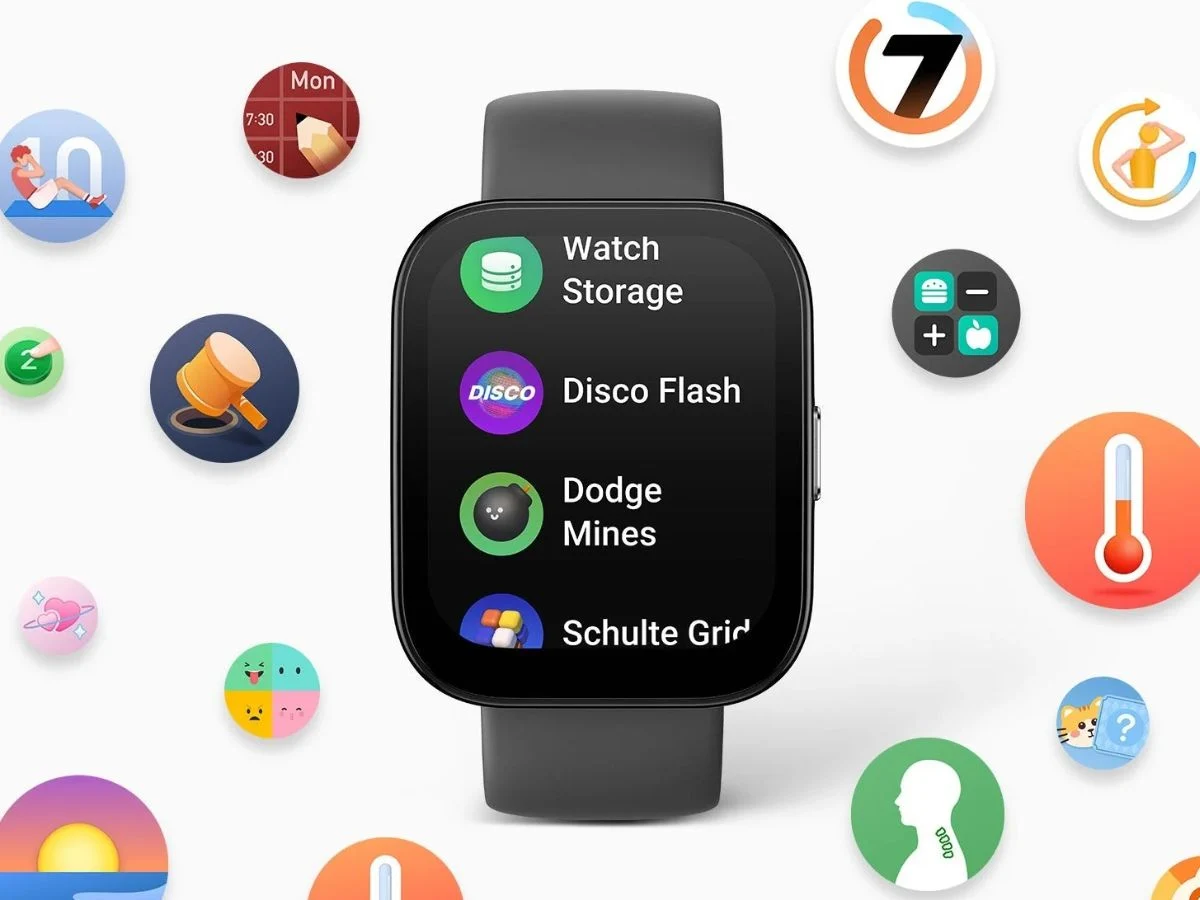
    Seven new Mini apps for Amazfit smartwatches have been released. These apps come from outside developers and are made to work directly on Amazfit devices, such as the latest Amazfit T-Rex Ultra 2, which is currently priced at $549.99 on Amazon.

    New Functionalities

    Among the new apps is Wrist-list, a checklist tool that lets you import lists from various formats like Google Keep, CSV, and Markdown. Another app, Sound Generator, creates pure sine wave tones, which can be helpful for testing audio devices or for clearing water from the smartwatch speakers. AlarmZone is another noteworthy addition; this interactive alarm app requires users to perform an action, such as shaking the watch or solving a math problem, to turn off the alarm, ensuring you really get out of bed.

    Gaming Options

    In addition to utilities, two new games have been added for Amazfit smartwatch users. The first game, Block Breaker, is a modern twist on the classic arcade game featuring 40 levels and options for crown or button controls. The second game, Mr. Roundy, is a platform adventure featuring 12 levels, allowing players to make the character jump by tapping the screen. The last two Mini Apps are Rain Runner and Squash Scoring.

    You can access and download the newest Mini Apps for your Amazfit smartwatch from the Mini App Store within the Zepp Health app.

    Source:
    Link


  • Galaxy S26 Ultra Lacks Upgrade After Display Misinformation

    Galaxy S26 Ultra Lacks Upgrade After Display Misinformation

    Key Takeaways

    1. Samsung misled consumers about the Galaxy S26 Ultra’s display, claiming 10-bit color depth while using an 8-bit panel with Frame Rate Control (FRC).
    2. The Galaxy S26 Ultra features older UFS 4.0 storage technology instead of the expected UFS 4.1 or UFS 5.0.
    3. Competitors like OnePlus, Xiaomi, Vivo, and iQOO have upgraded to UFS 4.1 in their flagship models.
    4. While UFS 4.1 offers some benefits, the difference in everyday performance between UFS 4.0 and UFS 4.1 is expected to be minimal.
    5. Samsung may have saved costs by not upgrading storage technology, leading to higher prices for the Galaxy S26 Ultra and its product lineup.


    Samsung has recently been criticized for providing misleading information about the display of the Galaxy S26 Ultra. The company claimed that the phone features a 10-bit color depth, but it actually utilizes an 8-bit panel and probably relies on Frame Rate Control (FRC) to create the appearance of 10-bit color. Furthermore, it’s been noted that the phone lacks another anticipated upgrade, but fortunately, Samsung has not given any false information regarding this aspect.

    Storage Specifications

    As reported by Phonearena, the Galaxy S26 Ultra is equipped with the older UFS 4.0 storage technology instead of the more advanced UFS 4.1 version. This is yet another feature where Samsung hasn’t made any improvements compared to the Galaxy S25 Ultra (buy on Amazon). Although the company didn’t promote the latest standard for its new flagship model, many expected that UFS 4.1 would be included, if not UFS 5.0. In contrast, the OnePlus 15 (buy on Amazon) comes with UFS 4.1 storage, and even the more affordable OnePlus Turbo 6 offers it. Other leading brands like Xiaomi, Vivo, and iQOO also feature this upgrade in their flagships.

    Performance Insights

    While UFS 4.1 is merely a slight enhancement over UFS 4.0, it does offer benefits such as swifter data access, improved memory management, and enhancements to WireBooster Buffer Resize, among other things. However, in everyday use, the difference between UFS 4.0 and UFS 4.1 will likely be minimal. The Galaxy S26 Ultra should perform as quickly, if not quicker, when transferring data compared to the Galaxy S25 Ultra.

    By sticking with the same UFS storage standard, Samsung may have cut costs while producing the Galaxy S26 Ultra. Nonetheless, some other components have seen price increases, contributing to a rise in the overall prices of the entire product lineup.

    Source:
    Link