Tag: pixel

  • Sustainable IT: Smartphones Repurposed as Data Center Servers

    Sustainable IT: Smartphones Repurposed as Data Center Servers

    Key Takeaway

    – Repurposing decommissioned smartphones reduces embodied carbon from manufacturing.
    – Clusters of 25-50 smartphone motherboards match traditional server performance with lower energy.
    – Kubernetes and a specialized Linux distribution manage the smartphone-based cloud infrastructure.
    – A 20-board cluster can handle a lecture of 75+ students with low latency.
    – The final 2,000-device system will support ~100 courses, equaling about 50 conventional servers.


    A current collaborative project between the University of California San Diego (UCSD) and Google aims to address the topic of sustainability in information technology. The researchers hope to develop a method that repurposes discarded smartphones as resource-efficient cloud computing platforms. This approach is designed to reduce “embodied carbon,” namely the greenhouse gas emissions generated during the production and transportation of electronic components. To build the server cluster, the scientists are removing the motherboards from approximately 2,000 decommissioned Google Pixel smartphones.

    How the server clusters actually work now

    The motherboards will be combined into clusters and managed using container tools such as Kubernetes. Instead of the Android mobile operating system, a specially adapted Linux distribution will be used. A physical cluster will consist of 25 to 50 smartphone motherboards, which is expected to achieve the computing power of a conventional server mainframe, but with lower energy consumption during operation. This is a pretty smart way to reuse old electronics that would otherwise just end up in a landfill somewhere.

    Testing and real world performence seen so far

    The planned data center at UCSD is intended to provide the university with a cost-effective and low-emission cloud computing infrastructure. Tests have already shown that a network of just 20 smartphone boards is sufficient to handle the requests of a lecture with over 75 students stably and with low latency. The final system, with 2,000 integrated devices, is expected to be capable of supporting around 100 such courses simultaneously and offering computing capacity equivalent to approximately 50 traditional servers. That’s alot of processing power for basically free hardware.

    • Pricing and specification details: Not specifically given, but using 2,000 discarded Google Pixel motherboards implies near-zero hardware cost for the boards themselves.
    • Energy consumption: Lower than conventional server mainframes during operation, making it a greener option for cloud computing.
    • Performance: 20 boards handled 75+ students with low latency; 2,000 boards equals about 50 traditional servers worth of capacity.

    Sources
  • New Features Coming to Pixel Smartphones This Month from Google

    New Features Coming to Pixel Smartphones This Month from Google

    Key Takeaways

    1. Google has launched a new Feature Drop for several Pixel devices, including the Pixel Tablet and Pixel 9/10 Pro XL.
    2. AI enhancements focus on improving features like Circle to Search and At a Glance for better user experience.
    3. New features include Magic Cue and Gemini for restaurant locating and taxi rides, along with a multi-window desktop experience for Pixel 8 series.
    4. Desktop windowing is now available on the Pixel Tablet, enhancing its functionality.
    5. In-call Scam Detection has been expanded to additional countries: Germany, France, Italy, Japan, Mexico, and Spain.


    Google has quietly launched a new Feature Drop for several Pixel devices. This rollout comes amidst the buzz of MWC 2026 and Apple’s latest product unveilings, with the March Feature Drop set to begin on eligible devices this week.

    AI Enhancements

    As is typical, Google is emphasizing the AI upgrades it has implemented for devices such as the Pixel Tablet, Pixel 9, and the Pixel 10 Pro XL (currently priced at $1,114 on Amazon). Notably, the initial two Feature Drop updates are connected to Circle to Search. Furthermore, Google says it has improved the At a Glance feature to better respond to users’ daily routines.

    New Features

    In addition, Google is excited to share that Magic Cue and Gemini can now assist users in locating restaurants and securing taxi rides. The desktop experience is finally being rolled out to all Pixel phones starting with the Pixel 8 series. This feature offers a multi-window desktop experience when used with a keyboard and mouse, positioning Google’s desktop functionality as a competitor to Samsung DeX.

    Expanded Features

    Interestingly, desktop windowing has also arrived on the Pixel Tablet. On top of this, Google has broadened its in-call Scam Detection feature to include Germany, France, Italy, Japan, Mexico, and Spain. Check out the table below for further information regarding which new features will be available on specific devices later this month.

    Source:
    Link


  • Android 17 Beta Launch Date Revealed: Closer Than Expected

    Android 17 Beta Launch Date Revealed: Closer Than Expected

    Key Takeaways

    1. Google is skipping the developer preview stage and going directly to the beta phase for Android 17.
    2. The Android 17 beta, codenamed “Cinnamon Bun,” is expected to launch around February 18.
    3. Android 17 is built on Android 16 QPR and includes bug fixes and improvements, with potential visual upgrades.
    4. Pixel users in the Android Beta Program will receive the update automatically, while those wanting to stay on the stable version must opt out before the beta launches.
    5. Downgrading from the beta will wipe all user data, and a secure method to exit the beta without data loss will be available only at the end of the beta period.


    Google seems to have made some major changes to how it rolls out updates. For the very first time, they are skipping the developer preview stage and going straight to the beta phase. This was recently confirmed in the official Reddit group r/android_beta, which stated that the Android 17 beta is likely to be launched soon. This change is part of the new canary build model. With this model, developers are working directly on the main branch of development, which helps to cut down on internal testing time and allows beta versions to be released more quickly. Reports indicate that the Android 17 beta could kick off around February 18.

    Details on Android 17

    Android 17, codenamed “Cinnamon Bun,” is built on the solid foundation of Android 16 QPR – Quarterly Platform Release. Up to this point, Google has not shared much information about the specific updates included in this version. Officially, the company is only mentioning “the latest bug fixes and improvements to stability and performance.” Nevertheless, there are rumors that Android 17 might bring some significant visual upgrades. These potential changes could feature more visible blur effects and a clearer distinction between the notification shade and Quick Settings. The overall look may start to resemble designs found in systems like Apple’s iOS or Xiaomi’s HyperOS. However, these updates are causing mixed feelings, especially among long-time Android fans who favor the classic appearance of the platform.

    How to Get the Update

    For anyone with a Pixel device who is signed up for the Android Beta Program, Android 17 Beta 1 will be delivered automatically as an OTA update. Users who want to stay on the stable Android 16 QPR3 version must opt out of the beta program before the beta launches. Once the beta is out, Google will provide a “downgrade OTA,” but it’s advised against installing it as it is said to wipe all user data completely. A secure method to exit the beta program without losing any data will only be available again toward the end of the beta period, which is anticipated to be around June 2026.

    Source:
    Link


  • Google Mocks Apple for iPhone 17’s Pixel Feature Copying

    Google Mocks Apple for iPhone 17’s Pixel Feature Copying

    Key Takeaways

    1. Google’s ‘#BestPhonesForever’ campaign features humorous clips comparing Pixel and iPhone.
    2. The latest clip mocks the iPhone for adopting Pixel features years later, hinting at the iPhone 17 redesign.
    3. The iPhone 17 is rumored to include a camera bar, a feature already present in Pixel phones.
    4. The ad highlights feature comparisons, noting that Night Mode, Magic Eraser, and widgets were introduced by Pixel before iPhone.
    5. The lighthearted nature of the ad has been well-received, showcasing friendly competition in the smartphone industry.


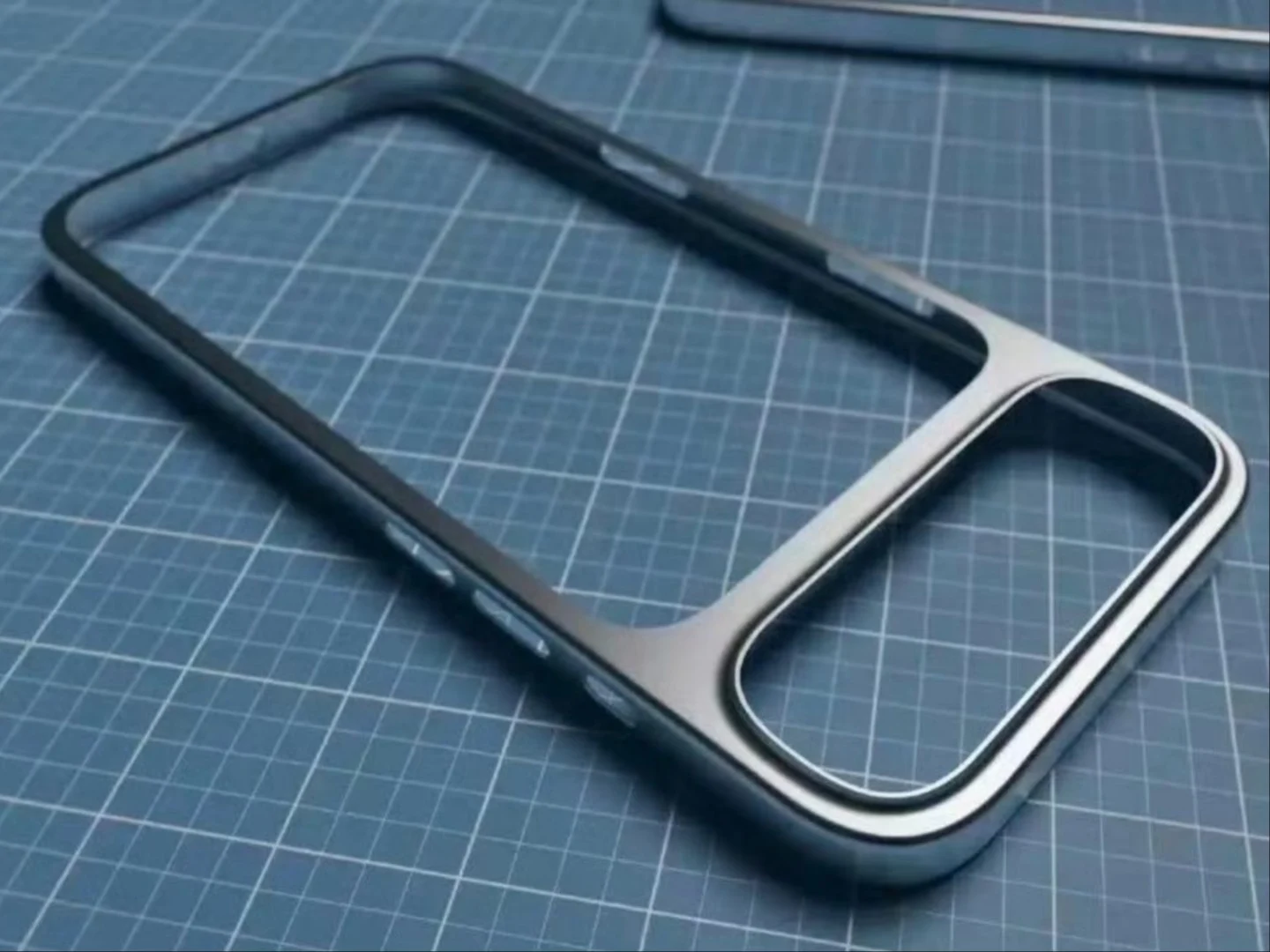
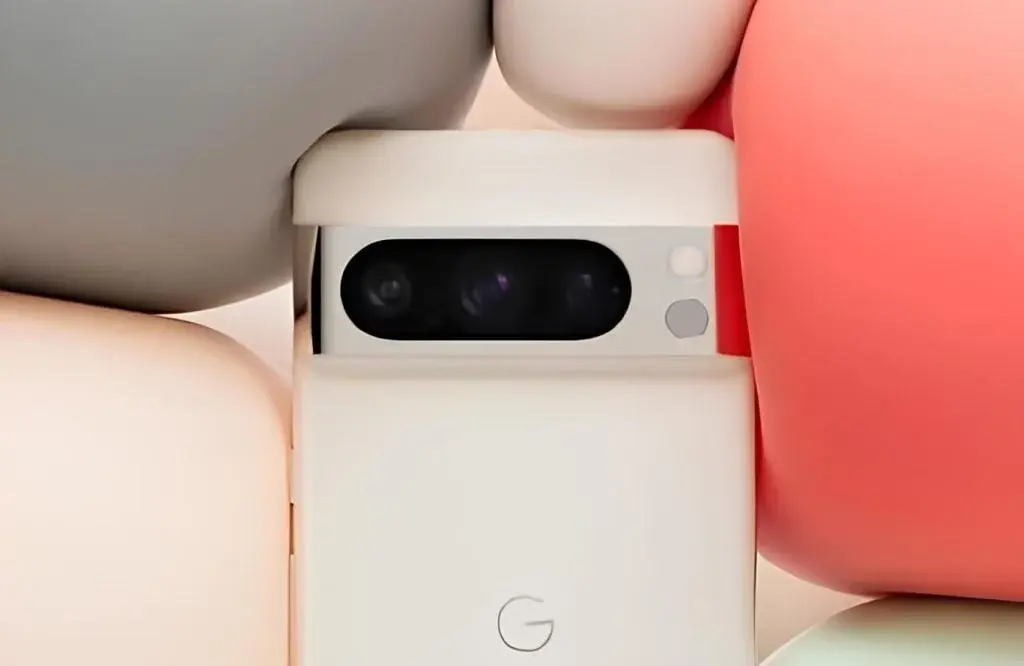
    Google has been putting out short clips as part of their ‘#BestPhonesForever’ marketing campaign on their Made by Google YouTube channel. These clips usually feature a dialogue between a Pixel and an iPhone. The newest clip mocks the iPhone for adopting Pixel features only after several years and hints at the forthcoming iPhone 17 and its expected new look. The iPhone 17 series is rumored to have a camera bar similar to those found on Pixel phones.

    Video Details

    The brief clip is called ‘Responding to the Rumors’ and presents a Pixel phone and an iPhone engaging in a podcast-style discussion. The Pixel phone kicks things off by addressing the rumors regarding the iPhone 17 series redesign, which is said to include a camera bar at the top, a feature that has been a mainstay in Pixel phones for a long time. The iPhone then interjects, saying, “isn’t it wild, can you picture me, doing the same thing you did first, years later?”

    Feature Comparisons

    Following that, the iPhone brings up Night Mode, a feature that was introduced in Pixel phones years ago as Night Sight. In the same vein, the Pixel had Magic Eraser, and three years later, the iPhone introduced Clean Up. Lastly, the iPhone points out widgets, a feature that Android has had since the very first version.

    Final Thoughts

    The Pixel then stresses that the redesign rumors are merely that—rumors—which the iPhone immediately echoes back in the same rhythm. The Pixel phone responds with, “Oh come on!” The lighthearted ad appears to be well-received, as the comments section shows a similar vibe.

    In the world of smartphones, innovation and creativity are key, so it’s not unusual for companies to borrow features from each other. Many in the smartphone industry try to mimic Apple’s design, hardware, and software features too. This kind of friendly rivalry is always beneficial for consumers.

    Source:
    Link

  • Google Automates Temperature Check for Pixel Pro Users

    Google Automates Temperature Check for Pixel Pro Users

    Google’s Pixel 8 Pro and 9 Pro smartphones feature a useful temperature sensor located on the back. This sensor allows users to check the temperature of various objects or even a person’s body. Google appears to be enhancing this functionality to improve user experience.

    Upcoming Automatic Temperature Detection

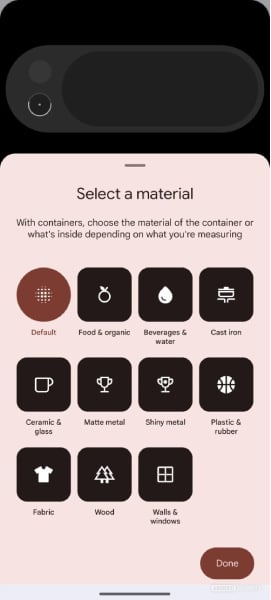
    At present, the Pixel Thermometer app requires users to choose the type of material they wish to measure, such as food, metal, or glass, prior to taking a temperature reading. While this isn’t a significant hassle, it does add an extra step compared to traditional thermometers.

    According to a report from Android Authority, there are indications that the newest version of the Pixel Thermometer app (version 1.0.676362763) may introduce an automatic material detection feature. The app’s coding hints that Google is developing a function that will automatically determine the object the phone is aimed at, removing the need for users to make manual selections.

    Manual and Automatic Options

    However, it seems that Google will keep the manual selection option available. The code explicitly states that both automatic detection and manual selection will be provided, allowing users to choose how they want to proceed. This flexibility could be beneficial if the automatic detection isn’t entirely accurate or if a specific material necessitates a more careful selection.

    Additionally, the report indicates that Google plans to implement a “TFLite model” to facilitate this feature. TFLite is a compact machine-learning model suitable for device-based tasks like image recognition. The app may leverage these models alongside data from the phone’s camera to assess what you are aiming at.

    Feature Availability

    Currently, this update with the new feature has not yet been launched. The team at Android Authority attempted to activate it but had no success. Despite this, the code suggests that the automatic detection feature is forthcoming. When it does arrive, it is expected to be integrated into the existing material selection interface of the app.

  • Unexpected January Pixel Feature Drop introduces Galaxy S24 features and beyond

    Unexpected January Pixel Feature Drop introduces Galaxy S24 features and beyond

    Google Releases January Pixel Feature Drop: What’s New for Pixel Users?

    Google has surprised users with a January Pixel Feature Drop, introducing a range of new features to Pixel devices. Some of these features have been inspired by the recently launched Galaxy S24. Let’s take a closer look at what’s in store for Pixel users.

    Enhanced Pixel 8 Pro Temperature Sensor

    The Pixel 8 Pro’s temperature sensor, which was previously shrouded in mystery, can now be utilized for measuring human body temperature. Users can simply point their phones at themselves or others to obtain temperature readings. Additionally, there is an option to integrate this feature with the Fitbit app for tracking purposes.

    Circle to Search Arrives on Pixel Phones

    One of the standout features of the Galaxy S24, Circle to Search, has made its way to Pixel devices with the January feature drop. Powered by Google AI, this tool enables users to draw circles around elements on any screen, such as videos, images, or text, in order to trigger information searches. However, it is worth noting that Circle to Search is only available on Pixel 8 and 8 Pro smartphones.

    Photomoji

    Pixel users can now convert messages into unique emojis for instant reactions. By pressing and holding a message in Google Messages, users can select a picture, and their phone will automatically transform it into a personalized emoji. This feature is available on Pixel 3a and later models.

    Magic Compose

    Magic Compose, which was announced earlier, is finally being rolled out to Pixel 8 and 8 Pro users. This feature suggests personalized and creative response options for text messages, making it easier for users to compose their replies.

    Quick Share

    Samsung and Google have collaborated on Android’s default file-sharing service, now known as Quick Share. This feature is now available on Pixel devices, complete with a new Quick Share icon. Users can share files quickly and seamlessly using this feature.

    Pixel Buds Pro Gain Seamless Audio Switching

    Pixel Buds Pro users can now enjoy improved connectivity with the addition of automatic device switching. This means that the earbuds will seamlessly transition audio playback between connected devices. For example, users can switch from listening to music on a tablet to taking calls on a phone without any interruptions.

    These exciting new features are currently rolling out to Pixel users. Keep an eye out for updates on your device to take advantage of these enhancements.

  • January 2024 Update Released for Pixel Phones and Pixel Tablet

    January 2024 Update Released for Pixel Phones and Pixel Tablet

    January 2024 Pixel Update: Bug Fixes and Improvements

    The January 2024 update for Pixel Phones is now available, bringing the latest security patch and bug fixes. This update aims to address the issues that arose after last month's December feature Drop. The Google Pixel Watch is also receiving the same update.

    Supported Devices

    The January 2024 Pixel update is rolling out to the following devices:

    • Pixel 5a
    • Pixel 6/6 Pro/6a
    • Pixel 7/& Pro/7a
    • Pixel Tablet
    • Pixel Fold
    • Pixel 8/8 Pro

    Both unlocked and Verizon-locked smartphones worldwide, as well as in the US, are eligible for the update.

    Changelog

    The official changelog for the January 2024 update includes the following:

    Camera

    • Fix for users facing Camera crashes in certain conditions

    User Interface

    • Fix for users facing flashing black screen when playing video in certain conditions
    • Fix for users unable to exit Setup Wizard in certain conditions
    • Fix for Wallpaper on home screen showing black in certain conditions

    These fixes and improvements are specific to Pixel Phones and Tablets. Additionally, it is hoped that the update resolves the overheating issue experienced by Pixel 6 Pro during phone calls.

    Camera Improvements and Security Fixes

    The January 2024 Pixel update not only brings camera improvements but also addresses significant issues with the user interface. Moreover, it includes fixes for 10 vulnerabilities rated as high severity for the system. Furthermore, security issues related to Qualcomm, MediaTek, and other chipsets have also been addressed.

    Firmware Details

    Here are the firmware details for the January 2024 Pixel update:

    Global

    • Pixel 5a (5G): UQ1A.240105.002
    • Pixel 6: UQ1A.240105.002
    • Pixel 6 Pro: UQ1A.240105.002
    • Pixel 6a: UQ1A.240105.002
    • Pixel 7: UQ1A.240105.004
    • Pixel 7 Pro: UQ1A.240105.004
    • Pixel 7a: UQ1A.240105.004
    • Pixel Tablet: UQ1A.240105.002
    • Pixel Fold: UQ1A.240105.004
    • Pixel 8: UQ1A.240105.004
    • Pixel 8 Pro: UQ1A.240105.004

    Verizon

    • Pixel 7: UQ1A.240105.004.A1
    • Pixel 7 Pro: UQ1A.240105.004.A1
    • Pixel 7a: UQ1A.240105.004.A1
    • Pixel Fold: UQ1A.240105.004.A1
    • Pixel 8: UQ1A.240105.004.A1
    • Pixel 8 Pro: UQ1A.240105.004.A1

    How to Update

    The OTA update for the January 2024 Pixel update has already been released and will gradually reach all eligible smartphones over the next few hours to days. Users can manually check for the update by going to Settings > System > System update. Alternatively, users also have the option to manually flash the OTA update by downloading the respective .zip file.

    Looking ahead, the next Quarterly Patch Release (QPR) is scheduled for March 2024, following the December Big Update.

  • The Resilient Google Pixel 8 Pro: A Showcase of Durability

    The Resilient Google Pixel 8 Pro: A Showcase of Durability

    In a world inundated with fragile smartphones that succumb to the slightest mishaps, the Google Pixel 8 Pro emerges as a beacon of durability. The recent scratch, burn, and bend tests performed on this gadget affirm its robustness, making it a worthy contender for those seeking a sturdy, reliable smartphone.

    Exceptional Scratch Resistance

    One of the critical aspects contributing to the Pixel 8 Pro’s durability is its remarkable scratch resistance. The phone’s screen remained unscathed even when subjected to rigorous scratching attempts, showcasing its superior quality. The back panel also exhibited a high level of scratch resistance, making the Pixel 8 Pro an ideal choice for individuals who prioritize longevity in their smartphones. This sturdy build does not compromise the sleek design that the Pixel line is known for, which is an added advantage.

    Impressive Heat Withstandability

    Moreover, the Google Pixel 8 Pro impressed with its ability to withstand exposure to heat. During the burn test, the smartphone’s display sustained a flame for a considerable amount of time before showing signs of damage. Even then, the affected area recovered swiftly once the heat source was removed. This test is a testament to the Pixel 8 Pro’s resilience, reassuring potential buyers about its performance under extreme conditions.

    Bend Test Triumph

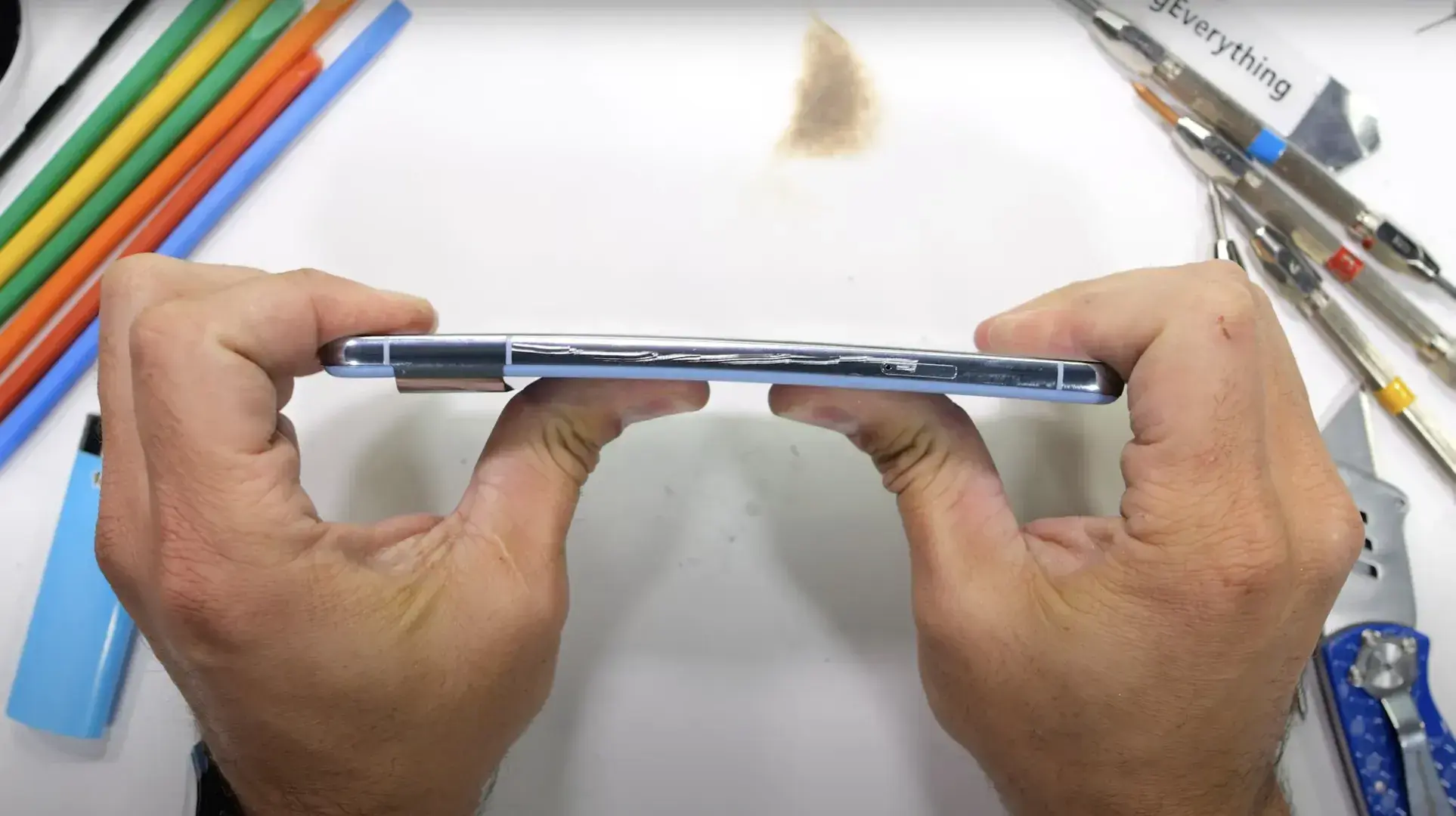
    Perhaps the most noteworthy testament to the Pixel 8 Pro’s durability came from the bend test. Unlike many contemporary smartphones that bend or snap under pressure, the Pixel 8 Pro remained intact even when substantial force was applied. Its structural integrity remained unimpaired, further solidifying its place as a reliable and robust smartphone choice in the market.

    The Google Pixel 8 Pro not only boasts a sophisticated design but also stands tall when it comes to durability. These qualities make it a lucrative option for consumers seeking a blend of aesthetics and reliability in a smartphone. The recent tests have significantly bolstered the Pixel 8 Pro’s reputation, making it a much-talked-about gadget in tech circles. The Pixel 8 Pro is not just a smartphone; it’s a statement of durability melded with elegance. Its price starts at $899, which is a competitive pricing point given its robust features.

    The meticulous tests that the Pixel 8 Pro underwent and triumphed are well-documented in recent articles published on Notebookcheck, GSM Arena, and 9to5Google, which provide a detailed analysis of the smartphone’s performance in scratch, burn, and bend tests.

    Watch the full set of tests:


    Sources: Notebookcheck, GSM Arena, 9to5Google.