Tag: Pixel 9 Pro

  • Google Launches Free Extended Repair Program for Pixel 9 Pro

    Google Launches Free Extended Repair Program for Pixel 9 Pro

    Key Takeaways

    1. Google is set to launch the Pixel 10a after releasing the Pixel 10 series, including Pixel 10 Pro models.
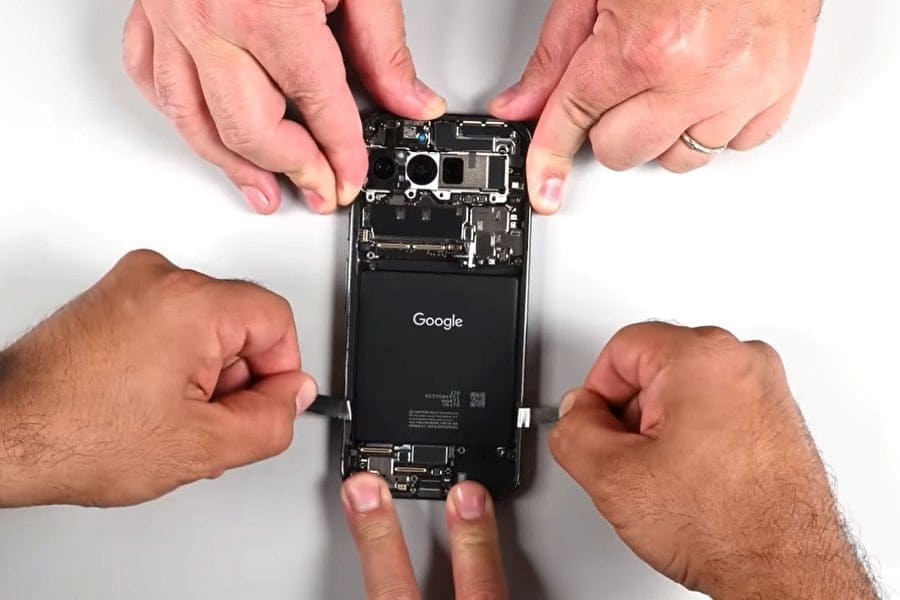
    2. An extended repair program has been introduced for select Pixel 9 series devices with display issues.
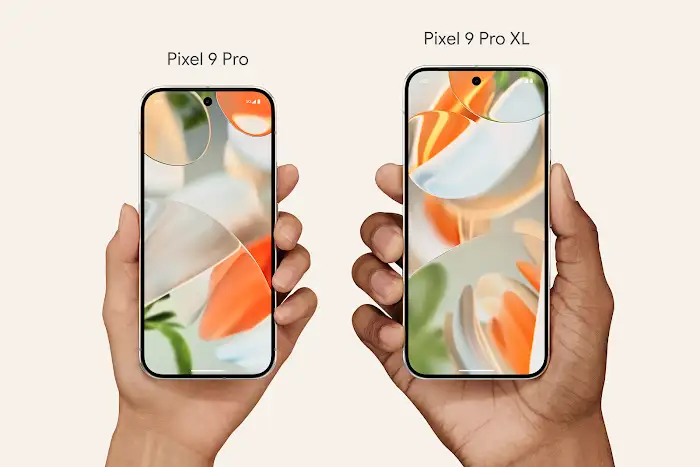
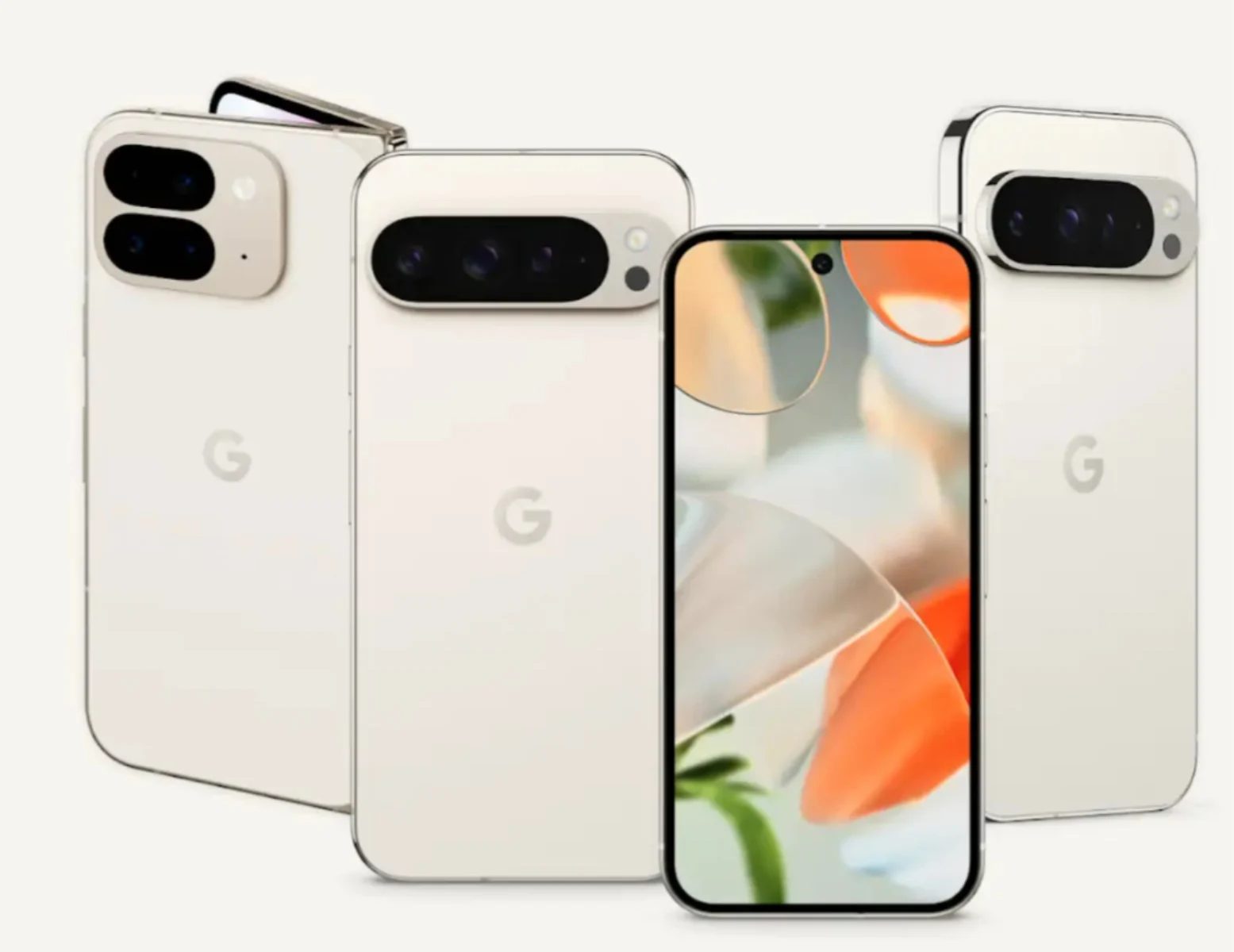
    3. The repair program covers Pixel 9 Pro, Pixel 9 Pro XL, and Pixel 9 Pro Fold models showing vertical lines or flickering on screens.
    4. Devices with physical damage, like cracked screens, are not eligible for the repair program.
    5. The extended warranty lasts for up to three years from the original purchase date of the affected devices.


    Google is gearing up to unveil the Pixel 10a, following the recent release of the Pixel 10, Pixel 10 Pro, Pixel 10 Pro XL, and Pixel 10 Pro Fold (currently priced at $1,499 on Amazon). In the meantime, they have introduced an extended repair program for certain Pixel 9 series devices.

    Repair Program Details

    The tech giant has found that a limited number of Pixel 9 Pro and Pixel 9 Pro XL models may experience, or are already facing, issues related to their displays. This also applies to the Pixel 9 Pro Fold, which has its own extended warranty program. Google has stated in support documents that these programs are for devices that show a full-length vertical line on their screens.

    Additional Coverage Information

    Additionally, some units that display flickering might also qualify for the repair program. It’s important to note that not every device sold is impacted, and Google cautions that any device sent in will be checked for eligibility. Naturally, any units with physical damage, such as cracked screens or water damage, will not be eligible for free repairs. The two extended warranty programs will be valid for up to three years from the original purchase date of the last Pixel 9 Pro, Pixel 9 Pro XL, and Pixel 9 Pro Fold. For further information, check out Google’s support website.

    Source:
    Link


  • Google Maps Media Controls for Spotify and YouTube Return

    Google Maps Media Controls for Spotify and YouTube Return

    Key Takeaways

    1. Google Maps version 25.28 for Android has removed the media control feature, causing concern among users.
    2. This change follows a previous removal of the Assistant Driving Mode in the spring, limiting media playback controls.
    3. The media playback overlay was popular among users for easy music control while navigating.
    4. Google is aware of user backlash and plans to reinstate the media controls.
    5. The removal appears to be a bug, as media controls are still available in the iOS version of the app.


    Google is stirring up a lot of buzz among travelers since the media control feature in Google Maps has vanished from the latest stable release, version 25.28, of the Android app.

    In fact, the media controls are also gone from the 25.28 beta version, which was tested on a Pixel 9 Pro. This raises concerns that Google may have completely removed this handy playback control feature.

    A History of Changes

    This isn’t the first time such a change has happened. Google previously removed the Assistant Driving Mode in Maps during the spring. They only kept a media control toggle as a floating action button, which could be accessed through Settings > Navigation > Show media playback controls. The option to select a default media app, allowing users to choose between Spotify and YouTube controls, was also eliminated.

    A Feature Loved by Users

    Many music lovers enjoyed the media playback overlay in Google Maps, as it allowed them to adjust tracks or pause their music without losing sight of their navigation. With the overlay activated, users could play, pause, or skip songs, thus enhancing their listening experience without the need to minimize or exit the navigation screen.

    Fortunately, Google seems to have noticed the backlash from users, as several help tickets have been filed since the media controls disappeared. They have now announced plans to reinstate the feature.

    Awaiting a Fix

    When asked for a statement by various news outlets, Google confirmed that it is “actively working to fix an issue that is affecting media playback controls on Google Maps.” However, they did not provide a timeline for when the fix will be available.

    To further indicate that the removal of the media playback controls in Google Maps was a bug rather than a deliberate change, these controls are still functional in the iOS version of the app.

    Source:
    Link

  • Unexpected Google Pixel Drop: Not So Shocking After All

    Unexpected Google Pixel Drop: Not So Shocking After All

    Key Takeaways

    1. The Pixel Watch now features Gemini, enhancing usability for YouTube Music subscribers and integrating with emails and WhatsApp.
    2. Circle to Search has improved, allowing follow-up questions and specific game searches, but is currently limited to users in the U.S. and India.
    3. Pixel 9 Pro users receive a complimentary year of Gemini AI Pro and access to the Veo 3 video creation tool.
    4. Google aims to increase user reliance on its AI tools through ongoing subscriptions and features.
    5. The July Pixel Drop is set to roll out soon, and the original Pixel Watch is available at low prices on Amazon.


    While we all eagerly anticipate Google’s Material 3, the latest update for Pixel devices focuses on AI, which isn’t surprising at all.

    New Features for Pixel Watch

    The first exciting addition is Gemini for the Pixel watch, which seems to benefit those who have YouTube music subscriptions. The accompanying video suggests that we no longer need to remember anything, with Gemini being integrated into our emails and WhatsApp conversations.

    Circle to Search Enhancements

    Circle to Search is also getting an upgrade, allowing users to ask follow-up questions. It even helps you search for specific parts of a game, making it easier to find tutorials for those challenging sections. However, these features are currently limited to users in the United States and India.

    Perks for Pixel 9 Pro Users

    Owners of the Pixel 9 Pro will enjoy a complimentary year’s subscription to Gemini AI Pro. This also provides access to Veo 3, an AI video creation tool that generates short videos from text prompts. Since Pixel 9 series users previously received a free 12-month subscription to Gemini Advanced, it appears Google aims to deepen users’ reliance on its AI tools.

    The July Pixel Drop is expected to begin its rollout soon. For those not yet part of Google’s ecosystem, the original Pixel Watch is available on Amazon at very low prices.

    Source:
    Link

  • Google Clarifies Samsung’s Comments on iOS 16’s Familiar Features

    Google Clarifies Samsung’s Comments on iOS 16’s Familiar Features

    Key Takeaways

    1. Apple launched iOS 26 at WWDC 2025, introducing features like Live Translation for messages and Call Screening.
    2. Google responded with a humorous ad, highlighting that many of these features have been available on Pixel phones for years.
    3. The playful exchange between an iPhone and Pixel in the ad suggests that Apple often takes inspiration from Google’s innovations.
    4. Samsung also joined the teasing, contrasting its own features with those of iOS 26, further fueling the competition.
    5. Reactions on social media are mixed, with some enjoying the rivalry while others point out that both Apple and Android borrow from each other.


    Apple’s recent launch of iOS 26 at WWDC 2025 has sparked some light-hearted competition, with Google joining in on the fun. The tech giant has just rolled out a new advertisement as part of its #BestPhonesForever campaign, playfully teasing Apple for unveiling features that Pixel users have enjoyed for years.

    A Playful Exchange

    The brief video, shared on June 17, portrays a humorous chat between a Pixel 9 Pro and an iPhone. As the iPhone eagerly touts the new capabilities of iOS 26—such as Live Translation for messages, Hold Assist, and Call Screening—the Pixel responds with a relaxed chuckle, reminding it that these features have been available for quite a while. For instance, Live Translate was introduced with the Pixel 6 in 2021, Hold for Me debuted on the Pixel 5 in 2020, and Call Screen has been around since the Pixel 3, launched back in 2018.

    A Cheeky Suggestion

    The playful banter concludes with a clever hint: the iPhone inquires about what’s next for the Pixel 10, subtly implying that Apple might find inspiration once again for its future iPhone 17. Although the tone is light-hearted, the underlying message is evident—Google is keen to remind everyone that some of Apple’s recent features aren’t particularly new within the broader smartphone ecosystem. Samsung has also joined the fray, recently teasing iOS 26’s new Liquid Glass design and its limited AI features, contrasting them with its One UI 7 style and Galaxy AI.

    Mixed Reactions Online

    Responses on social media have been varied. Some users are enjoying the cheeky rivalry, observing how Apple’s updates often reflect features already present in Pixel or Galaxy devices. Others argue that inspiration flows both directions, with Android sometimes borrowing design elements from iOS as well.

    As the anticipation grows for the expected launch of the Pixel 10 series in August, rumors suggest it might come with a telephoto camera even on the basic model and enhanced wireless charging capabilities.

    In the end, this playful rivalry adds excitement to the tech world. It serves as a reminder that in technology, no single company holds exclusive rights to innovation.

  • Google Pixel 9 Pro and Phones Get Android 16 Update and Features

    Google Pixel 9 Pro and Phones Get Android 16 Update and Features

    Key Takeaways

    1. Android 16 update is now available for Pixel smartphones, featuring design changes, Live Updates, and security enhancements.
    2. New “Pixel VIPs” feature allows users to organize important contacts’ calls, messages, and birthdays in one spot, with notifications enabled during “do not disturb” mode.
    3. Gboard introduces AI-generated stickers and the Pixel Recorder app can create AI-driven summaries of voice memos in multiple languages.
    4. Camera app now includes a tutorial button for functions and the Magnifier app can scan for text through the camera.
    5. Google Photos introduces an AI-powered one-click feature to enhance images.


    Today, Google has rolled out the Android 16 update for its Pixel smartphones. If you own a Pixel 9 Pro (starting at $999 on Amazon) or another compatible device, you can already get the newest operating system. The Android 16 update mainly brings design changes, Live Updates akin to those on the Apple iPhone, along with security enhancements.

    Exciting New Features

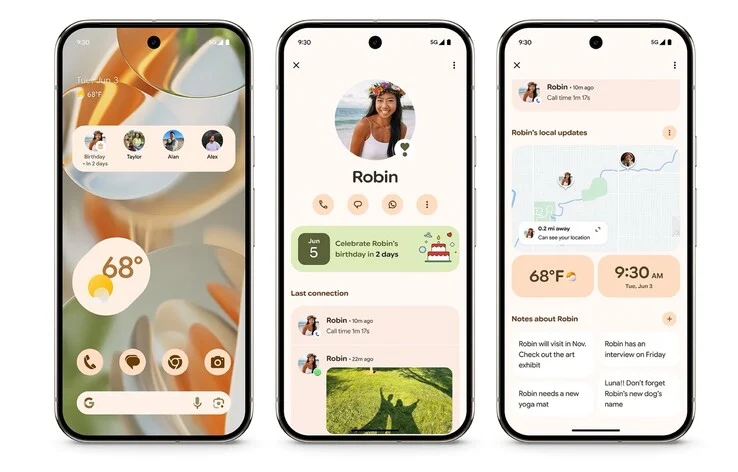
    Pixel users can also take advantage of a bunch of exclusive functionalities with the latest Feature Drop for June 2025. One of the highlights is the introduction of “Pixel VIPs,” which gather previous calls, messages, or birthdays from selected contacts into a single spot. You can even display this information on your home screen using a widget. Notably, calls from these VIPs will still ring through when “do not disturb” mode is activated.

    Enhancements in Applications

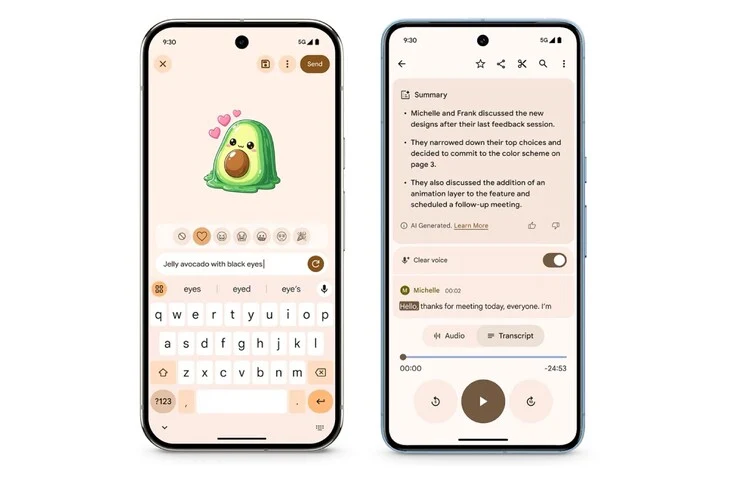
    In a fun twist, Gboard can now create stickers using AI and text input, so users don’t need to toggle between different apps. Also, the Pixel Recorder app is now capable of generating AI-driven summaries of voice memos in several languages, including German. Furthermore, the Feature Drop brings “Clear Voice” to the Pixel 8 series, a tool that aims to eliminate unwanted background noise from voice memos.

    Camera and More Improvements

    For those who love photography, the Camera app on Pixel devices has a new question mark button that opens a tutorial detailing its various functions. Additionally, Google’s Magnifier app can now scan for text visible through the phone’s camera, such as restaurant menus. Finally, Google Photos has introduced a new one-click feature that leverages AI to enhance images.

    Source:
    Link


  • Android 16 Leak Unveils New Design for Google Pixel 9 Pro

    Key Takeaways

    1. Google launched the public beta version of Android 16 in January, with the final version expected in June.
    2. Major updates and features will be revealed at the Google I/O event on May 20th and 21st.
    3. Android 16 will allow users to customize app icon shapes, offering options like rectangular and circular designs.
    4. The system settings app is getting a redesign with vibrant icons and clearer section separations.
    5. Enhancements to the volume slider and lock screen display are coming, along with updated quick settings and menu bar icons.


    Google has already launched the initial public beta version of Android 16 in January, with the final version of this mobile operating system anticipated to arrive in June. The beta was mainly focused on establishing the technical groundwork, but it didn’t introduce significant visual alterations. Major updates are expected to be revealed during the upcoming Google I/O event scheduled for May 20th and 21st.

    Hidden Features Discovered

    Nevertheless, Android Authority has apparently uncovered several concealed design modifications in the fourth beta version of Android 16. It’s still uncertain whether Google will actually include all of these alterations mentioned below, and it’s possible that certain features may be exclusive to Google’s custom launcher available on the Pixel 9 Pro (priced from $799 on Amazon) and other Pixel devices.

    Changes to App Icons and Settings

    One of the most striking modifications is the customizable shape of app icons on the Android 16 home screen. Users could soon have the option to select from rectangular, circular, and three other shapes, as illustrated in the screenshot below.

    The system settings application is also undergoing a significant redesign, featuring vibrant icons, clearer separations among various sections, and a new design for the sliders.

    Volume Slider and Lock Screen Tweaks

    In addition, Google is enhancing the volume slider design and making adjustments to how the time and date are displayed on the lock screen. The blurred wallpaper will now be visible in the background when users enter their passcode.

    Android 16 is set to introduce new quick settings, maintaining the same layout but with a refreshed appearance. Moreover, Google is reportedly planning to update some icons in the menu bar. Since the official release of Android 16 is still over a month away, it’s reasonable to believe that the new OS update will include additional changes and features not yet revealed.

    Source:
    Link

  • OnePlus 13T Leaked Marketing Image Reveals Stunning Design

    OnePlus 13T Leaked Marketing Image Reveals Stunning Design

    Key Takeaways

    1. The OnePlus 13T features a vertical camera module with two primary rear cameras, influenced by designs from Google Pixel and iPhone 16.
    2. The function of the second main camera is uncertain, possibly being a telephoto or ultra-wide-angle lens, with a potential laser autofocus or macro sensor below the flash.
    3. The leaked color option for the OnePlus 13T is “Cloud Ink Black,” with additional colors expected: Morning Mist Gray and Heartbeat Pink.
    4. There is no official launch date yet, but speculation suggests the OnePlus 13T may debut in the final week of the month.
    5. The recent leak provides a closer look at the phone, confirming important design details and enhancing its marketing appeal.


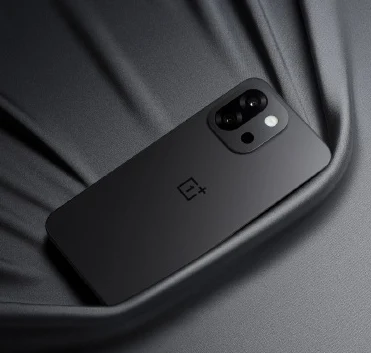
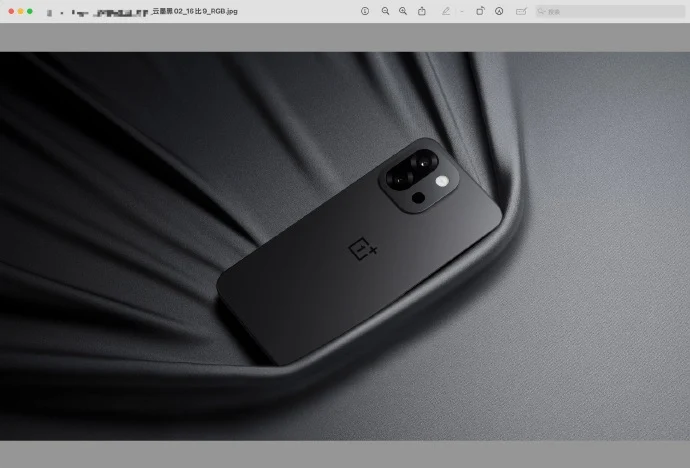
    As seen on Weibo by Digital Chat Station, a marketing image of the OnePlus 13T has leaked. This phone was recently showcased in a video that highlighted its impressive weight balance, but this new leak gives us a closer look and confirms some important details about the device.

    Camera Design and Features

    The OnePlus 13T is set to have two primary rear cameras arranged vertically within a camera module that takes cues from the latest Google Pixel phones (buy the Pixel 9 Pro on Amazon) as well as the regular iPhone 16. There are also resemblances to Xiaomi’s flagship model from 2020, the Mi 11. The exact purpose of the second main camera remains unclear; it could either be a telephoto or an ultra-wide-angle lens. Additionally, the sensor located beneath the flash might be a laser autofocus module or a macro sensor.

    Color Options and Release Date

    The OnePlus 13T shown is in a shade called “Cloud Ink Black,” and sources indicate that it will come in two other colors—Morning Mist Gray and Heartbeat Pink. Even though there’s no official announcement for the 13T’s launch date yet, many believe it might debut in the final week of the month, which seems like a reasonable guess at this stage.

    Source:
    Link


  • Free Google Pixel Update Boosts GPU Performance for All Phones

    Free Google Pixel Update Boosts GPU Performance for All Phones

    Key Takeaways

    1. Android 16 will introduce a long-awaited desktop mode and may reduce boot times by up to 30%.
    2. Fingerprint authentication will be possible even when the Pixel’s screen is off.
    3. Significant GPU performance improvements have been observed in Pixel devices during benchmark tests.
    4. The performance boosts are primarily due to new GPU drivers from Android 15 QPR2, not Android 16.
    5. Performance increases will mainly benefit apps optimized for the Vulkan graphics API.


    The stable release of Android 16 is still a few months away. However, public beta versions have shown some exciting features that are on the horizon. For instance, it looks like Google’s long-awaited desktop mode may finally come with Android 16, along with a potential improvement that could cut boot times by as much as 30%. Additionally, the tech giant is also working on allowing fingerprint authentication even when a Pixel’s screen is off.

    Performance Improvements Spotted

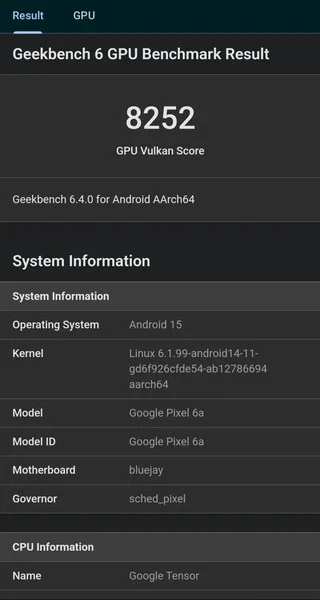
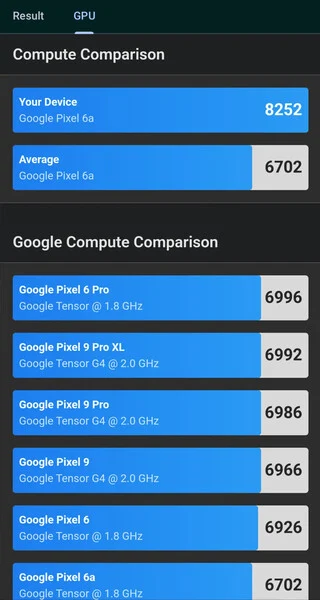
    In addition, users on Reddit have found significant enhancements in the Geekbench 6 GPU benchmark tests for various models, from the Pixel 6a all the way to the newest Pixel 9 Pro, which is currently priced at $849 on Amazon. Notably, the modest Pixel 7a has been seen performing on par with Google’s flagship devices. At first, this was credited to the advancements made in Android 16.

    New Findings Regarding Performance Gains

    That being said, Android Authority and others have found that these performance improvements are not actually linked to Android 16. Instead, this boost in performance appears to come from new GPU drivers that were reportedly released with Android 15 QPR2, which Google made available earlier this month. As a result, any Pixel device powered by Tensor should see a performance increase. However, this will mainly apply to apps that are optimized for the Vulkan graphics API, like Geekbench 6’s GPU benchmark test.

    Source:
    Link


  • Pixel 9 Pro Production Costs Fall 11% Compared to Previous Model

    Pixel 9 Pro Production Costs Fall 11% Compared to Previous Model

    A new report by Nikkei has revealed that the production cost of Google’s Pixel 9 Pro is around $406. This marks a decrease of about 11 percent compared to the Pixel 8 Pro. However, it’s important to keep in mind that these two devices are not exactly the same size, which complicates the cost comparison somewhat.

    Cost Breakdown of Pixel 9 Pro

    Looking at the costs in detail, the most expensive part of the Pixel 9 Pro is the Tensor G4 chip, which costs $80. Following that is the Samsung M14 display, contributing an additional $75 to the total. The camera components account for $61 of the overall cost. The lower manufacturing expense can be partly attributed to the Pixel 9 Pro’s smaller design compared to the Pixel 8 Pro, allowing for a more compact screen and battery.

    Comparison with iPhone 16 Pro

    On the other hand, Apple’s iPhone 16 Pro is more expensive to manufacture, with costs reaching $568. This is a 6 percent increase from the last model. The A18 Pro chip comes in at $135, while the M14 display and camera parts add $110 and $91, respectively.

    Despite the higher production costs, both the iPhone 16 Pro and Pixel 9 Pro are available at the same retail price of $999. The contrast in manufacturing expenses suggests that the two companies have different profit margins. It’s also essential to remember that these figures do not include other significant expenses like research and development, marketing, and distribution.

    Google’s Strategy

    With the Pixel 9 Pro’s lower manufacturing costs, it appears that Google is focusing on enhancing production efficiency to maintain competitive pricing in the premium market segment.

  • Google Pixel 9 Pro Materials Cost $400, Cheaper than Pixel 8 Pro

    Google Pixel 9 Pro Materials Cost $400, Cheaper than Pixel 8 Pro

    A recent report from Nikkei reveals that Google has successfully created its new flagship phone, the Pixel 9 Pro, at a lower production cost than previous models, even with enhancements in various hardware and software features.

    Cost Breakdown of Pixel 9 Pro’s BOM

    The estimated Bill of Materials (BOM) for the Pixel 9 Pro is around $406, which is about an 11% decrease from the BOM of the Pixel 8 Pro. This cost reduction mainly results from savings on the display and camera parts, which are often optimized by manufacturers to make premium devices more affordable for customers.

    A closer look at the component breakdown shows that key parts like the Tensor G4 processor, the display, and the camera contribute to the BOM. The display, sourced from Samsung, now costs $75, while the camera system is priced at $61. These amounts are significantly lower than those of earlier Pixel versions.

    Comparison with iPhone 16 Pro’s BOM

    In comparison, Apple reportedly incurs around $568 to produce the iPhone 16 Pro, a device recognized for its high-quality construction and premium pricing. The cost breakdown for Apple’s device includes $110 for the same Samsung M14 display, $91 for advanced camera components, and $135 for the A18 Pro chipset. The higher BOM for the iPhone can be attributed to Apple’s choice of pricier components to set apart its high-performance devices in the premium smartphone sector.

    While Google’s Pixel devices often outperform Apple’s in terms of image quality, much of this success is credited to software processing. Google emphasizes cost-effective component choices while prioritizing features like AI-driven software enhancements. The company also invests heavily in software development (including AI), which is not reflected in the BOM cost.

    Future Implications: Potential BOM Increase for Tensor G5

    The costs of processors play a crucial role in the BOM, influencing both performance and energy efficiency. The Pixel 9 Pro’s Tensor G4, priced competitively at $80, may not reach the performance levels of Apple’s $135 A18 Pro chipset or the Snapdragon 8 Elite, which costs nearly $200. This price difference showcases each company’s unique strategies in chipset design and the real-world performance expectations for their flagship products.

    Even though the Pixel 9 Pro has a lower BOM, Google’s choice to save on materials such as the display and camera does not imply a reduction in quality. The Pixel series is known for its outstanding photography and seamless integration with Google’s AI software, ensuring a competitive user experience without raising prices.

    Looking ahead, while the current Tensor G4 remains affordable, there are speculations that Google’s next Tensor G5 processor will be manufactured using TSMC’s 3nm process. This change from Samsung Foundry’s 4nm technology is anticipated to enhance performance and efficiency. However, this shift may also increase production costs due to the higher expenses associated with advanced semiconductor technologies.

    If these costs do rise, it could affect pricing for future Pixel devices. Although pricier, the 3nm Tensor G5 might deliver essential optimizations, tackling issues that Pixel users have encountered with past Tensor processors, such as heat management and battery longevity.


    Image 1
    Image 1