Author: GizNews

  • Nothing Phone 4a Pro: Glyph Matrix, 144Hz AMOLED, 140x Zoom

    Nothing Phone 4a Pro: Glyph Matrix, 144Hz AMOLED, 140x Zoom

    Key Takeaways

    1. Processor and Performance: The Phone (4a) Pro features a Snapdragon 7 Gen 4 chipset, while the standard Phone (4a) uses a Snapdragon 7s Gen 4 processor, both offering strong performance.

    2. Display Quality: The Phone (4a) Pro has a 6.83-inch AMOLED display with a high resolution and peak brightness of 5000 nits, while the standard Phone (4a) has a slightly smaller display with a peak brightness of 4500 nits.

    3. Camera Capabilities: Both phones boast a 50 MP main camera and a periscope lens, but the Pro version offers 3.5× optical zoom and up to 140× digital zoom, along with advanced video recording features.

    4. Glyph Lighting Interface: The Phone (4a) features a Glyph Bar with 63 mini-LEDs, while the Pro model has a Glyph Matrix with 137 mini-LEDs for enhanced notifications and animations.

    5. Pricing and Availability: The Phone (4a) starts at €349 (~$405) and the Phone (4a) Pro at €479 (~$556), with global pre-orders for the Phone (4a) beginning on March 5 and sales starting on March 13.


    Nothing has not yet made an official announcement for the Phone (4a) and Phone (4a) Pro. The successors to the (3a) series come with Snapdragon 7-series processors, periscope zoom cameras, and updated versions of the company’s Glyph lighting interface. Both phones run on Nothing OS 4.1, which is based on Android 16, and they will receive three updates for Android along with six years of security patches.

    Phone (4a) Pro Specifications

    At the top of the range, the Phone (4a) Pro is powered by Qualcomm’s Snapdragon 7 Gen 4 chipset, which is manufactured using a 4 nm process. It has an octa-core Kryo CPU that can reach speeds of up to 2.8 GHz, paired with an Adreno 722 GPU and Qualcomm’s Hexagon AI engine. This device is available in configurations with up to 12 GB LPDDR5X RAM and 256 GB of UFS 3.1 storage.

    Display and Camera Features

    The front of the phone features a 6.83-inch AMOLED display with a resolution of 1260 × 2800 pixels, boasting 450 PPI and a 144 Hz adaptive refresh rate. Nothing claims that peak brightness can reach up to 5000 nits, and the touch sampling rate can hit 2500 Hz during gaming.

    Its camera system includes a 50 MP Sony LYT700C main sensor with OIS, a 50 MP periscope telephoto camera that offers 3.5× optical zoom and up to 140× digital zoom, an 8 MP ultra-wide camera, and a 32 MP front-facing camera. The phone also supports Ultra XDR imaging and can record 4K Ultra XDR video.

    Standard Phone (4a) Details

    The regular Phone (4a) features the Snapdragon 7s Gen 4 processor and comes with up to 12 GB LPDDR4X RAM and 256 GB of storage. It has a slightly smaller display measuring 6.78 inches, with a resolution of 1224 × 2720 pixels, a 120 Hz adaptive refresh rate, and peak brightness of up to 4500 nits.

    Both models have a triple-camera setup that includes a 50 MP main camera, a 50 MP periscope lens offering 3.5× optical zoom and up to 70× digital zoom on the standard version, along with an 8 MP ultra-wide sensor. There’s also a 32 MP front camera designed for selfies and video calls.

    Unique Lighting Systems

    The signature lighting feature from Nothing varies between the two models. The Phone (4a) has a revamped Glyph Bar that includes 63 mini-LEDs across several lighting zones, whereas the Phone (4a) Pro features a Glyph Matrix made up of 137 mini-LEDs that can show pixel-style notifications, icons, and animations over a bigger illuminated space.

    The battery capacity is rated at 5080 mAh worldwide and 5400 mAh for the Indian variants, with both devices supporting 50 W wired charging. The Pro version also includes 7.5 W reverse wired charging. Each device features Wi-Fi 6, Bluetooth 5.4, NFC, and in-display fingerprint sensors.

    Nothing has confirmed that the Phone (4a) will come in black, white, blue, and pink, starting at €349 (~$405) for the 8 GB / 128 GB version. On the other hand, the Phone (4a) Pro will be priced from €479 (~$556) for the same configuration and will be available in three colors – black, silver, and metallic pink. Higher-end options will be priced at €429 (~$498) for the Phone (4a) and €549 (~$637) for the Phone (4a) Pro. Global pre-orders for the Phone (4a) will begin on March 5, with sales starting on March 13. The Phone (4a) Pro will start pre-orders on March 13 and go on sale on March 27 in most regions.

     

  • BioShock 4 Storyline, City Setting, and Gameplay Details Leak

    BioShock 4 Storyline, City Setting, and Gameplay Details Leak

    Key Takeaways

    1. BioShock 4 was announced in 2019 but has faced delays due to restarts, leadership changes, and staff cutbacks.
    2. The game’s storyline centers on a regime in a crumbling utopia set in a vast, connected Antarctic city.
    3. BioShock 4 will feature semi-open world gameplay, where player decisions impact the storyline and include realistic physics with destructible environments.
    4. The game is expected to have RPG elements, such as skills enhancement, weapon crafting, and leveling up, described as “RPG lite.”
    5. Enemies in BioShock 4 will be intelligent and tactically respond to player actions, with notable adversaries called Flushers.


    BioShock 4 was first announced in 2019, but now it’s already 2026 and we still haven’t seen any gameplay, visuals, or the game’s setting. There’s a solid reason for this delay, as BioShock 4 has faced many challenges, including several reported restarts, changes in leadership, and staff cutbacks. Luckily, insiders have been sharing bits of information, leading to some fascinating new insights.

    New Details Emerge

    V Scopper has shared some intriguing information about BioShock 4 on X. According to this leaker, the central storyline of BioShock 4 focuses on exploring “the regime behind a crumbling utopia set in a vast, connected city.” This city is believed to be in the Antarctic region, which would create a nice contrast to the sky-high city of New Colombia from BioShock: Infinite.

    The leaker also mentions that BioShock 4 is going to be a semi-open world immersive simulation where the decisions made by players will affect the storyline. To enhance the immersive experience, BioShock 4 is reportedly going to include realistic physics and changes to the environment. Therefore, we can expect destructible settings, which would provide new gameplay options like environmental puzzle-solving and movement dynamics.

    RPG Elements and Combat Features

    If previous BioShock titles are anything to go by, the new game will likely incorporate abilities that complement the advanced physics and interactive surroundings. It’s said that the game will be an “RPG lite,” suggesting that players will engage in skills enhancement, weapon crafting, and leveling up their abilities.

    In terms of combat, V Scopper asserts that the enemies in BioShock 4 are clever and will tactically respond to players’ actions and choices. A prior leak also indicated that the key adversaries players will encounter are named Flushers.

    Anticipation for BioShock 4

    Overall, BioShock 4 promises to be an exciting semi-open world immersive sim with an Antarctic backdrop, RPG features, intelligent foes, enhanced physics, and fluid environments. Unfortunately, it seems unlikely that the game will see a 2026 release. Even a launch in 2027 feels overly optimistic. Meanwhile, we can keep an eye out for BioShock creator Kevin Levin’s Judas, which is expected to come out before BioShock 4.

    Source:
    Link


  • ESP32-H21 SoC: Supports Thread, ZigBee, Matter, Bluetooth LE

    ESP32-H21 SoC: Supports Thread, ZigBee, Matter, Bluetooth LE

    Key Takeaways

    1. The ESP32-H21 features a new built-in DC-DC converter for improved efficiency at lower voltage levels.
    2. Current consumption is significantly reduced, estimated at 8.2 mA for RX, 9 µA in light sleep, and 5 µA in deep sleep.
    3. Other specifications remain unchanged, including the 96 MHz RISC-V core, 320 KB SRAM, and dual-radio setup with 802.15.4 and BLE.
    4. The H21 is ideal for battery-powered projects seeking longer runtimes and can lower BOM costs for those using external converters.
    5. The H21 is not a direct replacement for the H2 due to different pin configurations, but transitioning projects should be straightforward.


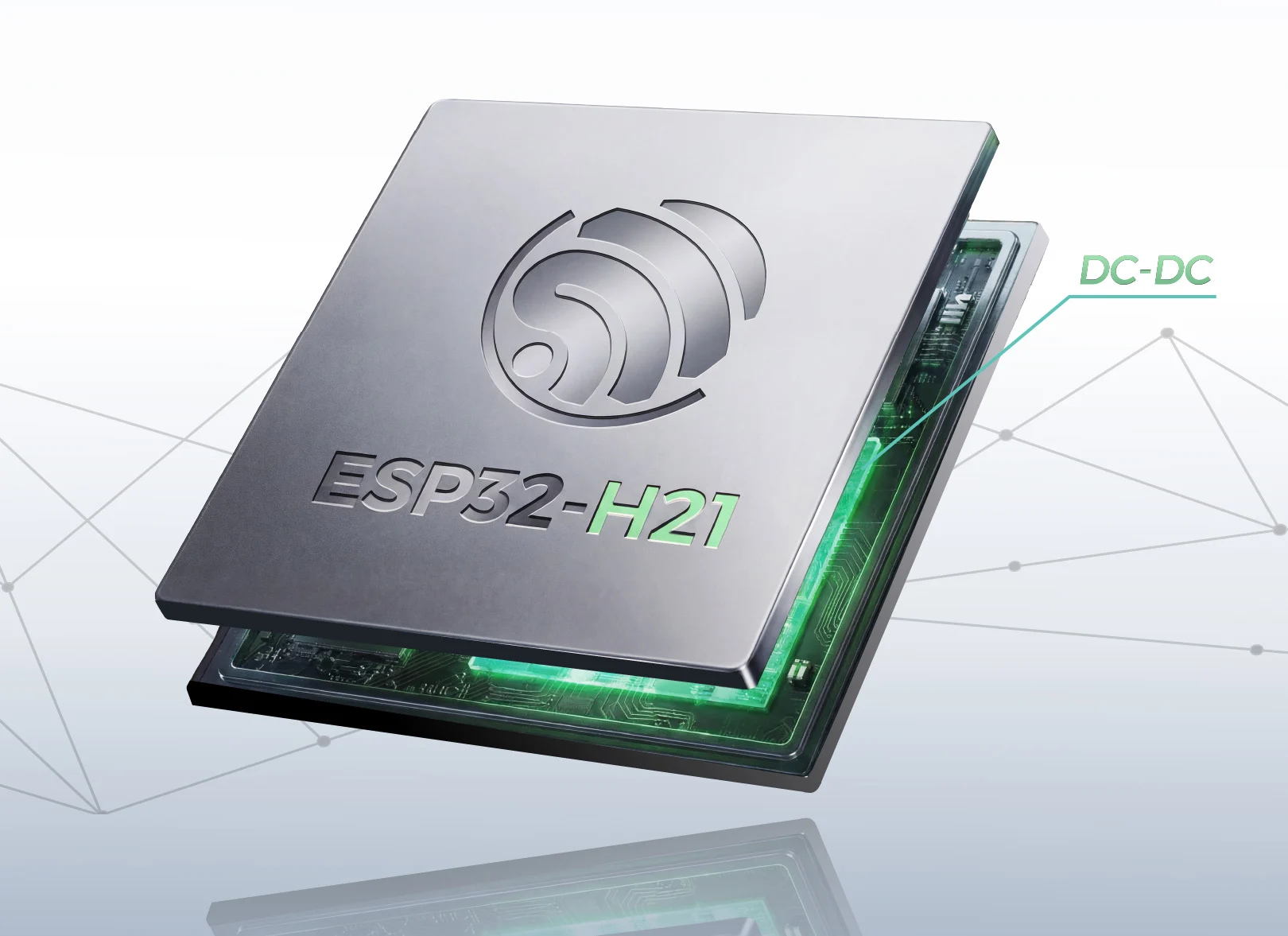
    Espressif refers to this as “a small update to the ESP32-H2 platform.” The key change is the new built-in DC-DC converter, which wasn’t present in the original H2 model. This new feature allows the chip to operate more efficiently at lower voltage levels and reduces the active current consumption. Espressif estimates that the current draw is about 8.2 mA for RX under normal conditions, with a light sleep current of 9 µA and a deep sleep current of 5 µA. This enhancement can significantly extend battery life in real-world, constantly-on applications.

    Specifications Remain Unchanged

    Besides the new integrated DC-DC converter, everything else remains the same. This includes the RISC-V core that operates at 96 MHz, along with 320 KB of SRAM. The dual-radio setup still features 802.15.4 and BLE, without any Wi-Fi clutter, and retains the usual 19 GPIOs and other peripherals. Therefore, if you’re already working on a project with the H2, moving to the H21 should be relatively straightforward.

    Conclusion on Battery Life

    In summary, if your project runs on batteries and you aim to achieve a longer runtime without swapping batteries, switching to the H21 is a good idea. For those who already use a DC-DC converter or LDOs, the new integrated converter will help lower the BOM cost and boost efficiency. However, for applications that are not battery-driven or less sensitive to power, the H2 is still likely adequate and may be more affordable or easier to find at first. Keep in mind, though, that this isn’t a direct replacement, as the pin configurations for the two SoCs differ.

    Source:
    Link


  • Hisense U7SG Mini LED TVs: 330Hz Gaming, 3000 Nits Brightness

    Hisense U7SG Mini LED TVs: 330Hz Gaming, 3000 Nits Brightness

    Key Takeaways

    1. Hisense launched the U7SG series of ULED Mini LED TVs in various sizes (55, 65, 75, 85, 100, and 116 inches) with 4K resolution.
    2. Each model features a VA panel with a peak brightness of 3000 nits and refresh rates from 48 Hz to 165 Hz for smooth visuals.
    3. The TVs include gaming-focused features such as a native game mode of 165 Hz, “Game Booster” for up to 330 Hz, and support for AMD FreeSync Premium Pro.
    4. Audio capabilities vary by size, with larger models offering enhanced speaker configurations and support for Dolby Atmos and DTS Virtual:X.
    5. The U7SG TVs run on Google TV and come with multiple HDMI 2.1 ports and a sleek unibody design.


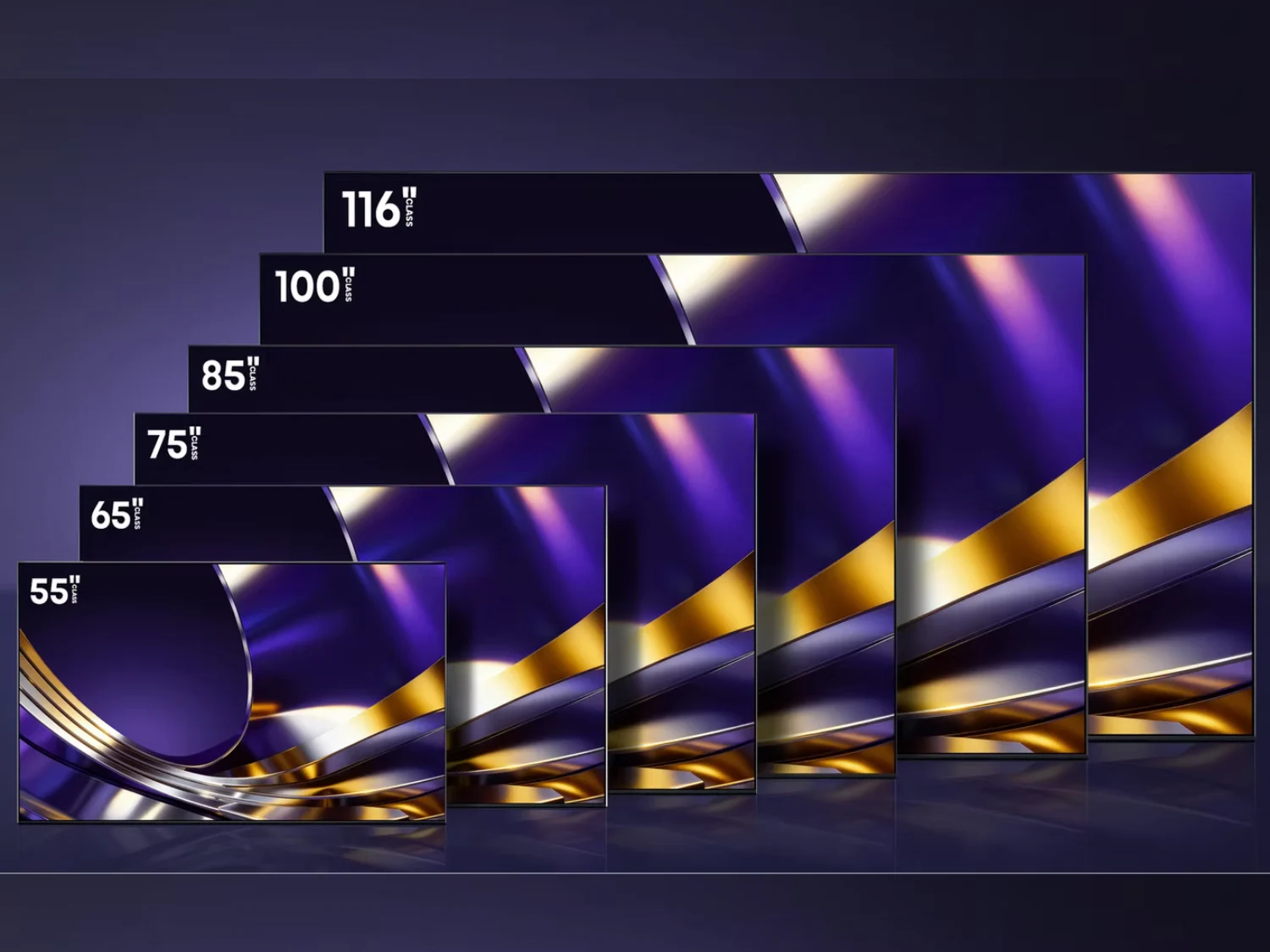
    Hisense has launched a fresh range of ULED Mini LED TVs for the American audience, called the U7SG series. This new collection boasts six different sizes: 55, 65, 75, 85, 100, and 116 inches, all featuring 4K Mini LED screens.

    Specifications and Features

    Every model is equipped with a VA panel delivering a resolution of 3840 × 2160 and offers wide viewing angles of 178 degrees. The TVs are capable of refresh rates that range from 48 Hz to 165 Hz, ensuring smoother visuals during rapid action scenes or gaming sessions. Hisense highlights a peak brightness that can reach up to 3000 nits, thanks to the Hi-QLED Mini LED Pro backlighting technology, which utilizes numerous tiny LEDs for accurate local dimming and enhanced contrast.

    Gaming Capabilities

    Gaming is a significant focus of the U7SG series. Each TV comes with a native game mode of 165 Hz and features a “Game Booster” option that can elevate refresh rates to as high as 330 Hz at reduced resolutions. The lineup includes support for AMD FreeSync Premium Pro to minimize screen tearing and lower input lag. Furthermore, Hisense has added an anti-reflection screen coating for better visibility in well-lit environments.

    Audio and Connectivity

    Color performance is managed by Hisense’s Hi-QLED Color+ system and is certified by Pantone. The TVs operate on the company’s Hi-View AI Engine Pro, which is designed to evaluate scenes and adjust contrast, color, and sharpness automatically during playback.

    The audio capabilities vary with the screen size. The models from 55 to 85 inches come with a 2.1.2-channel speaker configuration, providing up to 50 W of output, while the 100-inch model boosts that to 60 W. The largest 116-inch model upgrades to a 6.2.2-channel audio system with an even higher output. The entire range supports Dolby Atmos and DTS Virtual:X for immersive sound.

    These TVs run on Google TV and are equipped with four HDMI 2.1 ports, one LAN port, two USB-A ports, and an optical audio output. In terms of design, the U7SG models feature a sleek unibody frame, with various stand choices available depending on the size.

    Source:
    Link


  • Xiaomi Poco X Pro Series Confirmed with New MediaTek Chipsets

    Xiaomi Poco X Pro Series Confirmed with New MediaTek Chipsets

    Key Takeaways

    1. The Xiaomi Poco X7 Pro launched in January 2025 with the Dimensity 8400 Ultra chipset.
    2. Poco announced the upcoming MediaTek Dimensity 9500s and Dimensity 8500 Ultra chipsets for the “Poco X Pro series.”
    3. The Poco X8 Pro Max will feature the Dimensity 9500s, while the Poco X8 Pro will have the Dimensity 8500 Ultra chipset.
    4. The Dimensity 9500s is a 3nm octa-core processor, and the Dimensity 8500 Ultra is a 4nm chipset with eight Cortex-A725 cores.
    5. A global launch for the Poco X8 Pro and Pro Max is expected on March 14, though no official date has been confirmed.


    The Xiaomi Poco X7 Pro made its debut in January 2025, positioning itself as a mid-range smartphone powered by the Dimensity 8400 Ultra chipset. Recently, Poco has shared details about the chipsets that will be featured in its forthcoming smartphones.

    New Chipsets Announced

    On the platform X, Poco has announced that it will introduce the MediaTek Dimensity 9500s and Dimensity 8500 Ultra chipsets to a global audience. They referred to this series as the “Poco X Pro series,” avoiding the expected “Poco X8 Pro series” moniker. The lineup is anticipated to consist of the Poco X8 Pro and the Poco X8 Pro Max.

    Specifications of Upcoming Models

    According to leaks, the Poco X8 Pro Max is set to feature the Dimensity 9500s, which is a top-tier octa-core processor built on a 3nm manufacturing process. To provide some context, the Dimensity 9500s is considered a step below the flagship Dimensity 9500 that powers devices like the Vivo X300 Pro. On the other hand, the Poco X8 Pro will come equipped with the Dimensity 8500 Ultra, a 4nm chipset that includes eight Cortex-A725 cores and a Mali-G720 GPU.

    Expected Launch Date

    At this point, there is no confirmed date for the release of the new smartphones. However, earlier leaks hinted at a global launch slated for March 14. The Poco X8 Pro and Pro Max are believed to be the international iterations of the Redmi Turbo 5 and Turbo 5 Max, which were launched previously in China.

    @POCOGlobal on X

    Source:
    Link


  • Lenovo Legion Tab Gen 5 Gaming Performance and Game Benchmarks

    Lenovo Legion Tab Gen 5 Gaming Performance and Game Benchmarks

    Key Takeaways

    1. Lenovo announced the Legion Tab Gen 5 for global markets at MWC 2026, with sales starting in April.
    2. The tablet features the Snapdragon 8 Elite Gen 5 processor, enhancing gaming performance.
    3. In benchmarks, it achieved 60 FPS in a 3D turn-based mobile game and 164 FPS in a battle royale game, both at “Very High” settings.
    4. The tablet maintained temperatures of 40° C during the first game and 38.5° C during the second, despite lacking an active cooling fan.
    5. Performance claims should be approached with caution, as they are provided by Lenovo.


    Lenovo has officially announced the Legion Tab Gen 5 for the worldwide market at MWC 2026, with sales starting in April. This gaming tablet is also expected to be released in China very soon under the name Y700 Gen 5. Before its launch in China, the company has provided insights into the performance of games on this new Snapdragon 8 Elite Gen 5 device.

    Gaming Performance Benchmarks

    The company has revealed two benchmarks related to gaming performance. One benchmark involved a “popular 3D turn-based mobile game,” which was tested continuously for 4 hours. Lenovo emphasizes that this game was evaluated at the “Very High” graphics setting, achieving an average of 60 FPS over the four-hour period.

    Second Game Testing Results

    For the second benchmark, it focused on a “famous battle royale” game, which also underwent a 4-hour continuous test. According to Lenovo, the Legion Tab Gen 5 was able to achieve an average of 164 FPS in this scenario, with the visual settings set to “Very High.”

    Temperature Control Observations

    Another interesting detail from these benchmarks is that Lenovo reports the grip area of the gaming tablet reached approximately 40° C during the first game, while it maintained a lower temperature of around 38.5° C in the second game.

    It’s important to mention that, unlike the latest tablets from RedMagic, the Legion Tab Gen 5 does not come with an active cooling fan (Black Shark 4 Pro mobile cooler curr. $32.24 on Amazon). Therefore, it’s encouraging to see the tablet maintaining a relatively stable temperature throughout the 4-hour gaming sessions. However, it’s crucial to remember that these performance numbers are provided by the company itself and should be approached with caution. For more details about the gaming tablet, check out our coverage of MWC 2026.

    Lenovo on Weibo

    Source:
    Link


  • OnePlus 15T Compact Flagship Beats Xiaomi 17 Pro and Vivo X300

    OnePlus 15T Compact Flagship Beats Xiaomi 17 Pro and Vivo X300

    Key Takeaways

    1. The OnePlus 15T will have a large 7,500mAh battery and support for 100W wired and 50W wireless charging.
    2. The phone features bypass charging to help prevent overheating during heavy use.
    3. The 15T’s battery capacity surpasses competitors like Xiaomi 17 Pro and Vivo X300, as well as the standard OnePlus 15.
    4. Rumored launch date for the OnePlus 15T is in March in China, with a 6.3-inch display and 1.5K resolution.
    5. Expected specifications include a dual rear camera with a 50MP sensor and a Snapdragon 8 Elite Gen 5 chipset.


    OnePlus is dropping hints about the new OnePlus 15T. Earlier, they showed off the phone’s display bezels, and now they’ve also shared information about the battery of this compact flagship device.

    Battery Details Unveiled

    Li Jie Louis, the President of OnePlus China, posted on Weibo, announcing that the OnePlus 15T will feature a hefty 7,500mAh battery (20K Ugreen powerbank currently priced at $29.98 on Amazon). This phone will come with support for 100W wired and 50W wireless quick charging. Moreover, the device will include bypass charging, which allows it to get power directly from the charger, potentially helping to avoid overheating during intensive use.

    Comparison with Competitors

    In terms of comparison, the existing flagship devices like the Xiaomi 17 Pro and Vivo X300, which have 6.3-inch displays, are equipped with batteries of 6,300mAh and 6,040mAh respectively, which are lower than the 15T’s impressive 7,500mAh capacity. Interestingly, the 15T’s battery also outdoes the 7,300mAh battery found in the standard OnePlus 15, which has a larger 6.78-inch screen.

    Anticipated Launch

    While the exact release date for the phone hasn’t been disclosed yet, rumors suggest it could be launched in March in China.

    Leaks point to a 6.3-inch display with a 1.5K resolution and a 165Hz refresh rate. It might come equipped with a dual rear camera setup boasting a 50MP sensor and an ultrasonic fingerprint scanner. Furthermore, an AnTuTu listing has indicated that the device will be powered by the Snapdragon 8 Elite Gen 5 chipset.

    Source:
    Link


  • Assassin’s Creed Unity 60 FPS Patch & Black Flag Remake Teased

    Assassin’s Creed Unity 60 FPS Patch & Black Flag Remake Teased

    Key Takeaways

    1. Assassin’s Creed Unity will receive a free 60 FPS performance patch for PS5 and Xbox Series X|S on March 5, 2026.
    2. Xbox players can enjoy Assassin’s Creed games during Free Play Days from April 2 to April 6.
    3. A rumored remake, Assassin’s Creed IV: Black Flag Resynced, is in development, with potential release before March 31, 2026.
    4. Assassin’s Creed Shadows has been updated based on player feedback and will celebrate its first anniversary with a livestream on March 20.
    5. New projects in development include Codename Hexe (a darker narrative entry), Codename Invictus (a PvP multiplayer project), and Assassin’s Creed Jade, along with a live-action series for Netflix.


    Ubisoft has provided a significant update regarding the future of the Assassin’s Creed series, highlighting enhancements to previous games, new projects in the works, and planned updates for the upcoming months. The immediate focus is on older titles, with Assassin’s Creed Unity set to receive a highly requested performance update, and there are rumors of a remake for Assassin’s Creed IV: Black Flag.

    Performance Patch Details

    Ubisoft announced that a free 60 FPS patch for Assassin’s Creed Unity will be available for PlayStation 5 and Xbox Series X|S starting March 5, 2026. This update removes the previous 30 FPS limit on the PS5, while Xbox Series X|S users have already enjoyed the game at 60 FPS due to the console’s FPS Boost feature.

    The company noted that many fans have been seeking a performance enhancement for quite some time. With this patch, AC: Unity is likely to attract a wave of new players shortly.

    Upcoming Free Play Opportunities

    Xbox players will also have the opportunity to experience the game during Xbox Free Play Days, which will take place from April 2 to April 6. During this limited-time event, several Assassin’s Creed titles will be accessible for play.

    In addition to the AC: Unity update, Ubisoft acknowledged the ongoing discussions surrounding the revival of older Assassin’s Creed games in updated versions. One of the most talked-about projects is Assassin’s Creed IV: Black Flag Resynced, which many believe is a remake of the 2013 pirate adventure.

    Speculation on New Projects

    While Ubisoft has yet to provide detailed information, the project is anticipated to reimagine the tale of Edward Kenway with modern graphics and revamped gameplay features. The company recently shared new official artwork for Assassin’s Creed Black Flag Resynced on its blog, subtly confirming the existence of the project without an outright announcement. Previous reports suggested that the Black Flag remake might be released before March 31, 2026. Ubisoft teased the game earlier this month, making that timeline seem possible, although the company has not officially announced any release date.

    Ubisoft also provided updates on various Assassin’s Creed initiatives. Assassin’s Creed Shadows, which was launched last year, has undergone multiple updates based on player feedback, including enhancements to the parkour mechanics.

    The game will celebrate its first anniversary with a livestream event on March 20 at 10 AM PT / 6 PM CET on Ubisoft’s Twitch channel. The studio confirmed that Shadows is entering its final support phase, with only minor updates planned moving forward.

    Future Developments

    Ubisoft mentioned that Codename Hexe, a darker narrative-focused entry, and Codename Invictus, a PvP multiplayer project, are still in the works. The company also indicated that Assassin’s Creed Jade and a live-action series for Netflix are currently in development.

    Source:
    Link


  • Marathon ESRB Ratings for PS4 and Xbox One Bungie Shooter

    Marathon ESRB Ratings for PS4 and Xbox One Bungie Shooter

    Key Takeaways

    1. Surprising Platform News: Marathon’s ESRB rating page suggests it may be available on PS4 and Xbox One, despite no official confirmation from Bungie or Sony.

    2. Release Date Access: At launch on March 5th, only PS5, Xbox Series X|S, and PC players will have access to Marathon, with older consoles potentially receiving support later due to cross-platform initiatives.

    3. Past Console Port Trends: There have been examples of previous-gen console ports after initial game launches, but such practices are becoming less common, especially with upcoming consoles like the PS6.

    4. ESRB Listing Error Possibility: The ESRB listing for Marathon could be an error, as past instances show incorrect platform listings that were later corrected.

    5. Performance Concerns: There are doubts about whether Marathon would run well on PS4 or Xbox One, as the focus seems to be on resolution rather than high refresh rates, even for the PS5 Pro.


    PlayStation enthusiasts who haven’t upgraded to the PS5 have gotten some unexpected news. The ESRB rating page for Marathon is now live, showing some surprising platforms for the extraction shooter. Although neither Bungie nor Sony have made any official announcements regarding the platforms, it appears the game might also be available on the PS4 and Xbox One.

    Release Date Uncertainty

    Currently, there are no signs that a version of Marathon for PS4 or Xbox One will be available at its release on March 5th. It seems that only players on PS5, Xbox Series X|S, and PC will have access to the game from day one. Nevertheless, Sony’s initiative to support cross-platform play suggests that they may look to introduce live-service games on various systems in the future. So, it’s possible that the older consoles could get support later on.

    Past Console Ports

    As a report from Clawsomegamer points out, there have been instances of previous-generation console ports after a game’s initial launch. For example, Star Wars Jedi: Survivor released in April 2023, but the PS4 version didn’t come out until September 2024. However, seeing this kind of practice has become less common. In the past year, Sony Interactive Entertainment hasn’t released any significant first-party titles for the PS4.

    With the PS6 on the horizon, other game developers are also moving away from supporting the PlayStation 4. In a first for the wrestling franchise, 2K Games will not provide versions for the PS4 and Xbox One for WWE 2K26. Additionally, HoYoverse has announced it will stop supporting Genshin Impact on older consoles, even though Call of Duty games are still an exception—though rumors suggest that might change soon.

    Possible ESRB Listing Error

    The Marathon listing on the ESRB site could potentially be a mistake. A Reddit user named Bloodgecko reminded the community that the site previously listed PS4 for the 2020 remake of Demon’s Souls before correcting it. Since Bungie started working on the extraction shooter back in 2021, they might have abandoned the idea of developing for older consoles.

    Another point of concern is whether the performance of Marathon would be satisfactory on PS4 or Xbox One. During the server slam, it seemed to perform well on lower-end PCs. However, even on the PS5 Pro, there’s no confirmation of a 120Hz mode, as the studio seems to be focusing more on resolution instead of high refresh rates.


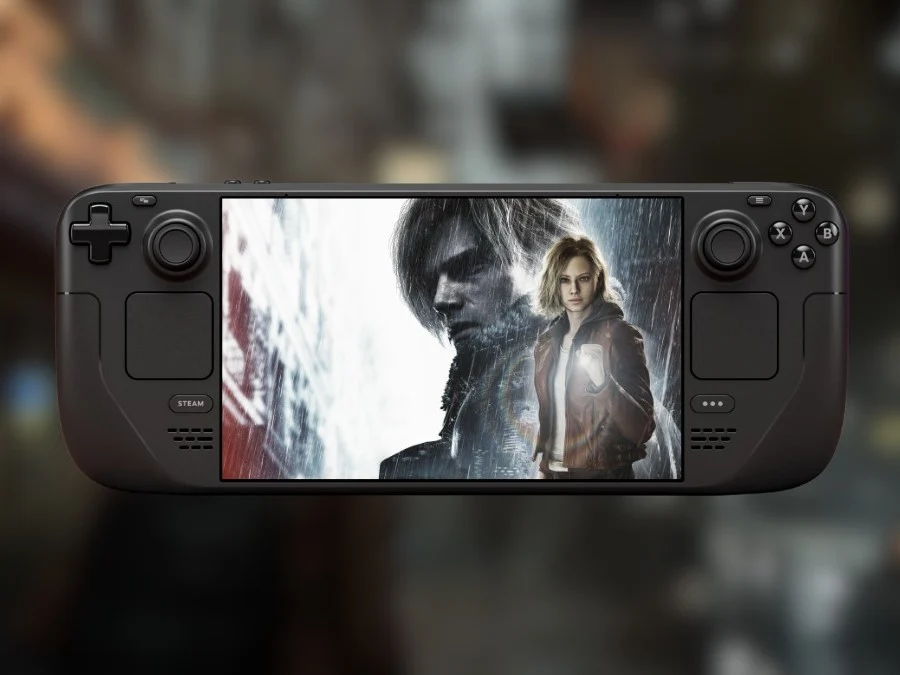
  • Resident Evil Requiem Unsupported on Steam Deck Despite Good Performance

    Resident Evil Requiem Unsupported on Steam Deck Despite Good Performance

    Key Takeaways

    1. Valve categorizes games for Steam Deck as Verified, Playable, Unsupported, or Unknown to assist users in gauging performance before purchase.
    2. Resident Evil Requiem is labeled as Unsupported, indicating potential launch or performance issues, but it is found to be quite playable with minor tweaks.
    3. Performance tests show that indoor scenes can exceed 60 FPS on the Steam Deck with minimal modifications, while outdoor settings are more challenging.
    4. Adjusting graphics settings can significantly improve gameplay, achieving up to 80 FPS in indoor scenes with lifted frame rate caps.
    5. The reliability of Valve’s verification process is questionable, as some Verified titles have performance issues, while some Unsupported titles may run well with adjustments.


    Valve has a system to help users of Steam Deck figure out how well a game works on the device before they make a purchase. Games are categorized as Verified, Playable, Unsupported, or Unknown based on their performance. This should ideally assist gamers in determining whether a title will function smoothly. Nevertheless, the system isn’t always reliable, and Resident Evil Requiem is a recent example of this issue.

    Resident Evil Requiem’s Status

    Currently, Resident Evil Requiem is labeled as Unsupported on the Steam Deck. Generally, this label indicates that the game either fails to launch on the device or has significant performance or compatibility issues. However, the team at SteamDeckHQ ran tests on the game using Valve’s handheld and discovered that it is indeed quite playable.

    Performance Insights

    SteamDeckHQ noted that the game performs surprisingly well without extensive modifications. They mentioned that indoor settings run much smoother and can even achieve over 60 FPS on the Steam Deck with minimal effort. On the other hand, outdoor settings are more challenging, particularly in the initial segment where players navigate as Leon outside.

    The game automatically utilizes FSR 1 and limits the frame rate to 30 FPS on the Steam Deck. Nevertheless, tweaking a few options can greatly enhance the gameplay experience. For example, by using mostly low graphics settings, switching to FSR 3.1.5 on Balanced or Quality, and adjusting texture filtering to 16x anisotropic, players can achieve a notably smoother performance.

    Adjustments and Results

    With these adjustments, they managed to target 45 FPS at a 90Hz refresh rate on the Steam Deck OLED while keeping HDR active. The power consumption during gameplay varied from 16W to 18W, which is quite acceptable for a handheld device. When the frame rate cap was lifted, indoor scenes could even reach about 80 FPS, although this increased power usage to over 22W. From these findings, it’s clear that Resident Evil Requiem may not meet the standards for the Verified label, but it certainly feels more like Playable than Unsupported.

    This scenario brings to light a persistent problem with Valve’s verification process. Some titles labeled as Verified still face performance issues, while others marked as Unsupported can run well with minor tweaks. A prime example is Borderlands 4, which boasts a Verified badge yet has faced criticism for its poor performance on the handheld. So, it’s advisable to look at user feedback and gameplay analyses rather than just depending on Valve’s system when considering a purchase.

    Source:
    Link