Author: GizNews

  • Vivo X300 Ultra to Outperform Galaxy S26 Ultra in Key Features

    Vivo X300 Ultra to Outperform Galaxy S26 Ultra in Key Features

    Key Takeaways

    1. Vivo is promoting the X300 Ultra with a focus on innovative teleconverter attachments, including a notable 400 mm teleconverter.
    2. The X300 Ultra will feature Sony’s new 200 MP LYT-901 sensor, which has not been used in any smartphone before.
    3. The sensor in the X300 Ultra is larger (1/1.12-inch) than that in competitors like the Galaxy S26 Ultra (1/1.3-inch).
    4. The camera will include a 35 mm lens with a 30% reduction in reflectivity, enhancing light sensitivity by over 30% compared to the X200 Ultra.
    5. The device will support CIPA 6.5 image stabilization and be powered by the Snapdragon 8 Elite Gen 5 ISP, but the release date is still unknown.


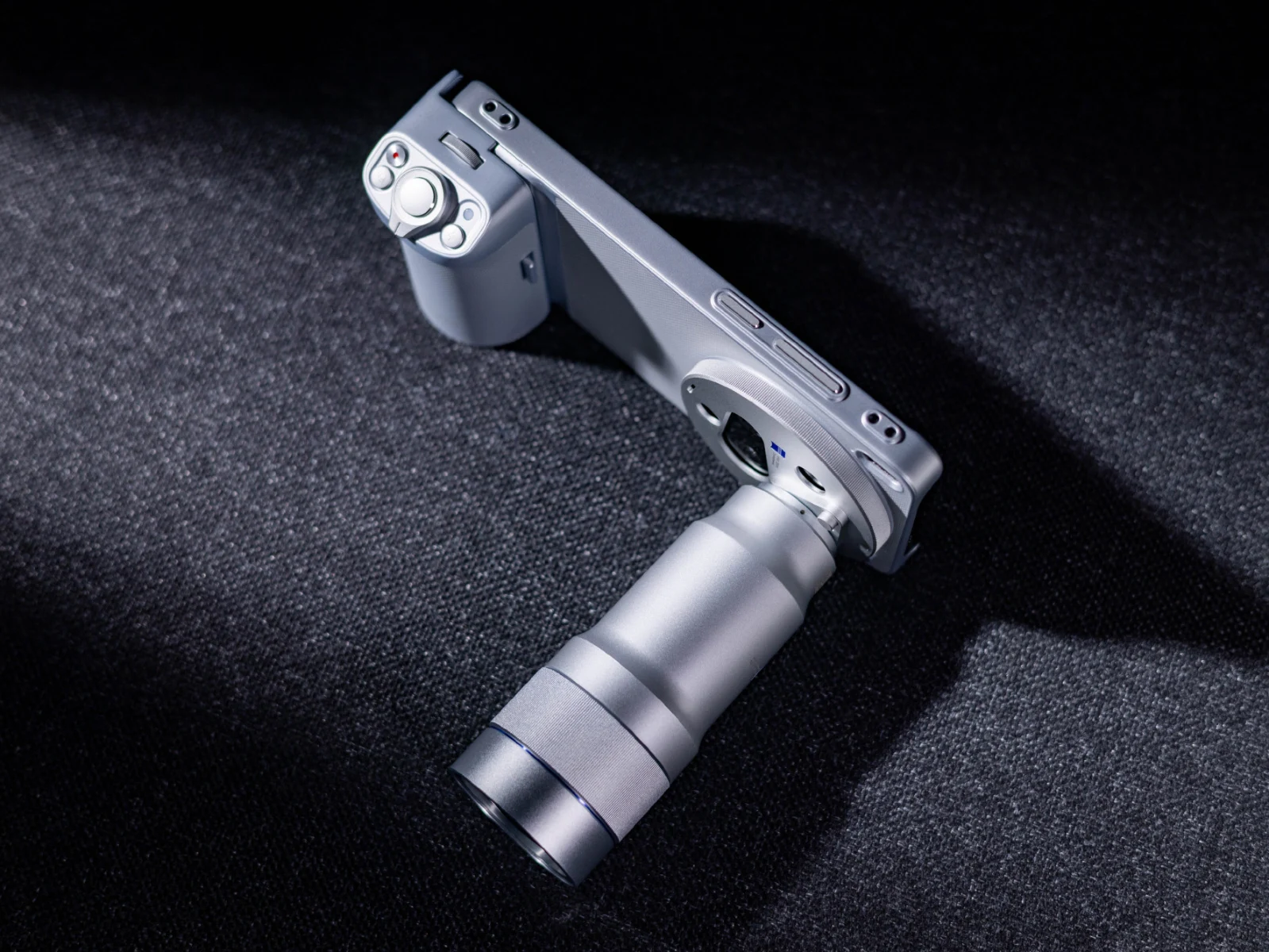
    Vivo is ramping up its promotional efforts for the X300 Ultra following its recent reveal at MWC 2026 in Barcelona. The focus of the company’s announcements has been primarily on the innovative teleconverter attachments for the device. Among these, a notable 400 mm teleconverter stands out. However, a Vivo executive has shifted attention towards the advancements in internal camera technology that will be introduced with the X300 Ultra.

    Exciting Camera Innovations

    The executive has confirmed that the X300 Ultra will be equipped with Sony’s LYT-901 sensor. This sensor, boasting 200 MP, has yet to see use in any smartphone. While the Xiaomi 17 Ultra employs a 200 MP sensor for its telephoto capabilities, the X300 Ultra will be taking a cue from the Galaxy S26 Ultra by utilizing this impressive resolution for its main camera.

    Larger Sensor Than Competitors

    What sets the X300 Ultra apart is its notably larger sensor compared to Samsung’s latest flagship, which currently retails for $1,299 on Amazon. The LYT-901 features a 1/1.12-inch optical format, surpassing the 1/1.3-inch sensor found in the Galaxy S26 Ultra. Additionally, the Vivo X300 Ultra will pair this sensor with a 35 mm lens that has approximately 30% reduced reflectivity, thanks to a new ultra-low reflection coating.

    According to Han Bo Xiao, this upgrade will enhance the X300 Ultra’s light sensitivity by over 30% compared to its predecessor, the X200 Ultra. In a post on Weibo, the executive mentioned that this new model also supports the Camera & Imaging Products Association (CIPA) CIPA 6.5 image stabilization. All these features will be powered by the image signal processor (ISP) found in the Snapdragon 8 Elite Gen 5. However, the exact release date for the X300 Ultra remains uncertain at this time.

    Han Bo Xiao

    Source:
    Link


  • TCL Unveils Ultra-Thin 4K OLED Gaming Monitor with 240Hz Refresh Rate

    TCL Unveils Ultra-Thin 4K OLED Gaming Monitor with 240Hz Refresh Rate

    Key Takeaways

    1. Sleek Design: The TCL 32X3A features an ultra-thin build, measuring only 6.4 mm at its thinnest point, setting it apart from typical gaming displays.

    2. High Refresh Rates: It offers a 240 Hz refresh rate at 4K resolution, and a competitive 480 Hz refresh rate at 1080p for gamers focused on performance.

    3. OLED Technology: As an OLED monitor, it promises true blacks, fast response times, and a nearly infinite contrast ratio, enhancing overall image quality.

    4. Text Clarity Features: The monitor uses a “matrix” pixel arrangement to improve text clarity, although the specific benefits are not detailed.

    5. Pricing and Availability: The TCL 32X3A is priced at 5,999 Yuan (approximately $871) in China, with no current plans for international release.


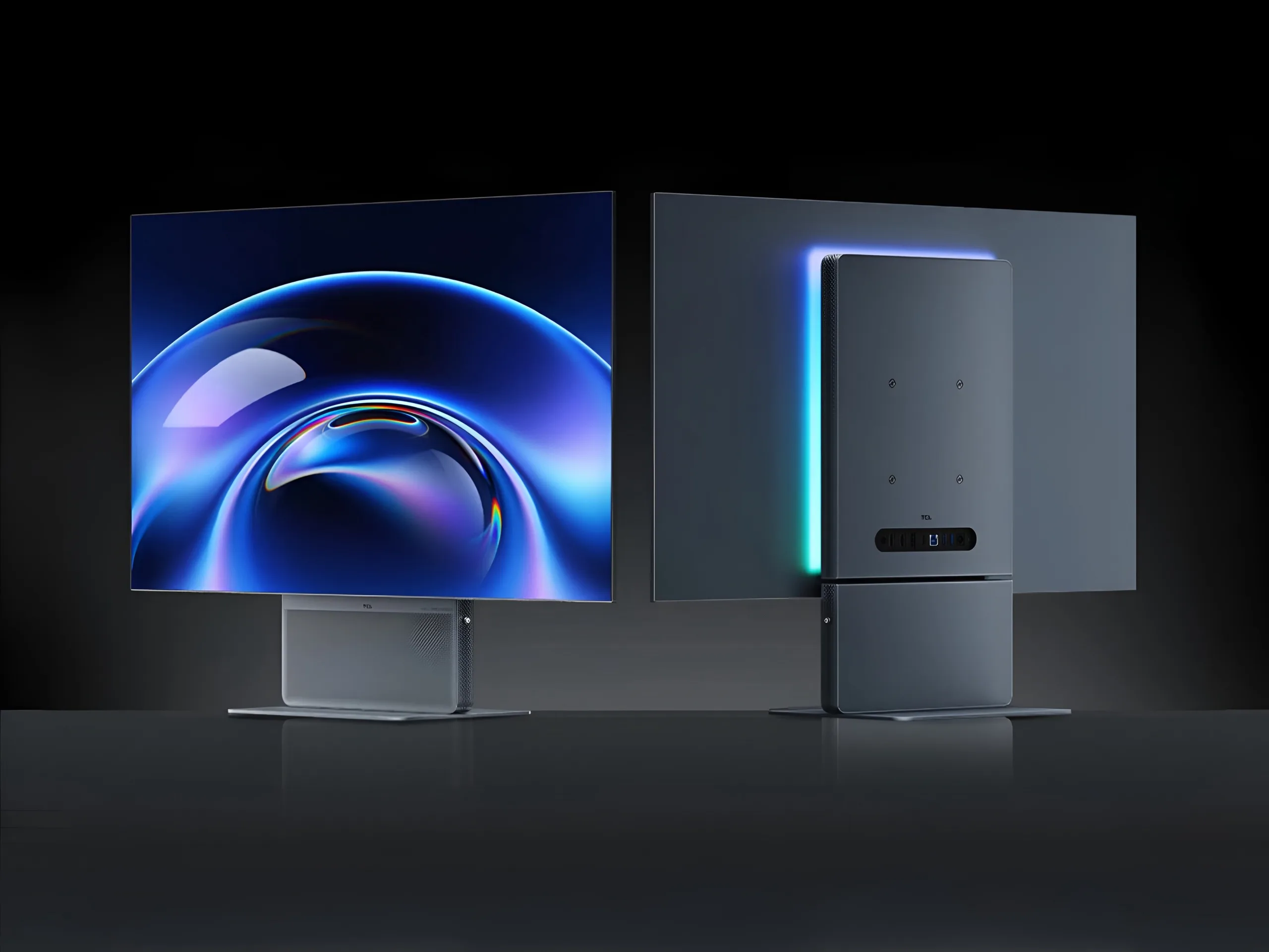
    Most premium gaming displays come with designs that are often very showy. The TCL 32X3A, which was just revealed, takes a different approach. With its sleek, ultra-thin build, this 32-inch 4K OLED gaming monitor is set to deliver impressive image quality along with a 240 Hz refresh rate at 4K.

    Versatile Gaming Options

    Thanks to its dual-mode feature, gamers who care more about refresh rates than visual fidelity can switch to 1080p, unlocking a whopping 480 Hz refresh rate, making it ideal for competitive gaming enthusiasts. The OLED+ panel incorporates multi-layer technology, boasting a claimed 99% coverage of the DCI-P3 color spectrum.

    Text Clarity and Pixel Density

    The manufacturer also claims to use a “matrix” pixel arrangement, which is supposed to enhance text clarity, although they haven’t provided more specifics. The TCL 32X3A monitor measures 31.5 inches and has a pixel density of around 140 PPI, which is decent, but not exactly groundbreaking. Those who prioritize text clarity might find better options in higher-resolution displays.

    OLED Benefits and Design

    Being an OLED display, the TCL 32X3A is likely to offer all the key advantages of this technology. In simple terms, it means you can expect true blacks, very fast response times, and an almost infinite contrast ratio on this gaming monitor.

    As mentioned before, the monitor showcases a unique ultra-thin design for its category. At its sleekest points, it measures only 6.4 mm or 0.25 inches thick, but the area around the stand is significantly thicker at about 35.8 mm or 1.4 inches. At this moment, it’s still uncertain if the gaming monitor will have any ergonomic adjustments apart from tilt functions.

    Audio and Pricing Details

    Additionally, a Bang & Olufsen speaker system will be positioned towards the bottom of the stand, but the specifics regarding the number of speakers and wattage haven’t been disclosed. The available I/O ports are quite good, as outlined below:

    The TCL 32X3A 4K OLED gaming monitor, measuring 31.5 inches, is priced at 5,999 Yuan in China, which translates to approximately $871. Currently, there are no plans for an international launch, though it’s not impossible given TCL’s global reach. If you’re looking for a similarly spec’d gaming monitor sooner, consider the Asus ROG Swift PG32UCDP, which is available on Amazon for $1,299.

    Source:
    Link


  • Significant Price Hikes Expected for OnePlus, iQOO, and Redmi 2nm Phones

    Significant Price Hikes Expected for OnePlus, iQOO, and Redmi 2nm Phones

    Key Takeaways

    1. OnePlus, iQOO, and Redmi are launching new premium smartphones with similar pricing strategies.
    2. The Xiaomi 17 starts at CNY 4,499 ($655), while the Redmi K90 Pro Max is priced at CNY 3,999 ($580).
    3. Future flagship models from Xiaomi and Oppo are expected to see price increases, but base memory options will remain the same.
    4. Upcoming flagship smartphones from these brands are predicted to start at around CNY 5,000 ($725).
    5. The rumored Redmi K100 Pro Max may be priced at least 25% higher than the current Redmi K90 Pro Max.


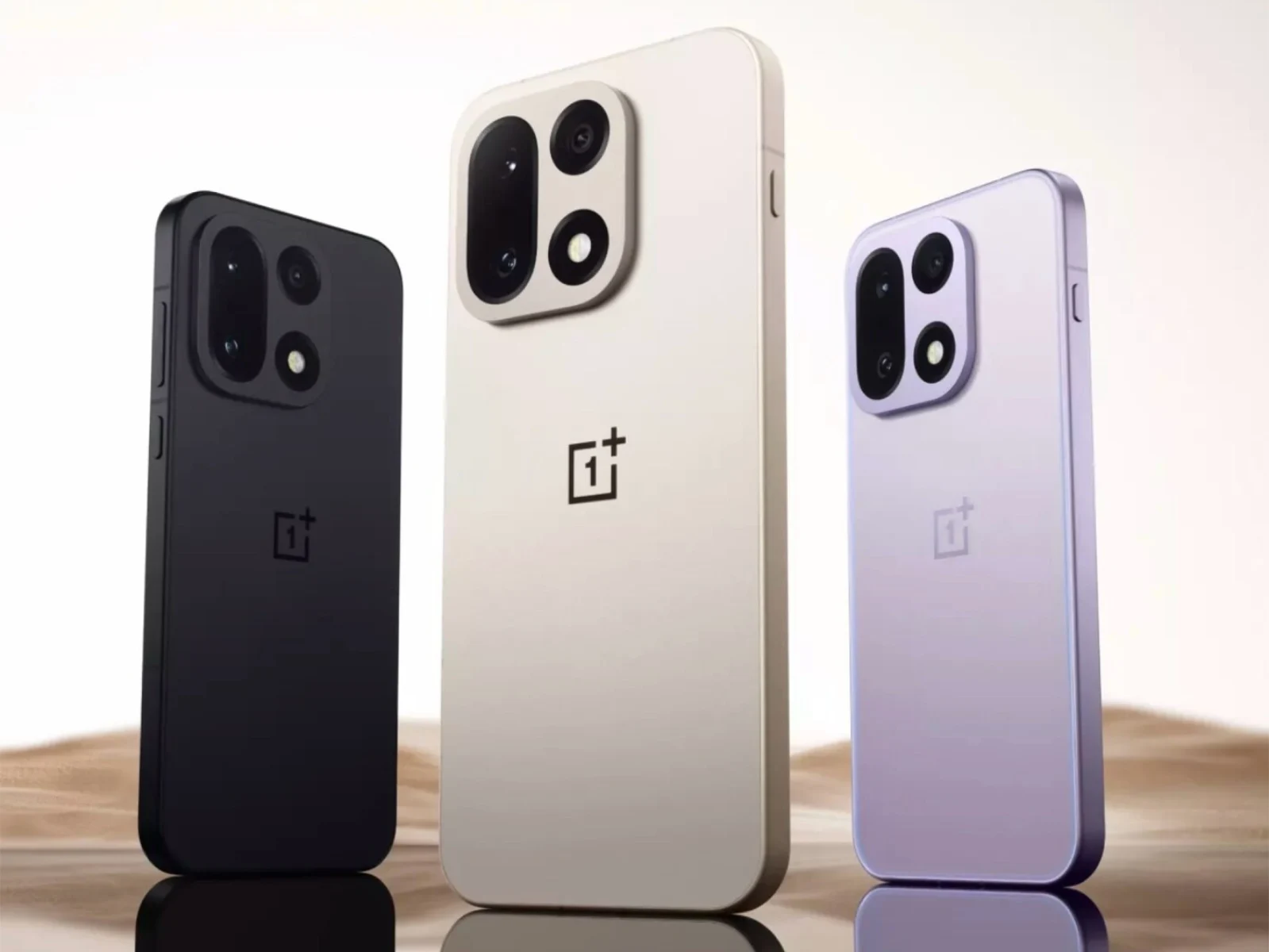
    A fresh batch of premium smartphones from Chinese brands is set to arrive soon. For example, OnePlus is gearing up to unveil the OnePlus 15T in China. Reports from Digital Chat Station indicate that OnePlus, iQOO, and Redmi are all aiming for similar price points for their upcoming flagship devices.

    Pricing Context

    To give you an idea, the Xiaomi 17 has a starting price of CNY 4,499 (around $655) in China, although you can find it now for CNY 4,299 (about $625). On the other hand, the Redmi K90 Pro Max is priced at CNY 3,999 (approximately $580) when you choose the 12 GB RAM and 256 GB storage option, which is the same for the OnePlus 15 (currently listed at $899.99 on Amazon).

    Pricing Expectations

    Sources suggest that Xiaomi and Oppo will also follow iQOO in hiking their prices for what Digital Chat Station calls ‘next-gen 2nm flagship’ smartphones. However, there are no plans to increase the base memory options. All three companies are likely to keep 12 GB of RAM and 256 GB of storage as their standard entry-level configurations even for their flagship models.

    Future Predictions

    Despite this, Digital Chat Station predicts that the new flagships from OnePlus, iQOO, and even Redmi will likely start at around CNY 5,000 (about $725). Consequently, the rumored Redmi K100 Pro Max may be priced at least 25% higher than the current Redmi K90 Pro Max, which is known worldwide as the Poco F8 Ultra.

    Source:
    Link


  • Infinix Note 60 Ultra: Pininfarina Design, 7000mAh Battery, 200MP Camera

    Infinix Note 60 Ultra: Pininfarina Design, 7000mAh Battery, 200MP Camera

    Key Takeaways

    1. Design Collaboration: The Infinix Note 60 Ultra features a sleek aluminum unibody design in partnership with Italian design firm Pininfarina.

    2. Powerful Performance: It is equipped with a MediaTek Dimensity 8400 Ultimate processor, 12 GB of RAM, and 256 GB of storage, along with a 3D IceCore vapor chamber for cooling during gaming.

    3. Innovative Communication: This smartphone is the first in its segment to offer dual-way satellite messaging and calling, enabling connectivity in remote areas.

    4. Camera and Display: The device includes a triple camera setup with a 200 MP main camera and a vibrant 6.78-inch OLED display supporting 1.5K resolution and a 144 Hz refresh rate.

    5. Long Battery Life: It features a 7,000 mAh battery with 100 W wired and 50 W wireless charging, along with additional features like eSIM support and IP64 water resistance.


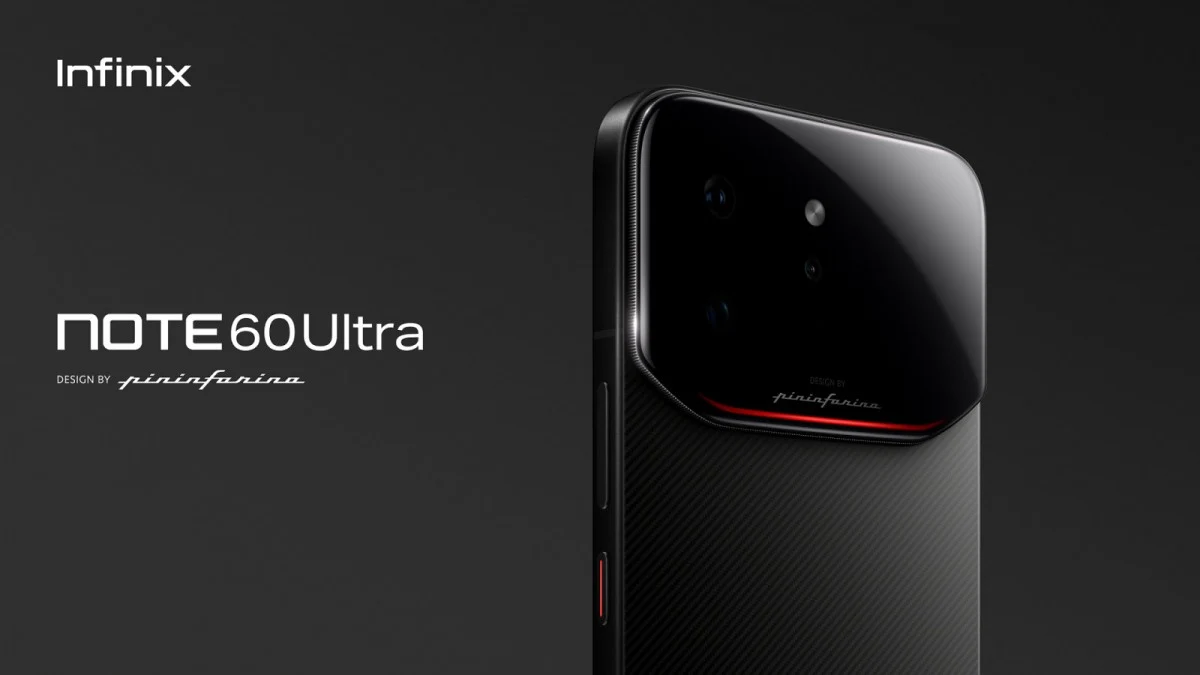
    Following the release of the Note 60 Pro last month, Infinix has officially introduced its latest smartphone, the Note 60 Ultra, at MWC 2026. Notably, this device is a joint creation with the renowned Italian design and automotive firm, Pininfarina. Regarding its appearance, the phone features an aluminum unibody structure along with a uni-chassis camera module. The rear camera setup is shielded by a single sheet of Gorilla Victus glass, which also protects the dot-matrix display and a floating taillight indicator that activates when the phone is turned on or when notifications arrive.

    Performance and Software

    Beneath its sleek exterior, the Note 60 Ultra is driven by a MediaTek Dimensity 8400 Ultimate processor built on a 4 nm architecture, coupled with 12 GB of RAM and 256 GB of internal storage. Additionally, it includes a 3D IceCore vapor chamber to help maintain a cool temperature during intense gaming sessions. The device runs on Android 16, which is based on XOS 16. Infinix has committed to providing three major OS updates (up to Android 19) and five years of security updates until the year 2031.

    Unique Features

    Moreover, the Note 60 Ultra stands out as the first smartphone in its segment to feature dual-way satellite messaging and calling capabilities. This innovative functionality ensures connectivity in locations lacking regular cellular service and allows for emergency location sharing. On the rear side, it boasts a triple camera array, which includes a 200 MP main camera, a 50 MP telephoto lens that offers 3.5x optical zoom along with 100x digital zoom, and a 112° ultrawide camera.

    Display and Battery Life

    In addition to its impressive camera setup, the smartphone comes with a 6.78-inch OLED display that supports a 1.5K resolution, a 144 Hz refresh rate, and a peak brightness of 4,500 nits. Powering the device is a robust 7,000 mAh silicon-carbon battery that enables 100 W wired charging and 50 W wireless charging. Other notable features include JBL-tuned stereo speakers, eSIM compatibility, Gorilla Glass 7i protection, and IP64 water resistance.

    Offered in striking color options like Torino Black, Monza Red, Amalfi Blue, and Roma Silver, the Infinix Note 60 Ultra has a starting price of MYR 3,000 (approximately $760 / €665 / £570). Nevertheless, the company has not yet disclosed the exact global pricing for this smartphone.

    Source:
    Link


  • Google Reduces Play Store Fees After Epic Settlement Changes Payments

    Google Reduces Play Store Fees After Epic Settlement Changes Payments

    Key Takeaways

    1. Google is shifting its Play Store commission from “up to 30%” to a range of 10% to 20%, based on purchase type and billing method.

    2. The changes are linked to a proposed agreement with Epic Games, pending court approval, detailing new fee structures for developers.

    3. For the External Payments program, fees are set at 10% for auto-renewing subscriptions and 20% for other in-app digital content, with the first $1 million in annual earnings for eligible developers also at 10%.

    4. Google’s new developer guidelines allow for more flexibility in billing and distribution, recognizing alternative payment options alongside Google Play Billing.

    5. A “Registered App Stores” system is being planned to make it easier to install competing Android app stores, with initial rollout expected in the US, UK, and Europe.


    Google is changing its Play Store commission structure, moving away from the previous “up to 30%” model. Reports suggest that most fees will now be in the range of 10% to 20%, depending on the type of purchase and the billing method used.

    Connection to Epic Games Settlement

    These updates are part of a proposed agreement with Epic Games, which is still waiting for court approval. The specifics about the fee structure for developers are already mentioned in Google’s Play Console Help pages, which detail the costs associated with programs that direct users to outside payment options or content links.

    Fee Breakdown

    For the External Payments program, Google states that the fees for qualifying external transactions will be 10% for auto-renewing subscriptions and 20% for other in-app digital content. Notably, the first $1 million (USD) of annual earnings for eligible developers will also be charged at a rate of 10%. Meanwhile, the External Content Links program follows a similar structure, maintaining the 10% for subscriptions and 20% for other transactions (again, with the first $1 million at 10% for qualified developers). Additionally, there’s a fee for “app download events” that occur within 24 hours of a click, which costs $2.85 for apps and $3.65 for games.

    Larger Changes on the Horizon

    Apart from the “lower fees,” a significant change is that Android will be more flexible regarding billing and distribution. Google’s developer guidelines now acknowledge that sales can happen via Google Play Billing or through approved alternatives as per its payment regulations. This is a key aspect of the broader “choice” solutions and settlement conditions.

    Reports also indicate that Google is looking to implement a “Registered App Stores” system, which will ease the process of installing competing Android app stores from the internet. They are also planning to expand the options available for developer billing systems.

    The timing of these changes is as crucial as the fee percentages. Major news sources report that the rollout tied to the settlement will begin first in the US, UK, and Europe, with wider global adaptations to follow later, depending on the specific program and the court’s decision.

    Source:
    Link


  • Electronic Arts Developing Javelin Anti-Cheat for Steam Deck, Linux, ARM

    Electronic Arts Developing Javelin Anti-Cheat for Steam Deck, Linux, ARM

    Key Takeaways

    1. EA is hiring to develop a native ARM driver for Javelin anti-cheat, which may allow more games on ARM and Linux systems.
    2. This change could expand the availability of popular EA games, like Battlefield and Madden NFL, to a wider audience beyond just x86 Windows PCs.
    3. The move indicates EA’s commitment to improving support for anti-cheat measures across different operating systems and hardware.
    4. Current challenges in Linux gaming are largely due to anti-cheat software limiting game compatibility outside x86 environments.
    5. As Linux gaming improves, companies like EA see value in supporting these platforms, especially with growing ARM Windows laptop markets.


    According to a job ad posted by Electronic Arts, EA is looking for new hires to “create a native ARM driver for Javelin anti-cheat” and to “map out a strategy for EA Javelin Anticheat to accommodate more operating systems and hardware in the future, such as Linux and Proton.” In simpler terms, this suggests that games that can’t currently be played on ARM and/or Linux computers (like the Steam Deck and the soon-to-come Steam Machine) due to Javelin Anticheat needing an x86 version of Windows might soon be available on other operating systems. As EA is still in the process of hiring for this role, it’s likely that this change is still months away, but the investment signifies EA’s commitment to broaden Javelin anti-cheat support.

    Big News for Gamers

    For gamers who are affected by this situation, this is significant news. Being confined to consoles or an x86-based Windows PC can severely limit options, especially for EA’s lineup of extremely popular multiplayer AAA titles like Battlefield and Madden NFL. Adequate support for ARM and Linux users greatly enhances the potential player base for these games and helps to increase the range of devices like the Steam Deck, which generally have the power to run these games in some capacity but are unable to due to strict kernel-level anti-cheats like Javelin.

    Challenges in Linux Gaming

    That’s basically the biggest current flaw in Linux gaming. Thanks to Valve’s Proton compatibility layer, gaming performance on Linux has shown to be quite competitive with Windows 11, and it even outperforms it on low-power handheld devices like the Steam Deck. Nowadays, issues with game compatibility are mostly due to anti-cheat software blocking games from being played outside of a controlled x86 Windows environment. As Linux gaming continues to develop, companies like EA see more reasons to broaden their support to include those platforms. This is also advantageous for the rising market of low-power, mid-range performance ARM Windows laptops that utilize Qualcomm’s Snapdragon X Elite platform.

    Source:
    Link


  • Buy Google’s Pixel 10a Now with Free Limited-Time Perks

    Buy Google’s Pixel 10a Now with Free Limited-Time Perks

    Key Takeaways

    1. The Pixel 10a is priced at $499 for the base model with 128GB storage, matching the debut price of the Pixel 9a.
    2. Purchase incentives include free Pixel Buds 2a or a $100 gift card/store credit, valid until March 11.
    3. It features a 6.3-inch display with a 120Hz refresh rate, Gorilla Glass 7i, and is powered by the Tensor G4 chip with 8GB of RAM.
    4. Camera setup includes a 48MP rear main sensor, 13MP ultrawide, and a 13MP front camera, all capable of 4K recording.
    5. The phone supports 7 years of OS upgrades, has an IP68 rating for water resistance, and features like dual SIM support and fast charging.


    Last month, Google introduced the Pixel 10a as a new budget-friendly option in the Pixel 10 lineup. Since its reveal, the phone has been up for pre-order. Now, it’s finally ready for purchase, and the pre-order benefits are still available.

    Pricing and Storage Options

    The Pixel 10a begins at $499 for the base model, which is the same price as the Pixel 9a when it debuted. For this price, customers receive 128GB of storage, but if you want more space, there’s a 256GB version available for an extra $100. No matter which version you choose, the same benefits are included.

    Purchase Benefits

    Google and its official retailers, including Amazon, offer two purchase incentives. You can get a complimentary pair of Pixel Buds 2a, valued at $129. Alternatively, if you buy from Amazon, you have the option of a $100 gift card, or if you shop at the Google Store, you can receive $100 in store credit. Both companies state that these promotions are valid until 11:59 PM on March 11.

    Specifications and Features

    The Pixel 10a boasts a 6.3-inch screen with a resolution of 1080 x 2424. The display is safeguarded by Gorilla Glass 7i, features a 120Hz refresh rate, and can achieve a peak brightness of 3000 nits. Powered by the Tensor G4 chip, which also powers the Pixel 9a, it comes with 8GB of RAM and storage options of 128GB or 256GB.

    In terms of cameras, the rear setup includes a 48MP main sensor along with a 13MP ultrawide camera, while the front camera is a 13MP sensor as well. Both back and front cameras can record in 4K. The Pixel 10a is equipped with a 5100mAh battery that supports 30W fast charging via cable and 10W wireless charging.

    Additional Features

    Other features include an in-display fingerprint reader, satellite SOS capabilities, IP68 rating for dust and water resistance, dual SIM support (nano SIM and eSIM), stereo speakers, NFC, Wi-Fi 6E, Bluetooth 6.0, and a USB Type-C 3.2 port.

    Google ships the Pixel 10a with Android 16. Like its Pixel 10 siblings, it promises 7 years of operating system upgrades and security patches. It comes in colors like Berry, Fog, Lavender, and Obsidian.

    Source:
    Link


  • Ultralight Arch-based PrismLinux 2026.03.05 Major Release

    Ultralight Arch-based PrismLinux 2026.03.05 Major Release

    Key Takeaways

    1. PrismLinux is a performance-oriented distribution designed for less powerful hardware, originating from Ukraine.
    2. The latest update (2026.03.05) features a complete redesign of the installer and migration to Electrobun.
    3. It supports multiple languages, including Russian and German, and includes enhancements for Nvidia graphics.
    4. The distribution comes with optimized kernels like Liquorix and Zen for better performance.
    5. System requirements include a 64-bit processor, a minimum of 2 GB of RAM (8 GB recommended), and 30 GB of disk space, with an ISO file size of 1.76 GB available for download.


    Based on Arch, PrismLinux aims to deliver a performance-oriented experience that can work well on less powerful hardware configurations. Originating from Ukraine, this distribution includes a LiveCD that features a graphical installer supporting various desktop environments. It also comes equipped with optimized kernels like Liquorix and Zen, which are pre-configured for better performance. The latest update, identified as 2026.03.05, marks a significant release with a complete redesign of the installer, migration to Electrobun, support for both Russian and German languages, enhancements for Nvidia graphics, and several additional improvements.

    Key Features and Improvements

    Here are some of the standout features, adjustments, and bug fixes included in this update. Alongside those, a unique package manager is in the works, and more information about it is expected to be revealed in the months ahead.

    System Requirements and Download Information

    The ISO file size is 1.76 GB, and the system requirements are a 64-bit processor, a minimum of 2 GB of RAM (8 GB is recommended), and 30 GB of available disk space. You can download it from the official website, specifically from this page (the file is hosted on SourceForge).

    Source:
    Link


  • Apple Studio Display XDR Delivers More Power Than MacBook Neo

    Apple Studio Display XDR Delivers More Power Than MacBook Neo

    Key Takeaways

    1. The MacBook Neo is a new MacBook series after ten years, featuring an Apple A18 Pro chip and 8 GB of RAM.
    2. Performance of the MacBook Neo is comparable to the M1 MacBook Air, which was released in 2020.
    3. The Apple Studio Display has an A19 chip, while the premium Studio Display XDR features the A19 Pro chip, similar to the iPhone 17 Pro.
    4. Details about memory and storage options for the new processors in the displays are still unclear.
    5. The new Studio Displays do not operate as smart monitors but introduce a feature called Desk View for video conferencing.


    The MacBook Neo is the first entirely fresh MacBook series in more than ten years. It comes equipped with an Apple A18 Pro chip and 8 GB of RAM, but its performance is roughly equivalent to that of the M1 MacBook Air, which is Apple’s basic laptop from 2020 and currently starts at $950 on Amazon.

    New Processor Insights

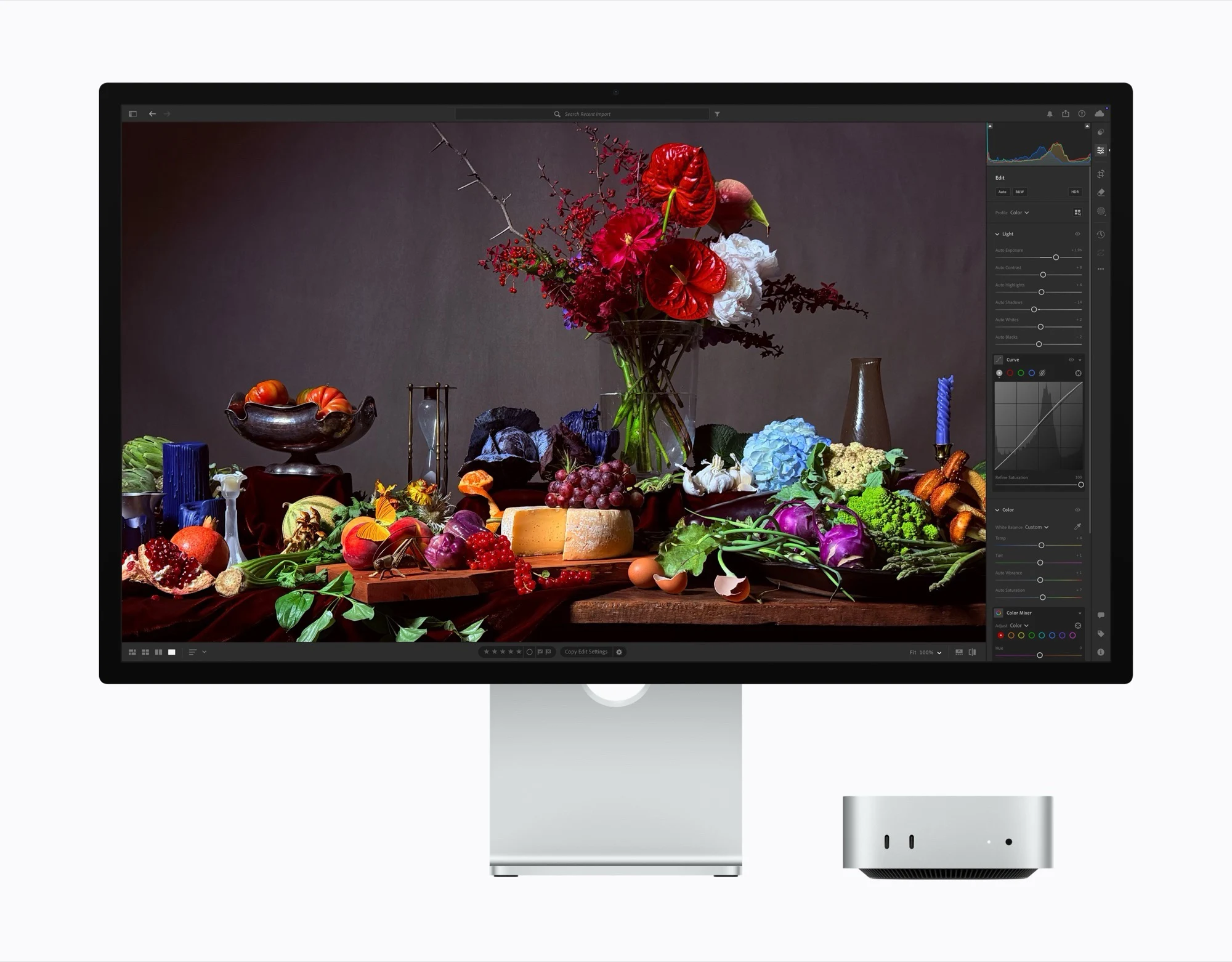
    Recently, MacRumors found some details about the processors in the code for the initial firmware update for the new Studio Display and Studio Display XDR. These discoveries indicate that the more budget-friendly Apple Studio Display is outfitted with an Apple A19 chip, which is more advanced and powerful than the one in the MacBook Neo. On the other hand, the premium Studio Display XDR boasts the Apple A19 Pro chip, the same as that found in the iPhone 17 Pro. However, the details about memory and storage options for these processors are still not clear.

    Smart Monitor Features

    Despite the impressive capabilities of these processors, Apple is not marketing either model of the Studio Display as a smart monitor that can independently operate streaming services or macOS. In the past, the Apple A13 Bionic in earlier Studio Displays allowed features like “Hey Siri” for connected Macs, as well as Center Stage for the built-in 12 MP webcam. The new displays at least bring in one novel capability that needs a bit more processing power: Desk View, which enables users to display their work area in front of the monitor and share it during video conferences.

    Source:
    Link


  • Affordable Nothing Headphone with ANC and 135 Hours Playback

    Affordable Nothing Headphone with ANC and 135 Hours Playback

    Key Takeaways

    1. The Nothing Headphone (a) is a budget-friendly version of the original Nothing Headphone (1), featuring the same 40 mm dynamic drivers but without KEF tuning.
    2. It includes Active Noise Cancellation (ANC) that can reduce noise by up to 40 dB and offers impressive battery life: up to 135 hours without ANC and 75 hours with ANC.
    3. Charging is quick, with just five minutes of charging providing eight hours of playback, and a full charge via USB-C taking about two hours.
    4. Connectivity features include Bluetooth 5.4, the ability to connect to two devices simultaneously, and buttons for call management and virtual assistant access.
    5. The Headphone (a) comes in four colors (black, white, pink, yellow) and is priced at EUR 159, with global availability starting now, but black and yellow versions released on April 6.


    Alongside the Phone 4(a) and Phone 4(a) Pro, Nothing has introduced a budget-friendly version of its Nothing Headphone (1). Named the Nothing Headphone (a), this model seeks to provide a similar experience but at a lower price point. To begin with, it features the same 40 mm dynamic drivers, offering a frequency response ranging from 20 Hz to 40 kHz. The main distinction appears to be the absence of tuning by KEF.

    Active Noise Cancellation

    The Nothing Headphone (a) includes ANC (Active Noise Cancellation) with two special microphones that can reduce noise by up to 40 dB. It is equipped with a 1,060 mAh battery that allows for as much as 135 hours of AAC playback without ANC and around 75 hours when ANC is activated. When using the LDAC codec, those times drop to 72 hours and 50 hours, respectively. Nothing states that just five minutes of charging can provide power for the Headphone (a) for as long as eight hours. A full charge through USB-C takes roughly two hours.

    Connectivity and Design Features

    Additional features encompass Bluetooth 5.4, the capability to connect to two devices at the same time, a specific power on/off switch, a pairing button, a paddle for answering or rejecting calls, and a distinct button to summon virtual assistants like ChatGPT. In terms of design, the Headphone (a) retains the same look as its predecessor, featuring a boxy housing for the headphones themselves.

    Nothing presents the Headphone (a) in four colors: black, white, pink, and yellow. It is priced at EUR 159 in Europe and is available globally starting now through Nothing’s official website and various retailers. Nonetheless, the black and yellow versions won’t be available until April 6.