Key Takeaways
1. Tesla plans to launch an unsupervised version of its Full Self-Driving (FSD) software for individual users by the end of this year.
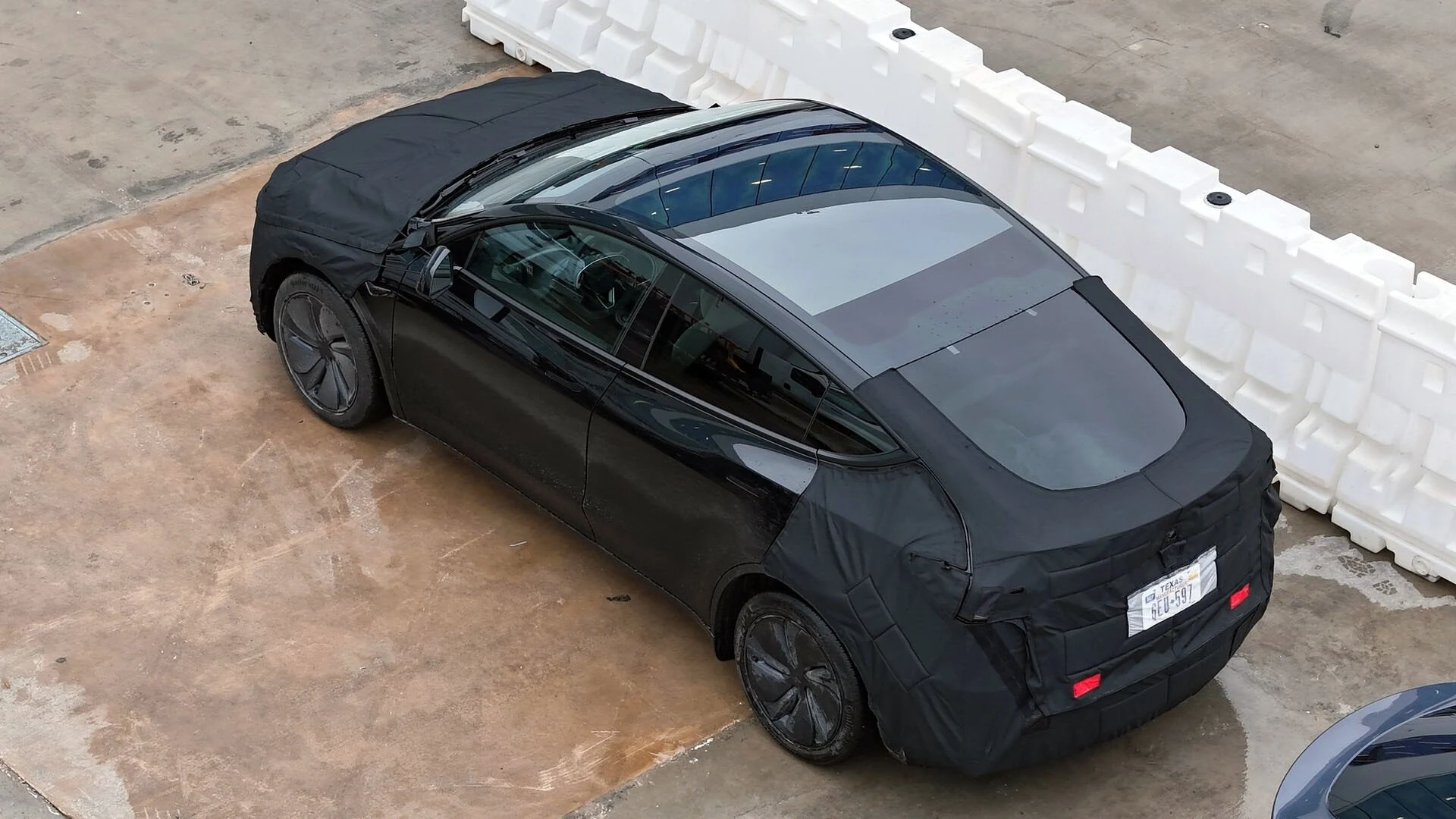
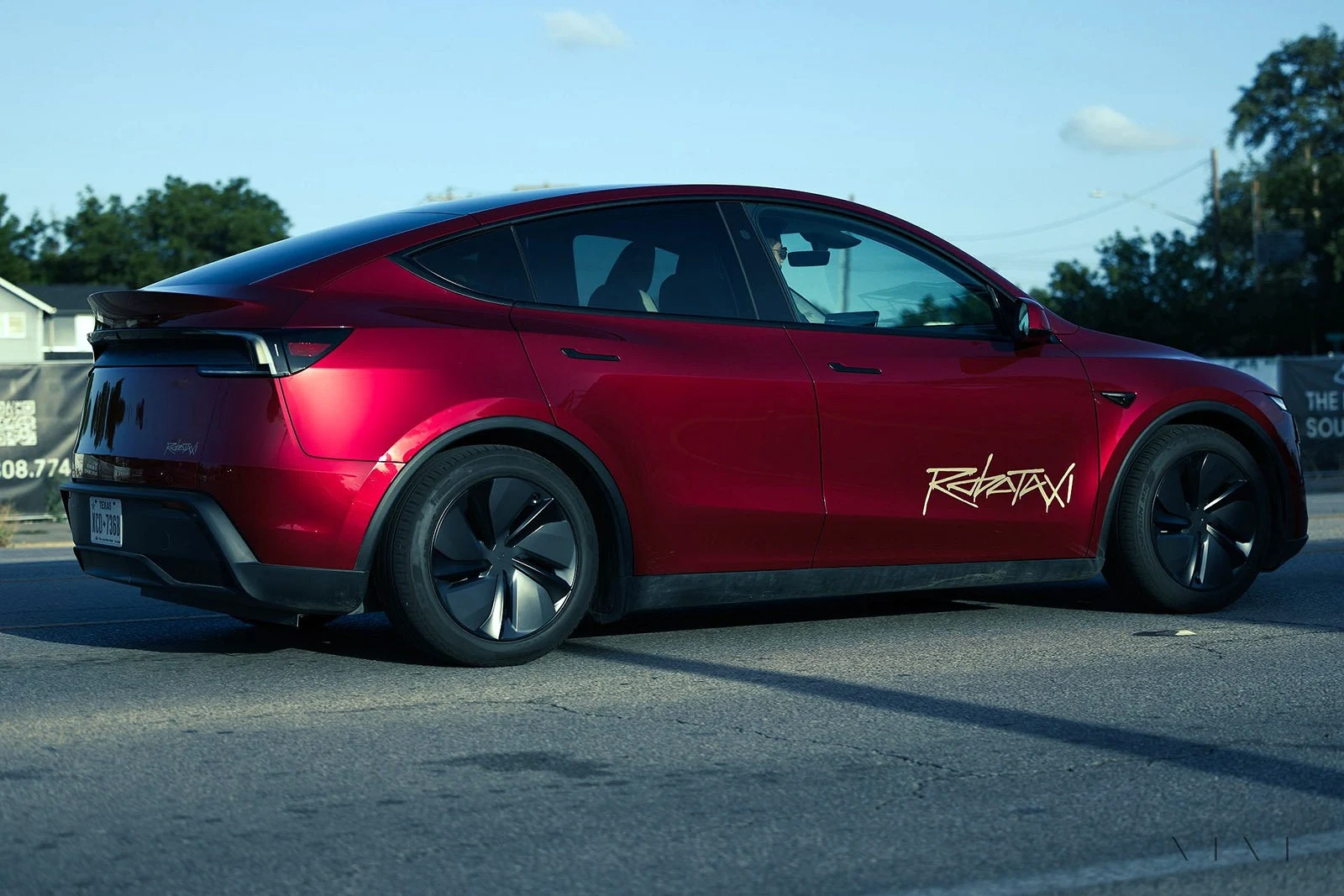
2. The current FSD system is being tested in a few Model Y vehicles for pilot Robotaxi rides in Austin and soon in California.
3. Tesla is training its self-driving software on various edge case scenarios to improve safety for Level 4 fully driverless rides.
4. FSD version 13.2.9 can autonomously identify completed payments at tolls and parking booths, enabling it to drive away without human intervention.
5. Owners of older Tesla models with HW3 kits will miss out on some FSD advancements, but free HW4 retrofits may be offered if unsupervised FSD can’t function on those models.
Tesla is aiming to launch the unsupervised version of its Full Self-Driving (FSD) software for individual users by the end of this year.
Current Deployment of FSD
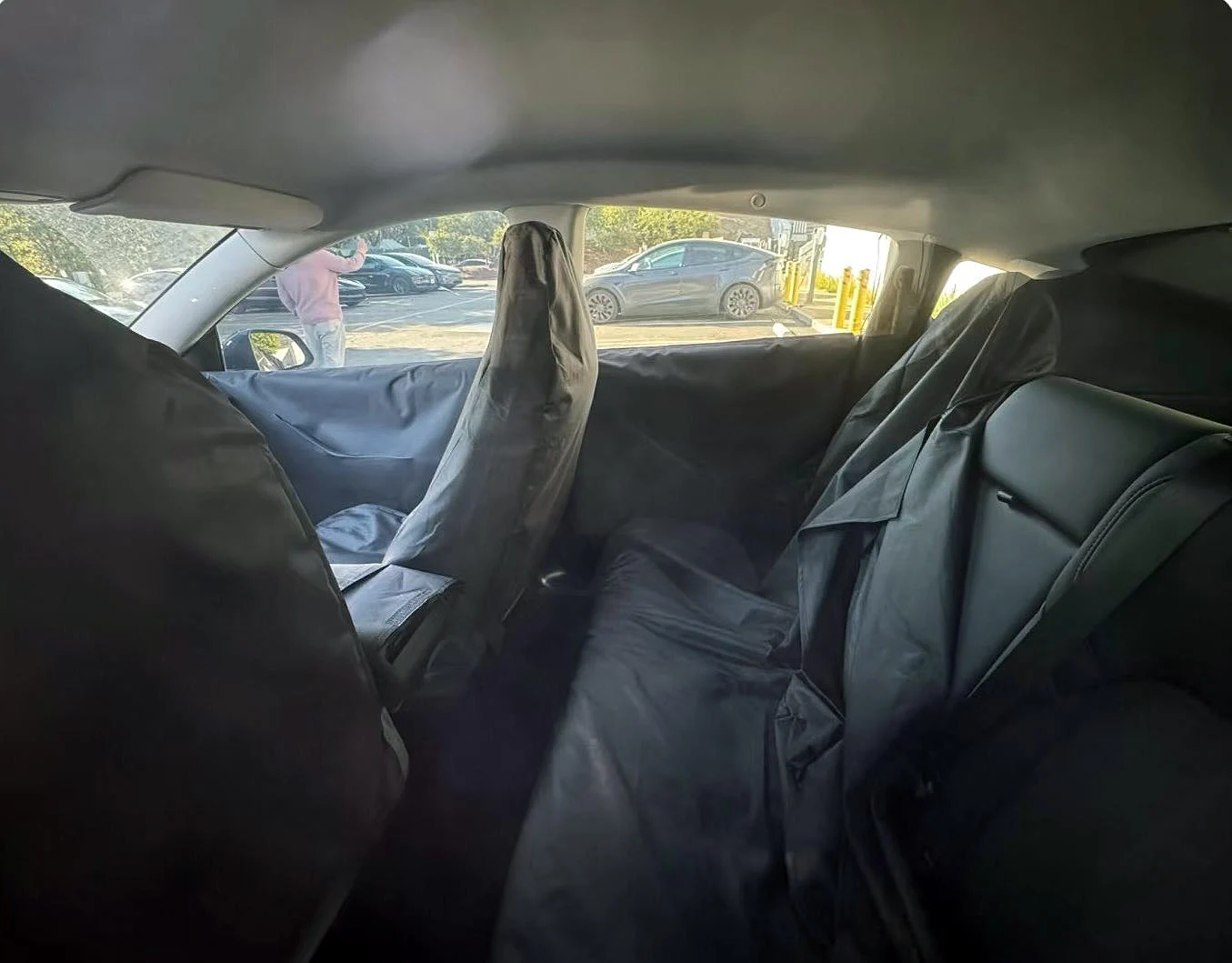
The non-supervised FSD system is presently available on a small number of Model Y vehicles, which are providing pilot Robotaxi rides in Austin and will soon expand to California. This software has also been installed on a Model Y that made its way directly from the production line to its new owner, and it has been utilized to park completed cars at the factory by themselves.
Training for Safety
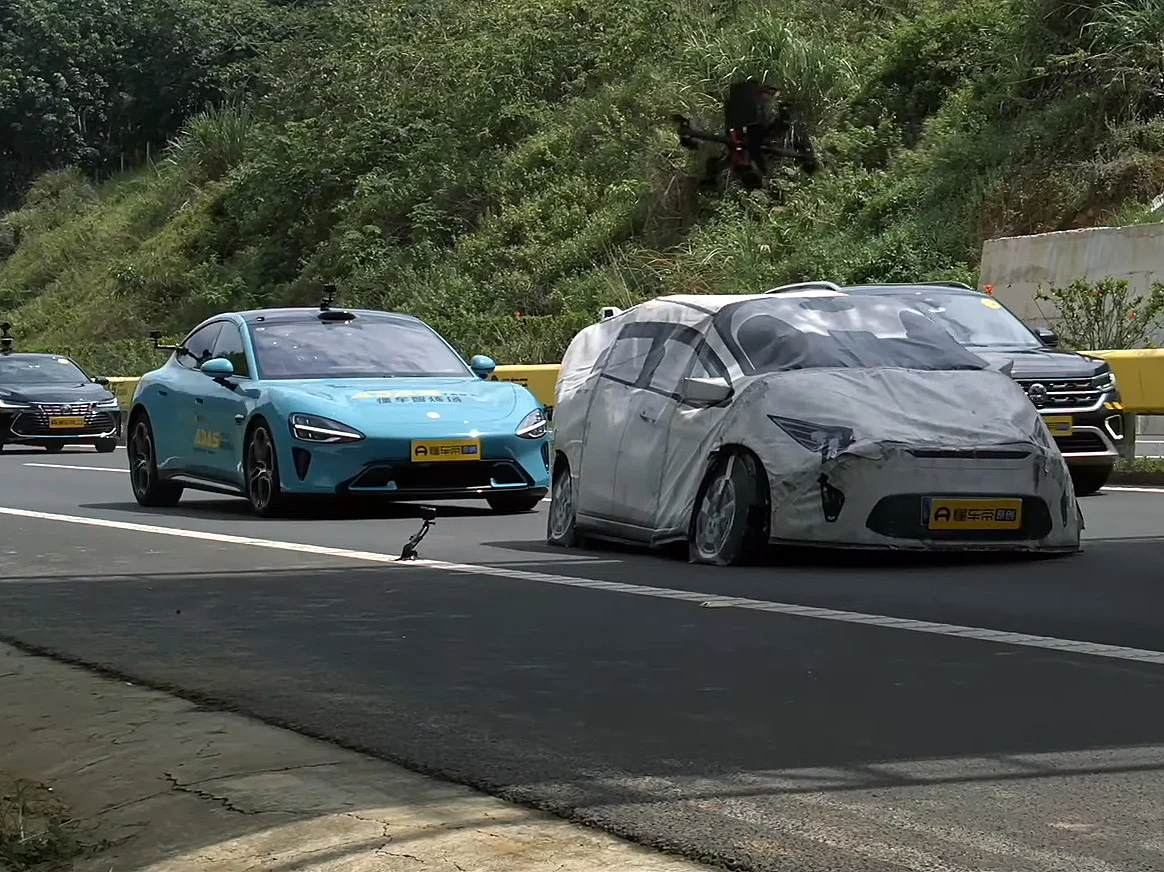
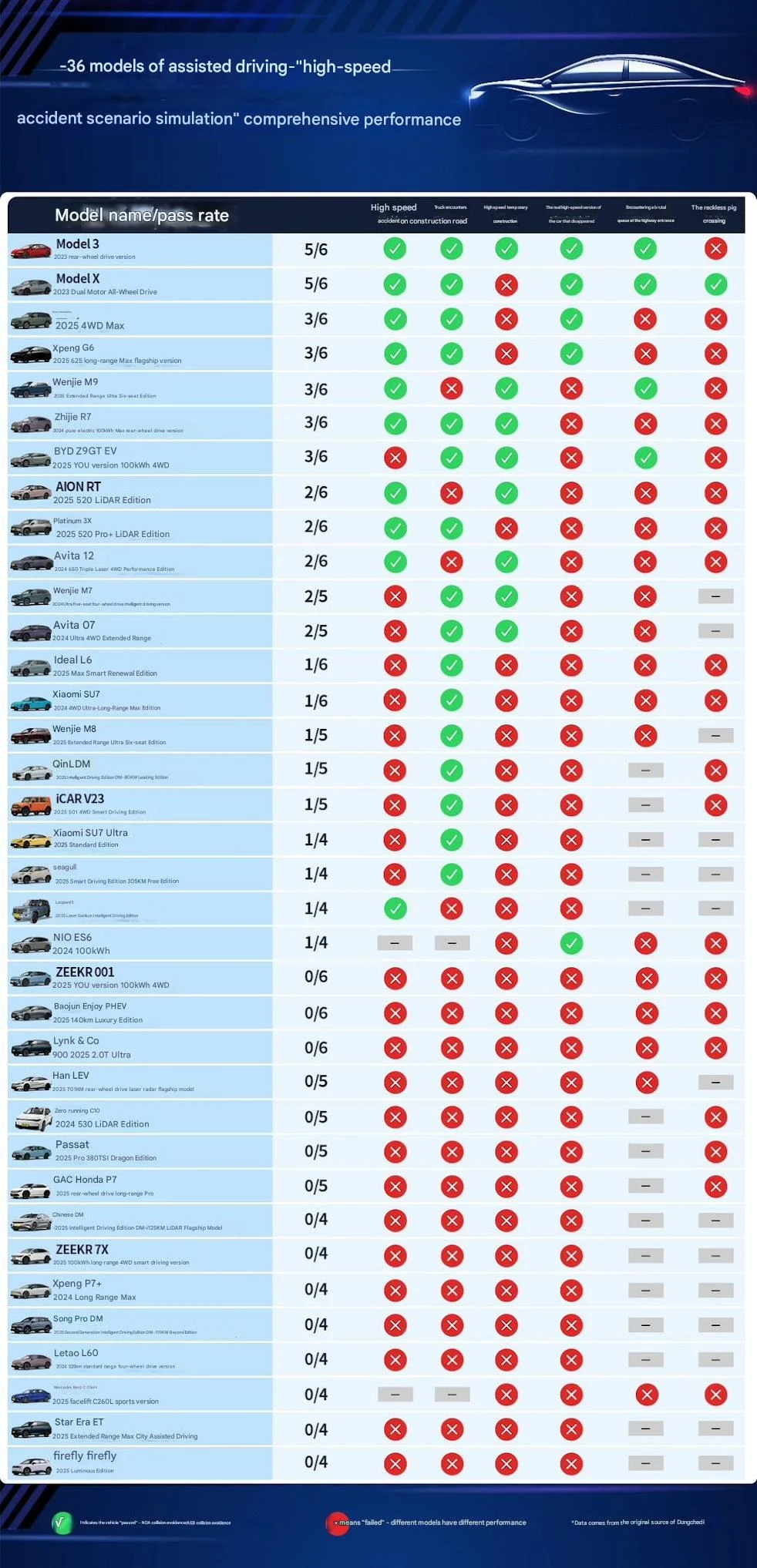
To reach the desired safety level for Level 4 fully driverless rides and to reduce disturbances for users of the supervised FSD versions, Tesla is currently training its self-driving software on various edge case scenarios. This effort enhances the software’s ability to manage the complicated and often unpredictable conditions faced on public roads, which the AI must recognize and react to. Nevertheless, these scenarios are not the only ones considered by Tesla’s AI team, which has been developing solutions for a wide range of challenges.
Enhanced Features in FSD v13.2.9
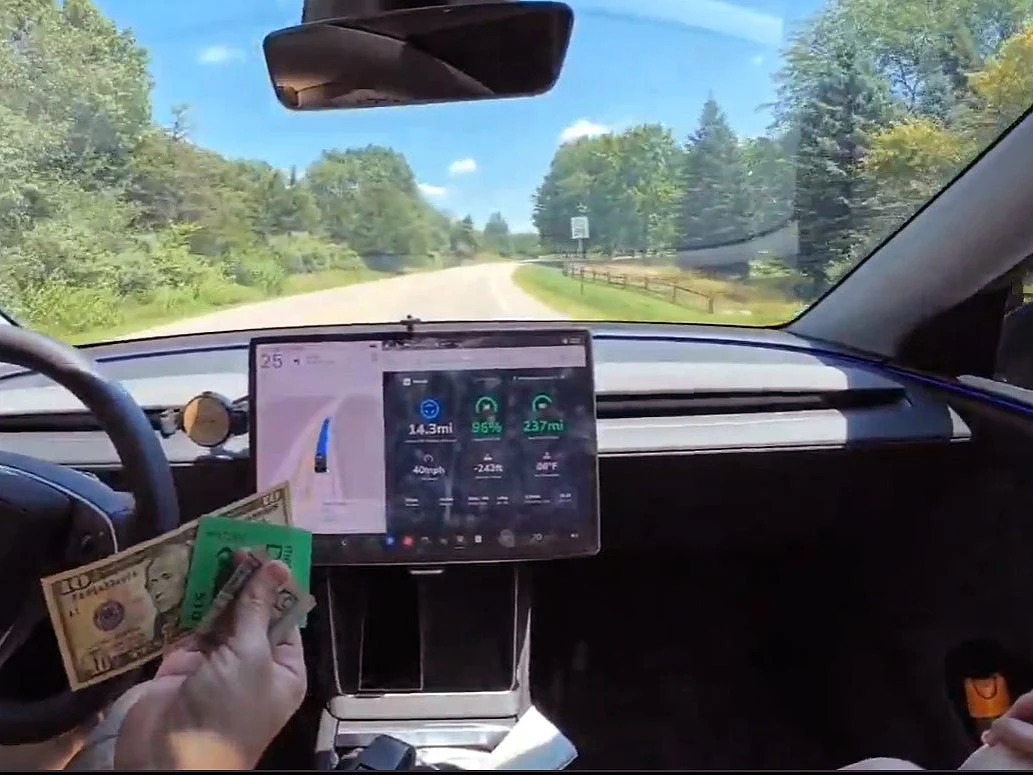
As demonstrated in the video below, FSD version 13.2.9 can now identify when a payment has been completed at an open road toll or parking booth, allowing it to drive away without any human intervention.
How did the Model Y accomplish this? Tesla’s AI leader explains that it employed its pillar and side cameras to monitor the money exchange and the handover of parking tickets. It waited until the entire process was finalized before gradually moving away from the toll booth once the payment was complete.
Interestingly, the Tesla Model Y didn’t require a barrier to be lifted or a green light to proceed. Instead, it relied on its cameras to observe the interaction between the driver and the booth attendant to determine the right moment to move forward.
Limitations for Older Models
Sadly, Tesla owners with older vehicles equipped with HW3 kits often miss out on these FSD advancements. For instance, they currently cannot lend their cars to the Robotaxi platform. Elon Musk has stated that free HW4 retrofits will be offered if Tesla cannot make unsupervised FSD function with these older models.
Source:
Link