Key Takeaways
1. Tesla and Samsung’s multibillion-dollar agreement aims for vertical integration and reducing geopolitical risks, with AI6 chip production expected to start in 2028.
2. Samsung has begun preparatory work for the AI6 chip, focusing on designs for the Optimus humanoid robot and Dojo supercomputer, not specifically for Tesla vehicles.
3. Elon Musk announced plans to use the AI6 chip across all Tesla products, but initial production may prioritize robots and supercomputers while vehicles continue with AI4 and AI5 chips.
4. Tesla’s partnership with Samsung allows it to distance itself from TSMC and geopolitical concerns, while maintaining in-house chip design and optimizing production in Texas.
5. Tesla is shifting away from Chinese suppliers for key components, opting for LG batteries in new models and reinforcing partnerships with South Korean companies like Samsung.
The recent multibillion-dollar agreement between Tesla and Samsung regarding the AI6 chip appears to be driven by a desire for vertical integration and a strategy to mitigate geopolitical risks. Analysts predict that the production of the 2nm Tesla AI6 chip will kick off in 2028, with maximum output expected between 2029 and 2032.
Samsung’s Early Steps
In contrast, reports from Korean media suggest that Samsung has commenced the preparatory work for manufacturing the AI6 chip. However, the focus of the initial designs is directed towards the next generation of the Optimus humanoid robot and the Dojo FSD supercomputer clusters, rather than specifically for Tesla’s vehicles.
Musk’s Vision vs. Reality
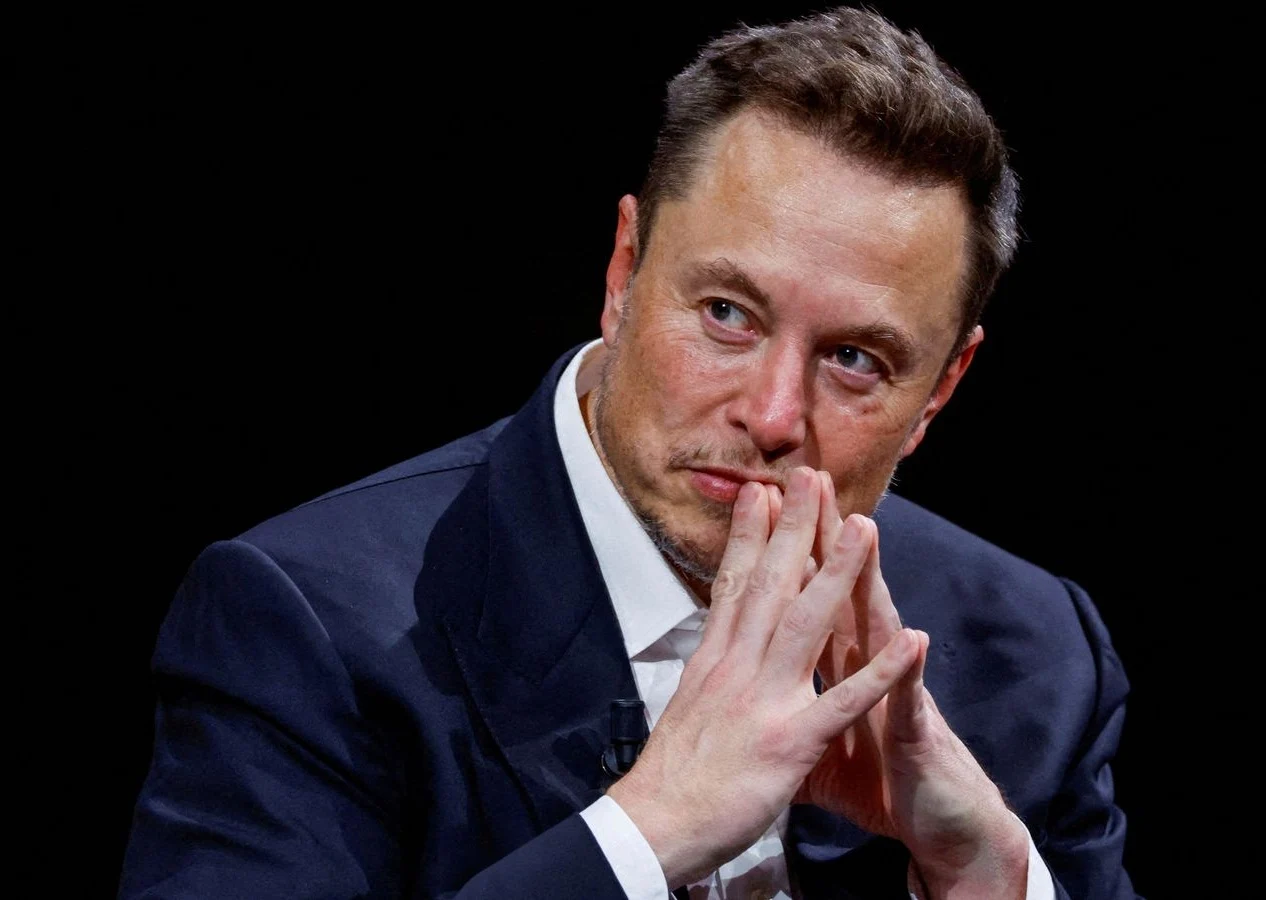
This situation raises questions, particularly since Elon Musk stated during the last quarterly call that Tesla plans to utilize the same AI6 chip across all its necessary products, including cars, robots, and the expansive Dojo computer vision initiative. He also noted that the company’s vehicles are set to receive next-gen self-driving hardware by late 2026, with the AI5 chip being so “spectacular” it may conflict with U.S. export regulations concerning AI computing capabilities.
Tesla may not find it practical to design the AI5 chip and rely on TSMC for its 3nm production just to use it in cars for a year before transitioning to the 2nm Samsung AI6 in 2028. It’s likely that the initial batches of the AI6 will be utilized for Optimus robots and Dojo computer clusters, while Tesla’s vehicles continue to operate with the AI4 and AI5 chips, benefiting from FSD algorithm updates developed by Dojo.
Strategic Choices
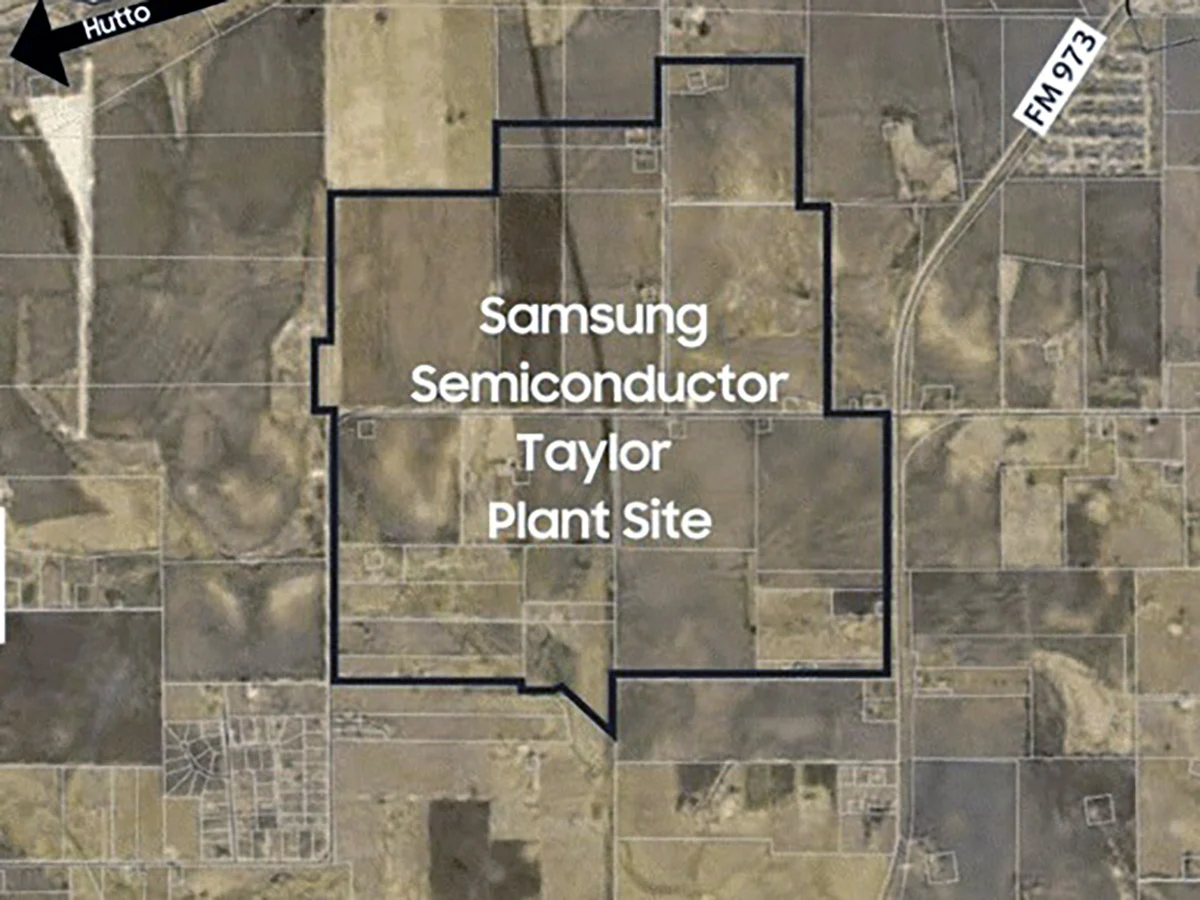
Tesla’s partnership with Samsung appears to have been motivated by a compelling price proposal and the opportunity for joint development of the AI6 silicon. Musk has indicated that he intends to oversee production processes at Samsung’s Taylor, TX facility, focusing on optimization and cost-efficiency.
By shifting to Samsung’s chips produced in Texas, Tesla can distance itself from TSMC and any related geopolitical concerns, while adhering to U.S. government regulations or subsidies, all while still designing its AI chips in-house.
Moving Away from China
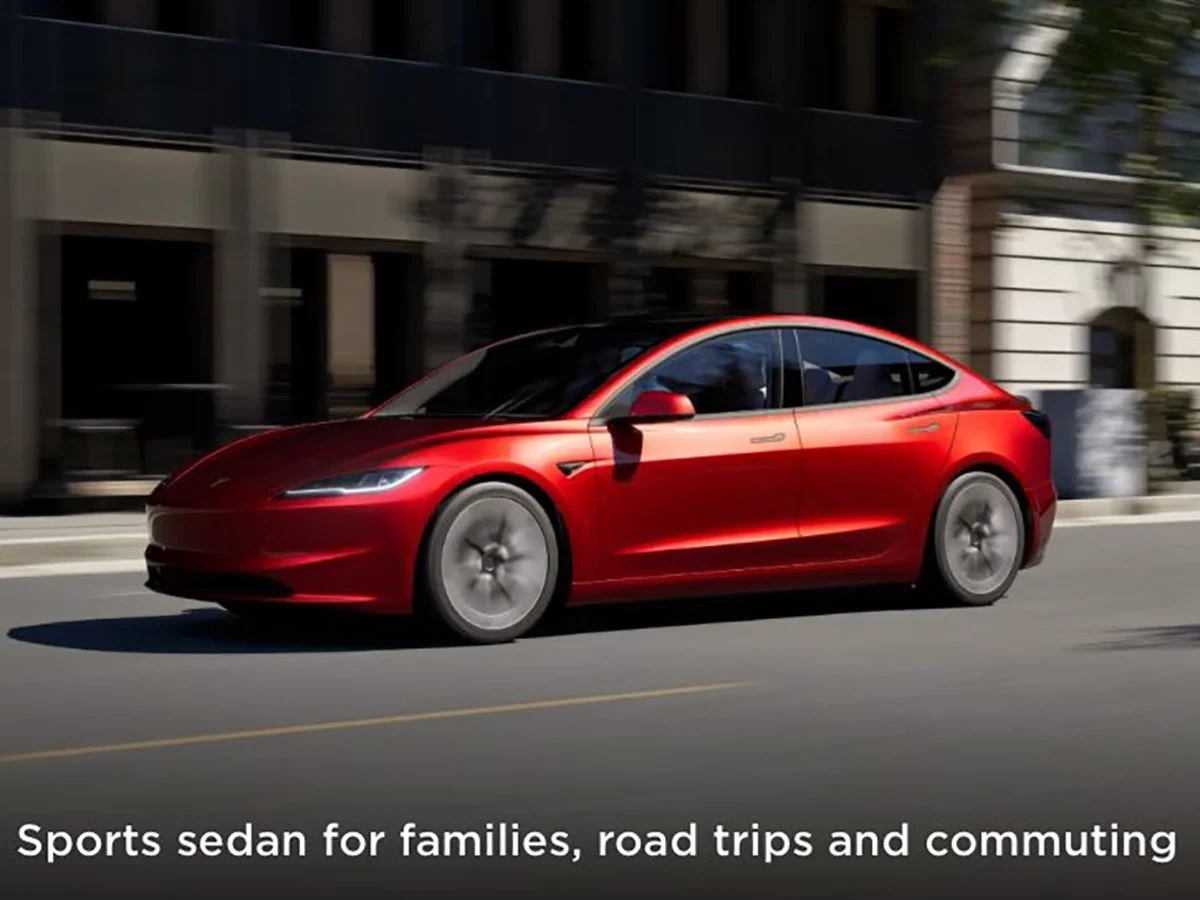
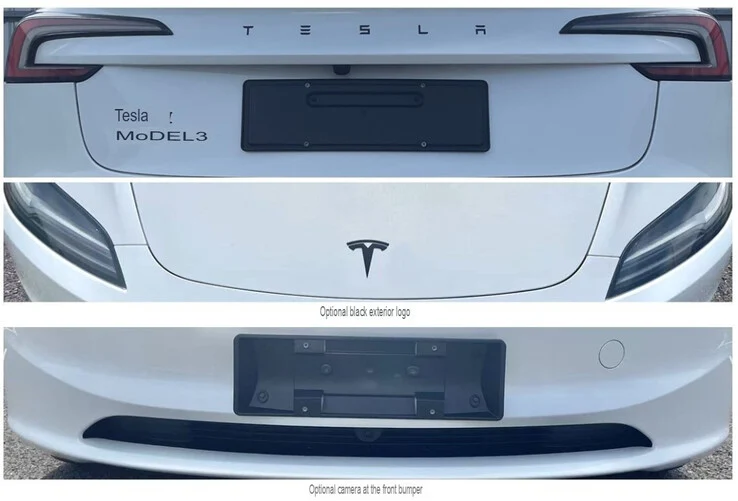
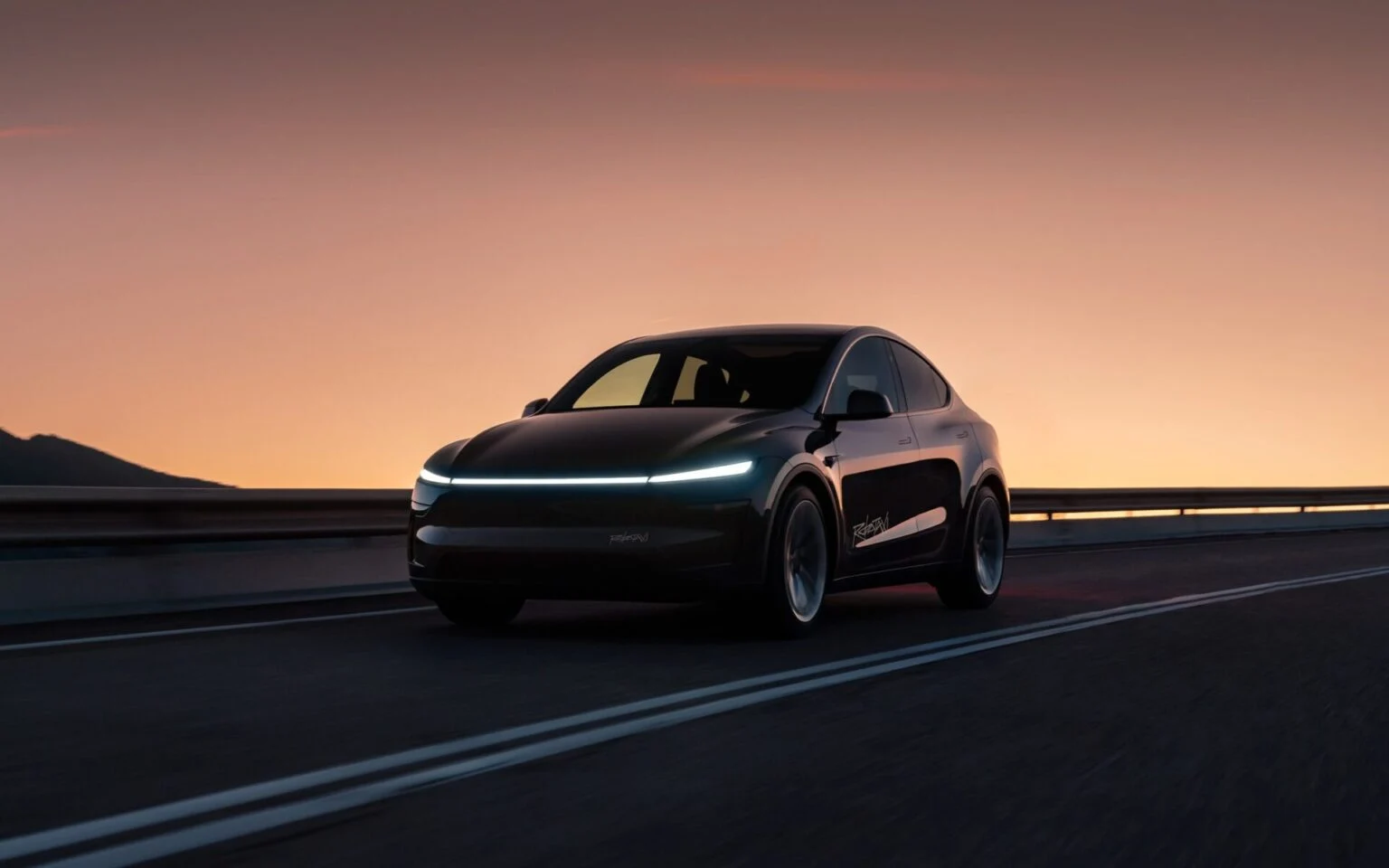
Tesla’s strategy to move away from Chinese suppliers for key EV components such as AI computing and batteries is evident in its new models. For example, the upcoming Model 3+ in China will feature the LG ternary battery pack used in the Model Y, instead of the CATL batteries. The LG battery not only offers higher energy density but also positions the sedan favorably in markets where CATL products might encounter tariffs or restrictions.
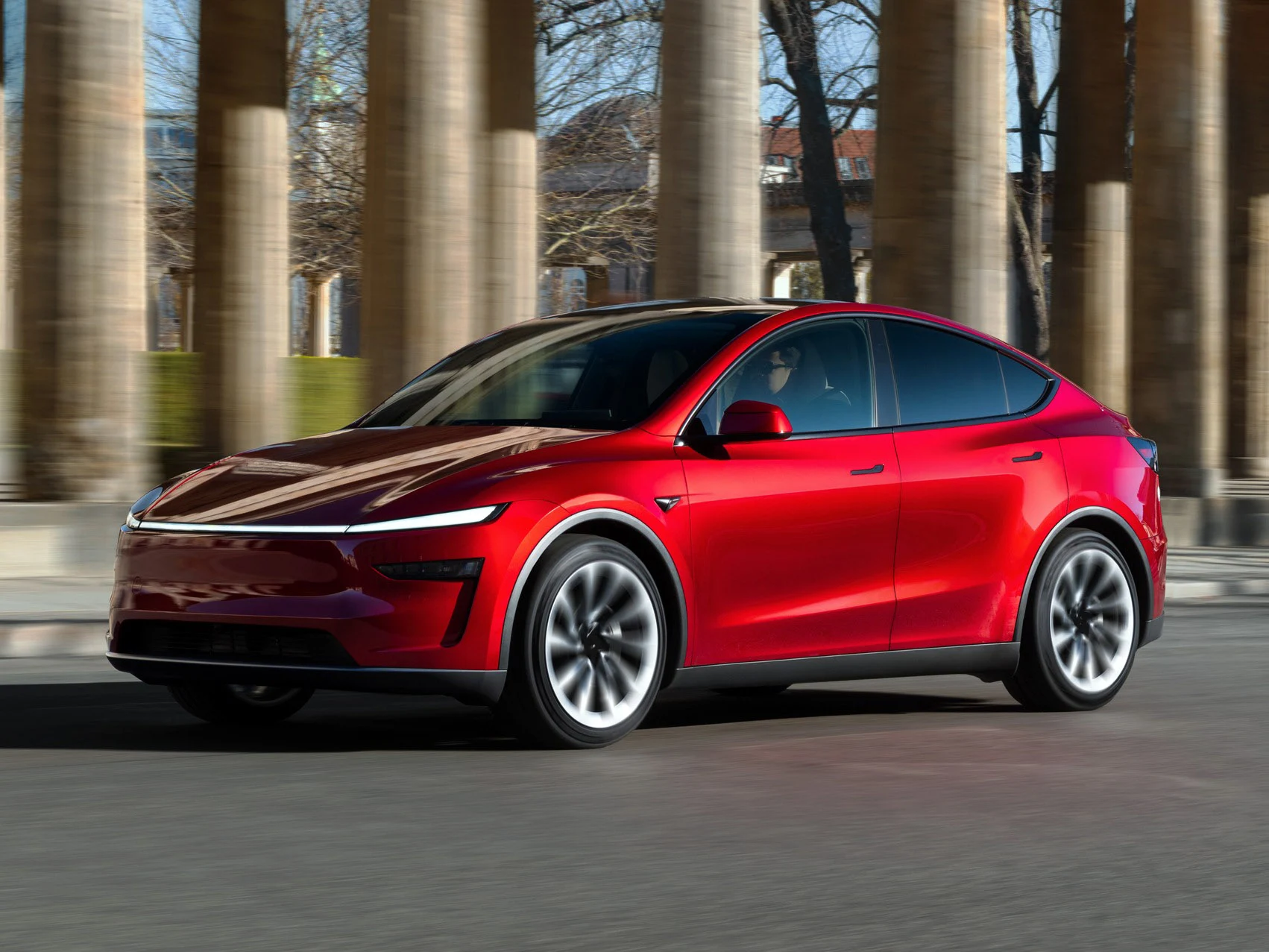
The new six-seat Model Y L variant, which is set to launch in the fall, will use the same battery pack. Additionally, Tesla has entered into a $4.3 billion agreement with LG for energy storage batteries, further reinforcing its shift from Chinese suppliers to those based in Korea.
Samsung’s Foundry Win
For Samsung, this deal is a significant boost for its foundry operations. Its own Exynos chips, which power devices like the Galaxy Z Flip 7—currently $200 off on Amazon—have frequently lagged behind Qualcomm’s Snapdragon series due to thermal issues linked to TSMC’s production processes.
Samsung has faced challenges with the yield of its 2nm GAA production method, but it has improved from initial low figures to about 40%. It is expected to reach the required yield of 60% or more at the Taylor foundry after new equipment is installed next year. If this goal isn’t met, Samsung might initially produce the AI6 chip at a loss. However, the contract with Tesla is seen as valuable, potentially breaking TSMC’s stronghold on advanced chip manufacturing.
Notably, TSMC’s U.S. foundry can only supply 7% of the chips that American companies need, which may have influenced Tesla’s decision to partner with Samsung and its Texas facility, humorously noted by Musk to be “conveniently located not far from my house.”
Source:
Link