Tag: iPhone 17

  • Android 17 Features Transparent Design with Apple Liquid Glass

    Android 17 Features Transparent Design with Apple Liquid Glass

    Key Takeaways

    1. Android 17 will feature a “blur” appearance with transparent overlays, replacing solid-color backgrounds.
    2. The design aims to enhance readability by softening visuals and allowing better visibility of background apps.
    3. The focus of Android 17 is more on aesthetics rather than significant changes to core functionalities.
    4. The OS will include design elements influenced by the Apple iPhone, such as differentiated notifications based on swipe direction.
    5. Major updates for gaming experiences are expected, with the rollout anticipated to start in June.


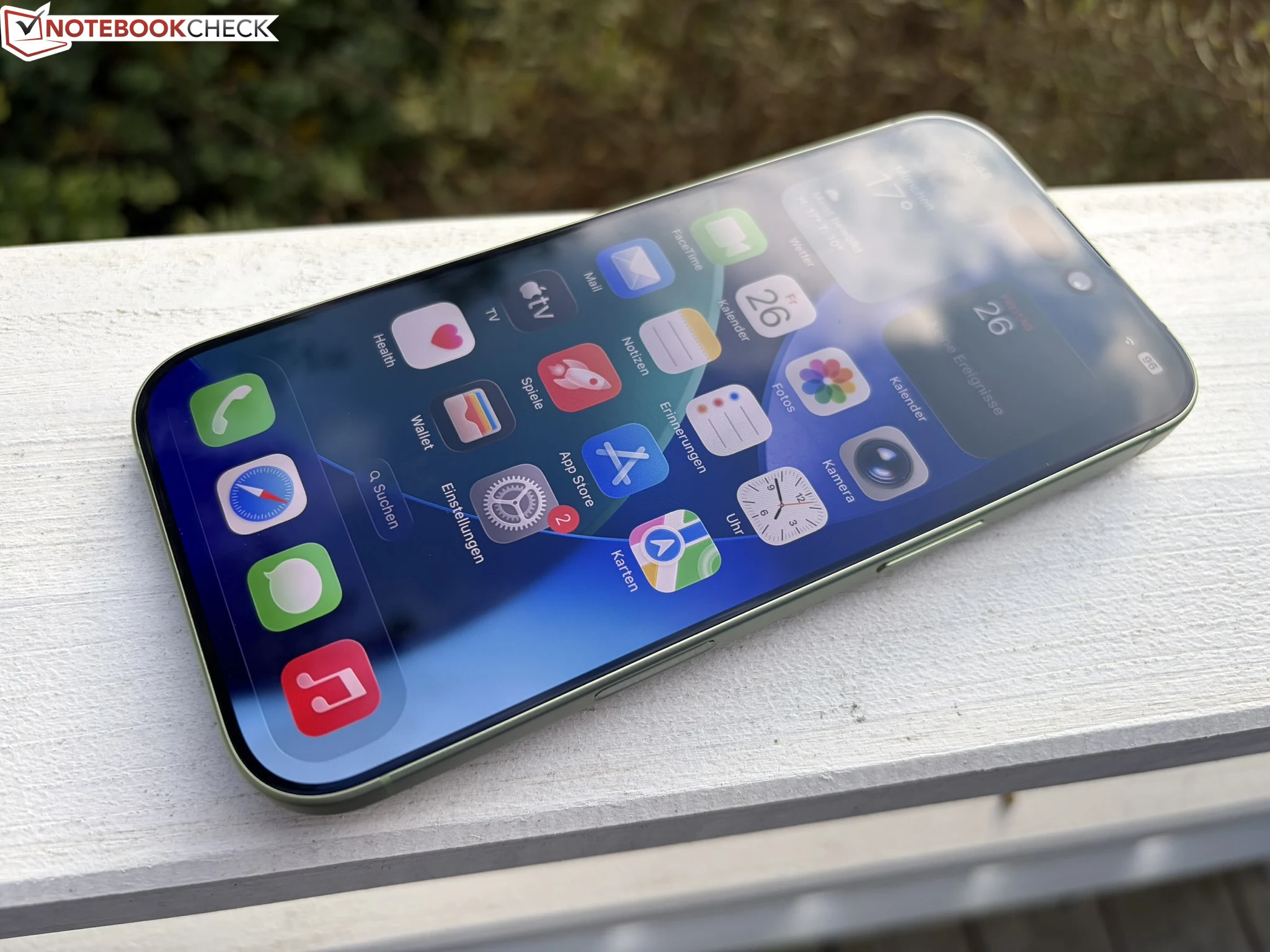
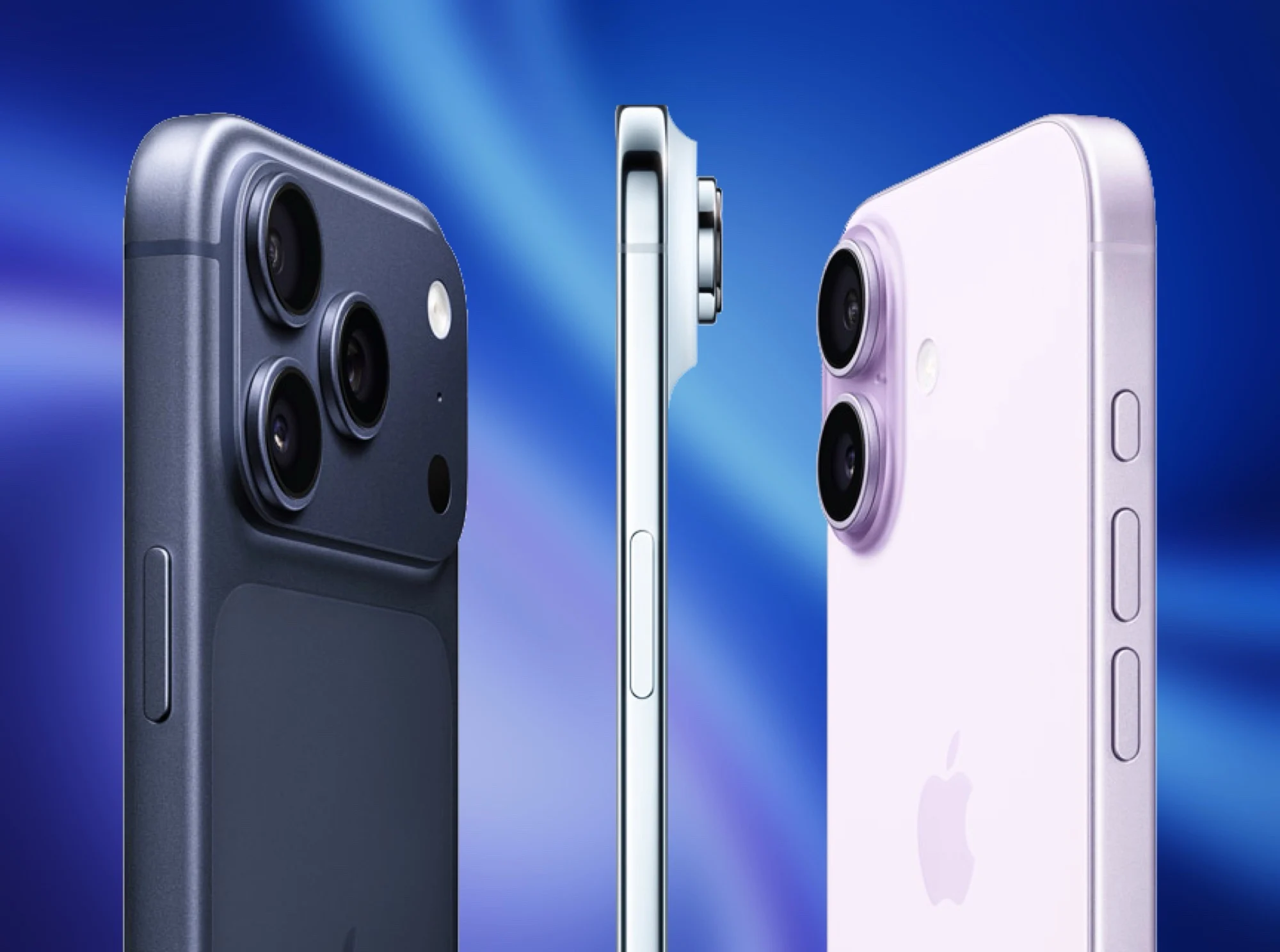
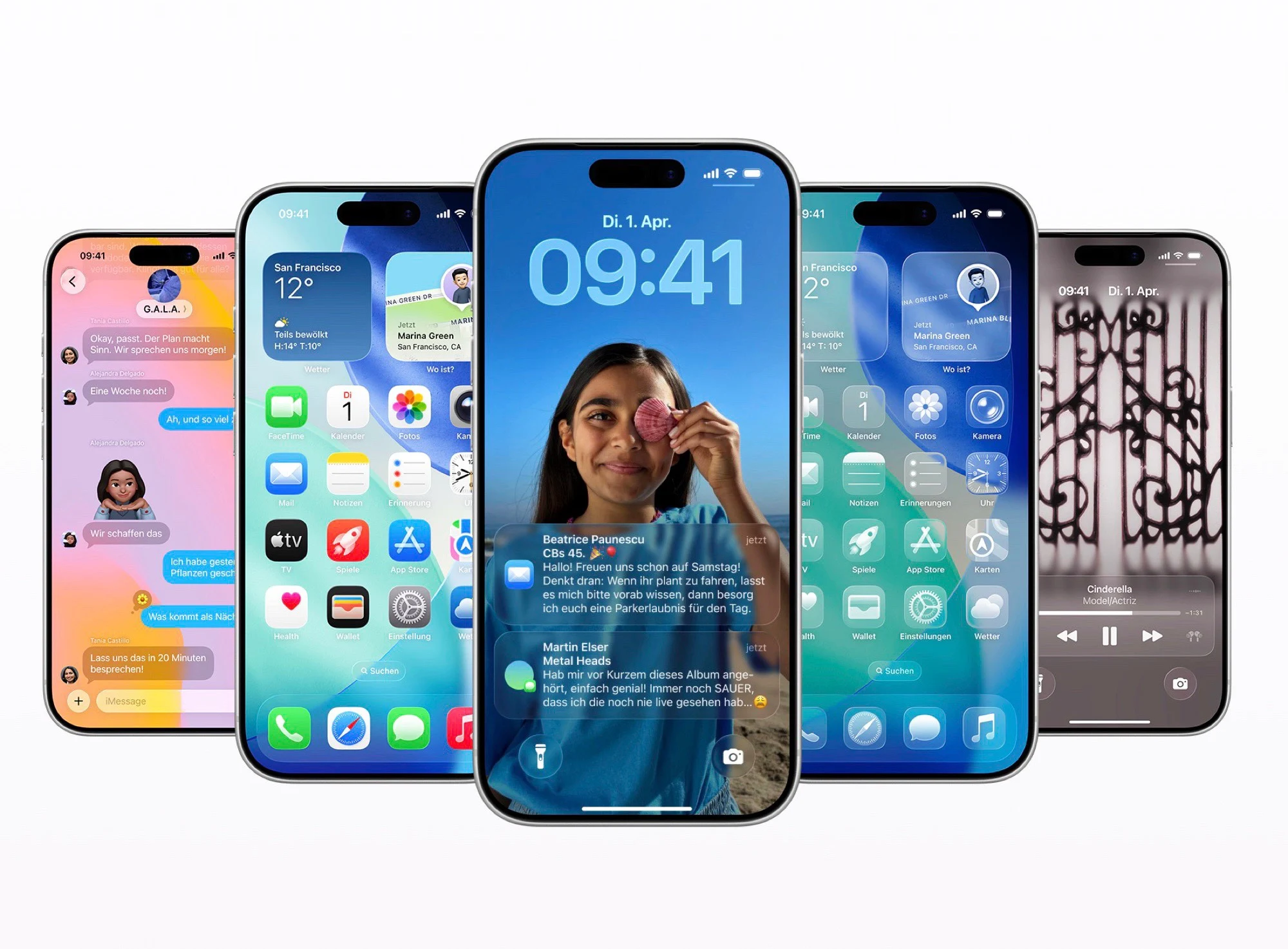
    According to the most recent details from 9to5Google, which seem to come from an internal beta of Android 17, the new operating system will have a “blur” appearance. Google is reportedly planning to swap out solid-color backgrounds across the system for transparent overlays that will soften the visuals behind them. This design choice closely resembles the “Liquid Glass” look of the Apple iPhone 17, though it appears that Google might not adopt the same level of style as Apple.

    Enhancements for Readability

    Google might enhance clarity by blurring objects a bit more or darkening them slightly. The idea behind the transparency is to make navigating the OS simpler, allowing users to view which app is running in the background even when the quick settings menu is visible. This design approach is expected to be applied to various components of the operating system, including the volume controls and battery indicators. These components will continue to be influenced by the user’s selected accent color.

    Focus on Aesthetics

    As per 9to5Google, the emphasis of the new OS appears to be on looks rather than making substantial changes to the basic functionalities. Earlier reports have hinted that Google is also taking cues from the Apple iPhone in other aspects, like differentiating notifications and quick settings based on whether the user swipes down from the left or right side of the screen. Additionally, Android 17 is likely to see major updates aimed at improving gaming experiences. The update is expected to roll out sometime starting in June.

    Source:
    Link


  • iPhone 17 Series Outsells Xiaomi 17 and Vivo X300 in China

    iPhone 17 Series Outsells Xiaomi 17 and Vivo X300 in China

    Key Takeaways

    1. The iPhone 17 series has received positive reviews and significant upgrades, making it a top flagship smartphone.
    2. In China, the iPhone 17 series sold 17.27 million units, far exceeding competitors like Xiaomi, Huawei, Vivo, and Oppo.
    3. The iPhone 17 series has outsold all other Chinese flagship phones combined within its launch period.
    4. Global sales forecasts predict Apple will sell a record 247.4 million iPhones in 2025, outperforming Samsung’s 241 million Galaxy phones.
    5. The upcoming Galaxy S26 may struggle to compete with the iPhone 17 series due to its evolutionary upgrades.


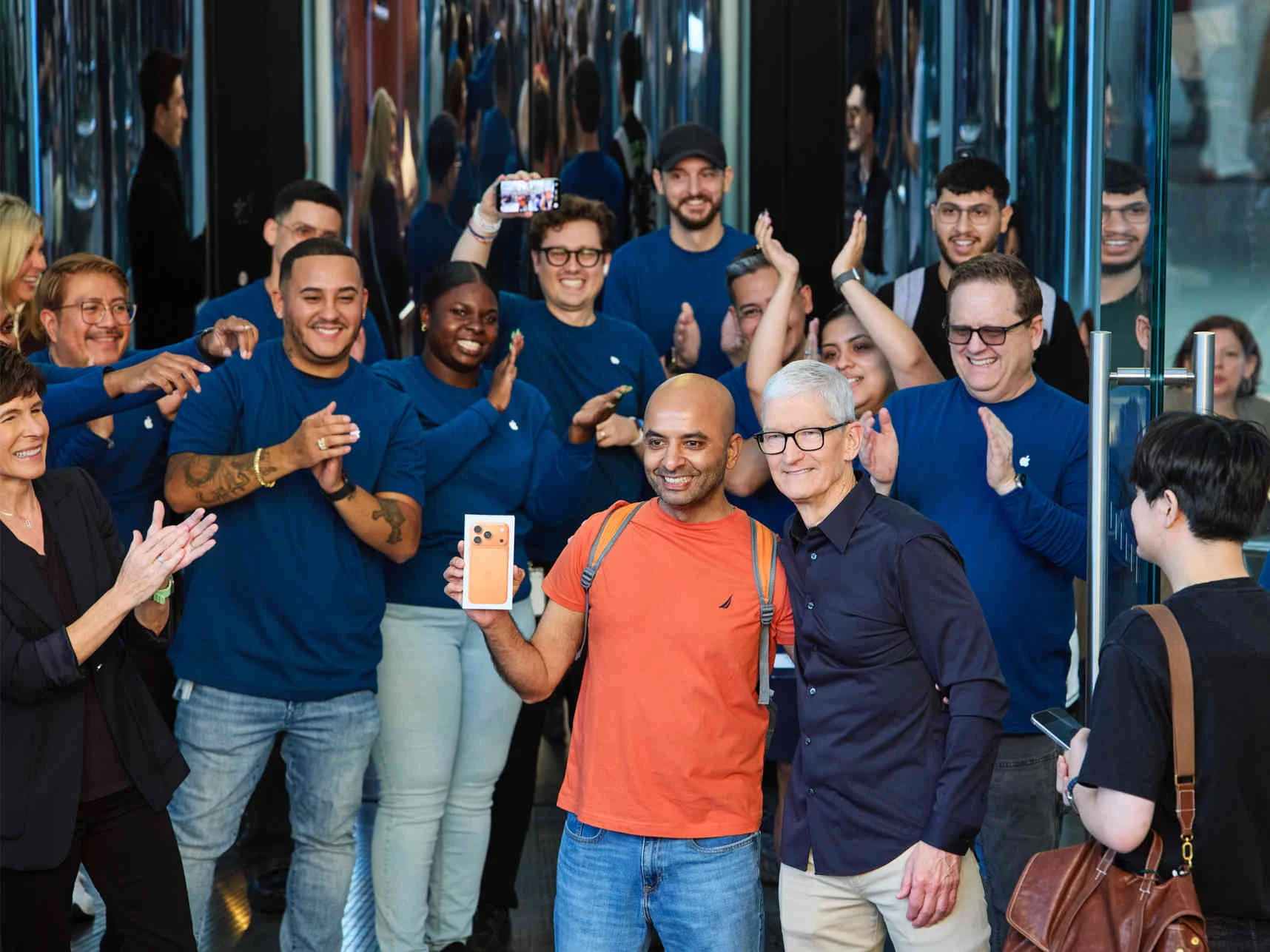
    Consumers and media outlets seem to be on the same page: Apple has truly succeeded with the iPhone 17 series. Even the standard iPhone 17 received a host of upgrades, positioning it as one of the top base flagship smartphones available today. Alongside the newly revamped iPhone 17 Pro and Pro Max, it was anticipated that the iPhone 17 series would perform exceptionally well in sales, and that’s exactly what has occurred.

    Impressive Sales Numbers

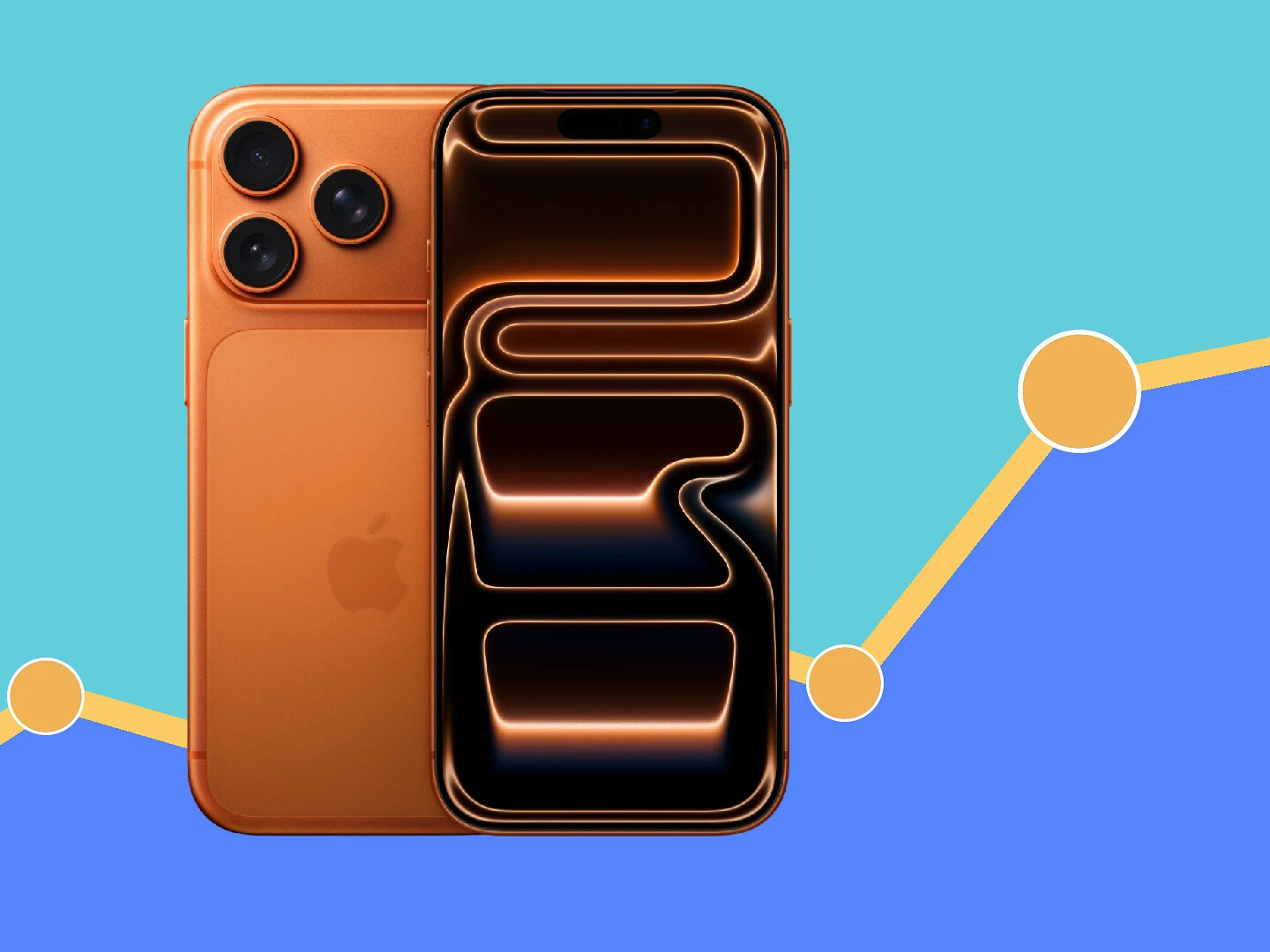
    Sales data shared via X by Ice Universe reveals that from its launch in September 2025 until the second week of January 2026, the iPhone 17 series has achieved an incredible 17.27 million units sold in China alone. In comparison, the Xiaomi 17 series, which ranks second in sales, reportedly managed to sell only 3.08 million units, including the Xiaomi 17 Ultra.

    Competitors Lag Behind

    Other contenders like the Huawei Mate 80 series, the Vivo X300 phones, and the Oppo Find X9 series fall further behind, with sales figures of 2.06 million, 1.16 million, and 0.91 million units, respectively.

    In simpler terms, Apple has apparently outsold all other Chinese flagship phones combined with the iPhone 17 series so far. This achievement is even more remarkable given that these figures reflect only the Chinese market. On a global scale, iPhone 17 devices are also seeing significant popularity. Back in December 2025, forecasts suggested that Apple would sell a record-breaking 247.4 million iPhones throughout the year. Samsung, while also performing well with over 241 million Galaxy phones sold in 2025, still fell short of Apple’s numbers.

    Future Outlook

    It will be fascinating to see whether Apple can maintain its sales momentum as the Galaxy S26 launch approaches. From what can be seen, the Galaxy S26 phones seem to be more of an evolutionary upgrade rather than a groundbreaking one compared to the Galaxy S25 series. Therefore, it wouldn’t be surprising if the reception is not as strong as that of the iPhone 17 series.

    Source:
    Link


  • Clicks’ Power Keyboard Converts Phones to BlackBerry with MagSafe

    Clicks’ Power Keyboard Converts Phones to BlackBerry with MagSafe

    Key Takeaways

    1. First Smartphone Launch: Clicks unveiled its first smartphone, the Clicks Communicator, alongside an updated keyboard accessory.

    2. MagSafe and Qi2 Compatibility: The Clicks Power Keyboard connects magnetically to smartphones that support MagSafe or Qi2, including popular models like iPhone 17 and Pixel 10 Pro.

    3. Multi-Device Connectivity: Users can connect the keyboard to three devices simultaneously, including TVs and VR headsets, and switch between them easily with a keyboard shortcut.

    4. New Features: The keyboard features a dedicated number row and additional symbols on other keys, enhancing usability for tasks like spreadsheets.

    5. Wireless Charging Functionality: The Power Keyboard doubles as a wireless charging power bank with a 2,150mAh capacity, allowing users to manage battery usage through the Clicks app.


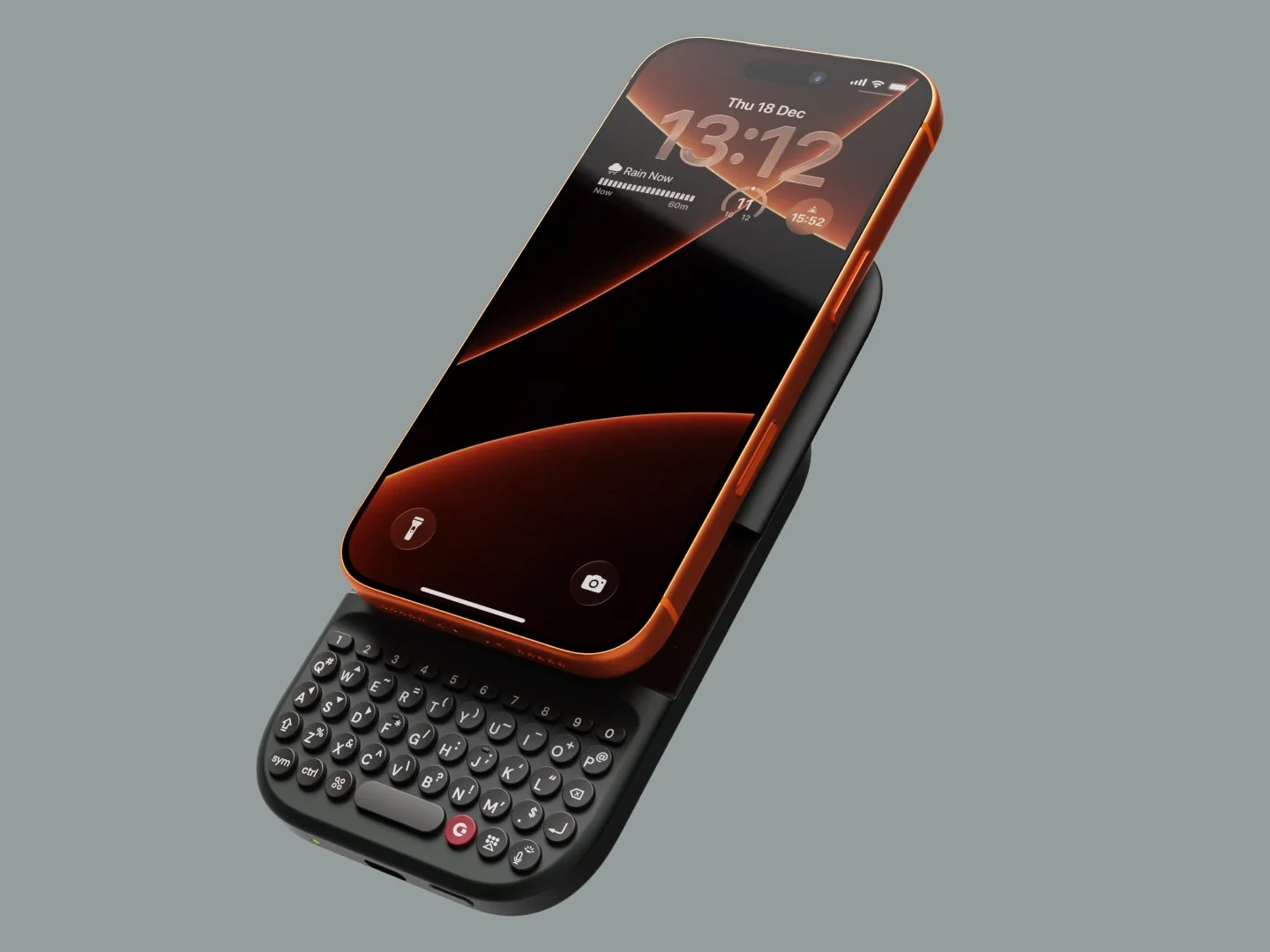
    In addition to unveiling its first-ever smartphone, the Clicks Communicator, Clicks introduced an updated version of its smartphone keyboard accessory. The Clicks Power Keyboard, unlike previous models like the Clicks (Keyboard) for iPhone or the Clicks for Razr/Pixel, is made to be compatible with any smartphone that supports MagSafe or Qi2.

    Easy Attachment and Use

    The Clicks Power Keyboard easily connects to the back of smartphones like the iPhone 17, Pixel 10 Pro, or HMD Skyline through magnets. If your phone has a magnetic case, like the OnePlus 15, it will also work perfectly. After you attach it, you simply turn on the keyboard and pair it with your phone via Bluetooth. To start typing, just slide your phone upwards to show the keyboard. You can even rotate your phone into landscape mode for a wider view when required.

    Multi-Device Connectivity

    Clicks claims that users can connect the keyboard to three devices simultaneously, including non-phone gadgets such as TVs, handhelds, or VR headsets. As long as the device has Bluetooth capability, the Clicks Power Keyboard will be compatible. There’s a specific keyboard shortcut that allows users to switch between different keyboard profiles quickly.

    New Features and Battery Life

    The Power Keyboard now includes a dedicated number row, which is really useful for tasks that need a lot of numerical entries, like spreadsheets. Thanks to the new number row, there’s also more room on the other keys for extra symbols, such as arrow icons on the W, A, S, and D keys.

    Another cool aspect of the Power Keyboard is that it can function as a wireless charging power bank, which explains the “power” in its name. The battery capacity is rather modest at 2,150mAh, with 500mAh reserved for the keyboard itself. By using the Clicks app, users can manage how much battery power goes to the keyboard. However, it charges slowly at a rate of 5W. Still, it can be quite useful when your phone’s battery is running low.

    The Clicks Power Keyboard is currently available for pre-order at a price of $79, with shipping set to start this Spring. After the pre-order phase, it will retail for $109, which is still a better deal compared to the Clicks for iPhone 16 Pro, priced at $139 on Amazon.

    Source:
    Link


  • Galaxy S26, Z Fold 8, Z Flip 8 Price Leak: Good News for Buyers

    Galaxy S26, Z Fold 8, Z Flip 8 Price Leak: Good News for Buyers

    Key Takeaways

    1. The Galaxy S26 series will likely have a similar design and camera setup to the Galaxy S25, indicating minimal hardware changes.
    2. Samsung aims to keep the Galaxy S26 pricing consistent with the Galaxy S25 to remain competitive with Apple’s iPhone 17 priced at $799.
    3. There may not be a Galaxy S26 Edge model, with only base, Plus, and Ultra models expected for the S26 series.
    4. Samsung plans to maintain the prices for the Galaxy Z Fold 8 and Galaxy Z Flip 8, similar to their predecessors, the Fold 7 and Flip 7.
    5. The Galaxy Z Fold 8 is expected to start at $1,999 and the Galaxy Z Flip 8 at $1,099, with both foldable devices likely to be released in July 2026.


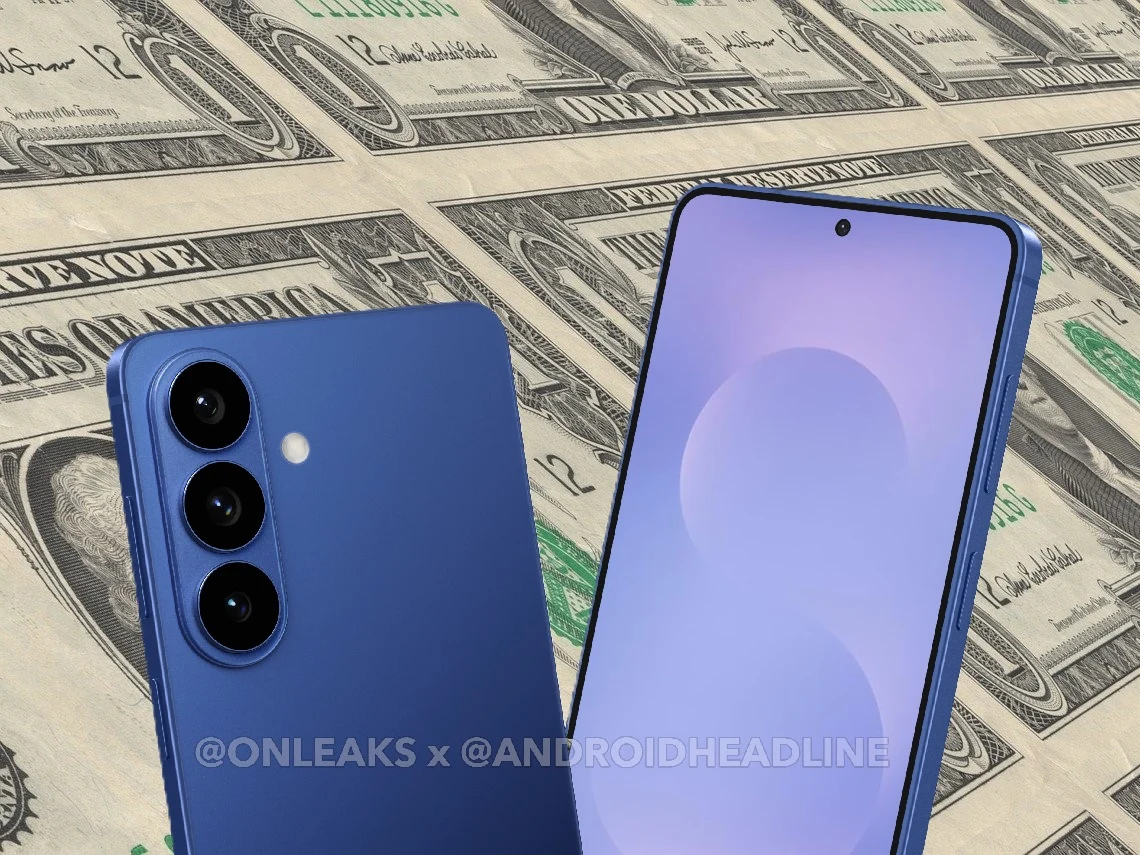
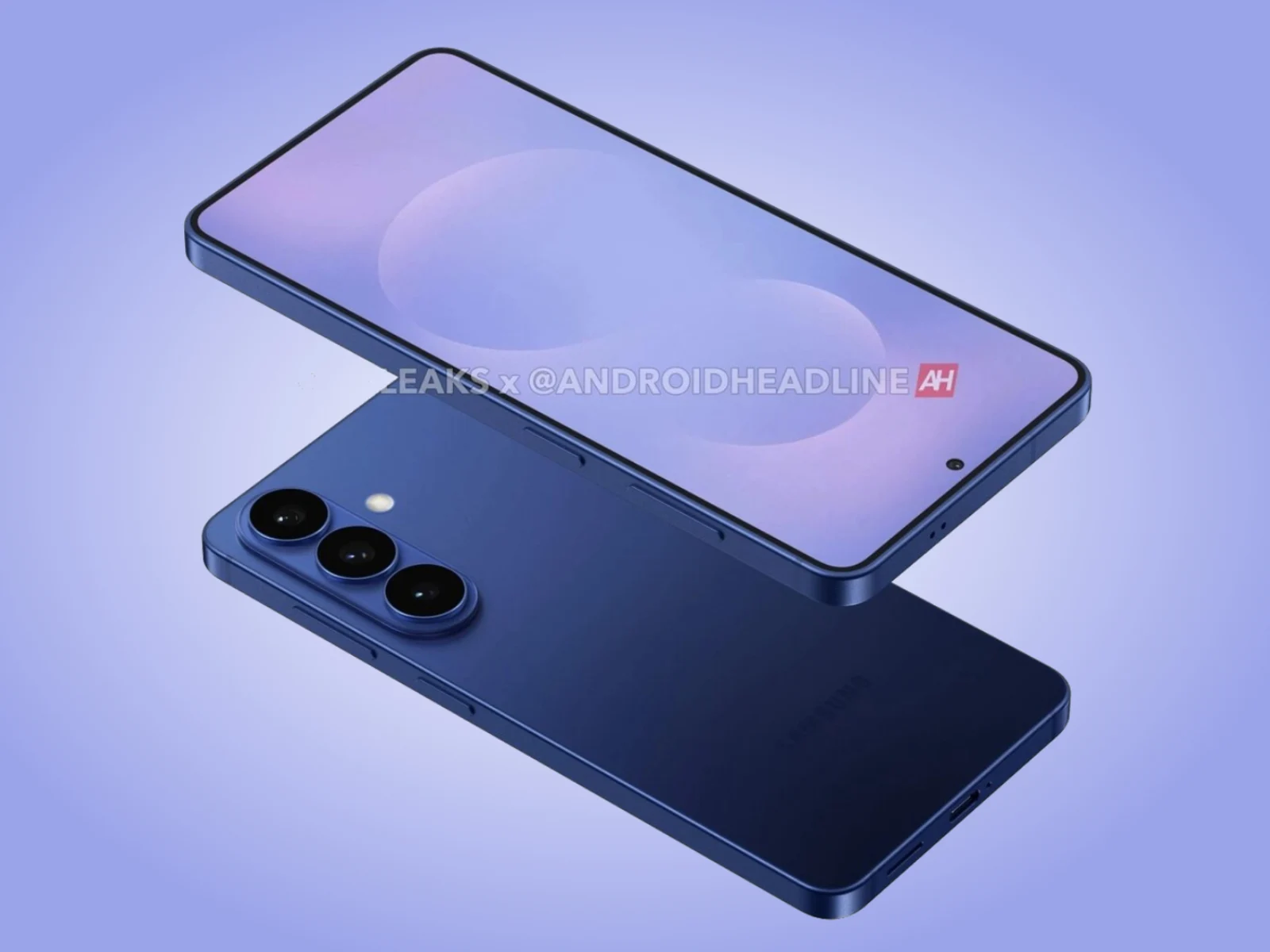
    It’s becoming clear that the Samsung Galaxy S26 series won’t be a huge step up from the Galaxy S25 series. The base model, Galaxy S26, is likely to feature a design and camera setup that closely resembles that of the Galaxy S25. This lack of significant hardware changes is thought to be linked to Samsung’s effort to keep the Galaxy S26 price low, making it more competitive with the Apple iPhone 17.

    Pricing Strategy

    Rumors suggest that Apple’s choice to maintain the iPhone 17’s price at $799 has led Samsung to adopt a cost-cutting approach to avoid raising the price for the Galaxy S26. Ice Universe has now shared information from Korean media, indicating that Samsung intends to keep the pricing for the Galaxy S26 series consistent with that of the Galaxy S25 series.

    Thus, the anticipated prices for the Galaxy S26 handsets might be:

    While previous leaks hinted at a Galaxy S26 Edge in development, the most recent information indicates that we will likely see the standard base, Plus, and Ultra models without any new variations.

    Future Releases

    In addition, it appears that Samsung plans to keep the pricing for the Galaxy Z Fold 8 and Galaxy Z Flip 8 the same as the Galaxy Z Fold 7 and Galaxy Z Flip 7. There are also talks of a Galaxy Z Fold Wide being introduced, aimed at competing with the highly awaited Apple iPhone Fold.

    If Ice Universe’s report holds true, the starting price for the Galaxy Z Fold 8 will be $1,999, while the Galaxy Z Flip 8 will start at $1,099. Both of these foldable devices are expected to be released in July 2026.

    Source:
    Link


  • Pixel Duo Smartphone: Dual Front Displays with E-Ink Panel

    Pixel Duo Smartphone: Dual Front Displays with E-Ink Panel

    Key Takeaways

    1. IPS and OLED screens provide smooth video playback, bright colors, and high contrast, while e-ink displays are energy-efficient and easier on the eyes.
    2. The Pixel Duo concept smartphone features a 3.5-inch IPS display and a 5.2-inch e-ink display, combining both technologies in one device.
    3. The e-ink display is ideal for reading e-books, even though it only shows content in grayscale.
    4. The dual-screen setup allows users to run multiple applications simultaneously, enhancing the overall user experience.
    5. The Pixel Duo is designed for long battery life, as most apps will operate on the e-ink display, but it is currently only a concept with no plans for commercial release.


    An IPS panel or OLED screen, like the one found on the Apple iPhone 17, offers smooth video playback and animations, bright colors, and a very high level of contrast. However, e-ink displays are much more energy-efficient and gentler on the eyes, which is why they are mainly used in e-book readers.

    Combining Display Technologies

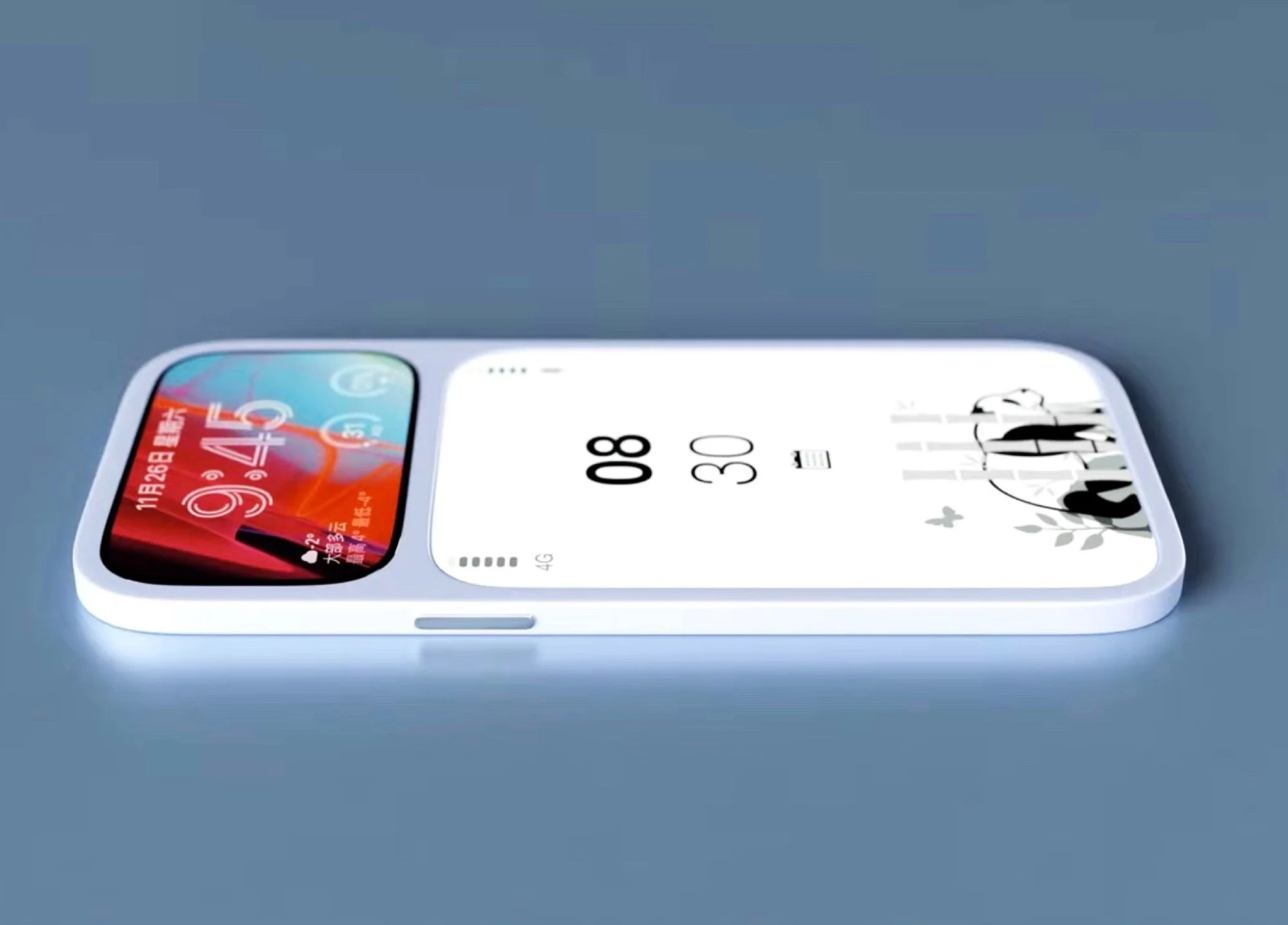
    The Pixel Duo concept smartphone illustrates how both types of displays can be integrated into a single device. At the top portion of the front, there is a 3.5-inch IPS screen with a resolution of 1280 x 800 pixels and a refresh rate of 120Hz. Below this is a 5.2-inch e-ink display, featuring a resolution of 1300 x 838 pixels and a pixel density of 300 PPI. Although this e-ink screen can only show content in grayscale, it is considered ideal for reading e-books.

    Enhanced User Experience

    On the other hand, the LCD display provides a smoother experience for watching videos, utilizing the rear camera, or browsing the internet, even though the screen size is relatively small. This dual-screen setup aims to allow users to run multiple applications at the same time. For instance, music controls could be visible on the IPS screen while a book is displayed below.

    The LCD is also capable of showing the time and various widgets. Since most apps will run on the larger e-ink display, the Pixel Duo is expected to have a very long battery life. As of now, this device remains a concept smartphone with no plans for its commercial release.

    Source:
    Link


  • Dreame Launches Slim Power Bank with Integrated Stand

    Dreame Launches Slim Power Bank with Integrated Stand

    Key Takeaways

    1. Product Introduction: Dreame launched its first power bank, the Air Power 17 Magnetic Portable Power Bank, in China, designed mainly for the iPhone 17 series but compatible with various devices.

    2. Wireless Charging Features: It supports wireless charging at 15W for smartphones and 5W for smartwatches, with a USB-C port offering 20W output for wired charging.

    3. Size and Weight: The power bank measures 103 x 58.4 mm, with the 5,000 mAh version being 8.0 mm thick and weighing 123 g, while the 10,000 mAh version is 12.8 mm thick and weighs 189 g.

    4. Pricing: The power bank is priced at CNY 219 (~$31) in China.

    5. Availability: Currently available on JD.com in China, with no confirmed plans for release in other regions like the US.


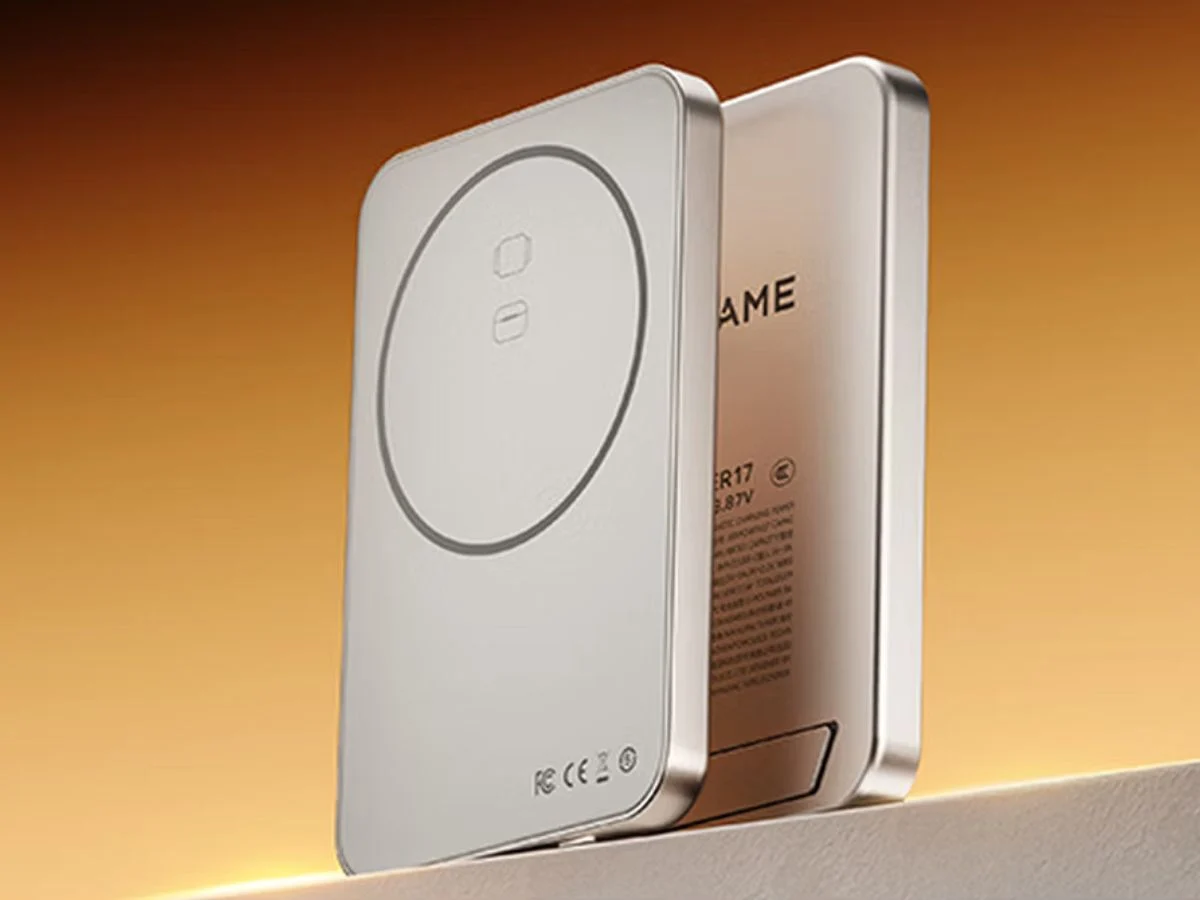
    Dreame has introduced its inaugural power bank, known as the Air Power 17 Magnetic Portable Power Bank, in China. This compact device comes in two capacities: 5,000 mAh and 10,000 mAh, and is primarily designed to charge the iPhone 17 series, although it is compatible with various devices.

    Wireless Charging Capabilities

    The Dreame Air power bank supports wireless charging, providing up to 15W for smartphones and 5W for compatible smartwatches. Additionally, it features a USB-C port that can output up to 20W to any connected gadget. This USB-C port is also utilized for recharging the power bank itself, with battery level indicated by LED lights. Another handy aspect is the slim stand located at the back of the device.

    Size and Weight Specifications

    Both models have dimensions of 103 x 58.4 mm (~4.1 x 2.3 inches); the 5,000 mAh version has a thickness of 8.0 mm (~0.3 inches), while the 10,000 mAh version is thicker at 12.8 mm (~0.5 inches). The lighter model weighs in at 123 g (~4.3 oz), and the heavier one is 189 g (~6.7 oz).

    Pricing and Availability

    In China, the Dreame Air Power 17 Magnetic Portable Power Bank is priced at CNY 219 (~$31) and is available at retailers such as JD.com. It remains uncertain if or when this product will be made available in other regions like the US, where Dreame already offers products like the Dreame L40 Ultra Robot Vacuum (currently priced at $599.90 on Amazon).

    Source:
    Link


  • Samsung Delays Galaxy S26 Camera Upgrades Amid iPhone 17 Concerns

    Samsung Delays Galaxy S26 Camera Upgrades Amid iPhone 17 Concerns

    Key Takeaways

    1. Samsung downgraded the Galaxy S26 due to concerns over Apple’s pricing for the iPhone 17.
    2. The Galaxy S26 will feature a slight battery increase to 4,300 mAh but will use the same camera sensors as the Galaxy S25.
    3. The entry-level Galaxy S26 will retain a 50 MP main camera setup similar to the S25, with no significant pixel count enhancements.
    4. The camera system will continue to include dual 10 MP telephoto and ultra-wide cameras from previous models.
    5. The Galaxy S26 is expected to launch in late February, along with Plus and Ultra versions, impacting consumer perception in the competitive smartphone market.


    Just about a month ago, several sources reported that Samsung made a last-minute choice to downgrade the Galaxy S26. It seems that concerns over Apple’s aggressive pricing for the iPhone 17 led Samsung to drop its plans for the Galaxy S26 Pro. The S26 Pro was expected to have improvements, such as a bigger battery and a slimmer design, to set it apart from the current Galaxy S25 (currently priced at $674.99 on Amazon).

    Battery and Features

    Instead, the Galaxy S26 is likely to have a slight increase of 300 mAh in its battery, bringing it to a total of 4,300 mAh. According to The Elec, the impact of the iPhone 17 on Samsung’s decisions is greater than what was initially understood. The Galaxy S26 is also expected to use the same camera sensors as the Galaxy S25. Alleged insiders quoted by The Elec have said that Samsung Electronics had originally intended to enhance key features, like increasing the pixel count of the rear camera for the regular Galaxy S26 model and raising its price.

    Camera Specifications

    The basic model of the S26 will use the same rear camera setup as the standard S25. While some components, such as the actuator, might change, if the pixel arrangement stays the same, it’s very likely that the same image sensor will be in use. To put it simply, the entry-level Galaxy S26 will feature a 50 MP main camera with a 1/1.56-inch optical format, compared to the 48 MP and 1/1.56-inch equivalent found in the iPhone 17. It remains to be seen if Samsung will stick with the f/1.8 aperture lens that it has been using up till now. Sadly, The Elec’s report also suggests that the dual 10 MP telephoto and ultra-wide cameras, which Samsung has had since the Galaxy S22, will still be included. Currently, the Galaxy S26 is anticipated to launch in late February along with Plus and Ultra versions.

    Conclusion

    The Elec’s insights have shed light on the evolving landscape of smartphone competition, particularly between Samsung and Apple. The choices made by Samsung in the coming months will likely have a significant impact on how consumers perceive their products in relation to Apple’s offerings.

    Source:
    Link


  • Apple Set to Surpass Samsung as Global Smartphone Leader

    Apple Set to Surpass Samsung as Global Smartphone Leader

    Key Takeaways

    1. Apple is predicted to surpass Samsung temporarily and maintain its lead in the smartphone market by 2025, reclaiming the title of largest smartphone manufacturer since 2011.
    2. The global smartphone market is expected to grow by 3.3% in the coming year, with Apple forecasting a significant 10% increase in sales compared to Samsung’s 4.6% growth.
    3. The success of the iPhone 17 series, especially in the US and China, is driving Apple’s growth, aided by a “super cycle” effect as consumers upgrade outdated devices.
    4. A large second-hand market for iPhones is bolstering new sales, with 358 million used iPhones sold between 2023 and mid-2025, leading to new purchases.
    5. Upcoming product launches, including a foldable iPhone in 2026 and a budget-friendly iPhone 17e, along with challenges for Chinese manufacturers, will further enhance Apple’s competitive position.


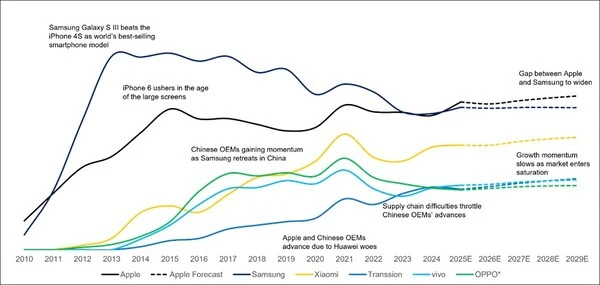
    Analysts from Counterpoint Research have made some daring predictions in their latest report. They assert that the smartphone industry’s balance of power will totally shift by 2025. Samsung should prepare itself, as Apple is not only predicted to surpass the South Korean brand temporarily but also to maintain its lead. Analysts estimate a global market growth of 3.3% for the coming year.

    Market Trends

    Despite the overall market seeing steady growth, Apple is anticipated to experience a significant rise of 10% in sales. In contrast, Samsung is projected to gain a modest 4.6%. This increase won’t be enough for Samsung to retain its title as the world’s leading smartphone maker. If the analysts are correct, Apple will reclaim the title of largest smartphone manufacturer for the first time since 2011, increasing its market share to 19.4%. Conditions might get even worse for Samsung, as the report forecasts Apple remaining at the top until at least 2029. Thus, this would signify not just a change in leadership but a whole new era.

    Reasons Behind the Shift

    What’s driving this change now? The reasons are rather simple. The iPhone 17 series is flying off the shelves, not just in its primary market, the USA, but also in China. Researchers are observing impressive double-digit growth rates year-over-year there, which is quite notable given that China has previously posed challenges for Western companies. Additionally, there’s a “super cycle” effect where many people purchased new smartphones during the COVID-19 lockdowns. Those devices are becoming outdated, with dead batteries and scratched screens. Now is the time for upgrades.

    Next, there’s a vast second-hand market to consider. Between 2023 and mid-2025, 358 million used iPhones were sold. Users of these devices frequently opt for a new model afterward. Moreover, a foldable iPhone is expected to launch in 2026, posing a direct challenge to Samsung right in its own market. Simultaneously, the iPhone 17e, a more budget-friendly option (which could replace the “Slim” or SE), is aimed at drawing in new customers. Bloomberg also mentions a full design revamp scheduled for 2027. Meanwhile, Chinese manufacturers are facing difficulties. Their domestic markets are weak, and supply chains are under pressure. Starting in 2026, component prices are also likely to rise. Apple and Samsung, with their considerable financial resources, have a notable edge when it comes to acquiring components.

    Source:
    Link


  • Apple’s N1 Chip Boosts iPhone 17’s Network Performance vs. Android

    Apple’s N1 Chip Boosts iPhone 17’s Network Performance vs. Android

    Key Takeaways

    1. The iPhone 17 features Apple’s new N1 networking chip, supporting Wi-Fi 7 and Bluetooth 6, resulting in a nearly 40% performance increase over the iPhone 16.
    2. In global median download speeds, Google’s Pixel 10 led at 335.35 Mbps, followed closely by the iPhone 17 at 329.56 Mbps, with the iPhone outperforming the Pixel in less favorable conditions.
    3. In North America, the iPhone 17 achieved a top speed of 416.14 Mbps, surpassing the Pixel 10 Pro and Samsung Galaxy S25.
    4. The iPhone 17 demonstrated the best 10th-percentile download speed at 56.08 Mbps, indicating reliable performance in challenging Wi-Fi 7 environments.
    5. North America had the highest Wi-Fi 7 user distribution at 20.62%, significantly leading other regions like Northeast Asia and Europe.


    A fresh analysis from Ookla, a company known for network diagnostics and the Speedtest app, looked into the network performance of Apple’s iPhone 17 in comparison to the latest Android flagship devices. The tests focused on Apple’s new N1 networking chip against rival chips from Qualcomm, Broadcom, and MediaTek.

    N1 Networking Chip Features

    The N1 chip marks Apple’s initial venture into custom networking technology, featured in the iPhone 17 series, and it supports Wi-Fi 7 and Bluetooth 6. According to the final results derived from crowdsourced data from Speedtest, the iPhone 17 saw almost a 40% increase in performance when stacked against the iPhone 16, which relied on a Broadcom chip.

    Download Speeds Compared

    Google’s Pixel 10 achieved the top median download speed worldwide at 335.35 Mbps, slightly ahead of the iPhone 17’s 329.56 Mbps. In the least favorable conditions, the iPhone 17 outperformed with a speed of 56.08 Mbps, whereas the Pixel 10 reached a maximum of 53.25 Mbps.

    In the North American region, the iPhone 17 showcased speeds reaching up to 416.14 Mbps, while the Pixel 10 Pro came in at 411.21 Mbps, and the Samsung Galaxy S25 settled at 323.69 Mbps.

    Consistency and Performance

    Apple’s latest model also boasted the best 10th-percentile download speed at 56.08 Mbps, proving to be a reliable option even under less-than-ideal Wi-Fi 7 circumstances.

    The report highlighted that the N1 chip’s limitation of a 160 MHz channel width, as opposed to the 320 MHz capacity of Wi-Fi 7, hasn’t yet hindered actual performance in practical terms. The iPhone 17 exhibited the highest 90th percentile speeds across all devices in North America, hitting up to 976.39 Mbps, while the Pixel 10 reached 932.19 Mbps and Samsung’s Galaxy S25 recorded 815.19 Mbps.

    Wi-Fi 7 User Distribution

    In terms of Wi-Fi 7 users, North America led the way with 20.62% of the study’s participants, followed by Northeast Asia at 5.38%, Europe at 4.95%, Southeast Asia at 2.95%, and the Gulf region at 1.73%.

    Ookla’s analysis provides valuable insights into the performance of the iPhone 17 and its networking capabilities against leading competitors in the market.

    Source:
    Link


  • Apple iPhone iOS 26.2: New Siri Alternatives and AirDrop Upgrade

    Apple iPhone iOS 26.2: New Siri Alternatives and AirDrop Upgrade

    Key Takeaways

    1. Users must manually launch third-party voice assistants on iPhone 17 or older models; the lock button activates only Siri for now.
    2. An upcoming iOS 26.2 update may allow users to select different default apps for the side button, hinting at a change in voice assistant functionality.
    3. The changes in the beta version suggest compliance with the EU’s Digital Markets Act, promoting equal access for third-party software.
    4. Apple Pay may soon allow third-party payment apps to activate with a double-press of the lock button for NFC transactions.
    5. AirDrop enhancements include pairing devices using a PIN code and extending visibility to 30 days, improving usability.


    Anyone interested in using a voice assistant other than Siri on the Apple iPhone 17 or older models will need to launch the specific app manually for now. This is because pressing the lock button for a few seconds will only activate Siri. However, this situation might shift with the upcoming iOS 26.2 update, expected in a few months. MacRumors has discovered several hints within the Siri framework code in the third developer beta, indicating that Apple is gearing up for a notable change.

    New Developments in the Beta

    Previously, all informational texts referenced Siri, but the latest beta version has replaced these mentions with a generic placeholder. One of the texts even mentions the ability to select a different “default side button app.” Another notice cautions users if the selected “side button app” fails to support voice commands. This alteration is most likely due to the EU’s Digital Markets Act, which mandates that third-party software must have equal access to hardware features as Apple’s built-in software.

    Changes in Payment Options

    Additionally, Apple Pay might be substituted with a third-party application that activates when the lock button is double-pressed, allowing NFC payments to be made through an alternative app. In another development, 9to5Mac has reported enhancements to AirDrop, including a new feature that allows devices to be paired using a PIN code. Once paired, these devices will stay visible for up to 30 days. This change could prove beneficial, as currently, an AirDrop device can only be visible for saved contacts or just for 10 minutes.


    Source:
    Link