Tag: iPhone 17

  • iPhone 17 Pro Sales Outperform iPhone 16 as iPhone Air Struggles

    iPhone 17 Pro Sales Outperform iPhone 16 as iPhone Air Struggles

    Key Takeaways

    1. Apple may reduce iPhone Air production due to low sales, contributing only 3% of total sales in the first ten days after the iPhone 17 launch.
    2. The iPhone 16 Plus outperformed the iPhone Air, securing 4% of sales, while the iPhone Air’s sales in China will start in late October.
    3. The iPhone Air’s MSRP of $999 is only $100 less than the iPhone 17 Pro, potentially affecting its sales appeal.
    4. iPhone 17 series sales increased by 14% compared to the iPhone 16 series during the same period last year, with the base model being a standout.
    5. The iPhone 17 Pro and Pro Max continue to dominate, making up 75% of iPhone sales, reflecting typical post-launch consumer behavior.


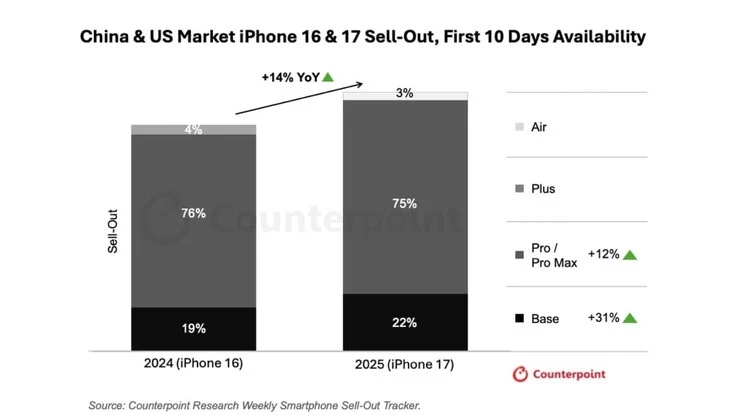
    Rumors have recently emerged indicating that Apple might significantly reduce the production of the iPhone Air. Sales figures from Counterpoint Research highlight a clear reason for this decision. It appears that the iPhone Air only contributed to 3% of total sales during the first ten days following the launch of the iPhone 17 series in both China and the US.

    Sales Comparison

    In contrast, the iPhone 16 Plus managed to secure 4% of the sales. It’s worth noting that the sales of the iPhone Air in China won’t commence until late October, suggesting that Apple’s slim flagship could potentially surpass the iPhone 16 Plus in popularity. The current low sales figures are somewhat expected, given that the iPhone Air has a manufacturer’s suggested retail price (MSRP) of $999, making it just $100 less expensive than the iPhone 17 Pro. Additionally, the battery capacity is 3,149mAh, which is a significant 26% lower than the 4,252mAh found in the eSIM-only version of the iPhone 17 Pro available in the US.

    Positive Trends

    On a brighter note, the sales of the iPhone 17 series have seen a 14% increase in the first ten days compared to the iPhone 16 series during the same timeframe last year. The standout performer this year is the base model of the iPhone 17, which features a substantial display enhancement. Apple has chosen to include a 120Hz OLED screen with an always-on functionality and has increased the storage capacity of the lowest configuration to 256GB. Despite this, the iPhone 17 Pro and iPhone 17 Pro Max continue to dominate the market, representing 75% of all iPhone sales. This trend is typical post-launch, as many enthusiasts usually place their orders for a new iPhone immediately upon its release.

    Source:
    Link


  • Apple to Cut iPhone Air Production Significantly, Rumors Say

    Apple to Cut iPhone Air Production Significantly, Rumors Say

    Key Takeaways

    1. The iPhone Air is underperforming, leading to a potential production cut of 1 million units next year.
    2. Apple plans to increase production of the iPhone 17, 17 Pro, and 17 Pro Max by a total of 7 million units.
    3. Overall iPhone production is expected to rise from 88 million to 94 million units.
    4. The anticipated foldable iPhone may be delayed, impacting future product releases.
    5. The iPhone Air has received mixed reviews, with concerns about battery life and overheating, while its sales lag behind other models.


    The iPhone Air might be in serious trouble.

    Apple’s latest slim and lightweight iPhone is not meeting the company’s expectations, which could lead to a significant decrease in its production in the next year. This information comes from Mizuho Securities, a Japanese investment bank. Their report also mentions that the anticipated foldable iPhone is likely to be postponed, with the firm predicting that Apple will cut its production forecast for the iPhone Air by 1 million units.

    Production Changes Ahead

    In contrast, the iPhone 17, iPhone 17 Pro, and iPhone 17 Pro Max are doing much better than Apple had anticipated. As a result, the investment firm believes that Apple will boost production for these models by 2 million, 1 million, and 4 million units, respectively. These adjustments are expected to happen before the year ends, as stated by Mizuho Securities.

    Overall, the total iPhone production is projected to increase from 88 million to 94 million units, according to the firm’s estimates.

    More Issues for Slim Phones

    This news coincides with rumors about another lightweight phone, the Samsung Galaxy S25 Edge, possibly being scrapped. Reports suggest that Samsung may be halting any plans for a successor to the S25 Edge.

    The iPhone Air has mostly received positive yet somewhat tepid reviews. Some critics have raised issues about the device’s battery life and overheating problems, but it has still managed to perform better than some expected. However, its sales trail behind those of its more successful counterparts, the iPhone 17, 17 Pro, and 17 Pro Max.

    Source:
    Link


  • How to Turn Off PWM Flickering on iPhone 17: Benefits Explained

    How to Turn Off PWM Flickering on iPhone 17: Benefits Explained

    Key Takeaways

    1. Most OLED screens in smartphones use pulse-width modulation (PWM) for power control, which can cause discomfort for sensitive individuals due to low frequencies.
    2. Apple has introduced a feature called Display Pulse Smoothing in the iPhone 17, allowing users to disable PWM dimming, but it is limited to brightness levels up to 25%.
    3. Above 25% brightness, the iPhone 17 still relies on PWM dimming, and the effectiveness of the new feature remains uncertain.
    4. YouTuber Nick Sutrich suggests Apple may be using pulse amplitude modulation (PAM) for smoother brightness transitions, but specifics are not confirmed.
    5. Users sensitive to PWM report continued discomfort even with Display Pulse Smoothing activated, indicating limited relief from the new feature.


    Most OLED screens found in today’s smartphones utilize a technique known as pulse-width modulation (PWM). This technique controls the average power of an electrical signal by rapidly toggling the screen on and off. PWM can be implemented in a way that is more precise, energy-saving, and cost-effective compared to analog methods.

    The Issue with PWM

    The downside to PWM is its typically low frequencies, often under 500 Hz. People who are sensitive to flickering may notice this and could experience discomfort like burning eyes, headaches, and nausea, among other symptoms.

    Apple’s New Solution

    It is therefore a positive development that Apple has introduced an option to disable PWM dimming in its latest iPhones, including the Apple iPhone 17. This feature, called Display Pulse Smoothing, can be found in iOS 26 under Settings, Accessibility, and Display & Text Size.

    Limitations of the PWM Option

    However, as shown in our review of the Apple iPhone 17, users shouldn’t have high expectations for this PWM feature. It only functions effectively at screen brightness levels up to 25%, and the dimming frequency remains unchanged. Above 25% brightness, the device still relies on PWM dimming.

    Apple vaguely describes the activation of display pulse smoothing as an “alternative method for dimming the OLED display.” While it is suspected that the company employs a form of DC dimming or a hybrid approach, no specific technical information is provided.

    Insights from YouTuber Nick Sutrich

    In a video, YouTuber Nick Sutrich suggests that Apple might be using pulse amplitude modulation (PAM) for the display pulse smoothing feature. PAM differs from PWM by altering the signal amplitude, or voltage level, which creates a sine wave-like signal curve rather than a square wave, leading to smoother transitions in brightness.

    Measurement Observations

    Our measurements support this effect. When display pulse smoothing is enabled, the frequency response appears significantly flatter at brightness levels up to 25%.

    Despite the method employed, it seems that the new feature provides little relief for those sensitive to PWM. Numerous users on the Reddit forum r/PWM_Sensitive have reported that even with this dimming option activated, they still suffer from the same symptoms associated with traditional PWM dimming.

    Conclusion

    The reasons for the limited effectiveness of the display pulse smoothing option seem to stem from the unchanged dimming frequency and modulation rate in comparison to PWM dimming—these factors are significant contributors to the symptoms experienced by users.

    While it’s commendable that Apple has introduced a PWM option in its latest iPhone models, it remains unclear if this feature will be more effective in the future and truly assist PWM-sensitive users. Let’s hope that improvements come soon through a software update rather than waiting for the next generation of devices.

    Source:
    Link


  • Xiaomi 17 vs iPhone 17 Battery Test: Xiaomi’s 5,000mAh Power Bank

    Xiaomi 17 vs iPhone 17 Battery Test: Xiaomi’s 5,000mAh Power Bank

    Key Takeaways

    1. A direct comparison of battery life between the Xiaomi 17 (7,000mAh) and iPhone 17 (3,692mAh) may not be fair due to the significant difference in battery capacity.

    2. Xiaomi’s promotional video shows the iPhone 17’s battery life lasting 12 hours and 14 minutes with a 5,000mAh MagSafe battery, but much of that capacity is lost due to inefficiencies in wireless charging.

    3. The iPhone 17 is tested under specific conditions (low brightness, airplane mode, video loop), which do not accurately represent typical usage.

    4. Apple claims the iPhone 17 can last up to 30 hours of video playback, but this figure is theoretical and not necessarily reflective of real-world performance.

    5. The Xiaomi 17 is currently not widely available in global markets, with a smaller battery expected for the global version, while the iPhone 17 is readily available for purchase.


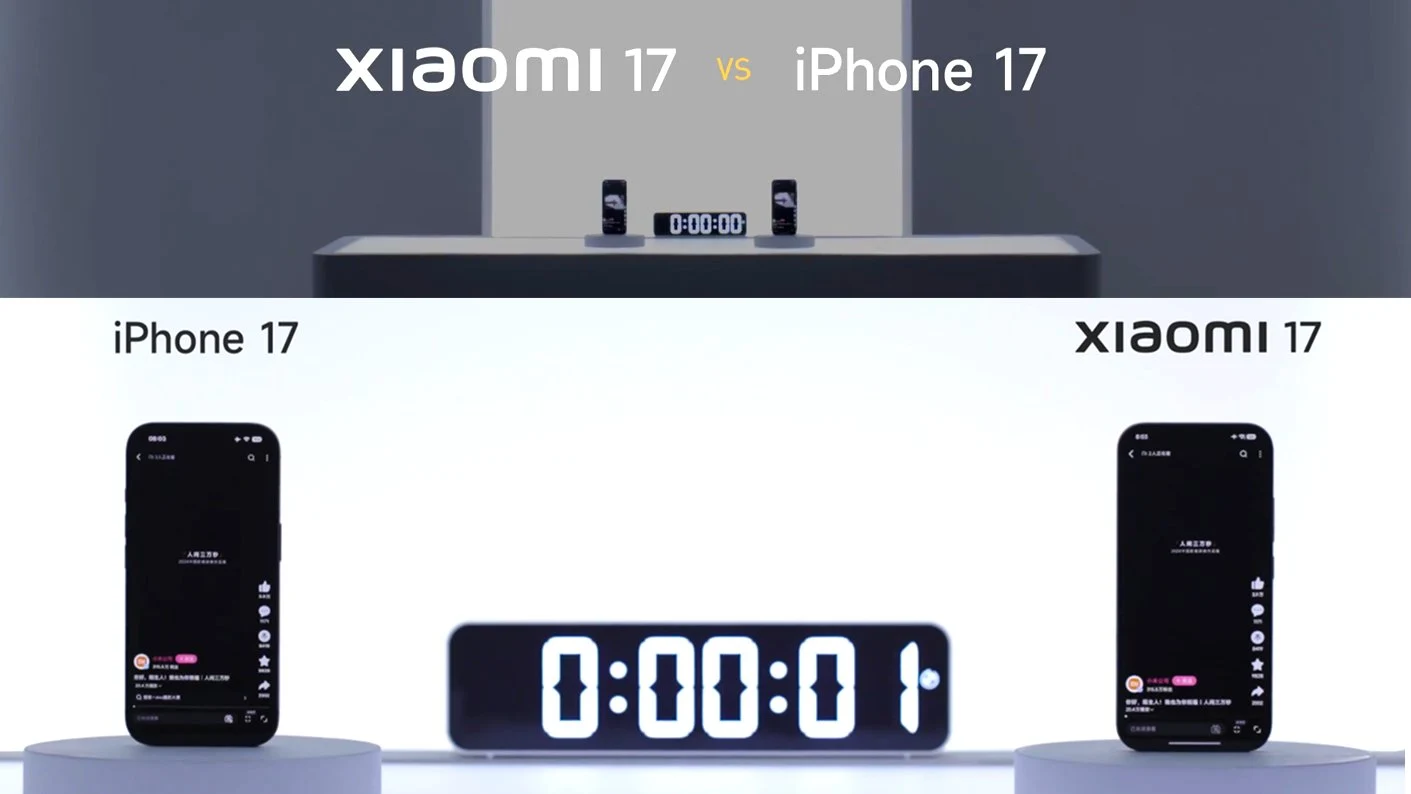
    Is it really right to pit a smartphone boasting a 7,000mAh battery against one with a 3,692mAh capacity? Likely not, so a direct battery life test between the Xiaomi 17 and iPhone 17 would yield predictable results. However, Xiaomi’s recent promotional video on Weibo takes this matchup to a whole new level, adding some intrigue to the scenario. After roughly 5.6 hours, when the iPhone’s battery level hits just 20 percent, they attach a 5,000mAh MagSafe battery to the back of the iPhone 17.

    Capacity Calculations

    This setup gives the iPhone 17 a theoretical total power capacity of 8,692mAh (3,692mAh + 5,000mAh), although that figure isn’t very realistic. Due to energy loss during the magnetic wireless charging process, a large portion of the 5,000mAh isn’t really usable. About one-third is likely wasted, considering the common inefficiencies of wireless charging. Even so, it’s a disappointing result for Apple enthusiasts when the test concludes after just 12 hours and 14 minutes for the iPhone 17. At that moment, the Xiaomi 17 still has 26% of its battery left.

    Test Conditions

    Xiaomi stated that the test was performed with the screen brightness set to a low 150 nits, airplane mode on, and a video loop playing in a social media application, which doesn’t reflect real-world use very well. Apple claims that the iPhone 17 can last up to 30 hours of battery life while playing videos, but that number is also theoretical. Since this is a promotional video from Xiaomi, one should view the findings with skepticism. While the iPhone 17 is currently available for purchase, the Xiaomi 17 with its hefty 7,000mAh battery can only be imported into Europe and North America. Regrettably, the global version will have a smaller battery.

    Source:
    Link


  • Apple Plans Multiple iPhones Before 2027, No iPhone 19 Expected

    Apple Plans Multiple iPhones Before 2027, No iPhone 19 Expected

    Key Takeaways

    1. Apple has launched four flagship iPhones this year: iPhone 17, iPhone Air, iPhone 17 Pro, and iPhone 17 Pro Max.
    2. The iPhone 17 series may be the last set of models released together for a few years.
    3. In 2026, Apple plans to release only the iPhone 17e in the first half, followed by a quadruple launch in the fall featuring the iPhone 18 series.
    4. The iPhone Fold will replace the iPhone 18, which will still be available alongside the iPhone 18e in 2027.
    5. Apple is rumored to have around nine new devices set for release before mid-next year.


    Apple has maintained its tradition of launching four flagship iPhones this year, unveiling the iPhone 17, iPhone Air, iPhone 17 Pro, and iPhone 17 Pro Max. These new models come about six months after the launch of the iPhone 16e, which is currently priced at $421 on Amazon. The iPhone 17 series is believed to be the last set of models that Apple will release together for a few years.

    Future Releases

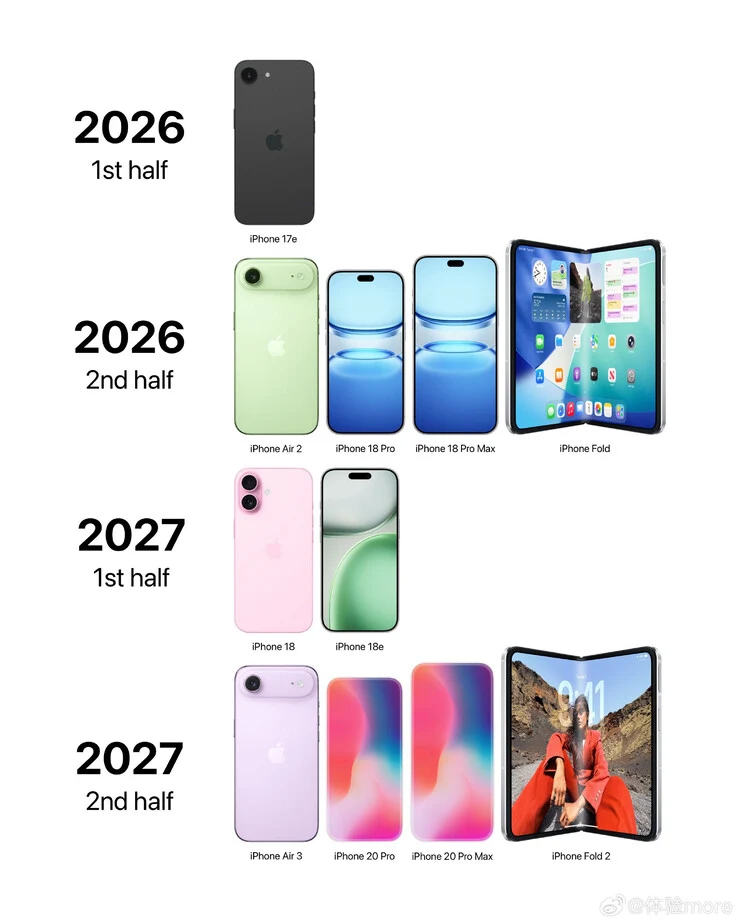
    Recent rumors indicate that Apple made its plans for the 2026 and 2027 release timelines several months ago. A well-known Weibo account, Experience More, has reported that Apple plans to launch only the iPhone 17e in the first half of next year. Then, in the fall of 2026, Apple is expected to host another quadruple flagship launch event featuring the iPhone 18 Pro, iPhone 18 Pro Max, and the possibly named iPhone Air 2.

    Changes Ahead

    Interestingly, the iPhone Fold will take the place of the iPhone 18, but it won’t completely replace it. Instead, the iPhone 18 will be available alongside the iPhone 18e in the first half of 2027. It seems that the iPhone Air 3 and iPhone Fold 2 are set to debut in the fall of 2027, along with the iPhone 20 Pro and iPhone 20 Pro Max, skipping over the iPhone 19 series entirely. In the meantime, Apple is also rumored to have around nine other new devices scheduled for release before mid-next year.

    Source:
    Link


  • iPhone 17 Surpasses Xiaomi 17 Sales; Shipments Drop Below Xiaomi 15

    iPhone 17 Surpasses Xiaomi 17 Sales; Shipments Drop Below Xiaomi 15

    Key Takeaways

    1. Xiaomi unveiled the Xiaomi 17, Xiaomi 17 Pro, and Xiaomi 17 Pro Max on September 25th, featuring new designs, upgraded screens, and improved cameras.
    2. Analyst Ming-Chi Kuo predicts a 20% decline in shipments for the Xiaomi 17 series compared to the previous Xiaomi 15 series, with total shipments expected to fall short of 8 million units.
    3. The standard Xiaomi 17, initially expected to account for 50-55% of total shipments, may only represent 15-20% due to lower-than-anticipated demand.
    4. Strong competition from the iPhone 17, which has received positive reviews for its enhancements, is impacting the demand for the Xiaomi 17.
    5. The Xiaomi 17 Pro and 17 Pro Max will not be released outside of China, creating uncertainty about global sales performance.


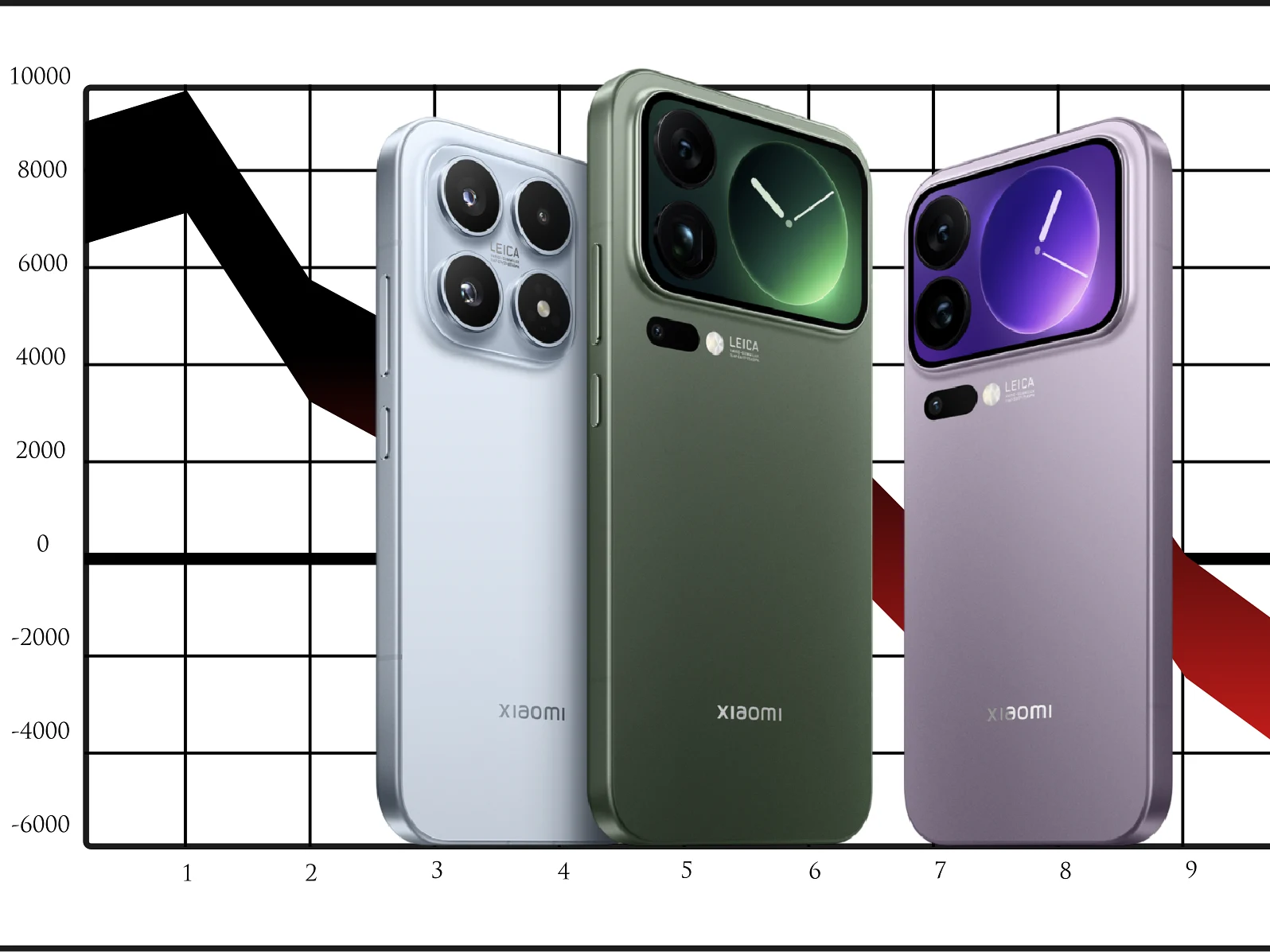
    After waiting for months filled with leaks and speculations, Xiaomi has officially unveiled the Xiaomi 17, Xiaomi 17 Pro, and Xiaomi 17 Pro Max on September 25th in China. These three devices come with eye-catching new designs, upgraded screens, substantial batteries, and entirely new camera setups. Notably, the Xiaomi 17 Pro and Xiaomi 17 Pro Max have stylish secondary displays on their backs. Nevertheless, renowned analyst Ming-Chi Kuo has pointed out that, despite the impressive hardware of the Xiaomi 17 lineup, these new models are expected to sell less than the previous Xiaomi 15 series.

    Demand Insights

    In a post on X, Ming-Chi Kuo highlighted that, according to their industry research, the current demand for the Xiaomi 17 suggests a 20% decline in shipments compared to the initial goal of 10 million units. This reduced shipment forecast is primarily due to low interest in the standard Xiaomi 17, leading to total shipments for the Xiaomi 17 series being projected to fall short of 8 million.

    Sales Expectations

    The standard Xiaomi 17 was predicted to be the leading model in the Xiaomi 17 series, making up 50-55% of total shipments. However, according to Ming-Chi Kuo, the weaker-than-anticipated demand for the basic Xiaomi 17 might only allow it to account for 15-20% of the overall shipments. It seems unlikely that the increased sales of the Xiaomi 17 Pro and Xiaomi 17 Pro Max will make up for this significant shortfall.

    At first glance, Ming-Chi Kuo’s recent shipment forecasts for the Xiaomi 17 series appear contradictory to Xiaomi’s announcement of record sales figures. However, the initial reception at launch might not be the best measure of the long-term demand for a smartphone. For the Xiaomi 17 to surpass the sales of the Xiaomi 15, it will need to attract new buyers, specifically those who are not already loyal customers.

    Market Competition

    So, what might be causing the Xiaomi 17 to lag behind the anticipated sales figures?

    Ming-Chi Kuo attributes this to the strong performance of the standard iPhone 17, which has significantly impacted the demand for the Xiaomi 17. Unlike earlier iPhone releases, this year’s base iPhone 17 has showcased major hardware enhancements, including a fresh 120 Hz display, new 48 MP Fusion cameras, and other features. These improvements have received positive feedback from both the public and the media, leading to the base iPhone 17 enjoying robust popularity in China.

    The analyst further speculates that if the demand for the Xiaomi 17 does not pick up during China’s National Day Golden Week, the company may need to consider reducing prices on certain models to boost sales.

    Future Outlook

    Ming-Chi Kuo’s recent sales analysis of the Xiaomi 17 focuses solely on the Chinese market, leaving it uncertain how the phones will perform on a global scale. Unfortunately, it’s disappointing that Xiaomi is not planning to release the Xiaomi 17 Pro and 17 Pro Max outside of China, as only the Xiaomi 17 and Xiaomi 17 Ultra are expected to have a worldwide launch.

    Source:
    Link


  • iPhone 17 Durability Test: JerryRigEverything’s Review of Budget Model

    iPhone 17 Durability Test: JerryRigEverything’s Review of Budget Model

    Key Takeaways

    1. The entry-level iPhone 17 passed durability tests with excellent results, making it a strong option in the lineup.
    2. The front screen features a ceramic shield that protects it up to level seven on the Mohs hardness scale, showing good resistance to scratches.
    3. The back lacks the ceramic shield and showed varying scratch resistance, with level five and below causing minimal damage, while level six left lasting marks.
    4. The iPhone 17 successfully passed the bend test, demonstrating slight flexing but no cracks, indicating a robust design.
    5. Pre-order statistics suggest the iPhone 17 is expected to outsell the successful iPhone 16.


    Following the testing of the iPhone Air and the iPhone 17 Pro (Max), the entry-level iPhone 17 has also undergone the durability assessment by JerryRigEverything (linked below). This model is the most affordable in the series and is anticipated to outsell the already successful iPhone 16, based on pre-order statistics. Luckily, it has passed the durability evaluation with excellent results.

    Testing Methodology

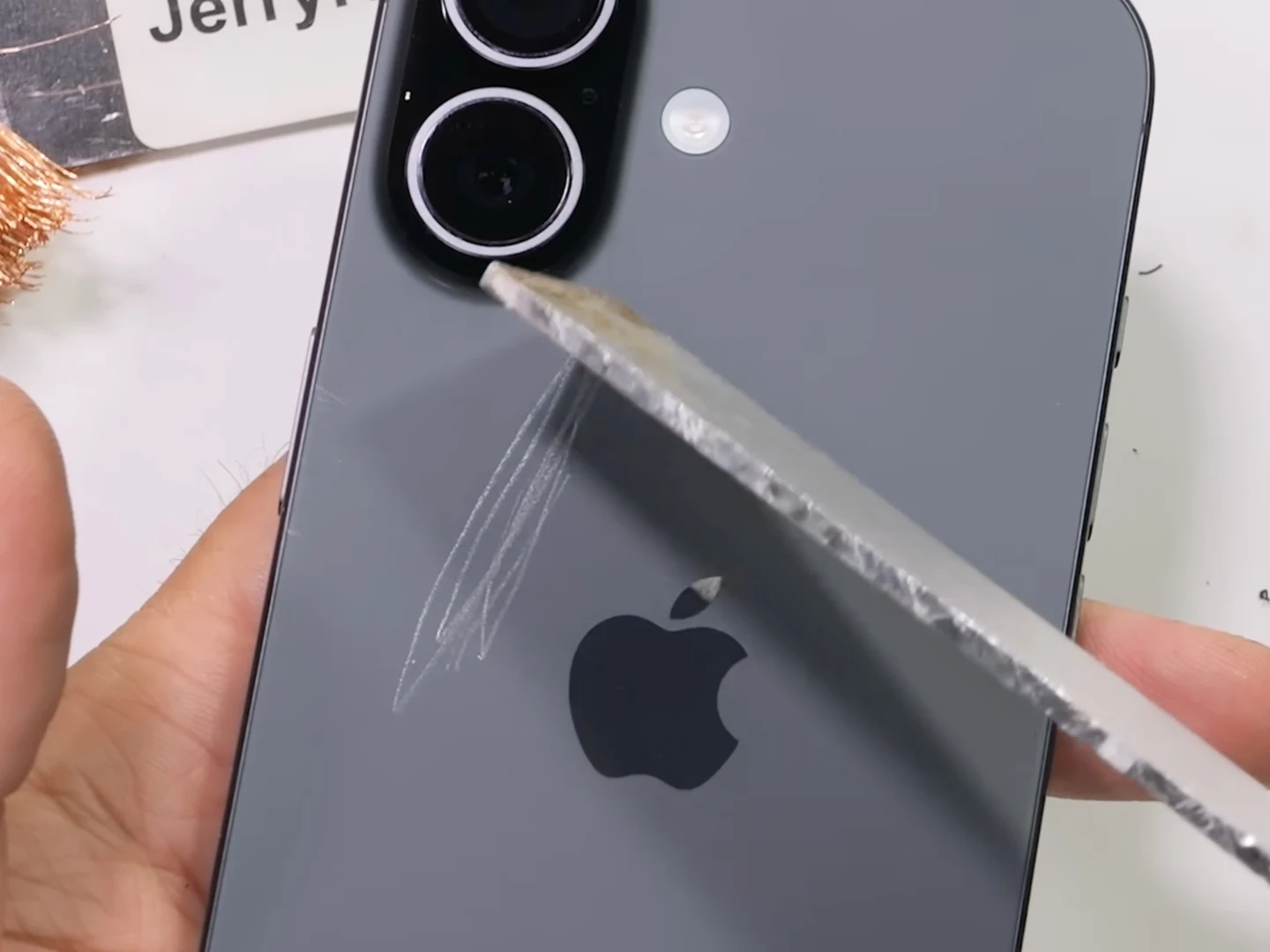
    In addition to standard scratch testing tools, JerryRigEverything employed everyday items to simulate typical wear and tear. Starting with the front of the iPhone 17, the ceramic shield performed admirably, protecting the screen up to level seven on the Mohs hardness scale. There was some minor smudging at level seven, but no scratches or cracks were evident. The back of the phone presents a more intriguing scenario, as it lacks the ceramic shield that enhances scratch resistance seen in the iPhone Air and Pro versions.

    Scratch Resistance Findings

    Interestingly, while a stainless-steel utility knife (rated at level five hardness) left only light scratches on the back, an aluminum piece with a hardness of level three managed to leave permanent marks. Although this was a deliberate scratching test, there have been multiple accounts of display units in stores getting scratched. Apple, however, refutes these claims, asserting that what some see as scratches are merely “material transfer.” In terms of the iPhone 17, a titanium rod (level six) also left lasting impressions. Conversely, a copper and nickel coin, a brass key, copper wire, a 90% silver coin, and a 90% gold coin did not create any permanent damage.

    Bend Test Results

    In the bend test, applying full pressure resulted in no cracks on either the front or back. The device exhibited only slight flexing, demonstrating that the combination of an aluminum frame and glass is sufficiently robust to endure bending from regular usage. This outcome was consistent across the entire lineup, including the iPhone Air, which, despite its slim profile, can handle considerable force.

    Source:
    Link


  • iPhone 17 Series Charging Issues with Older Third-Party Bricks

    iPhone 17 Series Charging Issues with Older Third-Party Bricks

    Key Takeaways

    1. The iPhone 17 series introduces the 40W Dynamic Power Adapter, capable of briefly delivering up to 60W for faster charging.

    2. The Dynamic Power Adapter is the first to use the adjustable voltage source (AVS) from the USB-PD 3.2 standard.

    3. Charging tests showed the adapter could sustain 60W output for up to 18 minutes before smoothly transitioning back to 40W.

    4. The adapter does not support some USB-C standards like PPS or Qualcomm QuickCharge 4.0, limiting compatibility with certain devices.

    5. The charger can enable 4K output for docked Nintendo Switch 2, which typically requires 60W of power.


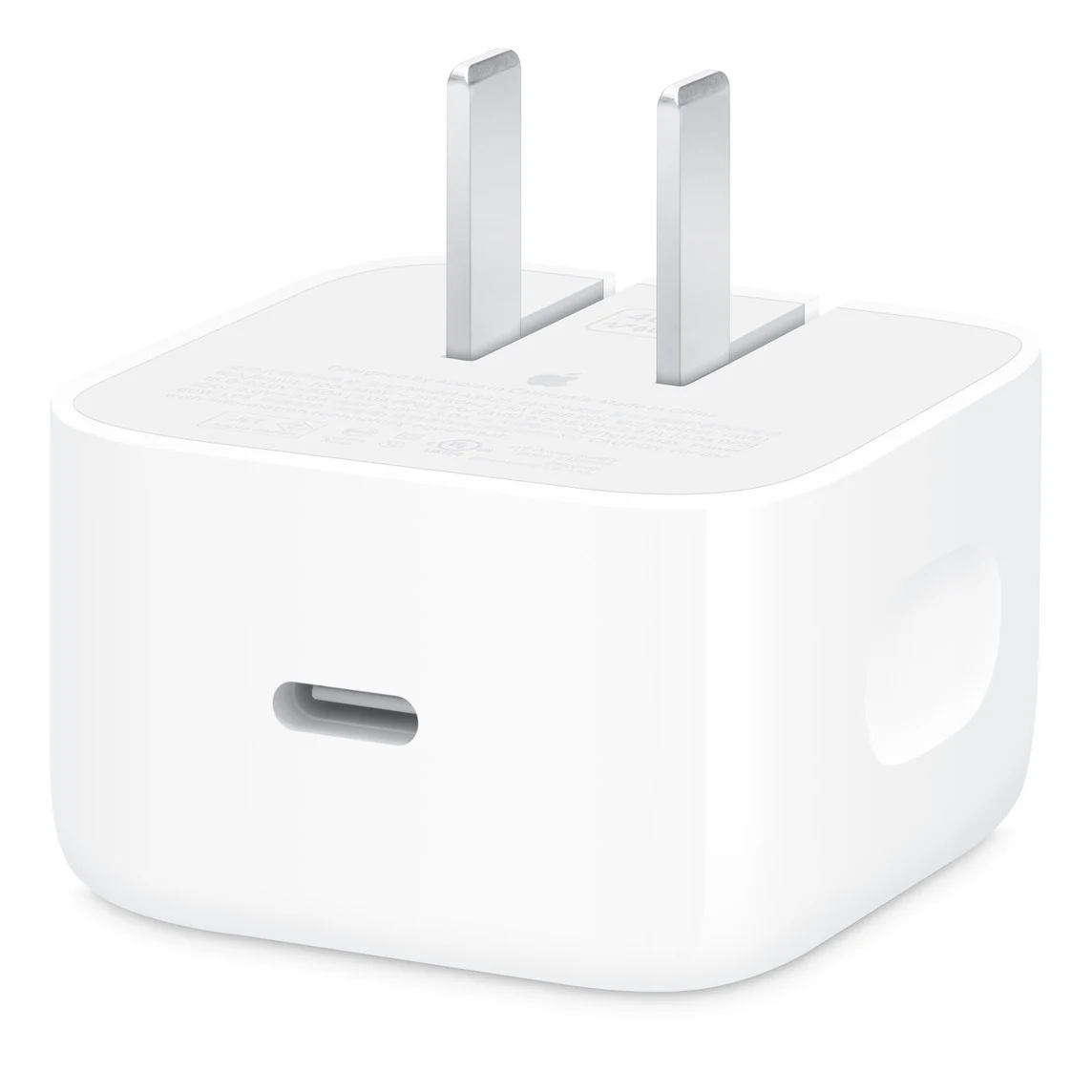
    Apple has introduced the iPhone 17 series, which are the first phones to work with the new 40W Dynamic Power Adapter, capable of reaching up to 60W. This charger, as its title implies, can briefly provide 60 watts (W) to compatible devices. However, it generally settles back to 40W for most of the charging process, helping to reduce overall charging times.

    Innovative Charging Technology

    This Dynamic Power Adapter represents a significant step forward, being the first to implement the adjustable voltage source (AVS) version of the universal USB-PD 3.2 standard. A Reddit user named privaterbok showcased this in a charging experiment using the new charger.

    At present (September 17, 2025), it wasn’t possible to test the USB PD 3.2 AVS with the iPhone 17 models since they are still in the pre-order phase. The Adapter, however, is available on Amazon for $39.

    Performance Insights

    Privaterbok reported that the Dynamic Power Adapter successfully charged a MacBook Air at 60W, even though it was recognized as a 40W source. The charger maintained its peak performance while connected to a small portable power station, sustaining the high output for up to 18 minutes before transitioning “smoothly” back to 40W without sudden voltage drops.

    Interestingly, the 40W Dynamic Power Adapter managed to stay relatively cool, reaching a temperature of 62°C, even though it is the smallest mobile charger Apple has ever created.

    Limitations and Compatibility

    The Reddit user used a multimeter and found that this accessory does not support some common USB-C charging standards like PPS or Qualcomm QuickCharge 4.0. This means it might not charge all USB-C devices in the best possible way.

    On a positive note, it was reported that the charger allowed a docked Nintendo Switch 2 to output in 4K, which is typically not possible unless it receives 60W of USB-PD power.

    Source:
    Link


  • Nintendo Direct Switch 2 Game Showcase Tops iPhone 17 Reveal Views

    Nintendo Direct Switch 2 Game Showcase Tops iPhone 17 Reveal Views

    Key Takeaways

    1. Nintendo Direct peaked at 2.92 million viewers, surpassing Apple’s iPhone 17 event with 2.8 million viewers.
    2. The Nintendo Direct was the most-viewed since the Switch 2 event, ranking fourth among all Nintendo presentations.
    3. The event celebrated the 40th Anniversary of Super Mario Bros and included a new compilation of Super Mario Galaxy and the Resident Evil Requiem release date announcement.
    4. Apple’s event showcased new products like the iPhone 17 Pro and AirPods Pro 3, but viewer numbers were lower due to early leaks diminishing excitement.
    5. Both companies faced criticism for lacking innovation, with Nintendo focusing on familiar titles while still engaging fans through fresh gameplay experiences.


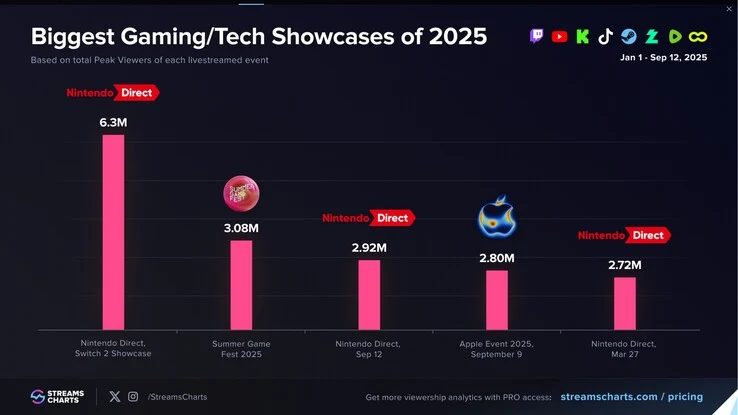
    Nintendo and Apple are two giants with huge fanbases, and both held significant events just days apart. In this round, it seems the Japanese gaming company may have won more attention. According to Streams Charts, the Nintendo Direct on September 12 reached a peak of 2.92 million viewers. In contrast, the latest Apple event showcasing the iPhone 17 managed to gather 2.8 million concurrent viewers.

    Peak Viewership Insights

    The recent Nintendo Direct had the most viewers since the Switch 2 event on April 2. This stream is now ranked fourth for peak viewership among all Nintendo presentations. When looking at other gaming events in 2025, the 60+ minute Direct was only outdone by the two-hour Summer Game Fest livestream. Genki pointed out on social media that there was a significant Japanese audience, with around six percent of the population tuning in.

    Anticipation and Excitement

    With rumors hinting at the date of Nintendo’s event, many gamers made sure to free their schedules beforehand. The diverse showcase kicked off by celebrating the 40th Anniversary of Super Mario Bros. It could have easily been a standalone event, as the company revealed a new compilation of Super Mario Galaxy. The Nintendo Direct showcased numerous first-party games for the Switch 2, but the peak audience was during the announcement of the Resident Evil Requiem release date.

    Apple’s Latest Offerings

    The Apple Event provided a look at new smartphones like the iPhone 17 Pro and iPhone Air. Attendees also saw the AirPods Pro 3 and updated Apple Watch models in action. However, viewer numbers fell short compared to many of the company’s previous events. Unlike Nintendo, Streams Charts suggests that early leaks about the new phones may have lessened the excitement.

    Both companies have been critiqued for not being innovative enough. For some fans, the Apple Event didn’t introduce anything thrilling. Likewise, most new Switch 2 titles, including Metroid Prime 4: Beyond, are either sequels or remakes. Nevertheless, Nintendo keeps engaging fans by mixing fresh gameplay experiences with beloved characters.

    In summary, the recent events from both Nintendo and Apple show how competitive the tech and gaming world can be, with each company working to capture the attention of their audiences.

    Source:
    Link


  • iPhone 17 Demand Surpasses iPhone 16, Pro Max Leads Preorders

    iPhone 17 Demand Surpasses iPhone 16, Pro Max Leads Preorders

    Key Takeaways

    1. Apple launched the iPhone 17 lineup, with preorders starting on September 12, showing greater interest than the iPhone 16 series.
    2. Production for the iPhone 17 Pro Max, Pro, and standard versions is set to increase by 25% in Q3 2025, with longer wait times for these models.
    3. The iPhone 17 Pro Max is the standout model, with production targets expected to rise by 60% compared to the iPhone 16 Pro Max.
    4. The iPhone Air is experiencing a slower launch due to eSIM regulation issues in China, with lower demand indicated by shorter delivery times.
    5. Current wait times for the iPhone 17 Pro and Pro Max are up to three and four weeks, while the iPhone Air and base iPhone 17 are expected to ship on launch day, September 19.


    Apple recently revealed its latest iPhone 17 lineup last Tuesday. Preorders began on Friday, September 12. According to analyst Ming-Chi Kuo, initial preorder figures indicate that these new models are garnering greater interest than the iPhone 16 series did last year.

    Production Plans Increase

    Kuo mentions that the anticipated production for the iPhone 17 Pro Max, Pro, and standard versions in Q3 2025 is set to increase by 25% compared to the previous year. Additionally, the wait times for these three variants are slightly longer, which aligns with the insights from JP Morgan.

    Pro Max Takes the Lead

    JP Morgan has pointed out a growing interest in the standard iPhone 17, but Kuo emphasizes that the iPhone 17 Pro Max is the standout model in this collection. Production targets for this flagship device are expected to rise by around 60% when compared to the iPhone 16 Pro Max, despite similar delivery timelines. For context, JP Morgan reported that customers can expect to wait about four days for the iPhone 17 Pro and around 21 days for the iPhone 17 Pro Max, contrasting with the six and 20 days for the iPhone 16 Pro and 16 Pro Max in their initial preorder week.

    Slower Start for iPhone Air

    Interestingly, the new iPhone Air, which is thinner and lighter, has not seen as strong of a launch as the other models. This could be partly attributed to its postponed release in China due to eSIM regulation problems. Currently, preorders for the iPhone Air are set to ship on the launch day, suggesting demand may be lower compared to the iPhone 16 Plus, which had a two-week delivery time, according to Kuo. Nonetheless, Apple’s production strategy for the Air is about three times that of the iPhone 16 Plus, hinting that the company anticipates increased demand in the future.

    The iPhone 17 series is still available for preorder on the Apple Store. In the United States, both the iPhone Air and the base iPhone 17 are expected to be delivered on launch day, September 19. However, the iPhone 17 Pro and iPhone 17 Pro Max are now experiencing wait times of up to three and four weeks, respectively.

    Ming-Chi Kuo shared this information on X (as referenced above), with additional insights coming from JP Morgan via Investing, and Apple.

    Source:
    Link