Tag: amd

  • AMD AM6 Socket: 22% More Pins, Same Size & Cooler Compatibility

    AMD AM6 Socket: 22% More Pins, Same Size & Cooler Compatibility

    Key Takeaways

    1. The upcoming AM6 socket will feature a 22% increase in pin count, totaling 2,100 pins compared to the AM5’s 1,718 pins.
    2. The AM6 socket is expected to maintain a similar size to the AM5, allowing compatibility with existing AM5 coolers.
    3. The new socket will support DDR6 memory and PCIe 6.0, enhancing overall performance and features.
    4. AMD’s Zen 7 architecture, compatible with the AM6 socket, is expected to offer significant performance gains with a potential increase in core count up to 32 cores.
    5. The AM6 socket is projected to be available to the public in 2028, coinciding with the release of Zen 7 CPUs.


    Looks like AMD is getting ready to boost the pin count on its upcoming AM6 socket again. Even so, users might still be able to utilize AM5 compatible coolers since the overall size of the socket probably won’t change much. The new socket is still a few years off from being available to the public, but it will support AMD’s seventh generation Zen architecture, along with the latest PCIe standards.

    Pin Density Increase

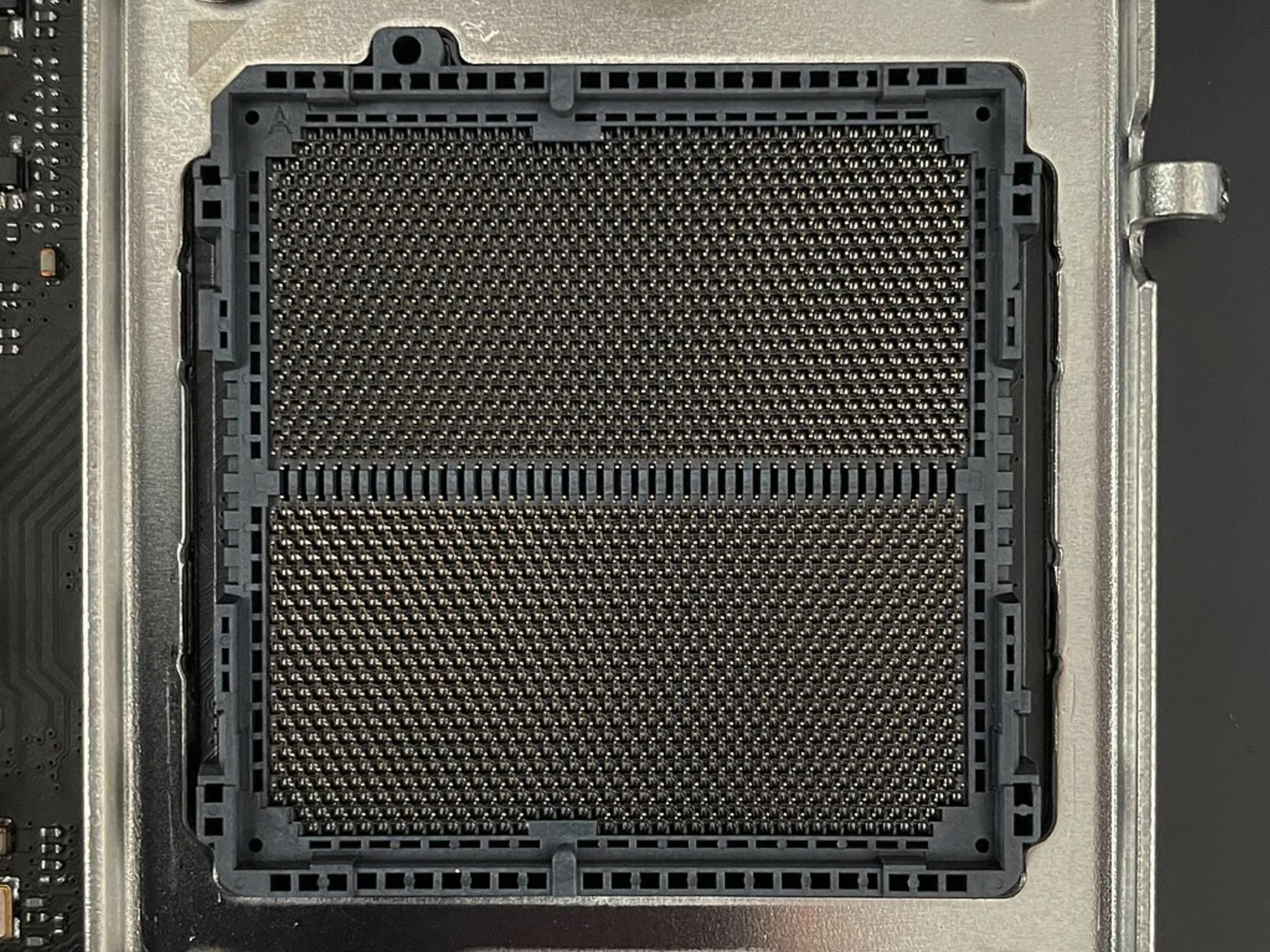
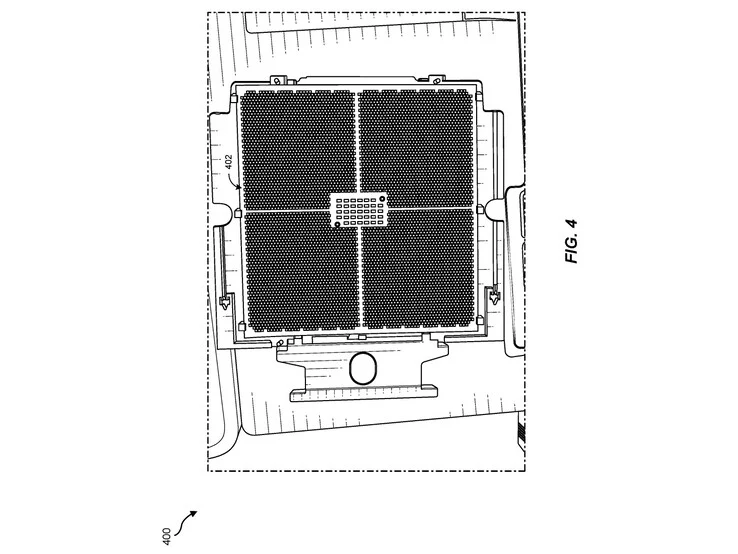
    A report from Bits and Chips, which references insider sources, claims that the AM6 socket will feature a greater pin density than the AM5, coming in at a total of 2,100 pins. The AM5 socket has 1,718 pins, indicating that the new socket will see a 22% increase. This report includes some images from an AMD patent that shows a socket with densely packed pins. Though the images are hard to decipher and the patent itself is not accessible, the arrangement of the pins appears to differ from the current generation socket.

    Similar Size, More Features

    Interestingly, the new socket is said to maintain a similar size to the AM5 socket. AMD seems to have managed to increase the pin density without expanding the overall size of the socket, suggesting that existing CPU coolers should still work with the AM6. The greater pin density will also enable support for DDR6 memory and PCIe 6.0. Furthermore, it is reported that it will be compatible with AMD’s Zen 7 architecture, with CPUs built on this architecture expected to come with significant improvements over those based on Zen 6.

    Core Count and Performance Boost

    A well-known leaker suggested back in June that the Zen 7 CPUs will see a nice increase in core count, possibly reaching up to 32 cores due to dual 16-core CCDs. With Hyperthreading, these CPUs could handle 64 threads. Additionally, the leaker mentioned that these CPUs will include “tons of V-Cache.”

    In conclusion, the Bits and Chips report states that the AM6 socket is set to be commercialized in 2028, which aligns with when the Zen 7 is anticipated to be ready.

    Source:
    Link


  • AMD Radeon RX 9060 Non-XT Specs Leaked: Latest Details Inside

    AMD Radeon RX 9060 Non-XT Specs Leaked: Latest Details Inside

    Key Takeaways

    1. AMD plans to release more RDNA 4 graphics cards in response to Nvidia’s RTX 50 Super refresh.
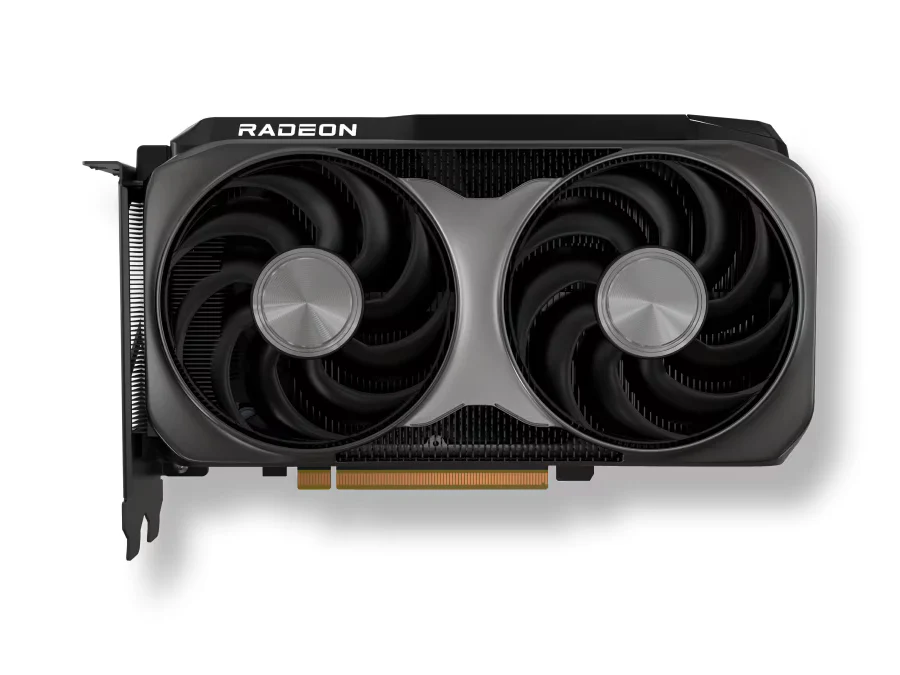
    2. A Radeon RX 9060 non-XT variant is in development, featuring 8 GB of VRAM and a Navi 44 XL GPU.
    3. The RX 9060 will have the same compute unit count as the XT version but will differ in boost clock speeds and VRAM speed.
    4. There is no confirmed release date for the RX 9060, but it could launch quietly in the coming weeks or months.
    5. If the RX 9060 is released, it may lead to the development of an RX 9070 non-XT variant, potentially filling a gap in AMD’s lineup.


    Recent rumors indicate that AMD still has plans to release more RDNA 4 graphics cards this generation. Several high-end GPUs are expected to be launched in the upcoming months, likely as a response to Nvidia’s RTX 50 Super refresh, which is anticipated to arrive before the end of 2024. Videocardz has uncovered information about another GPU, but this one is aimed at a lower market segment.

    Specs and Features

    Sources suggest AMD is developing a Radeon RX 9060 non-XT variant that will feature 8 GB of VRAM and a Navi 44 XL GPU. Notably, this model shares the same compute unit count (32) as its XT version. The primary distinctions will be in its boost clock speeds (2.99 GHz) and the 18 Gbps GDDR6 VRAM modules, compared to the 20 Gbps found in the 9060 XT. There is currently no release date available. Typically, entry-level models launch quietly, so it might appear any time in the next few weeks or months.

    Future Possibilities

    If the Radeon RX 9060 does indeed come to fruition, the likelihood of an RX 9070 non-XT variant also increases. However, it could face challenges in finding its place between the 9070 XT and 9060 XT. It remains uncertain whether AMD will introduce an RTX 5050 equivalent, but the RX 9060 might just fulfill that role.

    Source:
    Link


  • AMD Ryzen 9000 CPU Leak: Dual 3D V-Cache Features Revealed

    AMD Ryzen 9000 CPU Leak: Dual 3D V-Cache Features Revealed

    Key Takeaways

    1. AMD is releasing new CPUs on the AM5 platform, shifting focus from AM4.
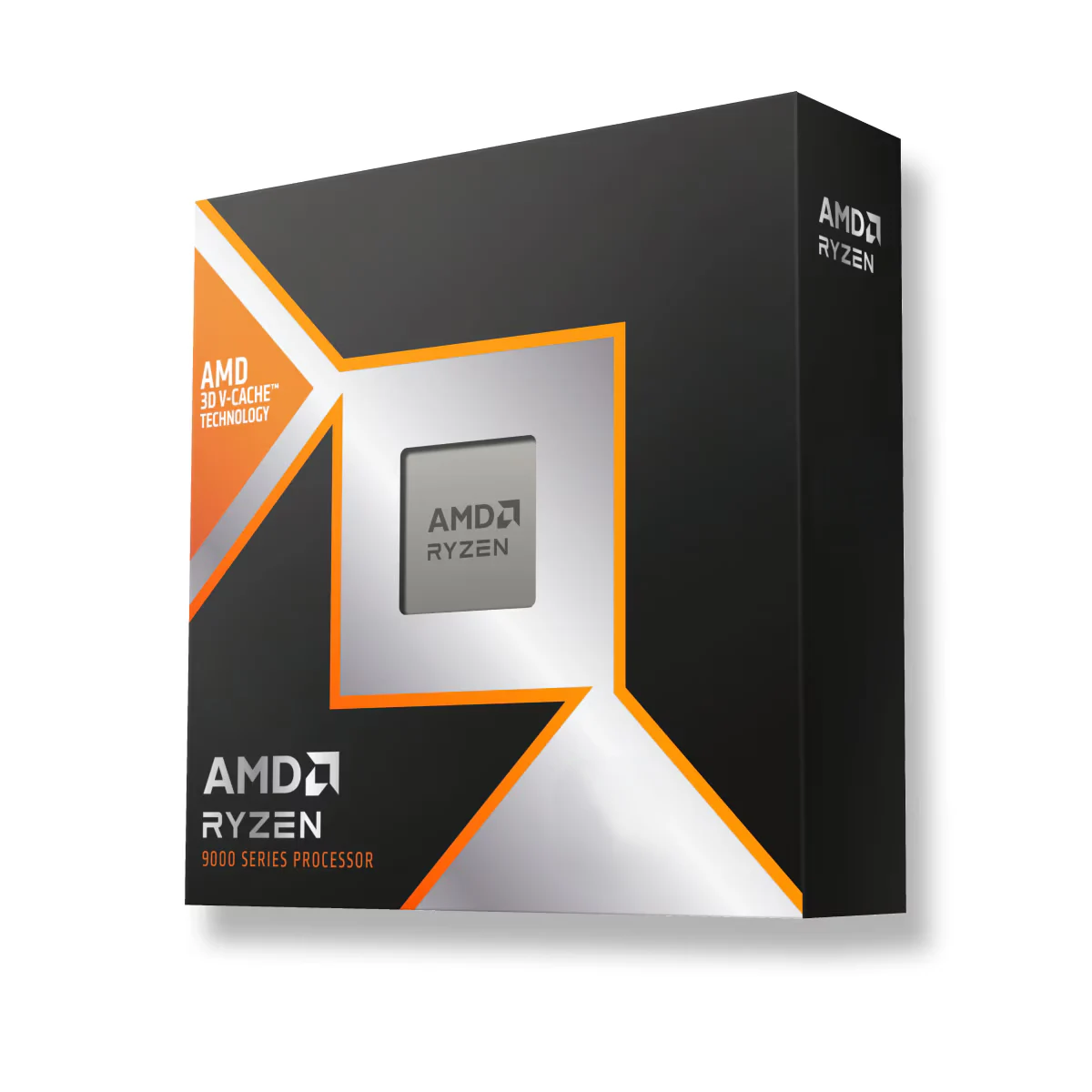
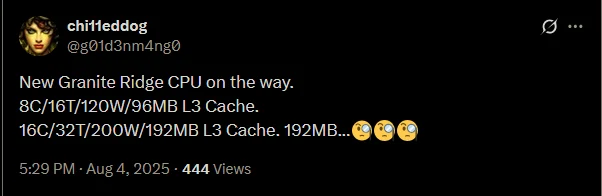
    2. The first upcoming CPU features 8 cores, 16 threads, a TDP of 120 Watts, and 96 MB of L3 cache.
    3. The second CPU boasts 16 cores, 32 threads, a TDP of 200 Watts, and an impressive 192 MB of L3 cache.
    4. The 192 MB cache indicates the use of 64 MB of 3D V-Cache per CCD, a first for this segment.
    5. Speculation surrounds the naming of these CPUs, with possibilities like Ryzen 7 9700X3D and Ryzen 9 9990X3D.


    While AMD keeps putting out AM4 CPUs even now, the newer AM5 platform hasn’t been getting the same spotlight. However, this could shift soon. It seems like Team Red has two new CPUs in the pipeline, both featuring a large amount of L3 cache.

    Exciting New Specs

    According to leaker @g01d3nm4ng0, one of AMD’s forthcoming Granite Ridge (Ryzen 9000 series) CPUs is set to have 8 cores, 16 threads, a TDP of 120 Watts, and an impressive 96 MB of L3 cache. In terms of specifications, this matches the Ryzen 7 9800X3D, making it intriguing to see how they will vary. It’s likely to be released as the Ryzen 7 9700X3D, possibly with slightly lower clock speeds.

    A Promising Second CPU

    The second CPU appears to be even more exciting: it features 16 cores, 32 threads, a TDP of 200 Watts, and a staggering 192 MB of L3 cache. This is significantly more powerful than the Ryzen 9 9950X3D, which has a lower TDP of 170 Watts and less cache. The 192 MB of cache indicates that each CCD will include 64 MB of 3D V-Cache, a first for this segment.

    Speculation on Naming

    There were whispers about a Ryzen 9000 X3D CPU that would use two 3D V-cache tiles before these CPUs were officially revealed, but those rumors were quickly dismissed. It’s still too soon to say what the name will be since such a product has never been seen before. Could it be the Ryzen 9 9990X3D? The connection to Granite Ridge further assures us that it is meant for consumers, not just for enterprise applications.

    Source:
    Link


  • AMD Surges Past Intel in CPU Sales, Even Old AM4 Chips Lead

    AMD Surges Past Intel in CPU Sales, Even Old AM4 Chips Lead

    Key Takeaways

    1. AMD CPUs dominate the market, capturing 90% of sales, while Intel only holds 10%.
    2. Intel’s Core Ultra 200 “Arrow Lake” series is underperforming, with previous AMD models outselling them significantly.
    3. Intel processors, like the Core Ultra 7 265K, are being sold at deep discounts, providing good value for consumers.
    4. The pricing of Intel CPUs allows for affordable gaming PC builds when combined with savings on motherboard and RAM.
    5. Ongoing struggles for Intel may lead to even greater discounts in the future.


    It has been quite a story lately: AMD processors are outselling Intel chips by a wide margin. Data from TechEpiphany regarding CPU sales on Mindfactory for the 29th week of 2025 shows that AMD CPUs captured a whopping 90% of the total CPUs sold, while Intel managed to secure only about 10% of the market.

    Intel’s Struggles

    The situation is even more grim for Intel when we examine the performance of AMD’s previous AM4 CPUs, such as the Ryzen 7 5700X3D, which outsold all Intel platforms combined. This indicates that Intel’s most recent Core Ultra 200 “Arrow Lake” and 14th-gen CPUs are not performing well in the market.

    Sales Figures

    When we analyze the numbers, the total CPUs sold per platform are reportedly as follows:

    Intel’s poor showing here is, surprisingly, beneficial for consumers.

    Since the Core Ultra 200 Arrow Lake chips are struggling to sell, they are being offered at significant discounts. For example, the Core Ultra 7 265K is currently priced just above $270 on Amazon. This 20-core processor delivers solid gaming performance and excels in multi-threaded tasks, as highlighted by RobeyTech.

    A Good Deal

    With a 39% discount compared to the Ryzen 7 9800X3D and a 20% discount against the Ryzen 7 7800X3D, the Core Ultra 7 265K represents a very attractive offer.

    In the same vein, other models from the Arrow Lake series are also being sold for less than their official MSRP. When you factor in savings on motherboard and RAM bundles, it’s possible to put together a decent gaming PC without breaking the bank, as long as you can find a good GPU at an affordable price.

    In brief, Intel is facing a notable drop in CPU sales. However, if the company continues to struggle, we might witness even deeper discounts in the future.

    Source:
    Link


  • AMD Ryzen Threadripper 9980X Benchmark Shows Performance Boost

    AMD Ryzen Threadripper 9980X Benchmark Shows Performance Boost

    Key Takeaways

    1. AMD is set to launch its new Ryzen Threadripper 9980X CPUs later this month (July).
    2. The Threadripper 9980X has shown significant performance improvements, with a single-core score of 3,259 and a multi-core score of 28,666.
    3. Compared to its predecessor, the Threadripper 7980X, the 9980X offers about 10-12% better single-core performance and 13-15% better multi-core performance.
    4. The Threadripper 9980X features 64 cores, 128 threads, boost speeds up to 5.4 GHz, and a 256 MB L3 cache with a TDP of 350W.
    5. The official release date for the Threadripper 9000WX series is set for July 23, available through regional system integration partners and global OEMs.


    AMD is getting ready to launch its new Ryzen Threadripper CPUs soon. This expected release is happening later this month (July), and the new lineup is already showing up on several benchmarking sites. Notably, the Threadripper 9980X recently set a record on PassMark and has also appeared on Geekbench, revealing similar performance improvements compared to its predecessor.

    Performance Highlights

    The 64-core AMD Ryzen Threadripper 9980X was identified by Benchleaks on X, where they provided details about its performance. The CPU achieved a single-core score of 3,259 and a multi-core score of 28,666. Testing was done using an Asus Pro WS TRX50-SAGE WIFI motherboard paired with 128 GB of RAM. In contrast, the Threadripper 7980X, tested on a similar setup, managed a single-core score of 2,882 and a multi-core score of 24,790.

    Performance Comparison

    These results indicate an improvement of about 10% to 12% in single-core performance and roughly 13% to 15% in multi-core performance. Though Geekbench may not perfectly reflect real-world CPU performance, it provides a general sense of how the CPU measures up against other processors.

    The findings are consistent with the recent scores from PassMark, which has placed the Threadripper 9980X at the forefront, showing a 7.7% increase in performance compared to the Threadripper 7980X.

    Specifications Overview

    AMD has released complete specifications for the Threadripper 9980X. This CPU features 64 cores, 128 threads, and is built on the Zen 5 architecture. It can reach boost speeds of up to 5.4 GHz and comes with a 256 MB L3 cache. The standard TDP is 350W, and it also supports the latest AMD Ryzen Technologies, including EXPO.

    While AMD has yet to announce an official release date for the new Threadripper 9000X series, their recent blog post mentions that the Threadripper 9000WX lineup will be available starting July 23 through various regional system integration partners and global OEMs.

    Source:
    Link

  • AMD Ryzen Threadripper Pro 9000WX Price and Release Date Revealed

    AMD Ryzen Threadripper Pro 9000WX Price and Release Date Revealed

    Key Takeaways

    1. AMD will launch the Ryzen Threadripper PRO 9000 WX-series CPUs on July 23.
    2. The new processors promise up to a 26% performance increase over the previous generation.
    3. Pricing for the Threadripper PRO 9000 WX series starts at $1,649 and goes up to $11,699.
    4. The processors will be available through AMD’s partners and OEMs on the launch date.
    5. Performance comparisons show significant boosts in tasks like Adobe After Effects (up to 26%) and AI workloads (up to 49% over Intel Xeon).


    As expected, AMD has announced the launch date for its upcoming Ryzen Threadripper series of CPUs, which will be on July 23. At this point, the date pertains solely to the Threadripper PRO 9000 WX-series processors, which come with a significant price range. In terms of performance, AMD asserts that these new processors offer up to a 26% increase in performance compared to the previous generation Threadripper Pro WX series chip.

    Availability Details

    AMD has indicated in a blog that the Ryzen Threadripper Pro 9000WX processors will be accessible through AMD’s regional system integration partners and various global OEMs starting from July 23. Additionally, regular consumers will also be able to purchase these processors through AMD’s worldwide network of channel partners on the same day.

    Pricing Information

    The entry price for the Threadripper Pro 9000WX series starts at $1,649, reaching up to $11,699 for the highest-end model. The complete pricing details are as follows:

    AMD has also released some performance comparisons between the Threadripper Pro 9995WX and the Threadripper Pro 7995WX. In Adobe After Effects tasks, the newer chip showed a performance boost of up to 26%. For architecture, engineering, and construction tasks, it was approximately 15% quicker, and in software and science workloads, users can expect an improvement of up to 23%. When it comes to AI tasks, AMD compared the new chip against the Intel Xeon W9-3595X, revealing a performance enhancement of up to 49% when tested with DeepSeek R1.

    Final Notes

    These are the details regarding the release and pricing for the Ryzen Threadripper PRO 9000 WX-series processors. However, the blog post did not mention the Ryzen Threadripper 9000X chips. Nevertheless, the Threadripper 9980X has been appearing in various benchmarks online, suggesting that a launch could be happening soon.

    Source:
    Link

  • AMD Ryzen Z2 Extreme Leaks on Geekbench with MSI Claw Handheld

    AMD Ryzen Z2 Extreme Leaks on Geekbench with MSI Claw Handheld

    Key Takeaways

    1. AMD’s Ryzen Z2 Extreme APU is built on the Strix Point architecture and features two CPU clusters: three Zen 5 cores and five Zen 5c cores.
    2. In Geekbench 6.4, the Ryzen Z2 Extreme achieved single-core and multi-core scores of 2,748 and 12,182, respectively, outperforming the previous Ryzen Z1 Extreme.
    3. The APU’s boost clock is capped at 4.3 GHz, lower than the promised 5.0 GHz.
    4. It has 16 GB of DDR5 memory running at a relatively slow 1,944 MT/s.
    5. The integrated Radeon 890M GPU shows significant performance improvements, scoring 45,064 in Vulkan and 37,970 in OpenCL tests, making it up to 52% faster than the Radeon 780M.


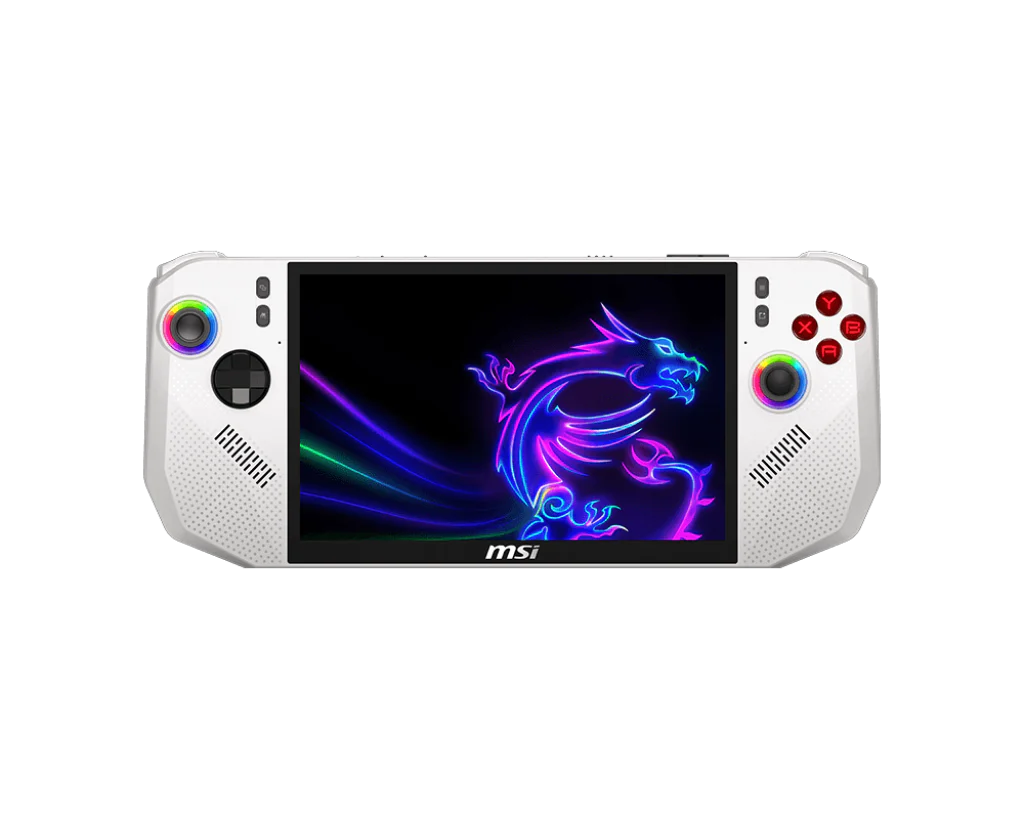
    AMD has been, and continues to be, quite secretive about the details of its upcoming Ryzen Z2 Extreme APU designed for handheld gaming devices. Earlier speculations suggested that this APU would be built on Team Red’s latest Strix Point architecture. A recent listing on Geekbench supports this theory by showing two separate CPU clusters: one featuring three cores (likely Zen 5) and another with five Zen 5c cores. This chip is set to power MSI’s new AMD-based Claw 8, which has already been tested with the same processor.

    Performance Scores

    In Geekbench 6.4, it achieved scores of 2,748 for single-core and 12,182 for multi-core performance. In comparison, the previous Ryzen Z1 Extreme managed scores of 2,534 and 11,358 in the same test. A quick look at its Geekbench listing suggests that the Ryzen Z2 Extreme is not operating at its promised boost clock of around 5.0 GHz, as this sample is capped at 4.3 GHz.

    Memory Specifications

    The Geekbench listing also indicates that the 16 GB of memory runs at 1,944 MT/s, which is considered quite slow for DDR5 memory. The Ryzen Z2 Extreme includes AMD’s RDNA 3.5-based Radeon 890M integrated GPU. It scored 45,064 and 37,970 points in Geekbench’s Vulkan and OpenCL tests, respectively, making it potentially up to 52% faster than the previous generation Radeon 780M. Overall, this chip appears to be a strong contender, and it will be fascinating to see how it performs at lower power levels.

    Source:
    link


  • AMD Zen 6 Leak: 7GHz Target and Moore’s Law Insights

    AMD Zen 6 Leak: 7GHz Target and Moore’s Law Insights

    Key Takeaways

    1. AMD is testing desktop CPUs, known as Olympic Ridge, that aim for speeds of 6.4 GHz, with a goal to exceed 7 GHz using the advanced N2X node technology.
    2. The transition to N2X represents a major upgrade from the current Zen 4 series, which is based on N4P, showcasing AMD’s commitment to progress in efficiency and clock speed.
    3. Most Zen 6 products, including APUs and EPYC processors, will likely use N2P or N3P processes, offering improved performance without reaching the same peak frequencies as Olympic Ridge.
    4. Laptop-class APUs like Medusa Halo are expected to achieve speeds of 6.2 to 6.5 GHz, indicating a 20% increase over current mobile processors.
    5. Achieving a 7 GHz Zen 6 desktop CPU would set a record for AMD and significantly impact the desktop performance competition.


    While this isn’t exactly breaking news, this article brings together trustworthy information from Moore’s Law Is Dead, a leaker known for its accuracy, and much of it aligns with what we have discussed earlier.

    AMD’s Bold Leap Forward

    Zen 6 represents one of AMD’s most daring advancements in recent times. Reports from Moore’s Law Is Dead indicate that the company is currently testing desktop CPUs that can reach speeds of 6.4 GHz, with the ultimate aim of exceeding “7 GHz.” These processors, known as Olympic Ridge, will utilize the N2X node, an upgraded version of TSMC’s 2 nm technology, signaling a major enhancement from the ongoing Zen 4 series based on N4P. The transition from N4P to N3P, then to N2P, and ultimately to N2X involves three complete node changes. To put this into perspective, AMD progressed from Zen+ (12 nm) to Zen 2 (7 nm) and subsequently to Zen 4 (5 nm), with each transition providing significant increases in efficiency and clock speed. If all goes as planned, Olympic Ridge could surpass the peak of 5.7 GHz seen in Zen 4 and might outperform Intel’s top Raptor Lake Refresh CPUs in single-threaded tasks.

    Variations in Product Lines

    Nonetheless, it’s crucial to understand that the 7 GHz target is specific to the desktop-class N2X variants. The majority of Zen 6 products—including the Medusa Point APU platform and Venice-class EPYC processors—will likely use the more established N2P or N3P processes. Although these components may not reach the same raw frequency as Olympic Ridge, they are still predicted to offer significant gains in efficiency and performance-per-watt. According to Moore’s Law Is Dead, AMD seems to be focusing its highest clock speeds on AM5 desktop SKUs, and might include a few select server variants. Meanwhile, laptop-class APUs like Medusa Halo are anticipated to reach speeds around 6.2 to 6.5 GHz, which would still represent a 20% increase over the current generation of mobile processors. Even though clock speed isn’t the sole factor in defining overall performance, AMD’s goal to surpass the 7 GHz threshold demonstrates its ambitious roadmap and readiness to embrace cutting-edge manufacturing techniques.

    Implications of Achieving 7 GHz

    Should AMD succeed, a 7 GHz Zen 6 desktop CPU would stand as the highest clocked x86 processor ever released by the company and could mark a significant milestone in the desktop performance race. While the final shipping frequencies remain uncertain, internal tests and sourcing imply that AMD is on course to achieve a substantial advancement with Olympic Ridge.

  • Zen 6 Desktop Chips Expected Late 2026 After APU and EPYC Launch

    Zen 6 Desktop Chips Expected Late 2026 After APU and EPYC Launch

    Key Takeaways

    1. AMD plans a staggered rollout for its Zen 6 family, starting with APUs and server components.
    2. High-end desktop models are expected to be released later, with the flagship N2X versions likely available by late 2026.
    3. Mainstream desktop CPUs based on the N2P may debut as early as August 2026.
    4. AMD prioritizes mobile and server platforms before introducing ultra-high-performance desktop components.
    5. The multi-node strategy will see different Zen 6 derivatives using N2P, N3P, and N2X based on market needs.


    AMD seems to have a plan for rolling out its Zen 6 family in a staggered manner, as mentioned by Moore’s Law Is Dead. The initial phase will include APUs and server components, with high-end desktop models coming later. Olympic Ridge, which utilizes the advanced N2X node, is slated to be the last part of this phased release. There’s a chance that some mainstream desktop CPUs based on the N2P could show up as early as August 2026, but the flagship N2X versions are likely to be available closer to the year’s end. AMD’s decision to focus first on APUs and EPYC chips indicates that they are prioritizing volume and mobile/server platforms before introducing ultra-high-performance desktop components. This plan fits well with AMD’s current multi-node strategy, where various Zen 6 derivatives will employ N2P, N3P, and N2X depending on the market segment and target TDP.

    Late 2026 Launch for Zen 6 Desktops

    If this report holds true, we could see Zen 6 desktop CPUs making their debut in late 2026. AMD is spacing out their releases to coincide with node readiness and the demand within different segments of the market. The deliberate approach highlights AMD’s strategy to ensure that they meet both production capabilities and consumer needs, rather than launching everything all at once.

    YouTube Insights

    The insights come from the YouTube channel, Moore’s Law Is Dead, which has been known for its accurate predictions and analyses. As the landscape of CPUs continues to evolve, AMD’s approach to the Zen 6 family could reshape their competitive edge in the market, setting the stage for future innovations.

    Source:
    Link

  • Mark Cerny: RDNA 5 Features PS6 Development Insights

    Mark Cerny: RDNA 5 Features PS6 Development Insights

    Key Takeaways

    1. RDNA 5, AMD’s upcoming GPU architecture, includes features developed in collaboration with Sony for the PlayStation 6.
    2. Project Amethyst focuses on creating AI tools for gaming, including upscaling and frame generation, leveraging convolutional neural networks.
    3. FSR 4, AMD’s new temporal upscaler, will enhance graphics on current consoles and serve as a foundation for future updates like PSSR for PS5 Pro.
    4. Development efforts are streamlined to allow developers to improve games easily, with Sony’s quality assurance team significantly reducing model tuning time.
    5. Sony is preparing for a PS6 launch around 2027-2028, with ongoing collaboration with AMD to develop shared upscaling technologies and AI-centric hardware across devices.


    In a recent conversation, Mark Cerny, the hardware architect for PlayStation, disclosed that RDNA 5, which is AMD’s upcoming GPU architecture, has elements created in partnership with Sony for their next console, likely the PlayStation 6.

    Project Amethyst

    This confirmation aligns with Project Amethyst, a collaboration between AMD and Sony aimed at developing AI tools for gaming. Announced in late 2024, the initiative focuses on AI-driven techniques such as upscaling, ray tracing, and frame generation.

    New Technology Developments

    Both companies are working on convolutional neural network (CNN) models for image processing. These models are intended to operate on consoles, PCs, and in the cloud. They are similar to those used in computer vision, which are great at interpreting images, making them well-suited for upscaling and frame generation tasks.

    The first major outcome is FSR 4, which is AMD’s newest temporal upscaler. This will also form the basis for an upcoming PSSR update for the PS5 Pro.

    Streamlined Development

    Designed as a “drop-in replacement,” this system will let developers improve current games without needing to revamp their rendering processes, much like DLSS. Sony’s quality assurance team played a crucial role in speeding up Amethyst’s model tuning, reportedly reducing development time by several years. This effort is now influencing the graphics pipeline for the PS6 and feeding into AMD’s overall GPU strategy.

    Cerny mentioned that RDNA 5 is more than just a step forward for AMD; it incorporates “engineering work we’ve been doing for the next-gen console,” suggesting a long-term development plan that hints at a potential PS6 launch around 2027 or 2028.

    Future Hardware

    Reports indicate that Sony’s next-gen console SoC is already undergoing pre-silicon validation, featuring a Zen 5 CPU alongside a UDNA GPU, which is likely a successor to RDNA 5. There are also rumors of a handheld device with similar architecture in development, indicating a unified AI-centric rendering system across future PlayStation devices.

    While these details are unofficial, they reflect the increasing collaboration between Sony and AMD on shared upscaling technologies and hardware co-design.

    Sony seems to be planning to release PS5 Pro hardware to help studios get accustomed to ML-accelerated processes ahead of the AI-focused PlayStation 6 era. Cerny described this as preparatory work, saying, “What I’m trying to do here is prepare for the next generation of consoles. So my timeframe is multi-year.”

    Broader Implications

    Interestingly, AMD has also stated that their work with Sony is not proprietary, implying that some of this technology might benefit the wider gaming ecosystem, including both PC and console platforms.

    For those interested in a more detailed technical exploration of what these developments could mean for console graphics, Digital Foundry has discussed the evolving partnership between AMD and Sony in their latest episode. You can check out the video linked below.

    Source:
    Link