Tag: amd

  • Doubts About New Xbox Console Being Arm-Based Due to Backward Compatibility

    Doubts About New Xbox Console Being Arm-Based Due to Backward Compatibility

    Key Takeaways

    1. A recent job listing suggests a possible shift to Arm-based Snapdragon processors for a new Xbox console, moving away from the current AMD x86 architecture.
    2. Jez Corden from Windows Central doubts this shift due to backward compatibility concerns, stating that new Xbox systems could launch as early as 2027.
    3. The Qualcomm job ad indicates a focus on supporting next-generation Surface and Xbox products, but Corden claims the next Xbox will likely use familiar hardware instead of Qualcomm chips.
    4. An Xbox handheld using Arm technology could be more power-efficient than AMD x86 options, but Microsoft prioritizes backward compatibility and game preservation.
    5. Microsoft is focusing on enhancing its Windows user interface for gamers while continuing hardware development, despite the uncertainty surrounding the next Xbox console.


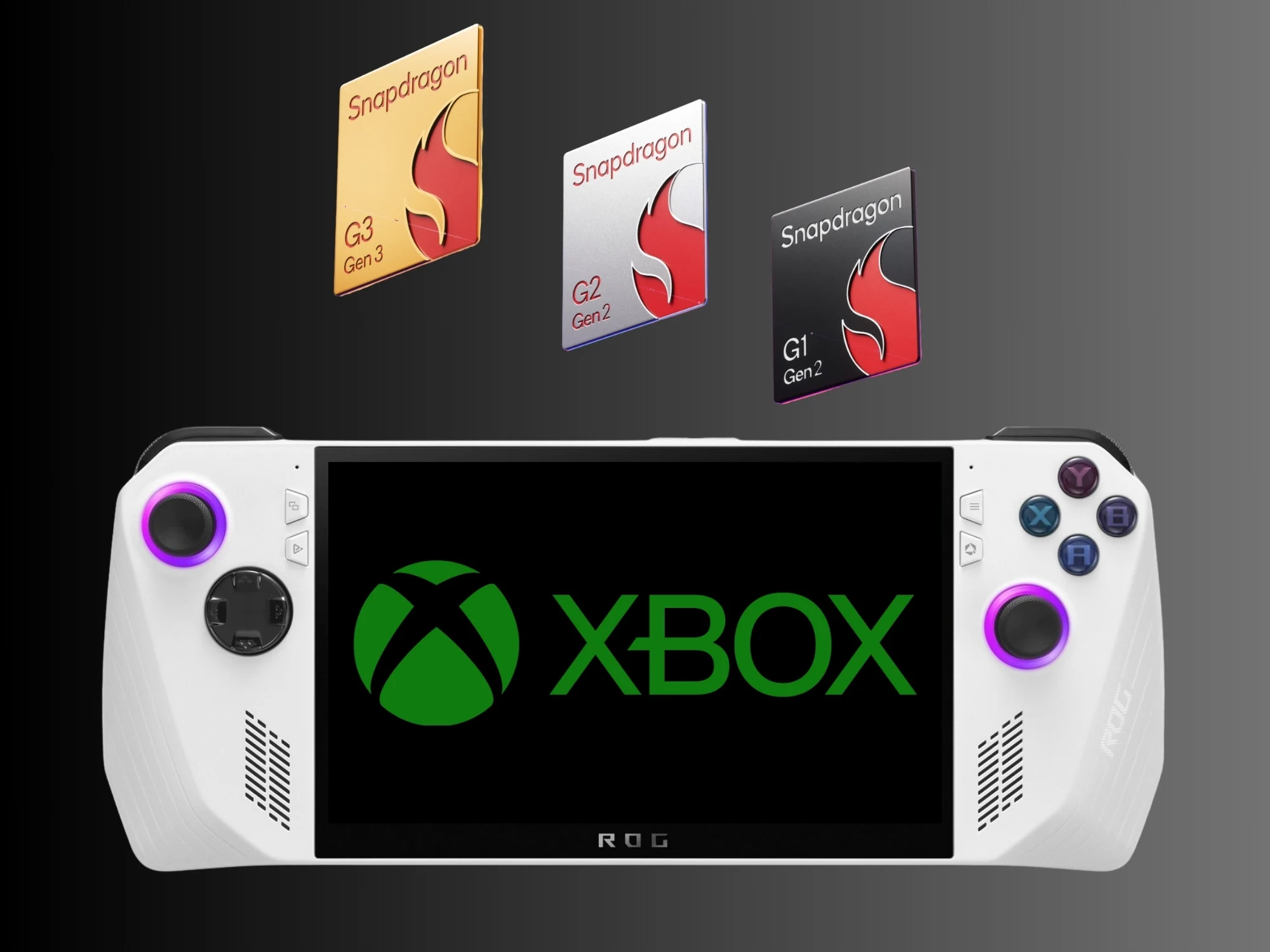
    A recent job listing hints that a new Xbox console might use an Arm-based Snapdragon processor. This would mark a significant change from the AMD x86 architecture that current Microsoft consoles depend on. Nevertheless, Jez Corden from Windows Central thinks that backward compatibility concerns make this concept somewhat unlikely. Previously, Corden mentioned that new Xbox systems could be launched as early as 2027.

    Job Posting Insights

    The Qualcomm job advertisement, found by Brad Sams, is for a Sales Director position in Redmond, Washington, which is home to Microsoft. One responsibility of the role includes “supporting the sell-in activities for the next generation of Surface and Xbox products built on Snapdragon solutions.” The selected candidate would also “assist in defining the next generation Surface and Xbox portfolios.”

    Hardware Expectations

    Despite what the job ad suggests, Jez Corden is quite sure that the next Xbox console will use hardware that gamers are already familiar with. He has confirmed with a source that the consoles “are not based on Qualcomm chips.” Corden feels that replicating Xbox games made for the x86 architecture would be too complicated. However, the individual in the Qualcomm position could enhance gaming experiences on the 12-inch Surface Pro, which operates on an Arm-based chip. Many similar Microsoft devices have trouble playing or even allowing the installation of Xbox games.

    Efficiency and Future Plans

    An Xbox handheld utilizing Arm technology would be more power-efficient. It would outperform AMD x86 options like the Asus ROG Ally in terms of energy consumption. However, Microsoft prioritizes backward compatibility and game preservation. In fact, the rumored Project Kennan is said to be a partnership with Asus, likely resembling the ROG Ally. Rather than altering hardware, Microsoft seems to be concentrating on making its Windows user interface more friendly for gamers.

    Although many aspects of the upcoming Xbox consoles remain unclear, even with the removal of Snapdragon support, it’s evident that Microsoft is still committed to hardware development while releasing titles on various platforms.

    Source:
    Link

  • AMD Zen 6 Leak: 50% Boost in 3D V-Cache and Core Count

    AMD Zen 6 Leak: 50% Boost in 3D V-Cache and Core Count

    Key Takeaways

    1. AMD plans to increase the CPU core count per CCD to 12 for Zen 6 CPUs, a 50% increase from the 8-core CCDs in Zen 5.
    2. Zen 6 CPUs will feature larger L3 cache sizes, with around 48 MB per CCD for client models and up to 128 MB for server models.
    3. The potential total core count for the flagship Zen 6 chip could reach 24 cores and 48 threads.
    4. Future Ryzen 7 X3D CPUs might offer 12 cores and a total of 144 MB of L3 cache, significantly enhancing gaming performance.
    5. Current information is speculative, and final specifications for Zen 6 CPUs are yet to be confirmed.


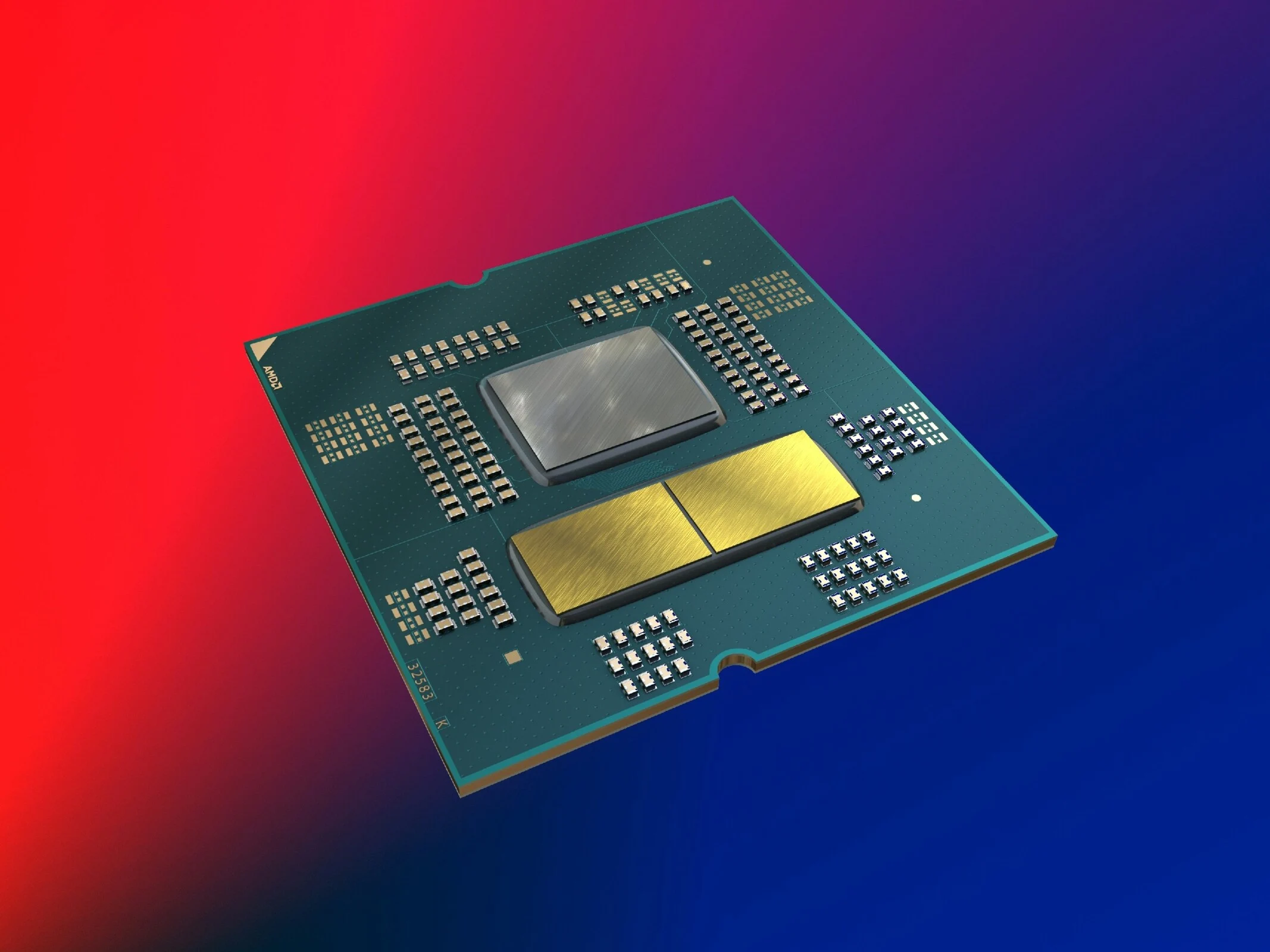
    Thanks to a lot of reports that have come out recently, we now have a clearer picture of what AMD is planning with their Zen 6 CPU architecture. The main areas AMD is looking at include increasing the CPU core count, enlarging the L3 cache, and raising clock speeds, which should provide a significant performance boost compared to Zen 5.

    Core Count and Cache Size Updates

    Regarding the increase in CPU core counts and L3 cache sizes, there’s now more evidence about AMD’s intentions. HXL shared information on X, indicating that AMD plans to raise the core count per CCD to 12 for the Zen 6 CPUs. This marks a 50% increase compared to the current Zen 5 Ryzen 9000 CPUs, which utilize 8-core CCDs. Therefore, the flagship Ryzen 9 9950X uses two 8-core CCDs. If this trend continues, the Zen 6 flagship chip could potentially feature as many as 24 total cores and an impressive 48 threads.

    Plans for Epyc Server CPUs

    Moreover, AMD might also be working on 32-core CCDs for their Epyc server CPUs. To fit 32 cores on a single CCD, the cores will likely need to be notably smaller than those found in the client Zen 6 CPUs. Thus, it’s expected that there will be 32 Zen 6c cores per CCD rather than the standard Zen 6 cores.

    As previously mentioned, Zen 6 CPUs will also feature more L3 cache compared to their Zen 5 predecessors. HXL reports that the client “Olympic Ridge” Zen 6 SKUs will have around 48 MB of L3 cache per CCD, while server chips could see a massive 128 MB L3 cache per CCD.

    Comparison with Current Models

    For context, the Ryzen 9 9950X provides 32 MB of L3 cache per CCD, resulting in a total of 64 MB. Thus, the increase in L3 cache could mean that the dual-CCD Ryzen 9 Zen 6 flagship could reach 96 MB total. This is quite significant for average users, and a per-CCD L3 cache of 48 MB is also substantial for gamers.

    The Ryzen 7 9800X3D, which is currently the fastest gaming CPU available, has one CCD with 8 cores, 16 threads, and 32 MB of L3 cache. With a single 64 MB 3D V-Cache stack positioned below the CCD, the total L3 cache amounts to 96 MB. If Zen 6 indeed offers 48 MB of L3 cache per CCD, then the successor to the Ryzen 7 9800X3D could potentially have 112 MB of total L3 cache, assuming AMD maintains the same 3D V-Cache amount.

    Potential for a New Gaming Champion

    This is where things become really intriguing. Kepler_L2 responded to HXL’s post, suggesting that AMD might also raise the total 3D V-Cache from 64 to 96 MB. When combined with the 48 MB of L3 cache for a Zen 6 CCD, a future Ryzen 7 X3D CPU could feature 12 cores and a whopping 144 MB of L3 cache.

    In summary, if AMD does launch a Zen 6 X3D chip with 144 MB of cache, 12 cores, and higher clock speeds than the Ryzen 7 9800X3D, Team Red might just hold onto the gaming performance title for another generation. However, this information is still speculative and based on rumors. The exact specifications of the final Zen 6 CPUs remain to be seen.

    Source:
    Link

  • RX 9070 GRE Review: 28% Faster than RTX 5060 Ti 16GB

    RX 9070 GRE Review: 28% Faster than RTX 5060 Ti 16GB

    Key Takeaways

    1. AMD launched the Radeon RX 9070 GRE in late April, specifically for the Chinese market, featuring the Navi 48 GPU and 12 GB of GDDR6 VRAM.
    2. Priced at RMB 4,199 (around $582), the RX 9070 GRE is more affordable than its main competitor, the RTX 5070, which costs 4,599 RMB.
    3. Performance benchmarks show the RX 9070 GRE outperforms the RTX 5060 Ti 16 GB by about 30% but is approximately 8% slower than the RTX 5070.
    4. At 4K resolution, the RX 9070 GRE struggles due to lower memory bandwidth compared to the RX 9070, though it performs well in ray tracing for most games.
    5. Currently, the RX 9070 GRE is only available in China, with no confirmation on global release plans.


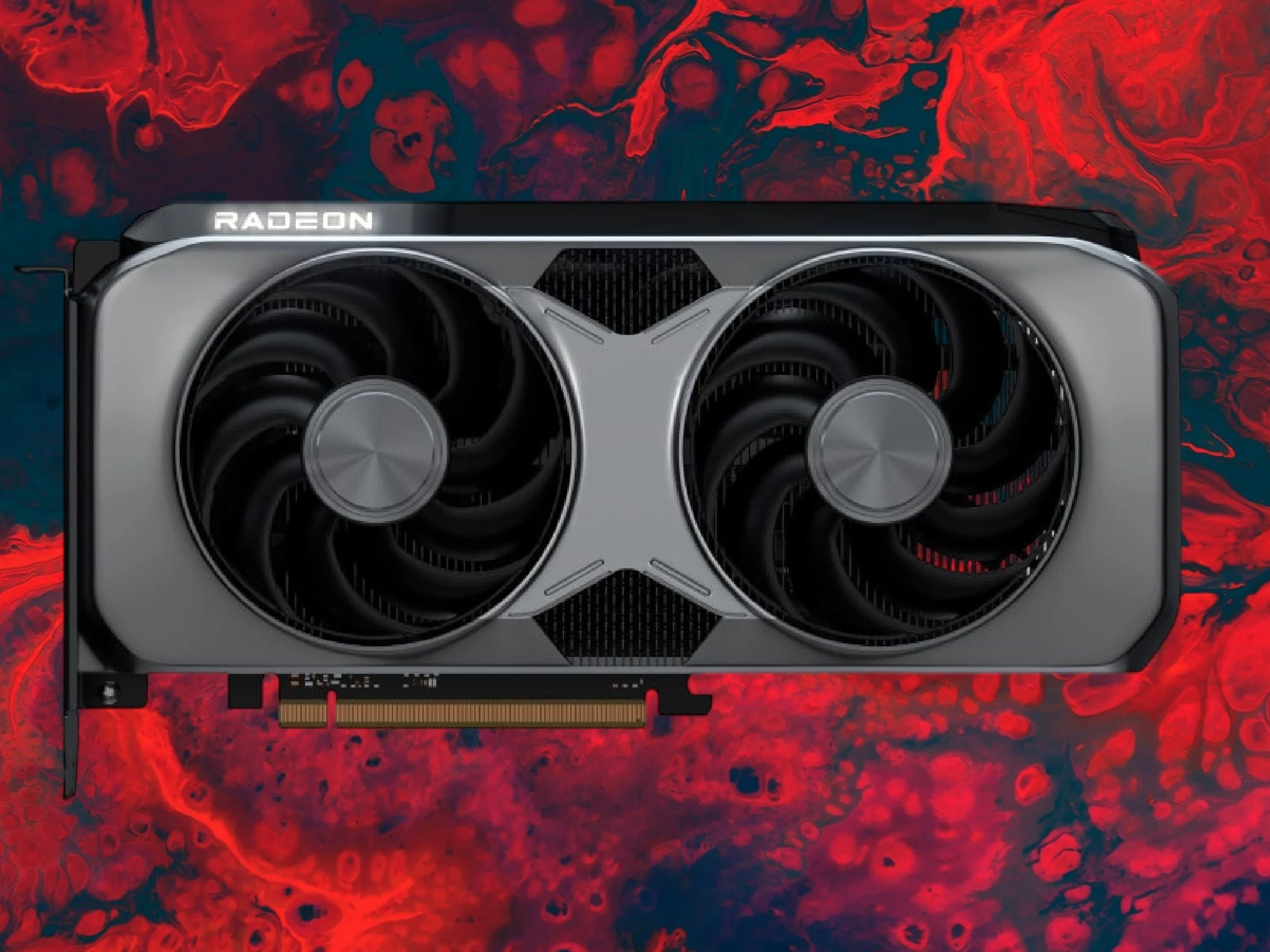
    AMD launched the Radeon RX 9070 GRE specially for the Chinese market in late April. This latest RDNA 4 graphics card uses the same Navi 48 GPU as found in the RX 9070 and RX 9070 XT, and it comes equipped with 12 GB of GDDR6 VRAM. AMD stated that even with a reduced Navi 44, the RX 9070 GRE is capable of outperforming the RX 7900 GRE at 1440p resolution.

    Pricing Overview

    This performance claim generated excitement, especially since the RX 9070 GRE was priced starting at just RMB 4,199, which is about $582. In comparison, the RTX 5070, which is the RX 9070 GRE’s main rival, has a suggested retail price of 4,599 RMB in China, making it roughly 9.5% more expensive than the RX 9070 GRE. Initial performance reviews of the RX 9070 GRE have surfaced, and while it may not meet AMD’s high expectations, it still shows to be a reliable performer.

    Performance Analysis

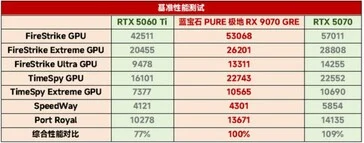
    Starting with benchmarks from the synthetic 3DMark test suite, 163.com noted that the RX 9070 GRE outperforms the RTX 5060 Ti 16 GB by about 30% and is roughly 8% slower than the RTX 5070. Smzdm has reported similar performance metrics for the RX 9070 GRE as well.

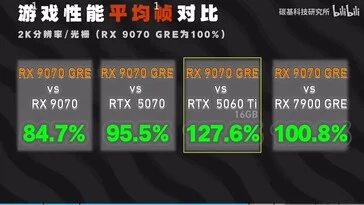
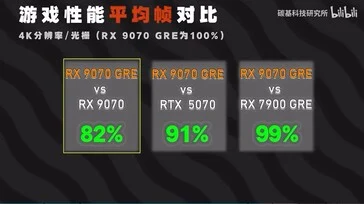
    In gaming tests, the RX 9070 GRE showcased a notable lead over the RTX 5060 Ti 16 GB and trails only slightly behind the RTX 5070. A video review by Carbon Based Technology on bilibili mentions that the RX 9070 GRE is performing:

    Interestingly, the RX 9070 GRE seems to match the performance of the RX 7900 GRE at 1440p. AMD had previously claimed that the RX 9070 GRE maintains a 6% advantage over the RX 7900 GRE at 2K resolutions. This assertion was challenged by the review from Carbon Based Technology.

    4K Performance

    When tested at 4K, the RX 9070 GRE underperformed, likely due to its 33% shortfall in memory bandwidth compared to the RX 9070. Reports indicate that at 4K, the RX 9070 GRE is:

    Furthermore, in terms of ray tracing capabilities, the RX 9070 GRE appears to perform quite well. Expreview mentions that, except for the Nvidia-sponsored Cyberpunk 2077, the RX 9070 GRE competes closely with the RTX 5070 in titles like F1 24 and Assassin’s Creed: Shadows.

    To conclude, the RX 9070 GRE seems like a formidable graphics card. It competes against the RTX 5070 while being more affordable. The performance gap between the two graphics cards is minimal, leading Expreview to suggest that gamers shouldn’t be “too picky” since the “actual experience is nearly identical.”

    Unfortunately, the RX 9070 GRE is currently limited to China. It remains uncertain when, or if, the card will be made available globally.

    Source:
    Link


  • Radeon RX 9060 XT Release Date Revealed: Nvidia RTX 5060 Ti Rival

    Radeon RX 9060 XT Release Date Revealed: Nvidia RTX 5060 Ti Rival

    Key Takeaways

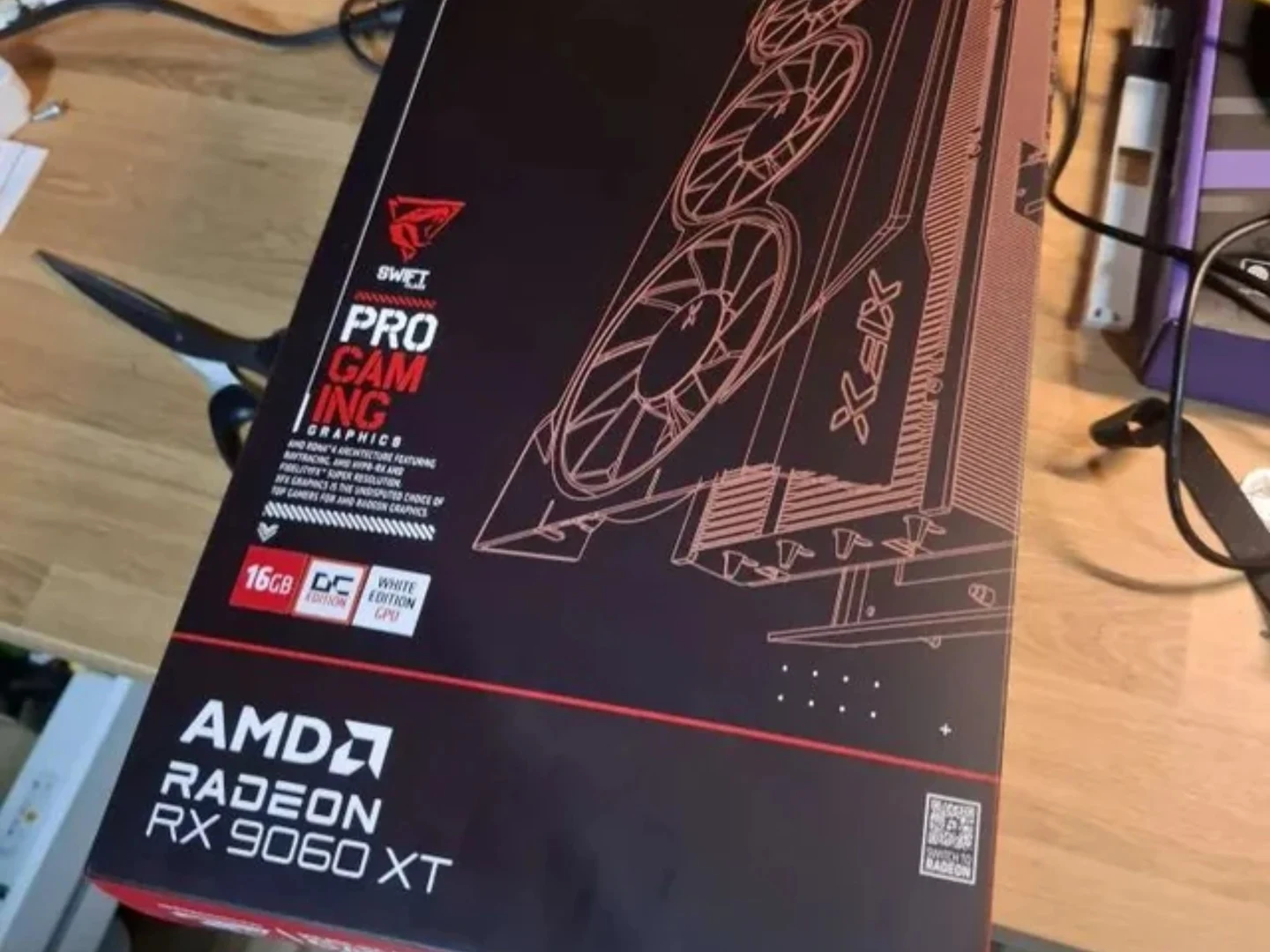
    1. AMD plans to launch a more affordable GPU, the Radeon RX 9060 XT, around May 21, 2025, coinciding with Computex 2025.
    2. The Radeon RX 9060 XT will target the GeForce RTX 5060 Ti and may offer 8 GB or 16 GB of VRAM, with a starting price of $299.
    3. There are rumors that AMD might cancel the 8 GB variant, which could raise the price to between $329 and $379.
    4. The Radeon RX 9060 XT is expected to use GDDR6 VRAM, a 128-bit memory interface, and PCIe 5.0 x8 bandwidth.
    5. The card is rumored to feature 2,048 Compute Units, a 42% decrease compared to the Radeon RX 9070.


    The Radeon RX 9070 series is close to hitting its two-month mark, having launched at the beginning of last month. Fresh reports suggest that AMD is planning to unveil a more affordable option to the Radeon RX 9070 and Radeon RX 9070 XT, likely around the same time Nvidia releases the GeForce RTX 5060.

    Upcoming Launch Details

    As many have speculated, the next desktop GPU from AMD will directly succeed the older Radeon RX 7600 XT (currently priced at $419.99 on Amazon). BenchLife has indicated that the Radeon RX 9060 XT is still on schedule for a May 21 release, coinciding with Computex 2025 in Taipei. However, the sales for AMD’s upcoming upper-midrange graphics card may not kick off until early June.

    Pricing and Specifications

    According to previous leaks, AMD aims to position the Radeon RX 9060 XT as a rival to the GeForce RTX 5060 Ti instead of the GeForce RTX 5060. To support this, AMD is likely to provide the card with options for 8 GB or 16 GB of VRAM, starting at $299. Though there are whispers that AMD might scrap the 8 GB variant at the last minute, which could result in the Radeon RX 9060 XT being priced between $329 and $379.

    Performance Expectations

    In any case, both versions are predicted to use GDDR6 VRAM, not the faster GDDR7 version. Additionally, all Radeon RX 9060 XT models are expected to come with a 128-bit memory interface and PCIe 5.0 x8 bandwidth instead of PCIe 5.0 x16. Currently, there are rumors that AMD has outfitted the card with 2,048 Compute Units (CUs), which is a 42% decrease compared to the existing Radeon RX 9070.

    Source:
    Link

  • AMD Radeon RX 9070 GRE: Affordable RDNA 4 GPU Coming in May

    AMD Radeon RX 9070 GRE: Affordable RDNA 4 GPU Coming in May

    Key Takeaways

    1. AMD officially announced the Radeon RX 9070 GRE in China, featuring a simplified Navi 48 GPU and 12 GB of VRAM.
    2. Pre-orders for the RX 9070 GRE started on JD.com, with shipments expected to begin on May 8th.
    3. AMD will not produce a reference design for the RX 9070 GRE; it will only be available through AIB partners like Asus, starting at approximately $450.
    4. The RX 9070 GRE boasts peak computing performance of 68.6 TFLOPs (half-precision) and 34.3 TFLOPs (single-precision) and is reportedly 6% faster than the RX 7900 GRE at 1440p.
    5. Global availability for the RX 9070 GRE is anticipated to follow a few months after its Chinese launch, similar to the RX 7900 GRE.


    Following the recent leaks about the Radeon RX 9070 GRE, AMD has now officially announced the GPU in China. This graphics card includes a simplified version of the Navi 48 GPU, which is also used in the RX 9070 and 9070 XT, and comes with 12 GB of VRAM.

    Pre-Order Listings

    A significant Chinese retailer, JD.com, has already put various RX 9070 GRE AIB models up for pre-order, with shipments expected to start on May 8th. There was a rumor suggesting that AMD postponed the RX 9070 GRE launch to Q4 2025, but this has been proven incorrect, raising doubts about the previously leaked RX 9060 XT release timeline.

    No Reference Design

    Similar to other RDNA 4 graphics cards, AMD has chosen not to produce a “Reference Design” for the RX 9070 GRE. Therefore, it will only be available through AIBs like Asus, starting at a price of 4,199 RMB, which is about $450. Currently, there is no information on when it will be available globally. Nevertheless, we can anticipate that the card will launch globally a few months after its release in China, following the same approach AMD took with the RX 7900 GRE.

    Performance Expectations

    The Radeon RX 9070 GRE utilizes the Navi 48 GPU, and

    AMD states that the RX 9070 GRE achieves a “Peak” half and single-precision computing performance of 68.6 TFLOPs and 34.3 TFLOPs, respectively.

    According to AMD, the RX 9070 GRE is on average 6% faster than the RX 7900 GRE at 1440p with the highest settings across 30 games. However, consider being cautious about this performance claim, as numbers from the manufacturer are often not entirely precise.

    If the Radeon RX 9070 GRE performs as AMD asserts, it should offer good value at approximately $450. Like other recent GPU launches, the ultimate value will rely significantly on whether gamers can find the RX 9070 GRE at its suggested retail price.

    Source:
    Link


  • AMD Delays RX 9070 GRE, Reveals Early RX 9060 XT Release Date

    AMD Delays RX 9070 GRE, Reveals Early RX 9060 XT Release Date

    Key Takeaways

    1. The RX 9060 XT is now set to launch on May 18, 2025, earlier than expected.
    2. Both 16 GB and 8 GB versions of the RX 9060 XT will be available at launch.
    3. The launch of the RX 9070 GRE has been postponed to the fourth quarter of 2025.
    4. The RX 9070 GRE is now expected to coincide with the Chinese 11.11 sales event on November 11.
    5. The RX 9060 XT may outperform the upcoming RTX 5060 non-Ti based on leaked specs and performance.


    We previously mentioned that the RX 9060 XT was expected to be launched in late May or early June 2025, following its reveal at Computex 2025. Similarly, the RX 9070 GRE was also anticipated to debut in May. However, new information emerging from Board Channels suggests that AMD has altered its plans.

    Launch Date for RX 9060 XT

    According to the latest reports, AMD has made the decision to release the RX 9060 XT sooner than initially expected. Both the 16 GB and 8 GB versions of this GPU could now hit the market on May 18th, just a few days ahead of Computex 2025. This timing allows AMD to potentially showcase partner cards or provide additional first-party benchmarks during the event.

    Changes for RX 9070 GRE

    In contrast, the launch of the RX 9070 GRE appears to have been postponed to the end of the year. Information from Board Channels indicates that the RX 9070 GRE was originally scheduled to be released on May 8th. Now, it seems that this GPU might arrive in the fourth quarter of 2025, just in time for the Chinese 11.11 sales event.

    The 11.11, known as “Singles’ Day,” takes place on November 11th every year. Being the largest shopping festival in China, it makes perfect sense for the RX 9070 GRE to be launched around this time.

    Upcoming Excitement

    Fortunately, May is almost here, so we won’t have to wait long to see what AMD has planned for gamers with the RX 9060 XT. However, judging by the leaked specs, performance, and pricing, the RX 9060 XT could outshine the RTX 5060 non-Ti, which is also set to launch in May.

    Get the Skytech Rampage RX 9070 XT gaming PC on Amazon.

    Source: Board Channels via @realVictor_M on X and Wccftech. Teaser image: Asus, Maxim Berg on Unsplash, edited.


  • Compact Radeon RX 6500 with Navi 24 GPU: No External Power Needed

    Compact Radeon RX 6500 with Navi 24 GPU: No External Power Needed

    Key Takeaways

    1. The RX 6500 XT faced harsh criticism upon its release in January 2022 for poor performance and high pricing, with some calling it the worst GPU release ever.
    2. The RX 6500 XT is priced at $200, features 4 GB of RAM, and operates on a 64-bit bus, making it unsuitable for contemporary AAA games.
    3. A new version, the RX 6500 non-XT, has been released with similar specifications but lower memory speeds, resulting in reduced memory bandwidth.
    4. The RX 6500’s low 55 W TDP allows it to draw power through the PCIe interface, making it suitable for compact PC builds.
    5. The RX 6500 is not currently available in Western markets, leading buyers to consider alternatives like the RX 6500 XT, RX 6600, and RX 7600.


    When AMD introduced the RX 6500 XT in January 2022 during the GPU crisis fueled by cryptocurrency mining, many critics condemned the card as a terrible product that should have never been created. For example, TechSpot’s Steven Walton referred to the RX 6500 XT as “the worst GPU release” he had ever seen. The backlash against the RX 6500 XT stemmed from its performance and its pricing.

    Pricing and Specifications

    Priced at $200 with only 4 GB of RAM on a 64-bit bus, the RX 6500 XT was seen as a poor choice for playing contemporary AAA games at that time. Fast forward three years, the standard Radeon RX 6500 has appeared, also sporting limited specifications.

    A Chinese AIB known as Zephyr has recently launched the “4G Dual ITX” RX 6500 non-XT, which shares the same memory and core setup as the RX 6500 XT. This card features a Navi 24 GPU, equipped with 1,024 Stream Processors, a boost clock of 2,066 MHz, 4 GB of 16 Gbps GDDR6 VRAM, a 64-bit bus, and a TDP of just 55 W. As the RX 6500 seems to have lower memory speeds compared to the RX 6500 XT, its memory bandwidth will be even less than the already modest 144 GB/s.

    What Makes It Unique?

    While the RX 6500 may not inspire much excitement, some users could find its low 55 W TDP appealing. This design allows the RX 6500 to draw power entirely through the PCIe interface. With a minimal power draw and without needing extra power cables, enthusiasts of compact PC builds can utilize the RX 6500 to create very small systems.

    So, if you need a simple display adapter for a PC monitor or a GPU to run lighter AAA or indie games, the RX 6500 might be a good fit.

    Availability Concerns

    Nonetheless, there is no news about the RX 6500 being available in Western markets. Therefore, those looking for budget-friendly GPUs should consider alternatives like the RX 6500 XT, RX 6600, and RX 7600, which are all purchasable from Amazon.

    Source: ITHome via @realVictor_M on X and VideoCardz, Teaser image: Zephyr, BoliviaInteligente on Unsplash, edited.

    Source:
    Link

  • AMD Ryzen Z2: Part of AMD’s Van Gogh Family Explained

    AMD Ryzen Z2: Part of AMD’s Van Gogh Family Explained

    Key Takeaways

    1. AMD showcased three Ryzen Z series processors at CES 2025: Ryzen Z2 Go, Ryzen Z2, and Ryzen Z2 Extreme.
    2. Only the Ryzen Z2 Go is currently available, while the other two models are expected to launch later this year.
    3. Two additional models, Ryzen Z2 A and Ryzen AI Z2 Extreme, are planned, with some details leaked about the Ryzen Z2 A.
    4. The Ryzen Z2 A will use AMD’s Van Gogh architecture, which is older technology compared to the other Z2 series processors.
    5. The Ryzen Z2 A is anticipated to be more affordable, potentially making handheld devices more accessible for consumers.


    AMD recently displayed three Ryzen Z series processors at CES 2025: Ryzen Z2 Go, Ryzen Z2, and Ryzen Z2 Extreme. Among these, only the Ryzen Z2 Go is currently available, while the other two are expected to launch later this year. Additionally, past information has suggested there are two more models planned, the Ryzen Z2 A and Ryzen AI Z2 Extreme. A fresh leak provides some insights on the Ryzen Z2 A.

    Details on Ryzen Z2 A

    Leaker @AnhPhuH, who first disclosed the Ryzen Z2 A, states that this chip will utilize AMD’s Van Gogh architecture. This architecture is the same type of tech that powers the Steam Deck, combining elements of Zen 2 and RDNA 2. In fact, its CPU is older than that of the Ryzen Z2 Go, which means the Ryzen Z2 A will be the weakest option among the group.

    Speculations and Expectations

    However, most of what we know about the Ryzen Z2 series is based on guesswork since the Ryzen Z2 (Hawk Point) and Ryzen Z2 Extreme (Strix Point) have not yet appeared. AMD’s lack of communication on this topic hasn’t helped either. Still, the Ryzen Z2 A is expected to make handheld devices more accessible, as this older chip should be less expensive than newer models, hopefully allowing manufacturers to pass on these savings to consumers.

    Source:
    Link

  • Zen 6 CPU Cores Outperform Intel E-Cores in Power Efficiency

    Zen 6 CPU Cores Outperform Intel E-Cores in Power Efficiency

    Key Takeaways

    1. AMD’s Zen 6 “Olympic Ridge” processors may feature a maximum core count of 24, utilizing new 12-core CCDs.
    2. Each CCD will have an increased L3 cache of 48 MB and could reach clock speeds up to 6 GHz with TSMC’s N2X process.
    3. The addition of two Zen 5 LP cores in the Olympic Ridge CPUs promises energy-efficient performance, achieving 65-75% IPC and 50-60% clock speeds compared to full Zen 5 cores.
    4. Zen 5 LP cores are expected to have clock speeds between 2.5-3.5 GHz and consume 1 W or less, making them more efficient than Intel’s E-cores.
    5. The launch of Zen 6 processors is anticipated in the second half of 2026, so current leaks should be viewed with skepticism.


    It’s apparent to those keeping an eye on the latest Zen 6 leaks that AMD is gearing up for some major enhancements in their Zen 6 lineup. In particular, the “Olympic Ridge” desktop processors are rumored to see a maximum core count boost to 24, thanks to the introduction of 12-core CCDs. Additionally, there’s an increase in L3 cache, now totaling 48 MB for each CCD. The new Zen 6 CCDs will utilize TSMC’s advanced N2X process, which might enable the boost clock to hit a remarkable 6 GHz. The IOD chiplet is expected to use either the N3P or N6 process.

    Noteworthy Changes

    One intriguing detail that might be missed is the anticipated addition of two Zen 5 LP cores in the Olympic Ridge desktop CPUs. According to Moore’s Law Is Dead, these low-power cores are more than just a gimmick. The leak suggests that these Zen LP cores perform well while also being energy-efficient.

    In conversations with Tom, a source from AMD indicated that the Zen 5 LP cores can achieve approximately 65-75% of the IPC and 50-60% of the clock speeds compared to the full Zen 5 “Classic” cores. These performance assessments were reportedly done using the 4 nm process. Therefore, if AMD opts for N3P for the IOD die, the performance of the Zen 5 LP cores in Olympic Ridge CPUs could vary.

    Impressive Performance

    Based on these findings, MLID predicts that Zen 5 LP cores could reach clock speeds between 2.5-3.5 GHz with an IPC that falls “between Zen 3 and Zen 4.” What’s even more remarkable is that achieving this level of performance demands minimal energy.

    According to one of AMD’s internal presentations shared by MLID, the Zen LP cores are categorized as “Client” products aiming for “Peak Core Efficiency.” The presentation shows that each Zen 5 LP core consumes 1 W or less, making them more efficient than Intel’s E-cores.

    In simpler terms, the Zen 5 LP cores not only provide solid performance to enhance multi-core tasks but also do so while being economical with power usage.

    Caution Ahead

    Even with these exciting updates, it’s crucial to remain cautious, as the Zen 6 processors won’t launch until the second half of 2026. Therefore, it’s wise to view MLID’s insights with some skepticism.

    Source:
    Link


  • New AMD Ryzen Z2 APU for Gaming Handhelds: Tips and Features

    New AMD Ryzen Z2 APU for Gaming Handhelds: Tips and Features

    Key Takeaways

    1. AMD launched the Ryzen Z2 series of APUs for upcoming gaming handhelds, including Ryzen Z2, Z2 Go, and Z2 Extreme.
    2. The Ryzen Z2 series features three generations: Rembrandt, Hawk Point, and Strix Point, but currently lacks built-in NPUs.
    3. New models, Ryzen Z2 ‘A’ and Ryzen AI Z2 Extreme, may be introduced, with the latter expected to include an NPU for improved AI performance.
    4. Hawk Point and Strix Point APUs have NPUs, suggesting future AI integration could enhance gaming features like upscaling and frame generation.
    5. Information about new models and features should be viewed skeptically until officially confirmed by AMD.


    Earlier this year, AMD introduced its Ryzen Z2 series of APUs aimed at powering many upcoming gaming handheld devices. This lineup includes the Ryzen Z2, Z2 Go, and Z2 Extreme, and interestingly, it incorporates three different generations: Rembrandt, Hawk Point, and Strix Point. Notably, none of these APUs come with a built-in NPU, although a recent tweet suggests this might change in the future.

    Possible New Variants

    According to leaker @AnhPhuH, the Ryzen Z2 series might soon expand with two new models: the Ryzen Z2 ‘A’ and the Ryzen AI Z2 Extreme. The latter is evidently a version of the Z2 Extreme featuring an NPU to enhance AI performance, while the former remains somewhat of a enigma. There’s a chance that it could just be a mistake—maybe the source forgot an ‘I’—but that’s still unconfirmed. The Ryzen Z2 Go is already a low-end option, and there’s not much space between the original Ryzen Z2 and the Z2 Extreme for an entirely new variant.

    AI Integration for Gaming

    As noted by VideoCardz, both Hawk Point and Strix Point APUs are recognized for having NPUs, which makes the idea of integrating AI more believable. It’s likely that technologies like upscaling and frame generation will significantly enhance handheld gaming experiences, and a capable NPU would definitely aid features like FSR. However, as is the case with all leaks and speculation, it’s wise to take this info with a bit of skepticism. It won’t be long until we discover what AMD has planned for fans of handheld gaming.

    Source:
    Link