Tag: RX 9080 XT

  • AMD RX 9080 XT price vs Nvidia could doom RTX 50 rival

    AMD RX 9080 XT price vs Nvidia could doom RTX 50 rival

    Key Takeaway

    – AMD’s rumored flagship RX 9080 XT may be canceled to preserve a price advantage over Nvidia.
    – The RX 9000 series uses cheaper GDDR6 VRAM while RTX 50 cards use expensive GDDR7.
    – A cheaper RX 9070 XT refresh with more GDDR6 is suggested as an alternative to a costly RX 9080 XT.
    – Current pricing shows a 25%+ gap between the RTX 5070 Ti (~$900) and RX 9070 XT (~$700).


    Rumors of AMD’s RDNA 4 Flagship in June

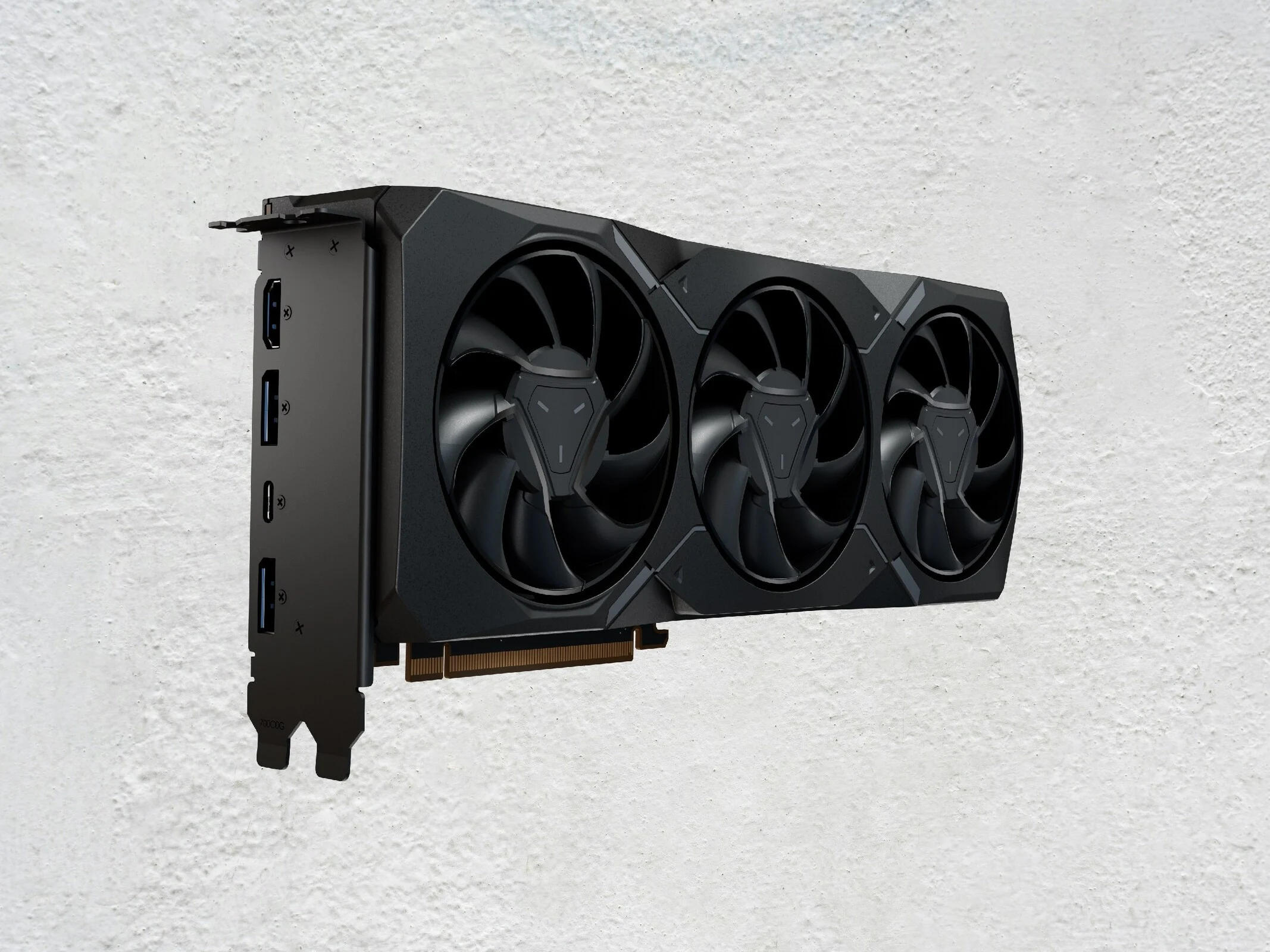
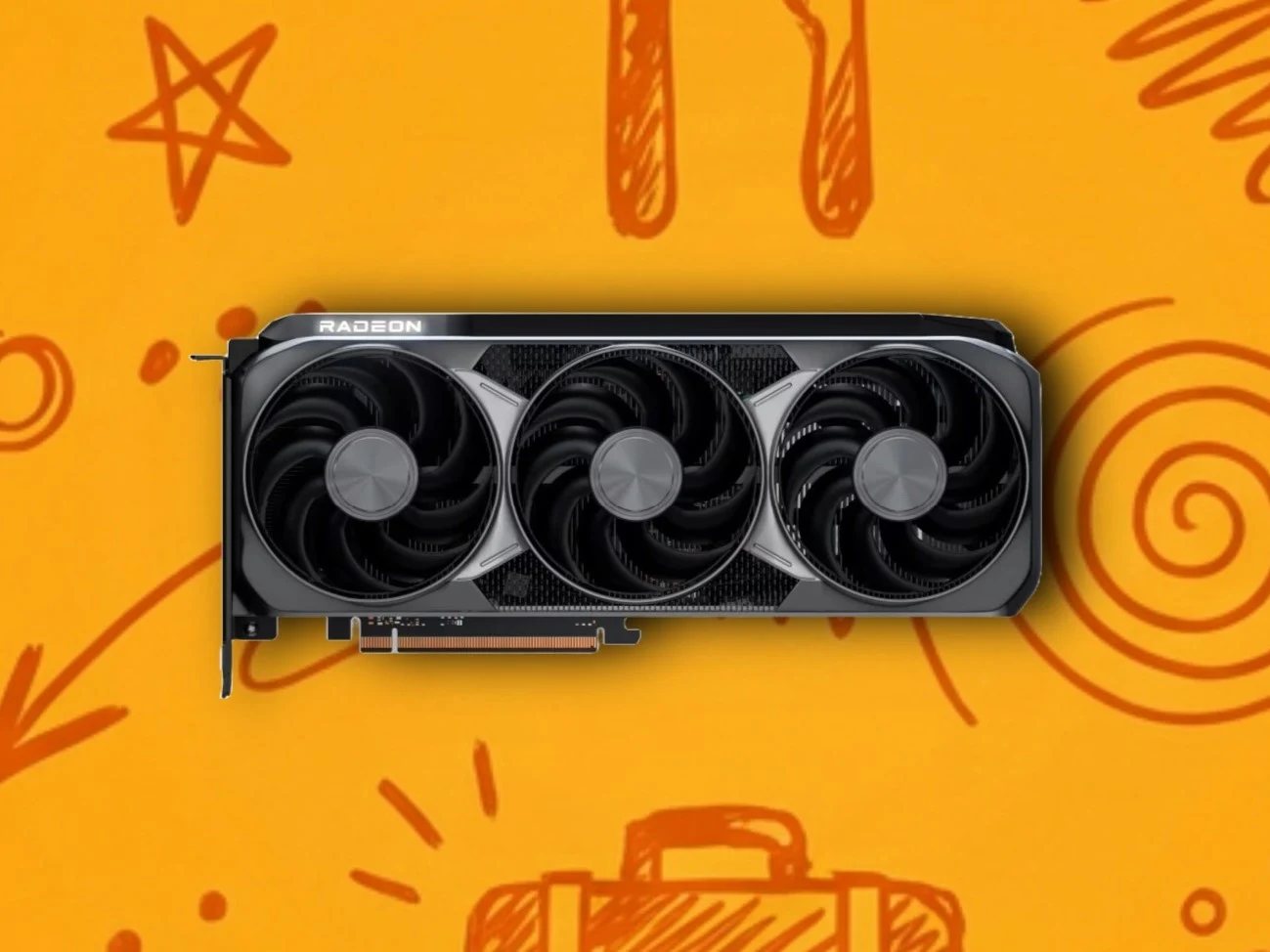
    Earlier in June, we herd rumors of AMD preparing high-end/flagship RDNA 4 GPUs for release in late 2025. The RX 9080 XT was expected to be among the GPUs under development. This seemed like AMD’s strategy to counter the RTX 50 Super series that Moore’s Law Is Dead recently leaked.

    Moore’s Law Is Dead’s New Theory

    Moore’s Law Is Dead now thinks that the RX 9080 XT, which could’ve been AMD’s RTX 5080 Super-killer, might not launch at all. The leaker explains that, due to the sharp increase in the price of GDDR7 memory, Nvidia GeForce RTX 50 cards are generally more expensive than the competing RX 9000 series GPUs. The reason for this is mainly the use of GDDR6 VRAM in the RX 9000 series boards. MLID reports that the price of GDDR6 is much better than GDDR7, and GDDR6 is going to get even cheaper.

    AMD’s Price Advantage Over Nvidia

    This gives AMD a major price advantage over Nvidia, not only in regard to the current crop of RTX 50 cards but also the upcoming RTX 50 Super refresh GPUs, as they reportedly also use GDDR 7 memory. MLID suggests that AMD might not want to lose this advantage by launching an RX 9080 XT with 32 GB of GDDR7 VRAM.

    Alternative Strategy Suggested

    The leaker’s personal opinion is that it makes more sense for AMD to refresh the RX 9070 XT with more GDDR6 VRAM and higher clocks to go against the RTX 5080 than to develop a new card with GDDR7 VRAM, which would make the card quite expensive.

    Current Market Pricing Evidence

    While we have no insight into AMD’s plans for the RTX 50 Super series, MLID’s argument against the RX 9080 XT does hold some weight. The RTX 5070 Ti with 16 GB of GDDR7 is currently at or above $900 on Amazon. The RX 9070, on the other hand, can be found for under $700 on Amazon. So, there is more than a 25% difference between the price of the RTX 5070 Ti and the RX 9070 XT.

    Future Outlook for RDNA 4

    It remains to be seen what becomes of the RX 9080 XT and whether or not AMD launches new RDNA 4 GPUs this year. We are looking forward to Nvidia revealing the RTX 50 Super cards, if they exist. More options are always better for consumers. We just need those options at reasonable prices.

    • RX 9080 XT: 32 GB GDDR7 VRAM rumored
    • RTX 5070 Ti: 16 GB GDDR7, ~$900+
    • RX 9070 XT: Under $700 with GDDR6
    • GDDR6 prices falling, GDDR7 rising
    Sources
  • AMD to Launch Stronger RDNA 4 Variants to Compete with RTX 5080

    AMD to Launch Stronger RDNA 4 Variants to Compete with RTX 5080

    Key Takeaways

    1. AMD is reportedly developing a premium RX 9080 XT model and plans to update its RDNA 4 graphics card lineup in 2025.
    2. New Radeon GPUs targeted at professionals may feature up to 48 GB of VRAM and are expected to launch soon.
    3. Stronger variants of RDNA 4 graphics cards are anticipated later this year, potentially including the RX 9080 XT.
    4. AMD aims to enhance its presence in the high-end GPU market, especially as Nvidia shifts focus to AI and reduces RTX 50 stock.
    5. AMD’s improved GPU drivers and technologies like FSR 4 may give it an advantage over Nvidia’s offerings in the upcoming high-end GPU segment.


    We shared recently that AMD appears to be working on a premium RX 9080 XT model. Moore’s Law Is Dead has also mentioned a possible launch schedule for revamped high-end RDNA 4 graphics cards, based on info from various AIB and industry insiders.

    Possible Refresh Timeline

    According to MLID, an AIB source indicated that AMD may be updating its lineup sometime in 2025. There’s also speculation that Team Red could introduce new Radeon GPUs aimed at professionals, featuring up to 48 GB of VRAM.

    Stronger Variants Coming

    Another AIB contact reported from “AMD representatives” that there will be “strong variants” of RDNA 4 launched later this year. Although the specifics of these “stronger” RDNA 4 models remain unclear, it is reasonable to think that the RX 9080 XT could be among them.

    So what are the implications of all this?

    AMD’s Market Positioning

    To begin with, AMD might be preparing to fill the gap in the high-end/flagship segment of the RDNA 4 GPU range. With an RTX 5080 Super challenger on the horizon, AMD could significantly enhance its presence in the gaming sector, especially since Nvidia is reportedly reducing its RTX 50 gaming stock to shift focus to the AI market. Thus, while gamers might struggle to find high-end RTX 50 models, the new RX 9080 XT could serve as a solid alternative.

    When the announcement surfaced in 2024 that AMD wouldn’t introduce high-end flagship GPUs to rival the RTX 5080/5090, fans were left speculating about the reasons behind this. Some believed AMD was unable to get the rumored Multi-Chip Module (MCM) RDNA 4 flagship functioning. Others thought it didn’t make financial sense to enter a market where Nvidia had reigned supreme for several generations.

    Nonetheless, there was an alternative perspective: AMD may have believed that the software ecosystem wasn’t fully developed enough to unleash the full capabilities of the high-end RDNA 4 GPUs.

    Considering this mix of reasons, it appears to be an opportune moment for AMD to roll out a high-end/flagship RX 9000 GPU. AMD currently has robust GPU drivers for RDNA 4, which arguably outperform Nvidia’s efforts with the RTX 50 series, along with impressive FSR 4 technology and promising developments like FSR Redstone on the horizon.

    Source:
    Link

  • AMD RX 9080 XT ES vs RTX 5080 Super: A Potential Rivalry

    AMD RX 9080 XT ES vs RTX 5080 Super: A Potential Rivalry

    Key Takeaways

    1. The graphics card operates at game clock speeds between 3.4 to 3.7 GHz and features a 256-bit GDDR7 memory interface with up to 32 GB of VRAM options (16 GB and 24 GB also available).

    2. It shows a 28% average performance increase at 4K resolution over the RX 9070 XT, with certain workloads achieving up to a 45% boost, positioning it against the RTX 5080 Super and possibly the RTX 4090.

    3. The GPU is likely based on an enhanced Navi 48 architecture, focusing on higher clock speeds and memory bandwidth without major redesigns, and may utilize advanced TSMC process nodes.

    4. AMD may adopt a strategy similar to the Radeon VII, potentially delaying the RX 9080 XT ES launch until a favorable market opportunity arises or competitive pressure increases.

    5. The launch timing could depend on the readiness of FSR4 (Redstone) and other strategic factors to ensure a competitive high-end product.


    Internal AMD lab tests have indicated that the graphics card operates at game clock speeds ranging from 3.4 to 3.7 GHz. This GPU is equipped with a 256-bit GDDR7 memory interface, and it can come with memory configurations of up to 32 GB of VRAM. There are also 16 GB and 24 GB memory options available. In terms of power consumption, the card exceeds 450 watts when under load, with some versions going beyond 500 watts when overclocked.

    Performance Benchmarks

    Early benchmark information shared privately with Moore’s Law Is Dead suggests that the performance at 4K resolution shows an average increase of 28% over the RX 9070 XT, with certain workloads reaching up to a 45% boost. This performance level puts the RX 9080 XT ES in direct competition with the RTX 5080 Super and possibly even the RTX 4090, depending on how it is implemented and its final clock speeds. However, it’s important to note that this is all still speculative.

    Architecture Insights

    The GPU is likely based on an enhanced Navi 48 architecture, and it seems that AMD is not planning any drastic redesigns. Rather, the company appears to be focusing on achieving higher clock speeds and increased memory bandwidth while maintaining a conventional monolithic design. It may also utilize TSMC’s N4X or even N3X process nodes to reach the reported performance levels. AMD has publicly laid out a roadmap that includes N2X and 1.4 nm nodes for future CPUs, making the usage of advanced nodes likely.

    Strategic Decisions Ahead

    Moore’s Law Is Dead suggests that the RX 9080 XT ES might adopt a strategy akin to that of the Radeon VII, which utilized a die-shrunk version of Vega to proactively counter NVIDIA’s shift to 7 nm technology. However, AMD has not yet confirmed any plans for a launch. The engineering sample may stay within the company unless AMD finds a suitable market opportunity or faces competitive pressure that necessitates a release.

    The ultimate choice could depend on the readiness of FSR4 (Redstone) along with various strategic factors. Multiple sources point to AMD potentially waiting to launch the RX 9080 XT alongside enhanced upscaling technology to deliver a truly competitive high-end product.

    Source:
    Link