Key Takeaways
1. The Nvidia GeForce RTX 50 Super series is expected to launch in late 2025 or early 2026, with no Founders Edition cards, only AIB partner models.
2. Nvidia may give partners only three to four weeks’ notice for the launch due to unchanged cooler designs and board layouts.
3. AMD’s upcoming Zen 6 Medusa Halo APUs will feature 48 RDNA5 compute units, competing with Nvidia’s RTX 5070 Ti Mobile and RTX 5080 laptop chips.
4. Price drops for GPUs are anticipated between $1,000 and $1,500, influenced by the popularity of Strix Halo devices.
5. Valve is likely developing a small console targeting 1440p 60 FPS gaming, and the RTX 6000 series is projected to launch in early 2027.
In his recent livestreams, Tom from the YouTube channel Moore’s Law Is Dead shared fresh insights regarding the Nvidia GeForce RTX 50 Super series launch, along with some leaks about Zen 6 and the RTX 6000 series.
Speculation on RTX 50 Super Series
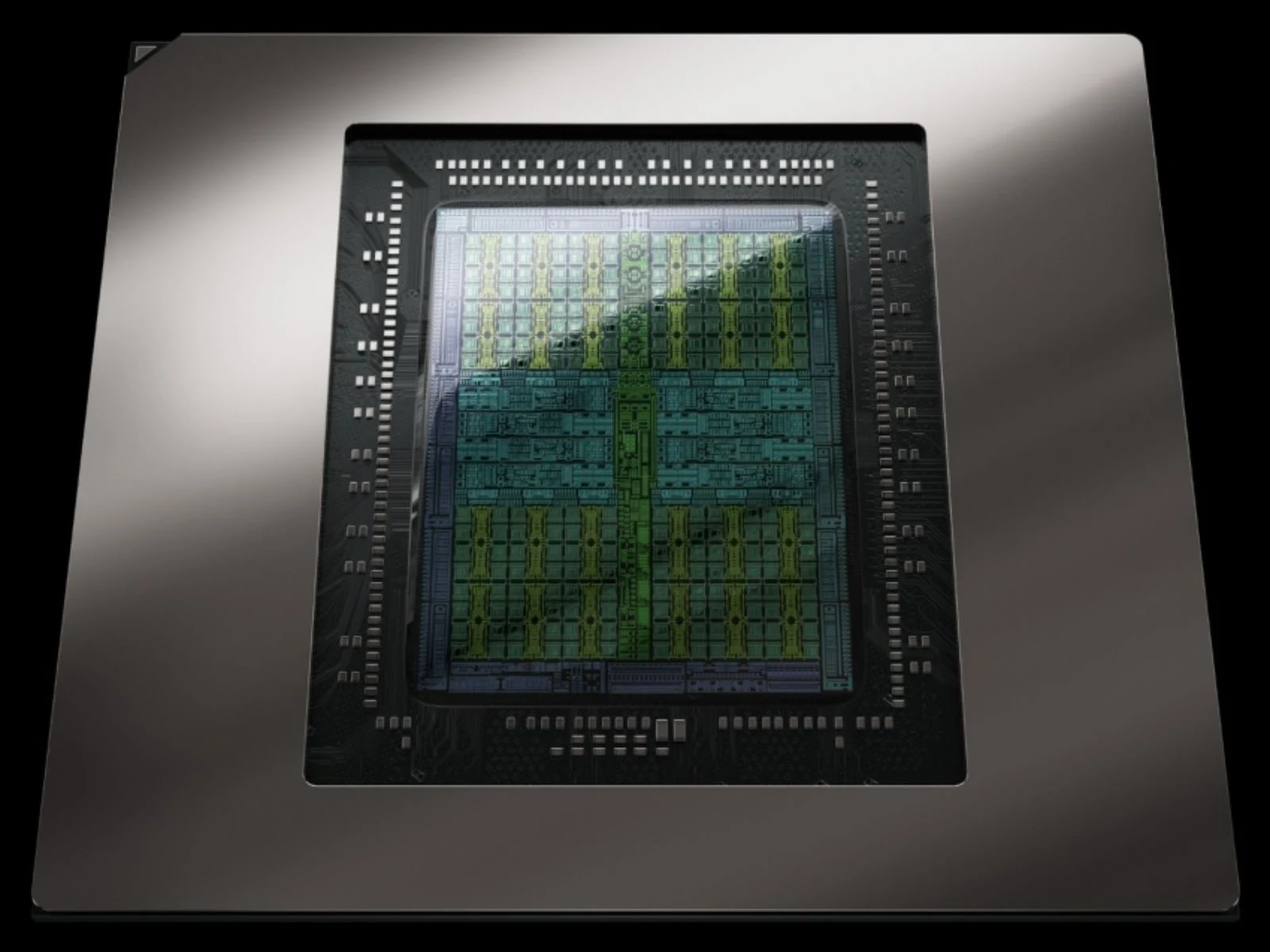
Tom speculated about the RTX 50 Super lineup, stating that the launch window would likely be late this year for one card at most. However, he is now more inclined to believe that the 5080 Super and perhaps the rest of the series will debut at CES 2026 or in Q1 2026. He mentioned that there wouldn’t be any Founders Edition cards released, just models from AIB partners. He anticipates that the 5080 Super and 5070 Ti Super will have the same count of CUDA cores but with memory enhancements, while the 5070 Super may experience a modest 4% core increase.
Short Notice for Launch
Since the cooler designs and board layouts are mostly unchanged, Nvidia could potentially inform its partners with as little as three to four weeks’ notice. This could lead to an unusually brief period between approval and the official launch of the cards.
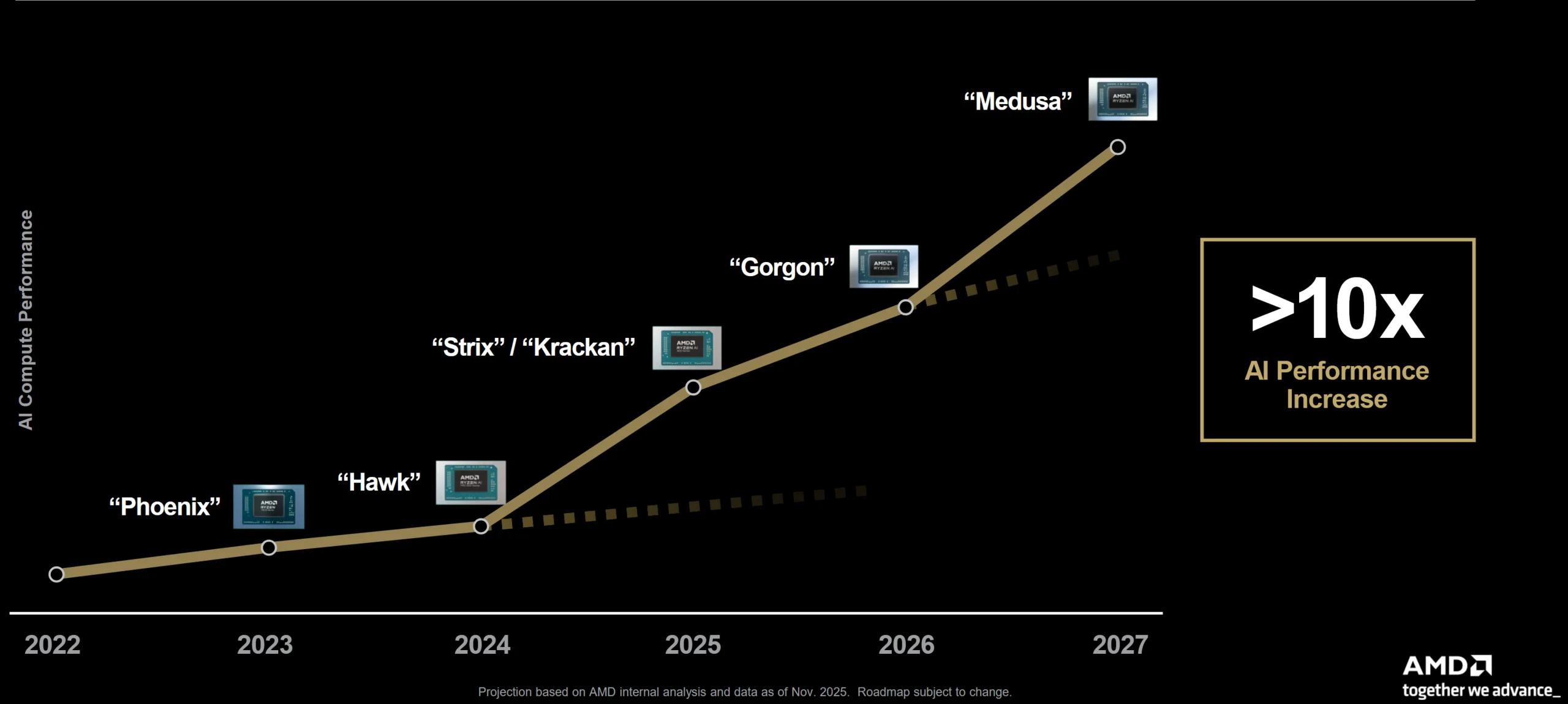
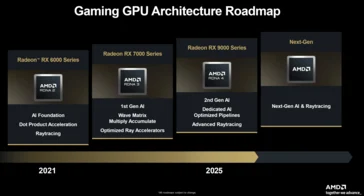
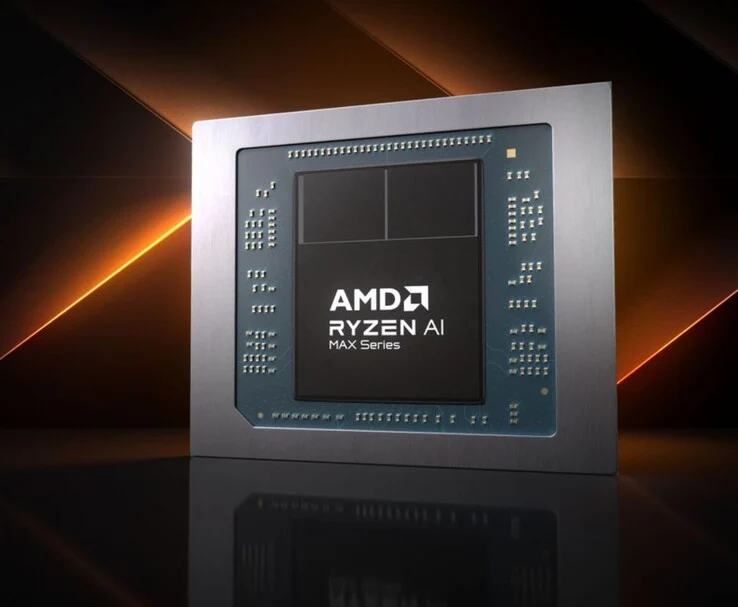
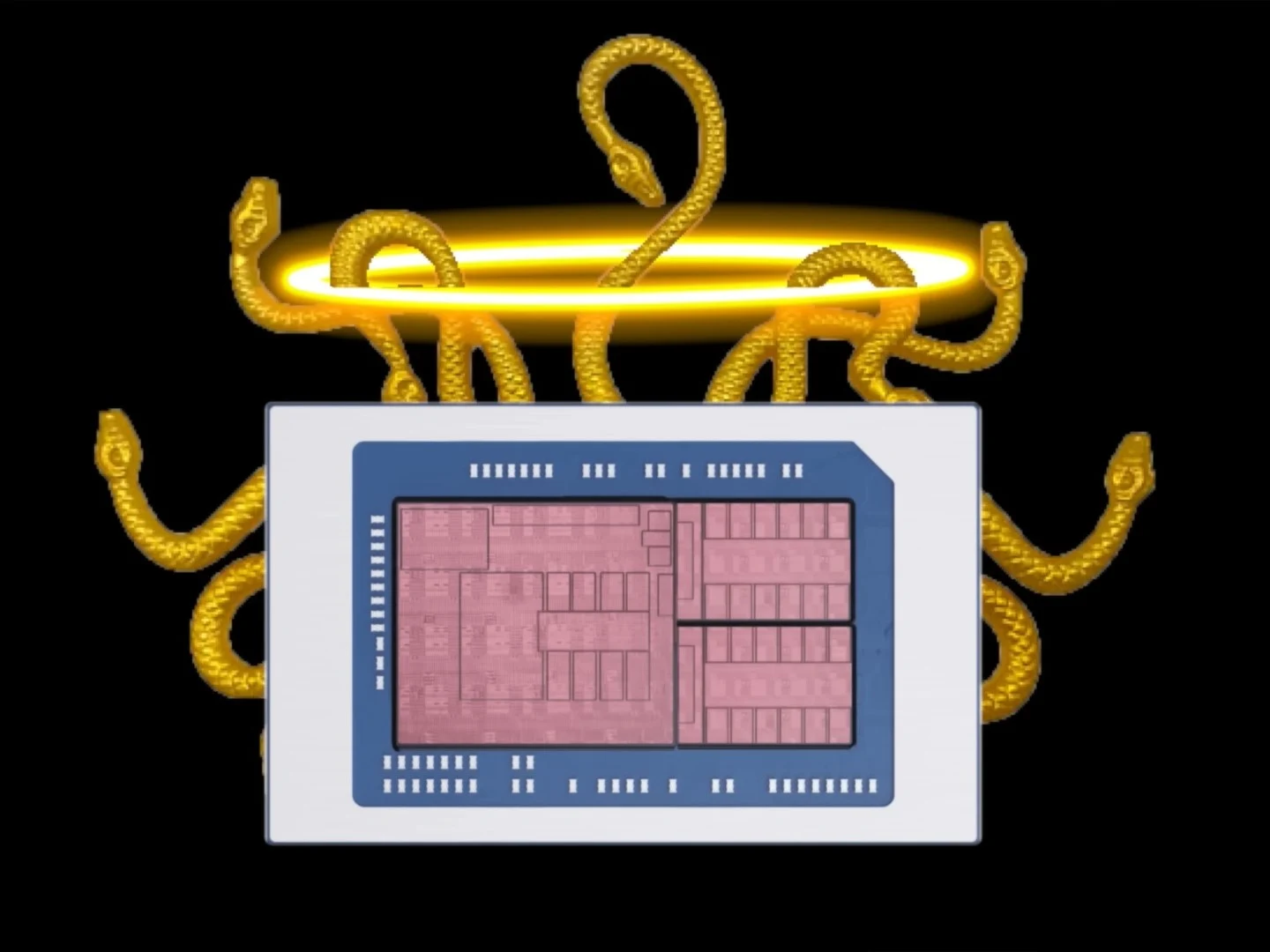
In addition to Nvidia, Tom also spoke about AMD’s forthcoming Zen 6 Medusa Halo APUs. He claims these will feature 48 RDNA5 compute units, providing performance that exceeds the current Strix Halo chips and likely competing against GPUs like the RTX 5070 Ti Mobile, and maybe even the RTX 5080 laptop chip. He mentioned that Medusa might gain wider usage in gaming laptops as Strix Halo system prices continue to decrease.
Price Expectations and FSR4 Support
Tom expects prices to drop between $1,000 and $1,500 shortly, with the current slowdown in price reductions mainly due to Strix Halo devices like the Asus ROG Flow selling out almost immediately upon restocking.
On the software aspect, AMD had previously dismissed FSR4 support for RDNA2 GPUs, but leaked information suggests that it can indeed work with some success. This has been covered in another report. A limited performance-only FSR4 mode could realistically be introduced, extending the lifespan of devices such as the Steam Deck, PlayStation 5, and Xbox Series consoles.
Valve’s Future Console and Market Trends
In response to a viewer’s question, Tom speculated that Valve isn’t aiming to compete directly with PS6 or Xbox. Instead, they might develop a small console based on a Steam Deck-like APU, overclocked to achieve 1440p 60 FPS gaming. This would fill the $400–600 price range within the console market.
He also pointed out that motherboard manufacturers like MSI are now directing more support towards AMD, whereas previously they favored Intel. Furthermore, he suggested that Microsoft’s partnership with Asus on the ROG Ally X handheld serves mainly as a testing ground for Windows Game Mode in preparation for the next generation of Xbox consoles.
He clarified that the recently sighted “Reuben CPX” is not the RTX 6090. From what he has gathered from Nvidia insiders, the RTX 6000 series is expected to launch in early 2027.
Tom laid out a projected timeline: the RTX 5000 series in 2025, the RTX 50 Super refresh in early 2026, and the RTX 6000 series in early 2027. On the AMD front, he expects an RDNA 4 refresh to act as a temporary solution until RDNA 5 is released around the same time. More detailed leaks about the RTX 6000 series are anticipated to emerge by mid-2026, unless, as has happened before, a significant Nvidia hack exposes the information sooner.
Source:
Link