Tag: RDNA 5

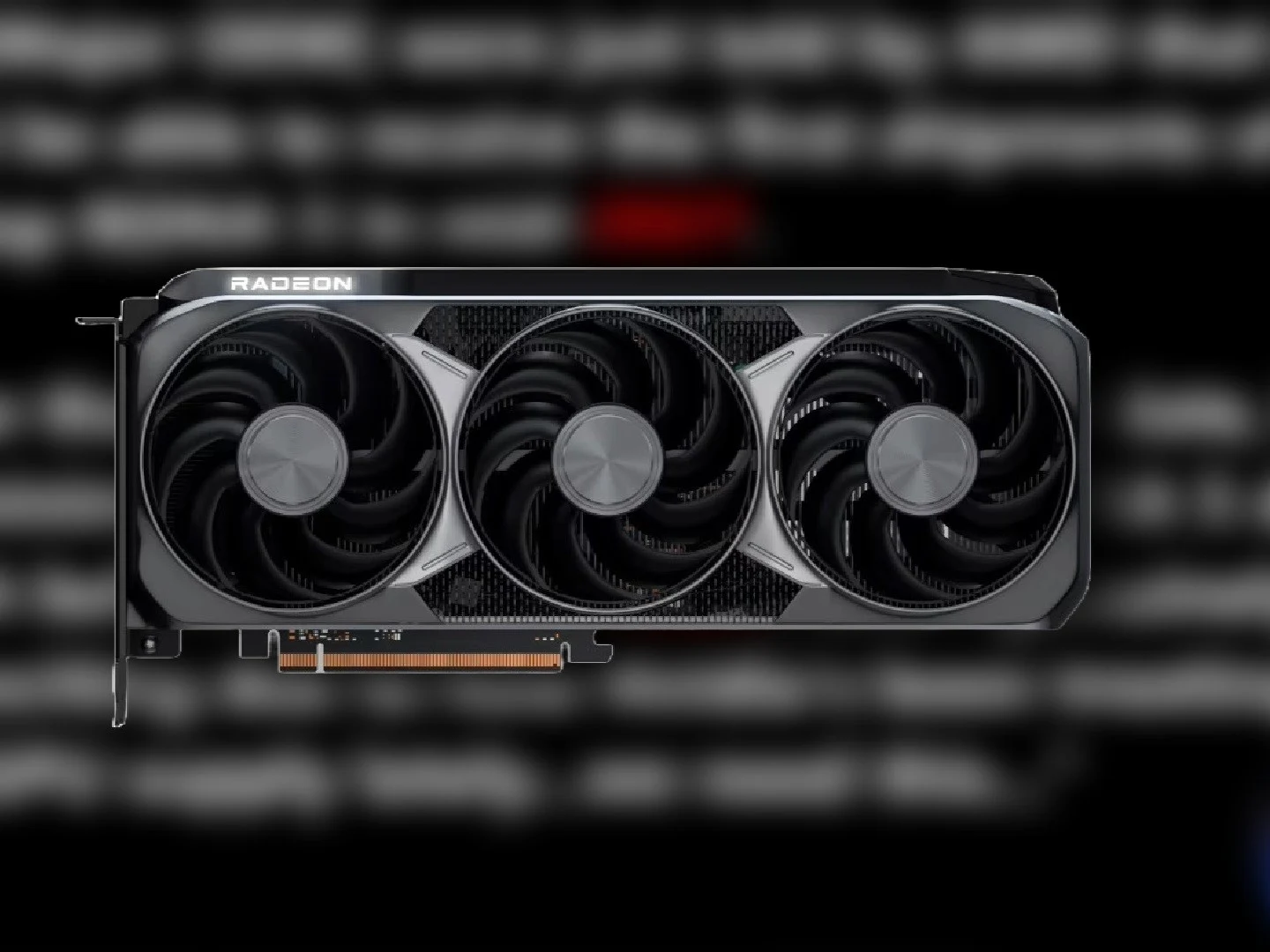
  • Next-gen RDNA 5 GPUs: Early Launch Rumors Bring Good News for PC Gamers

    Next-gen RDNA 5 GPUs: Early Launch Rumors Bring Good News for PC Gamers

    Key Takeaway

    – AMD’s RDNA 5 desktop GPUs could launch before the end of 2027, potentially beating Nvidia.
    – This rumor aligns with the reported 2027 release of the Xbox Helix, which uses RDNA 5.
    – The delay to 2028 for some next-gen GPUs may be due to the global DRAM shortage.
    – Early RDNA 5 release could counter Nvidia’s RTX 50 Super series and offer first-mover advantage.


    AMD Might Be Cookin Something Big

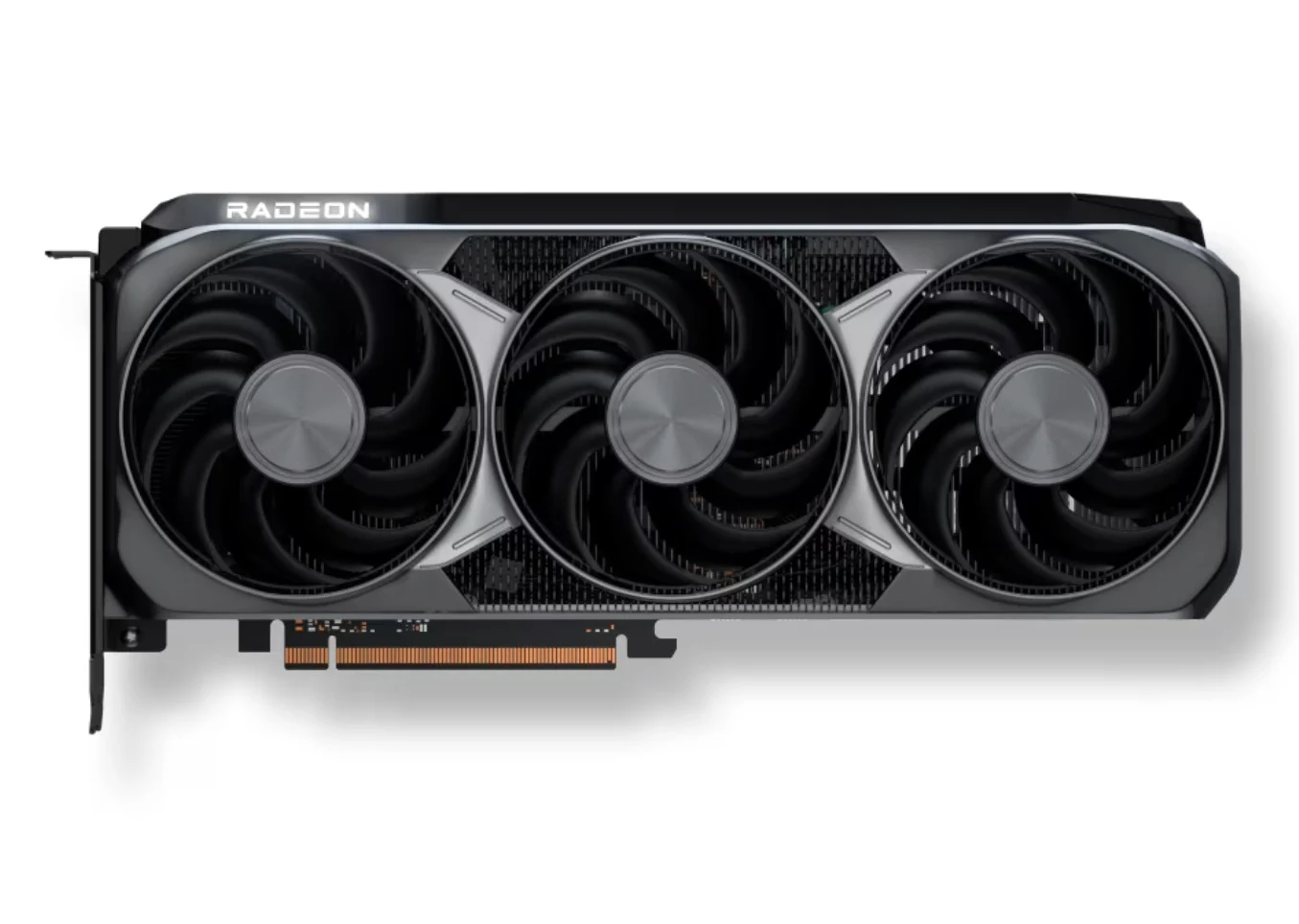
    It was reported earlier in June that AMD might not launch the next-gen Radeon gaming GPUs based on the RDNA 5 architecture in 2027. While we don’t know the exact reason why AMD and Nvidia seemingly decided to postpone the next-gen till 2028, it could be due to the ongoing global DRAM shortage, which directly impacts the price of GPUs. However, we have now gotten a positive rumor regarding the RDNA 5 release date.

    A Leak That Shifts the Timeline

    According to serial leaker Moore’s Law Is Dead, AMD could defy expectations and release the RDNA 5 desktop GPUs in mid-2027. A major OEM source allegedly told MLID that, per AMD, the OEM might “receive the first shipment of desktop RDNA 5 in mid-2027”. The source now believes that RDNA 5 GPUs will launch “before the end of 2027”. We have heard no similar reports regarding Nvidia. So, if MLID’s source is accurate, AMD could beat Nvidia to the market with its next-gen offerings.

    Consoles Align With The PC Release

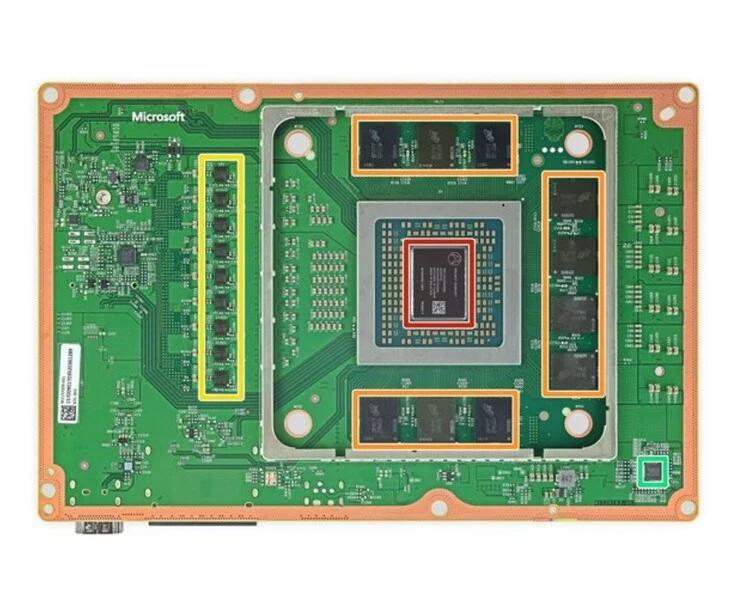
    Interestingly, the latest RDNA 5 release date rumor from MLID is in agreement with the reported release date of Xbox Helix. The next Xbox console reportedly utilizes an RDNA 5 GPU and is expected to come out in late 2027. The release date of the Sony PlayStation 6, on the other hand, now looks to have slipped to 2028 and beyond. Since Xbox Helix is expected to use a standard RDNA 5 GPU die, which will also power a mid-range/high-end desktop RDNA 5 board, it is reasonable that AMD will have the next-gen Radeon GPUs ready by mid-2027.

    Nvidia’s Super Cards and AMD’s Plan

    MLID’s report is also given weight by the existence and the release timeline of the RTX 50 Super series GPUs. Nvidia is reportedly preparing to launch the RTX 50 Super cards later this year or Q1 2027. AMD currently has no answer. So, Team Red’s answer could be releasing the RDNA 5 desktop cards early to not only combat the RTX 50 Super series but also enjoy the first-mover advantage over the RTX 60 series cards.

    Final Thoughts on the Rumor

    In the end, we’ll have to wait and see the actual RDNA 5 release date. But the latest rumor is quite exciting and might bring a hint of enthusiasm back to a market that desperately needs it.

    • RDNA 5 desktop GPUs could launch mid-2027
    • OEM shipments reportedly planned for same period
    • Xbox Helix also uses RDNA 5, coming late 2027
    • PlayStation 6 likely delayed to 2028
    • Nvidia RTX 50 Super series due late 2026 or Q1 2027
    • MLID leaks match previous console timeline rumors


    Sources

  • AMD RDNA 5 GPUs Taped Out on TSMC N3P, Launch in Mid-2027

    AMD RDNA 5 GPUs Taped Out on TSMC N3P, Launch in Mid-2027

    Key Takeaways

    1. AMD’s next Radeon chips are reportedly taped out on TSMC’s N3P node, dismissing rumors of Samsung Foundry involvement.
    2. A tentative release window for the RDNA 5 architecture is suggested to be mid-2027, allowing time for validation and production.
    3. AMD has not confirmed new desktop Radeon products or the “RDNA 5” title, focusing instead on general next-gen gaming GPU discussions.
    4. AMD is collaborating with Sony on “Project Amethyst,” developing advanced graphics technologies for future GPUs and consoles.
    5. Speculation about the internal “GFX13” graphics lineup and HDMI 2.2 support continues, but no official specifications have been released.


    Rumors about AMD’s upcoming Radeon graphics architecture gained attention this week, sparked by suggestions that the company might produce its next Radeon chips at Samsung Foundry, potentially using a 2 nm or 4 nm process. However, prominent hardware leaker Kepler_L2 quickly dismissed these claims, labeling them as nonsense and stating that the chips have already been taped out by another manufacturer.

    Details on Manufacturing

    Kepler_L2, who has a solid reputation for AMD-related revelations and early talks about the PlayStation 5 Pro, indicated that the next-gen Radeon chips are already taped out on TSMC’s N3P node. If this information is correct, it would eliminate Samsung Foundry from the equation for this generation and strongly imply that AMD is continuing its partnership with TSMC for these premium GPUs.

    Expected Release Timeline

    Additionally, Kepler_L2 mentioned a tentative release window in mid-2027 for what many are calling RDNA 5. This timeline aligns well with the idea of a completed tape-out, as cutting-edge GPUs usually need a significant validation period and production ramp-up before they hit the market. For now, AMD hasn’t commented on any branding or launch strategies related to this.

    Current Product Landscape

    As of now, AMD has not disclosed any new desktop Radeon offerings, nor has it verified the “RDNA 5” title. The company has only talked generally about “next-generation gaming GPUs” while emphasizing AI capabilities and ray tracing, but without any specific timelines or branding. In contrast, AMD is more forthcoming regarding its CPU plans, frequently discussing future EPYC generations and even mentioning early work on 2 nm wafers. Radeon, however, remains intentionally vague.

    Collaboration with Sony

    One of the few definite pointers about future graphics is AMD’s partnership with Sony, referred to as “Project Amethyst.” Both firms have shared information about developing new Radiance Cores for ray tracing and path tracing, along with Neural Arrays for AI-driven graphics tasks and enhanced compression methods to alleviate memory bandwidth bottlenecks. It is anticipated that these advancements will be incorporated into both future desktop Radeon GPUs and next-gen console SoCs, suggesting a unified graphics strategy.

    Speculation and Leaks

    Apart from that, most information relies on leaks and educated guessing. Mentions of an internal “GFX13” graphics lineup continue to emerge, along with rumors of various desktop dies labeled AT0, AT2, AT3, and AT4 — each with different compute unit counts and memory setups. HDMI 2.2 support has also been a recurring topic, yet no official specifications have been released to confirm this.

    Market Dynamics for 2027

    If the mid-2027 target is accurate, 2026 may end up being relatively uneventful, particularly since Radeon marketing has already been subdued for most of the year. AMD even removed its RDNA 4 announcement from its CES 2026 presentation, leading to low expectations for the event. This quietness could be a strategic choice: if mid-2027 is indeed the aim, generating buzz too soon wouldn’t be practical. There are also real-world factors at play, as memory shortages and increasing costs could complicate the launch of a desktop GPU in 2026, making it hard to price and position effectively.

    Kepler_L2 shared this information on X via VideoCardz.

    Source:
    Link


  • RTX 60 and RDNA 5 Release Date Delayed for Next-Gen GPUs

    RTX 60 and RDNA 5 Release Date Delayed for Next-Gen GPUs

    Key Takeaways

    1. Nvidia and AMD typically release new GPU generations every two years, with the next expected around late 2026 or early 2027.
    2. Reports indicate potential delays for the RTX 60 GPUs, possibly pushing their launch to late 2027 or even 2028.
    3. The RDNA 5 GPUs might be unveiled at Computex 2027, with an initial target of late 2026 or early 2027.
    4. Speculations suggest delays may be due to ongoing memory shortages affecting the supply of GDDR memory.
    5. Both companies need a reliable memory supply for upcoming GPUs, contributing to the rumors of release delays.


    We’ve observed that Nvidia and AMD typically release new generations of GPUs approximately every two years. For example, the RTX 30 “Ampere” and AMD RDNA 2 RX 6000 series debuted in 2020, with the follow-up RTX 40 “Lovelace” and RDNA 3 RX 7000 models arriving in 2022. Based on this trend, one might anticipate the upcoming RTX 60 and RDNA 5 graphics cards to debut sometime in late 2026 or early 2027. Nevertheless, RedGamingTech has reported that the release dates for the RTX 60 and RDNA 5 might be delayed.

    Possible Delays in Launch

    According to RGT, early reports indicated that the RTX 60 GPUs were set to launch in the first or early second quarter of 2027. However, sources suggest that AIBs are doubtful about the RTX 60 cards launching in 2027 at all, expecting instead a release in late 2027 or even 2028. Another informant mentioned to the leaker that the next generation GeForce GPUs might actually arrive during the latter half of 2027, specifically in Q3 or Q4.

    Details about RDNA 5 Launch

    In addition to the RTX 60 timeline, RGT has also noted that the RDNA 5 GPUs could potentially be unveiled at Computex 2027, which typically happens in the latter part of May. Originally, AMD seemed to aim for a launch in late 2026 or early 2027.

    This proposed schedule for the RDNA 5 is intriguing, as it would create about a 6-month gap between the introduction of the first RDNA 5 GPUs and the anticipated launch of the Sony PS6.

    Speculations on Delays

    The reason behind Nvidia potentially shifting the RTX 60 GPU release to late 2027 or early 2028 remains unclear. If we were to speculate, it could be linked to ongoing memory shortages. Reports suggest that the current memory supply issues have already impacted the RTX 50 Super and RX 9070 GRE. Sadly, improvements to the memory supply are not expected until late 2026, according to various sources.

    With both AMD and Nvidia needing to secure a reliable and cost-efficient supply of GDDR memory for the RTX 60 and RDNA 5 graphics boards, it is logical that rumors of a delay are surfacing.

    Source:
    Link


  • AMD Zen 7 Halo iGPU Leak: 35% Performance Boost Over Zen 6

    AMD Zen 7 Halo iGPU Leak: 35% Performance Boost Over Zen 6

    Key Takeaways

    1. The AMD Zen 7 Halo APU’s integrated GPU (iGPU) may match or exceed the 48 Compute Units (CUs) of the Zen 6 Medusa Halo iGPU, potentially reaching up to 64 CUs.
    2. The performance of the Zen 7 Grimlock Halo iGPU is speculated to be 20-35% better than that of the Zen 6 Medusa Halo iGPU.
    3. The iGPU in the Zen 6 Medusa Halo is expected to perform comparably to the RTX 4070 desktop GPU, with the Zen 7 Grimlock Halo iGPU possibly outperforming the RTX 5070.
    4. The Zen 7 Halo’s iGPU shares the same die as the RDNA 5 desktop “AT3” GPU, hinting at advanced graphics capabilities.
    5. The article mentions available purchase options, including the GMKtec AI Mini PC featuring the Ryzen Al Max+ 395 Strix Halo APU on Amazon.


    Earlier this month, a major leak from Moore’s Law Is Dead gave us insight into AMD’s Zen 7 specs and performance, covering everything from Zen 7 EPYC to the Zen 7 “Grimlock” AM5 desktop CPUs. The leak also included some information about the Zen 5 Grimlock Point and Grimlock Halo mobile APUs. During a recent episode of the Broken Silicon podcast, MLID hinted at the final performance and configuration of the AMD Zen 7 Halo’s integrated GPU (iGPU).

    Potential Performance of Zen 7 Halo iGPU

    According to MLID, the iGPU in the Zen 7 Halo might at least match the Compute Unit (CU) count of the Zen 6 Medusa Halo iGPU. Back in August, MLID reported that the Zen 6 Medusa Halo APU could come with a 48-CU iGPU along with 20 MB of L2 cache. Interestingly, it is expected that the iGPU in the Zen 6 Medusa Halo will share the same die as the RDNA 5 desktop “AT3” GPU.

    This means that the iGPU in the Zen 7 Grimlock Halo APU could have 48 or even more RDNA 5/5.5 CUs. MLID speculates that the CUs could reach as high as 64. While no specific performance metrics were provided, it is suggested that the Zen 7 Grimlock Halo iGPU could perform 20 to 35% better than the Zen 6 Medusa Halo iGPU.

    Comparing Performance to Current GPUs

    By doing some rough calculations, MLID suggested in an earlier leak that the performance of the AT3 RDNA 5 desktop GPU might sit between the RTX 4070 and RX 9070 (which is available on Amazon). Given that the iGPU in the Zen 6 Medusa Halo will be power-constrained, let’s consider the performance of the iGPU to be at the lower end of MLID’s projections, comparable to an RTX 4070.

    From our testing, the RTX 5070 desktop GPU is about 28% quicker than the RTX 4070 desktop GPU. Since MLID anticipates the Zen 7 Grimlock Halo iGPU to be 20-35% ahead of the Zen 6 Medusa Halo iGPU, the iGPU in the Grimlock Halo could potentially outperform the RTX 5070 desktop. However, as always, MLID’s figures are preliminary and not final, so our calculations could be significantly inaccurate.


    Source:
    Link


  • Xbox Magnus Specs Leak: AMD 3nm Chip May Outperform PS6

    Xbox Magnus Specs Leak: AMD 3nm Chip May Outperform PS6

    Key Takeaways

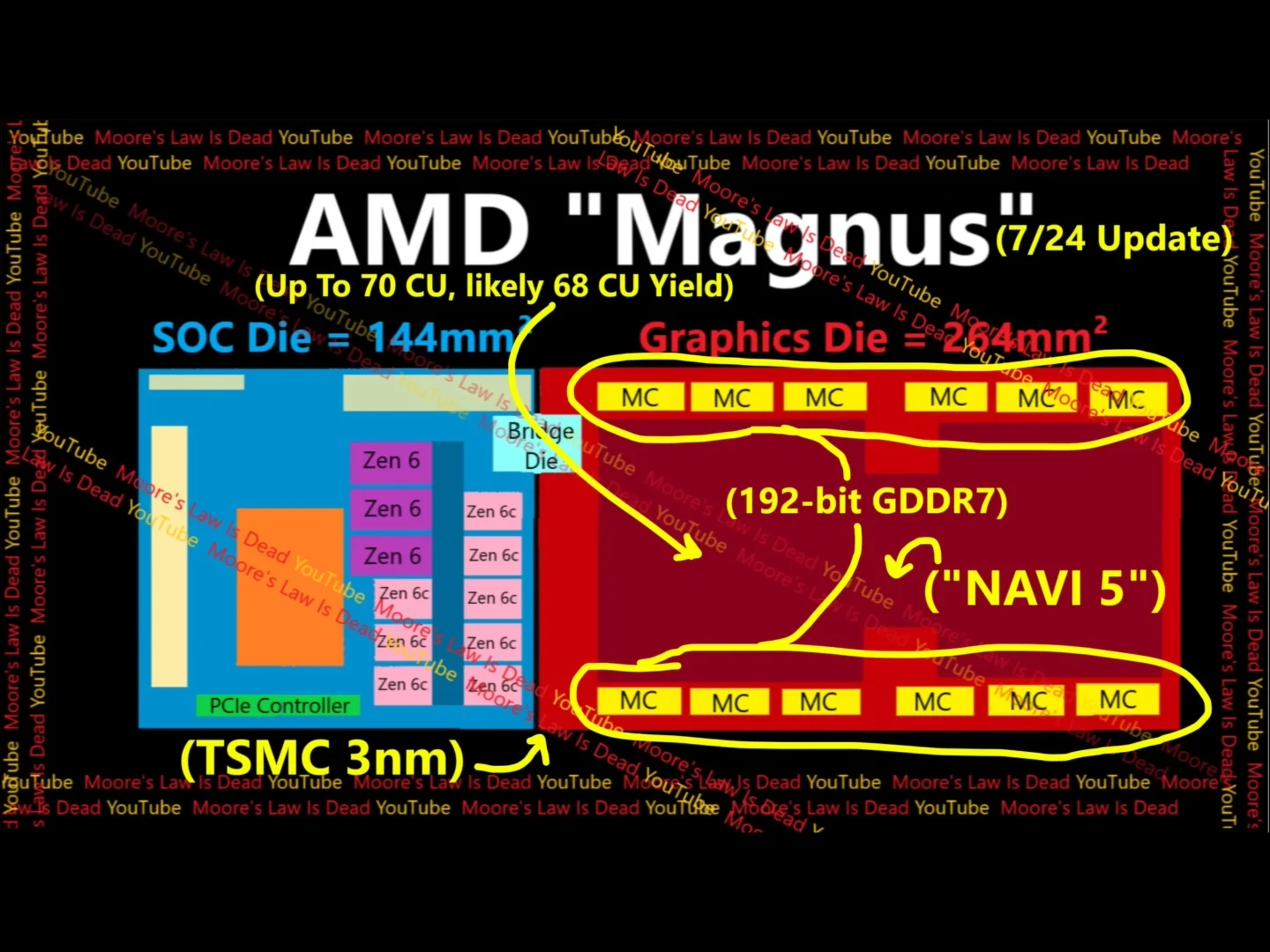
    1. Dual-Chiplet Design: The Xbox Magnus APU features a dual-chiplet architecture with a 144 mm² SoC die for CPU and an advanced 264 mm² GPU die, making it the largest console APU to date.

    2. Modular Approach: AMD’s modular strategy allows for shared GPU chiplets between desktop and console, streamlining development and reducing engineering redundancy.

    3. Enhanced Features: The APU includes 70 RDNA 5 compute units, a significant increase in L2 cache, and a hybrid CPU design with high-performance and efficiency cores, optimizing it for gaming.

    4. Power and Performance Expectations: Estimated power consumption ranges from 250 to 350 W, with potential performance exceeding Sony’s console by 15-30%, targeting 4K 144 Hz gaming.

    5. Success Criteria: For Magnus to succeed, it must support backward compatibility, deliver competitive Windows gaming performance, and feature at least 48 GB of GDDR7 memory.


    YouTube channel Moore’s Law Is Dead has released a new episode of Broken Silicon that summarizes everything known about AMD’s Magnus APU, which is widely considered to be the chip for Microsoft’s upcoming Xbox. Earlier videos shared bits of information, but the recent episode combines those leaks with new technical insights.

    Dual-Chiplet Design

    In the update, podcast host Tom describes the Xbox Magnus APU as a dual-chiplet design that connects two dies using advanced bridge packaging. The first die is a 144 mm² SoC die that contains the CPU cores, NPU, and key I/O components, built using TSMC’s N3P process. The second is a larger 264 mm² GPU die, likely manufactured on TSMC’s N3C or N3P node, which includes the GPU logic and another memory controller. Together, they make up 408 mm² of 3 nm silicon, making the Magnus the largest console APU ever made.

    Modular Approach

    Tom points out that the design reflects AMD’s latest modular strategy, where GPU chiplets are shared between desktop RDNA 5 graphics cards and console platforms. This hardware similarity, he says, should help streamline the development process for both PC and Xbox, while also decreasing AMD’s engineering redundancy.

    The GPU section includes 70 RDNA 5 compute units, with 68 enabled in the final retail version. These are spread across four shader engines, three of which have nine workgroups (18 CUs each) and one smaller engine with eight workgroups (16 CUs), resulting in a deliberately uneven layout. During Hot Chips, AMD allegedly discussed this asymmetric design, confirming that RDNA 4 and newer can effectively share memory across uneven shader clusters without hurting performance. The Magnus APU seems to be one of the first real-world examples of this idea.

    Enhanced Features

    Every shader engine has two arrays, and the GPU is equipped with 24 MB of L2 cache, which is about five times more than what the Xbox Series X has. Although it doesn’t include Infinity Cache, Tom mentions that the larger L2 cache essentially serves a similar role by maintaining bandwidth and enhancing frame stability and ray-tracing performance when paired with the efficient GDDR7.

    On the CPU side, Magnus includes three high-performance Zen 6 cores, each expected to reach close to 6 GHz, along with eight Zen 6C efficiency cores. They share 12 MB of L3 cache. While this cache may appear small for an 11-core setup, Tom argues that this hybrid layout is specifically optimized for gaming: a few strong cores take care of the main game threads, while the efficiency cores handle background tasks. This uneven CPU structure reflects current trends in modern PC architectures too.

    The APU connects through a 192-bit GDDR7 memory interface, allowing for a configuration of up to 48 GB of unified memory. Of this, 16 GB can be allocated as VRAM and 32 GB as system memory, he explains. This combined pool dynamically shares bandwidth between the CPU and GPU, with Tom emphasizing that anything under 40 GB could limit future game development cycles. The integrated NPU is rated for up to 110 TOPS of compute at 6 W, enabling support for Windows Copilot and AI acceleration features.

    Power and Performance Expectations

    Power consumption is estimated to be between 250 and 350 W, depending on clock settings, which might require a three-prong power connector like the one used by the PlayStation 3. Tom speculates that Magnus could start production in 2027, coinciding with the anticipated launch of the PlayStation 6 Orion.

    Tom claims that based on the specifications, Magnus could outperform Sony’s console by about 15–30 percent, or even up to 35 percent if it ships with higher clock speeds and faster GDDR7 memory. He adds that the Xbox is aimed for 4K 144 Hz gaming, while Sony targets 4K 120 Hz, highlighting Microsoft’s goal of providing a more PC-like gaming experience. However, Tom cautions that this enhanced performance could come with a higher price tag. The use of multiple chiplets, increased power consumption, and advanced packaging might push retail prices into the $1,000–$1,500 range, which is significantly above traditional consoles but still competitive with high-end prebuilt gaming PCs.

    Tom concludes that for Magnus to be successful, three criteria need to be met: it must support backwards compatibility across all Xbox generations, provide Windows gaming performance close to SteamOS efficiency, and include at least 48 GB of GDDR7 memory. If these conditions are fulfilled, he believes it could represent a “bridge generation,” a hybrid PC-console that redefines the Xbox experience.

    During the episode, viewer inquiries led to further discussion. One viewer asked if RDNA 5 could exceed Nvidia’s Blackwell GPUs in ray-tracing tasks if raster performance was similar. Tom confirmed: “Yes, of course … RDNA 5 should surpass Blackwell that launches in 2025. My AMD sources have been saying since 2022 that RDNA 5 is where AMD focuses on ray tracing. RDNA 4 wasn’t even the real try; they were just trying to catch up.”

    A different viewer questioned the potential for 3D V-Cache in consoles. Tom dismissed it, saying that well-optimized console games “don’t require as much cache,” and that RDNA 5 already increases L2 capacity five times over current designs to compensate for bandwidth limitations.

    Another viewer inquired if Magnus would include features from PlayStation 6, like Sony’s rumored universal compression tool. Tom suggested that feature equality is highly likely: “I’d expect most features in the PS6 will also be in Magnus, just as most PS5 features were in the Series X. The difference is that Mark Cerny built a better house with the same Lego blocks.” He acknowledged Sony’s hardware team for paying more attention to specialized components like its SSD and I/O controller but argued that both companies fundamentally work from similar AMD building blocks.

    Source:
    Link



  • AMD RDNA 5 Desktop GPU Leak: Mid-Range AT3 with 48 CUs

    AMD RDNA 5 Desktop GPU Leak: Mid-Range AT3 with 48 CUs

    Key Takeaways

    1. AMD’s upcoming high-end mobile APUs, the Zen 6 Medusa Halo and Medusa Halo Mini, will use new iGPU dies, AT3 and AT4, which are also part of the RDNA 5 desktop graphics cards.

    2. The AT4 RDNA 5 GPU will feature 24 Compute Units, a potential 10 MB L2 cache, and a 128-bit LPDDR5X memory controller, with expected VRAM between 12-24 GB.

    3. Performance of the AT4 GPU is anticipated to be between the RTX 3060 and RTX 4060, making it a budget-friendly option by 2027.

    4. The AT3 RDNA 5 GPU will have 48 Compute Units and increased memory bandwidth, with potential VRAM support up to 512 GB, but realistically expected between 16-32 GB.

    5. The AT3’s performance is predicted to be comparable to the RTX 4070 and RX 9070, with significantly improved ray tracing capabilities, making it a strong contender in the market.


    According to the well-known leaker Moore’s Law Is Dead, AMD is set to alter its design approach for the integrated graphics (iGPU) in its upcoming high-end mobile APUs, the Zen 6 Medusa Halo and Medusa Halo Mini. Unlike the existing Strix Halo APUs, the new Medusa models are expected to incorporate the “AT3” and “AT4” iGPU dies, which will also be featured in AMD’s upcoming discrete RDNA 5 desktop graphics cards.

    Specifications of the New GPUs

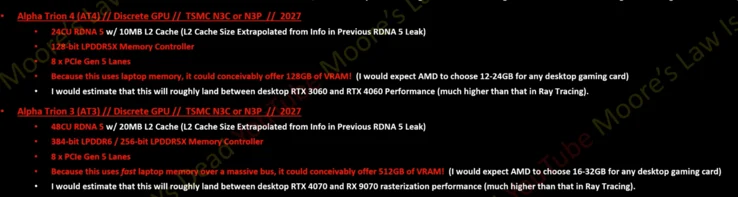
    The AT4 RDNA 5 GPU is said to include 24 Compute Units, along with a potential 10 MB L2 cache and 8x PCIe Gen 5 lanes. This is particularly interesting for the more affordable card that will utilize this GPU, as the leaker mentions a 128-bit LPDDR5X memory controller instead of the standard GDDR memory commonly found in desktop configurations.

    MLID suggests that the RDNA 5 card equipped with AT4 might use laptop memory and could theoretically support up to 128 GB of VRAM. However, the leaker realistically estimates the VRAM to be between 12-24 GB.

    Performance Expectations

    In terms of performance, MLID believes that the RDNA 5 desktop card with the AT4 will likely perform “roughly” between the RTX 3060 and the RTX 4060. This suggests that by 2027, this desktop board could be very budget-friendly, similar to the current RX 6500 XT.

    On the other hand, the AT3 RDNA 5 GPU is reportedly much stronger than AT4, featuring double the Compute Units and increased memory bandwidth. It is said to come with 48 CUs and a memory controller that could be either 384-bit LPDDR6 or 256-bit LPDDR5X. Like AT4, the AT3-based RDNA 5 desktop card is also expected to leverage laptop LPDDR memory in place of GDDR.

    Future of RDNA 5 GPUs

    Theoretically, the AT3 RDNA 5 board could support up to 512 GB of VRAM, while MLID predicts the actual range for a desktop gaming card will be around 16-32 GB. For performance, MLID anticipates that the AT3 GPU will offer rasterization performance between the RTX 4070 and the RX 9070, along with significantly improved ray tracing capabilities. This range is quite broad, as the RX 9070 is approximately 37% faster than the RTX 4070 based on testing.

    In summary, MLID’s leaked information regarding the cost-effective RDNA 5 GPUs is quite intriguing and ambitious, especially the use of laptop memory over GDDR and the sharing of GPU chiplets with the Medusa Halo APUs. Until further reports validate these claims, it’s wise to approach them with a healthy degree of skepticism.

    Source:
    Link


  • AMD Medusa Halo APUs Leak: 26x Zen 6 Cores & RDNA 5 iGPUs

    AMD Medusa Halo APUs Leak: 26x Zen 6 Cores & RDNA 5 iGPUs

    Key Takeaways

    1. AMD is set to release the Medusa Halo laptop APU in late 2027, featuring a powerful Zen 6 CPU and RDNA 5 iGPU.
    2. The Medusa Halo APU may include up to 24 high-performance cores and 2 low-energy cores, built on advanced 2nm and 3nm processes.
    3. Memory options might consist of either a 384-bit LPDDR6 or a 256-bit LPDDR5X memory controller.
    4. The iGPU is expected to have 48 Compute Units and could be based on the same chip used in AMD’s discrete RDNA 5 desktop GPUs.
    5. A smaller variant, the Medusa Halo Mini, will have a 14-core CPU and a 128-bit LPDDR5X memory controller, with a possible 192-bit LPDDR6 option.


    After the release of the next-gen Zen 6 CPUs and RDNA 5 GPUs in late 2026, AMD is anticipated to unveil the Medusa Halo laptop APU in the second half of 2027. Similar to the Strix Halo design, the Medusa Halo APU is said to feature a robust Zen 6 CPU and a strong RDNA iGPU. According to Moore’s Law Is Dead, the iGPU in the Medusa Halo might utilize the upcoming RDNA 5/UDNA graphics framework, boasting up to 48 Compute Units and a 384-bit bus.

    New Specifications Unveiled

    The leaker has now shared further specifications about the Medusa Halo. In addition, the leaker has confirmed the existence of the Medusa Halo Mini, a smaller variant of the Halo model with fewer cores for CPU and GPU.

    Focusing on the more potent Medusa Halo APU, MLID has stated that the APU consists of 12 Zen 6 cores and 2 low-power Zen 6 cores. There is a chance that it could also include an extra 12-core Zen 6 CCD, bringing the total to 24 high-performance cores and 2 low-energy cores. It is expected that the 12-core CCD(s) will be built on TSMC’s state-of-the-art 2nm N2P process, while the IOD housing the low-power cores is reported to use the 3 nm N3P technology.

    Memory Features

    For the memory subsystem, MLID claims it might come equipped with either a 384-bit LPDDR6 or a 256-bit LPDDR5X memory controller. This aligns with the previous insights shared by the leaker.

    The Medusa Halo’s iGPU is arguably the most captivating aspect of the entire setup. This iGPU is suggested to be based on the RDNA 5 architecture with 48 Compute Units and possibly around 20 MB of L2 cache. However, it is possible that this 48-CU iGPU is actually the same one AMD intends to implement in the discrete RDNA5 “AT3” desktop GPU.

    Desktop GPU Integration

    AMD appears to be planning to utilize the same GPU chiplet die from a discrete RDNA 5 card, likely the 1060XT. While details about the discrete RDNA 5 board remain unknown, MLID has shared a wealth of information about the GPU, which we have detailed in another article.

    Additionally, AMD is thought to adopt a similar tactic of integrating a desktop GPU die within a mobile APU for the Xbox Magnus APU.

    For the Medusa Halo Mini APU, AMD is reportedly designing a 14-core CPU that comprises 4 Zen 6 cores, 8 Zen 6c cores, and 2 low-power Zen 6 cores. This CPU is matched with a 128-bit LPDDR5X memory controller. The leaker suggests there’s a possibility that a broader 192-bit LPDDR6 might also be included.

    Performance Expectations

    In conclusion, the Medusa Halo Mini, much like its larger counterpart, is said to feature the “AT4” RDNA 5 desktop GPU chiplet as its iGPU. This iGPU is claimed to have 28 CUs and 10 MB of L2 cache.

    Unfortunately, MLID has not provided any performance metrics for the Medusa Halo and the Medusa Halo Mini APUs yet. However, the leaker has given some performance forecasts for the discrete AT3 and AT4 RDNA 5 GPUs, which could hint at the graphics prowess of these Zen 6 APUs.

    The Medusa Halo and Medusa Halo Mini are speculated to be launched in 2027 at the earliest. Therefore, it’s important to approach these leaked specifications with a healthy amount of caution.

    Source:
    Link


  • PS6, PS Handheld, Next-Gen Xbox APU Codenames Confirmed

    PS6, PS Handheld, Next-Gen Xbox APU Codenames Confirmed

    Key Takeaways

    1. Sony and Microsoft are developing new consoles, with Sony reportedly creating a handheld device alongside the PS6.
    2. The next Xbox APU is codenamed ‘Magnus,’ while the PS6 APU is called ‘Orion,’ and the PS handheld’s APU is ‘Canis.’
    3. The leaker confirmed the accuracy of this information and apologized for past inaccuracies.
    4. Performance expectations suggest that the Magnus APU could be significantly faster than the PS5 Pro, potentially doubling its performance under optimal conditions.
    5. Next-gen consoles are expected to launch around 2027, with speculation about a possible 2026 release for the Xbox.


    For a while now, there have been many whispers about the upcoming generation of consoles and their advanced processing units (APUs). Both Sony and Microsoft are said to be working on various devices for this new generation, with Sony reportedly developing a genuine handheld to go along with the PS6. Recently, a well-known leaker has supposedly verified the codenames for the APUs that will drive these new consoles.

    Insights from a Renowned Leaker

    The details come from Moore’s Law is Dead (MLID), who provided an update in a recent video discussing the specifications of AMD’s RDNA 5 platform. In this video, the leaker shared that ‘Magnus’ is the codename for the APU that will power the next Xbox. Several names have also been suggested for the PS6 and its handheld’s APUs. MLID appears to have received confirmation that Magnus is indeed the codename for the Xbox APU, while the PS6’s APU will go by ‘Orion,’ and the PS handheld’s APU is called ‘Canis.’

    Accuracy and Apologies

    The leaker asserted that this information is accurate and even offered apologies for previous inaccuracies.

    Future Performance Expectations

    It’s still early to make definite statements regarding the performance improvements of these next-gen consoles and their APUs. However, the leaker believes that the 68 RDNA 5 compute units (CUs) in Magnus could potentially be twice as fast as the 60 CU APU found in the PS5 Pro, assuming the integrated GPU is running at a high frequency. If the clock speed is lower, Magnus may only provide a 40-50% increase in raster performance compared to the PS5 Pro. There are also indications that Microsoft is planning to release several Xbox devices, one of which might be the first console to retail for over $1,000.

    Upcoming Release Dates

    According to the usual console lifecycle, we should expect the next-gen Xbox and PlayStation to launch in 2027. However, there are also speculations about a possible 2026 release for the next Xbox. Naturally, neither Microsoft nor Sony has confirmed any specifics about when their new consoles will be available.

    Source:
    Link

  • AMD’s High-End RDNA 5 GPUs Target Nvidia RTX 6090 Competition

    AMD’s High-End RDNA 5 GPUs Target Nvidia RTX 6090 Competition

    Key Takeaways

    1. RDNA 4’s performance and pricing did not meet expectations, and AMD needs to improve offerings in both low-end and high-end markets.
    2. The upcoming RDNA 5 series is expected to be built on TSMC N3 nodes, with plans for high-end AT0 and mid-range AT2 dies.
    3. The high-end RX 10090 XT model may offer significant performance boosts, potentially being 264% faster than the RTX 4080.
    4. The mid-range RX 10070 XT is projected to be 120% faster than the RTX 4080, aiming for a price below $550.
    5. All RDNA 5 models may lack Infinity Cache and could incorporate 3D stacking for the L3 cache in future designs.


    RDNA 4 has not really wowed people with its performance boosts, and the pricing that AMD was counting on to be a strong point didn’t end up being as affordable as first promised, mainly due to worries about import taxes. The RX 9070 series is still a dependable mid-range option, but AMD needs to step up its game in both low-end and high-end markets. This could happen with the new RDNA 5 chips, as hinted at in a recent leak from Moore’s Law Is Dead.

    Speculation on Specs

    MLID always starts off by reminding us that the specifications from his reliable insider sources might change before the actual launch (which is also subject to change). So, it’s smart to stay a bit cautious and remember that these are AMD’s current intentions for a launch expected around 2027.

    Upcoming Chips

    According to MLID’s sources, which have reportedly been verified by several AMD teams working on the next-gen GPUs, the RDNA 5 series will be built on TSMC N3 nodes. This includes a top-tier AT0 die for high-end and HPC models and a mid-range AT2 die for the successor to the RX 9070 cards. There’s even a leaked table showing all the planned versions. MLID has also mentioned that AMD might be thinking about an AT3 die for entry-level models or APU chiplets, but this hasn’t been confirmed by all sources.

    Specifications Overview

    The AT0 die seems quite large, boasting up to 184 CUs or possibly even 200 CUs, as the table indicates that one work group is turned off per shader engine for the 184 CU variant. The primary two models likely target HPC and data centers, as they are expected to support PCIe 6.0 and include either 128 GB or 96 GB of VRAM, with prices likely above $5,000. Moreover, the table reveals an AI/ML model with 72 GB of VRAM and 184 CUs aimed at this HPC segment.

    Gamers might be thrilled to learn about a high-end PCIe 5.0 gaming version with 154 CUs, 40 MB of L3 cache, 36 GB of GDDR7 36 Gbps VRAM, and a 384-bit bus width, which is set to compete with the upcoming RTX 6090. Sources from MLID estimate that this high-end gaming model, tentatively named RX 10090 XT, could be 264% faster than the RTX 4080, offering 1,728 GB/s bandwidth. Surprisingly, the total board power (TBP) is predicted to be around 380 W, and MLID suspects that the 264% performance increase over the RTX 4080 may actually be a bit lower.

    Mid-Range Chips

    For the mid-range segment, the AT2 die is expected to have as many as 70 CUs, but the table shows the top mid-range version with 64 CUs. This RX 10070XT model is projected to have a TBP of 275 W, a 192-bit bus, 18 GB of GDDR7 36 Gbps VRAM, and 864 GB/s bandwidth. Importantly, this model aims for the sub-$550 price range and is expected to be 120% faster than the RTX 4080.

    Other models in this category include the 10070 GRE with 48 CUs, 15 GB of VRAM, and performance similar to the RTX 4080, while another 10060 XT model would have 44 CUs and 12 GB of VRAM, competing primarily with the RTX 5070.

    MLID also notes that AMD might introduce additional models like the 10090 XTX, 10080 XT, or 10050, among others. Another noteworthy detail is that all RDNA 5 models appear to lack Infinity Cache, hinting that AMD might be considering 3D stacking for the L3 cache.

    Source:
    Link


  • Mark Cerny: RDNA 5 Features PS6 Development Insights

    Mark Cerny: RDNA 5 Features PS6 Development Insights

    Key Takeaways

    1. RDNA 5, AMD’s upcoming GPU architecture, includes features developed in collaboration with Sony for the PlayStation 6.
    2. Project Amethyst focuses on creating AI tools for gaming, including upscaling and frame generation, leveraging convolutional neural networks.
    3. FSR 4, AMD’s new temporal upscaler, will enhance graphics on current consoles and serve as a foundation for future updates like PSSR for PS5 Pro.
    4. Development efforts are streamlined to allow developers to improve games easily, with Sony’s quality assurance team significantly reducing model tuning time.
    5. Sony is preparing for a PS6 launch around 2027-2028, with ongoing collaboration with AMD to develop shared upscaling technologies and AI-centric hardware across devices.


    In a recent conversation, Mark Cerny, the hardware architect for PlayStation, disclosed that RDNA 5, which is AMD’s upcoming GPU architecture, has elements created in partnership with Sony for their next console, likely the PlayStation 6.

    Project Amethyst

    This confirmation aligns with Project Amethyst, a collaboration between AMD and Sony aimed at developing AI tools for gaming. Announced in late 2024, the initiative focuses on AI-driven techniques such as upscaling, ray tracing, and frame generation.

    New Technology Developments

    Both companies are working on convolutional neural network (CNN) models for image processing. These models are intended to operate on consoles, PCs, and in the cloud. They are similar to those used in computer vision, which are great at interpreting images, making them well-suited for upscaling and frame generation tasks.

    The first major outcome is FSR 4, which is AMD’s newest temporal upscaler. This will also form the basis for an upcoming PSSR update for the PS5 Pro.

    Streamlined Development

    Designed as a “drop-in replacement,” this system will let developers improve current games without needing to revamp their rendering processes, much like DLSS. Sony’s quality assurance team played a crucial role in speeding up Amethyst’s model tuning, reportedly reducing development time by several years. This effort is now influencing the graphics pipeline for the PS6 and feeding into AMD’s overall GPU strategy.

    Cerny mentioned that RDNA 5 is more than just a step forward for AMD; it incorporates “engineering work we’ve been doing for the next-gen console,” suggesting a long-term development plan that hints at a potential PS6 launch around 2027 or 2028.

    Future Hardware

    Reports indicate that Sony’s next-gen console SoC is already undergoing pre-silicon validation, featuring a Zen 5 CPU alongside a UDNA GPU, which is likely a successor to RDNA 5. There are also rumors of a handheld device with similar architecture in development, indicating a unified AI-centric rendering system across future PlayStation devices.

    While these details are unofficial, they reflect the increasing collaboration between Sony and AMD on shared upscaling technologies and hardware co-design.

    Sony seems to be planning to release PS5 Pro hardware to help studios get accustomed to ML-accelerated processes ahead of the AI-focused PlayStation 6 era. Cerny described this as preparatory work, saying, “What I’m trying to do here is prepare for the next generation of consoles. So my timeframe is multi-year.”

    Broader Implications

    Interestingly, AMD has also stated that their work with Sony is not proprietary, implying that some of this technology might benefit the wider gaming ecosystem, including both PC and console platforms.

    For those interested in a more detailed technical exploration of what these developments could mean for console graphics, Digital Foundry has discussed the evolving partnership between AMD and Sony in their latest episode. You can check out the video linked below.

    Source:
    Link