Category: Phones

Stay updated with the latest phone news, reviews, and trends. Discover cutting-edge smartphones, features, and innovations in our Phones category at GizNewsDaily

  • Armor Mini 5: Android Phone with Buttons & Touchscreen

    Key Takeaway

    – Runs Android 11 with a touchscreen, but very low resolution (240×320) limits use of demanding apps.
    – Extremely low-end specs: 1GB RAM, 8GB storage, and an old 2017 MediaTek processor.
    – Cameras are minimal at 0.3 MP, barely functional.
    – Rugged durability with IP68, IP69K, and MIL-STD-810H certification.
    – Priced at $99, aimed at basic communication like WhatsApp rather than full smartphone use.


    Understanding the Ulefone Armor Mini 5

    The Ulefone Armor Mini 5 is technically a new smartphone, although in practice it is likely somewhere between a feature phone and a smartphone. It runs Android 11, and additional apps can be installed. There is also a 2.8-inch touchscreen. However, it only has a resolution of 240 x 320 pixels, which means more demanding smartphone apps are likely less suitable. Ulefone puts particular emphasis on WhatsApp use. Whether the Ulefone Armor Mini 5 combines the best of both worlds or, conversely, the drawbacks of both platforms, will likely depend heavily on actual use.

    Performance and Storage Capabilities

    The Ulefone Armor Mini 5 uses the rather ancient MediaTek MT6739, an SoC introduced in 2017, which is paired with just 1GB RAM. Internal storage is very limited at 8 GB, but can be expanded by up to 64GB with a memory card. There are also two additional card slots, making it possible to use two cellular networks and two phone numbers. 5G networks are not supported, but LTE can be used.

    Camera, Battery and Durability Features

    There is both a front and rear camera, though both sensors have a resolution of just 0.3 MP. That is likely very close to the limit of practical usability, and perhaps almost gives it a certain retro charm again. The removable 2,500 mAh battery is said to enable a standby time of up to 311 hours. Compliance with IP68, IP69K and MIL-STD-810H requirements is listed. The smartphone is available from the manufacturer for $99.


    Sources

  • Apple confirms iPhone Ultra hinge design mirrors Oppo

    Apple confirms iPhone Ultra hinge design mirrors Oppo

    Key Takeaway

    – Apple has finalized a liquid metal hinge for the iPhone Ultra
    – The first foldable iPhone is expected to launch in September alongside the iPhone 18 Pro models
    – The liquid metal hinge aims to minimize the screen crease and improve durability
    – Prototypes have already been sent to global carriers for testing


    The Liquid Metal Hinge is Finalized

    Looks like after a lot of deliberating and testing, Apple has finalised a liquid metal hinge for the iPhone Ultra. The companies first foldable smartphone is expected to arive in Septembre this year, but there have been countless leaks and rumors that have shed light on pretty much every aspect of the phone. The informtion comes from a known leaker on Weibo, Fixed Focus Digital. According to the post, Apple is moving forward with a liquid metal hinge.

    Rumors and Development History

    There were rumours about the Cupertino giant considering this form of manufacturing for its iPhone Ultra as far back as March last year. Now, it looks like the design has meet Apple’s standards. This would be similar to what Oppo has done with its Find N6. A 3D printed liquid metal hinge allowd Oppo to deliver an almost crease-less feel with better durability for the screen itself.

    Durability and Screen Quality

    Seeing how Apple wants to minimise the crease and is taking Samsung’s help to acheive that, using a liquid metal hinge for the iPhone Ultra seems like the best coarse of action. The leaker also added that prototypes have already been developed and sent to global carriers for testing. Makes sence since the iPhone Ultra is expected to arrive alongside the iPhone 18 Pro and Pro Max models in a few months.

    Final Testing Phase

    Fixed Focus Digital on Weibo also confirmed that the hinge design has passed all internal stress test at Apple’s labs, which is a significant milestone. The liquid metal alloy used is reportedly stronger than titanium but lighter, which will help keep the foldable devices weight under controle. Oppo’s previous use of similair 3D printed hinges in the Find N6 already demonstrated that this technoligy can reduce the visible crease by over 60% compared to standard hinges. Apple is expected to combine this with a custom ultra-thin glass layer for the inner display, which will further improve the foldable phones durability and screen quality. The final production run is set to began in June, with the first batch limited to 5 million units due to the complexity of the liquid metal manufacturing process.

    Sources
  • Xiaomi Smartphone Launching June 2026 International Release Confirmed

    Xiaomi Smartphone Launching June 2026 International Release Confirmed

    Key Takeaway

    – Redmi Turbo 5 launches in India on June 16.
    – Key specs: Dimensity 8500 Ultra, 7,560 mAh battery, 100W charging, 6.59-inch 120Hz AMOLED.
    – Cameras: 50MP main, 20MP ultrawide, 20MP front.
    – Redmi Turbo 5 and Poco X8 Pro are the same device.
    – Pre-launch fan events in Gurgaon (June 10) and Lucknow (June 13).


    Next Big Launch From Xiaomi

    The launch of Xiaomi’s next sub-flagship phone is almost upon us. To recap, the company teased the international release of the Redmi Turbo 5 in mid-May. While Xiaomi is remaining quiet about specifics for now, Amazon India has revealed the device’s launch date ahead of time.

    Confirmed Date and Rumored Specs

    As the image below shows, the Redmi Turbo 5 will reach India on June 16. Currently, the device is expected to arrive across India featuring a Dimensity 8500 Ultra chipset and a 7,560 mAh battery that supports 100 W wired charging. A 6.59-inch AMOLED display should be present too, which outputs at 2,756 x 1,268 pixels with 3,500 nits peak brightness and a 120 Hz refresh rate.

    Also, the Redmi Turbo 5 is anticipated to debut with 50 MP primary, 20 MP ultra-wide-angle and 20 MP front-facing cameras. Ultimately, the Redmi Turbo 5 and Poco X8 Pro are one and the same device. Please see our recent review for our thoughts on Xiaomi’s latest sub-flagship phone.

    Pre-Launch Events Coming Up

    In the meantime, Xiaomi has confirmed that it will showcase the Redmi Turbo 5 in Gurgaon on June 10 before reaching Lucknow on June 13. One can sign up to Xiaomi’s Gurgaon and Lucknow Fan Meets via the appropriate hyperlinks. Xiaomi has not confirmed pricing information yet, though.

    • Launch Date: June 16 in India
    • Chipset: Dimensity 8500 Ultra
    • Battery: 7,560 mAh with 100W wired charging
    • Display: 6.59-inch AMOLED, 2,756 x 1,268 pixels, 3,500 nits peak brightness, 120 Hz
    • Cameras: 50 MP primary, 20 MP ultra-wide, 20 MP front-facing
    • Fan Meets: Gurgaon on June 10, Lucknow on June 13


  • Vivo X300 Ultra vs Pro: Surprising Dxomark Camera Test

    Vivo X300 Ultra vs Pro: Surprising Dxomark Camera Test

    Key Takeaway

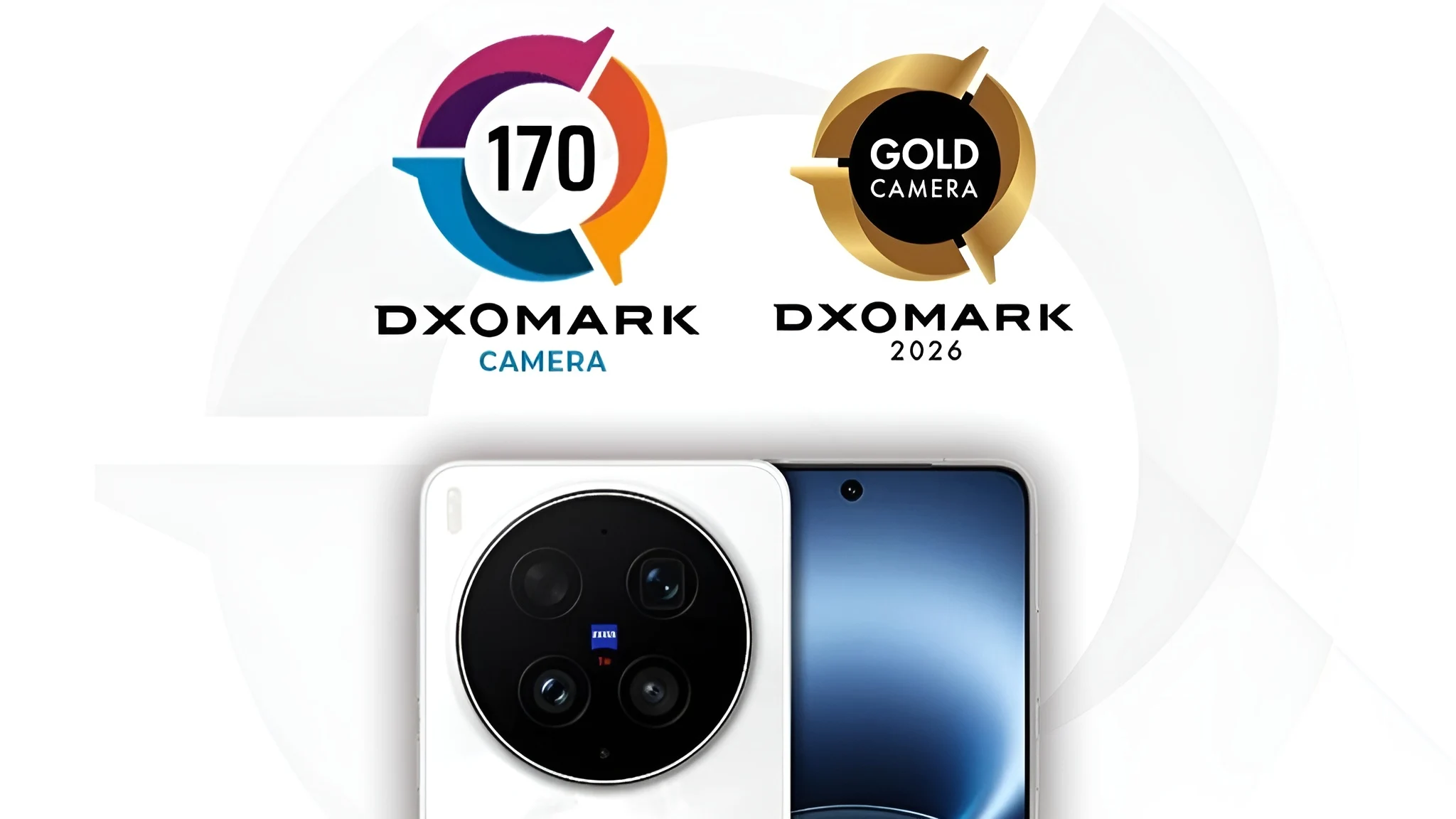
    – Vivo X300 Pro ranks 2nd in DxOMark, ahead of the more expensive X300 Ultra by just one point.
    – X300 Ultra loses 10 points in main camera video rating, causing its lower overall score.
    – X300 Pro outperforms X300 Ultra in low-light performance.
    – X300 Ultra excels in ultra-wide, telephoto, bokeh, and zoom, but struggles with video and low-light consistency.
    – Overprocessing leads to unnatural photos and artifacts, especially in darkness.


    Vivo X300 Ultra Camera Test Results

    The Vivo X300 Pro reached second place in in DxoMark camera test at the end of 2025, a position it still holds today, directly behind the Huawei Pura 80 Ultra, which has topped the ranking of the best smartphone cameras for months. There has been little movement among the top three until now: DxOMark has just published its Vivo X300 Ultra camera test, and it ends with a small surprise.

    Point Distribution and Surprising Rankings

    The current Zeiss camera flagship, which is around €600 more expensive than last year’s Pro model, lands in third place behind the Vivo X300 Pro in terms of points, which is somewhat surprising. So let’s take a look at where the Vivo X300 Ultra’s camera fell short in DxOMark’s eyes and why the more affordable Vivo flagship apparently received a slightly better rating overall.

    Video Performance and Low Light Issues

    By just a single point, the Vivo X300 Pro’s lead isn’t huge, but one could be forgiven for expecting a clear victory for the Ultra model. Looking at the point distribution between the two Vivo contenders, one outlier stands out in particular. While the X300 Ultra scores more or at least as many points as the Pro model in virtually all categories, the Vivo X300 Ultra falls short by a full 10 points in the main camera’s video rating, which apparently tipped the scales in favor of the overall score.

    In terms of usage scenarios, the Vivo X300 Pro still maintains its top position in low-light performance, ahead of the Vivo X300 Ultra. The rather negative assessment of video performance by DxoMark is likely to hurt Vivo, as the Vivo X300 Ultra was specifically developed and marketed for this area. After all, the Zeiss Ultra flagship still achieves top scores in ultra-wide-angle, telephoto, bokeh and zoom.

    Test Comments and Final Rankings

    In the test comments, the camera testers mention inconsistent performance in challenging situations, particularly during video recording and in low light. In darkness, the testers also apparently struggled with increased noise, artifacts and unnatural AI textures. In general, the testers note that the somewhat excessive overprocessing can result in unnatural photos. Nevertheless, the Vivo X300 Ultra currently dominates our list of the top camera phones, followed closely by the Vivo X300 Pro and the Oppo Find X9 Ultra in third place.

    • Vivo X300 Pro: 2nd place overall, strong low-light performance
    • Vivo X300 Ultra: 3rd place overall, 10 points lower in video rating
    • Huawei Pura 80 Ultra: 1st place, holds top ranking for months


  • Motorola Edge 2026 Unveiled: Compact, Triple 50MP Cameras

    Motorola Edge 2026 Unveiled: Compact, Triple 50MP Cameras

    Key Takeaway

    – 6.3-inch “Extreme AMOLED” display with 120Hz refresh rate and 5,200 nits peak brightness
    – 5,000 mAh battery with 60W wired and 15W wireless charging
    – Triple rear cameras: 50MP main, 50MP ultra-wide, 10MP telephoto (3x optical zoom)
    – MediaTek Dimensity 7450 chipset with 8GB RAM and 128GB storage
    – Launches in the USA on June 11, 2026, for $599.99


    Compact Design Meets Durable Build

    Following the Motorola Edge 70 (priced at $545 on Amazon), the company has introduced a fresh mid-range smartphone in its Edge lineup, featuring that familiar Motorola look with a flat frame, colorful fabric back, and a squarish camera module. The Edge 2026, boasting a screen size of 6.3 inches, stands out as one of the most compact options available in the series, making it easyer to hold and use with one hand without much strain.

    Display, Battery, and Camera Specs

    Motorola equips this device with an “Extreme AMOLED” panel that delivers a resolution of 2,640 x 1,216 pixels, a smooth 120 Hz refresh rate, and an eye-popping HDR peak brightness of 5,200 nits. Despite its smaller frame, they managed to pack in a 5,000 mAh battery, which supports charging up to 60 watts via USB-C or 15 watts wirelessly. The Edge 2026 also features a 50-megapixel selfie shooter, a 50 MP main camera using the Sony LYT-710 sensor, a 50 MP ultra-wide-angle lens, and a 10 MP telephoto camera with triple optical zoom for decent zooming capabilities.

    Performance and Software Promises

    The main camera can record 4K footage at 30 frames per second and 1080p slow-motion video at 120 fps. Inside this smartphone lies a MediaTek Dimensity 7450 chipset, which includes four ARM Cortex-A78 performance cores along with four Cortex-A55 efficiency cores. The device supports standard Android AI features such as Circle to Search, and Motorola pledges at least three major Android updates for this mid-range handset, ensuring it stays relevant for a while.

    Pricing and Availability Details

    The Motorola Edge 2026 will launch in the USA on June 11, 2026, and will be sold exclusively with 8 GB of RAM plus 128 GB of internal storage at a price of $599.99. For any additional specifics, you can check out the official Motorola website for more information on this upcoming device and its features.

    Sources
  • Revolut Unveils Numberless Visa & Mastercard for Better Security

    Revolut Unveils Numberless Visa & Mastercard for Better Security

    Key Takeaway

    – Revolut now offers numberless debit cards by default, with an option to keep the number printed if preferred.
    – Numberless cards prevent visual theft of card details in public (e.g., by cameras or copying).
    – Numberless cards may cause issues at hotels or airlines that require the physical card number for reservations or payment guarantees.
    – Card numbers and security details remain accessible in the app if needed.
    – Users can maintain multiple Revolut cards and toggle them on/off individually to manage different use cases.


    New Security Update

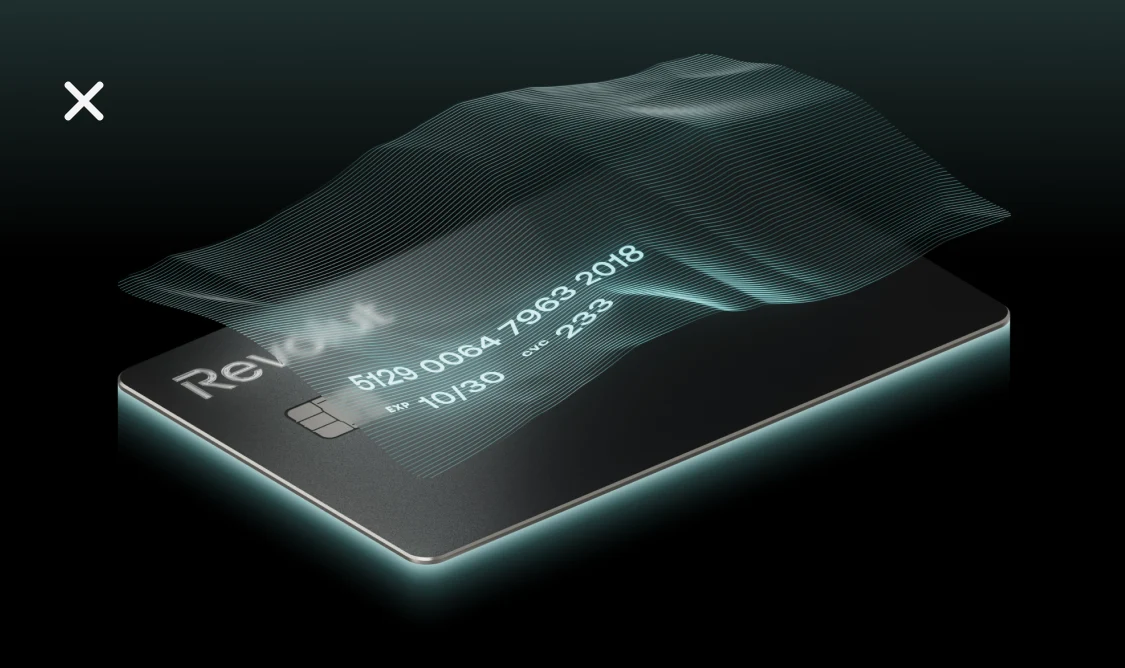
    The neobank Revolut has rolled out a new security feature in its app. According to an in-app announcement, users ordering a new debit card—whether Visa or Mastercard—will no longer have the card number printed on the physical card. However, it will still be possible to opt for a card with the number printed on it if desired.

    Communication Gaps in the App

    In the app, however, this new feature is not yet clearly communicated. For some cards, it remains unclear whether approving the shipping costs might accidentally trigger an order. We did, however, find the feature immediately on the card that allows for a custom design. With a simple toggle, the number on the card can be opted out of.

    Public Payment Protection

    When paying with this card in public, users no longer risk someone copying the card number, security codes, and expiration date, or filming them with a security camera, smart glasses, or a smartphone. The numberless card thus catches up with Apple Pay and Google Wallet.

    Hotel and Travel Challenges

    The feature is also helpful in other ways. Some hotels, for instance, have developed a habit of writing down card numbers on slips of paper. Although this is not permitted, it still happens even at major chains like NH or Marriott, as we know from personal experience. Not everyone feels comfortable arguing with hotel staff. Especially when the staff is used to this practice, they feel they are in the right, which is when it becomes problematic.

    Potential Booking Issues

    However, this can also lead to issues if, for example, the card number needs to be entered directly into the reservation system. Some hotels use this specific number to secure a payment guarantee instead of simply blocking an amount. In such cases, Apple Pay or Google Pay is often not accepted as a payment guarantee. The hotel wants to see the physical card. Anyone traveling with a numberless Revolut card should therefore be prepared for discussions.

    Accessing Card Details via App

    If in doubt, however, Revolut states that the card number and other security details can still be accessed via the app. There are also occasionally still airlines that request to see the “credit card” used to pay for the flight ticket. One should be aware of such issues, even if they occur rarely. When in doubt, however, a Revolut card with a number can still be used. Revolut allows the use of multiple payment cards, which can be turned on and off individually.

    Final Considerations

    Travelers should know that using a card without a number might slow things down at check-in counters or rental desks. But the added security is a tradeoff many will appriciate. Its good that the app stores all the details though this requires your phone to be charged and accessible.


    Sources

    • Oppo Find X9 Ultra vs Vivo X300 Ultra: Best Value

      Key Takeaway

      – Oppo Find X9 Ultra wins on battery life, audio quality, and connectivity speed.
      – Vivo X300 Ultra has a superior display, better cameras, and more powerful haptics.
      – Oppo runs cooler under load, while Vivo’s software and brightness control are more polished.
      – Vivo is significantly more expensive in Europe (€2,000 vs. €1,500), but prices drop as imports.
      – Choice depends on priorities: performance & endurance (Oppo) vs. display & photography (Vivo).


      Comparing the Oppo Find X9 Ultra and Vivo X300 Ultra

      In our reviews of the Oppo Find X9 Ultra and Vivo X300 Ultra, both smartphones, powered with the Snapdragon 8 Elite Gen 5, present themselves as strong companions for everyday use. However, a direct comparison between the Oppo and Vivo phones reveals that both flagships have different strengths and weaknesses and therefore appeal to different types of users. Their pricing also realy differs right from the start.

      Pricing and Storage Configurations

      There are already clear price differences. In Europe, the Find X9 Ultra is available for an RRP of just under €1,500, while the X300 Ultra is more expensive. The RRP for the only storage option with 16 GB of RAM and 1 TB of storage, is just under €2,000. As imports, however, the prices already start noticeably lower for both flagships (around $1,100). This makes the Oppo a considerably more affordable option, but the Vivo’s premium price tag may be justified by some high-end features.

      Audio and Battery Performance

      The difference between the Oppo Find X9 Ultra and Vivo X300 Ultra is clear when it comes to audio quality. The Oppo phone delivers more powerful and balanced speakers and the drivers offer more depth, more stable highs as well as a significantly more linear frequency response in our measurements. The SPL value is also around 4.5 dBA higher than that of the Vivo phone, which sounds flatter in direct comparison and drops more sharply at high frequencies. Another advantage of the Find X9 Ultra is its battery life.

      The 7,050 mAh silicon-carbon battery lasts over five hours longer in the Wi-Fi battery test than the 6,600 mAh battery of the Vivo X300 Ultra. This is a difference that is definitely noticeable in everyday use. The slightly lower temperature development also speaks in favor of the Oppo flagship. Both top phones struggle with the high heat output of the Snapdragon 8 Elite Gen 5 under continuous load, but the Vivo phone reaches almost 55 °C in our measurements, while the Find X9 Ultra’s case remains slightly cooler at around 50 °C.

      Connectivity and Storage Speed

      The Find X9 Ultra is also ahead in terms of connectivity and storage performance. It even sets new records in our Wi-Fi measurements, while the Vivo flagship only achieves around half the speed. However, the approximately 2,000 Mbit/s of the Vivo phone is more than sufficient in everyday use, so the Find X9 Ultra’s advantage is more theoretical. The situation is similar with UFS storage. Here, the Oppo flagship is almost twice as fast in our review but the practical added value is likely to be rather small. For most users, the Vivo’s slower speeds will not be a hinderance.

      Display and Camera Advantages of the Vivo

      On the other hand, the Vivo X300 Ultra has noticeable advantages when it comes to the display and cameras. The 6.82-inch OLED panel is significantly brighter in everyday use than the Oppo phone’s 144 Hz screen. While the Find X9 Ultra only achieves around half of the advertised maximum brightness and cannot maintain it for long, the Vivo phone remains stable in our measurements and impresses with better automatic brightness control. Oppo’s automatic brightness control often sets it too low in everyday use. The vibration motor also seems more powerful on the Vivo phone, a point that is often underestimated in everyday use.

      The Vivo X300 Ultra is also ahead in terms of camera quality. The ultra-wide-angle camera delivers visibly better results thanks to its larger sensor, and the main camera also benefits from Vivo’s truly excellent, probably industry-leading software. The Oppo Find X9 Ultra can keep up here, but in our opinion, it does not quite reach the level of the Vivo flagship. On the other hand, the Oppo flagship offers practical special buttons, including for camera functions, which the Vivo model completely lacks.


    • Galaxy Z Fold 8 Wide Specs & Design: Camera, Battery, Crease-Free

      Galaxy Z Fold 8 Wide Specs & Design: Camera, Battery, Crease-Free

      Key Takeaway

      – Weight reduced to 201g and thickness to 4.5mm when unfolded
      – Crease improved to match or surpass the Oppo Find N6
      – 4800 mAh battery with 45W charging
      – New 50MP sensor capable of 24MP shooting mode
      – Expected unveiling at Galaxy Unpacked in London on July 22, 2026


      Specs Leak Reveals Galaxy Z Fold 8 Weight

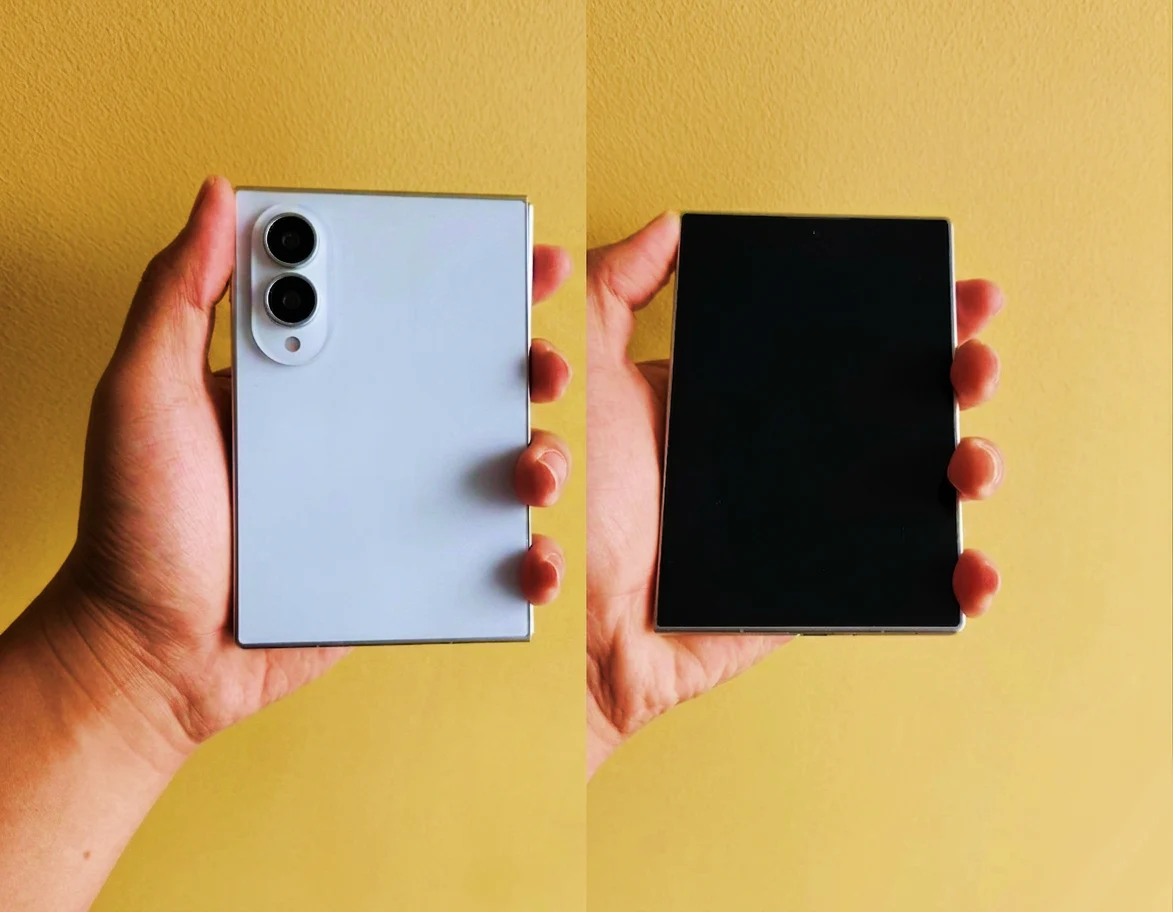
      A precise leak has just revelaed the key specs of the upcoming Galaxy Z Fold 8 (Wide). Leaked images of high-quality design models is giving us the best look at Samsung’s wider foldable next to the Galaxy Z Fold 8 Ultra, providing a clear visual comparision of the two devices for the first time.

      Weight Reduction and Thinness

      According to the new info shared by one of the top tipster, the standout upgrade is the weight. Samsung has reportedly managed to bring the weight of the Galaxy Z Fold 8 (that’s the name for the wider foldable) down to just 201g, while the phone is 4.5mm thin (when unfolded). For reference, the Galaxy Z Fold 7 weighs 215g and measures 4.2mm when opened. Meanwhile, the Galaxy S26+ and S26 Ultra weigh 190g and 214g respectively.

      Crease Improvement and Battery Specs

      But it gets even better as Samsung has reportedly improved its crease, with it now described as being on par with (or better than) the Oppo Find N6’s. While previous iterations saw only incremental changes, this development would mark a big shift for one of the Galaxy Z Fold design elements users often complain about, adressing a major pain point for foldable enthusiasts. Despite the lightweight design, the leak also says the wider Fold 8 model gets a 4800 mAh battery paired with 45W charging. These specs would indicate that despite the aggressive weight reduction, Samsung might not be compromising on power. For reference, the Galaxy Z Fold 7 has a 4,400 mAh battery.

      New Camera Sensor and Launch Date

      Finally, the leaked info points to a brand-new 50MP sensor, which can shoot in 24MP mode, similar to the iPhone 17 Pro, and (likely) the upcoming foldable iPhone Ultra, which might be heavier than the Fold 8 (Wide), as per the tipster. Samsung is widely expected to unveil this new hardware at its Galaxy Unpacked event in London on July 22, 2026.

      • Weight: 201g
      • Thickness: 4.5mm (unfolded)
      • Battery: 4800 mAh
      • Charging: 45W
      • Main camera: 50MP (24MP mode)


      Sources

    • OPPO Reno 16 Pro Global Leak: Smaller Battery, Weaker Chip

      OPPO Reno 16 Pro Global Leak: Smaller Battery, Weaker Chip

      Key Takeaway

      – Global OPPO Reno 16 series specifications differ from Chinese versions.
      – Global Reno 16 Pro has smaller 6,700mAh battery and Dimensity 8550 chipset (vs 7,000mAh and Dimensity 9500s in China).
      – Three global models: Reno 16, 16 Pro, and 16 FS, each with different processors, displays, and battery capacities.
      – All models expected to ship with Android 16 and IP69 rating.
      – Launch expected in India in July 2025.


      OPPO Reno 16 Series Global Specs Leak

      The OPPO Reno 16 series was recently launched in China and now we have some new information on the global variants. Tipster Sudhanshu says the global models will be different in specs when compared to the Chinese models. The Chinese version of the Reno 16 Pro has a 7000mAh battery, MediaTek Dimensity 9500s chipset and a quad camera setup with a 200MP primary camera and three 50MP lenses for ultra-wide, telephoto and selfies. It also supports 80W wired and 50W wireless charging and has an IP69K rating for water and dust resistance.

      Reno 16 Pro Global Version Downgrades

      The global version of the leaked Reno 16 Pro, however, falls short in a few areas. It is said to have a smaller 6,700mAh battery and a Dimensity 8550 chipset. It retains the 200MP primary camera and is expected to come with a 6.32-inch 144Hz AMOLED display. This represents a notable shift from the Chinese model’s hefty 7,000mAh cell and more powerfull processor, though the display size and refresh rate remain competitive. The global Pro variant sacrifices some battery capacity and processing power, wich may effect market positioning.

      Reno 16 and Reno 16 FS Features

      The global market will also get the Reno 16 standard and the Reno 16 FS variant. The base Reno 16 is rumored to have a 6.32-inch 120Hz display, Snapdragon 7 Gen 4 processor, 50MP main camera, and 6,000mAh battery. The Reno 16 FS, on the other hand, packs a MediaTek Dimensity 7300 processor, a bigger 6.57-inch 120Hz screen, and a 6,500mAh battery. Both devices offer substantial battery life improvements over current mid-range phones, and the Snapdragon 7 Gen 4 in the vanilla model should provide solid everyday performance for users.

      Launch Details and Software

      All three devices are expected to ship with Android 16 out of the box and will have an IP69 rating. They are also expected to launch in India this July. Tipster Sudhanshu on X shared the initial details regarding the global specs. The inclusion of high refresh rate screens across the lineup and the upgraded protection rating suggests OPPO is targetting durability without comprimising on display quality, though prices remain unconfirmed for the global rollout.

      • Reno 16 Pro global: 6.32-inch 144Hz AMOLED, Dimensity 8550, 6,700mAh battery, 200MP primary camera
      • Reno 16 standard: 6.32-inch 120Hz display, Snapdragon 7 Gen 4, 50MP main, 6,000mAh battery
      • Reno 16 FS: 6.57-inch 120Hz screen, Dimensity 7300, 6,500mAh battery
      Sources
    • Huawei Nova 16 Ultra: 200MP Camera, 7000mAh Battery, Slim Design

      Huawei Nova 16 Ultra: 200MP Camera, 7000mAh Battery, Slim Design

      Key Takeaway

      – IP69-certified waterproofing in an ultra-thin (7.1mm) design
      – 7,000 mAh battery with 100W wired and 50W wireless charging
      – 6.84-inch LTPO OLED display with 120Hz refresh rate and 6,000 nits peak HDR brightness
      – Triple rear camera system: 200MP main, 50MP ultra-wide, 50MP periscope telephoto (3.7x optical zoom)
      – HiSilicon Kirin 9010S chipset is a performance disadvantage versus flagship Qualcomm/MediaTek rivals


      Redefining Mid-Range Boundaries

      The Huawei Nova 16 Ultra is designed to blur the boundaries between premium mid-range and flagship smartphones, as the new top model in the Huawei Nova series makes few compromises when it comes to features. The 7.1 millimeter thick, 220 gram smartphone is IP69-certified and therefore waterproof. Despite its particularly thin body, Huawei is able to install a gigantic 7,000 mAh battery, which can be charged either via USB-C with up to 100 watts or wirelessly with 50 watts.

      Display and Performance Nuances

      The 6.84-inch display is based on an LTPO OLED panel that achieves a resolution of 2,856 × 1,320 pixels, a peak HDR brightness of 6,000 nits and a frame rate of 120 Hz. Kunlun Glass protects the screen from scratches. Compared to the flagships of the competition, the HiSilicon Kirin 9010S is probably the biggest disadvantage, as the chip cannot keep up with the fastest processors from Qualcomm and MediaTek. This processor choice might limit its appeal for power users seeking absolute peak performance in demanding tasks like heavy gaming or 4K video editing.

      Camera System and Design Details

      Huawei has installed a pill-shaped notch in the style of the Apple iPhone 17, which houses a 50 megapixel f/2.0 main camera with a 1/2.5 inch sensor as well as a multispectral sensor, which should enable more accurate color reproduction. The unusual camera module on the back offers space for a 200 MP f/1.8 main camera with a 1/1.28-inch sensor, a 50 MP ultra-wide-angle camera with macro function and a 50 MP f/2.2 periscope telephoto camera with 3.7x optical zoom. This versitile setup aims to compete with dedicated photography devices.

      Pricing and International Availibility

      The Huawei Nova 16 Ultra will be available in China with 12 GB RAM and 256 GB flash storage for CNY 4,699 ($694), with 512 GB memory for 5,199 yuan ($768), or with 1 TB memory for 5,799 yuan ($857). Huawei has not yet confirmed any details about a possible international launch. The pricing stratagy positions it directly against other high-end mid-rangers, offering substantial hardware for the cost.

      • 256 GB model: CNY 4,699 ($694)
      • 512 GB model: CNY 5,199 ($768)
      • 1 TB model: CNY 5,799 ($857)
      • Battery: 7,000 mAh with 100W wired and 50W wireless charging
      • Display: 6.84-inch LTPO OLED, 2,856 × 1,320 pixels, 120 Hz, 6,000 nits peak HDR brightness
      • Protection: Kunlun Glass and IP69 certification
      • Processor: HiSilicon Kirin 9010S
      • Front Camera: 50 MP f/2.0 with multispectral sensor
      • Rear Cameras: 200 MP main, 50 MP ultrawide with macro, 50 MP periscope telephoto with 3.7x optical zoom
      • RAM: 12 GB
      Sources