– The Oppo Find X9 Ultra overheats and throttles severely under load, halving its performance in 3DMark stress tests.
– Its predecessor, the Find X8 Ultra, handled heat better and sometimes outperformed the new model in sustained benchmarks.
– The Snapdragon 8 Elite Gen 5 chip’s high clock speeds (up to 4.6 GHz) generate excessive waste heat that passive cooling cannot manage.
– Passive cooling in thin flagship phones is reaching its limits, raising concerns for future chips like the Snapdragon 8 Elite Gen 6 (expected >5 GHz).
– In everyday use the throttling may not be noticeable, but it shows that raw SoC gains are negated by thermal constraints.
First Impressions of the Find X9 Ultra
Our assessment of the Find X9 Ultra offers little to critisize about of the current flagship smartphone, as Oppo has put together a complete package that is hard to beat (prices start at around $1,300 as an import). However, compared with our last year’s review, it becomes clear that even the Find X9 Ultra, with its built-in Snapdragon 8 Elite Gen 5, has its problems with thermal output.
Thermal Throttling Becomes a Problem
In our review, the Oppo phone sometimes throttled massively due to the high waste heat resulting from the Qualcomm SoC’s high clock speed of up to 4.6 GHz. In the 3DMark stress tests, the performance of the Find X9 Ultra was halved. This means that the final big hope in the smartphone market for taming the Snapdragon 8 Elite Gen 5 has fizzled out.
Comparing Heat Management With Last Year
Last year, with the Find X8 Ultra, Oppo was one of the few manufacturers, if not the only one, to get the heat problem of modern Qualcomm SoCs well under control. This level of cooling performance is unfortunately no longer available in the current generation. This even means that the Find X9 Ultra can deliver less performance in the 3DMark stress tests than its predecessor. Due to the significant drop in performance after a short time, the increase in SoC power of the Snapdragon 8 Elite Gen 5 compared to the previous year’s Snapdragon 8 Elite has evaporated. In some cases, the Find X8 Ultra achieved 20 percent higher values in the Wild Life stress test than its successor.
The Gap With Samsung Flagships
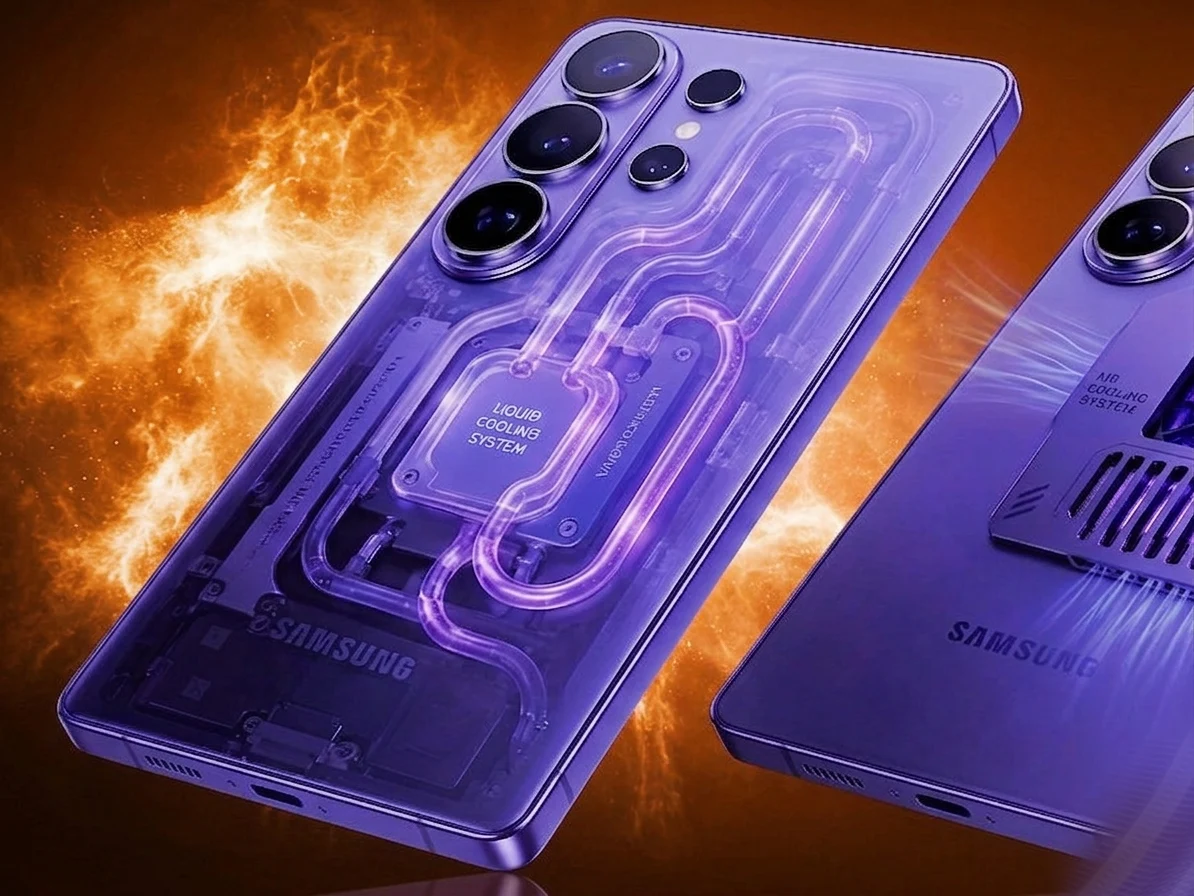
The discrepancy with a Samsung Galaxy S26 Ultra is even more serious. Is this a problem in everyday use? Probably not, but it highlights the increasingly severe challenges smartphone manufacturers face when relying on passive cooling systems to dissipate the substantial heat generated, in this case by the Oryon CPU cores, within such thin chassis of flagship phones.
What This Means for Future Chips
Since the cooling performance of the successor to the Find X8 Ultra is now also reaching its limits, this does not bode well for the Snapdragon 8 Elite Gen 6, which is expected to clock well above 5 GHz. At the latest with our review of the Find X9 Ultra, it becomes clear that hopes for passively cooled smartphones are fading – they simply cannot cope with the massive heat output, let alone make the additional performance usable in everyday scenarios