Category: Phones

Stay updated with the latest phone news, reviews, and trends. Discover cutting-edge smartphones, features, and innovations in our Phones category at GizNewsDaily

  • T-Mobile Reveals Starlink-Compatible Phones and Apps Before Pixel 10

    T-Mobile Reveals Starlink-Compatible Phones and Apps Before Pixel 10

    Key Takeaways

    1. The new Google Pixel 10 series will be the first phones to use Starlink satellite Internet data, available from August 28.
    2. The Pixel 9a supports only satellite messaging, without the capability to send pictures or use app data through Starlink.
    3. T-Mobile has a list of compatible phones and apps for Starlink data, including certain Google Pixel models, Apple’s iPhone 13-16 series, and select older Samsung models.
    4. Users of the Galaxy S21 series and Galaxy Z Fold/Flip models will not have access to Starlink data, despite their high price points.
    5. New apps optimized for the limited bandwidth of T-Satellite data include Google Maps, Google Messages, and Find Hub.


    Google and T-Mobile surprised everyone with the announcement of a new phone that can use Starlink’s data capabilities during the launch event for the Pixel 10 series.

    Exciting New Features

    According to Big Magenta, the latest Google Pixel phones will be the first to tap into Starlink satellite Internet data after the Pixel 10 series is released on August 28. However, the previously launched Pixel 9a, which is currently on sale at Amazon, only allows for satellite messaging and lacks the ability to send pictures or use app data through Starlink’s connection.

    The Latest Updates

    T-Mobile has revealed a list of phones and applications that are ready for Starlink data, just ahead of the general release of the T-Satellite data service in October. Other Google Pixel models from the 9 series and later are either already supporting Starlink data or will receive support soon.

    In addition, Apple’s iPhone 13, 14, 15, and 16 series will also be compatible with Starlink’s satellite Internet service on T-Mobile. Some older Samsung models are included too, but not all. For example, the Samsung Galaxy A14 won’t have access to Starlink data, which makes sense considering its lower price point.

    Disappointing News for Some Users

    It may frustrate users of the Galaxy S21 series that they will not be able to use Starlink’s data service on T-Mobile. Those who invested in the Galaxy Z Fold 3 and Flip 3, and their successors, Z Fold 5 and Z Flip 5, are also left out, even though these foldable phones are priced quite high.

    This situation is particularly surprising because some of T-Mobile’s budget-friendly options, like the Revvl 7, 7 Pro, and Revvl 8, are marked as “coming soon” for Starlink data support. To top it off, no Motorola phone scheduled for release in 2024 will offer Starlink data support, adding to the growing list of 14 incompatible devices.

    T-Mobile advocated for the inclusion of older phones for Starlink satellite Internet service compatibility and successfully secured exemptions for many. However, the new Starlink data connectivity won’t be available for all of the older models.

    New Apps for Limited Bandwidth

    The first apps designed to work with the limited bandwidth of the T-Satellite data option are now confirmed. Not surprisingly, all of these apps are from Google, including essential tools like Google Maps, Google Messages, and the Find Hub service for tracking down lost devices linked to your Google account.

    Source:
    Link


  • iPhone 16 Supports 25W Qi2 Wireless Charging with iOS 26

    iPhone 16 Supports 25W Qi2 Wireless Charging with iOS 26

    Key Takeaways

    1. The iPhone 16 series will support Qi2 25W wireless charging with the iOS 26 update.
    2. Belkin’s new Qi2 chargers can charge iPhone 16 models from 0% to 50% in about 25 minutes.
    3. Currently, iPhone 16 models only support 25W charging with Apple’s new MagSafe charger.
    4. The Qi2 25W standard allows for faster charging speeds than the previous maximum of 15W.
    5. iOS 26 is expected to be unveiled in September, alongside the iPhone 17 series, which may feature 50W wireless charging.


    The iPhone 16 series, which includes the iPhone 16, iPhone 16 Plus, iPhone 16 Pro, and iPhone 16 Pro Max, will be getting support for Qi2 25W wireless charging with the upcoming iOS 26 update.

    Charging Capabilities

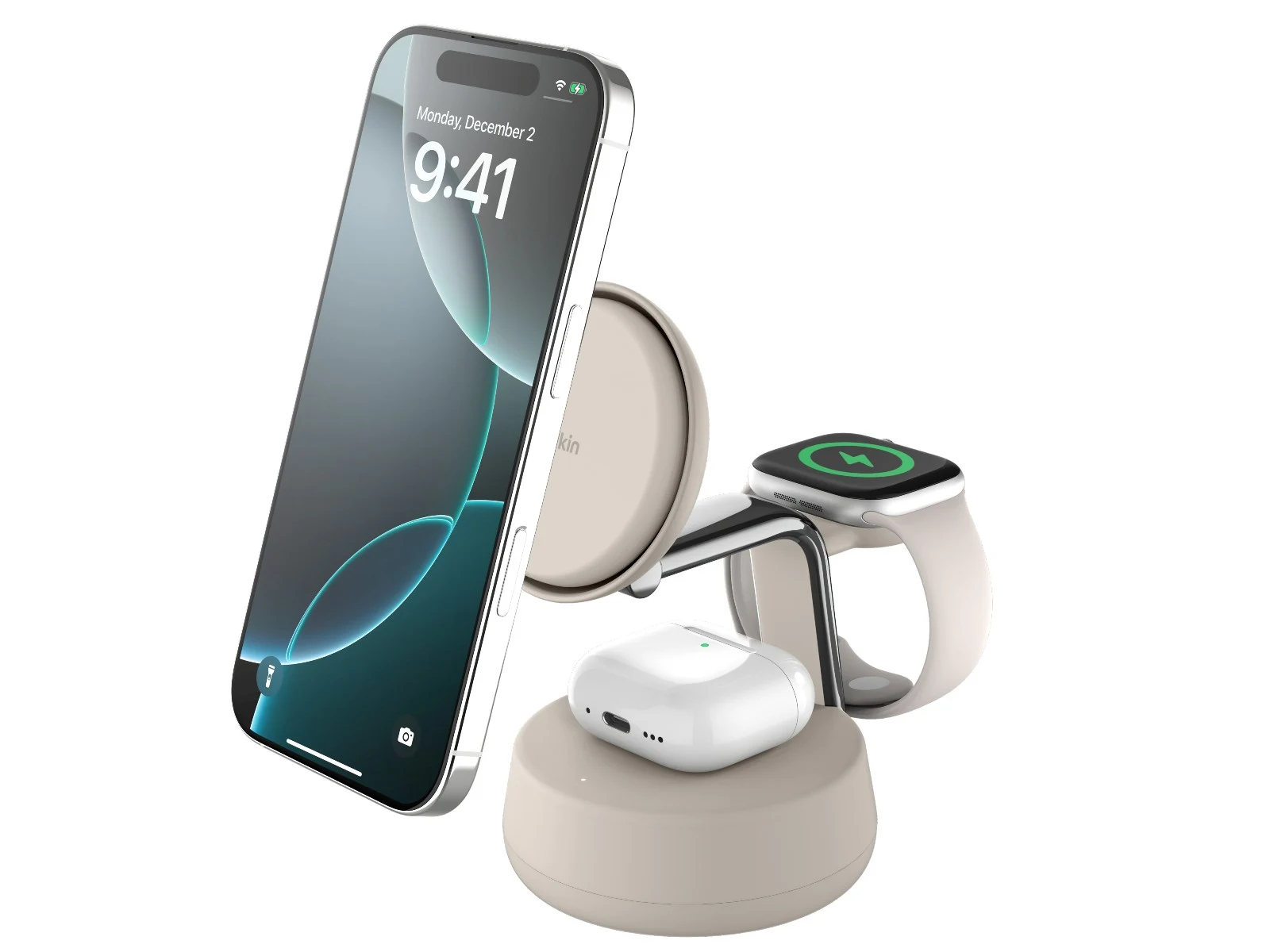
    In a press release regarding its new Qi2 25W charging stands, which was noted by MacRumors, Belkin has stated that these new accessories can charge iPhone 16 models running iOS 26 from a complete discharge to 50% in roughly 25 minutes. This charging time is identical to what Apple promotes for its updated 25W MagSafe charger, hinting that iOS 26 will enable quicker Qi2.2 charging for the iPhone 16 series.

    Current Wireless Charging Support

    At the moment, the iPhone 16 and iPhone 16 Pro can only utilize 25W wireless charging with the new Apple MagSafe charger that launched in late 2024. If official Qi2.2 certification is added, it would allow faster charging speeds with third-party accessories too. Belkin has already introduced three new 25W Qi2 chargers, and other companies, such as Anker and Ugreen, are also preparing Qi2.2-certified power banks and charging stands.

    Qi2 Standard Overview

    Last month, the Wireless Power Consortium (WPC) revealed the Qi2 25W standard, which increases wireless charging speeds from the previous maximum of 15W of the Qi2 standard. Currently, the only confirmed phone supporting 25W Qi2 charging is the newly launched Google Pixel 10 Pro XL, while the rest of the Pixel 10 series is limited to 15W.

    With the anticipated iOS 26, all iPhone 16 models, except the basic iPhone 16e, are expected to support the new 25W Qi2 standard. Apple is expected to unveil iOS 26 in September, coinciding with the launch of the iPhone 17 series, which is rumored to come with even quicker 50W wireless charging.

    Source:
    Link


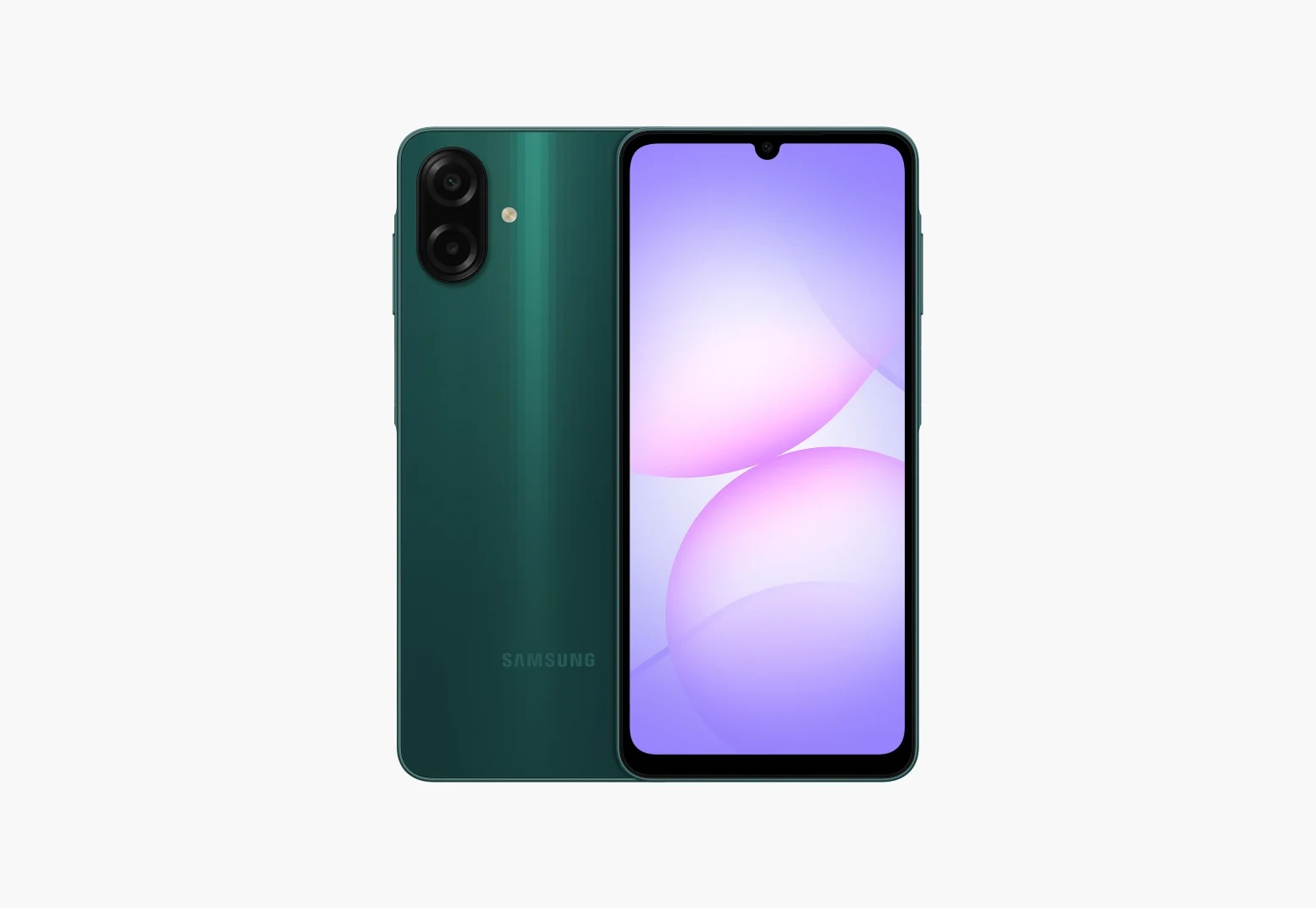
  • Samsung Galaxy A07: Affordable $86 Phone with 6.7″ 90Hz Display

    Samsung Galaxy A07: Affordable $86 Phone with 6.7″ 90Hz Display

    Key Takeaways

    1. The Samsung Galaxy A07 features the MediaTek Helio G99 SoC, which, while not new, adequately supports everyday tasks and media consumption.
    2. Samsung promises six years of operating system and security updates for the Galaxy A07, enhancing its longevity.
    3. The smartphone has a 6.7-inch LCD display with a resolution of 720 x 1600 and a 90 Hz refresh rate.
    4. It includes a dual-camera setup with a 50 MP main camera and an 8 MP front camera, along with a 5000 mAh battery and 25-watt fast charging support.
    5. The absence of 5G support may deter some users, despite the phone’s solid specifications and features at a budget price.


    Budget smartphones can be just as captivating as high-end models, given their ability to offer essential features at a tight price. The Samsung Galaxy A06 was the most budget-friendly smartphone from the Korean company last year, and now the A07 is ready to take on that role for this year, having already made its debut in Indonesia.

    Performance and Specifications

    Inside, the Samsung Galaxy A07 runs on the MediaTek Helio G99 SoC, which has been around for three years now. Even though it’s not the newest chip, it should handle everyday tasks and media consumption adequately, but its longevity is open to question. Samsung has announced that this budget phone will get an impressive six years of operating system and security updates. On the flip side, the absence of 5G support stands out as a significant drawback.

    As the Galaxy A07 nears its last OS update, the G99 SoC will be over nine years old, which is an important point to consider. The processor comes with options of 4 GB, 6 GB, or 8 GB of RAM, depending on the model you choose. Luckily, a microSD slot is included for additional storage. The various price points for the different configurations are shown below:

    Display and Camera Features

    The Galaxy A07 features a 6.7-inch LCD screen with a resolution of 720 x 1600 and a refresh rate of 90 Hz. It sports dual cameras, starting with a 50 MP main camera and a 2 MP depth sensor. For selfies, there’s an 8 MP camera located in a pill-shaped cutout at the top of the display. The device is equipped with a 5000 mAh battery, which should provide reliable longevity, and it supports 25-watt fast charging through the Type-C port (USB 2.0). Additionally, there’s a side-mounted fingerprint scanner, and the phone comes with IP54 dust and water resistance.

    Conclusion

    In summary, the Samsung Galaxy A07 aims to capture the budget smartphone market once again, offering solid specifications and features. While its processor may not be the newest, Samsung’s commitment to long-term updates and decent performance makes it a contender worth considering for those on a budget. However, the lack of 5G connectivity may be a dealbreaker for some users.

    Source:
    Link


  • Next-Gen Smartphone Features Built-In AC in Latest Leak

    Next-Gen Smartphone Features Built-In AC in Latest Leak

    Key Takeaways

    1. The Oppo K13 Turbo series introduces active cooling in smartphones, featuring fans in the camera bumps.
    2. A new competitor is set to reveal a smartphone with a different active cooling technology soon.
    3. Realme plans to integrate both intake and exhaust for cooling in a unique design, situated lower on the frame.
    4. The new cooling technology is easier to produce and can lower device temperature by up to 6 degrees Celsius.
    5. Realme’s air-cooled gaming smartphone is expected to launch before their 15,000mAh device, though the exact date is unknown.


    The Oppo K13 Turbo series has introduced the idea of smartphones with active cooling to a wider audience in 2025. Similar to the higher-end RedMagic 10S Pro that came before it, these new devices feature active fans located within their camera bumps, with a vent positioned on one side of the mid-frame.

    New Competitor on the Horizon

    Another company is expected to unveil a device utilizing similar technology soon. However, their method of active cooling is said to be different from that of Oppo and RedMagic, as per a recent leak.

    Realme’s Unique Approach

    Realme is reportedly working on a design that combines both the intake and exhaust of this “built-in AC” system into the same segment of the frame, located on the opposite side of the camera bump and considerably lower.

    The upcoming smartphone is suggested to resemble a member of the existing GT 7 series, featuring an unusually large grille on one side.

    Advantages of New Cooling Tech

    This innovative mobile active cooling technology might be simpler to produce at scale compared to current options. It is claimed to effectively lower a device’s temperature by up to 6 degrees Celsius (°C, or 42.8°F) nonetheless.

    While the launch date for Realme’s first air-cooled gaming smartphone is still a mystery, it is anticipated to debut ahead of the brand’s 15,000mAh device.

    Source:
    Link


  • iPhone 17 Pro May Finally Get Long-Awaited Charging Feature

    iPhone 17 Pro May Finally Get Long-Awaited Charging Feature

    Key Takeaways

    1. The iPhone 17 Pro may feature reverse wireless charging, a capability that Android users have had for about seven years.
    2. The information about reverse wireless charging comes from a leak by Fixed Focus Digital on Weibo.
    3. Apple has previously experimented with 7.5W reverse wireless charging for the iPhone 17 Pro series.
    4. Users could charge devices like Apple Watch or AirPods by placing them on the back of the iPhone 17 Pro.
    5. Apple has not officially confirmed any details about the iPhone 17 series, with an announcement expected on September 9.


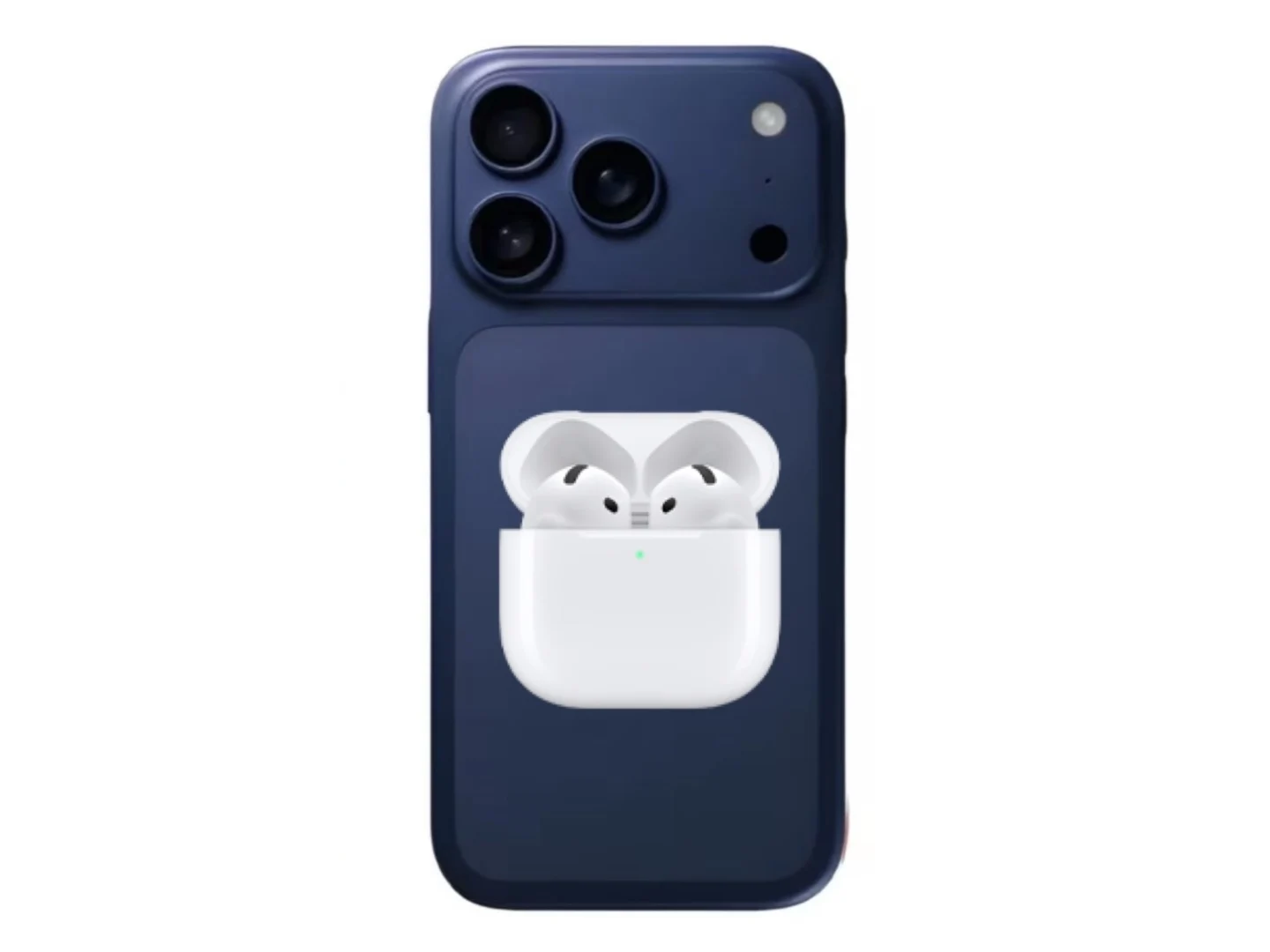
    Apple is just weeks away from revealing the iPhone 17 series, yet leaks continue to surface. The newest information suggests that the iPhone 17 Pro might finally include a charging feature that Android users have had for around seven years now. This feature, known as reverse wireless charging, would enable users to charge compatible accessories using their iPhone 17 Pro.

    Details on the Leak

    The leak originates from Fixed Focus Digital on Weibo, which claims that Apple is working on integrating reverse wireless charging for the iPhone 17 Pro. This isn’t the first time this feature has been mentioned regarding the iPhone 17 models. In February, another reliable source indicated that Apple was experimenting with 7.5W reverse wireless charging for the iPhone 17 Pro series. If this information holds true, it would mark the first instance where an iPhone can wirelessly charge another device.

    Previous Charging Capabilities

    Since the iPhone 12, models have been capable of reverse charging other devices when they are connected by a cable. For instance, the MagSafe battery pack could be charged with a Lightning cable plugged into the iPhone 12.

    As for the reverse wireless charging feature, users with an Apple Watch or Apple AirPods could simply place their devices on the back of the iPhone 17 Pro to charge them. Although the leaker specifically mentions the iPhone 17 Pro, it’s likely that the reverse charging feature will also be available on the larger iPhone 17 Pro Max.

    Caution on the Information

    It’s important to note that Apple hasn’t confirmed any details about the iPhone 17 series, so this information should be treated with caution. The tech giant from Cupertino is anticipated to announce the new series on September 9.

    Source:
    Link


  • Vivo to Launch New Smartphone with 8,200mAh Battery Soon

    Vivo to Launch New Smartphone with 8,200mAh Battery Soon

    Key Takeaways

    1. Vivo’s upcoming Y500 5G model will feature a large 8,200mAh battery, joining the mid-range Android smartphone trend of 2025.
    2. The Y500 is expected to have dual 50+2MP cameras and a 6.77-inch FHD+ 120Hz AMOLED display with advanced features like 3,840Hz PWM dimming.
    3. The device will boast high durability ratings, including SGS 5-star Gold Label resistance and an IP69+ water resistance certification.
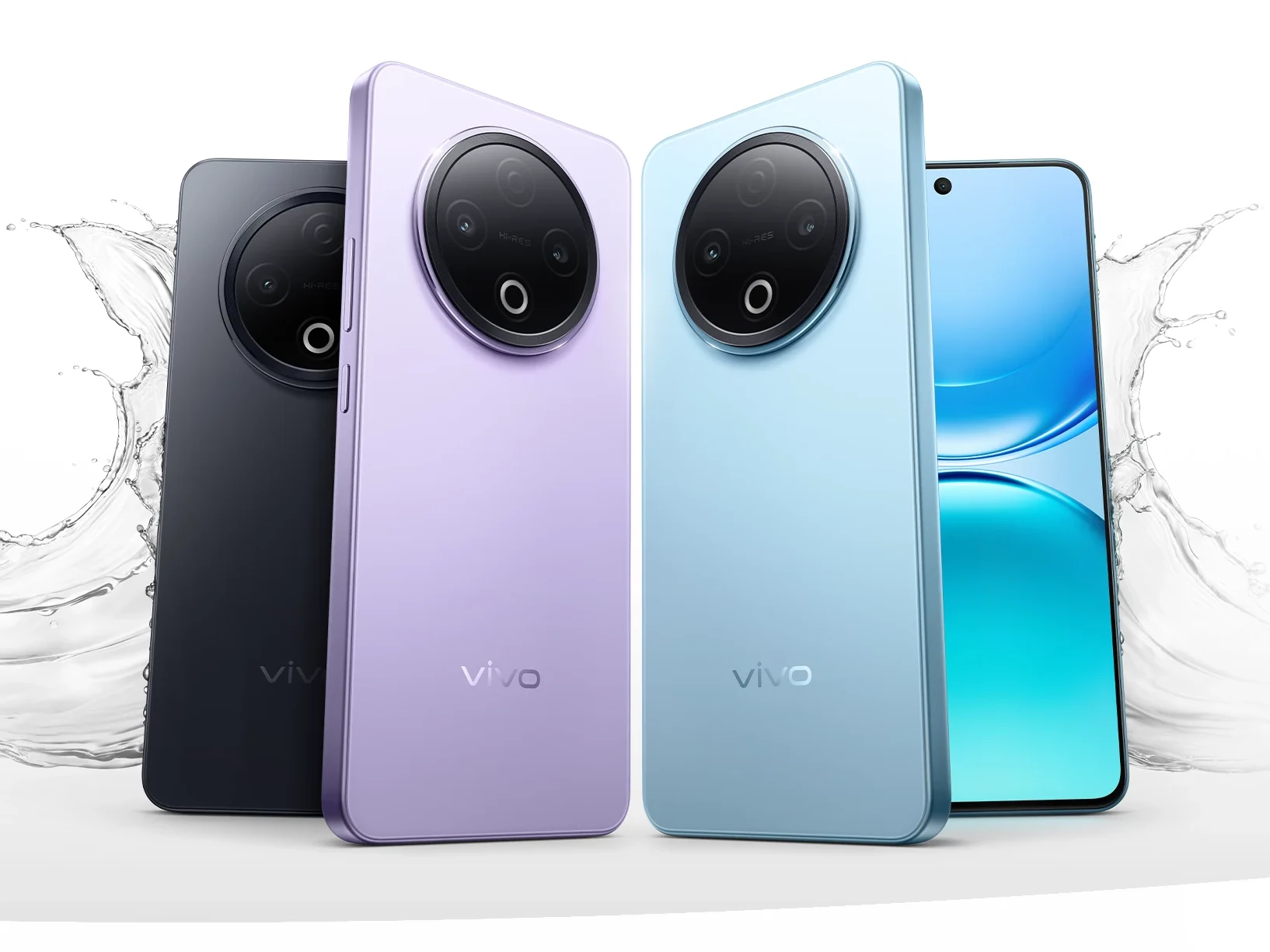
    4. New color options for the Y500 will include Glacier Blue, Dragon Crystal Purple, and Basalt Black, enhancing its aesthetic appeal.
    5. The Y500 is set to launch in China on September 1, 2025, maintaining a weight of around 213g and a slim profile of 8.23mm.


    2025 has marked a significant shift in the mid-range Android smartphone market, with many devices featuring impressively large batteries of around 8,000mAh. However, Vivo has only now decided to join this trend.

    In a surprising announcement, Vivo revealed that its Y400 5G model will be replaced by a next-gen version equipped with a battery boasting a rated capacity of at least 8,200mAh.

    Camera and Design Features

    The new device is expected to sport a camera bump similar to that of the Vivo T4 (or the iQoo Z10, which has introduced its own larger 7,300mAh battery on Amazon in India). As per a well-known leaker on X, the Y500 will feature dual 50+2MP cameras, confirming earlier rumors.

    Moreover, the Y500 is likely to come with a sizable 6.77-inch FHD+ 120Hz AMOLED display that has a “micro-quad-curved” design (or nearly flat). This screen is said to include 3,840Hz PWM dimming and an impressive peak brightness of 5,000 nits.

    Battery and Durability

    The upcoming battery powerhouse from Vivo is also rumored to support NFC, but it will not include an IR blaster. It is expected to have “SGS 5-star Gold Label” drop and impact resistance, along with an IP69+ water resistance rating to complement its IP68/69 certifications.

    While these specifications are still largely speculative, they align with Vivo’s official announcements regarding the Y500’s new color options: Glacier Blue, Dragon Crystal Purple, and Basalt Black. There are also mentions of its capability to endure exposure to water jets at “10,000kPa,” survive up to 62,000 screen drops, and function in temperatures reaching 40°C for as long as 17 hours.

    Anticipated Launch

    Additionally, Vivo’s teasers hint that the Y500 will maintain a typical size and weight, with predictions suggesting it will weigh around 213g and have a slim profile of just 8.23mm.

    The “strongest ever 8,200mAh smartphone” from Vivo is set to launch in China on September 1, 2025.

    Source:
    Link


  • Samsung Galaxy Z Fold 7 Reparability: Current Assessment Guide

    Samsung Galaxy Z Fold 7 Reparability: Current Assessment Guide

    Key Takeaways

    1. Design and Display: The Galaxy Z Fold7 features a foldable 8-inch OLED display with a resolution of 2160 x 2480 pixels and a 120 Hz refresh rate, along with a 6.5-inch cover display.

    2. Performance: It is powered by a Snapdragon 8 Elite processor, with options for up to 16 GB of RAM and 1 TB of storage, ensuring strong performance.

    3. Camera System: The device has a triple camera setup including a 200 MP main sensor, capable of recording 8K video, and two 12 MP front cameras for UHD video.

    4. Repairability Issues: The Galaxy Z Fold7 has low repairability, scoring only 3 out of 10 on iFixit, with challenging battery removal and no available spare parts in the USA.

    5. Software and Updates: It runs on Android 16 with One UI 8.0 and promises seven years of software updates, enhancing longevity for users.


    The Samsung Galaxy Z Fold7 measures 4.2 mm in thickness when open and 8.9 mm when closed. It has an IP48 rating, making it resistant to dust and water. The front is made of Gorilla Glass Ceramic 2, while the back uses Victus 2. The device features a foldable 8-inch OLED display with a resolution of 2160 x 2480 pixels and a refresh rate of 120 Hz. Its 6.5-inch cover display is slightly bigger than the previous model. The Snapdragon 8 Elite processor ensures strong performance, accompanied by up to 16 GB of RAM and 1 TB of storage. It includes UWB, DeX, USB 3.2, and Wi-Fi 7, but support for the S-Pen has been dropped. The triple camera setup consists of a 200 MP main sensor (23 mm), a 12 MP ultra-wide lens, and a 10 MP telephoto lens with 3x zoom, capable of recording videos at 8K/30 fps and HDR in UHD. The two front cameras, both 12 MP (23 mm and 17 mm), can shoot in UHD at 60 fps. A linear vibration motor enhances feedback, while biometric security includes a fingerprint sensor in the power button and face recognition. The software runs on Android 16 with One UI 8.0, promising seven years of updates.

    Repairability Concerns

    iFixit reports that the repairability of the Galaxy Z Fold7 (buy here on Amazon) is notably low. Battery removal is challenging due to malfunctioning pull tabs, forcing professionals to use solvents. The process of taking off the cover display is also complex, as the adhesive is very hard to remove, even with heat. Changing the flexible AMOLED inner display is especially tricky; it requires the difficult removal of the plastic bezel, which risks damaging the delicate panel. iFixit points out that there are no repair manuals or spare parts available, not even for the older model. This led to a low score of 3 out of 10 for repairability, which is quite disappointing.

    Availability of Parts

    While iFixit’s concerns are not completely off base regarding the repair difficulty, it’s worth noting that Samsung does offer a repair manual for the Galaxy Z Fold7 for download. Additionally, many replacement parts have been listed by Samsung, although they are currently unavailable or not yet priced, particularly in the EU and UK. These parts typically become available a bit later. As of now, spare parts have not been released in the USA, but technically skilled users may be able to fix a malfunctioning Fold7 on their own.


  • Xiaomi 16 Pro Leak Reveals Major Display Upgrade Details

    Xiaomi 16 Pro Leak Reveals Major Display Upgrade Details

    Key Takeaways

    1. Xiaomi is set to launch its first flagship smartphones with the Snapdragon 8 Elite 2 processor, featuring significant enhancements over previous models.
    2. The Xiaomi 16 Pro will have a redesigned flat display, replacing the curved screen of the Xiaomi 15 Pro, with a size of 6.8 inches and slim bezels.
    3. A compact version of the Xiaomi 16 Pro, potentially named Xiaomi 16 Pro Mini, is rumored to feature a 6.3-inch screen.
    4. The Xiaomi 16 Pro is expected to have a triple 50 MP rear camera system and a large 7,500 mAh battery with 100 W fast charging and 50 W wireless charging capabilities.
    5. New display technology is anticipated to improve viewing experiences in various lighting conditions for the Xiaomi 16 series.


    Xiaomi is gearing up to launch its first flagship smartphones powered by the Snapdragon 8 Elite 2, and recent leaks suggest that these devices will feature significant enhancements. Specifically, the new Xiaomi 16 series is rumored to boast improved camera systems and larger batteries compared to the previous models.

    Display Changes Ahead

    A recent leak indicates that the Xiaomi 16 Pro will undergo a significant redesign in terms of its display. This information comes from the well-known Weibo user, Smart Pikachu, who asserts that this upcoming flagship will replace the curved screen of its predecessor with a flat display.

    To put things in perspective, the Xiaomi 15 Pro is equipped with a micro-quad-curved 6.73-inch display, which was acclaimed for providing a superior feel compared to the 14 Pro. In contrast, the forthcoming Pro model is said to feature a larger 6.8-inch display. As noted by Smart Pikachu, the flat screen with slim bezels is expected to deliver a “visual effect” that is just as premium as the previous generation.

    Additional Variants and Features

    There have also been discussions regarding a more compact option for the Xiaomi 16 Pro, which is rumored to have a 6.3-inch screen. However, it might be released under the name Xiaomi 16 Pro Mini instead of Xiaomi 16 Pro Max.

    Furthermore, Smart Pikachu mentioned that the Xiaomi 16 Pro will incorporate a new display technology aimed at enhancing the viewing experience in various lighting scenarios. Other rumored specifications include a triple 50 MP camera arrangement at the rear, a massive 7,500 mAh battery with support for 100 W fast charging (currently, a 200 W Ugreen Nexode 25K power bank is priced at $99.99 on Amazon), along with 50 W wireless charging capabilities.

    Source:
    Link


  • Xiaomi 16 Series Battery Specs Create Buzz Online

    Xiaomi 16 Series Battery Specs Create Buzz Online

    Key Takeaways

    1. Xiaomi is expected to launch its new Xiaomi 16 series smartphones in China by the end of September.
    2. The standard Xiaomi 16 is rumored to feature a large 7,000 mAh battery.
    3. The Xiaomi 16 Pro is expected to have a smaller 6,300 mAh battery, despite being similar in size to the standard model.
    4. The Xiaomi 16 Pro Max may be released with a notable 7,500 mAh battery but is likely to be unavailable globally.
    5. The battery capacities of the new models position them competitively against similar premium devices, like the OnePlus 15T.


    By many reports, Xiaomi is set to unveil its new Xiaomi 16 series smartphones in China towards the end of September. In recent weeks, more information about these devices has been shared, with the latest details shedding light on what to expect.

    Battery Details

    According to leaker Kartikey Singh, the standard Xiaomi 16 is expected to come with a hefty 7,000 mAh battery. This aligns with earlier rumors and positions the Xiaomi 16 well against similar compact premium devices, like the OnePlus 15T.

    Pro Version Insights

    In a twist, the Xiaomi 16 Pro—likely to share the same size as the standard Xiaomi 16—is rumored to have a smaller 6,300 mAh battery. While this may seem a bit disappointing compared to the Xiaomi 16, it’s worth noting that the Xiaomi 15 Pro has a 6,100 mAh battery, even though it’s larger than what the Xiaomi 16 Pro is believed to be.

    Max Model Speculations

    Another source suggests that the Xiaomi 16 Pro Max—a bigger variant compared to the Xiaomi 16 and Xiaomi 16 Pro—might debut with an impressive 7,500 mAh battery. Nonetheless, if history is any guide, the Xiaomi 16 Pro Max probably won’t be available globally, which might make it less appealing to many fans.

    Source:
    Link


  • Samsung Galaxy Z Flip 7 Teardown Shows Dirty Hinge Issues

    Samsung Galaxy Z Flip 7 Teardown Shows Dirty Hinge Issues

    Key Takeaways

    1. The Pixel 10 Pro Fold is the first IP68-rated foldable device, while the Galaxy Z Flip 7 has a lower IP48 rating, making it less resistant to water and dust.
    2. Dirt infiltration in the Galaxy Z Flip 7’s hinge may not cause immediate damage, but it could lead to long-term issues with the device’s durability.
    3. The teardown process of the Galaxy Z Flip 7 reveals that the flexible AMOLED screen is delicate and requires careful handling during removal.
    4. The outer display of the Galaxy Z Flip 7 is easily removable, while the internal components include a dual-layer motherboard featuring the new Exynos 2500 chip.
    5. The teardown by JerryRigEverything offers valuable insights into the construction and potential vulnerabilities of these foldable devices.


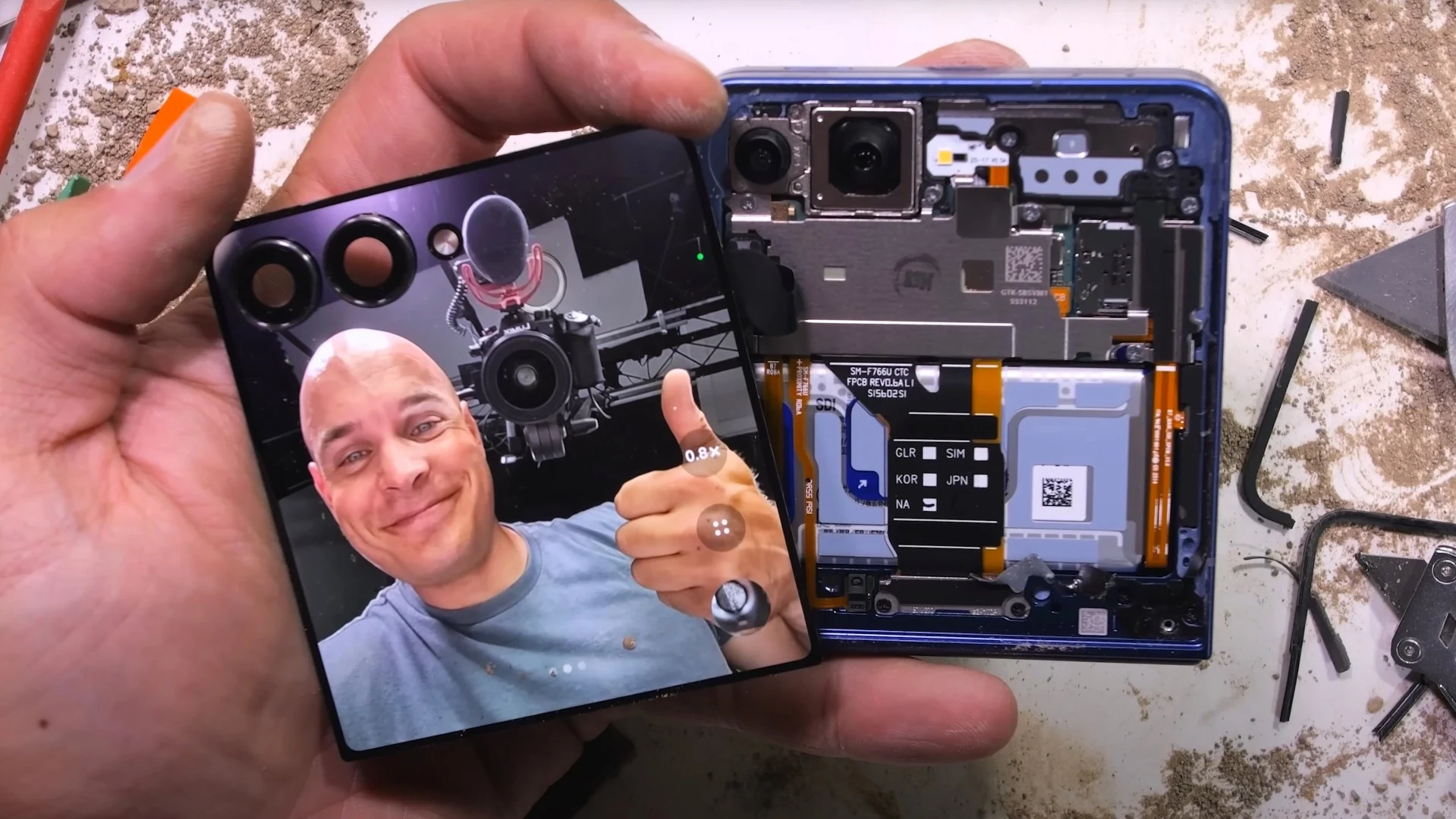
    We are eagerly anticipating the durability assessment and disassembly of the inaugural IP68-rated foldable, the Pixel 10 Pro Fold. On the other hand, the Galaxy Z Flip 7, which only boasts an IP48 water-resistance rating and lacks adequate dust protection, has shown that after a teardown, its hinge was quite filthy, filled with sand that infiltrated the compact foldable device following extensive exposure to dirt during testing.

    Potential Long-term Effects

    While this dirt infiltration doesn’t seem to cause any immediate significant damage, it might have adverse long-term consequences if you intend to use your Samsung flip phone over many years. The teardown video featured on the JerryRigEverything YouTube channel illustrates that the flexible AMOLED screen must be handled with extreme care during removal. Even an expert like Zack Nelson struggles to detach the panel, which is shielded by a very thin layer of glass, without inflicting damage on the display.

    Internal Components

    Fortunately, he successfully removes the larger outer display without any problems, which in the seventh generation of the Galaxy Z Flip, occupies half of the rear with sleek bezels. Inside the Samsung flip phone, you can discover the batteries, which are comparably simple to take out thanks to handy pull-tabs, a copper vapor chamber for efficient cooling, and a dual-layer motherboard. This motherboard is groundbreaking as it is the first globally to feature the Exynos 2500 chip released this year.

    Source:
    Link