Category: Phones

Stay updated with the latest phone news, reviews, and trends. Discover cutting-edge smartphones, features, and innovations in our Phones category at GizNewsDaily

  • All-White Huawei Mate XTs Launching Before iPhone 17 Pro

    All-White Huawei Mate XTs Launching Before iPhone 17 Pro

    Key Takeaways

    1. Huawei timed the Mate XT teaser to follow Apple’s iPhone 17 announcement, aiming to compete directly with it.
    2. The Mate XT will debut on September 4, 2025, at the IFA event in China, with no major changes from its predecessor.
    3. New color options and enhanced features, including a Kirin 9020 chip and improved cameras, are expected for the Mate XT.
    4. Samsung’s upcoming Galaxy Z Tri-Fold may attract customers away from Huawei, but the Mate XT’s stylus support could provide a competitive advantage.
    5. The Galaxy Z Tri-Fold is set to be revealed on September 29, 2025, during a Galaxy Unpacked event in South Korea.


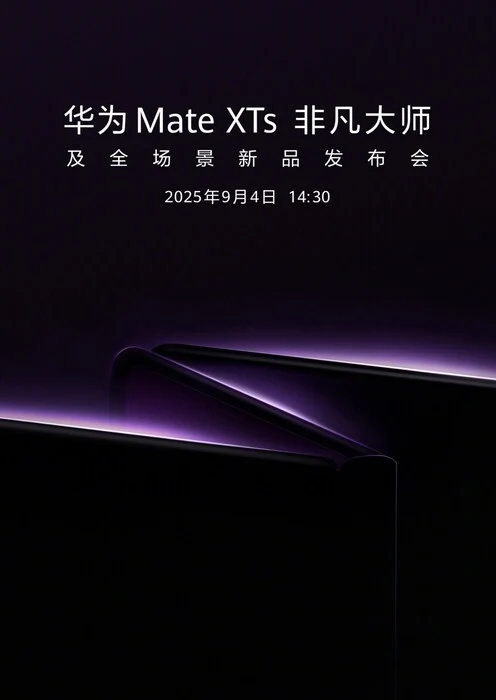
    Huawei seems to have purposely timed its teaser for the Mate XT launch just after Apple announced the iPhone 17’s release date on August 26. The Mate XT is set to debut on September 4, 2025, during the IFA event, although it will be in China rather than Berlin.

    Strategic Timing

    A year after the original Mate XT release, Huawei is again aiming to compete with Apple’s iPhones. This could impact the iPhone 17’s pre-order success, which begins on September 9, especially since the first tri-foldable device did well in China despite its steep pricing. The Mate XT’s name indicates there won’t be major changes from the first model, which was a double-folding 10-inch tablet.

    Design and Features

    The Z-shape design is expected to stay, but there will be fresh color options, as confirmed by a video from Huawei’s Mobile CEO, Richard Yu, on Weibo. A new white color variant and a purple option were highlighted for the first time. As per Digital Chat Station, a Kirin 9020 chip and improved cameras, including a new main camera with a variable aperture and an upgraded periscope telephoto lens, are anticipated. The video also hints at stylus support, which could help Huawei counter its upcoming competition.

    Competition from Samsung

    Samsung’s new offerings might attract some customers away from Huawei’s second tri-foldable device, particularly in China and South Korea. The Galaxy Z Tri-Fold is probably going to be thicker than the Mate XT series, but its fully inward-folding design could make it sturdier for daily use, along with a more powerful Snapdragon chipset. Since Samsung may not include S Pen support, like in the Galaxy Z Fold 7, the stylus feature on the Mate XT could give Huawei a competitive edge.

    Rumors from South Korea and Max Jambor from Germany suggest that the Samsung Galaxy Z Tri-Fold will be revealed on September 29, 2025, during a Galaxy Unpacked event in South Korea, possibly alongside an MR headset set to launch in late 2024 under the name Project Moohan. The price for Samsung’s MR headset is projected to be around $1,750 to $2,900, which is significantly lower than Apple’s pricing. It is expected to launch in South Korea on October 13, with other markets to follow later.

    Source:
    Link


  • Samsung Galaxy S26 Ultra: Could It Feature Galaxy S20 Ultra Cameras?

    Samsung Galaxy S26 Ultra: Could It Feature Galaxy S20 Ultra Cameras?

    Key Takeaways

    1. The Galaxy S22 Ultra marked a shift in smartphone design with protruding camera lenses from the main body.
    2. The Galaxy S25 Ultra introduced subtle changes with added camera rings, while the Galaxy Z Fold 7 altered the design again.
    3. Speculations about the Galaxy S26 Ultra suggest significant design changes based on rumors from South Korean sources.
    4. The camera design of Apple’s iPhone 17 Pro series may influence Samsung’s approach to the Galaxy S26 Ultra.
    5. Samsung faces challenges in balancing smartphone thinness with camera enhancements, potentially leading to a return of the camera bump.


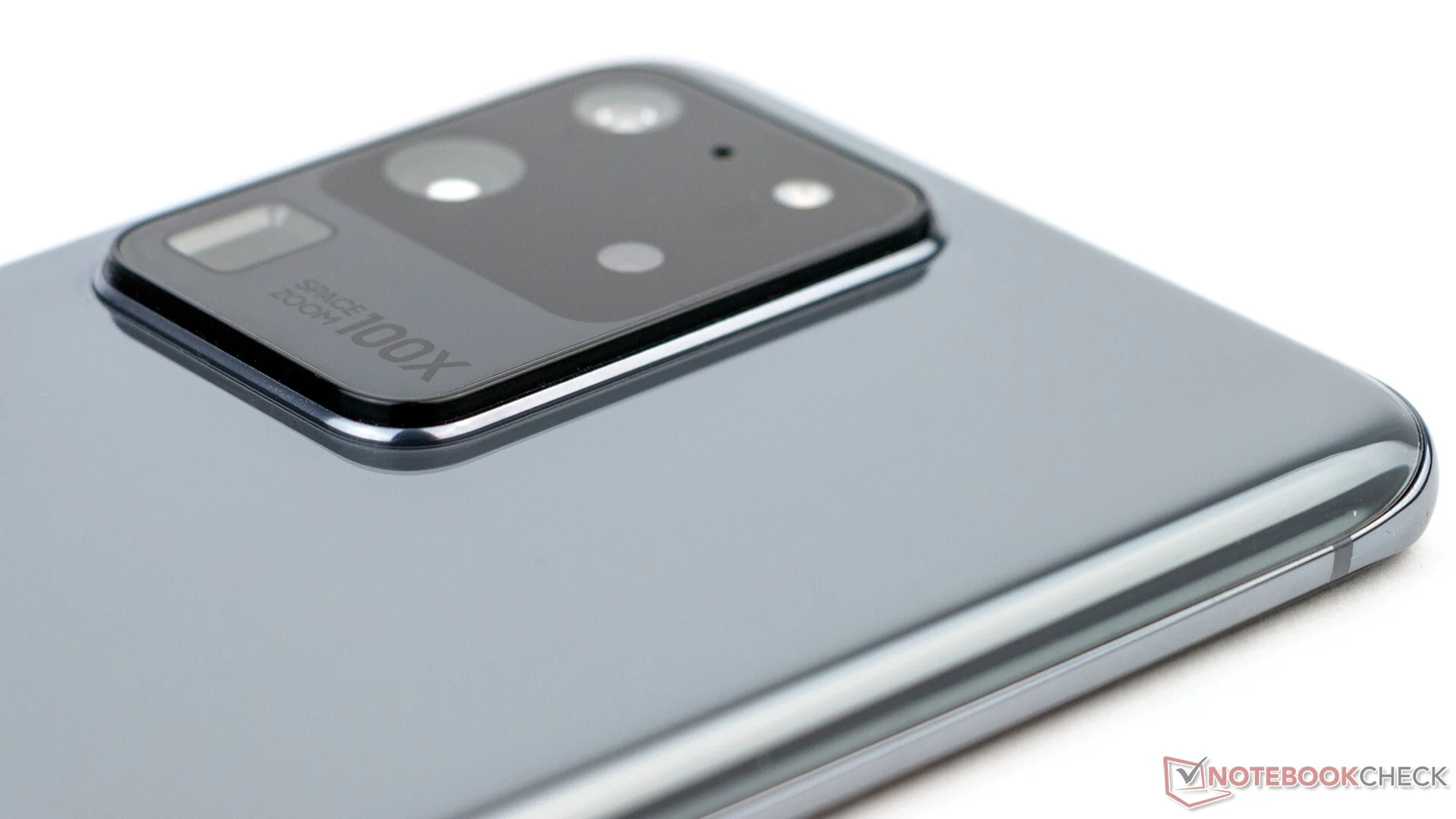
    Until the Galaxy S21 Ultra, Samsung, like many competitors today, had a clearly defined camera unit that was different from the main body. This traditional smartphone look changed with the Galaxy S22 Ultra in 2022, where the design featured separate camera lenses that stick out directly from the body.

    Changes in Design

    The Galaxy S25 Ultra introduced a slight modification to this look, adding extra camera rings. However, this was changed once again on the Galaxy Z Fold 7. As for the Galaxy S26 Ultra, fans of Samsung might see a notable design change, according to reports from the South Korean site Newsis. Still, these are mainly based on guesses rather than inside information, which is often the case with news coming from South Korean sources.

    Rumors and Speculations

    These speculations arise from many mentions of modifications in the camera design of Apple’s iPhone 17 Pro and iPhone 17 Pro Max, which now have an official release date. The broader and seemingly deeper camera bump is designed to allow significant enhancements in the camera setup, including a 48 MP telephoto sensor and possibly a true zoom camera with a variable aperture. Since Samsung might want to respond to this development at Apple with the Galaxy S26 Ultra, rumors suggest that a return of the camera bump in the Galaxy S26 series could make sense.

    Limits of Thinness

    It seems Samsung might be hitting its limits in its goal of making smartphones thinner while also enhancing the cameras. For instance, the camera bump on the Honor Magic V5 is bigger than its earlier model, even though the foldable design has become more compact. Previous leaks have indicated that the Galaxy S26 Ultra might also be thinner, which means that the expected camera upgrades, like a brighter lens or a better 3x telephoto sensor, could necessitate a return of the camera bump, although this has yet to be officially confirmed.

    Source:
    Link


  • Sony Addresses Xperia 1 VII Defects After Flagship Relaunch

    Sony Addresses Xperia 1 VII Defects After Flagship Relaunch

    Key Takeaways

    1. Sony has resumed sales of the Xperia 1 VII after addressing system crash and shutdown issues.
    2. A replacement program was initiated for users affected by the initial problems with the device.
    3. The issues were linked to motherboard defects caused by exposure to humidity and temperature during production.
    4. Sony has improved its production standards to prevent similar issues in the future.
    5. Enhanced quality control and risk management practices have been implemented to quickly identify and resolve potential problems.


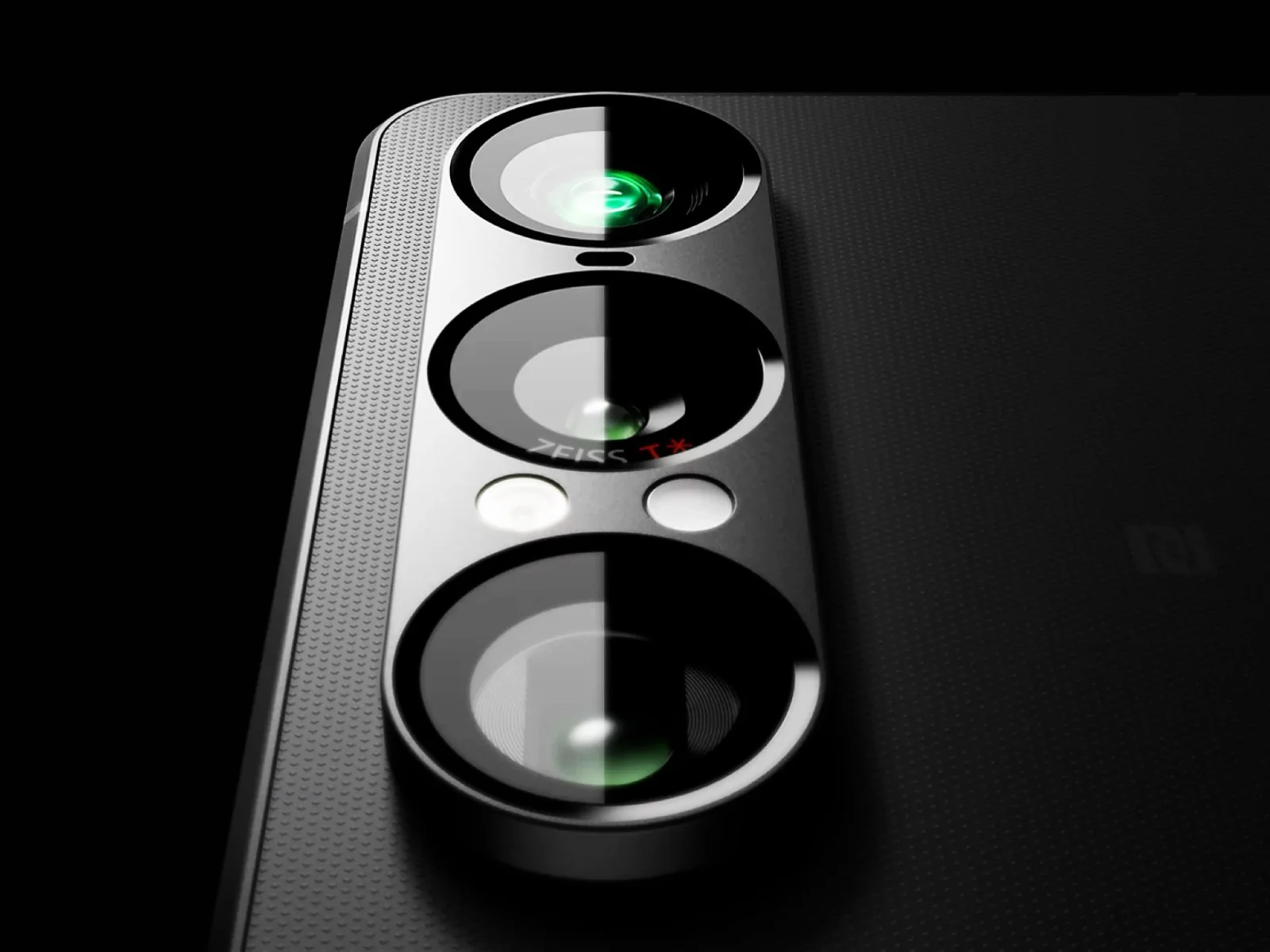
    Last week, Sony announced that the Xperia 1 VII would be back on the market after being unavailable for some time. Initially launched in May to compete with other top Android devices like the Galaxy S25 Ultra (currently priced at $975 on Amazon), the Xperia 1 VII was released in July. However, its sales were quickly halted due to numerous reports of system crashes and shutdown problems. Soon after, the company reassured its customers that it was not abandoning the Xperia line.

    Replacement Program Initiated

    In addition, Sony introduced a replacement program for the Xperia 1 VII and resumed sales on August 25. To regain the trust of its users, Sony has provided insights into the underlying issues that caused the initial problems with the Xperia 1 VII following a thorough internal review. It appears that some early units of the Xperia 1 VII may have developed motherboard defects during their production due to exposure to varying humidity and temperature levels.

    Improved Production Standards

    To address these concerns, Sony claims to have implemented changes in its production processes to reduce the likelihood of similar issues in the future. Furthermore, the company has stated that it has enhanced its quality control and risk management practices to detect and resolve other potential problems more quickly than it did with the motherboard defects. For those who own an Xperia 1 VII, it is advisable to visit Sony’s website to check if your device is one of the affected units.

    Source:
    Link


  • Nothing Faces Backlash for Using Stock Photos in Phone 3 Ads

    Nothing Faces Backlash for Using Stock Photos in Phone 3 Ads

    Key Takeaways

    1. The Nothing Phone 3 lacks the latest high-end system-on-chip, making it not a full flagship device.
    2. It features a triple-camera system with three 50 MP cameras, capable of capturing detailed images in low light.
    3. Misleading marketing occurred when demo units showcased stock photos instead of actual camera samples from the Nothing Phone 3.
    4. Co-founder Akis Evangelidis explained that placeholder images were used due to the phone’s early demo availability, emphasizing no malicious intent.
    5. Consumers are advised to be cautious about camera samples provided by manufacturers.


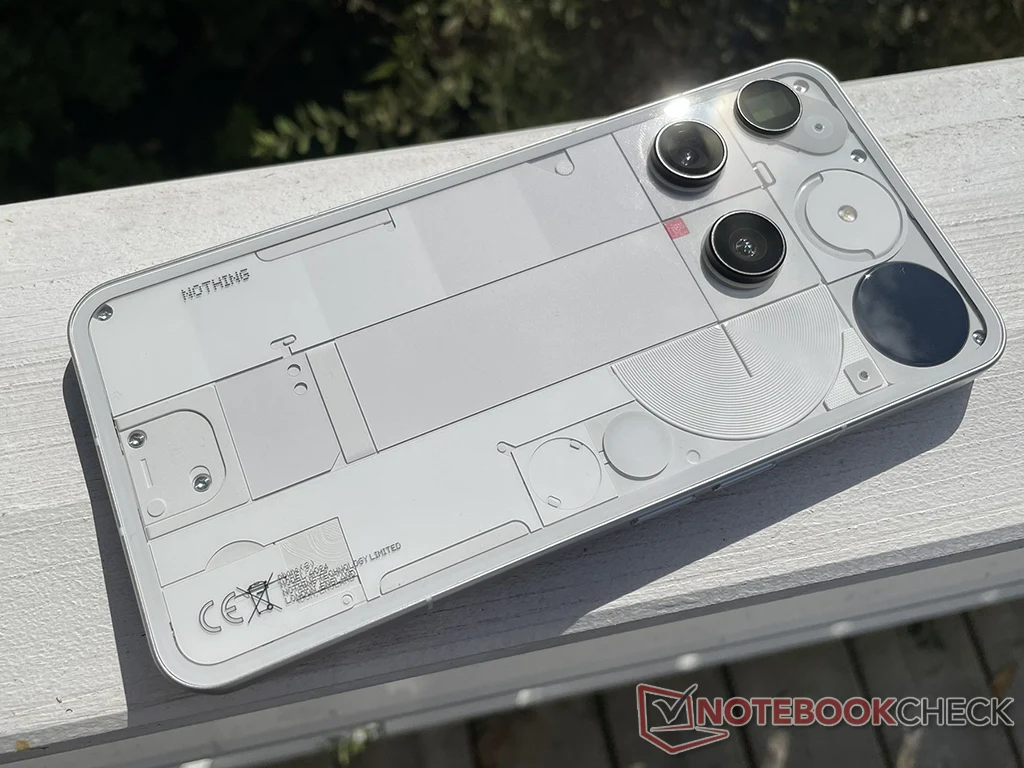
    The Nothing Phone 3 is not considered a full flagship device since it doesn’t have the latest high-end system-on-chip (SoC). Nevertheless, it does boast some impressive specifications, particularly in its camera features. The smartphone is equipped with a triple-camera system, each with 50 MP, which theoretically should deliver excellent photographs.

    In our review, we highlighted that this triple 50 MP camera arrangement is capable of capturing intricate images, even in difficult lighting situations. However, it looks like Nothing has chosen a unique method to promote the phone’s photography skills (128 GB currently priced at $719 on Amazon).

    Misleading Marketing

    A demo unit located in New Zealand showcased misleading camera samples that were claimed to be taken by the Nothing Phone 3. In reality, these images were stock photos created by professional photographers long before the phone was even launched. Specifically, the window photo is credited to GS & Co, the glass shot to Alina Nechaeva, the headlight image comes from Roman Fox, the staircase photo is attributed to Henry Han, and the image featuring a woman was taken by Abdullahi Santuraki. All these images are available for purchase on Stills.

    A Response to Backlash

    After receiving criticism for these deceptive practices, Akis Evangelidis, co-founder of Nothing, issued a thorough explanation regarding the matter. He mentioned that companies often provide demo units to stores several months ahead of the product launch. Since the Nothing Phone 3 wasn’t officially available yet, they had to use placeholder images, which in this case were the stock photos seen on the demo unit.

    Akis went on to say that they intended to replace these placeholder images with more relevant content for the Phone 3, but unfortunately, that update did not happen for the demo unit in New Zealand. He assured that the company is addressing the issue and emphasized that there was no malicious intent in this situation.

    Caution Advised

    Even though Akis’s response appears reasonable, this incident serves as another reminder that consumers should be cautious about camera samples released by manufacturers.

    Source:
    Link


  • Samsung Galaxy A06 Review: Best Value for Your Money

    Samsung Galaxy A06 Review: Best Value for Your Money

    Key Takeaways

    1. Affordable Price: The Galaxy A06 is priced just under $150, making it a great budget-friendly option for users.

    2. Strong Battery Life: It features a 5000 mAh battery that lasts a full day under normal usage.

    3. Sturdy Design and Display: The phone has a durable plastic body, a bright 6.7-inch screen (500 cd/m²), and a fingerprint sensor.

    4. Performance Limitations: While suitable for basic tasks, it struggles with graphics-intensive applications and low-light photography.

    5. Long Software Support: Samsung offers four years of software updates for the Galaxy A06, enhancing its longevity for users.


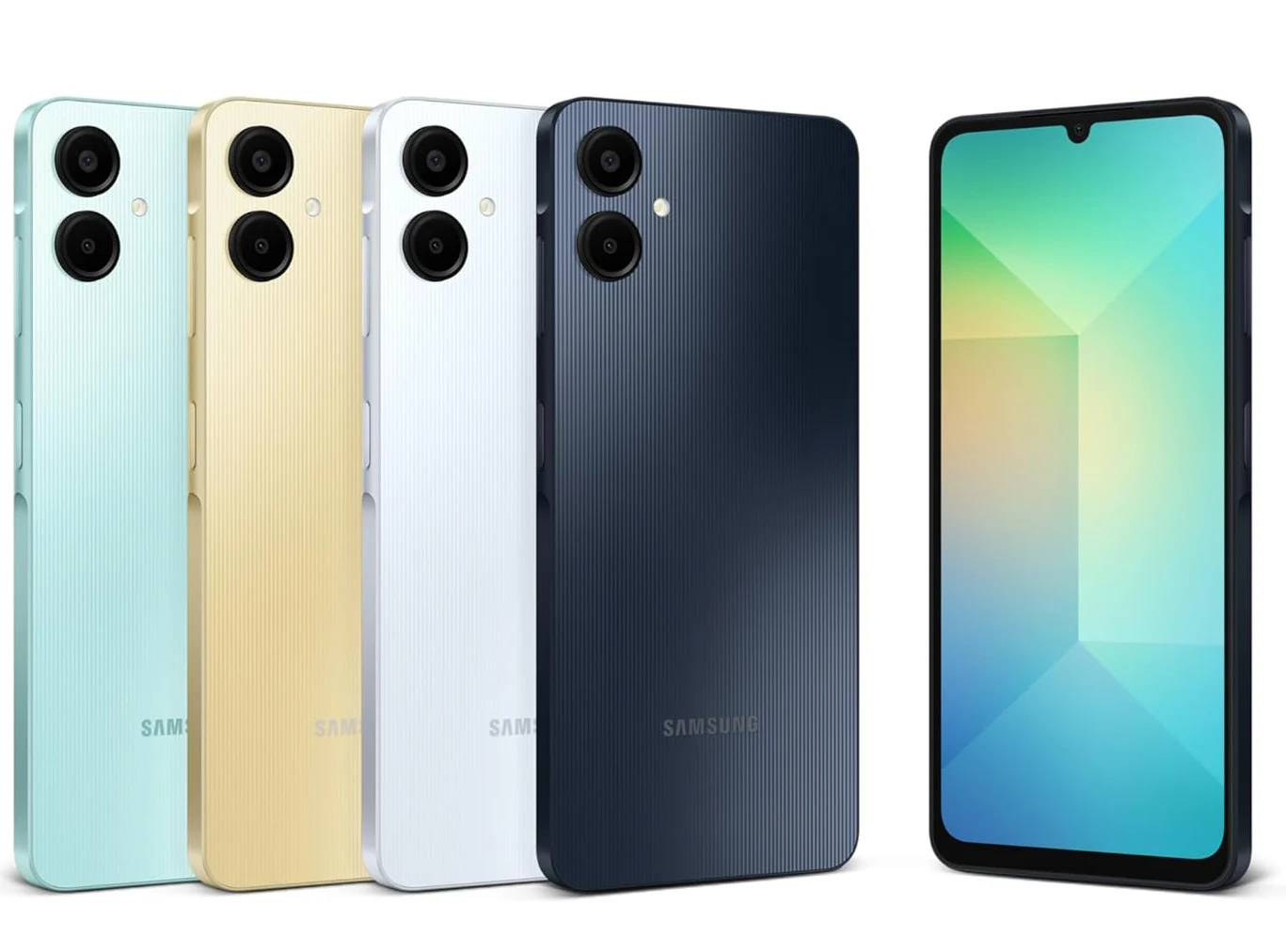
    Samsung has introduced a new phone in its popular A series, called the Galaxy A06, aiming to impress with its great value for money. Priced at just under $150, this device delivers decent features that are perfect for budget-conscious users in their daily activities. The battery life and the brightness of its 6.7-inch screen stand out, though its performance with demanding apps and low-light camera capabilities could use some enhancement.

    Design and Display

    The Galaxy A06 is made with a sturdy plastic body, which is easy to grip. Even at this affordable price, it includes a fingerprint sensor and boasts a display that can reach 500 cd/m² in brightness, making it easy to read, even outdoors. An added benefit is the lack of PWM flickering, which ensures a more comfortable viewing experience for users who are sensitive to screen flicker.

    Performance Limitations

    While the phone handles basic tasks like calls, messaging, and browsing quite well, it struggles when dealing with graphics-heavy applications or games. Users may find it limited when trying to run more demanding programs.

    Impressive Battery and Software Support

    One of the highlights of this smartphone is its battery life. With a 5000 mAh battery, it can easily last a full day under normal use. Additionally, Samsung commits to supporting the Galaxy A06 with software updates for four years, which is a positive aspect for buyers.

    That said, the camera doesn’t perform very well in low light and has slow autofocus, especially with moving subjects. The display resolution is only 1600 × 720, which might not meet the expectations of some users, as there are better options available in the same price category.

    In conclusion, the Galaxy A06 is a very affordable option for those looking for a dependable smartphone for daily tasks. For anyone interested in diving deeper into the Samsung Galaxy A06, checking out our thorough review with extensive results and final verdict is highly recommended.

    Source:
    Link


  • LG Display Pioneers Tandem OLED for Future Apple iPhones

    LG Display Pioneers Tandem OLED for Future Apple iPhones

    Key Takeaways

    1. LG Display is promoting Tandem OLED panels for use in new devices, starting with the Dell XPS 13 and Apple iPad Pro models.
    2. Tandem OLED technology improves brightness and reduces power consumption by placing subpixels in a unique layout.
    3. Apple may implement Tandem OLED panels in future iPhones, with plans to supply them by 2028.
    4. The introduction of Tandem OLED technology is expanding into the gaming monitor market with various models available.
    5. Consumers may have to wait until the iPhone 20 or iPhone XX to see Tandem OLED panels in iPhones.


    LG Display is really pushing Tandem OLED panels into new areas, first shown last year in the Dell XPS 13. Soon after, Apple started using similar panels in the latest iPad Pro 11 and iPad Pro 13 (currently $1,099 on Amazon), which have much brighter peak brightness compared to regular OLED tablet screens.

    Future iPhones with Tandem OLED

    A recent report suggests that Apple might be looking to use Tandem OLED panels in its upcoming iPhones. Earlier this month, we talked about how these panels would place all the subpixels in the front layer, with blue subpixels at the back. This design aims to boost brightness while cutting down on power use. Allegedly, LG Display is encouraging Apple to integrate Tandem OLED tech into iPhones, with a source telling DealSite, “It is understood that LG Display is continuously promoting Apple to install tandem OLED on Bar-type iPhones…We aim to supply tandem OLED to iPhone models to be released in 2028. However, it is up to Apple whether or not to install tandem OLED.”

    Waiting for New Technology

    This means we might have to wait until the iPhone 20 or iPhone XX at the earliest before we see Tandem OLED panels in iPhones. Meanwhile, Tandem OLED technology is now being introduced to the gaming monitor market through two different panel types. For instance, early models include the Asus ROG Swift OLED PG27AQWP-W, Gigabyte MO27Q28G, and the LG UltraGear OLED 27GX700A.

    Source:
    Link


  • Apple and Qualcomm Lead in 2nm TSMC Chips for iPhone and Galaxy

    Apple and Qualcomm Lead in 2nm TSMC Chips for iPhone and Galaxy

    Key Takeaways

    1. TSMC will start mass production of 2nm chips by the fourth quarter, with Apple securing 50% of the capacity for future use.
    2. The Apple A19 processor for the iPhone 17 is being made using a 3nm process, while the 2nm capacity is likely for the iPhone 18 and A20 Pro chipset.
    3. Qualcomm’s Snapdragon 8 Elite 2 chip for the Samsung Galaxy S26 will also use a 3nm process, as they opted out of Samsung’s less reliable 2nm option.
    4. Major clients like Apple and Qualcomm are set to dominate TSMC’s 2nm chip production, while AMD, MediaTek, Intel, and Broadcom will join in 2026, and Nvidia, Google, and Amazon in 2027.
    5. TSMC’s 2nm process is expected to increase revenue from American firms to 80%, with the White House pushing for more US production through tariffs and investment incentives.


    TSMC is kicking off mass production of 2nm chips in the fourth quarter, and Apple has reportedly locked in 50% of this future capacity.

    Apple’s Plans for 2nm Chips

    The Apple A19 processor, set to be revealed in the iPhone 17 series on September 9, is still being manufactured using TSMC’s current 3nm process. However, the capacity that Apple has secured is likely intended for the iPhone 18 and its A20 Pro chipset.

    Snapdragon 8 Elite 2 and Samsung’s Strategy

    Similarly, the Snapdragon 8 Elite 2 chip for the upcoming Samsung Galaxy S26 series will utilize the latest 3nm process found in devices like the Galaxy S25 Ultra. Qualcomm did consider Samsung’s 2nm process as a less costly option compared to TSMC, but they quickly backed out due to Samsung’s capacity and production yield challenges at that time.

    Major Players in the 2nm Game

    Apple and Qualcomm have indeed claimed most of TSMC’s initial 2nm chip production capacity, expecting to receive the majority of shipments in the next year or so. Other clients for 2026 include AMD, MediaTek, Intel, and Broadcom, while Nvidia, Google, and Amazon’s Annapurna will join the mix in 2027.

    The costly 2nm process, which creates chips that are both more efficient and more powerful than the existing second-generation 3nm node, is projected to make 80% of TSMC’s revenue come from American firms, an increase from the current 75%. TSMC’s facilities in Arizona will focus solely on producing 2nm chips for Apple, Nvidia, and others, but they may only be able to provide a small portion of the processing power that these US companies require.

    To boost American production, the White House has pressured TSMC with tariffs to gain concessions regarding the expansion of its investment in the US, aiming to nearly double the initial $165 billion plan for the Arizona foundry.

    Source:
    Link


  • Realme 15T Leaks: Thin iPhone Alternative with Big Battery & Fast Charging

    Realme 15T Leaks: Thin iPhone Alternative with Big Battery & Fast Charging

    Key Takeaways

    1. OnePlus and Xiaomi are set to launch new Android smartphones named 15T, alongside Realme.
    2. Realme’s 15T may be categorized as a sub-premium device, featuring the MediaTek Dimensity 6400 Max chip and targeting competition with the iPhone.
    3. The design of the 15T is expected to have a camera bump similar to Apple’s, while being lighter (181g) and thinner (7.79mm) than the iPhone 16 Pro.
    4. The smartphone is rumored to include a 7,000mAh battery with 60W charging support, and may come with a power brick for 80W SuperVOOC charging.
    5. The 15T might feature a 6.57-inch display and be priced around INR ~19,999 in India, with color options including “Silk” Blue and “Flowing” Silver.


    OnePlus and Xiaomi are expected to unveil new Android smartphones named the 15T soon, along with Realme, according to recent speculations.

    Sub-Premium Device Features

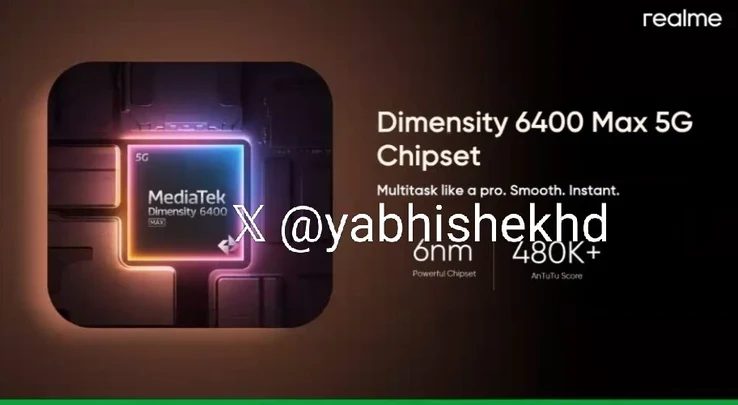
    Realme’s model may be the only one in the sub-premium category, as it is associated with the MediaTek Dimensity 6400 Max chip. Despite being in a lower price range, it is said to be positioned as a competitor to the iPhone, based on leaks that have surfaced.

    Design and Specifications

    Allegedly, there are official posters from Realme showing the 15T, which may feature a camera bump that resembles Apple’s design more than the 14T. Interestingly, the phone could be lighter and thinner than the iPhone 16 Pro, weighing in at just 181 grams (g) and measuring 7.79 millimeters (mm) in thickness.

    Battery and Charging Capabilities

    The 15T is rumored to house a substantial 7,000mAh battery within its sleek flat-edged body. Moreover, it is set to support 60W charging, an upgrade from the 45W offered in the 14T. Additionally, it might come with a power brick capable of supporting the 80W SuperVOOC charging standard.

    Display and Pricing

    The device may also feature a larger display than the 16 Pro, boasting a 6.57-inch screen, and is anticipated to be priced around INR ~19,999 in India. Color choices include “Silk” Blue, “Flowing” Silver, and an intriguingly named “Suit” Titanium, which might actually be “Armor,” expected to launch in early 2026.

    Source:
    Link


  • OnePlus 15T and iQoo 15 Mini: Early Details of Compact Flagships

    OnePlus 15T and iQoo 15 Mini: Early Details of Compact Flagships

    Key Takeaways

    1. OnePlus recently launched the OnePlus 13T, available globally as the OnePlus 13s, featuring a 6.32-inch display and Snapdragon 8 Elite processor.
    2. Upcoming compact flagship smartphones from OnePlus and iQoo are expected to be named the OnePlus 15T and iQoo 15 Mini, set for release in 2026.
    3. Both the OnePlus 15T and iQoo 15 Mini are rumored to have flat displays and large 7,000mAh batteries, compared to the OnePlus 13T’s 6,260mAh battery.
    4. The OnePlus 15T is likely to feature a triple rear camera system, an upgrade from the dual rear camera setup of the OnePlus 13T.
    5. Both new models are expected to launch in October 2026, powered by the Snapdragon 8 Elite 2 chipset, alongside the Vivo X300 with a Dimensity 9500 chipset.


    In April, OnePlus introduced the OnePlus 13T. Shortly after, it became available globally as the OnePlus 13s. This smartphone is notable for its sleek design, featuring a 6.32-inch display. It also comes equipped with the Snapdragon 8 Elite processor. Recently, a new leak has emerged that provides insights into upcoming compact smartphones from OnePlus and iQoo.

    Upcoming Flagships

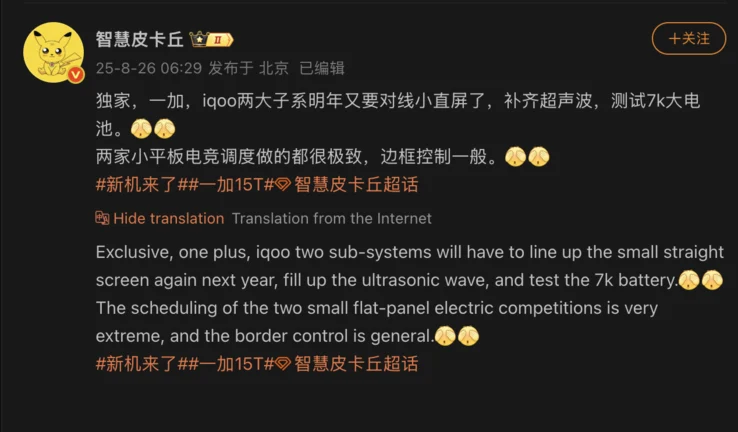
    A new tip from leaker Smart Pikachu indicates that OnePlus and iQoo are set to unveil their next compact flagship devices in 2026. While the exact model names have yet to be confirmed, they are anticipated to be named the OnePlus 15T and the iQoo 15 Mini.

    Expected Features

    The leak reveals that both smartphones will sport flat displays. Furthermore, they are rumored to include substantial 7,000mAh batteries. For reference, the OnePlus 13T is equipped with a 6,260mAh battery. The information suggests that both new compact devices will come with ultrasonic fingerprint scanners, whereas the OnePlus 13T utilized an optical under-display scanner.

    Future Releases

    Additionally, a prior leak hinted that the OnePlus 15T might incorporate a triple rear camera system. In contrast, its predecessor had just a dual rear camera setup. Looking ahead, both the OnePlus 15 and iQoo 15 are likely to launch in October, running on the Snapdragon 8 Elite 2 chipset. Moreover, the Vivo X300 is expected to make its debut in the same month, featuring a compact design along with the Dimensity 9500 chipset.

    Source:
    Link


  • Google Pixel 10 Pro XL Benchmarks: Tensor G5 CPU & GPU Issues

    Google Pixel 10 Pro XL Benchmarks: Tensor G5 CPU & GPU Issues

    Key Takeaways

    1. The Pixel 10 series, featuring the Tensor G5 chip, has launched globally and early user tests are providing performance insights.
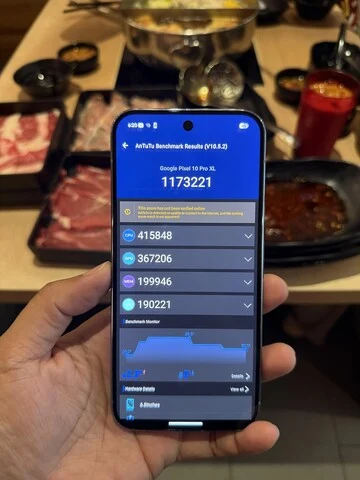
    2. The Pixel 10 Pro XL scored 1,173,221 on AnTuTu, competing with devices using Snapdragon 8s Gen 3 and Dimensity 8350.
    3. CPU performance is strong, with a score of 415,848, showing a 15% increase over the Pixel 9 Pro XL and matching last-generation flagships.
    4. GPU performance is a concern, with a score of 367,206, representing a 20% decrease from the Pixel 9 Pro XL’s GPU performance.
    5. Vulkan and OpenCL performance metrics are also disappointing, with low scores on 3DMark tests compared to devices with Snapdragon 8 Gen 2.


    Google has recently launched the Pixel 10 series around the globe. These high-end smartphones are now reaching customers, and early deliveries are giving us a glimpse into the real-world performance of devices powered by the Tensor G5 chip.

    Performance Metrics

    Even though Geekbench hasn’t provided official scores for the Pixel 10 series yet, a Reddit user has shared test results from their new Pixel 10 Pro XL using AnTuTu. The flagship device achieved a score of 1,173,221, placing it in the same league as competitors like the Honor 200 Pro and Motorola Edge 60 Pro, which use the Snapdragon 8s Gen 3 and Dimensity 8350 chips, respectively, on AnTuTu’s rankings.

    CPU and GPU Insights

    On the CPU front, the Pixel 10 Pro XL recorded a score of 415,848. This is comparable to high-end chipsets such as the Snapdragon 8s Gen 4, Snapdragon 8 Gen 3, and MediaTek Dimensity 9300+. It also marks an approximate 15% increase in performance compared to the Pixel 9 Pro XL. Overall, the CPU performance is on par with last-generation flagship devices, but this could change soon as Qualcomm and MediaTek are expected to introduce their new premium chipsets in the coming weeks.

    However, the GPU performance tells a different story. The PowerVR’s IMG DXT-48-1536 found in the Pixel 10 Pro XL managed a score of 367,206, which is concerning as it falls short of the Pixel 9 Pro XL’s Mali-G715 MC7 GPU, which scored over 440,000 in similar tests. This suggests a significant decrease of about 20% in GPU performance from one generation to the next, putting the Tensor G5’s GPU performance on par with the older Snapdragon 8 Gen 1.

    Software Impact

    The reasons behind the disappointing GPU benchmark results remain unclear, but the outlook isn’t encouraging. The Vulkan and OpenCL performance scores for the Pixel 10 Pro XL aren’t impressive either, and a 3,202 score on the 3DMark WildLife Extreme test is only comparable to devices equipped with the Snapdragon 8 Gen 2.

    Source:
    Link