Category: Phones

Stay updated with the latest phone news, reviews, and trends. Discover cutting-edge smartphones, features, and innovations in our Phones category at GizNewsDaily

  • Samsung Galaxy S26 Ultra Design Leaks: More iPhone-Like Features

    Samsung Galaxy S26 Ultra Design Leaks: More iPhone-Like Features

    Key Takeaways

    1. The Galaxy S21 Ultra continues the tradition of including the S-Pen, but rumors suggest the stylus feature may be phased out in future Galaxy smartphones.
    2. The design of the Galaxy S series is evolving, with the Galaxy S24 Ultra featuring a more angular look compared to the Galaxy S24 and S24+.
    3. User feedback indicates a preference for the rounded corner design seen in the Galaxy S25 Ultra, as it enhances comfort.
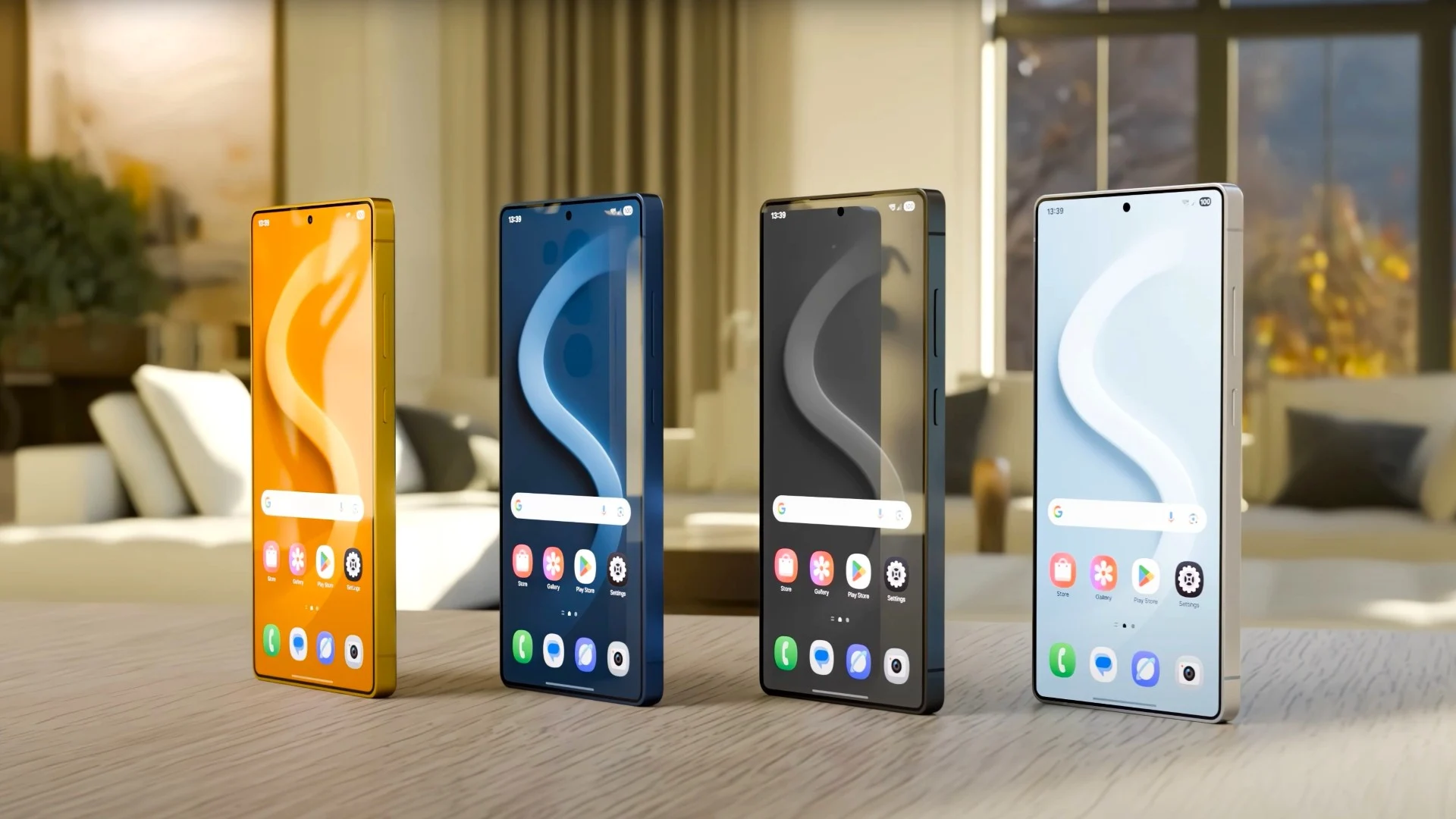
    4. The Galaxy S26 Ultra is expected to adopt an even more rounded design, aligning it with the aesthetics of the Galaxy S26 Pro and Galaxy S26 Air.
    5. If the design changes for the Galaxy S26 series are accurate, it could result in a more consistent look across the lineup, potentially resembling Apple’s iPhone design.


    Together with the S-Pen, the Galaxy S21 Ultra 2021 carries on the tradition of the Galaxy Note 20, which was later followed by the first Galaxy S model to include an S Pen slot in 2022. Lately, though, there have been many rumors suggesting that the stylus feature may soon be gone from Galaxy smartphones. This could mean that the Galaxy Note influence is fading from the Galaxy S lineup.

    Changes in Design

    This shift is also noticeable in the evolving design aspects. The Galaxy S24 Ultra maintained a more angular look, especially when compared to the Galaxy S24 and Galaxy S24+. In contrast, the Galaxy S25 Ultra is clearly leaning towards more rounded corners, a change that many users appreciate since it minimizes discomfort when holding the phone. Nevertheless, it seems that Samsung has not yet finished transforming the Galaxy S series, as noted by the leaker Ice Universe.

    Future Design Outlook

    According to the information shared by Ice Universe, the Galaxy S26 Ultra is expected to adopt an even more rounded design similar to its two counterparts, potentially named Galaxy S26 Pro and Galaxy S26 Air. The four corners of the Galaxy S26 Ultra are rumored to be rounded more than the current flagship, which some users online see as a step towards Apple’s iPhone aesthetics. Whether this will actually happen is still uncertain, but if the leaker’s insights are accurate, it will create a more consistent design across the Galaxy S26 series.

    Source:
    Link


  • Apple’s 3-Year iPhone Plan: iPhone 17 Air, Fold, and Anniversary Model

    Apple’s 3-Year iPhone Plan: iPhone 17 Air, Fold, and Anniversary Model

    Key Takeaways

    1. A significant iPhone redesign is set to begin on September 9, 2025, with the introduction of the iPhone 17 Pro, iPhone 17 Pro Max, and iPhone 17 Air.
    2. The iPhone 17 Air will feature the Apple C1 modem, lack a SIM card slot, and have below-average battery life, while the Pro models will introduce a wider camera.
    3. A foldable iPhone, referred to as “iPhone Fold” or iPhone 18 Fold, is expected in 2026, featuring four cameras and a return of Touch ID.
    4. Mass production for the foldable iPhone is projected to start in spring 2026, with new Apple C2 modems being used for both the foldable and iPhone 18 models.
    5. The pinnacle of the iPhone redesign is anticipated for 2027, coinciding with the 20th anniversary of the original iPhone, featuring a new curved glass design.


    For many years, the iPhone’s design has remained largely unchanged, with only minor updates, as highlighted by analyst Mark Gurman in the latest edition of his Power On newsletter dated August 24, 2025. The familiar aesthetic has been refreshed annually, primarily through faster chipsets and improved camera capabilities. However, starting this year, a significant redesign is anticipated under a bold three-year strategy.

    New Beginnings

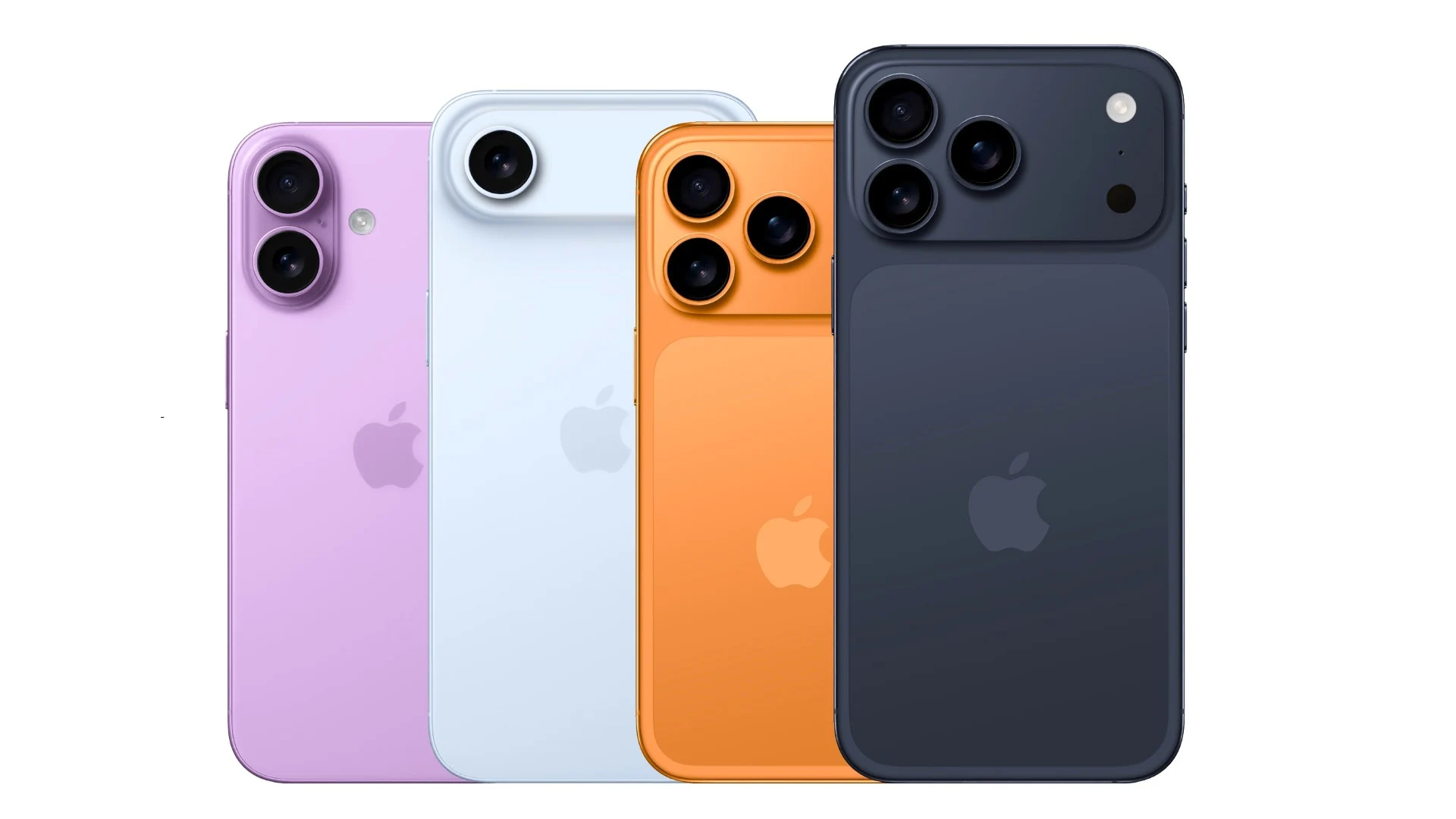
    The initial phase of this redesign is expected to kick off on September 9. This will introduce the revamped iPhone 17 Pro and iPhone 17 Pro Max camera layout, alongside a notably slim iPhone 17 Air, setting the stage for future advancements, including the first foldable iPhone next year. Gurman has confirmed several important specifications for the upcoming models. For instance, the iPhone 17 Air will feature the same Apple C1 modem as the iPhone 16e, will lack a SIM card slot, have below-average battery life, and come in a light blue color that has appeared in various renders. In contrast, the iPhone 17 Pro and iPhone 17 Pro Max will be available in orange but won’t exhibit any significant design changes besides a wider camera.

    Looking Ahead

    Excitement is building for the next year, when a completely new iPhone design will be unveiled, referred to as the “iPhone Fold” with the codename V68, now slated for 2026. This model is said to bear a resemblance to the Samsung Galaxy Z Fold 7. It is expected to include four cameras: two on the back and one each on the cover and inner display. Like its predecessors, this foldable iPhone will also lack a SIM card slot. Notably, the upcoming device, potentially named iPhone 18 Fold, is expected to bring back Touch ID instead of relying on Face ID, according to the current plans. Mass production is projected to begin in spring 2026, with black and white being the only color options announced so far. Additionally, both the Apple foldable and the remaining iPhone 18 models will utilize a new Apple C2 modem, which is expected to compete with Qualcomm’s modems for the first time.

    Celebrating Milestones

    The pinnacle of the iPhone redesign is set for 2027, coinciding with the 20th anniversary of the original iPhone launched in 2007. While specifics are still scarce, Gurman emphasizes that a completely new curved glass design is anticipated, aligning beautifully with the liquid glass aesthetic expected in iOS 26 and beyond.

    Although the iPhone redesign will take center stage in the upcoming years, Bloomberg notes that a host of other Apple innovations are also expected to emerge by 2027. Below are some of the key products that have been announced thus far:

    Source:
    Link


  • Apple’s iPhone 17 Air to Feature Protective Bumper for Durability

    Apple’s iPhone 17 Air to Feature Protective Bumper for Durability

    Key Takeaways

    1. Apple’s “TechWoven” cases are expected to be more expensive than silicone options.
    2. A new case specifically for the iPhone 17 Air protects the frame but leaves the back exposed.
    3. The design of the new case is reminiscent of the original iPhone 4 bumper.
    4. The bumper design helps maintain the iPhone’s slim profile while providing drop protection.
    5. New accessory innovations include the Arc Pulse with aluminum edges and the RhinoShield Bumper with a lightweight honeycomb design.


    Just last week, a leak showed what Apple’s “TechWoven” protective cases could look like. These cases are planned to be a pricier option compared to the silicone ones. According to Mark Gurman from Bloomberg, Apple has also tested a different case meant just for the iPhone 17 Air. This case is designed to protect the frame but leaves the back exposed. It’s still unclear if this case will actually be available for sale.

    Design Similarities

    The design of this new case is said to remind many of the bumper that Apple first launched with the iPhone 4. Many buyers of the iPhone 4 were given this bumper for free after it was found that the antennas in the frame could be hindered by the user’s hand without any case. A bumper offers the benefit of keeping the iPhone 17 Air’s slim profile intact while also providing protection against drops.

    Durability and Limitations

    With the whole frame being covered, there’s a lower chance that the screen or back will shatter if dropped. However, it’s worth noting that the bumper does not shield the back from scratches. In recent years, various accessory brands have enhanced the bumper idea, showcasing how stylish such cases can be today.

    New Innovations

    For instance, the Arc Pulse swaps out Apple’s plastic frame for two aluminum pieces on the top and bottom edges of the iPhone. Meanwhile, the RhinoShield Bumper is crafted to be super light and tough against drops, all thanks to its honeycomb design.

    Source:
    Link


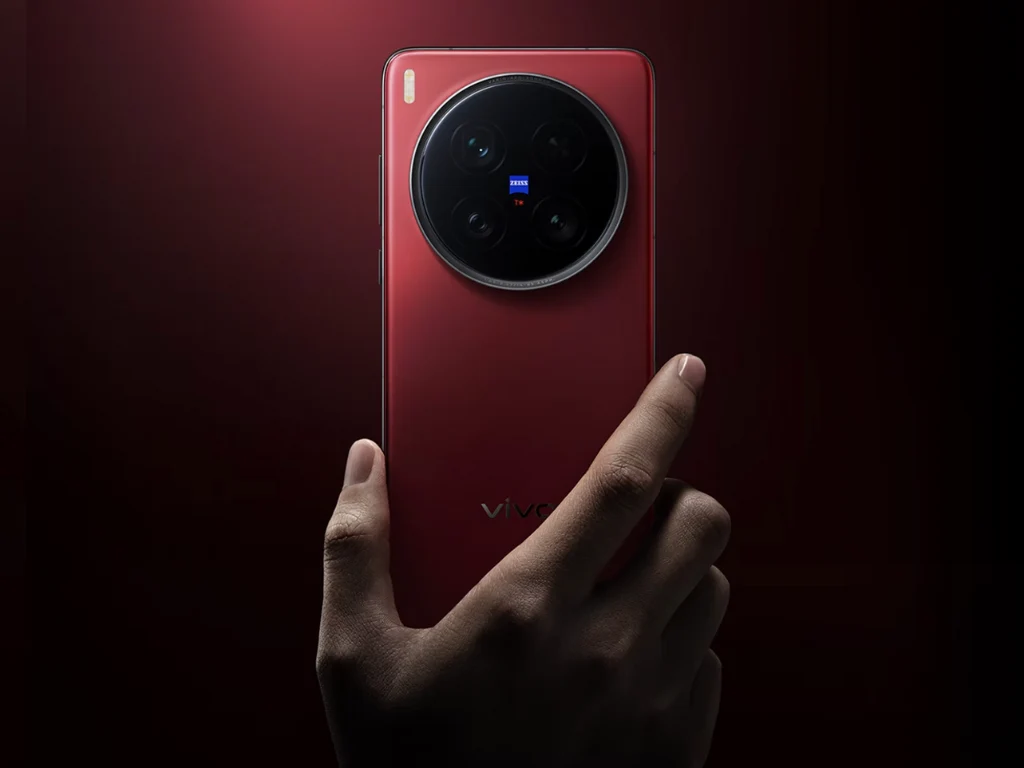
  • Vivo X300 Pro Mini Launch Uncertain, Compact Design Leaked

    Vivo X300 Pro Mini Launch Uncertain, Compact Design Leaked

    Key Takeaways

    1. Vivo is set to launch the X300 series, following the original X200 series which included three models: X200, X200 Pro Mini, and X200 Pro.
    2. The X300 may feature a more compact design, potentially eliminating the need for a Pro Mini version.
    3. The standard X300 is expected to have improved camera capabilities, including a triple rear camera system with a 200MP main sensor.
    4. The device is likely to be powered by the Dimensity 9500 chipset from MediaTek.
    5. A Pro model of the X300 may include a new 50MP Sony LYT-828 main sensor and a large 6,500mAh battery, although this information is based on leaks and should be taken with caution.


    Vivo is anticipated to launch the next version of its flagship X200 series in the near future. Recently, a fresh leak has popped up online, sharing some details about the regular X300 model.

    X200 Series Overview

    For those who might not know, the X200 series was originally launched with three different models: the basic X200, the X200 Pro Mini, and the X200 Pro. The X200 Pro Mini was a smaller smartphone that boasted a 6.31-inch screen. On the other hand, the standard X200 showcased a 6.67-inch display, while the Pro variant came with an even larger 6.78-inch screen.

    Compact Design Insights

    A recent leak on the social media platform X indicates that the Vivo X300 could sport a more compact design. This leak suggests that the smaller size of the X300 might eliminate the need for a Pro Mini version. Additionally, the tipster has stated that the standard X300 will come with enhanced camera capabilities.

    Camera and Performance Specs

    According to the leaked information and speculations, the Vivo X300 is likely to include a triple rear camera system featuring a 200MP main sensor, a 50MP periscope telephoto sensor, and a 50MP ultra-wide angle lens. The device is expected to run on the Dimensity 9500 chipset, which is an upcoming flagship system-on-chip from MediaTek.

    In addition to the standard version, the X300 range might also offer a Pro model. Past leaks suggest that this variant could include a new 50MP Sony LYT-828 1/1.3” main sensor. Moreover, it’s rumored to carry a battery capacity of 6,500mAh. However, since this information is derived from a leak, it should be viewed with skepticism.

    Source:
    Link


  • Samsung Galaxy Z Fold 7: Enhanced Design and Powerful Features

    Samsung Galaxy Z Fold 7: Enhanced Design and Powerful Features

    Key Takeaways

    1. The Samsung Galaxy Z Fold7 is thinner than its predecessor, measuring 4.2 mm when opened and 8.9 mm when closed, with an IP48 rating for dust and water resistance.
    2. The device features a dependable hinge for various angles but has a protruding camera that affects stability when placed flat.
    3. It operates on Android 16 with One UI 8.0 and promises seven years of updates, along with eco-friendly materials and easy repair options.
    4. The rear camera has a 200-megapixel main sensor, while low-light performance is lacking in smaller sensors, and zoom quality declines beyond 5x.
    5. The foldable OLED main display measures 8 inches and provides high resolution, while the cover display is 6.5 inches, both offering good brightness for outdoor use.


    The Samsung Galaxy Z Fold7 (buy here on Amazon) is much thinner than the previous model when opened, measuring only 4.2 millimeters in thickness, and 8.9 millimeters when closed. It comes in four different colors, with the mint shade being a special offering only at the Samsung Store. The quality of construction is noteworthy, and the device has an IP48 rating for dust and water resistance.

    Design and Usability

    Opening the display can be a bit tricky when it’s closed, but the hinge is quite dependable, allowing the device to stay in various angles. A downside is the camera that sticks out, making the device unstable when placed flat on a surface. The front is covered with Gorilla Glass Ceramic 2, while the back is protected by Gorilla Glass Victus 2. Although support for the S Pen is absent, it still offers Ultra Wideband (UWB) and quick data transfer via USB, including DeX. A linear vibration motor delivers accurate haptic feedback, but the fingerprint sensor in the power button sometimes fails, with face recognition serving as a backup.

    Software and Sustainability

    Operating on Android 16 with One UI 8.0, this device promises updates for a period of seven years. It includes Galaxy AI features seen in the Galaxy S25 series. In terms of eco-friendliness, Samsung shares clear details about the materials used, publishes a sustainability report, and offers spare parts along with guidance for easy repairs.

    Camera Capabilities

    With regard to the cameras, the Fold7 does not feature an under-display camera and instead uses two standard front cameras with varying focal lengths. The rear triple camera has received an upgrade: the main sensor now boasts a resolution of 200 megapixels, comparable to that of the Galaxy S25 Ultra. The overall quality of pictures is impressive; however, the smaller additional sensors struggle in low light, and the zoom performance declines notably beyond 5x magnification.

    The foldable OLED main display is now 8 inches in size, providing high resolution and excellent calibration. While its maximum brightness is slightly reduced compared to the previous model, it’s still sufficient for daily use, allowing for outdoor visibility. The cover display now measures 6.5 inches and achieves brightness levels similar to those of the main display.

  • Redmi Note 15R Launches in China as Rebadged Redmi 15 5G

    Redmi Note 15R Launches in China as Rebadged Redmi 15 5G

    Key Takeaways

    1. The Redmi Note 15 series includes multiple models: Redmi Note 15 Pro+ 5G, Redmi Note 15 Pro 5G, Redmi Note 15 5G, and the newly introduced Redmi Note 15R.
    2. The Redmi Note 15R is a rebranding of the Redmi 15 5G, featuring a 6.9-inch display with a resolution of 2340 x 1080 and a refresh rate of 144Hz.
    3. It is powered by the Snapdragon 6s Gen 3 chip and offers three storage options: 8GB + 256GB, 12GB + 256GB, and 12GB + 512GB, with expandable storage via Micro SD.
    4. The camera setup includes a 50MP main rear camera, an auxiliary lens, and an 8MP front camera, with 1080p video recording capabilities.
    5. Pricing for the Redmi Note 15R starts at CNY 1,499 (~$209) and goes up to CNY 2,199 (~$307), available in Glacier White, Shadow Black, and Sandy Purple.


    The Redmi Note 15 series might soon compete with its older version in terms of the number of models offered. This series was introduced this month in China, featuring the Redmi Note 15 Pro+ 5G, the Redmi Note 15 Pro 5G, and the Redmi Note 15 5G. Recently, Redmi has subtly unveiled a fourth model called the Redmi Note 15R in its home market.

    A Rebranded Device

    In reality, the Redmi Note 15R isn’t something entirely new but is essentially a rebranding of the Redmi 15 5G that is sold in India. There is also a Redmi 15 4G that is available in Europe, which you can find on Amazon.de for €159. The Redmi Note 15R boasts a 6.9-inch display with a resolution of 2340 x 1080 and a refresh rate of 144Hz. This display comes with DC dimming, Wet Touch Technology 2.0, and can reach a maximum brightness of 850 nits.

    Performance and Storage Options

    Under the hood, the Redmi Note 15R runs on the Snapdragon 6s Gen 3 chip, featuring LPDDR4X RAM and UFS 2.2 storage. The device will be offered in three configurations: 8GB + 256GB, 12GB + 256GB, and 12GB + 512GB. Additionally, there’s a Micro SD card slot that allows for extra storage if needed.

    Camera and Features

    Even though it looks like the phone has a triple rear camera setup, there are only two actual rear cameras — a main 50MP sensor and an auxiliary lens. It is also equipped with an 8MP front camera. Both the front and rear cameras are capable of recording in 1080p at 30 fps.

    The Redmi Note 15R includes a side-mounted fingerprint scanner, NFC, an IR blaster, and dual speakers with Dolby Atmos. It also has Hi-Res audio certification, Bluetooth 5.1, and Wi-Fi 5. The device supports dual-SIM and is rated IP64 for dust and water resistance. Following the trend of other Redmi Note 15 models, the 15R features an impressive 7,000mAh battery with 33W fast charging and 18W reverse charging capabilities.

    Pricing and Availability

    The pricing for the Redmi Note 15R starts at CNY 1,499 (~$209/€178) for the base model. The price increases to CNY 1,899 (~$265/€226) for the model that has 12GB of RAM and 256GB of storage, while the top-tier version with 12GB of RAM and 512GB of storage is priced at CNY 2,199 (~$307/€262). It comes in three colors: Glacier White, Shadow Black, and Sandy Purple.

    Source:
    Link


  • Redmi Note 15 Pro Plus vs 14 Pro Plus: Is Snapdragon 7s Gen 4 Better?

    Redmi Note 15 Pro Plus vs 14 Pro Plus: Is Snapdragon 7s Gen 4 Better?

    Key Takeaways

    1. The Redmi Note 15 Pro Plus features Qualcomm’s Snapdragon 7s Gen 4 chipset, which shows only minor performance improvements over the Snapdragon 7s Gen 3 in benchmarks.

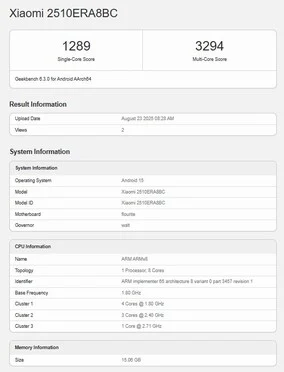
    2. Initial benchmark scores indicate a single-core score of 1,289 and a multi-core score of 3,294 for the Snapdragon 7s Gen 4, surpassing the previous generation’s scores slightly.

    3. The Snapdragon 7s Gen 4 offers a 12% increase in CPU performance on AnTuTu, with a score of 277,639 compared to the 247,693 of the Snapdragon 7s Gen 3.

    4. GPU performance also shows a 7% improvement, with the Redmi Note 15 Pro Plus achieving higher scores in various tests, including Geekbench’s Vulkan test.

    5. Overall, the Snapdragon 7s Gen 4 is about 10% stronger than its predecessor, but the performance difference may not justify an upgrade for current Snapdragon 7s Gen 3 users.


    Xiaomi recently introduced the Redmi Note 15 Pro Plus in China just last week. This mid-range smartphone is equipped with Qualcomm’s latest Snapdragon 7s Gen 4 chipset, but how does it stack up against the Snapdragon 7s Gen 3 found in last year’s Redmi Note 14 Pro Plus?

    Benchmark Results Appear

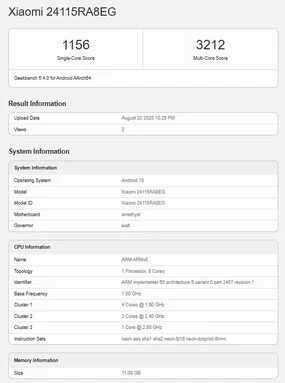
    Although it’s still early to draw conclusions, initial benchmark results for the Redmi Note 15 Pro Plus have emerged, revealing that the Snapdragon 7s Gen 4’s performance is rather unimpressive. According to Geekbench, the phone achieved a single-core score of 1,289 and a multi-core score of 3,294. These figures are the same as those noted in Gizmochina’s review. In contrast, the Snapdragon 7s Gen 3 scored 1,156 and 3,212 on those tests.

    Minor Improvements Noted

    Clearly, the “new” Snapdragon 7s Gen 4 only surpasses the Snapdragon 7s Gen 3 in single-core performance. This can be attributed to the fact that the Snapdragon 7s Gen 4 is basically a rebranded version of the Snapdragon 7s Gen 3, with a minor increase in its prime core speed (2.71 GHz compared to 2.5 GHz). However, the improvement in peak performance is noticeable in AnTuTu scores. The Redmi Note 15 Pro Plus achieved a CPU score of 277,639, while the Redmi Note 14 Pro Plus scored 247,693, showing a nice 12% increase in performance.

    GPU Performance Analysis

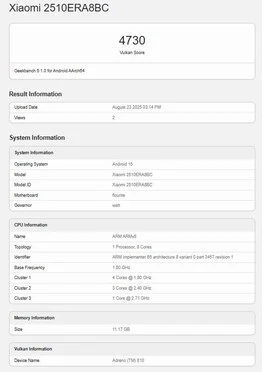
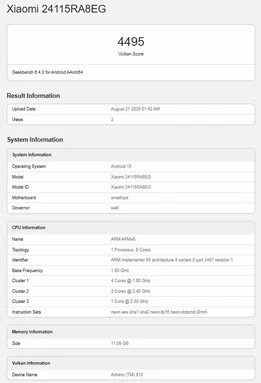
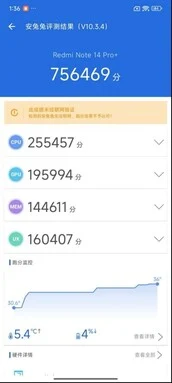
    On the GPU front, the Snapdragon 7s Gen 4 continues to use the same Adreno 810 as its predecessor, the Snapdragon 7s Gen 3. Qualcomm hasn’t disclosed any specifics regarding clock speeds but asserts a 7% enhancement in graphical performance. This claim holds some weight; in Geekbench’s Vulkan test, the Redmi Note 15 Pro Plus scored 4,730, compared to 4,495 for the Redmi Note 14 Pro Plus. Furthermore, in AnTuTu, the combination of the new phone and SoC scored 237,833, a significant rise from the 195,994 achieved by their forerunners. In 3DMark’s WildLife extreme test, scores stand at 1,121 versus 1,054, favoring the Redmi Note 15 Pro Plus and its Snapdragon 7s Gen 4.

    In summary, the Snapdragon 7s Gen 4 seems to be about 10% stronger than the Snapdragon 7s Gen 3 regarding CPU and GPU performance. Therefore, it is difficult to suggest this upgrade for users who already possess devices with the Snapdragon 7s Gen 3. The Snapdragon 7s Gen 4 is largely the same as the Snapdragon 7s Gen 3, and the performance difference isn’t substantial. A device like the Poco X7 Pro (available on Amazon) provides considerably better performance.

    Source:
    Link


  • Vivo Y500 5G Launching in 2026 with Large Battery Capacity

    Vivo Y500 5G Launching in 2026 with Large Battery Capacity

    Key Takeaways

    1. The upcoming Vivo smartphone, expected to be called Y500, will feature a flagship camera design and a flat display.
    2. It is rumored to have an impressive battery capacity of at least 8,200mAh, potentially the largest from Vivo.
    3. The device may use the MediaTek Dimensity 7300 SoC, which is less advanced than the newer 7400, to keep the price around $250.
    4. The Y500 is expected to be released in China and may also be available internationally under the Vivo T series.
    5. By 2026, larger batteries, such as 10,000mAh, may become more common, making the Y500’s battery seem less remarkable.


    The Y400 5G has just been released in China, yet it’s already being expected that a new smartphone will take its place. This upcoming model is said to feature one of Vivo’s imitation flagship camera designs and a flat display.

    Battery Power

    In a notable change from the Y400, the new device is rumored to come with what could be Vivo’s largest battery. This is significant even with the recent launch of the X300 flagship series. It is reported that the new smartphone will boast a battery capacity of at least 8,200mAh, coming close to the current leader in the non-rugged Android category, the Honor X70. However, by 2026, we may see many smartphones with 10,000mAh batteries, making 8,200mAh seem more ordinary.

    Specifications

    On the flip side, the next version of the Y400 5G might lag behind in some specifications, particularly its processing unit. There are whispers that it will be powered by the MediaTek Dimensity 7300 SoC next year, rather than the newer 7400. This move seems aimed at maintaining a similar price to its predecessor, which is around $250.

    The upcoming model is expected to be released as the Y500 in China, and it might also be available internationally under the Vivo T series. This could connect it to models like the T4 5G, which has successfully introduced its 7,300mAh battery to the Indian market through Amazon.

    Source:
    Link


  • Realme 15T Leaks: Android Smartphone with 1,000mAh Upgrade

    Realme 15T Leaks: Android Smartphone with 1,000mAh Upgrade

    Key Takeaways

    1. The Realme 14T 5G features a Dimensity 6300 SoC and a 6,000mAh battery, similar to the Qualcomm Snapdragon 6 Gen 4 in the 14 5G.
    2. The upcoming Realme 15T is expected to have a 7,000mAh battery and a smaller 6.5-inch FHD+ AMOLED display.
    3. The 15T may upgrade to the Dimensity 6400 Max platform in 2026 while maintaining a design similar to the 14T.
    4. The 15T is rumored to feature enhanced camera specs, including a 50MP selfie camera compared to the 32MP on the 14 Pro+.
    5. The base model of the 15T is projected to have 8GB of RAM and 128GB of storage, priced around INR 20,999 (approximately $240).


    The Realme 14T 5G can be seen as the MediaTek equivalent of the 14 5G. It shares many specifications, like a 6,000mAh battery, but comes with a Dimensity 6300 SoC instead of the Qualcomm Snapdragon 6 Gen 4 chip found in the latter.

    A Different Path for the 15T

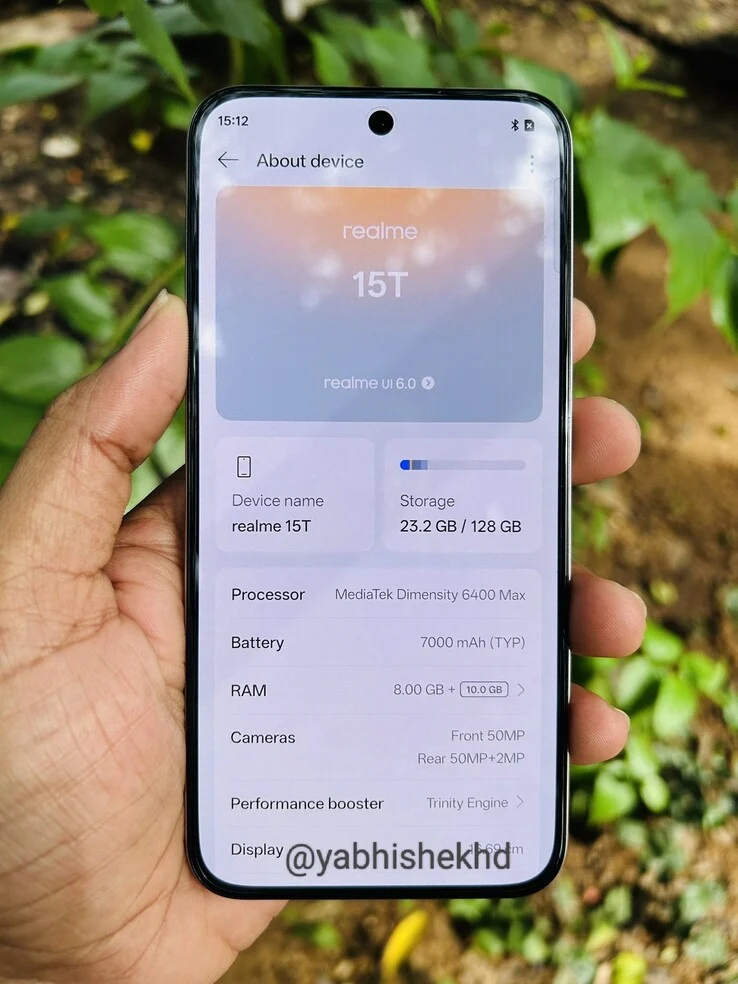
    The 15T, on the other hand, may have a bit of a different narrative. Like the 15, it is expected to be introduced as a smartphone with a 7,000mAh battery.

    While it might feature an FHD+ AMOLED display, it is likely to be smaller (or medium-sized) compared to the 14 or 14T (and possibly the 15) with a 6.5-inch screen instead of a larger 6.67 inches.

    Future Specs for the 15T

    Rumors suggest that the 15T will continue to use MediaTek, potentially updating to the Dimensity 6400 Max platform in 2026. Its design may still resemble the 14T on the back, as it is expected to keep the 50+2MP rear cameras.

    However, the selfie camera is believed to get a significant bump up to 50MP, which is higher than the 32MP front camera on the 14 Pro+.

    The base model of the 15T is expected to maintain 8GB of RAM and 128GB of internal storage, which could help it stick to the previous generation’s price of INR 20,999 (approximately $240).

    At the same time, a 14T with the same specifications is currently priced at INR 17,999 on Amazon.in.

    Source:
    Link


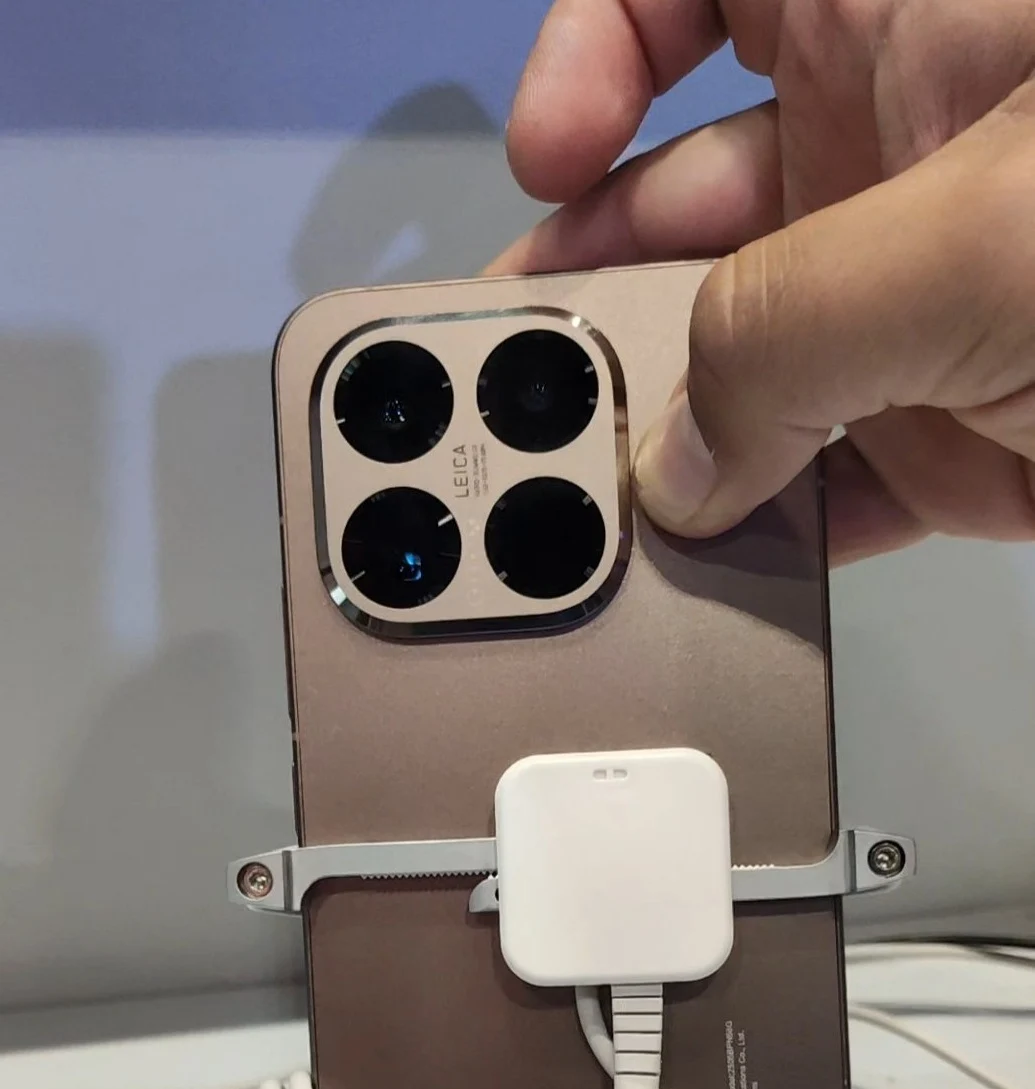
  • Xiaomi 15T and 15T Pro Specs Leaked Before Official Launch

    Xiaomi 15T and 15T Pro Specs Leaked Before Official Launch

    Key Takeaways

    1. Xiaomi will reveal the 15T and 15T Pro globally next month.
    2. The 15T series will have a unique squarish camera design, differing from the Redmi K80 series.
    3. The 15T Pro will feature a MediaTek Dimensity 9400+ processor, while the standard 15T will use a Dimensity 8400 chip.
    4. Both models will include a 50 MP main camera and a 5,500 mAh battery, with varying charging speeds (90 W for Pro, 67 W for standard).
    5. Both smartphones are expected to have an IP69 rating for water and dust resistance and 32 MP selfie cameras.


    Xiaomi is set to unveil the 15T and 15T Pro on a global scale next month. A recent leak suggested that these devices would have a different look from their Redmi K80 series counterparts, and new information seems to confirm this.

    Distinct Design Features

    Online reports show that the Xiaomi 15T series will indeed have a unique rear design compared to the Redmi K80 series. Unlike the circular camera module found on the Redmi phones, the Xiaomi 15T series appears to feature a squarish camera layout, though with softer edges compared to last year’s Xiaomi 14T model.

    Specifications and Performance

    Sources indicate that the Xiaomi 15T Pro will run on a MediaTek Dimensity 9400+ processor and will include a 50 MP main camera, a 13 MP ultra-wide camera, a 50 MP 5x zoom lens, and support for 90 W wired charging. Meanwhile, the standard Xiaomi 15T is expected to come with a Dimensity 8400 chip, a 50 MP main camera, a 13 MP ultra-wide camera, and a 50 MP telephoto lens, along with 67 W charging capabilities.

    Both devices are anticipated to be fitted with 5,500 mAh batteries, as reported earlier, and they should also carry an IP69 rating for water and dust resistance. It is likely that both smartphones will feature 32 MP cameras for selfies.

    Source:
    Link