Category: Phones

Stay updated with the latest phone news, reviews, and trends. Discover cutting-edge smartphones, features, and innovations in our Phones category at GizNewsDaily

  • Samsung Galaxy S26 Ultra: Camera Sensor Leak and Charging Insights

    Samsung Galaxy S26 Ultra: Camera Sensor Leak and Charging Insights

    Key Takeaways

    1. Camera Changes: The Galaxy S26 Ultra will likely feature a new 12 MP ISOCELL S5K3LD sensor for the 3x telephoto lens and a new 12 MP front camera (IMX874), while the rest of the camera lineup remains the same as the Galaxy S23 Ultra.

    2. Video Recording Improvements: The device will support the APV codec for video recording, providing options for high-quality (1.5 GB/min) and low-quality (750 MB/min) formats, offering an alternative to Apple’s ProRes.

    3. Charging Capability: The Galaxy S26 Ultra is expected to have 60-watt fast charging, utilizing a 55-watt PPS protocol for the initial 15% of charging, followed by 45 watts, marking an improvement from previous models.

    4. High-Resolution Photo Mode: Users will have the option to take 24 MP photos in standard and portrait modes, a feature previously available only in Pro mode or the Expert RAW app.

    5. Enhanced Features: Additional features include standard HDR usage, adjustable focus speed, and noise reduction by combining multiple low-resolution images into a higher-resolution photo.


    A few days ago, there were some overly positive claims about a Galaxy S26 leak that didn’t match up with several reliable leaks from the last few months. Now, it seems this has been validated by Vietnamese leaker @chunvn8888, who shared insights from “debug tests”. These tests are early evaluations of the nearly finished Galaxy S26 Ultra model, which is about ready for mass production.

    Changes and Specifications

    Currently, there are no mass-produced test devices available, and last-minute tweaks could still happen, especially since the Galaxy Unpacked event is set for late February 2026. However, we find this leaker’s information to be much more believable than the earlier leaks. Reports suggest that the only alteration to the back camera is the sensor behind the 3x telephoto lens, which is likely to change from a 12 MP Sony IMX754 to a 12 MP ISOCELL S5K3LD sensor, possibly with a 10 MP crop again.

    Sadly, specific information about this sensor is not available right now. Previous details from Ice Universe indicate it’s a 1/3.94-inch sensor, representing a downgrade from the 1/3.52-inch sensor found in the Galaxy S25 Ultra. The front camera will also likely feature a new 12 MP IMX874 sensor. However, the rest of the sensor lineup remains the same as the current Samsung flagship, including the 200 MP ISOCELL HP2, which has been used without changes since the Galaxy S23 Ultra launched four years ago.

    Video Recording and Charging Features

    As previously indicated by leakers, the Galaxy S26 Ultra will have support for the APV codec for video recording, which is being pitched as an alternative to Apple’s ProRes. Debug tests show that the HQ version uses up 1.5 GB of memory per minute, while the LQ version requires 750 MB per minute.

    The leaker also shared insights on the rumored 60-watt fast charging based on the test results. Samsung will reportedly back a 55-watt PPS protocol, providing 55 watts of charging power for the first 15% of the charging curve, and then 70%, or 45 watts. While this might not seem that impressive compared to some Chinese smartphones, it’s a noticeable improvement over Samsung’s previous maximum capability of 45-watt fast charging, which rarely reaches that level of power. It’s still uncertain if Samsung will promote 60 watts or stick with the more plausible 55 watts. A recent X-post from Ice Universe hints again at “60 watts”.

    Additional Features

    In a recent update, the leaker disclosed more features, including a 24 MP mode for both standard and portrait modes. This means users will be able to take 24 MP photos instead of the usual 12 MP. Samsung seems to be following Apple’s lead, which has already made this a standard feature. Until now, this was only achievable on Samsung devices using Pro mode or the Expert RAW app. Additionally, it appears users will be able to utilize standard HDR instead of HDR10+, adjust focus speed, and reduce noise by combining several low-resolution images into a single higher-resolution photo.

    Source:
    Link


  • Xiaomi 17 Ultra Certification Confirms Leica Camera Launch Soon

    Xiaomi 17 Ultra Certification Confirms Leica Camera Launch Soon

    Key Takeaways

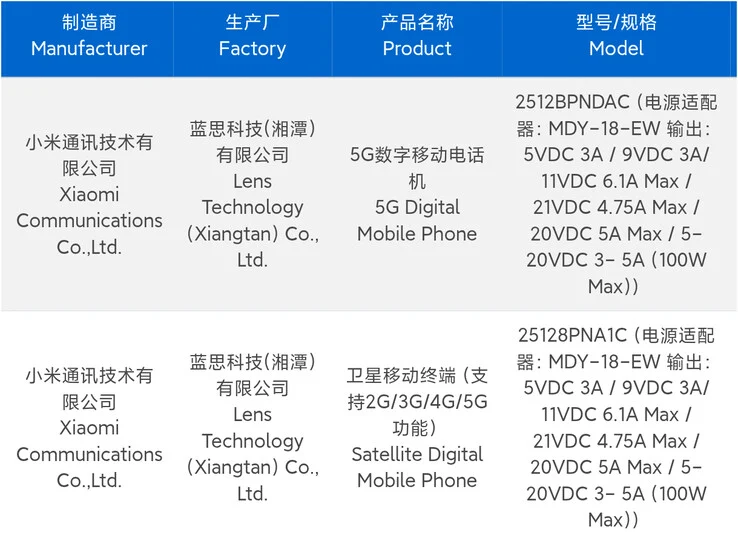
    1. The Xiaomi 15 Ultra’s successor, identified as Xiaomi 17 Ultra, has been found in China’s 3C certification database with two models: 2512BPNDAC (5G only) and 25128PNA1C (5G + satellite connectivity).
    2. Both models feature 100-watt fast charging, similar to the Xiaomi 17 series.
    3. The satellite-compatible model is rumored to support Beidou satellite SMS and Tiantong satellite calling.
    4. The Xiaomi 17 Ultra may include an advanced external Leica camera module offering a “physical zoom” solution.
    5. The Xiaomi 17 Ultra is expected to launch in December, potentially ahead of competitors Vivo X300 Ultra and Oppo Find X9 Ultra.


    The Xiaomi 15 Ultra’s successor has been detected in China’s 3C certification database, featuring two unique models. The CCC listings validate that both versions offer 100-watt fast charging, akin to the Xiaomi 17, Xiaomi 17 Pro, and Xiaomi 17 Pro Max. The certification identifies models 2512BPNDAC and 25128PNA1C, which primarily differ in their mobile connectivity options. The first model is limited to 5G networks, while the second includes satellite connectivity (at least for China). Well-known leaker Digital Chat Station asserts that this version allows for Beidou satellite SMS and Tiantong satellite calling.

    Details Beyond Certification

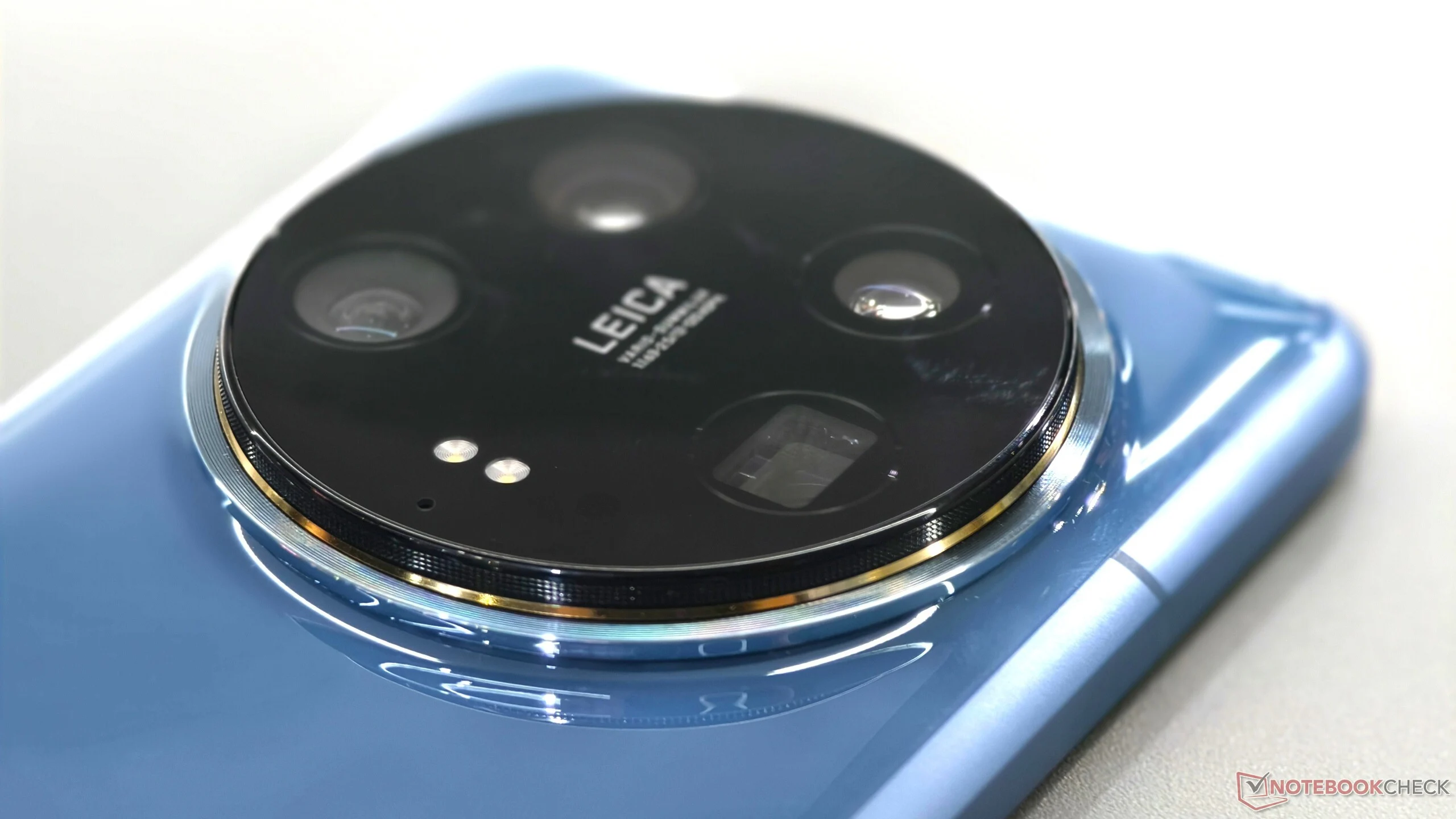
    Nevertheless, the certification entries might not provide the entire story. In the past few weeks, more information has slowly come to light indicating that one of the two Xiaomi 17 Ultra versions – likely the pricier satellite-compatible variant – could also offer an external Leica camera module. This accessory is said to be more than just a simple teleconverter lens, like the optional attachments seen with Vivo X300 Pro or Oppo Find X9 Pro. The leaker mentions that it will be a much more advanced “physical zoom” solution, probably on par with a standard zoom lens. Additionally, Digital Chat Station has stirred up rumors that the Xiaomi 17 Ultra could hit the Chinese market before the Vivo X300 Ultra and Oppo Find X9 Ultra. While both Vivo and Oppo’s flagship phones are anticipated to launch globally around the end of Q1 2026, the Xiaomi 17 Ultra might make its debut as soon as this December.

    Rumblings in the Tech Community

    As news continues to unfold, the excitement around the Xiaomi 17 Ultra builds, especially considering its advanced features and capabilities. With its expected 100-watt fast charging and the intriguing possibility of a Leica camera module, tech enthusiasts are eager to see how it stacks up against competitors. The anticipation surrounding its early launch in December adds an extra layer of interest, particularly as it may precede other flagship devices by a noticeable margin. As we await more details, the landscape of premium smartphones is certainly heating up.

    Source:
    Link


  • Affordable Smartphone Outperforms Galaxy S25 Ultra with a Catch

    Affordable Smartphone Outperforms Galaxy S25 Ultra with a Catch

    Key Takeaways

    1. High-Performance Alternative: The Xiaomi 17 Pro Max offers strong performance with a Qualcomm Snapdragon 8 Elite Gen 5 processor and impressive battery life.

    2. Sleek Design: The phone features a robust metal design, nearly invisible bezels, and an additional display on the back.

    3. Competitive Pricing: Priced just over $1,200 for 1 TB of storage and 16 GB of RAM, it is more affordable than premium models like the iPhone 17 Pro Max.

    4. Import Considerations: Buying through TradingShenzhen has downsides, including limited warranty coverage, potential import duties, and restrictions with Chinese software.

    5. Great Value: The Xiaomi 17 Pro Max is a strong value proposition in the high-end smartphone market, balancing quality and performance at a lower price.


    Sure, you can find amazing smartphones like the Samsung Galaxy S25 Ultra or the Apple iPhone 17 Pro Max, but based on the storage size, you might end up spending over $2,000.

    Affordable Alternative

    Is it really necessary to invest that much in a premium phone? Xiaomi thinks “No!” with its 17 Pro Max, which mirrors the iPhone’s name for a reason – they aim to rival the best. We recently tested the smartphone and can confirm that it performs quite well.

    Impressive Design

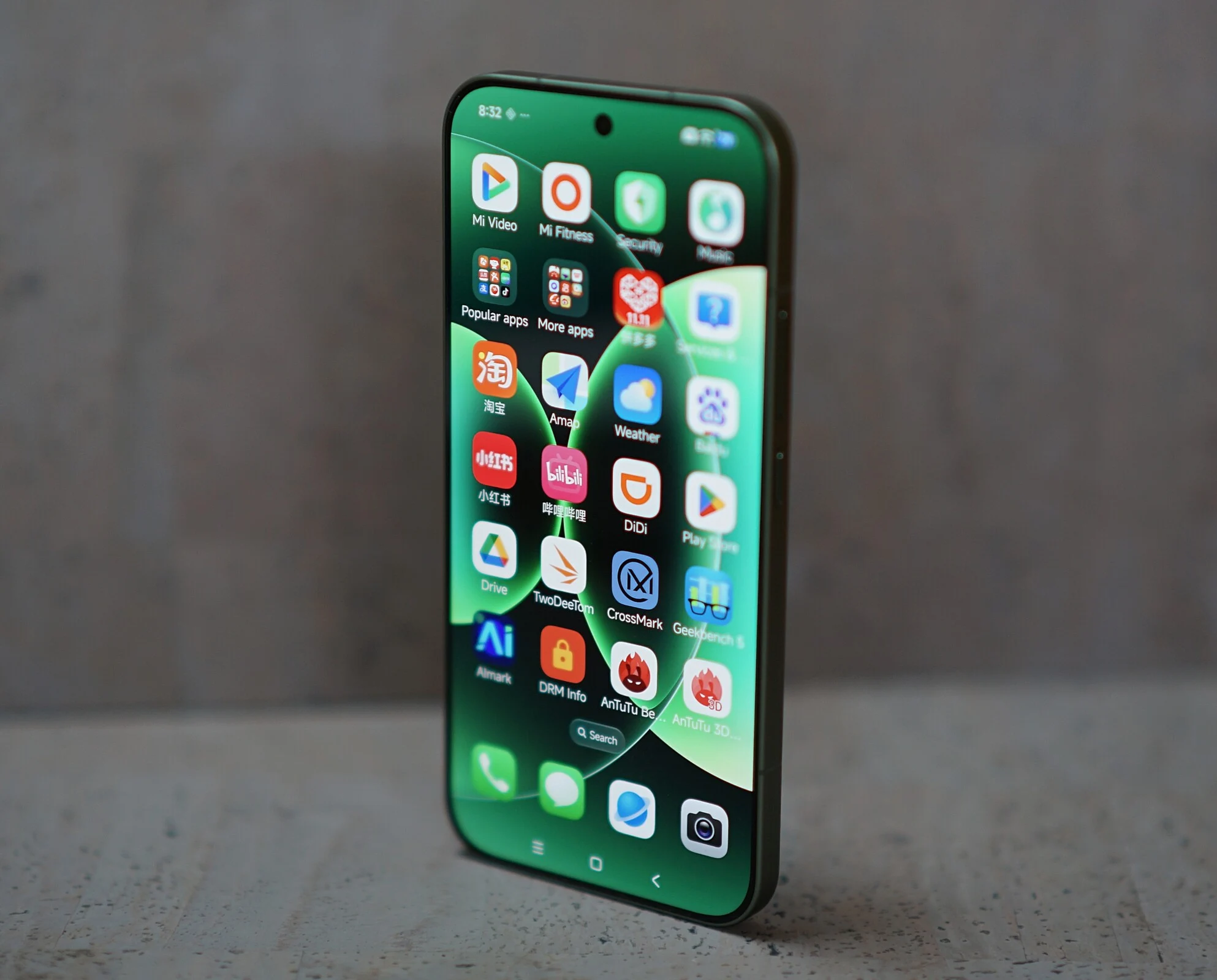
    The Xiaomi 17 Pro Max features a robust and sleek metal design, with nearly invisible bezels and even an extra display on the back as a cool bonus.

    Performance-wise, it stands strong thanks to a Qualcomm Snapdragon 8 Elite Gen 5 processor. The battery life is outstanding, thanks to the massive 7,000 mAh battery. Interestingly, its size and weight are almost the same as those of its rivals from Samsung and Apple, even with a much bigger battery.

    Competitive Pricing

    However, the Xiaomi phone can’t match the high prices set by Korean and US brands. At TradingShenzhen, the model with 1 TB of storage and 16 GB of RAM is priced just over $1,200. This is slightly less than the most affordable iPhone 17 Pro Max, and even the cheapest Samsung model offers significantly less storage for the same amount.

    Importing through TradingShenzhen has a few downsides. First, local warranty rights don’t apply, although the retailer does provide its own warranty. Second, almost all imported goods to the US are subject to import duties. Third, the Chinese software on the phone has some limitations. For instance, eSIM support is absent, as eSIMs aren’t widely used in China. Lastly, fully using Android Auto is not really possible, and English is the only Western language available. Many pre-installed apps are also not functional outside of China.

    Great Value Proposition

    The Xiaomi 17 Pro Max is without a doubt a fantastic value choice among high-end smartphones. It is well-made, speedy, and boasts excellent battery longevity.


  • iPhone Air Success Leads to Sequel and Potential Future Models

    iPhone Air Success Leads to Sequel and Potential Future Models

    Key Takeaways

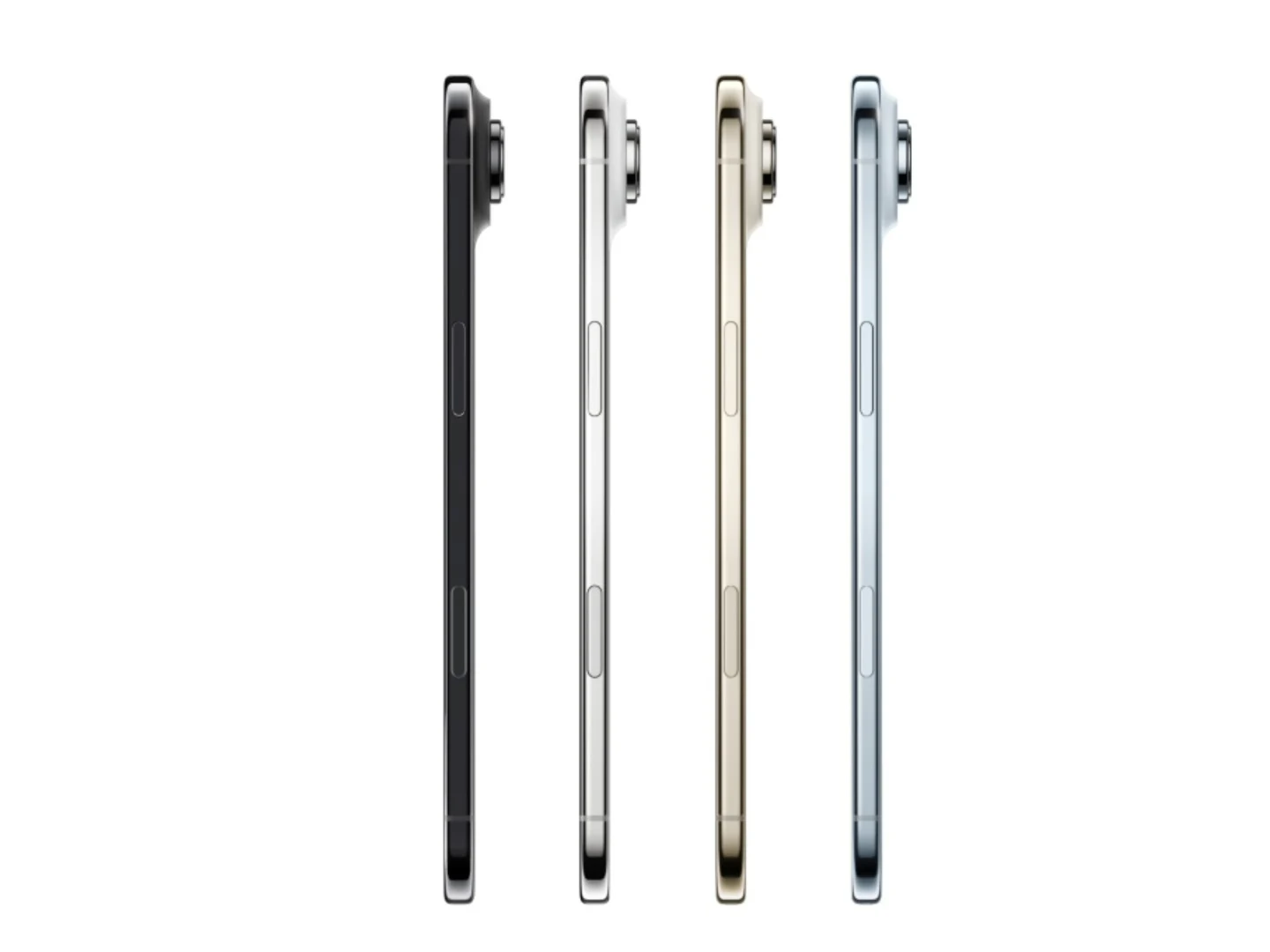
    1. The iPhone Air’s initial sales were disappointing, raising concerns about its future, but sales figures are enough for Apple to consider iPhone Air 2 and Air 3 development.
    2. Industry expert Max Weinbach noted that JP Morgan’s insights suggest suppliers are preparing for upcoming models, despite the original iPhone Air’s performance.
    3. The iPhone Air 2 is expected to launch in late 2026, and the iPhone Air 3 in late 2027, with both rumored to feature a 24 MP front-facing camera.
    4. Foldable iPhones are also anticipated to be released during this timeframe, including advanced selfie camera technologies.
    5. There is ongoing uncertainty in the market regarding the trend for slim and lightweight smartphones, with major brands like Apple and Samsung testing consumer preferences.


    Apple introduced the iPhone Air along with the iPhone 17 series in September, but the excitement surrounding the lightweight smartphone faded quickly. Many reports indicated that the device wasn’t performing well in terms of sales, raising concerns about its potential discontinuation. However, it appears that the sales figures were sufficient for Apple to consider developing an iPhone Air 2 and iPhone Air 3.

    Analyst Insights

    Industry expert Max Weinbach shared a specification comparison from JP Morgan regarding future iPhone models, which includes both the iPhone Air 2 and iPhone Air 3. Weinbach notes that JP Morgan and similar financial institutions are “very good” at gathering such information from the supply chain. This implies that Apple’s suppliers are gearing up for the iPhone Air 2 and Air 3, regardless of the disappointing sales of the original iPhone Air.

    Upcoming Releases

    According to the image, the iPhone Air 2 is expected to launch in the latter half of 2026, while the iPhone Air 3 is anticipated for the second half of 2027. In terms of specifications, the iPhone Air 2, or iPhone 18 Air, is rumored to come with a 24 MP front-facing camera, an improvement over the original iPhone Air’s selfie shooter. The iPhone Air 3, also referred to as iPhone 19 Air in the spec chart, will likely feature the same enhancement. Additionally, the image hints at foldable iPhones expected to be released during the same timeframe. These models are said to include a 24 MP selfie camera on the cover display, as well as an under-display 24 MP selfie camera on the larger, unfolded screen.

    Market Dynamics

    There has been some uncertainty regarding the trend towards slim and lightweight smartphones that many major brands are pursuing. Recent reports suggested that the iPhone Air might be phased out, similar to the Samsung Galaxy S26 Edge. However, newer updates indicate that a sleek and lightweight Galaxy S26 could still be in development. It seems that these tech giants might be making one last attempt to gauge market interest in this design, possibly as a final test for consumer preferences.

    Max Weinbach on X

    Source:
    Link


  • Huawei Mate 70 Air Unveiled: 6,000mAh Battery, 7-Inch Display

    Huawei Mate 70 Air Unveiled: 6,000mAh Battery, 7-Inch Display

    Key Takeaways

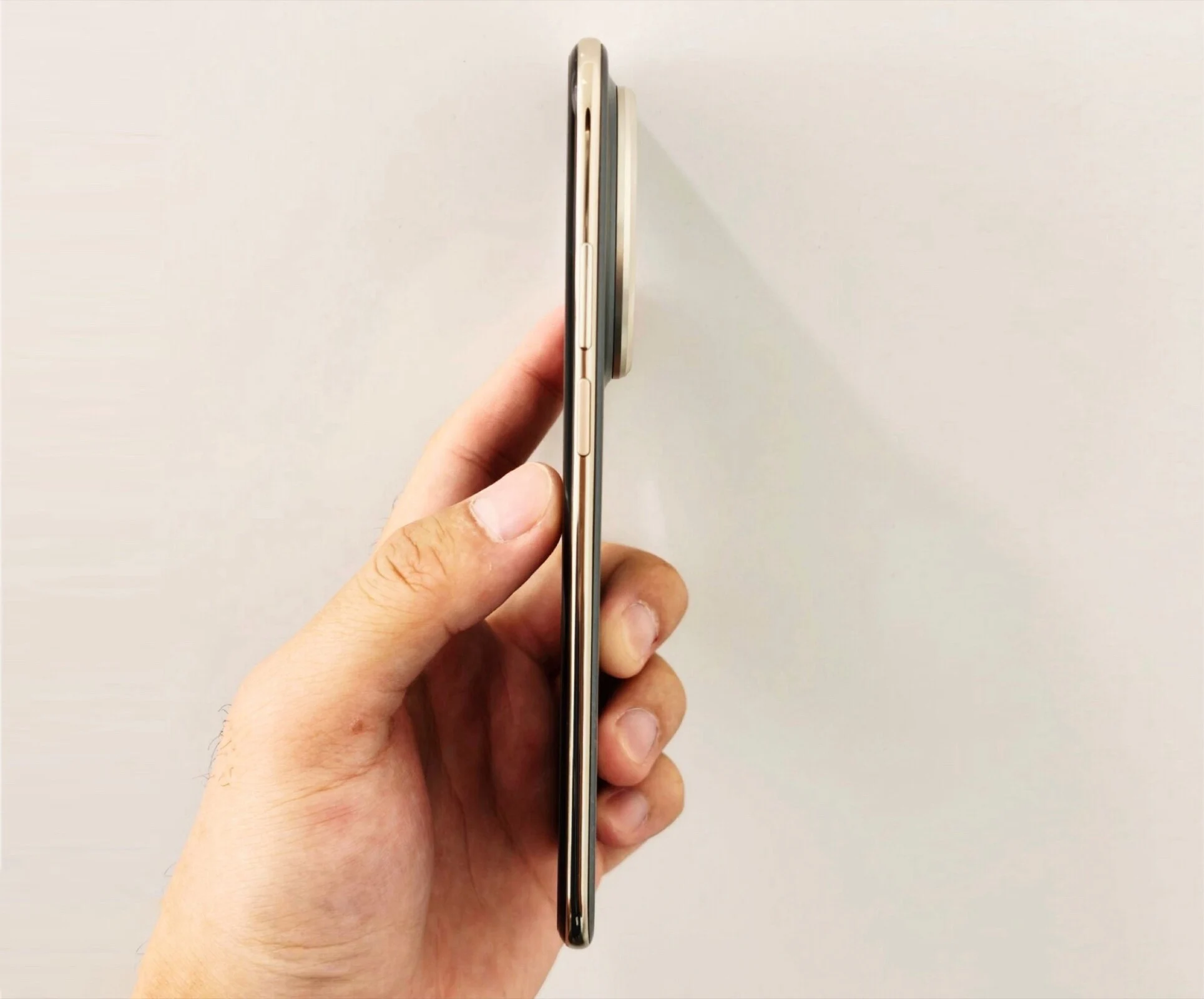
    1. The Huawei Mate 70 Air features a sleek design with a rounded shape, shiny frame, and circular camera arrangement.
    2. It has a thickness of about 6.6 mm and a battery capacity of 6,000 to 6,500 mAh, significantly higher than the iPhone Air.
    3. The phone supports USB-C charging with a power of up to 66 watts, but wireless charging details remain unconfirmed.
    4. Weighing 208 grams, it is slightly lighter than many other smartphones and may have a 7-inch display with an 18.8:9 aspect ratio.
    5. While the release date and price are not yet confirmed, sales are expected to begin in China soon, possibly within a week.


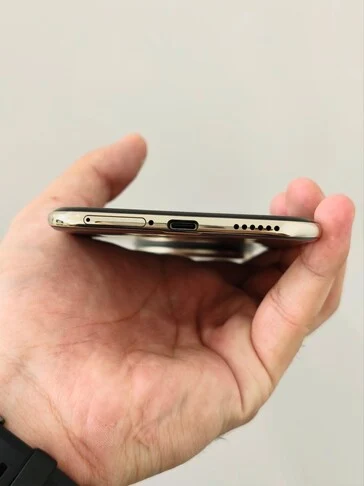
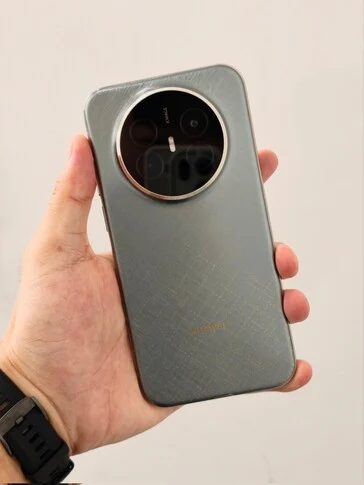
    After the Huawei Mate 70 Air was initially seen in images a few days ago, more pictures have appeared online, showcasing the sleek smartphone with its notably rounded design. With a shiny frame, a circular camera arrangement, and a rugged back texture, this device embodies a contemporary look that is characteristic of Huawei.

    New Specifications Revealed

    Well-known leaker Digital Chat Station has shared additional information regarding the device’s specifications. The Huawei Mate 70 Air measures about 6.6 millimeters thick, making it roughly one millimeter thicker than the Apple iPhone Air. However, it boasts a battery capacity that ranges from 6,000 to 6,500 mAh, which is nearly double that of the iPhone Air, effectively addressing the iPhone Air’s major flaw. The charging capability is said to be via USB-C with a power of up to 66 watts, though it remains unverified if wireless charging will be available.

    Weight and Display Features

    At a weight of 208 grams, the Huawei Mate 70 Air is only slightly lighter than many bulkier smartphones, likely owing to its overall dimensions. Rumors indicate that the smartphone will sport a 7-inch display with an aspect ratio of 18.8:9, meaning its screen will be considerably broader than that of many other competing devices. Currently, there are no more details available regarding the price and release date of the Huawei Mate 70 Air, but speculation hints that sales may commence in China within a few days, potentially later this week.

    Source:
    Link


  • Motorola Moto G67 Power: Launch Price and Release Date in November

    Motorola Moto G67 Power: Launch Price and Release Date in November

    Key Takeaways

    1. Motorola launched the Moto G67 Power in India, the first Moto G6 model since the Moto G64, along with several other models.
    2. Sales for the Moto G67 Power were initially set for November 5 but have been updated to start on November 12.
    3. The Moto G67 Power is priced at INR 15,999 (~$180) and offers options of 8 GB RAM and 128 GB or 256 GB storage.
    4. Key features include a 7,000 mAh battery, a 6.7-inch IPS display with 1080p resolution and 120 Hz refresh rate, and a Qualcomm Snapdragon 7s Gen 2 chipset.
    5. The phone has a camera setup with a 50 MP main camera, a 32 MP front camera, and an 8 MP ultra-wide camera, available in multiple color options.


    Under a week ago, Motorola revealed the Moto G67 Power in India, marking the first Moto G6 model since the Moto G64. Since then, the brand has also launched several other models including the Moto G57, Moto G57 Power, Moto G (2026), Moto G Play (2026), and Moto G100s. Interestingly, the Moto G100s seems to be the Moto G67 Power under a different name intended for the Chinese market.

    Sale Date Update

    Initially, Motorola provided some details about the Moto G67 Power’s specs and mentioned it would be available for purchase starting November 5. However, both Flipkart and Motorola have updated this information, stating that sales will actually begin on November 12.

    Pricing and Features

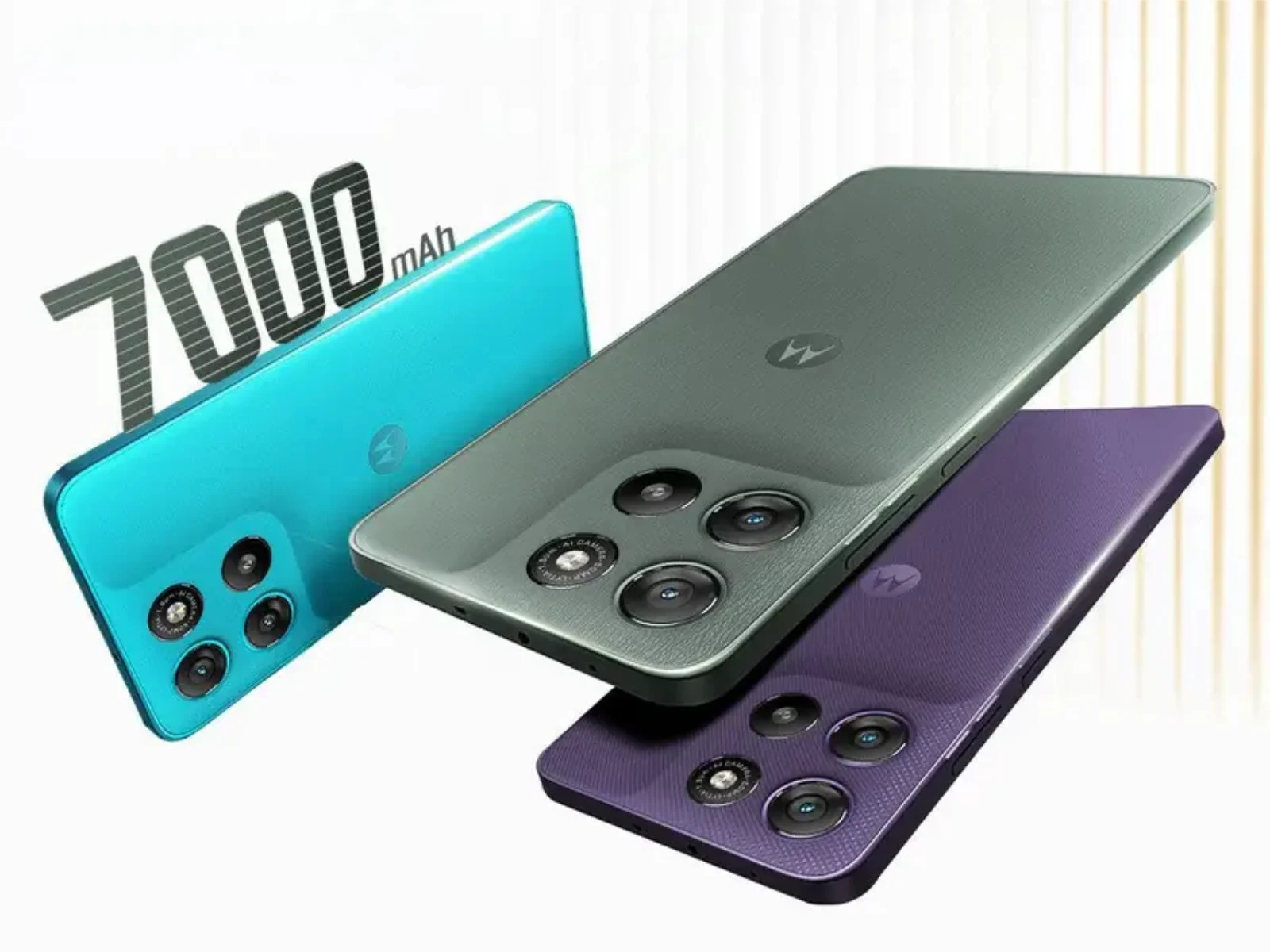
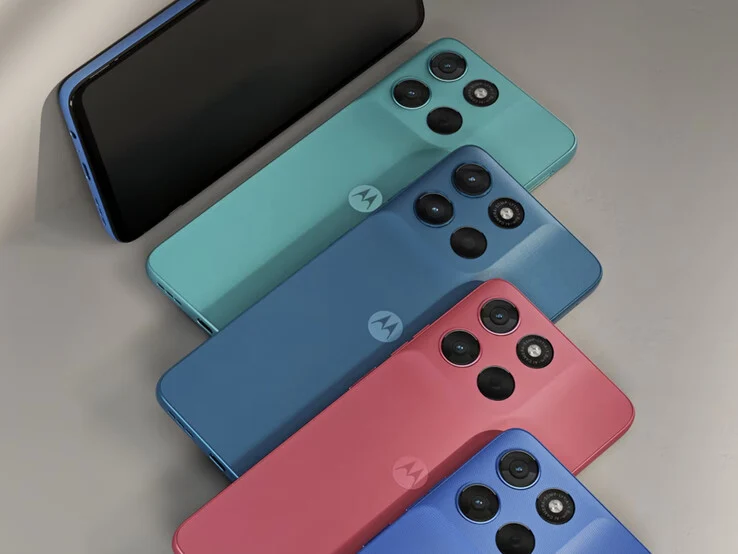
    The starting price for the Moto G67 Power is set at INR 15,999 (~$180), offering 8 GB of RAM and 128 GB of storage. Customers can choose between color options like Pantone Blue Curacao, Cilantro, and Parachute Purple. Additionally, Motorola’s website mentions that a version with 256 GB of storage will also be available.

    Regardless of the storage option, the Moto G67 Power packs a 7,000 mAh battery and features a 6.7-inch IPS display with a resolution of 1080p and a refresh rate of 120 Hz. It runs on the Qualcomm Snapdragon 7s Gen 2 chipset, which is also found in other devices like the Redmi Pad Pro 5G and the Redmi Note 13 Pro 5G. The phone is housed in a 210 g body, measuring 166.2 x 76.5 x 8.6 mm, and includes a 50 MP main camera, a 32 MP front camera, and an 8 MP ultra-wide camera. For more detailed information, you can check out Motorola’s official website.

    Source:
    Link


  • Sharp Aquos Sense10: Compact Phone with 6.1″ 240Hz OLED Display

    Sharp Aquos Sense10: Compact Phone with 6.1″ 240Hz OLED Display

    Key Takeaways

    1. The Sharp Aquos sense10 has a 6.1-inch Pro IGZO OLED display with a resolution of 2,340 x 1,080 pixels and peak brightness of 2,000 nits, supporting a dynamic refresh rate of 1 to 240 Hz.

    2. It features a robust camera system, including a 50 MP main camera, a 50 MP ultrawide camera, and a 32 MP front camera, with AI functionalities for enhanced photography.

    3. The device is powered by the Qualcomm Snapdragon 7s Gen 3 processor and comes with Android 16, offering three major updates and five years of security patches.

    4. The Aquos sense10 is lightweight at 166 g, has a thickness of 8.9 mm, and includes a 5,000 mAh battery with 36-watt USB-C charging.

    5. In Japan, the pricing starts at ¥62,700 (approximately $410) for the base model, with a higher variant available; however, availability may be limited outside Japan.


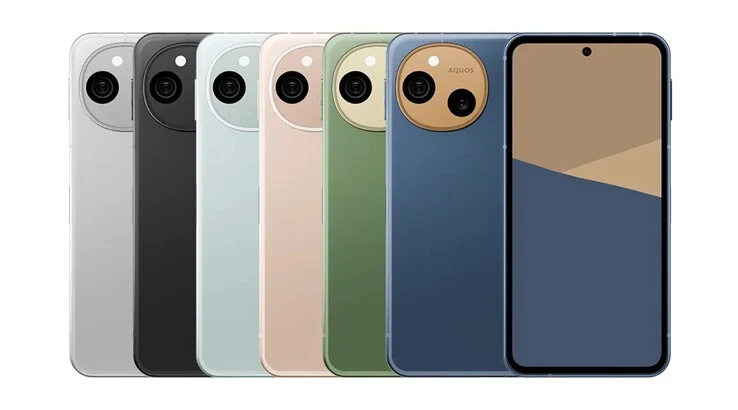
    Despite being smaller in screen size compared to the Apple iPhone 17, the newly launched Sharp Aquos sense10 is still nearly the same dimensions overall due to its broader bezel. It is a bit thicker at 8.9 mm (0.35 in) but is much lighter at 166 g (5.86 oz).

    Impressive Display Features

    One of the phone’s key highlights is its 6.1-inch screen, which utilizes Sharp’s Pro IGZO OLED technology. It has a resolution of 2,340 x 1,080 pixels and can achieve peak brightness of 2,000 nits. The display supports a dynamic refresh rate ranging from 1 to 240 Hz, making it quicker than the screens found in premium gaming models like the RedMagic 11 Pro. The Aquos sense10 also comes with a vibrant chassis that carries an IP68 rating for water resistance. Even with its compact form, Sharp has managed to fit in a 5,000 mAh battery that supports 36-watt USB-C charging.

    Advanced Camera Capabilities

    Alongside a 32 MP f/2.2 front camera, the Aquos sense10 boasts a 50 MP f/1.9 main camera equipped with a 1/1.55-inch sensor, in addition to a 50 MP f/2.2 ultrawide camera featuring a 1/2.5-inch sensor. The cameras include a variety of AI functionalities, such as the automatic removal of unwanted reflections and shadows.

    Robust Performance and Software

    Sharp has chosen the Qualcomm Snapdragon 7s Gen 3 for this device, which contains four Cortex-A720 performance cores and four Cortex-A520 efficiency cores. For Bluetooth audio, this phone supports both Qualcomm aptX Adaptive and Sony’s LDAC. It is set to come with Android 16 and is promised three major Android updates, along with five years of security patches.

    In Japan, the Sharp Aquos sense10 is priced at ¥62,700 (around $410) for the base model with 6 GB of RAM and 128 GB of storage. There is also an 8/256 GB variant available for ¥69,300 (approximately $450). As Sharp Aquos phones are not usually available in the US or Europe, buyers in those areas might need to consider direct import to acquire a unit.

    Sharp | Product page

    Source:
    Link


  • Oppo Find X9 Ultra vs Xiaomi 17 Ultra vs Vivo X300 Ultra in Europe

    Oppo Find X9 Ultra vs Xiaomi 17 Ultra vs Vivo X300 Ultra in Europe

    Key Takeaways

    1. China leads in premium camera smartphone production, competing with Apple and Samsung, while local brands like Huawei, Xiaomi, Honor, Vivo, and Oppo are also significant players.
    2. Xiaomi offers its Ultra models globally, like the Xiaomi 15 Ultra, but Pro models are not available in Europe.
    3. Importing Chinese smartphones, like Vivo and Oppo models, can be affordable but may cause compatibility issues with features like Wear OS and eSIMs.
    4. The Vivo X300 Ultra and Oppo Find X9 Ultra may be globally launched in 2026, with the Vivo model showing signs of a worldwide release.
    5. The anticipated price for the Vivo X300 Ultra and Oppo Find X9 Ultra in Europe is expected to exceed €1,600, following the trend of rising smartphone prices.


    For a long time, China has been a leader in providing a vast range of premium camera smartphones. Apple and Samsung are not the only ones competing for their share in this market; local brands like Huawei, Xiaomi, Honor, Vivo, and Oppo are also in the mix. However, many of their models do not reach consumers beyond China’s borders. Xiaomi has taken a different route by not launching its Pro models globally in Europe but still offering its Ultra models, like the Xiaomi 15 Ultra, to European customers.

    Importing Challenges

    People interested in getting devices like the Vivo X200 Ultra or the Oppo Find X8 Ultra in the EU or other regions will have to import them from China. While this process is usually affordable and not too complicated, it can sometimes create problems with compatibility, especially regarding Wear OS smartwatches, eSIMs, or Google’s Quick Share. Nevertheless, there’s news that the two main challengers to the Xiaomi 17 Ultra may be available globally for the first time in 2026. Recently, a global model number for the Vivo X300 Ultra was found in the GSMA database, hinting at a worldwide launch for this eagerly awaited dual-200MP Zeiss camera flagship.

    Exciting Prospects for Oppo Fans

    Now, Indian insider Yogesh Brar is sparking excitement among Oppo enthusiasts, suggesting that they could finally get a chance to buy the top-tier Hasselblad camera flagship in the EU next year. The launch in India will depend on the popularity of the Oppo Find X9 and Oppo Find X9 Pro, but a global release is expected in the first quarter of 2026, as per the insider. However, it’s important to note that the Vivo X300 Ultra and the Oppo Find X9 Ultra are unlikely to be budget-friendly when they arrive in Europe. Given that the Pro models already have a suggested retail price ranging from €1,300 to €1,400, it is reasonable to expect the Ultra versions to be priced above €1,600, especially since smartphone prices are on the upward trend.

    Source:
    Link


  • Motorola Moto G Play 2026: Affordable Phone with Big Battery

    Motorola Moto G Play 2026: Affordable Phone with Big Battery

    Key Takeaways

    1. Two Models: Motorola launched the budget-friendly Moto G (2026) and Moto G Play (2026), with Moto G being more advanced.

    2. Specifications: The Moto G Play features a Dimensity 6300 processor, 64 GB of storage, 4 GB of RAM (expandable virtually up to 8 GB), and a microSD slot for up to 1 TB of storage.

    3. Battery and Charging: Both models have a 5,200 mAh battery, but the Moto G Play supports only 18 W charging compared to the Moto G’s 30 W fast charging.

    4. Display and Camera: The Moto G Play has a 6.7-inch HD+ display with a 120 Hz refresh rate and an 8 MP selfie camera, along with a single 32 MP rear camera.

    5. Price and Availability: The Moto G Play (2026) will be priced at $169, making it $30 cheaper than the Moto G, and will be available for purchase starting November 13, 2025.


    Motorola has launched two budget-friendly smartphones, namely the Moto G (2026) and Moto G Play (2026). Of the two, the Moto G is a little more advanced, while the Moto G Play comes at a lower price.

    Specifications and Features

    Similar to the non-Play version, the Moto G Play (2026) runs on the Dimensity 6300, which is a mid-range SoC released in 2024. It comes with 64 GB of UFS 2.2 storage and 4 GB of RAM. Motorola provides a feature to enhance RAM virtually, which lets users increase memory by up to 8 GB. A microSD slot is also included, allowing for storage expansion of up to 1 TB (the SanDisk 512GB Ultra is currently priced at $37.99 on Amazon).

    Battery and Display

    The device is equipped with a sizeable 5,200 mAh battery, matching the latest Moto G. However, it only supports 18 W charging, which is less compared to the 30 W fast charging available on the non-Play model. On the front side, the Moto G Play features a 6.7-inch display with HD+ resolution and a 120 Hz refresh rate. It is safeguarded by Gorilla Glass 3 and sports an 8 MP selfie camera within a centered hole punch.

    Camera and Additional Features

    At the back, the budget phone has a single 32 MP camera, which is a downgrade compared to the non-Play variant. Other notable features include dual SIM support, stereo speakers with Dolby Atmos, an IP52 rating, and it runs on Android 16 straight out of the box.

    Motorola’s Moto G Play (2026) is set to launch at a price of $169, which is $30 less than the non-Play version. It will be available for purchase starting November 13, 2025, through various carriers and retailers.

    Source:
    Link


  • Motorola Moto G57 Power: Mid-Range Smartphone with 7,000 mAh Battery

    Motorola Moto G57 Power: Mid-Range Smartphone with 7,000 mAh Battery

    Key Takeaways

    1. Motorola launched the Moto G (2026), Moto G Play (2026), and Moto G57 Power in North America.
    2. The Moto G57 Power features a 7,000 mAh battery, supporting 30 W wired charging and maintaining 80% capacity after 1,000 cycles.
    3. It retains the 6.72-inch, 120 Hz, 1080p IPS display from the Moto G56.
    4. The camera system includes a 50 MP main camera and an 8 MP ultra-wide camera, but has a lower 8 MP front camera compared to the Moto G56’s 32 MP.
    5. The Moto G57 Power is priced at €279 in Europe, with a lower price of €250 for the 8 GB RAM and 256 GB storage variant.


    Motorola has once again broadened its Moto G lineup, unveiling the Moto G (2026) and Moto G Play (2026) just yesterday in North America. This time, they have also launched the Moto G57 Power, which is powered by Qualcomm’s latest Snapdragon 6s Gen 4 chipset.

    Similar Design

    In terms of design, the Moto G57 Power looks very much like the Moto G56, which is currently selling for $229 on Amazon. The phone continues to support 30 W wired charging but improves upon its predecessor by featuring a robust 7,000 mAh battery. Motorola asserts that this substantial battery will maintain 80% of its peak capacity even after 1,000 charge cycles. Moreover, the new device seems to keep the 6.72-inch, 120 Hz, and 1080p IPS display from the Moto G56.

    Camera Features

    The camera system is quite similar too, featuring a Sony LYT-600 50 MP main camera with an f/1.8 aperture, along with an 8 MP ultra-wide camera that offers a 118° field of view. However, the Moto G57 Power includes a disappointing 8 MP front camera, in contrast to the 32 MP front camera found in the Moto G56. The Moto G57 Power is officially priced at €279 in Europe, though Motorola Austria has set the price at €250 for the variant with 8 GB of RAM and 256 GB of storage. Customers can choose from Pantone Corsair, Fluidity, and Pink Lemonade colors, with a Pantone Regatta option expected to be available in the future.

    Source:
    Link