Category: Phones

Stay updated with the latest phone news, reviews, and trends. Discover cutting-edge smartphones, features, and innovations in our Phones category at GizNewsDaily

  • iPhone 18: Expected Center Stage Upgrade and iPhone Fold Features

    iPhone 18: Expected Center Stage Upgrade and iPhone Fold Features

    Key Takeaways

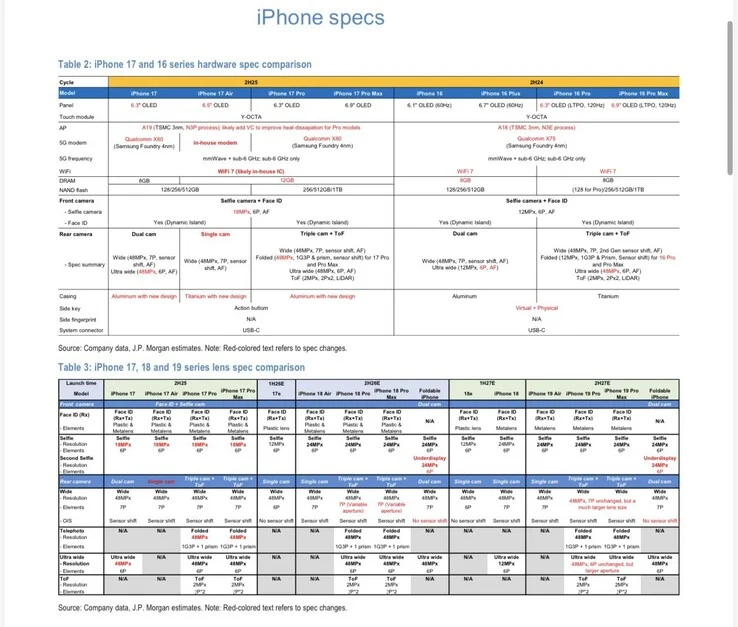
    1. The iPhone 17 features an 18 MP front camera, contrary to predictions of a 24 MP sensor, but analysts expect the iPhone 18 series will include 24 MP selfie cameras (except for the iPhone 18e).
    2. Apple may introduce a 24 MP under-display camera with its first foldable device, likely called the iPhone Fold, expected to launch in September 2026.
    3. The iPhone Fold will have a dual-camera setup with 48 MP but won’t include variable aperture or sensor shift stabilization.
    4. Future iPhone models, including the iPhone 19 (possibly iPhone 20), might see a larger aperture for the ultra-wide-angle camera and an improved main camera sensor.
    5. Plans for integrating Face ID and FaceTime cameras under the display have been delayed, adding uncertainty to Apple’s upcoming designs.


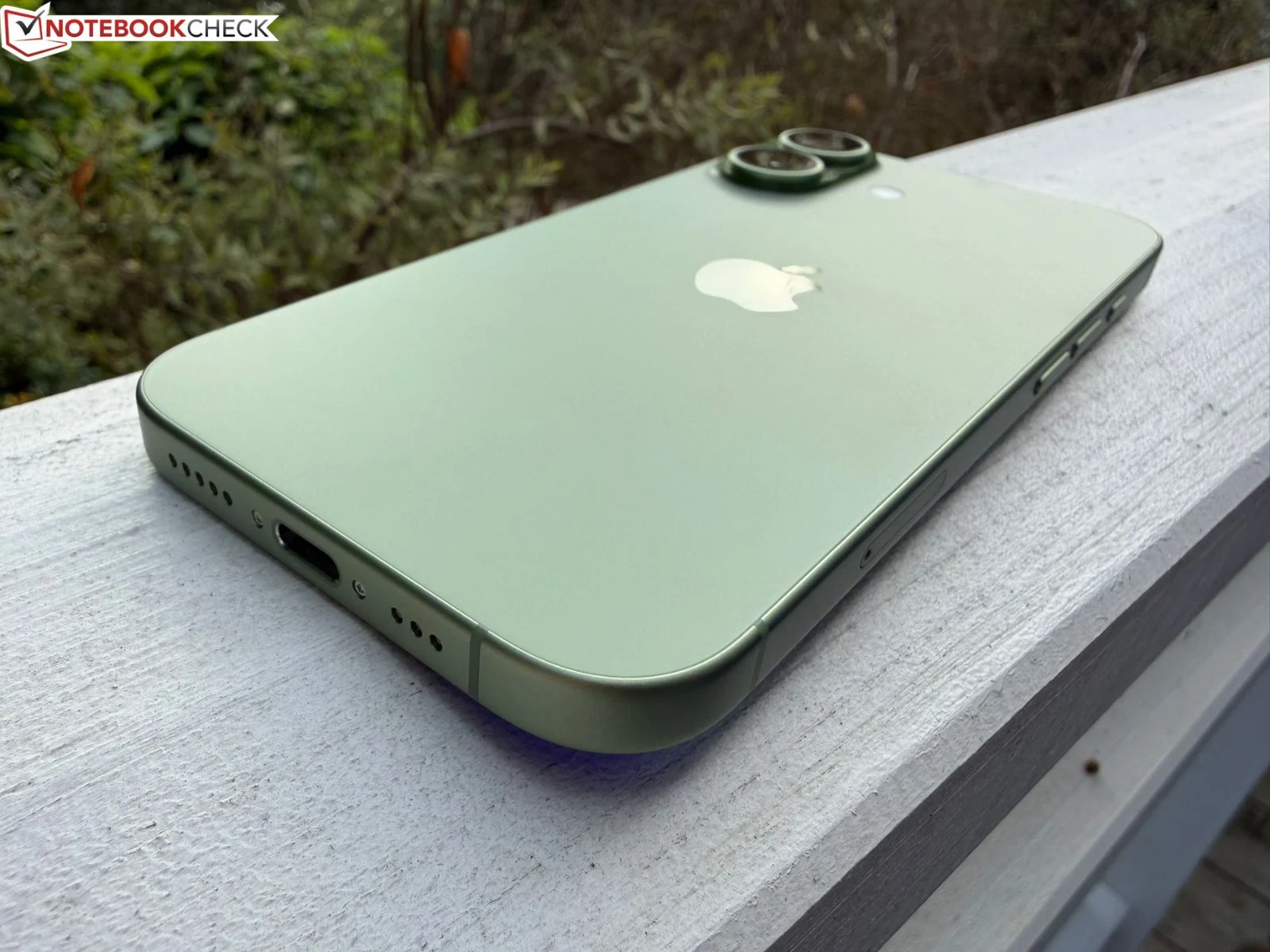
    Even before the launch in September, experts were predicting that the iPhone 17 series would come with a 24 MP camera on the front. However, it turned out that the actual setup was the nearly square center-stage camera featuring an 18 MP sensor for the iPhone 17. Nevertheless, the analysts from JP Morgan are still hopeful. According to a table shared by Max Weinbach on X, they believe that all models of the iPhone 18, except for the iPhone 18e, will include 24 MP selfie cameras.

    Future Upgrades

    It’s still uncertain whether Apple plans to upgrade the sensor again in 2026 and 2027, especially so soon after the recent upgrade to the front camera. Yet, the report does mention something intriguing: a 24 MP under-display camera could be part of Apple’s first foldable device, likely to be called the iPhone Fold, which might debut in September 2026. Display analysts like Ross Young pointed out a few weeks ago that Apple’s plans for placing Face ID and FaceTime cameras under the display have been delayed, adding an element of mystery to the situation.

    Camera Specifications

    JP Morgan also reports that the iPhone Fold will boast a dual-camera setup with 48 MP, including both an ultra-wide-angle and a main camera. Unlike the iPhone 18 Pro and iPhone 18 Pro Max, this device is not expected to have a variable aperture, nor is sensor shift stabilization included in the plans. Additionally, JP Morgan has given some early insights into what the iPhone 19 generation might look like in 2027, which could be called the iPhone 20. In contrast to a rumor that surfaced recently, the iPhone 19 Air, also referred to as iPhone Air 2, will still have a single camera. Analysts are predicting a larger aperture for the ultra-wide-angle camera and a significantly enhanced sensor for the main camera.

    Source:
    Link


  • Oppo A6 5G Smartphone: 7000mAh Battery & IP Certification

    Oppo A6 5G Smartphone: 7000mAh Battery & IP Certification

    Key Takeaways

    1. The Oppo A6 5G is currently available only in China, priced around $226.
    2. It features a MediaTek Dimensity 6300 chip with support for dual SIM and 5G connectivity.
    3. The smartphone offers options for 8 or 12 GB of RAM and storage choices of 256 or 512 GB.
    4. It has a 7,000 mAh battery with 80W wired charging and an AMOLED display with a resolution of 2,372 x 1,080 pixels and a 120 Hz refresh rate.
    5. The camera setup includes a 50 MP main camera and a 16 MP front camera, with unlocking options of fingerprint and facial recognition.


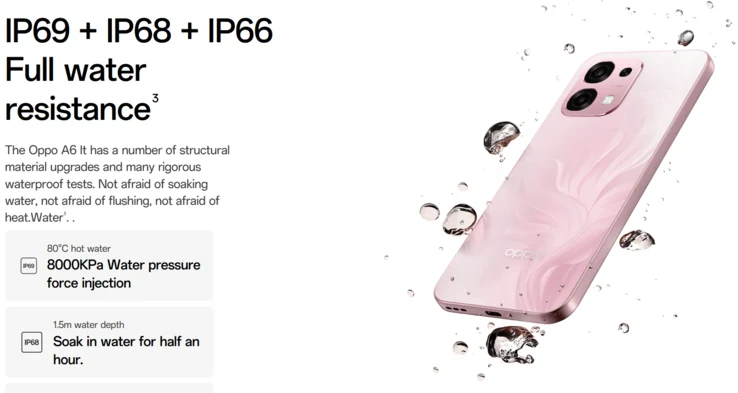
    Oppo has launched a new smartphone called the A6 5G, but currently, it’s only available in China. This device is reasonably equipped and seems to target buyers who are looking for value without needing top-tier features. In China, the price is around $226, but there’s no word on when or if it will be available in other countries.

    Specifications and Features

    The Oppo A6 5G is powered by a MediaTek Dimensity 6300 chip. This system-on-chip (SoC) comes with a 5G modem and allows for dual SIM use, letting users stay connected on two phone numbers at once. Depending on the version, it offers either 8 or 12 GB of LPDDR4X RAM, and its storage is UFS 2.2, available in either 256 or 512 GB configurations.

    Design and Battery Life

    This smartphone weighs about 185 grams and is 8 millimeters thick. It houses a battery with a capacity of 7,000 mAh, which is quite impressive, and it can be charged up to 80 watts, but only through a cable. The display boasts a resolution of 2,372 x 1,080 pixels and supports a refresh rate of up to 120 Hz. The AMOLED screen is said to reach a peak brightness of 1,400 cd/m².

    Camera and Unlocking

    Unfortunately, there is no telephoto camera on this model. Instead, it features a 50 MP main camera and a 16 MP front-facing camera. Users can unlock the device using a fingerprint scanner or by using facial recognition.

    Source:
    Link


  • iPhone 17 Charging Test Reveals Minor Gains with 40W Charger

    iPhone 17 Charging Test Reveals Minor Gains with 40W Charger

    Key Takeaways

    1. The iPhone 17 charges at different speeds depending on the power adapter used, with the 20 W adapter being the slowest.
    2. The 40 W, 70 W, and 140 W adapters all peaked at around 36 W and showed similar charging performance.
    3. Charging times to reach 50%, 80%, and full charge were consistent across the 40 W, 70 W, and 140 W adapters, averaging around 18-19 minutes, 42-44 minutes, and 1 hour and 41-42 minutes, respectively.
    4. The 20 W adapter took significantly longer to charge the iPhone 17, reaching 50% in 27 minutes and full charge in 1 hour and 50 minutes.
    5. ChargerLAB concluded that the new 40 W charger does not offer significant advantages for the iPhone 17, which still uses the standard USB-C PD protocol.


    ChargerLAB recently conducted tests to see how the iPhone 17 performs with four different USB-C power adapters from Apple: 20 W, 40 W, 70 W, and 140 W. The tests were carried out using a POWER-Z KM003C tester and POWER-Z Lab V2.4 software, all within a thermotank set at 25 °C (77 °F).

    20 W Adapter Performance

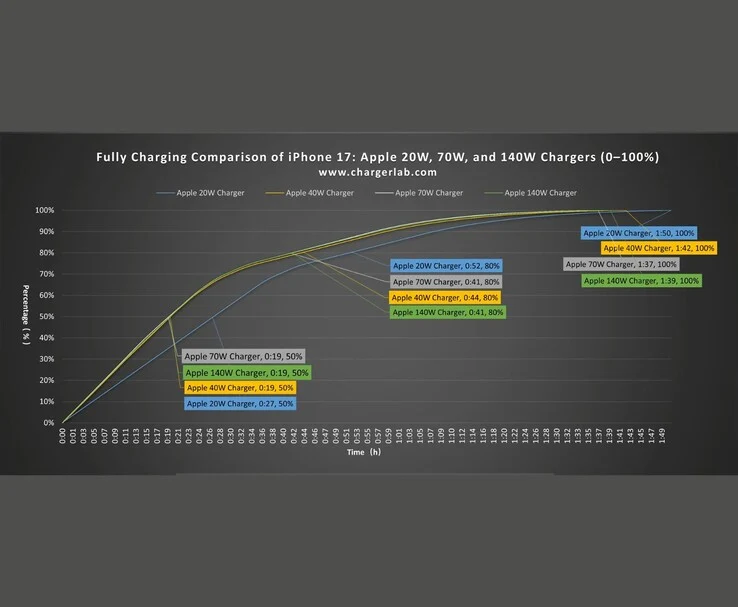
    With the 20 W adapter, the iPhone 17 started with a 9 V output and consumed 19 W for the first 36 minutes. After that, the power usage dropped to 12 W, and then to 7 W around the 65-minute mark, entering a trickle-charging stage thereafter. It took 27 minutes to reach 50%, 52 minutes for 80%, and a total of 1 hour and 50 minutes for a full charge.

    40 W and 70 W Adapter Results

    Using the 40 W adapter, the iPhone 17 generated a 15 V output and peaked at 36 W. The power level remained approximately 28 W for the initial 11 minutes, gradually decreasing in a stepwise manner to about 8 W by the 57-minute mark, and finally dropping to 5 V as it neared the end. The times to reach 50%, 80%, and full charge were 19 minutes, 44 minutes, and about 1 hour and 42 minutes, respectively.

    The 70 W adapter showed nearly identical results, also triggering a 15 V output with a peak of 36.7 W. It maintained 28 W for 13 minutes before gradually falling to 24 W, 19 W, 12 W, and ending at 7 W by the 57-minute point. The charging times for this adapter were the same as the 40 W, reaching 50% in 19 minutes, 80% in 44 minutes, and a complete charge in 1 hour and 42 minutes.

    140 W Adapter Similarity

    The test with the 140 W adapter yielded a nearly identical charging curve, peaking around 36 W and reaching 50% in 18 minutes, 80% in 42 minutes, and finishing in 1 hour and 41 minutes.

    When these results are compared, the charging curves for the 40 W, 70 W, and 140 W adapters look nearly the same. The iPhone 17 achieved 50% in 19 minutes, 70% in 30 minutes, 80% in 41 minutes, and a full charge in about 1 hour and 39 minutes.

    In contrast, the 20 W adapter showed a noticeably slower charging rate. The 70 W adapter was only slightly faster than the others, with the differences being minimal. ChargerLAB concluded that Apple’s new 40 W charger with the SPR AVS protocol does not provide any significant benefits for the iPhone 17, which continues to utilize the standard USB-C PD protocol.

    Source:
    Link


  • Sub-Flagship Phones with Snapdragon 8 Gen 5 Set for Launch

    Sub-Flagship Phones with Snapdragon 8 Gen 5 Set for Launch

    Key Takeaways

    1. Qualcomm has launched flagship phones powered by the Snapdragon 8 Elite Gen 5 in China, with more devices expected globally.
    2. Two smartphones featuring the Snapdragon 8 Gen 5 are set to debut by November 2025, one focusing on performance with an 8,000 mAh battery and a 165 Hz display.
    3. The anticipated OnePlus Turbo is rumored to have a 6.7-inch OLED display, 1.5K resolution, and a 50 MP dual-camera setup, along with 100 W fast charging.
    4. A second device, likely the Vivo S50 Pro mini, will feature a periscope camera, ultrasonic fingerprint scanner, a 6,040 mAh battery, and a 6.31-inch display with 1.5K resolution.
    5. Information about these upcoming devices comes from reliable leaker Digital Chat Station on Weibo.


    A few flagship phones powered by the Snapdragon 8 Elite Gen 5 have recently launched in China, with many others expected to hit the global market soon. In addition to this new System on Chip (SoC), Qualcomm has also unveiled a regular version, but a smartphone that uses this version has not yet been formally introduced.

    Upcoming Launches

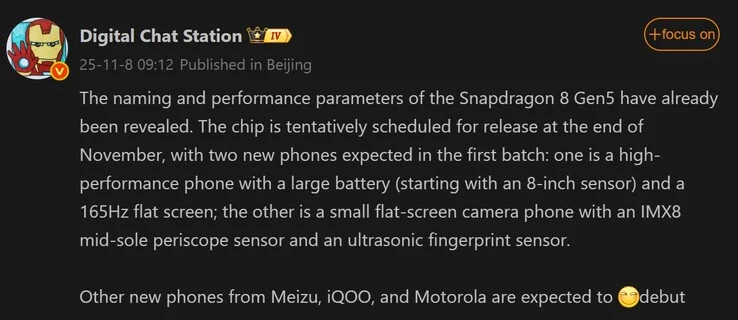
    However, that appears to be changing quickly, as Digital Chat Station, a reliable leaker on Weibo, reports that two smartphones featuring the Snapdragon 8 Gen 5 will debut by November 2025. One of these devices is said to focus on performance, boasting a battery with over 8,000 mAh capacity. Additionally, it is rumored to have a display with a refresh rate of 165 Hz.

    Rumored Features

    While the name of the device wasn’t directly mentioned by Digital Chat Station, the details align with earlier leaks regarding the anticipated OnePlus Turbo. This sub-flagship model is expected to come with a 6.7-inch OLED display offering a “1.5K” resolution, and a dual-camera configuration on the rear, including a primary sensor of 50 MP. Furthermore, it is anticipated to support fast charging at 100 W (you can find the 200 W Anker Prime Desktop Charger for $49.99 on Amazon).

    Another Device on the Horizon

    Additionally, Digital Chat Station has provided insights about a second phone featuring the Snapdragon 8 Gen 5 that is also set to launch soon. This device is described as a compact camera phone, equipped with a periscope sensor on the rear and an ultrasonic fingerprint scanner.

    Again, the name of this phone was not disclosed, but it is likely to be the Vivo S50 Pro mini. Recent reports suggest that it will be a compact device with a skilled camera setup on the back. It is also expected to feature a 6,040 mAh battery and a 6.31-inch display with a “1.5K” resolution.

    Digital Chat Station’s information comes from Weibo (translated from Chinese).

    Source:
    Link


  • iPhone 18 Pro Camera Details Leaked: Transparent Back & Features

    iPhone 18 Pro Camera Details Leaked: Transparent Back & Features

    Key Takeaways

    1. New Camera Design: The iPhone 18 Pro may adopt a Hole-In-Active-Area (HIAA) design for the front camera, potentially replacing the current Dynamic Island notch.

    2. Variable Aperture Feature: Apple is testing a new main camera with a variable aperture for improved light control, a feature previously introduced by Samsung.

    3. Design Changes: The iPhone 18 Pro is expected to retain the large horizontal camera island and may also feature a transparent back design.

    4. Transparent Innovation: If Apple implements a transparent back, it could influence other smartphone manufacturers to explore similar designs.

    5. Battery Updates: The iPhone 18 Pro Max is rumored to include a steel-cased battery, possibly similar to the vapor chamber design used in previous models.


    Less than two months after the launch of the Apple iPhone 17, talks about the upcoming iPhone 18 series are already buzzing around. Recently, Digital Chat Station has shared some intriguing news regarding the front and back cameras, along with the battery for the iPhone 18 Pro and 18 Pro Max.

    New Camera Design

    Digital Chat Station mentions that Apple is considering a Hole-In-Active-Area (HIAA) design for the front camera on the iPhone 18 Pro. If this concept is included in the final product, the current Dynamic Island could be replaced with a smaller punch-hole design. It’s uncertain what modifications Apple might make to enhance Face ID technology to fit this system into a compact punch-hole, as the existing version needs the larger Dynamic Island notch.

    Exciting Aperture Features

    Moreover, Apple is said to be testing a new main camera for the iPhone 18 Pro that comes with a variable aperture. Unlike most smartphones, which typically have a fixed aperture, a variable aperture provides more control over how much light gets to the camera sensor. This feature can significantly improve exposure and depth of field.

    Samsung was the pioneer in this technology, introducing variable aperture with the Galaxy S9 in 2018. Nowadays, Chinese brands like Xiaomi, Huawei, and Nubia are among the few that have smartphones featuring this capability.

    Possible Design Changes

    Interestingly, a similar rumor about the Galaxy S26 Ultra surfaced back in March 2025. However, the latest leaks regarding the Galaxy S26 Ultra’s camera do not mention a variable aperture at all.

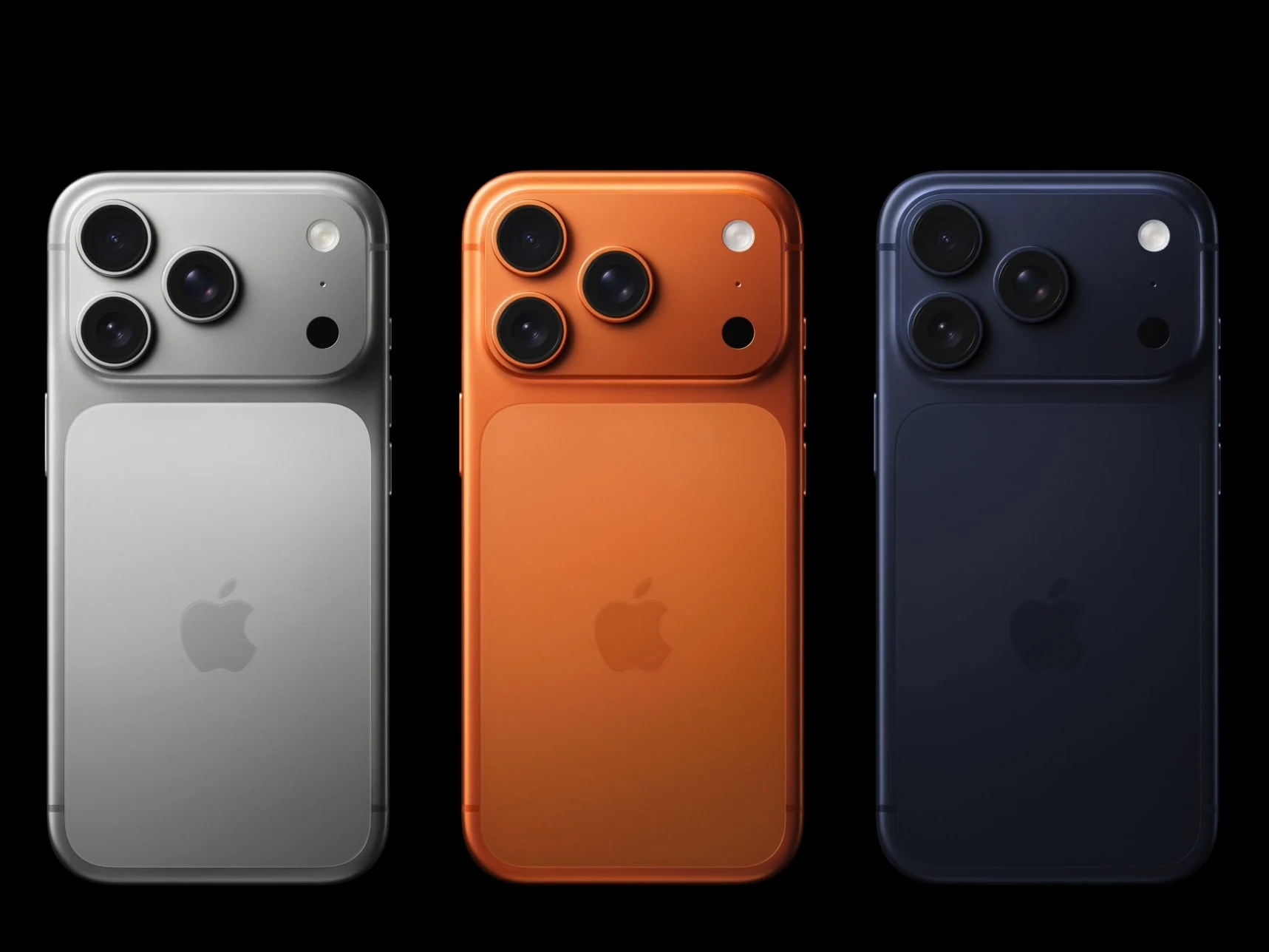
    Furthermore, DCS asserts that Apple will keep the large horizontal camera island on the back of the iPhone 18 Pro. This suggests that the camera housing redesign seen in the iPhone 17 Pro and iPhone 17 Pro Max might be revisited next year. Even more fascinating is the report that Cupertino is contemplating a transparent back design for the iPhone 18 Pro.

    Transparent Innovation

    Aside from Nothing, no other smartphone manufacturers are focusing on transparent designs. Given that Android companies often follow Apple’s lead, we might see more transparent elements in upcoming devices if the iPhone 18 Pro indeed features a see-through back panel.

    Battery Updates

    Lastly, DCS reveals that the iPhone 18 Pro Max will include a steel-cased battery for the first time. AppleInsider notes that DCS may be referring to a vapor chamber similar to the one found in the iPhone 17 Pro and 17 Pro Max.

    Even though these speculated features for the iPhone 18 Pro sound thrilling, it’s still too early to know for sure what Apple has planned for the 2026 iPhones. Therefore, it’s wise to take this information with a big grain of salt.

    Source:
    Link


  • Samsung Unveils LPDDR6 Memory with 10.7 Gbps Speed

    Samsung Unveils LPDDR6 Memory with 10.7 Gbps Speed

    Key Takeaways

    1. Samsung is set to release new LPDDR6 modules with speeds of 10.7 Gbps, using a 12 nm process.
    2. The new LPDDR6 modules will provide a 21% reduction in power usage due to lower core voltages and Dynamic Voltage Frequency Scaling.
    3. LPDDR6 may not significantly improve throughput compared to existing 10.7 Gbps LPDDR5x modules.
    4. Future enhancements could lead to data transfer rates reaching up to 14 Gbps as the technology develops.
    5. The earliest integration of LPDDR6 is expected in smartphones and laptops in 2024, likely with Snapdragon 8 Elite Gen 6 and AMD Medusa Point models.


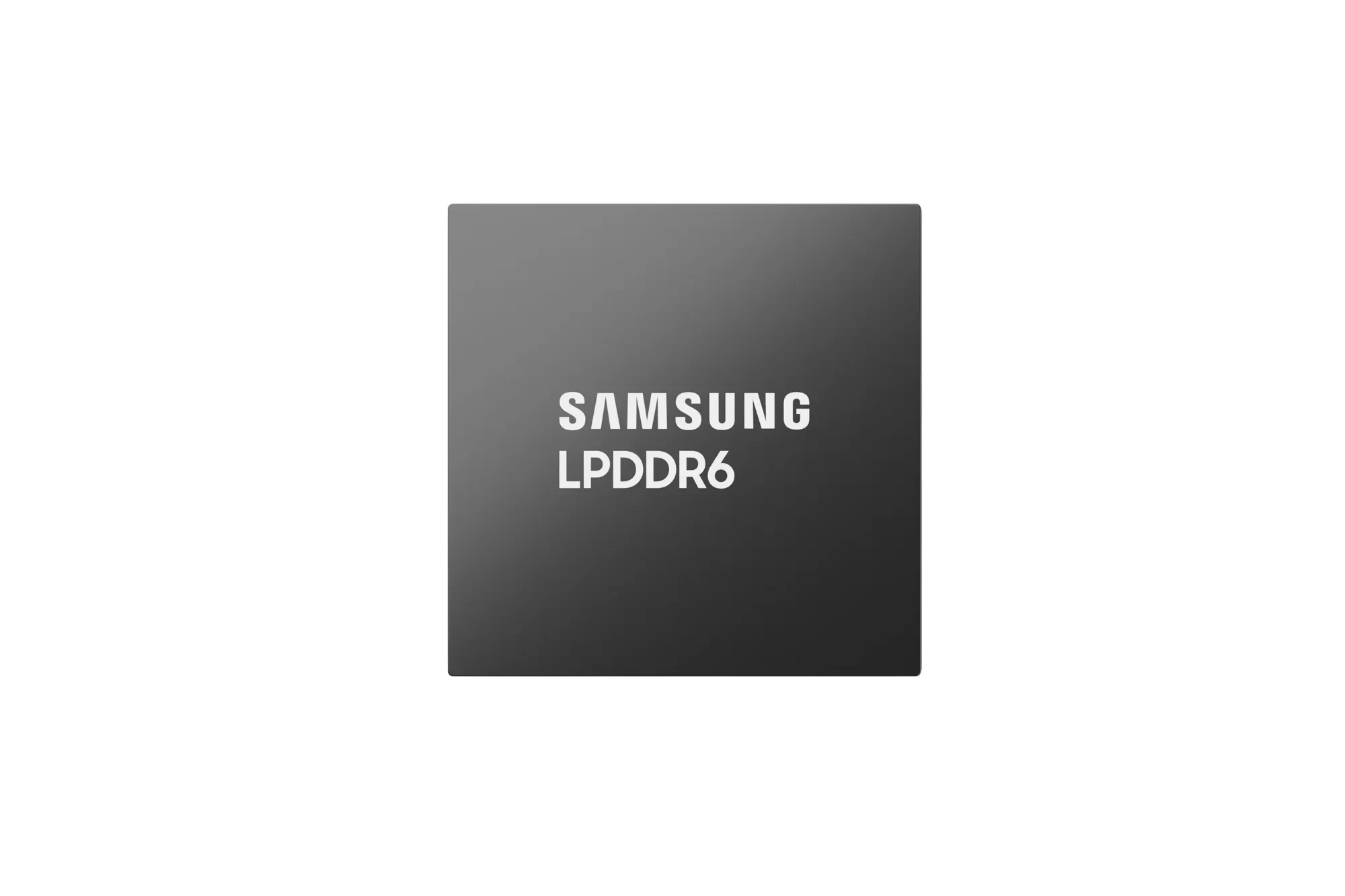
    Samsung has recently hinted at the arrival of new LPDDR6 modules, being among the first manufacturers to do so after JEDEC completed the standard this year. These modules are rated to reach speeds of 10.7 Gbps and are built using a 12 nm process, although the exact details of the node are not disclosed. Samsung asserts that these modules will achieve up to 21% reduction in power usage due to lower core voltages and Dynamic Voltage Frequency Scaling, which helps decrease power consumption during low workloads.

    Comparisons to Previous Technology

    Interestingly, Samsung already produces 10.7 Gbps LPDDR5x modules on the same node, meaning the new LPDDR6 may not significantly improve throughput. However, since LPDDR6 is still quite new, manufacturers might not fully exploit its capabilities in the initial versions. Looking ahead, we could see data transfer rates reaching up to 14 Gbps as the technology evolves.

    Future Product Integration

    The press release did not mention specific products that will incorporate these LPDDR6 modules. Most of the current smartphone SoCs have already been released with LPDDR5X memory, suggesting that the earliest implementation we might witness will come later next year, probably along with the Snapdragon 8 Elite Gen 6 and Dimensity 9600. In terms of laptops, we can expect to see LPDDR6 paired with some Intel Panther Lake and AMD Medusa Point models.

    Source:
    Link


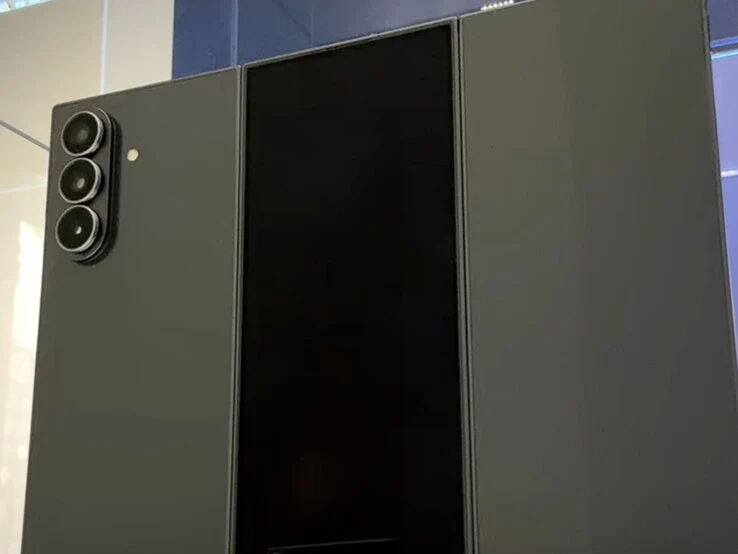
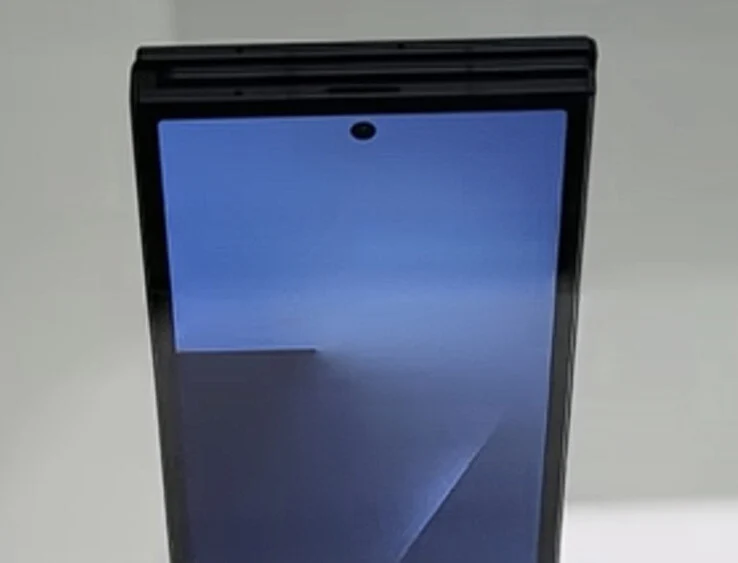
  • Samsung Galaxy Z TriFold Set for Limited Launch After Unveiling

    Samsung Galaxy Z TriFold Set for Limited Launch After Unveiling

    Key Takeaways

    1. Samsung has not provided updates on its first tri-fold smartphone, the Galaxy Z TriFold, since its reveal at APEC South Korea 2025.
    2. Videos of the Galaxy Z TriFold show its differences from the Galaxy Z Fold7, which is currently priced at $1,699.
    3. Initial production plans suggested 200,000 to 300,000 units, but recent reports indicate a more modest production of tens of thousands of units.
    4. A Bluetooth SIG listing suggests plans for a global launch, although official sales have only been confirmed in the UAE.
    5. As of early November, Samsung has produced 20,000 to 30,000 components for the Galaxy Z TriFold, but the total number of complete units remains unclear.


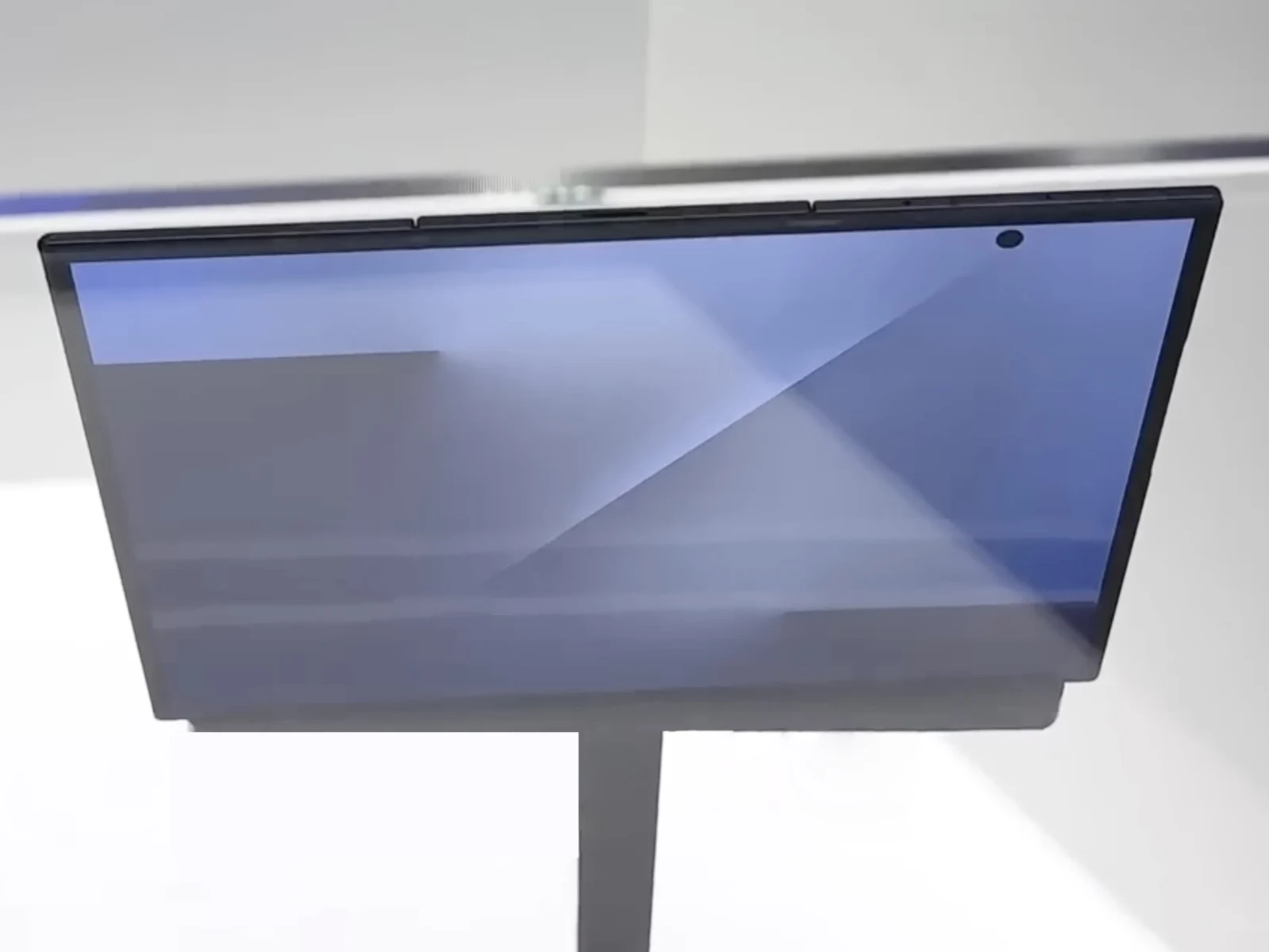
    Samsung has yet to provide any updates on its inaugural tri-fold smartphone since its reveal at APEC South Korea 2025 last month. However, videos have surfaced showcasing the Galaxy Z TriFold from various perspectives, illustrating its differences compared to the existing Galaxy Z Fold7 (currently priced at $1,699 on Amazon).

    Production Plans

    Earlier this year, rumors suggested that Samsung was gearing up to produce between 200,000 and 300,000 units in anticipation of a launch in China and South Korea. A recent listing from Bluetooth SIG, however, hinted that the company aims to release the Galaxy Z TriFold on a global scale, as indicated by six model numbers associated with the ‘Q7M’ product name. This suggests that Samsung might have larger launch plans in mind, even though they have only officially confirmed sales in the United Arab Emirates thus far.

    Revised Estimates

    The Elec has reported that previous estimates were not accurate. Instead of hundreds of thousands, the actual number of Galaxy Z TriFold units could be in the tens of thousands. Reports indicate that Samsung notified suppliers during the summer that 10,000 units were to be manufactured in September, but there appears to have been no progress since then.

    Component Production

    As of early November, The Elec claims that Samsung has manufactured 20,000 to 30,000 components for its first tri-fold smartphone, though they did not clarify how many complete units this number corresponds to. Regardless, it appears that the Galaxy Z TriFold will be difficult to acquire, no matter how many markets Samsung decides to enter with the device.

    Source:
    Link


  • OnePlus 13 Supports LineageOS 23 for a Cleaner Android 16 Experience

    OnePlus 13 Supports LineageOS 23 for a Cleaner Android 16 Experience

    Key Takeaways

    1. OnePlus is launching the OnePlus 15 globally on November 13, after its release in China.
    2. Customers can sign up for various launch offers related to the OnePlus 15.
    3. The OnePlus 13 has received official support for LineageOS with the introduction of LineageOS 23.
    4. The OnePlus 13 currently runs on OxygenOS 15, while OxygenOS 16 is in beta testing.
    5. LineageOS 23 features Android 16 and offers enhancements, but Google has not yet released Android 16 QPR1 for AOSP.


    OnePlus is getting ready to launch the OnePlus 15 globally, following its release in China at the end of October. The company plans to start selling its newest flagship device outside of China on November 13. In the meantime, interested customers can already sign up for various launch offers related to the OnePlus 15, and we have provided detailed information on those offers separately.

    OnePlus 13 Still Going Strong

    However, the OnePlus 13 isn’t going away just yet. It has now received official support for LineageOS with the introduction of LineageOS 23 builds. Notably, this update for the OnePlus 13 comes after the OnePlus 12 gained access to custom Android 16 updates. While the OnePlus 12R can also use LineageOS builds, it remains uncertain when or if the newer OnePlus 13R will be able to do the same (currently priced at $554 on Amazon).

    Current Software Status

    At present, the OnePlus 13 operates on OxygenOS 15, which is based on Android 15, while OxygenOS 16 is still undergoing beta testing. In contrast, LineageOS 23 features Android 16, bringing various enhancements compared to LineageOS 22, including predictive back navigation, a more refined Aperture camera app, and the new Twelve music player offered by LineageOS. Unfortunately, Google has yet to release Android 16 QPR1 to the Android Open Source Project (AOSP), which has prevented LineageOS from updating its custom ROM to the newest Android version. For those interested, please check LineageOS’ wiki for guidance on installing LineageOS 23 on the OnePlus 13.

    Source:
    Link


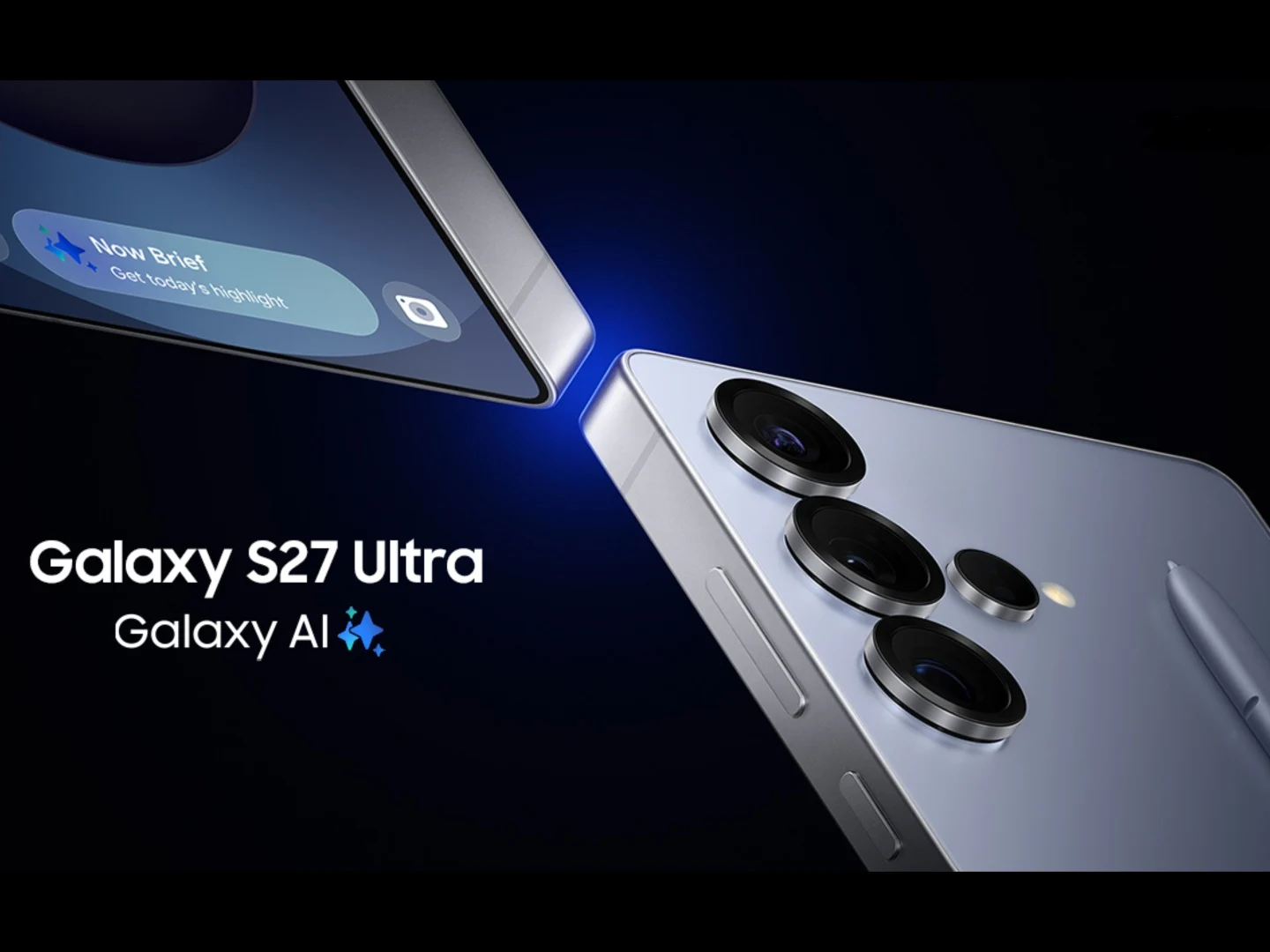
  • Galaxy S27 Ultra Set for Major Facial Recognition Upgrade

    Galaxy S27 Ultra Set for Major Facial Recognition Upgrade

    Key Takeaways

    1. The Galaxy S27 Ultra may feature enhanced face recognition technology using a 3D scan for better security.
    2. Information about the S27 Ultra comes from an unreliable source, raising doubts about its accuracy.
    3. The new facial recognition system could use a high-resolution polarization signature, allowing functionality in various lighting conditions and while wearing masks or sunglasses.
    4. The technology is expected to be supported by the ISOCELL Vizion sensor and a secure processing unit called “BIO-Fusion Core.”
    5. Previous upgrades in facial recognition for Samsung devices were anticipated but did not materialize, making the arrival of this feature for the S27 Ultra uncertain.


    With the Galaxy S26 series still being worked on, leaks and whispers about the Galaxy S27 series have started popping up. Since June, there have been discussions around the Galaxy S27 Ultra’s camera features and S-Pen compatibility, but the latest news is that the device will see a significant enhancement in face recognition technology, introducing a 3D scan of the face for better security.

    Unreliable Sources

    This information comes from a source that isn’t the most trustworthy, ‘@SPYGO19726’, who recently shared a Geekbench listing for the Exynos 2600 that showed some unrealistic single-core performance scores. However, this listing is not found on the Geekbench site. Nevertheless, the recent post suggests they found a mention of “Polar ID v1.0” in the early firmware tests for the Galaxy S27 Ultra. This is reportedly an enhanced version of facial recognition based on a “polarized-light authentication system.”

    New Technology

    So far, most Android devices, including the Galaxy S25 series, rely on IR sensors to capture face reflections for biometric security. The new technology is expected to utilize a high-resolution polarization signature of your skin using near-infrared light. This could allow face unlock to function under various lighting conditions, even when a person is wearing a mask or sunglasses. Moreover, it should be immune to being tricked by photographs or 3D masks of your face.

    Enhanced Security Features

    Additionally, the leaker suggests that this technology will be enabled by the ISOCELL Vizion sensor and a “BIO-Fusion Core,” which is thought to be a secure processing routine. The time it takes to unlock is reportedly around 180 ms.

    This is not the first instance where an upgrade in facial recognition has been proposed for Samsung or Android phones in general. There were expectations for it to debut with the Galaxy S25 Ultra, which it did not, and again with the upcoming Galaxy S26 Ultra. Whether this feature will finally arrive with the Galaxy S27 Ultra, set for release in 2027, remains to be seen. Once again, it’s wise to take this information with a grain of salt.

    Source:
    Link


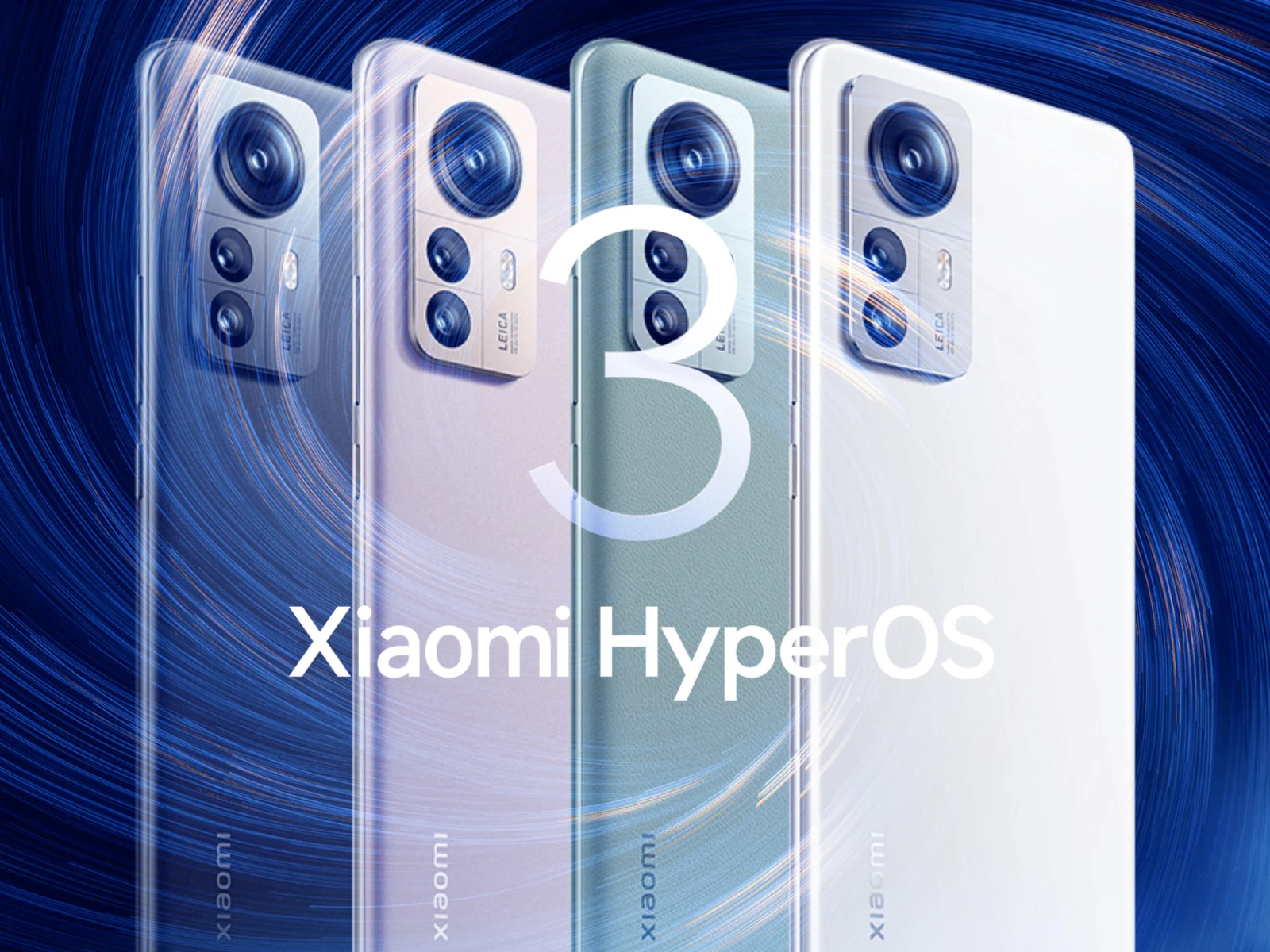
  • Xiaomi HyperOS 3 Update: 12 Devices Getting the Latest OS

    Xiaomi HyperOS 3 Update: 12 Devices Getting the Latest OS

    Key Takeaways

    1. Xiaomi is expanding HyperOS 3 to Poco X7, Poco X7 Pro, Poco F7 Pro, and Poco F7, with plans for 20 more devices.
    2. Older devices not getting full Android 16 will still receive HyperOS 3 updates.
    3. Internal beta testing for HyperOS 3 is ongoing for about twelve older models across Poco, Redmi, and flagship Xiaomi brands.
    4. Identified models in beta testing include Redmi Note 12T Pro, Redmi Note 13 5G, and Redmi K60 Pro, among others.
    5. Stable update timelines for HyperOS 3 on these devices remain uncertain.


    Xiaomi is expanding the release of HyperOS 3, having commenced the distribution of its new OS to the Poco X7, Poco X7 Pro, Poco F7 Pro, and the Poco F7 (currently priced at $519.99 on Amazon) at the end of last month. In fact, Xiaomi plans to extend its Android 16-based update to an additional 20 devices soon.

    Updates for Older Devices

    The company hasn’t forgotten about devices that will stop receiving support on Android 15. Instead, those not expected to get the full Android 16 update will still be able to get HyperOS 3. As per information available from Mi Community testing logs, Xiaomi has initiated internal beta testing for about twelve older smartphones that fall under its Poco, Redmi, and flagship Xiaomi brands.

    Devices in Beta Testing

    Some of the older models identified from the Redmi line include the Redmi Note 12T Pro, Redmi Note 13 5G, and the Redmi K60 Pro. On the other hand, it appears that Xiaomi is also working on similar updates for the Poco F5 Pro and the Poco X6 Neo. Additionally, there are plans for Android 13-based HyperOS 3 updates for several older Xiaomi devices, such as the Xiaomi 12, Xiaomi 12S Pro, Xiaomi 12S Ultra, and the Pad 6 Pro. Internal beta testing is also underway for the Xiaomi 12T Pro, Xiaomi 13 Lite, Civi 3, and MIX Fold 2. Sadly, it remains uncertain when all these devices will start receiving stable updates for HyperOS 3.

    Source:
    Link