Category: Phones

Stay updated with the latest phone news, reviews, and trends. Discover cutting-edge smartphones, features, and innovations in our Phones category at GizNewsDaily

  • Microscope Shows iPhone 17 Pro OLED Pixels and Dust Details

    Microscope Shows iPhone 17 Pro OLED Pixels and Dust Details

    Key Takeaways

    1. Macrolab3D uses a “wiggle stereoscope” technique to reveal hidden dust particles in the iPhone 17 Pro’s camera system during production.
    2. The wiggle method also showcases the multiple layers of the iPhone 17 Pro’s display, including a distinct touch layer grid.
    3. Macrolab3D examines various components of the iPhone 17 Pro, highlighting that certain parts, like the speakers, will accumulate dirt over time.
    4. The video features AI-generated narration, which has received mixed feedback from viewers, as Macrolab3D prefers a professional-sounding voice.
    5. Macrolab3D typically focuses on subjects like insects and textures, demonstrating the versatility of his wiggle technique beyond technology.


    Macrolab3D has discovered a captivating new application for his “wiggle stereoscope” in a brief video. He has filmed the iPhone 17 Pro, a high-end smartphone, in remarkable detail for the first time.

    Revealing Hidden Dust

    By moving the camera rapidly with slight wiggles, Macrolab showcases the spatial depth of the components, even without proper 3D vision. This technique allows viewers to easily spot where tiny dust particles have accumulated in the iPhone 17 Pro’s camera system during its production. Macrolab3D makes a distinction between dust trapped inside and dust that settled on the lens after it was unboxed.

    Using a standard photograph would make it nearly impossible to identify the spatial arrangement inside the optics. Moreover, a significant amount of light is necessary, and it’s uncertain if other brands manage this better than Apple. While Macrolab3D usually does not concentrate on tech items, he did publish a video of an older iPhone back in July. However, that model already displayed clear signs of wear. The impact of dust is likely minimal, since fingerprints and oily marks on the surface generally have a much larger effect on image quality, especially at night with bright spots.

    Exploring the Display Layers

    The pixels on the iPhone 17 Pro’s display are equally intriguing. It’s not simply a flat expanse; the wiggle approach reveals at least some of the display’s layers. Above the pixel layer, there’s a distinct grid, likely representing the touch layer of the screen. It’s important to note that even Macrolab3D cannot expose all layers of a display, but it will be exciting to see what other layers can be uncovered in the future. For example, do modern tandem OLED panels appear different from the traditional single-layer OLEDs?

    Another point of interest is how the display appears along its edges. A significant amount of material is still lost at the sides, though there has been progress in this area, as highlighted in our recent report on Coherent’s presentation at the SID-MEC conference in Germany. With deep UV laser cutting, less than one pixel is lost at the edge of the panel.

    Detailed Examination of Components

    Macrolab has also taken a close look at various components of the iPhone 17 Pro, including the packaging, USB-C port, and speakers. He notes that the speakers will likely never be as clean again. An AI-generated voice narrates this video, which has drawn some criticism from viewers. However, the content creator mentions that his own voice does not meet his quality expectations.

    He describes himself not as a professional speaker, but as a photographer. Although he attempted to record his own voice six years ago, his accent is evident, even though the video remains understandable. In comments on YouTube, he expressed a preference for the narration to sound like that of a BBC news anchor.

    Typically, Macrolab3D directs his focus toward other subjects, such as insects and their detailed characteristics. Even ordinary items like banknotes and materials can display fascinating textures through the wiggle method. In another video, Macrolab elaborates on the rationale behind the wiggling technique, and the other videos on his channel are also highly recommended.

    Source:
    Link


  • Stable HyperOS 3 Update for Xiaomi Poco Phones Coming Soon

    Stable HyperOS 3 Update for Xiaomi Poco Phones Coming Soon

    Key Takeaways

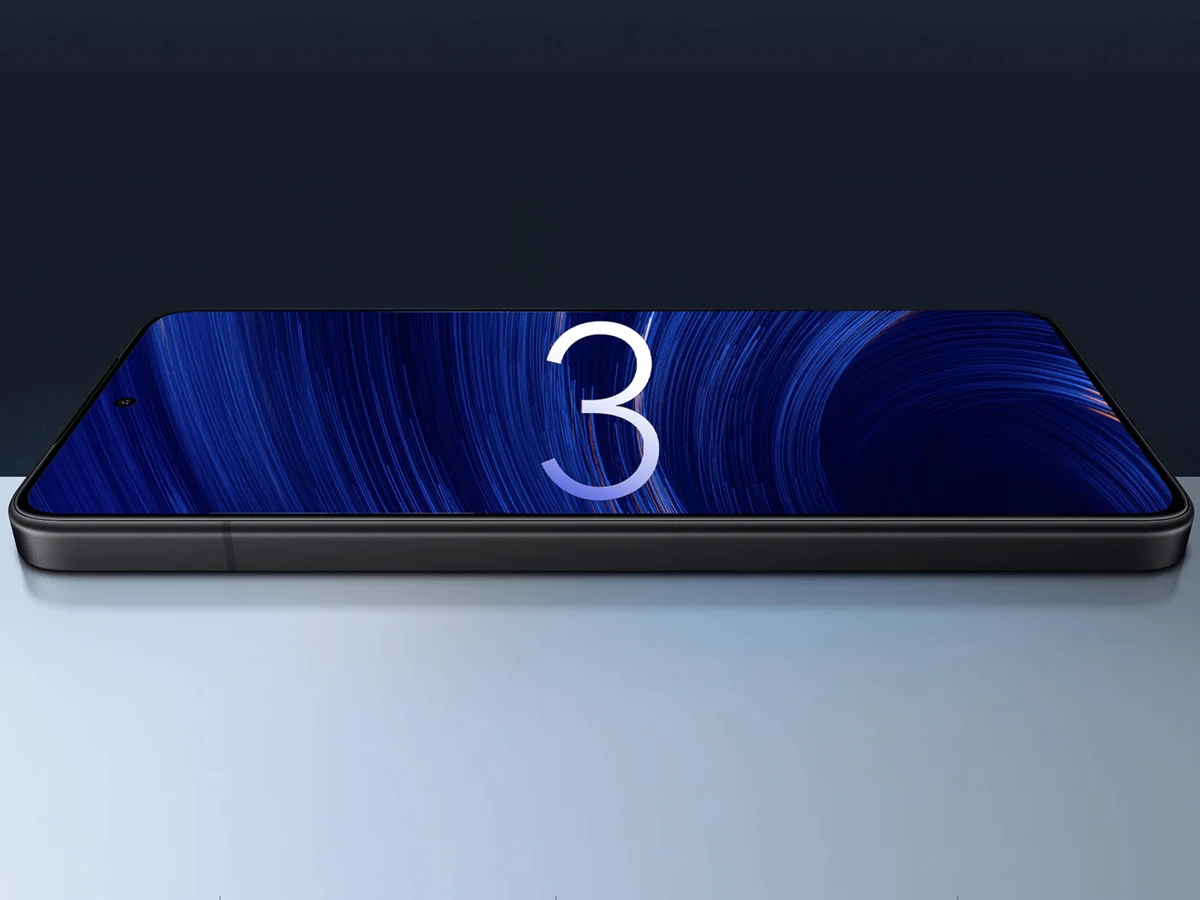
    1. Xiaomi has released the HyperOS 3 update based on Android 16 for several smartphones.
    2. The company plans to introduce Android 15 for older models, but with fewer new features.
    3. Over a dozen devices are expected to receive the Android 16 update by December 2025.
    4. The Poco F6 Pro and Poco F7 Pro are next in line for the stable HyperOS 3 update.
    5. The X7 series will also receive the Android 16 update before the end of November 2025.


    Xiaomi has rolled out the HyperOS 3 update, based on Android 16, to several of its previously launched smartphones. Recent information suggests that the company is also preparing to introduce the Android 15 version for older models, although this may come with some limitations, including fewer new features.

    Upcoming Updates

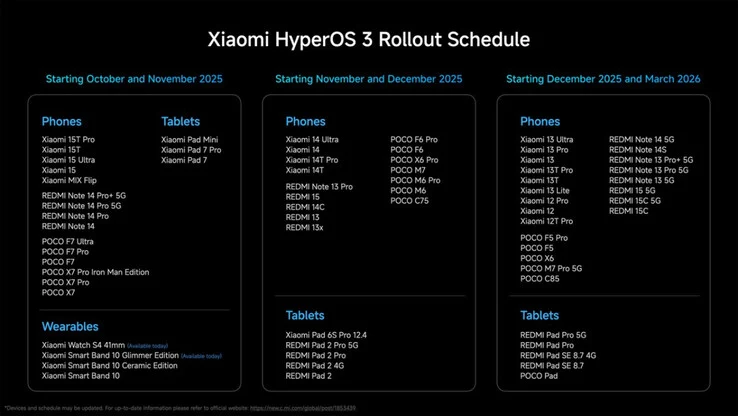
    Regarding the Android 16 update, Xiaomi has plans to provide it to over a dozen devices by December 2025. Reports indicate that the Poco F6 Pro and Poco F7 Pro are next in line to receive this update. As mentioned by XiaomiTime, the stable HyperOS 3 update has been set for these two models.

    Build Numbers

    The build numbers for the global updates are OS3.0.1.0.WNKMIXM for the Poco F6 Pro and OS3.0.2.0.WOKMIXM for the F7 Pro. Both devices are included in the lineup expected to receive the update by December 2025. For those curious, the devices that have already been updated to the global Android 16 are:

    With the stable HyperOS 3 update being rolled out for the Poco F7 Pro and Poco F6 Pro, it’s anticipated that Xiaomi will soon turn its attention to the standard F6 and F7 models. Additionally, the X7 series will also receive the Android 16 update prior to the end of November 2025. Be sure to check the detailed rollout schedule below for further information.

    Source:
    Link


  • Xiaomi Poco F8 Pro May Launch Without 16GB RAM Variant

    Xiaomi Poco F8 Pro May Launch Without 16GB RAM Variant

    Key Takeaways

    1. Xiaomi launched the Poco F7 Pro and Poco F7 Ultra earlier this year, delaying the release of the more affordable Poco F7 for three months, currently priced at $519 on Amazon.

    2. The Poco F8 Pro and Poco F8 Ultra are expected to be unveiled between late 2025 and early 2026, with color options including Black, Blue, and Titanium Silver.

    3. Xiaomi may not offer all memory configurations available for the Redmi K90; the Poco F8 Pro is likely to have only 12 GB RAM options globally.

    4. The Poco F8 Pro is expected to match its predecessor in storage options (256 GB and 512 GB) but will not include the 8 GB RAM and 256 GB model from the Poco F6.

    5. Recent leaks suggest that the Poco F8 Pro will not feature the 7,100 mAh battery found in the Redmi K90.


    Xiaomi introduced the Poco F7 Pro and Poco F7 Ultra earlier this year, but they did not release the more affordable Poco F7 at the same time. While the Poco F7 Pro and Poco F7 Ultra became available globally by the end of March, Xiaomi chose to wait an additional three months before launching the Poco F7, which is currently priced at $519 on Amazon. Recently, Paras Guglani suggested that Xiaomi might follow a similar strategy with the upcoming Poco F8 series.

    Anticipated Launch Timeline

    Guglani expects that the Poco F8 Pro and Poco F8 Ultra will be unveiled either in late 2025 or by early 2026 at the latest. In the meantime, he also mentioned that the Poco F8 Pro will come in Black, Blue, and Titanium Silver color options. Interestingly, these colors mimic nearly all of the finishes available for the Redmi K90, which the Poco F8 Pro is likely based on.

    Memory Configurations

    According to Guglani, he does not think that Xiaomi will offer all memory configurations available for the Redmi K90. For reference, the Redmi K90 is available with up to 16 GB of RAM and 1 TB of storage. There are also options for 512 GB of storage in both 12 GB and 16 GB RAM variants, as well as a base model with 12 GB of RAM and 256 GB of storage.

    Guglani suggests that globally, only the 12 GB of RAM options will be provided. If this is accurate, the Poco F8 Pro will only match its immediate predecessor, which Xiaomi sells with storage options of 256 GB or 512 GB. Fortunately, the 8 GB RAM and 256 GB model from the Poco F6 will not make a return in the new generation. Additionally, if recent leaks are to be believed, the Poco F8 Pro is not expected to have the 7,100 mAh battery that Xiaomi uses in the Redmi K90.

    Conclusion

    In conclusion, the Poco F8 series might follow a pattern similar to its predecessors, with some expected features and specifications already hinted at. While we await further details, the excitement around the Poco F8 Pro and Poco F8 Ultra continues to grow among fans and tech enthusiasts alike.

    Source:
    Link


  • Xiaomi Poco F8 Ultra Global Launch Plans Revealed Before Announcement

    Xiaomi Poco F8 Ultra Global Launch Plans Revealed Before Announcement

    Key Takeaways

    1. The Poco F8 Ultra is expected to be the international version of the Redmi K90 Pro Max, based on the Poco F7 Ultra.
    2. The Poco F8 Ultra may feature a downgraded 6,500 mAh battery compared to its predecessor.
    3. It will have fewer color options, likely only Black and Denim Blue, while the Redmi K90 Pro Max offers more colors.
    4. The Poco F8 Ultra is rumored to have only two memory configurations, unlike the four available for the Redmi K90 Pro Max.
    5. The device is expected to launch alongside the Poco F8 Pro in late 2025 or early 2026.


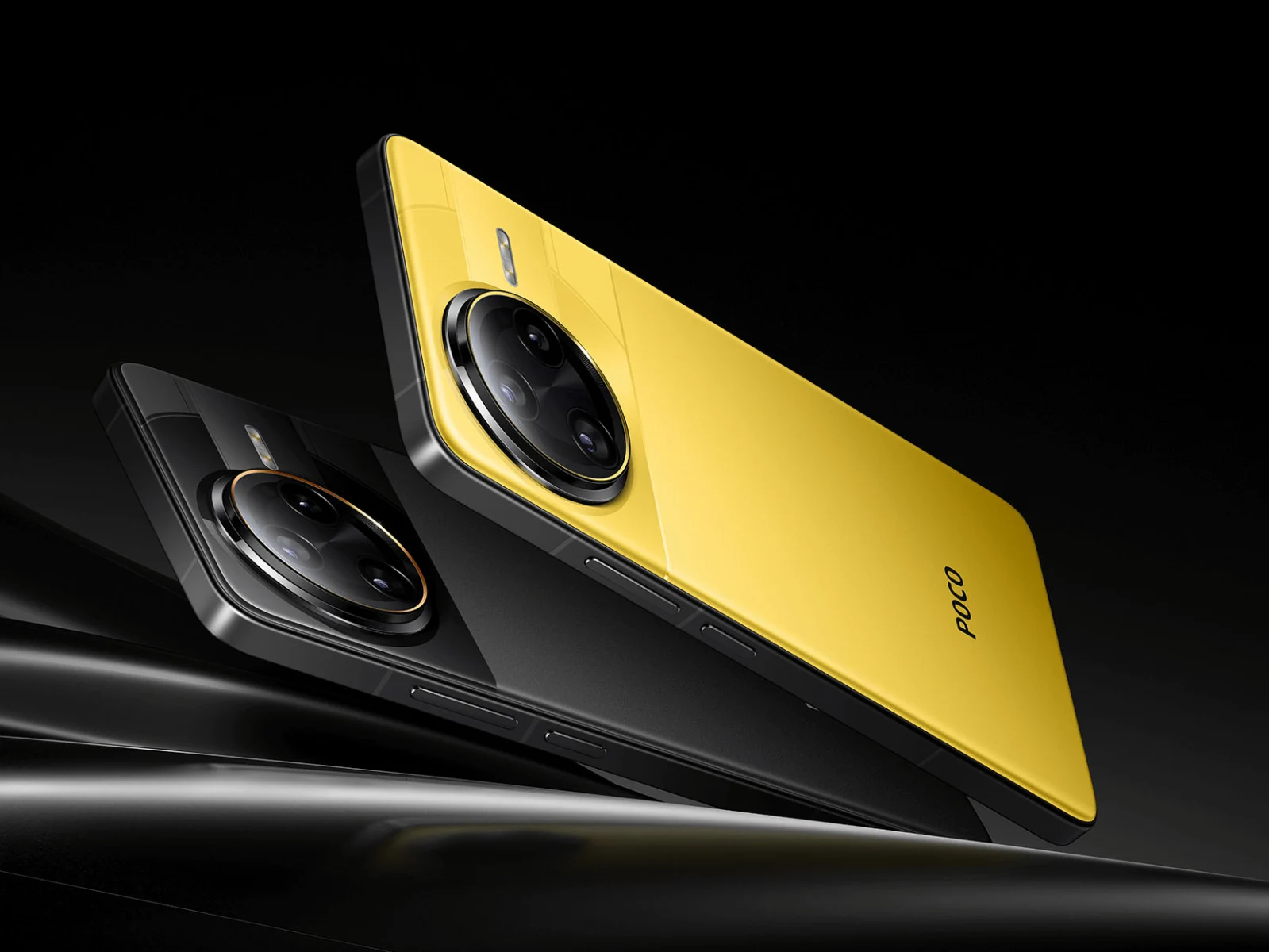
    The Redmi K90 Pro Max is believed to have set the stage for the Poco F8 Ultra, as Xiaomi has used this year’s Poco F7 Ultra (currently priced at $735.50 on Amazon) as a foundation, based on the slightly older Redmi K80 Pro. Recent leaks indicate that the Poco F8 Ultra is likely to be the international version of the Redmi K90 Pro Max.

    Battery Changes Ahead

    Sadly, there are signs pointing to a potential downgrade for the battery. It seems that the Poco F8 Ultra will come with a 6,500 mAh battery, and Xiaomi appears to be planning to launch the device in less variety than the Redmi K90 Pro Max. According to Paras Guglani, the Poco F8 Ultra is expected to be offered in Black and Denim Blue colors, which is two less than what’s available for the Redmi K90 Pro Max.

    Memory Options and Variants

    In other words, the leaker suggests that the Poco F8 Ultra will not include certain features present in the Redmi K90 Pro Max. Furthermore, it may have significantly fewer memory choices compared to its Chinese counterpart. The Redmi K90 Pro Max has four memory configurations, while the Poco F8 Ultra is rumored to only offer two options.

    Specifically, Guglani mentions that the Poco F8 Ultra is likely to start with 12 GB of RAM and 256 GB of storage, similar to its predecessor and the Redmi K90 Pro Max. Unfortunately, the leaker anticipates that the Poco F8 Ultra will also have a 16 GB RAM and 512 GB storage variant, while a 1 TB model is expected to remain exclusive to China. As things stand, the Poco F8 Ultra is projected to launch alongside the Poco F8 Pro sometime in late 2025 or early 2026.

    Source:
    Link


  • Vivo Y500 Pro Launch: Affordable Phone with Big Battery & Specs

    Vivo Y500 Pro Launch: Affordable Phone with Big Battery & Specs

    Key Takeaways

    1. The Vivo Y500 Pro features a 200 MP Samsung HP5 sensor with Optical Image Stabilization (OIS) and a 2 MP depth sensor, resembling the premium X300 in design.
    2. It includes a 6.67-inch AMOLED display with a resolution of 1260×2800 pixels, a 120 Hz refresh rate, and 800 nits brightness, alongside a 32 MP front camera.
    3. The device is powered by a 7,000 mAh battery, which is larger yet slimmer than the Vivo X300, with 90 W fast charging capability.
    4. It operates on the Dimensity 7400 mid-range SoC, offers up to 12 GB of RAM, and provides 512 GB of UFS 2.2 storage.
    5. The starting price is CNY 1,799 (about $253), with a high-end variant priced at CNY 2,599 (around $365).


    Vivo has finally unveiled the Y500 Pro in China after a series of teasers. This device was previously referred to as the “people’s flagship,” with promises of offering “flagship-grade” features at a reasonable price.

    Design Features

    When it comes to the design, the Vivo Y500 Pro bears a strong resemblance to the premium X300, particularly with its circular camera module. However, the camera specifications differ. The new mid-range smartphone is equipped with a 200 MP Samsung HP5 sensor that includes Optical Image Stabilization (OIS) and is complemented by a 2 MP depth sensor.

    Display and Front Camera

    On the front, this budget-friendly device boasts a 32 MP selfie camera. Additionally, it features a 6.67-inch AMOLED display that offers a resolution of 1260×2800 pixels, a refresh rate of 120 Hz, and a brightness level of 800 nits. The flat screen has a bezel thickness of just 1.37 mm.

    Battery and Performance

    A significant highlight of the Vivo Y500 Pro is its impressive battery, which has a capacity of 7,000 mAh (165 W Anker 25K power bank priced at $91.99 on Amazon). This battery is not only larger than that of the Vivo X300 but also surprisingly slimmer, measuring only 7.81 mm in thickness.

    The Vivo Y500 Pro is powered by the new Dimensity 7400 mid-range System on Chip (SoC). It comes with up to 12 GB of LPDDR4X RAM and offers 512 GB of UFS 2.2 storage. Other key features include 90 W fast charging capability, an IP68/69 water and dust resistance rating, and an infrared remote control sensor. The starting price for the basic model is CNY 1,799, roughly translating to $253, while the high-end variant is priced at CNY 2,599, around $365.

    Source:
    Link


  • 2027 iPhone Could Feature Apple’s First Under-Display Front Camera

    2027 iPhone Could Feature Apple’s First Under-Display Front Camera

    Key Takeaways

    1. Apple is developing a front camera system hidden beneath the display for its 20th anniversary iPhone, aiming for a completely uninterrupted screen.
    2. LG Innotek is creating an advanced optical system to improve image quality and reduce distortion for under-display cameras.
    3. The anticipated iPhone design for 2027 may feature a bezel-less screen that wraps around all sides and a 24-megapixel under-screen camera.
    4. Apple is cautious in adopting under-display technology due to concerns about image quality, focusing on a long-term solution instead.
    5. Analysts suggest that under-display Face ID could debut as early as 2026, with full camera integration expected in 2027.


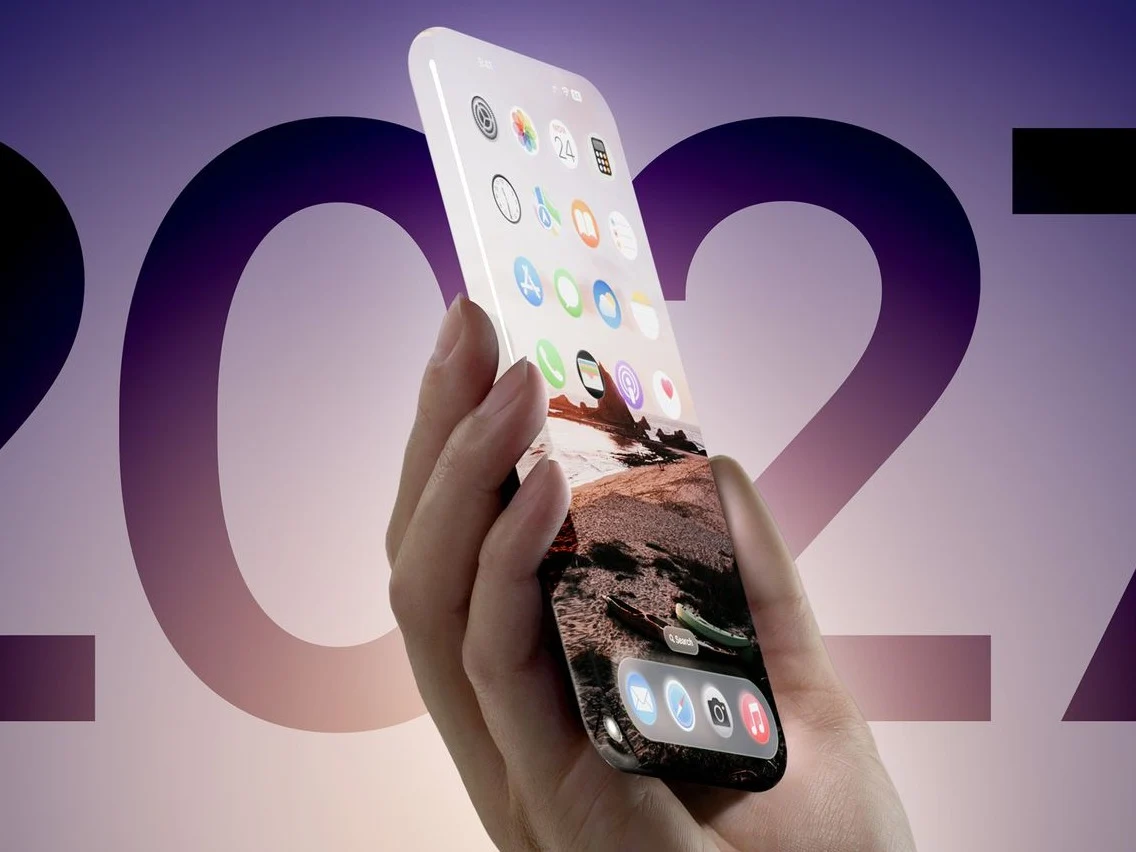
    Apple is said to be working on a significant design change for its 20th anniversary iPhone, aiming to remove all visible display interruptions by placing the front camera underneath the screen. Leaks from the trusted source Digital Chat Station on Weibo, along with insights from JP Morgan, indicate that Apple is focusing on creating a front camera system hidden beneath the display, which would allow for a completely uninterrupted screen. This innovation is expected to debut in 2027, aligning with the company’s notable iPhone launch.

    Apple’s Long-standing Interest

    This isn’t Apple’s first foray into under-display technology. Many Android brands have tried this approach in recent years; however, most of these attempts suffer from lackluster image quality due to light needing to penetrate through various display layers before reaching the camera. Apple has been cautious about adopting this feature, opting instead to invest in a long-term solution that can maintain the clarity and brightness that users expect from their front cameras.

    Developments from Key Suppliers

    According to reports, LG Innotek, a primary supplier for Apple, is working on a freeform optical system that uses a combination of lens elements to minimize distortion and address light loss. This advancement would let the screen appear seamless when the camera is off while enhancing image quality when the camera is active. If successful, this could solve one of the major issues found in current under-display camera systems and provide a solid foundation for Apple’s future designs.

    It is still uncertain if LG Innotek’s technology will make it into Apple’s first foldable iPhone. However, JP Morgan has highlighted that Apple is currently testing a 24-megapixel under-screen camera for the internal display of this model, which is notably higher than the usual 4 or 8MP found in existing devices. Additionally, the 2027 iPhone is anticipated to showcase a dramatic redesign with a bezel-less screen that wraps around all four sides. In keeping with Apple’s tradition, the company might skip the “iPhone 19” name entirely, reminiscent of the iPhone X launch for the tenth anniversary in 2017.

    A New Era for iPhone

    Integrating this design with an under-display camera and Face ID would signify a major visual upgrade for the iPhone, resulting in a smooth panel free of any visible sensors or cutouts. As with many forthcoming Apple innovations, the timeline may evolve based on development progress. Analysts speculate that under-display Face ID might arrive as soon as 2026 with the iPhone 18 Pro models, followed by full camera integration the following year. Given Apple’s typical preference for reliability and maturity over early adoption, it’s likely the company will wait until image quality and display consistency align with its high production standards.

    Weibo, MacRumors’

    Source:
    Link


  • Affordable Ugreen Zapix 2-in-1 Wireless Charger Now Available

    Affordable Ugreen Zapix 2-in-1 Wireless Charger Now Available

    Key Takeaways

    1. The Ugreen Zapix 2-in-1 Magnetic Wireless Charger can charge both an iPhone and AirPods simultaneously.
    2. It features a Qi2-certified wireless charging pad tilted at 48° for convenience during phone use.
    3. The charger can charge an iPhone 17 Pro to 27% in just 30 minutes and has a 5W pad for AirPods.
    4. It includes a USB-C output for charging an Apple Watch but does not come with a power source; a 27W PD charger is recommended.
    5. Pricing varies across Europe, with the charger available for £34.99 in the UK and different prices in Spain, the Netherlands, Germany, and France, with deliveries starting in late November 2025.


    The Ugreen Zapix 2-in-1 Magnetic Wireless Charger 15W has recently shown up on Amazon in multiple European nations. It seems to be a pretty affordable gadget, crafted to charge both an iPhone and AirPods at the same time.

    Design and Features

    To the left side of the Zapix charger, there’s a Qi2-certified wireless charging pad that sits on a raised stand, tilted at 48°. Ugreen mentions that this tilt could come in handy if you’re following a recipe on your phone while cooking or during a video call. The Amazon listing claims that this wireless charger can juice up an iPhone 17 Pro to 27% in just half an hour.

    Additional Charging Options

    On the right side of Ugreen’s new 15W 2-in-1 Wireless Charger, you’ll find another wireless charging pad that offers 5W power for AirPods or other small gadgets. Additionally, there’s a USB-C output on one side, which could be utilized to power up an Apple Watch. The charger is equipped with safeguards against overheating, short-circuits, and overvoltage. It’s important to mention that the device doesn’t include a power source, and Ugreen recommends using a minimum 27W PD charger with a 60W AC adapter cable. The exact dimensions of the dark gray and black charger are still unknown.

    Pricing and Availability

    You can now purchase the Ugreen Zapix 2-in-1 Magnetic Wireless Charger 15W on Amazon in the UK for £34.99. Prices differ across EU countries, with the item priced at €23.99 in Spain, €29.99 in the Netherlands and Germany, and €39.99 in France. In all regions, deliveries are expected to commence in late November 2025.

    Source:
    Link


  • Galaxy S26 and S26 Ultra 3x Camera Sensor Change Confirmed

    Galaxy S26 and S26 Ultra 3x Camera Sensor Change Confirmed

    Key Takeaways

    1. The rear camera configuration of the Galaxy S26 series will be similar to previous models, with minor adjustments.
    2. The Galaxy S26 Ultra will replace the 12 MP Sony IMX754 sensor with the smaller Samsung ISOCELL S5K3LD 12 MP telephoto sensor.
    3. All models in the Galaxy S26 lineup are expected to feature the same 12 MP ISOCELL S5K3LD telephoto sensor with a f/2.4 aperture.
    4. While hardware changes are minimal, improvements in photo quality may arise from the new ISP of the Exynos 2600 and image processing advancements.
    5. A leaker has confidently predicted these specifications, encouraging users to remember them for comparison after the series launch in February 2026.


    As we approach the launch of the new Samsung Galaxy S series, there has been a flood of information regarding the Exynos SoC, battery technology, design, display, and more. Among all this speculation, the details about the camera setup have sparked the most debate. Currently, it appears that the rear camera configuration of the Galaxy S26, Galaxy S26 Plus, and Galaxy S26 Ultra will not differ significantly from their earlier models, with just a few minor adjustments.

    Camera Sensor Changes

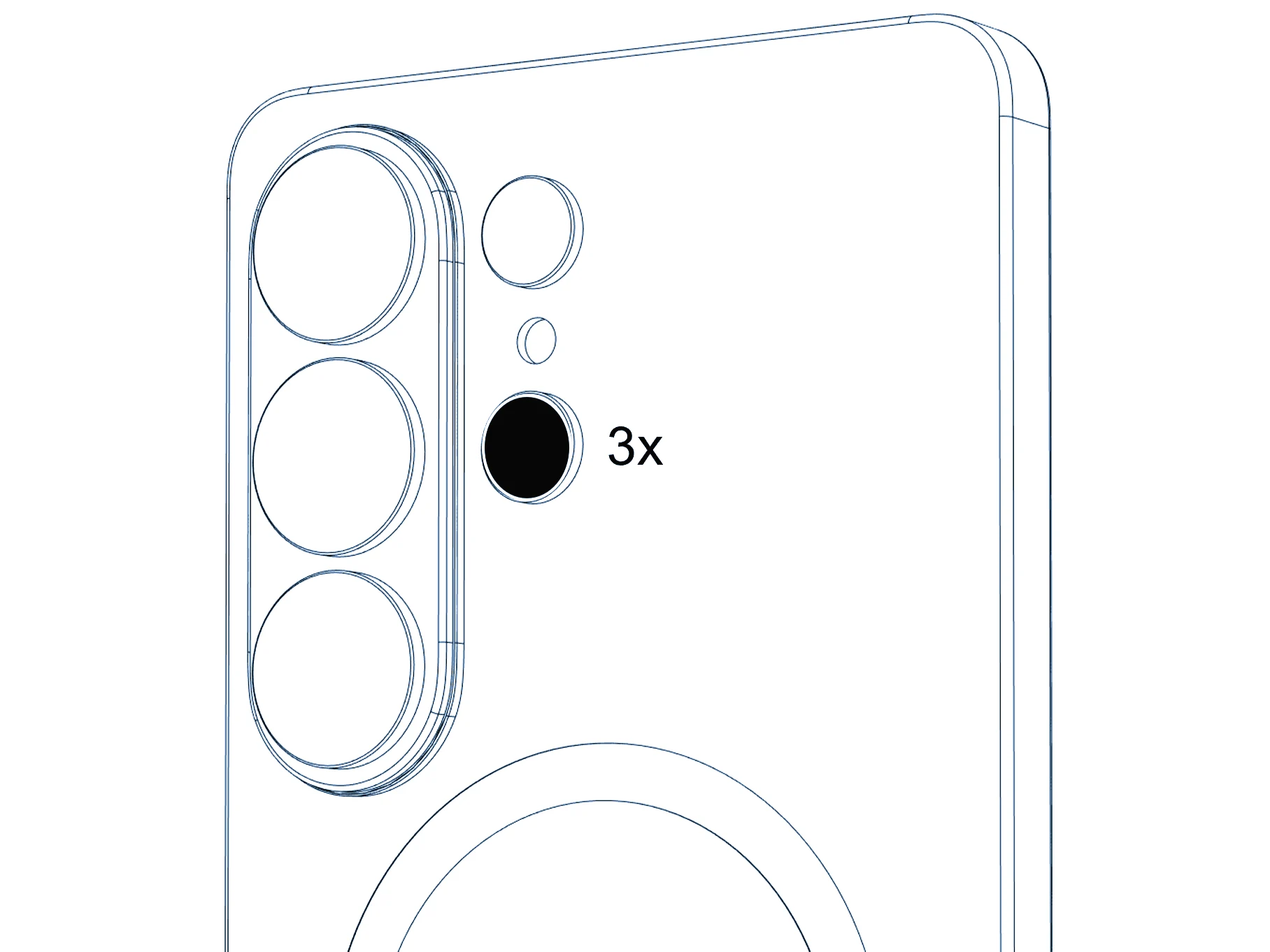
    One notable adjustment is the introduction of a 3x Telephoto sensor. Reports suggest that the Galaxy S26 Ultra will swap out the 12 MP Sony IMX754 found in the Galaxy S25 Ultra for the Samsung ISOCELL S5K3LD, which is also a 12 MP sensor. Interestingly, the new sensor is smaller, measuring at 1/3.94-inch compared to the 1/3.52-inch size of the Sony IMX754 used in the Galaxy S25 Ultra (Available on Amazon).

    The leaker Ice Universe, who has previously validated the existence of this 3x Telephoto sensor, has reiterated this information with confidence. They described it as a “certainty,” asserting that all three models in the Galaxy S26 lineup will feature the 12 MP ISOCELL S5K3LD telephoto sensor with a f/2.4 aperture, along with a 10 MP effective sensor crop.

    Confident Predictions

    The leaker is so sure about this information that they are urging everyone to “take a screenshot and save it,” so they can compare it against the actual camera specifications of the Galaxy S26 once the series launches in February 2026.

    In addition to this sensor update and the larger apertures for both the main and 5x Telephoto cameras on the Galaxy S26 Ultra, most of the camera hardware is anticipated to stay consistent with previous models. Therefore, from a hardware standpoint, it seems we are not likely to see significant enhancements in photo quality with the Galaxy S26 series.

    Potential Upgrades

    That being said, there could still be improvements in photo quality due to the new ISP of the Exynos 2600 and advancements in image processing.

    Source:
    Link


  • Motorola Edge 70 Ultra Launching with Snapdragon 8 Gen 5

    Motorola Edge 70 Ultra Launching with Snapdragon 8 Gen 5

    Key Takeaways

    1. Motorola is launching the Edge 70 Ultra, skipping the Edge 60 Ultra model.
    2. The Edge 70 Ultra will feature the Qualcomm Snapdragon 8 Gen 5 chipset.
    3. It is expected to have a 1.5K OLED display and a lightweight, slim design.
    4. The phone will include a periscope telephoto camera.
    5. No official release date has been announced for the Edge 70 Ultra yet.


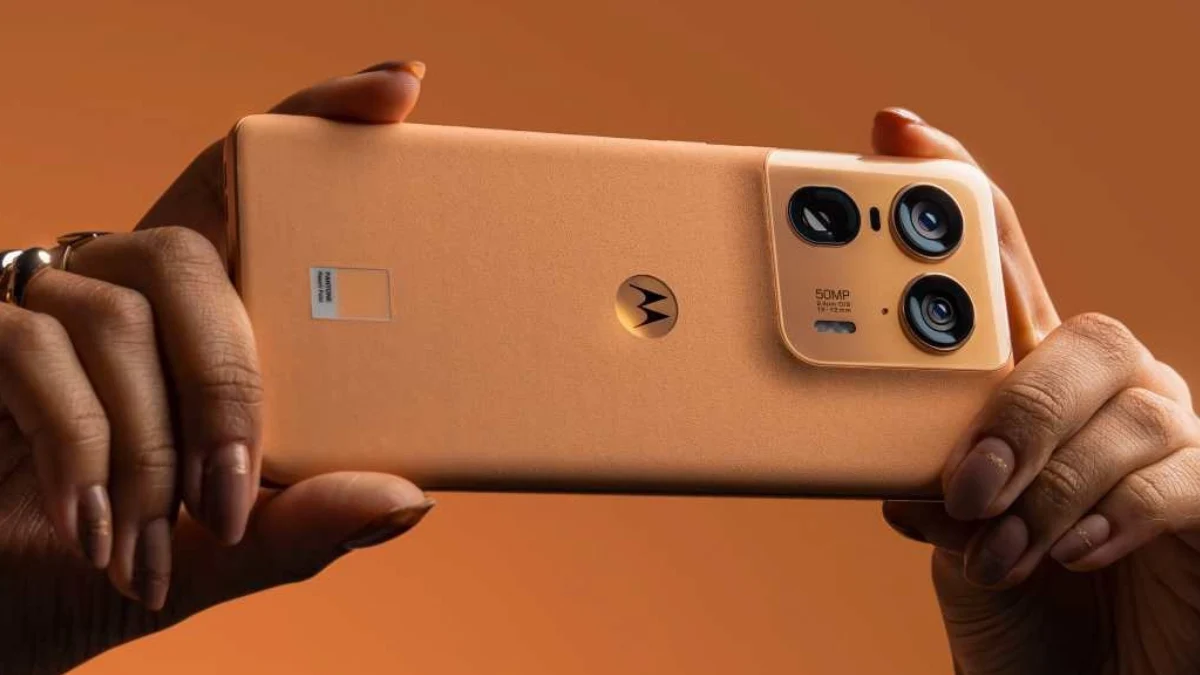
    The Motorola Edge 70 has just launched as a sleek mid-range smartphone. However, new information has emerged indicating that Motorola is planning to release a more advanced version known as the Edge 70 Ultra.

    No Ultra Before

    It’s important to note that the previous Edge 60 series did not come with an Edge 60 Ultra. This might be because Motorola generally introduces Ultra variants every two years. As a result, they seem to be bypassing the Edge 60 Ultra and heading straight to the Edge 70 Ultra instead.

    Exciting Specs Revealed

    According to a recent leak from tipster @ZionsAnvin on the social platform X, there are some exciting details about the Motorola Edge 70 Ultra. The tipster mentions that it will run on the Qualcomm Snapdragon 8 Gen 5, a new sub-flagship chipset expected to launch soon alongside the OnePlus Ace 6 Pro Max. Reports indicate this chipset might slightly outperform the Snapdragon 8 Elite from last year.

    The information also suggests that the Edge 70 Ultra will come with an OLED display boasting a 1.5K resolution. Furthermore, the phone is rumored to include a periscope telephoto camera and is expected to have a lightweight, slim design. At this point, there is no specific release date available for the Motorola Edge 70 Ultra.

    Previous Model Overview

    For comparison, the former Motorola Edge 50 Ultra featured a 6.7-inch P-OLED screen with a resolution of 1220 x 2712 pixels and a refresh rate of 144Hz. It was equipped with a triple camera system that included a 50MP main lens, a 64MP periscope telephoto lens, and a 50MP ultrawide lens. This model was powered by the Snapdragon 8s Gen 3 and housed a 4,500mAh battery with 125W wired and 50W wireless charging capabilities.

    Source:
    Link


  • iPhone 18 Rumored to Support 5G NTN and Satellite Features

    iPhone 18 Rumored to Support 5G NTN and Satellite Features

    Key Takeaways

    1. iPhone 14 and Apple Watch Ultra 3 allow emergency satellite calls and location sharing.
    2. Future updates may enable Apple Maps usage without cellular service and allow image sharing via satellite messaging.
    3. The upcoming iPhone 18 is expected to feature 5G NTN for improved network coverage.
    4. Apple aims to enhance user experience by maintaining satellite connections even when devices are stored away.
    5. Limited bandwidth from Globalstar may restrict features, with potential changes if Globalstar is acquired by SpaceX’s parent company.


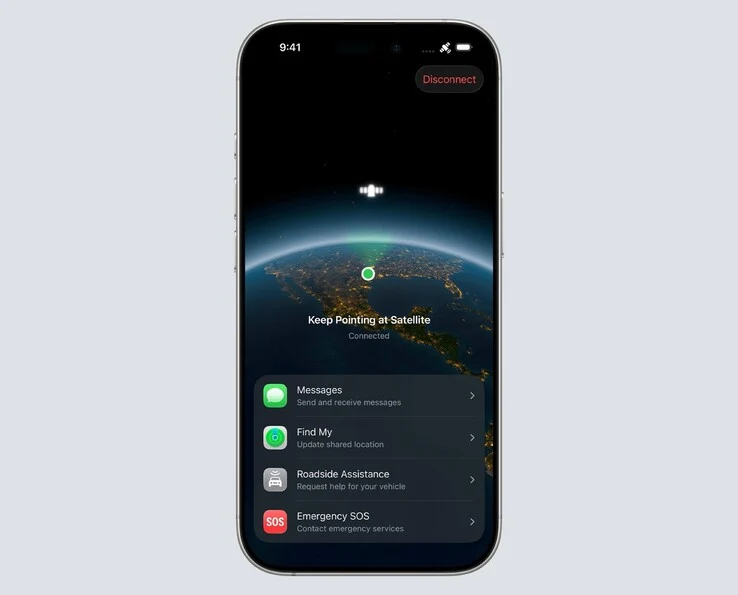
    All iPhones starting from the iPhone 14 and the Apple Watch Ultra 3 (priced from $699 on Amazon) enable users to make emergency calls through satellites. Users can also share their current location with friends and send or receive text messages. Recent reports from Bloomberg indicate that the tech giant in Cupertino is actively enhancing the satellite features of both the iPhone and Apple Watch.

    Future Capabilities

    In the near future, users may have the ability to utilize Apple Maps even without a cellular network, even if they haven’t downloaded offline maps ahead of time. Additionally, satellite messaging might be updated to allow the sending and receiving of images. It is also said that the upcoming iPhone 18 series will be the first to incorporate 5G NTN, which could greatly improve network coverage. Furthermore, Apple intends to provide developers with access to the satellite features of the iPhone through an API, allowing third-party applications to enhance these capabilities.

    User Experience Enhancements

    According to Bloomberg, Apple is striving to better the user experience. In contrast to current models where users need to point their iPhone toward a satellite, future iterations might maintain a connection to the satellite network even if the device is stored in a pocket or a car. However, Apple is said to have no intentions of providing video calls, voice calls, or web browsing through satellite connections as of now.

    Limited Bandwidth Concerns

    This limitation is likely tied to the restricted bandwidth provided by Globalstar, Apple’s satellite partner. Bloomberg also reports that there are ongoing discussions regarding a potential sale of Globalstar to SpaceX’s parent company. If this acquisition occurs, Apple might be able to introduce such features, possibly as part of a subscription service.

    Source:
    Link