Tag: satellite communication

  • Garmin Emergency Features vs Apple: Life-Saving Costs Compared

    Key Takeaway

    – Garmin now offers a reduced-cost emergency satellite call for $7.99 via paused subscriptions, plus a $39.99 activation fee.
    – This change targets average smartwatch users (e.g., Fenix 8 Pro), not just serious outdoor adventurers with inReach handhelds.
    – Garmin appears stingy compared to Apple, which offers free satellite emergency communication for two years with no announced paywall.
    – The pricing may lead to reputational damage and long-term costs, as the choice of smartwatch can be life-or-death in emergencies.


    A necessary change?

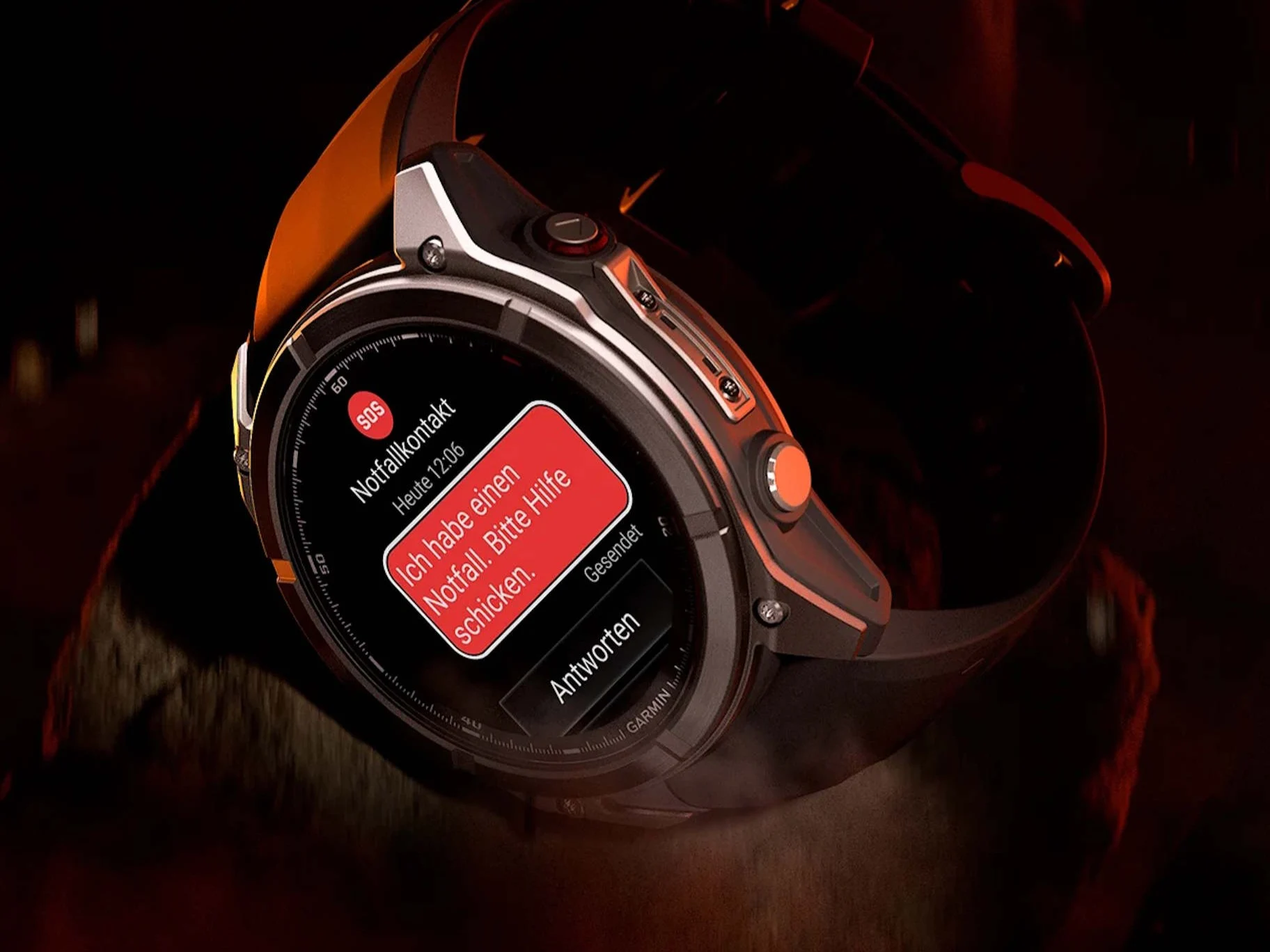
    I fully expected this, and now it has happened: Garmin has reduced the cost of inReach in one specific scenario, likely the one most relevant to broad user groups. It is now possible to place at least an emergency call at an effective price of $7.99 by pausing the inReach subscription, and not only with various inReach devices, but also with Garmin smartwatches that support satellite communication. An initial activation fee of $39.99 also applies.

    Potentially problematic for the brand

    The move is not really surprising, but it probably will not protect Garmin from a potential marketing disaster and could end up costing the company more than lost inReach revenue at a lower level. This only partial change to the pricing structure seems problematic for two reasons. First, with the Fenix 8 Pro models, Garmin is targeting average users much more directly than it does with its inReach handhelds, even if those users are interested in sports. Put casually: Anyone who buys an inReach handheld is planning serious outdoor adventures and ideally also knows that such a subscription can be vital for survival.

    A different kind of customer

    That may not always be the case for customers who buy the Fenix 8 Pro or Quatix 8 Pro. Still, even a short hike in a dead zone, or a professional but ultimately not well-organized diving trip, can quickly turn into a fatal horror trip, or into the kind of story told well into old age about a successful helicopter rescue after what ultimately turned out to be a not-so-dramatic broken leg. It’s a bit of a gamble, requiring users to be very proactive about there subscription setup.

    Comparing to Apple

    Garmin looks particularly stingy compared with Apple: Satellite communication is free for the first two years after purchase, and there is no information yet for the period after that. Looking at the situation with iPhones as well, I strongly assume that Apple will at least not put basic emergency communication behind a paywall. This may sound somewhat naive, but in such cases, which are not exactly rare, the choice of smartwatch can quite literally decide between life and death, even if the smartwatch itself technically supports satellite communication.

    Long-term reputational risk

    Beyond the individual tragedy, this could also cause significant reputational damage for the otherwise very successful company and ultimately become much more expensive for Garmin in the long term. Average consumers might not understand why they need to pay extra for a life saving feature, especially when a rival offers it for free. It remains to be seen if Garmin will adjust there polices further, but for now the reaction from the market and potential buyers seems mixed at best.

    • Pricing specifics: $7.99 effective price per month for emergency call capability
    • Additional cost: $39.99 initial activation fee
    • Requires pausing the inReach subscription after activation
    • Works with Garmin inReach devices and select smartwatches (Fenix 8 Pro, Quatix 8 Pro)
    • Apple offers free satellite communication for first two years
    • No pricing information from Apple for period after two years
  • Samsung Galaxy Phones Now Support WhatsApp and X Over Satellite

    Samsung Galaxy Phones Now Support WhatsApp and X Over Satellite

    Key Takeaways

    1. Samsung Galaxy phone users can access a selection of apps that work without mobile internet under “Satellite-ready apps on your phone” in Settings.
    2. Samsung partners with various mobile network providers across North America, Europe, and Japan for satellite services.
    3. Satellite connectivity options vary by region, with some areas allowing only texting or emergency services, while others support calls and internet access.
    4. A list of apps compatible with satellite functionality is available for Samsung Galaxy smartphones.
    5. The Galaxy S26 series will feature built-in satellite communication, and Samsung plans to expand this service globally.


    As mentioned by @theoneacid on X, certain Samsung Galaxy phone users can now find a selection of apps that function without requiring a mobile internet connection. These apps are available under the “Satellite-ready apps on your phone” section found in the Settings menu.

    Partnerships Across Continents

    The South Korean tech giant has teamed up with several mobile network providers in North America, including AT&T, Verizon, and T-Mobile. In Europe, they are collaborating with MasOrange in Spain, Virgin Media 02, and Vodafone. Meanwhile, in Japan, partners include Docomo, KDDI, Rakuten Mobile, and SoftBank. Unlike Apple, which connects directly with satellite internet firms like SpaceX for Starlink, Samsung has taken a different route.

    Different Options by Region

    Typically, customers looking for direct-to-satellite services will find varying options depending on their location. In certain regions, satellite connectivity might only allow for texting or emergency services. However, in other areas, users can make calls, send SMS, and surf the internet.

    List of Satellite-Compatible Apps

    The list of apps that support satellite functionality on Samsung’s Galaxy smartphones includes various options. Samsung revealed back in February that the Galaxy S26 series will come equipped with satellite communication features. The company has also vowed to broaden this service on a global scale.

    Source:
    Link


  • Garmin inReach: 3,000 Emergency Calls in 2025, Helicopter Needed

    Garmin inReach: 3,000 Emergency Calls in 2025, Helicopter Needed

    Key Takeaways

    1. Apple has introduced satellite communication on the Apple Watch Ultra 3, while Garmin has offered this feature on models like the Fenix 8 Pro for longer.
    2. In 2025, over 3,000 emergencies were reported through Garmin’s inReach, with a notable increase in water sports, hiking, and medical emergencies.
    3. Hiking and backpacking are the most common activities leading to emergency reports, with vehicle troubles and medical issues also significant.
    4. Helicopters are the most used rescue method, indicating serious emergencies or hard-to-reach situations, while 12% of individuals successfully navigated out of trouble without official help.
    5. Usage of Garmin inReach requires a paid subscription, which cannot be activated instantly during an emergency.


    Apple has introduced satellite communication on the Apple Watch Ultra 3, while Garmin has been providing satellite-based communication services on models like the Fenix 8 Pro for a longer period. This feature is especially useful for those who enjoy outdoor activities, such as long trekking adventures or sailing. Garmin shares data about the usage of this service in a yearly report.

    Emergency Reports on the Rise

    The report reveals that over 3,000 emergencies were reported through inReach in 2025. There was significant growth in water sports and boating, as well as in emergencies occurring on hiking trails or in mountainous areas. The number of medical emergencies, such as heart-related issues or altitude sickness, has been increasing consistently for several years. Additionally, workplace-related emergencies have also entered the (unfortunate) top ten list of incidents.

    Popular Activities and Their Risks

    Hiking and backpacking represent the largest portion of reported activities, although these sports are likely more common compared to snowmobiling or hunting. In many instances, injuries lead to the need for contacting inReach, followed by vehicle troubles and medical issues not linked to injuries. It makes sense for people to send an SOS when their vehicle breaks down in areas lacking satellite coverage, instead of just waiting for roadside help. Getting lost or facing issues with one’s own boat is also a frequent occurrence.

    Rescue Methods and Subscription Requirements

    Interestingly, the most commonly used rescue method was the helicopter, indicating that these were either very serious emergencies or situations in hard-to-reach areas. In 12% of instances, no official help was needed; instead, individuals managed to navigate out of tricky situations with the assistance of Garmin Response, which can help lost users find their way using GPS coordinates to either a safe location or an occupied mountain hut. However, it’s important to note that using Garmin inReach requires a paid subscription that cannot be activated instantly during an emergency.

    Source:
    Link


  • Samsung Galaxy S26 Series Launches with Global Satellite Features

    Samsung Galaxy S26 Series Launches with Global Satellite Features

    Key Takeaways

    1. Samsung introduced satellite communication in 2025 for Galaxy flagship models, now available in the Galaxy S26 series.
    2. The satellite communication feature allows direct connection to satellites when traditional mobile signals are unavailable.
    3. Samsung is partnering with telecom operators like AT&T, T-Mobile, and Verizon in the US for global satellite communication coverage.
    4. The feature is also available in Europe through Virgin Media O2 and will expand with trials in Spain’s MasOrange.
    5. In Asia, satellite-based services have launched in Japan via KDDI, with plans to extend to more Galaxy devices and carriers.


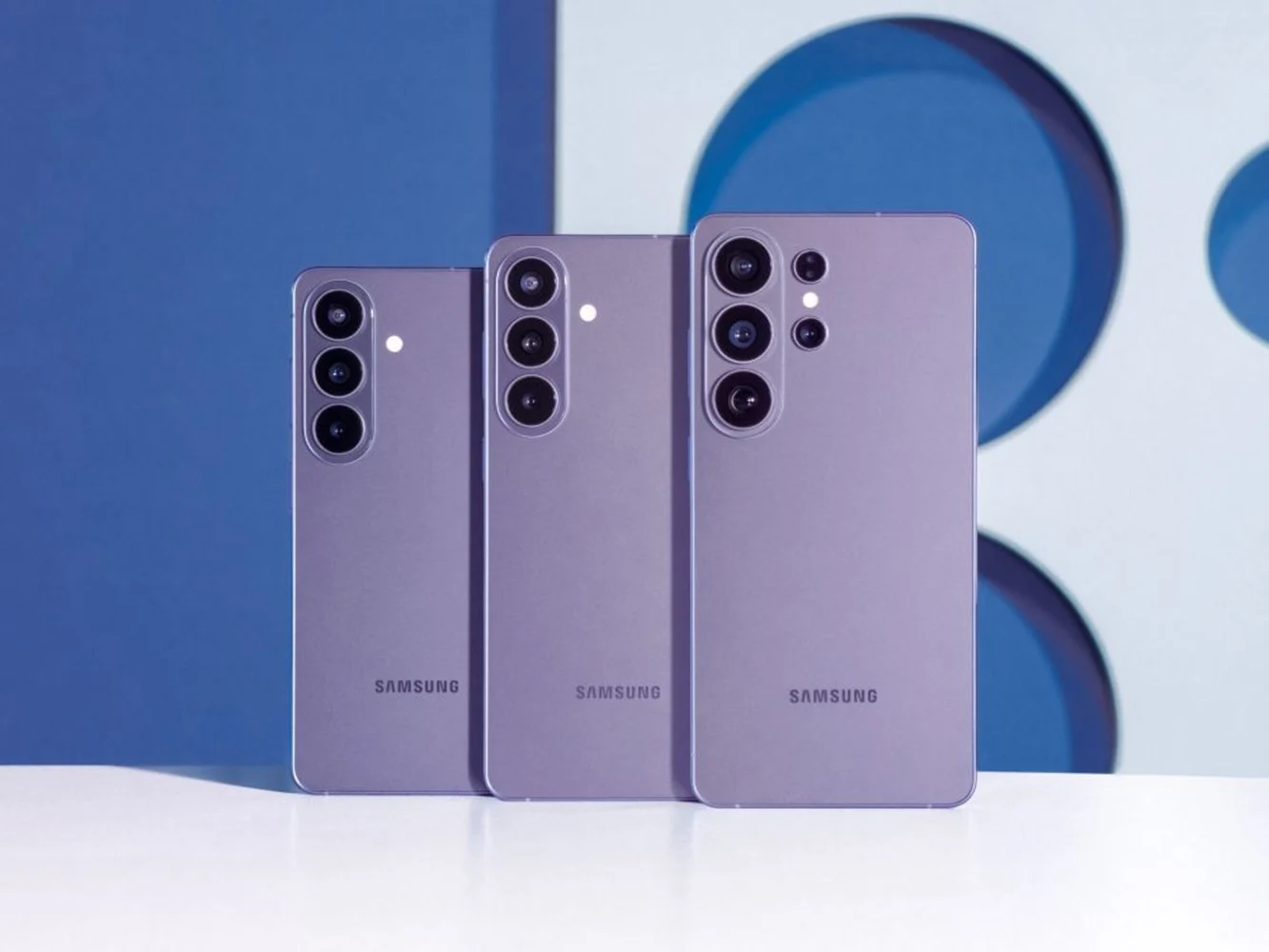
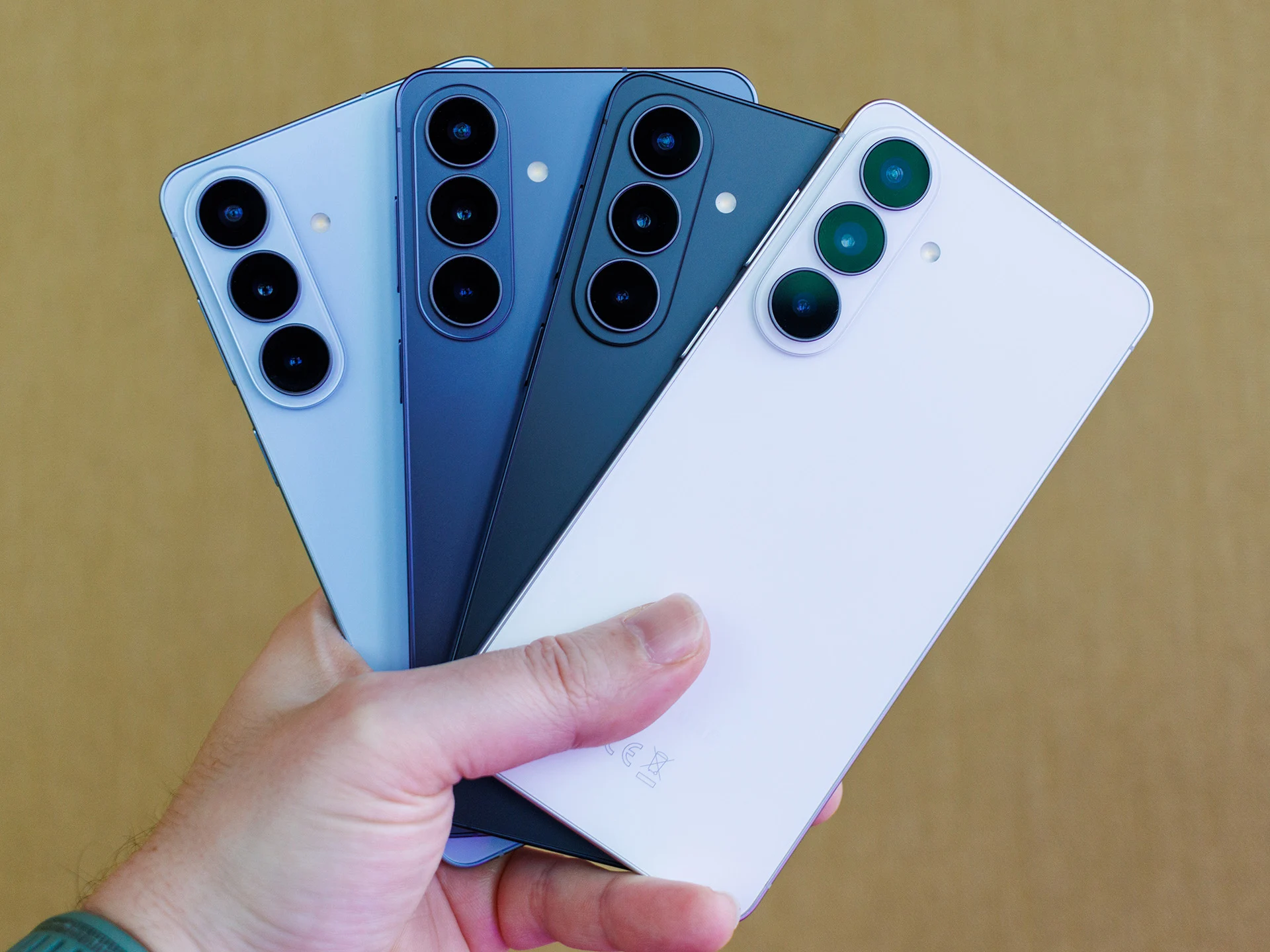
    Samsung first introduced satellite communication in 2025 on some of its Galaxy flagship models. Now, this feature can be found on the recently launched Galaxy S26 series, which consists of the Galaxy S26, Galaxy S26+, and Galaxy S26 Ultra, as mentioned in a press release.

    Direct Satellite Connection

    With satellite communication, a smartphone can link directly to satellites in space, even when traditional mobile signals from cell towers are unavailable. This function acts as a backup when the device is used in isolated locations or during emergencies.

    Partnerships for Global Reach

    Samsung is collaborating with telecom operators across North America, Europe, and Japan to provide satellite communication on its devices. In the US, the company is teaming up with AT&T, T-Mobile, and Verizon. T-Mobile’s satellite service, which works with SpaceX’s Starlink, is already live on the Galaxy A and S series.

    The South Korean tech giant has announced plans to broaden the service around the world. In Europe, the feature is offered through Virgin Media O2 in the UK. Trials are set to commence with Spain’s MasOrange in March 2026. Additionally, Samsung is also aligning with Vodafone.

    Expanding in Asia

    In Asia, Samsung has activated satellite-based text and data services in Japan via the KDDI network, starting with the S22 models. The company plans to extend these capabilities to various Galaxy flagships and Galaxy A devices on carriers like SoftBank, Rakuten, and docomo.

    Samsung is making significant strides in making satellite communication more accessible, ensuring users can stay connected even in challenging situations.

    Source:
    Link


  • China Breaks Space-Ground Transmission Record at 120 Gbps

    China Breaks Space-Ground Transmission Record at 120 Gbps

    Key Takeaways

    1. The Aerospace Information Research Institute (AIR) achieved a satellite-to-ground laser communication speed of 120 Gbps, a significant milestone in data transmission from space.
    2. This accomplishment follows earlier successes of 10 Gbps in 2023 and 60 Gbps in 2025.
    3. The experiment used a self-designed laser ground station on the Pamir Plateau, communicating with the AIRSAT-02 satellite.
    4. The increase in transmission speed was achieved by reconfiguring software in orbit, without physical changes to the satellite.
    5. The new system demonstrates high stability and efficiency, compared to previous lower-speed standards.


    The Aerospace Information Research Institute (AIR), part of the Chinese Academy of Sciences, has successfully carried out an operational application experiment that has surpassed the 100-gigabit-per-second (Gbps) mark for satellite-to-ground laser communication. They achieved a maximum transmission speed of 120 Gbps, marking a major advancement in the ability to transmit data quickly from space.

    Previous Achievements

    This success follows a series of rapid technological advancements by the AIR team, which previously achieved transmission speeds of 10 Gbps in 2023 and 60 Gbps in 2025. The latest experiment employed a self-designed laser ground station with a 500-millimeter aperture located on the Pamir Plateau in the Xinjiang Uygur Autonomous Region of China. It communicated directly with the AIRSAT-02 satellite.

    Innovative Engineering

    The engineering team accomplished this milestone without making any physical changes to the AIRSAT-02 satellite. They effectively increased the transmission capacity from 60 Gbps to 120 Gbps solely by reconfiguring the software in orbit, thereby fully tapping into the capabilities of the current laser communication system.

    Stability and Efficiency

    Test data confirms the new system’s stability and efficiency. Li Yalin, a senior engineer at AIR and the technical lead for the project, pointed out the remarkable challenges involved in this progress. He likened the previous 10 Gbps standard to a basic single-lane bridge, while he described the 120 Gbps achievement as a sophisticated multi-lane highway that necessitates both quick construction and efficient parallel traffic management.

  • iPhone 18 Rumored to Support 5G NTN and Satellite Features

    iPhone 18 Rumored to Support 5G NTN and Satellite Features

    Key Takeaways

    1. iPhone 14 and Apple Watch Ultra 3 allow emergency satellite calls and location sharing.
    2. Future updates may enable Apple Maps usage without cellular service and allow image sharing via satellite messaging.
    3. The upcoming iPhone 18 is expected to feature 5G NTN for improved network coverage.
    4. Apple aims to enhance user experience by maintaining satellite connections even when devices are stored away.
    5. Limited bandwidth from Globalstar may restrict features, with potential changes if Globalstar is acquired by SpaceX’s parent company.


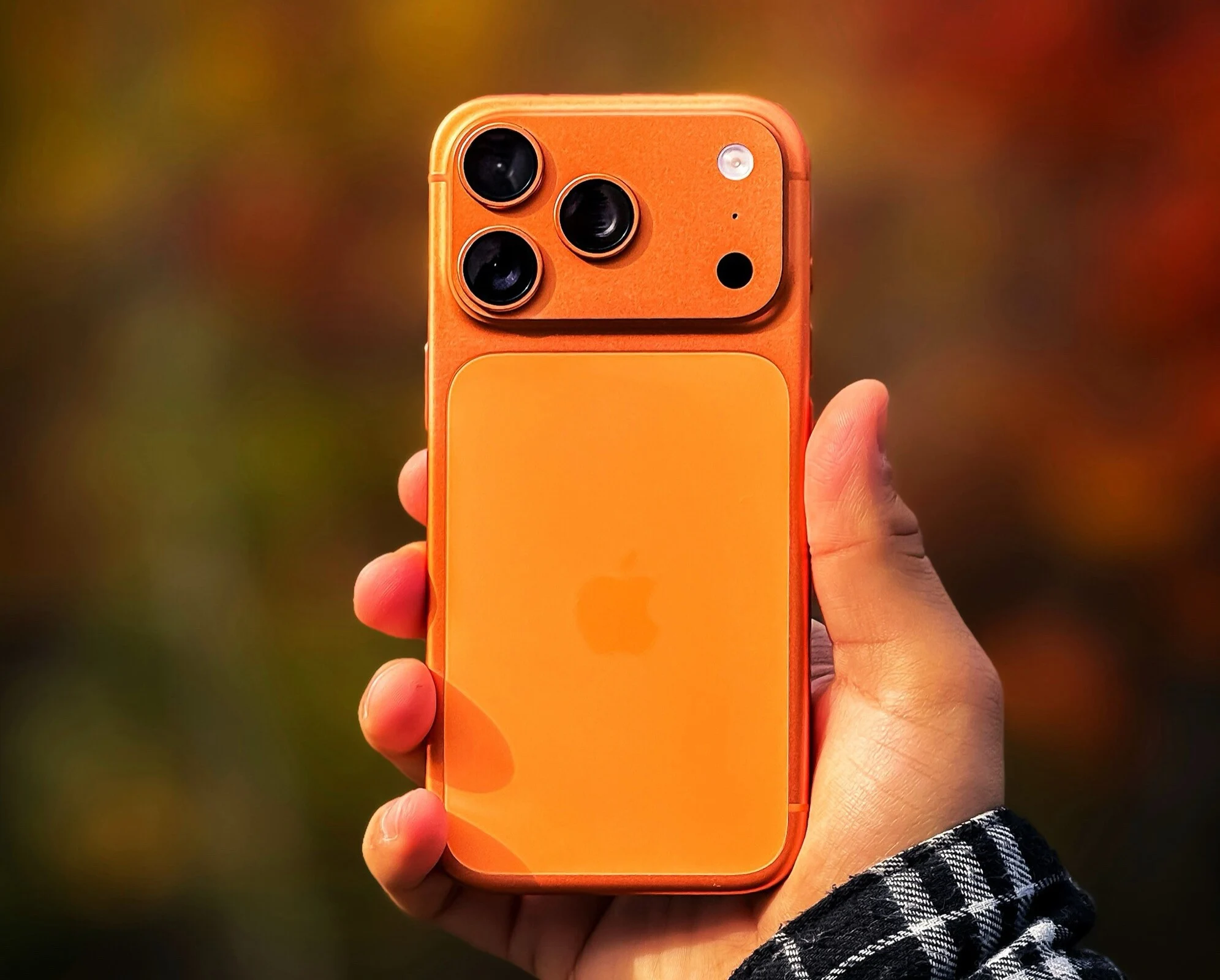
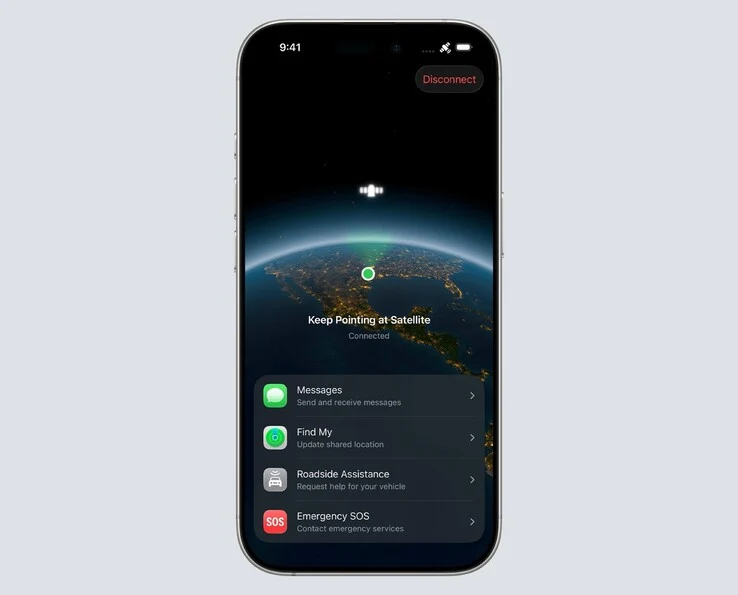
    All iPhones starting from the iPhone 14 and the Apple Watch Ultra 3 (priced from $699 on Amazon) enable users to make emergency calls through satellites. Users can also share their current location with friends and send or receive text messages. Recent reports from Bloomberg indicate that the tech giant in Cupertino is actively enhancing the satellite features of both the iPhone and Apple Watch.

    Future Capabilities

    In the near future, users may have the ability to utilize Apple Maps even without a cellular network, even if they haven’t downloaded offline maps ahead of time. Additionally, satellite messaging might be updated to allow the sending and receiving of images. It is also said that the upcoming iPhone 18 series will be the first to incorporate 5G NTN, which could greatly improve network coverage. Furthermore, Apple intends to provide developers with access to the satellite features of the iPhone through an API, allowing third-party applications to enhance these capabilities.

    User Experience Enhancements

    According to Bloomberg, Apple is striving to better the user experience. In contrast to current models where users need to point their iPhone toward a satellite, future iterations might maintain a connection to the satellite network even if the device is stored in a pocket or a car. However, Apple is said to have no intentions of providing video calls, voice calls, or web browsing through satellite connections as of now.

    Limited Bandwidth Concerns

    This limitation is likely tied to the restricted bandwidth provided by Globalstar, Apple’s satellite partner. Bloomberg also reports that there are ongoing discussions regarding a potential sale of Globalstar to SpaceX’s parent company. If this acquisition occurs, Apple might be able to introduce such features, possibly as part of a subscription service.

    Source:
    Link


  • CES 2025: OffGrid HMD Enables Two-Way Satellite Messaging

    CES 2025: OffGrid HMD Enables Two-Way Satellite Messaging

    The iPhone 14 was the first smartphone that introduced Non-Terrestrial Network (NTN), also known as satellite communications, and it was soon followed by the Pixel 9 series. Now, it seems that the Xiaomi 15 Ultra is set to join the ranks with this feature. But what if you own a different phone and don’t want to spend a lot on a separate satellite communicator for your next off-the-grid adventure?

    Introduction of a New Device

    A new device that may be just what you need was unveiled at CES 2015, and interestingly, it comes from HMD, which is known as the last home of the Nokia brand. For many of us, a Nokia phone was likely our first real taste of staying connected while on the go.

    Features of the HMD OffGrid

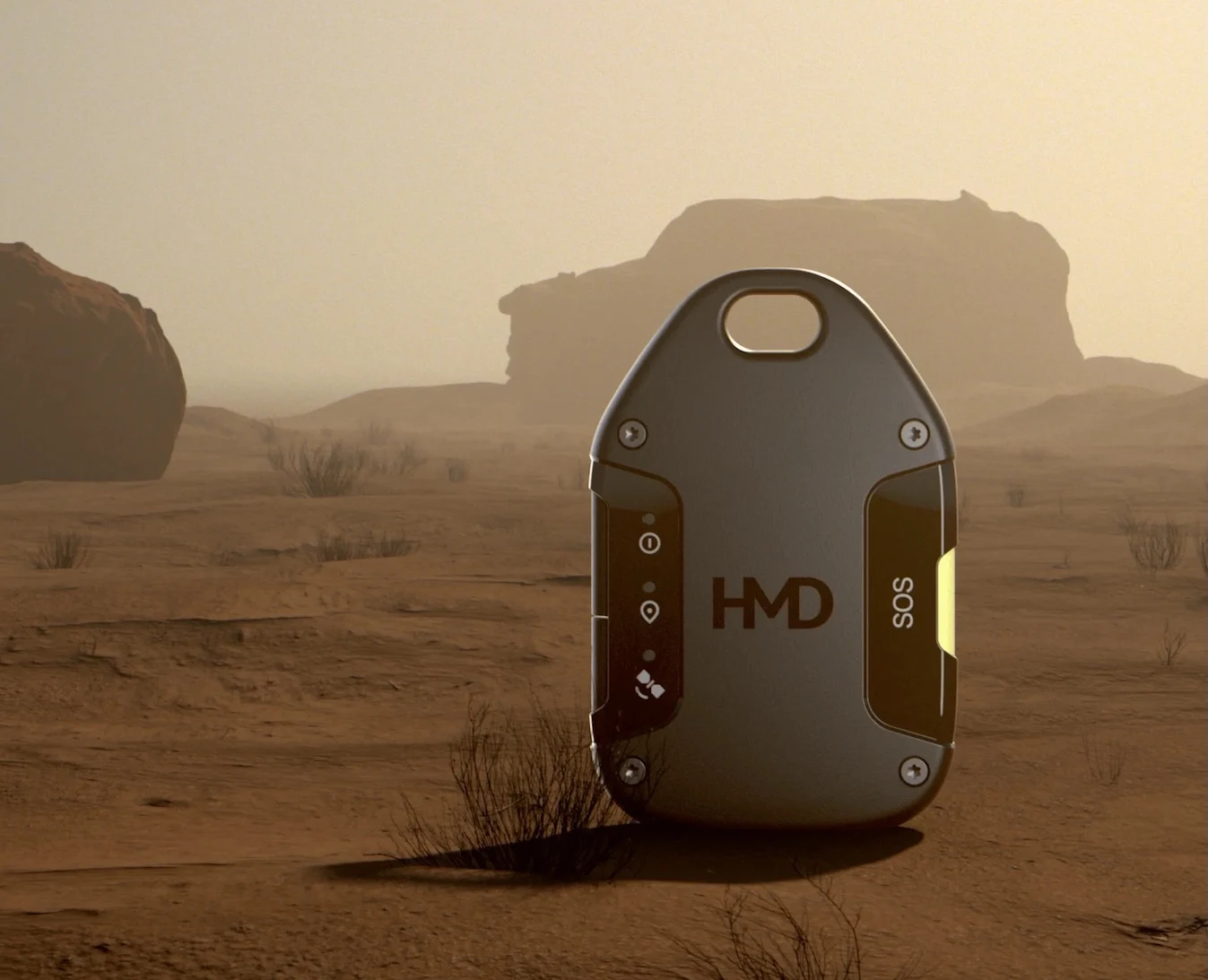
    The HMD OffGrid is a compact gadget that connects to satellites through the L band spectrum, linking with your smartphone via Bluetooth. This connection enables your phone to send and receive text messages, share live location information, and contact emergency services using an SOS feature. Additionally, the ‘check in’ function allows users to send pre-set messages to their friends with just the push of a button. Recipients don’t need the OffGrid app to receive messages; they only need to be able to text back.

    Size and Durability

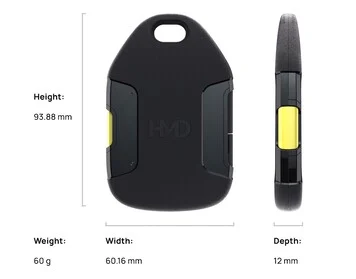
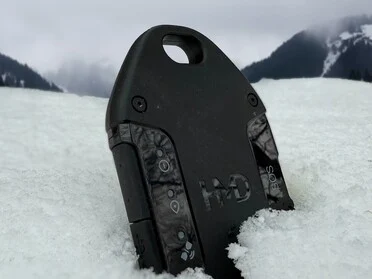
    This device is quite small, measuring 3.7 x 2.4 x 0.47 inches and weighing only 60 g (2.1 oz). HMD also claims that it is rugged and meets military-grade durability standards (MIL-STD-810H), but it’s wise to approach such claims with skepticism. The built-in 600mAh battery is said to last for about three days.

    Subscription Plans

    However, to access its features, you’ll need a subscription. HMD’s Unlimited Plan costs $15 per month or $140 per year (with a one-time activation fee of $10), which provides unlimited messages, check-in, and SOS services. The Freedom Plan, priced at $80 per year, limits texts (including check-ins) to 350. Both plans include the SOS service, and you can add location tracking to either plan at any time for an additional $6 per month.

    Starting in January, the HMD OffGrid will be available in the US, Europe, and Australia/New Zealand, with plans to expand to more regions throughout the year. You can currently order it from HMD’s website for $199. If your budget allows, the Garmin inReach Mini 2 is also available on Amazon for $299, while the older inReach Messenger has a current discount, priced at $235.

    Source:
    Link


    Image 1
    Image 1
  • Samsung Galaxy Phones Could Soon Feature Satellite Connectivity

    Samsung Galaxy Phones Could Soon Feature Satellite Connectivity

    Samsung is on the verge of integrating satellite communication into its Galaxy smartphone series. Android Authority has uncovered code snippets in mobile applications that strongly indicate this forthcoming feature.

    Specifically, references to “satellite mode” and “emergency texts via satellite” were identified in Samsung’s Emergency SOS, Messages, and Phone applications. This suggests that Samsung is gearing up to join the satellite connectivity trend initiated by Apple. However, the exact release date and the phone models that will support this feature remain unknown.

    Code in Emergency SOS App

    <string name="satelliteText">Emergency texts via satellite</string>
    <string name="satelliteHeading">If you call emergency services when you’re out of range or not connected to a mobile network, we’ll connect you via satellite so you can send an emergency text</string>

    Code in Samsung Messages App

    <string name="satellite_network_mode_title">Satellite mode not supported</string>
    <string name="samsung_message_do_not_provide_satellite_network_mode">Samsung Messages doesn't support satellite messaging. To send and receive texts via satellite, you need to make Google Messages your default messaging app.</string>

    Code in Phone App

    <string name="sat_mode_inline_cue_text">You're in satellite mode. You can send text messages, including to 911. Emergency calls may still connect if a mobile network is available near you.</string>
    <string name="sat_mode_send_message">Send message</string>
    <string name="sat_mode_waring_dialog_message">You can send and receive text messages in Satellite mode. Emergency calls may still connect if a mobile network is available near you.</string>

    According to Android Authority, this feature might be launched with the Android 15 operating system, although its integration into Samsung’s One UI 7 interface might take some additional time.

    The addition of satellite communication in Samsung phones has been anticipated since Apple introduced it with the iPhone 14. Samsung executive Park Yong-in had promised two-way satellite connectivity for Galaxy phones by 2024, but it is still not present in the latest Galaxy Z Fold 6 and Flip 6 models. There is a possibility that a software update could activate satellite connectivity on these devices.

    Unlike Apple, which limits the feature to emergency messaging, Samsung’s satellite connectivity is rumored to extend beyond emergencies, allowing users to send messages through any application.

    Interestingly, Google Pixel phones have also demonstrated signs of satellite connectivity, although this feature is currently active for Pixel devices. This collective evidence indicates that satellite messaging for Android phones, including Galaxy models, could become available in the near future.

  • Huawei P70 models set to include diverse chipset frequencies and potential satellite communication.

    Huawei P70 models set to include diverse chipset frequencies and potential satellite communication.

    Huawei is preparing for the launch of its upcoming flagship smartphones, the P70 series. Recent information suggests that these devices will offer different chipset frequencies across models, along with other exciting upgrades.

    Huawei P70 Series and Curved Displays

    According to a tipster on Weibo, the standard and high-end models of the P70 series may feature a powerful Kirin chipset, potentially the Kirin 9000s found in the Mate 60 series. However, there’s a twist: the high-end models like the P70 Pro, P70 Art, and the rumored P70 Pro+ might come with an overclocked version of this chipset, aiming to provide a 20% performance boost. While the core architecture details are still unknown, different clock speeds could be the key to achieving this improvement. Reports suggest that China’s largest chipmaker, SMIC, is preparing to produce these 5nm chips.

    The tipster also reveals that all four models in the P70 series might feature a curved 1.5K resolution screen for enhanced visuals. Huawei is reportedly testing various screen sizes and experimenting with a combination of four China-made display panels, indicating significant display upgrades compared to previous generations.

    Satellite Communication Technology

    Another exciting aspect of the P70 series is the potential inclusion of satellite communication technology. Tipsters claim that all models might integrate satellite features, offering an improved and more widespread experience. Previously, satellite connectivity was mostly limited to high-end models, with the base variants missing out.

    Huawei first introduced smartphone satellite connectivity with the Mate 50 Pro in 2022, enabling one-way satellite SMS functionality. The P60 Pro and P60 Art expanded on this by introducing two-way satellite SMS. The Mate 60 series then took it a step further by offering two-way satellite calling for the Pro and Pro+ models. With the P70 series, Huawei could democratize satellite features across all models or adopt a similar strategy to the Mate 60 series, where higher-end variants offer calling capabilities while the base model retains two-way SMS.

    Launch Date and HarmonyOS NEXT

    The Huawei P70 series is expected to be launched in the Chinese market by the end of March or early April. Additionally, the company is actively developing HarmonyOS NEXT, a next-generation operating system built on its proprietary kernel. This operating system will completely eliminate support for Android apps.