
Key Takeaways
1. Samsung is set to release new LPDDR6 modules with speeds of 10.7 Gbps, using a 12 nm process.
2. The new LPDDR6 modules will provide a 21% reduction in power usage due to lower core voltages and Dynamic Voltage Frequency Scaling.
3. LPDDR6 may not significantly improve throughput compared to existing 10.7 Gbps LPDDR5x modules.
4. Future enhancements could lead to data transfer rates reaching up to 14 Gbps as the technology develops.
5. The earliest integration of LPDDR6 is expected in smartphones and laptops in 2024, likely with Snapdragon 8 Elite Gen 6 and AMD Medusa Point models.
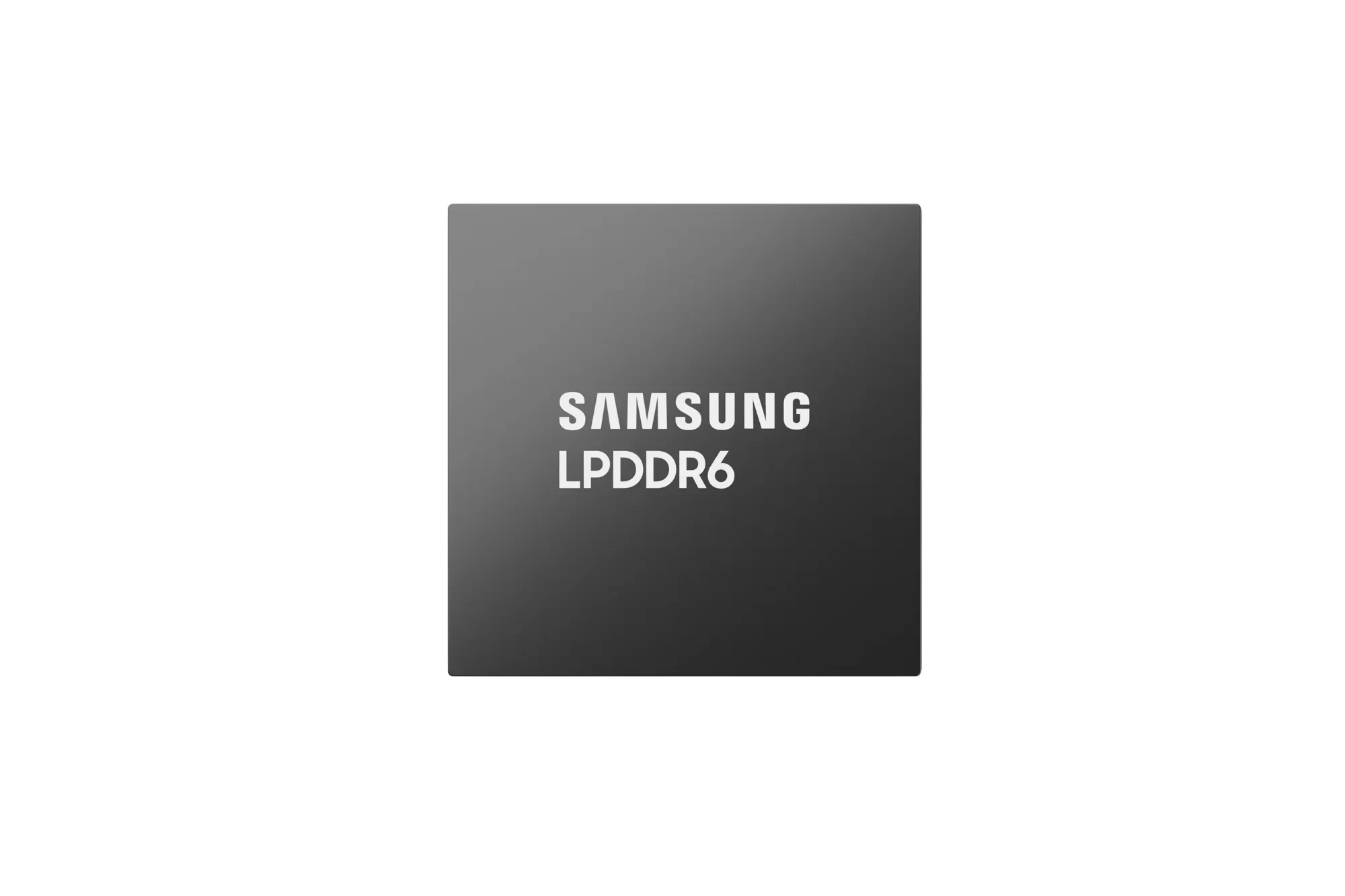
Samsung has recently hinted at the arrival of new LPDDR6 modules, being among the first manufacturers to do so after JEDEC completed the standard this year. These modules are rated to reach speeds of 10.7 Gbps and are built using a 12 nm process, although the exact details of the node are not disclosed. Samsung asserts that these modules will achieve up to 21% reduction in power usage due to lower core voltages and Dynamic Voltage Frequency Scaling, which helps decrease power consumption during low workloads.
Comparisons to Previous Technology
Interestingly, Samsung already produces 10.7 Gbps LPDDR5x modules on the same node, meaning the new LPDDR6 may not significantly improve throughput. However, since LPDDR6 is still quite new, manufacturers might not fully exploit its capabilities in the initial versions. Looking ahead, we could see data transfer rates reaching up to 14 Gbps as the technology evolves.
Future Product Integration
The press release did not mention specific products that will incorporate these LPDDR6 modules. Most of the current smartphone SoCs have already been released with LPDDR5X memory, suggesting that the earliest implementation we might witness will come later next year, probably along with the Snapdragon 8 Elite Gen 6 and Dimensity 9600. In terms of laptops, we can expect to see LPDDR6 paired with some Intel Panther Lake and AMD Medusa Point models.
Source:
Link
Leave a Reply