Category: Phones

Stay updated with the latest phone news, reviews, and trends. Discover cutting-edge smartphones, features, and innovations in our Phones category at GizNewsDaily

  • Vivo X300 Pro: Cheaper with Bigger Battery for Import Outside Europe

    Vivo X300 Pro: Cheaper with Bigger Battery for Import Outside Europe

    Key Takeaways

    1. The Zeiss Vivo X300 Pro is priced at 1,399€ in Europe, with discounts available through various retailers.
    2. Using the code 4X3MH3 provides a 100€ discount, making the price 1,300€ with additional free gifts included.
    3. Alternative options, like the global model from Hong Kong, offer a larger battery and similar features, starting around 1,105€.
    4. International retailers provide different pricing and shipping options, but warranty and return rights may be limited for models purchased outside Europe.
    5. The global model has a 1-year warranty, and returning it may pose challenges due to local transportation rules.


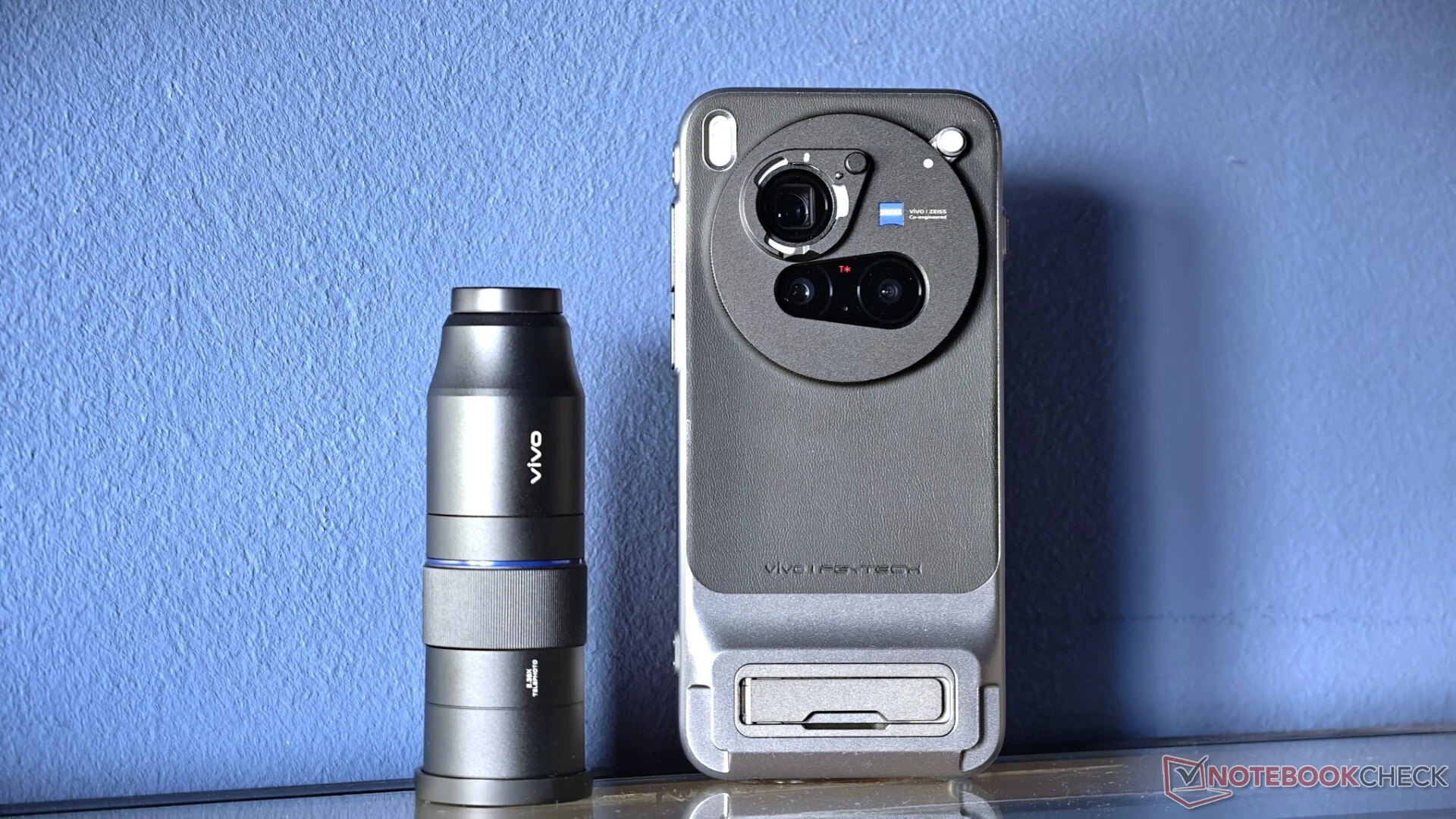
    The Zeiss Vivo X300 Pro, which is the top camera from Zeiss, has just been launched in Europe. In the Austrian online store that ships to Germany, Austria, and Hungary, the Vivo X300 Pro is priced at 1,399€. There are various discounts and gifts available too. You can use the code 4X3MH3 to receive a 100€ discount automatically. Additionally, a 90-watt flash charger and the camera body kit are included for free, while ordering the telephoto extender kit comes with a 50% discount. This brings the price down to 1,300€, or 1,500€ if you include the teleconverter. In contrast, Amazon does not provide any gifts but offers a 150€ discount, lowering the price of the Vivo X300 Pro to 1,250€.

    Alternative Options

    For those who aren’t particularly interested in the Chinese Vivo X300 Pro model, which can be found at retailers like Tradingshenzhen starting at 807€ (947€ for the same 16/512 GB storage as in Europe), there are other choices. A global model from places like Hong Kong could be a reasonable alternative, especially since it has a much bigger battery. It shares all the features of the European version, including Wear OS compatibility, eSIM, global OriginOS 6 with Google Gemini and Quick Share, and a 6,510 mAh battery, compared to the EU model’s 5,440 mAh. Furthermore, the compact Vivo X300 has a 6,040 mAh battery, while the European variant has 5,360 mAh. Notably, this option also allows for a light blue color variant of the Vivo X300 Pro.

    International Retailers and Pricing

    Tradingshenzhen only offers the Chinese models, but two shops based in Hong Kong, Wondamobile and Trinity Electronics, let you pick between the Chinese and global versions. The AverageDad shop from the UAE also provides the global variant. All three stores ship internationally, and at AverageDad, the price includes taxes. The global Vivo X300 Pro with 16/512 GB is priced at 1,157€ at AverageDad, totaling 1,192€ with a 35€ shipping fee. This isn’t significantly cheaper than the EU version with discounts and gifts, but you do receive the larger battery. Wondamobile charges 1,125€, which comes to 1,168€ with shipping. Additionally, paying in advance via SEPA bank transfer gives you a 4.5% discount. Finally, Trinity Electronics in Hong Kong offers the global Vivo X300 Pro for 1,105€, plus 55€ for shipping, totaling 1,160€. You can also get a 3% discount if you register.

    Warranty and Return Concerns

    Unlike purchasing in Europe, getting the global model from countries like Hong Kong has a limited warranty of just 1 year, along with limited or nonexistent return rights. In the worst-case scenario, repairs might be harder. Although the software and hardware should be the same, aside from the larger battery, you might run into issues with local transportation rules if you attempt to return the global model with its bigger battery back to Vivo or exchange it for a future smartphone. Models like the Oppo Find X9 Pro, OnePlus 15, or Nubia Z80 Ultra sidestep this issue by using a dual-cell battery.

    Source:
    Link



  • Oppo Find X9 Series Launching in India: Bigger Battery & Dimensity 9500

    Oppo Find X9 Series Launching in India: Bigger Battery & Dimensity 9500

    Key Takeaways

    1. Oppo will launch the Find X9 series in India on November 18, featuring the Find X9 and Find X9 Pro models.
    2. The Find X9 series includes color options: titanium grey and space black for the standard model, and silk white and titanium charcoal for the Pro model.
    3. Both smartphones use the MediaTek Dimensity 9500 chipset and have Hasselblad-enhanced rear cameras, with the Pro model featuring a 6.78-inch AMOLED display and the standard model a 6.59-inch AMOLED display, both at a 120 Hz refresh rate.
    4. The Find X9 has a 7,025 mAh battery, while the X9 Pro has a 7,500 mAh battery, supporting 80 W wired and 50 W wireless charging.
    5. Both models will run on Android 16 with ColorOS 16 and will be available through Oppo’s official website, Amazon, and authorized retailers.


    Last month, Oppo introduced the Find X9 series smartphones to the global audience and announced that these devices would be hitting the Indian market in November. Recently, Oppo has confirmed the exact launch date for these smartphones. More specifically, the Find X9 series will officially debut on November 18 in India. Currently, the Find X9 Pro is listed on Amazon India, providing important features and details about its availability.

    New Model Overview

    Oppo is releasing primarily two models in the Find X9 series: the Oppo Find X9 and the Oppo Find X9 Pro. Regarding color choices, the standard version will be available in titanium grey and space black, while the Pro version will offer silk white and titanium charcoal options.

    Performance and Display

    Both smartphones are equipped with the cutting-edge MediaTek Dimensity 9500 chipset and come with a Hasselblad-enhanced rear camera setup. The Pro model features a slightly larger display with a 6.78-inch AMOLED screen, capable of achieving a peak brightness of 3,600 nits and a dynamic refresh rate of 120 Hz. In contrast, the standard version has a more compact 6.59-inch AMOLED display, also with a 120 Hz refresh rate.

    Battery and Software Features

    Oppo has included a third-generation silicon carbon battery in the Find X9 series, although the battery capacities differ between the two models. The Find X9 is equipped with a 7,025 mAh battery, while the X9 Pro features a larger 7,500 mAh battery that supports 80 W wired charging and 50 W wireless charging. In terms of software, both phones will operate on Android 16 with ColorOS 16 pre-installed. Once launched, the Oppo Find X9 series will be accessible through Oppo India’s official website, Amazon, and various authorized retail outlets.

    Source:
    Link


  • TSMC Increases 2nm Chip Prices: Impact on Future Apple Devices

    TSMC Increases 2nm Chip Prices: Impact on Future Apple Devices

    Key Takeaways

    1. TSMC is raising chip prices by up to 10% for 5 nm chips starting in 2026, affecting Apple devices.
    2. TSMC manufactures key processors for Apple, including the A15, A17, A18, A19, A20, and upcoming M3, M4, and M5 chips.
    3. The cost to produce new 2 nm chips may reach $280 per unit, significantly higher than the $45 per unit for current 3 nm chips.
    4. Rising chip prices are causing industry-wide concerns as manufacturers shift focus to high-bandwidth memory (HBM), leading to shortages and increased costs for smartphone components.
    5. Smartphone manufacturers are now spending 16% of their bill of materials on memory, up from 10% the previous year, impacting device pricing strategies.


    Apple enthusiasts might soon find themselves shelling out more cash for their devices, as one of its major manufacturing partners is said to be raising chip prices. As per insider Yeux112, TSMC has informed its clients, including Apple, that producing chips under 5 nm will see a price increase of up to 10 percent starting in 2026.

    Key Components Affected

    This Taiwanese firm is responsible for many of the processors found in Apple’s current and future iPhones, iPads, and Macs, such as the A15, A17, A18, A19, and A20. TSMC is also set to deliver the M3, M4, and M5 chips.

    Cost of New Technology

    A report by China Times suggests that the forthcoming 2 nm node could be the most costly to produce. The publication projected a per-unit price of as much as $280. In contrast, the current-generation 3 nm A-series is estimated to cost around $45 per chip.

    Concerns Over Rising Prices

    The increasing chip prices have raised alarms throughout the industry. Chip manufacturers are capitalizing on the AI boom and are redirecting their attention and resources toward high-bandwidth memory (HBM). This shift is leading to a shortage of mobile-grade LPDDR5x RAM, which in turn is escalating costs for smartphone components.

    Impact on Smartphone Manufacturers

    Goldman Sachs recently projected that smartphone makers are now allocating 16 percent of their bill of materials (BOM) towards memory, up from 10 percent the previous year.

    If the recent claims about TSMC hold true, Apple might be left with no option but to raise the prices of its forthcoming devices. Alternatively, the company based in Cupertino may decide to take a hit on profit margins by absorbing some of the increased sourcing expenses.

    Source:
    Link


  • Samsung Galaxy S26 Ultra: Central Camera Upgrade, No 3x Telephoto

    Samsung Galaxy S26 Ultra: Central Camera Upgrade, No 3x Telephoto

    Key Takeaways

    1. The Galaxy S26 series is set to launch in February 2026, with unchanged battery size at 5,000 mAh but improved charging speed expected.
    2. The 3x telephoto lens may see a downgrade in sensor size, moving from a 12 MP IMX754 to a smaller 12 MP ISOCELL S5K3LD, potentially limiting image quality improvements.
    3. Samsung is likely to continue using only 10 MP of the 12 MP sensor for the 3x telephoto lens, relying on software enhancements rather than hardware upgrades for image quality.
    4. The Galaxy S26 Ultra will feature larger apertures for its main camera (F/1.4) and 5x telephoto lens (F/2.9), allowing for significantly better light intake and brighter images.
    5. Improvements in automatic settings and new software features, along with an upgraded ISP, are expected to enhance photo and video quality, particularly in low light conditions, despite minor hardware changes.


    There’s been a lot of buzz recently about what Samsung might put into the Galaxy S26 series, which is set to launch at the close of February 2026 as the follow-up to the Galaxy S25, S25+, and S25 Ultra. We have also pointed out the sometimes overly optimistic expectations from Samsung fans, which clash with what is already known from various certifications. For instance, the battery size, despite many hopes from the community, remains unchanged since the Galaxy S20 Ultra, likely staying at 5,000 mAh in 2026, although we can expect a clear improvement in charging speed.

    Changes in Camera Specs

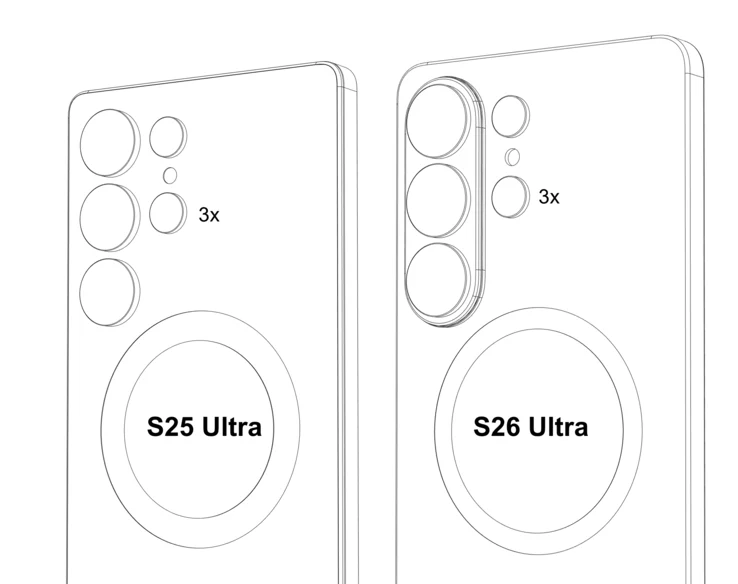
    The 3x telephoto lens, which has long been a weak spot for the Galaxy S series due to its small 1/3.52-inch sensor, is reportedly going to be replaced. However, whether this is really an upgrade is still uncertain. Trustworthy sources like Ice Universe hinted months back that there could actually be a downgrade regarding sensor size. The current 12 MP IMX754 is expected to be swapped out for a 12 MP ISOCELL S5K3LD, which is even smaller at 1/3.94 inches. According to the leaker’s recent post on X, there’s no space for a larger sensor when looking at the leaked CAD images, which show a slightly thinner design than the Galaxy S25 Ultra and are deemed reliable.

    Improvements on the Horizon

    Moreover, Samsung seems to be continuing its trend of effectively utilizing only 10 MP of the 12 MP sensor in the 3x telephoto lens and then enhancing the final image to 12 MP. Therefore, it seems unlikely that we will see major breakthroughs or enhancements in image quality from the sensor itself, aside from some software tweaks. The primary upgrade for the Galaxy S26 Ultra could focus on light intake. Ice Universe summarized the specs for all four cameras on the Galaxy S26 Ultra, highlighting the differences:

    Both the 200 MP main camera and the 5x telephoto lens feature a notably larger aperture, allowing more light to hit the sensor. The main camera’s aperture improvement from F/1.7 to F/1.4 translates to a 47% increase in light intake. For the 5x telephoto lens, the F/2.9 aperture of the periscope module is expected to yield a 38% brighter image, assuming consistent shutter speed and ISO settings.

    Anticipated Benefits for Users

    Thus, we can expect the automatic settings of these two Galaxy S26 Ultra cameras to adjust shutter speeds and ISO values accordingly, thanks to the larger aperture. This should lead to less noisy and crisper images, especially in dim lighting conditions. Coupled with various new software features and an improved ISP in the Exynos 2600 and Snapdragon 8 Elite Gen 5, we can surely anticipate better photo and video quality with the Galaxy S26 Ultra, even if there are likely to be disappointingly minor changes to the sensor hardware.

    Source:
    Link


  • OnePlus 15 Global Launch: Large Battery & 120W Fast Charging

    OnePlus 15 Global Launch: Large Battery & 120W Fast Charging

    Key Takeaways

    1. The global OnePlus 15 will have the same 7,300mAh battery as its Chinese version, marking a shift in battery capacity for international flagship phones.
    2. Unlike some competitors, the international OnePlus 15 will maintain its wired 120W fast charging and 50W wireless charging features.
    3. Key specifications, including a 165Hz OLED display and a 3,200Hz touch sampling rate, will remain unchanged in the global version.
    4. The international model will run on OxygenOS 16, based on Android 16, instead of ColorOS 16.
    5. The OnePlus 15 was initially unveiled in China on October 28, 2025, and is now set for a global launch.


    OnePlus is preparing to launch its Snapdragon 8 Elite Gen 5 flagship smartphone outside of China. To give you a bit of background, the OnePlus 15 was initially unveiled in China on October 28, 2025. As the company gets set for the global launch, it has revealed that the international version will feature the same battery as the one available in China.

    Battery Specifications

    Specifically, the global OnePlus 15 will come equipped with a 7,300mAh battery. Previously, the Nubia Z80 Ultra was the only international Snapdragon 8 Elite Gen 5 flagship phone with a battery exceeding 7,000mAh. Generally, Chinese smartphone makers tend to reduce the battery capacity of their devices to meet various global battery regulations. Nonetheless, it seems that companies have finally opted to follow the clear solution to address the issue while being fully compliant.

    Charging Capabilities

    In relation to charging, Nubia’s new global device did experience a reduction in charging speed when compared to its Chinese version. The good news is that this won’t be the case for the global OnePlus 15. According to the brand, the international model will keep the wired 120W fast charging feature along with 50W wireless charging (300W Anker Prime 26K power bank curr. $169.99 on Amazon).

    Additional Features

    As for the other specifications, they will also remain unchanged, including the 165Hz OLED display, 3,200Hz touch sampling rate, a spacious vapor chamber, and various ingress protection ratings. Naturally, the international OnePlus 15 will be released with OxygenOS 16 instead of ColorOS 16, but it will still be based on Android 16. For more information on this flagship phone, you can check out our launch coverage.

    GSMArena

    Source:
    Link


  • Samsung Exynos 2600 Runs 30% Cooler Than Exynos 2500

    Samsung Exynos 2600 Runs 30% Cooler Than Exynos 2500

    Key Takeaways

    1. Samsung confirmed the addition of a Heat Pass Block (HPB) on the Exynos 2600 SoC to reduce thermal output.
    2. The HPB has achieved a 30% reduction in heat generation compared to the Exynos 2500.
    3. Early benchmark results for the Exynos 2600 show strong performance, with scores over 3,400 in single-core and over 11,600 in multi-core tests.
    4. Rumors suggest the Galaxy S26 Ultra may feature the Exynos 2600, marking a potential return to using Exynos chips alongside Qualcomm.
    5. Caution is advised regarding the authenticity of Exynos 2600 benchmark scores and specifications until official announcements are made by Samsung.


    Back in July, we mentioned that Samsung might incorporate a Heat Pass Block (HPB) on top of the Exynos 2600 SoC to control the chip’s thermal output. This was confirmed by Samsung’s Kim Dae-woo, who holds the position of Senior Vice President and leads the Package Development Team.

    Heat Reduction Achieved

    During a presentation at the ISMP 2025 event, Kim Dae-woo stated that the addition of an HPB atop the SoC has successfully reduced the heat generated by the Exynos 2600 by around 30% compared to its predecessor, the Exynos 2500. If this claim holds, it is significant, as Samsung is likely to utilize this extra thermal capacity to increase the clock speeds of the Exynos 2600.

    Impressive Benchmark Results

    Numerous early benchmark tests of the Exynos 2600 have been conducted. Even in its pre-launch version, the SoC shows promising results. For example, one recent benchmark indicated that the Exynos 2600 achieved scores of over 3,400 in the Geekbench 6 single-core test and more than 11,600 in the multi-core assessment.

    Potential for Galaxy S26 Ultra

    With such impressive performance, there are rumors suggesting that Samsung may equip the Galaxy S26 Ultra with the Exynos 2600. Since the Galaxy S23 Ultra in 2023, Samsung has exclusively used a high-end Qualcomm chip in its Galaxy S Ultra line. Thus, if these rumors are accurate, Samsung could be returning to a mixed strategy, incorporating both Exynos and Qualcomm processors in all Galaxy S26 models.

    It’s important to note that many of the Exynos 2600 Geekbench scores circulating online may not be genuine. This also applies to other specifications, such as camera components. Therefore, approach any information regarding the Exynos 2600 and Galaxy S26 with caution. We will only have clarity on Samsung’s plans when they officially reveal the Galaxy S26 series during a Unpacked event.

    Source:
    Link


  • Nubia Z80 Ultra: New 35mm Camera with Snapdragon 8 Elite for $649

    Nubia Z80 Ultra: New 35mm Camera with Snapdragon 8 Elite for $649

    Key Takeaways

    1. Nubia Z80 Ultra launched globally with an Early Bird promotion after its initial release in China.
    2. Powered by Snapdragon 8 Elite Gen 5 processor, it features a large 7,200 mAh battery with 80 W wireless and 90 W wired charging.
    3. The device has a 6.85-inch AMOLED display, 144 Hz refresh rate, and starts with 12 GB RAM and 256 GB storage, with options up to 16 GB RAM and 1 TB storage.
    4. Pre-order benefits include a free charger and protective case; a discount code is available until December 2.
    5. Nubia sells additional accessories like the Z80 Ultra Retro Kit camera and GamePad 2 controller at specific prices.


    Nubia has launched the Z80 Ultra worldwide as part of a special Early Bird promotion. This device was introduced last month in China and has made its global debut soon after the release of the RedMagic 11 Pro. Unlike its ZTE relative, the Z80 Ultra maintains a robust battery capacity for its international version.

    Performance and Battery

    The Z80 Ultra is powered by Qualcomm’s top-tier Snapdragon 8 Elite Gen 5 processor and features a large 7,200 mAh battery. It also supports impressive charging speeds, offering 80 W wireless and 90 W wired charging, which outperforms pricier flagship devices such as the iPhone 17 Pro Max and the Galaxy S25 Ultra (currently priced at $950 on Amazon).

    Display and Storage Options

    Moreover, the smartphone presents a 6.85-inch flat AMOLED screen with a resolution of 1,216 x 2,688 pixels, a 144 Hz refresh rate, and a peak brightness of 2,000 nits. It lacks a punch hole or Dynamic Island for the 16 MP front camera. The global version of the Nubia Z80 Ultra starts off with 12 GB of RAM and 256 GB of internal storage. For those looking for more, Nubia offers configurations with 16 GB of RAM and storage options of 512 GB or 1 TB, including a striking Starry Night special edition that helps justify the price difference between the 16 GB RAM models.

    Pre-order Benefits and Pricing

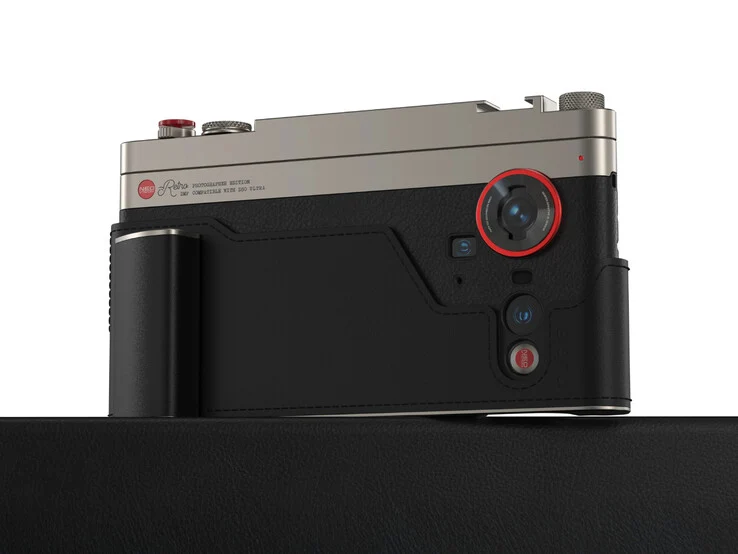
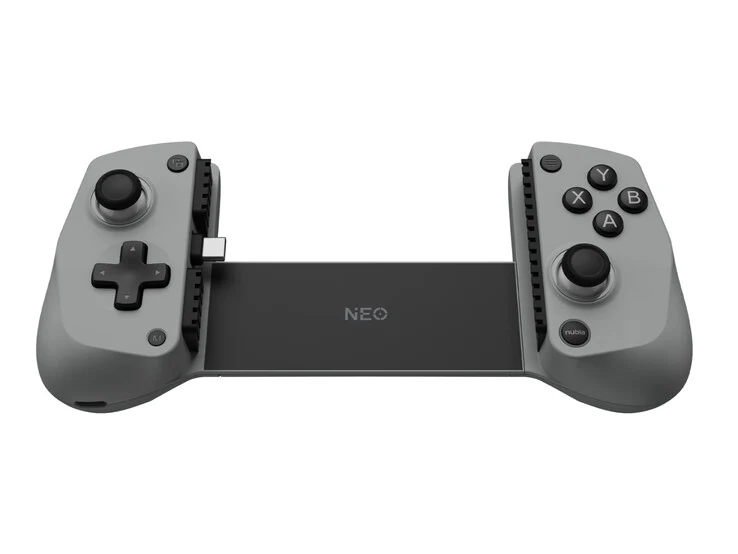
    Customers who pre-order before November 18 will receive a free charger and protective case along with their purchase. Additionally, using the code Z80USAVE30 allows customers to save £20/€20/$30 on any model until December 2. Nubia is also selling its Z80 Ultra Retro Kit camera and GamePad 2 controller for £109/€149/$149 and £69/€99/$99, respectively. The full pricing details for the global launch of the Nubia Z80 Ultra are as follows:

    Source:
    Link


  • iPhone Air 2: New Details on Extra Rear Camera Features

    iPhone Air 2: New Details on Extra Rear Camera Features

    Key Takeaways

    1. Apple is developing an updated version of the iPhone Air, potentially called iPhone Air 2 or iPhone 18 Air.
    2. The new iPhone Air is expected to keep the same display and camera design as the original model while focusing on a lightweight build.
    3. A significant upgrade may include the addition of a second 48 MP rear camera for improved photography capabilities.
    4. Apple needs to demonstrate clear advancements in the next Air model to maintain competitiveness in the market.
    5. The iPhone Air has been the least popular model in Apple’s lineup, raising concerns about its future if sales trends do not improve.


    While the future of Samsung’s Galaxy S25 Edge successor is still uncertain, Apple appears poised to launch an updated version of the iPhone Air next year, with new information now making its way online.

    Details Emerge About the iPhone Air 2

    According to leaker Digital Chat Station, a new iteration of the iPhone Air is currently under development. This upcoming device may be called either the iPhone Air 2 or the iPhone 18 Air, and it is expected to keep the same display as the original iPhone Air while also retaining its camera design and focus on a lightweight build.

    Possible Camera Improvements

    One notable change for the next iPhone Air could be the addition of a second rear camera. Currently, the iPhone Air is equipped with a single 48 MP rear camera, but sources suggest that Apple might add another 48 MP camera, possibly situated under an ultra-wide angle lens. This upgrade would help ensure that the Air matches the camera capabilities of the standard iPhone model.

    Regardless, Apple will need to show a clear advancement with the next Air model to keep it competitive. Similar to the Galaxy S25 Edge, early sales data indicates that the Air is the least popular model in the lineup, and if this trend continues next year, it could jeopardize the future of the slim design.

    Source:
    Link


  • Realme G85 Midrange Phone Launch Coming Soon, Report Says

    Realme G85 Midrange Phone Launch Coming Soon, Report Says

    Key Takeaways

    1. The Realme G85 is set to launch in India in November, but no official announcement has been made yet.
    2. The G85 will have a design and performance similar to the Realme 15x, but with a less advanced camera setup.
    3. Expected specifications include a 6.8-inch HD+ display with a 144Hz refresh rate, MediaTek Dimensity 6300 processor, and a 7000mAh battery.
    4. Users can expect solid performance and battery life, but potentially lower camera quality compared to the Realme 15x.
    5. The smartphone market is becoming competitive, with upcoming releases from Redmi, including the Redmi 15C and Redmi Note 15 series.


    A new smartphone from Realme, called the Realme G85, is said to be launching in India this coming November, as per details shared by tipster @yabhishekhd on X. The company has not yet made an official announcement about the device.

    Similarities to Realme 15x

    The information suggests that the Realme G85 will resemble the Realme 15x, showcasing similar performance metrics and design. However, it will come with a less advanced camera setup compared to its counterpart.

    Specifications Overview

    The Realme 15x comes equipped with a 6.8-inch HD+ display that boasts a 144Hz refresh rate, powered by a MediaTek Dimensity 6300 processor, and has a massive 7000mAh battery. It supports up to 8GB of RAM and offers 256GB of expandable storage, operating on Android 15 with realme UI 6.0. The camera system features a dual 50MP sensor setup for both the main and front cameras.

    If the G85 maintains these essential specs, users can anticipate similar performance levels and solid battery life, although the camera quality may not be as strong. While the device hasn’t been formally revealed, if the rumors are accurate, it could attract consumers looking for midrange performance and lasting battery at a more affordable price. The G85 seems to have many similarities with the recently launched Realme C85, which is currently only sold in Vietnam.

    Upcoming Competitors

    In addition, @yabhishekhd mentioned that Redmi is gearing up to unveil the Redmi 15C later this month or possibly in early December, followed by the Redmi Note 15 series set for release in January 2026. This indicates that a busy season for affordable and midrange smartphones is just around the bend.

    Source:
    Link


  • Huawei Mate 70 Air Launches: A Powerful iPhone Air Competitor

    Huawei Mate 70 Air Launches: A Powerful iPhone Air Competitor

    Key Takeaways

    1. Ultra-Slim Design: The Huawei Mate 70 Air is positioned as a competitor to the Edge 70, iPhone Air, and Galaxy S25 Edge, measuring 6.6 mm thick and weighing 208 grams.

    2. Battery and Charging: It features a 6,500 mAh silicon carbon battery with 66 W wired charging, but lacks wireless charging.

    3. Camera System: The device boasts a superior camera setup with a 50 MP main camera, an 8 MP ultra-wide lens, and a 12 MP telephoto lens, alongside a 10.7 MP front-facing camera.

    4. Display Quality: The 7-inch AMOLED display has a resolution of 2,760 x 1,320 pixels, a 120 Hz refresh rate, and peak brightness of 4,000 nits.

    5. Availability and Pricing: Currently available only in China, starting at CNY 4,199 (approximately $590) for the 12 GB RAM and 256 GB storage variant.


    Huawei has debuted the Mate 70 Air, putting an end to the buzz created by recent leaks about this ultra-slim smartphone. This device is a bigger challenger to the Edge 70, iPhone Air, and Galaxy S25 Edge (currently priced at $665 on Amazon). While the Mate 70 Air is thicker and heavier at 6.6 mm and 208 grams, it brings several features that set it apart from its competitors.

    Impressive Battery and Camera Features

    One notable aspect of the Mate 70 Air is its 6,500 mAh silicon carbon battery that allows for 66 W wired charging. However, it lacks the wireless charging capabilities found in Apple’s, Motorola’s, and Samsung’s models. Additionally, the camera setup on this smartphone includes a 50 MP main camera, an 8 MP ultra-wide-angle lens, and a 12 MP telephoto lens, outshining the camera features of other ultra-thin options available.

    Front-Facing Camera and Display

    Moreover, Huawei has enhanced its camera system with a 10.7 MP front-facing camera, which is cleverly placed in a punch hole behind the large display of the Mate 70 Air. The display measures 7 inches diagonally and boasts an AMOLED technology with a resolution of 2,760 x 1,320 pixels, featuring a 120 Hz refresh rate and a peak brightness of 4,000 nits.

    Certification and Availability

    The Mate 70 Air also comes with IP68 certification and has Beidou satellite support specifically for China. Currently, the device is only available in China, starting at CNY 4,199 (approximately $590) for the version with 12 GB of RAM and 256 GB of storage, powered by Huawei’s Kirin 9020B chipset. There’s also a more powerful variant featuring the Kirin 9020A with 16 GB of RAM. As of now, there has been no announcement regarding its availability in other countries.

    Source:
    Link