Tag: Xiaomi 15 Ultra

  • Xiaomi 17 Ultra Unveiled Ahead of Upcoming Launch

    Xiaomi 17 Ultra Unveiled Ahead of Upcoming Launch

    Key Takeaways

    1. Xiaomi will unveil the Xiaomi 17 Ultra this week as its most high-end smartphone yet.
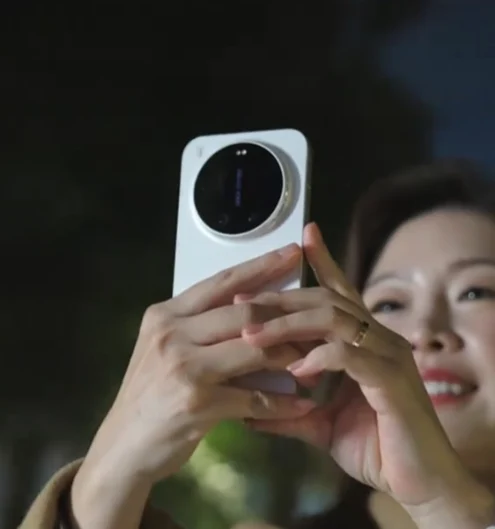
    2. The design of the 17 Ultra is similar to previous models, featuring a circular camera design.
    3. The 17 Ultra has a smaller circular camera housing and one larger telephoto camera, replacing the dual-zoom configuration.
    4. It is rumored to have a flat display with rounded edges.
    5. The new model will be priced higher than the Xiaomi 15 Ultra.


    Xiaomi has announced that it will unveil the Xiaomi 17 Ultra this week. This new smartphone will be introduced in China and is set to be the company’s most high-end device in this generation, having already been spotted online before its official launch.

    Design and Features

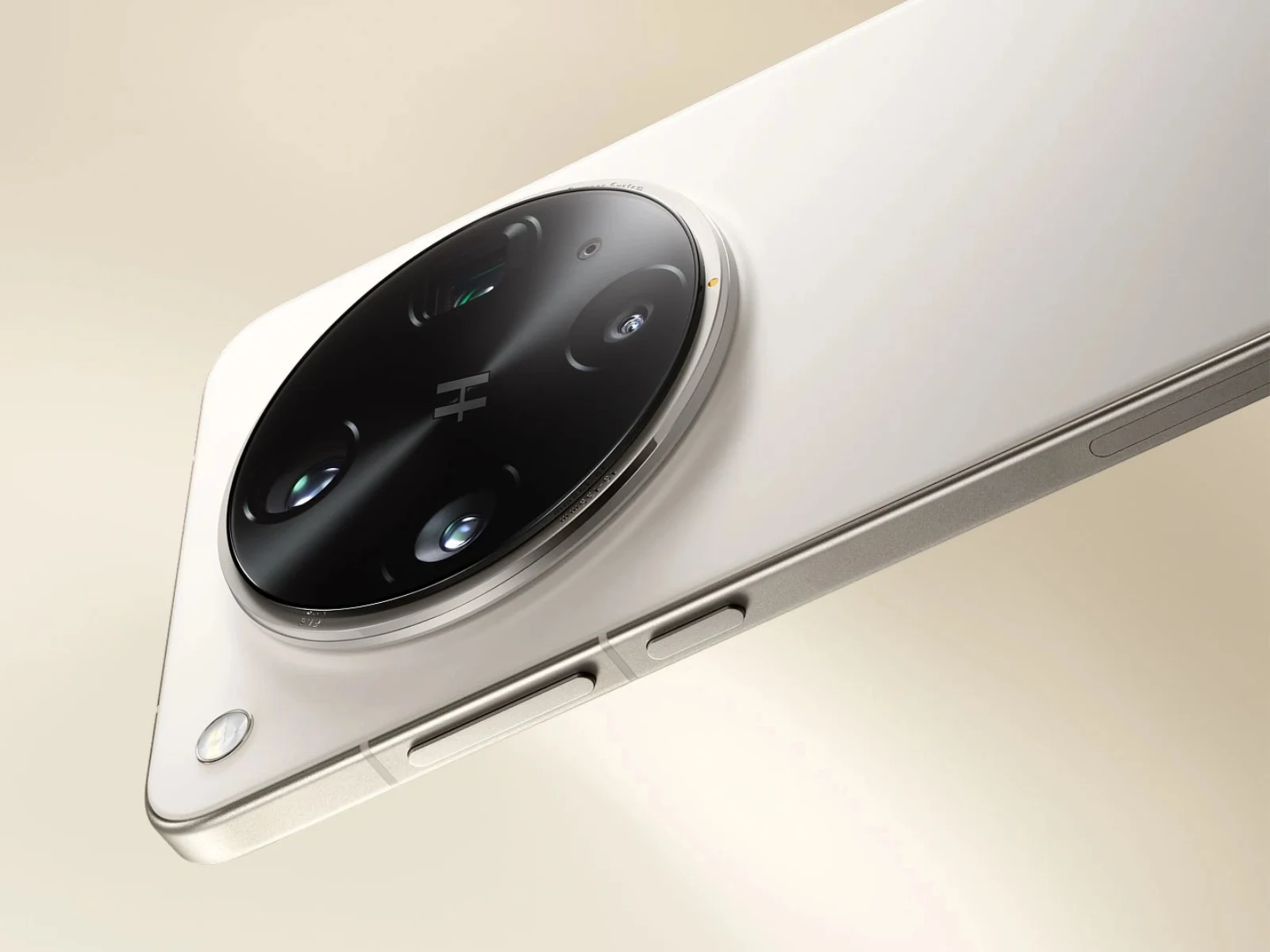
    According to a post on Weibo, the Xiaomi 17 Ultra keeps the same design style as its predecessors, starting from the Xiaomi 12S Ultra. This flagship model features a circular camera design, moving away from the camera bump and rear display combination found in the Xiaomi 17 Pro models.

    Comparison with Other Models

    While the Xiaomi 17 Ultra appears very similar to last year’s model and even competes with devices like the Vivo X300 Pro, the circular camera housing seems slightly smaller compared to the Xiaomi 15 Ultra. This change is partly due to the 17 Ultra having one less rear camera. As has been noted before, this flagship will include just one larger telephoto camera, replacing the dual-zoom configuration that was present in the Xiaomi 15 Ultra.

    Display and Pricing

    Rumors suggest that the Xiaomi 17 Ultra will feature a perfectly flat display along with rounded edges. On a less positive note, Xiaomi’s CEO Lei Jun has confirmed that this new model will come with a higher price tag compared to the Xiaomi 15 Ultra.

    Source:
    Link


  • Xiaomi Global Launch of HyperOS 3 Update for Xiaomi 15 Ultra

    Xiaomi Global Launch of HyperOS 3 Update for Xiaomi 15 Ultra

    Key Takeaways

    1. Xiaomi is updating many devices with HyperOS 3, but not all updates use Android 16.
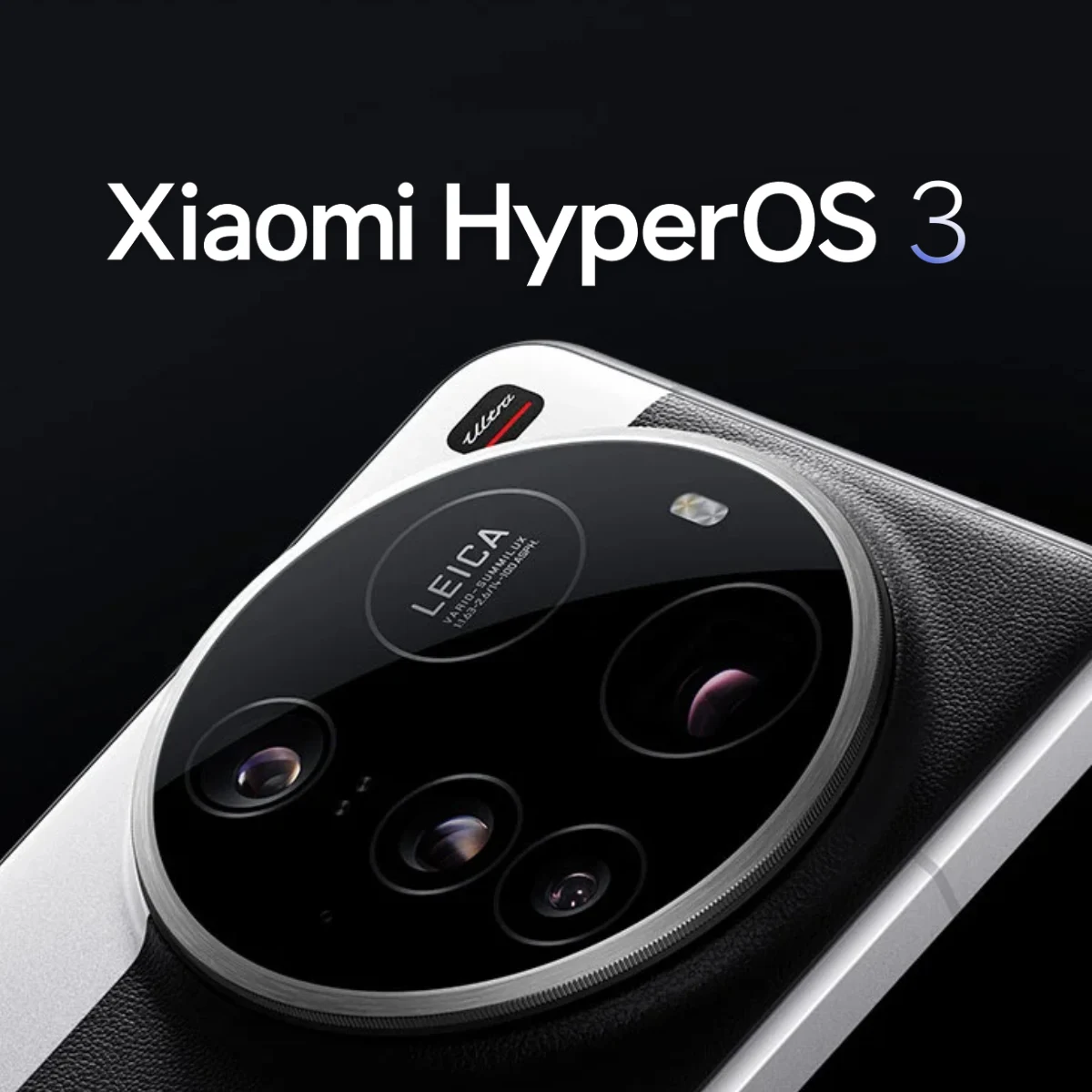
    2. The Xiaomi 15 Ultra is now receiving HyperOS 3 with Android 16, identified as version 3.0.5.0.WOAEUXM.
    3. The update for Xiaomi 15 Ultra is an 8.9 GB over-the-air (OTA) download and is available only for EU and UK models.
    4. HyperOS 3 includes features like Xiaomi HyperIsland and improved cross-ecosystem connectivity.
    5. Some recent HyperOS 3 updates have caused negative impacts on gaming performance.


    Xiaomi has recently been updating many of its devices with HyperOS 3. As mentioned before, not every one of these updates uses Android 16. Xiaomi has also been quietly releasing Android 15-based versions of HyperOS 3 for devices such as the Poco F5 Pro (currently priced at $449.99 on Amazon).

    Update Details

    However, the Xiaomi 15 Ultra is different, as it can now get HyperOS 3 with Android 16 worldwide. The update is specifically identified as 3.0.5.0.WOAEUXM and should be available soon as an over-the-air (OTA) update. It’s important to know that this version is meant only for Xiaomi 15 Ultra models sold in the EU and the UK. Additionally, the HyperOS 3.0.5.0.WOAEUXM update is said to be an 8.9 GB download.

    Features and Performance

    The update, as shown in the screenshots below, includes all the main features of HyperOS 3, such as Xiaomi HyperIsland and better cross-ecosystem connectivity. It seems that Xiaomi has sent out HyperOS 3.0.5.0.WOAEUXM to Xiaomi 15 Ultra devices that missed out on HyperOS 3.03.WOAEUXM for some unknown reason. For complete information on the changes brought by this update, visit Xiaomi’s HyperOS 3 website. Also, it’s noteworthy that some recent updates of HyperOS 3 have negatively impacted gaming performance in certain cases. More information regarding this issue can be found in our related article.

    via GSMArena

    Source:
    Link


  • Oppo Find X9 Ultra vs Xiaomi 17 Ultra vs Vivo X300 Ultra in Europe

    Oppo Find X9 Ultra vs Xiaomi 17 Ultra vs Vivo X300 Ultra in Europe

    Key Takeaways

    1. China leads in premium camera smartphone production, competing with Apple and Samsung, while local brands like Huawei, Xiaomi, Honor, Vivo, and Oppo are also significant players.
    2. Xiaomi offers its Ultra models globally, like the Xiaomi 15 Ultra, but Pro models are not available in Europe.
    3. Importing Chinese smartphones, like Vivo and Oppo models, can be affordable but may cause compatibility issues with features like Wear OS and eSIMs.
    4. The Vivo X300 Ultra and Oppo Find X9 Ultra may be globally launched in 2026, with the Vivo model showing signs of a worldwide release.
    5. The anticipated price for the Vivo X300 Ultra and Oppo Find X9 Ultra in Europe is expected to exceed €1,600, following the trend of rising smartphone prices.


    For a long time, China has been a leader in providing a vast range of premium camera smartphones. Apple and Samsung are not the only ones competing for their share in this market; local brands like Huawei, Xiaomi, Honor, Vivo, and Oppo are also in the mix. However, many of their models do not reach consumers beyond China’s borders. Xiaomi has taken a different route by not launching its Pro models globally in Europe but still offering its Ultra models, like the Xiaomi 15 Ultra, to European customers.

    Importing Challenges

    People interested in getting devices like the Vivo X200 Ultra or the Oppo Find X8 Ultra in the EU or other regions will have to import them from China. While this process is usually affordable and not too complicated, it can sometimes create problems with compatibility, especially regarding Wear OS smartwatches, eSIMs, or Google’s Quick Share. Nevertheless, there’s news that the two main challengers to the Xiaomi 17 Ultra may be available globally for the first time in 2026. Recently, a global model number for the Vivo X300 Ultra was found in the GSMA database, hinting at a worldwide launch for this eagerly awaited dual-200MP Zeiss camera flagship.

    Exciting Prospects for Oppo Fans

    Now, Indian insider Yogesh Brar is sparking excitement among Oppo enthusiasts, suggesting that they could finally get a chance to buy the top-tier Hasselblad camera flagship in the EU next year. The launch in India will depend on the popularity of the Oppo Find X9 and Oppo Find X9 Pro, but a global release is expected in the first quarter of 2026, as per the insider. However, it’s important to note that the Vivo X300 Ultra and the Oppo Find X9 Ultra are unlikely to be budget-friendly when they arrive in Europe. Given that the Pro models already have a suggested retail price ranging from €1,300 to €1,400, it is reasonable to expect the Ultra versions to be priced above €1,600, especially since smartphone prices are on the upward trend.

    Source:
    Link


  • Oppo Find X9 Ultra vs Vivo X300 Ultra: Samsung and Xiaomi Rivalry

    Oppo Find X9 Ultra vs Vivo X300 Ultra: Samsung and Xiaomi Rivalry

    Key Takeaways

    1. Many Ultra-branded flagship smartphones from brands like Samsung, Oppo, Vivo, and Xiaomi were launched this year, but not all are available worldwide.
    2. The Xiaomi 15 Ultra and Galaxy S25 Ultra are currently the only Ultra-branded models accessible through official channels in many regions.
    3. Changes in 2024 may see either Oppo or Vivo launching their next Ultra-branded flagship globally, according to insider information.
    4. Upcoming launches later this year are expected to include the Oppo Find X9, Find X9 Pro, Vivo X300, and X300 Pro, but global availability is uncertain.
    5. The Oppo Find X9 Ultra may be planned for release in Q1 2026, following the Find X8 Ultra, but more details are expected to emerge later this year.


    Plenty of Ultra-branded flagship smartphones have been launched this year, but they haven’t all been released worldwide. To clarify, brands like Samsung, Oppo, Vivo, and Xiaomi have their latest Ultra-branded devices. Yet, the Xiaomi 15 Ultra and Galaxy S25 Ultra (currently priced at $1,169 on Amazon) are the only ones accessible through official channels in many regions.

    Potential Changes in 2024

    According to two insiders, the current situation with some Chinese manufacturers might shift next year. In a post on X, leaker Kartikey Singh mentioned that either Oppo or Vivo is set to release their next Ultra-branded flagship on a global scale. It’s important to point out that while these companies are anticipated to unveil their upcoming flagship smartphone series later this year, these launches will probably include only the Oppo Find X9 and Find X9 Pro, along with the Vivo X300 and X300 Pro.

    Uncertain Future for Global Launches

    As shown in the tweet below, Singh couldn’t verify if Oppo or Vivo would release their next Ultra-branded flagship outside of their native markets. Instead, another leaker, @chunvn8888, suggested that it would most likely be Oppo, with a release planned for Q1 2026. This likely refers to the Find X9 Ultra, which indicates that Oppo aims to launch its flagship smartphone less than a year after the Find X8 Ultra debuted in April 2025. Sadly, more information may not be available until the end of the year at the soonest.

    Source:
    Link


  • Samsung Galaxy S25 Ultra Beats Xiaomi 15 Ultra in Sales Report

    Samsung Galaxy S25 Ultra Beats Xiaomi 15 Ultra in Sales Report

    Key Takeaways

    1. The Galaxy S25 Ultra launched in early 2025, competing with high-end Android smartphones like Vivo X200 Ultra, Oppo Find X8 Ultra, and Xiaomi 15 Ultra.

    2. Xiaomi 15 Ultra was the top seller among competitors, with 586,000 units sold, while Samsung shipped 8.39 million Galaxy S25 Ultra units.

    3. Sales figures from Ice Universe are unverified and may only reflect the Chinese market.

    4. The S25 Ultra features a 1440p Dynamic AMOLED 2X display and a customized Snapdragon 8 Elite processor with unique S Pen capabilities.

    5. Despite its strengths, the S25 Ultra faced challenges in camera performance tests, being outperformed by competitors like the Huawei Pura 80 Ultra.


    The Galaxy S25 Ultra made its entrance in early 2025, quickly followed by a series of high-end Android smartphones with similar specifications and names.

    Competitors in the Market

    These include the Vivo X200 Ultra, Oppo Find X8 Ultra, and Xiaomi 15 Ultra. Notably, the Xiaomi 15 Ultra was reported to be the top seller among the three, achieving 586,000 units sold by the end of June 2025, while Vivo and Oppo sold 219,000 and 210,000 units, respectively.

    In stark contrast, Samsung managed to ship a remarkable 8.39 million units of its flagship device in the same timeframe. The Galaxy S24 Ultra didn’t fare as well, with just 7.65 million units sold by June 2024.

    Unverified Numbers

    However, these statistics come from a report shared on X by the well-known leaker Ice Universe, and it’s unclear whether these figures reflect global sales or are limited to the Chinese market.

    The S25 Ultra has some advantages over its Ultra counterparts, including an anti-glare 1440p Dynamic AMOLED 2X display, powered by a customized version of the Snapdragon 8 Elite processor, which is overclocked to 4.47GHz. It also boasts unique S Pen capabilities.

    Camera Performance Challenges

    Despite these strengths, the S25 Ultra has struggled in various camera tests conducted by DxOMark, where it has been outperformed by models like the Huawei Pura 80 Ultra, which is not included in the sales data, likely due to its non-Android operating system, even with Samsung’s impressive 200MP main camera and advanced AI features.

    Source:
    Link


  • Xiaomi 16 Ultra: New Flagship to Compete with Vivo X200 Ultra

    Xiaomi 16 Ultra: New Flagship to Compete with Vivo X200 Ultra

    Key Takeaways

    1. The Xiaomi 16 Ultra is expected to release in about seven to eight months, with new specifications starting to emerge.
    2. The design will shift from a quad-camera setup to a three-camera layout, featuring a new telephoto sensor.
    3. Xiaomi is adopting a similar approach to Vivo’s X200 Ultra by moving away from the quad-camera trend seen in other flagship models.
    4. The Xiaomi 16 Ultra will reportedly include a 1-inch main camera and a 50 MP ultra-wide-angle camera supported by a Sony LYT-600 sensor.
    5. Xiaomi aims to innovate and streamline its camera technology, setting new standards for future models.


    The anticipated release of Xiaomi’s upcoming Ultra-branded smartphone is presumably still about seven to eight months away. However, various details are starting to surface online regarding Xiaomi’s aim to make the Xiaomi 16 Ultra stand out from its earlier models. For example, comprehensive specifications were revealed through different sources just this week.

    Design Insights

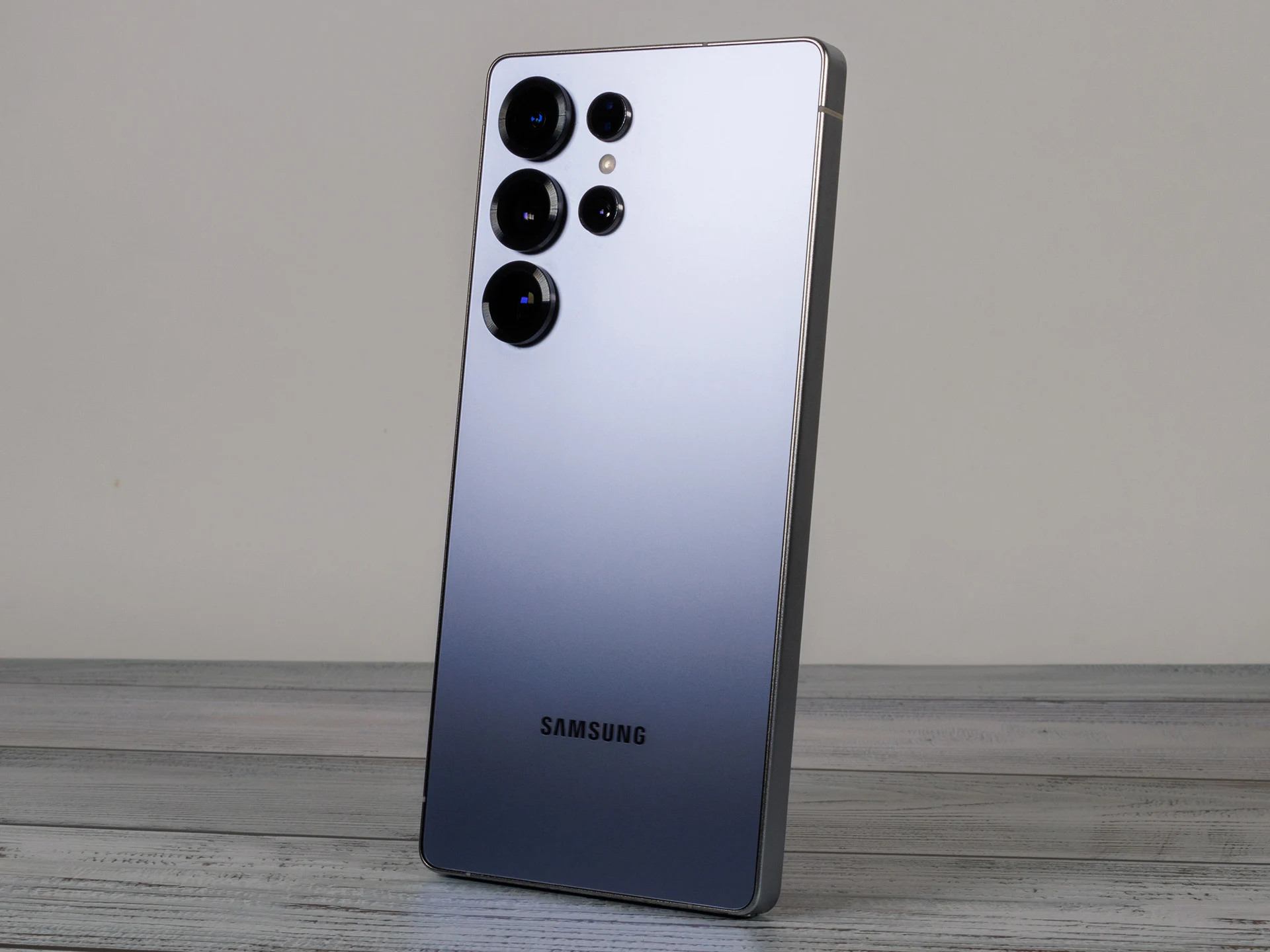
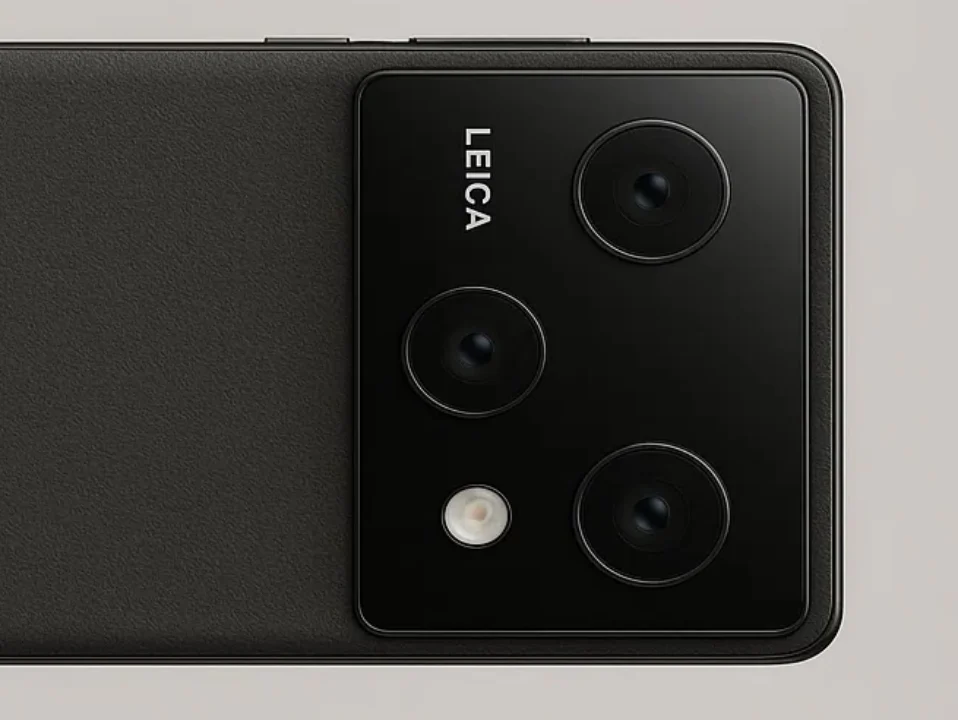
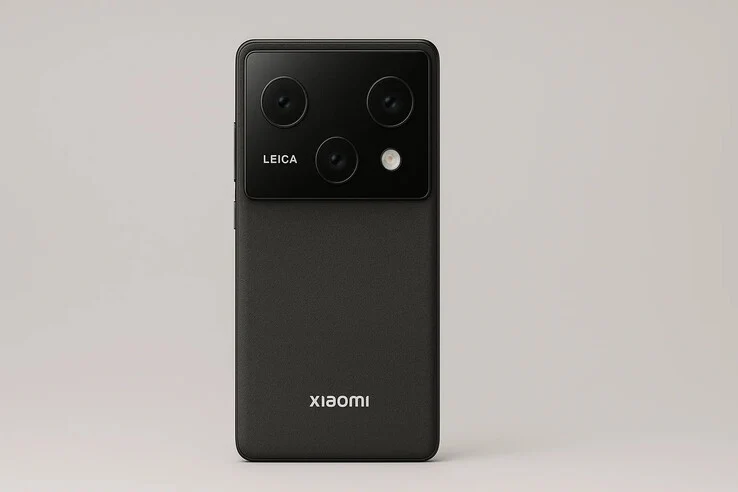
    Recently, Kartikey Singh has collaborated with SmartPrix to give an initial glimpse of what the Xiaomi 16 Ultra might look like. The duo suggests that Xiaomi plans to shift from the quad rear camera setup that has been a signature feature of its Ultra models since the Xiaomi 13 Ultra in 2023. Instead, it seems the brand will return to a three-camera layout, featuring a new telephoto sensor that would replace the 3x and 4.3 optical zoom cameras seen in the Xiaomi 15 Ultra.

    Strategic Shift

    In this regard, it looks like Xiaomi is taking a page from Vivo’s book with its X200 Ultra, choosing not to follow the quad-camera trend also adopted by Samsung in its Ultra flagship series (currently priced at $1,106 on Amazon). Reportedly, the 1-inch type main camera will make a comeback in the Xiaomi 16 Ultra. On the other hand, a Sony LYT-600 is said to support the device’s 50 MP ultra-wide-angle camera. Furthermore, a new S5KHHE telephoto sensor might replace the ISOCELL HP9 utilized in both the X200 Ultra and the Xiaomi 15 Ultra, as per insights from Digital Chat Station.

    Future Expectations

    With these updates, it appears that Xiaomi is aiming to innovate while also streamlining its camera technology. This may set a new standard for its future models, ensuring they remain competitive in the market. As we await the official launch, more details will likely emerge that will shed light on the Xiaomi 16 Ultra’s capabilities and features.

    Source:
    Link


  • Xiaomi 15 Ultra “100 Years of Leica” Limited Edition Patina Style

    Xiaomi 15 Ultra “100 Years of Leica” Limited Edition Patina Style

    Key Takeaways

    1. The Xiaomi 15 Ultra starts at $1,220 and emphasizes camera quality through a collaboration with Leica, featuring unique software and hardware enhancements.
    2. It has a quad-camera setup, including a 50MP main camera, a 50MP ultrawide camera, a 50MP telephoto camera with macro capabilities, and a notable 200MP periscope telephoto camera with 4.3x optical zoom.
    3. A special limited edition celebrates Leica’s 100th anniversary, featuring unique packaging and a photo book, along with a silver phone design with gold accents.
    4. The limited edition phone includes an engraving commemorating Leica’s history and a design that reveals metal as the paint wears away.
    5. Xiaomi plans to release the special edition globally, but has not yet provided pricing or specific country details.


    The Xiaomi 15 Ultra, starting at $1,220 on Amazon, stands out as one of the most captivating flagship phones with a focus on camera quality. The collaboration with Leica has brought about significant software changes, including unique Leica filters, and the two companies also worked together to enhance the camera hardware.

    Impressive Camera Features

    This device boasts an impressive quad-camera setup, which is spearheaded by a 50MP f/1.6 main camera equipped with a 1-inch sensor and optical image stabilization (OIS). Additionally, Xiaomi has incorporated a 50MP f/2.2 ultrawide camera, a telephoto camera with 50MP f/1.8 that features a 1/2.51-inch sensor and macro capabilities. Most remarkable is the 200MP f/2.6 periscope telephoto camera which includes a sizable 1/1.4-inch sensor and provides 4.3x optical zoom. To commemorate the 100th anniversary of the Leica 1, their first mass-produced 35mm camera, Xiaomi has introduced a special limited edition of the Xiaomi 15 Ultra.

    Special Edition Packaging

    This limited edition comes nestled in a large gift box, which also includes an exclusive “Xiaomi x Leica Humanistic Photography Series” photo book along with a 90W USB-C charger. The phone itself sports a silver back complemented by gold accents on its frame and camera module. Engraved on the golden frame is the phrase “100 Years of Leica 1925 – 2025.” Xiaomi indicates that the gray paint on the frame is designed to wear away gradually, revealing the metal beneath, harkening back to the classic black-painted Leica cameras.

    Global Release Information

    On the back, you will find both the Xiaomi logo and a special “Leica 100” logo that was created just for this milestone. Although Xiaomi has mentioned that this special edition will be available globally, they have yet to disclose the pricing and specific countries where the “100 Years of Leica” Special Edition of the Xiaomi 15 Ultra will be sold.

    Source:
    Link


  • Outdated Regulations Stifling Smartphone Battery Progress in US and Europe

    Outdated Regulations Stifling Smartphone Battery Progress in US and Europe

    Key Takeaways

    1. Chinese smartphones often have larger batteries in China (e.g., Xiaomi 15 Ultra: 6,000 mAh) compared to global markets (e.g., 5,410 mAh in Germany).
    2. Global brands like Samsung are also using smaller batteries in other regions (e.g., Galaxy S26 Ultra: 5,000 mAh).
    3. Regulatory compliance, particularly U.S. transportation regulations, may influence battery size decisions, keeping them under legal limits to avoid increased shipping costs.
    4. Similar regulations may exist in the EU, leading to smaller battery capacities in certain markets (e.g., Vivo X200 Pro: 5,200 mAh vs. 6,000 mAh).
    5. Future technologies, like dual-cell batteries, may offer solutions to regulatory limitations, but transparency from manufacturers about battery sizes remains low.


    In the last few years, it has become quite common to notice that Chinese smartphones with battery sizes of 6,000 mAh or more are sold globally with smaller batteries. For instance, the Xiaomi 15 Ultra boasts a 6,000 mAh battery in China, yet in Germany and other locations, it is only equipped with a 5,410 mAh battery. The Vivo X200 Pro also follows a similar trend. Even global smartphone brands don’t seem to heed the demand for larger batteries in China. Take Samsung’s Galaxy S26 Ultra, which is reported to come with just a 5,000 mAh battery, the same capacity as the Galaxy S20 Ultra from 2020.

    Corporate Decisions or Regulatory Compliance?

    Is this merely a case of negligence or the greed from big companies, as many in the community have often speculated? At the minimum, it likely ties into regulations, as noted by the well-known Chinese leaker Ice Universe on X (previously known as Twitter). In the United States, there exists a federal transportation regulation—US Federal Transportation Regulation 49 CFR 173.185—which outlines the specific limits for lithium batteries in smartphones when shipped to the U.S. before they are classified as Class 9 “Dangerous Goods,” which significantly increases shipping costs. The battery capacity, measured in milliampere-hours (mAh), must be converted to watt-hours (Wh).

    Legal Limits Impact Battery Sizes

    This regulation suggests that the popular 5,000 mAh limit, especially favored by Samsung, may have a legal foundation since it stays just under the arbitrary threshold set by U.S. authorities. While neither Vivo nor Xiaomi offers their phones in the U.S., similar rules, possibly with different limits, might also apply in the EU or specific regions of the EU. For example, the Vivo X200 Pro is sold with a 5,200 mAh battery instead of a 6,000 mAh one in those markets.

    The Future of Battery Technology

    Dual-cell batteries, like those found in the OnePlus 13, might provide a possible workaround to this outdated legal scenario, which is unlikely to evolve anytime soon. The regulation allows each cell to exceed 20 Wh of capacity as long as the total doesn’t exceed 100 Wh. Sadly, most manufacturers are not very open about this matter and often fail to provide clear explanations for the smaller battery sizes in various global markets, even when directly questioned. Regardless, things could worsen in 2026 when smartphones featuring 7,000 to 9,000 mAh batteries are expected to launch in China.

    eCFR via Ice Universe and SamMobile

    Source:
    Link


  • Xiaomi 15 Ultra Leica Flagship Launch: Limited Colors & New Grip

    Xiaomi 15 Ultra Leica Flagship Launch: Limited Colors & New Grip

    Key Takeaways

    1. The Xiaomi 15 Ultra will release three new special editions in purple, aquamarine, and brown, in addition to the original white, black, and silver options.
    2. The design features a two-part back with silver metal and vibrant leather, inspired by vintage rangefinder cameras.
    3. A new Photography Kit will accompany the phone, featuring a softer, rounded camera grip available in the same special edition colors.
    4. The Photography Kit’s functionality is simplified, with a shutter button for half-press autofocus and a video recording button, weighing only 42 grams.
    5. Xiaomi has not yet announced pricing or release dates for the new editions of the Xiaomi 15 Ultra or the Photography Kit.


    The Xiaomi 15 Ultra is set to release three special editions in purple, aquamarine, and brown. Previously, it was only offered in white, black, and silver. The design continues to feature a two-part back similar to the silver model, where one part is made of silver metal and the other is covered with vibrant leather.

    Design Inspiration

    This design choice gives the phone a nostalgic feel, reminiscent of vintage rangefinder cameras. This is likely intentional since the Xiaomi 15 Ultra is designed with photography lovers in mind. In addition, Xiaomi has introduced a new Photography Kit, also available in purple, aquamarine, and brown. This “fashion photography kit” has a more rounded camera grip, which makes it look “softer” and less bulky compared to the previous version of the kit.

    Features of the New Kit

    The functionality has been slightly simplified; the new grip now includes just a shutter button that can detect half-presses, allowing users to lock autofocus and auto-exposure. There’s also a button for starting video recording. At only 42 grams, this new grip is lighter but it likely does not include an integrated battery. More details about the Xiaomi 15 Ultra can be found in our comprehensive review.

    Pricing and Availability

    As of now, Xiaomi has not provided any information on when these new editions of the Xiaomi 15 Ultra or the new Photography Kit will be released, nor have they revealed pricing details.

    Source:
    Link


  • Bluetooth 6 Launch: Key Features and Supported Devices

    Bluetooth 6 Launch: Key Features and Supported Devices

    Key Takeaways

    1. Bluetooth 6 was revealed last September and is expected to see wider adoption throughout this year, with early compatibility in devices like the Xiaomi 15 and Sony Xperia 1 VII.
    2. The new version is making its way into headphones, with products like the Edifier Doo Ace already available, but uncertainty remains about its inclusion in upcoming devices like the Apple iPhone 17.
    3. Bluetooth 6 introduces significant enhancements in latency, positioning, energy efficiency, and security, benefiting users in fast-paced scenarios like gaming and streaming.
    4. The Isochronous Adaptation Layer (ISO-AL) allows audio data to be sent in smaller packets, reducing latency to as low as 20 ms, with the new LC3Plus codec potentially achieving 7 ms.
    5. Bluetooth Channel Sounding improves distance measurements for better device pairing and reduces interference in crowded environments, while the new version is also more power-efficient, extending battery life.


    Bluetooth 6 was revealed in September of the previous year, yet it typically takes some time for a new standard to be widely integrated into devices. For instance, when transitioning from version 4 to version 5, it took about a year before devices with the newer standard were readily available.

    Widespread Adoption

    This trend also applies to Bluetooth 6, so one can reasonably expect that the new version will become more prominent over the course of this year. Xiaomi was almost the first to release a compatible device, particularly the Xiaomi 15 and the Xiaomi 15 Ultra. Additionally, the Xiaomi Poco F7 Ultra supports Bluetooth 6, and Sony has also joined with its Xperia 1 VII.

    Headphones and Other Devices

    Bluetooth 6 is starting to make its way into headphones as well. Sadly, Edifier has just launched its Doo Ace on-ear headphones, which are priced at about $30 in China for now. However, it’s likely that many more manufacturers will introduce new products later this year. There is some doubt about whether the upcoming Apple iPhone 17, expected in September, will be equipped with Bluetooth 6, despite some initial hope.

    What’s New in Bluetooth 6?

    So, what does this new version bring to the table? To put it simply, enhancements in latency, positioning, energy efficiency, and security. Users will probably appreciate the reduced latency, especially in fast-paced interactions such as gaming or when enjoying movies. This is all thanks to the newly introduced Isochronous Adaptation Layer (ISO-AL). Audio data can now be divided into smaller packets, allowing for quicker distribution across channels. Latency is expected to drop to as low as 20 ms, and with the new LC3Plus codec, it could even reach 7 ms. Currently, a typical range is between 50-200 ms. The new codec also supports better audio quality, offering up to 96 kHz and 32 bits.

    Enhanced Features

    Bluetooth Channel Sounding also provides more accurate distance measurements; devices can find each other with an accuracy of up to 50 cm, making pairing much simpler. This will also ease the process of switching between devices, such as when a smartphone, laptop, and TV are all connected to the same headphones. Devices using BT 6 will face fewer issues in crowded environments and will be less prone to interference.

    Additionally, Bluetooth 6 is designed to be more efficient. The new version reportedly uses less power, which should help extend the battery life of devices that are compatible.

    Source:
    Link