Category: EV vehicles

  • Tesla Model Y 0% APR Financing No FSD Purchase Needed

    Tesla Model Y 0% APR Financing No FSD Purchase Needed

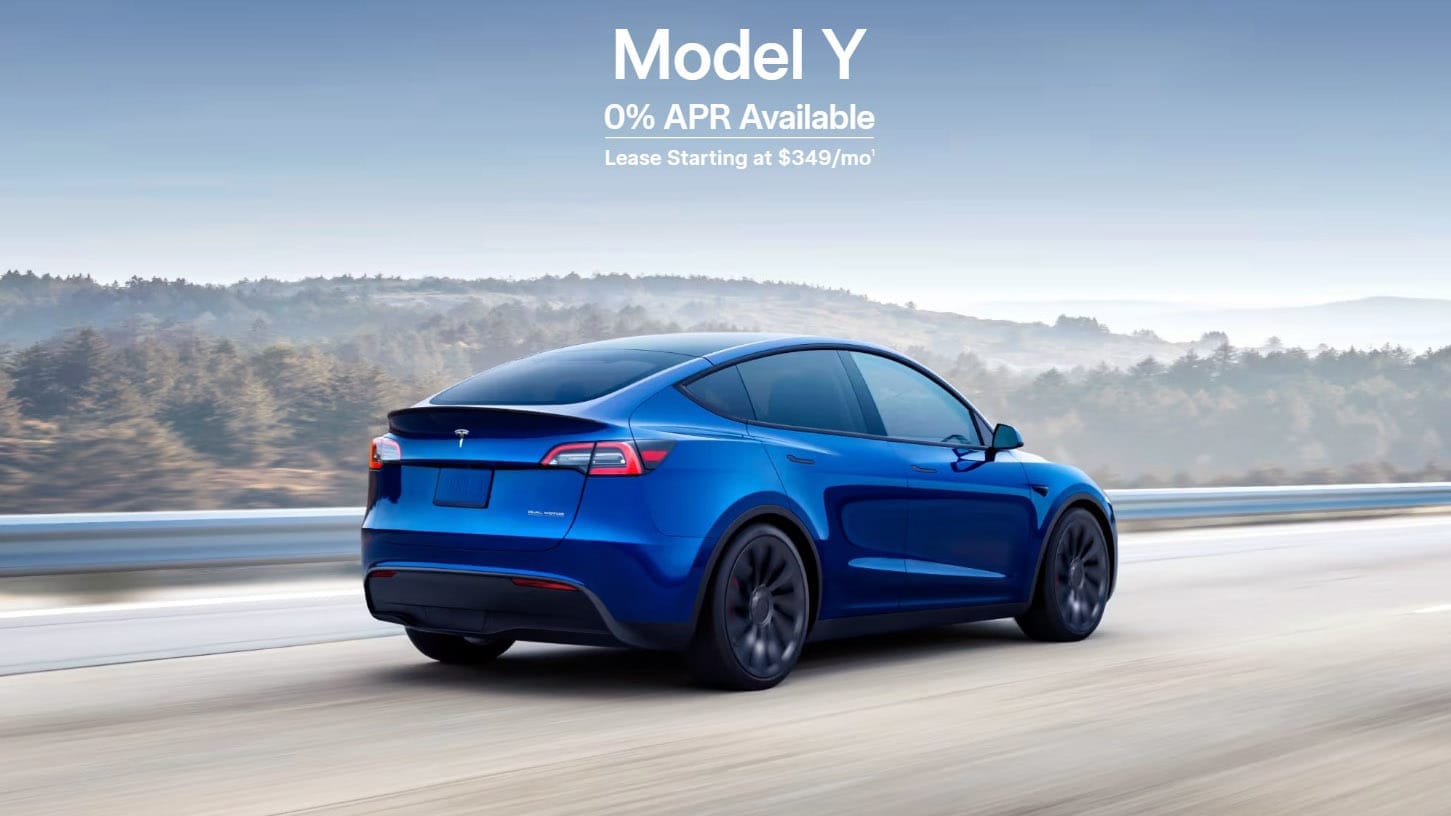
    Tesla has recently launched an incredible deal on the Model Y, presenting a 0% APR loan rate financing option that doesn’t require buyers to purchase the FSD feature.

    Monthly Payment Details

    This new offer brings the monthly payments for the Model Y RWD down to $581, with an initial payment of 8% or $3,999 for a 60-month term after applying the federal tax credit. For those considering a longer commitment, the 72-month option remains at a 0.99% APR rate, while the 84-month term is set at 2.99%.

    Best Offer Yet

    This makes the 5-year financing rate at zero percent interest the best deal Tesla has ever provided for its top-selling vehicle. However, there’s also a good offer on the Model 3 that buyers may find appealing.

    Tesla’s most affordable car is now also available with 0% APR financing, but only for the shorter 36-month term.

    Promotional Rate for Model 3

    The company is offering a 0% APR promotional rate for qualified buyers with excellent credit who order a new Model 3 starting October 21, 2024. This offer is limited to a 36-month term and requires a minimum down payment of 20% ($7,500 Federal tax credit, if applicable). The monthly payment is $27.78 for every $1,000 financed over 36 months. It’s important to note that not everyone will qualify for this promotion, which can change or end without notice, and it cannot be applied retroactively. Used vehicles and enterprise sales are not included.

    Thus, the base Model 3 RWD, which boasts an impressive 363-mile range, can now be obtained for an $899 monthly payment over three years with the same $3,999 down.

    Model Y Financing Terms

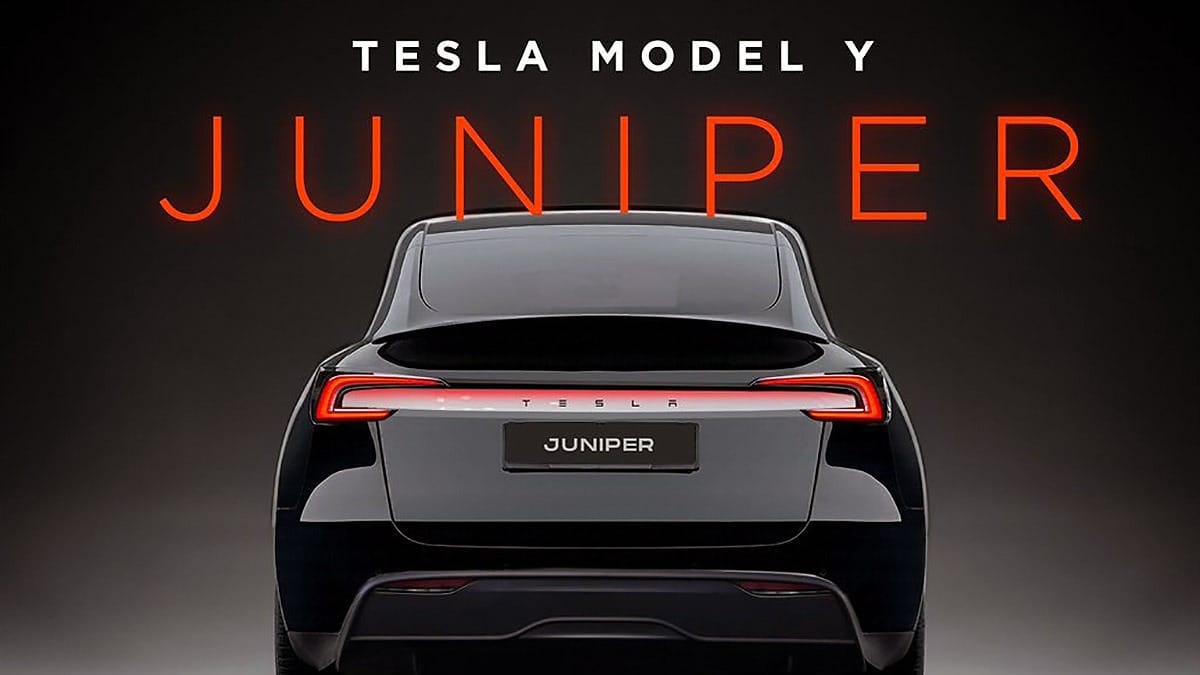
    Tesla is reserving its most favorable financing terms for the Model Y, as it remains the company’s best-selling vehicle. Plus, the anticipated Juniper facelift for the SUV seems to be coming soon. Tesla is reportedly starting trial production of the Model Y Juniper at its Gigafactory in Shanghai today, with plans to release the facelift in the next quarter, at least in China.

    This could be the reason behind the recent shift from exploring higher APR rates, zero down payments, or FSD purchase requirements to introducing a straightforward 0% financing rate for the Model Y without a specified expiration deadline.

    Given that this is among the best Model Y deals Tesla has ever made, it may lead to record quarterly shipment figures, even as the release of the Juniper refresh approaches.
  • Tesla Model Y Juniper Trial Production Begins, Early Release Possible

    Tesla Model Y Juniper Trial Production Begins, Early Release Possible

    Tesla has rolled out various deals for the Model Y, such as 0% APR financing and no down payment. This move seems aimed not just at boosting Q4 sales figures, but also at encouraging potential buyers who are hesitating, especially with the upcoming Juniper refresh that could be launching soon.

    Early Pilot Production

    A well-known Chinese auto blogger has suggested that the Model Y Juniper might debut sooner than expected. Reports indicate that Tesla plans to kick off pilot production of a limited batch of Model Y Juniper vehicles at its Gigafactory located in Shanghai as early as this week.

    Interestingly, the team at Giga Shanghai recently achieved a production milestone of 3 million vehicles, producing one Tesla every 30 seconds. However, they are said to be making only around 12 Model Y Juniper units daily. This limited output suggests that it is indeed a trial production phase, similar to what Tesla did with the Model 3 Highland refresh, which began its pilot production in small quantities a few months prior to its official launch to refine the mass manufacturing process.

    Comparison to Model 3 Highland

    The Model 3 Highland, which is reported to influence the front design of the Model Y Juniper, started its pilot manufacturing last August at Giga Shanghai. Tesla officially launched it in China by the end of October, and it was announced for the US in January. Therefore, even if these rumors are true, we are likely several months away from the actual Juniper launch.

    To keep the design specifics under wraps until the official reveal, workers at the Gigafactory who are assembling the test batches of Model Y Juniper have reportedly been prohibited from bringing phones onto the site. We’ve caught glimpses of what appears to be a new rear light bar, but the rest of the vehicle has been camouflaged, possibly spotted during testing in the US and Europe. This follows the same strategy Tesla employed while preparing for the Highland release.

    Speculations on Features

    As for the precise specifications of the Model Y Juniper, they remain uncertain. However, it is rumored to include a robust 95 kWh battery and an 800V powertrain architecture for quicker charging capabilities. There may also be a 48V low-voltage system similar to that of the Cybertruck, as Tesla has open-sourced its efforts in this area and mentioned it will be used even in its more affordable models like the Robotaxi or the future Model 2. Additionally, the Model Y Juniper is expected to feature a touchless frunk opening and a 6-seater variant for the Chinese market, which is presumably what Tesla is currently testing in their pilot production.

    FatTigerShawn (Weibo) via CarNewsChina

  • Tesla Robotaxi: 93% Wireless Charging in Just One Second

    Tesla Robotaxi: 93% Wireless Charging in Just One Second

    Tesla’s 2023 purchase of the German engineering group from Wiferion has led to an impressive 90%+ efficiency in wireless charging for the Robotaxi, it appears.

    Wireless Charging Developments

    During a Cybertruck test drive with Jay Leno, Tesla’s chief designer revealed that the company is developing a wireless charging solution for its vehicles, which is said to be referred to as Project Garfield internally. Franz Von Holzhausen mentioned that utilizing this system will feel like "you just pull up in your garage, drive over the pad, and you’re charging."

    Efficiency Claims

    Wiferion’s technology boasts an efficiency of 93%, and Tesla recently had to correct MKBHD’s comments which suggested the Robotaxi’s inductive charging would have at least a 25% energy loss, clarifying that "it is well above 90%." Elon Musk added his thoughts, stating that "there is no meaningful efficiency difference between inductive and conductive charging if the system is designed right" and pointed out that "there is always an inductor somewhere in the charge circuit!"

    Charging Pads and Specifications

    Currently, Wiferion offers wireless charging pads akin to Apple’s MagSafe charger, designed for industrial use with "efficiency of up to 93% during the transfer of energy." These pads allow access from any angle, and charging initiates within a second. Wiferion also outlines features that may be beneficial for the Robotaxi, including an IP68 water-resistance rating for outdoor use. It remains uncertain if the Robotaxi will adopt similar technology, but it is expected to deliver more power than the 3 kW provided by Wiferion’s pad, which is tailored for industrial forklifts.

    With this technology, achieving 90% charging efficiency means the Robotaxi’s 40 kWh battery would require nearly 15 hours to fully charge. However, Tesla’s wireless charging solution is anticipated to be significantly more powerful. In a demonstration of the Robotaxi’s wireless charging, the pad displayed a charging speed of 25 kW, allowing for a recharge of the Robotaxi’s battery to cover another 200 miles in under two hours.

    Future Prospects

    Wiferion has not disclosed the specific proprietary technology that enables such extraordinary inductive charging efficiency. Additionally, it will be intriguing to see what type of 4680 cells the Robotaxi will utilize since Wiferion also provides specialized batteries for industrial wireless charging that offer "longer operating time, lifespan, and faster charging time, along with exceeding recharge efficiency."

    Reportedly, the Robotaxi will feature one of the several 4680 battery cell types Tesla is developing for its most sought-after electric vehicles, including the Model Y, Model 3, and Cybertruck. Mass production of these 4680 cells is anticipated to start in 2026, coinciding with Tesla’s expected launch of the Robotaxi, contingent on smooth regulatory approvals, which is a significant "if," especially considering the recent NHTSA investigation into Tesla’s FSD performance.

  • DOE Invests $670M in EV Battery Safety; Aspen Aerogels Expands

    DOE Invests $670M in EV Battery Safety; Aspen Aerogels Expands

    The U.S. Department of Energy (DOE) is providing a significant loan of $670.6 million to Aspen Aerogels, a firm recognized for its fire-resistant materials designed for electric vehicle (EV) batteries. This considerable funding is aimed at finalizing Aspen’s new manufacturing plant in Georgia, where they create insulating materials specifically for EV batteries.

    Tackling Battery Fires

    Aspen Aerogels is addressing one of the more complicated challenges in the EV sector: the risk of battery fires. Though fires are less common compared to traditional gasoline cars, they present unique difficulties in electric vehicles because they can reignite even after being extinguished. The company’s heat-resistant materials, when integrated into battery packs, can help to slow or halt the spread of heat and flames, potentially averting catastrophic incidents.

    Focusing on Safety

    Jigar Shah, the leader of the DOE’s Loan Programs Office, emphasized the need to achieve the industry’s "critical battery safety goals." This funding initiative aligns with a broader effort to enhance the safety of EVs as more drivers choose these vehicles.

    The primary objective of Aspen’s aerogel technology is to prevent thermal runaway, a dangerous cycle where heat and chemical reactions perpetuate one another, resulting in fires or explosions. By incorporating these thermal barriers between battery cells, automakers may contain issues to smaller sections of the battery, thereby diminishing the likelihood of a full vehicle fire.

    Growing Demand

    Major automotive brands like General Motors, Toyota, and Audi have already adopted Aspen’s materials in their electric vehicles. Aspen’s revenue in this sector has soared, increasing from $7 million in 2021 to an impressive $110 million by 2023, with projections indicating it could double once again in 2024.

    The DOE loan will also facilitate the establishment of Aspen’s Georgia facility, with production slated to commence in early 2027. Once fully operational, the plant has the potential to supply materials for over two million EVs annually, significantly boosting the company’s manufacturing capabilities.

    While these materials enhance safety, there is a slight drawback as they may reduce the energy density of batteries. However, due to the lightweight nature of aerogels, this downsides is less impactful compared to alternative solutions. Depending on how they are implemented, adding these thermal barriers could range in cost from $300 to $1,000 per vehicle.

  • Tesla Model Y Camping Canopy: Heavy Rain & UV50 Protection

    Tesla Model Y Camping Canopy: Heavy Rain & UV50 Protection

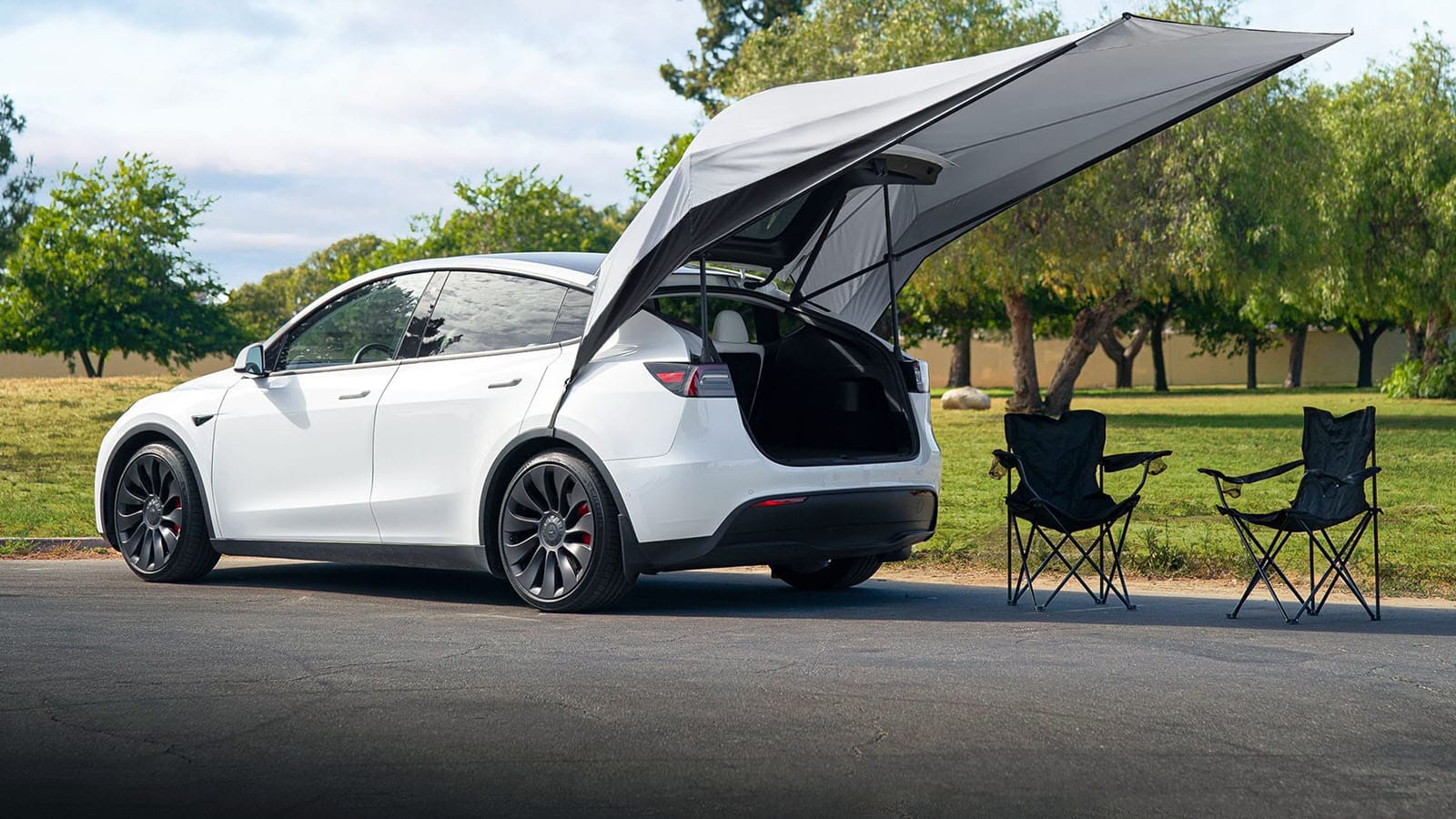
    Tesla has introduced a new camping accessory designed specifically for the Model Y, featuring a rear canopy that offers shelter from various weather conditions.

    Pricing and Material Details

    The Model Y canopy comes at a price of $150 and is constructed from reflective fabric that has a shiny silver finish, stretched over lightweight aluminum alloy poles.

    Expanded Coverage

    This camping accessory increases the trunk area coverage by approximately 48 square feet, providing enhanced protection from rain, wind, and intense sunlight. The canopy is rated for UV50+ protection, which means it effectively blocks harmful sun rays. In addition, it can endure severe weather, including heavy rain, and remains stable even in wind gusts of up to 24 MPH, despite being mounted on the vehicle without any ground support.

    Easy Assembly and Storage

    Weighing in at an impressive lightweight, the $150 Model Y canopy can be set up or taken down in just minutes. Its compact size allows for easy storage in the frunk, making it incredibly convenient. With the official Tesla logo featured prominently, it’s a stylish alternative to other third-party tents made for the Model Y, although it does come at a higher price point. For those planning camping trips, this canopy pairs wonderfully with Tesla’s official air mattress, which is designed to fit snugly around the wheel arches in the trunk.


    Image 1
    Image 1
  • Apple Car’s Custom BYD LFP Blade Battery: A Game Changer

    Apple Car’s Custom BYD LFP Blade Battery: A Game Changer

    Apple has been involved in the creation of the highly regarded BYD Blade battery technology, which it intended to incorporate into its electric vehicle.

    Early Interest in LFP Batteries

    The Cupertino team recognized the advantages of iron phosphate (LFP) batteries regarding safety and affordability quite early on, but they sought a specially designed battery pack that could also offer a greater range per charge.

    Partnership with BYD

    BYD is known as the world’s second-largest manufacturer of electric vehicles and batteries. Apple initiated its collaboration with BYD’s R&D team back in 2017. The tech giant invested around $10 billion into its electric car project named Titan, but ultimately concluded that sustaining good profit margins in the electric vehicle market would be challenging.

    Consequently, Apple abandoned the project earlier this year, reallocated the team to other areas, and pulled back its self-driving test licenses from the California DMV just before Tesla’s Robotaxi launch.

    Contributions from Both Companies

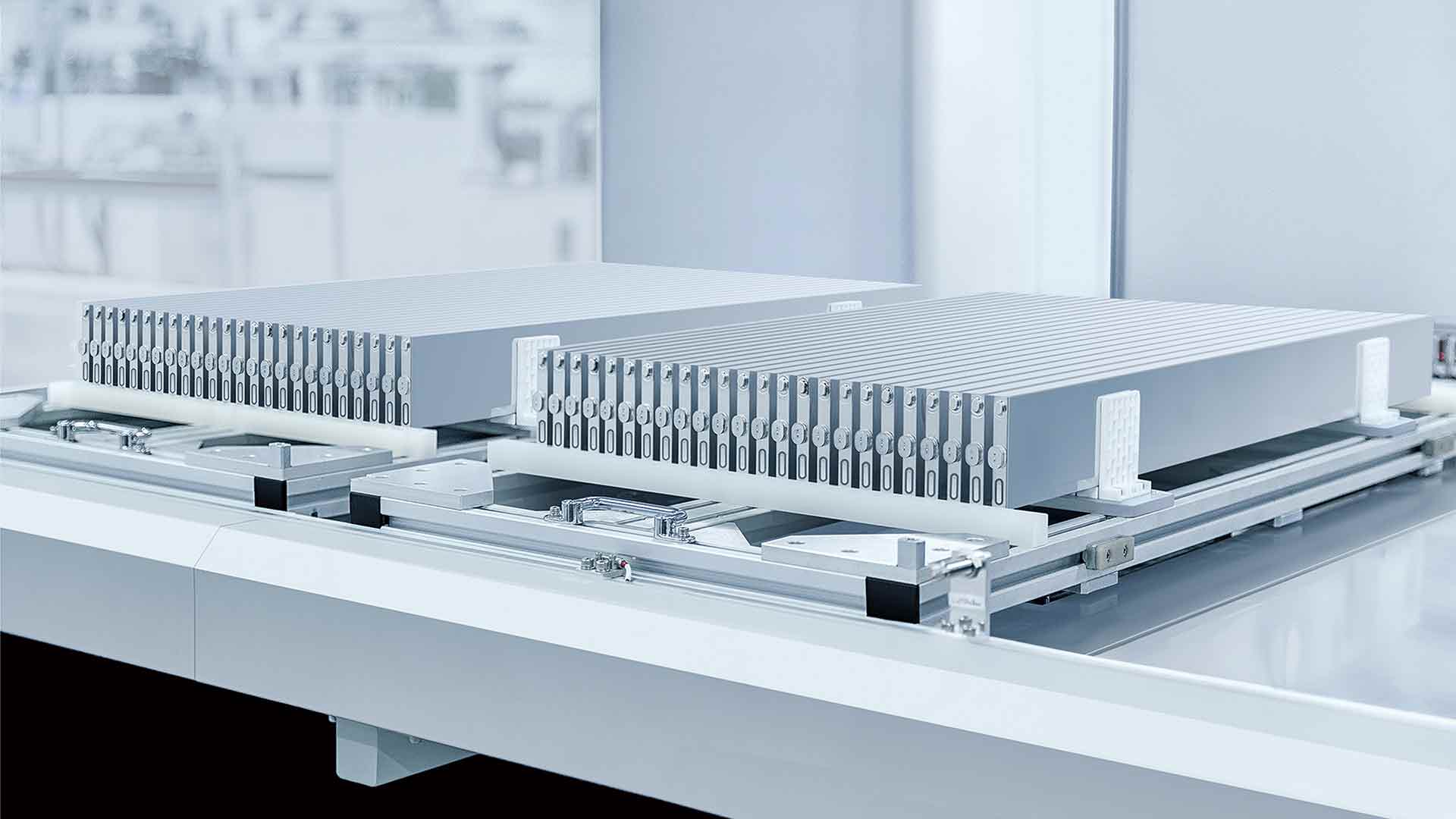
    Reports suggest that Apple approached BYD leveraging its knowledge in custom battery designs and thermal management, while BYD provided its LFP production technology. The BYD Blade battery technology has become crucial in the company’s aggressive quest for EV market dominance, enabling a structural battery pack that is more affordable, safer, and possesses a higher energy density compared to older cell packing methods.

    This was the initial reason behind Apple’s interest, although they were shown a fairly basic version of the BYD Blade battery. The LFP cells use widely available iron phosphate instead of costly metals like nickel or cobalt, which are prevalent in the battery packs of today’s high-performance electric vehicles.

    Adoption Across the Industry

    LFP batteries have been embraced by nearly all automakers, including Tesla, even with their slightly lower energy density and less effective charging performance in colder climates. On the upside, LFP packs can be fully charged without significantly accelerating battery wear, while CATL and BYD, the top producers of these cells, have introduced newer generations with energy density nearing that of traditional chemistries and improved charging speeds in cold weather.

    Moreover, LFP cells are extensively utilized in energy storage solutions and portable power stations or power banks that necessitate economical cells with extended lifespans.

    In addition to the iron phosphate chemistry, Apple’s car investments also covered nickel and alkaline cells. The Project Titan team quickly recognized the promise in so-called structural battery packs, which facilitate fitting more cells within the same space, a feature that the BYD Blade technology ultimately delivered to the market.

  • Cybertruck and Honda Prologue Gain Popularity as EV Lease Prices Fall

    Cybertruck and Honda Prologue Gain Popularity as EV Lease Prices Fall

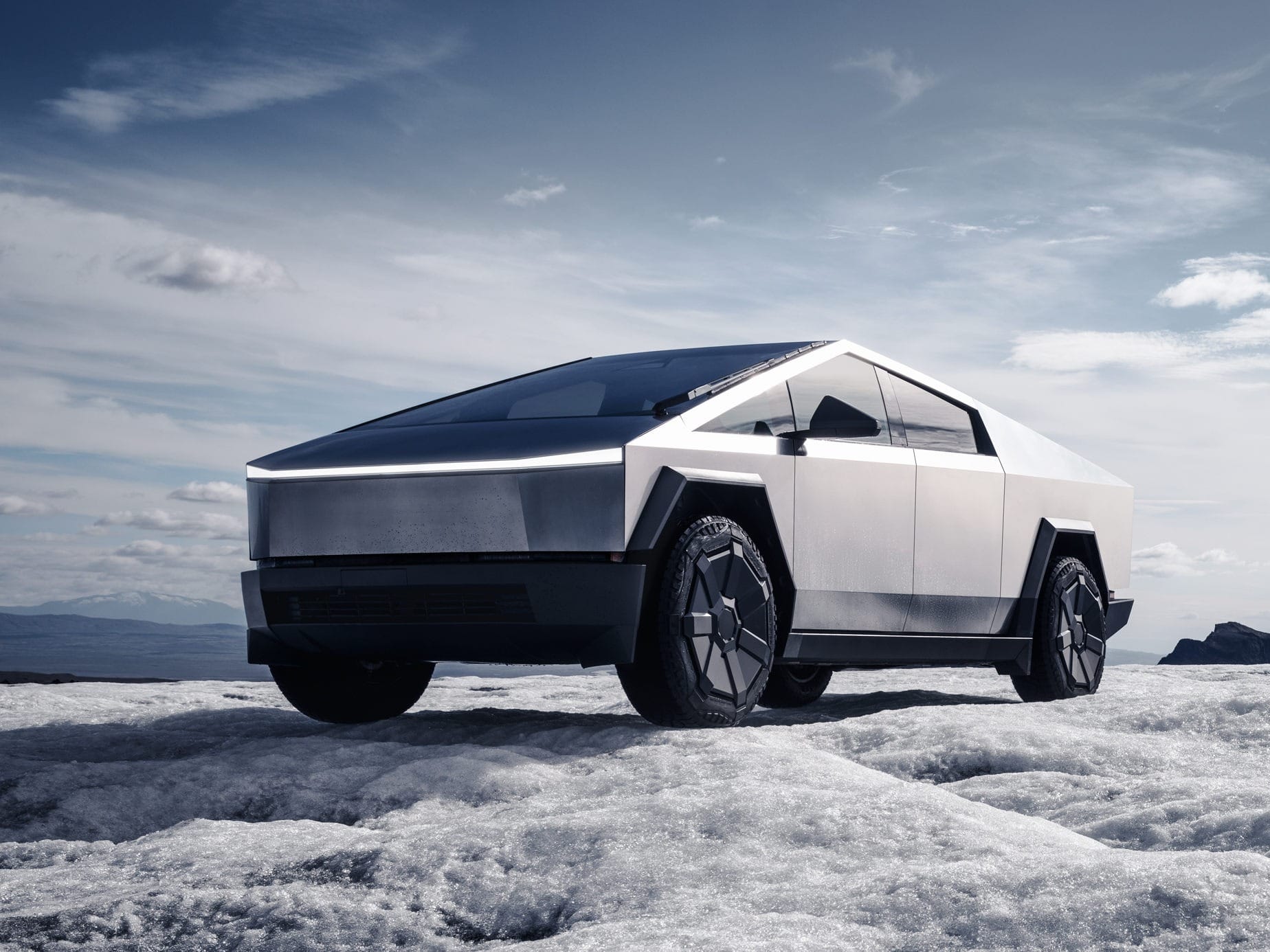
    Thanks to the 16,692 sales of the Cybertruck in the third quarter, Tesla now holds the top three spots in the list of the most loved electric vehicles in America.

    Competition in the EV Market

    In fourth place is the Ford Mustang Mach-E, with 13,392 units sold. Meanwhile, a surprising newcomer has entered the top five: the Honda Prologue, which has successfully sold 12,644 electric SUVs. This shift in the rankings highlights the growing diversity and competition in the EV market.

    Affordable Leasing Options

    A contributing factor to the Prologue’s success might be its attractive lease options starting at $289 per month. Currently, leasing has become the favored method for purchasing an electric vehicle in the U.S., making up 80% of the market, a notable rise from just 16% at the start of this year. Moreover, as new EV prices have dropped, the average monthly lease payment has plummeted from $950 to $582, making EVs more accessible to a wider audience.

    Changes in Used EV Pricing

    The inventory of second-hand EVs is also on the rise at dealerships, prompting sellers to reduce prices by 25%. As a result, the average price of a used EV has now dipped below that of a traditional gas-powered car.

    Despite these trends, the pricy $100,000 Cybertruck has secured its position as the third best-selling EV in the United States during the last quarter. With Tesla already launching a more affordable version that is not part of the Foundation Series, it is expected to maintain its ranking in Q4.

    Tesla’s Popular Models

    The Model Y and Model 3, which are the top-selling and second-best-selling electric cars in America, are likely to stay at the forefront as Tesla has rolled out attractive 0% APR financing and zero down payment offers for these models.

    Sources: WSJ, KBB (PDF)

  • Goldman Sachs: EV Battery Costs to Halve by 2026

    Goldman Sachs: EV Battery Costs to Halve by 2026

    Goldman Sachs Research has revealed that the prices of batteries for electric vehicles (EVs) are likely to decrease sharply, which could change the automotive sector dramatically. They predict that the average cost will drop from $149 per kilowatt-hour (kWh) in 2023 to around $80/kWh by 2026. This represents a staggering reduction—nearly 50 percent.

    Reasons for Price Drops

    There are two major factors behind this trend:

    The electric vehicle battery market is still largely controlled by lithium-based technologies.

    Even though solid-state batteries were expected to shake things up, their growth has been slower than anticipated. As a result, established lithium-based batteries are expected to solidify their dominance, with LFP batteries anticipated to capture 45 percent of the market by 2025.

    Market Challenges

    Additionally, the battery industry has considerable entry barriers.

    Due to these obstacles, a small number of firms dominate the market—approximately five companies hold around 80 percent of the share. This concentration makes it tough for new entrants to join, especially given the current downturn in the industry.

    Goldman Sachs believes that by 2026, the overall cost of owning an EV will be comparable to that of a conventional gasoline vehicle in regions like the U.S.

    Even though regulatory backing might boost short-term EV sales, particularly in 2025, a shift toward consumer-driven adoption is anticipated to begin in 2026 as the financial benefits of EV ownership become clearer.

  • P7+: First AI Car with Free Self-Driving, No Weather Limitations

    P7+: First AI Car with Free Self-Driving, No Weather Limitations

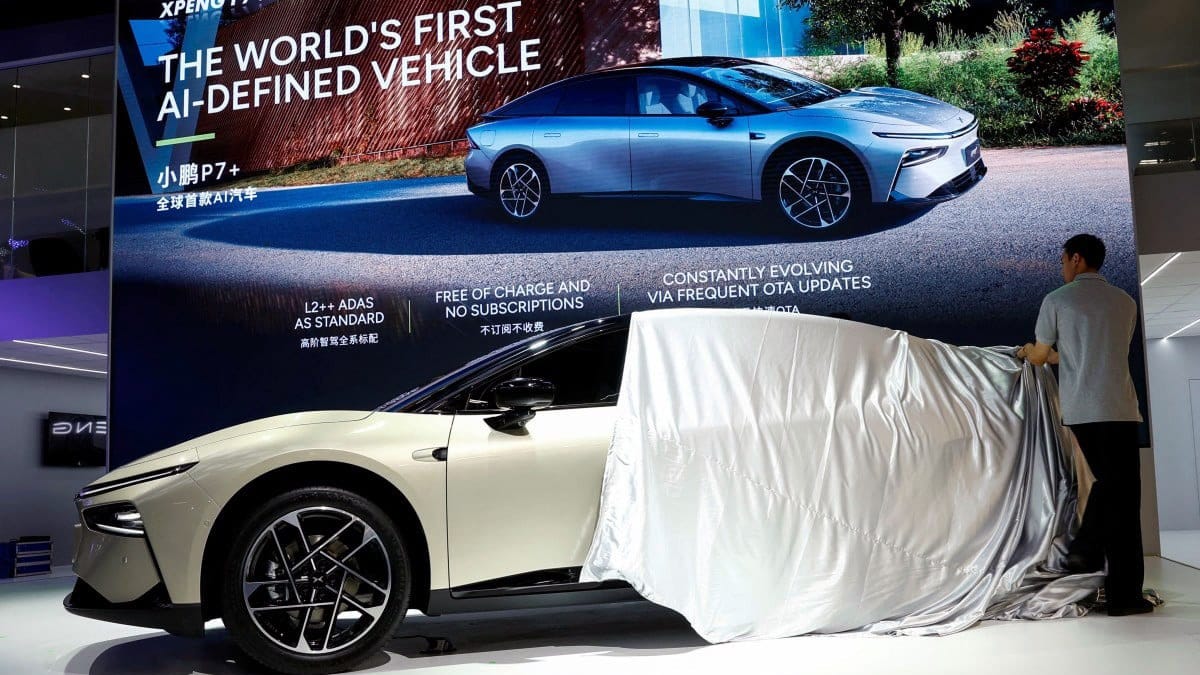
    With the aim to surpass Tesla in the realm of full self-driving, Xpeng has introduced a direct competitor to the Model 3, priced below $30,000, which includes complimentary full self-driving and autoparking features.

    Competition Intensifies in China

    Several of Tesla’s top rivals in China, such as BYD, Xpeng, and NIO, are rapidly advancing their driver assistance technologies, striving to differentiate themselves and draw in more consumers. This ongoing competition has led to significant innovations and enhancements in the automotive sector.

    Introducing the Xpeng P7+

    A notable example is the new Xpeng P7+ sedan, which directly challenges the Model 3 with its price being 10% lower than Tesla’s most affordable model. Xpeng refers to the P7+ as “the first AI car,” as it utilizes artificial intelligence to manage all aspects of the vehicle, including autonomous driving, energy efficiency, and thermal control for the first time ever.

    This new vehicle showcases Xpeng’s commitment to AI; it’s their initial smart car that doesn’t rely on LiDAR for self-driving operations. Instead, they have adopted Tesla’s method, equipping the P7+ with Eagle Eye vision technology, which they claim provides greater accuracy than their prior LiDAR-based self-driving systems.

    Advanced Technology and Capabilities

    The innovative mix of AI software with camera and sensor technology allows the P7+ to map an area equivalent to two football fields in all weather and road conditions. With Eagle Eye, Xpeng is on track to potentially be the first automotive company to implement its self-driving technology in major cities and along highways by year-end.

    The system supports seamless intelligent driving capabilities, allowing for door-to-door travel and parking space navigation. This stands in stark contrast to Tesla’s full self-driving, which has yet to receive approval in China.

    Specifications That Standout

    When it comes to specifications, the P7+ boasts a slightly longer range than the Tesla Model 3 and operates its self-driving software on two Nvidia Orin X chips, with the cabin entertainment system powered by a high-end Snapdragon 8295 processor.

    The AI-driven powertrain also achieves an impressive efficiency of around 18 kWh per 100 miles, and the P7+ is constructed on a contemporary 800V architecture, enabling rapid charging capabilities.

    Pre-orders have begun at a starting price of $29,610, which might be adjusted downwards before the official launch next month. Tesla is encountering significant rivalry in China, capturing only 6.4% of the new energy vehicle market there last month.

    Xpeng (Weibo) via SCMP

  • Kia EV5 Launching in Australia: Affordable Tesla Model Y Alternative

    Kia EV5 Launching in Australia: Affordable Tesla Model Y Alternative

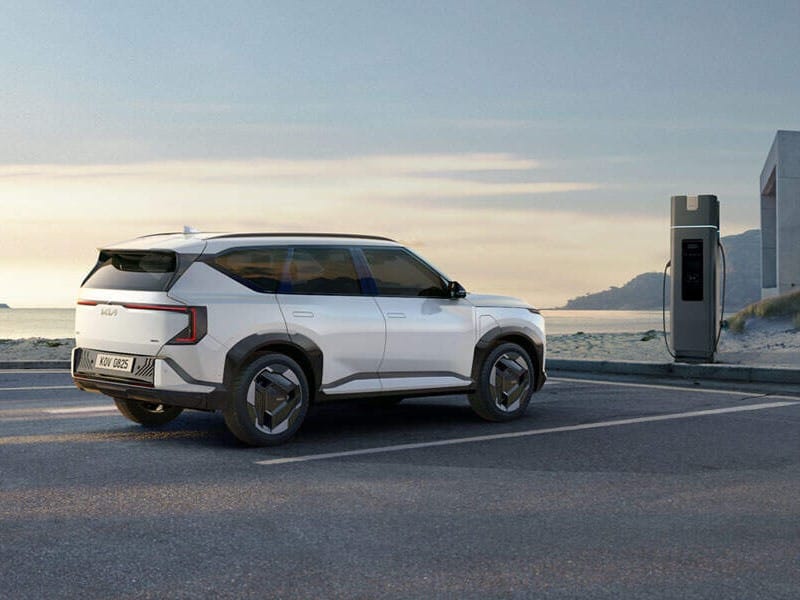
    Kia has announced the prices for the EV5 in Australia. The launch of this electric SUV, which was initially set for June, faced delays due to software and wheel issues. Thankfully, these problems seem to have been sorted out, and the Air and Earth trims are set to become available soon. Additionally, two GT-Line versions are expected to arrive in December.

    Pricing Details

    As per the Kia Australia website, the starting price for the EV5 is A$56,770 for the FWD Air Standard Range trim, which is lower than the Tesla Model Y that has a drive away cost of A$60,868. The FWD Air Long Range trim, capable of providing up to 555 km (~345 miles) instead of the 400 km (~249 miles) WLTP range, is listed at A$63,990. The AWD Earth trim, another long-range version with a range of up to 500 km (~310 miles), is priced at A$69,990. The Earth trim not only includes a second motor but also comes with bigger 19-inch alloy wheels, a power tailgate, and an external vehicle-to-load (V2L) port, setting it apart from the Air.

    High-End Variants

    The EV5 GT-Line and the EV5 GT-Line Two-Tone are both priced around A$77,990. These premium trims come with enhanced features such as larger 20-inch alloy wheels, a heads-up display, blind-spot camera, fingerprint authentication, and massage seats. It’s important to keep in mind that prices may differ depending on the region. It is still unclear when exactly the Kia EV5 will be available in Australia or when it will reach other international markets.

    Kia, Drive’


    Image 1