Category: EV vehicles

  • Samsung and Xiaomi CEOs Discuss Potential EV Partnership

    Samsung and Xiaomi CEOs Discuss Potential EV Partnership

    Key Takeaways

    1. Significant Meeting: Samsung’s Chairman Jay Y. Lee and Xiaomi’s CEO Lei Jun met for the first time in seven years, signaling potential collaboration in the electric vehicle market.

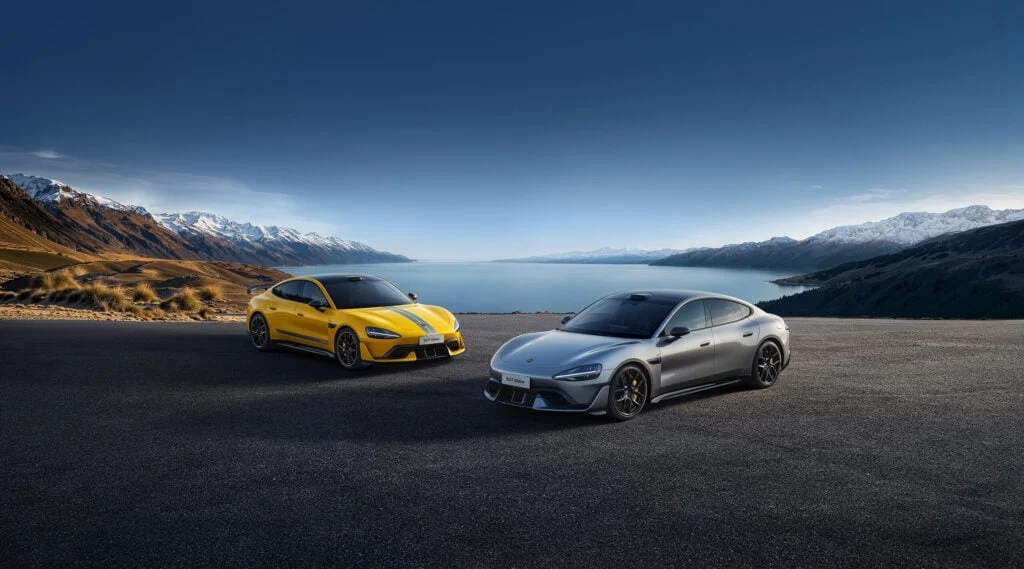
    2. Xiaomi’s EV Ambitions: Xiaomi sold 137,000 units of its SU7 electric vehicle in its first year, with plans to increase production to 350,000 vehicles by 2025 and expand globally by 2027.

    3. Existing Supplier Relationship: Xiaomi already relies on Samsung for various components in smartphones, providing a strong foundation for potential collaboration in the electric vehicle sector.

    4. Samsung’s Strategic Shift: Samsung may benefit from diversifying into the electric vehicle supply chain, especially as it faces challenges in its semiconductor business.

    5. Potential for Unusual Alliances: The meeting suggests that unexpected partnerships between competitors could emerge in the growing $800 billion electric vehicle market.


    Samsung Electronics Chairman Jay Y. Lee recently met with Xiaomi’s CEO, Lei Jun, at Xiaomi’s electric vehicle factory in Beijing. This meeting is crucial as it might change the electric vehicle supply chain landscape. It’s also the first time in seven years that these two technology leaders have come together, indicating possible collaboration between these smartphone competitors in the growing electric vehicle market.

    Xiaomi’s Electric Vehicle Growth

    Xiaomi is rapidly pursuing its electric vehicle goals. In its first year, the company sold 137,000 units of the SU7, bringing in $4.5 billion in revenue. They aim to increase production to 350,000 vehicles by 2025 and expand globally by 2027. This swift growth creates a strong need for components, an area where Samsung shines, providing advanced batteries through Samsung SDI, automotive displays, AI chips, and infotainment systems from Harman International.

    Potential for Collaboration

    Analysts in the industry believe that the meeting between the two CEOs went beyond just initial talks, considering the location and the seniority of those involved. Both companies have already established a solid supplier relationship, with Xiaomi relying on Samsung for memory chips, NAND flash storage, and OLED displays for their smartphones. This existing connection could serve as a solid base for collaboration in the electric vehicle sector.

    Samsung’s Strategic Shift

    Diving into the EV supply chain could benefit Samsung, especially as the South Korean firm has encountered difficulties in its core semiconductor segment. For example, they struggled to deliver the Exynos 2300 and Exynos 2500 chips on schedule, while Google reverted to TSMC for producing the Tensor G5. Therefore, branching out into automotive supply chains might offer Samsung some much-needed stability. Their affiliate companies supply nearly 60% of the components required for modern electric vehicles, making them a suitable partner for Xiaomi’s ambitious production goals.

    While there are no confirmed specifics regarding collaboration, the high-profile meeting hints that formal announcements might be on the way. Such a partnership would be unusual as it represents a cooperation between competitors in the smartphone market. It highlights how the $800 billion electric vehicle market is fostering unexpected alliances in both tech and automotive sectors.

    Source:
    Link

  • Volvo Launches Next-Gen Electric Truck with 373-Mile Range

    Volvo Launches Next-Gen Electric Truck with 373-Mile Range

    Key Takeaways

    1. The FH Aero Electric model has an estimated operational range of 600 kilometers, doubling the range of the previous model.
    2. It features a powerful battery of up to 780 kWh and supports fast charging rates of up to 350 kW.
    3. Charging from 20% to 80% will take only 40 minutes.
    4. The truck can haul a maximum of 46 tonnes, depending on local regulations.
    5. Volvo plans to start taking orders for the FH Aero Electric in the last quarter of 2025.


    Volvo is excited to introduce its newest electric heavy goods vehicle (HGV), which it claims marks a significant advancement in technology for trucks that produce no emissions, primarily due to its improved range.

    Enhanced Range and Specifications

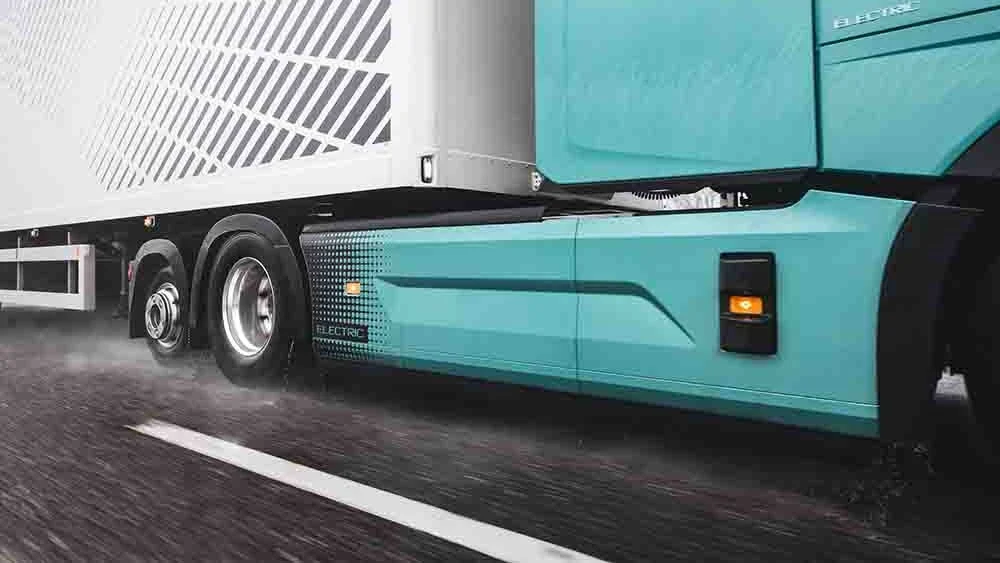
    The FH Aero Electric model is a 6×2 tractor trailer, boasting an estimated operational range of 600 kilometers, compared to the 300 kilometers of its previous 4×2 tractor version. It features a powerful battery of up to 780 kilowatt-hours (kWh) that is designed to work with the upcoming Megawatt Charging System (MCS) and also supports charging rates of up to 350 kW CCS.

    Volvo anticipates that the charging time will be remarkably fast, allowing for a charge from 20% to 80% in just 40 minutes. This electric truck can haul a maximum of 46 tonnes (approximately 51 US tons), depending on local and regional regulations.

    Revised Availability Timeline

    Initially, Volvo had aimed to make this truck available for orders in the latter half of 2025. However, the timeline has been adjusted, and now the company plans to start taking orders in the last quarter of that year.

    The FH Aero Electric is expected to be an excellent option for transportation firms that log high mileage annually and are dedicated to decreasing their CO2 emissions. This was stated by Roger Alm, the President of Volvo Trucks.

    Source:
    Link


  • Volkswagen Overtakes Tesla in Europe EV Sales Amid Rising China Competition

    Volkswagen Overtakes Tesla in Europe EV Sales Amid Rising China Competition

    Key Takeaways

    1. Volkswagen remains the leader in the European EV market with a 180% increase in registrations, totaling 19,565 units.
    2. Tesla’s market share has declined to 9.6%, with the Model Y sales dropping 56% and the Model 3 sales down 14%.
    3. Analysts suggest Tesla’s market share drop is tied to the launch of the new Model Y rather than Elon Musk’s political involvement.
    4. Other brands like BMW, Audi, Renault, and Kia also saw significant sales increases, indicating strong competition in the market.
    5. Chinese EV brands are gaining ground, collectively selling over 4,000 more units than Tesla in February 2025.


    The numbers are out for the European EV market for February 2025. Data from JATO Dynamics shows that Volkswagen has maintained its leading position across 28 countries, as the overall market volume increased by 26 percent year-on-year, rising from 130,739 to 164,148 units.

    Tesla’s Market Share Decline

    One of the most notable updates is Tesla’s drop in market share, now at 9.6 percent. The Model Y recorded only 8,800 units sold, which is a steep 56 percent decline. The Model 3 didn’t do any better, seeing a 14 percent decrease in registrations, totaling 6,800. Overall, the company lost 44 percent of its BEV market share, placing it in second position.

    Analyst Insights

    Elon Musk, the CEO of Tesla, has been getting more involved in American politics. However, Felipe Munoz, an analyst at JATO Dynamics, suggests that the decrease in market share is more related to the launch of the new Model Y rather than Musk’s political activities. He highlights the difference in the volume drop between the Model Y and Model 3 as significant.

    Volkswagen’s Continued Success

    Volkswagen led the registration numbers again with 19,565 units, marking a remarkable 180 percent increase compared to last year. BMW also showed an improvement, increasing by 20 percent with 13,475 units sold. Other brands that saw gains include Audi with a 70 percent rise, Renault at 96 percent, and Kia up by 56 percent, in that order.

    Competition from Chinese Brands

    At the same time, Tesla faces increasing challenges as Chinese brands have begun to take market share. Collectively, these brands sold over 4,000 more units than Tesla. Even though both groups sold fewer units than in January, this shift is significant because Tesla had outsold the Chinese brands by nearly 5,000 registrations in the first month of the year.

    JATO Dynamics’ data indicates a changing landscape in the EV market, with competition heating up as various brands adapt and evolve.

    Source:
    Link

  • Xiaomi’s Lei Jun Tests SU7 Ultra Battery by Dropping Watermelon

    Xiaomi’s Lei Jun Tests SU7 Ultra Battery by Dropping Watermelon

    Key Takeaways

    1. Durability Test: Xiaomi CEO Lei Jun showcased the SU7 Ultra’s coating durability by dropping a watermelon from the 6th floor, demonstrating its impact resistance.

    2. Powerful Battery: The SU7 Ultra features a 94 kWh NMH battery pack from CATL, enabling acceleration from 0-60 mph in under two seconds, with enhanced safety measures.

    3. Advanced Cooling System: The battery utilizes dual large-surface active cooling technology, improving heat dissipation and extending battery life during rapid charging.

    4. Enhanced Protection: The CATL Qilin battery pack includes “bulletproof” material, increasing scratch resistance by ten times and puncture resistance by thirteen times.

    5. Market Strategy: Xiaomi aims to leverage its reputation in consumer electronics to establish a strong presence in the electric vehicle market, similar to the approach of industry leaders like Elon Musk.


    The Xiaomi CEO, Lei Jun, always looking for new ways to impress, showcased the durability of the SU7 Ultra sports car’s coating by dropping a watermelon from the 6th floor of the factory.

    Impressive Battery Specs

    The SU7 Ultra is powered by a 94 kWh NMH battery pack produced by CATL, which accelerates from 0-60 mph in less than two seconds. Xiaomi has worked hard to make the ternary nickel battery as safe as possible for impacts. The structural chassis pack features a strong multilayer shell made of high-strength steel beams, alongside an active cooling system that uses wide surface and aerogel insulation.

    Advanced Cooling Technology

    The Xiaomi SU7 Ultra’s battery is part of CATL’s latest generation Qilin batteries, boasting dual large-surface active cooling. This is similar to the system BYD recently highlighted in their 1MW Han L sedan. This design aids in heat dissipation, which is crucial for safety during rapid 5C charging sessions, and extends the lifespan of the battery cells by keeping them cool under stress.

    The aerogel surrounding each cell prevents the spread of issues from one cell to another, while the 7.8 m2 active cooling system has plates on both sides of the prismatic cells to significantly increase the total cooling surface area. To safeguard against side impacts, the CATL Qilin battery pack is structurally enhanced and coated with what is referred to as “bulletproof” material.

    Durability and Market Presence

    In the SU7 Ultra’s battery pack, this coating increases scratch and tear resistance by ten times and puncture resistance by thirteen times.

    Xiaomi, primarily recognized for its smartphones, home electronics, and consumer gadgets like Bluetooth speakers, is now leveraging its reputation for value to enter the electric vehicle market, which is gaining traction. Lei Jun’s strong work ethic and ambitious nature have made him something of a cult figure among Chinese business leaders, who liken him to Elon Musk.

    The proof of this innovation was evident when Lei Jun stood on the 6th floor of Xiaomi’s car factory and dropped a watermelon wrapped in the same coating used for the SU7 Ultra battery. The result was that the watermelon bounced off the asphalt below without breaking apart, demonstrating the level of safety Xiaomi aims for in its racing car batteries during impacts.

    Source:
    Link

  • Xiaomi YU7 Design and Trim Options Revealed in Latest Leak

    Xiaomi YU7 Design and Trim Options Revealed in Latest Leak

    Key Takeaways

    1. The Xiaomi YU7 is launching soon after receiving MIIT certification in China.
    2. The design of the YU7 is styled as an SUV, differing from its predecessor, the SU7.
    3. A “Max” variant of the YU7 may offer “691 horsepower” and features like carbon fiber rear spoilers.
    4. The YU7 will feature Xiaomi branding, including the ‘Mi squircle’ logo and a new Hyper Autonomous Driving emblem.
    5. Buyers will have 26 wheel choices and options for red or yellow brake calipers, enhancing customization.


    The Xiaomi YU7 is set to launch soon after receiving MIIT certification in China, as reported by the well-known and reliable leaker Digital Chat Station.

    SUV Design

    Recent images that seem to be official indicate that the YU7 is indeed styled as an SUV, which is a change from its predecessor, the SU7.

    Features and Variants

    There may be rear spoilers on the vehicle, reportedly made with carbon fiber. This unique design is also said to appear on the upper edges of the side mirrors and headlights.

    From some photos of the rear badges, it looks like the YU7, similar to the SU7, will have a Max variant available at launch, which might feature the “691 horsepower” from earlier leaks. The name of the car can be seen in shiny silver or matte black, with the ‘Max’ part highlighted in red.

    Branding and Optional Features

    The YU7 is expected to showcase Xiaomi’s logos, including the classic ‘Mi squircle,’ along with the OEM’s name presented in simplified Chinese characters across various places on the automobile. Moreover, there will be a new Hyper Autonomous Driving (HAD) emblem on a side panel.

    According to MIIT documents, the YU7 will offer a total of 26 wheel choices, which could be linked to a high-performance version in some instances. However, most of these options appear to be the same standard six-spoke design with various accents. They come in a diverse palette, from white to rose pink, possibly to match the body color options, in addition to the navy blue seen in many regulatory filings.

    Color and Brake Options

    The images also suggest that buyers might choose between red and yellow brake calipers. This means that the YU7 could soon be ready to compete with its immediate predecessor, the SU7 Ultra, in the Chinese automotive market.

    Source:
    Link


  • Tesla Model Y Discounts Up to $9,200 Ahead of Juniper Orders

    Tesla Model Y Discounts Up to $9,200 Ahead of Juniper Orders

    Key Takeaways

    1. The 2026 Model Y Juniper refresh is currently available only as a $60,000 Launch Series AWD trim with Full Self-Driving (FSD) included.
    2. In China and Europe, Tesla has removed the Launch Series and now offers more affordable RWD and AWD trims, with the lowest-priced RWD starting at about $36,350.
    3. Tesla may soon launch non-Launch Series AWD and RWD trims in the US, as inventory of the current model has been discounted by up to $9,200.
    4. A new Model Y Performance unit is priced at $36,270, and Tesla is clearing stock to prepare for increased orders for the Juniper refresh.
    5. Texas customers still have access to various discounted Model Y units, though the Performance model may not be available in the Juniper refresh until later in the fall.


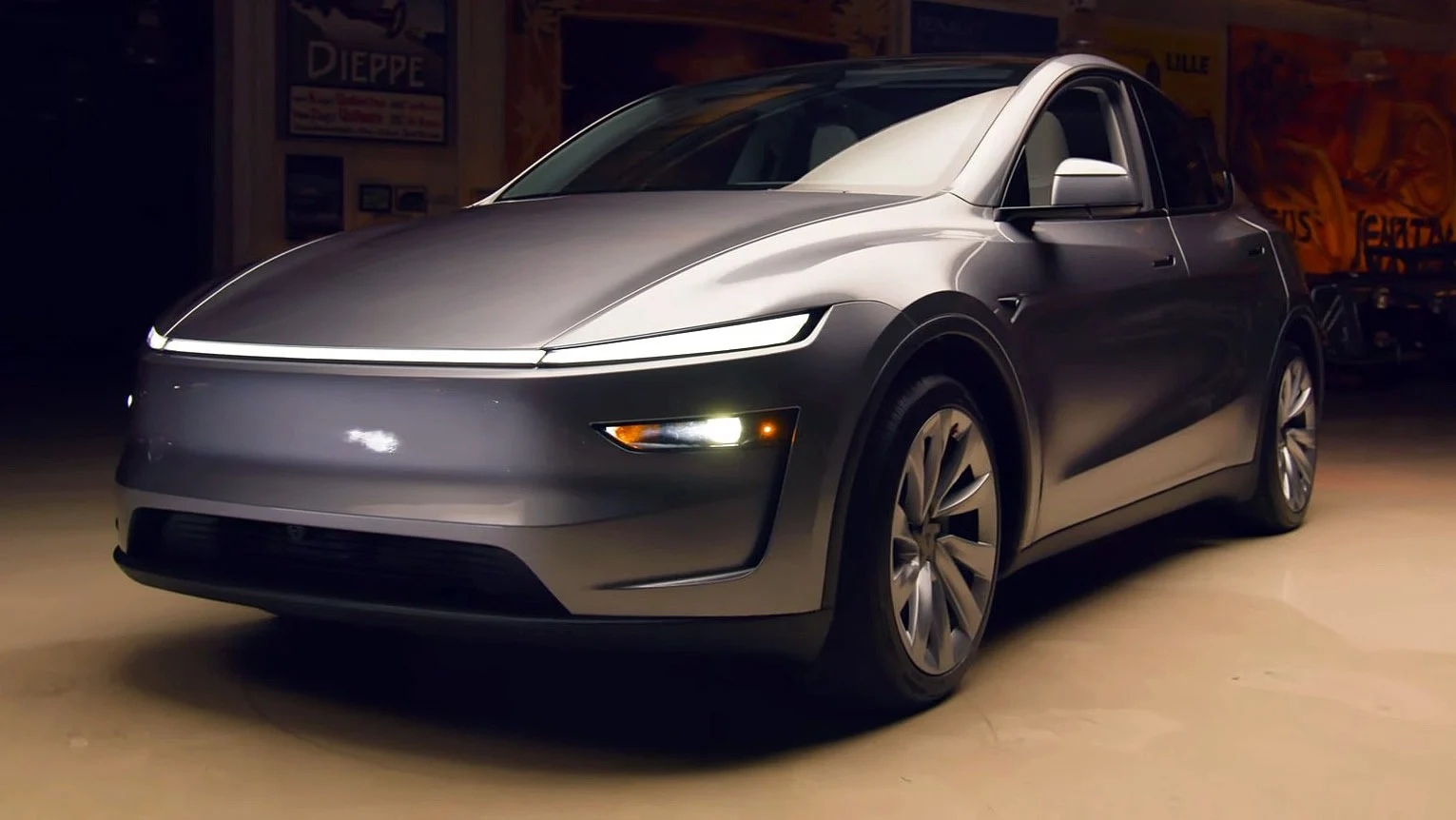
    The 2026 Model Y Juniper refresh is currently available only as a $60,000 Launch Series AWD trim, which includes the Full Self-Driving (FSD) option along with special badging and accessories.

    Sales in Different Regions

    Initially, the new Model Y was introduced in China and Europe with the same Launch Series edition. However, in both these markets, Tesla has removed the Launch Series and is now offering both RWD and AWD trims instead. These options are significantly more affordable compared to the Launch Series, which has the $8,000 FSD service included in its package. For instance, in China, the lowest-priced RWD Model Y Juniper facelift starts at about $36,350, and Tesla is also providing a 0% APR financing option to incentivize buyers.

    Upcoming Trims in the US

    If the current inventory is any signal, Tesla might be preparing to launch the non-Launch Series AWD and RWD Model Y Juniper refresh trims in the US shortly. The company has also lowered the price of the Model Y by as much as $9,200 for its inventory demo units of the previous model. Meanwhile, a brand-new Model Y Performance unit made this year is now priced at $36,270, not considering any referral discounts.

    Previously, discounts on the legacy Model Y were about $1,000 less. Tesla seems to want to clear its stock completely to make space for the expected surge in orders for the Model Y Juniper refresh. This strategy appears to be effective, as new Model Y units in Tesla’s inventory are becoming scarce, with some regions, like Washington, DC, running out of all but used Teslas.

    Availability in Texas

    On the other hand, people in Texas still have various discounted Model Y units available, including the aforementioned Performance model, which might not be included in the Juniper refresh until later in the fall.

    Source:
    Link

  • Xiaomi Surpasses Ford and GM in China’s EV Market in 2024

    Xiaomi Surpasses Ford and GM in China’s EV Market in 2024

    Key Takeaways

    1. Xiaomi outsold Ford and GM in China’s electric vehicle market within a year of entering the industry.
    2. The SU7 electric sedan achieved sales of 136,854 units last year, becoming a top choice among consumers.
    3. Ford’s Mustang Mach-E sold only 999 units in China, while GM sold 69,403 EVs, with local partnerships performing better.
    4. The SU7 reached 100,000 units in just 229 days and doubled that figure in an additional 119 days.
    5. Xiaomi plans to increase production, targeting 350,000 deliveries by 2025, with the SU7 Pro and YU7 SUV launching soon.


    Xiaomi is making waves in the automotive industry. The Chinese brand outsold both Ford and GM in the electric vehicle (EV) market in China, achieving this in just under a year since entering the field.

    Successful Launch of the SU7

    The electric sedan, SU7, has become a favorite among consumers, with Xiaomi reporting sales of 136,854 units last year. This impressive number has catapulted them to the top of the sales charts.

    In comparison, Ford’s Mustang Mach-E, which was the second most popular EV in the US for 2024, only managed to sell 999 units in China. The automaker does offer other electric models like the F-150 Lightning and E-Transit, yet these were not available in the Chinese market.

    GM’s Performance in China

    General Motors sold a total of 69,403 EVs under its various brands in China. However, its local partnerships performed significantly better, with Baojun and SAIC-Wulin selling 33,630 and 602,952 units, respectively.

    In the US, Ford and GM sold approximately 98,000 and 114,000 units, respectively, showing a stark contrast to their performances in China.

    Xiaomi’s Future Plans

    Xiaomi’s emergence in the EV sector has been truly remarkable. The SU7, priced under $30,000, reached the milestone of 100,000 units in just 229 days, and it only took 119 more days to double that figure. With plans to ramp up production, the company is targeting 350,000 deliveries for 2025. The SU7 Pro is already fully booked for the year, and the YU7 SUV is set to launch in June or July.

    Source:
    Link

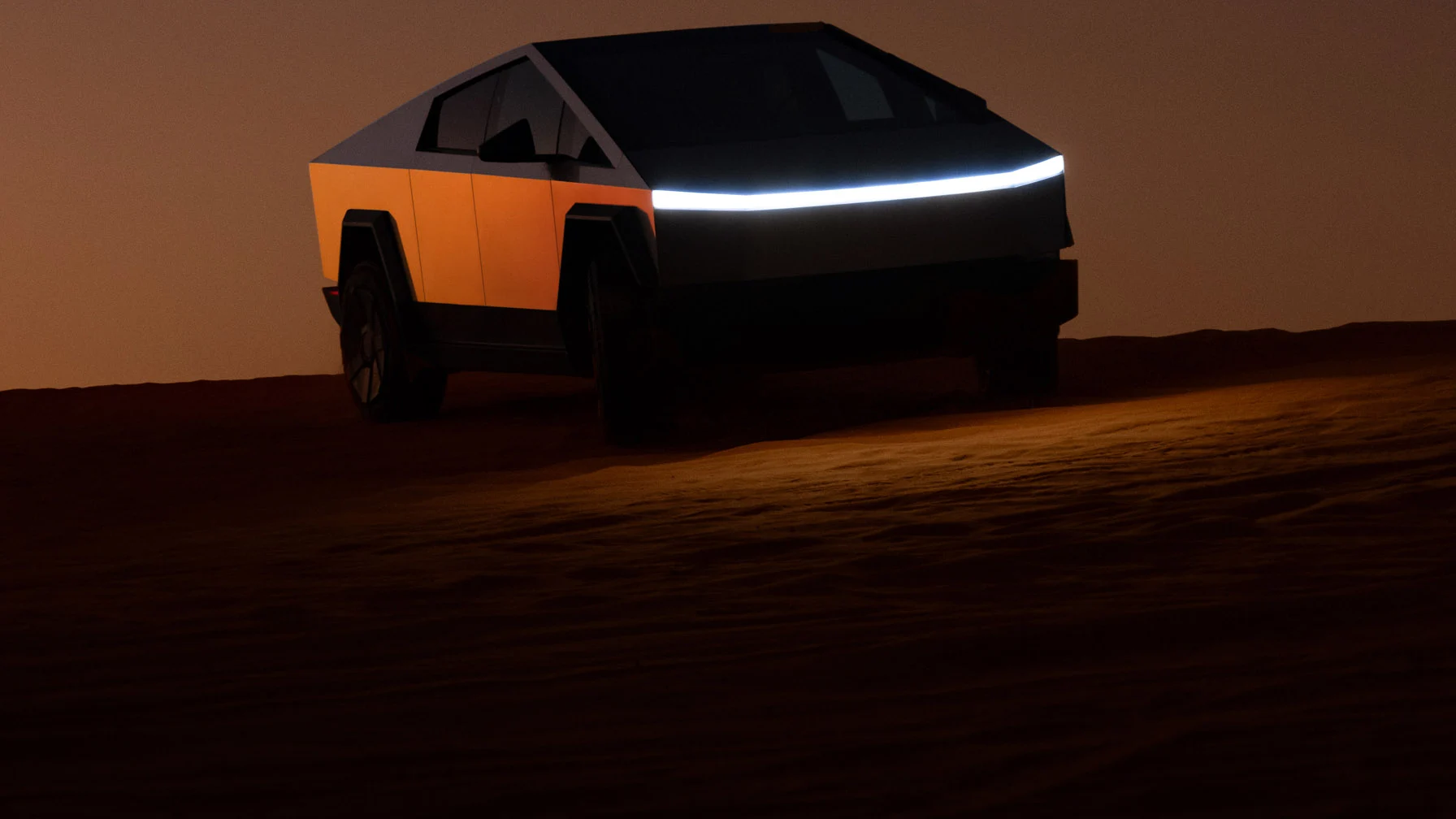
  • Tesla Cybertruck Recall Reveals Concerns About Sales Performance

    Tesla Cybertruck Recall Reveals Concerns About Sales Performance

    Key Takeaways

    1. Tesla has recalled all Cybertrucks made between November 13, 2023, and February 27, 2025, due to safety issues with the cantrail trim detaching while driving.

    2. A total of 46,096 Cybertrucks have been delivered, which is much lower than the expected 500,000 annual deliveries projected by CEO Elon Musk.

    3. The recent recall indicates ongoing sales challenges for the Cybertruck, despite qualifying for a $7,500 federal tax credit.

    4. Tesla has tried various incentives, including free wraps and lower financing rates, to boost Cybertruck sales without significant success.

    5. The future may improve for Tesla with the upcoming launch of the more affordable rear-wheel drive version of the Cybertruck, starting at $61,000.


    Tesla has issued a recall for all Cybertrucks manufactured between November 13, 2023, and February 27, 2025. The problem involves the cantrail trim detaching from the electric vehicle while driving, which could create safety issues, especially at higher speeds. Since this isn’t something that can be fixed with an over-the-air software update, Tesla is urging all owners of the 46,096 units already delivered to visit a Tesla service center for a complimentary replacement of the defective part.

    Sales Insights

    Tesla hasn’t been detailing its vehicle sales by individual model for some time, but this recall has shed some light on how well the Cybertruck is doing. After over 15 months in production, the company has managed to recall only about 46,000 units, which is significantly lower than CEO Elon Musk’s forecast of 500,000 deliveries annually.

    Sales Challenges

    A more concerning aspect is that the Cybertruck qualifying for the $7,500 federal tax credit this quarter has not resulted in increased sales. Tesla has also experimented with various incentives, like free wraps, supercharger access, and lower financing rates to attract buyers.

    Future Prospects

    Nonetheless, Tesla might see a positive change later this year when it launches the rear-wheel drive (RWD) version of the Cybertruck. This more affordable model is priced starting at $61,000.

    Source:
    Link

  • California Surpasses Gas Pumps with More EV Charging Stations

    California Surpasses Gas Pumps with More EV Charging Stations

    Key Takeaways

    1. California has over 178,000 EV charging stations, surpassing the 120,000 gas pumps available.
    2. The growth of charging stations is driven by business owners seeking to attract customers and increase sales.
    3. California leads the US in EV adoption with 3026 electric vehicles per 100,000 residents.
    4. Approximately 25% of new vehicles sold in California are electric.
    5. The state plans to ban the sale of new fossil fuel-powered cars by 2035 and has invested over $1 billion in expanding EV infrastructure.


    California is once again showing why it is leading the way in the electric vehicle (EV) movement across the US. The state’s charging network has expanded significantly and now competes with traditional gas station refueling options, as the number of EV chargers has surpassed that of gas pumps.

    Expanding Access for EV Owners

    State energy figures reveal that EV drivers in California can find over 178,000 charging stations, while there are approximately 120,000 gas pump nozzles for those who prefer internal combustion engines (ICE). This number doesn’t even include home charging setups, which are thought to total around one million.

    Business Incentives Drive Growth

    Professor Gil Tal from the UC Davis Research Center notes that the surge in charging stations is mainly due to business owners installing them to draw in customers and increase sales. He stated, “We see commercial retail places that know that if you stop to charge by their place, you are most likely to spend a little bit more money while waiting for your car to charge.”

    California’s Dominance in EV Adoption

    California stands out in the US for its EV adoption rates, boasting 3026 electric vehicles for every 100,000 residents, based on 2024 statistics from Visual Capitalist. Washington follows in second place with 1805 EVs per 100,000 people.

    Roughly a quarter of the new vehicles sold in California are electric, but even more charging stations are anticipated to shift the way people view EV ownership. The state plans to prohibit the sales of all new fossil fuel-powered cars by 2035 and has allocated over $1 billion to expand its EV charging and hydrogen refueling infrastructure.

    Source:
    Link

  • Elon Musk: Cybertruck’s 4680 Battery Cheapest Per kWh Yet

    Elon Musk: Cybertruck’s 4680 Battery Cheapest Per kWh Yet

    Key Takeaways

    1. Elon Musk announced that Tesla’s 4680 battery cells are now the most affordable to produce globally on a per kWh basis.
    2. The upcoming RWD Cybertruck launch is positively impacted by potential IRA subsidies, which may last until 2032.
    3. There is confusion regarding the status of mass production for the 4680 battery cells, as earlier demonstrations were only proof of concept.
    4. Challenges remain in implementing the dry cathode production method, which has faced significant issues with machinery and production viability.
    5. Future testing is needed to determine if the new cells will resolve thermal efficiency issues that affect charging speeds.


    Elon Musk recently took the stage at an all-hands meeting to inspire employees, asserting that Tesla’s 4680 battery cells are now the most affordable to produce globally on a per kWh basis.

    It’s not entirely clear if Musk was referencing the 4680 battery’s cost with the generous made-in-America federal subsidy of up to $45/kWh, as outlined in the Inflation Reduction Act (IRA), or if he was speaking about the cost without any subsidies.

    Positive Outlook for Cybertruck

    Regardless, this news is promising for the upcoming price of the RWD Cybertruck, which is set to launch later this year. The IRA subsidies are expected to last until 2032, unless the new Trump administration decides to discontinue them, which seems to be their current plan.

    To support Musk’s statements, Bonne Eggleston, the head of Tesla’s battery division, confirmed that the company will begin mass production of Cybertruck 4680 cells using the economical dry cathode process “in a couple of months.”

    Confusion Over Production Status

    However, there’s some confusion regarding these announcements. Tesla had previously showcased the first Cybertruck utilizing the innovative dry-cathode 4680 battery back in July of last year. It now appears that this was merely a proof of concept and that Tesla was not prepared to mass-produce 4680 cathodes using the quicker, more cost-effective method at that time.

    Tesla has faced challenges for several years in delivering what it promised on Battery Day 2020, aiming for a 50% reduction in manufacturing costs with the 4680 battery. Most of the cost reductions so far have come from the efficiency of the packaging inherent to the 4680 design, as the cells are larger and fewer in number, which lowers the required welding points and allows for structural use in the chassis.

    Challenges in Dry Cathode Production

    Nevertheless, the so-called dry cathode production method, which can reduce the cost of a 4680 cell by 20%-30% as it avoids the baking of electrodes with toxic solvents, has been difficult to implement. Tesla acquired the technology from Maxwell, but it turned out to be unsuitable for large-scale production due to significant issues with the rolling machines needed for applying the dry coating. These machines frequently broke down, resulting in less than a third of the production being viable, in stark contrast to the industry standard rejection rate of just 2%.

    To validate Musk’s claim that the 4680 battery is now the cheapest per kWh, Tesla must have either improved the dry coating cathode machines significantly or found other ways to reduce costs sufficiently so that federal subsidies brought the price below what qualifies as the “cheapest battery.”

    In any case, the company anticipates starting mass production of the dry cathode 4680 battery for the Cybertruck in the upcoming months, with a record output planned at Giga Nevada, at which point a more affordable RWD Cybertruck might be introduced.

    Future Testing Needed

    It remains to be seen whether the new cells will face the same thermal efficiency issues as the current ones, which hinder the Cybertruck from quicker charging, despite its 800V architecture.

    Source:
    Link