Category: Computers

  • Core Ultra X7 358H and Asus ExpertBook Ultra: A Perfect Match?

    Core Ultra X7 358H and Asus ExpertBook Ultra: A Perfect Match?

    Key Takeaways

    1. The Intel Panther Lake’s built-in Arc B390 GPU offers 1.5 to 2 times the graphics performance compared to previous models without AI upscaling.
    2. Thin-and-light laptops can achieve higher speeds with less noise and longer battery life due to the new GPU.
    3. The Asus ExpertBook Ultra requires mains power for optimal processor performance, resulting in a 10 to 15 percent drop when using battery.
    4. Many laptops with integrated GPUs do not experience significant performance loss on battery, unlike the ExpertBook Ultra.
    5. Despite battery performance limitations, the ExpertBook Ultra remains one of the fastest 14-inch laptops in its weight class.


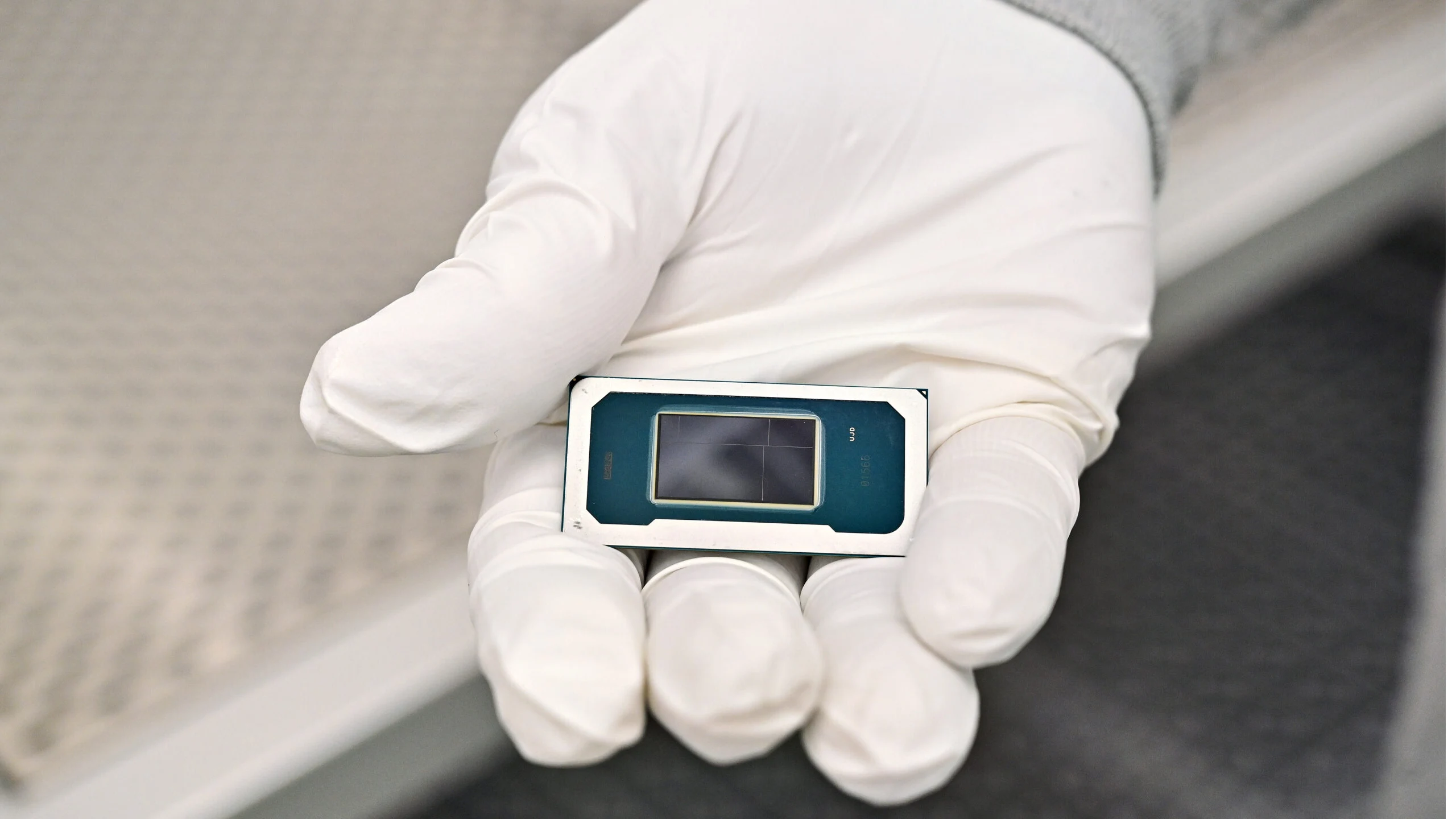
    Arguably, one of the biggest advantages of moving to Intel Panther Lake is its new built-in Arc B390 GPU. This GPU operates within similar power limits as the prior Arc 140V/140T series or the competing AMD Radeon 890M, yet it delivers between 1.5 to 2 times the raw graphics performance, not even counting any AI upscaling. As a result, thin-and-light laptops can perform at higher speeds than before without needing noisier fans or shorter battery life.

    Dependence on Power Supply

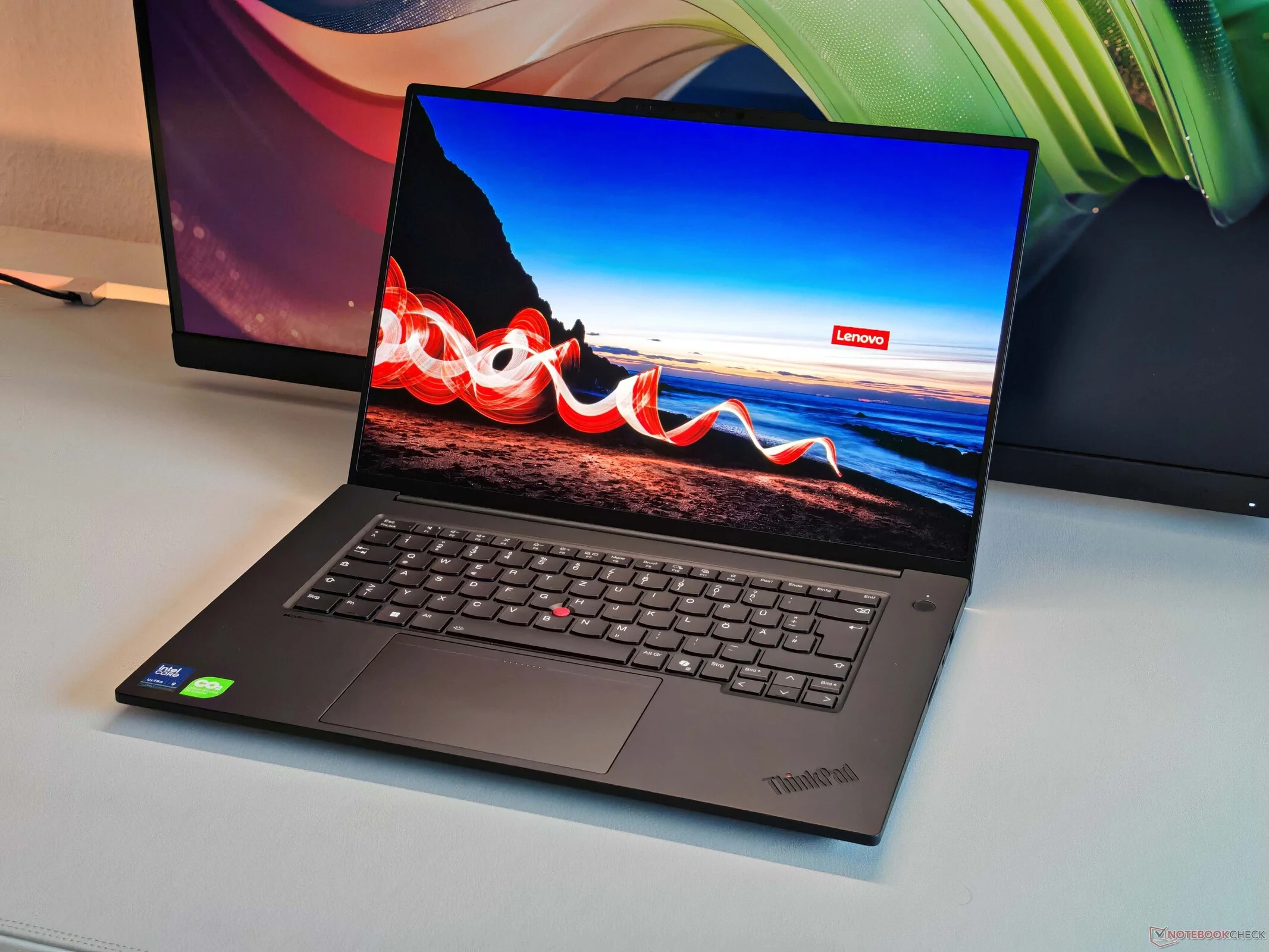
    On the Asus ExpertBook Ultra, the highest processor performance comes with a specific requirement: it must be plugged into mains power. As indicated by the screenshots below, using battery power can reduce performance by about 10 to 15 percent. The MyAsus software even displays a red warning saying, “this performance mode is not supported when using the battery as the power source.”

    Performance Comparison with Other Laptops

    The performance reduction while on battery is notable, since most other laptops featuring integrated GPUs do not show such a significant decline. For instance, the Dell 14 Premium equipped with Arrow Lake-H has a much smaller performance gap between mains and battery operation.

    Despite this performance drop when not plugged in, the ExpertBook Ultra still stands out as one of the fastest 14-inch laptops in its weight category. We suggest taking a look at our comprehensive review of the Asus system for additional benchmarks and comparisons.
     

  • Asus Launches New 16-Inch OLED Laptop with 32GB RAM

    Asus Launches New 16-Inch OLED Laptop with 32GB RAM

    Key Takeaways

    1. Asus launched the Zenbook 16 Air in China with AMD Gorgon Point processors and an 83 Wh battery, as a China-exclusive version of the Zenbook S16.
    2. Pre-orders for the Zenbook S16 have started in Europe, specifically in Poland and the UK, with plans for Germany to follow soon.
    3. The Zenbook S16 is priced at £1,699.99 (~$2,345) in the UK and PLN 7,499 (~$2,218) in Poland, with different SSD options available.
    4. The Zenbook S16 pre-orders are expected to ship by early February 2026.
    5. Asus plans to release a more affordable Ryzen AI 7 445 model for £1,499.99, but it is not yet available for pre-order.


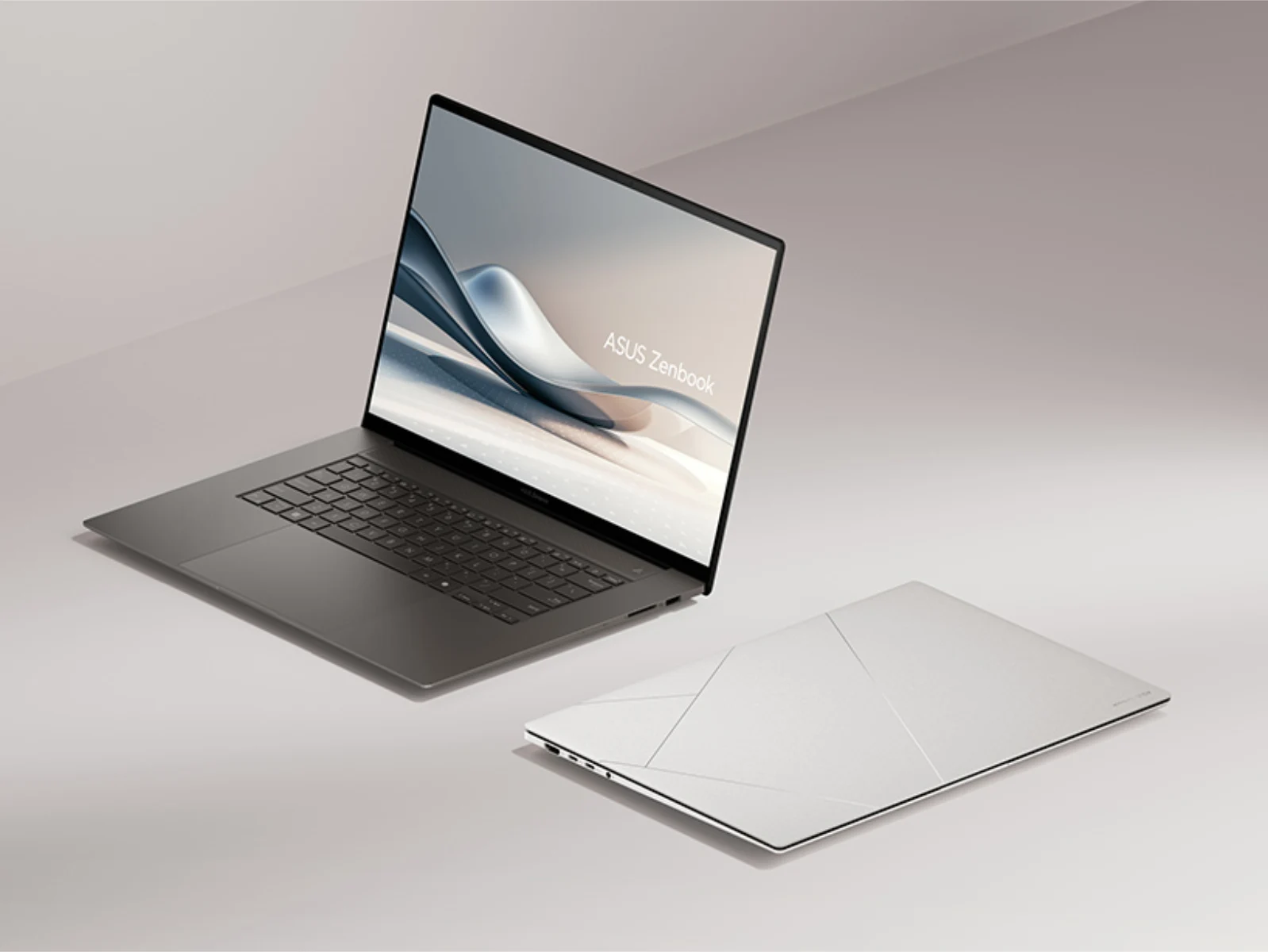
    Last week, Asus unveiled the Zenbook 16 Air in China. Featuring AMD Gorgon Point processors and a robust 83 Wh battery, the Zenbook 16 Air is designed as the China-exclusive version of the Zenbook S16, which made its global debut earlier this month at CES 2026.

    Pre-Orders in Europe

    Now, the company has discreetly begun pre-orders for the Zenbook S16 in Europe. Currently, Asus is making the Zenbook S16 available in Poland and the UK. It appears that Germany will also get this laptop shortly. Meanwhile, Asus’ US store is still listing older Ryzen AI 9 HX 370 and Ryzen AI 9 365 models (priced at $1,283 on Amazon), which come with 32 GB and 24 GB of RAM, respectively.

    Pricing Details

    At the moment, the Zenbook S16 can be purchased with the Ryzen AI 9 465 and 32 GB of RAM for £1,699.99 (~$2,345) in the UK and PLN 7,499 (~$2,218) in Poland. Both prices include VAT, while the UK version boasts a 2 TB SSD option, and Asus Poland has chosen a 1 TB SSD instead. The new Zenbook S16 pre-orders are expected to begin shipping by early February.

    Upcoming Variants

    Furthermore, Asus UK has disclosed plans for a more affordable Ryzen AI 7 445 model, which features 32 GB RAM and a 1 TB SSD, priced at £1,499.99. However, this variant is not currently available for pre-order. For more information, check out our Zenbook S16 launch article.

    Asus Poland & Asus UK

    Source:
    Link


  • Gaming Laptop: 300Hz QHD, 128GB DDR5, RTX 5070, Multiple Ports

    Gaming Laptop: 300Hz QHD, 128GB DDR5, RTX 5070, Multiple Ports

    Key Takeaways

    1. The Tuxedo InfinityBook Max 15 features an Intel Core Ultra 7 255H processor with 16 cores, offering strong performance for demanding tasks.
    2. It has a 15.3-inch display with a resolution of 2560 x 1600 and a high refresh rate of 300 Hz, ideal for gaming and content viewing.
    3. Graphics options include the GeForce RTX 5060 and RTX 5070 Laptop GPUs, with the RTX 5070 providing a 15% performance increase over the 5060.
    4. The laptop can be configured with up to 128 GB of RAM and 8 TB of SSD storage, along with a 99 Wh battery for extended use.
    5. The starting price for the RTX 5060 model is €1,430 before taxes, with pre-orders already available and expected shipping by the end of next month.


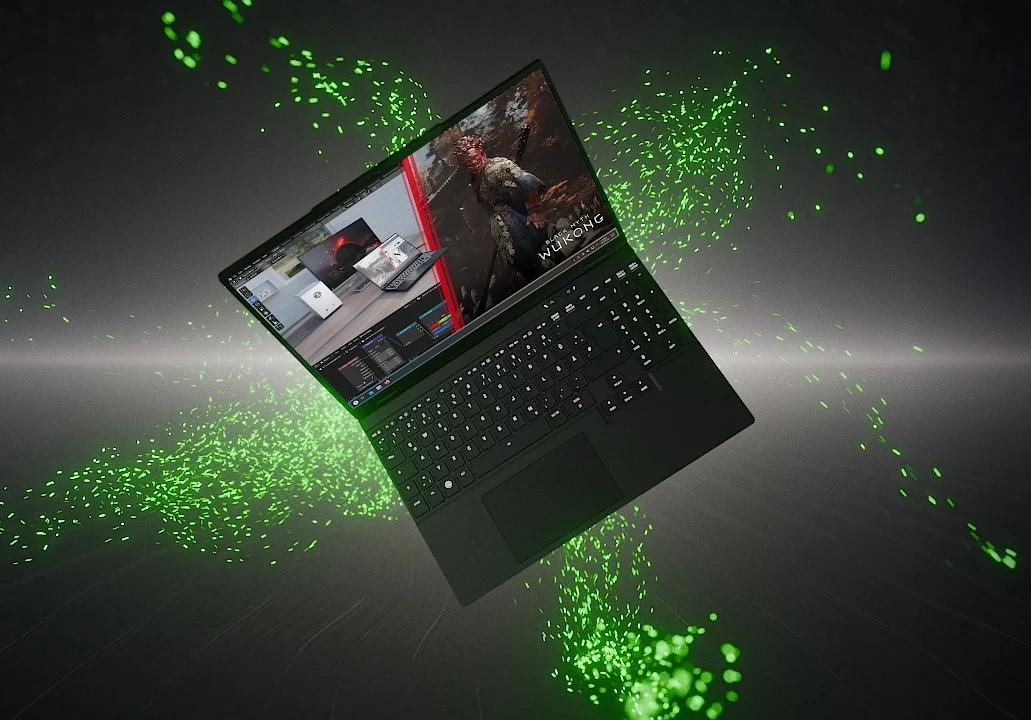
    Tuxedo has unveiled the new Intel version of its InfinityBook Max 15 laptop. This model features a Core Ultra 7 255H processor combined with up to 128 GB of RAM and an RTX 5070 Laptop GPU. The Max 15 is designed to offer solid performance in a stylish and simple case.

    Performance Specs

    The Intel Core Ultra 7 255H is a capable 16-core processor present in many high-performance laptops and mini PCs. It consists of 6 Lion Cove P-cores, 8 Skymont E-Cores, and 2 Skymont LP E-cores. In the Cinebench 2024 multithreaded test, the 255H achieves a score of about 1,000 points, which is quite impressive. In basic terms, this CPU should manage most moderately demanding tasks without any trouble.

    Display Features

    Notably, the InfinityBook Max 15 comes with a 15.3-inch screen that has a resolution of 2560 x 1600. With an astonishing 300 Hz refresh rate, this display is sure to enhance the experience for gamers who enjoy fast-paced action. Tuxedo also asserts that it provides full 100% coverage of the sRGB color spectrum, making it a pleasure to watch content on this gaming laptop. The brightness can peak at 500 nits, but it lacks any local-dimming feature.

    Graphics Options

    When it comes to GPU options, choices are limited to the GeForce RTX 5060 Laptop and RTX 5070 Laptop GPUs. Both graphics cards offer a maximum TGP of 115 watts and come with 8 GB of GDDR7 memory. The RTX 5070 has nearly 38% more CUDA cores compared to the 5060, which gives it a clear edge in performance. However, Tuxedo mentions that the 5070-equipped laptop will only be about 15% faster than the more affordable 5060 model.

    The cooling system of the InfinityBook Max 16 will play a significant role in how well the laptop performs in real-world situations. Its effectiveness under load can only be determined once independent reviewers test it. Tuxedo claims that the cooling system can support up to 165 watts, but actual performance is still uncertain.

    Memory and Storage

    As previously noted, this gaming laptop can be configured with up to 128 GB of DDR5-6400 RAM and a maximum of 8 TB of PCIe 4.0 solid-state storage. It also includes a 99 Wh battery. The available I/O options are quite good, featuring the following ports:

    The Tuxedo InfinityBook Max 16 gaming laptop equipped with the RTX 5060 will start at €1,430 before taxes. It will include the Core Ultra 7 255H CPU, 16 GB of DDR5-5600 memory, and a 1 TB SSD (the Crucial T710 is currently priced at $186 on Amazon). Pre-orders are already open, and the laptop is expected to ship to customers by the end of next month.

    Source:
    Link


  • Affordable G-Flip Mini-PC Relaunches with Up to 128GB RAM

    Affordable G-Flip Mini-PC Relaunches with Up to 128GB RAM

    Key Takeaways

    1. Machenike’s new mini-PC features a flip-up status screen, 64 GB of RAM, and competes with high-end models like the GMKtec EVO-T1, priced at $1,469.99.
    2. Aoostar has updated its G-Flip mini-PC, now offering options with Ryzen 7 H 255, in addition to earlier models with Core Ultra processors.
    3. The new Ryzen 7 H 255 performs between the older Core Ultra 7 155H and Ryzen AI 9 HX 370, with gaming performance slightly lower than Core Ultra 7 155H.
    4. The G-Flip supports Bluetooth 5.2, Wi-Fi 6, up to 8 TB of M.2 2280 storage, and 128 GB of DDR5-5600 RAM.
    5. The updated G-Flip is available for $339 (barebones) or $349.95 on Amazon, with different prices in the UK and Europe.


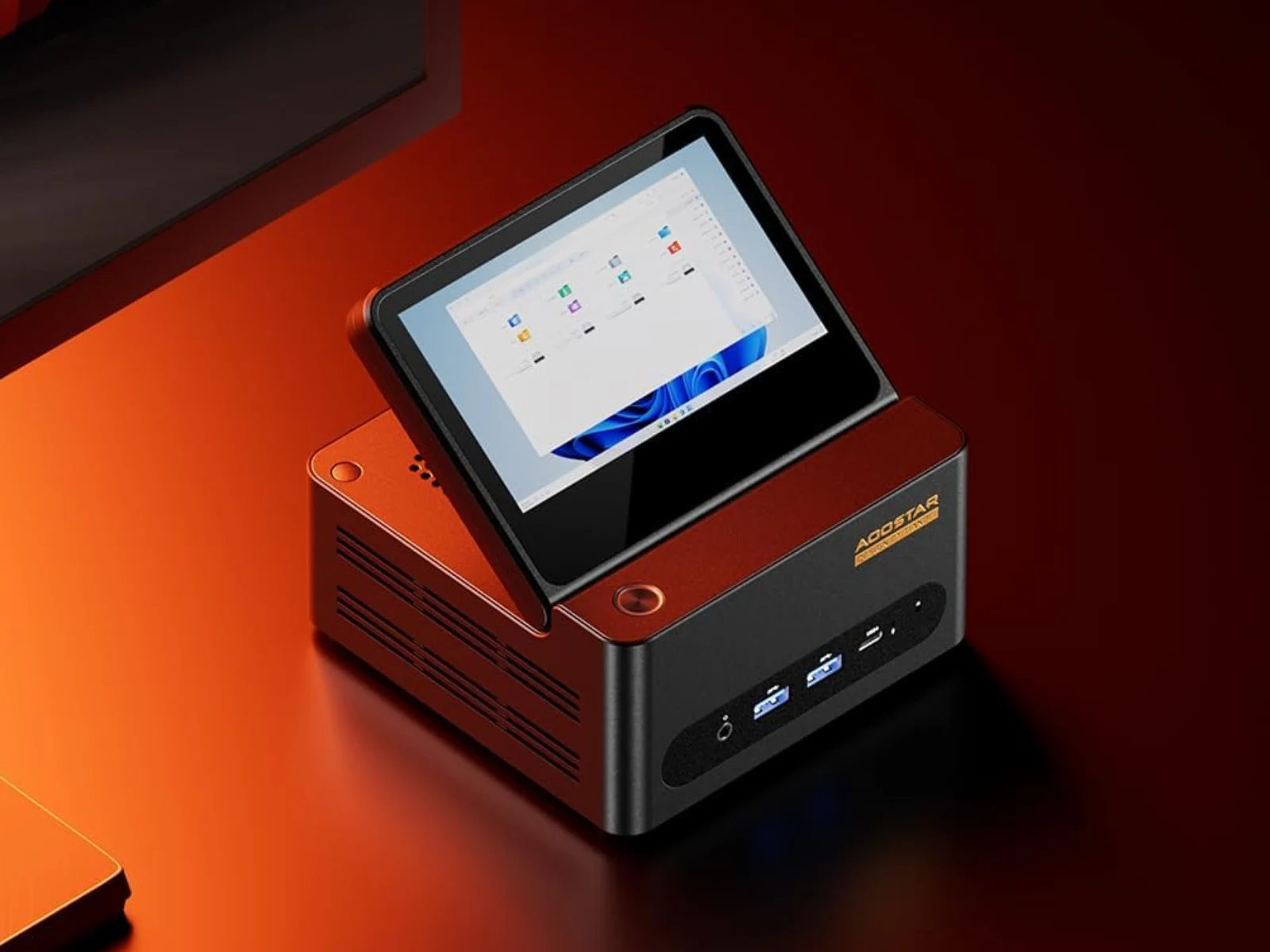
    Machenike’s new mini-PC with a flip-up status screen has finally launched worldwide this week. This device boasts 64 GB of RAM and competes with top-tier mini-PCs like the GMKtec EVO-T1, powered by the Intel Core Ultra 9 285H processor, which is currently priced at $1,469.99 on Amazon. Meanwhile, Aoostar has introduced an updated version of its mini-PC.

    Update on the G-Flip

    Aoostar refreshed the G-Flip less than a year ago, offering options with the Core Ultra 5 125H and Core Ultra 7 155H. Previously, the G-Flip was only available with AMD’s Ryzen AI 9 HX 370 APU from the Strix Point generation. The latest update introduces the Ryzen 7 H 255, an 8-core Hawk Point APU that is based on the older Ryzen 7 8745H.

    Performance Insights

    According to our tests, the new model falls between the older Core Ultra 7 155H and Ryzen AI 9 HX 370 in CPU performance. However, when it comes to gaming, the Ryzen 7 H 255 variant lags a bit behind the Core Ultra 7 155H. The G-Flip does provide OCuLink and USB4 ports for adding external graphics capabilities.

    Connectivity and Pricing

    Additionally, the new Aoostar G-Flip comes with Bluetooth 5.2 and Wi-Fi 6 support. It can accommodate up to 8 TB of M.2 2280 storage and offer 128 GB of DDR5-5600 RAM. The updated G-Flip is available as a barebones unit for $339 from Aoostar. Alternatively, it can also be bought for $349.95 on Amazon, or priced at £570, €499, and €520 in the UK, Germany, and Italy, respectively. For more details, visit Aoostar’s official website.

    Source:
    Link


  • Lenovo IdeaPad Pro 5i Gen 11: 30+ Hour Battery Life Unveiled

    Lenovo IdeaPad Pro 5i Gen 11: 30+ Hour Battery Life Unveiled

    Key Takeaways

    1. The Intel Panther Lake APUs, like the Core Ultra X9 388H, offer strong integrated graphics, multi-core performance, and energy efficiency for multimedia laptops in 2026.

    2. The Lenovo IdeaPad Pro 5i Gen 11 shows a significant battery life improvement, lasting over 30 hours on a single charge during web browsing tests.

    3. Compared to its predecessor, the IdeaPad Pro 5i Gen 9, the Gen 11 features a larger battery but provides three times the battery life efficiency.

    4. The Gen 11 can play video for 23.5 hours at 200 nits brightness, outperforming the Gen 9’s video playback time while idling, though it still lags behind Apple M5 and Qualcomm Snapdragon X Elite in local media playback.

    5. Overall, Intel Panther Lake APUs demonstrate impressive energy efficiency, reducing concerns about battery life in Windows laptops.


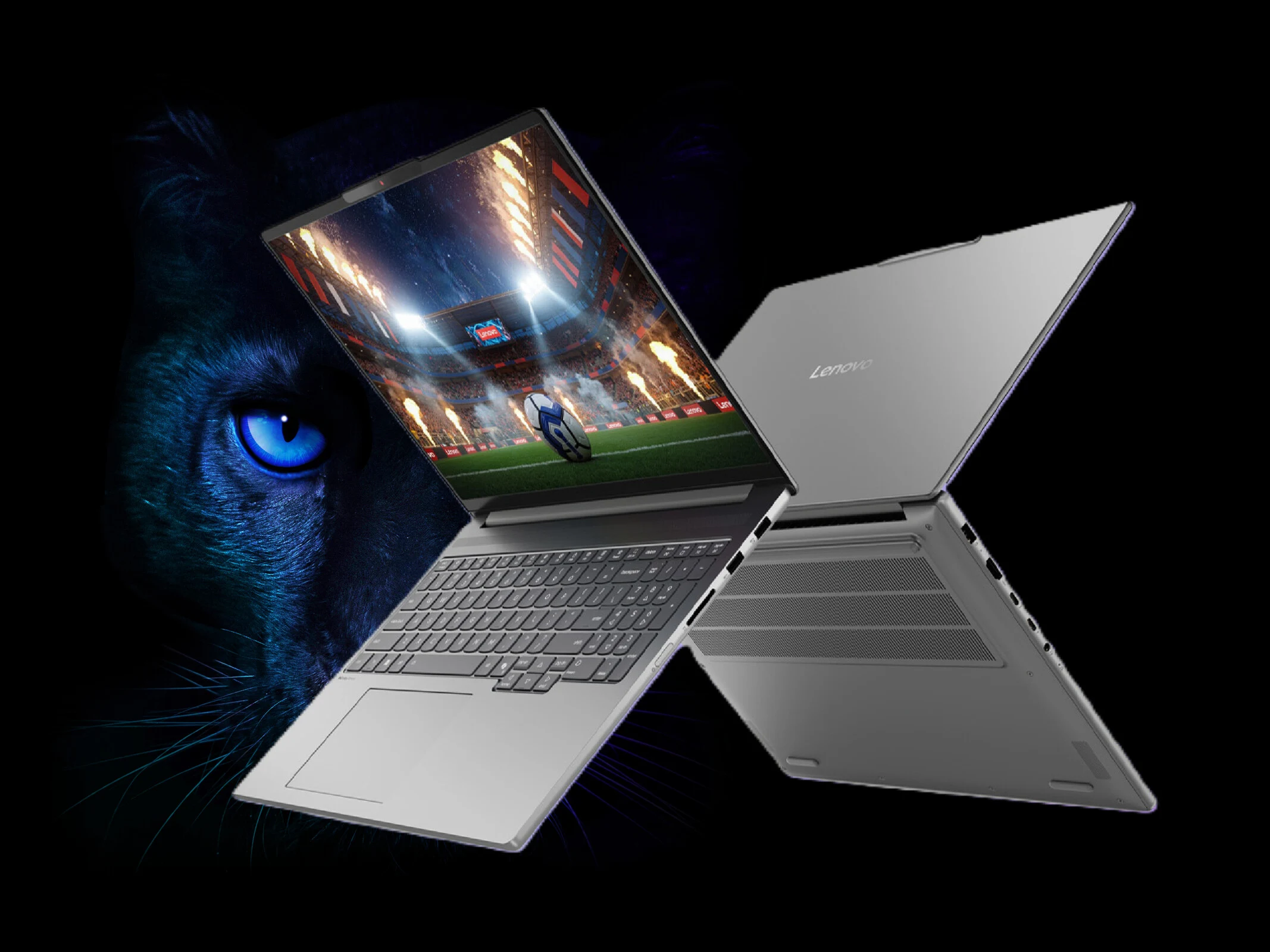
    The Intel Panther Lake APUs are currently getting a lot of attention, and it’s easy to see why. With impressive integrated graphics performance, outstanding multi-core capabilities, and remarkable energy efficiency, processors such as the Core Ultra X9 388H can greatly enhance multimedia Windows laptops in 2026. A notable example is the Lenovo IdeaPad Pro 5i Gen 11, which was unveiled at CES 2026.

    Battery Life Breakthrough

    Lenovo appears to have made significant improvements in battery life with the IdeaPad Pro 5i Gen 1. Tests run by Hardware Canucks and Zip Tie Tech reveal that this laptop can operate for an astonishingly long time on a single charge. In Hardware Canucks’ web browsing test, conducted with the brightness set to 150 nits and a refresh rate of 60 Hz, the IdeaPad Pro 5i Gen 11 lasted an amazing 30 hours and 34 minutes.

    Impressive Comparisons

    To illustrate the advancement, our battery life assessment of the IdeaPad Pro 5i Gen 9, which uses the Intel Core Ultra 9 185H, showed that it only managed 10 hours and 39 minutes. While the IdeaPad Pro 5i Gen 11 features a 99.99 Wh battery compared to the Gen 9’s 84 Wh battery, it’s worth noting that the Gen 11 lasts three times longer on just a 19% larger battery.

    This is a remarkable leap forward by Intel in just two generations.

    Video Playback Efficiency

    Looking at the results from Zip Tie Tech, the Lenovo IdeaPad Pro 5i Gen 11 with the Core Ultra X9 388H managed to play video for 23.5 hours at a brightness level of 200 nits. In contrast, the IdeaPad Pro 5i Gen 9, when idling at the lowest brightness, lasted 22 hours and 18 minutes in our tests. This means that the latest IdeaPad Pro 5i Gen 11 can stream video for a longer duration at 200 nits than the older Gen 9 can do while idling.

    It’s important to note that the Apple M5 and Qualcomm Snapdragon X Elite outperform Intel’s Panther Lake in terms of battery life when it comes to playing locally stored media, as stated by Hardware Canucks. Whether this is due to superior media engines in the Apple M5 or the need for better optimization on Intel Panther Lake drivers is still unclear.

    In short, Intel Panther Lake APUs appear to be quite efficient in terms of energy use. We have reached a point where, if you’re using a Windows laptop with an Intel Panther Lake APU, it’s quite likely you won’t need to stress about battery life anymore.

    Source:
    Link


  • Khadas Mind Pro Mini PC with Panther Lake iGPU Early-Bird Discount

    Khadas Mind Pro Mini PC with Panther Lake iGPU Early-Bird Discount

    Key Takeaways

    1. The Khadas Mind Pro mini PC, featuring Intel Core Ultra X7 358H, is available for pre-order at a discount price of $1,799 until March 27, 2026.
    2. Future configurations may include a lower-priced 32GB/1TB version and a high-end model with 96GB RAM using the Core Ultra X9 388H, with no pricing details yet.
    3. The built-in Arc B390 GPU performs nearly as well as the Nvidia RTX 4050 Laptop GPU, allowing smooth gameplay for most AAA games at FHD to QHD resolutions.
    4. The Mind Graphics 2 Dock offers an external Nvidia RTX 5060 Ti GPU, but the Mind Pro’s PCIe 5.0 x4 bandwidth limits performance compared to the previous model’s x8 speeds.
    5. The Core Ultra X7 358H supports PCIe 4.0 x8, making the Mind Pro compatible for external GPU setups despite the bandwidth limitation.


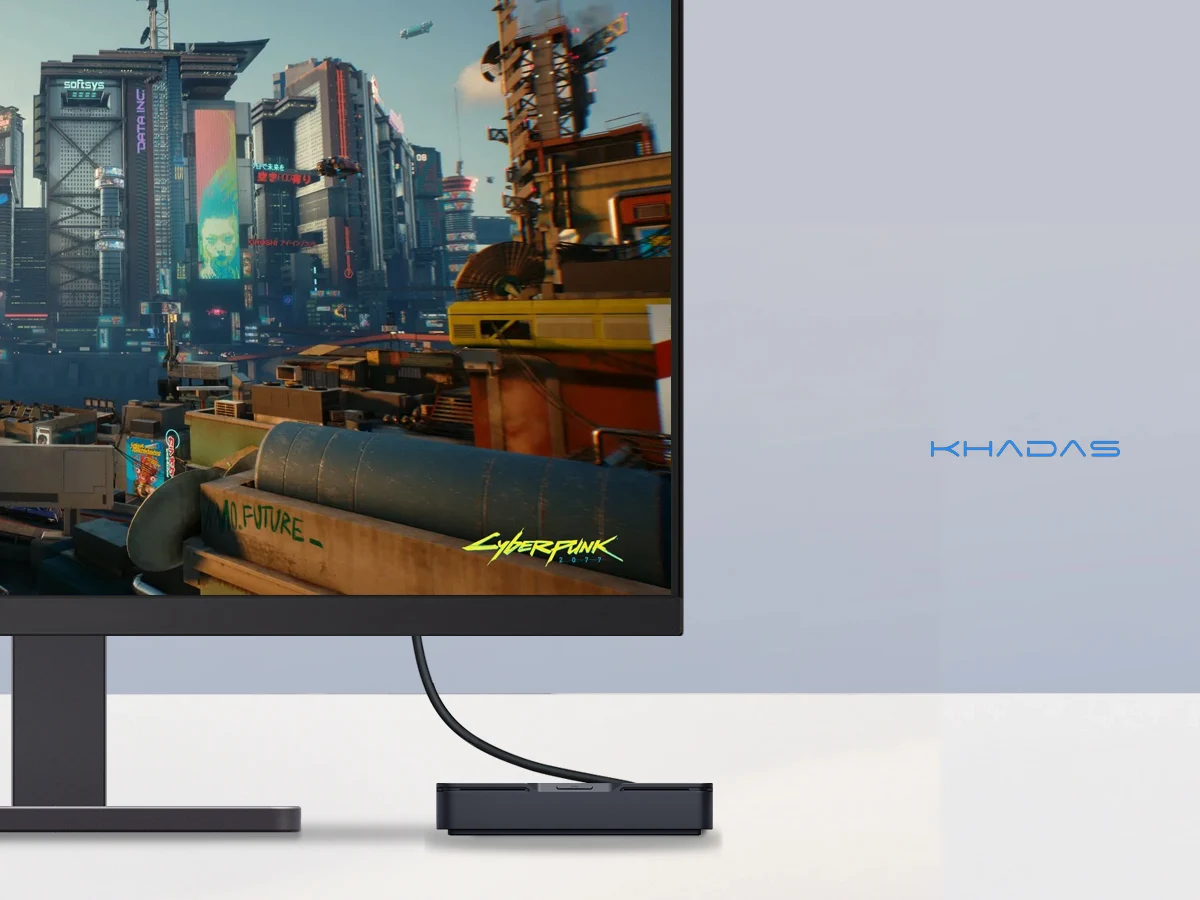
    A few mini PCs were unveiled at CES 2026, and one standout is the Khadas Mind Pro. This Intel Panther Lake mini PC is now up for pre-order, and early customers can benefit from a special discount.

    Pricing and Availability

    Between January 27 and March 27, 2026, the mini PC featuring the Intel Core Ultra X7 358H, 64GB of LPDDR5x RAM, and a 2TB NVMe SSD can be purchased for $1,799. This represents a saving of $200 off the standard price of $1,999 for this setup.

    Future Configurations

    This may not be the only setup available for the Panther Lake Mind Pro. The company has indicated that they plan to release a 32GB/1TB version at a lower price later on. Additionally, there could be a high-end model with 96GB of RAM, using the Core Ultra X9 388H. However, there’s no information yet regarding the pricing of these configurations.

    Performance Insights

    Focusing on the Core Ultra X7 358H setup, this Panther Lake chip comes with the Arc B390 integrated GPU. Our tests show that this built-in GPU can perform nearly as well as the Nvidia RTX 4050 Laptop GPU, meaning the Khadas Mind Pro should be able to run most AAA games smoothly at FHD to QHD resolutions.

    If you require more GPU power, Khadas offers the Mind Graphics 2 Dock, equipped with the Nvidia RTX 5060 Ti 16GB desktop GPU (currently priced at $324.99 for the 8GB Gigabyte Aero on Amazon). This external GPU connects to the mini PC through the proprietary Mind Link. However, the interface on the Mind Pro is restricted to PCIe 5.0 x4 bandwidth, whereas the earlier Mind 2S model could handle PCIe 5.0 x8 speeds.

    Bandwidth Differences

    This limitation arises because the Core Ultra X7 358H supports fewer PCIe 5.0 lanes compared to the Core Ultra 255H used in the Mind 2S. Nevertheless, it does support PCIe 4.0 x8, making the Mind Pro suitable for an external GPU setup.

    Khadas via: Liliputing

    Source:
    Link


  • Asus ExpertBook Ultra: Fast Performance in a Compact Size

    Asus ExpertBook Ultra: Fast Performance in a Compact Size

    Key Takeaways

    1. Intel’s Panther Lake CPUs were revealed at CES 2026, with performance tests starting to emerge online.
    2. The Asus ExpertBook Ultra with Core Ultra X7 358H shows impressive performance from its integrated Arc B390 GPU, consuming only 60 W to 70 W.
    3. The ExpertBook Ultra outperforms laptops with the GeForce RTX 3050 in benchmarks, nearing the performance of the RTX 4050.
    4. Real-world gaming performance differs from benchmarks, with older games sometimes running better on the RTX 3050, but newer titles favor the Intel GPU.
    5. Intel’s AI features and support for XESS lag behind Nvidia and AMD, affecting performance in certain games.


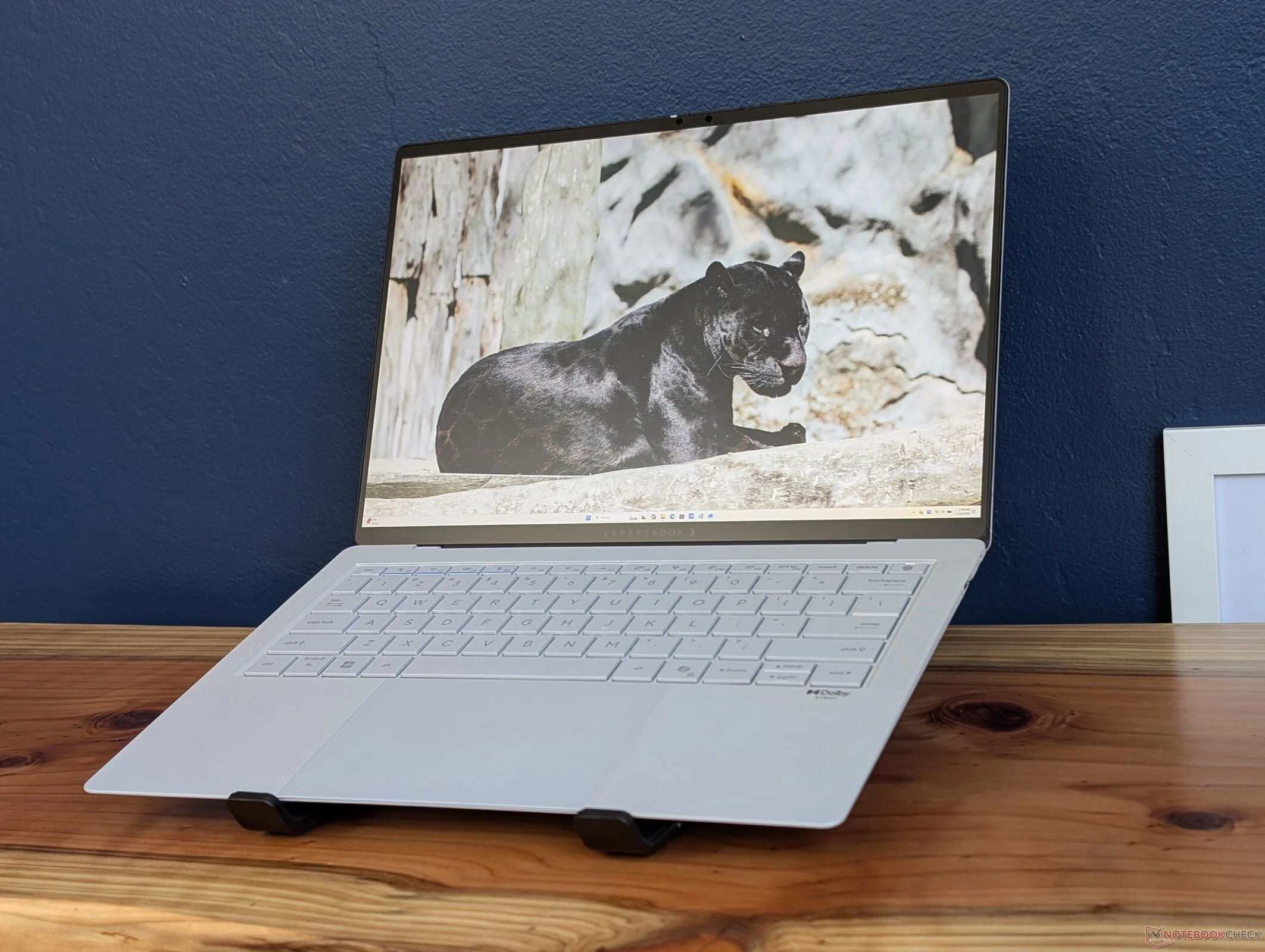
    Intel has revealed its next generation Panther Lake CPUs at CES 2026, and the first official performance tests are starting to surface online. While these chips are not expected to be available for purchase until the second quarter of this year, we got the opportunity to test the Asus ExpertBook Ultra, which features the Core Ultra X7 358H. We were pleasantly surprised by the performance of its integrated Arc B390 GPU, especially considering the laptop’s modest power consumption of just 60 W to 70 W.

    Performance Comparison

    According to the 3DMark benchmarks provided below, the ExpertBook Ultra surpasses laptops equipped with the GeForce RTX 3050, such as the MSI Thin GF63 12UC and the HP Pavilion Plus 16. The difference is significant enough that the Asus model even comes close to challenging the RTX 4050 in various scenarios, as discussed in our latest evaluations.

    Gaming Realities

    However, it’s important to note that synthetic benchmarks may not completely reflect real-world gaming performance. In practice, the ExpertBook Ultra still manages to outperform laptops featuring the RTX 3050, but the margins are narrower. For older games like GTA V or DOTA 2 Reborn, the performance may even be better on the older Nvidia GPU. Yet, for most recent titles like Baldur’s Gate 3 or Cyberpunk 2077, the Intel GPU performs better before any AI upscaling or frame generation techniques are applied.

    AI Features and Support

    When it comes to AI features and frame generation, Intel’s support for XESS still falls behind that of Nvidia and AMD. For example, Arc Raiders currently only supports frame generation for Nvidia and AMD graphics cards, and trying to enable XESS in Forza Horizon 5 led to performance issues based on our experiences.

    In any case, the Asus system is notably lighter and more efficient compared to any RTX 3050 or 4050 option, mainly because it doesn’t rely on a separate chip to closely match or even exceed the performance of the budget Nvidia alternative. For more benchmarks and detailed comparisons, you can check out our in-depth review of the Asus ExpertBook Ultra.

  • Lenovo ThinkPad T1g Gen 8: The Hidden Gem for Multimedia Use

    Lenovo ThinkPad T1g Gen 8: The Hidden Gem for Multimedia Use

    Key Takeaways

    1. Lenovo’s ThinkPad X1 Extreme has been popular among business clients for its premium features and style, but it has been phased out in favor of the ThinkPad P1 with only professional-grade GPUs.

    2. The new ThinkPad T1g Gen 8 offers an alternative to the P1, featuring consumer GeForce chips, making it suitable for multimedia use, but it comes with a high price tag.

    3. The discontinuation of the ThinkPad X1 Extreme name may confuse customers, especially those unfamiliar with the differences between models.

    4. Pricing comparisons show that the ThinkPad T1g Gen 8 starts at about €2,900, while the Yoga Pro 9i 16 is priced at €2,700, raising concerns about its market competitiveness.

    5. Sales figures raise doubts about the wisdom of Lenovo’s decision to drop the ThinkPad X1 Extreme branding.


    Business clients searching for a premium and stylish 16-inch laptop have been opting for Lenovo’s ThinkPad X1 Extreme for the past few years. These devices came with standard GeForce GPUs, whereas the workstation version, ThinkPad P1, featured professional-grade GPUs. In the last generation, Lenovo chose to phase out the X1 Extreme, offering only the ThinkPad P1, which was available with both consumer and professional GPUs.

    New Generation Updates

    In the current 8th generation, the ThinkPad P1 workstation model is again limited to only professional GPUs. If you don’t require a PRO GPU, the newly launched ThinkPad T1g Gen 8 is an alternative; it’s nearly the same as the P1 except for the graphics, which now include consumer GeForce chips. We took a close look at this new model, and while it’s an excellent multimedia laptop, it also comes with a hefty price tag.

    Pricing and Customer Considerations

    Given the history of this line, we believe dropping the well-known ThinkPad X1 Extreme name might not be the best move. Even if Lenovo aims to steer clear of the typical multimedia audience (who are likely to be interested in the Yoga Pro 9i 16), we doubt this will be effective due to the steep pricing. The high-end version of the Yoga Pro, with a marginally faster RTX 5070 and a superior Tandem OLED display, is priced around €2,700. Meanwhile, the ThinkPad T1g Gen 8 starts at approximately €2,900, featuring the RTX 5060 and a 60Hz 1080p display. Some business clients, who may not be fully aware of the different models, could be confused about what a ThinkPad T1g is.

    Sales Figures and Future Outlook

    Looking at sales numbers, we’re uncertain if Lenovo’s decision to discontinue the ThinkPad X1 Extreme branding was wise.


  • DDR4 RAM Prices Surge Faster Than DDR5 Amid Memory Shortage

    DDR4 RAM Prices Surge Faster Than DDR5 Amid Memory Shortage

    Key Takeaways

    1. DDR4 RAM prices are rising rapidly, increasing more than double the rate of DDR5 memory.
    2. The gap between spot and contract prices for DDR4 is 172%, while for DDR5 it is 76%, indicating unsustainable pricing trends.
    3. RAM manufacturers are hesitant to enter long-term contracts with smaller clients, affecting the overall DRAM market.
    4. Production has shifted away from DDR4, with companies like Samsung focusing on DDR5 and high-bandwidth memory for AI data centers.
    5. AMD’s AM4 CPUs and compatible motherboards are popular but have seen price increases due to high demand.


    With memory prices skyrocketing, many users are turning to the older DDR4 RAM as a substitute. However, shoppers are discovering that the financial savings aren’t as great as they had hoped. A recent analysis from Ctee reveals that the price of these older memory modules is increasing more than double the rate of DDR5 memory.

    Current Market Insights

    According to Wccftech, a Taiwanese website, recent data from Goldman Sachs highlights trends in the DRAM market. The report indicates that the difference between current market prices and contract prices is growing wider. Currently, DDR4 spot prices are 172% higher compared to the contracts made with companies like Samsung or SK Hynix. Conversely, DDR5 spot prices show a substantial, yet smaller, difference of 76%.

    Goldman Sachs suggests that the gap between spot and contract prices is not sustainable. RAM manufacturers are reluctant to engage in reasonable long-term contracts with smaller clients. Once adjustments are made, the impacts will extend to all devices and components that depend on DRAM. Rising memory prices have already contributed to more expensive laptops and GPUs.

    Shifts in Production

    Another reason DDR4 RAM may not be the best choice is that factories have moved away from producing these modules. Samsung initially planned to concentrate on DDR5 and high-bandwidth memory that AI data centers require. Although the company has currently halted those plans, the surplus stock is now intended for servers that depend on the older tech.

    In some situations, creating a system with DDR4 RAM can still prove to be a more budget-friendly choice. With tighter budgets, gamers might settle for lower-performance desktops. Intel fans can take advantage of 13th and 14th-gen CPUs, which support DDR4 memory. ASRock recognized a chance with the new H610M Combo motherboard that can support both generations of RAM.

    AMD’s Position in the Market

    AMD’s AM4 CPUs, like the Ryzen 7 5700X, along with compatible motherboards, are also popular options. Unfortunately, the processor’s price has risen due to increased demand.

    Even with their resourcefulness, consumers might find it difficult to avoid the ongoing memory shortage.

    Source:
    Link


  • Peak60 Launches Ceramic Case for Wooting 60HE with Discount

    Peak60 Launches Ceramic Case for Wooting 60HE with Discount

    Key Takeaways

    1. Cerakey’s Peak60 is a ceramic keyboard case designed for GH60 mechanical keyboards, offering a high-end alternative to traditional materials like PBT and ABS.
    2. The Peak60 is compatible with various PCBs, including Wooting 60HE and Gateron GT60 Pro+, making it a versatile choice for custom keyboard builders.
    3. Initial color options for the Peak60 include white craze and plain white, with a 10% launch discount reducing the price to $107 and $134, respectively.
    4. The case features a tray-mounted design with brass inserts for PCB screws and includes accessories like a poron foam sheet, assembly screwdriver, and silicone feet.
    5. Weighing 760 g and with a front height of 22 mm, the Peak60 aims to enhance comfort compared to other mechanical keyboards without requiring a wrist rest.


    Cerakey has made a name for itself with its long-lasting ceramic keycaps, which provide a high-end option compared to the PBT, ABS, and even metal keycaps that have been popular in the mechanical keyboard world for a long time. Their newest venture involves a keyboard case that is entirely made from ceramic. In contrast to the sintered technique used in the Keychron Q16 HE 8K, which we spotted at CES 2026 and are currently reviewing, the new Cerakey Peak60 appears to utilize a more conventional ceramic crafting method that gives it a more artisanal appearance.

    Customization and Compatibility

    The Peak60 is not a ready-made keyboard. Instead, it serves as an aftermarket case choice for GH60 mechanical keyboards, meaning it’s compatible with various PCBs like the Wooting 60HE and 60HE v2, as well as the Gateron GT60 Pro+ (currently priced at $109 on Amazon) and Geon Venom 60 HE, among others. For those interested in constructing their own custom keyboard, Cerakey offers a complete compatibility list on their website. While Cerakey has introduced four different color options for the Peak60, only the white craze and plain white will be available initially. To mark the launch, Cerakey is also offering a 10% discount on the Peak60 case, reducing its price to $107 for the white model and $134 for the white crazed glaze. The remaining two color variants, blue crazed and pink crazed, will be released later, and Cerakey applies these finishes in their ceramic keycap collections, allowing users to create a full ceramic keyboard with matching components.

    Design and Features

    The design of the case features a tray-mounted style, similar to the original 60HE, with brass inserts that seem to be made for the PCB screws. Included in the package are a poron foam sheet, an assembly screwdriver, and a set of silicone feet. Weighing in at 760 g, the case has a front height of 22 mm, which isn’t very tall, but it should provide a bit more comfort without a wrist rest compared to keyboards like the Keychron Q13 Max that we have reviewed before.