Category: Computers

  • Raspberry Pi 5 Price Reaches $205 Amid RAM Shortage

    Raspberry Pi 5 Price Reaches $205 Amid RAM Shortage

    Key Takeaways

    1. Price increases for Raspberry Pi models will take effect on December 1, 2025.
    2. Raspberry Pi 4 and 5 prices will rise based on RAM capacity, with increases ranging from $10 to $60.
    3. The base model Raspberry Pi 5 (1GB RAM) will maintain its price at $45.
    4. The Raspberry Pi 500 all-in-one computer will see a price hike, while the Raspberry Pi 400 remains unaffected.
    5. Models with LPDDR2 memory, like Raspberry Pi Zero and Raspberry Pi 3, are not expected to increase in price due to ample stock.


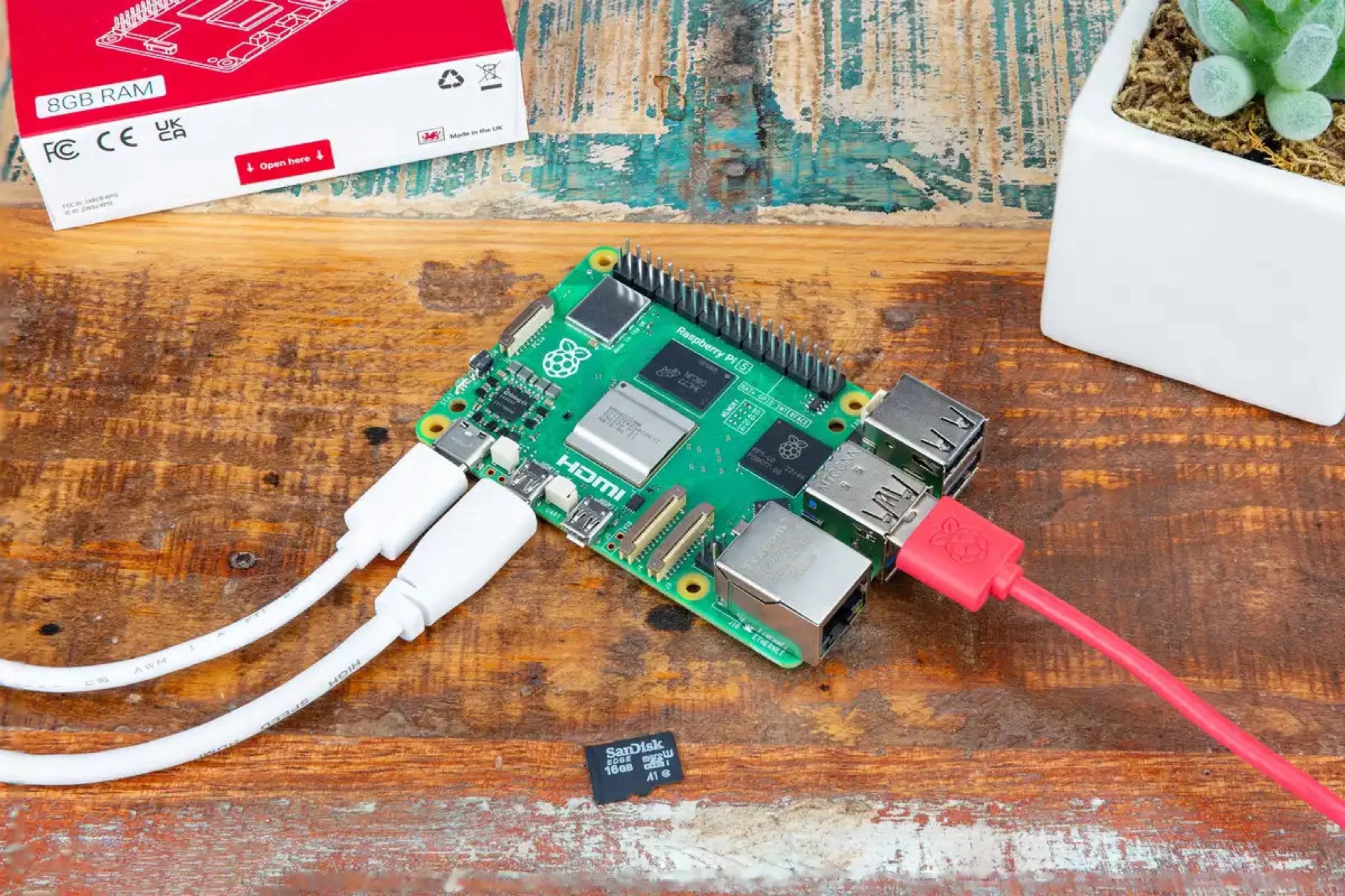
    The Raspberry Pi Foundation has recently revealed a price increase that will take effect on December 1, 2025. A new blog post has now confirmed another rise in prices. This change impacts most versions of the Raspberry Pi 4, Raspberry Pi 5, and Raspberry Pi Compute Module. The price adjustments will vary based on the RAM capacity.

    Detailed Pricing Changes

    Specifically, single-board computers with 2GB of RAM have increased by $10, while those with 4GB will see a $15 increase. The 8GB models are going up by $30, and the highest tier with 16GB of RAM is now $60 more expensive. However, the base model of the Raspberry Pi 5, which comes with 1GB of RAM, will keep its price steady at $45. The new official prices for the Raspberry Pi 5 are now in effect immediately.

    Other Affected Models

    Additionally, the price hike also impacts the Raspberry Pi 500, which is an all-in-one computer priced at $142 on Amazon, featuring a keyboard form factor. The Raspberry Pi 400, however, isn’t affected by this adjustment. Models that utilize LPDDR2 memory, like the Raspberry Pi Zero and Raspberry Pi 3, are not expected to increase in price since the Raspberry Pi Foundation has sufficient LPDDR2 stock for several years ahead. While it’s possible that further price hikes could happen in 2026, prices are predicted to drop once the DRAM shortage is resolved.

    Raspberry Pi Foundation’s

    Source:
    Link


  • Rumored New Apple MacBook Pro Refresh Coming Soon

    Rumored New Apple MacBook Pro Refresh Coming Soon

    Key Takeaways

    1. The MacBook Pro 14 with the M5 chipset is currently available for $1,511 on Amazon and has been on the market since October 2025.
    2. More powerful versions, the M5 Pro and M5 Max, are expected to be released soon, with possible launch dates between February and March 2026.
    3. The new MacBook Pro 16 will feature the same processors as the MacBook Pro 14 and is the first update since November 2024.
    4. Apple has not officially confirmed the release of the new models, but extended lead times for M4 series models suggest an imminent launch.
    5. Future upgrades may include new chipsets, with major redesigns and features like Face ID and an OLED touchscreen expected in late 2026 or early 2027.


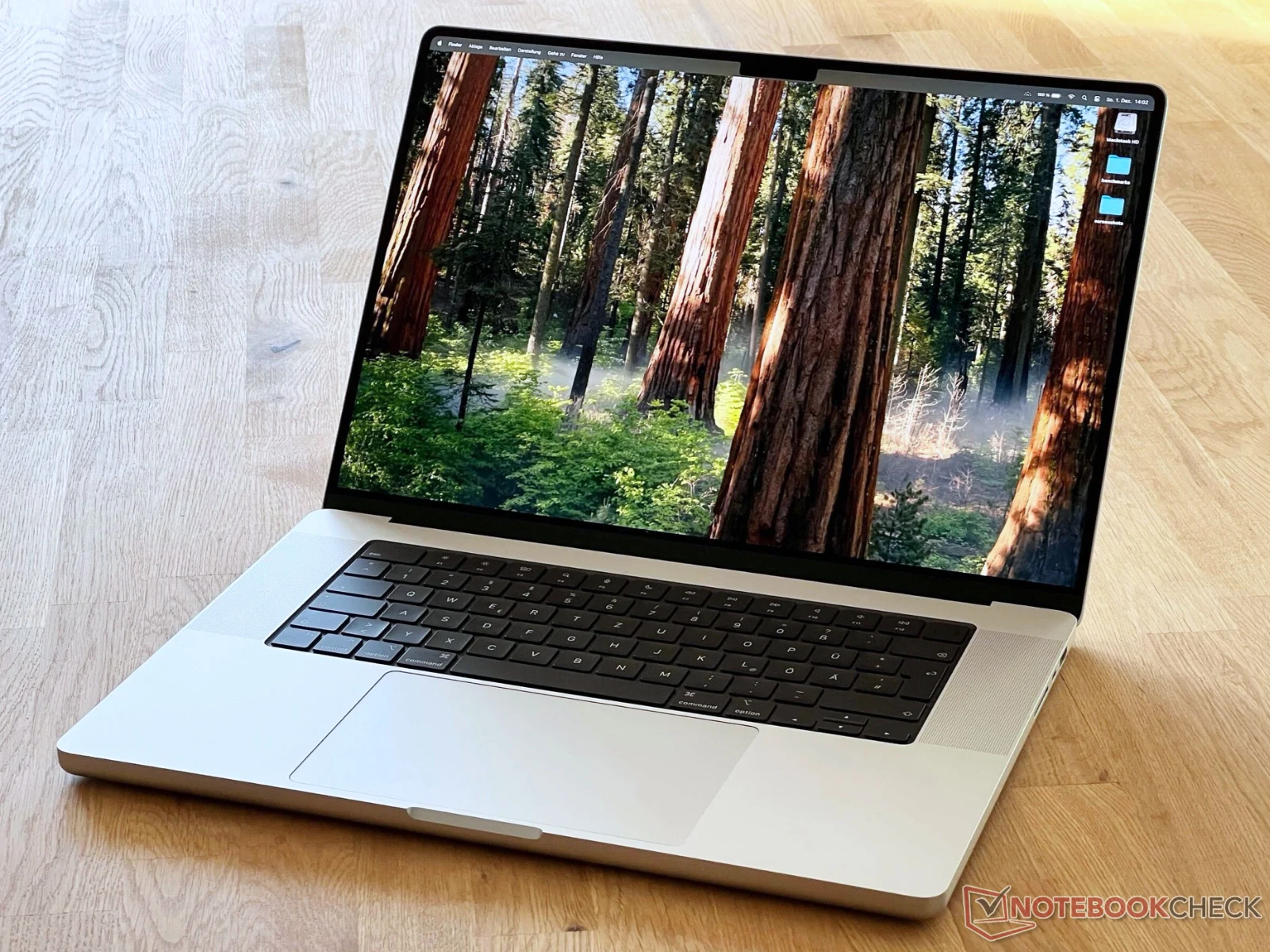
    The MacBook Pro 14 featuring Apple’s M5 chipset has been on the market since October 2025, currently priced at $1,511 on Amazon. There are reports that more powerful versions, the M5 Pro and M5 Max, are set to be released soon. Additionally, the new MacBook Pro 16, the first update since November 2024, will come with the same processors as its smaller counterpart.

    Possible Release Dates

    Mark Gurman has indicated in his Power On newsletter that the new MacBook Pro 14 and 16 models might be launched sometime between February and March. He states that Apple plans to align these updates with the macOS 26.3, which just entered its third beta phase last week. In contrast, the leaker known as @ld_vova has hinted that the M5 Pro and M5 Max might come out by the end of February 2.

    No Official Confirmation

    As is typical, Apple has not given any public hints regarding the refresh of its higher-end MacBook Pro line. However, the extended 4-6 week lead times for pricier M4 series models on the Apple Online Store suggest that the launch of M5 Pro and M5 Max is imminent. For this generation, the primary upgrades are expected to center around new chipsets, while redesigns, Face ID, and an OLED touchscreen are projected to be introduced in late 2026 or early 2027.

    Source:
    Link


  • Retro X3 Mini-PC Launch: Affordable with AMD Ryzen Processor

    Retro X3 Mini-PC Launch: Affordable with AMD Ryzen Processor

    Key Takeaways

    1. Acemagic has launched the Retro X3 mini-PC, following the introduction of the Retro X5 and showcasing unreleased models at CES 2026.
    2. The Retro X3 is powered by AMD’s Zen 4 architecture with a Ryzen 7 H 255 processor, offering 8 CPU cores and 16 threads.
    3. Key specifications include a Radeon 780M integrated GPU, dual M.2 2280 slots, PCIe 4.0 SSD support, and DDR5-5600 RAM compatibility.
    4. The compact design measures 128 x 128 x 44 mm and features 2.5 Gigabit Ethernet, USB4 connectivity, and six USB Type-A ports.
    5. The Retro X3 is priced at CNY 1,899 (around $275) for the barebones model, with no current information on global pricing or availability.


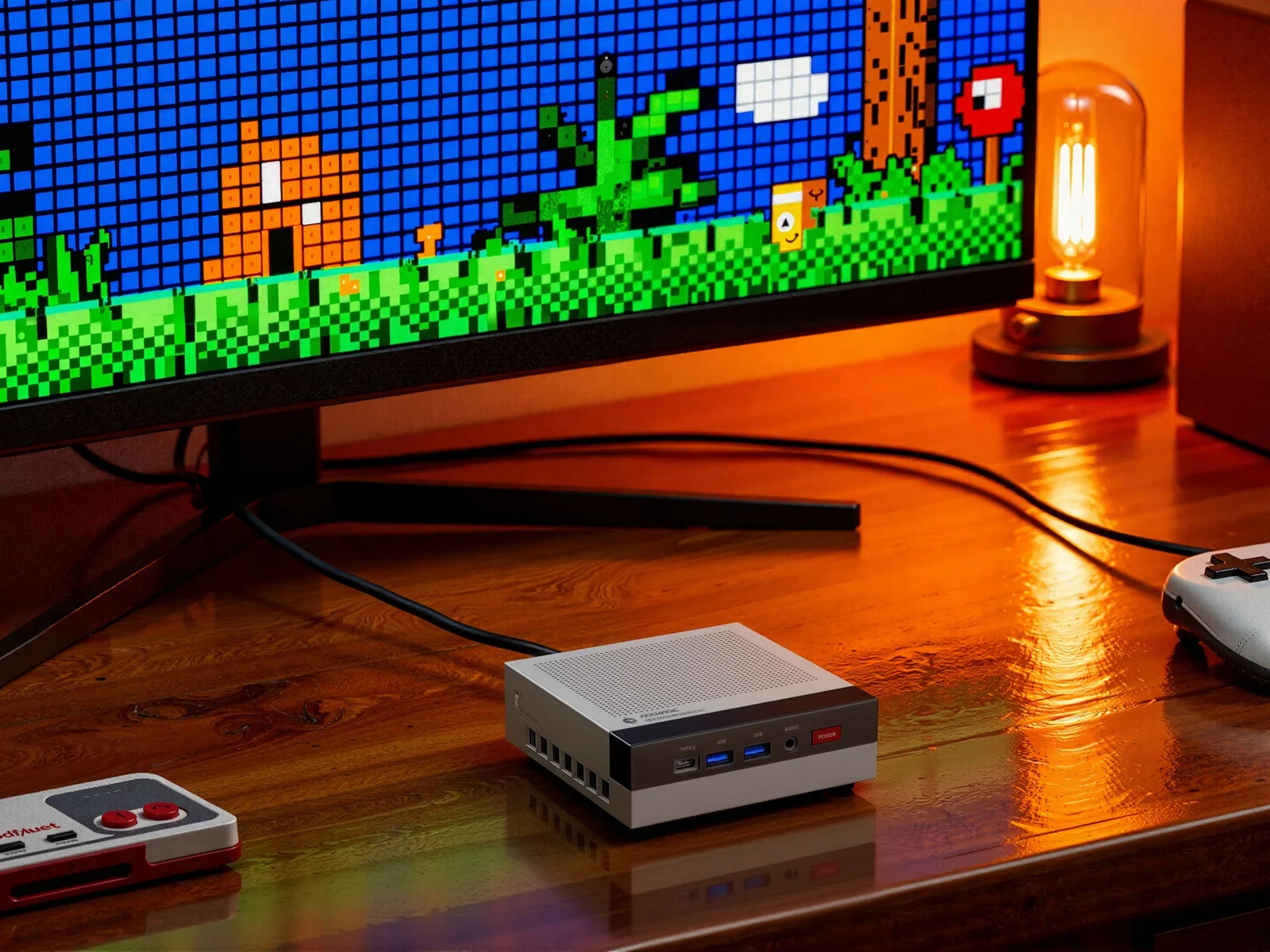
    Acemagic has kicked off the year with a flurry of activities. After introducing the Retro X5 on January 2, the company then showcased unreleased mini-PCs powered by AMD Gorgon Point and Intel Panther Lake at CES 2026 in Las Vegas. Now, they have officially launched the Retro X3.

    New Features of Retro X3

    To give some background, Acemagic also revealed the Retro X3 at the beginning of the month. While the Retro X5 utilizes AMD Zen 5 cores through the Ryzen AI 9 HX 370, the Retro X3 is built on AMD’s older Zen 4 architecture. This model specifically features the Ryzen 7 H 255, which we have previously evaluated in the GMK NucBox K12 and the Beelink SER9 Pro (currently priced at $699 on Amazon).

    Specifications and Design

    The Retro X3 is equipped with 8 CPU cores, 16 threads, and a Radeon 780M integrated GPU, but it does not include a neural processing unit (NPU). Furthermore, Acemagic’s new mini-PC offers dual M.2 2280 slots and SODIMM slots for PCIe 4.0 SSDs and DDR5-5600 RAM, all contained within a compact size of 128 x 128 x 44 mm. Additionally, the Retro X3 features 2.5 Gigabit Ethernet, USB4 connectivity, and six USB Type-A ports. Acemagic has set the price for the Retro X3 at CNY 1,899 (around $275) for the barebones model. However, there is still no information regarding global pricing or when it will be available.

    Conclusion

    In summary, Acemagic is making significant strides in the mini-PC market with the launch of the Retro X3. While it utilizes older technology compared to its sibling, the Retro X5, it still offers impressive specifications and features for users looking for a compact yet powerful device. The pricing seems competitive, but potential buyers will need to wait for further details on availability outside of China.

    Source:
    Link


  • High-End Intel Panther Lake Laptops Priced Up to $2,400

    High-End Intel Panther Lake Laptops Priced Up to $2,400

    Key Takeaways

    1. Intel’s Panther Lake laptops feature the Core Ultra 300 series APUs, which offer strong graphics performance and energy efficiency.
    2. The price range for these laptops is between $1,400 and $2,400, with an average cost of around $2,100.
    3. High memory costs are significantly impacting the pricing of Panther Lake laptops, leading to recommendations to wait for the upcoming Lunar Lake models.
    4. Panther Lake’s high costs were anticipated due to advanced manufacturing processes used for the CPU and GPU components.
    5. Consumers should expect to invest around $2,000 for laptops featuring the Core Ultra X9/X7 APUs and Arc B390 GPU.


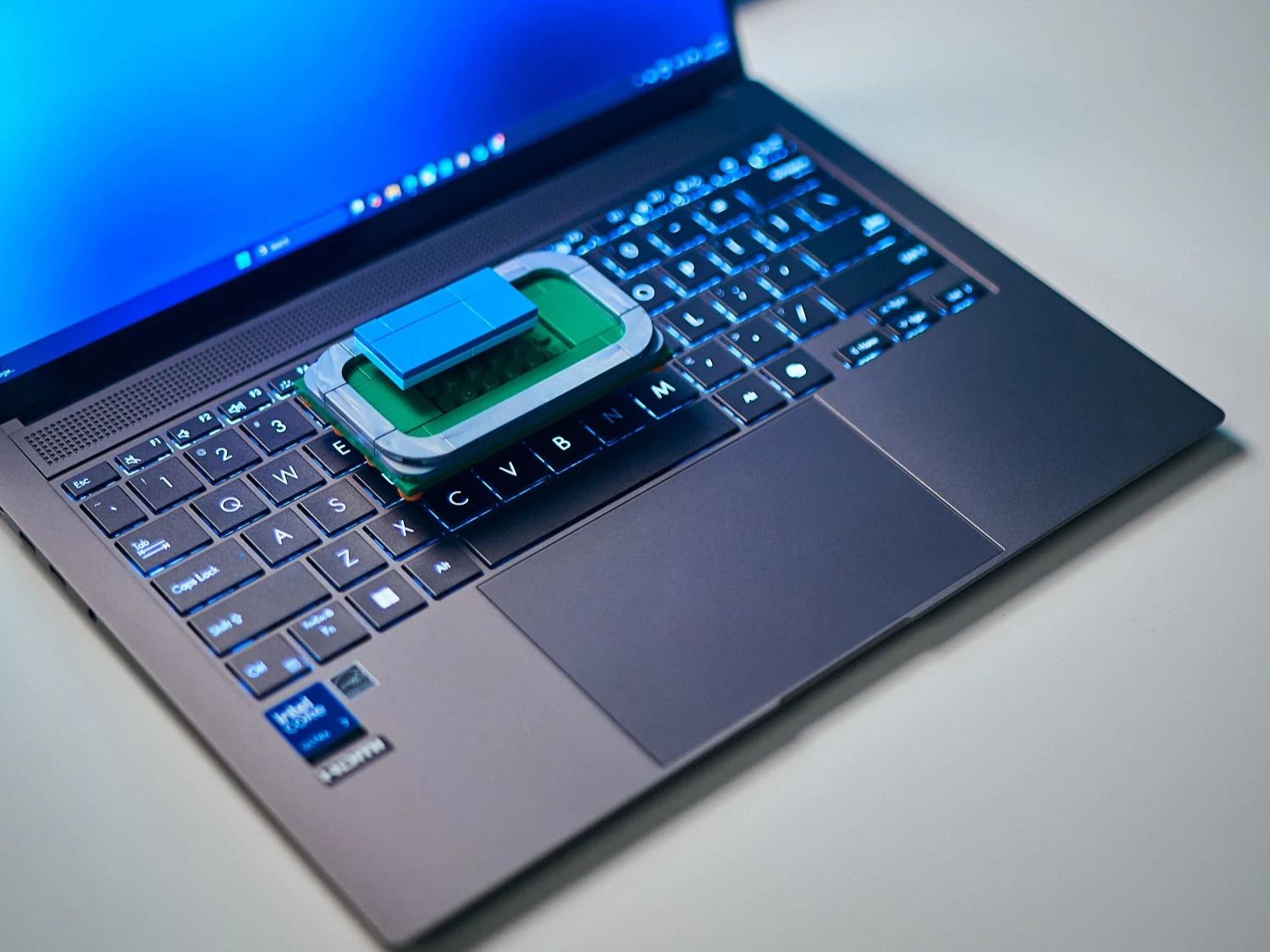
    With the reviews for Intel’s Panther Lake laptops now available, it’s clear that the company has made significant advancements with the Core Ultra 300 series APUs. The Core Ultra X9/X7 APUs, equipped with the Arc B390 integrated GPU, stand out for their remarkable energy efficiency and strong graphics performance. Nevertheless, the laptops that utilize these Panther Lake Core Ultra X9 and X7 chips are expected to come with a hefty price tag.

    Pricing Insights

    According to insights shared by Moore’s Law Is Dead, based on information from various retail and OEM channels, the price range for Intel Panther Lake laptops is between $1,400 and $2,400. The average cost hovers around $2,100. Furthermore, a major OEM indicated to MLID that the pricing for the top-tier Panther Lake models is comparable to AMD’s Strix Halo machines. This suggests that even though Intel claims its Core Ultra 300 series and AMD’s Ryzen AI Max+ Strix Halo APUs are not in direct competition, these leaked prices are likely to create a rivalry between Team Blue and Team Red.

    Factors Affecting Costs

    The same OEM source also pointed out that the high costs of memory are playing a significant role in the pricing of Panther Lake laptops. As a result, they recommended that consumers looking to save money should consider waiting for Lunar Lake laptops, which are expected to be released in 2026. Intel’s Lunar Lake APUs are expected to rival Panther Lake in terms of efficiency and single-core performance. Thus, if advanced graphics and multi-core performance offered by the Core Ultra X9/X7 APUs are not essential to you, laptops based on the Core Ultra 200 series might be sufficient (you can find one on amazon.com).

    Expectations vs. Reality

    While the pricing details from MLID may not be what some enthusiasts hoped for, the high cost of the Core Ultra 300 APUs was anticipated. The CPU components of the Intel Panther Lake APUs are manufactured using Intel’s cutting-edge 18A process node, which is costly. Additionally, Intel has opted for the TSMC N3E 3 nm node for the Arc B390 integrated GPU, which has also seen rising prices due to ongoing increases.

    So, if you’re interested in acquiring an Intel Panther Lake laptop, particularly one featuring the Arc B390, be ready to invest around $2,000.

    Source:
    Link


  • Minix Neo Z95: Affordable Mini PC for Everyday Use

    Minix Neo Z95: Affordable Mini PC for Everyday Use

    Key Takeaways

    1. Minix has launched the Neo Z95 mini PC powered by the Intel N95 processor from the Alder Lake-N family.
    2. The device features 16GB of LPDDR5X RAM and a 512GB PCIe 3.0 SSD, with upgrade options for storage.
    3. The compact design measures 88 x 88 x 43 mm and supports triple-display setups with one DisplayPort and two HDMI ports.
    4. It includes an active cooling system to manage CPU temperature during heavy use, but is not intended for demanding multitasking.
    5. While pricing details are not confirmed, similar Intel N95 mini PCs are priced around $230, with availability expected soon.


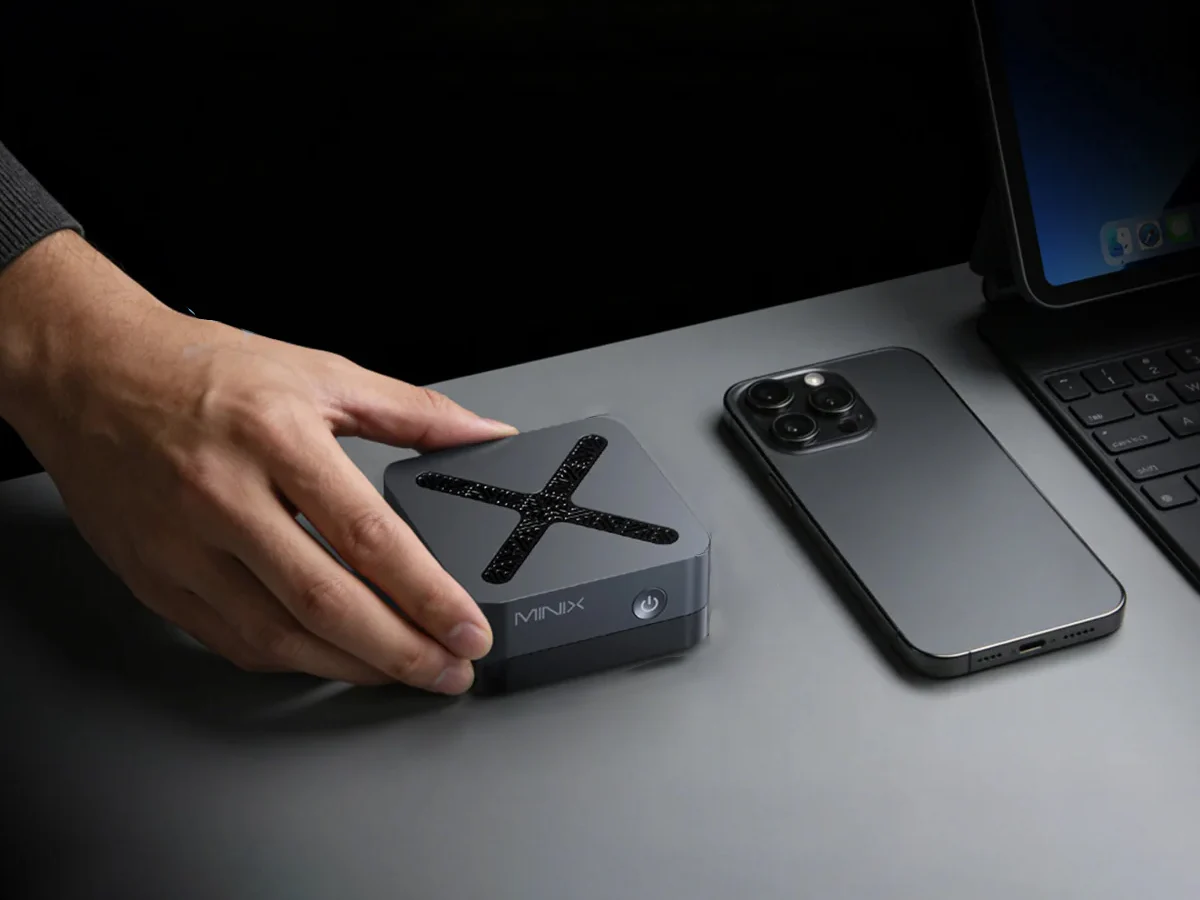
    Minix has launched the Neo Z95, a small-sized mini PC that runs on the Intel N95 processor. This processor belongs to the Alder Lake-N family and was introduced in the first quarter of 2023, eventually being succeeded by the N150 and N200. Although the CPU is somewhat dated, it remains suitable for everyday tasks and light office activities.

    Specifications and Memory

    The device comes with 16GB of LPDDR5X RAM, and Minix only offers one configuration that includes a 512GB PCIe 3.0 SSD. There’s no information regarding the total storage limit, but it can be upgraded. However, it’s important to note that the RAM is soldered onto the motherboard.

    Compact Design and Connectivity

    In terms of dimensions, the Minix Neo Z95 features a compact design. The company states its size is 88 x 88 x 43 mm. Despite its small footprint, it includes various ports, such as:

    The mini PC is equipped with one DisplayPort and two HDMI ports, allowing for triple-display setups. However, it should be noted that the processor is not designed for demanding multitasking. In addition, there’s an active cooling system that aims to maintain the CPU’s temperature under heavy loads, and the casing has a modern appearance.

    Pricing and Availability

    While the exact price hasn’t been disclosed, Intel N95 mini PCs typically retail for about $230 (like the 16/512GB GMK G3S, which is currently priced at $224.99 on Amazon). Minix has also not provided any details regarding the launch date, but since the product page is live, it is expected to be available for purchase in the near future.

    Source:
    Link


  • Compact GMK K13 Mini PC Launches Worldwide with Powerful CPU

    Compact GMK K13 Mini PC Launches Worldwide with Powerful CPU

    Key Takeaways

    1. The GMKtec NucBox K13 is a compact mini PC powered by the Intel Core Ultra 7 256V processor from the Lunar Lake series.
    2. It offers two configurations: 16GB RAM with 512GB storage for $669.99, and 16GB RAM with 1TB storage for $719.99.
    3. The mini PC can effectively run many modern games at 1080p resolution with its Arc 140V iGPU and has expandable storage options up to 16TB.
    4. Its compact design measures 186x88x36.6mm and includes multiple connectivity ports, including USB4 for eGPU support.
    5. Features include WiFi 6E, Bluetooth 5.2, triple display output, and an efficient turbine fan cooling system for temperature management.


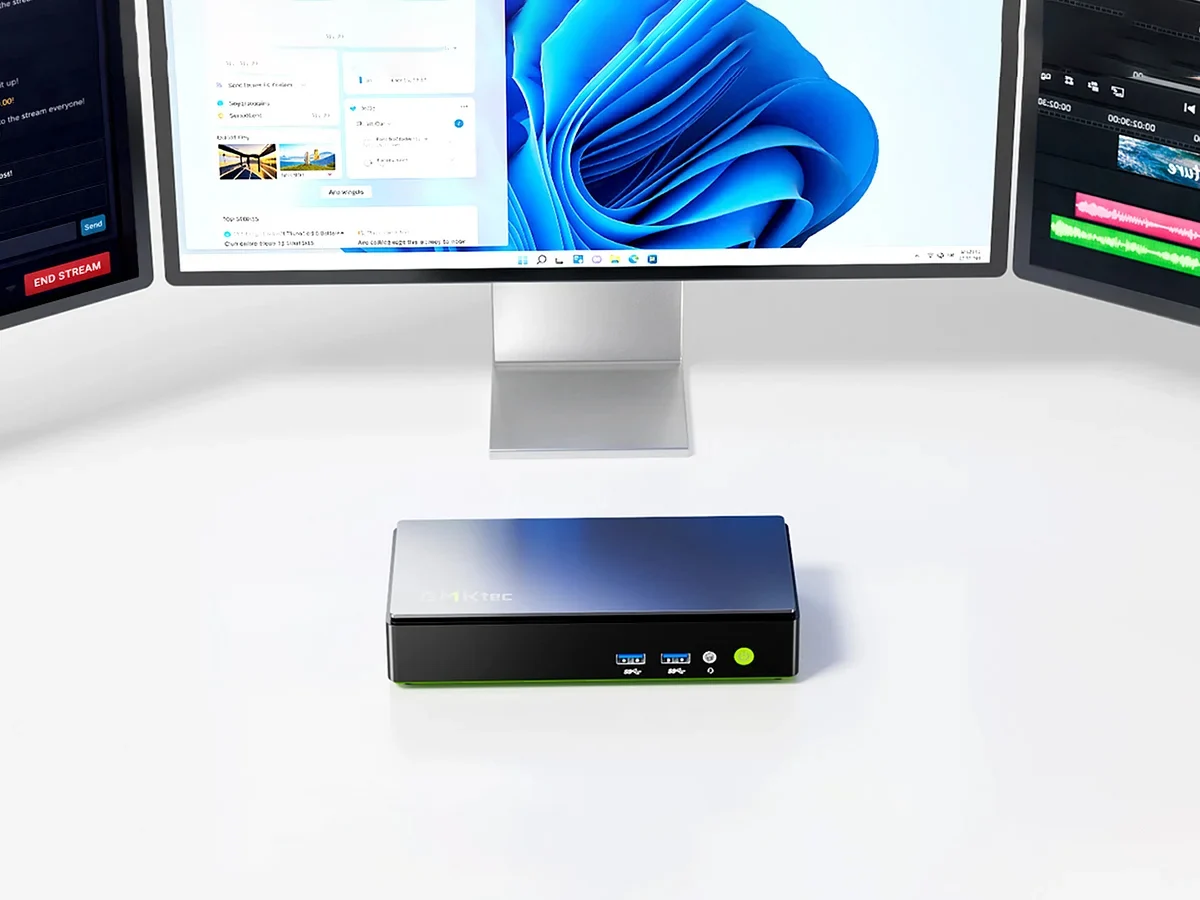
    The GMKtec NucBox K13 has recently been launched in China as a compact mini PC powered by a capable Lunar Lake processor. It is now accessible worldwide, and its pricing is quite similar to what it is in the Chinese market.

    Options and Pricing

    There are two configurations to choose from: the base model comes with 16GB of LPDDR5X RAM and 512GB of PCIe 4.0 storage. The introductory promotional price for this variant is $669.99. The second option features a larger 1TB SSD, currently available at a discounted price of $719.99.

    Performance and Features

    Inside this small mini PC is the Intel Core Ultra 7 256V, which is a solid mid-range processor from the Lunar Lake series. It includes the Arc 140V iGPU, which can effectively run many modern games at 1080p resolution with some adjustments to the graphical settings.

    While GMKtec provides this compact mini PC with a maximum of 1TB of storage, there are two PCIe 4.0 slots that can accommodate an 8TB SSD each (1TB Crucial P310 available for $101.15 on Amazon). This allows for a total storage capacity of 16TB.

    Design and Connectivity

    The design of the NucBox K13 is another impressive aspect. Its dimensions are 186x88x36.6mm, making it smaller compared to many other Lunar Lake mini PCs. Despite its compactness, it offers a good range of connectivity ports, which include:

    With its USB4 ports, users can connect the system to an eGPU for enhanced gaming performance, though an OCuLink port would have been a nice addition. Nevertheless, GMKtec emphasizes that the turbine fan cooling system can maintain the CPU’s temperature even during heavy usage. Additional features include WiFi 6E, Bluetooth 5.2, and support for triple display output. To find out more about the NucBox K13, check the specifications sheet attached below.

    Source:
    Link


  • Zotac Unveils CM5-PICO: World’s Smallest Raspberry Pi CM5 Computer

    Zotac Unveils CM5-PICO: World’s Smallest Raspberry Pi CM5 Computer

    Key Takeaways

    1. Zotac will unveil the CM5-PICO, a new single-board computer, at ISE 2026 in Barcelona.
    2. The CM5-PICO is based on the Raspberry Pi Compute Module 5, featuring a quad-core ARM CPU and up to 16 GB of RAM.
    3. It includes various connectivity options, such as dual HDMI ports, Gigabit LAN, and USB 3.2 ports, all in a compact aluminum case.
    4. The board supports versatile applications, including kiosks, digital signage, and edge AI inferencing.
    5. Zotac will also showcase its new Edge AI portfolio alongside the CM5-PICO at the event.


    Integrated Systems Europe (ISE) 2026 is kicking off next week at the Fira de Barcelona Gran Via in Barcelona, where Zotac will unveil a new single-board computer (SBC) at the event.

    Introducing the CM5-PICO

    Zotac is set to present the CM5-PICO computer, which operates on the Raspberry Pi Compute Module (CM5) during ISE 2026. The company asserts that this is the smallest and most feature-rich CM5-based SBC in the world, aiming to provide “strong options, flexible form factors, industrial-grade durability, and availability till January 2036.”

    Technical Specifications

    The Raspberry Pi CM5 is a system-on-module (SoM) that includes a Broadcom BCM2712 quad-core Cortex-A76 ARM CPU running at 2.4 GHz. It can be combined with as much as 16 GB of LPDDR4x-4267 RAM. The CM5 can handle 30 GPIO signals and supports Vulkan 1.2 along with USB-C power delivery.

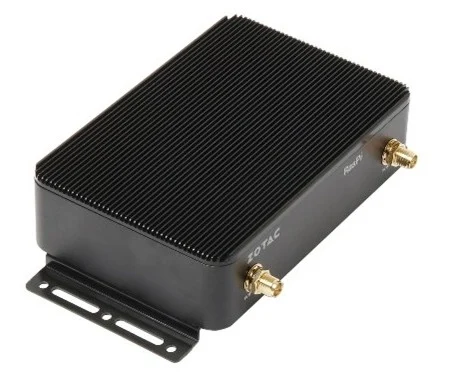
    Zotac mentions that the CM5-PICO is housed in a passively cooled aluminum case, measuring 114.8 x 76 x 31 mm. It features two full-size HDMI ports that are capable of 4K output, Gigabit LAN, dual USB 3.2 ports, and a USB Type-C port.

    Versatile Applications

    Furthermore, the CM5-PICO board includes a 40-pin Raspberry Pi HAT header, RS232 header, dual CSI-2 camera interfaces, and a PWM fan header. It also comes with one Key-M 2280 and one Key-B 3024 PCIe module, enabling connections to NVMe SSDs, 4G/5G modems, and dedicated NPUs for AI inference.

    The CM5-PICO is suitable for a range of uses, including kiosks, digital signage, industrial IoT gateways, edge AI inferencing, and computer vision, to name a few.

    In addition to the CM5-PICO, Zotac will also display its new Edge AI portfolio, which consists of various innovative products.

    Source:
    Link


  • NASA Reveals Events Just Before Neutron Star Collisions

    NASA Reveals Events Just Before Neutron Star Collisions

    Key Takeaways

    1. Neutron star mergers create powerful gamma-ray bursts, among the most intense explosions in the universe.
    2. The magnetic fields generated by these stars are extremely strong, up to 10 trillion times more potent than typical refrigerator magnets.
    3. NASA’s Pleiades supercomputer was used for over 100 simulations to study the effects of magnetic fields during neutron star mergers.
    4. Significant interactions among magnetic field lines occur in the last 7.7 milliseconds before a merger, converting particles into radiation and vice versa.
    5. While high-energy gamma-rays cannot escape due to strong magnetic fields, lower-energy gamma-rays can escape and may lead to X-ray emissions, providing insights into neutron star mergers.


    When a neutron star merger takes place, it creates one of the most intense explosions in the universe — gamma-ray bursts. Prior to these mergers, the stars revolve dozens of times, generating a magnetic field. This magnetic field is among the most powerful known, being up to 10 trillion times more potent than a typical refrigerator magnet. The strength of these magnetic fields allows them to convert gamma-rays directly into electrons and positrons, accelerating them to extremely high energies.

    Complex Simulations

    Scientists utilized NASA’s Pleiades supercomputer to conduct over 100 simulations to examine how various magnetic field setups influenced the emission of electromagnetic waves from a pair of orbiting neutron stars, each with a mass of 1.4 solar masses. Most simulations concentrated on the last 7.7 milliseconds leading up to the merger. The results indicated a significant interaction among the magnetic field lines during this brief period, where the lines connect, break apart, and reconnect. As these fields interact, particles are turned into radiation and the other way around.

    Insights on Gamma-Rays

    The simulations also identified areas where the highest-energy gamma-rays are generated. These gamma-rays cannot escape the merging system due to their rapid conversion into particles in the presence of strong magnetic fields. However, lower-energy gamma-rays can escape and may produce X-rays later. Future observatories could focus on detecting these lower-energy emissions, offering scientists a glimpse of a neutron star merger just before it occurs.

    Source:
    Link


  • Lenovo ThinkPad T1g Gen 8: High-Quality Keyboard & CAMM2-RAM

    Lenovo ThinkPad T1g Gen 8: High-Quality Keyboard & CAMM2-RAM

    Key Takeaways

    1. Lenovo has improved the ThinkPad series with the new ThinkPad T1g Gen 8 and ThinkPad P1 Gen 8, addressing previous quality concerns.
    2. The build quality is top-notch, featuring a sleek 16-inch design, a superb keyboard, and solid stability.
    3. The T1g is feature-rich, offering Thunderbolt 5, Wi-Fi 7, and support for two PCIe 5.0 SSDs, though it lacks a 5G module and SmartCard reader.
    4. Performance is strong with Intel Core Ultra 7 255H and GeForce RTX 5070, but the display quality could be better due to a grainy appearance on the optional Tandem OLED screen.
    5. The starting price is high at nearly €3,000, targeting affluent business users, with hopes for these improvements to appear in other ThinkPad models.


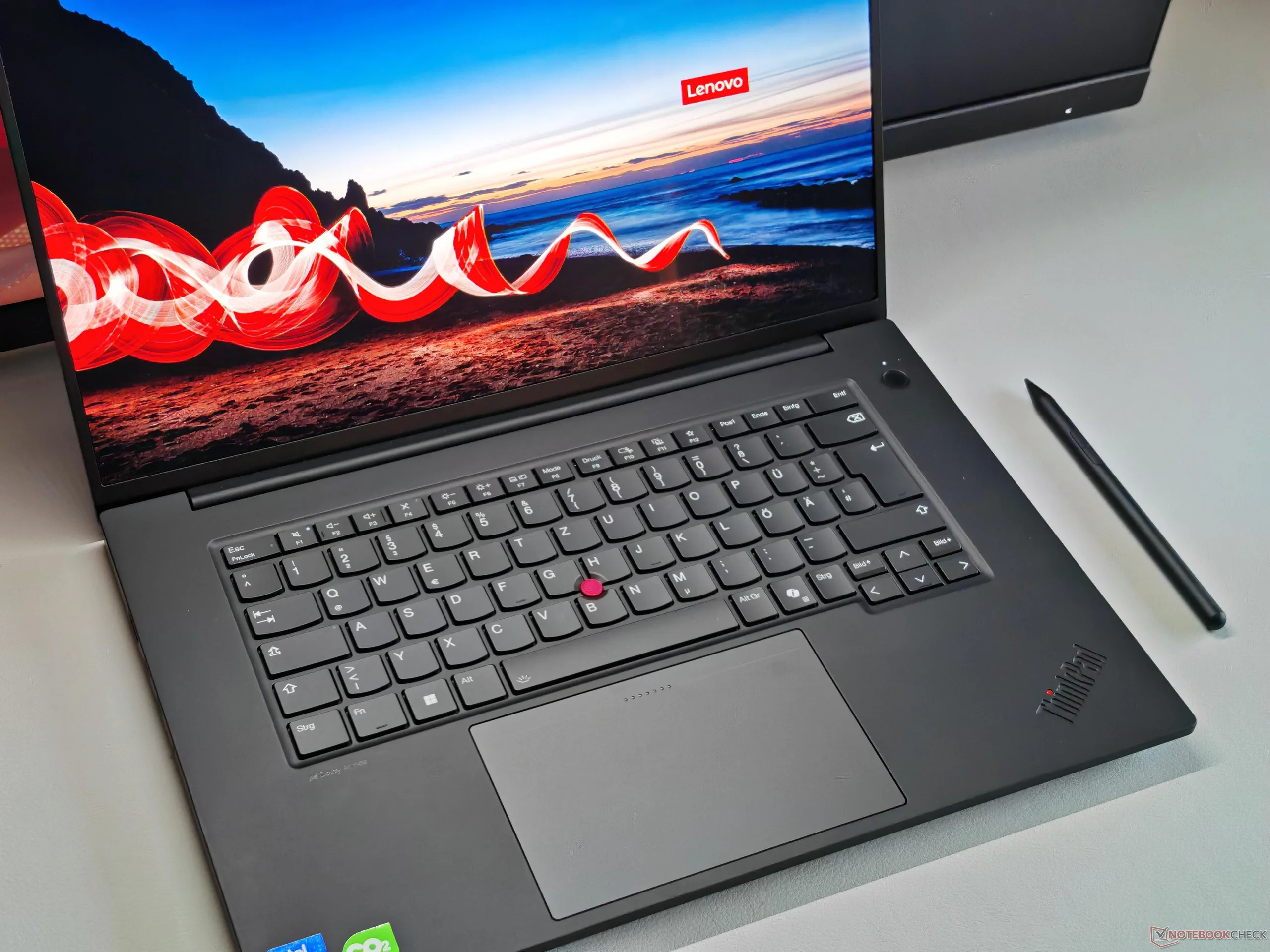
    In the past few years, Lenovo faced a lot of criticism for the falling quality of their ThinkPad series, particularly concerning the keyboards and display options. However, with the release of the ThinkPad T1g Gen 8 and its workstation version, the ThinkPad P1 Gen 8, Lenovo demonstrates that they are capable of creating high-end laptops without these previous problems. The outcome is likely the finest ThinkPad available on the market right now.

    Impressive Build Quality

    Starting at nearly €3,000, you would anticipate top-notch quality, and the T1g certainly meets those expectations. The 16-inch design is quite elegant, and both the stability of the base and lid, along with the overall build quality, is unquestionable. The superb keyboard fits right in with this quality. The key travel remains at 1.5 mm, and the sharp and responsive feedback brings back memories of the fantastic ThinkPad keyboards from earlier models. Depending on how you use it, the absence of a dedicated numpad might be a drawback. The touchpad no longer has dedicated TrackPoint buttons, but it functions well, and we believe the benefits in real-world use outweigh this change.

    Feature-Rich Experience

    When it comes to features, the T1g offers almost everything you might desire. Thunderbolt 5 is onboard, and it includes a cutting-edge Wi-Fi 7 module. You can also install up to two PCIe 5.0 SSDs. The memory uses a CAMM2 module and is replaceable, but it caps out at 64 GB, which could be a limitation for some users. However, the absence of a 5G module and a SmartCard reader for easy business network connections is a missed opportunity.

    Strong Performance Metrics

    The performance metrics are quite impressive, pairing the Intel Core Ultra 7 255H with the GeForce RTX 5070, even though they are not the fastest options available. The display situation is a bit trickier. Our review unit came with the optional Tandem OLED screen, but the image quality suffers slightly due to the matte finish and touch layer, leading to a grainy appearance. Still, the matte surface helps reduce reflections, and the brightness levels are excellent. Battery life is decent, but the base display—offering 1080p at 60 Hz—is not really suitable given the premium starting price.

    To sum it up, Lenovo has created a great all-around laptop for affluent business users, as prices can quickly exceed €4,000. We are hopeful that Lenovo will incorporate some of these positive features into other ThinkPad models. For further details, please check out our in-depth review of the new ThinkPad T1g Gen 8.


  • Zotac Launches Edge AI Mini PC with Up to 64GB RAM Options

    Zotac Launches Edge AI Mini PC with Up to 64GB RAM Options

    Key Takeaways

    1. The ISE exhibition showcases products primarily aimed at industrial clients rather than regular consumers.
    2. Zotac’s ZP-CM5-PICO and other devices are designed to enhance performance in analytics and manufacturing setups.
    3. The ZP-RK88DX and ZP-RK76 models feature RK3588 and RK3576 chipsets, making them suitable for Linux use and AI applications.
    4. The ZP-MI625DX model runs on an Intel Core Ultra 5 125H and supports up to 64GB of DDR5 RAM and M.2 SSDs.
    5. Zotac has not disclosed pricing or availability, and products are expected to be available through specialized distributors rather than regular retail stores.


    The ISE is an exhibition, and it’s no surprise that the products showcased there are mainly not for regular consumers. This includes the ZP-CM5-PICO along with other new devices from Zotac. These systems are designed for industrial clients who wish to link an existing analytics or manufacturing setup to a main control hub, benefiting from enhanced performance depending on the model. This setup helps in categorizing measurement data effectively.

    Device Specifications

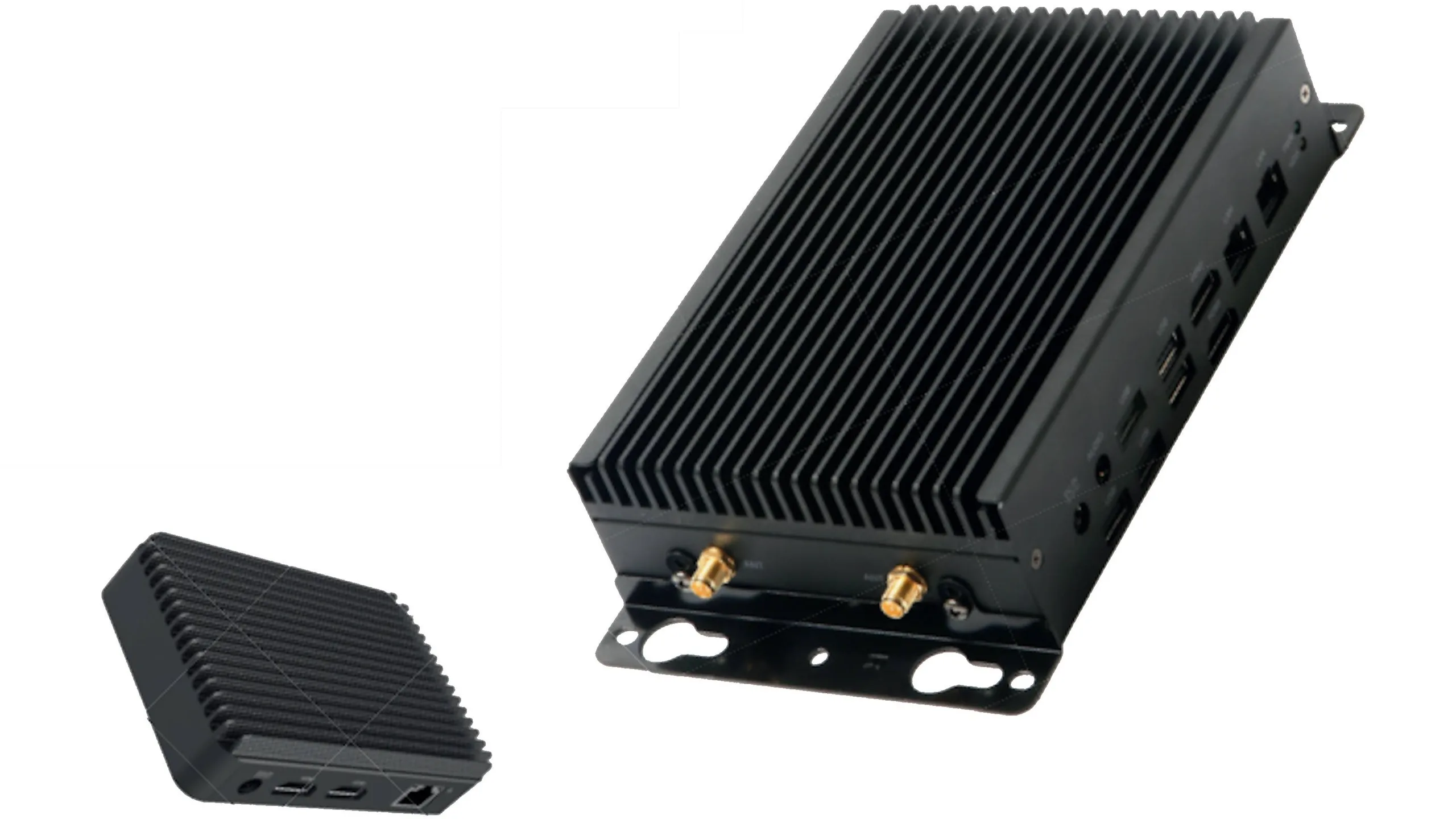
    To be specific, the ZP-RK88DX and ZP-RK76 models utilize the RK3588 and RK3576 chipsets, making them ideal for Linux operations. The ZP-RK88DX can also be paired with a DeepX module, which delivers an AI performance of 25 TOPS. On the other hand, the ZP-MI625DX follows a similar concept but runs on the Intel Core Ultra 5 125H, which comes with an integrated NPU. This mini PC supports M.2 SSDs and can be outfitted with up to 64GB of DDR5 RAM.

    Performance and Features

    The ZP-S35N150P and ZP-PI339-P2 feature the Intel N150 processor, which is rather limited in performance. However, the ZP-PI339-P2 employs a passive cooling method. When compared to the ZP-S35N150P, the ZP-PI339-P2 bears a closer resemblance to a standard mini PC, while the latter is also suited for wall mounting. Both models include two HDMI 2.0 ports. In addition, the ZP-S35N150P can connect with other devices using RS485 and dual Gigabit Ethernet.

    At this moment, Zotac hasn’t shared specific pricing or availability information yet. Regardless, it’s likely that the mini PCs and other Edge AI devices won’t be found at typical consumer retail stores but rather through specialized distributors.

    Source:
    Link