Category: Computers

  • Keychron Launches Stylish Wireless Low-Profile Hall Effect Keyboards

    Keychron Launches Stylish Wireless Low-Profile Hall Effect Keyboards

    Key Takeaways

    1. Keychron introduces two new keyboards: K3 HE with Hall effect sensors and K3 Ultra with mechanical switches and 8K polling rate.
    2. K3 HE offers deeper customization options due to its Hall effect sensors and magnetic switches.
    3. Both keyboards are expected to have an ABS bottom case and may be compatible with universal low-profile HE switches.
    4. Keychron Milk POM Low-Profile switches have a travel distance of 3.1 mm, while Ultra-Fast Lime switches are estimated to be between 2.8 mm and 3.5 mm.
    5. Official pricing for the K3 HE and K3 Ultra will be announced on February 12, with a $3 reservation fee for early bird pricing.


    Keychron’s K2 HE has become quite popular for the brand, and now they are continuing with this success by introducing two new keyboards. The K3 HE adopts the design we admired in our review of the Keychron K4 HE, but it features a low-profile setup with entirely new switches. Meanwhile, the K3 Ultra takes inspiration from the K15 Max we’ve reviewed before, using its low-profile design and LSA keycaps, while also incorporating the rosewood accents found in the K3 HE and the new Milk POM switches that were previously seen in the Keychron K9 Max. Additionally, it includes the firmware updates that come with the recent Ultra series.

    Wireless Features and Differences

    Both keyboards are designed for wireless use and are suitable for portable applications, but there are key differences between the K3 Ultra 8K and the K3 HE. To begin, the K3 Ultra is mechanical, whereas the K3 HE is equipped with Hall effect sensors. The K3 Ultra also has a polling rate of 8K, which seems unusual since the K3 HE only reaches a maximum of 1 kHz. Thanks to its Hall effect sensors and magnetic switches, the K3 HE is able to provide deeper customization options for features such as actuation point DKS, snap tap, rapid trigger, and analog input.

    Speculation on Specifications

    From what Keychron has shared about their upcoming low-profile gaming keyboards, we can make some guesses regarding the specs of the K3 HE and K3 Ultra. Although Keychron has not confirmed it, it is reasonable to think that both keyboards will have the ABS bottom case similar to the original K HE Special Edition models. It also seems probable that they will feature the Keychron Ultra-Fast Lime Low-Profile switches with north-pole magnets, akin to the regular Ultra-Fast Lime switches we encountered in the Q1 HE 8K review. This suggests that the K3 HE might be compatible with standard “universal” low-profile HE switches, like the Gateron Magnetic Jade Pro switches (currently priced at $79.99 for 90 switches on Amazon) or those from TTC, such as the Low-Profile KOM switches.

    Travel Distance and Pricing

    While we know the Keychron Milk POM Low-Profile switches have a total travel of 3.1 mm, there has been no specification provided on the travel distance for the Ultra-Fast Lime switches. Nevertheless, those switches are likely based on designs from an OEM, so their travel distance may fall between 2.8 mm and 3.5 mm. Considering the box stem and the short travel distance of the original Ultra-Fast Lime switches, it seems reasonable to suggest that 2.8 mm is a closer estimate. The pricing for these two keyboards remains uncertain, with Keychron only announcing a $3 reservation fee for early bird pricing. The official launch is set for February 12, at which point the actual specifications and pricing will be revealed.

    Source:
    Link


  • Ugreen Unveils 100W GaN Charger with 5 Ports and Smart Display

    Ugreen Unveils 100W GaN Charger with 5 Ports and Smart Display

    Key Takeaways

    1. Ugreen Nexode Pro charger offers 100W power output with five ports (four USB-C and one USB-A) for simultaneous charging of five devices.
    2. It can charge a 14-inch MacBook Pro M4 Pro to 54% in just 30 minutes when using one USB-C port.
    3. The charger supports multiple charging protocols (PD 3.0, PPS, QC 4.0, etc.) and includes safety features to prevent overvoltage and overheating.
    4. It features an integrated display that shows charging status, temperature levels, and animated emojis for user engagement.
    5. The Ugreen charger is priced at $69.99 in the US and £52.99 in the UK, competing directly with the Anker Prime 100W charger.


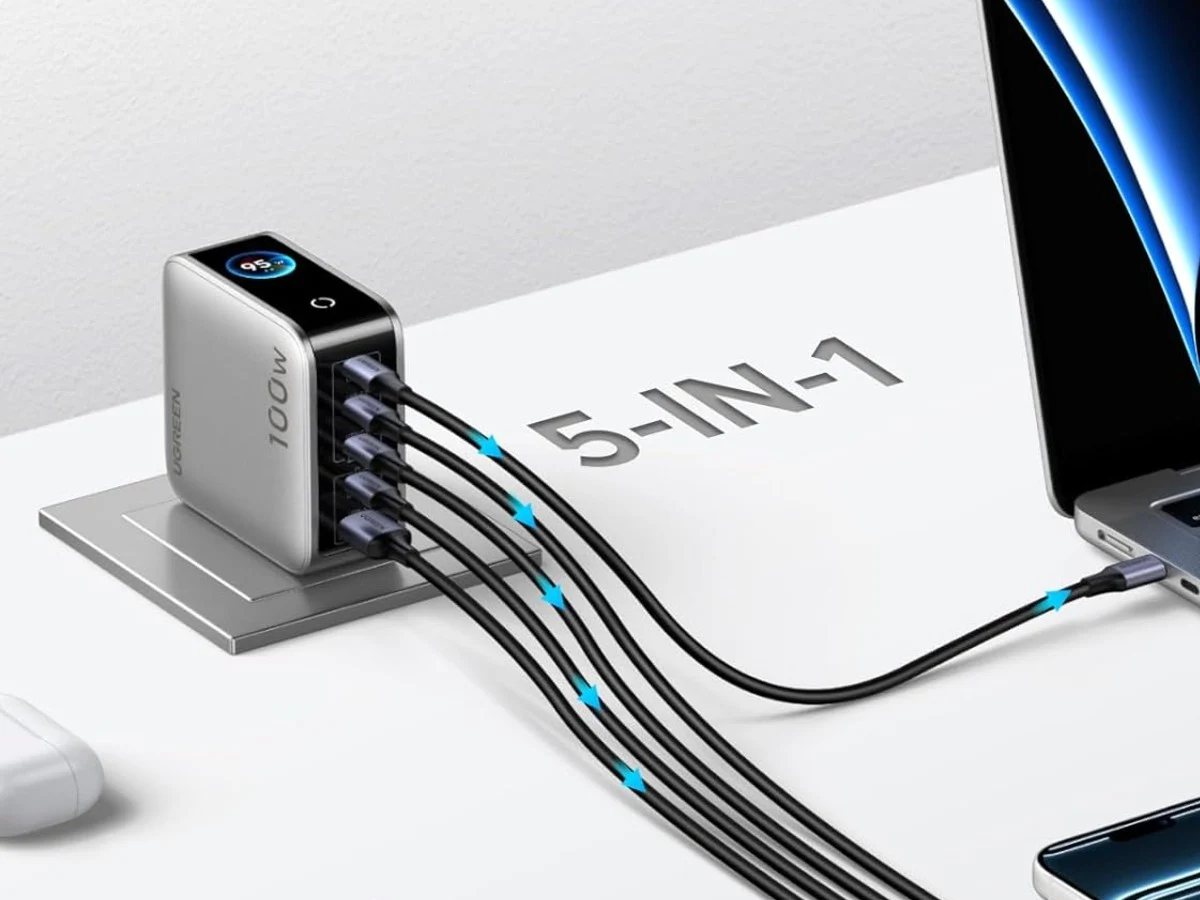
    Ugreen has introduced a new small GaN charger in the US and UK. It has a 100W power output and a smart status display built in, making it a strong rival to the Anker Prime 100W charger with three ports, which was released last year at $49.99 on Amazon. The main distinction lies in the fact that the Ugreen model features five ports, potentially making it more suitable for those who manage numerous devices.

    Features of the Ugreen Nexode Pro Charger

    The Ugreen Nexode Pro charger includes four USB-C ports and one USB-A port, enabling the ability to charge five devices simultaneously, unlike the three ports available on the Anker charger. When charging only one device, any of the USB-C ports can provide the full 100W, which is perfect for powerful gadgets like laptops. Notably, Ugreen asserts it can charge a 14-inch MacBook Pro M4 Pro to 54% in just half an hour.

    Charging Capabilities and Safety

    As anticipated, the power is distributed when several devices are connected. This charger is compatible with various charging protocols, such as PD 3.0, PPS, QC 4.0, FCP, AFC, AVS, and SCP. It also includes built-in safety features to prevent overvoltage, overcurrent, overheating, and short circuits, ensuring a safer charging experience.

    Unique Display and Design

    Another impressive aspect is the integrated display that offers quick insights into charging. Users can keep an eye on temperature levels and the output of each port, along with the charging protocol in use. It even displays animated emojis for a bit of fun! Furthermore, the charger is crafted to occupy less room on a power strip and has foldable prongs, making it more convenient for travel.

    The 100W 5-port Ugreen Nexode Pro charger is currently available in the US for $69.99, matching the price of the Anker model prior to any discounts. In the UK, it retails for £52.99 and can be found on Amazon.

    Ugreen via Amazon

    Source:
    Link


  • Chuwi AuBox X1 Mini PC: 97 TOPS Performance & USB PD Adapter

    Chuwi AuBox X1 Mini PC: 97 TOPS Performance & USB PD Adapter

    Key Takeaways

    1. The Chuwi AuBox X1 mini PC features an Intel Core Ultra 5 226V processor with high AI performance of 97 TOPS, but has non-upgradable 16GB LPDDR5X RAM.
    2. It includes a 512GB PCIe 3.0 SSD that can be upgraded through two M.2 slots, one supporting PCIe 5.0 and the other PCIe 4.0.
    3. The mini PC offers extensive connectivity options, including USB4, multiple USB ports, DisplayPort 1.4, and dual HDMI 2.1 ports, supporting 4K resolution at 144Hz.
    4. Wireless connectivity is robust with WiFi 6E and Bluetooth 5.3, while a 2.5 GbE port is available for wired networks.
    5. The compact design measures about 5 x 5 x 1.6 inches, can be mounted with VESA mounts, and is priced between $600 to $700, with a release expected in late March.


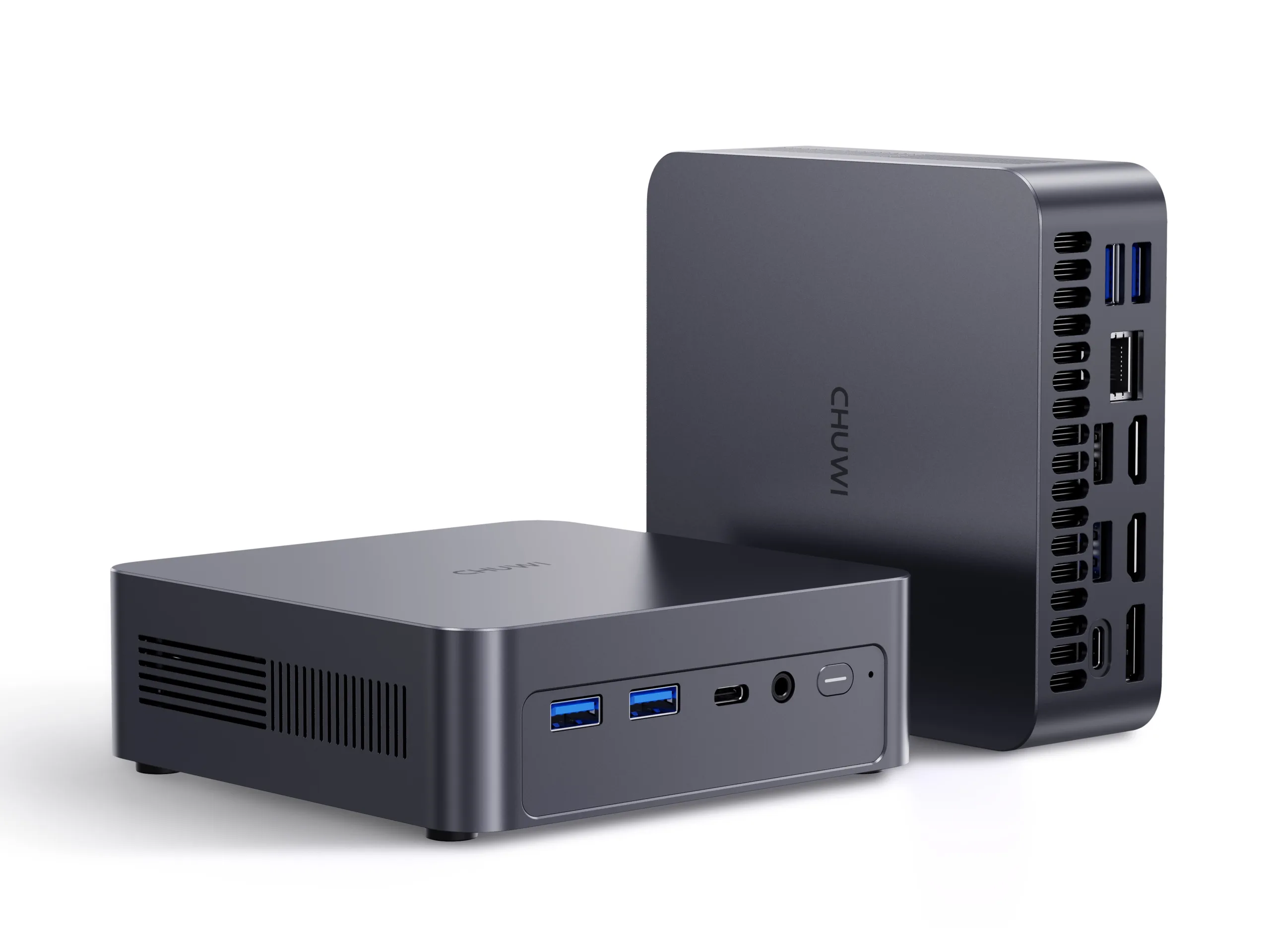
    We’ve talked before about Chuwi, the Chinese company that offers a wide variety of devices. Their latest release, the AuBox X1, is a new mini PC that is being marketed as a Copilot+ PC, making it ideal for local AI tasks.

    Powerful Performance

    This compact desktop is driven by the Intel Core Ultra 5 226V, boasting an AI performance of 97 TOPS, with 40 TOPS generated by the NPU. However, the 16GB LPDDR5X RAM might be a limitation since it is soldered into the device and cannot be upgraded. On the other hand, the 512GB PCIe 3.0 SSD is user-friendly, as it can be expanded or swapped out through two M.2 2280 slots. One slot provides PCIe 5.0 with 4 lanes, while the other connects through PCIe 4.0 with 2 lanes.

    Connectivity Options

    OCuLink isn’t available on this model. Nevertheless, the mini PC does come with a variety of ports. It features USB4 with speeds up to 40 Gbps, alongside USB 3.2 Gen 2, four USB 3.2 Gen 1 ports, and one USB 2.0. The USB4 video output supports 4K resolution at 144Hz, but the AuBox X1 also includes DisplayPort 1.4 and two HDMI 2.1 ports. There’s no need for a traditional barrel plug, as it uses USB PD with a 100W adapter for power.

    Additional Features

    For wireless connectivity, it supports WiFi 6E and Bluetooth 5.3, while wired networks can utilize the 2.5 GbE connection. This compact mini PC has dimensions of approximately 5 x 5 x 1.6 inches, can be mounted using VESA mounts, and is projected to hit the market in late March, with a price range of $600 to $700.

  • Ugreen NeoDrive Go: Compact USB4 SSD with 40 Gbps Speed

    Ugreen NeoDrive Go: Compact USB4 SSD with 40 Gbps Speed

    Key Takeaways

    1. Ugreen will launch a new USB4 portable SSD, the NeoDrive Go, in 2026.
    2. The NeoDrive Go has a compact design similar to AirPods Pro and offers 7 feet of drop protection.
    3. It features USB4 technology, providing transfer speeds up to 3,800 MB/s with compatible devices.
    4. The SSD can connect directly to iPhones for high-quality video recording and has 1TB of storage.
    5. Priced at $499.99, the NeoDrive Go is significantly more expensive than other similar drives on the market.


    Ugreen is set to broaden its storage offerings in 2026 with the introduction of a new USB4 portable SSD. Recently, the company launched AI-driven NAS devices during CES 2026 and already offers a 1TB hard drive in the US, alongside various NVMe enclosures, which includes an 80 Gbps Thunderbolt 5 model. The latest addition is the NeoDrive Go, an external SSD designed to fit in a credit-card-sized body.

    Compact and Durable Design

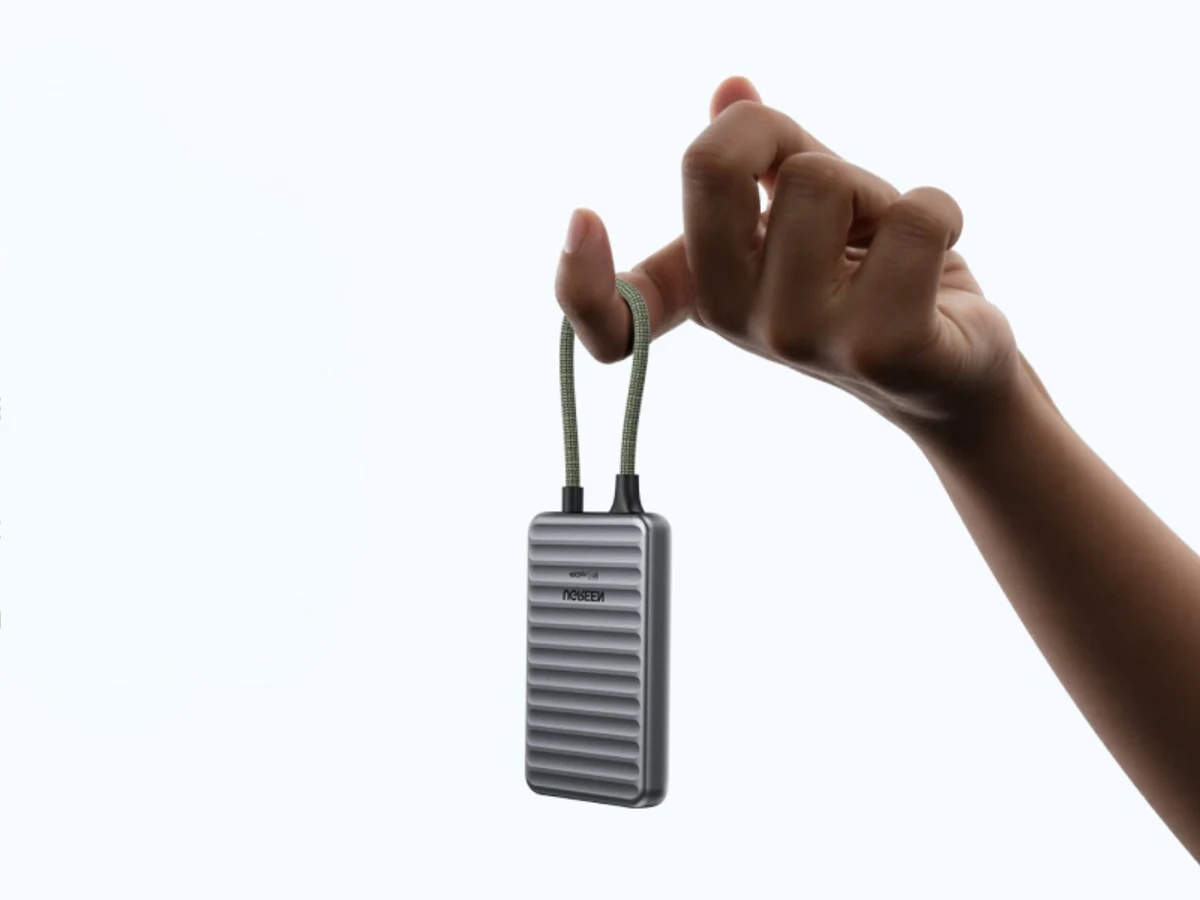
    The NeoDrive Go boasts dimensions of 3.46 x 2.16 x 0.47 inches and weighs 2.46 ounces, which is quite similar to AirPods Pro. Even with its lightweight design, it claims to provide impressive durability, offering up to 7 feet of drop protection due to its robust excimer-coated casing. Additionally, it includes a built-in 5.4-inch braided USB4 cable that can also serve as a lanyard for convenient portability.

    High-Speed Transfers

    Featuring USB4 technology, the SSD can achieve transfer speeds of up to 3,800 MB/s. To reach these speeds, users will need a laptop or PC equipped with at least a Thunderbolt 3 or USB4 port. However, the drive remains compatible with any USB-C device or even smartphones, albeit at reduced speeds. Ugreen states that the SSD can connect directly to iPhones for 4K/120 fps ProRes video recording, and with 1TB of storage, it provides ample space for large video files.

    Pricing Information

    The Ugreen NeoDrive Go 1TB portable SSD is currently available for purchase in the US via Amazon, priced at a hefty $499.99. This puts it at a significantly higher price point compared to other similar USB4 portable drives, such as the 1TB Corsair EX400U Survivor, which is priced at $164.99 on Amazon, and the 2TB SanDisk Extreme PRO Portable SSD, which costs $419.99 on Amazon.

    Source:
    Link


  • RAM Prices to Rise 110% in Q1 as SSD Costs Increase 60%

    RAM Prices to Rise 110% in Q1 as SSD Costs Increase 60%

    Key Takeaways

    1. RAM prices in Germany have remained stable recently but surged by 340% since last July.
    2. Analysts predict DDR4 and DDR5 RAM prices could increase by 105% to 110% in early 2026.
    3. Laptop memory prices, including LPDDR4X and LPDDR5X, are expected to rise by 88% to 93%.
    4. The demand for DRAM in AI data centers is driving up memory costs for PCs and laptops.
    5. NAND demand is also increasing, with anticipated price hikes of 55% to 60%, and an SSD shortage may last until 2028.


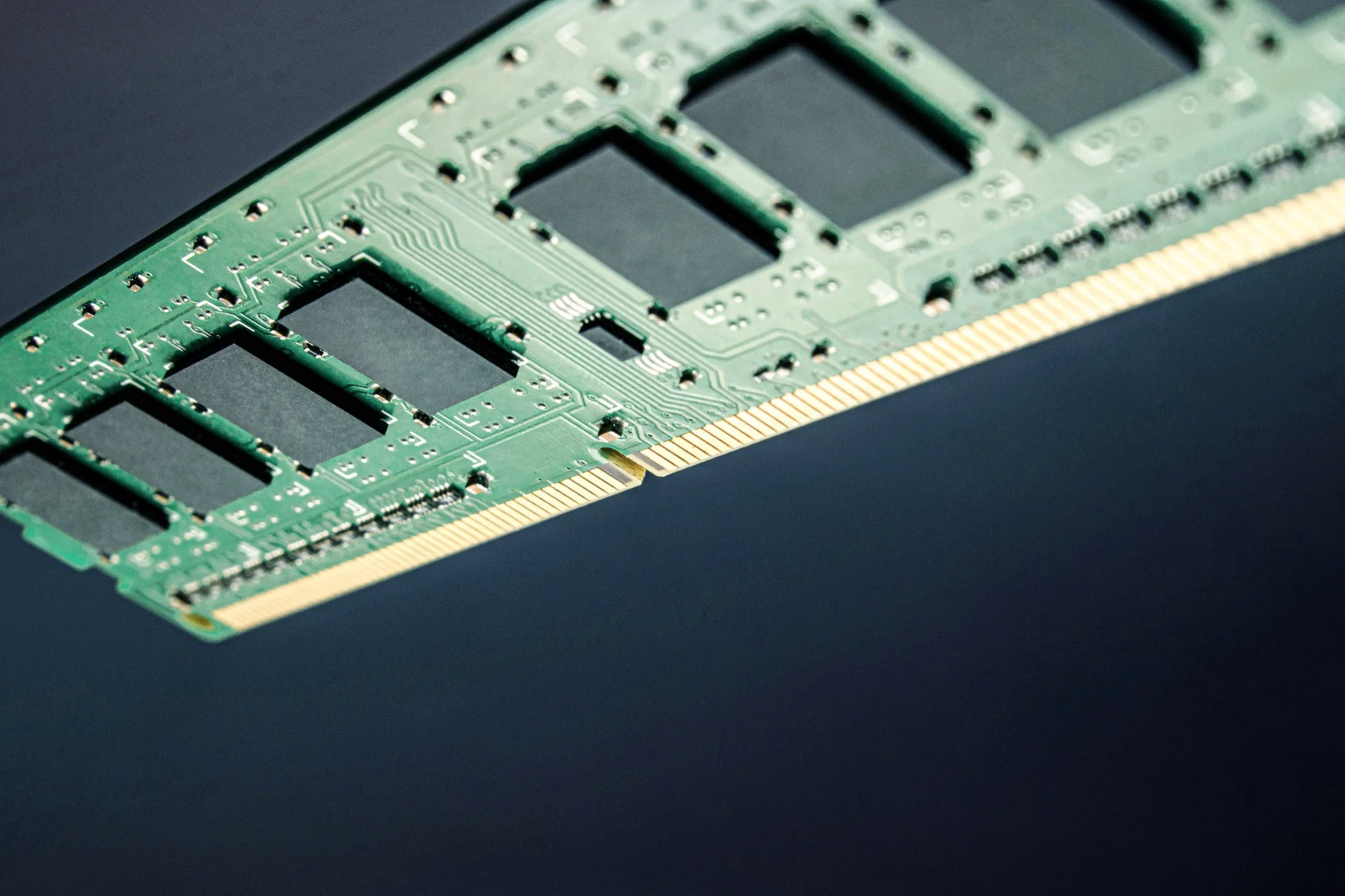
    According to a study done by 3DCenter, RAM prices in Germany have hardly gone up from January 18 to February 1. However, when we look back to last July, the average cost of RAM kits has surged by 340%. The steady prices seen in the last couple of weeks might not be here to stay, as analysts from TrendForce predict that DDR4 and DDR5 RAM prices for the PC market could increase by 105% to 110% in the first quarter of 2026 compared to the last quarter of 2025.

    Price Hikes Expected for Laptop Memory

    The memory used in laptops, like LPDDR4X and LPDDR5X, is also projected to see a price jump of 88% to 93%. This trend applies to DRAM used for servers too. TrendForce attributes these rising costs to the heightened demand for DRAM in AI data centers. Since the figures from TrendForce relate to the prices paid by manufacturers of PCs and laptops, there will probably be a delay before these price hikes affect consumers. Nonetheless, if TrendForce’s predictions hold true, RAM prices could escalate significantly in the months ahead.

    NAND Demand and SSD Shortage

    The demand for NAND is also surging because of the AI surge, with TrendForce anticipating price increases of 55% to 60% compared to the last quarter of 2025. Unfortunately, an end to the SSD shortage isn’t on the horizon. Some memory manufacturers believe that conditions might only improve by 2028 at the earliest. Therefore, it seems likely that prices for DRAM, NAND, and devices like smartphones, PCs, and laptops will continue to climb over the next two to three years.

    Source:
    Link


  • Argon One UP: 14-Inch Raspberry Pi Laptop Now Shipping to Customers

    Argon One UP: 14-Inch Raspberry Pi Laptop Now Shipping to Customers

    Key Takeaways

    1. Argon Forty has launched the Argon One UP CM5 laptop after a successful crowdfunding campaign.
    2. The laptop features a clamshell design with a keyboard, trackpad, and display, using the Raspberry Pi CM5 as its main processor.
    3. Specifications include M.2 storage, a 54 Wh battery offering 6 to 8 hours of usage, and a backlit keyboard.
    4. Initial user reviews are positive, but there are some early software issues reported.
    5. The laptop is priced at $400 and is currently out of stock on the Argon Forty website.


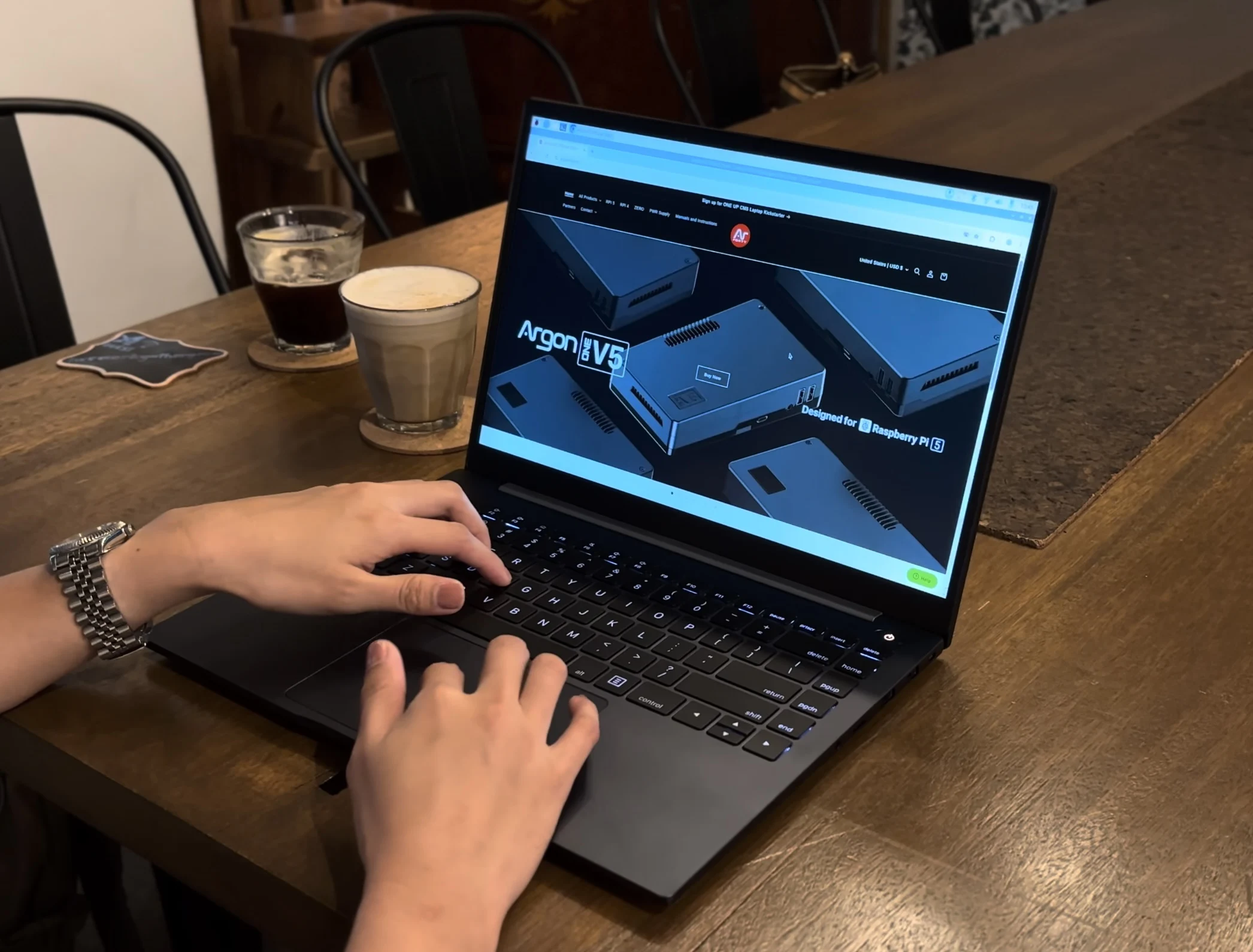
    Raspberry Pi fans are likely to know Argon Forty very well. This company is famous for its Pi cases and accessories and has just launched the Argon One UP CM5 laptop. After a successful crowdfunding effort, the laptop has started shipping to its backers.

    Design and Functionality

    The Argon One UP’s design is pretty straightforward—it’s a clamshell laptop with a keyboard, trackpad, and display. The Raspberry Pi CM5, which is available separately for $129 on Amazon, acts as the laptop’s main processor once it’s installed. The entire motherboard is specially crafted and comes with an active cooling system to keep it running smoothly.

    Specifications Overview

    This laptop shell includes M.2 storage, a 54 Wh battery, a backlit keyboard, and additional features as noted below:

    Clearly, the specifications show that the Argon One UP won’t compete with MacBooks or XPS machines anytime soon. However, for those wanting a Raspberry Pi-based laptop, the One UP seems to cover a lot of needs. The brand suggests that the 54 Wh battery offers between 6 to 8 hours of usage, which is only average at best.

    User Experience and Availability

    The One UP also boasts a sleek all-aluminum chassis, which is quite attractive. Initial users who have received their laptops seem to be pleased with their purchase, although there are some early issues, particularly concerning software.

    For those who missed the crowdfunding campaign but want to buy the laptop, it is available directly from Argon Forty’s website for a price of $400. As of this moment, there is no stock available, so interested buyers should stay alert for updates.

    Source:
    Link


  • MacBook Pro with OLED Display Expected to Launch in Late 2026

    MacBook Pro with OLED Display Expected to Launch in Late 2026

    Key Takeaways

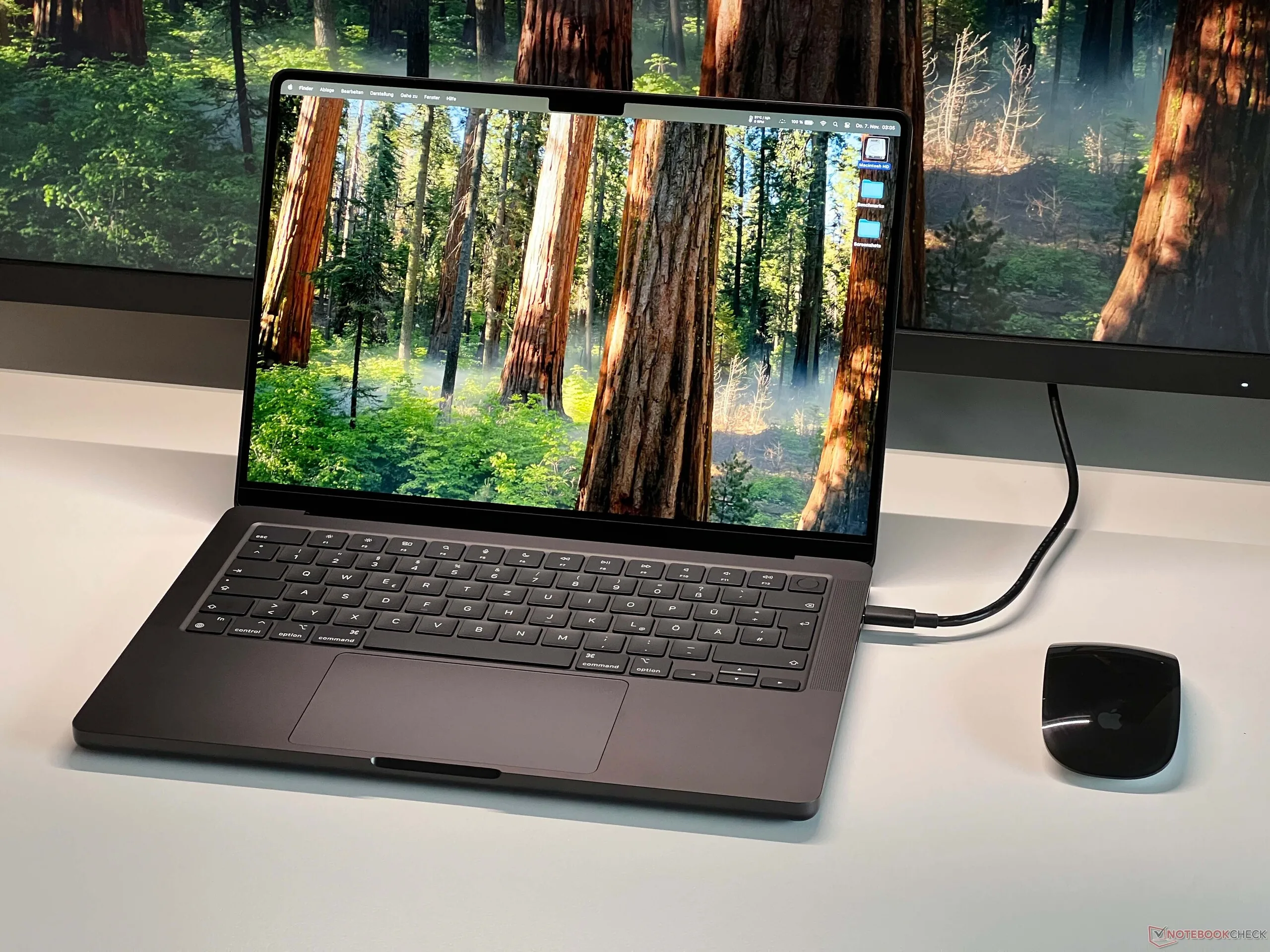
    1. Apple is expected to announce refreshed MacBook Pros with M4 Pro and M4 Max chips soon, primarily featuring an upgraded System on Chip (SoC).
    2. A new MacBook Pro variant with an OLED display is planned for release in late 2026 to early 2027, with Samsung starting production of OLED panels in May 2026.
    3. The new OLED MacBook Pro may introduce touch capabilities, marking a first for Apple laptops.
    4. Additional features may include FaceID and a Dynamic Island display, while the base model may not have these enhancements.
    5. Apple may unveil three versions of the MacBook Pro alongside three new laptop SoCs, including the M6 Pro and M6 Max.


    Apple is likely to announce refreshed MacBook Pros powered by the new M4 Pro and M4 Max chips in the near future. These upgraded laptops are not expected to feature much more than an upgraded System on Chip (SoC). Recently, a report from The Elec has indicated that Apple intends to introduce another variant of the MacBook Pro in 2026, which will include a highly desired feature: an OLED display.

    Samsung’s Production Plans

    It seems Samsung Display will begin mass production of 14-inch and 16-inch OLED panels for this MacBook Pro variant around May 2026, with an official launch anticipated in the fourth quarter of 2026. This timeline matches with previous reports suggesting a release window from late 2026 to early 2027. The Elec mentions that not all the components are ready yet, likely because Apple is adjusting design details to manage price hikes. The new OLED screen is also likely to introduce touch capabilities to the MacBook Pro, which would be a first for Apple’s laptops.

    Possible Features and Upgrades

    In addition to the OLED screen, there might be other significant enhancements including a FaceID feature and a revamped display with a Dynamic Island instead of the traditional notch. Naturally, the laptops will be equipped with the all-new Apple M6 series chip. However, Mark Gurman previously noted that the base model of the MacBook Pro with the standard M6 chip will not have the OLED display or the new chassis design. Instead, these updates could be reserved for the more advanced M6 Pro and M6 Max versions. If this is accurate, there is a possibility that Apple could unveil all three versions of the MacBook Pro along with three new laptop SoCs simultaneously.

    The Elec’s report points to an exciting future for Apple users, who are eagerly awaiting these enhancements.

    Source:
    Link


  • Shargeek 300 Power Beast Accessory Launching Soon

    Shargeek 300 Power Beast Accessory Launching Soon

    Key Takeaways

    1. The Shargeek 300 power bank will launch on Kickstarter on February 10, 2025, with early bird offers starting in December.
    2. It has a maximum combined output of 300W, featuring two USB-C ports that can charge two laptops at 140W each.
    3. The power bank is airline-safe with a 24,000 mAh (86.4 Wh) battery and supports PD 3.1 fast charging.
    4. Users can monitor battery life and charging details on a smart display, which also features customizable RGB lighting.
    5. Pledges for the Shargeek 300 are expected to start at $149; the retail price has not yet been announced.


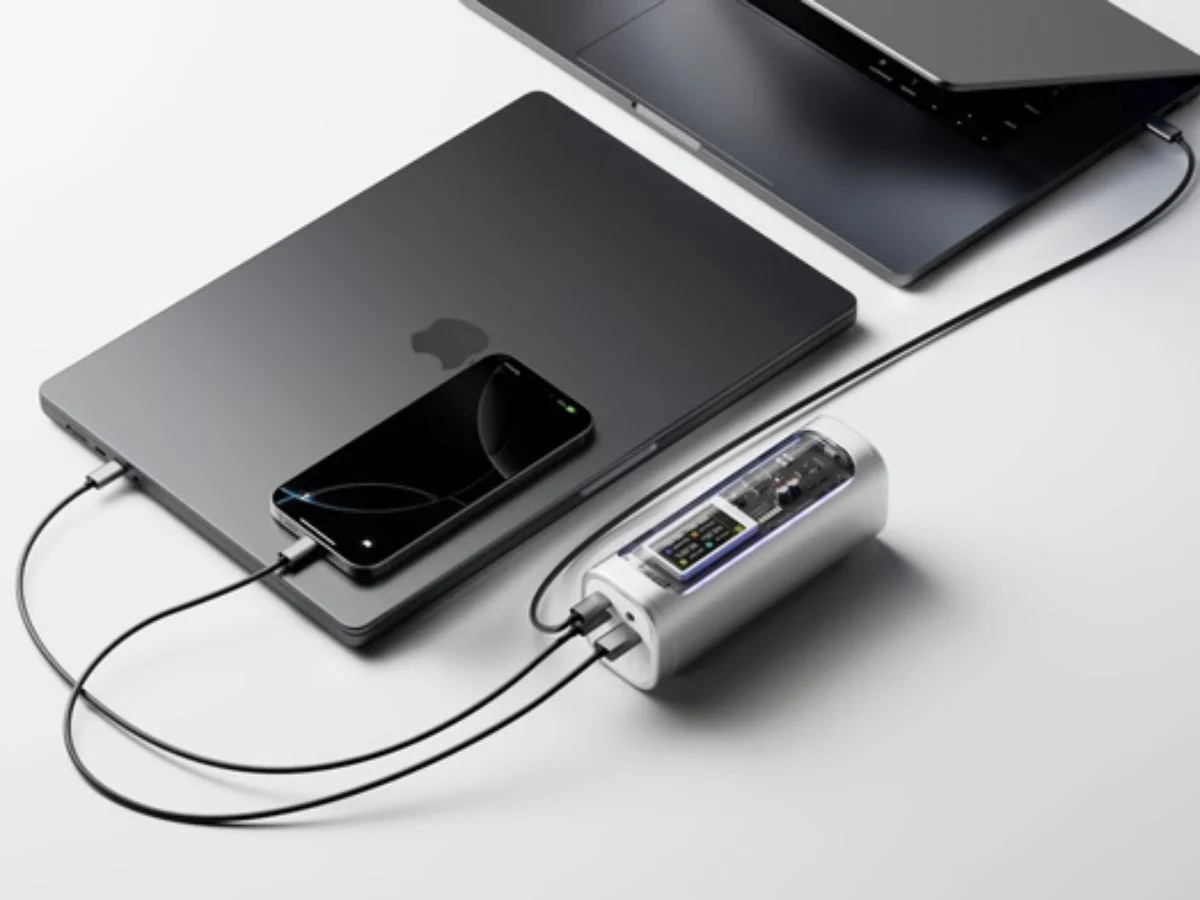
    The Shargeek 300 power bank is set to debut soon through a Kickstarter crowdfunding campaign. This device, branded as “the next gen power beast,” was introduced in May 2025. Interested customers can register for an early bird offer starting in December.

    Impressive Power Output

    As indicated by its name, the Shargeek 300 power bank boasts a maximum combined output of 300W. It features two USB-C ports that can provide up to 140W of power, allowing users to charge two laptops simultaneously. Additionally, it includes a USB-A port and a 140W DC output, with support for PD 3.1 fast charging.

    Airline-Safe and Convenient

    The Shargeek 300 is promoted as safe for airline travel, housing a 24,000 mAh (86.4 Wh) battery. This battery can be recharged at a rate of up to 140W, and users can check the remaining battery life on the smart display, which also provides other charging details. A standout feature is the customizable RGB lighting effects. The power bank is constructed with an aluminum body that has two transparent sections, one of which showcases the display.

    Launch Date and Pricing

    Sharge has announced that the Shargeek 300 will launch on Kickstarter on February 10th. Pledges are anticipated to begin at $149, although the retail price has not been disclosed. For comparison, the previous model, the Shargeek 170, which has a 24,000 mAh capacity and a total output of 170W, is priced at $169 (currently $135.90 on Amazon).

    Source:
    Link


  • Acemagic Launches Intel M5 Mini PC with Limited-Time Discounts

    Acemagic Launches Intel M5 Mini PC with Limited-Time Discounts

    Key Takeaways

    1. Acemagic’s new mini PC, the M5, is available for pre-order with special discounts until February 10, 2026.
    2. The base model is priced at $679, and the higher-end version is $749, with a $40 discount available using code “M5PRE40.”
    3. The M5 features Intel’s Raptor Lake HX processors, with the entry-level model using the Core i7 14650HX and the advanced version using the Core i9 14900HX.
    4. Both models come with 32GB of DDR4 RAM and a pre-installed 1TB SSD, with an option to upgrade to 64GB of RAM and a 4TB SSD.
    5. While the M5 has a satisfactory selection of ports, it lacks advanced options like USB4 or OCuLink, making it more suitable for productivity tasks rather than gaming.


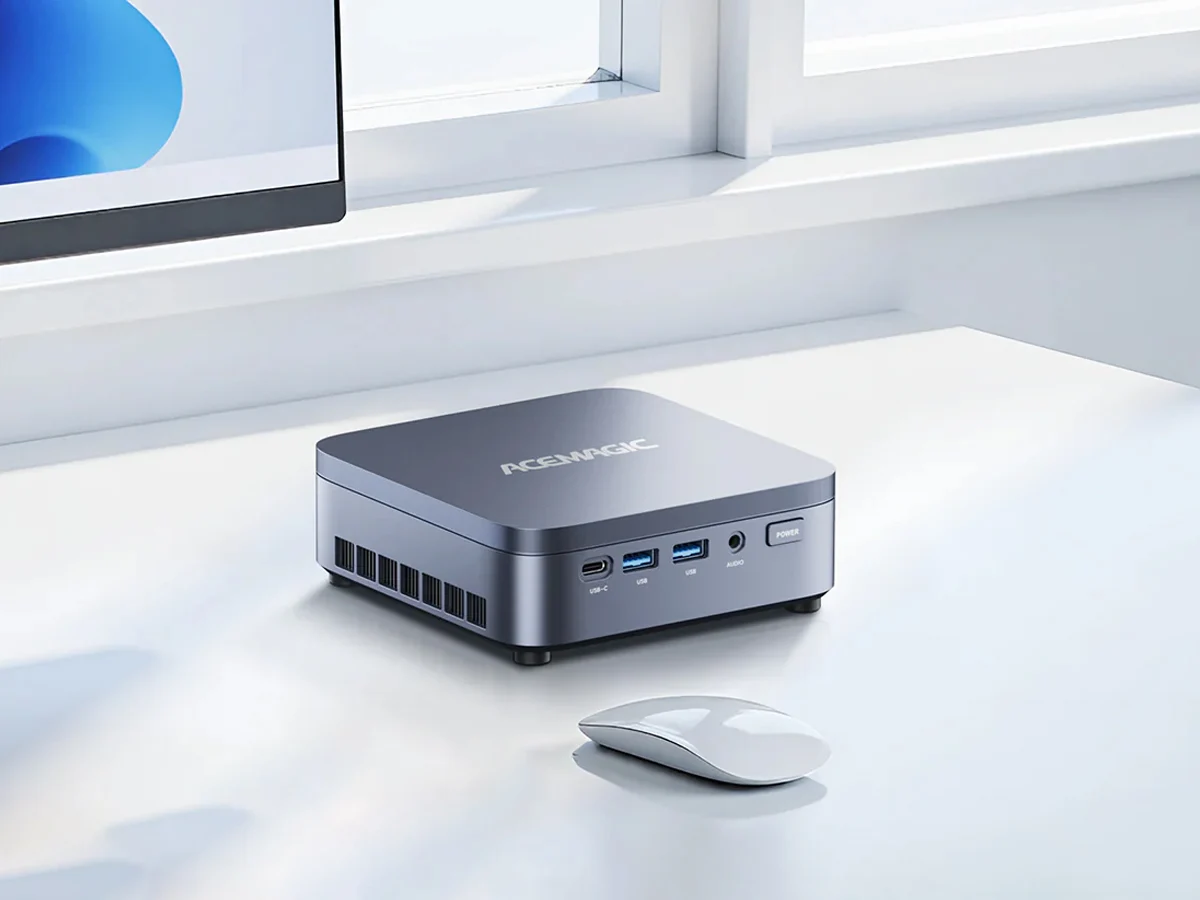
    Acemagic has launched a new mini PC powered by Intel, called the M5, which is now available for pre-order at special discounted rates. These discounts are part of the promotional campaign associated with the system’s release.

    Pricing Options

    There are two different configurations you can choose from. The base model is priced at $679, while the higher-end version costs $749. If you use the discount code “M5PRE40,” you can save $40 off the total price, lowering the configurations to $639 and $719, respectively. Keep in mind that this promotional deal will expire on February 10, 2026.

    Performance Specifications

    The Acemagic M5 is equipped with Intel’s Raptor Lake HX processors. The entry-level model features the Intel Core i7 14650HX, which is a solid mid-range choice, while the more advanced version comes with the Core i9 14900HX, designed for high performance.

    The company claims that the mini PC has an effective cooling system that maintains the CPU’s temperature under heavy loads, boasting a performance capacity of up to 55W.

    Memory and Storage

    Both versions of the mini PC come with 32GB of DDR4 RAM operating at 3200MHz, with an option to upgrade the memory to a maximum of 64GB. For storage, there’s a PCIe 4.0 slot that can accommodate a 4TB SSD. Acemagic will provide the mini PC with a pre-installed 1TB SSD in both versions (Silicon Power 2TB currently priced at $245.97 on Amazon).

    Although the Acemagic M5 is compact in size, it offers a variety of ports. The configuration of ports is as follows:

    While the port selection is satisfactory, it would have been nice to include a USB4 or OCuLink port. Without these options, the Acemagic M5 may not be the best choice for gaming due to its basic integrated GPU. However, it is well-suited for productivity tasks and office use. For more details, check out the spec sheet below.

  • Nvidia N1X ARM APU Faces Software Issues, Delays Laptop Launch

    Nvidia N1X ARM APU Faces Software Issues, Delays Laptop Launch

    Key Takeaways

    1. Nvidia N1X ARM APUs for Windows laptops were expected to launch at CES 2026 but lack an official release date.
    2. Delays are attributed to unresolved bugs and software issues, with Nvidia taking time to finalize the APUs.
    3. The likelihood of Nvidia N1X/N1V laptops launching in the first quarter of 2026 is low; a summer 2026 release is more probable.
    4. Some Nvidia N1X and N1V laptops have been seen online, indicating potential software problems.
    5. Official confirmation from Nvidia is needed to assess the true status of the N1X ARM APUs.


    We’ve been hearing whispers about the Nvidia N1X ARM APUs for Windows laptops for some time now. Back in 2025, it was anticipated that laptops incorporating the Nvidia N1X would debut at CES 2026, with a general release planned for the first quarter of 2026. Yet, there hasn’t been any significant news regarding the Nvidia N1 chips, not to mention an official launch date.

    Delays and Issues

    Leaker Moore’s Law Is Dead suggests that the delay in Nvidia N1X-based Windows laptops is a result of the APUs still not being finalized, with numerous bugs and software complications. Additionally, Microsoft doesn’t seem to be rushing to make sure the Nvidia N1X functions properly on Windows. MLID is also stating that Nvidia is taking its time to prepare the N1X and N1V APUs.

    Future Predictions

    In essence, it appears improbable that any Nvidia N1X/N1V laptops will be launched in the first quarter of 2026. If they do, MLID believes the quantity will be limited. A more plausible outcome is that the notebooks might emerge in the second quarter or possibly during summer 2026. There’s even a suggestion from someone MLID spoke with that the launch of N1X-powered laptops could be pushed back to August 2026.

    Observations from the Market

    From Dell Alienware and Dell 16 Premium to Lenovo Legion, Yoga, and IdeaPad laptops, we’ve seen a variety of Nvidia N1X and N1V machines surfacing online. This supports MLID’s claims regarding potential software troubles.

    As always, we will only truly understand the situation with Nvidia N1X ARM APUs when the company provides official information. Until then, it’s wise to take any unverified reports lightly.

    Source:
    Link