Tag: RAM prices

  • DDR5 RAM Price Analysis: Signs of Hope in Unstable Market

    DDR5 RAM Price Analysis: Signs of Hope in Unstable Market

    Key Takeaways

    1. RAM and storage prices have increased significantly due to rising demand from AI technologies.
    2. DDR5 prices have shown a slight decrease of 7.2% after months of consistent increases.
    3. Despite the recent drop, DDR5 prices are still 408% higher than last July, indicating ongoing high costs.
    4. The price changes reported are specific to the German market and may not reflect global trends.
    5. There are mixed predictions about whether RAM and storage prices will stabilize or continue to rise this year.


    Pretty much everyone knows about the chaos around RAM and storage prices that has been going on for several months. The main reason for this price increase is AI, which requires a lot of RAM and storage. Prices have been rising consistently for about nine to ten months, but there seems to be a small light of hope now.

    Slight Decrease in DDR5 Prices

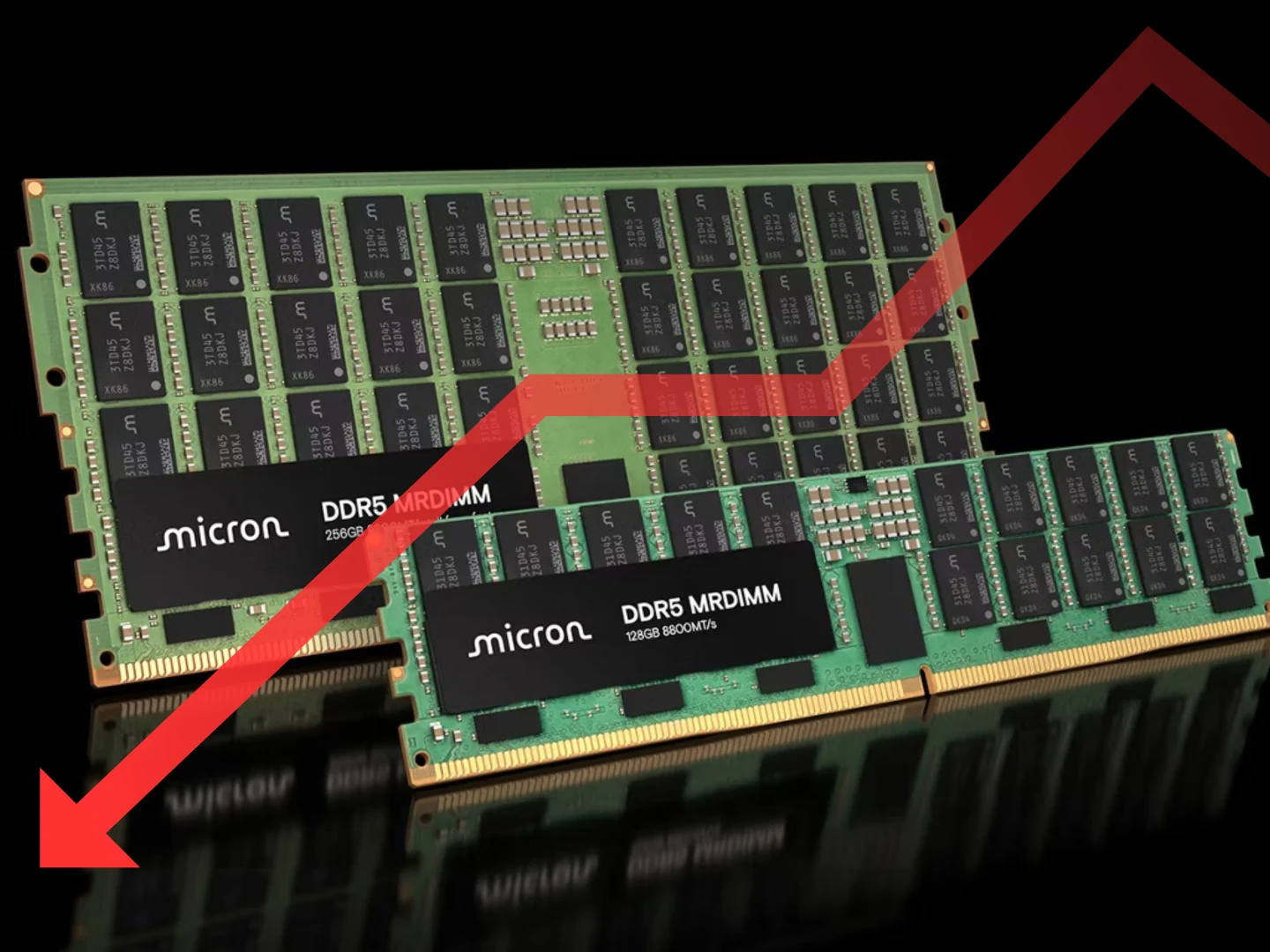
    3DCenter.org, a site that has been monitoring RAM and storage prices in Germany since July of last year, has shared that their latest updates show a drop in the increase of DDR5 prices. The average decrease has been 7.2% for 20 DDR5 products they looked at. This decline comes after six months (from July 2025 to January 2026) of ongoing increases and no changes in the past two months.

    Still High Prices for DDR5

    However, it’s important to note that DDR5 prices haven’t returned to normal levels. They are currently about 408% higher than prices from July. This means that instead of a 4.4x price jump, DDR5 is now at a 4.1x increase. So, while this drop is only a slight change, it’s still a good sign, especially after a month without any increase (February). It’s too soon to tell if this indicates a longer-term downward trend. Plus, this information is only relevant for the German market and not the global one.

    Mixed Reports on Future Prices

    There are various reports arguing both sides of the debate on whether RAM and storage prices will stabilize and drop this year or if they will keep climbing. No matter what, a significant change in the market has already occurred, impacting PC gaming, driving up smartphone prices, leading to the discontinuation of certain phones, and causing some DRAM manufacturers to leave the market entirely.

    Source:
    Link


  • Retro Game Archive Shutting Down in March: 390 TB of Data Lost

    Retro Game Archive Shutting Down in March: 390 TB of Data Lost

    Key Takeaways

    1. Myrient, a platform for preserving retro video games, will shut down next month due to rising costs of RAM and storage.
    2. The founder, Alexey, has stopped uploads and urged users to download content before the servers go offline.
    3. Myrient operated without ads and relied on donations, but these have not kept pace with increasing operational costs.
    4. Commercial entities exploited the platform by using specialized download managers, taking advantage of its lack of download limits.
    5. Alexey mentioned there are additional undisclosed reasons for the closure beyond financial issues.


    Another day brings another casualty to the soaring costs of RAM and storage. Myrient, a notable project dedicated to preserving retro video games and boasting a huge library of 390 TB, is set to close its doors next month.

    Service Shutdown

    Uploads to the platform have already ceased, with founder Alexey encouraging users to grab any content they want while the servers are still operational. Since it started, Myrient has functioned without ads, relying solely on donations from its supporters, and it did not impose any download limits.

    Issues with Altruism

    Recently, however, Alexey has stated that the noble intentions behind Myrient have been exploited by commercial entities that have developed specialized download managers to take advantage of the absence of download restrictions. Additionally, Alexey points out that the expense of running such a storage-heavy service has surged significantly, while donations have not kept up with the rising traffic.

    This explanation is completely reasonable, especially considering the tremendous increases in storage prices and essential hardware over the past few quarters. The soaring demands from data centers have severely impacted supply chains, and the future outlook appears grim based on recent findings.

    Unspoken Details

    Alexey also mentioned that there are “many other smaller reasons” for the closure, but he opted not to disclose them.

    Source:
    Link


  • RAM Prices to Rise 110% in Q1 as SSD Costs Increase 60%

    RAM Prices to Rise 110% in Q1 as SSD Costs Increase 60%

    Key Takeaways

    1. RAM prices in Germany have remained stable recently but surged by 340% since last July.
    2. Analysts predict DDR4 and DDR5 RAM prices could increase by 105% to 110% in early 2026.
    3. Laptop memory prices, including LPDDR4X and LPDDR5X, are expected to rise by 88% to 93%.
    4. The demand for DRAM in AI data centers is driving up memory costs for PCs and laptops.
    5. NAND demand is also increasing, with anticipated price hikes of 55% to 60%, and an SSD shortage may last until 2028.


    According to a study done by 3DCenter, RAM prices in Germany have hardly gone up from January 18 to February 1. However, when we look back to last July, the average cost of RAM kits has surged by 340%. The steady prices seen in the last couple of weeks might not be here to stay, as analysts from TrendForce predict that DDR4 and DDR5 RAM prices for the PC market could increase by 105% to 110% in the first quarter of 2026 compared to the last quarter of 2025.

    Price Hikes Expected for Laptop Memory

    The memory used in laptops, like LPDDR4X and LPDDR5X, is also projected to see a price jump of 88% to 93%. This trend applies to DRAM used for servers too. TrendForce attributes these rising costs to the heightened demand for DRAM in AI data centers. Since the figures from TrendForce relate to the prices paid by manufacturers of PCs and laptops, there will probably be a delay before these price hikes affect consumers. Nonetheless, if TrendForce’s predictions hold true, RAM prices could escalate significantly in the months ahead.

    NAND Demand and SSD Shortage

    The demand for NAND is also surging because of the AI surge, with TrendForce anticipating price increases of 55% to 60% compared to the last quarter of 2025. Unfortunately, an end to the SSD shortage isn’t on the horizon. Some memory manufacturers believe that conditions might only improve by 2028 at the earliest. Therefore, it seems likely that prices for DRAM, NAND, and devices like smartphones, PCs, and laptops will continue to climb over the next two to three years.

    Source:
    Link


  • Larian Studios CEO: RAM Shortage Impacts New Divinity Game Development

    Larian Studios CEO: RAM Shortage Impacts New Divinity Game Development

    Key Takeaways

    1. RAM prices are rising rapidly, impacting both gamers and game developers.
    2. Larian Studios faces unprecedented challenges in development due to the RAM shortage.
    3. Rising RAM costs disrupt development planning and resource management for game studios.
    4. Extensive performance optimization is now required earlier in the development process.
    5. The RAM shortage is driven by high demand from AI data centers, complicating the market for consumers and developers.


    RAM prices have been increasing rapidly in recent months, and there are no obvious signs that this trend will reverse in the near future. Gamers are already feeling the pinch when attempting to enhance their PCs, but the issue runs deeper, affecting game developers as well.

    Challenges for Game Developers

    Larian Studios, the creators of Baldur’s Gate 3, are currently developing a new game in the Divinity series. In a recent chat with TheGamer, CEO Swen Vincke shared how the persistent RAM shortage is causing significant hurdles in their development process. He noted that this situation is unprecedented for the studio. Typically, teams can anticipate hardware trends and adapt their plans accordingly. However, this time, those strategies are ineffective.

    Vincke remarked, “Interestingly, another [issue Larian is facing] is really the price of RAM and the price of SSDs and fk, man. It’s like, literally, we’ve never had it like this.”

    Impact on Development Planning

    Vincke elaborated that the increasing costs of memory have thrown off their forecasts and complicated resource management. As RAM has become scarce and pricey, the development team must now prioritize heavy optimization much earlier than they had initially intended.

    “It kind of ruins all of your projections that you had about it because normally, you know the curves, and you can protect the hardware. It’s gonna be an interesting one.” He added, “It means that most likely, we already need to do a lot of optimization work in early access that we didn’t necessarily want to do at that point in time. So it’s challenging, but it’s video games.”

    Early Access Complications

    Similar to Baldur’s Gate 3, the new Divinity game is set to debut in early access, which presents its own set of challenges. Early access requires developers to maintain a live version of the game while it is still being built. However, the need for extensive performance optimization on top of that significantly complicates the process. Vincke acknowledged that this additional workload was not part of their original plans but has become essential due to current hardware constraints.

    The RAM shortage is primarily fueled by the soaring demand from AI data centers. Major companies are purchasing vast quantities of memory, which leaves scant supply for consumer and creative sectors. This has driven DDR5 prices to extreme heights. For example, Asgard recently introduced a 256GB DDR5 RAM kit in China that costs more than Nvidia’s flagship RTX 5090 GPU.

    A Sapphire PR manager recently suggested that consumers should avoid panic buying, indicating that DDR5 prices might improve in about six months. However, given the unstable market and ongoing demand from AI businesses, it may take longer than expected for prices to stabilize.

    Source:
    Link


  • RAM Prices Now Like Stocks: Retailers Remove Tags, Ask to Know

    RAM Prices Now Like Stocks: Retailers Remove Tags, Ask to Know

    Key Takeaways


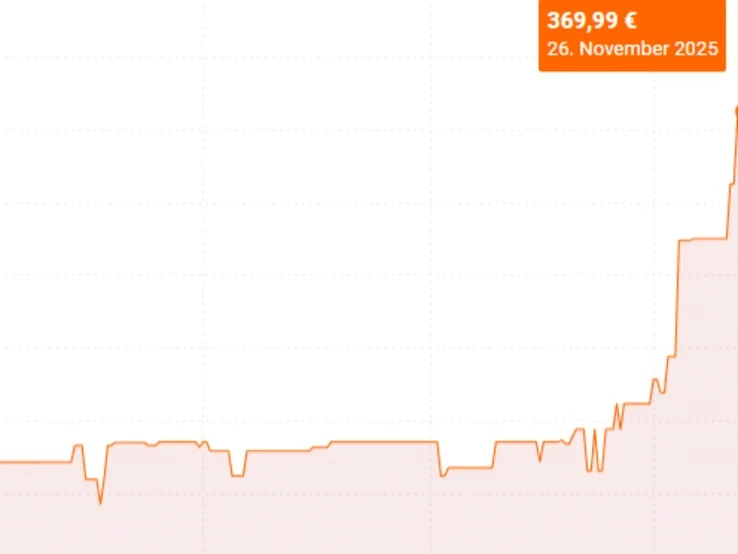
    RAM prices have recently skyrocketed, mainly due to a surge in demand for high-bandwidth memory (HBM) utilized in AI accelerators. This increasing demand has led major companies like Samsung, SK Hynix, and Micron to redirect their production efforts towards these more lucrative AI components. Consequently, we are seeing a typical supply shortage, which continues to drive prices upwards. A prime illustration of this is the Crucial Pro DDR5-6400 CL40 64 GB kit, which, as reported by the German price comparison website Idealo, has seen its price nearly double since the beginning of October.

    Reason for the Shift

    The logic behind this transition is straightforward: HBM chips yield significantly higher profit margins compared to conventional DDR4 or DDR5 RAM. Standard DRAM products compete in a market with thin margins, while AI server manufacturers like Nvidia and AMD are ready to pay more to ensure prompt production of their accelerator cards. For chip makers, prioritizing HBM production is thus much more lucrative—even if it leads to supply shortages in the PC market for the time being.

    Volatile Pricing Trends

    At this moment, memory prices are not only elevated but also extremely unstable. The market behaves similarly to a stock exchange, with prices changing rapidly. On Reddit, some users have mentioned that certain US retailers have taken down all price tags from their RAM products. Instead, customers are instructed to check with staff for the latest pricing.

    The significant price variations can be attributed to the erratic nature of the wholesale market. As HBM production diverts resources away from traditional DRAM, many retailers are racing to secure any remaining stock—usually at increased prices. These last-minute acquisitions, along with limited availability, can cause buying costs to fluctuate several times within a single day. Hence, printed price tags often become obsolete almost instantly.

    Community Reactions

    This scenario has ignited vibrant discussions on Reddit, where participants are likening the current RAM market to cryptocurrencies or meme stocks due to its erratic movements. Numerous users express their annoyance as previously planned PC upgrades suddenly become too expensive, with some RAM kits costing double what they did just a week ago. At present, it is uncertain how long this rise in prices will persist.


    Source:
    Link