Tag: Raspberry Pi 4

  • Raspberry Pi 5 Price Reaches $205 Amid RAM Shortage

    Raspberry Pi 5 Price Reaches $205 Amid RAM Shortage

    Key Takeaways

    1. Price increases for Raspberry Pi models will take effect on December 1, 2025.
    2. Raspberry Pi 4 and 5 prices will rise based on RAM capacity, with increases ranging from $10 to $60.
    3. The base model Raspberry Pi 5 (1GB RAM) will maintain its price at $45.
    4. The Raspberry Pi 500 all-in-one computer will see a price hike, while the Raspberry Pi 400 remains unaffected.
    5. Models with LPDDR2 memory, like Raspberry Pi Zero and Raspberry Pi 3, are not expected to increase in price due to ample stock.


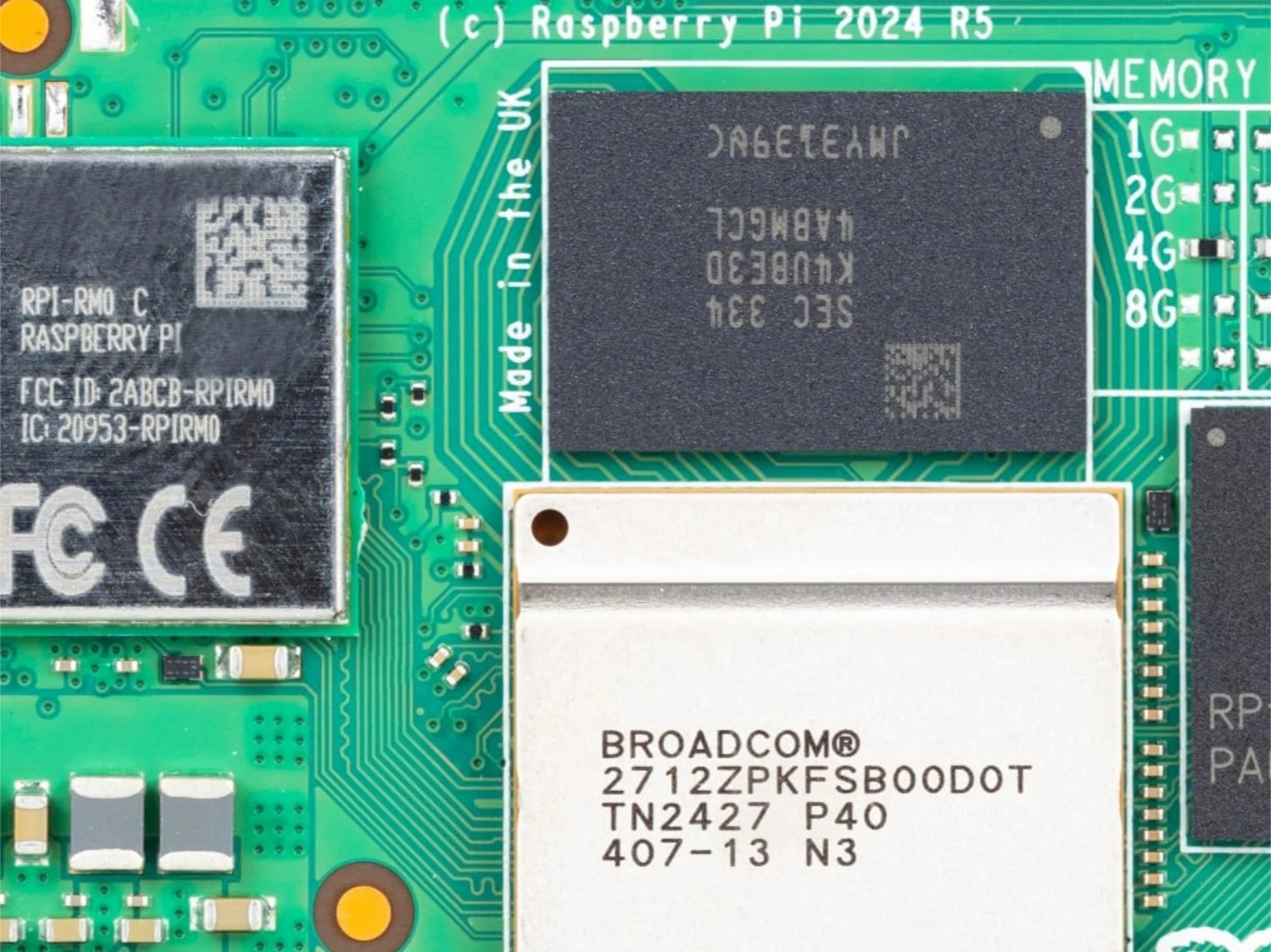
    The Raspberry Pi Foundation has recently revealed a price increase that will take effect on December 1, 2025. A new blog post has now confirmed another rise in prices. This change impacts most versions of the Raspberry Pi 4, Raspberry Pi 5, and Raspberry Pi Compute Module. The price adjustments will vary based on the RAM capacity.

    Detailed Pricing Changes

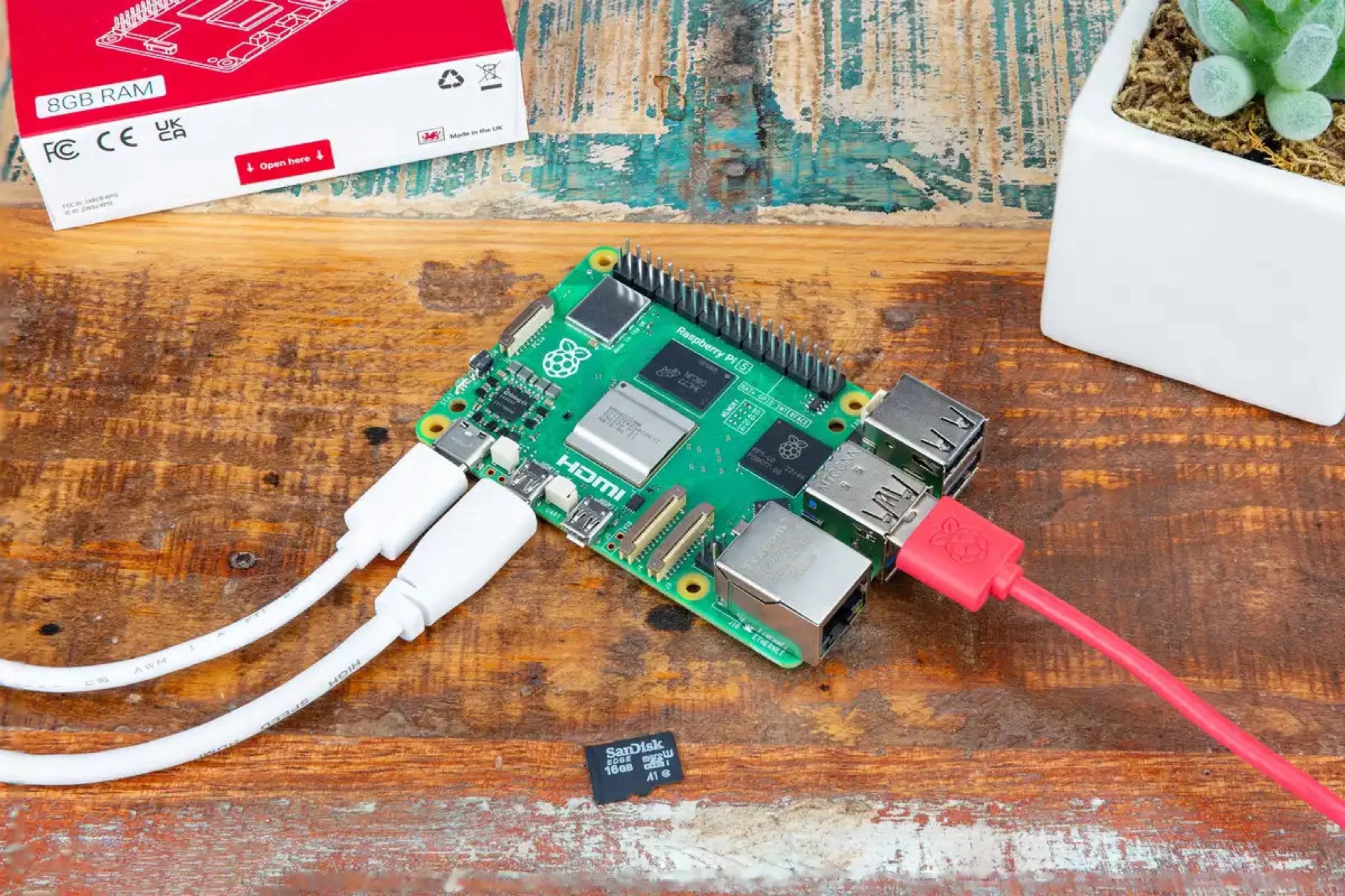
    Specifically, single-board computers with 2GB of RAM have increased by $10, while those with 4GB will see a $15 increase. The 8GB models are going up by $30, and the highest tier with 16GB of RAM is now $60 more expensive. However, the base model of the Raspberry Pi 5, which comes with 1GB of RAM, will keep its price steady at $45. The new official prices for the Raspberry Pi 5 are now in effect immediately.

    Other Affected Models

    Additionally, the price hike also impacts the Raspberry Pi 500, which is an all-in-one computer priced at $142 on Amazon, featuring a keyboard form factor. The Raspberry Pi 400, however, isn’t affected by this adjustment. Models that utilize LPDDR2 memory, like the Raspberry Pi Zero and Raspberry Pi 3, are not expected to increase in price since the Raspberry Pi Foundation has sufficient LPDDR2 stock for several years ahead. While it’s possible that further price hikes could happen in 2026, prices are predicted to drop once the DRAM shortage is resolved.

    Raspberry Pi Foundation’s

    Source:
    Link
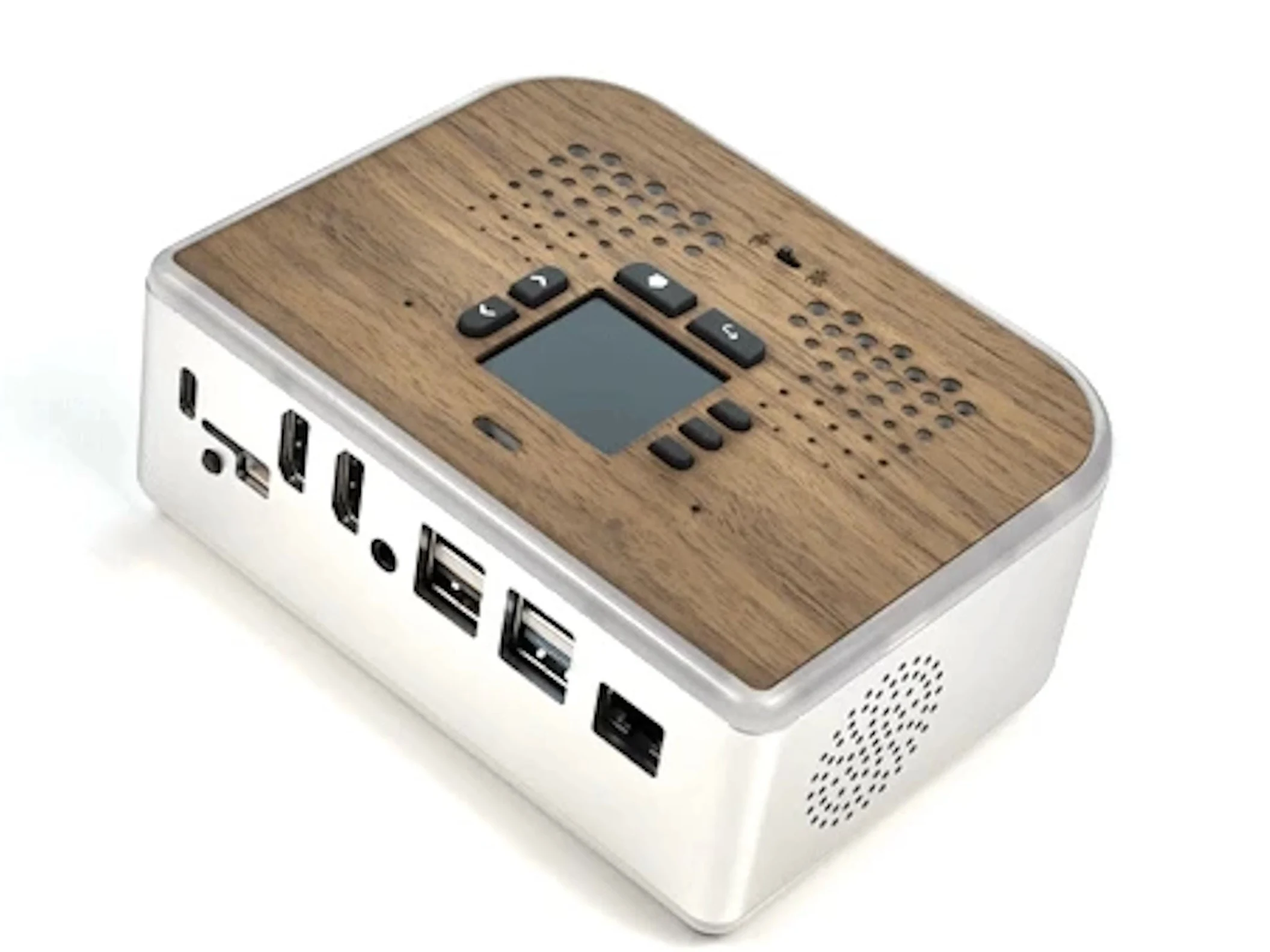


  • Ubo Pod: Raspberry Pi Smart Speaker with Display, Camera, AI Assistant

    Ubo Pod: Raspberry Pi Smart Speaker with Display, Camera, AI Assistant

    Key Takeaways

    1. The Ubo Pod is a smart speaker built around a Raspberry Pi 4 or 5, designed for modularity and repairability.
    2. It features a 1.54-inch IPS screen, two microphones, two speakers, a 5 MP camera, and a seven-button keypad.
    3. Users can disable microphones at a hardware level and the camera includes a “physical privacy curtain.”
    4. The device is customizable, allowing users to create personalized applications.
    5. The Ubo Pod is being funded through a Kickstarter campaign, with a starting price of $109 (excluding Raspberry Pi and shipping).


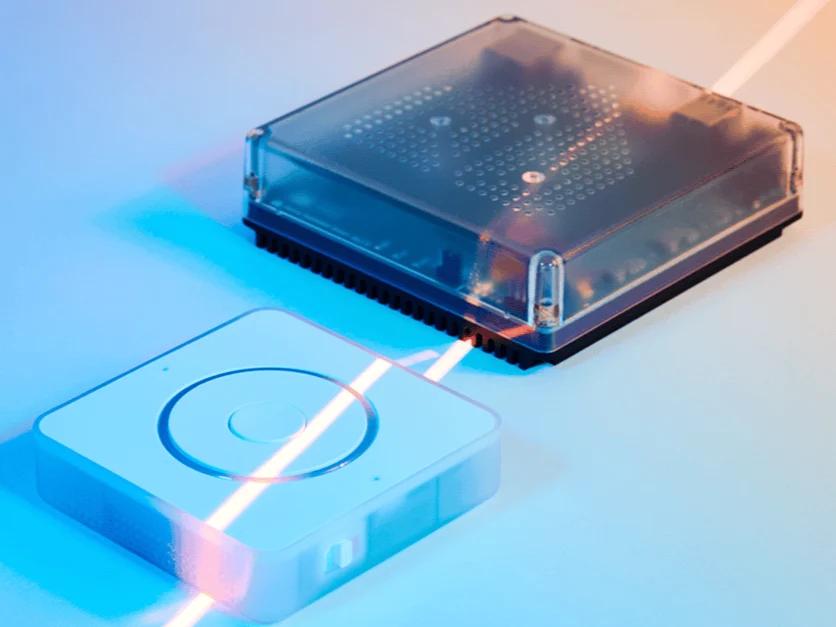
    The Ubo Pod is a unique kind of smart speaker that stands out from traditional options like those from Amazon. This model is built around a Raspberry Pi 4 or Raspberry Pi 5, all housed in a modular case that enhances both its extendability and repairability. Included in the package is a small IPS screen, measuring just 1.54 inches with a resolution of 240 x 240.

    Features and Components

    Equipped with two microphones and two speakers, each capable of producing two watts, the Ubo Pod enables users to interact acoustically. It also includes a 5 MP camera. For user input, there is a keypad with seven buttons. Notably, users can turn off the microphones at a hardware level using a specific button, and the camera features a “physical privacy curtain.” The dimensions of the device are 130 x 99 x 52 millimeters, and it also contains a temperature sensor, an IR receiver, and an IR transmitter.

    Customization Options

    One of the key advantages of the Ubo Pod is its flexibility, allowing users to customize it in various ways to create personalized applications. As part of a crowdfunding campaign that carries considerable financial risk for backers, the starting price is $109 (excluding shipping), however, this price does not include a Raspberry Pi.

    Crowdfunding Initiatives

    The Ubo Pod is currently being promoted on Kickstarter, aiming to gather support from individuals interested in innovative technology solutions.

    Source:
    Link


  • Raspberry Pi Updates Pricing Amid High Demand for Single-Board PCs

    Raspberry Pi Updates Pricing Amid High Demand for Single-Board PCs

    Key Takeaways

    1. Raspberry Pi has launched a new version of the Raspberry Pi OS.
    2. Prices for most single-board computers (SBCs) have changed, with some increasing by $5 to $10.
    3. The Raspberry Pi 4 and Raspberry Pi 5 prices remain unchanged.
    4. The price increase is mainly due to a 120% rise in DDR4 RAM costs linked to high demand for AI applications.
    5. The Compute Module 1 has seen a price decrease of $5 due to changes in underlying cost structures.


    Raspberry Pi has shared two big news today. First, they have launched a new version of the Raspberry Pi OS, which we’ve discussed in detail in another article. Second, they have made the decision to alter the prices of nearly all their single-board computers (SBCs).

    Price Changes for Popular Models

    For example, the prices of the Raspberry Pi 4 and Raspberry Pi 5 (currently $90 on Amazon) will remain the same. However, the prices for Raspberry Pi 3B+, Compute Module 4, Compute Module 5, and Raspberry Pi 500 have increased by $5 to $10. It’s worth mentioning that the initial price of the Raspberry Pi 500 Plus already showed Raspberry Pi’s new pricing approach. On the flip side, the Compute Module 1 has seen a price decrease of $5, bringing it down to $25.

    Reasons Behind Price Adjustments

    The company has explained that the reduction in price for the Compute Module 1 is due to changes in “underlying cost structures.” In contrast, Raspberry Pi mentions that the increase in prices for Raspberry Pi 3B+, Compute Module 4, Compute Module 5, and Raspberry Pi 500 is a result of DDR4 price hikes of about 120% since the previous year.

    Impact of AI Demand

    This surge is linked to the “insatiable demand” for “AI applications” that has emerged over the past year. Raspberry Pi is optimistic that they can reverse these price hikes once the DDR4 RAM market returns to normal. For more information, be sure to visit the company’s website.

    Source:
    Link


  • Razor-Thin HLD Monitors with True 3D Presence Launching Late 2025

    Razor-Thin HLD Monitors with True 3D Presence Launching Late 2025

    Key Takeaways

    1. Looking Glass Factory is launching Hololuminescent Display (HLD) technology with 16-inch and 27-inch models shipping in late 2025, and an 86-inch version in early 2026.
    2. The HLD displays spatial images without glasses, using 2D video techniques for real depth and high-resolution options (1080p or 4K).
    3. It is compatible with content from AI video platforms, standard cameras, and professional software, supporting digital signage systems like BrightSign and Scala CMS.
    4. The display does not include integrated speakers but has a 3.5mm AUX output for external audio; touch capabilities are available on custom models.
    5. International shipping is offered with a 30-day money-back guarantee for standard items returned in original condition.


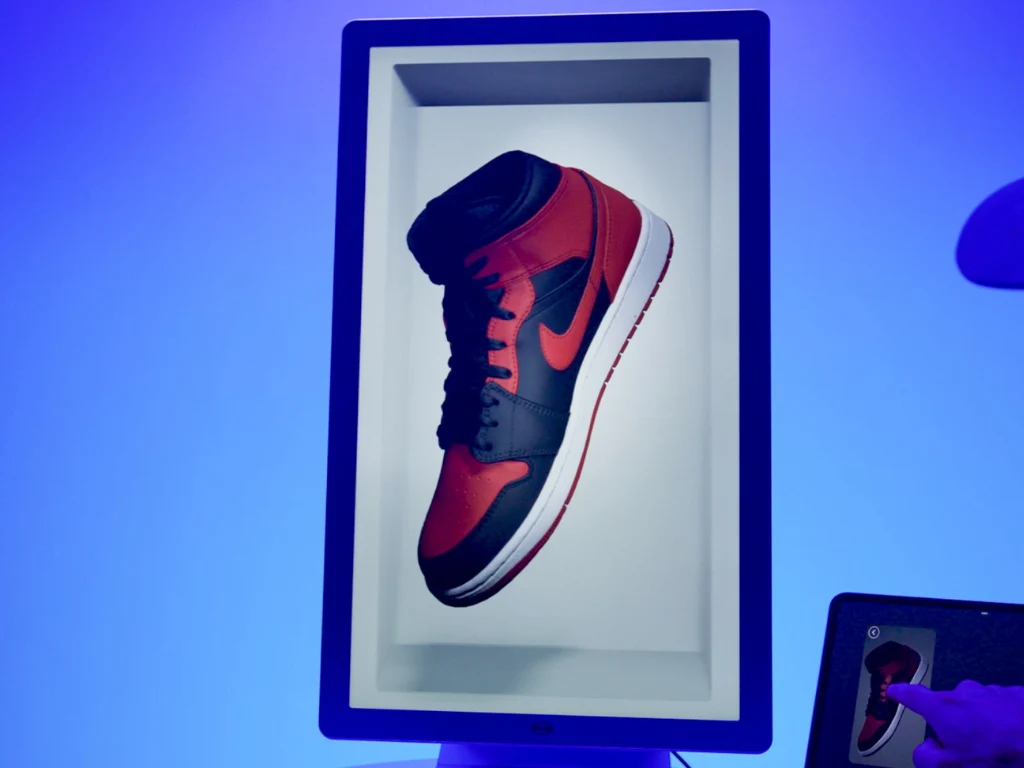
    Looking Glass Factory is introducing its innovative Hololuminescent Display (HLD) technology to the global market. The first models, which are 16-inch and 27-inch, are expected to be shipped in November/December 2025. Additionally, a massive 86-inch version is planned for release in the first quarter of 2026. The HLD represents a novel method of displaying spatial images, featuring a fixed holographic backdrop etched into the display stack, complemented by a high-resolution screen option of either 1080p or 4K. This technology is designed for displaying people, products, and 3D characters in various settings, including retail environments, events, and research labs.

    Innovative Features

    One of the key advancements of this device is its capacity to produce real depth and spatial presence. It achieves this using standard 2D video techniques like background removal, sophisticated lighting, shadows, and reflections, all without the need for glasses or specific viewing equipment. This display is effective for both individual viewers and larger groups, offering up to 4K resolution for its bigger models. According to the company, the HLD is ideal for holographic product displays, advertising, and interactive experiences that can incorporate real-time elements through Unity3D and Unreal Engine. Its design is sleek and thin, featuring standard VESA mount and wall-mount options. Each unit comes with a Raspberry Pi 4 demo media player, HDMI cable, pre-loaded content, and an installation guide.

    Content Compatibility

    The HLD technology is compatible with content created from AI video platforms like Kling, Veo, and Runway, as well as regular footage captured from devices such as iPhones or DSLRs. It also supports full digital renderings from software like Blender or Cinema4D. For professional digital signage needs, it includes compatibility with BrightSign and Scala CMS systems. However, for permanent installations, it is important to ensure that the output resolutions meet requirements: 1080p for the 16-inch model and 4K for both the 27-inch and 86-inch versions, via HDMI or DisplayPort.

    While integrated speakers are not part of the design, there is a 3.5mm AUX output available for connecting external audio sources. Standard models do not feature touchscreen capabilities, but custom models and interactive overlays can be requested for enterprise applications. The HLD can be tailored in sizes ranging from two inches to two hundred inches based on customer requests.

    Shipping and Refund Policy

    International shipping is available, with buyers in the U.S. responsible for state sales taxes, while non-U.S. and Hong Kong customers may incur local import duties and fees. Looking Glass Factory also provides a 30-day money-back guarantee for all standard items returned in their original condition.


  • Home Assistant Voice Chapter 9 Introduces Speech-to-Phrase Tool

    Home Assistant Voice Chapter 9 Introduces Speech-to-Phrase Tool

    Key Takeaways

    1. Increased Accessibility: Voice chapter 9 aims to make a fully local voice assistant more accessible, now recommending Speech-to-Phrase for better performance.

    2. Faster Speech Recognition: Speech-to-Phrase can transcribe speech in under a second on Raspberry Pi 4 and as quickly as 150 ms on Raspberry Pi 5.

    3. Limited Voice Commands: The initial version of Speech-to-Phrase supports a limited set of commands, including controlling smart lights, media players, setting timers, and checking the weather.

    4. New Features: Voice chapter 9 introduces broadcasts for sharing messages across devices and voice commands for adjusting smart thermostats.

    5. Analog Phone Integration: Users can make calls to analog phones and leave voicemails, enhancing functionality with notifications like washing machine cycle completions.


    Home Assistant has unveiled Voice chapter 9. This new version comes after the introduction of the Home Assistant Voice Preview Edition hardware back in December. Additionally, it follows the broader release of Home Assistant 2025.2 from early February.

    Enhanced Voice Assistant Accessibility

    Voice chapter 9 aims to make a fully local voice assistant more available to a wider audience. In the past, the company advised users to utilize the Whisper Speech-to-Text tool. This tool, when utilized on a Raspberry Pi 4, took about five seconds to transcribe speech, yielding mixed outcomes. Due to this, the company suggested using at least an Intel N100. Now, Home Assistant points users toward Speech-to-Phrase, which will be available in English, French, German, Dutch, Spanish, and Italian at launch.

    Improved Performance on Raspberry Pi

    Speech-to-Phrase can turn speech into text in under a second on a Raspberry Pi 4 or Home Assistant Green (currently $120 at Amazon). For those using a Raspberry Pi 5, speeds can be as quick as 150 ms. However, it’s important to note that Speech-to-Phrase has its limitations, supporting a reduced number of voice commands right out of the box. These commands include controlling smart lights and media players, as well as setting timers and checking the weather.

    New Features in Voice Chapter 9

    According to the release notes for 2025.2, Voice chapter 9 introduces support for broadcasts, allowing users to share messages across all connected devices, and the capacity to adjust a smart thermostat’s temperature using voice commands. Additionally, users can now make calls to their analog phones and leave voicemails, such as notifications that the washing machine has completed its cycle. For more detailed information, you can check the full release notes for Voice chapter 9 on the Home Assistant blog.

    Source:
    Link