Category: Computers

  • Dynabook Tecra A65-M: Boost Integrated Graphics with Dual-Channel RAM

    Dynabook Tecra A65-M: Boost Integrated Graphics with Dual-Channel RAM

    Key Takeaways

    1. Integrated GPUs have greatly improved, now handling demanding games like Cyberpunk 2077 effectively.
    2. Dual-channel RAM is essential for optimal graphics performance, with single-channel setups significantly reducing performance.
    3. The Dynabook Tecra A65-M tested with single-channel memory was nearly 40% slower than similar systems with dual-channel memory.
    4. Users can upgrade the Dynabook to dual-channel RAM by adding a second DDR5 SODIMM module for better performance.
    5. Upgrading to dual-channel memory is highly recommended for PCs relying on integrated graphics to enhance overall GPU performance.


    Integrated GPUs have significantly improved since the early days of Intel UHD Graphics. The latest offerings from Intel Arc and AMD Radeon are now capable of handling demanding games like Cyberpunk 2077 at reasonable settings and resolutions. Yet, one thing remains constant: the strong dependence on dual-channel RAM.

    Performance Comparison

    In our latest evaluation of the Dynabook Tecra A65-M, we found that our test model was set up with single-channel memory rather than the typical dual-channel configuration. This choice leads to a notable drop in graphics performance, especially when compared to systems equipped with the same integrated GPU but utilizing a dual-channel setup. The comparison graph below illustrates that the Tecra A65-M can be nearly 40 percent slower than the average PC that uses the same Radeon iGPU, given that most PCs feature dual-channel RAM.

    Upgrading Memory

    Fortunately, the Dynabook device can accommodate up to two separate DDR5 SODIMM modules, allowing users to easily add a second module for a dual-channel setup. We always suggest opting for dual-channel memory when possible on PCs that rely on integrated graphics, as it greatly enhances GPU performance for the price. Without it, performance can be significantly reduced.

    Conclusion

    In conclusion, while integrated GPUs have advanced, the memory configuration remains crucial. The Dynabook Tecra A65-M presents an opportunity for users to upgrade their memory for better graphics performance, making it a worthwhile consideration for gamers and general users alike.

     

  • Cloud Risk and BitLocker: Microsoft Shares Keys with FBI

    Cloud Risk and BitLocker: Microsoft Shares Keys with FBI

    Key Takeaways

    1. Apple and Google cannot unlock encrypted devices for law enforcement requests, while Microsoft can provide BitLocker recovery keys if stored in the cloud.
    2. BitLocker is a Windows encryption tool that protects data on hard drives and generates a recovery key for emergencies.
    3. Users can back up the BitLocker recovery key by printing it, saving it on a USB drive, or storing it in the cloud via a Microsoft account.
    4. Microsoft will release BitLocker keys to authorities with a legitimate court order, highlighting their access to this data.
    5. Storing recovery keys in the cloud offers convenience but raises security concerns about unauthorized access and the potential for key exposure.


    Apple and Google often emphasize that they cannot unlock their customers’ encrypted devices, like smartphones or tablets, even if law enforcement requests them to. The case with Microsoft and its Windows encryption tool, BitLocker, is a bit more complicated. If a user saves the recovery key in the cloud, Microsoft can provide that key to the authorities.

    What is BitLocker?

    BitLocker is a drive encryption tool built into Windows that safeguards data on hard drives from unauthorized access, especially in cases of device theft. During the setup process, a recovery key is created to help regain access to the system in emergencies. Windows offers several methods for backing up this key: it can be printed, saved on a USB drive, or directly stored in the cloud via a Microsoft account.

    Storing Keys in the Cloud

    If you opt to keep your data in your Microsoft account, it will be stored on the company’s servers located in Redmond. Microsoft has confirmed to Forbes that they release these BitLocker keys when a legitimate court order is presented. The FBI makes about 20 such requests each year. This indicates that Microsoft does have access to the key data, though it’s not clear if this information is stored on their servers in plain text or if it is encrypted.

    Concerns About Security

    Nonetheless, just because data is stored in the cloud doesn’t mean the provider can read it. The recovery keys might be kept in a way that encrypts them, possibly with a separate password or hash that belongs to the user. In this case, Microsoft could store the data but would be unable to see it in plaintext or share it with law enforcement. Since the company can release the keys when a court order is presented, this type of protection clearly does not apply here. This situation raises concerns about the security of recovery keys that are saved in the cloud.

    Microsoft spokesman Charles Chamberlayne pointed out that while using cloud recovery is convenient, it also presents the risk of unauthorized access. Therefore, users need to consider if the convenience outweighs the risks, or if they should keep the key stored locally.

    Source:
    Link


  • UnifyDrive UC250 UC450 Pro NAS: 128GB RAM, 152TB Storage Sale

    UnifyDrive UC250 UC450 Pro NAS: 128GB RAM, 152TB Storage Sale

    Key Takeaways

    1. UnifyDrive launched two NAS systems: budget-friendly UC250 ($399) and high-performance UC450 Pro ($1,499).
    2. The UC250 features an Intel N150 CPU, 16 GB RAM, and supports up to 76 TB of storage.
    3. The UC450 Pro is equipped with an Intel Core Ultra 5 225H CPU, up to 128 GB RAM, and can be configured for 152 TB of storage.
    4. The UC450 Pro includes advanced connectivity options like WiFi 6, Bluetooth 5.3, and TB4 ports for eGPU support.
    5. For additional storage needs, the Ugreen DXP8800 8-bay NAS is an alternative priced at $1,349.


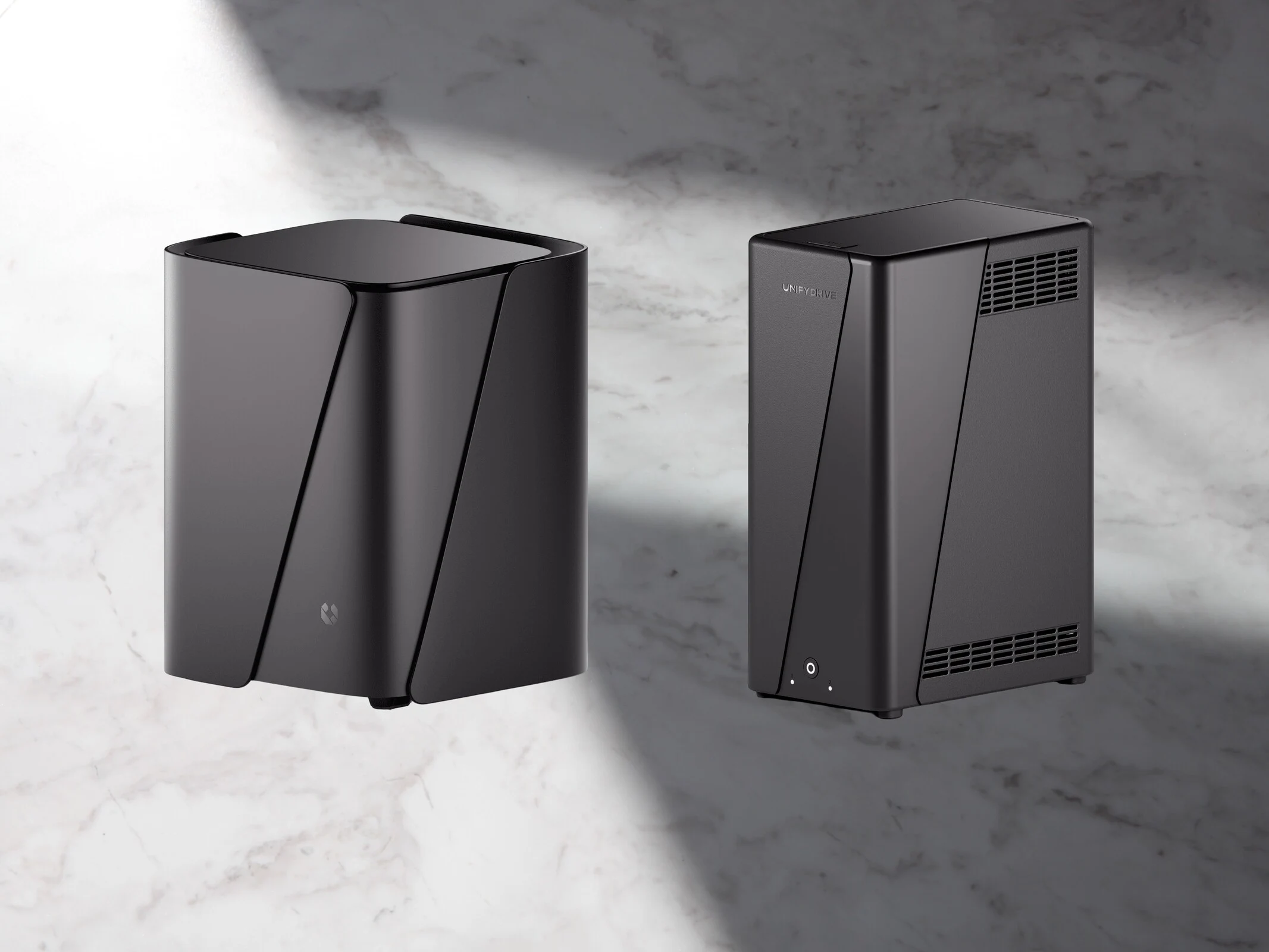
    UnifyDrive has launched two new NAS systems this month, aimed at different market segments: the budget-friendly UC250 and the high-performance UC450 Pro. The prices for these systems are set at $399 and $1,499 respectively.

    Details on UC250

    The UC250 is designed as an economical option with basic specs. It utilizes an Intel N150 CPU, which consists of four cores and four threads. In benchmark tests, this 6-watt processor performs similarly to the older Core i5-8250U found in ultrabooks from several years ago. For a starter NAS, the performance is likely sufficient, though users should adjust their expectations accordingly.

    Features of UC250

    The UC250 NAS is equipped with up to 16 GB of DDR4-3200 RAM and 32 GB of onboard eMMC storage. It also includes dual M.2 2280 (PCIe 3.0) slots and dual 2.5/3.5-inch bays, allowing for a maximum storage capacity of a staggering 76 TB. The I/O performance is decent for a budget model, featuring several ports:

    With dimensions of 15.8 x 9.8 x 23.3 cm, the UC250 is quite small and weighs around 1.08 kg (2.38 lbs).

    Insights into UC450 Pro

    Conversely, the UC450 Pro is a more high-end NAS with robust specifications. It boasts an Intel Core Ultra 5 225H CPU that has 14 cores, along with support for up to 128 GB of DDR5 memory. In synthetic tests, the 225H competes closely with the AMD Ryzen 7 8845HS Hawk Point APU and includes the Arc 130T iGPU for satisfactory performance in less GPU-heavy tasks.

    Storage and Connectivity

    The UC450 Pro can be configured for a maximum of 152 TB of storage, utilizing four M.2 2280 slots (3x PCIe 4.0 x4, 1x PCIe 3.0 x4), along with dual U.2 and dual SATA 3.0 slots. It also offers 32 GB of onboard eMMC storage. Additionally, it features a wide range of ports:

    Naturally, the UC450 Pro is larger and heavier than the UC250, weighing in at just under 3.7 kg (8.17 lbs) and measuring 18.4 x 18.4 x 24.2 cm. For wireless connectivity, it supports WiFi 6 and Bluetooth 5.3. The TB4 ports enable the UC450 Pro to utilize eGPUs for demanding tasks.

    Source:
    Link


  • Intel Arrow Lake Machenike GTS Mini-PC Now Available at Lower Price

    Intel Arrow Lake Machenike GTS Mini-PC Now Available at Lower Price

    Key Takeaways

    1. Machenike launched the GTS mini-PC in China with a unique 2.33-inch foldable display and Intel Core Ultra 9 285H processor.
    2. A global version of the GTS is planned, along with a more affordable variant featuring the Core Ultra 5 225H processor.
    3. The new variant is available with 32 GB of RAM and 1 TB storage, priced around $815, significantly cheaper than the original model priced at $1,165.
    4. The performance difference between the Core Ultra 5 225H and Core Ultra 9 285H is minimal, with the former being less than 20% slower in CPU tasks.
    5. Machenike has not yet announced international availability for the GTS mini-PC.


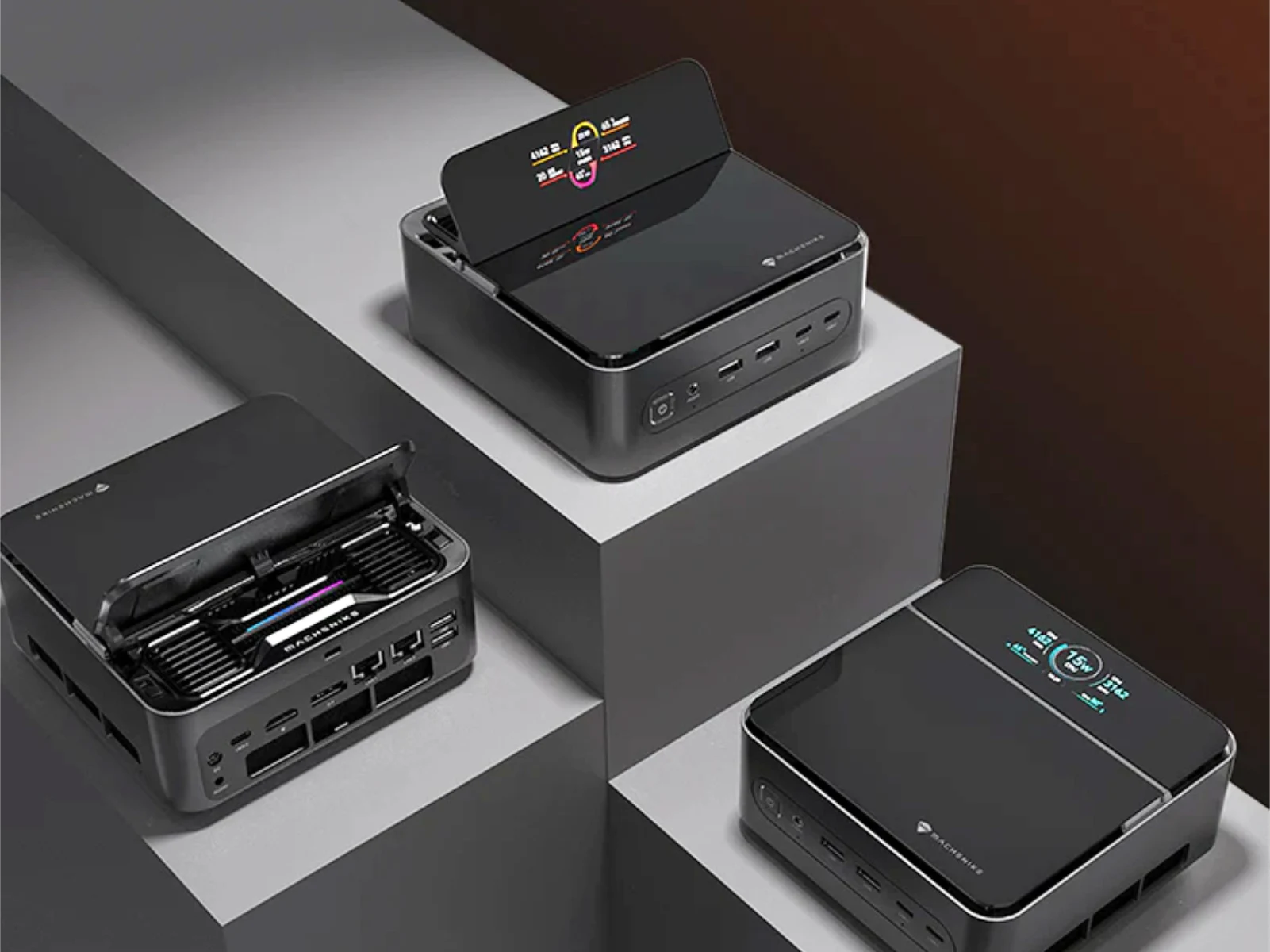
    A few months have gone by since Machenike introduced the unique GTS mini-PC in China. This device features a 2.33-inch foldable status display and is powered by an Intel Core Ultra 9 285H processor, which we’ve previously tested in mini-PCs like the Asus NUC 15 Pro+, Beelink GTI15 Ultra, and GMKtec EVO-T1 (currently priced at $1,369.99 on Amazon).

    Global Launch and New Variants

    Soon after, Machenike made the GTS available on its global website. They also confirmed plans to release a version with the less powerful Core Ultra 5 225H processor. While we are still waiting for the global launch of the GTS, Machenike has introduced this more affordable model in China.

    Pricing and Specifications

    Although Machenike mentioned several memory configurations back in November, the new variant is only available with 32 GB of RAM and 1 TB storage. This new model is significantly cheaper than the original which was priced around $1,165. In comparison, the Core Ultra 5 225H variant has a retail price of about $815 (CNY 5,669) before any subsidies are considered.

    Performance Comparison

    In summary, the price difference between these two models is larger than the actual performance gap. Our benchmarks indicate that the Core Ultra 5 225H performs less than 20% slower than the Core Ultra 9 285H in CPU-intensive tasks. On the other hand, the integrated Arc 130T iGPU lags about 30% behind the Arc 140T found in the Core Ultra 9 285H. Currently, Machenike hasn’t announced any details regarding international availability.

    Source:
    Link


  • New AMD Ryzen AI Max 400 APUs Details Ahead of Gorgon Halo Refresh

    New AMD Ryzen AI Max 400 APUs Details Ahead of Gorgon Halo Refresh

    Key Takeaways

    1. AMD introduced two new APUs, Ryzen AI Max+ 388 and Ryzen AI Max+ 392, allowing access to the Radeon 8060S iGPU without needing the higher-end Ryzen AI Max+ 395.
    2. Rumors suggest a second refresh of APUs, codenamed Gorgon Halo, with five new models: Ryzen AI Max 485, 488, 490, and Max+ 492, 495.
    3. The new Ryzen AI Max 400 APUs are expected to have better performance with increased CPU and iGPU clock speeds over the previous generation.
    4. Only the Ryzen AI Max+ 495 model has reportedly achieved a 100 MHz boost in clock speeds for its cores.
    5. The Ryzen AI Max 400 series is anticipated to be released between October and December 2026, but caution is advised regarding the accuracy of current reports.


    Less than a month ago, AMD updated its Strix Halo architecture by introducing two new APUs. Known as the Ryzen AI Max+ 388 and the Ryzen AI Max+ 392, this update allows users to access AMD’s robust Radeon 8060S iGPU without needing the 16 CPU cores and 32 threads that come with the Ryzen AI Max+ 395, which is used in devices such as the ROG Flow Z13 and the GMKtec EVO-X2 (currently priced at $1,659.99 on Amazon), among others.

    Rumors of a Second Refresh

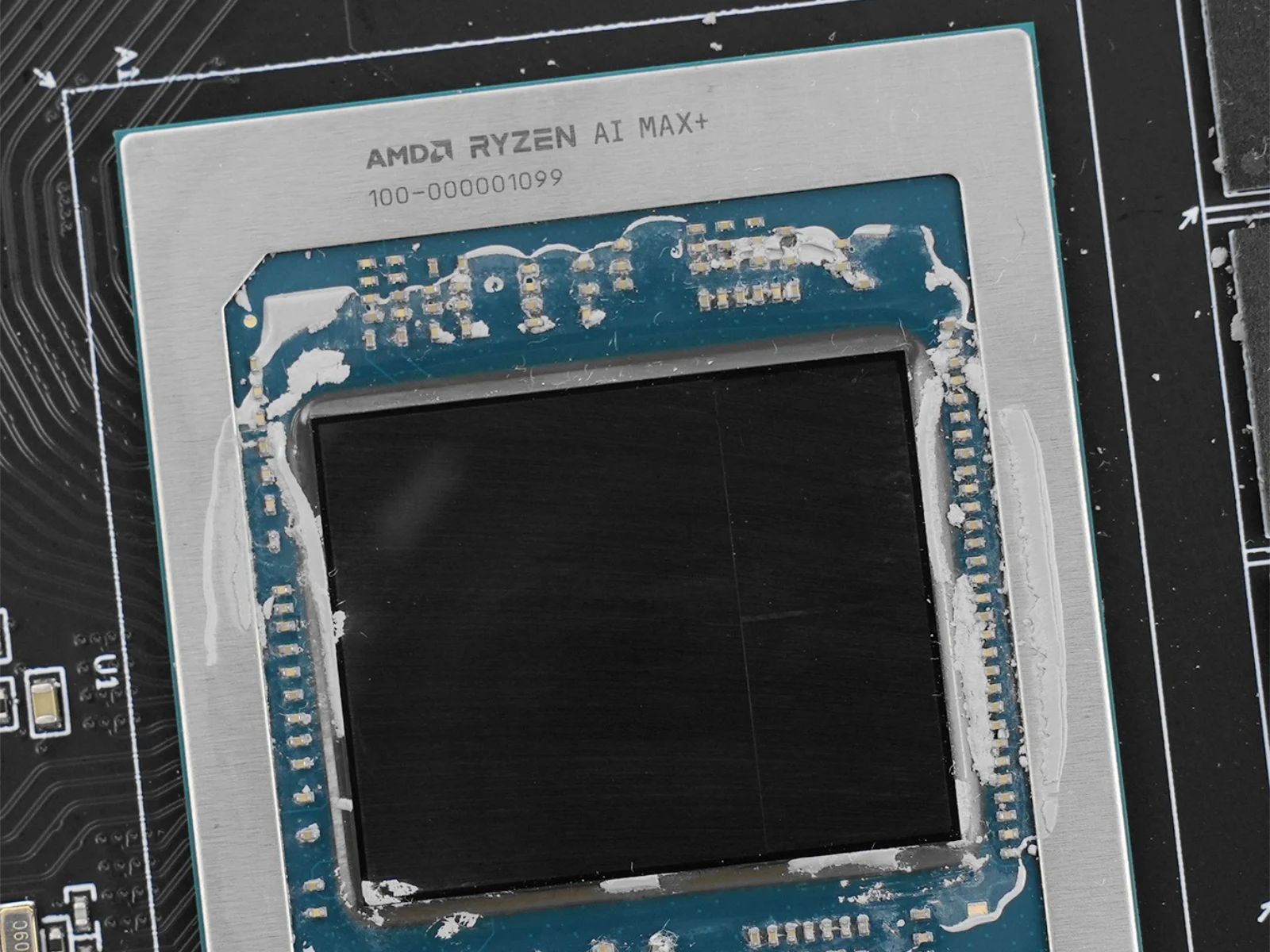
    Even though the refresh took place at CES 2026, some reports have surfaced about a potential second refresh. Initially, VideoCardz mentioned that AMD is working on Ryzen AI Max 400 APUs, codenamed Gorgon Halo. Following that, HKEPC reported that AMD plans to introduce five Ryzen AI Max 400 APUs, named Ryzen AI Max 485, Ryzen AI Max+ 488, Ryzen AI Max 490, Ryzen AI Max+ 492, and Ryzen AI Max+ 495:

    – AMD Ryzen AI Max+ 495
    – AMD Ryzen AI Max+ 492
    – AMD Ryzen AI Max 490
    – AMD Ryzen AI Max+ 488
    – AMD Ryzen AI Max 485

    Performance Enhancements Anticipated

    Similar to the Ryzen AI 400 ‘Gorgon Point’ APUs, the new Ryzen AI Max 400 APUs are expected to outperform their Ryzen AI Max 300 predecessors due to increased CPU and iGPU clock speeds. If the Ryzen AI 400 series is indicative, then the Ryzen AI Max 400 processors might support faster RAM compared to the LPDDR5X-8000 limit of the Ryzen AI Max 300 series.

    Among these five models, only the Ryzen AI Max+ 495 seems to have achieved a 100 MHz increase in boost clock speeds for its Zen 5 CPU cores and Radeon 8060S iGPU cores. AMD is reportedly planning to release the Ryzen AI Max 400 series sometime between October and December 2026. However, there are doubts about the image displayed on HKEPC’s site, which appears to have ‘2127’ overlaid on a different part number, leading to some skepticism regarding the accuracy of their report at this time.

    Conclusion

    In conclusion, while AMD’s new APUs show promise, the information surrounding the second refresh should be taken with a grain of caution. It’s essential to keep an eye on further developments and official announcements for the most accurate updates.

    Source:
    Link


  • Major Flaw of the New Dynabook Tecra A65-M Explained

    Major Flaw of the New Dynabook Tecra A65-M Explained

    Key Takeaways

    1. Dynabook has introduced the AMD-powered Tecra A65 series, expanding its line beyond the Intel-powered Tecra A60 models.
    2. The Tecra series focuses on affordability with solid chassis designs and satisfactory performance, unlike the premium Portege series.
    3. All Tecra A65-M models feature a single 1920 x 1200p IPS display with only 60% sRGB coverage, limiting color quality.
    4. The lack of full sRGB coverage is a significant drawback, especially for graphic designers and media consumers.
    5. Competitors like HP Elite, Lenovo ThinkPad, and Dell Pro series offer better display options, putting the Tecra series at a disadvantage.


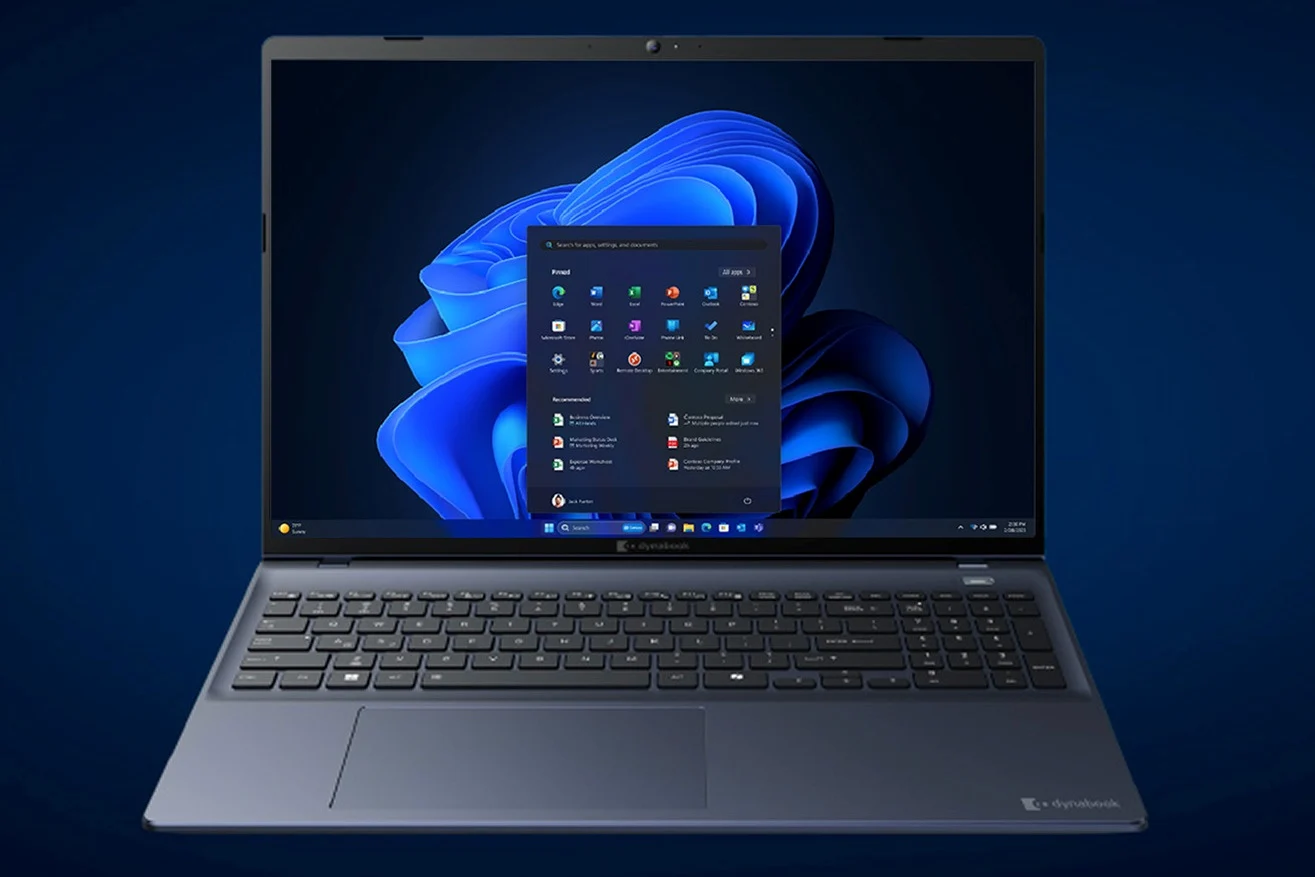
    Dynabook has begun delivering its AMD-powered Tecra A65 series to add to its range of Intel-powered Tecra A60 models. The Tecra series, unlike the more premium Portege series, opts for more affordable components to achieve lower starting prices while still ensuring solid chassis designs and satisfactory performance. Nonetheless, there’s one key issue that cannot be overlooked.

    Display Limitations

    All available Tecra A65-M configurations come with the same 1920 x 1200p IPS display and offer no alternative options. While this may not seem like a major drawback, the single display is unfortunately a subpar IPS panel with a maximum of only 60% sRGB coverage, despite its price tag of around $1000. There is no possibility to upgrade to full sRGB coverage on the Tecra A65-M, which might deter some potential buyers depending on their usage needs.

    Market Expectations

    Full sRGB coverage is increasingly becoming a standard feature in budget and midrange laptops, making them more attractive to budding graphic designers and editors. Furthermore, even for regular media viewing or web surfing, the richer colors resulting from full sRGB coverage significantly enhance the experience. The limitation of all current SKUs in the Tecra A60 and A65 series to only a small portion of sRGB puts them at a considerable disadvantage when lined up against competitors like the HP Elite series, Lenovo ThinkPad series, or the Dell Pro series.

  • New Nvidia N1X and N1V Laptops Launch: Key Features Revealed

    New Nvidia N1X and N1V Laptops Launch: Key Features Revealed

    Key Takeaways

    1. Dell is set to launch an Alienware gaming laptop featuring the Nvidia N1X APU later this year.
    2. A new Dell 16 Premium laptop using the Nvidia N1X APU has been spotted in shipping records.
    3. Lenovo is working on a Legion 7 model powered by the Nvidia N1X processor, following a recent update to the series.
    4. Lenovo is developing multiple laptops with Nvidia N1X, including the Yoga Pro 7 and IdeaPad Slim 5 models.
    5. There are indications that Nvidia may have developed an N1V chipset, but details are currently limited.


    More leaked laptops featuring Nvidia N1x APUs have surfaced recently. Just to remind, there were rumors in October about Dell aiming to launch an N1X-equipped Alienware gaming laptop this year.

    Dell’s Latest Offerings

    Earlier this month, a new Dell 16 Premium that uses the same ARM-based APU showed up in shipping records. This leak came out after Dell appeared to have swapped the Arrow Lake-H models (currently priced at $2,599 on Amazon) for the returning XPS 16.

    Lenovo’s Upcoming Models

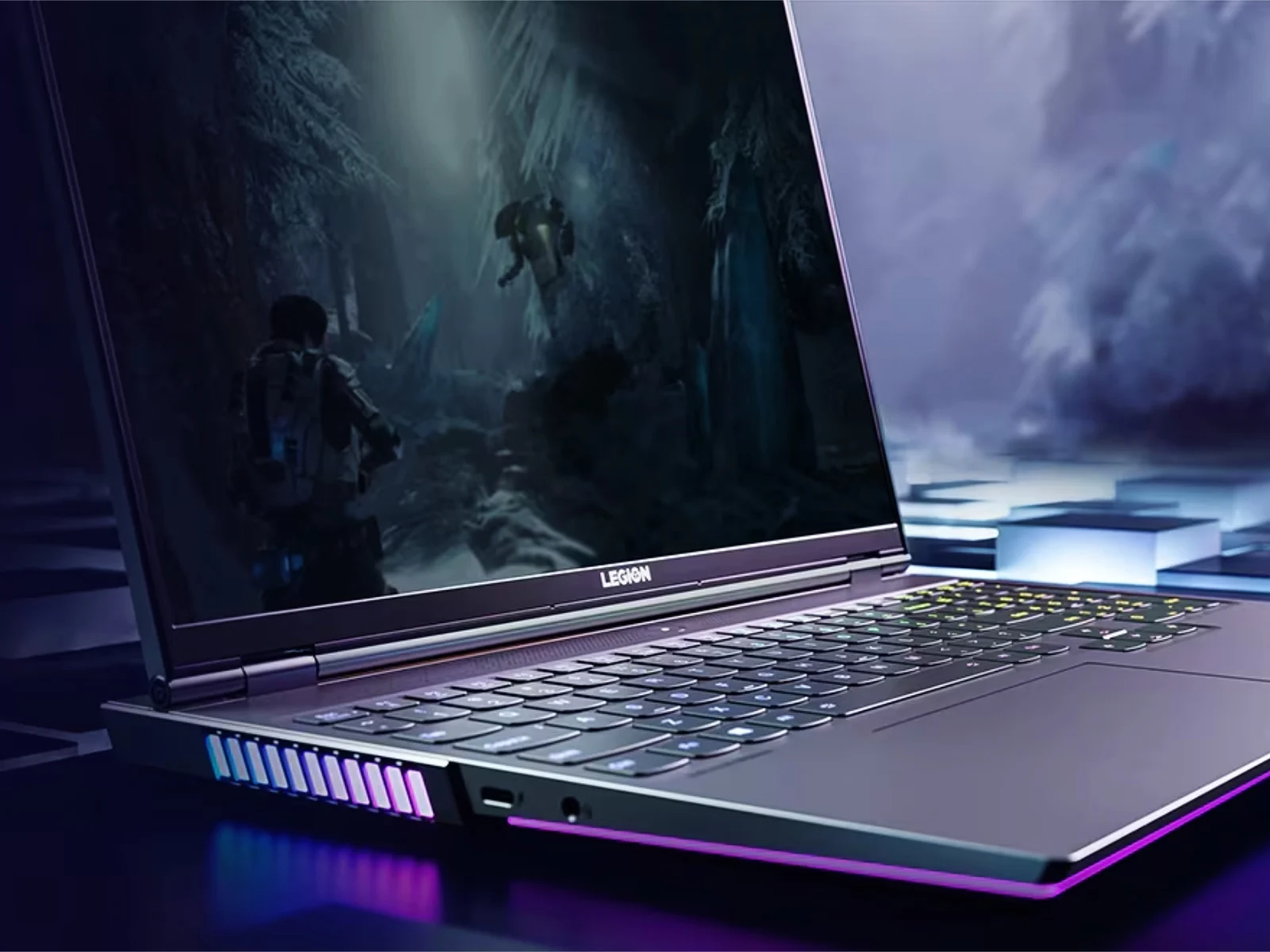
    Now, Lenovo has given a hint that they’re also working on a version of the Legion 7 that runs on Nvidia N1X. A user named Huang514613 spotted this information, noting that Lenovo updated the Legion 7 series less than a month ago with AMD Ryzen AI 400 APUs and Nvidia GeForce RTX 50 laptop GPUs. While the site does not clearly state this, the model number Legion 7 15N1X11 referenced can be interpreted as a 15-inch model powered by an N1X processor from the 11th Generation.

    Other Developments

    The same source also indicates that Lenovo is in the process of creating at least one more laptop based on Nvidia N1X. They specifically mentioned that the Yoga Pro 7 15NX11 is under development, along with the IdeaPad Slim 5 14N1V11, IdeaPad Slim 5 16N1V11, and the Yoga Pro 7 15N1V11. From these names, it seems Nvidia might have also developed an N1V chipset. However, there isn’t much more information available about these laptop models or the Nvidia N1V at this time.

    Source:
    Link


  • Affordable Keychron Wireless Mechanical Keyboards with 660-Hour Battery

    Affordable Keychron Wireless Mechanical Keyboards with 660-Hour Battery

    Key Takeaways

    1. Keychron launched two new wireless mechanical keyboard series: the high-end Q Ultra 8K and the budget-friendly V Ultra 8K.
    2. The V Ultra 8K series is made from plastic, making it lighter and easier to carry compared to the aluminum Q Ultra 8K series.
    3. Both keyboard series feature the same Silk POM mechanical switches, available in three options: Red, Brown, and Banana.
    4. The V Ultra 8K keyboards include enhanced CNC aluminum covers for programmable knobs, allowing for full remapping and multiple functions.
    5. The V Ultra 8K cases allow for adjustable typing angles (4°, 7°, and 10°), providing customization for user comfort.


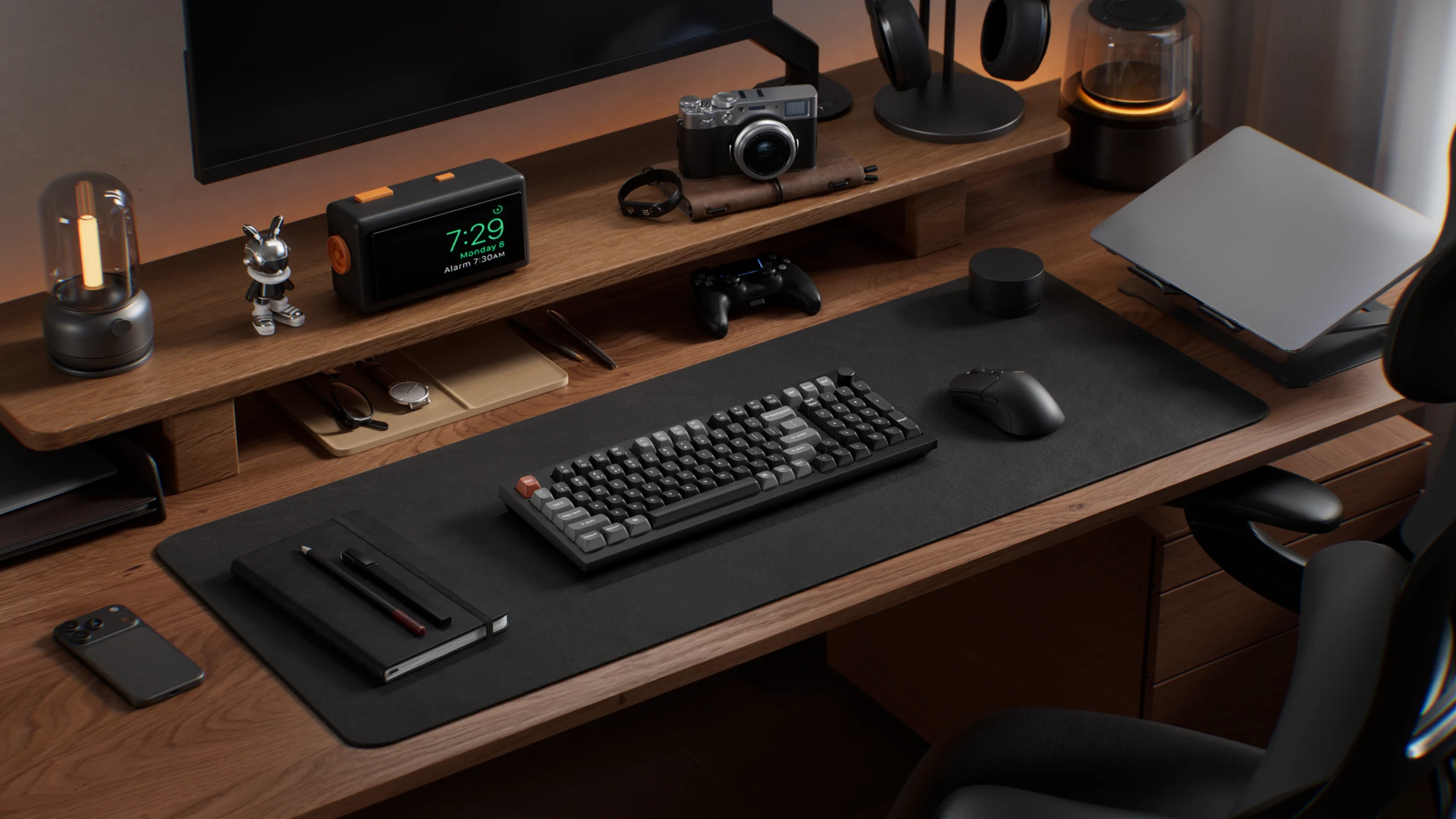
    We recently shared news about Keychron’s new wireless mechanical keyboard series, featuring the high-end Q Ultra 8K and the more budget-friendly V Ultra 8K lines. This launch included some visual tweaks and a fresh choice of switches. Notably, Keychron has switched from the open-source QMK firmware to ZMK firmware, which is likely aimed at achieving better battery life thanks to ZMK’s efficiency. Following the initial release, the Q Ultra 8K keyboards were available, and now the V Ultra 8K models can also be purchased from the Keychron website, starting at $114.99 for the V1 and V3 Ultra 8K, and going up to $119.99 for the V5 Ultra 8K.

    Design Changes

    The most significant distinction between the Q Ultra 8K series and the V Ultra 8K models is the material used for their cases; the V Ultra 8K series is made from plastic instead of aluminum. Additionally, the keycaps differ, with the V Ultra 8K series using OSA keycaps rather than KSA ones. Technically, the Keychron V Ultra 8K keyboards deliver the same performance as the Q Ultra 8K, but their plastic casings do provide some benefits. For instance, the V Ultra 8K keyboards are lighter, making them easier to carry around if desired. The same Silk POM mechanical switches introduced with the Q Ultra 8K series are included here too, available in 45 gf linear Red, 55 gf tactile Brown, and 57 gf tactile Banana options. The Banana switches give a firmer tactile feel compared to the Brown switches, similar to Gateron’s Jupiter Banana switches, which are currently priced at $39.98 for 110 switches on Amazon—recently reviewed in the Keychron Q13 Max.

    Features and Adjustability

    In addition, the V Ultra 8K series showcases enhanced CNC aluminum covers for the programmable knobs. Not only can the keyboard’s keys be fully remapped, but the knob can also be set up to execute a variety of functions, such as mouse keys, macros, and virtually anything else a standard key press can perform. Unlike the Q Ultra 8K series, the V Ultra 8K cases also permit typing angle adjustments with kick-out feet, accommodating angles of 4°, 7°, and 10°.

    Keychron

    Source:
    Link


  • Lenovo ThinkBooks to Support Future Magic Bay Accessories

    Lenovo ThinkBooks to Support Future Magic Bay Accessories

    Key Takeaways

    1. Lenovo unveiled new Magic Bay accessories at CES 2024, including the compact Magic Bay HUD display.
    2. Limited current compatibility for Magic Bay accessories exists, with few laptops supporting the system.
    3. Lenovo plans to allow third-party manufacturers to create Magic Bay accessories by 2026.
    4. Future Lenovo laptops will increasingly feature Magic Bay, with new ThinkBooks launching this year.
    5. Magic Bay technology uses magnets and metallic contacts to connect accessories without cables, enhancing convenience.


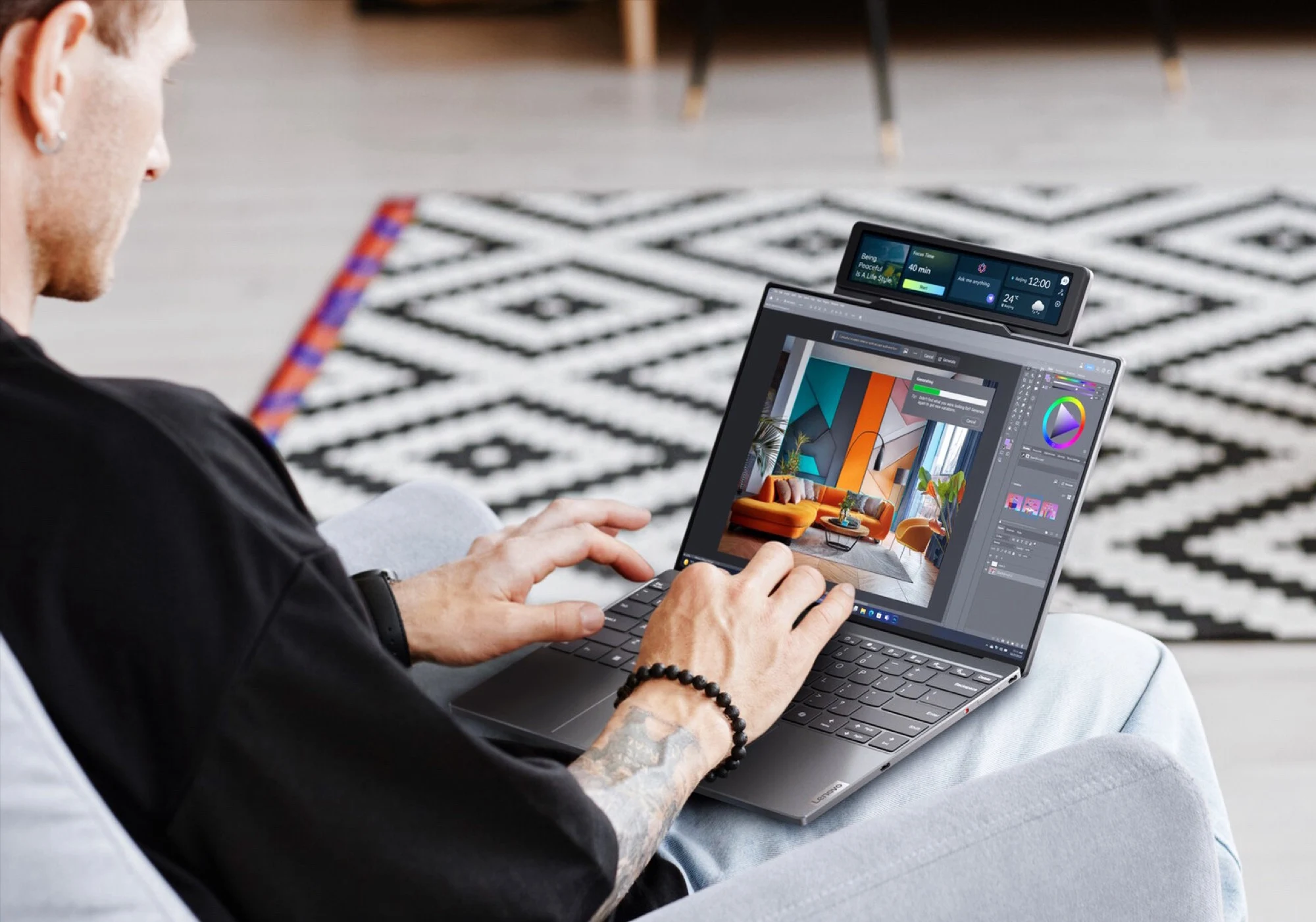
    Lenovo revealed new Magic Bay accessories at CES 2024, and last year, they introduced several mobile monitors for the interface. The Magic Bay HUD is a compact secondary display designed for widgets that sits above the screen of compatible laptops. While it is set to launch, there are very few laptops and accessory products currently available that support this system.

    Future of Magic Bay Accessories

    In 2026, Lenovo plans to change this by allowing third-party manufacturers to produce accessories for Lenovo Magic Bay. At present, while the new ThinkBook 14+ and ThinkBook 16+ are compatible with the standard, Lenovo has a limited number of laptops that come with Magic Bay, making it less appealing for accessory makers to enter the market.

    Expanding the Magic Bay Ecosystem

    This indicates that Lenovo intends to incorporate this feature more widely in the future. In the upcoming months and years, we can expect to see more Lenovo laptops featuring Magic Bay. Lenovo has stated that new ThinkBooks with Magic Bay will launch this year. In technical terms, the Lenovo Magic Bay comprises a series of magnets and metallic contacts that connect to the back of a laptop display.

    These pins are capable of transmitting both data and power. This allows for the connection of devices like a 5G modem, a compact SSD, or an additional display to a laptop without needing to plug in any cables. Lenovo has also introduced unique accessories, such as a fan or an air freshener, and the magnets help avoid the need for unattractive clips.

    Conclusion

    Lenovo’s innovative approach to Magic Bay accessories signifies a promising future for users looking for seamless integration with their laptops. As the lineup of compatible devices expands, the convenience of these features is likely to attract more interest from consumers and accessory manufacturers alike.

    Source:
    Link


  • Asus Launches New AMD Zenbook S16 with Bright OLED Display

    Asus Launches New AMD Zenbook S16 with Bright OLED Display

    Key Takeaways

    1. Powerful Performance: The Zenbook 16 Air 2026 features a Ryzen AI 9 H 465 processor with a 10-core setup and Radeon 880M integrated GPU for smooth AAA gaming at FHD resolution.

    2. Stunning Display: It has a vibrant 16-inch OLED screen with a peak brightness of 1,100 nits, a 120Hz refresh rate, and a resolution of 2880×1800 pixels.

    3. Similar Design: The laptop closely resembles the S16, measuring 1.1cm thick and weighing 1.5kg, while housing a robust 83Wh battery.

    4. Impressive Features: Includes WiFi 7, a spacious touchpad, Dolby Atmos speakers, and a 1080p webcam with 3DNR.

    5. Pricing and Availability: Launch price is CNY 9,999 (around $1,434), but global availability is uncertain, especially for the non-H Ryzen AI 9 465H version.


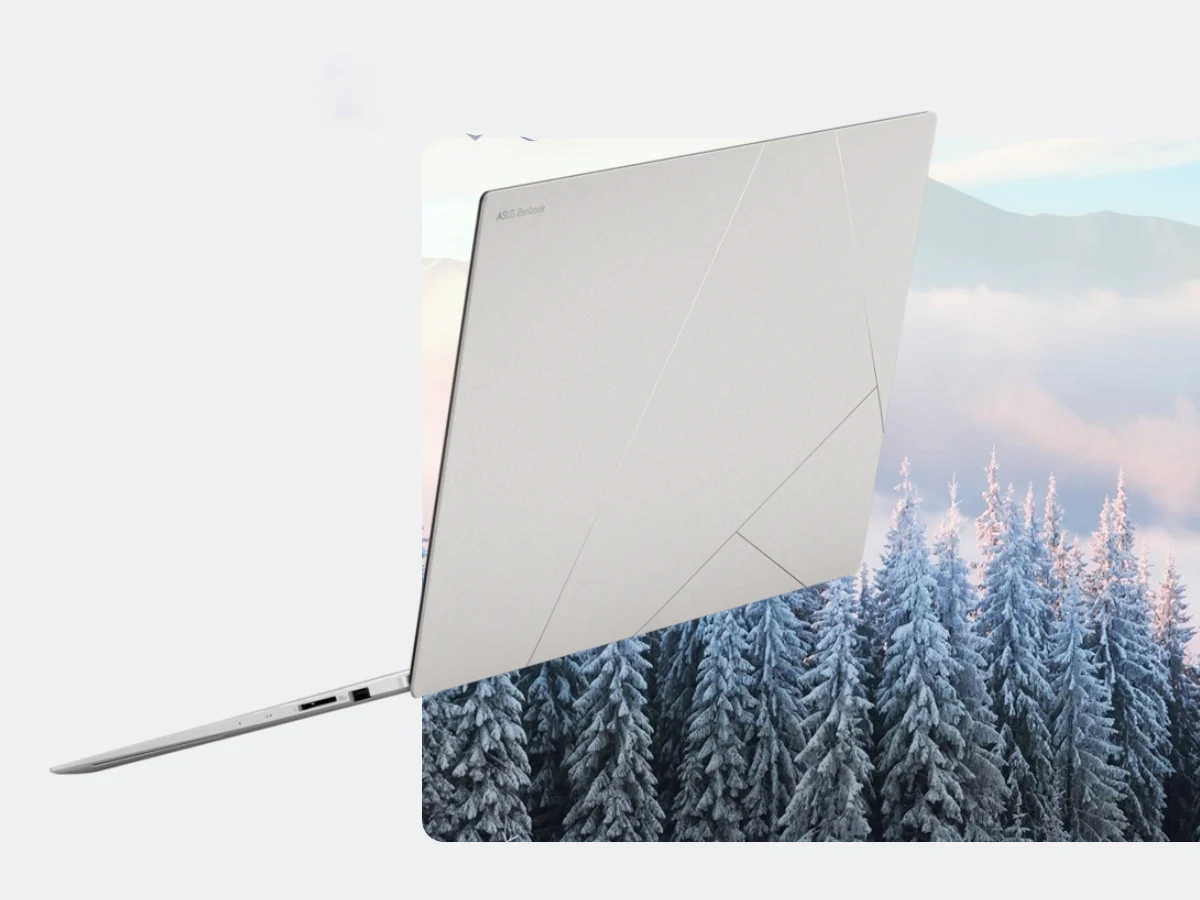
    Asus has unveiled several new gadgets in China, and among them is the Zenbook 16 Air 2026. This laptop is basically a slightly altered version of the S16 that was revealed at CES 2026, with the main distinction being its display.

    Powerful Performance

    The freshly launched Zenbook 16 Air 2026 is equipped with the Ryzen AI 9 H 465, a new Strix Point Zen 5 APU that includes a 10-core setup, along with the Radeon 880M integrated GPU. This built-in GPU allows the laptop to run AAA games smoothly at FHD resolution. For comparison, the S16 offers additional CPU choices beyond the AI 9 465.

    Stunning Display

    One of the standout features of the 2026 Zenbook 16 Air is its vibrant OLED screen. The 16-inch display boasts a peak brightness of 1,100 nits, a refresh rate of 120Hz, and a resolution of 2880×1800 pixels. In contrast, the S16 also features a 16-inch OLED display, but its peak brightness is slightly lower at 1,000 nits.

    Similar Design

    In terms of design, the Zenbook 16 Air appears almost identical to the S16. Asus mentions that this laptop is just 1.1cm thick when closed and weighs 1.5kg. Despite being lightweight, it houses a robust 83Wh battery and includes a reasonable selection of ports, such as:

    Other impressive features include WiFi 7, a spacious touchpad, Dolby Atmos speakers, and a 1080p webcam with 3DNR. Asus is offering the 2026 Zenbook 16 Air with 32GB of LPDDR5X RAM and 1 TB of PCIe 4.0 storage, with a launch price of CNY 9,999, which is around $1,434. It remains uncertain whether this version will be available globally, particularly with the non-H Ryzen AI 9 465H.

    Source:
    Link