Category: Computers

  • Nvidia MSRP Myth: GPU Prices and the RAM Crisis Explained

    Nvidia MSRP Myth: GPU Prices and the RAM Crisis Explained

    Key Takeaways

    1. Rising system memory prices are affecting not just memory modules but also graphics cards (GPUs) due to their dependence on VRAM.
    2. Nvidia’s suggested retail prices (MSRP) are unreliable, as actual sales prices often do not reflect these recommendations.
    3. Nvidia’s pricing strategy with board partners allows them to transfer increased costs from rising RAM prices to consumers without changing the MSRP.
    4. The end of Nvidia’s Observed Pricing Program (OPP) has made it harder for manufacturers to sell GPUs at MSRP, impacting profitability.
    5. The shift in focus towards high-end models may lead to reduced availability and increased prices for budget graphics cards.


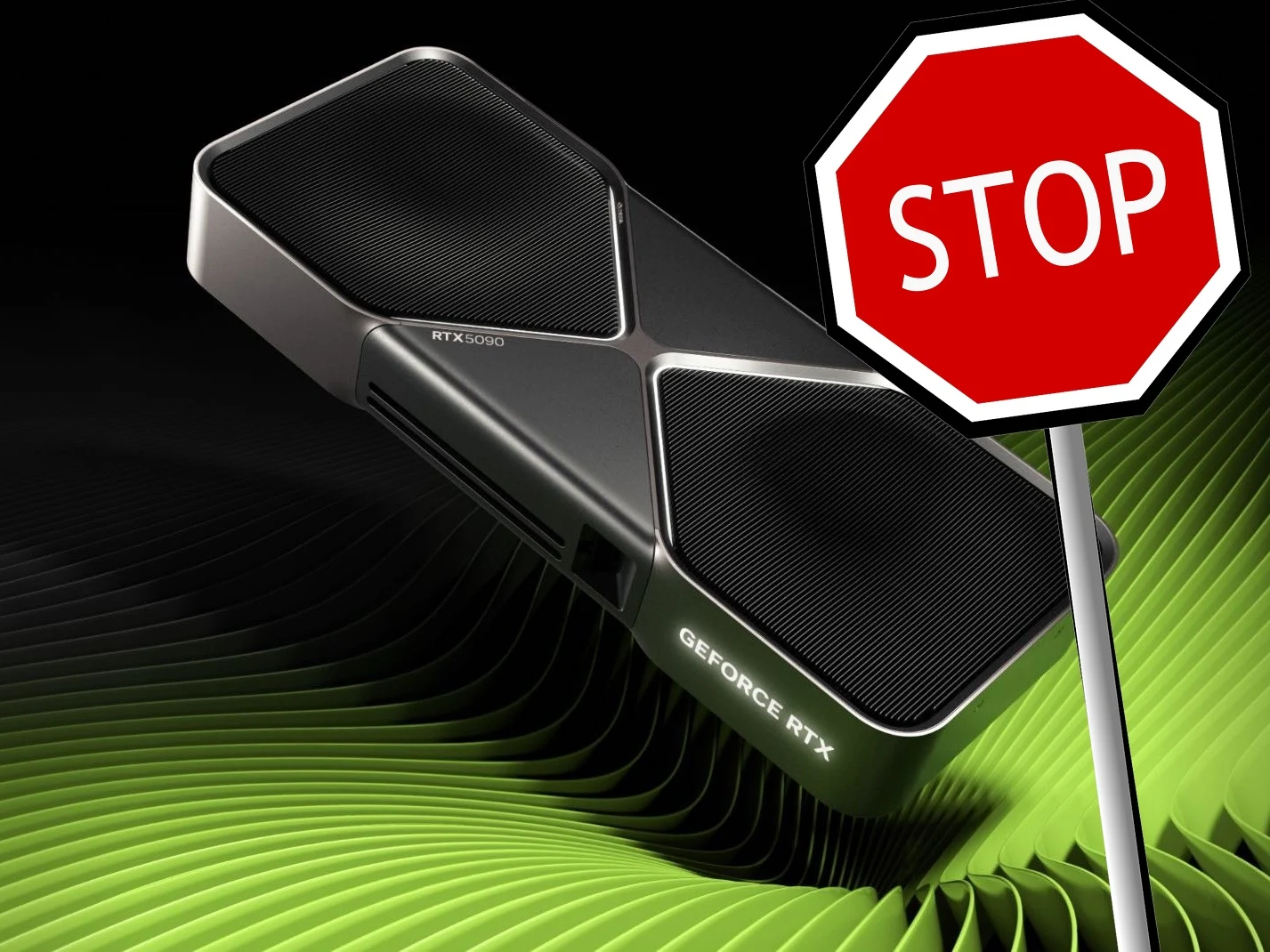
    System memory prices have been rising, which isn’t shocking anymore. However, the so-called RAR crisis is affecting more than just memory modules; it also impacts other parts like graphics cards. This seems reasonable since GPUs depend on RAM, or more specifically, VRAM. In a recent video, German hardware YouTuber der8auer reveals that the recent spike in GPU prices is more complicated than it seems. Titled “Die Nvidia UVP-Lüge” (“The Nvidia MSRP Lie”), he claims that Nvidia’s suggested retail prices are no longer a good guide. Although they promote their entry-level prices, these are seldom seen in actual sales.

    Internal Pricing Issues

    Der8auer, who is known for his hardware reviews and overclocking content, has over half a million subscribers on YouTube. He points out a significant problem with Nvidia’s MSRP, which lies in its pricing strategy with board partners. Typically, GPUs and VRAM are sold together, so when RAM prices rise, it directly affects what the manufacturers have to pay. This setup helps Nvidia keep its profit margins intact while transferring cost increases to the downstream without officially changing the MSRP. Consequently, board partners take on these extra costs and often pass them along to consumers when they sell the products.

    The End of the OPP Program

    For a long time, Nvidia’s OPP (Observed Pricing Program) was crucial in keeping graphics card pricing close to the suggested MSRP. Under this program, manufacturers received financial incentives when they sold cards at the recommended price. Der8auer explains that many models would not be profitable without this support. However, now that the program is gone, achieving the MSRP has become even more difficult. While the suggested price still exists in theory, selling at that price is rarely beneficial for retailers. Because of this, der8auer warns that manufacturers might increasingly concentrate on high-end models since lower-tier cards are no longer profitable without subsidies. This change could lead to reduced availability in the budget category and drive prices even higher.

    der8auer via YouTube

    Source:
    Link


  • Samsung Raises Wholesale DRAM and SSD Prices Up to 80%

    Samsung Raises Wholesale DRAM and SSD Prices Up to 80%

    Key Takeaways

    1. Samsung has announced an up to 80% price increase for its memory products, affecting distributors in Taiwan.
    2. Consumer DRAM and SSD prices have already surged two to three times since November, with significant recent hikes.
    3. Supply issues are impacting Samsung, with distributors struggling to meet demand and shipping limited quantities.
    4. An insider indicated that not all product prices have risen by 80%, but further price hikes for electronics are expected.
    5. Rising demand for AI hardware and a component shortage are driving the price increases, leading Samsung to prioritize high-end products over consumer memory.


    Samsung has informed its distributors in Taiwan, where a large portion of the world’s laptops and gaming consoles are made, about an increase in the price of its memory products by as much as 80%.

    Recent Price Increases

    This announcement comes after significant price hikes in consumer DRAM and SSD storage, which have already seen increases of two to three times since November. For example, in the last three months, the cost of a Samsung 32GB DDR5 5600MHz laptop memory kit on Amazon has surged more than double, with expectations of even higher prices ahead. Similarly, the price of the widely-used Samsung T7 1TB portable SSD rose from $99 to $199 in the same period.

    Supply Issues

    As per one semiconductor distributor in Korea, “This month, Samsung Electronics’ 5th generation double data rate (DDR5) DRAM 16GB-5600 memory module (DIMM) for PCs has exceeded 400,000 won… it has nearly tripled within two months.” Not only has Samsung increased wholesale prices for consumer memory, but they are also struggling to supply enough units to satisfy demand. The distributor expressed frustration, stating they can only manage to ship out about 10 kits daily.

    Insider Insights

    “While it’s true that Samsung Electronics has raised its memory supply prices recently, the assertion that all product prices have gone up by 80% is misleading,” revealed an insider from Samsung Electronics, indirectly confirming that more price hikes for both memory and consumer electronics are on the horizon once manufacturers of laptops, smartphones, PlayStations, and others start working with the newly priced components.

    Market Dynamics

    Experts believe that the rising demand for enterprise AI hardware and a shortage of components are driving Samsung’s significant wholesale price increase. Notably, brands like Crucial have exited the consumer memory market to concentrate on the more profitable AI data center business, while Nvidia is reportedly paying Samsung double for its next-generation HBM4 AI graphics card memory modules.

    Consumer products usually don’t need to handle heavy workloads for long durations, but enterprise RAM and flash memory kits require superior quality components to ensure reliability. Nevertheless, the price gap between Samsung’s consumer and enterprise memory products has reached a record 40%. This shift has led Samsung to focus more on the high-end market, causing consumer memory prices to skyrocket as well.

    Source:
    Link


  • Minisforum Launches New Pocket-Sized Mini-PC Version

    Minisforum Launches New Pocket-Sized Mini-PC Version

    Key Takeaways

    1. Minisforum announced two new mini-PCs at CES 2026: a refreshed MS-02 Ultra and the AI X1 Pro-470.
    2. The updated AI X1 now offers AMD’s Ryzen 7 255 and the new Ryzen AI 9 HX 470, replacing the older Ryzen AI 9 365.
    3. The AI X1 is expected to see improved CPU performance and significant graphics enhancements with the upgrade to Radeon 890M iGPUs.
    4. The AI X1’s dimensions remain the same at 128 x 126 x 52 mm, featuring dual SO-DIMM and M.2 2280 slots, and various I/O options.
    5. Pricing starts at $719.90 for the barebones AI X1, with pre-configured units available for $1,295.90, both shipping globally by February 10.


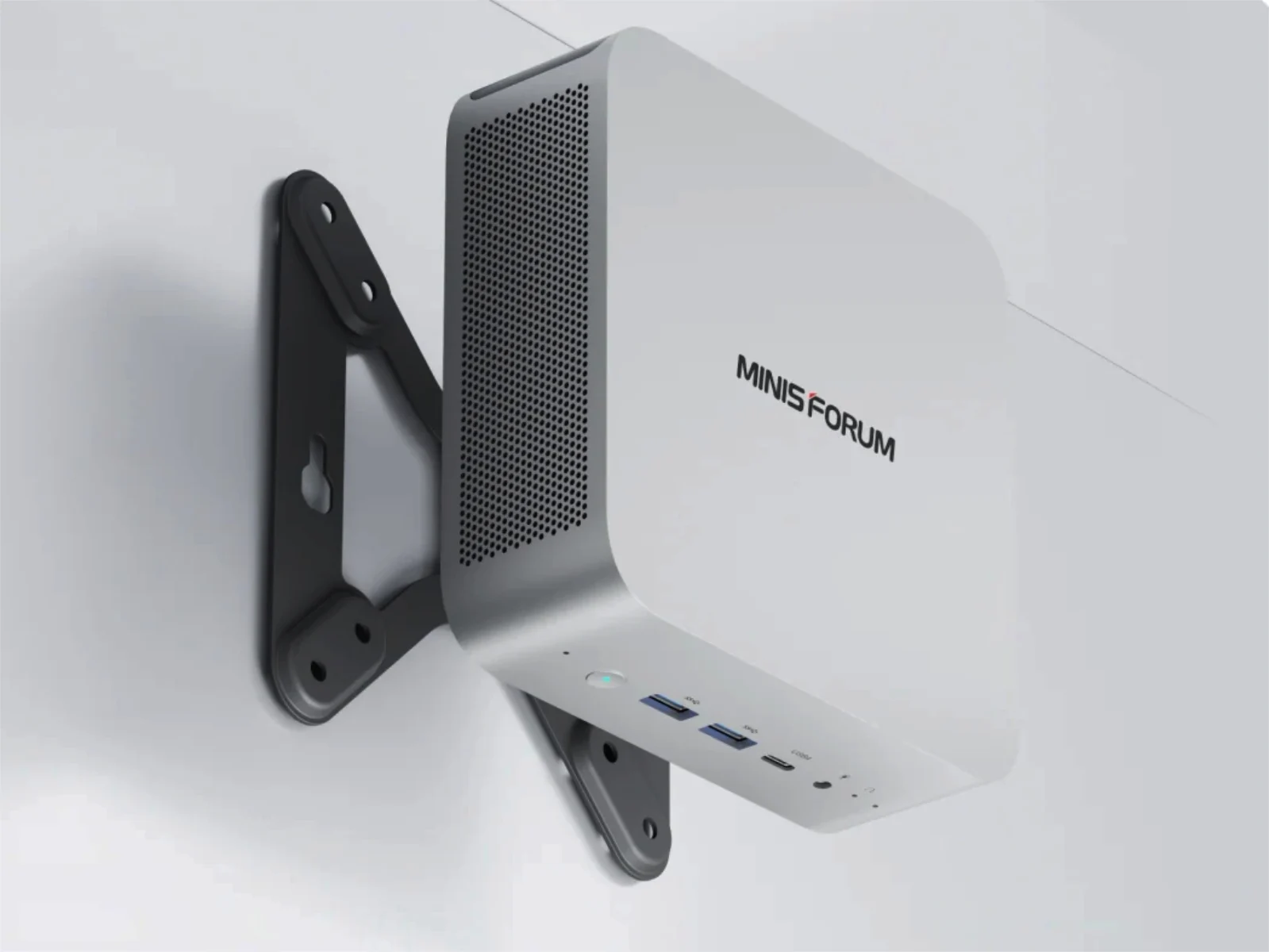
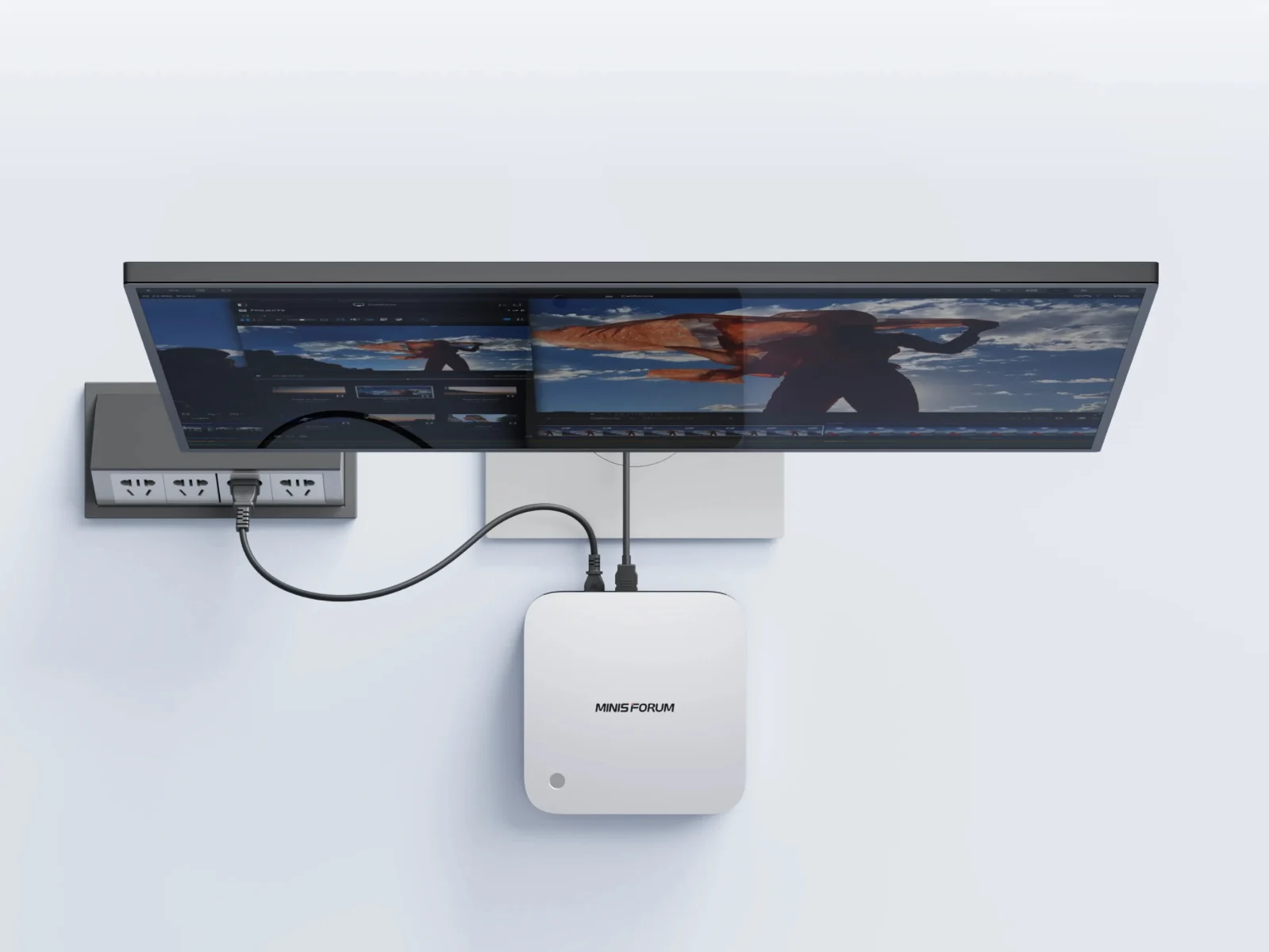
    During CES 2026, Minisforum revealed two new mini-PCs that are set to launch later this year. The company announced it will be refreshing the MS-02 Ultra shortly after the original versions were made available worldwide. Additionally, they introduced a new version of the AI X1 Pro, launching today as the AI X1 Pro-470.

    New Version of AI X1

    In a quiet move, Minisforum has also launched an updated version of the AI X1. Previously, the company provided a budget-friendly mini-PC with options for AMD’s Ryzen 7 260, Ryzen 7 255, and Ryzen AI 9 365 APUs. Now, the options have shifted to include only the Ryzen 7 255 (currently priced at $327 on Amazon). The Ryzen AI 9 HX 470 from AMD’s Gorgon Point family has been introduced to take its place.

    Performance Improvements

    Based on our testing, the inclusion of the Ryzen AI 9 HX 470 is expected to give the AI X1 a slight boost in CPU performance compared to the older Ryzen AI 9 365. In contrast, the change from Radeon 880M to Radeon 890M iGPUs will lead to significant performance enhancements compared to last year’s pricier AI X1 model. However, the AI X1 remains largely the same in other respects, featuring a chassis measuring 128 x 126 x 52 mm, which includes dual SO-DIMM and M.2 2280 slots, along with I/O options like dual USB4, OCuLink, and DisplayPort 2.0.

    Pricing and Availability

    The new AI X1 starts at $719.90, €759, £665, CAD 985.90, and AUD 1,063.90 for the barebones version. On the other hand, Minisforum lists the pre-configured unit, equipped with 32 GB of RAM and 1 TB of storage, at $1,295.90, €1,359.90, £1,199, CAD 1,774.90, and AUD 1,919.90. Both configurations are expected to begin shipping globally by February 10.

    Source:
    Link


  • Minisforum Launches X1 Pro-470 Mini-PC with AMD Gorgon Point

    Minisforum Launches X1 Pro-470 Mini-PC with AMD Gorgon Point

    Key Takeaways

    1. Minisforum launched the AI X1 Pro-470 mini-PC powered by AMD’s new Gorgon Point architecture at CES 2026.
    2. The AI X1 Pro-470 features a Ryzen AI 9 HX 470 APU with 4 Zen 5 CPU cores, boosting up to 5.2 GHz, and improved Radeon 890M iGPU performance.
    3. The mini-PC continues to support DDR5-5600 RAM, Wi-Fi 7, OCuLink, and USB4, with a similar design and dimensions to its predecessor.
    4. The AI X1 Pro-470 starts at $759.90 for a barebones unit, with options for preconfigured models available at higher prices.
    5. A discount coupon code AI50 is available until January 30 for purchasing the mini-PC.


    Minisforum has unveiled a new mini-PC powered by AMD’s latest Gorgon Point architecture. This was revealed during CES 2026 in Las Vegas. The Minisforum AI X1 Pro-470 builds upon the previous AI X1 Pro model that was introduced last year, which is currently priced at $1,109 on Amazon. Notably, the company has also updated its more affordable AI X1 mini-PC, with full details available in another article.

    Specifications and Performance

    Regarding the AI X1 Pro-470, it features the new Ryzen AI 9 HX 470 APU, which includes 4 Zen 5 CPU cores capable of boosting to 5.2 GHz, representing a 100 MHz overclock compared to the Ryzen AI 9 HX 370. Additionally, the integrated Radeon 890M iGPU has improved from 2,900 MHz to 3,100 MHz, maintaining a shared 54 W TDP for both the CPU and iGPU. AI performance has also seen an uptick, with figures rising from 50 TOPS to 55 TOPS (INT8). However, the APU’s 8 Zen 5c cores are still clocked at 3.3 GHz, and there are no changes to the L2 and L3 cache levels.

    Features and Design

    There are not many differences between the AI X1 Pro-470 and its predecessor. It retains DDR5-5600 RAM and Wi-Fi 7 connectivity, along with OCuLink and USB4 ports. The new mini-PC also features a fingerprint reader and a built-in Copilot shortcut, similar to last year’s version. Its metal casing maintains dimensions of 195 x 195 x 47.5 mm and has a weight of around 1.5 kg.

    The AI X1 Pro-470 can be purchased as a barebones unit for $759.90, €799, £695, CAD 1,040, or AUD 1,119.90, with expected launch discounts available in all regions. Alternatively, Minisforum provides the option to buy the same mini-PC preconfigured, featuring 32 GB of RAM and 1 TB of storage. Additionally, a discount can be applied with the coupon code AI50 until January 30. For more information, visit Minisforum’s official website.

    Source:
    Link


  • Intel Core Ultra X9 388H Beats AMD Ryzen AI 9 HX 370 in Passmark

    Intel Core Ultra X9 388H Beats AMD Ryzen AI 9 HX 370 in Passmark

    Key Takeaways

    1. The Intel Core Ultra X9 388H processor features 16 cores, including high-performance and efficiency cores, and is equipped with the Arc B390 iGPU.
    2. Performance results show only slight improvements over the previous generation, with a 10% increase in multithread performance and similar single-thread results.
    3. The 388H scored just below 38,000 points in multithread testing and approximately 4,450 points in single-thread performance on Passmark.
    4. The Panther Lake processor has a slight edge over AMD’s Ryzen AI 9 HX 470, which scored around 36,500 points in multithread tests.
    5. The Arc B390 iGPU is highlighted for its strong performance, reportedly outperforming the Radeon 890M by nearly 100% in gaming scenarios, making it suitable for compact laptops and mini PCs.


    The Intel Core Ultra X9 388H “Panther Lake” processor has been revealed and is now available on Passmark. The performance results show only slight improvements compared to the previous generation chips, even though Intel has been touting a significant boost of 60% in multithreaded tasks.

    Specifications Overview

    The Intel Core Ultra X9 388H features a configuration of 16 cores, which includes four high-performance Cougar Cove cores, eight Darkmont efficiency cores, and an additional 4 low-power Darkmont cores. For graphics, it utilizes the Arc B390 iGPU equipped with 12 Xe3 cores. According to the Passmark data noted by @x86deadandback on X, the 388H achieves a score of just below 38,000 points in multithreaded testing and approximately 4,450 points in single-thread performance.

    Performance Comparison

    When compared to the Core Ultra 9 285H, the Panther Lake processor shows about a 10% enhancement in multithread performance, while the single-thread results are nearly the same. Currently, only a couple of samples of the 388H have been tested on Passmark, which means that the scores are likely to fluctuate as more data comes in. Notably, the 285H has a 300 MHz higher boost clock than the 388H and a better P-core ratio, which makes the results look quite encouraging.

    AMD’s Position

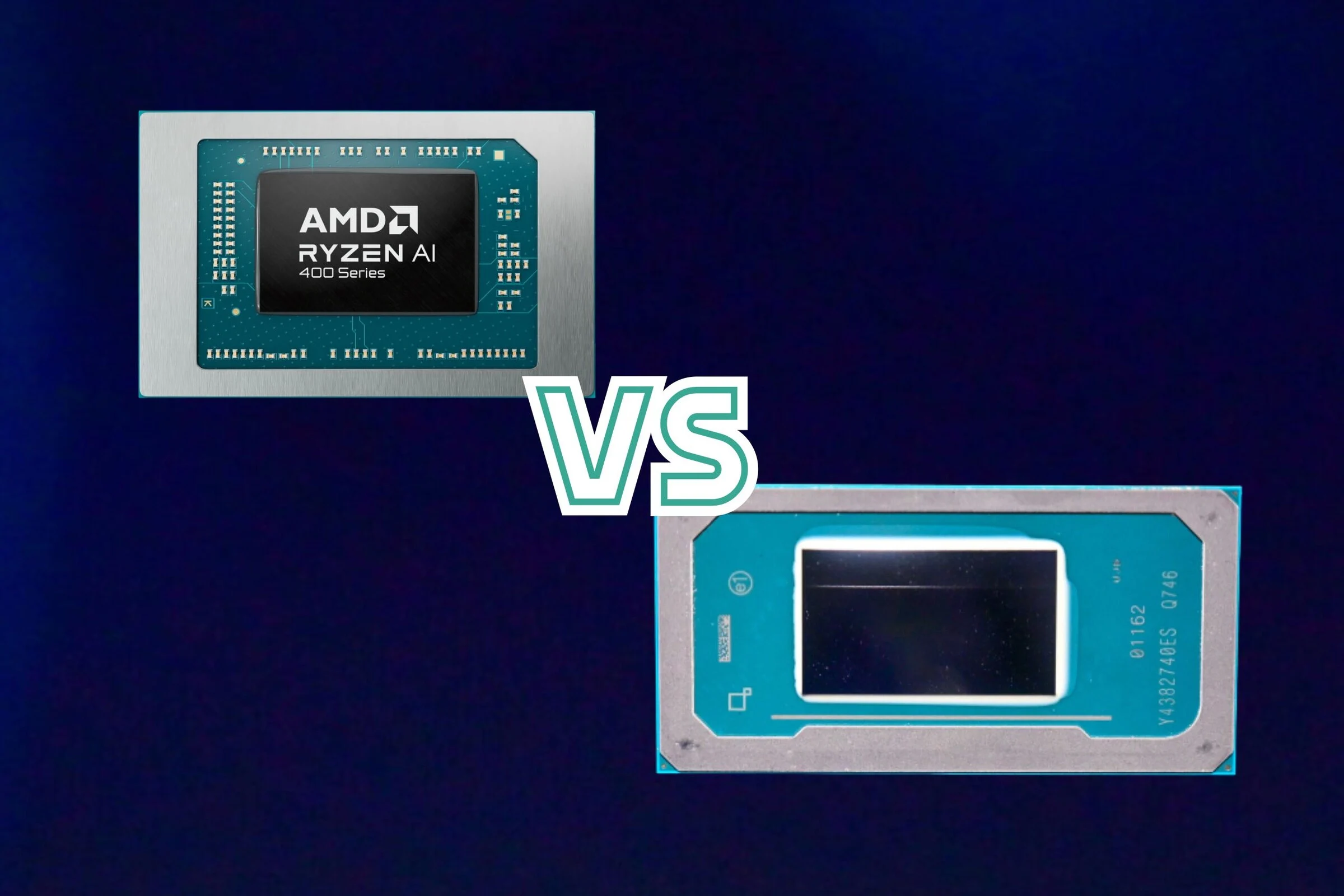
    Fans of AMD might feel let down since the AMD Ryzen AI 9 HX 470 only managed to attain around 36,500 and 4,200 points in single-thread and multithread tests, respectively. This gives the Panther Lake chip a slight edge. While benchmarks alone aren’t definitive, it suggests that AMD could face challenges against Intel in 2026.

    Interestingly, as highlighted by TechPowerUp, the standout feature of the Panther Lake processor is likely the Arc B390 iGPU. Leaked benchmark information indicates that the B390 outperforms the Radeon 890M by nearly 100% in practical gaming scenarios. For compact laptops that can’t fit discrete GPUs and mini PCs, the Panther Lake chips appear to be a very attractive option.

    Exciting Offers

    Eager for Panther Lake mini PCs? The GMKtec Evo-T1, which comes with 64 GB of memory and 2 TB of storage, is currently priced at $300 less on Amazon.

    Passmark, x86deadandback, noted by TechPowerUp.

    Source:
    Link


  • Nvidia Halts RTX 5060 Supply for 6 Months: 30% Price Shock Ahead

    Nvidia Halts RTX 5060 Supply for 6 Months: 30% Price Shock Ahead

    Key Takeaways

    1. Nvidia is reportedly stopping production of the RTX 5070 Ti and RTX 5060 Ti 16 GB, despite denials from Nvidia and Asus.
    2. Production cuts are occurring for the RTX 5060, with a halt expected for the next six months due to overbooked AI supply.
    3. Limited availability is anticipated for several RTX 50 models, with the RTX 5060 supply worsening until late 2026.
    4. Nvidia is expected to raise prices of RTX 50 graphics cards by at least 30%, affecting AIBs like MSI, Asus, and Gigabyte.
    5. Consumers should prepare for a challenging six months in GPU availability, with potential price increases for AMD’s RX 9000 cards following Nvidia’s production cuts.


    A few days ago, Hardware Unboxed stated that Nvidia was stopping production of the RTX 5070 Ti and the RTX 5060 Ti 16 GB. This news quickly sparked a debate, with Nvidia and Asus denying the discontinuation of the RTX 5070 Ti. However, the reality seems to tell a different story, as both the RTX 5070 Ti and RTX 5060 Ti 16 GB have seen a significant rise in price compared to their manufacturer’s suggested retail price (MSRP), indicating a tight supply.

    Production Cuts and Supply Issues

    In addition to this unfortunate news, Moore’s Law Is Dead has now indicated that Nvidia is also reducing the production of the RTX 5060. A source from the leaker’s “Distributor” mentioned that, according to discussions with AIBs, the RTX 5060 “is done for the next 6 months.” Nvidia is said to have “overbooked” its AI supply, leading the company to halt the manufacturing of nearly the entire RTX 50 series to balance things out.

    Limited GPU Availability

    The source informed MLID that only the RTX 5070, RTX 5080, and RTX 5060 Ti 8 GB will experience limited availability, while the other RTX 50 models will soon become “unobtanium.” A source from a “Major Retailer” echoed this, stating that the supply of the RTX 5060 will worsen until the fourth quarter of 2026. Nvidia is expected to “re-assess” the circumstances in Q4, and this source added that the RTX 5050 and RTX 5060 are likely to dominate volume sales moving forward.

    Price Increases on the Horizon

    Moreover, an AIB source told MLID that Nvidia is not only increasing the prices of the RTX 50 BOM kits supplied to AIBs but is also mainly providing the RTX 5080, RTX 5070, RTX 5060 Ti 8 GB, and RTX 5050. The production of the RTX 5060 has reportedly been halted due to issues related to RAM and costs.

    The AIB source also warned consumers to anticipate at least a 30% price hike soon. This aligns with reports from Taiwan, which indicate that AIBs such as MSI, Asus, and Gigabyte are raising the prices of their RTX 50 models.

    In short, consumers can expect a tough six months concerning the availability of GPUs. While AMD hasn’t been reported to cut supply of RDNA 4 GPUs, it seems likely that once Nvidia ceases RTX 50 production, RX 9000 cards will experience a sharp increase in prices.

    Source:
    Link


  • Geekom A7 Max Edition 2026 Review: AMD Ryzen 9 Mini PC Worth It?

    Geekom A7 Max Edition 2026 Review: AMD Ryzen 9 Mini PC Worth It?

    Key Takeaways

    1. Powerful Processor: The Geekom A7 Max is equipped with the AMD Ryzen 9 7940HS, an eight-core processor that delivers strong performance for demanding tasks.

    2. Upgradeable RAM: The mini PC can be upgraded to enhance performance, as the initial RAM configuration may limit the SoC’s full potential.

    3. Integrated Graphics: It features integrated AMD Radeon 780M graphics, suitable for office work and light gaming, but lacks a dedicated NPU for AI tasks.

    4. Compact Design with Connectivity: The aluminum case offers a compact design with multiple USB ports, USB4 interfaces, HDMI outputs, and a card reader for versatile connectivity.

    5. Quiet Operation with Fan Noise: While the A7 Max runs quietly under normal use, the fan can become noticeably louder during heavy workloads.


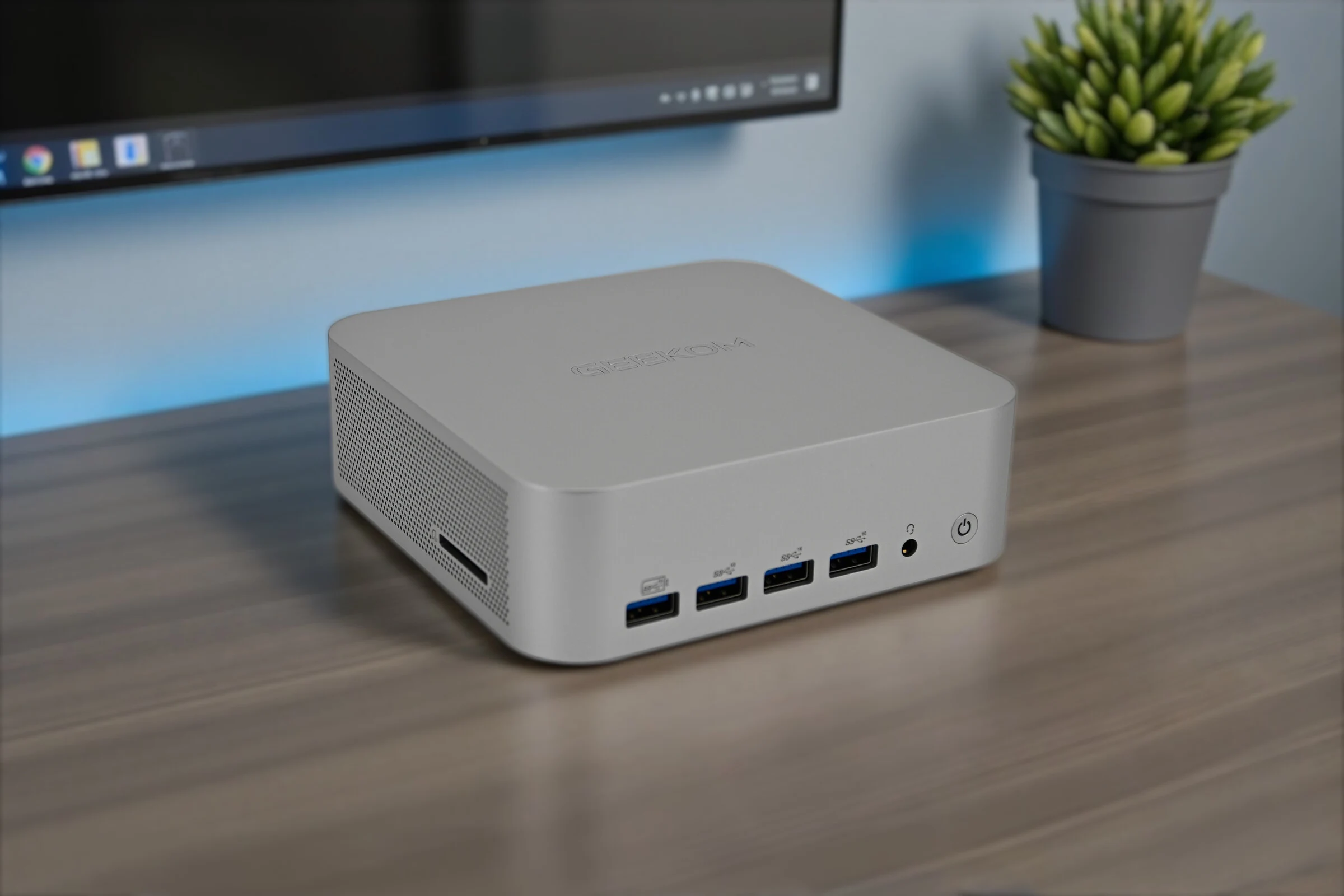
    The Geekom A7 Max is a robust new entry into the brand’s range of mini PCs, targeted at users with high demands. It features a well-known SoC that, even though it’s not the latest, is expected to deliver adequate performance through 2026. Powered by the AMD Ryzen 9 7940HS, this mini PC utilizes a reliable eight-core processor from the Zen 4 family with 16 threads, making it capable of handling various resource-heavy tasks effortlessly. Coupled with almost DDR5 RAM and a PCIe SSD, the A7 Max promises impressive system performance right from the start. However, one drawback is the RAM configuration, as the SoC struggles to reach its full potential with only one SO-DIMM module. Luckily, users can upgrade the RAM to unlock additional performance down the road.

    Graphics and AI Capabilities

    The graphics are managed by the integrated AMD Radeon 780M, which is adequate for office work, media playback, and light gaming. Notably, the A7 Max lacks a dedicated NPU for artificial intelligence tasks; instead, these workloads are processed through the CPU or GPU. In contrast, newer models like the Geekom A9 Max (available on Amazon for $1,259) have a clear advantage in this aspect.

    Design and Connectivity

    In terms of design, Geekom maintains its signature aesthetic. The aluminum case is not only compact but also provides ample space for a variety of connectivity options. Users will find multiple USB ports, modern USB4 interfaces, HDMI outputs, and a card reader, enabling easy integration into existing setups.

    Performance and Noise Levels

    The Geekom A7 Max operates quietly under normal conditions, but the fan speeds up significantly during heavy workloads. Our latest review examines how the system performs in benchmarks, during long-term use, and in direct comparisons with its competitors.

  • New Khadas Mind Go: All-in-One Tablet, Laptop, and Desktop Device

    New Khadas Mind Go: All-in-One Tablet, Laptop, and Desktop Device

    Key Takeaways

    1. The Khadas Mind Go features a modular 3-in-1 design, easily switching between tablet, laptop, and desktop modes.
    2. The lightweight 11.6-inch tablet includes built-in speakers, a front-facing camera, and supports the Mind Pencil for drawing and note-taking.
    3. It runs on an energy-efficient, fanless platform, with a unique battery design to keep the device compact and lightweight.
    4. The Mind Go Stand enhances desktop capabilities, offering additional connectivity and improved performance through active cooling.
    5. Khadas is prioritizing user feedback in the development of the Mind Go, aiming to create a device that supports flexible workflows.


    The Mind Go offers a unique take on personal computing, blending portability with impressive performance in a modular 3-in-1 format. This device can easily switch between a tablet, laptop, and desktop, adapting to various needs.

    Tablet Features

    At its core, the Khadas Mind Go features an 11.6-inch tablet that is lightweight, sleek, and user-friendly. The newest LCD prototype weighs approximately 600 grams and measures just 0.24 inches in thickness. It includes built-in speakers, a front-facing camera, and compatibility with the Mind Pencil for drawing and note-taking. An ergonomically raised back edge enhances grip, making it easier to hold during presentations or short work sessions. Khadas is also exploring the option of an OLED display, which could trim the thickness down to around 0.22 inches, resulting in an even lighter Mind Go.

    Performance and Design

    The tablet runs on a fanless, energy-efficient platform, though the final choice of chipset is still undecided. The battery design is thoughtfully split, with part housed in the tablet and part in the keyboard. This clever arrangement keeps the tablet compact and lightweight.

    When the tablet is docked with the keyboard, the Mind Go switches to laptop mode. Power and data connection are established through pogo-pin connectors, raising the total battery capacity to 45Wh, which supports up to nine hours of video playback. The tablet can be connected or disconnected without interrupting any work, allowing seamless transitions between stationary and mobile use.

    Desktop Capabilities

    To activate desktop mode, users can add the Mind Go Stand, which is actively cooled to alleviate thermal issues and nearly doubles performance compared to tablet mode. This stand also serves as a complete desktop dock, offering connectivity like USB-C, USB-A, HDMI, Ethernet, a headphone jack, and built-in speakers. With the stand, the Mind Go essentially evolves into a multi-display workstation, turning the portable tablet into a comprehensive desktop computer.

    The Mind Go is currently under development, with crucial decisions about display technology and expansion options influenced by user feedback. Ultimately, Khadas aims for this device to emphasize flexible workflows rather than sticking to a single fixed design. For further information and to provide your opinions and suggestions on this exciting tablet, check out the official Khadas Mind Go website.

  • Zotac Unveils 2.65L Mini PCs with AMD Strix Halo APUs and 128GB RAM

    Zotac Unveils 2.65L Mini PCs with AMD Strix Halo APUs and 128GB RAM

    Key Takeaways

    1. Zotac has launched the Magnus EAMAX mini PC series, featuring AMD’s Strix Halo APUs for improved CPU performance.
    2. The top model, Magnus EAMAX395C, includes a Ryzen AI MAX+ 395, 128 GB LPDDR5X-8000 memory, and integrated Radeon RX 8060S GPU for strong gaming and AI capabilities.
    3. The mini PCs have a compact 2.65-liter chassis and include multiple connectivity options like USB4, HDMI 2.1, and support for Wi-Fi 7.
    4. The Magnus EAMAX series will be available as either a barebones kit or a fully assembled system with a 1 TB NVMe SSD and Windows 11, though pricing is not yet revealed.
    5. An alternative option is the GMKtec EVO-X2, priced at $2,299.99, which also features the Ryzen AI MAX+ 395 APU.


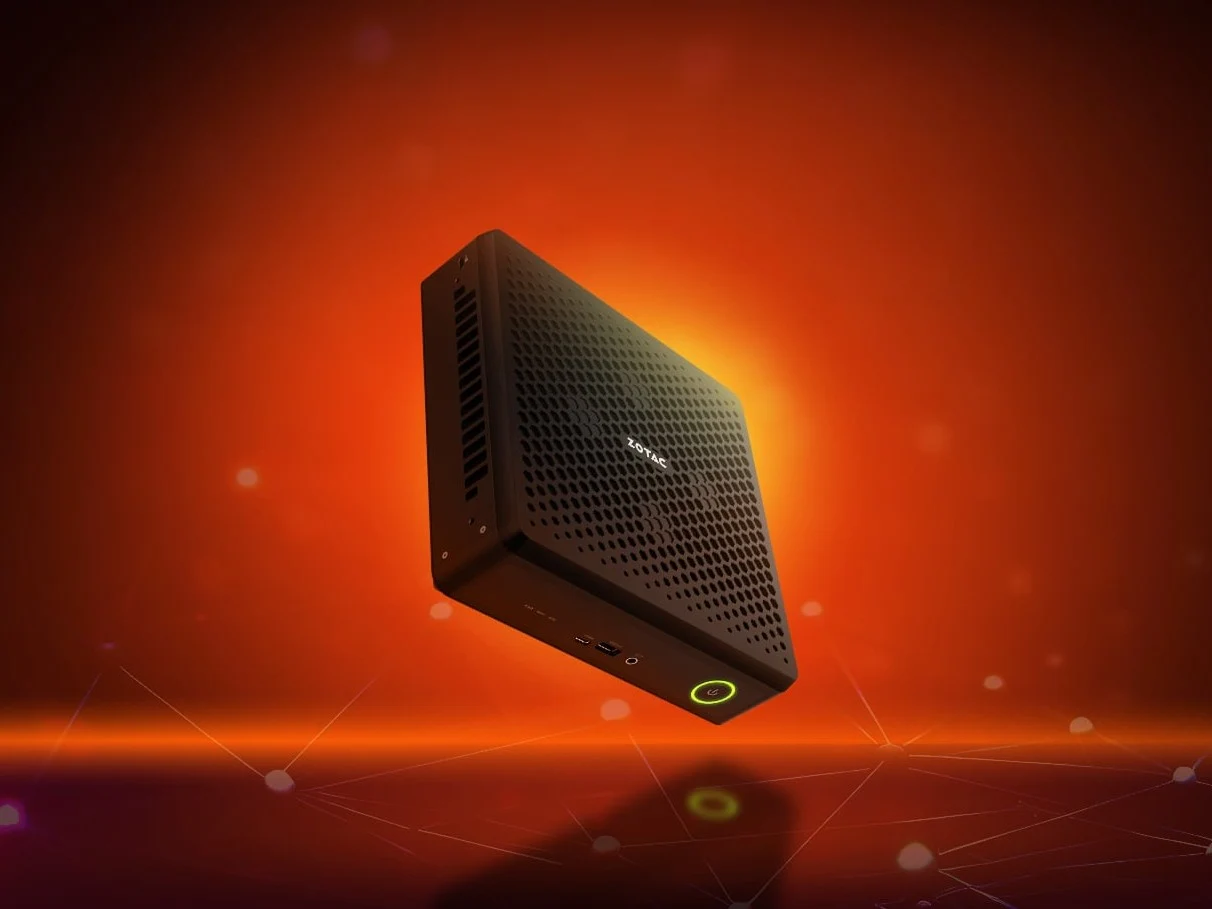
    Zotac has broadened its Zbox series with the introduction of the Magnus EAMAX collection of mini PCs. Similar to other recent mini PCs, the new series is powered by AMD’s Strix Halo APUs, which provide significantly better CPU performance compared to the Intel Core Ultra processors found in the Magnus One and Magnus EN. The Magnus EAMAX series will come in three different models, with configurations reaching up to the Ryzen AI MAX+ 395.

    Top Model Specs

    At the top of the list is the Magnus EAMAX395C, which features the Ryzen AI MAX+ 395 and includes a whopping 128 GB of LPDDR5X-8000 memory. This model boasts 16 cores and 32 threads, delivering up to 126 TOPS of AI performance, along with the integrated Radeon RX 8060S GPU. This setup should provide enough power for smooth 1080p gaming and demanding AI tasks. Based on our testing of the Radeon RX 8060S iGPU in the Asus ROG Flow Z13, its performance is quite comparable to that of the GeForce RTX 4070 Laptop GPU, meaning users should have no issues playing most games at 1080p. Other models in the lineup include the EAMAX390C featuring the Ryzen AI MAX 390 and the EAMAX385C with the Ryzen AI MAX 385.

    Compact Design Features

    The Magnus EAMAX mini PCs maintain the same small 2.65-liter chassis as the Magnus EN. The dimensions are 210 × 203 × 62.2 mm and it comes equipped with three M.2 slots (PCIe 4.0×4), dual 2.5 GbE Ethernet ports, and supports Wi-Fi 7. For connectivity options, all models offer one USB4 40 Gbps port, five USB-A 3.2 ports, two DisplayPort 1.4 outputs, two HDMI 2.1 ports, and a headphone/microphone combo jack.

    Zotac plans to provide the Magnus EAMAX series either as a barebones kit or as a fully assembled system with a 1 TB NVMe SSD and Windows 11 preinstalled. However, pricing and availability have yet to be disclosed.

    Alternatives

    For those interested, you can also check out the GMKtec EVO-X2, which is priced at $2,299.99 on Amazon and features a similar Ryzen AI Max+ 395 APU.

    Source:
    Link


  • High-Performance Mini PC with 12-Core Ryzen AI 9 HX 370 Chip

    High-Performance Mini PC with 12-Core Ryzen AI 9 HX 370 Chip

    Key Takeaways

    1. The Slimbook One mini PC features an AMD Strix Point APU with up to 12 cores, making it suitable for moderate workloads.
    2. It comes pre-loaded with Linux, appealing to fans of free and open-source software (FOSS).
    3. The device has integrated GPUs (Radeon 780M and 890M) for light gaming, while external GPUs can be connected for more demanding tasks.
    4. It offers dual M.2 slots for up to 16 TB of SSD storage and has a compact size of 130 x 158 x 53 mm, weighing about 0.7 kg.
    5. Pricing starts at $699 for the Ryzen 7 variant and $999 for the Ryzen AI 9 version, both currently available at a $50 discount.


    Alongside the Slimbook Executive laptop that runs on Linux, Slimbook has launched a new mini PC called the Slimbook One. This device is equipped with an AMD Strix Point APU that can have up to 12 cores, making it suitable for handling moderate workloads. Additionally, fans of free and open-source software (FOSS) will appreciate that the device comes pre-loaded with Linux.

    Powerful Hardware Specs

    At the core of the Slimbook One, you will find the AMD Ryzen AI 9 HX 370 APU which boasts 12 cores built on the Zen 5 architecture. It supports a maximum of 128 GB of DDR5-5600 memory thanks to dual SO-DIMM slots. There’s also a more affordable version featuring the capable 8-core Ryzen 7 H 255 APU based on Zen 4, which is expected to deliver about 85% of the performance of its more expensive counterpart, according to synthetic benchmarks.

    Graphics and Performance

    The compact mini PC does not have space for dedicated internal graphics and instead utilizes the Radeon 780M and Radeon 890M integrated GPUs available in the Zen 4 and Zen 5 models, respectively. The 890M is estimated to be 20% to 30% more efficient for gaming compared to the 780M, as confirmed by our test results. However, as integrated GPUs, both are only suitable for light gaming and less demanding tasks.

    For those looking to tackle more demanding applications or gaming, users can connect powerful external GPUs through the mini PC’s OCuLink port. The Strix Point version includes a 50 TOPS NPU, while the Hawk Point model does not offer this feature. The I/O options are quite impressive, featuring several ports.

    Storage and Size

    Storage needs are met with dual M.2 2280 (PCIe 4.0 x4) slots that can hold up to 16 TB of SSD storage. Measuring at 130 x 158 x 53 mm, the Slimbook One is very compact and weighs about 0.7 kg or 1.5 lbs.

    The Slimbook One is now available for sale, with prices set at $699 for the AMD Ryzen 7 H 255 variant and $999 for the Ryzen AI 9 HX 370 version, both of which come with 16 GB of DDR5-5600 RAM and a 500 GB NVMe SSD. Currently, both models are enjoying a $50 discount, likely as part of a launch promotion.

    Clearly, the Slimbook One mini PC is ready to compete against models like the GMK Evo-X1, Minisforum AI X1 Pro, and Beelink SER9 Pro, which is priced at $930 on Amazon. However, whether this product justifies its cost will only be confirmed once it receives reviews.

    Slimbook, as noted by Liliputing.

    Source:
    Link