Category: Computers

  • Asus Unveils AMD Strix Halo Convertible, Global Launch Soon

    Asus Unveils AMD Strix Halo Convertible, Global Launch Soon

    Key Takeaways

    1. Asus has started selling laptops introduced at CES, including the TUF Gaming A14 with AMD Strix Halo support.
    2. The new ProArt PX13 model features a 23% CPU performance boost and improved GPU capabilities over the previous model.
    3. Currently, the ProArt PX13 is only available for purchase in China, with pricing announced for the UK market.
    4. The GoPro version of the ProArt PX13, featuring Ryzen AI Max+ 395, is priced at £2,999.99 (~$4,049).
    5. A variant with 64 GB RAM and a 1 TB SSD is priced at CNY 14,999 (~$2,150.99), with no confirmed release date for other regions.


    The CES event has wrapped up for this year, and Asus is now beginning to sell a selection of laptops that were introduced during the show. One notable model, the AMD Strix Halo-supported TUF Gaming A14, is making its way to various countries, including some regions in Europe.

    New Releases

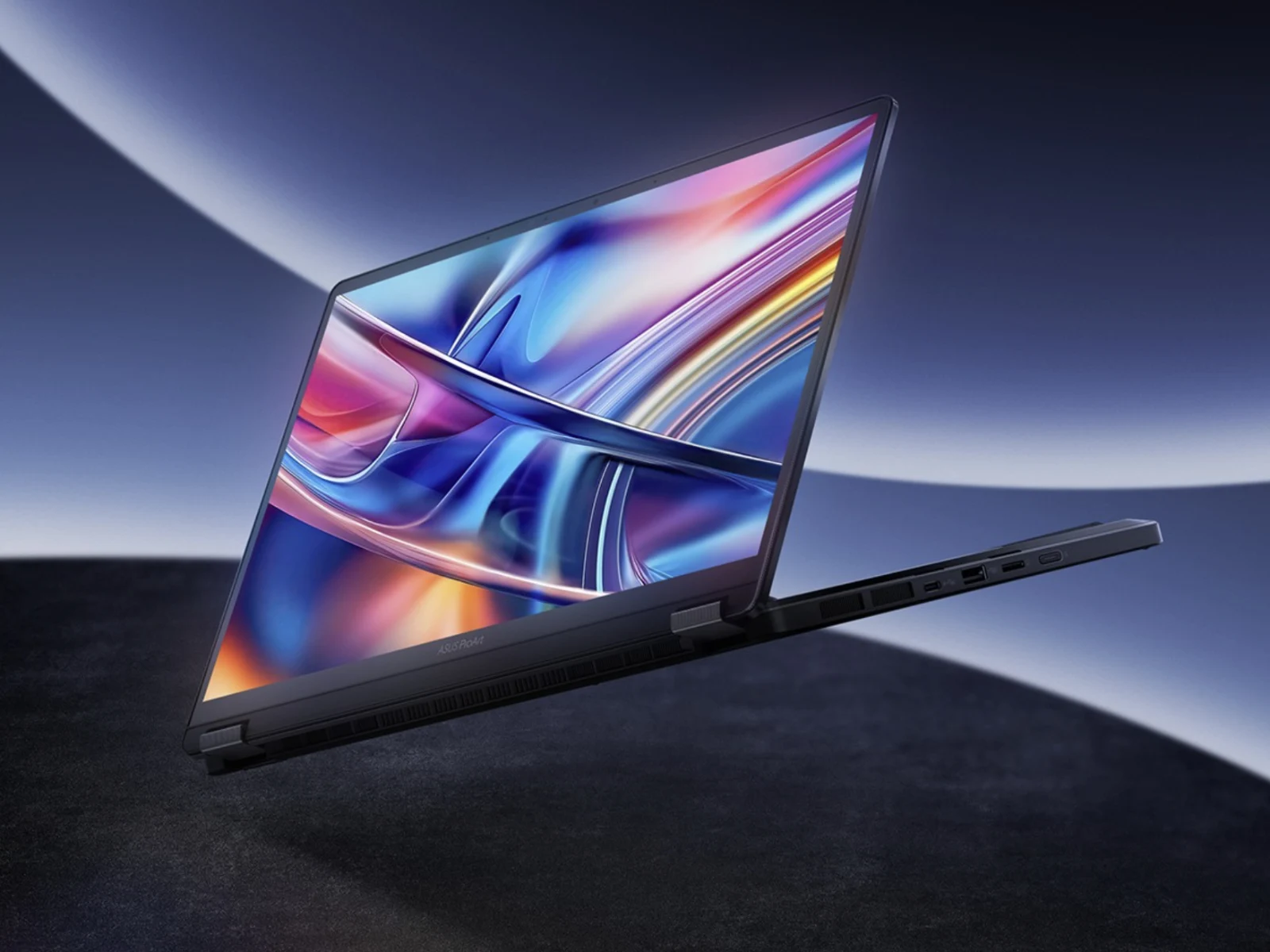
    Additionally, Asus has discreetly launched the ProArt PX13. To summarize, this year’s ProArt PX13 replaces Strix Point with Strix Halo, offering a 23% boost in CPU performance compared to the 2025 model (currently priced at $1,889.99 on Amazon) when you choose the Ryzen AI Max+ 395 SKUs. The real enhancements are seen in GPU capabilities; the Radeon 8060S delivers over double the gaming performance compared to the Radeon 890M.

    Current Availability

    At the moment, it appears that the 13-inch creator laptop can only be bought in China. However, Asus has announced pricing for the UK market, setting the price for the GoPro version, which includes a Ryzen AI Max+ 395, 128 GB LPDDR5X RAM, and a 2 TB SSD, at £2,999.99 (~$4,049).

    Pricing Options

    In comparison, Asus has a variant with 64 GB RAM and a 1 TB SSD priced at CNY 14,999 (~$2,150.99), with a suggested retail price of CNY 16,999 (~$2,438). Unfortunately, we still don’t know when these will be available in other regions. For more information on Asus’ recent ProArt PX13 launch, be sure to check out our original article.

    Source:
    Link


  • Geekom Unveils New Stylish Mini-PC Version

    Geekom Unveils New Stylish Mini-PC Version

    Key Takeaways

    1. The Geekom A5 Pro replaces the original A5’s Ryzen 7 5800H with the Ryzen 5 7530U, resulting in a performance decline of about 15-20%.
    2. RAM is reduced from 32 GB in the A5 to 16 GB in the A5 Pro, although it can still support up to 64 GB.
    3. The A5 Pro features M.2 slots for storage expansion, allowing users to add up to 3 TB of storage.
    4. The A5 Pro is priced at £499 (~$671), with a discount option available using the CMS30 code to bring the price to £469 (~$631).
    5. The Ryzen 5 7530U variant is currently unavailable in Europe and North America, where the older Ryzen 5 7430U model is still being sold.


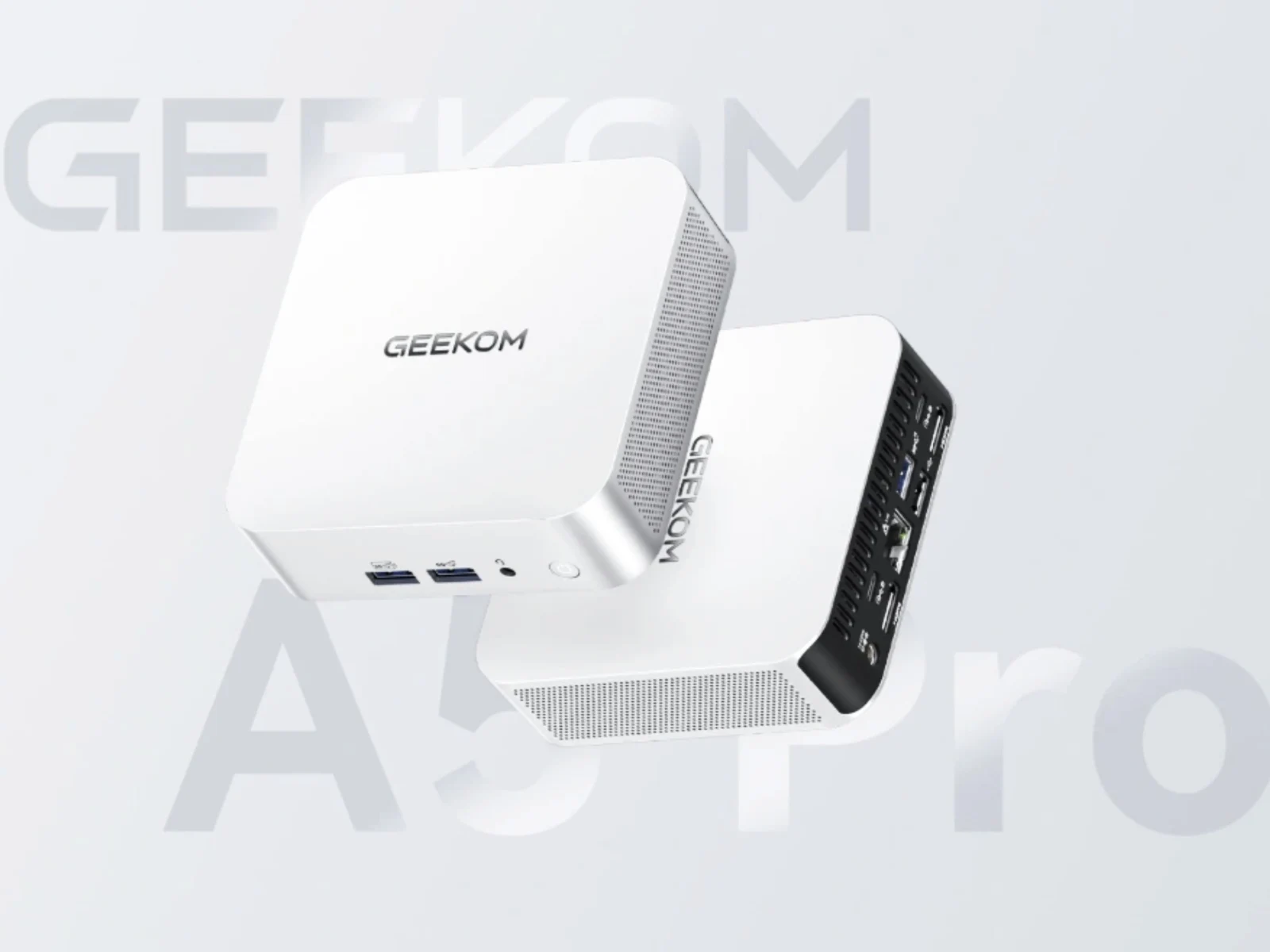
    Geekom has made a subtle update to its A5 mini-PC lineup with the introduction of the A5 Pro. To give some background, the original Geekom A5 featured AMD’s Ryzen 7 5800H APU from the Cezanne series. This model came equipped with 8 Zen 3 cores, a TDP of 45 W, and 32 GB of RAM. When we reviewed the Geekom A5 in late 2023, we found it to be a strong alternative to NUCs.

    The A5 Pro Introduction

    Fast forward a few years, and Geekom has rolled out the A5 Pro as a new iteration. It replaces the Ryzen 5 7430U model from 2025, but it may not be the significant upgrade one might anticipate from the previous A5. On one side, Geekom has changed the Ryzen 7 5800H for the relatively newer Ryzen 5 7530U. Sadly, this switch leads to a performance decline of about 15-20% based on our testing.

    Specs and Performance

    In addition, the A5 Pro comes with a decrease in RAM, dropping to 16 GB. Nevertheless, this mini-PC can still accommodate up to 64 GB of DDR4 RAM through two SO-DIMM slots. Geekom has also provided M.2 2242 and M.2 2280 slots, enabling users to expand storage by as much as 3 TB. The design of the mini-PC has seen some updates since the Ryzen 7 5800H version, but the input/output options have remained the same.

    The Geekom A5 Pro is priced at £499 (~$671) in the UK, featuring the Ryzen 5 7530U, 16 GB of RAM, and a 1 TB SSD. Alternatively, it can be purchased for £469 (~$631) by using the CMS30 code during checkout. As of now, the Ryzen 5 7530U variant is not available in other regions such as Europe and North America. Instead, Geekom is still selling the older Ryzen 5 7430U model, which is currently priced at $376 on Amazon and is over 10% less performant than its Ryzen 5 7530U counterpart in our tests.

    Source:
    Link


  • Lenovo Launches AMD ThinkBook Laptops with eGPU Support

    Lenovo Launches AMD ThinkBook Laptops with eGPU Support

    Key Takeaways

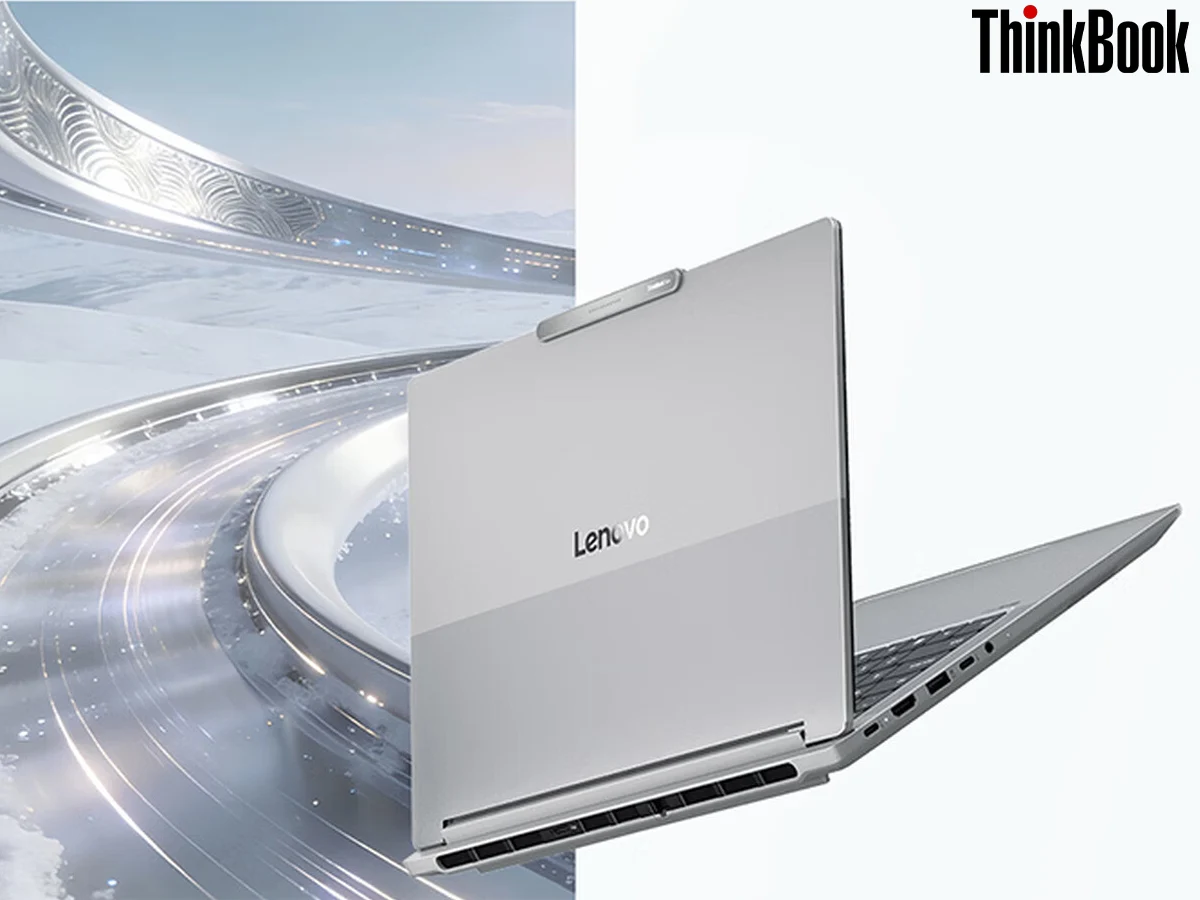
    1. Lenovo launched two new AMD-powered laptops: ThinkBook 14+ and 16+ 2026.
    2. Both models feature the Ryzen 7 H 255 chipset with Radeon 780M for casual gaming and support for external GPUs.
    3. The ThinkBook 14+ has a 14.5-inch display (3072×1920, 120Hz), while the 16+ has a 16-inch display (3200×2000, 165Hz), both with 500 nits brightness and Dolby Vision support.
    4. Specifications include up to 8TB PCIe 4.0 storage, 32GB LPDDR5x RAM, WiFi 6, and a MIL-STD-810H durability rating.
    5. Pricing: ThinkBook 14+ at CNY 5,999 (~$861) and ThinkBook 16+ at CNY 6,199 (~$890), with no global availability announced yet.


    Lenovo has launched two new laptops powered by AMD in China, named the ThinkBook 14+ and 16+ 2026. Both models utilize the Ryzen 7 H 255, which is part of the Hawk Point series and is essentially a rebranded Ryzen 7 8745H.

    Performance Capabilities

    This chipset includes the Radeon 780M, which can handle casual gaming at Full HD resolution. For users who need more graphical power, there’s an interface for TGX graphics cards. The basic setup is similar to OCuLink, enabling users to create a high-performance external GPU system.

    Display Features

    In terms of appearance, the new models don’t significantly differ from the Lenovo ThinkBook 16p G6 that is currently available worldwide. The ThinkBook 14+ features a 14.5-inch screen with a resolution of 3072×1920 pixels, a refresh rate of 120Hz, and brightness of 500 nits. On the other hand, the Lenovo ThinkBook 16+ 2026 boasts a 16-inch display with a resolution of 3200×2000 pixels, a refresh rate of 165Hz, and also 500 nits brightness. Both laptops support Dolby Vision, claim to cover 100% of the DCI-P3 color space, and include several eye protection features.

    Specifications and Pricing

    Aside from the displays, the specifications for both the AMD-powered 2026 ThinkBook 16 Plus and 14 Plus are the same. Each model can accommodate up to 8TB of PCIe 4.0 storage, and Lenovo has paired the AMD APU with 32GB of LPDDR5x RAM operating at 7500MT/s. In addition to the TGX port, the laptops include:

    WiFi 6, a MIL-STD-810H durability rating, a 90Wh battery, and compatibility with various MagicBay accessories are key highlights of the new Lenovo ThinkBook 14+ and 16+ laptops. The 14+ is currently available for pre-order in China at CNY 5,999, which is about $861, while the 16+ is priced at CNY 6,199, approximately $890. There has been no official announcement regarding global availability and pricing at this time.

    Source:
    Link


  • AMD Zen 3 AM4 CPU Prices Rise as Demand for DDR4 Desktop Processors Grows

    AMD Zen 3 AM4 CPU Prices Rise as Demand for DDR4 Desktop Processors Grows

    Key Takeaways

    1. The DRAM supply crisis has increased DDR5 memory prices, driving consumers to prefer more affordable DDR4 options.
    2. Demand for AMD Ryzen 7 5700X CPUs has surged, leading to a price increase from below €140 to nearly €180 in Europe and around $220 in the US.
    3. The Ryzen 7 5800XT has also seen significant price hikes, now priced at $219, up from a low of $125.
    4. AMD may benefit from re-releasing discontinued AM4 CPUs, like the Ryzen 7 5800X3D, to cater to budget-conscious gamers.
    5. Intel continues to offer competitive 13th and 14th-generation CPUs compatible with DDR4 RAM, such as the Core i5-14600KF, which outperform the Ryzen 7 5700X.


    The DRAM supply crisis has caused the price of DDR5 memory to soar. Currently, a 16 GB DDR5 kit averages over $100, leading many consumers to explore CPUs that work with the older DDR4 memory, which is much more affordable. This shift in focus has driven up demand for AMD Zen 3 CPUs, such as the Ryzen 7 5700X, resulting in significant price increases.

    Rising Prices for Ryzen 7 5700X

    As reported by TechEpiphany, the price of the Ryzen 7 5700X has been consistently climbing in recent months. In October, it was seen at below €140 in Europe, but it is now nearing €180. In the US, on Amazon, the 8-core Ryzen 7 5700X is listed for about $220. Data from Camelcamelcamel indicates that the Ryzen 7 5700X had its lowest price ever at $128 back in May 2025. Thus, the current price reflects a 72% rise from that record-low.

    Similar Trends for Ryzen 7 5800XT

    A similar trend has been observed with the 8-core Ryzen 7 5800XT, which is now available for $219 on Amazon. This CPU reached its lowest price of $125 in May 2025, which means its current price is more than 75% higher.

    AMD Should Consider Re-releasing AM4 CPUs

    The growing interest in budget-friendly desktop CPUs that support DDR4 memory should encourage AMD to consider bringing back some of the discontinued AM4 CPUs. Chips like the Ryzen 7 5800X3D, which remain quite powerful for gaming, could be beneficial additions to a market that has become less accessible for budget-conscious gamers.

    Fortunately, Intel still offers 13th and 14th-generation desktop CPUs compatible with DDR4 RAM. If you’re assembling a new gaming PC, Intel’s 13th and 14th-gen Core i5 and i7 models are solid choices. For example, the Intel Core i5-14600KF, with a current price tag of $228 on Amazon, outperforms the Ryzen 7 5700X in both single-core and multi-core tasks.

    Source:
    Link


  • Affordable GMK G3 Pro Mini PC Launches with 64GB RAM Support

    Affordable GMK G3 Pro Mini PC Launches with 64GB RAM Support

    Key Takeaways

    1. The GMK G3 Pro is a budget-friendly mini PC powered by the outdated Intel Core i3 10110U processor.
    2. It supports up to 64GB of DDR4 RAM and has two M.2 slots for a total storage capacity of 8TB.
    3. The mini PC features Bluetooth 5.2 and WiFi 6 for wireless connectivity.
    4. Its compact size measures 114x106x42.5mm, making it easy to fit in small spaces.
    5. Priced at CNY 899 (about $130) for the barebone version, it is an affordable option for basic media consumption tasks.


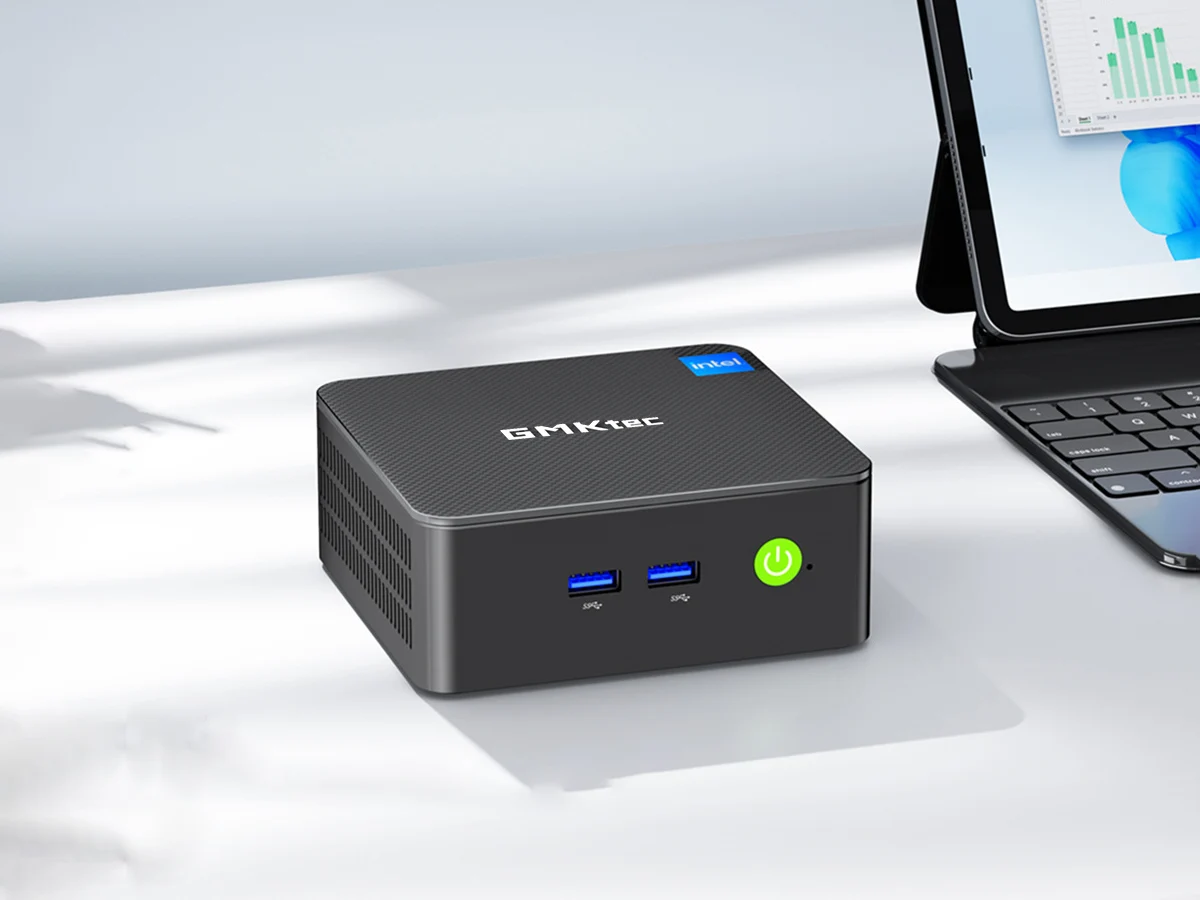
    The GMK G3 Pro marks the newest addition to GMKtec’s expanding lineup of mini PCs. Though it is a recent release, the specs are somewhat out of date, which likely allows the company to sell it at a very low price in China.

    Performance Specs

    This device is powered by the Core i3 10110U, an economical mobile processor from the Comet Lake series. With two cores and four threads, the mini PC won’t easily manage demanding tasks. It comes with the Intel UHD 620 integrated graphics, which is quite outdated when compared to modern integrated GPU solutions, yet it still performs adequately for everyday media consumption.

    Memory and Storage Options

    GMKtec provides the choice to combine this entry-level Intel CPU with as much as 64GB of DDR4 RAM using the two SO-DIMM slots available. Regarding storage, it has two M.2 slots, each capable of supporting a 4TB SSD, bringing total storage capacity to 8TB (currently, a 500GB Kingston NV3 costs about $91.50 on Amazon). Additionally, the mini PC has a decent variety of ports.

    Connectivity and Size

    For wireless connectivity, it includes Bluetooth 5.2 and WiFi 6. The mini PC is also fairly compact, measuring 114x106x42.5mm. GMKtec has priced the G3 Pro at CNY 899 for the barebone version in China, which translates to roughly $130. Buyers can also choose configurations of 8/256GB or 16/512GB. The global release of the mini PC is anticipated to happen soon.

    Source:
    Link


  • Apple Faces Major Price Hike from TSMC for iPhones and MacBooks

    Apple Faces Major Price Hike from TSMC for iPhones and MacBooks

    Key Takeaways

    1. Nvidia has become TSMC’s top customer, surpassing Apple, which previously held this position.
    2. TSMC is reportedly seeking to increase prices for Apple, with the largest price hike in recent years being demanded.
    3. Apple has historically benefited from discounted rates and priority access to TSMC’s advanced process nodes.
    4. Consumers may face higher prices for Apple products, including the iPhone 18 and future MacBooks, due to TSMC’s price increases.
    5. TSMC’s price hikes are expected to continue for at least four more years, impacting Apple’s product pricing strategy.


    Nvidia’s CEO Jensen Huang has recently announced that the company is now the top customer for TSMC, a position that Apple used to hold. This new status comes with certain advantages, and Apple has been known to benefit from them. For example, Apple has had priority access to TSMC’s latest process nodes, and this will likely extend to the upcoming TSMC 2 nm process node, which will be utilized for the A20 SoC in the iPhone 18 series.

    TSMC’s Price Increase Strategy

    Now, it seems TSMC is capitalizing on this change and seeking to increase prices for Apple. Following Nvidia’s rise as TSMC’s biggest client, a leaker named Fixed Focus Digital has reported that TSMC’s CEO, C.C. Wei, has personally approached Apple with a demand for “the largest price increase seen in recent years.”

    Impact on Apple’s Pricing

    For several years, TSMC has been hiking the prices of its advanced process nodes consistently. This trend is projected to persist for another four years starting in 2026. Apple, being TSMC’s largest customer, has historically enjoyed certain perks, like discounted rates and priority access to the most advanced process nodes. However, TSMC is now aiming to charge Apple significantly more than what it has previously paid.

    If the information from Fixed Focus Digital holds true, and Apple agrees to TSMC’s requests, then consumers should brace themselves for higher prices on iPhones, MacBooks, and iPads by 2026. The iPhone 18, for instance, might experience a substantial price increase due to TSMC’s hike in the costs associated with its 2 nm node.

    Future Apple Products Pricing

    In a similar vein, the M6 MacBooks, expected to launch in late 2026 or early 2027, could also see a notable price jump compared to M5 models, especially given the declining memory market conditions.

    Source:
    Link


  • TeraWave Offers 6-Terabit Satellite Internet to Compete with Starlink

    TeraWave Offers 6-Terabit Satellite Internet to Compete with Starlink

    Key Takeaways

    1. Target Market: TeraWave focuses on approximately 100,000 enterprise, data center, and government clients needing reliable and high-capacity internet.

    2. Advanced Technology: The system uses a network of 5,408 satellites in low and medium Earth orbit, featuring high-speed connections and optical links for efficient data transfer.

    3. Planned Rollout: Blue Origin aims to launch the TeraWave constellation by the end of 2027, but has not provided pricing or customer commitments.

    4. Competition: TeraWave enters a competitive market with rivals like SpaceX’s Starlink and Amazon’s Kuiper, both targeting similar enterprise and government segments.

    5. Operational Challenges: Blue Origin faces significant challenges in manufacturing, launching, and maintaining thousands of satellites with precise optical link operations.


    Jeff Bezo’s Blue Origin has unveiled TeraWave, a satellite internet system intended to deliver up to 6 Tbps of symmetrical bandwidth, specifically targeting enterprise, data center, and government clients. In contrast to Starlink, which caters to millions of individual consumers, TeraWave is focused on a much narrower clientele.

    Targeting a Select Market

    Blue Origin claims the network will cater to about 100,000 customers worldwide, concentrating on organizations that need consistent throughput and predictable performance for large-scale operations. The company stated, “This network will service tens of thousands of enterprise, data center, and government users who require reliable connectivity for critical operations.”

    Advanced Satellite Technology

    TeraWave is based on a multi-orbit arrangement of 5,408 satellites distributed across low Earth orbit and medium Earth orbit. The majority of these satellites operate in low Earth orbit, connecting to ground terminals through radio frequency links that Blue Origin asserts can achieve speeds of up to 144 Gbps. A smaller cluster of 128 satellites in medium Earth orbit serves as a high-capacity backbone, utilizing optical links to transfer data at terabit scale between the satellites and ground infrastructure.

    The optical links, which depend on laser-based communication instead of conventional radio waves, are central to TeraWave’s ambitious capacity. Optical inter-satellite links can transmit large amounts of data with lower latency and less interference, yet they require precise alignment and stable operating conditions.

    Future Deployment Plans

    Blue Origin plans to commence the rollout of the TeraWave constellation around the end of 2027. Nevertheless, the company has not disclosed any pricing information or initial customer commitments, leaving it uncertain how quickly enterprise clients will gain access to the highest-capacity links once the launches start.

    TeraWave is stepping into a competitive field filled with powerful rivals. Elon Musk’s SpaceX is continually expanding Starlink, which now includes services designed for government and military applications through Starshield. In addition, Amazon is developing its own low Earth orbit network under the Kuiper initiative, with enterprise-grade terminals already revealed. Meanwhile, Blue Origin must overcome the hurdle of executing a complicated satellite program without the operational advantage that SpaceX currently has.

    Challenges Ahead

    Producing thousands of satellites, launching them on time, and ensuring dependable optical links across various orbits will put the company’s manufacturing and launch capabilities to the test.

    Source:
    Link


  • Lenovo ThinkPad P16v Gen 3: Cost-Cutting Mistakes in Workstation

    Lenovo ThinkPad P16v Gen 3: Cost-Cutting Mistakes in Workstation

    Key Takeaways

    1. Mobile workstations, like the ThinkPad P16v Gen 3, can be expensive due to the need for reliable performance and professional graphics cards.
    2. The build quality of the P16v is concerning, featuring a plastic chassis and an average typing experience due to cost-cutting measures.
    3. The display is a highlight, with a bright IPS screen that covers the full sRGB color space, but it is limited to a 60 Hz refresh rate.
    4. Lenovo’s decision to economize on certain features feels out of place in a nearly €3,000 device.
    5. Despite its drawbacks, the P16v Gen 3 is still a solid mobile workstation with strong performance and features.


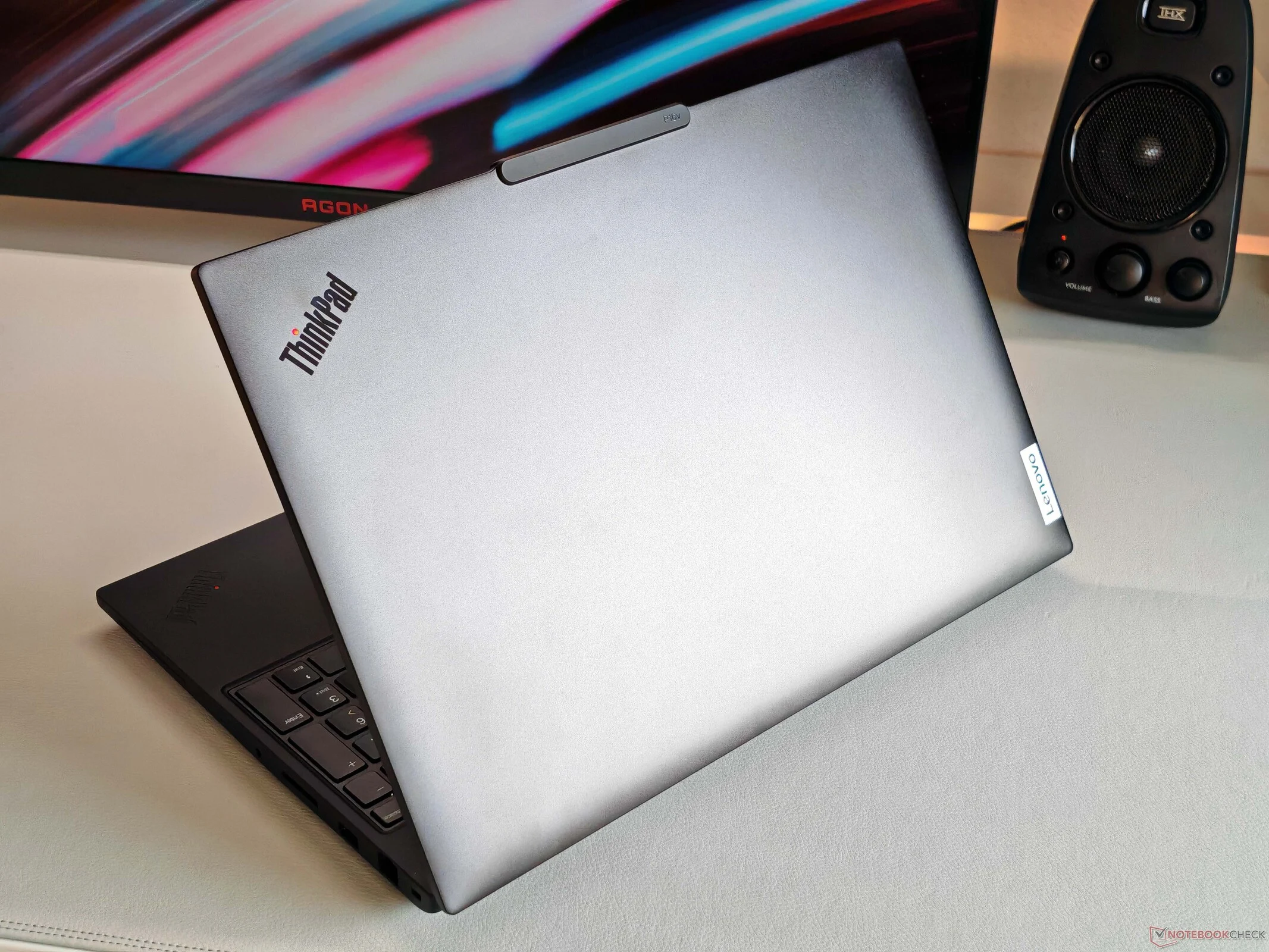
    Mobile workstations need to deliver dependable performance and professional graphics cards, which often leads to high prices. Even more budget-friendly options, like the ThinkPad P16v Gen 3, can end up being quite pricey. Manufacturers frequently attempt to cut costs, and this is evident in the P16v as well.

    Build Quality Concerns

    For our review unit priced at about €2,800, it features a plastic chassis. The base unit has a somewhat cheap feel, and the central stability is not very impressive. The hinges also disappointed us; while they can open to 180 degrees, there’s a noticeable bounce when doing so. Lenovo has also economized on the keyboard, resulting in an average typing experience. In contrast, devices like the ThinkPad P1 demonstrate that Lenovo is capable of making better keyboards.

    Display Performance

    On the display front, however, there’s not much to fault. Lenovo includes a bright IPS screen that covers the full sRGB color space by default. The only major downside is the refresh rate of 60 Hz, and we would have preferred a higher option. While Lenovo does offer an OLED screen, it too is capped at 60 Hz. This is unexpected, given the high-quality OLED screens Lenovo offers in their consumer laptops.

    Overall Impression

    Overall, the P16v Gen 3 remains a solid mobile workstation due to its strong features and reliable performance. However, the cost-saving measures seem out of place for a device that costs nearly €3,000, and the whole package could be improved. For a more detailed assessment, check out our full review of the ThinkPad P16v Gen 3.

  • NanoPC-T6 Plus: A Powerful Raspberry Pi Alternative with LTE and 32GB RAM

    NanoPC-T6 Plus: A Powerful Raspberry Pi Alternative with LTE and 32GB RAM

    Key Takeaways

    1. The NanoPC-T6 Plus offers enhanced performance with a maximum of 32 GB of LPDDR5 RAM, doubling the capacity of previous models.
    2. It maintains the Rockchip RK3588 processor, featuring four Cortex-A75 and Cortex-A55 CPU cores along with a Mali-G610 MP4 GPU.
    3. The new model includes an M.2 Key-B slot for 4G LTE connectivity and two analog microphones, improving functionality over earlier versions.
    4. The NanoPC-T6 Plus is priced at $199 for the model with 16 GB of RAM and 64 GB of eMMC flash storage, excluding additional duties and taxes.
    5. FriendlyElec supports multiple operating systems, including Android 14, Debian, Ubuntu, and its own FriendlyWrt variant of OpenWrt.


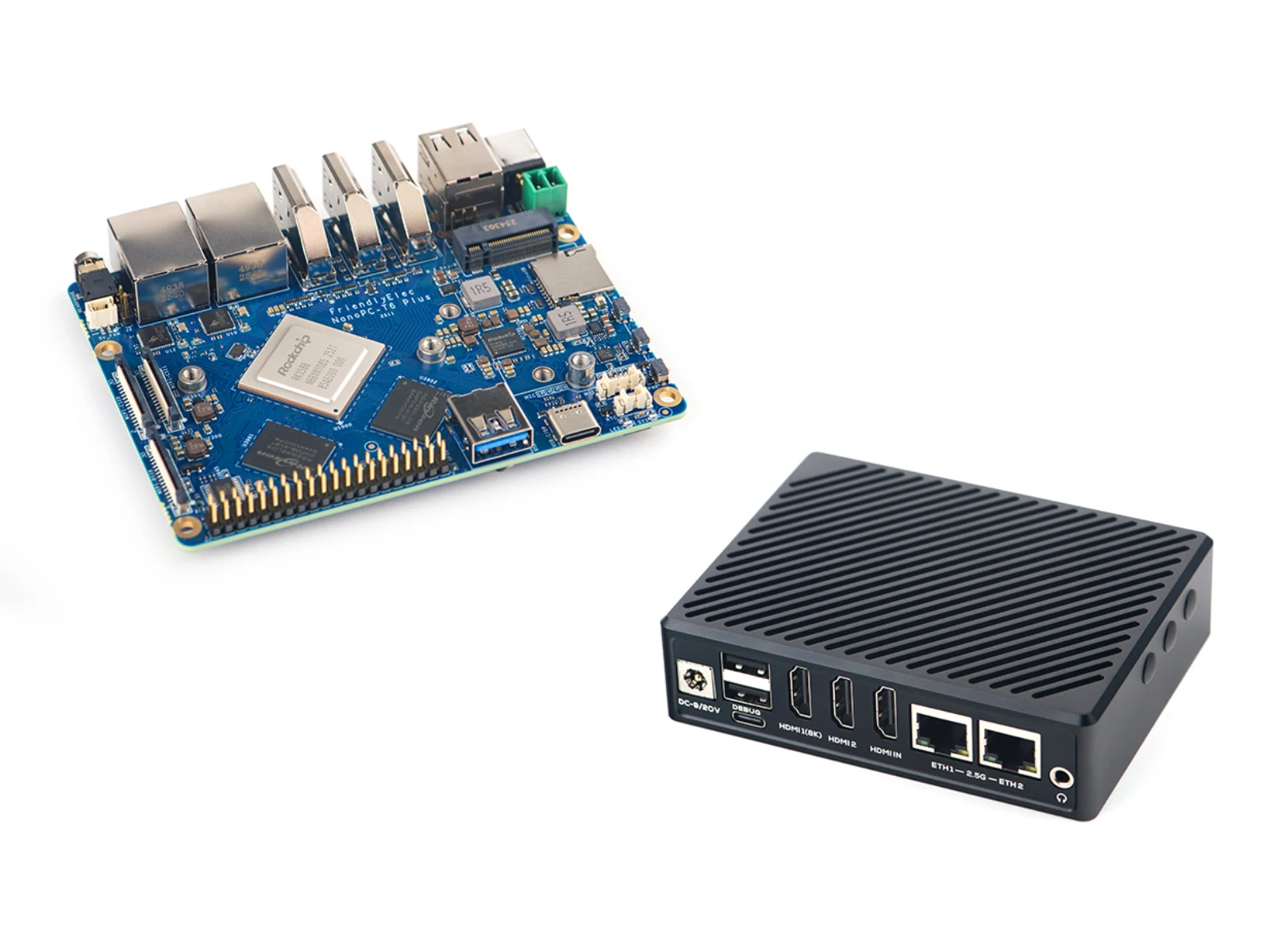
    FriendlyElec has introduced a new option in its NanoPC-T6 lineup, following the launches of the NanoPC-T6 and NanoPC-T6 LTS (currently priced at $149.99 on Amazon) in 2023 and 2024, respectively. The latest addition is the NanoPC-T6 Plus, which offers better performance primarily through increased RAM.

    Enhanced RAM Capacity

    The NanoPC-T6 Plus comes with a maximum of 32 GB of LPDDR5 RAM, which is notable because it is double the amount found in the NanoPC-T6 and NanoPC-T6 LTS. This new RAM is also faster than the LPDDR4X used in previous models of the NanoPC-T6 series single-board computers (SBCs). However, the NanoPC-T6 Plus continues to use the Rockchip RK3588 processor, which includes four Cortex-A75 and Cortex-A55 CPU cores along with a Mali-G610 MP4 GPU.

    Additional Features

    In addition to the increased RAM, the NanoPC-T6 Plus includes an M.2 Key-B slot for 4G LTE connectivity and features two analog microphones instead of just one like its predecessors. Furthermore, FriendlyElec has incorporated a 3-pin UART (3.3V) connector, replacing the space that was previously taken by a 10-pin UART and USB 2.0 headers on the NanoPC-T6 LTS.

    The NanoPC-T6 Plus is available for $199, which includes 16 GB of RAM and 64 GB of eMMC flash storage. Keep in mind that this price does not account for additional duties and taxes. Additionally, FriendlyElec offers a metal enclosure for an extra $22. For those interested in operating systems, FriendlyElec supports Android 14, Debian, Ubuntu, and its own FriendlyWrt variant of OpenWrt. For further information, visit the company’s website.

    Source:
    Link


  • LiDAR Reveals Ancient Lost City After 1,000 Years of Mystery

    LiDAR Reveals Ancient Lost City After 1,000 Years of Mystery

    Key Takeaways

    1. Madinat al-Zahira was established in the 10th century by Almanzor as a political and military center but was destroyed and forgotten after his death in 1010.
    2. Researchers from the Universidad de Córdoba used LiDAR technology to potentially locate the lost city, believed to be east of Córdoba at Cabezos de las Pendolillas.
    3. The LiDAR data suggests a well-planned urban layout, including rectangular buildings and terraces, aligning with historical descriptions of Madinat al-Zahira.
    4. LiDAR technology operates by sending laser pulses to detect changes in terrain, revealing structures hidden underground or obscured by vegetation.
    5. No excavations have started at the potential site, and there is currently no timeline for when or if digging will begin to confirm the city’s existence.


    Madinat al-Zahira is still one of the big mysteries from Islamic Spain. It was established in the 10th century by Almanzor, who intended it to be a fresh political and military hub. After Almanzor died in 1010, the city was raided and destroyed, then intentionally forgotten. For many years, no one knew exactly where it was located. Over time, many ideas about its location have been proposed, but none have been confirmed with solid proof.

    Discovery of Potential Location

    A team of researchers from the Universidad de Córdoba (in Spanish) has utilized modern LiDAR technology to potentially pinpoint the lost city’s location, which is thought to be east of Córdoba, in an area called Cabezos de las Pendolillas. The data collected indicates that the site has a meticulously designed urban layout covering approximately 120 hectares, with rectangular buildings, terraces, and a grid-like structure that aligns well with historical descriptions of Madinat al-Zāhira.

    How LiDAR Works

    The researchers employed LiDAR (Light Detection and Ranging), a technology that many people might associate with contemporary robotic vacuum cleaners. However, instead of mapping out furniture and walls, this system scans the terrain from above. Millions of laser pulses are sent out to measure slight changes in elevation, uncovering structures that are no longer visible to the naked eye. Notably, this method can uncover remains that are buried underground or hidden by plants.

    Future Excavations Uncertain

    As of now, no excavation efforts have begun at the site, but the sensor data strongly implies that this location could indeed be the legendary city of Madinat al-Zahira. Should this be validated, it would be a significant advancement in archaeology. At present, though, there is no clear timeline for when or if digging will commence.

    Source:
    Link