Category: Computers

  • Open-Source Alternatives to Armoury Crate and Vantage: Part 1

    Open-Source Alternatives to Armoury Crate and Vantage: Part 1

    Key Takeaways

    1. Bloatware Issues: Control center apps from manufacturers like Asus and Lenovo are excessively large, with some installations reaching several gigabytes, leading to frustration for users.

    2. Advertising Concerns: These applications often include intrusive ads and bundled software during installation, detracting from the user experience and consuming screen space.

    3. Questioning Necessity: The necessity of these control center apps is debatable, as they are marketed as essential for optimal laptop performance, but users may not need all their features.

    4. Open-Source Alternatives: There are smaller, open-source options available that provide similar functionality to official applications without ads and tracking, often requiring only a few megabytes of storage.

    5. Future Exploration: The article hints at a series that will explore various open-source substitutes for different laptop brands, aiming to assess their features, installation ease, and compatibility with various models.


    There was once a time when managing laptop performance was all about Windows power settings. Eventually, big computer manufacturers started creating their own applications for controlling performance modes, fan speeds, RGB lighting, and other features. What began as a practical solution has now become quite excessive.

    Size Matters

    Take Asus Armoury Crate, for instance; the complete installation for Asus gaming laptops is a massive 4 GB. On the other hand, Lenovo Vantage is smaller, but still around 650 MB. These applications have become so bloated that users frequently only download a small installer, which then pulls in hundreds of megabytes during setup. All this just for tweaking a few laptop settings?

    Advertising Overload

    Sadly, it doesn’t end there. Control center apps from companies like Lenovo, Asus, Acer, Dell, and HP are increasingly being used to promote ads and gather user information. For example, Lenovo Vantage often inundates users with ads that take up more screen real estate than the actual settings. Additionally, during installation and the initial setup, Lenovo tries to include extra apps like Amazon Music or YouTube.

    Are They Necessary?

    These control center apps are often framed as essential for users who want to access the full performance and features of their laptops. But do we really need them?

    Manufacturers have taken this trend so far that my mounting annoyance with control center apps pushed me to search for open-source options—something I did by my own choice, you could say. And yes, open-source alternatives exist.

    In the gaming laptop arena—though office models are tougher to support—there are several open-source tools that are often only a few megabytes but provide nearly the same functionality as the official applications, minus the ads, tracking, and unnecessary background processes.

    A Closer Look

    In this mini-series, we’ll dive into open-source substitutes for major laptop brands. We’ll kick things off with the open-source option for Asus Armoury Crate and MyAsus: G-Helper, which is known as one of the top choices for consumer gaming laptops. Instead of multiple gigabytes, this tool is just a single 5 MB file.

    We’ll assess its features, how easy the installation is, which laptop models it supports, where it might excel over the official software, and where the limitations of going open-source become clear.

    In the next days and weeks, we’ll explore other control center alternatives for different manufacturers. The schedule might be a bit uneven, as we need to have a suitable gaming laptop from each brand to test properly. Currently, that includes Asus (with the Asus TUF Gaming A18 review), Acer (Acer Nitro V 17 review), and an older Alienware model (Alienware 13 R3 review).

    At the end of this series, we’ll wrap things up with a general conclusion and contextualize the available alternatives for each manufacturer.

    Source:
    Link


  • Affordable 0.6L Mini PC with Intel Core Ultra 7 and 16TB Storage

    Affordable 0.6L Mini PC with Intel Core Ultra 7 and 16TB Storage

    Key Takeaways

    1. GMKtec’s new mini PC, the NucBox K13, features an Intel Lunar Lake chip with solid CPU and integrated graphics performance.
    2. The NucBox K13 is powered by an 8-core Intel Core Ultra 7 256V CPU and includes 16 GB of non-upgradeable LPDDR5X RAM.
    3. It supports up to 16 TB of solid-state storage but lacks the capability for discrete graphics, relying on the Arc 140V iGPU.
    4. Connectivity options include dual USB4 ports and HDMI 2.1; pricing starts at $675 for the 512 GB version.
    5. The K13’s launch is set for February 5 in China, but competitive pricing may be necessary due to the presence of more powerful alternatives like the GMKtec K12.


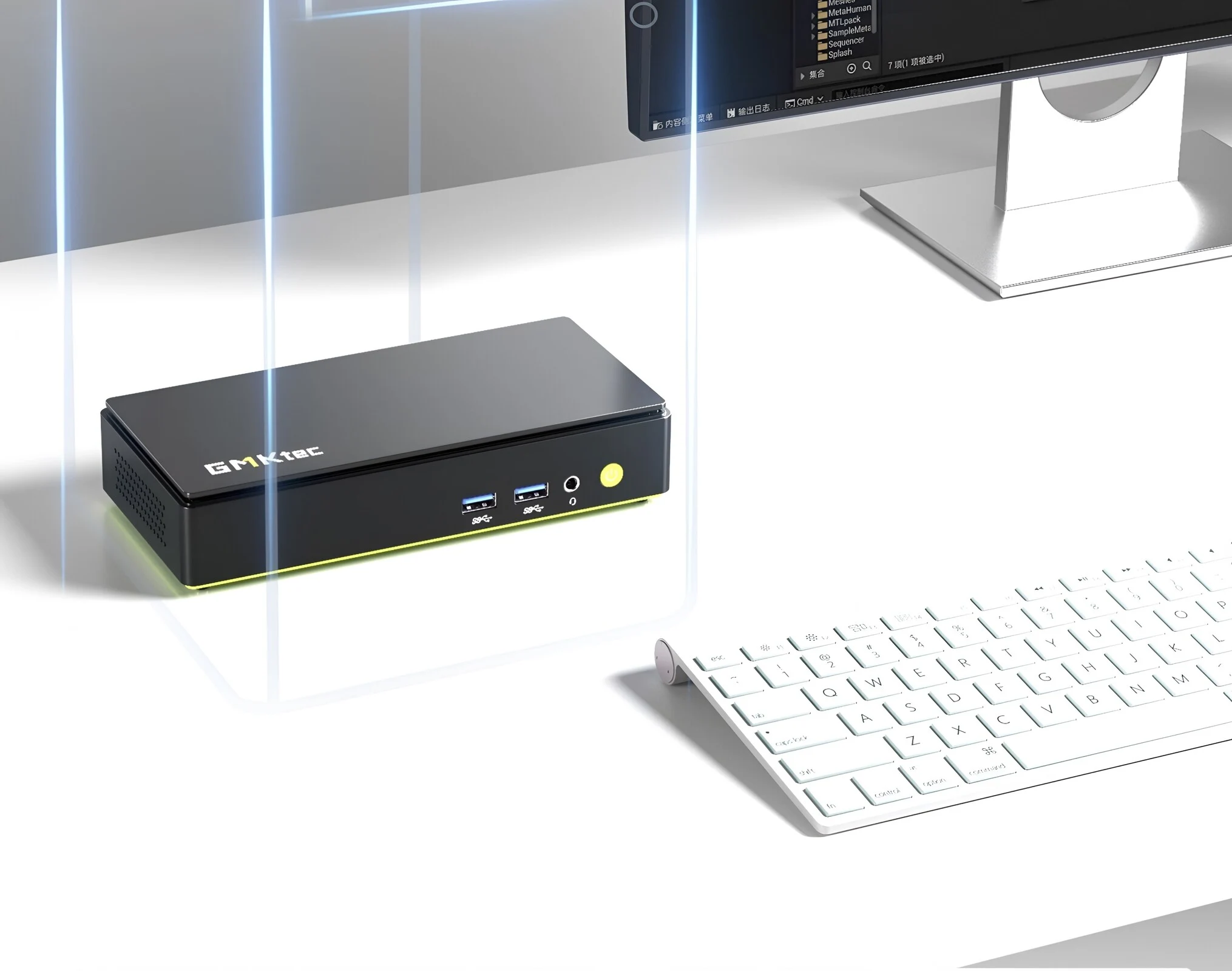
    GMKtec has introduced a new mini PC, named the NucBox K13. This model is part of the company’s larger K-series lineup and features an Intel Lunar Lake chip, offering solid CPU and integrated graphics performance. The launch is expected in China early next month, but a global release timeline is not yet available.

    Specifications Overview

    The compact 0.6-litre NucBox K13 will be powered by an 8-core Intel Core Ultra 7 256V Lunar Lake CPU, which includes 4 Lion Cove P-cores and 4 Skymont E-cores. This setup promises multithreaded performance comparable to an Apple M2, which is a robust system on chip (SoC) that has been around for over three years. While not the most powerful option on the market, the Lunar Lake CPU should manage most everyday tasks without a hitch.

    Memory and Storage Details

    In terms of memory, the NucBox K13 offers 16 GB of LPDDR5X-8533 RAM, which is not user-upgradeable, and supports up to 16 TB of solid-state storage. The fact that users cannot upgrade the memory might turn off potential buyers. Additionally, it seems there is no capacity for discrete graphics, meaning the system will rely entirely on the Arc 140V iGPU for graphics needs.

    The Arc 140V, equipped with 8 Xe cores, falls between the Radeon 780M and 890M iGPUs in performance. However, many tasks, including gaming, are quite demanding these days, and an integrated GPU in this range should only manage light gaming and moderately demanding workloads. It remains uncertain if the NucBox K13 will include an OCuLink port, which would permit fast connections for external GPUs.

    Connectivity and Pricing Information

    The mini PC is confirmed to have dual USB4 ports and HDMI 2.1 (TMDS), but specific details about its other input-output options are still unclear. Reports from ITHome indicate that the NucBox K13 will launch on February 5, with a price of $675 (4,699 Yuan) for the 512 GB version and $718 (4,999 Yuan) for the 1 TB model.

    With the more powerful GMKtec K12, which features an AMD Ryzen 7 H 255 APU, double the RAM, and OCuLink support available for $599 on Amazon, the K13 may require significant discounts at launch or a compelling set of features to attract buyers.

    Source:
    Link


  • Compact PC with 65W Ryzen Processor Outperforms RTX 2050

    Compact PC with 65W Ryzen Processor Outperforms RTX 2050

    Key Takeaways

    1. Powerful Performance: The Minisforum X1 Lite features an AMD Ryzen 7 255 APU with 8 cores and 16 threads, providing performance comparable to the Mac mini, with a high sustained power limit of up to 65 W.

    2. Graphics Capabilities: The integrated Radeon 780M graphics perform similarly to entry-level dedicated Nvidia GeForce RTX cards, with the option to enhance performance further using an eGPU dock.

    3. Efficient Power Consumption: The system consumes about 8 W at idle, 12 W during 4K video playback, and averages 71 W while gaming at 1080p, peaking at 83 W.

    4. Gaming Performance: The X1 Lite runs modern games well, achieving around 74 FPS in God of War Ragnarök and 60 FPS in Fallout 4 at high settings, showcasing its gaming potential.

    5. Pricing and Configuration: The fully equipped Minisforum X1 Lite with 32 GB RAM and a 1 TB SSD is priced at $663.90, making it an appealing option for those seeking a compact yet powerful mini PC.


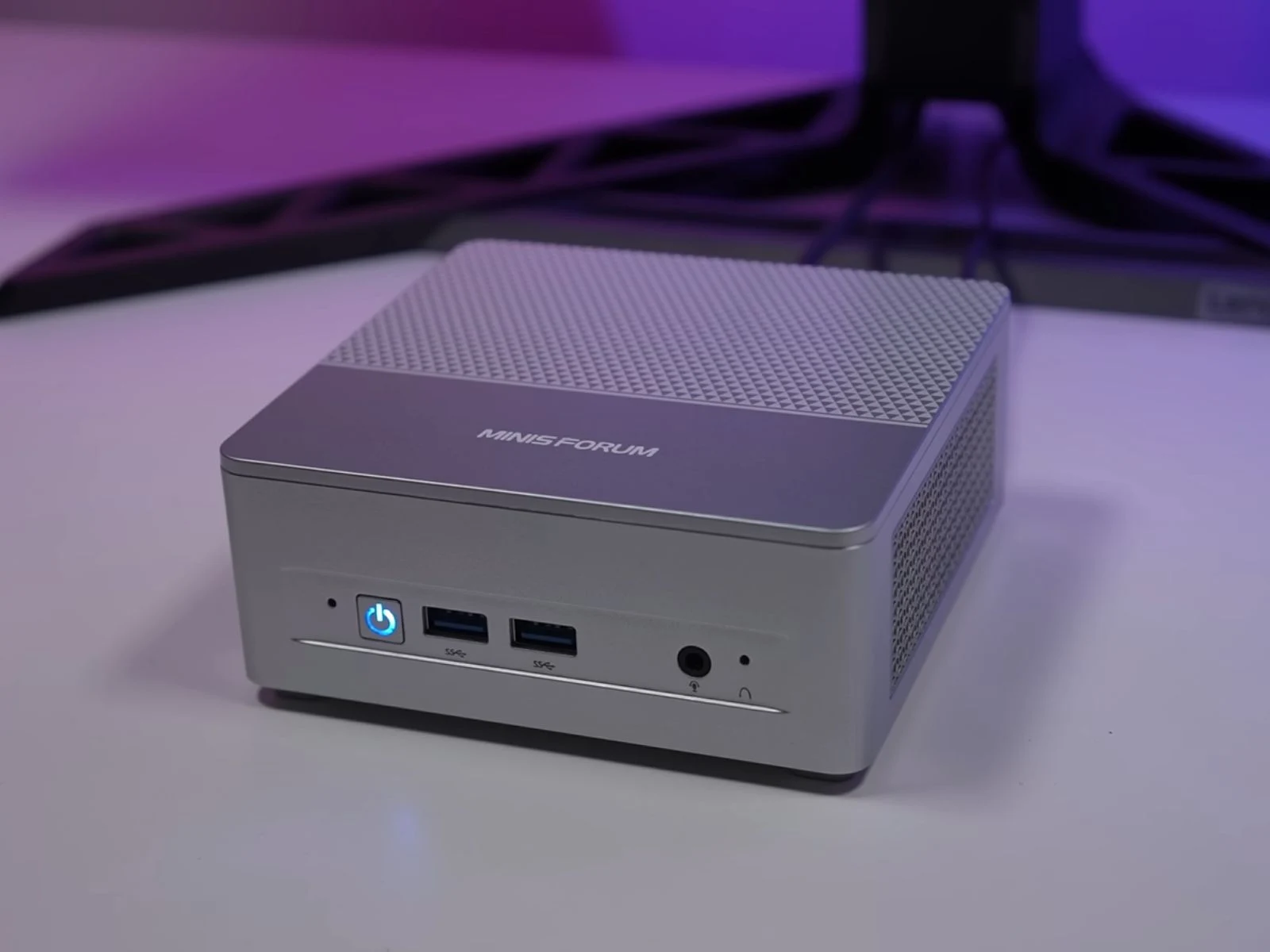
    The Minisforum X1 Lite is a small mini PC crafted to provide powerful performance similar to the Mac mini. It’s built around the AMD Ryzen 7 255, an 8-core, 16-thread APU based on Zen 4, featuring Radeon 780M integrated graphics. What sets the X1 Lite apart is its high sustained power limits, reaching up to 65 W, and its wide range of external I/O options, making it more of a performance-focused machine than a simple low-power office device. Its weight, about 0.67 kg, is comparable to Apple’s M4 Mac mini, which is also in the same ballpark.

    Performance Tests and Unboxing

    In a recent video from the YouTube channel ETA Prime, the Minisforum X1 Lite underwent various gaming and performance tests to see how it holds up under real-life workloads. The YouTuber also unboxed the device, showing that the retail box includes a VESA mount, an HDMI cable, and a 120 W power adapter.

    Graphics and Expansion Options

    On the synthetic benchmark front, the Radeon 780M iGPU performs similarly to entry-level dedicated Nvidia GeForce RTX graphics cards. However, for those wanting even more power, Minisforum offers an eGPU dock for the X1 Lite for about $98, which allows the connection of an external GPU via OCuLink. If you’re considering this option, you can expect a noticeable performance increase.

    ETA Prime pointed out that the X1 Lite utilizes Minisforum’s standard graphical BIOS, featuring selectable profiles like Silent, Balanced, and Performance. The YouTuber conducted tests in Performance mode to maximize sustained output and manually boosted the iGPU VRAM allocation to 8 GB from system memory using the GFX settings in the BIOS.

    Power Consumption and Performance Metrics

    During the testing process, the video revealed that under continuous CPU load, the Ryzen 7 255, which is essentially a rebranded Ryzen 7 8845HS, briefly peaked around 70 W before stabilizing at roughly 64 W, closely matching Minisforum’s stated 65 W operational range. ETA Prime measured total system power usage, reporting about 8 W at idle and around 12 W during 4K video playback. While gaming at 1080p, the system had an average draw of about 71 W, with the highest observed consumption hitting 83 W.

    Interestingly, the Radeon 780M iGPU in the AMD Ryzen 7 255 showed performance on par with the Nvidia GeForce RTX 2050 in raw benchmark terms. In the 3DMark Time Spy test, the iGPU achieved around 3,322 points, while the average score for the RTX 2050 is about 3,461 according to Notebookcheck’s database.

    Gaming Performance Insights

    For gaming performance, ETA Prime noted that God of War Ragnarök ran at medium settings with FSR Frame Generation enabled, averaging roughly 74 FPS. Fallout 4 was evaluated at native 1080p on high settings, maintaining a steady 60 FPS, while Forza Horizon 5 averaged around 82 FPS at 1080p on high settings.

    The YouTuber also showcased Mortal Kombat 1 and Street Fighter V in their video, along with various synthetic benchmarks on the AMD Ryzen 7 255. For those interested, more information can be found in the detailed video linked below.

    If you’re considering purchasing one, the fully equipped Minisforum X1 Lite with 32 GB DDR5-5600 RAM and a 1 TB SSD is available for order on the official site for $663.90.

    Source:
    Link


  • Machenike GTS Mini-PC Launches Globally with 64GB RAM, Intel i9

    Machenike GTS Mini-PC Launches Globally with 64GB RAM, Intel i9

    Key Takeaways

    1. Machenike released a more affordable mini-PC model, the Core Ultra 5 225H, in China, which is less powerful than the Core Ultra 9 285H but has a small performance difference.
    2. The Core Ultra 5 225H features Arc 130T integrated graphics, which are inferior to the Arc 140T in the Core Ultra 9 285H.
    3. There are no updates on global availability for either mini-PC model, but Minixpc offers the Machenike GTS with a unique flip-up display internationally.
    4. The premium configuration of the Machenike GTS is priced at $1,799 globally, featuring a Core Ultra 9 285H processor, 64 GB DDR5 RAM, and 1 TB PCIe 4.0 storage.
    5. The mini-PC allows for storage expansion with an additional M.2 2280 slot and supports up to 128 GB of DDR5-5600 RAM in its two SO-DIMM slots.


    A few days ago, Machenike introduced a more affordable version of its GTS mini-PC in China. This model, known as the Core Ultra 5 225H, has been listed on the global website since late last year. While it may not be as powerful as the Core Ultra 9 285H, especially in CPU-intensive tasks, the difference is not too great. However, it’s worth noting that the Arc 130T integrated graphics in the Core Ultra 5 cannot compete with the Arc 140T found in the Core Ultra 9 285H.

    Global Availability and Retailer Offerings

    Currently, Machenike has not provided any updates on when either version will be available globally. In the meantime, Minixpc has stepped in to offer the Machenike GTS and its unique flip-up display for customers outside of China. Unfortunately, they are only selling the most premium configuration of the Machenike GTS at this time to compete with other Intel Arrow Lake-H mini-PCs, such as the GMKtec EVO-T1, which is currently priced at $1,469.99 on Amazon.

    Pricing and Specifications

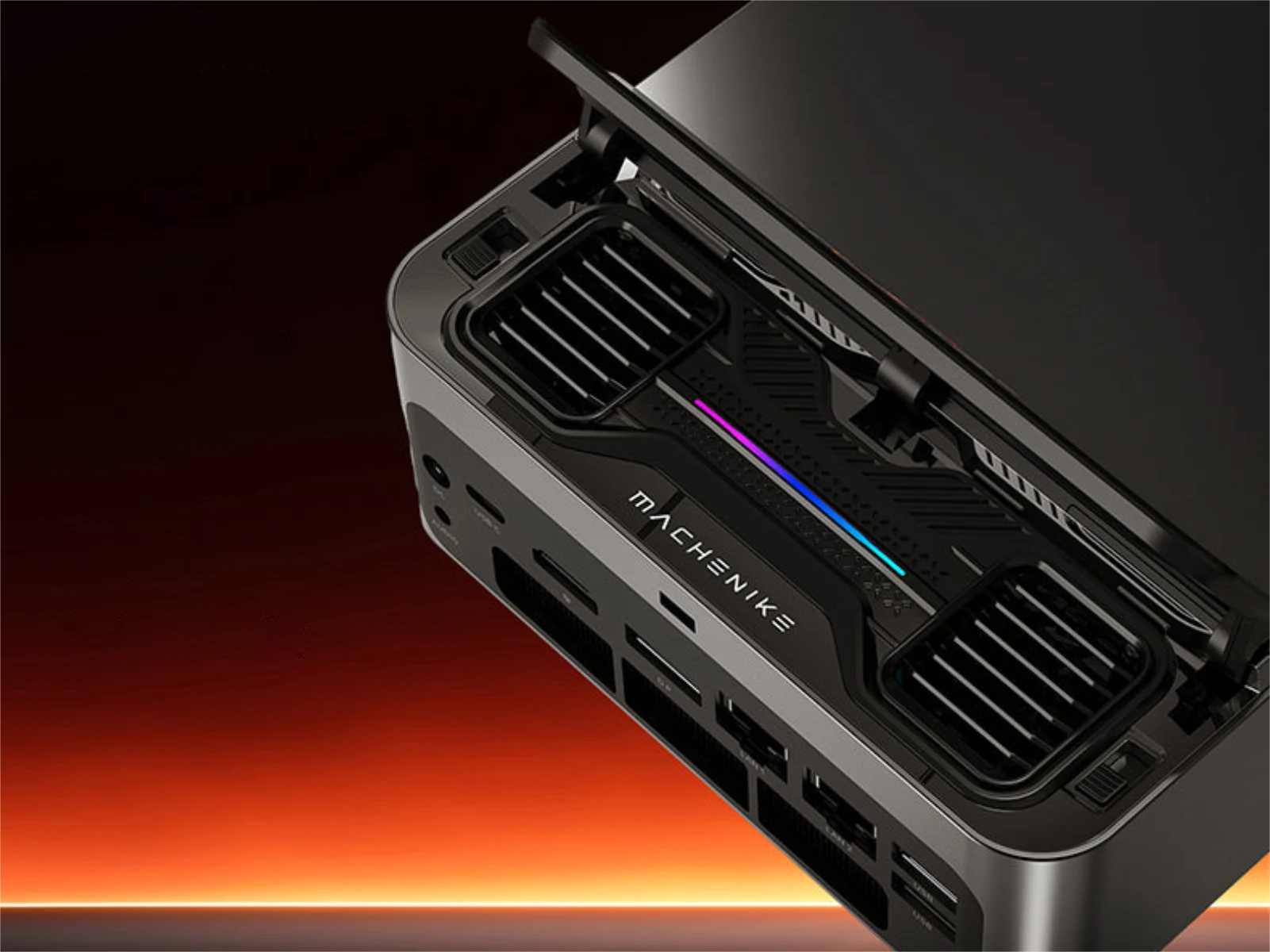
    As a result, the mini-PC is priced quite high at $1,799 for the global market. For this amount, buyers will receive a machine equipped with a Core Ultra 9 285H processor, 64 GB of DDR5 RAM, and 1 TB of PCIe 4.0 storage. It’s also important to mention that there’s an additional M.2 2280 slot available for expanding storage when necessary. Furthermore, the mini-PC features two SO-DIMM slots that can support up to 128 GB of DDR5-5600 RAM. More information can be found on Minixpc’s website.

    Source:
    Link


  • Baseus Nomos NH21 6-in-1 GaN Charging Station with Display

    Baseus Nomos NH21 6-in-1 GaN Charging Station with Display

    Key Takeaways

    1. The Baseus Nomos NH21 is a 6-in-1 desktop charging station designed for programmers and creators, featuring dual USB-C cables and a Qi2 wireless charging pad.
    2. It delivers a maximum power output of 245 W, allowing simultaneous charging of up to six devices.
    3. The device utilizes BPS3.0 smart power allocation for efficient and safe power distribution, along with a GaN chip for improved efficiency and reduced heat.
    4. A built-in 3-inch LCD screen shows real-time power information and supports various fast charging protocols like PD 3.1 and QC 4.
    5. Available in black and priced at $199, the Nomos NH21 can be purchased through Baseus’s website or Amazon.


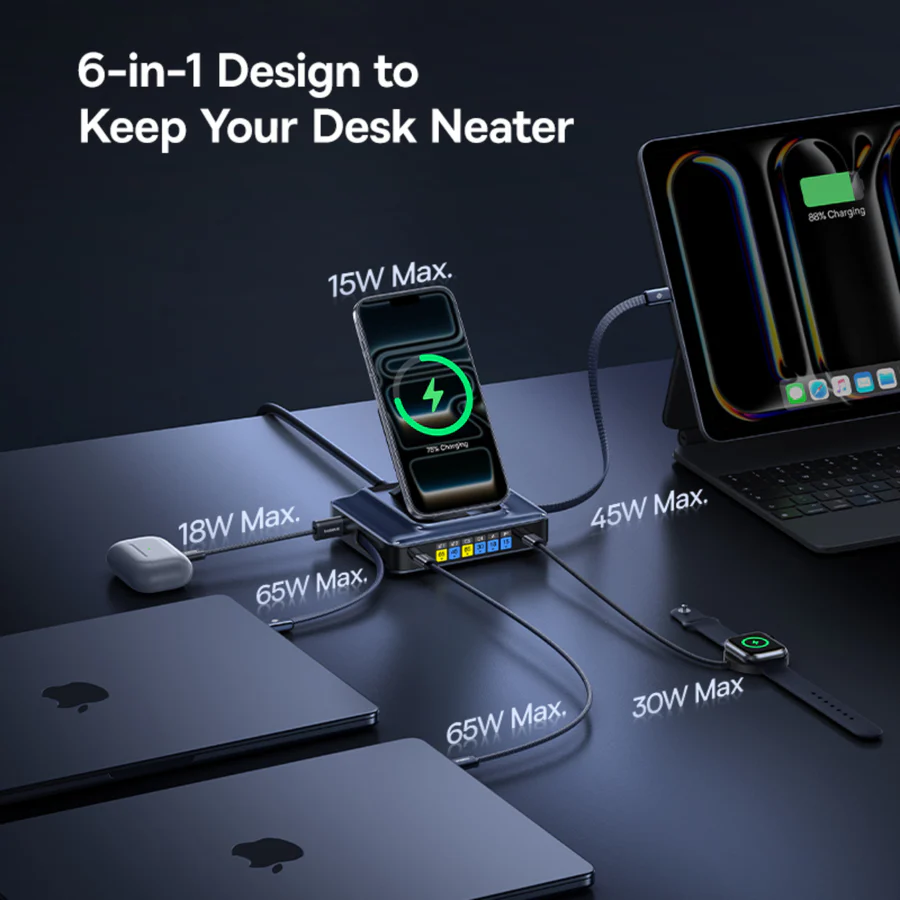
    Baseus has introduced a fresh desktop charging station called the Nomos NH21 to the international market. This new 6-in-1 charging device is aimed at programmers, creators, and those who love to arrange their workspaces. It comes equipped with dual 0.8 m (2.6 ft) braided USB-C cables, two USB-C ports, one USB-A port, and a Qi2 magnetic wireless charging pad.

    Power Output Details

    Regarding its power capabilities, the Nomos NH21 reportedly delivers a maximum of 245 W of power through six outputs. This allows you to charge up to six devices at the same time. When utilizing the wireless charging pad along with all USB ports, the total power output is 15 W + 22.5 W + 65 W + 65 W + 30 W + 30 W (Qi2 wireless charging pad + USB-A port + USB-C1 + USB-C2 + USB-C3 + USB-C4). In single-port mode, the power distribution shifts to 15 W + 22.5 W + 100 W + 100 W + 140 W + 140 W.

    Smart Power Allocation

    Additionally, the device features BPS3.0 smart power allocation, which automatically distributes power to connected devices for the best efficiency and safety, according to Baseus’s press release. The charger uses a GaN chip, which enhances power efficiency and reduces heat generation. Its dimensions are 7.8 x 6 x 2.5 inches (198.1 x 152.4 x 63.5 mm), and it weighs approximately 1.5 lbs (680 grams).

    User-Friendly Display

    The Nomos NH21 includes a built-in 3-inch LCD screen that displays vital information like real-time total power, modes, boot animations, wireless charging output, and more. In terms of compatibility, the charger works with a variety of devices, such as smartphones, tablets, laptops, drones, and cameras. It also supports fast charging protocols like PD 3.1, QC 4, PPS, and SCP.

    The Baseus Nomos NH21 6-in-1 desktop charging station comes in a single black option and is priced at $199. Those interested can now buy the charger through Baseus’s official website or on Amazon.

    Source:
    Link


  • Sixunited AXB88: Compact GMKtec EVO-X2 Alternative with AMD Strix Halo

    Sixunited AXB88: Compact GMKtec EVO-X2 Alternative with AMD Strix Halo

    Key Takeaways

    1. Sixunited showcased devices using AMD’s Strix Halo architecture, including the AXA33, which supports up to 128 GB of RAM and features a 4K OLED display.
    2. The AXP77 aims to compete with the Asus ROG Flow Z13 and may offer Ryzen AI Max+ 388 and 392 options.
    3. The company launched two mini-PCs in 2-litre and 4-litre sizes, along with the ultra-compact Mini AI Workstation AXB88, measuring 160 x 160 x 47 mm.
    4. The AXB88 has a case volume of 1.2 litres, providing a 120 W TDP to its APU and a 230 W PSU, along with dual USB4 ports and PCIe 4.0 x4 SSD support.
    5. Mass production for the AXB88 is expected to start in March, but international availability details are not yet released.


    Towards the end of the previous year, Sixunited showcased a variety of devices that utilize AMD’s Strix Halo architecture. One of the standout products was the AXA33, which serves as an alternative to the iMac and can support up to 128 GB of RAM along with a stunning 4K OLED display. Additionally, Sixunited introduced the AXP77, aiming to compete with the Asus ROG Flow Z13, but it might come equipped with the Ryzen AI Max+ 388 and Ryzen AI Max+ 392 options, instead of only the Ryzen AI Max+ 395.

    Smallest Mini-PCs in the Market

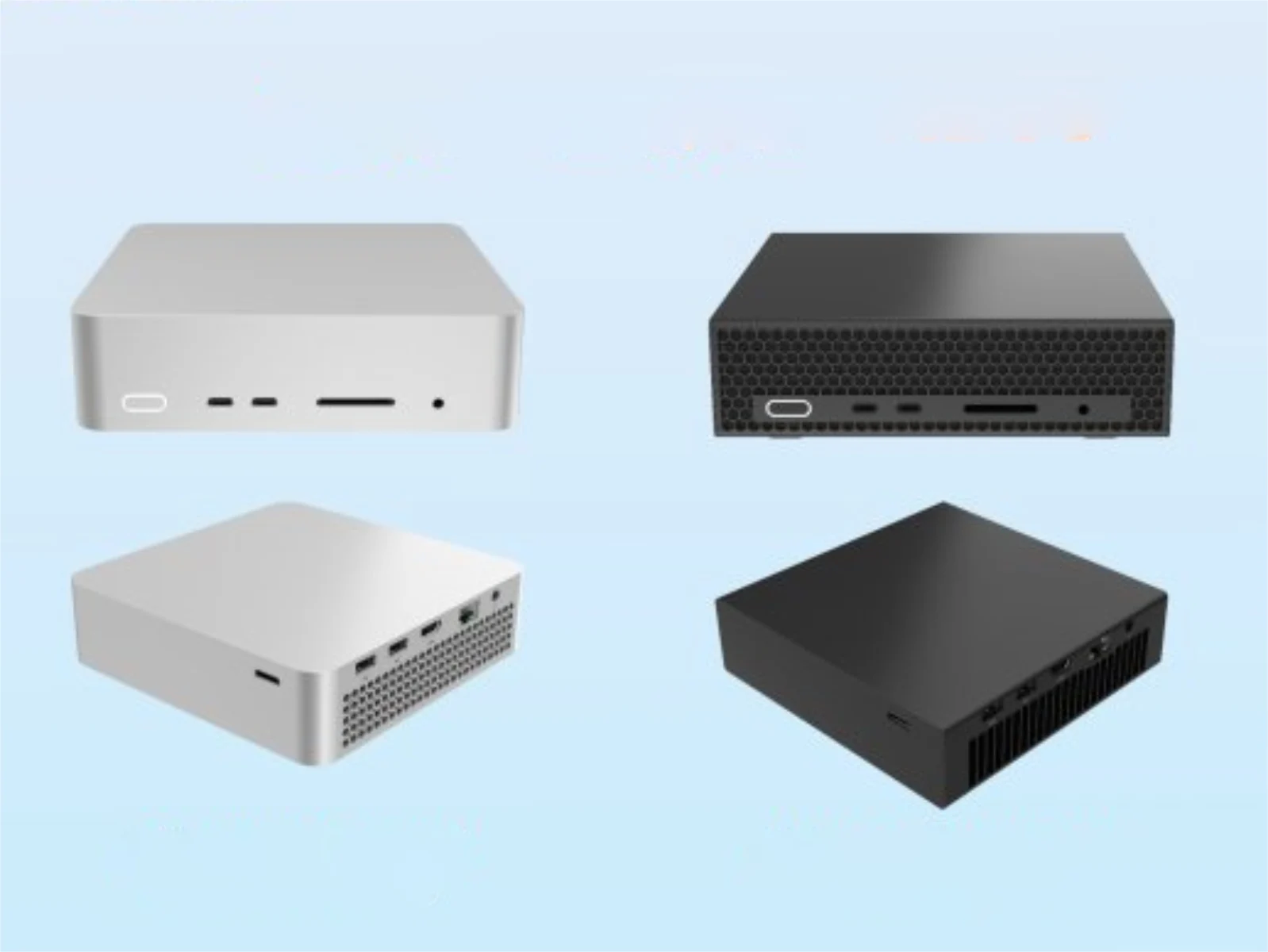
    Simultaneously, the company launched two mini-PCs that are also powered by the same architecture. These mini-PCs come in 2-litre and 4-litre case sizes. However, Sixunited claims to have designed an even more compact unit, the Mini AI Workstation AXB88. As illustrated in the graphic below, the AXB88 has dimensions of 160 x 160 x 47 mm, regardless of the two different finishes available, making it significantly smaller than rival Strix Halo mini-PCs like the GMKtec EVO-X2, which is currently priced at $1,699 on Amazon.

    Impressive Specifications

    To put it simply, the AXB88 has a case volume of 1.2 litres. Despite its small size, this mini-PC is said to provide a 120 W TDP to its APU, along with a 230 W PSU. Furthermore, Sixunited has incorporated dual USB4 ports and M.2 2280 slots that support up to PCIe 4.0 x4 SSDs. As it stands, Sixunited is looking to kick off mass production by March. However, there hasn’t been any information released regarding its availability on the international market just yet.

    Source:
    Link


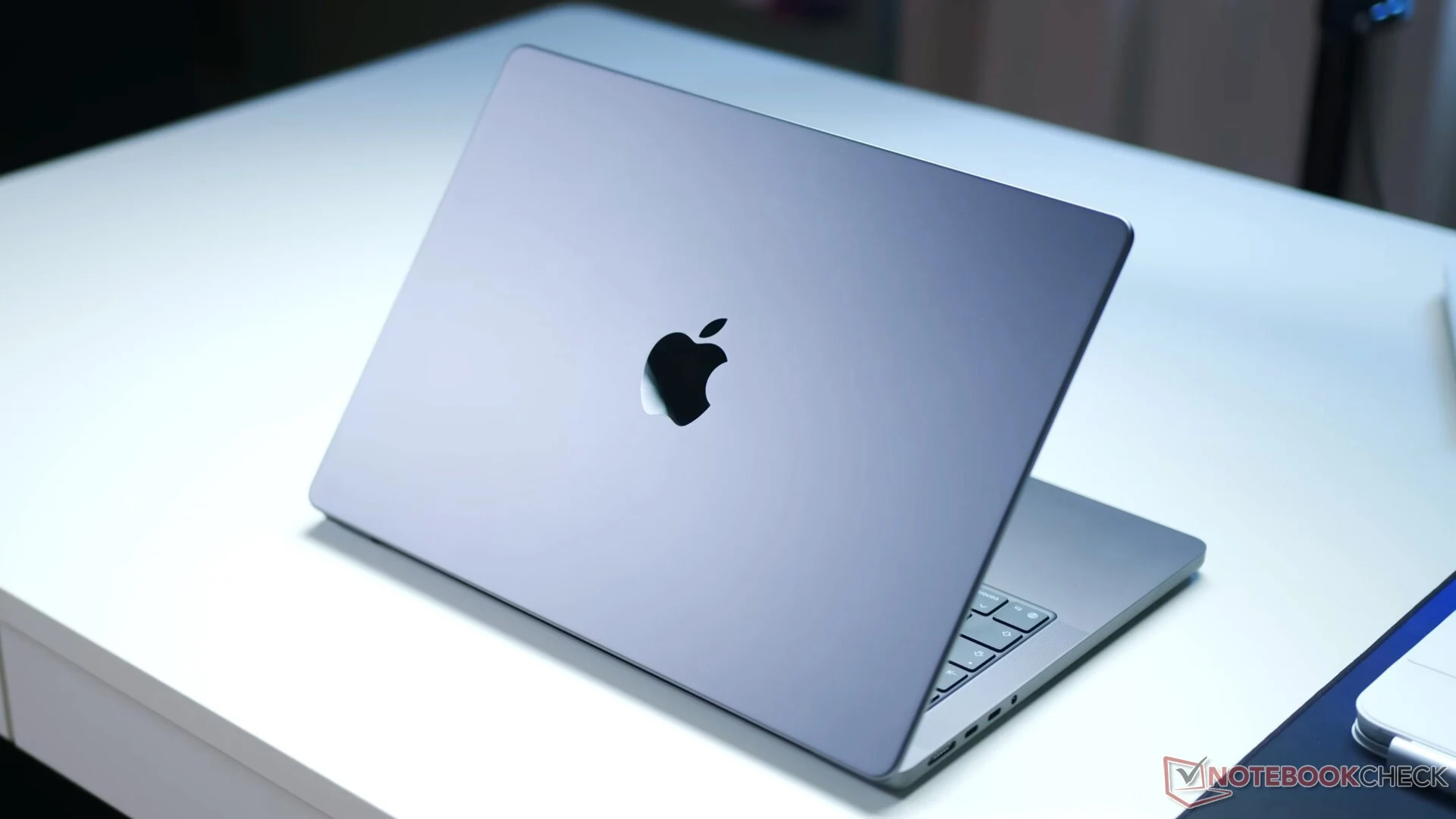
  • Apple M6 Launch Could Be Sooner Than Expected: 2026 for Mac

    Apple M6 Launch Could Be Sooner Than Expected: 2026 for Mac

    Key Takeaways

    1. New MacBook Pro and MacBook Air models are expected to be announced at Apple’s upcoming launch event, along with an updated Mac Studio and Apple Studio Display.
    2. The second half of the year may see the launch of a redesigned MacBook Pro featuring an OLED touchscreen, as production of OLED panels has begun.
    3. Other devices, including the iPad Mini, iPad Air, iMac, and MacBook Air, are rumored to transition from LCD to OLED displays soon.
    4. Mark Gurman predicts that the new Apple M-series chipset could launch sooner than expected, with the first Macs powered by the Apple M6 potentially revealed at WWDC in 2026.
    5. Recent supply chain leaks suggest a strong focus on OLED technology for multiple Apple products in the near future.


    Apple’s upcoming launch event is just around the corner, usually happening towards the end of the first quarter. This year, there’s a lot of anticipation for new gadgets, particularly for those who love MacBooks and Apple’s desktop products, as pointed out by Mark Gurman in his latest Power On newsletter. Gurman mentions that we can expect new models of the MacBook Pro and MacBook Air, along with a refreshed Mac Studio and the much-anticipated upgrade for the Apple Studio Display to be revealed in the first half of the year.

    Excitement for the Second Half

    The latter part of the year promises to be thrilling too. Alongside a new Mac Mini and a basic MacBook powered by an iPhone chipset, there’s talk of a redesigned MacBook Pro that has been rumored several times. This new model is expected to feature an OLED touchscreen and is likely to be launched towards the year’s end. This information is consistent with recent leaks from the supply chain, which reveal that Samsung has started production in a new factory dedicated to these OLED panels. The redesign of the MacBook Pro might not be the only Apple device making the switch from LCD to OLED displays in the near future. The iPad Mini, iPad Air, and eventually even the iMac and MacBook Air are rumored to benefit from vibrant OLED screens with impressive contrast ratios.

    Mark Gurman’s Insights

    Turning back to Mark Gurman and his forecasts, the year 2026 is also set to showcase the new Apple M-series chipset, which might launch sooner than we thought. The time gap between the Apple M3’s launch in October 2023 and the Apple M4’s announcement in May 2024 was just about six months, and Gurman hints that a similar timeline might occur again in 2026. Thus, it’s feasible that the first Macs powered by the Apple M6 could be revealed at WWDC in early summer.

    Source:
    Link


  • Mecha Comet: Open-Source Handheld Launch with Discounts & Freedom

    Mecha Comet: Open-Source Handheld Launch with Discounts & Freedom

    Key Takeaways

    1. The Mecha Comet is a DIY device suitable for both experienced and novice users, with extensive customization options available.
    2. It features a 3.92-inch AMOLED touchscreen, HDMI connectivity, and is powered by either an i.MX8M or i.MX 95 processor with varying RAM and storage options.
    3. Users can upgrade the device with an M.2 3042 port for additional hardware, and it supports WiFi, Bluetooth, and various peripherals.
    4. The device is available for pre-order starting at $189, with delivery expected in May 2026.
    5. Crowdfunding risks include potential issues with product functionality or market availability.


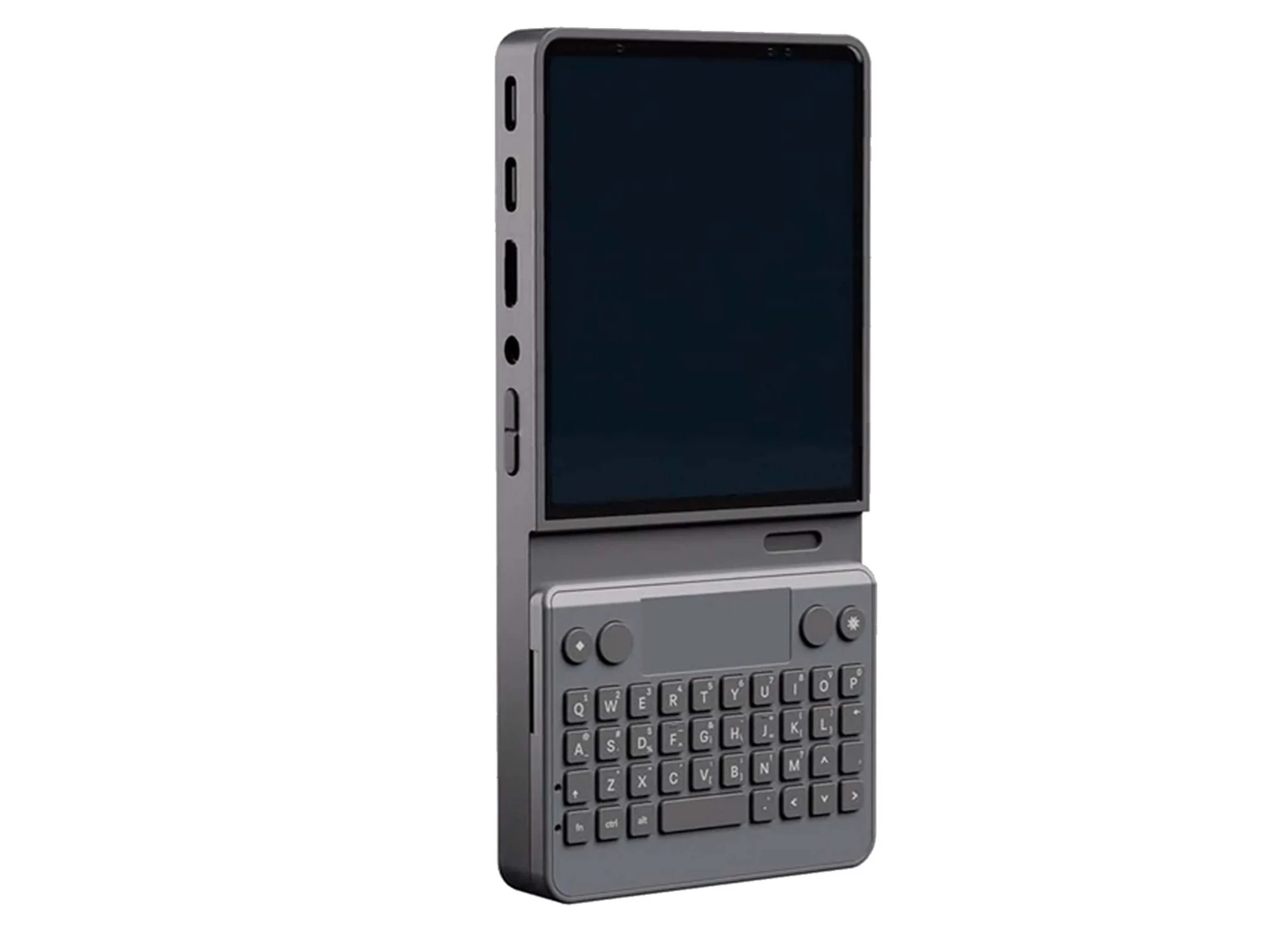
    We previously discussed the Mecha Comet, and now it is up for pre-order. This device is mainly considered a DIY item, but it can also be bought by people who don’t have much experience in hardware or software development. Users can customize both the handheld unit and its software extensively if they wish. Mechanix offers a specially tailored Linux distribution for this purpose.

    Display and Connectivity

    The handheld comes equipped with a 3.92-inch AMOLED touchscreen boasting a brightness level of 550 cd/m² and a pixel density of 441 PPI. Users can connect the device to an external display using HDMI. There are two USB-C ports available, one of which is necessary for charging the 4,100 mAh battery. Depending on the chosen model, it features either an i.MX8M with four Cortex-A53 cores or an i.MX 95 with six Cortex-A55 cores. The RAM options include 2, 4, or 8 GB, while the eMMC storage is either 64 or 128 GB.

    Upgradability and Features

    An M.2 3042 port is included, allowing users to install a mobile modem, SSD, NPU, or a LoRaWAN gateway. It also supports WiFi and Bluetooth connectivity, features a motion sensor, and has a built-in camera. Additionally, the handheld can connect to a keyboard or a game controller for enhanced usability.

    The Mecha Comet is available for pre-order starting at a minimum of $189 as part of a crowdfunding initiative. The expected delivery date is set for May 2026. Those supporting the campaign should keep in mind that crowdfunding comes with certain risks, including the possibility that the product might not function as promised or may never reach the market.

    Source:
    Link


  • AMD Ryzen 7 9850X3D: Gaming with Affordable RAM Options

    AMD Ryzen 7 9850X3D: Gaming with Affordable RAM Options

    Key Takeaways

    1. The AMD Ryzen 7 9850X3D is positioned as a higher-quality processor compared to the 9800X3D, addressing current RAM challenges.
    2. The Ryzen 7 9850X3D shows minimal performance drop (about 1%) when used with slower DDR5-4800 RAM compared to DDR5-6000, with a variance not exceeding 2% in over 30 tested games.
    3. Average retail prices for DDR5 memory have increased, with DDR5-4800 at approximately $420 and DDR5-6000 at around $500.
    4. The Ryzen 7 9850X3D is reported to offer a performance boost of 3% to 7% over the Ryzen 7 9800X3D, but these claims should be viewed with skepticism.
    5. Independent reviews of the Ryzen 7 9850X3D will be available after the review embargo lifts on January 28, 2026.


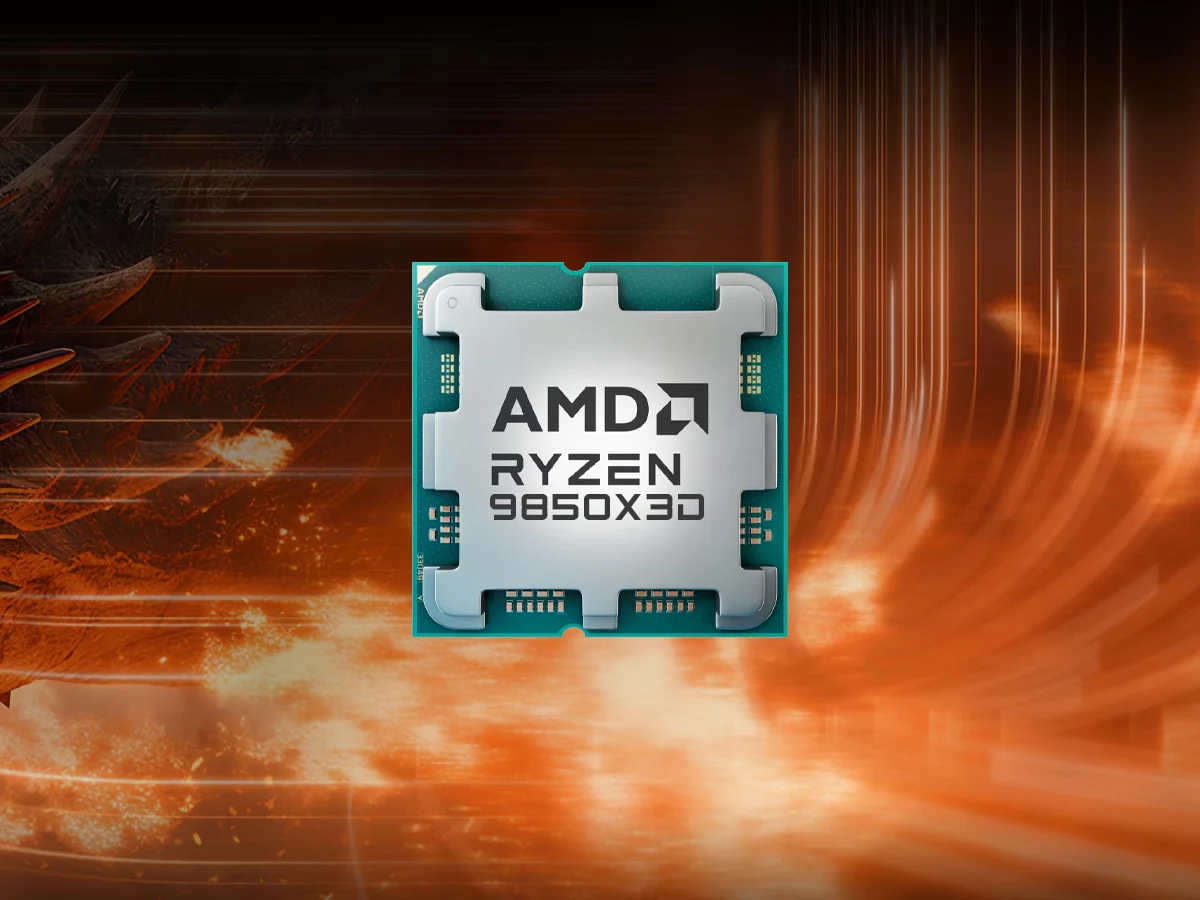
    The AMD Ryzen 7 9850X3D is expected to begin shipping shortly, and it is being marketed as a higher-quality option compared to the 98000X3D. Apart from the specifications, this new X3D processor is said to be more suitable for the current RAM challenges.

    Performance with DDR5 RAM

    According to VideoCardz, AMD has stated that the Ryzen 7 9850X3D shows no significant drop in performance when used with slower DDR5 RAM. In particular, the updated slide compares the performance of systems using DDR5-4800 against those with DDR5-6000 memory.

    AMD reports that the performance gap is roughly 1% across over 30 tested games, with titles like Far Cry 6 and Cyberpunk 2077 gaining more from the faster RAM. Nonetheless, the slide indicates that the performance variance does not exceed 2%, which is quite impressive.

    Pricing Details

    In the slide, AMD points out that the average retail price for DDR5-4800 memory stands at about $400, while the 2x16GB DDR5-6000 kits are priced at around $470. These figures are sourced from the PCPartPicker database as of January 09, 2026. Since that date, the average prices have increased to approximately $420 and $500, respectively.

    Regarding the CPU, AMD asserts that the Ryzen 7 9850X3D offers a performance boost ranging from 3% to 7% compared to the Ryzen 7 9800X3D. While this is a significant difference, it is important to view these numbers with skepticism as they come directly from the manufacturer. The review embargo for the CPU is scheduled to lift on January 28, 2026, just one day before the processor hits the market, allowing for independent tests to provide a clearer understanding of its capabilities.

    Source:
    Link


  • Google Chrome Updates Ending for Some Macs This July

    Google Chrome Updates Ending for Some Macs This July

    Key Takeaways

    1. Chrome version 150 will be the last version compatible with macOS 12 Monterey for Macs made before 2018.
    2. Users with Intel Macs launched before 2017 must upgrade to a new Mac or switch to another browser for updates.
    3. Firefox can run on macOS 10.15 Catalina, while Brave and Opera will support macOS 12 Monterey longer.
    4. All Apple Silicon Macs are currently supported by macOS 13 Ventura.
    5. New Apple Silicon Macs, like the M5 MacBook Pro, are available for purchase, starting around $1,449.


    Folks using Google Chrome on Macs made before 2018 are about to face a bit of a tough situation. A new update from Google’s support page for Chrome has revealed that Chrome version 150 will be the final version to work with macOS 12 Monterey.

    Options for Older Mac Users

    With macOS 13 Ventura not being compatible with Macs launched before 2017, users with older devices will need to either fork out cash for a new Mac or start using another web browser if they want to access the latest features and security updates. The Intel Macs that are officially supported by macOS Ventura include:

    It’s important to mention that all Apple Silicon Macs are supported at this moment. If users want to keep using their outdated Intel Macs, they might consider Firefox, as it can run on macOS 10.15 Catalina. Other browsers like Brave and Opera will still support macOS 12 Monterey for a while longer.

    Source:
    Link