Key Takeaways
1. The Galaxy Book6 Pro is expected to be unveiled in January 2026 at CES in Las Vegas.
2. It will feature Intel’s Core Ultra 5 338H processor, promising better efficiency and battery life compared to previous models.
3. Both 14-inch and 16-inch versions of the Galaxy Book6 Pro will be released, along with a new Ultra-branded Galaxy Book model.
4. The Core Ultra 5 338H is anticipated to outperform the Core Ultra 9 288V in benchmarks, indicating significant performance improvements.
5. Enhanced GPU performance is expected due to Intel’s Xe3 integrated graphics, complementing the CPU upgrades.
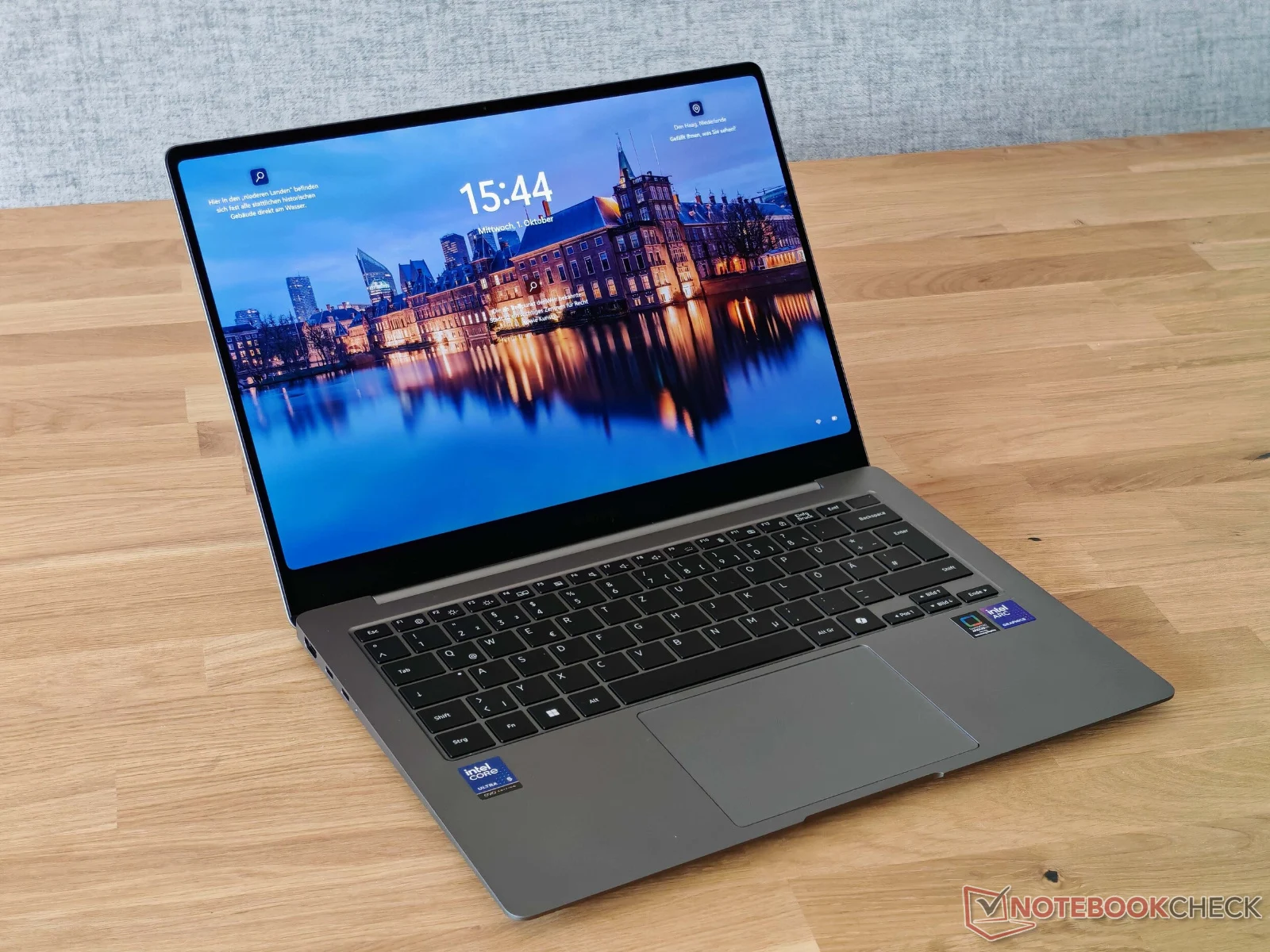
The Galaxy Book6 Pro has been spotted on Geekbench ahead of an expected update for the entire lineup. Samsung is likely to unveil the Galaxy Book6 laptops in January during CES 2026 in Las Vegas. In the meantime, some leaked battery details suggest that both 14-inch and 16-inch versions of the Galaxy Book6 Pro will be released, alongside a comeback of the Ultra-branded Galaxy Book model.
Processor Details
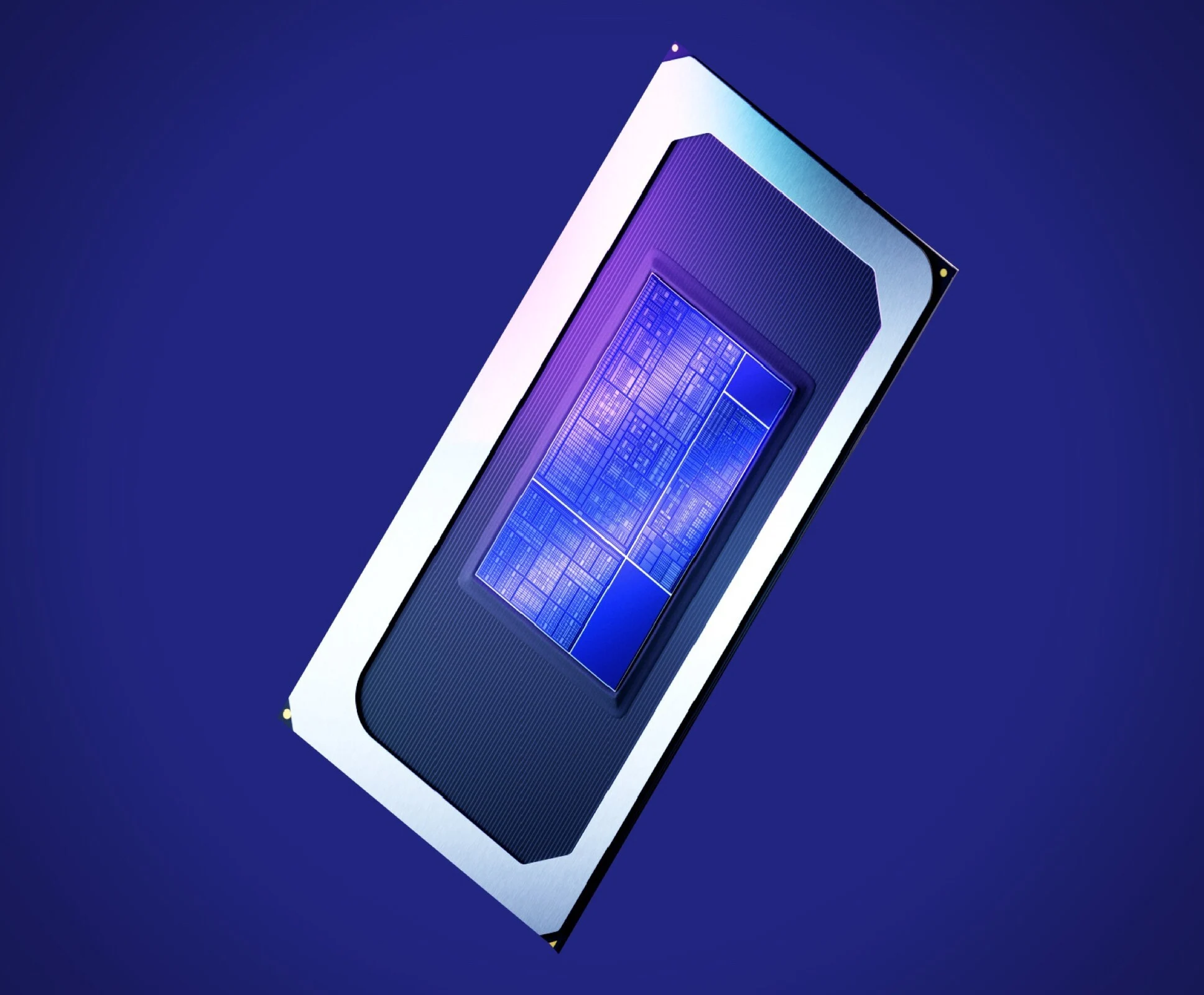
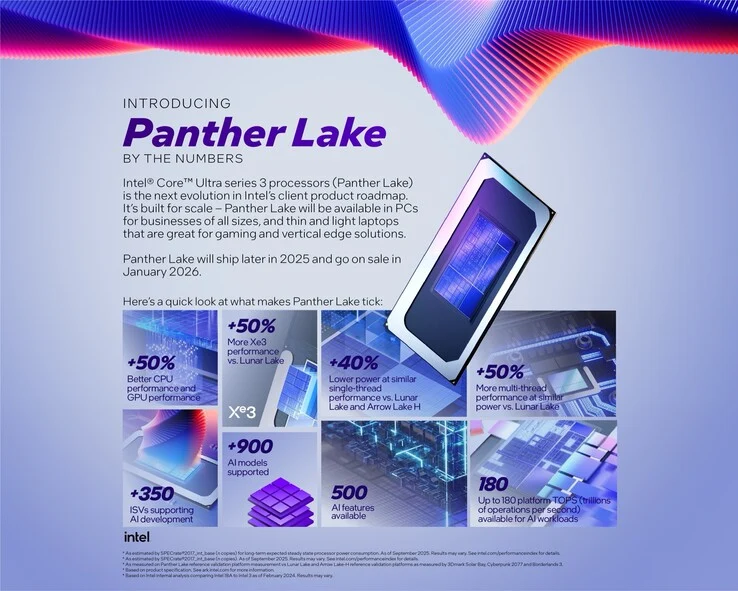
Geekbench has revealed that at least one version of the Galaxy Book6 Pro will come with Intel’s Core Ultra 5 338H processor from the Panther Lake series. This processor features twelve cores, divided evenly among performance, efficiency, and low-power clusters. The Core Ultra 5 338H is said to have better efficiency compared to its Lunar Lake counterparts, like the Core Ultra 5 238V. Because of this, the Galaxy Book6 Pro is expected to provide better battery life than models from the Galaxy Book5 series, such as the Galaxy Book5 Pro 360 (current price: $1,358 on Amazon).
Performance Expectations
These advancements in architecture and manufacturing are anticipated to enhance performance, especially since Lunar Lake struggles outside of tasks that are GPU-intensive. The Core Ultra 5 338H is reported to outperform even the Core Ultra 9 288V in the Geekbench AI 1.4.0 benchmark, supported by the inclusion of 32 GB of RAM. Recent leaks suggest that the anticipated upgrade in CPU performance will be complemented by improvements in GPU performance, thanks to Intel’s Xe3 integrated graphics.
Source:
Link