Category: Computers

  • Astronomers May Discover Exoplanet Life Signs in Under 4 Years

    Astronomers May Discover Exoplanet Life Signs in Under 4 Years

    Key Takeaways

    1. The Extremely Large Telescope, being built in Chile, will be the largest telescope with a diameter of 39 meters, capable of gathering more light than the James Webb Space Telescope.

    2. Its primary mission is to identify biosignatures on various exoplanets, potentially indicating the existence of extraterrestrial life.

    3. A study suggests that just a 10-hour observation with the telescope could yield significant results in the search for life.

    4. Proxima Centauri b, an exoplanet 4.2 light-years away, is located in the habitable zone of its star and may have conditions suitable for life.

    5. Initial observations of exoplanets using the telescope are scheduled for early 2029, which could broaden our understanding of the universe, even if no alien life is found.


    For hundreds of years, people have been curious about whether they are the only ones living in the universe. Even though we haven’t found any solid proof yet, this might change within the next few years due to a groundbreaking telescope.

    The Extremely Large Telescope

    To address this, we need to look at the Extremely Large Telescope, which is being built in Chile. Its size is remarkable, boasting a diameter of 39 meters, and it will be capable of gathering more light than the James Webb Space Telescope.

    Mission and Capabilities

    In terms of its purpose, it aims to identify biosignatures from a variety of exoplanets, helping us figure out if life exists elsewhere in the cosmos. In this area, it outperforms all other instruments, as a study by Dr. Miles Currie and Victoria Meadows from the University of Washington suggests that just a 10-hour observation will yield results.

    Discovering Exoplanets

    The cosmos is enormous, with many exoplanets found throughout the years. One in particular stands out due to its intriguing features.

    Proxima Centauri b is an exoplanet situated 4.2 light-years away from our planet, residing in the habitable zone of its star. This means it might have liquid water, a consistent atmosphere, and temperatures favorable for life to arise.

    Future Observations

    Of course, this new telescope will also analyze and observe other exoplanets, with its initial observations set to occur in early 2029. Even if it doesn’t succeed in finding alien life, it could still enhance our understanding of the universe and the environment we live in.

    Source:
    Link


  • Lilygo T-Echo Plus Radio: Tactile Upgrades and AI Features

    Lilygo T-Echo Plus Radio: Tactile Upgrades and AI Features

    Key Takeaways

    1. The Lilygo T-Echo Plus enhances off-grid communication with compatibility for Meshtastic and SoftRF.
    2. It features the Nordic nRF52840 MCU for multiple wireless protocols including Bluetooth 5, Zigbee, and Thread.
    3. The device includes an AI-boosted BHI260AP IMU for improved motion tracking and a vibration motor for user feedback.
    4. Battery capacity has increased from 850 mAh to 2,400 mAh for extended outdoor use.
    5. New outdoor features include a ¼-inch tripod mount and a built-in climbing hook, priced at $64.22.


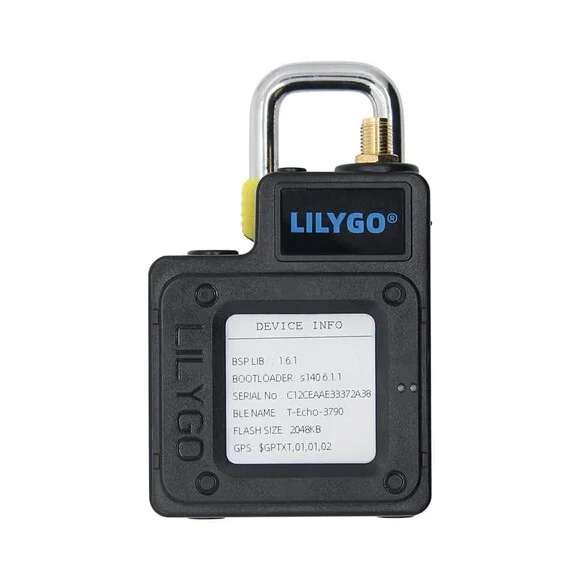
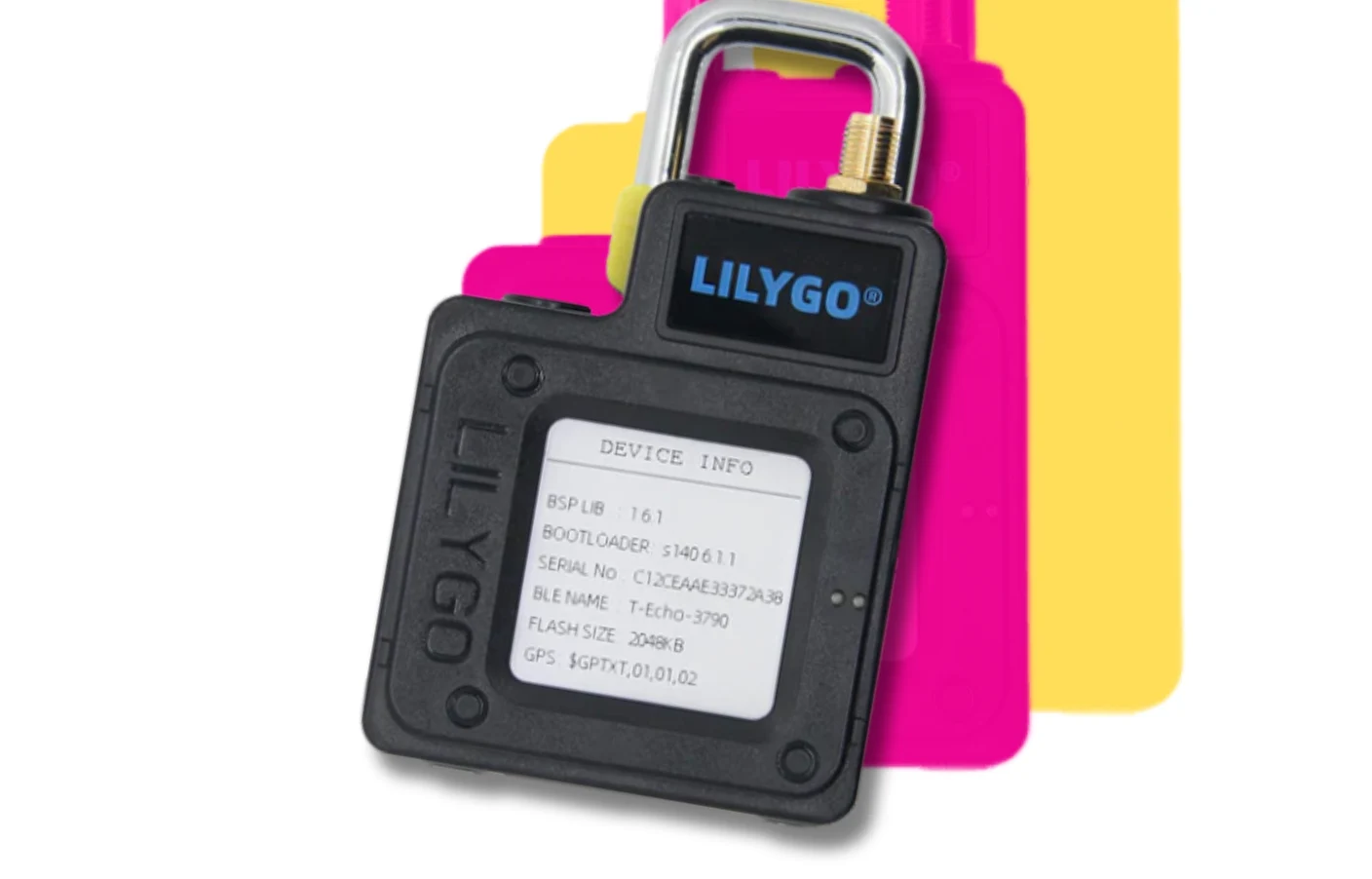
    When the Lilygo T-Echo was launched, it quickly gained popularity among long-range communication fans. Its compatibility with Meshtastic and SoftRF, along with support for different protocols for transmitting data and location, made it a top pick for those wanting a complete solution for off-grid communications. Recently, with the introduction of a new plus version, Lilygo has made improvements to the platform, adding some user-friendly upgrades.

    Technical Specifications

    Inside, the Lilygo T-Echo Plus retains the Nordic nRF52840 MCU, which allows for Bluetooth 5, Zigbee, Thread, and several other wireless communication protocols. Now, it’s also combined with the AI-boosted BHI260AP IMU for better motion tracking. Additionally, the T-Echo Plus is equipped with a vibration motor to give users feedback, and its battery has been significantly upgraded from 850 mAh to 2,400 mAh. Since every component of this device is designed for low power consumption, particularly the 1.54-inch e-ink display, this battery enhancement ensures extended usage time in outdoor settings.

    Outdoor Features

    The T-Echo Plus is built for outdoor adventures, and it includes several external improvements. The Plus model introduces a ¼-inch tripod mount, alongside the existing M2 x 2.5mm mounting points. Furthermore, it has a built-in climbing hook, making it easy to attach to a backpack or other equipment. All these enhancements come at just $10 more than the standard model, bringing the T-Echo Plus to a reasonable price of $64.22 on the Lilygo website. For those keen on learning more, additional details about the T-Echo Plus can be found through the link below.

    Lilygo’

    Source:
    Link


  • New GMKtec EVO-X2 Competitor Launches with AMD Strix Halo, 128GB RAM

    New GMKtec EVO-X2 Competitor Launches with AMD Strix Halo, 128GB RAM

    Key Takeaways

    1. Morefine launched the H1 mini-PC, adding to its lineup that includes the M6S Plus, S800 mini-PCs, and G1 eGPU.
    2. The H1 features the exclusive Ryzen AI Max+ PRO 395 with 128 GB of RAM, setting it apart from competitors.
    3. It includes advanced connectivity options like Bluetooth 5.4 and WiFi 7, and supports up to 8 TB of storage with dual M.2 slots.
    4. The H1 has a compact design (248.5 x 188.4 x 97.5 mm) and weighs about 3 kg, with a built-in 350 W PSU and multiple ports.
    5. The price of the H1 has increased to €1,896 in the Eurozone and $2,199 in the US, with shipping starting between mid- and late-November.


    Earlier this month, Morefine launched the H1 mini-PC. As a part of Topton, Morefine has already rolled out the M6S Plus and S800 mini-PCs this year, in addition to the G1 eGPU, which can support an Nvidia GeForce RTX 4090 laptop GPU. The H1 utilizes an AMD architecture similar to premium mini-PCs like the GMKtec EVO-X2, which is currently available for $1,999 on Amazon.

    Unique Specifications

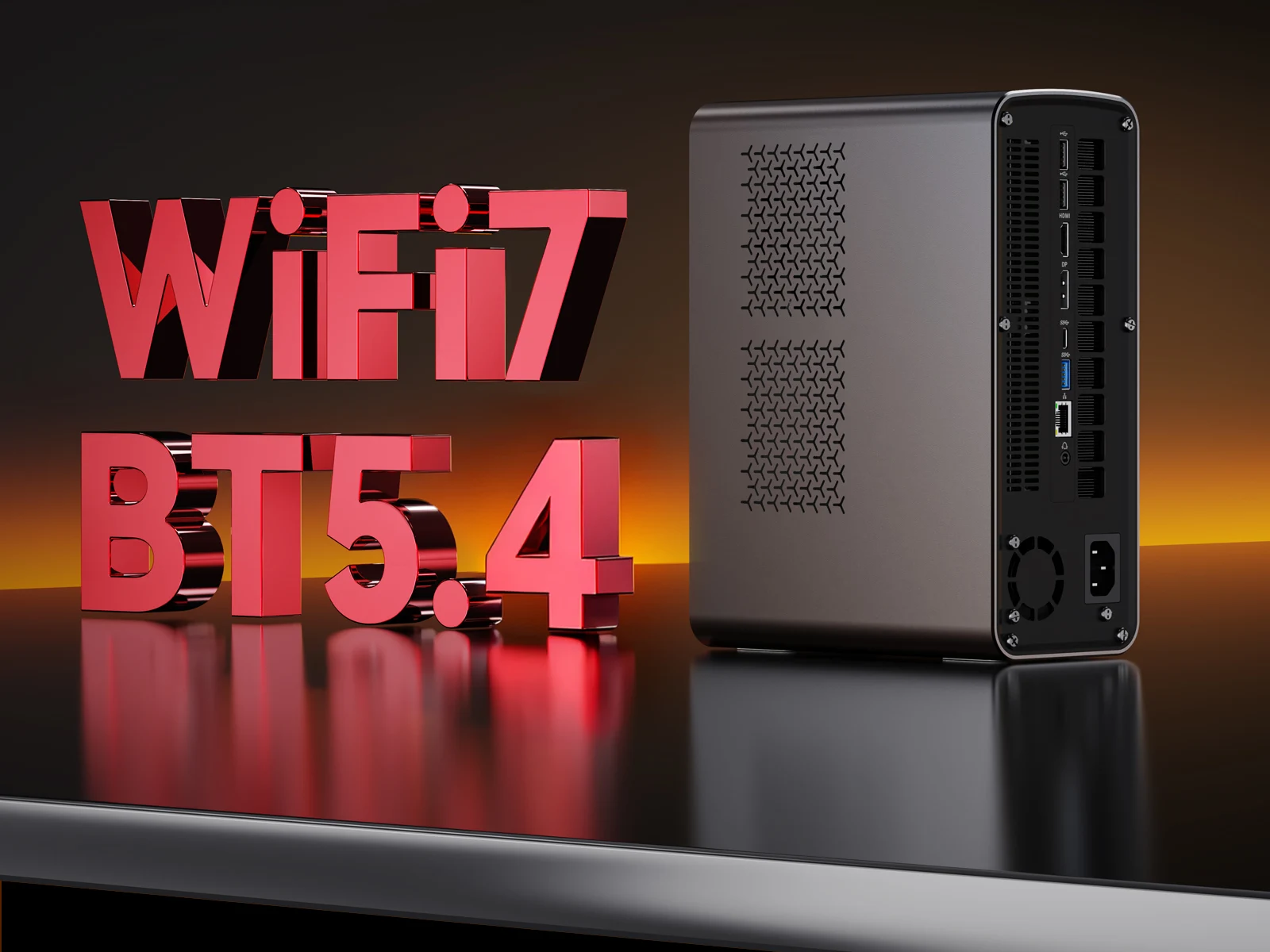
    As we mentioned last month, Morefine provides the Ryzen AI Max+ PRO 395 exclusively with 128 GB of RAM, setting it apart from competitors like Bosgame, HP, GMKtec, and Minisforum. Furthermore, the H1 boasts Bluetooth 5.4 and WiFi 7 connectivity, along with dual M.2 2280 slots that allow for a whopping 8 TB of storage.

    Design and Pricing Changes

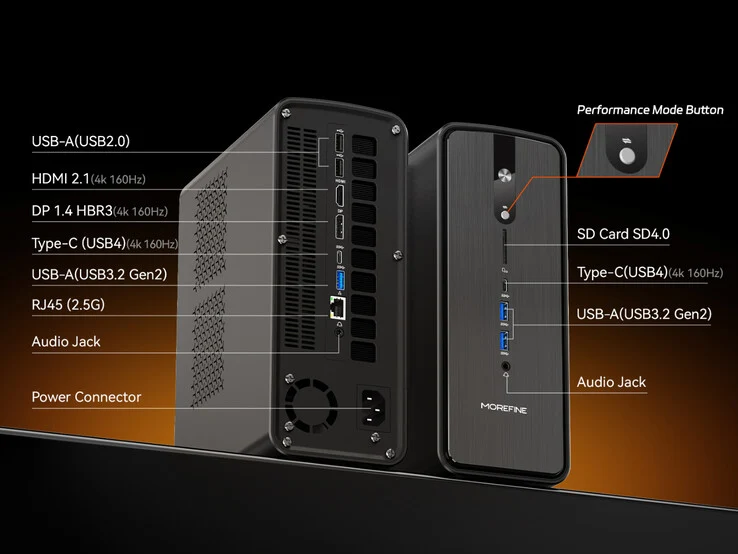
    In addition, Morefine has equipped the H1 with a 350 W built-in PSU and numerous ports, all housed in a compact design measuring 248.5 x 188.4 x 97.5 mm and weighing about 3 kg. Interestingly, the price of the Morefine H1 has increased since it first launched. Initially, the Strix Halo mini-PC was priced at €1,805 in the Eurozone and $2,099 in the US.

    Now, the H1’s price has jumped to €1,896 in the Eurozone and $2,199 in the United States. Moreover, Morefine is now selling its Strix Halo mini-PC on AliExpress for customers in other regions. Currently, the company plans to start shipping units between mid- and late-November. For further details, check Morefine’s official website and its AliExpress page.

    Source:
    Link


  • Dell 16 Premium CPU Outperforms XPS 16 9640 by 15-20%

    Dell 16 Premium CPU Outperforms XPS 16 9640 by 15-20%

    Key Takeaways

    1. The Dell 16 Premium has launched globally, replacing the XPS 16 9640 with new Arrow Lake-H and Blackwell options.
    2. Users can expect a performance boost of up to 20% in multi-thread tasks with the Core Ultra 7 255H compared to the older model.
    3. Performance gains are short-lived, with scores declining from 3410 to around 2900 points during continuous testing.
    4. The XPS 16 9640 shows more stable performance over time, making it seem like a better value for users.
    5. The 2024 model offers minor improvements, and significant advancements are not expected in the upcoming 2025 version.


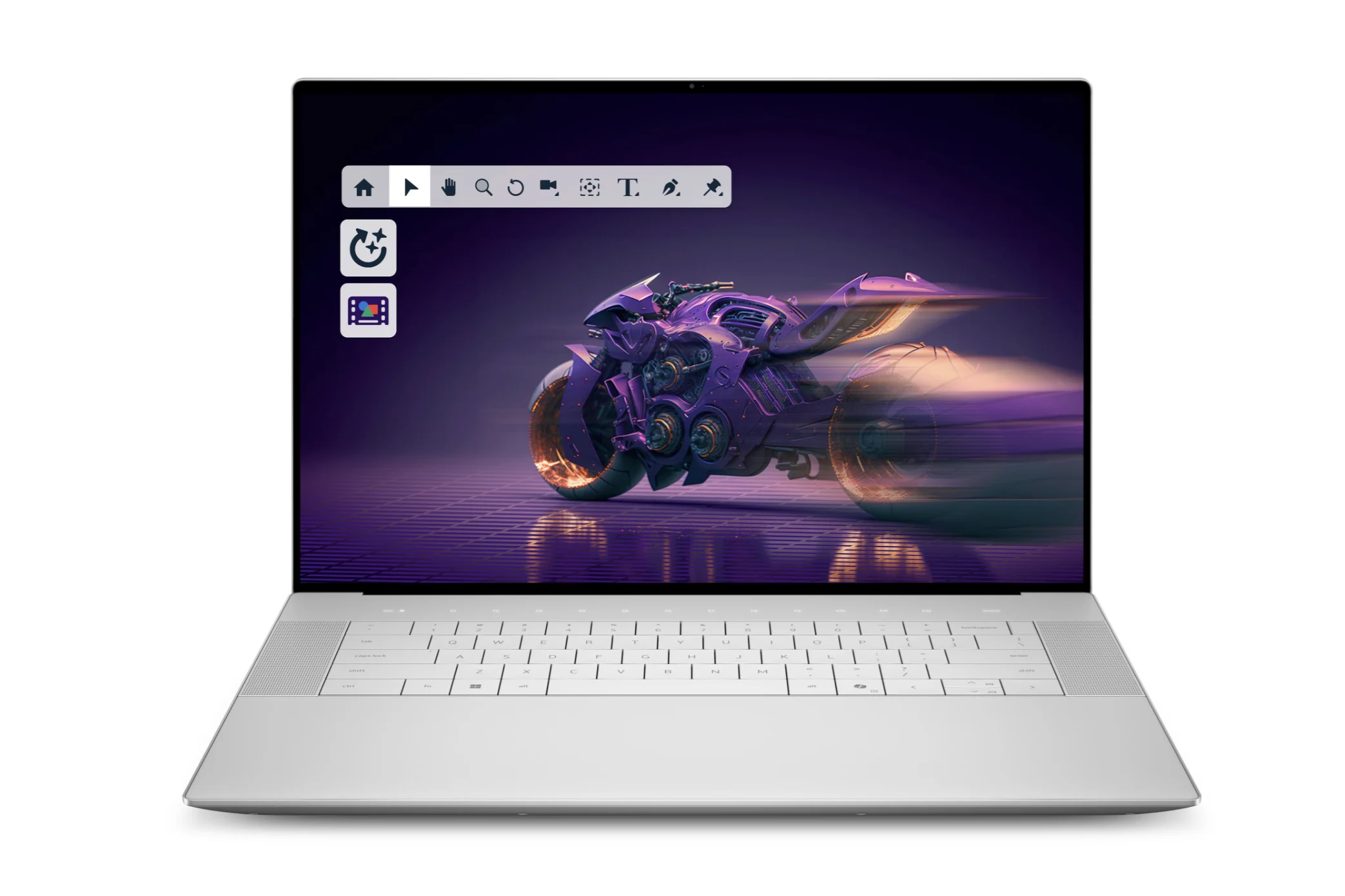
    The Dell 16 Premium has started shipping globally, marking a new chapter after the XPS 16 9640 from last year. This new model swaps out the Meteor Lake-H and Ada Lovelace options for the Arrow Lake-H and Blackwell alternatives in its 2024 version. Users who opt for the Core Ultra 7 255H can anticipate a performance boost of up to 20 percent in multi-thread tasks compared to the older XPS 16 9640 Core Ultra 7 155H.

    Performance Insights

    However, there’s a catch: the 20 percent increase is only noticeable during the initial few minutes. Our tests display a decline in performance scores, dropping from 3410 points to around 2900 points over time when running CineBench R15 xT in a continuous loop on the Dell 16 Premium with the Core Ultra 7 255H. In contrast, the XPS 16 9640 maintains a more stable performance over time. As throttling kicks in, the gap in CPU performance between the Dell 16 Premium and the XPS 16 9640 narrows significantly.

    User Experience

    Most users probably won’t even pick up on the small performance changes between these two laptops, making the older XPS 16 9640 appear as a better value. Still, this situation highlights the relatively tiny improvements and distinctions between the 2024 and 2025 models. The 2024 XPS 16 already represented a significant leap over its 2023 counterpart, so users shouldn’t have high hopes for groundbreaking enhancements in the 2025 model. For additional benchmarks and comparisons, you can check out our detailed review of the 2025 version here.


  • Ergonomic Epomaker Split70 Wireless Keyboard with Wisteria Switches

    Ergonomic Epomaker Split70 Wireless Keyboard with Wisteria Switches

    Key Takeaways

    1. Unique Design: The Split70 features a split design with two distinct halves, allowing for customizable positioning for comfort.

    2. Wireless Connectivity: It operates wirelessly via a 2.4 GHz connection or Bluetooth, with varying polling rates and latency across connection types.

    3. Ergonomic Flexibility: Users can potentially use just one half of the keyboard, which may be beneficial for specific gaming scenarios.

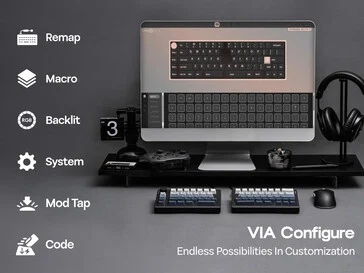
    4. Customizable Features: The keyboard includes Wisteria Linear Switch V2 switches, RGB lighting (with battery life trade-offs), and easily swappable keycaps for personalization.

    5. Pricing: The Split70 is priced at $116, not including shipping, with the RK Royal Kludge RKS70 as an alternative option.


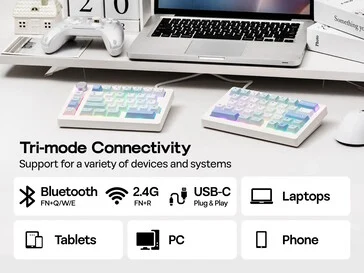
    The Split70 is a fairly typical keyboard when it comes to its technology, especially about its keys. Nevertheless, its design stands out because it isn’t just one solid piece. Instead, it features two distinct halves. This device operates completely wirelessly, sending data through a 2.4 GHz connection with a polling rate that can reach up to 1,000 Hz. If you opt for Bluetooth, the polling rate drops to 125 Hz. Latency varies too, with a wired connection having just 3 milliseconds, 5 milliseconds on the 2.4 GHz mode, and 15 milliseconds when Bluetooth is active.

    Ergonomics and Layout

    You can position the two parts of the keyboard in whatever way you like, which could make for a more comfortable experience. Theoretically, it’s possible to use just one side of the keyboard; for instance, the left side might work just fine for gamers playing shooters. Although there is no dedicated numpad or a six-key keypad, it does come with a rotary encoder.

    Aesthetic and Features

    The keyboard is offered in two colors and is equipped with Wisteria Linear Switch V2 switches that have a travel distance of up to 3.6 millimeters. It supports RGB lighting, but using that feature significantly impacts battery life, reducing it from 260 hours down to merely 11 hours. The keycaps can be easily swapped out, giving users the ability to tailor the keyboard’s feel to their liking.

    The Epomaker Split70 is presently priced at $116, excluding shipping costs. Alternatively, you might consider the RK Royal Kludge RKS70 as another option.

    Source:
    Link


  • Orico OminiPro Mini PC Launches with Mac Pro Design and eGPU Support

    Orico OminiPro Mini PC Launches with Mac Pro Design and eGPU Support

    Key Takeaways

    1. Orico has entered the PC market with its new mini PC model, the OminiPro, designed similarly to the Apple Mac Pro.
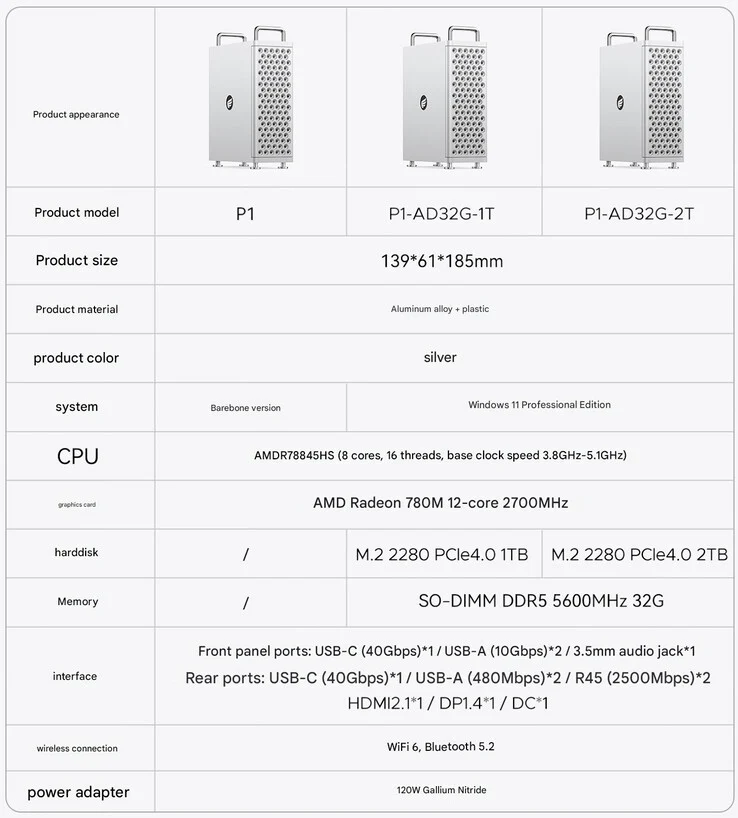
    2. The OminiPro features a Ryzen 7 8845HS APU and Radeon 780M GPU, allowing smooth gameplay for most AAA games at 1080p with medium or low settings.
    3. It includes two USB4 ports for eGPU compatibility, while offering a variety of other ports, although it lacks an OCuLink port.
    4. The mini PC boasts WiFi 6, Bluetooth 5.2, supports up to 256 GB of DDR5 RAM, and has 8 TB of PCIe 4.0 storage.
    5. The barebone version is priced at approximately $435 in China, with no confirmed global availability yet.


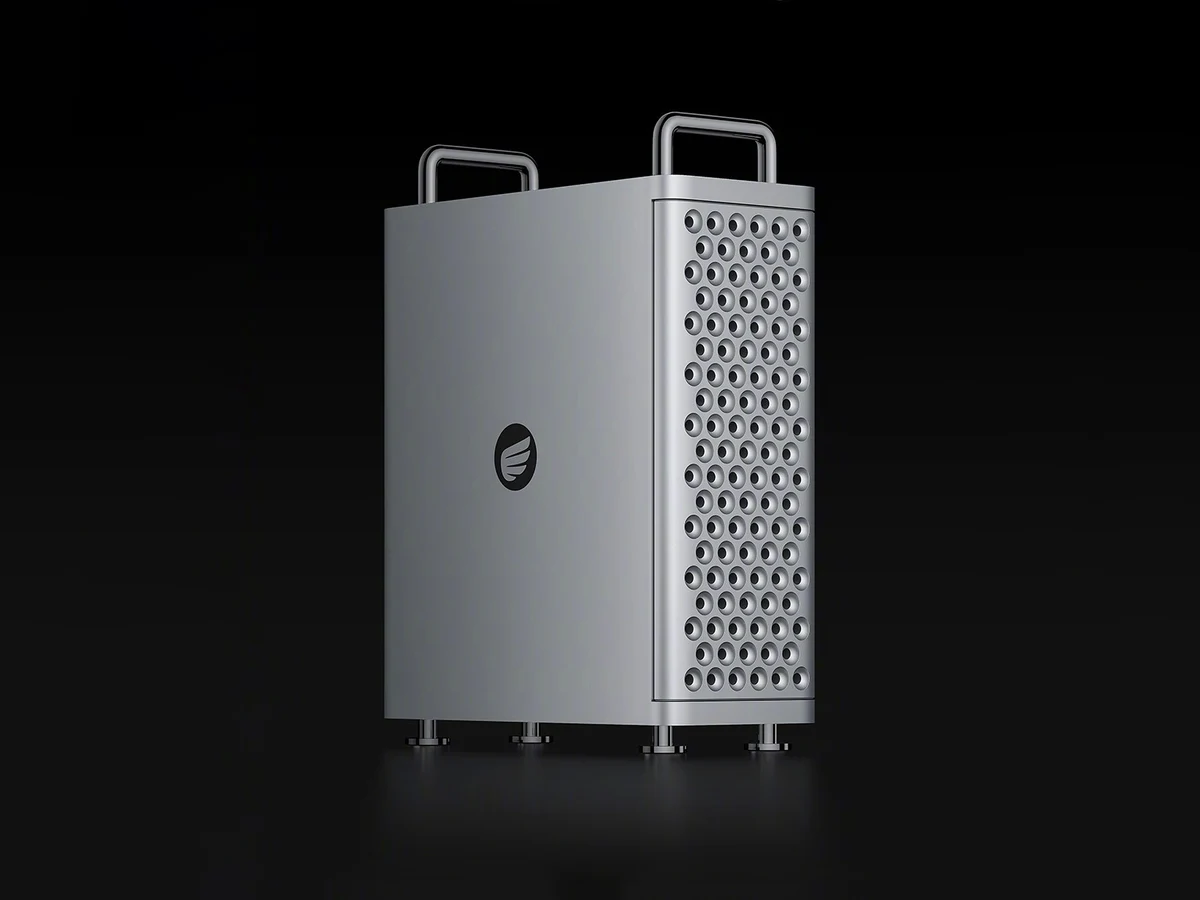
    Orico has ventured into the PC industry, introducing one of its initial models called the OminiPro. As hinted before, this mini PC features a design that resembles a smaller version of the Apple Mac Pro. It showcases a similar lattice pattern on its front panel, along with a handle on the top and footstands on the bottom that echo Apple’s aesthetic.

    Power and Performance

    Inside the Orico OminiPro, you’ll find the Ryzen 7 8845HS, a robust Hawk Point APU paired with the Radeon 780M. This integrated GPU enables the mini PC to run most AAA games smoothly at 1080p or lower resolutions, with settings adjusted to medium or low quality.

    Connectivity Options

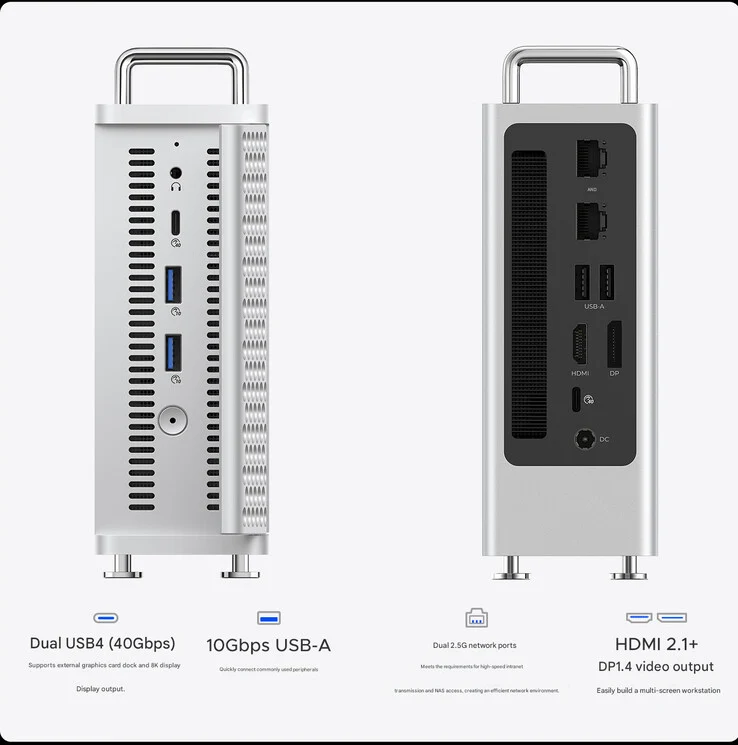
    The mini PC is equipped with two fully functional USB4 ports, allowing compatibility with eGPUs (such as the GMK AD-GP1, currently priced at $469.79 on Amazon). Although it would have been nice to see an OCuLink port included, the OminiPro still offers a range of other ports that enhance its usability:

    As the company mentions, the front panel design can conceal the front ports when they’re not in use. Moreover, Orico emphasizes that this mini PC has an efficient cooling system and is supplied with a 120 W GaN power adapter, promoting higher efficiency and reliable power delivery.

    Additional Features

    Other notable features of the Orico OminiPro include WiFi 6, Bluetooth 5.2, and the capacity for 256 GB of DDR5 RAM and 8 TB of PCIe 4.0 storage. The barebone version of this mini PC was launched in China for CNY 3,099, which is approximately $435. There hasn’t been any announcement regarding its global availability yet, but the brand does distribute its products beyond China.

    Source:
    Link


  • Orico Launches OminiPlus: A Mac Mini Clone with AMD CPU & eGPU Support

    Orico Launches OminiPlus: A Mac Mini Clone with AMD CPU & eGPU Support

    Key Takeaways

    1. Orico has launched the OminiPlus mini PC, which resembles the Apple Mac mini and is compact at 0.8 liters.
    2. The OminiPlus is powered by a Ryzen 5 7535HS APU with Radeon 660M GPU, suitable for casual gaming and emulation.
    3. The mini PC features USB4 ports for connection to external GPUs, enhancing its gaming capabilities.
    4. It includes dual DDR5 SODIMM RAM slots and two M.2 PCIe slots for expandable storage.
    5. One configuration with 16 GB of RAM and 2 TB of storage is priced at approximately $534, with more details on global availability expected soon.


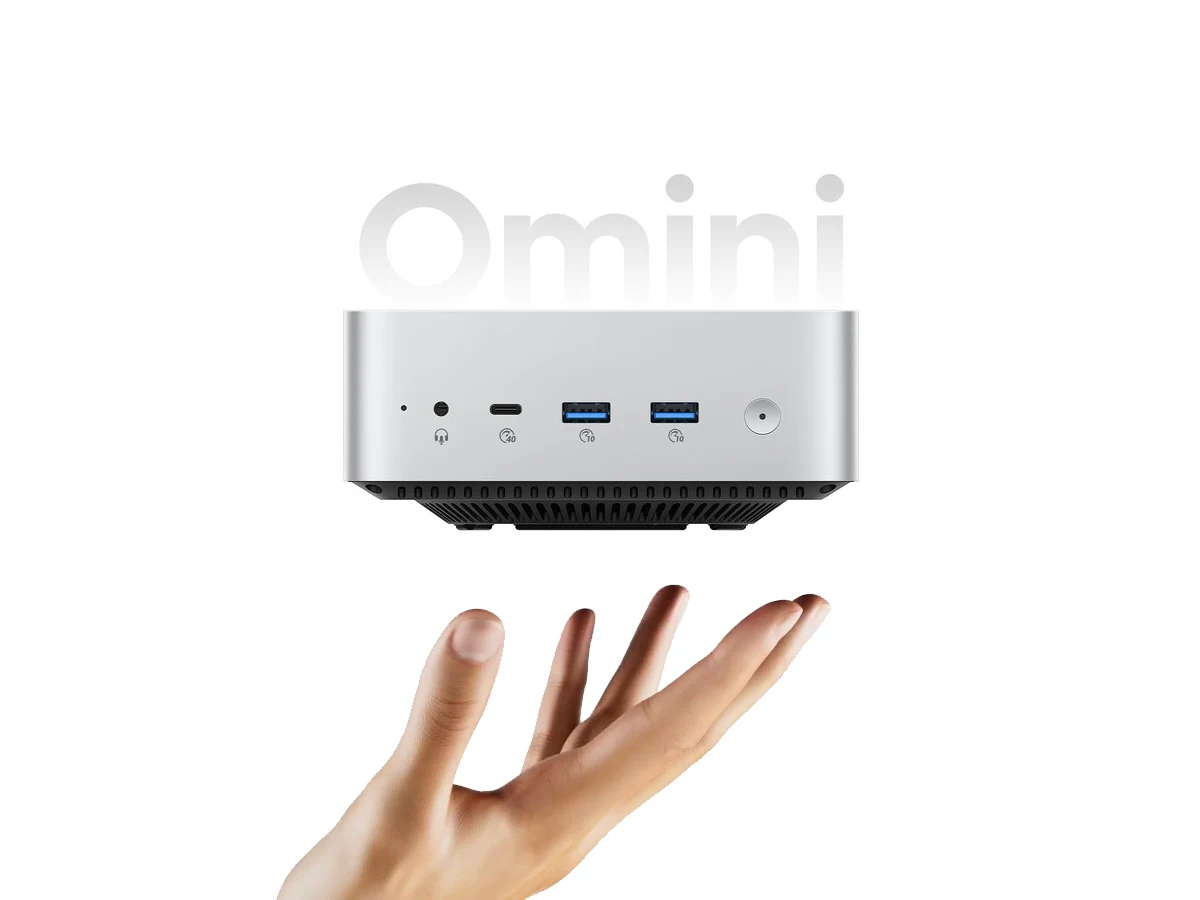
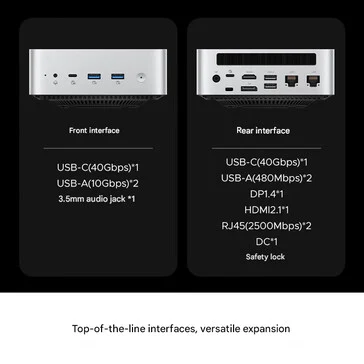
    Orico has made its entry into the world of PCs with the introduction of its latest products, including the OminiPlus mini PC. This small computer features a design that closely resembles the Apple Mac mini, and despite its compact 0.8-liter size, it offers a good range of ports.

    Port Configuration

    Specifically, the Orico OminiPlus includes the following ports:

    Powered by the Ryzen 5 7535HS, a Zen 3+ APU from the Rembrandt R series, this mini PC comes equipped with the Radeon 660M integrated GPU. This setup is good enough for casual gaming and emulation. The inclusion of USB4 ports allows the Orico OminiPlus to connect with an external GPU, such as the GMKtec AD-GP1, which currently retails for $469.79 on Amazon, for enhanced gaming capabilities.

    Specifications and Cooling

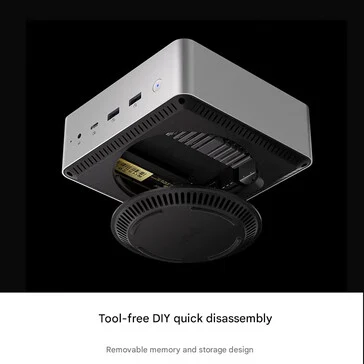
    Orico hasn’t released a complete spec sheet yet, but the promotional images indicate that the device has dual DDR5 SODIMM RAM slots and two M.2 PCIe slots for adding storage drives. The pictures also display a well-designed cooling system, which should effectively maintain the processor’s temperature during intensive tasks.

    Pricing and Availability

    It remains uncertain how many different configurations Orico will provide for this mini PC. However, on the Chinese marketplace JD, there is one configuration available featuring 16 GB of RAM and 2 TB of storage for CNY 3,799, which is approximately $534. The company is anticipated to provide additional details regarding global availability shortly.

    Source:
    Link


  • Curvion 6.5-Inch Curved AMOLED Display for Gaming PCs

    Curvion 6.5-Inch Curved AMOLED Display for Gaming PCs

    Key Takeaways

    1. The Curvion is available for crowdfunding on Kickstarter, posing financial risks for backers due to the company’s lack of recognition.
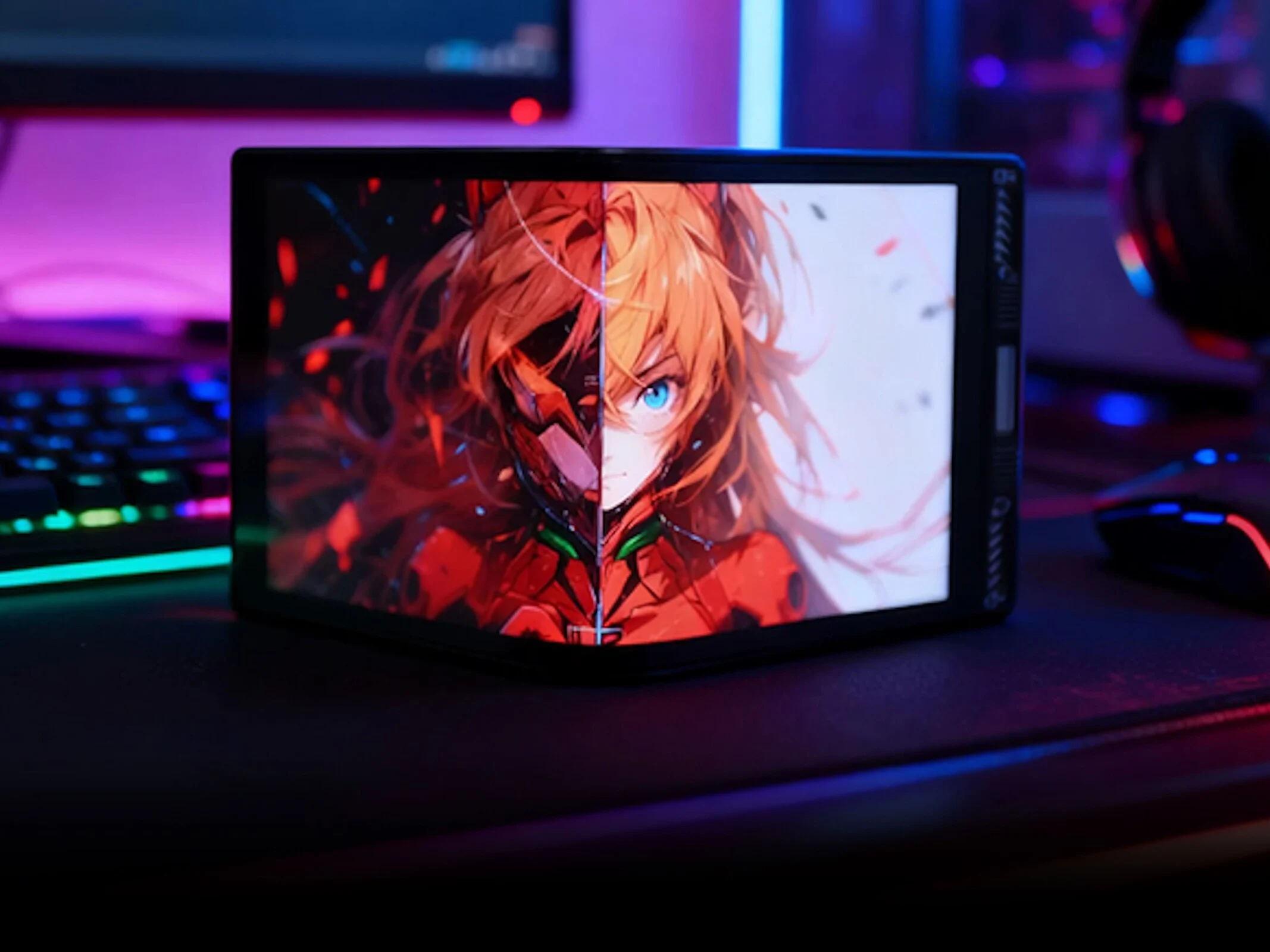
    2. It features a unique curved screen design that aims to enhance visual content by wrapping around corners.
    3. The display can be easily attached using magnets and is intended for use within gaming PC cases.
    4. The Curvion connects via USB but does not require special software, as it is recognized as a standard display by computers.
    5. It has a 6.5-inch AMOLED screen with 1080 x 2440 resolution, 500 nits brightness, 99% NTSC color coverage, and a 2ms response time.


    The Curvion is currently up for grabs through a crowdfunding effort on Kickstarter. Generally, these types of campaigns come with high financial risks, and this one is initiated by a company that isn’t very well-known. Because of this, there is a chance that supporters might end up losing their investment. Still, a pledge of $69 plus shipping is needed to secure a unit of this extra display.

    Unique Design Features

    What makes the Curvion distinctive compared to other secondary displays is its curved screen. This design allows the visual content to seem like it wraps “around the corner,” in a way. Whether this curvature actually provides any real benefits likely relies on how it’s used. For example, when placed inside a gaming PC case, the display could curve around a cooler or other hardware. Additionally, the device can be attached using magnets.

    Technical Specifications

    The Curvion connects through USB; however, the company does not implement a USB data connection. Instead, computers should detect the Curvion as a standard display, eliminating the need for special software. This secondary display features a 6.5-inch AMOLED screen with a resolution of 1080 x 2440 pixels. The manufacturer mentions a brightness level of 500 nits, 99% coverage of the NTSC color space, and a swift response time of 2ms.

    Overall, the Curvion offers an intriguing option for those looking to enhance their setup, but potential backers should be aware of the risks involved with crowdfunding.

    Source:
    Link


  • Elon Musk Announces SpaceX Plans for Orbital Data Centers

    Elon Musk Announces SpaceX Plans for Orbital Data Centers

    Key Takeaways

    1. Major tech leaders, including Elon Musk, are exploring the possibility of data centers in space to meet increasing computing power demands driven by AI.

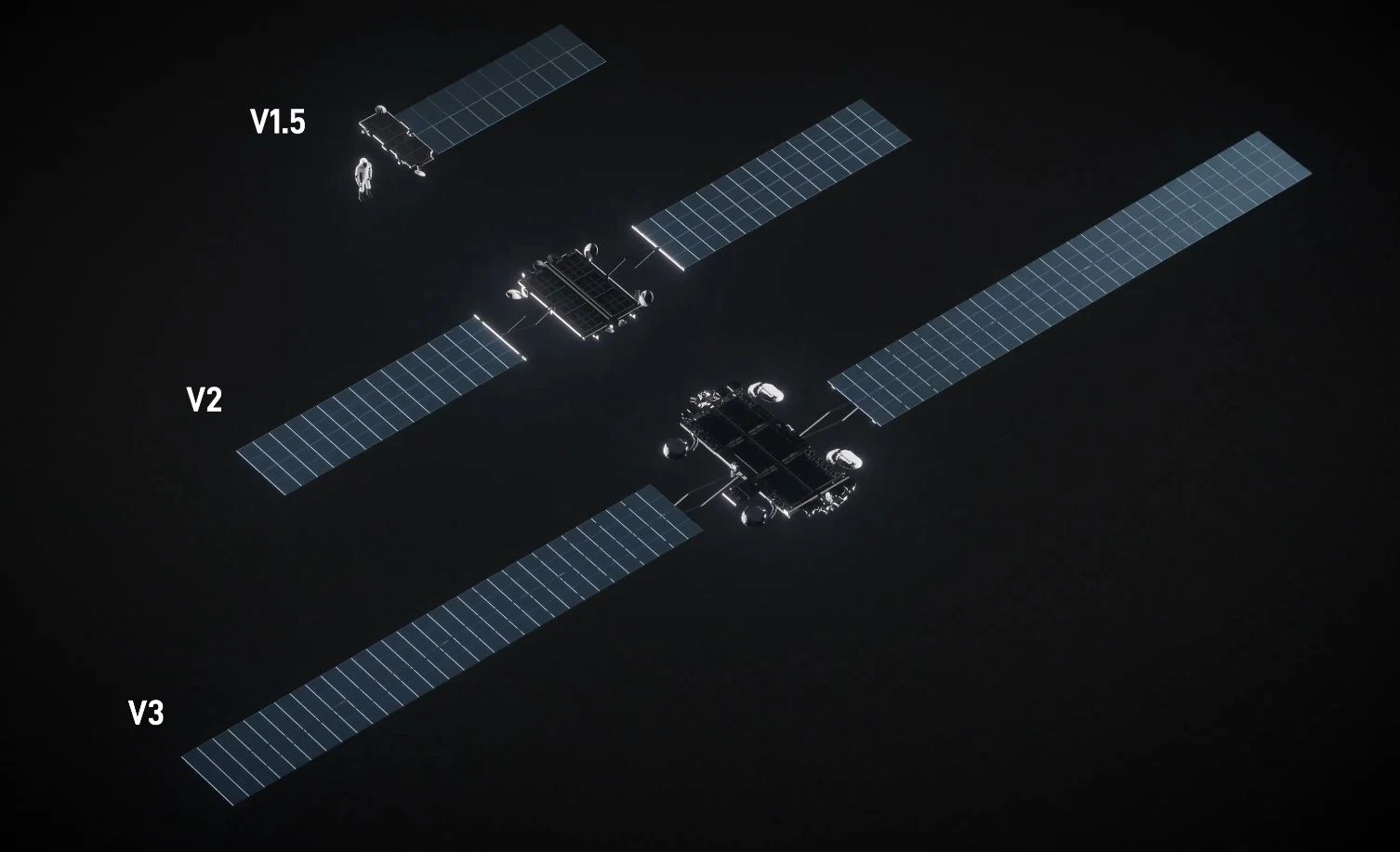
    2. SpaceX plans to utilize its Starlink V3 satellites, equipped with fast laser communication links, to establish cloud computing services in orbit.

    3. Advantages of space-based data centers include abundant solar energy and reduced environmental impact compared to terrestrial facilities.

    4. Significant challenges remain, including high costs and technical complexities associated with building and powering orbital data centers.

    5. SpaceX’s Starlink V3 satellites promise much higher capacity than competitors, potentially giving the company a competitive edge in this emerging market.


    As AI continues to drive the global need for computing power, major players in the tech world are now looking up to the stars for solutions. The concept of data centers in space — once thought to be just a theory — is starting to gain real traction. After notable interest from figures like Jeff Bezos of Amazon and Eric Schmidt, the former CEO of Google, Elon Musk has revealed that SpaceX is investigating the possibility of orbital data centers, leveraging the advanced Starlink V3 satellites as their base.

    SpaceX’s Ambition

    Musk shared on social media that SpaceX is committed to developing data centers in space, implying that the upcoming Starlink V3 satellites, each designed with fast laser communication links, could render this idea feasible. “SpaceX will be doing this,” Musk stated, hinting at a plan to turn Starlink’s worldwide internet service into a crucial framework for cloud computing in orbit.

    Advantages and Challenges

    The potential benefits are evident: solar energy is plentiful and free in space, which removes many of the land and environmental issues associated with terrestrial data centers. However, some critics point out that the expenses and technical challenges involved in creating and energizing such large orbital facilities are still significant obstacles.

    SpaceX’s Starlink V3 satellites are a major advancement in terms of capacity. While the existing Starlink V2 minis can reach around 100 Gbps, the V3 models are projected to provide up to 1 Tbps each. In comparison, Boeing’s Viasat-3 — another satellite in the same capacity range — took nearly ten years and hundreds of millions of dollars to bring to fruition. SpaceX plans to launch 60 high-capacity Starlink V3 satellites with each Starship mission, aiming for as early as 2026.

    A Competitive Edge

    Experts like Caleb Henry from Quilty Space believe that the scale and effectiveness of Starlink V3 launches could position SpaceX well ahead in this new market. “Nothing else in the rest of the satellite industry comes close to that amount of capacity,” Henry remarked.

    Despite the skepticism, SpaceX has a track record of turning doubt into achievement. Starlink, which was once regarded as overly ambitious, now provides broadband access to millions around the globe. If Musk can apply the same innovative approach and economic strategy to computing infrastructure, the vision of space-based data centers could transition from a distant fantasy to a working reality.

    Source:
    Link


  • Windows Enthusiast Boots 69MB Windows 7 in Experiment

    Windows Enthusiast Boots 69MB Windows 7 in Experiment

    Key Takeaways

    1. @XenoPanther created a slimmed-down version of Windows 7 that occupies only 69 megabytes of disk space as a proof-of-concept.
    2. The minimal build consists of 295 files, but lacks many crucial components, making it unable to support regular Windows applications.
    3. The system successfully boots to the Windows desktop, but displays a message indicating that it is not a genuine copy of Windows.
    4. Users must manually add missing system files to run basic programs, as important libraries and components are not included.
    5. The project has generated interest among Windows fans and is available for public viewing and download on Archive.org.


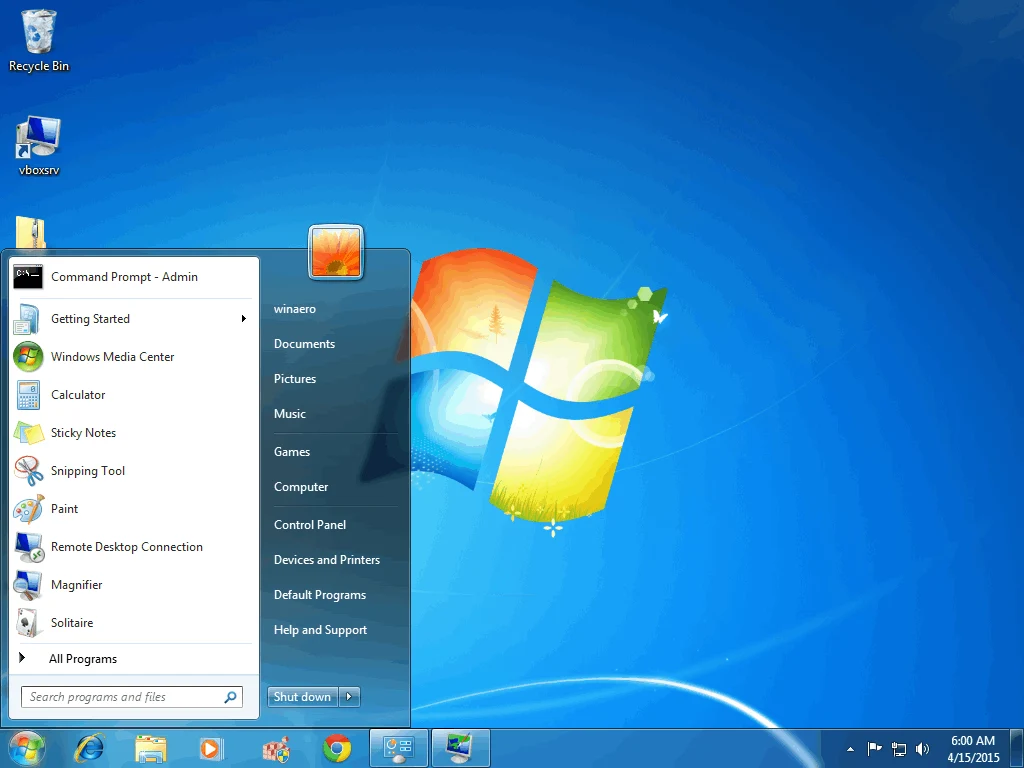
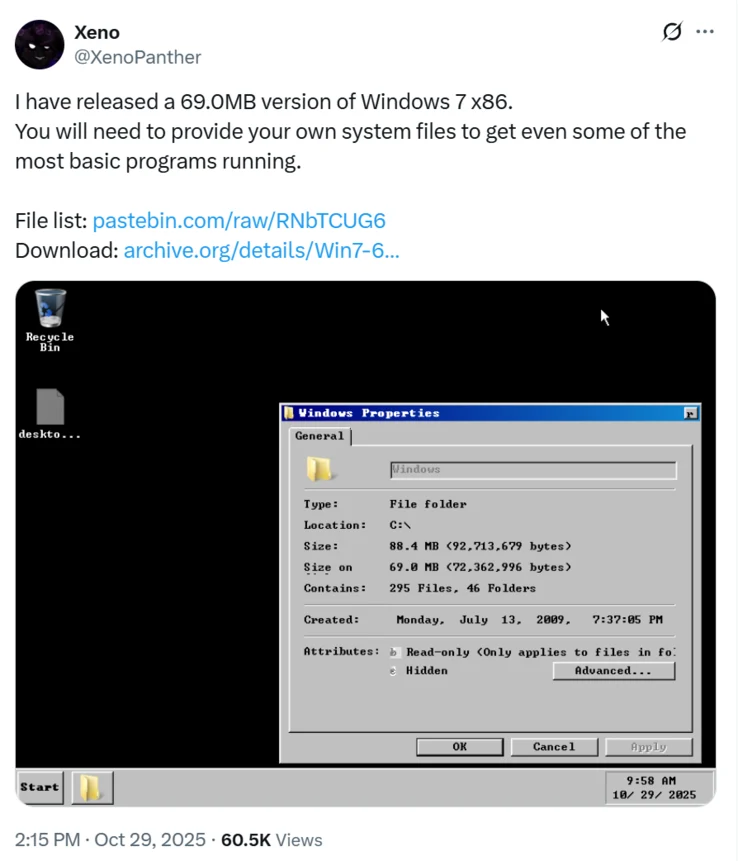
    Windows fan @XenoPanther has managed to build and boot a very slimmed-down version of Windows 7, which only occupies 69 megabytes of disk space. This project, shared online on October 29, showcases how much the operating system can be minimized while still successfully completing the boot process.

    Proof-of-Concept Model

    As per @XenoPanther, this tiny build is more of a proof-of-concept instead of a fully functional operating system. They mention that because many crucial components have been stripped away, the slimmed-down version cannot support regular Windows applications. The installation package is made up of 295 files, which includes several log files, and the user suggests that it could potentially be made even smaller.

    Successful Boot Sequence

    Screenshots provided by @XenoPanther show that the system successfully boots to the Windows desktop. But the images also display a message stating, “This copy of Windows is not genuine.” @XenoPanther humorously remarked that at least the genuine verification feature is still working in this minimal setup.

    Limitations and Community Interest

    @XenoPanther goes on to clarify that users would have to manually insert missing system files in order to run even the most basic programs. Important libraries like common dialog and control components are not included, making it impossible for most applications to start. Even with these restrictions, the project has sparked interest among Windows fans and hobbyists who are keen on lightweight system builds.

    The latest version of this project is accessible for public viewing and download on Archive.org here: https://archive.org/details/Win7-69mb. Although it’s not a practical operating system, this experiment highlights the adaptability of Windows 7 and how much the 2009 OS can be tailored to fit various needs.

    Source:
    Link