Category: Computers

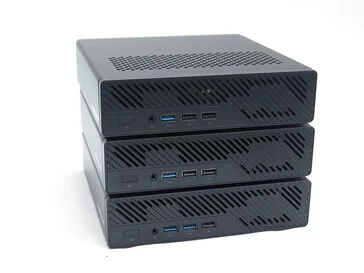
  • Abee AI Station: Powerful AMD Ryzen AI+ Max 395 Mini-PC with 128GB RAM

    Abee AI Station: Powerful AMD Ryzen AI+ Max 395 Mini-PC with 128GB RAM

    Key Takeaways

    1. Abee has launched the AI Station mini-PC, powered by the AMD Ryzen AI+ Max 395 APU, with a price of approximately $2,525 in China.
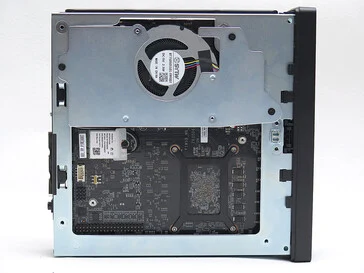
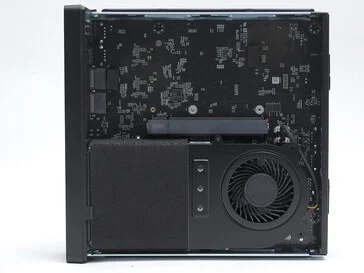
    2. The AI Station features a unique in-house liquid cooling system with dual 92 mm fans and a custom radiator for enhanced cooling performance.
    3. It includes 128 GB of RAM, 2 TB of storage, and has a compact design measuring 199 x 199 x 199 mm, weighing 5.3 kg.
    4. The mini-PC maintains a low noise level of about 35.1 dB(A) even under maximum load due to its efficient cooling solution.
    5. There are currently no announcements regarding the availability of the AI Station in international markets.


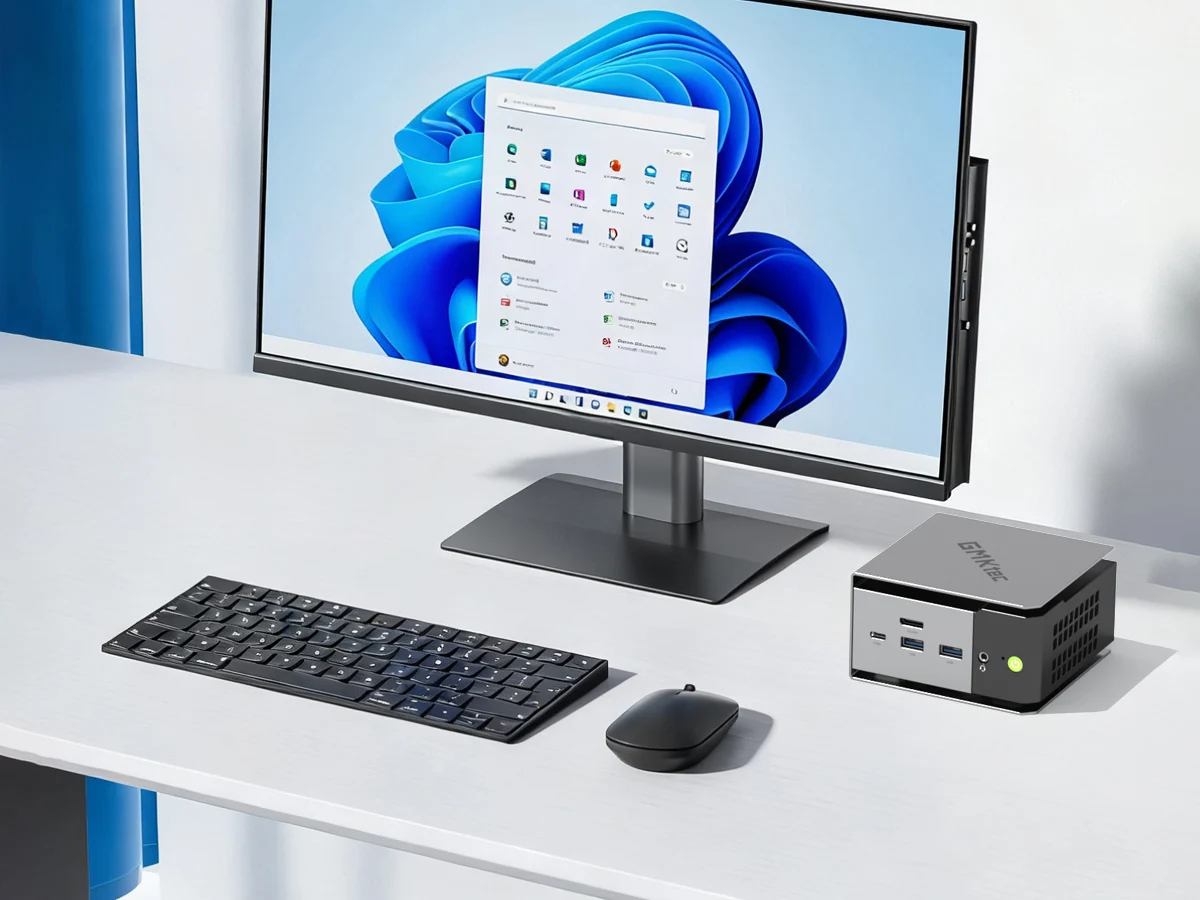
    Abee has recently unveiled its AI Station mini-PC after a few months of anticipation. This device, revealed during the summer, is powered by the same AMD Ryzen AI+ Max 395 APU that is also found in other premium mini-PCs, such as the GMKtec EVO-X2, which we previously reviewed and is currently priced at $1,699 on Amazon.

    Unique Cooling System

    What sets the Abee AI Station apart from other mini-PCs is its unique in-house liquid cooling system. It employs a pair of 92 mm fans alongside a custom radiator. Just recently, Abee has launched this mini-PC in China, where it is priced at CNY 17,999 (approximately $2,525) and includes 128 GB of RAM and 2 TB of storage.

    Connectivity and Design

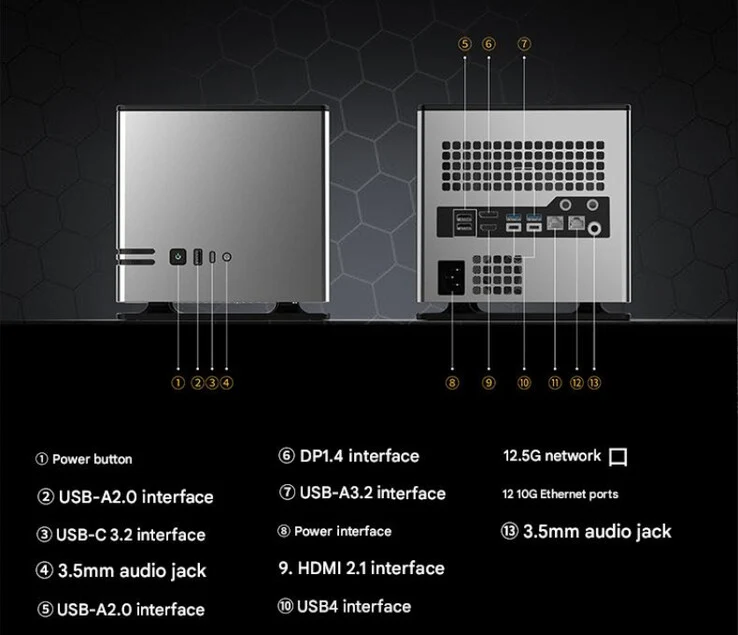
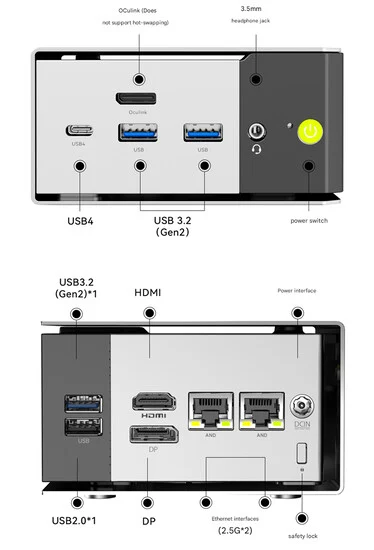
    As depicted in the image below, the Abee AI Station boasts a variety of ports on both its front and back panels. The mini-PC also integrates a 400 W power supply (PSU) within its design. Abee states that the dimensions of the AI Station are a compact 199 x 199 x 199 mm. The all-aluminium casing contributes to an official weight of 5.3 kg, making it a sturdy yet portable option.

    Noise and Cooling Performance

    Abee’s innovative cooling solution is designed to maintain a noise level of approximately 35.1 dB(A) even under maximum load. This efficiency is largely due to a large cold plate that covers a significant portion of the motherboard. However, it remains unclear whether Abee has plans to introduce the AI Station to international markets in the future.

    Source:
    Link



  • Apple’s Affordable MacBook: iPhone SoC with M1 Performance for $600

    Apple’s Affordable MacBook: iPhone SoC with M1 Performance for $600

    Key Takeaways

    1. Apple is developing a less expensive MacBook Air with an iPhone processor, aimed at affordability and basic tasks.
    2. Testing and production are already underway, with a potential launch in the first half of 2026.
    3. The new MacBook is expected to be priced below $1,000, likely similar to the cost of an iPad with a Magic Keyboard.
    4. The device will feature a smaller LCD display compared to the current MacBook Air’s 13.6-inch screen.
    5. It may offer better battery life and flexibility than an iPad, with performance potentially on par with the older MacBook Air M1.


    Rumors have been going around for several months that Apple is working on a less expensive version of the MacBook Air. This more affordable MacBook is said to come with an iPhone processor, which would likely make it much less powerful compared to the MacBook Air (currently priced at $799 on Amazon), which uses Apple’s speedy M-series ARM chipsets.

    Testing and Production Underway

    Recent details from Bloomberg indicate that this new MacBook is already in testing, and component production has begun. As a result, it seems likely that the launch will happen in the first half of 2026. The laptop is known internally as “J700” and is reportedly designed for iPad users who prefer a traditional clamshell style, as well as for those looking for an affordable device for everyday tasks like office work and web browsing.

    Expected Pricing and Display

    This new MacBook is anticipated to be priced significantly below $1,000, as it is expected to combine an iPhone processor with a budget-friendly LCD panel. The display is said to be a bit smaller than the 13.6-inch screen found on the current MacBook Air 13. Bloomberg notes that Apple is aiming for a price point similar to the iPad bundled with the Magic Keyboard, which is currently listed at a minimum of $598 on Apple’s official website.

    Performance Insights

    In comparison to an iPad, this low-cost MacBook should provide improved battery life and greater flexibility due to its use of macOS instead of iPadOS. Internal tests indicate that the new MacBook might outperform the older MacBook Air M1. This seems feasible, considering our multi-core benchmarks for the Apple A18 Pro suggest that its performance could be on par with the M1.

    Source:
    Link


  • Firebat F1 P Mini PC: AMD Ryzen 7 H 255, 64GB DDR5 Support

    Firebat F1 P Mini PC: AMD Ryzen 7 H 255, 64GB DDR5 Support

    Key Takeaways

    1. Powerful Processor: The Firebat F1 P is powered by an AMD Ryzen 7 H 255 APU with eight cores and integrated AMD Radeon 780M graphics.
    2. High-Performance Memory and Storage: It comes with 16GB of DDR5 RAM (upgradable to 64GB) and a 512GB SSD, with an extra M.2 SSD slot for storage upgrades.
    3. Multiple Display Support: Users can connect up to three monitors using HDMI 2.1, DisplayPort 1.4, and USB 4, supporting 4K resolution at 60Hz.
    4. Comprehensive Connectivity: The device features various ports, including USB 4, USB 3.2 Gen 2, a 2.5Gbps Ethernet port, and WiFi 6 with Bluetooth 5.2 for wireless connections.
    5. Affordable Pricing: The Firebat F1 P is priced around €500 and is available on AliExpress with quick shipping options for customers in the EU.


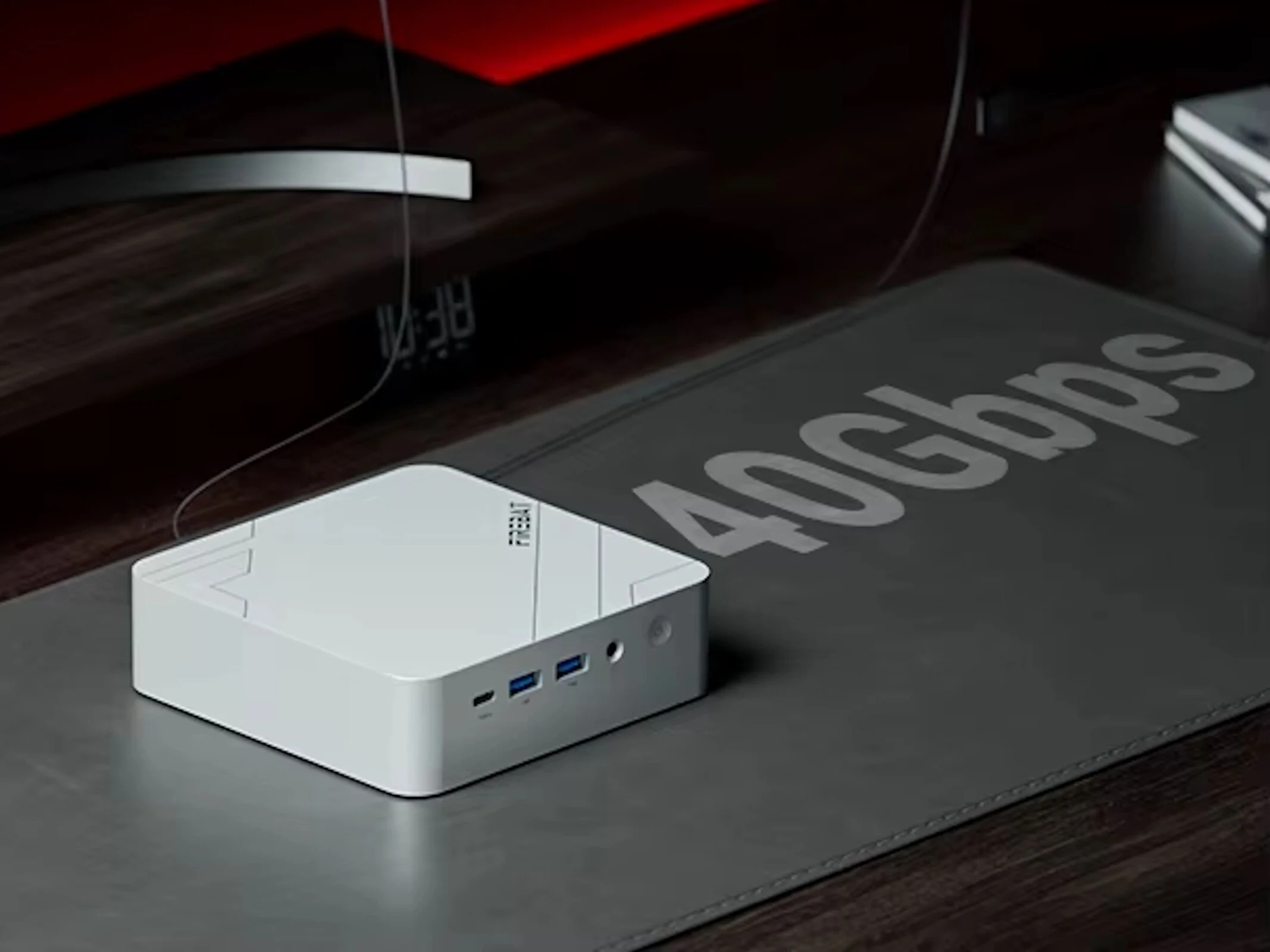
    You may need to take a closer look because the Firebat F1 P is indeed powered by an AMD Ryzen 7 H 255. This model number might trigger memories for tech lovers, as it bears resemblance to some Intel chips. This APU is not something you see often in the mini PC world. Regardless, it boasts eight cores and an AMD Radeon 780M integrated graphics.

    Impressive Specifications

    The device comes pre-installed with 16GB of DDR5 RAM that runs at a speed of 5,600MHz, and it includes a 512GB SSD. It operates on Windows 11 Pro, can support up to 64GB of RAM and has an extra M.2 SSD slot that simplifies storage upgrades.

    Connectivity Options

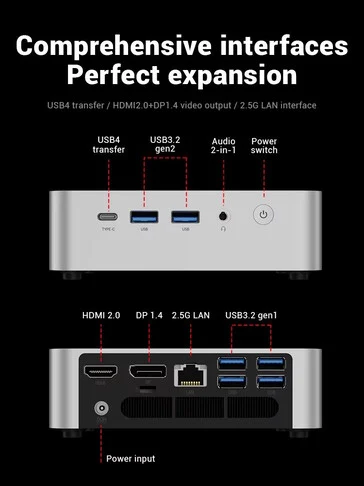
    The other specifications are quite solid too. Users can connect three monitors at the same time using HDMI 2.1, DisplayPort 1.4, and USB 4. Each of these ports can handle up to 60Hz at 4K resolution when all three monitors are in use. Meanwhile, a single monitor can be connected at 144Hz and 4K. On the front, there’s a USB 4 port, two USB 3.2 Gen 2 ports, and a 3.5mm headphone jack. The back features a 2.5Gbps Ethernet port along with four USB 3.2 Gen 1 Type-A ports for peripherals like a mouse, keyboard, or card reader. Wireless connections can be made using WiFi 6, and it also includes Bluetooth 5.2.

    Pricing and Availability

    The fresh Firebat F1 P is available for purchase on AliExpress for around €500, shipped from a warehouse in the EU, which means quick delivery times for customers in that region. However, it’s important to keep in mind that customers shouldn’t expect much in the way of support. Similar mini PCs are also easily found on Amazon.

    Source:
    Link


  • Minisforum MS-R1: New Mini PC with ARM CPU and dGPU Support

    Minisforum MS-R1: New Mini PC with ARM CPU and dGPU Support

    Key Takeaways

    1. The Minisforum MS-R1 mini PC is powered by a Cixin P1 ARM CPU with a 6 nm architecture and 12 cores (8 Cortex A720 and 4 Cortex A520).
    2. The MS-R1 features performance cores with clock speeds of 2.3 GHz to 2.6 GHz and an Immortalis G720 MC10 GPU for graphics.
    3. The chassis design resembles the MS-A1 and includes a PCIe x16 slot, but larger multi-slot GPUs may not fit due to size restrictions.
    4. Connectivity options include USB 3.2 Gen 2 Type-C ports, WiFi 6E, Bluetooth 5.2, and support for up to 60 GB of LPDDR5 RAM.
    5. The mini PC will have storage options up to 1 TB, but pricing and availability have not yet been announced.


    Minisforum has officially launched the MS-R1 in Japan. This mini PC is powered by a China-manufactured ARM CPU called the Cixin P1. Crafted by CIX Technology, this processor is built on a 6 nm architecture and features a configuration of 12 cores, which includes eight Cortex A720 performance cores and four Cortex A520 efficiency cores.

    Performance Specifications

    The performance cores in the MS-R1 run at clock speeds ranging from 2.3 GHz to 2.6 GHz, while the Cortex A520 cores are set at a speed of 1.8 GHz. For graphics, the Cixin P1 is equipped with the Immortalis G720 MC10 GPU. Additionally, this ARM processor includes a Neural Processing Unit (NPU) that can deliver up to 30 TOPS of AI performance.

    Chassis and Slots

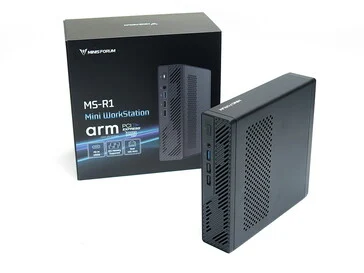
    In terms of design, the chassis of the MS-R1 resembles that of the Minisforum MS-A1. It features a PCIe x16 slot, which is limited to an x8 speed. Similar to the MS-A1, users can install a discrete GPU. However, it’s important to note that the compact size of the chassis restricts the installation of larger, multi-slot discrete GPUs.

    According to PC Watch, in addition to the PCIe x16 slot, the Minisforum MS-R1 is equipped with a variety of internal interfaces, which enhances its versatility.

    Connectivity Options

    On the exterior, the mini PC offers a diverse array of connectivity ports. Specifically, the ARM-based model includes the following options:

    The USB 3.2 Gen 2 Type-C ports support 100 W USB-PD and DisplayPort Alt mode, making it quite functional (a 3.3-feet Silkland USB4 cable is currently priced at $14.38 on Amazon). Additional notable features include support for up to 60 GB of LPDDR5 RAM, WiFi 6E, and Bluetooth 5.2. Minisforum plans to provide the mini PC with storage options of up to 1 TB, although the company has not yet announced the pricing or availability for the MS-R1.

    Source:
    Link


  • First Dying Human Brain Recorded: Findings on Consciousness

    First Dying Human Brain Recorded: Findings on Consciousness

    Key Takeaways

    1. Scientists recorded brain activity during the final moments of a dying patient, revealing organized brain function post-cardiac arrest.
    2. EEG data showed increased high-frequency brain waves related to memory recall and conscious awareness just before and after death.
    3. The findings suggest the brain may replay significant life events as it experiences a lack of oxygen and glucose.
    4. This research challenges traditional views on the end of consciousness and may impact organ donation protocols.
    5. The study highlights a potential neurobiological basis for near-death experiences, warranting further investigation into human consciousness.


    For the first time, scientists have recorded the brain activity of a person who was dying during the final moments of life. This remarkable event revealed a last surge of synchronized brain activity that may help explain occurrences like “life recall” and experiences near death.

    Groundbreaking Research

    An article in Frontiers in Aging Neuroscience discussed this groundbreaking event, marking it as the first scientific proof that a brain stays active and organized even post-cardiac arrest. The research team, led by Dr. Ajmal Zemmar from the University of Louisville, gathered 900 seconds of electroencephalogram (EEG) data from an 87-year-old man who experienced a fatal heart attack while being monitored for epilepsy. The findings from the recording were quite revealing.

    Insights from EEG Data

    When they looked at the EEG data, researchers noticed a striking pattern. There was a noticeable increase in high-frequency brain waves associated with memory recall, perception, and conscious awareness just before and after the patient’s heart ceased to beat.

    The gamma oscillations, or bursts of brain waves, were observed alongside activities in the delta, theta, alpha, and beta frequency bands. Experts believe this suggests that even as blood circulation stopped, there might be organized communication happening across different parts of the brain.

    Implications for Consciousness

    These patterns tend to surface when the brain processes or retrieves information, hinting at the possibility that it may momentarily replay significant life events as oxygen and glucose levels decrease. Dr. Zemmar noted, “By generating oscillations involved in memory retrieval, the brain might be conducting a final recall of key life moments.”

    Even though this is a unique case involving a patient with previous brain injuries, it raises important questions about long-held beliefs regarding the end of consciousness. If the brain can maintain coordinated activity after cardiac arrest, the timing of death may need to be reconsidered. Additionally, protocols for organ donation may also require reevaluation.

    The study points to a potential neurobiological basis for near-death experiences, where individuals recall vivid memories and experience enhanced awareness after clinical death.

    Although further research is necessary to reach definitive conclusions, this study offers valuable insights into the electrical activity of the dying brain. It paves the way for new investigations into human consciousness and the process of transitioning from life to death.

    Source:
    Link


  • Logitech Alto Keys K98M: Swappable Switches & Backlight Deal

    Logitech Alto Keys K98M: Swappable Switches & Backlight Deal

    Key Takeaways

    1. The Alto Keys K98M keyboard features an almost full-sized layout with a number pad, function keys, and standard arrow keys.
    2. It offers customizable options for switches and keycaps, compatible with Cherry MX switches, and comes in various colors (white, blue, black).
    3. The keyboard has PBT keycaps with translucent legends that allow for beautiful LED backlighting.
    4. It boasts a long battery life of up to 12 months with the backlight turned off and can connect to multiple devices via USB, Logi Bolt USB receiver, or Bluetooth.
    5. The keyboard is priced at $119 and is currently available only in the US, with no information on international availability yet.


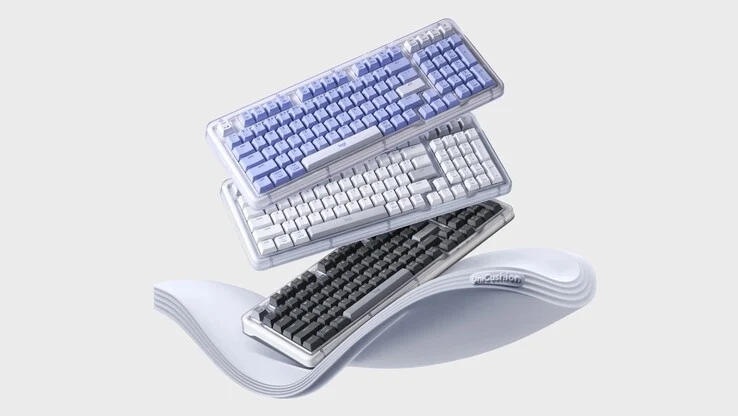
    The Alto Keys K98M keyboard presents an almost full-sized layout, complete with a number pad, function keys, and standard arrow keys. While it’s not the most compact design out there, the K98M packs a lot of useful features. Among these are PBT keycaps that are designed with translucent legends, allowing the white LED backlight to illuminate them beautifully.

    Customizable Switches and Keycaps

    Users have the option to change out both the keycaps and the linear “Marble” switches, with Logitech stating that all Cherry MX-compatible switches can be used with this keyboard. Keycap colors available include white, blue, and black. Additionally, the keyboard casing features a see-through top section and a bottom section that matches the color of the selected keycaps.

    Connectivity and Battery Life

    This mechanical keyboard includes a battery that can last as long as 12 months with the backlight turned off. It can connect to various devices such as Windows PCs, Macs, iPhones, iPads, and Android gadgets via USB, the Logi Bolt USB receiver, or Bluetooth. You can connect it with up to three devices simultaneously, and there’s a handy button for switching between them easily.

    Logitech is currently offering the Alto Keys K98M keyboard only in the US at a price of $119, available in white, black, or blue. Information on availability in other areas is yet to be announced. For further details about its features, you can visit Logitech’s official website.

    Source:
    Link


  • James Webb Telescope Maps Distant Planet, Revealing Extreme Heat

    James Webb Telescope Maps Distant Planet, Revealing Extreme Heat

    Key Takeaways

    1. The James Webb Space Telescope (JWST) has produced the first 3D thermal map of the exoplanet WASP-18b, located 400 light-years away.
    2. WASP-18b is an ultra-hot Jupiter, with extreme temperature differences between its sunlit and dark sides.
    3. The JWST used a technique called spectroscopic eclipse mapping to analyze the planet’s atmosphere during its transit behind its star.
    4. The mapping revealed a hot central area on WASP-18b reaching temperatures close to 2,760 °C (5,000 °F) and signs of water vapor loss.
    5. This groundbreaking study marks the first 3D mapping of an exoplanet’s atmosphere, enhancing our understanding of heat distribution on distant planets.


    The James Webb Space Telescope (JWST) continues to amaze with its remarkable contributions. Recently, NASA has unveiled the very first 3D thermal map of an exoplanet located beyond our solar system, specifically the WASP-18b, which is situated 400 light-years away from Earth.

    Characteristics of WASP-18b

    WASP-18b is classified as an ultra-hot Jupiter, a type of exoplanet that has one side constantly exposed to its star. This situation leads to extreme temperature differences between the illuminated side and the dark side, resulting in conditions that are quite unique.

    With the advanced infrared features of the JWST, scientists can now delve deeper into the study of such tidal planets.

    The Mapping Process

    The JWST employed its Near-Infrared Imager and Slitless Spectrograph (NIRISS) to carry out a technique called spectroscopic eclipse mapping. This method allowed researchers to observe drops in infrared light across various wavelengths while the WASP-18b exoplanet completely passed behind the star it orbits in a span of 24 hours.

    By analyzing different wavelengths, which penetrated distinct layers of WASP-18b’s atmosphere, the JWST was able to create a comprehensive 3D model of the planet’s temperature and composition.

    This approach proves advantageous for studying exoplanets that cannot be directly seen, as they are often outshone by their parent stars.

    New Discoveries

    From the 3D mapping, astronomers found that the exoplanet has an extremely hot central area on the sunlit side, reaching temperatures close to 2,760 °C (5,000 °F). Surrounding this hot spot is a cooler region that still has the potential to vaporize metals.

    One of the most intriguing findings is that the hotter area shows signs of a significant loss of water vapor. This observation has led scientists to speculate that WASP-18b is breaking down water molecules, a phenomenon that has not been extensively studied before.

    These groundbreaking results mark the first instance of mapping an exoplanet’s atmosphere in 3D. This advances our understanding of heat distribution on distant planets. The techniques developed here will be applied to explore other exoplanets in the future.

    Nature.

    Source:
    Link


  • ASRock Motherboard Achieves 3 CPU Killstreak with Ryzen 9700X

    ASRock Motherboard Achieves 3 CPU Killstreak with Ryzen 9700X

    Key Takeaways

    1. An ASRock B850 Pro RS motherboard has been linked to the failure of three Ryzen CPUs, raising concerns among users.
    2. The first two CPUs were bought without warranties, leaving the user unable to return them after failure.
    3. ASRock inspected the motherboard after the first two incidents and deemed it fine, attributing the issues to potentially faulty CPUs from AliExpress.
    4. This incident is not isolated; there have been previous reports of ASRock motherboards damaging Ryzen CPUs, prompting BIOS updates from the company.
    5. The situation highlights the need for ASRock to address the reliability issues to maintain consumer trust and avoid negative perceptions.


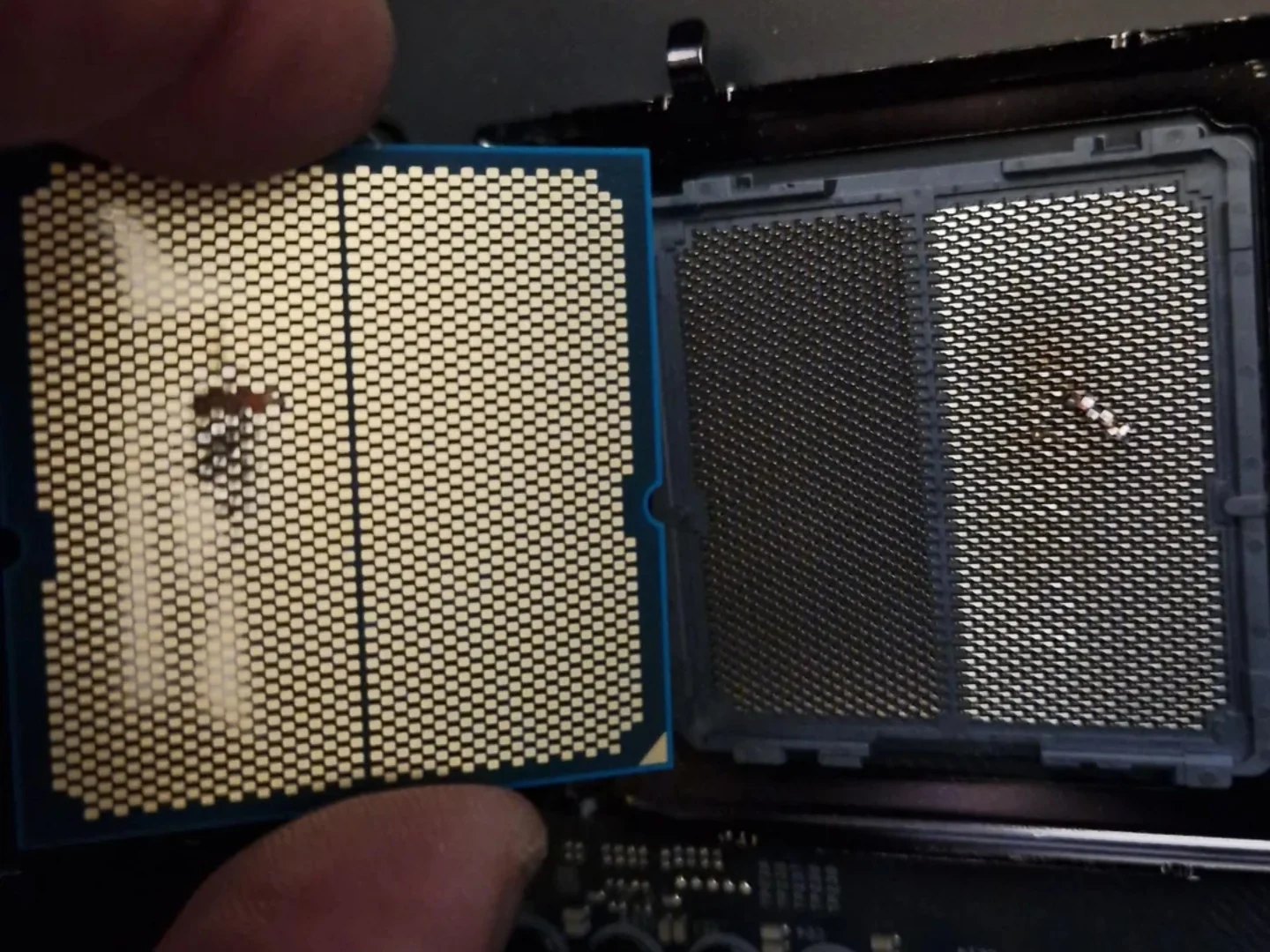
    Unfortunately, an ASRock motherboard has been linked to three damaged Ryzen CPUs, as reported by a frustrated user on a Korean forum. What’s intriguing is that ASRock had inspected the motherboard and deemed it fine after the first two CPUs were affected.

    User’s Experience

    The user, known as ‘OnOr’, shared on the Quasar Zone forum that their ASRock B850 Pro RS motherboard has now taken a third Ryzen 9700X CPU. The first two CPUs were bought from AliExpress in February without any warranty, which meant the user couldn’t return or exchange them. The third CPU, however, was purchased from a local store called Compuzone in August.

    After the failure of the third CPU, the user managed to get it serviced but is now left questioning whether they should have replaced the motherboard after the first two incidents. After the initial two CPUs stopped working, the user had sent the motherboard to ASRock for a check-up. At that time, the company stated that the board was fine and that many faulty CPUs could be found on AliExpress. The user also claimed they kept their BIOS updated, ran the CPU with stock settings, and didn’t enable XMP.

    Previous Incidents

    This isn’t the first time an ASRock motherboard has been reported to damage Ryzen CPUs. Earlier in February, ASRock released a BIOS update for its X870, B850, B650, and A620 motherboards to address complaints from users about Ryzen 7 9800X3D CPUs failing. In March, another Ryzen 7 9800X3D was reported to have been damaged by an MSI X870E Tomahawk WiFi motherboard, indicating that this issue isn’t exclusive to ASRock. Furthermore, in April, a Ryzen 9 9950X3D was lost due to an ASRock X870 motherboard.

    Conclusion

    This new incident highlights the ASRock B850 Pro RS as responsible for three CPU failures, a matter that ASRock needs to take very seriously if they wish to counter the growing narrative of ‘stay away from ASRock motherboards.’

    Source:
    Link


  • GMK Unveils Affordable Mini PC with Powerful AMD CPU and OCuLink

    GMK Unveils Affordable Mini PC with Powerful AMD CPU and OCuLink

    Key Takeaways

    1. The GMK M8 mini PC features an AMD Ryzen 5 Pro 6650H processor with six Zen 3+ cores and a Radeon 660M integrated GPU, suitable for everyday tasks but not for gaming.
    2. It includes an OCuLink port for connecting an external GPU and a USB4 port for high-speed accessory connections, supporting triple-display output.
    3. The mini PC supports WiFi 6E and Bluetooth 5.2 for wireless connectivity.
    4. The GMK M8 offers up to 16 TB of storage via two PCIe 3.0 slots, but it has 16 GB of non-upgradable LPDDR5 RAM.
    5. Pricing starts at CNY 1,999 (approximately $280) for the 512 GB SSD model and CNY 2,299 (around $323) for the 1 TB version, with a potential international release in the future.


    GMKtec has introduced a new mini PC named the GMK M8 in China. It comes equipped with an older AMD Rembrandt generation processor, the Ryzen 5 Pro 6650H, which includes six Zen 3+ cores along with the Radeon 660M integrated GPU.

    Performance Overview

    With its six-core configuration, the Ryzen 5 Pro 6650H in the GMK M8 is expected to manage everyday tasks effectively. However, the integrated GPU is not powerful enough for enjoyable gaming experiences. Our tests show that the Radeon 660M has difficulty running current AAA titles at 1080p, even when set to the lowest graphical settings.

    Connectivity Features

    On the bright side, the GMK M8 includes an OCuLink port, enabling users to connect an external GPU (eGPU) for improved gaming capabilities (the GMKtec AD-GP1 is priced at $469.79 on Amazon). Additionally, it features a USB4 port, enhancing eGPU compatibility and allowing for high-speed accessory connections. The other ports are listed as follows:

    For wireless connectivity, the mini PC supports WiFi 6E and Bluetooth 5.2. GMK also mentions that the USB4, DisplayPort, and HDMI ports allow for triple-display output. The mini PC can be powered via the USB4 Type-C port.

    Storage and Pricing

    Furthermore, the CPU of the GMK M8 can be combined with up to 16 TB of storage through its two PCIe 3.0 slots. However, the RAM is not upgradeable, featuring 16 GB of LPDDR5 memory that is soldered in and operates at a speed of 6,400 MT/s.

    As for pricing, the model with a 512 GB SSD is available for CNY 1,999 in China, which is roughly $280. There’s also a second variant offering 1 TB of storage, priced at CNY 2,299, or about $323. Although GMK has yet to announce a global release, considering the brand’s history, the M8 is likely to hit the international market soon.

    Source:
    Link


  • Gigabyte Breaks DDR5 Overclocking Record with Z890 Aorus Tachyon ICE

    Gigabyte Breaks DDR5 Overclocking Record with Z890 Aorus Tachyon ICE

    Key Takeaways

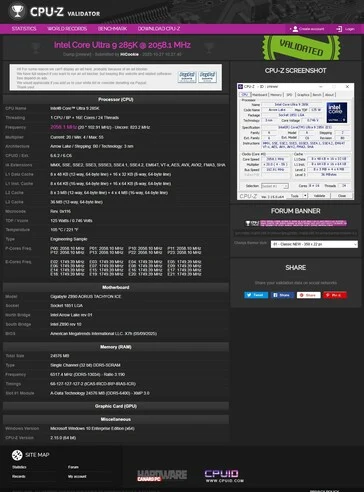
    1. Gigabyte’s Z890 Aorus Tachyon ICE motherboard achieved a record overclocked DDR5 memory speed of 13,034 MT/s.
    2. The record was set by overclocker Hicookie using an Intel Core Ultra 9 285K processor and a 24 GB Adata XPG Lancer RGB DDR5 module.
    3. Hicookie achieved this speed by minimizing interference, turning off E-cores, and adjusting CAS timings to 68-127-127-127-2.
    4. Liquid nitrogen (LN2) cooling was used to manage heat, and the motherboard is specifically designed for extreme overclocking.
    5. The achievement highlights potential advancements in future memory technology, with DDR6 expected around 2027 and overclockers aiming for speeds exceeding 20,000 MT/s.


    Gigabyte is marking another milestone with its hardware achievements. The company’s Z890 Aorus Tachyon ICE motherboard has reached an impressive overclocked DDR5 memory speed exceeding 13,000 MT/s.

    Record Holder

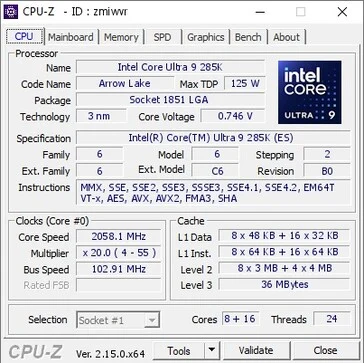
    The new record is attributed to Gigabyte’s overclocker, Hicookie. This experienced expert managed to achieve a transfer rate of 13,034 MT/s utilizing an Intel Core Ultra 9 285K processor alongside a single 24 GB Adata XPG Lancer RGB DDR5 module.

    Achieving the Feat

    To reach this remarkable speed, Hicookie minimized interference and stabilized the memory controller by turning off all E-cores. He also adjusted the DDR5 module to CAS timings of 68-127-127-127-2, showcasing how far modern DRAM can be pushed.

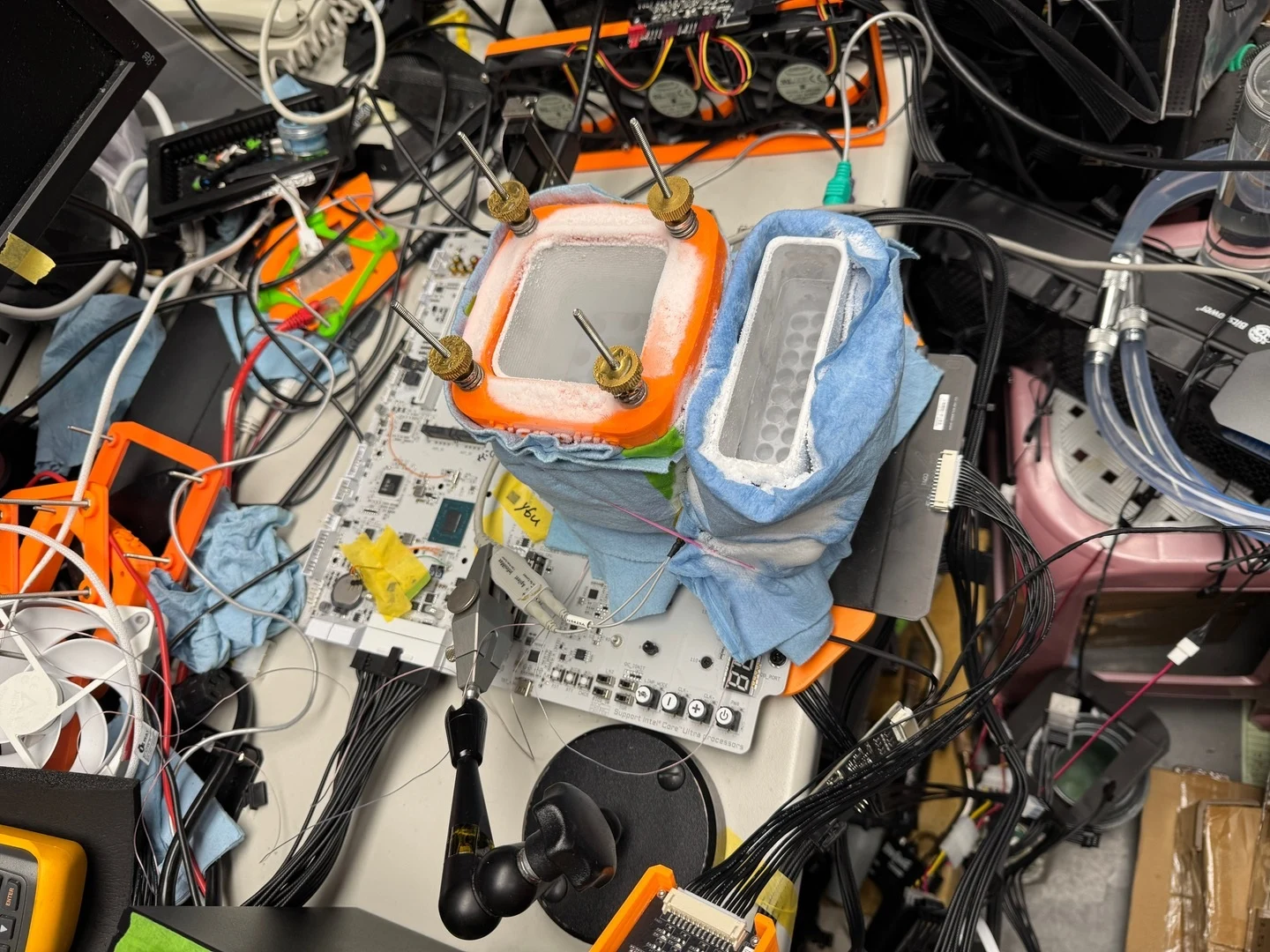
    Overclocking involves dealing with heat, and Hicookie used liquid nitrogen (LN2) cooling, which is common in such practices. The Z890 Aorus Tachyon ICE motherboard is specifically designed for extreme overclocking, and its cooling system enabled the stock DDR5-6400 to double its performance. Additionally, the hardware recorded nearly three times the JEDEC’s DDR5-4800 standard.

    Hicookie’s Acknowledgment

    Hicookie said, “13K achieved! Huge thanks to ADATA Technology for the stellar memory and to Intel’s Core Ultra 285K—its memory controller is phenomenal. Paired with the GIGABYTE Z890 AORUS TACHYON ICE, we’ve pushed DDR5 beyond 13,000 MT/s.”

    Overclocking isn’t a typical activity for average computer users. Nonetheless, the advantages of extreme tuning are likely to benefit future technology. For instance, some experts anticipate that DDR6 memory will be introduced in 2027 with speeds around 10,000 MT/s, and overclockers might eventually exceed 20,000 MT/s thanks to advancements in silicon technology.

    Prior to that, though, Gigabyte can proudly claim that its Z890 Aorus Tachyon ICE reigns supreme in the overclocking arena. Overall, this motherboard has played a significant role in the top three global rankings for DDR5 frequencies.

    HWBOT

    Source:
    Link