Category: Computers

  • VSD MagTran M3: Customizable Keyboard with On-Screen Controls

    VSD MagTran M3: Customizable Keyboard with On-Screen Controls

    Key Takeaways

    1. The MagTran M3 is a customizable keyboard currently seeking funding through a Kickstarter campaign, starting at $79, with anticipated delivery by March 2026.
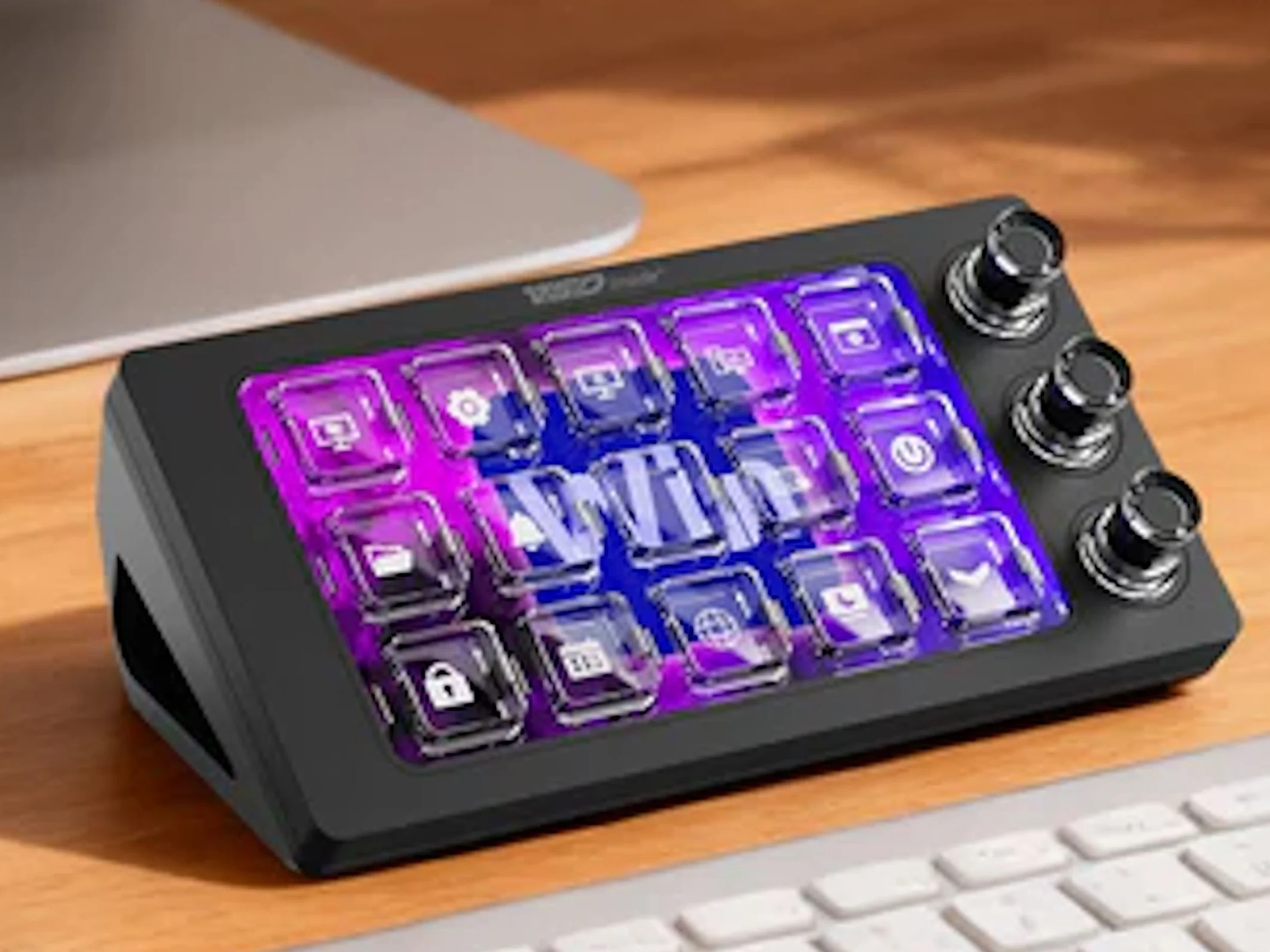
    2. It features a screen with see-through buttons, allowing users to customize the display and button content for various tasks.
    3. The keyboard includes 15 buttons and three knobs for quick actions and precise control in professional software.
    4. It supports smart home control features and connects to Windows and macOS devices via USB-C.
    5. A cloud platform is available for installing plugins and a software development environment for further customization.


    A new customizable keyboard, named the MagTran M3, is currently being funded through a Kickstarter campaign. Like most crowdfunding projects, it comes with its usual risks. However, this seems more like a pre-order initiative from a well-known manufacturer. It starts at a price of $79, and backers are anticipated to receive their MagTran M3 units by March 2026.

    Design and Functionality

    The MagTran M3 has a pretty simple concept: it features a screen with see-through buttons. This design allows users to decide what content appears on both the screen and the buttons. The larger display means that information can be shown across all keys. Typically, it’s better to assign specific tasks to each button, like for editing photos or managing a livestream. There’s also a cloud platform available for installing plugins, along with a software dev environment.

    Features and Controls

    There are 15 buttons on the device, which enable users to quickly perform various actions. Additionally, three knobs on the right side give users the ability to mix sound or control tools in professional software with speed and accuracy. The keyboard also promotes smart home control features.

    The dimensions of the MagTran M3 are 151 x 80 x 58 millimeters, and it connects to computers running Windows or macOS via USB-C. Those interested can check out the product page for more information.

    Source:
    Link


  • Intel Panther Leak: Complete CPU List, Boost Clocks, and Max TDP

    Intel Panther Leak: Complete CPU List, Boost Clocks, and Max TDP

    Key Takeaways

    1. Intel’s upcoming laptop processors, Panther Lake, have unclear specifications, including SKU names and core counts.
    2. A new Geekbench listing confirms the integrated GPUs will be named Arc B390.
    3. New CPU lineups include the Core Ultra 3×6 series, but the previously speculated U lineup is not mentioned.
    4. Confusion arises from the new naming conventions and a lack of clarity on specifications.
    5. A complete reveal of Panther Lake is expected at CES 2026, leaving users awaiting further details.


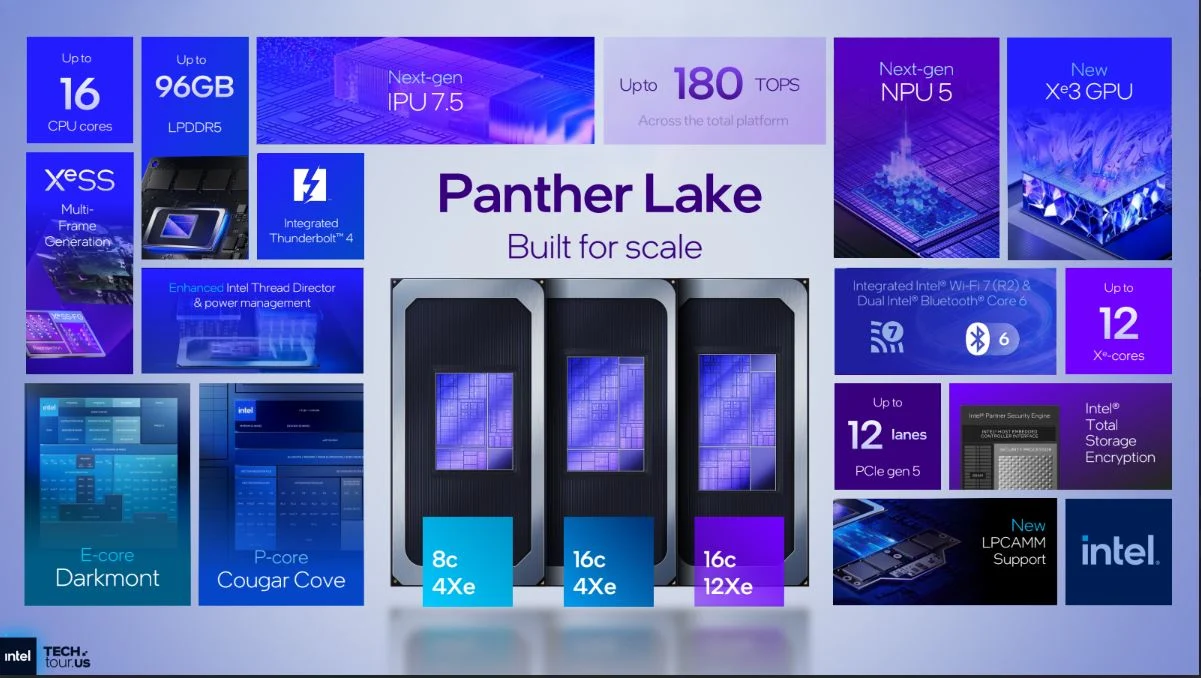
    At the latest presentation for Panther Lake, Intel shared some architectural insights about its upcoming laptop processors. However, important details like the SKU names, the number of CPU and GPU cores, and the clock speeds remain unclear. Although many leaks have provided fragments of this information, they have been inconsistent, especially concerning certain Core Ultra X-branded SKUs. A new listing on Geekbench has confirmed that even the integrated GPUs will have a fresh Arc B390 name. Recently, leaker Jaykihn has disclosed the base and boost clock speeds for each Panther Lake CPU.

    New CPU Lineups

    The list shared introduces several CPUs that have not been seen before, including the Core Ultra 3×6 series. However, it does not mention the previously speculated U lineup and instead only highlights H and non-H models. We now see two SKUs featuring a 2+0+2 configuration included in the Core Ultra 5 series. This further complicates matters with a naming convention that is quite unclear. Although Jaykihn has an impressive history of accurate Intel leaks, we won’t truly know how correct this information is until CES 2026, where Intel intends to unveil Panther Lake fully.

    Awaiting Clarity

    While Intel has begun to peel back the layers on Panther Lake, the lack of clear specifications leads to a lot of guessing. The details that are out there have created more confusion than clarity, especially with the new naming conventions. The anticipation is high, but the wait for a complete reveal adds to the mystery surrounding these processors. Therefore, until CES 2026, users and fans alike will have to remain patient for a comprehensive understanding of what Panther Lake will bring.

    Source:
    Link


  • AMD Ryzen 5 7500X3D: Budget-Friendly Zen 4 X3D GPU Review

    AMD Ryzen 5 7500X3D: Budget-Friendly Zen 4 X3D GPU Review

    Key Takeaways

    1. AMD is releasing the Ryzen 5 7500X3D, following the Ryzen 7 9700X3D and Ryzen 5 5500X3D.
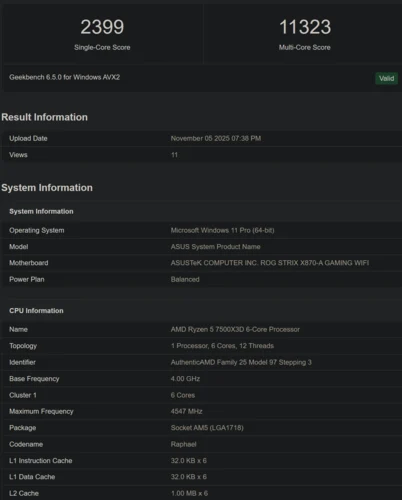
    2. The Ryzen 5 7500X3D scored 2,399 in single-core and 11,232 in multi-core performance on Geekbench.
    3. It has a maximum boost clock of 4.6 GHz, with performance similar to the Ryzen 5 7600X3D.
    4. The CPU features 6 Zen 4 cores and 96 MB of L3 cache, with a thermal design power (TDP) of 65 Watts.
    5. Pricing details are still unknown and will be revealed with AMD’s official announcement.


    The flow of AMD’s X3D CPUs appears to be unending. A previous listing on PassMark highlighted the Ryzen 7 9700X3D, and now a recent Geekbench entry reveals insights about its Zen 4-based counterpart: the Ryzen 5 7500X3D. This new model follows the Ryzen 5 5500X3D, which was also quietly introduced long after the Zen 3 generation was available.

    Performance Details

    In Geekbench’s benchmark tests, the Ryzen 5 7500X3D achieved scores of 2,399 in single-core and 11,232 in multi-core performance, with a maximum boost clock of 4.6 GHz. Its performance is roughly comparable to the already launched Ryzen 5 7600X3D, and in practical usage, the performance gap between these two processors may not be significant. Nevertheless, it provides another choice for budget-conscious consumers.

    Specifications

    On the specifications front, the Ryzen 5 7500X3D is equipped with 6 Zen 4 cores and features 96 MB of L3 cache. Its thermal design power (TDP) is expected to peak at 65 Watts, similar to other Ryzen 5 models. The only uncertainty remaining is its pricing, which will only be clarified when AMD officially announces it along with a host of other X3D CPUs.

    Source:
    Link


  • MSI EdgeXpert AI Mini-PC: Top Performance in PS3 and Xbox Emulation

    MSI EdgeXpert AI Mini-PC: Top Performance in PS3 and Xbox Emulation

    Key Takeaways

    1. The Nvidia DGX Spark features a 20-core ARM CPU, Blackwell architecture GPU, and 128 GB of LPDDR5X RAM, priced at $4,539.
    2. MSI’s EdgeXpert AI model is available for $2,999 and showcases both AI and gaming capabilities on the DGX Spark platform.
    3. All DGX Spark systems theoretically match the processing power of the GeForce RTX 5070, enhanced by 128 GB system memory.
    4. The MSI EdgeXpert AI successfully emulates PlayStation 3 games at around 60 FPS at 1080p, demonstrating its gaming potential.
    5. While primarily designed for AI applications, the DGX Spark platform also effectively handles gaming tasks.


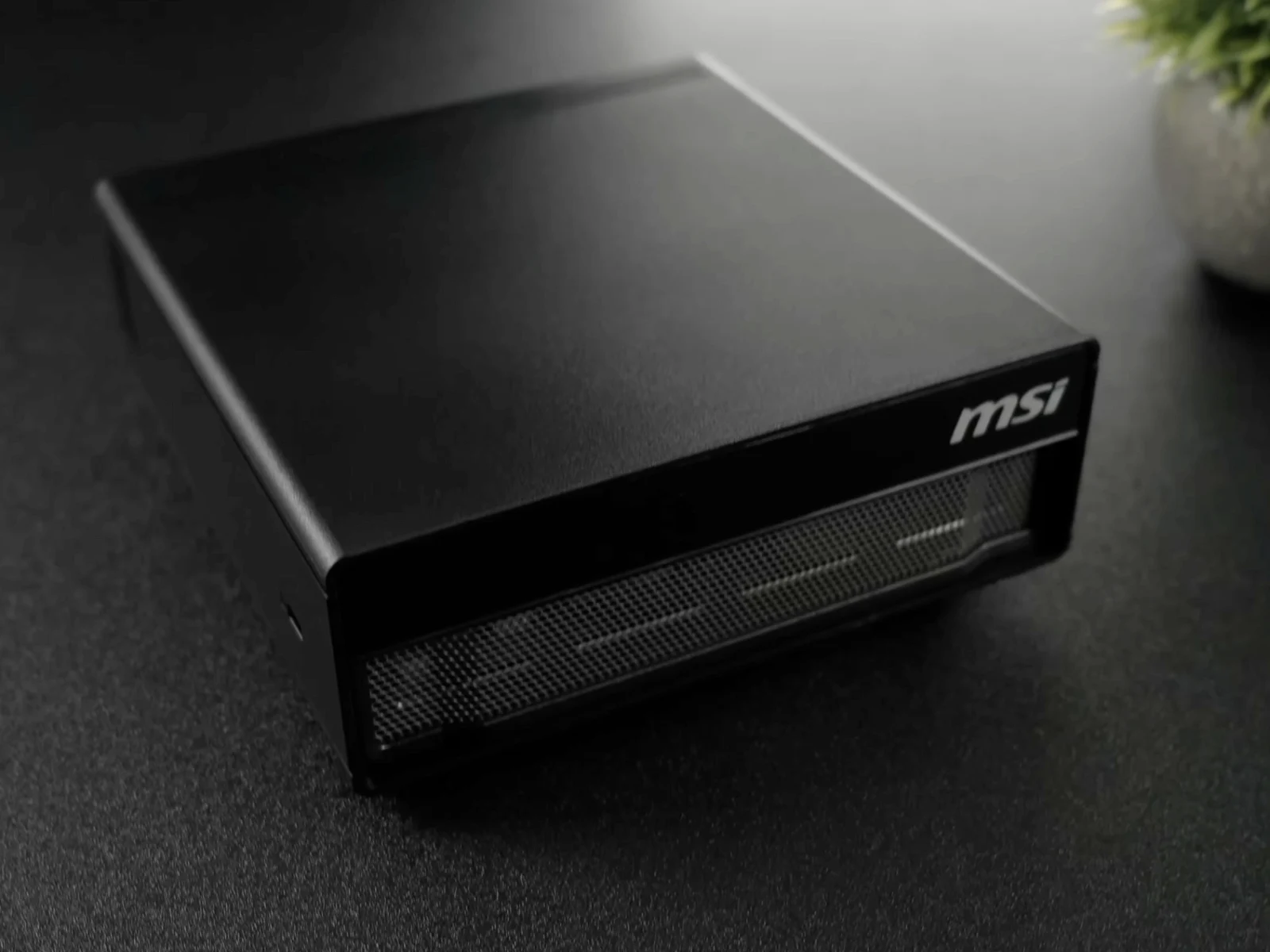
    The Nvidia DGX Spark was launched nearly a month ago, featuring a 20-core ARM CPU, a Blackwell architecture GPU, and 128 GB of LPDDR5X RAM, among other specs. The Founders Edition is currently priced at $4,539 on Amazon and has been available since mid-October, but other manufacturers like MSI took some time to release their versions.

    MSI’s EdgeXpert AI

    Recently, ETA Prime managed to get his hands on MSI’s model, which is marketed as the EdgeXpert AI for a price of $2,999. Although it’s aimed at AI applications, the YouTuber also showcased its gaming capabilities on the Nvidia DGX Spark platform. In theory, all DGX Spark systems have the same processing power as the GeForce RTX 5070, with the added advantage of 128 GB system memory.

    Gaming Performance

    In the video below, the MSI EdgeXpert AI demonstrates smooth emulation of PlayStation 3 games like Skate 3 via RPCS3. With an average of about 60 FPS at 1080p, it’s apparent that the DGX Spark platform has potential for higher resolution emulation. Likewise, Xbox games can be run using Xemu, with ETA Prime successfully playing Forza Motorsport at the same resolution. Although Nvidia’s primary goal for the DGX Spark wasn’t gaming, this AI workstation still shows it can handle gaming tasks effectively even just after its launch.

    Source:
    Link


  • AMD Ryzen AI Max+ 392: A Cut-Down Version of 395 with Radeon 8060S

    AMD Ryzen AI Max+ 392: A Cut-Down Version of 395 with Radeon 8060S

    Key Takeaways

    1. A new AMD Strix Halo APU, the Ryzen AI Max+ 388, has emerged as an 8-core and 16-thread alternative to the Ryzen AI Max+ 395.
    2. A potential Ryzen AI Max 392 was hinted at, but no further details are available yet.
    3. Sixunited showcased several AMD Strix Halo devices, including the AXA33 all-in-one system and the AXN77B-160M-CS laptop with a 165 Hz OLED display.
    4. The APXP77-140H-SCD model, referred to as SU AXP77, was also revealed in Sixunited’s announcements.
    5. The Ryzen AI Max+ 392 is expected to launch soon in a Sixunited 2-in-1 device, combining features from the Ryzen AI Max 390 and 395.


    Earlier today, the benchmarking site PassMark saw the emergence of a new AMD Strix Halo APU. As we previously reported, the Ryzen AI Max+ 388 is an 8-core and 16-thread alternative to the Ryzen AI Max+ 395, which is currently powering many high-end mini-PCs and devices like the GMKtec EVO-X2 (currently priced at $1,699 on Amazon).

    New Discoveries in AMD Lineup

    Moore’s Law is Dead spotted the leak, which also hinted at a Ryzen AI Max 392, though no further details were given. Following that, VideoCardz pointed out that the model number linked to the PassMark entry is a soon-to-be-released device from Sixunited.

    Sixunited’s Recent Showcasing

    To summarize, Sixunited revealed several AMD Strix Halo-based devices last month, including the all-in-one system AXA33. They also brought back the mention of the AXN77B-160M-CS, a 16-inch laptop that combines Strix Halo APUs with a 99.99 Wh battery and a 165 Hz OLED display, which was introduced last summer.

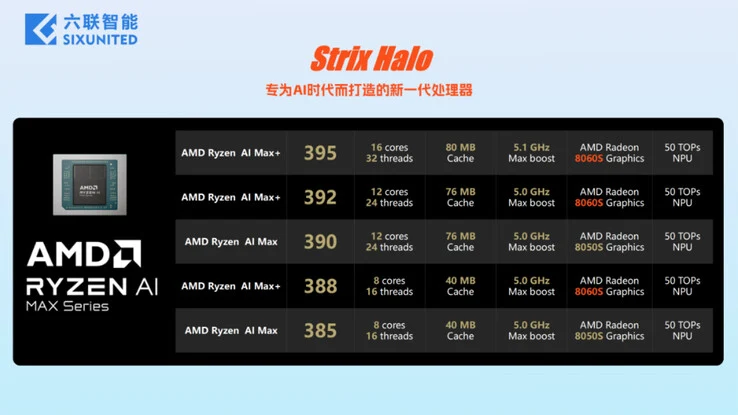
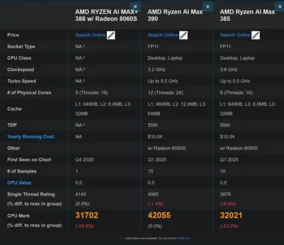
    Moreover, the firm unveiled the APXP77-140H-SCD, which PassMark shortened to SU AXP77. In the same announcement, Sixunited also provided insights about the Ryzen AI Max+ 392. As depicted in the image above, this unreleased model fits between the current Ryzen AI Max 390 and Ryzen AI Max+ 395, utilizing the 12-core and 76 MB cache of the former but featuring the Radeon 8060S iGPU that is currently exclusive to the latter. Interestingly, it appears that this Ryzen AI Max+ 392 variant may soon launch in a Sixunited 2-in-1, with more detailed information shared separately.


    Source:
    Link


  • Keychron’s New Wireless Mechanical Keyboard: Num Pad & 8kHz Polling

    Keychron’s New Wireless Mechanical Keyboard: Num Pad & 8kHz Polling

    Key Takeaways

    1. Keychron is set to release two new mechanical keyboards: the Q6 Ultra 8K and the V1 Ultra 8K, featuring updated layouts and functions.
    2. The Q6 Ultra 8K introduces new Keychron Silk POM switches, departing from the usual Gateron switches.
    3. The design has evolved to a dual-tone black and blue keycap style, maintaining a high-quality KSA profile.
    4. Both keyboards feature an 8 kHz polling rate and wireless connectivity, with the V1 Ultra 8K being a more compact 75% layout.
    5. Customization options are available through Keychron’s Launcher software, although it may face challenges with the unreleased Q6 Ultra 8K.


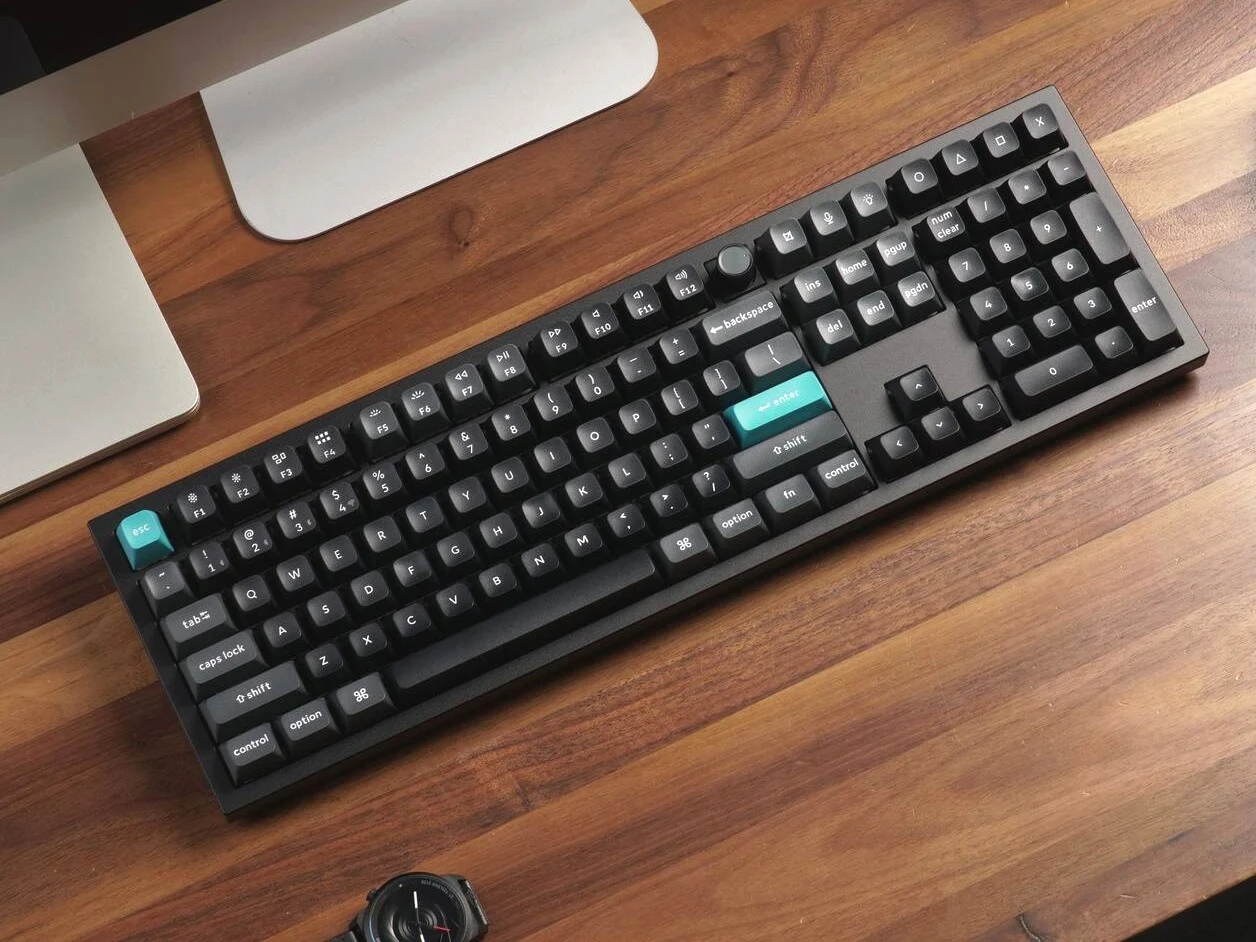
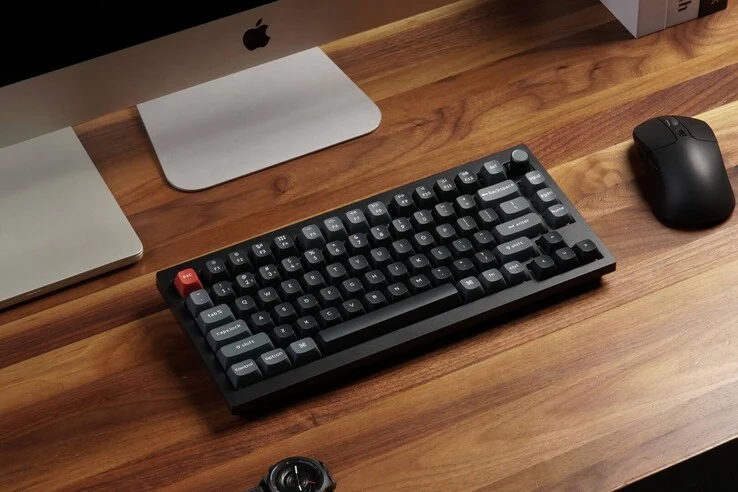
    Keychron is constantly bringing out new models for its mechanical keyboards, featuring updated layouts, fresh functions, and minor design adjustments. Recently, two new wireless mechanical keyboards seem to have appeared before their official launch. The Q6 Ultra 8K full-size mechanical keyboard and the V1 Ultra 8K 75% mechanical keyboard were spotted on Best Buy’s site. These listings showed up without any mention on Keychron’s own website or any other sellers. The unusual text on Best Buy’s product pages hints this might be a pre-release listing, possibly an error. As the names imply, these new keyboards come with 8 kHz polling, which, based on our testing of the C1 Pro 8K, doesn’t dramatically change the experience for a mechanical keyboard, but there are other updates.

    Discovery of the Q6 Ultra 8K

    The news about the Keychron Q6 Ultra 8K first surfaced on Reddit when a user, u/Jseepersaud10, found the keyboard at his local Best Buy and bought one. While the Best Buy listing lacks detailed information apart from the layout, form factor, 8 kHz polling rate, and price, photos shared by the Reddit user offer more insight about the Q6 Ultra 8K. According to the Best Buy listing, the Q6 Ultra 8K is priced at $239.99, while the original Q6 Max is available for $219.99 on Amazon.

    Key Features and Changes

    To start, the image of the keyboard’s packaging and the ensuing comments confirm that the Q6 Ultra 8K comes with new switches, keycaps, and a refreshed design. Instead of the typical Gateron Jupiter Brown, Red, and Banana switches that are common in Keychron’s premium wireless keyboards, the Q6 Ultra 8K uses Keychron Silk POM switches. These seem to be a new type of switch that hasn’t been officially announced yet. This follows the recent release of the Keychron K9 Max, which introduced Keychron low-profile Milk POM switches, suggesting that Keychron may also be ready to launch a full-height POM switch in this model. The brown tactile switches suggest there might be red linears and possibly banana tactiles available too, which provide a sharper tactile feedback.

    Design and Customization Options

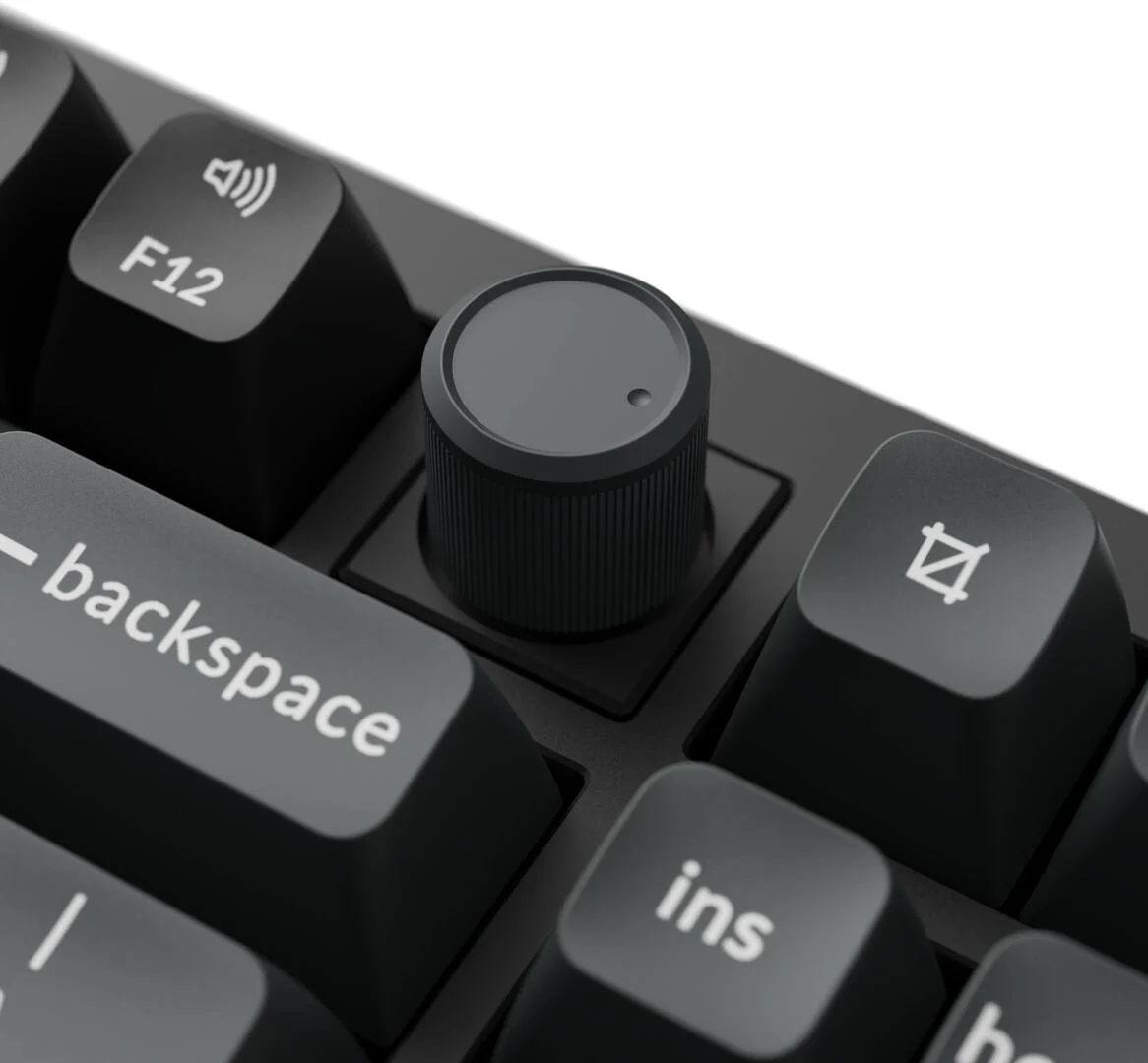
    Another notable change is the shift from a mix of black, white, and blue keycaps to a dual-tone black and blue design. The keycaps retain the same KSA profile as the recently reviewed Keychron Q13 Max, suggesting they should be of good quality based on previous experience. The knob’s cap has seemingly been updated as well, though it’s uncertain what material will be used for it.

    Details like the plate material, internal sound dampening, and RGB setup remain undisclosed, but it appears the stabilizers on the new Ultra 8K keyboards might have been redesigned to minimize rattling and ticking, which would be a significant advancement.

    Alongside the Keychron Q6 Ultra 8K, Best Buy has also listed the Keychron V1 Ultra 8K, which is a more affordable and compact alternative to the Q6 Ultra 8K. It appears to include the same 8K polling rate, wireless connectivity, and updated design, but it features a 75% layout that removes the num pad and navigation cluster found on the Q6 Ultra 8K. However, there is still a knob in the upper right corner, and it seems Keychron is sticking with the OSA profile for the V1 Ultra 8K instead of the KSA profile used in its full-sized metal counterpart.

    Speculation on Switches and Software

    Both keyboards are said to utilize magnetic switches according to the Best Buy listings, but this is worth examining closely. Keychron already has similarly priced wireless Hall effect keyboards with the same layouts. They are known to use only two types of magnetic switches, neither of which are labeled “Red” or “Brown” like these new keyboards. The Reddit user who bought the Q6 Ultra 8K has also mentioned that the switches seem to be standard 5-pin mechanical switches, adding weight to the theory that these are not Hall effect or TMR keyboards.

    Both keyboards can also be customized using Keychron’s Launcher web-based software, which has previously received positive reviews for its ease of use and extensive customization options. However, it seems that the Launcher is currently unsure how to handle the unreleased Q6 Ultra 8K.

    Source:
    Link



  • Kingston Fury Launches 8TB Renegade G5 SSD with 14,800 MB/s Speed

    Kingston Fury Launches 8TB Renegade G5 SSD with 14,800 MB/s Speed

    Key Takeaways

    – Kingston Fury launched an 8 TB SSD, the Renegade G5, with read speeds up to 14,800 MB/s and write speeds up to 14,000 MB/s.
    – The Renegade G5 outperforms other high-capacity SSDs like Corsair’s MP700 Pro XT and TeamGroup’s T-Force Z54E, which max out at 4 TB.
    – It utilizes a PCIe 5.0 x4 interface for remarkable data transfer speeds.
    – Designed for gamers and content creators, it efficiently handles large 4K and 8K files.
    – The SSD features a Silicon Motion SM2508G controller and 218-layer BiSC8 3D TLC NAND, with a 5-year warranty expected.


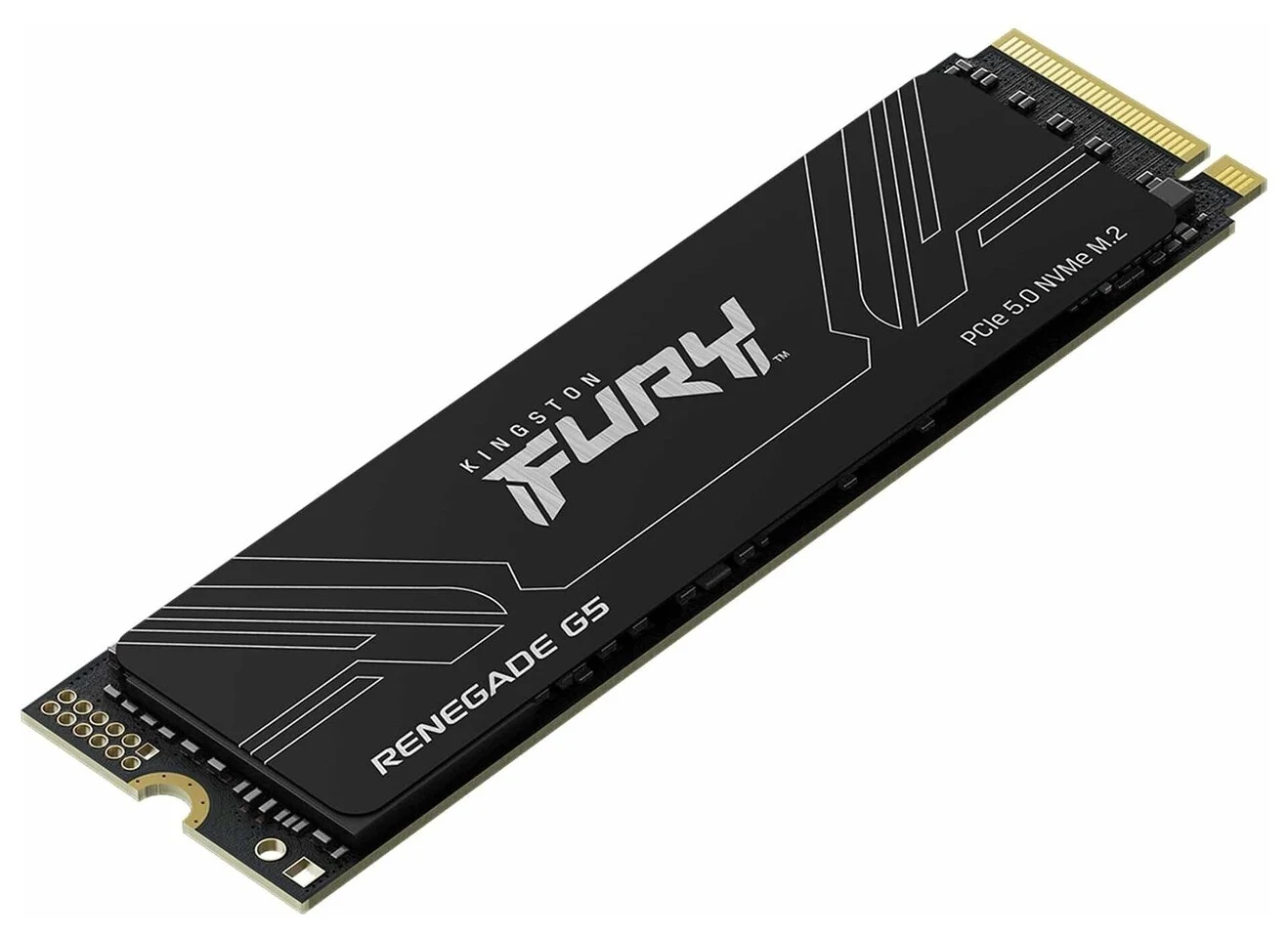
    Kingston Fury has launched a new 8 TB SSD that features impressive read speeds of up to 14,800 MB/s and write speeds reaching 14,000 MB/s in its Renegade G5 PCIe 5.0 series. When compared to other high-capacity SSDs like Corsair’s MP700 Pro XT and TeamGroup’s T-Force Z54E, both of which max out at 4 TB, the Renegade G5 8 TB stands out. Additionally, it surpasses the Samsung 9100 PRO, which has a maximum write speed of 13,400 MB/s.

    Advanced Technology

    The remarkable data transfer speeds were made possible thanks to a PCIe 5.0 x4 interface utilized by Kingston.

    Designed for Creatives

    The Renegade G5 8 TB is aimed at gamers, content creators, and professionals who handle large 4K and 8K files. This new SSD can store extensive game libraries and project files while still delivering top-notch speeds.

    Innovative Components

    To achieve its performance, the storage drive incorporates the Silicon Motion SM2508G controller and a 218-layer BiSC8 3D TLC NAND. Kingston has optimized its firmware architecture for demanding workloads. Previously, the G5 was available in 1 TB, 2 TB, and 4 TB versions, but now the company has increased the maximum capacity without losing any speed.

    Kingston claims that the new Renegade SSD includes a 5-year warranty. While potential buyers will need to wait for the official price announcement, this SSD is expected to be positioned as a premium option for users with significant storage needs.

    Source:
    Link


  • MicroLED Technology: High Speed Data Transfer with Low Energy Use

    MicroLED Technology: High Speed Data Transfer with Low Energy Use

    Key Takeaways

    1. MicroLEDs are being explored for data transmission beyond their traditional use in display screens, with potential profitability in this new area.
    2. Research teams Aledia and Qubedot presented findings on MicroLED capabilities, highlighting their unique pixel technology and communication potential.
    3. MicroLEDs can achieve data rates of 2 to 10 Gbit/s per channel, with a theoretical throughput of 500 GB/s under optimal conditions, despite lower bandwidth compared to lasers.
    4. MicroLED technology offers significantly lower power consumption per transmitted bit, potentially reducing energy usage to one-tenth compared to current high-speed QSFP modules.
    5. Future applications may include communication on motherboards, where MicroLEDs could improve chip interactions and reduce latency, although current use cases remain limited.


    A new area might be emerging for the MicroLED sector beyond just display screens: data transmission. During the Society of Information Display’s Mid-Europe Chapter Conference (SID-MEC Conference) held in Göttingen, the concept of utilizing MicroLEDs for communication sparked lively discussions and is currently under investigation. Right now, though, this area is much smaller than the self-illuminating MicroLEDs used in various display formats. Yet, it has the potential to be a profitable field that many research teams are exploring.

    Presentations from Key Players

    At the SID-MEC Conference, two research teams showcased their findings. The possibilities are considerable, as highlighted by the talks from French firm Aledia and German company Qubedot. Both organizations mainly concentrate on microLED displays, with Qubedot focusing on distinctive pixels that can even imitate letters.

    Unique Properties of MicroLEDs

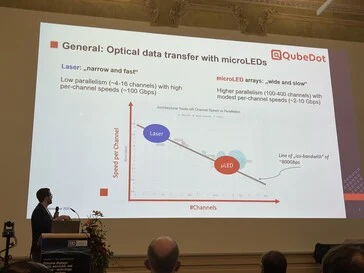
    When it comes to data communication, these tiny LEDs have some distinct characteristics. Although their bandwidth isn’t as high as that of traditional lasers, like those in GBIC modules of switches within SFP slots, they are simpler to parallelize. Qubedot claims that achieving between two to ten Gbit/s per channel is feasible. The crucial detail is that the potential ranges from 100 to 400 channels. In ideal conditions, this could lead to a throughput of 500 GB/s. In contrast, typical laser communication provides around 100 Gbit/s and supports four to 16 parallel channels.

    Power Consumption Concerns

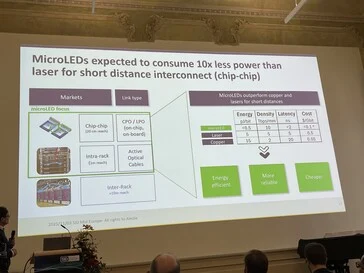
    QSFP modules offering 100 Gbps are indeed on the market, as are 400 Gbps modules. Nevertheless, the existing 100 Gbps QSFP modules face a significant issue: their power usage is extremely high, especially in comparison to alternatives. It’s common for them to consume between 2.5 to even 15 watts, depending on the module’s specifications. This is where MicroLED technology shines. According to Aledia, there exists an opportunity to decrease the power needed per transmitted bit to one-tenth.

    Limitations of MicroLED Technology

    Nonetheless, this reduced power consumption isn’t applicable everywhere. For instance, DAC connections between switches (within a single rack) are plausible. However, Aledia suggests that beyond this, MicroLED technology may not be adequate. With a practically achievable range of only one meter, linking two adjacent racks would be quite challenging.

    Future Applications on Motherboards

    Another possible use for microLEDs could be communication on motherboards (between chips). Since microLEDs function as semiconductors, they could potentially be incorporated into chips as a communication channel, enhancing interactions between chips in a cost-effective manner. They also offer benefits regarding interference reduction compared to electrical connections. Aledia notes that latency could drop from 5 ns with a laser to just 2 ns with microLEDs.

    Ongoing Research and Future Prospects

    However, the scope of applications remains very narrow. It’s worth mentioning that research into this technology has been ongoing for a considerable time, and Aledia and Qubedot are not the only companies active in this domain. Participants in discussions indicated that a significant breakthrough is still awaited, and it seems unlikely that this will evolve into a consumer technology in the near future.


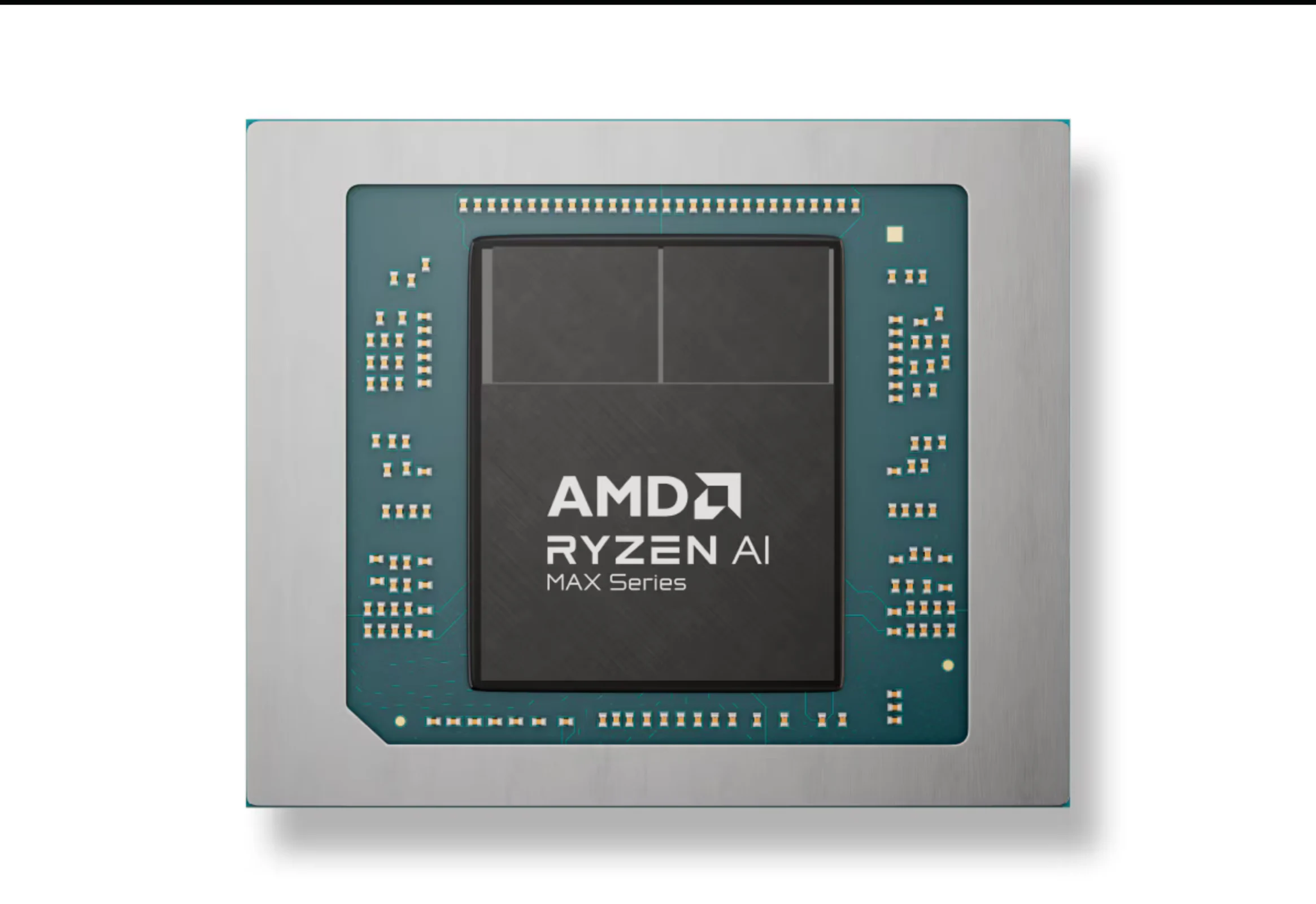
  • AMD Ryzen AI Max+ 388: New Strix Halo Chip with Radeon 8060s GPU

    AMD Ryzen AI Max+ 388: New Strix Halo Chip with Radeon 8060s GPU

    Key Takeaways

    1. The AMD Ryzen AI Max+ 388 features an 8-core/16-thread CPU and a Radeon 8060s integrated GPU.
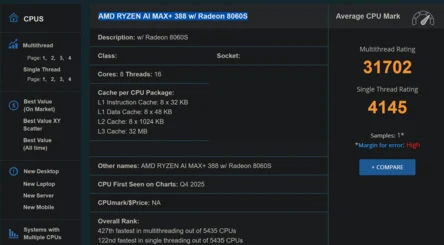
    2. It scored 4,145 in single-core performance and 31,702 in multi-core performance on PassMark benchmarks.
    3. The multi-core score is lower than that of the Ryzen AI Max 385, but single-core performance is comparable to other Strix Halo CPUs.
    4. The ‘388’ designation indicates a potential mid-cycle update, with more models like the Ryzen AI Max 392 possibly in the works.
    5. AMD aims to refresh the Strix Halo line to compete with Nvidia’s upcoming N1X series, expected around 2026.


    A new AMD Strix Halo CPU has appeared in the PassMark database, as noted by Moore’s Law is Dead on YouTube. This processor, known as the Ryzen AI Max+ 388, features an interesting combination of CPU and GPU. It includes an 8-core/16-thread CPU alongside a Radeon 8060s integrated GPU, which was once only available in the higher-end Ryzen AI Max+ 395.

    Performance Scores

    In PassMark’s benchmarks, it achieved a score of 4,145 for single-core performance and 31,702 for multi-core. The single-core result aligns well with other Strix Halo CPUs, while the multi-core score is a bit lower than the Ryzen AI Max 385. Unfortunately, details about key specifications like base and boost clock speeds, as well as GPU clock rates, have not been disclosed.

    Future Prospects

    The designation ‘388’ for the Ryzen AI Max+ 388 suggests it may be part of a mid-cycle update expected to launch next year, with additional models likely on the way. Moore’s Law is Dead mentioned a Ryzen AI Max 392, but we couldn’t locate any information about that model.

    It seems reasonable that AMD would refresh the Strix Halo line, especially since its next version, Medusa Halo, isn’t anticipated until 2027. This update will enable AMD to compete with Nvidia’s upcoming N1X series, which is projected to be introduced around 2026.

    PassMark’s database shows how AMD is trying to keep up with the fast-paced tech industry.

    Source:
    Link


  • Anker Unveils New Compact 70W 3-Port Charger for Fast Charging

    Anker Unveils New Compact 70W 3-Port Charger for Fast Charging

    Key Takeaways

    1. Anker has launched the Nano Charger (70W, 3 Ports) in Europe, following its US debut in September 2025.
    2. The charger is available in blue for €49.99, with black and white options priced the same; the black model is currently discounted to €39.99.
    3. It features a 70W USB-C output, capable of charging a 2024 MacBook Pro 14 to 50% in 35 minutes.
    4. The charger includes two USB-C ports and one USB-A port, with varying power outputs when used simultaneously.
    5. The device is designed with ActiveShield 4.0 technology for safety and has a compact design, weighing around 4.2 oz.


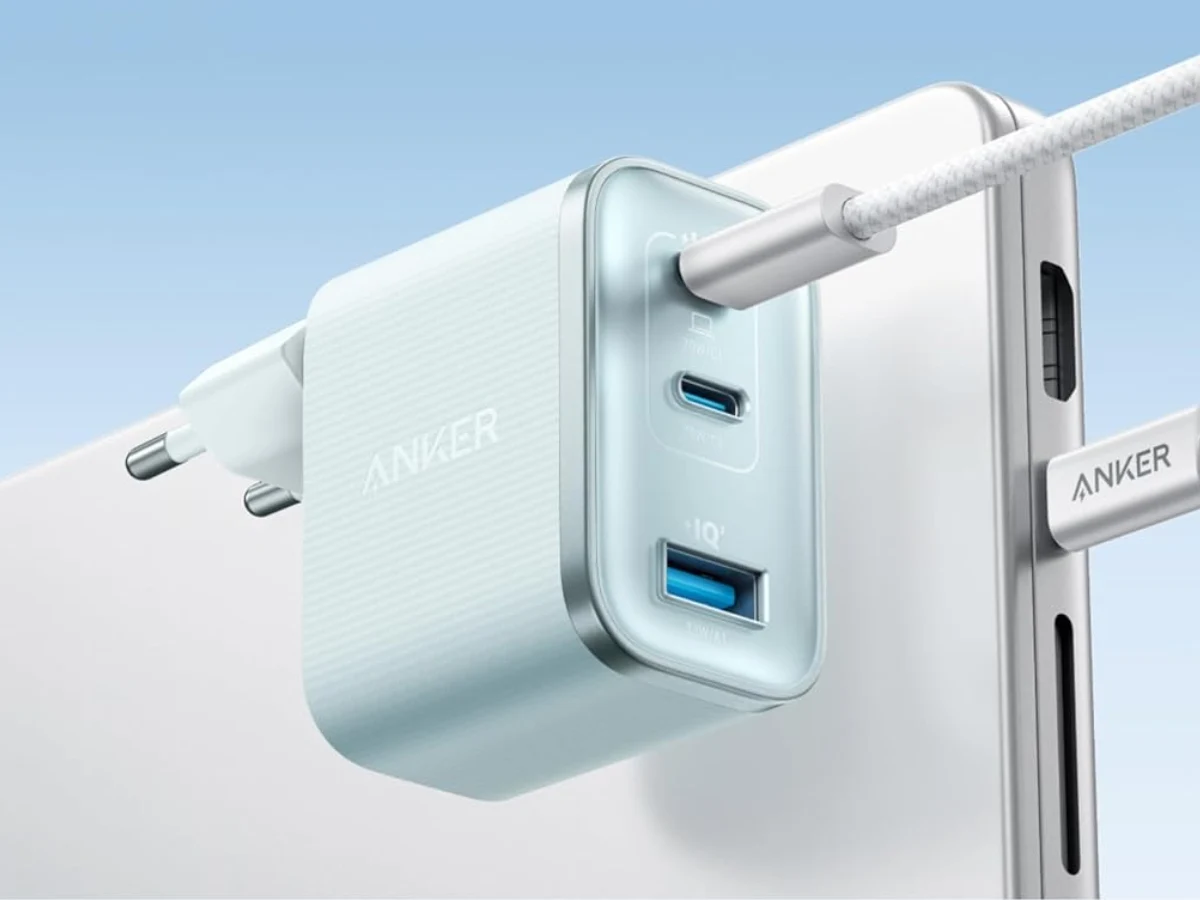
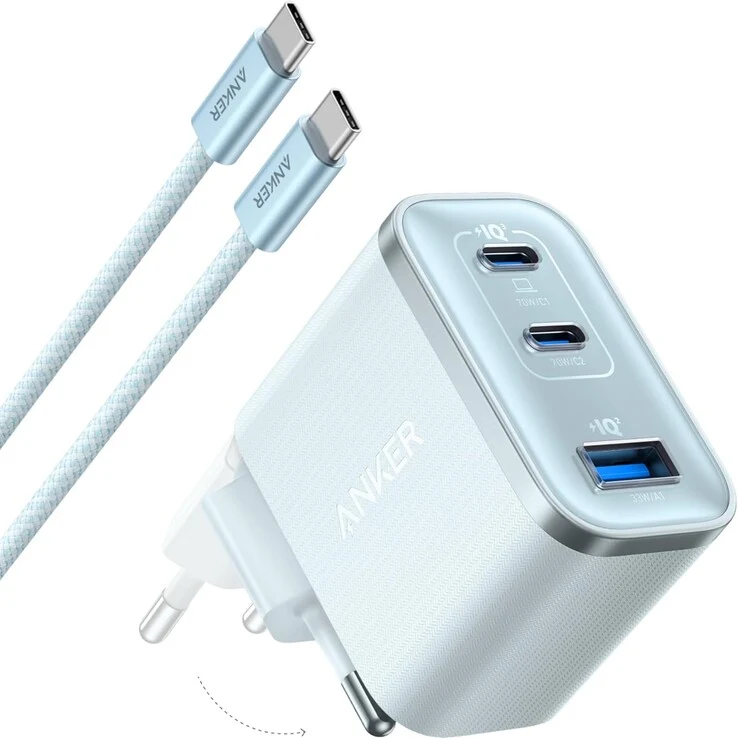
    Anker has introduced a new iteration of the Nano Charger (70W, 3 Ports) in Europe. This gadget first made its debut in the United States in early September 2025, and it became available in several European nations shortly after.

    Availability and Pricing

    You can now find the Anker Nano Charger (70W, 3 Ports) in blue on Amazon in countries such as Germany for €49.99. It adds to the existing black and white options of the device, which are also priced the same; however, the black model has a current discount, bringing its price down to €39.99. Moreover, the blue variant appears to be on its way to the US market, as it is listed in Anker’s online store there. Besides the different color casing, the blue version shares the same specifications and features with the black and white models.

    Charging Specifications

    The Nano Charger (70W, 3 Ports) is crafted specifically with the MacBook (M4) in mind, providing a 70W USB-C output that can charge a 2024 MacBook Pro 14 to 50% in just 35 minutes. Below the two USB-C ports, there’s a USB-A output that can deliver 33W of power when used by itself. When all three ports are in use at the same time, the first USB-C port supplies 45W, while the second USB-C and the USB-A ports each provide 7.5W.

    Safety Features and Design

    Anker’s Nano Charger is equipped with ActiveShield 4.0 technology to help avoid overheating. The product features a shiny exterior with a metal frame, measuring 2.1 x 1.7 x 1.2 inches (approximately 53 x 43 x 30 mm) and weighs around 4.2 oz (about 120 g). It remains uncertain when this accessory will be available in the UK market.