Key Takeaways
1. Lenovo’s Aura Editions laptops include the Yoga Pro 7i Gen 10, featuring a strong partnership with Intel.
2. The Yoga Pro 7i Gen 10 is powered by the Intel Core Ultra 9 285H, offering solid CPU and integrated GPU performance, but lacks a significant advantage over AMD models.
3. The laptop has an impressive 3K OLED touchscreen with a 120 Hz refresh rate, providing excellent visual quality compared to the AMD version.
4. The high-performance Intel processor has a power cap of 115 Watts, leading to challenges in maintaining power and increased fan noise under high loads.
5. The AMD version of the Yoga Pro 7i Gen 10 offers better battery life and overall value, despite the Intel model’s superior display features.
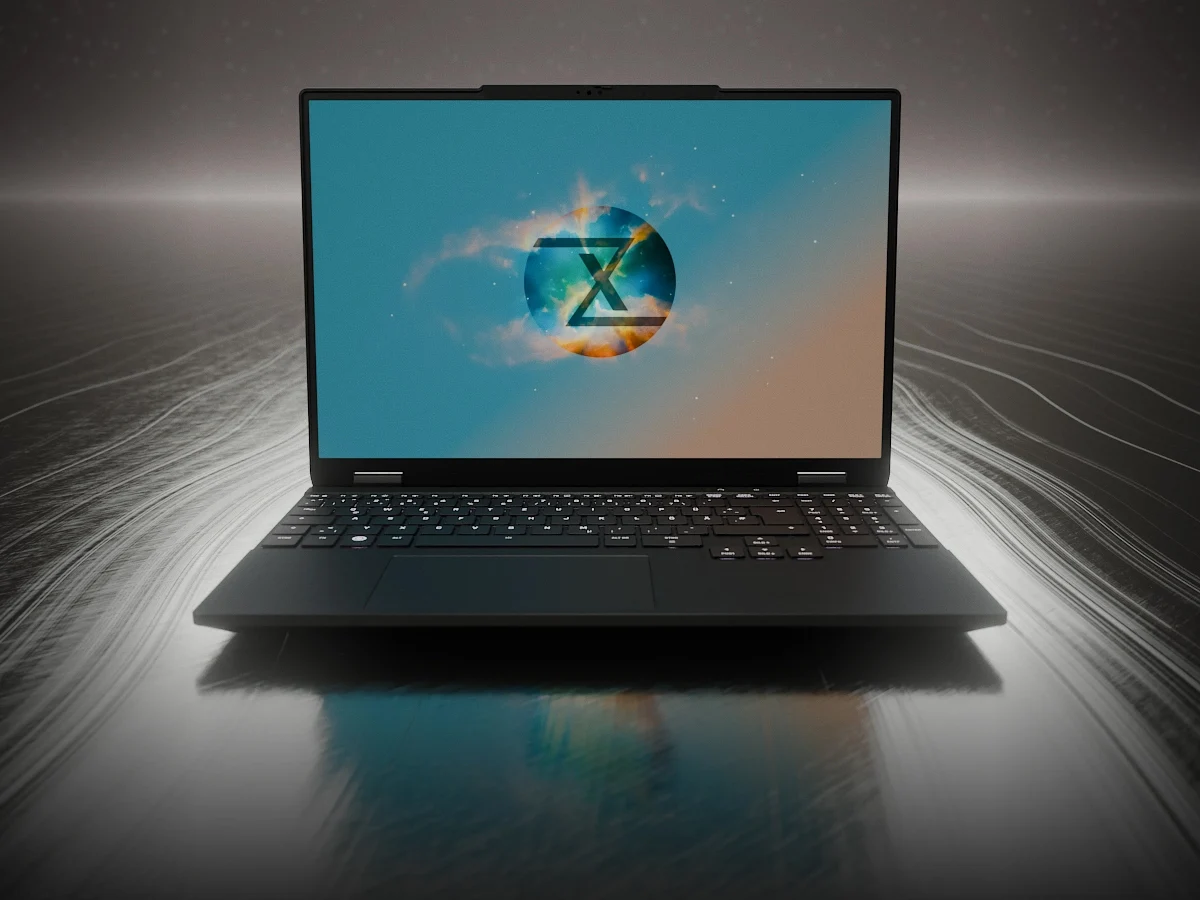
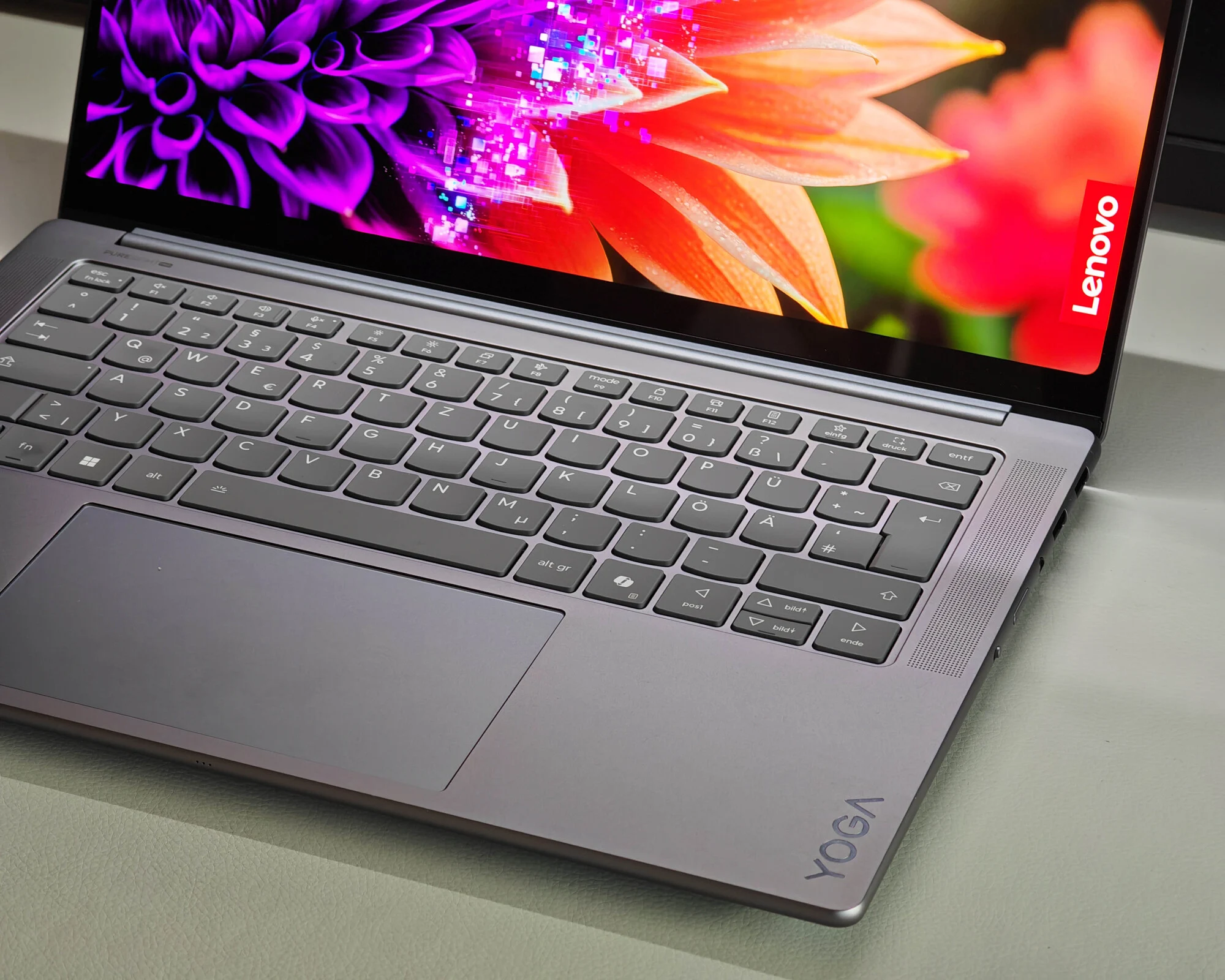
Lenovo has introduced some laptops under the Aura Editions brand, highlighting a strong partnership with Intel. One of these models is the 14-inch multimedia laptop, the Yoga Pro 7i Gen 10, which we recently evaluated. This laptop is clearly powered by an Intel processor, and our test model was fitted with the Core Ultra 9 285H. It delivers solid performance metrics for both the CPU and the integrated GPU, but there isn’t a significant edge over its AMD counterpart. Nonetheless, the Intel processor demands a considerable amount of power, with a short-term power cap set at 115 Watts, posing a challenge for such a compact device. Consequently, the Yoga struggles to maintain this power level for extended periods. When utilizing the highest Performance power profile, the fans become noticeably loud very quickly.
Display Features
The Intel variant is also equipped with an OLED touchscreen boasting a 3K resolution and a refresh rate of 120 Hz. The visual quality is outstanding and slightly outshines the 2.8K screen found on the AMD version, offering better frequency, brightness, and reduced PWM flickering. However, the combination of the high-resolution 3K display and the Intel processor negatively impacts battery life, with the AMD model performing better in this area, especially at higher brightness settings.
Comparison of Models
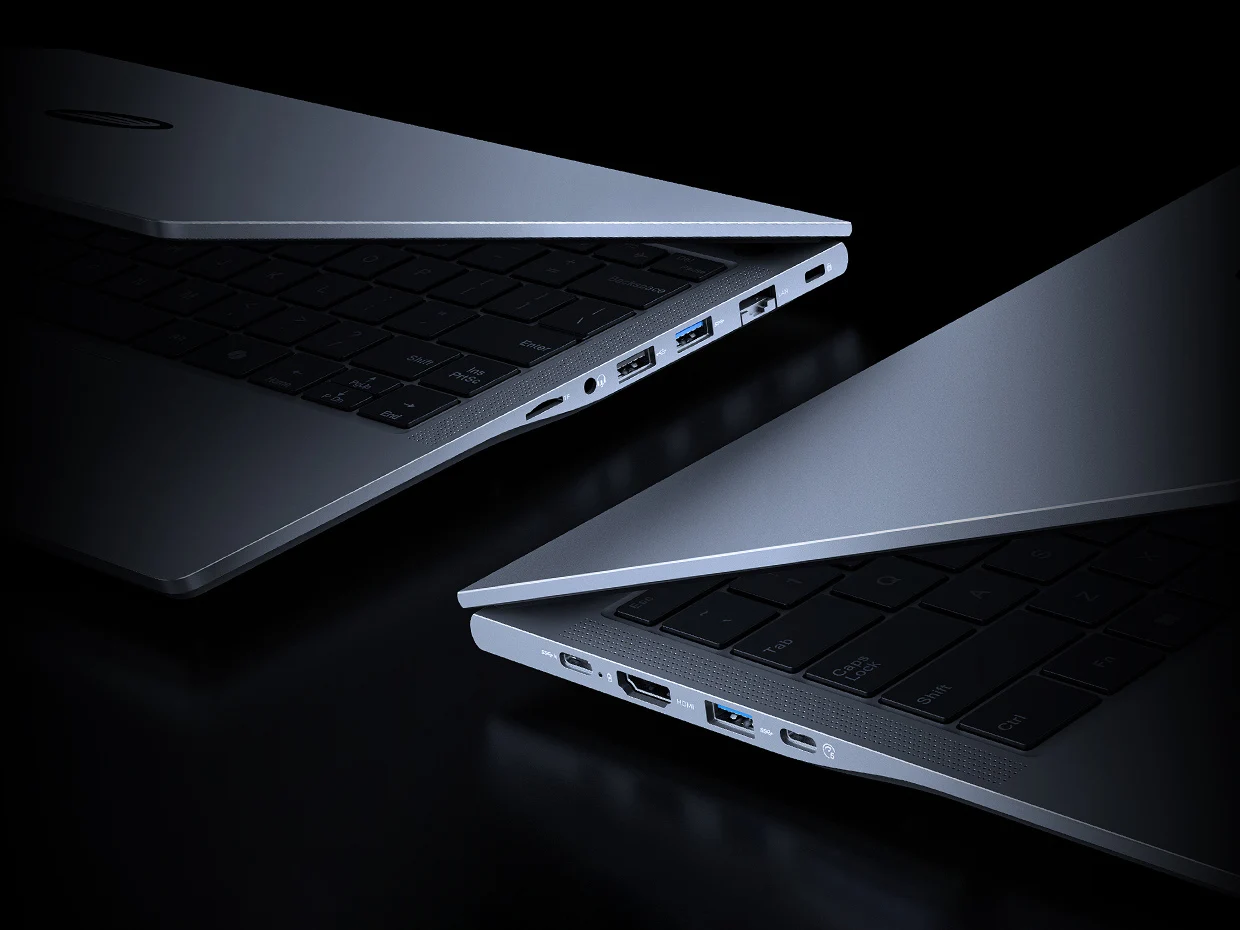
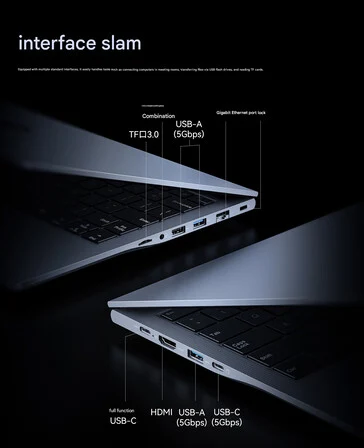
It’s puzzling why Lenovo only includes a card reader with the Intel models, which seems like a strategic choice against the AMD variants, unrelated to the CPU selection. This raises the question of which version is superior. While they share many characteristics, taking the price into account, the AMD model emerges as the more advantageous option overall. For further details, check out our comprehensive review of the new Yoga Pro 7i G10 Aura Edition.