Category: Computers

  • Qualcomm Snapdragon X Series to Support Android 16 Soon

    Qualcomm Snapdragon X Series to Support Android 16 Soon

    Key Takeaways

    1. Qualcomm is advancing support for Android 16 on its Snapdragon X Elite and X series processors.
    2. Internal updates reveal active development of firmware components essential for Android 16, including camera, Bluetooth, and audio subsystems.
    3. This development aligns with Google’s strategy to merge Chrome OS and Android, aiming for desktop-like features in Android 16.
    4. Upcoming devices like laptops, tablets, and mini PCs may run on Snapdragon X series processors with Android in the near future.
    5. Qualcomm is also working to support Android 16 on previous generation Snapdragon X series processors, but next-gen processors are not yet compatible.


    Qualcomm is reportedly making strides to support the upcoming Android 16 on its Snapdragon X Elite and X series processors. According to a tip shared by @Jukanlosreve on X, the company has updated its internal source repository for “Purwa,” which is the codename for the X series.

    Firmware Components Indicate Progress

    The screenshot that was shared highlights manifests for various firmware components crucial for the Android build environment. This includes sections for the camera subsystem, Bluetooth, and audio subsystem. Such details point towards Qualcomm’s active development efforts for Android 16 compatibility.

    Expectations Align with Google’s Vision

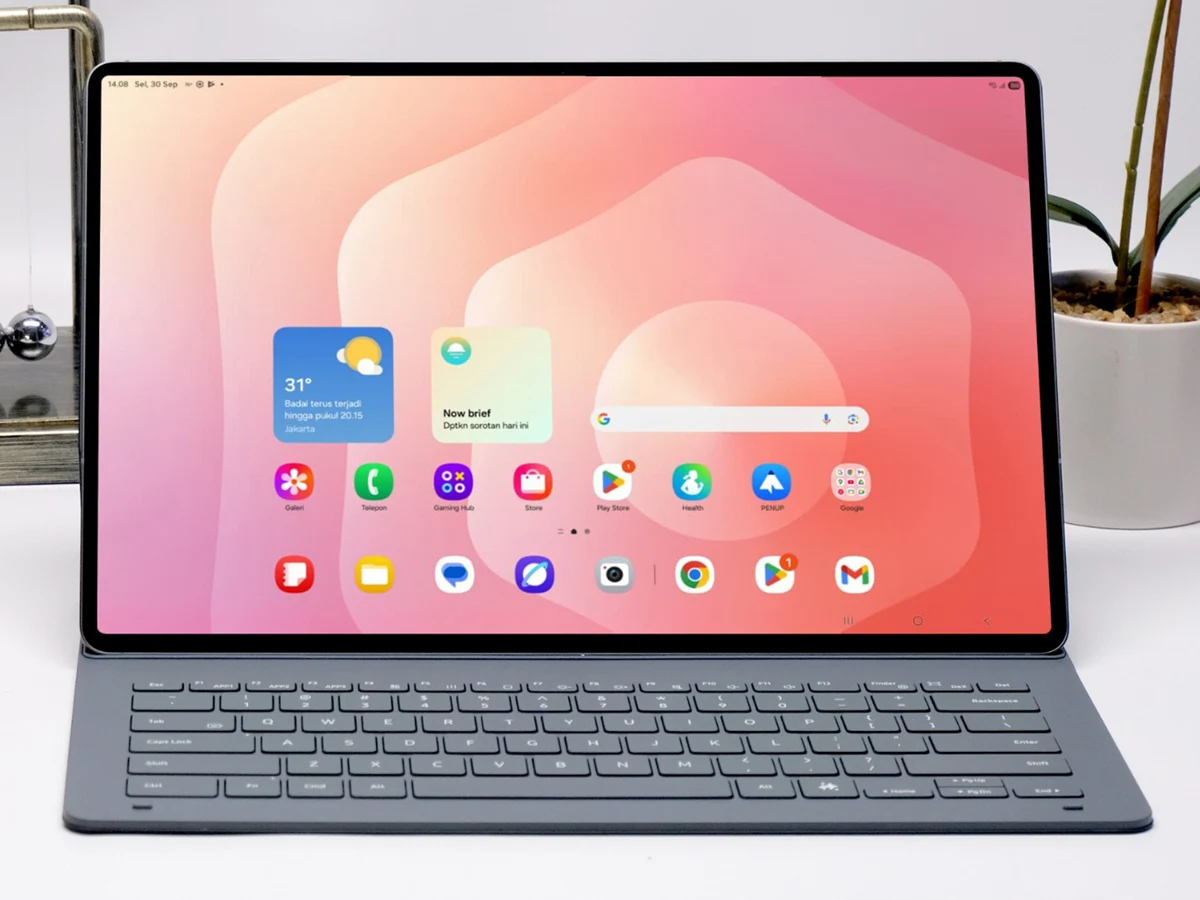
    This news aligns well with prior expectations following Google’s announcement about merging Chrome OS and Android. Google has rolled out desktop-oriented features in Android 16, yet the basic version of the mobile operating system still lacks a true desktop interface.

    If this information proves accurate, we could see laptops, tablets, and mini PCs running on Snapdragon X series processors and Android in the near future. This would present an intriguing alternative in the Arm64 development space that Qualcomm has been part of since launching the Snapdragon X CPUs (HP OmniBook 5 with X1P-42-100 curr. $549.99 on Amazon).

    Support for Older Generations

    Additionally, it’s worth noting that the screenshot indicates Qualcomm is working to add Android 16 support to the previous generation of Snapdragon X series processors. However, the next-gen processors are reportedly not compatible with Android just yet.


    Source:
    Link


  • Geekom GeekBook X14 Pro: Lightweight Metal Laptop Under 1kg

    Geekom GeekBook X14 Pro: Lightweight Metal Laptop Under 1kg

    Key Takeaways

    1. Geekom introduces its first laptops, the GeekBook X14 Pro and X16 Pro, at IFA 2025.
    2. Both models feature Intel Core Ultra processors and a durable magnesium alloy body for lightweight design.
    3. The laptops offer a 120 Hz OLED display with a sharp 2.8K resolution and 100% DCI-P3 color gamut.
    4. They include multiple ports, such as USB-C with USB 4 support, USB-A, HDMI 2.0, and audio jack, along with Wi-Fi 6E and Bluetooth 5.4.
    5. Geekom’s entry into the laptop market marks a significant expansion from their mini PC offerings, with a review of the GeekBook X14 Pro expected soon.


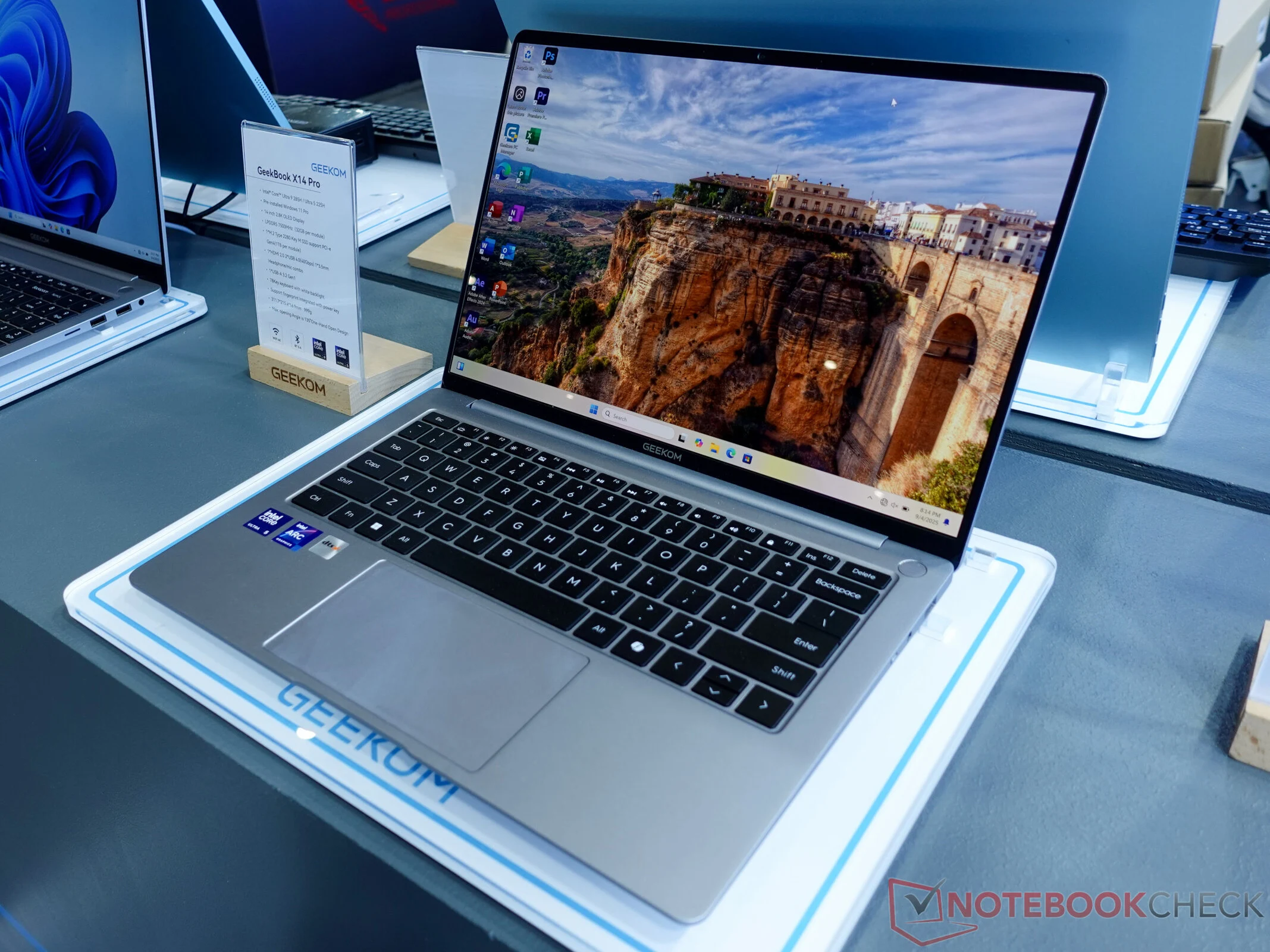
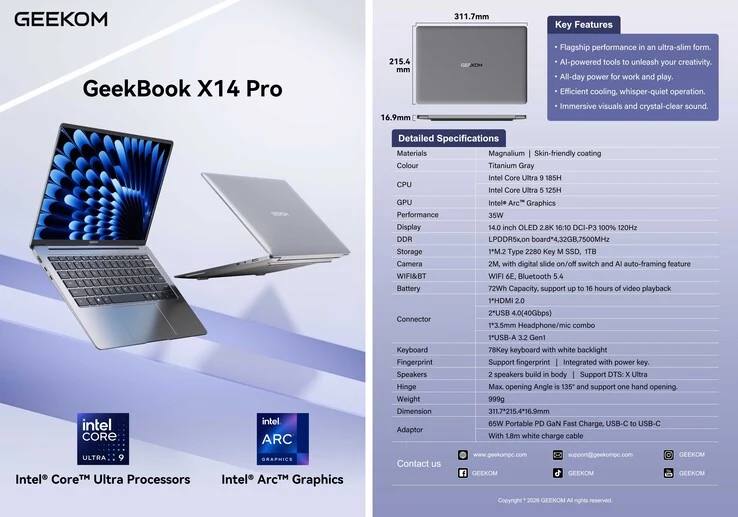
    Geekom, known for its mini PCs, is stepping into the laptop arena with the introduction of the GeekBook X14 Pro. At the IFA 2025 event, the company presented two ultralight laptops that highlight their sleek design, robust performance, and high-quality materials.

    New Models in the GeekBook X Series

    The GeekBook X series features two variants: the GeekBook X14 Pro and the GeekBook X16 Pro. Both models are powered by the latest Intel Core Ultra processors and boast a durable full-metal body crafted from magnesium alloy, which not only ensures longevity but also keeps the weight of the devices remarkably low.

    Stunning Display and Performance

    Equipped with a 120 Hz display, these laptops deliver fluid visuals while balancing battery life and screen quality. The standout feature of the display is its OLED technology paired with a sharp 2.8K resolution. Furthermore, the manufacturer assures complete 100% DCI-P3 color gamut coverage, making these laptops ideal for professionals as well.

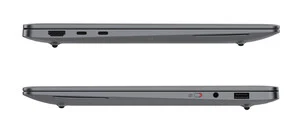
    Beneath the surface, you’ll find the advanced Intel Core Ultra 5 225H or Core Ultra 9 285H processors (Arrow Lake), with a TDP of up to 35 watts. Despite their small size, Geekom has ensured that the laptops come with a variety of useful ports. They include two USB-C ports that offer USB 4 support, a USB-A port, HDMI 2.0, and a 3.5 mm audio combo jack, covering all the necessary connections. For wireless capabilities, both Wi-Fi 6E and Bluetooth 5.4 are supported.

    A New Era for Geekom

    With the launch of the GeekBook X14 Pro and X16 Pro, Geekom is signaling a significant shift in its offerings, demonstrating its ability to produce more than just compact desktop PCs. It remains to be seen whether Geekom will meet the high expectations set by the technical specifications. An in-depth review of the GeekBook X14 Pro is on the horizon once we receive the test unit. As of now, the specific release date is still unknown.


    Source:
    Link


  • Nextorage Portable SSD: Up to 8TB Fast Storage in Compact Design

    Nextorage Portable SSD: Up to 8TB Fast Storage in Compact Design

    Key Takeaways

    1. The Nextorage NX-PFS1PRO portable SSD offers storage options up to 8 TB with a transfer speed of 20 Gbps using USB 3.2 Gen 2×2 Type-C.
    2. It features a built-in display that shows transfer speed, operating temperature, and health status, helping users manage backups.
    3. The SSD has PD pass-through capability, delivering up to 100 W of power to connected devices when an external power adapter is used.
    4. Security features include a logging system, data erasure upon unauthorized access, and multiple unlocking methods like WiFi connections and contactless IC cards.
    5. The drive has an IP54 rating for dust and water resistance, is slim at 17 mm thick, and is available in four storage capacities with pricing ranging from approximately $309 to $1,163.


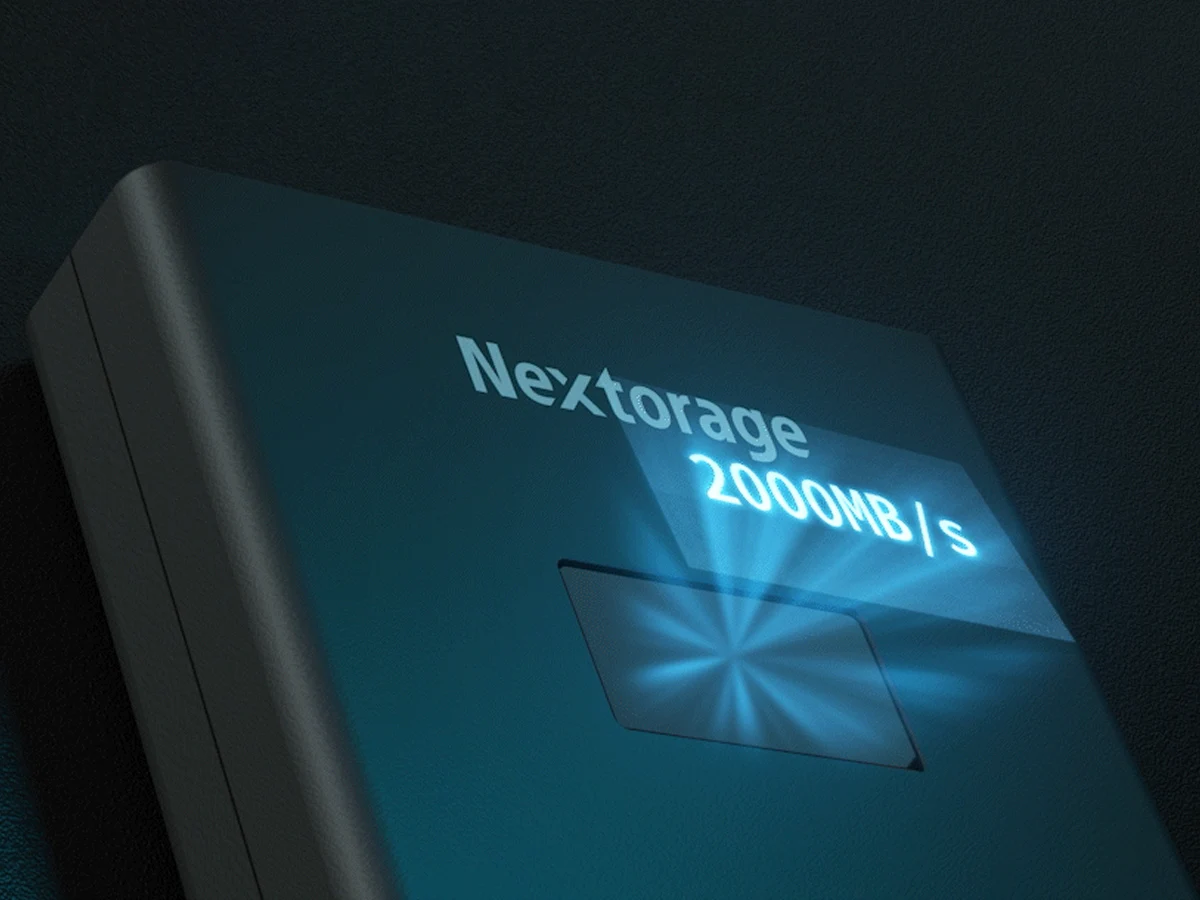
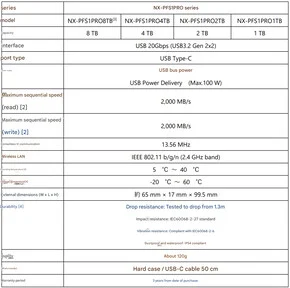
    The Nextorage NX-PFS1PRO has been officially announced in Japan. This new portable SSD comes with storage options of up to 8 TB, and no matter which capacity you pick, the drive boasts a transfer speed of 20 Gbps using the USB 3.2 Gen 2×2 Type-C connection.

    Unique Features and Display

    Although this portable SSD isn’t as speedy as USB4 drives, it features a cool addition: a display built into the casing. According to the brand, this screen can provide information on the current transfer speed, operating temperature, and the health status of the drive. For the health data, Nextorage notes it will be shown in three categories: “Bad,” “Warning,” and “Good.”

    Nextorage claims this function will help users make backups before the SSD becomes unreadable. Another interesting aspect of the NX-PFS1PRO is its PD pass-through capability. When an external power adapter is connected to the PD port, it can deliver up to 100 W of power to a connected device (for example, the 160 W Anker Prime charger costs around $115.99 on Amazon).

    Security and Performance

    Nextorage also emphasizes the security features of the NX-PFS1PRO. It includes a built-in logging system and can be set to erase data if unauthorized access is attempted. For security, it provides various unlocking methods, such as connecting to approved WiFi networks and using contactless IC cards.

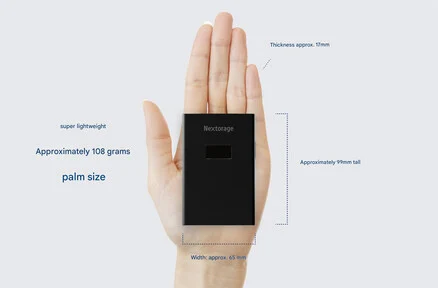
    Other key features of the portable SSD are its IP54 rating for dust and water resistance, a slim design with a thickness of just 17 mm, and a lightweight build. The Nextorage NX-PFS1PRO is available in sizes of 1 TB, 2 TB, 4 TB, and 8 TB. The prices for these variants are JPY 47,740 (approximately $309), JPY 59,620 (around $386), JPY 88,440 (about $573), and JPY 179,520 (approximately $1,163), respectively. There is currently no information regarding a global release.

    Source:
    Link


  • Keychron Updates Flagship Keyboards with ZMK Firmware and Battery Boost

    Keychron Updates Flagship Keyboards with ZMK Firmware and Battery Boost

    Key Takeaways

    1. Keychron launched the Q6 Ultra 8K and V1 Ultra 8K wireless mechanical keyboards, featuring new Milk POM switches exclusive to Best Buy, with online availability expected in early 2026.

    2. The new keyboards use ZMK firmware, designed for wireless efficiency, which may improve battery life compared to previous models using QMK firmware.

    3. Keychron has enhanced the materials in the Q Ultra series, including CNC-cut aluminum rotary knobs that replace the previous knurled design for better durability.

    4. The Q Ultra keyboards will have decorative bottom plates with unique designs, a feature typically found in custom mechanical keyboards.

    5. The new Keychron Silk POM switches are designed for smoother keystrokes and a modern sound profile, improving upon the previous switch materials used.


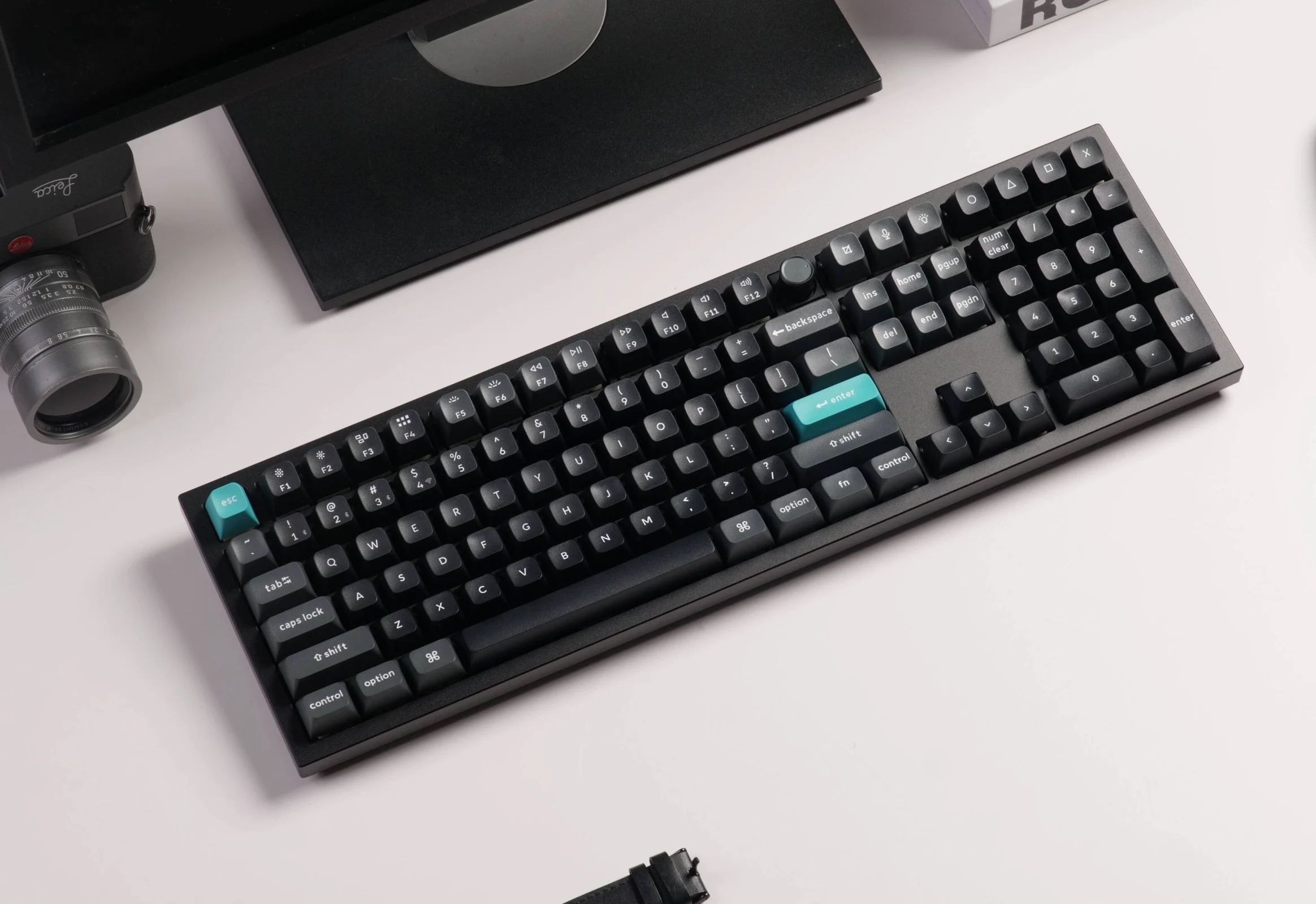
    We recently shared news about the Keychron Q6 Ultra 8K and V1 Ultra 8K, two new wireless mechanical keyboards that appeared quietly at Best Buy. When we initially wrote about these keyboards, details were limited due to incomplete listings on Best Buy’s site. To get more information on the updates to the Q series wireless keyboards, we contacted Keychron and received some confirmations, including important changes that might enhance the battery life of Keychron’s wireless models.

    New Features and Availability

    With the launch of the Q6 Ultra 8K and V1 Ultra 8K, it became apparent that Keychron was introducing new switches along with these wireless mechanical keyboards. Keychron confirmed in its reply to Notebookcheck that the keyboards will feature the new Milk POM switches, and they are currently exclusive to Best Buy. However, there are plans to make the Q6 Ultra 8K and V1 Ultra 8K available on Keychron’s online store in early 2026 as part of the “Q Ultra 8K and V Ultra 8K series.”

    Firmware and Battery Life

    In addition to the visual updates, Keychron confirmed that the firmware for the new full-size mechanical keyboard and its Q and V Ultra counterparts will be built on ZMK. While this might not be noticeable to most users—especially those using the Keychron Launcher for customization—it could have implications regarding durability and battery life. As of now, neither Keychron nor Best Buy has shared any battery life estimates for the new full-size mechanical keyboard or the 75% layout.

    ZMK is often viewed as an alternative to QMK, specifically designed for wireless keyboards, which tends to be more efficient than QMK, the firmware that most current Keychron keyboards use. For example, the Keychron B2 Pro, which runs on ZMK, is estimated to deliver 300 hours of usage from an 800 mAh battery. In contrast, the QMK-powered Keychron Q1 Max (currently priced at $229.99 on Amazon) has a 4,000 mAh battery but only offers around 100 hours of battery life with backlighting turned off. While this isn’t a direct comparison, the efficiency gap is clear, indicating significant potential for improved battery life in the Q Max keyboards.

    Specifications and Design

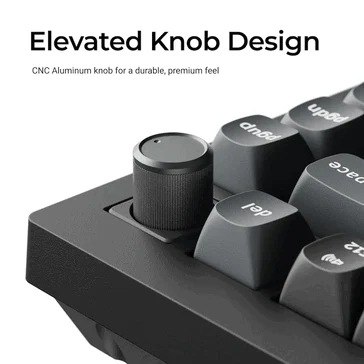
    According to our communications with Keychron’s PR team, the Q Ultra series is set to maintain many of the same specifications as the existing Q Max series, hinting that buyers will have a variety of layout options to select from, including 75%, 65%, and full-size mechanical keyboards. Even with these layout similarities, Keychron has also enhanced the materials used in the Q Ultra 8K keyboards. For instance, the rotary knobs on the new Q and V Ultra series keyboards will feature a new design crafted from CNC-cut aluminium. These new smooth knobs will replace the knurled knobs seen on models like the Q13 Max we reviewed, and Keychron asserts that they will offer better durability.

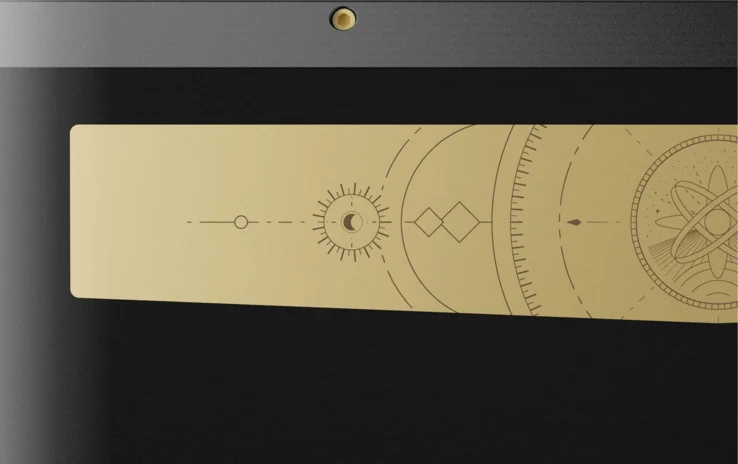
    In an unusual move for Keychron, the new Q Ultra keyboards will also include decorative plates on their bottoms—typically a feature found in custom mechanical keyboards. The decorative plate on the Q6 Ultra 8K full-size model showcases a “sci-fi futuristic backplate design,” with engravings inspired by physics concepts, such as an atom’s depiction and what appears to be a planet’s orbit.

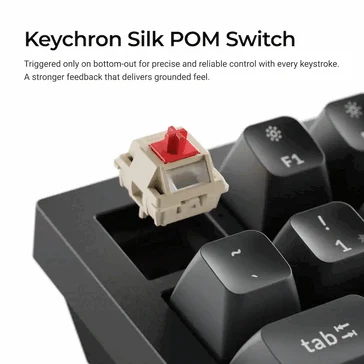
    With the cases receiving a moderate material upgrade, the switches have also been refreshed to the new Keychron Silk POM switches. These switches are expected to provide long-lasting smoothness during keystrokes along with a more modern sound profile compared to the nylon, POM, and PC mix used in the Gateron Jupiter switch series.

    Source:
    Link


  • Jonsbo N6 NAS Chassis: High Drive Capacity and M-ATX Flexibility

    Jonsbo N6 NAS Chassis: High Drive Capacity and M-ATX Flexibility

    Key Takeaways

    1. The Jonsbo N6 NAS chassis is compact and designed for significant storage, accommodating up to nine 3.5-inch SATA or SAS drives.
    2. It features a dual-section design, separating the main system area from the storage section, suitable for NAS, workstations, or small servers.
    3. The chassis has a sleek industrial look with a wooden veneer front panel and includes multiple connectivity options, such as USB-C and USB-A ports.
    4. Cooling capabilities include two 120 mm fans, space for up to seven fans, and support for a 240 mm radiator for liquid cooling.
    5. It offers enhanced power features with a hot-swappable backplate, gold-plated SAS connectors, and multiple mounting options for power supplies.


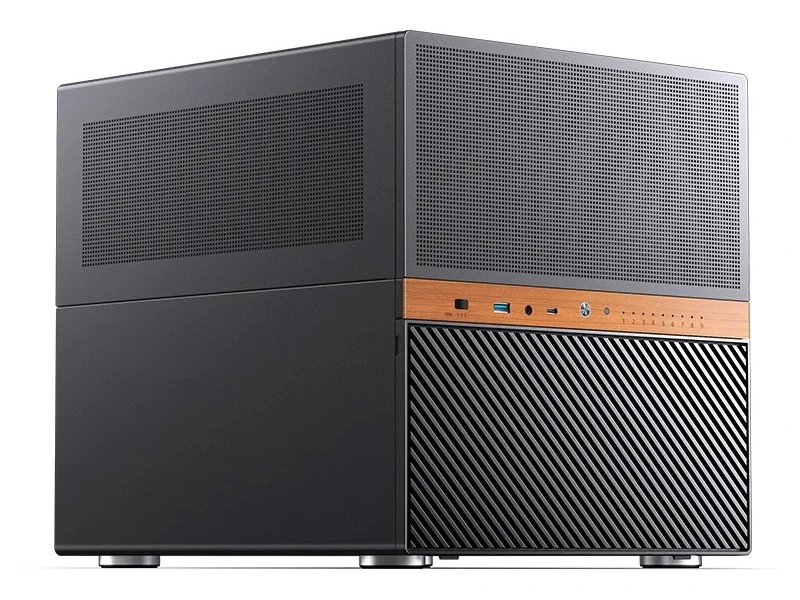
    Jonsbo has introduced the N6 NAS chassis, a small but very efficient case aimed at those needing substantial storage without going for a big tower. Its design consists of two sections, keeping the main system area separate from the storage part. The lower section can hold up to nine 3.5-inch SATA or SAS drives, while the upper area is compatible with M-ATX motherboards. This makes it a good fit for anything from a dedicated NAS to a personal workstation or even a small server.

    Dimensions and Appearance

    The N6 has dimensions of 305 by 353 by 318 millimeters and sports a sleek, industrial aesthetic, featuring a wooden veneer panel that divides the two sections at the front. It comes with one USB-C port offering 10 Gbps, one USB-A port with 5 Gbps, a 2-in-1 audio jack, and a row of nine LEDs showing the drive status, plus a fan controller with three speeds. For cooling, there are two 120 mm dual ball-bearing fans located at the back of the lower bay, and there are extra mounts allowing for a total of up to seven fans. The upper area can accommodate graphics cards that are up to 320 mm long, and the front panel can hold a 240 mm radiator for those who opt for liquid cooling systems.

    Enhanced Power Capabilities

    The N6 is designed with a server-grade hot-swappable backplate that includes gold-plated SAS connectors and four power inputs, which feature dual SATA and dual PATA setups. This arrangement allows for more flexibility when powering multiple drives while ensuring stability even under heavy loads. Additionally, there are three different places to mount the power supply at the front top, rear top, and rear bottom, giving users the option to set up dual power configurations.

    IT Homes’

    Source:
    Link


  • NuPhy Node75 Wireless Keyboard with Touch Bar and Desk Mats Pre-Order

    NuPhy Node75 Wireless Keyboard with Touch Bar and Desk Mats Pre-Order

    Key Takeaways

    1. Pre-Orders and Pricing: The NuPhy Node75 is available for pre-order at $99.95, making it an affordable choice for gamers and productivity users.

    2. Design and Versions: The Node75 offers both full-height and low-profile versions, featuring Gateron’s Low-Profile 3.0 Nano and Max switches, with emphasis on typing experience and aesthetics.

    3. Weight and Build: The full-height version weighs 829 g, while the low-profile version is lighter at 659 g, designed for portability with a durable ABS casing.

    4. Customization Options: The keyboard includes 3D models for personalisation, allowing users to create add-ons like dock stands and mounts.

    5. Touch Surface Features: The Node75 features a customizable touch area inspired by the Apple Touch Bar, allowing for tap and swipe gestures through the NuPhyIO tool.


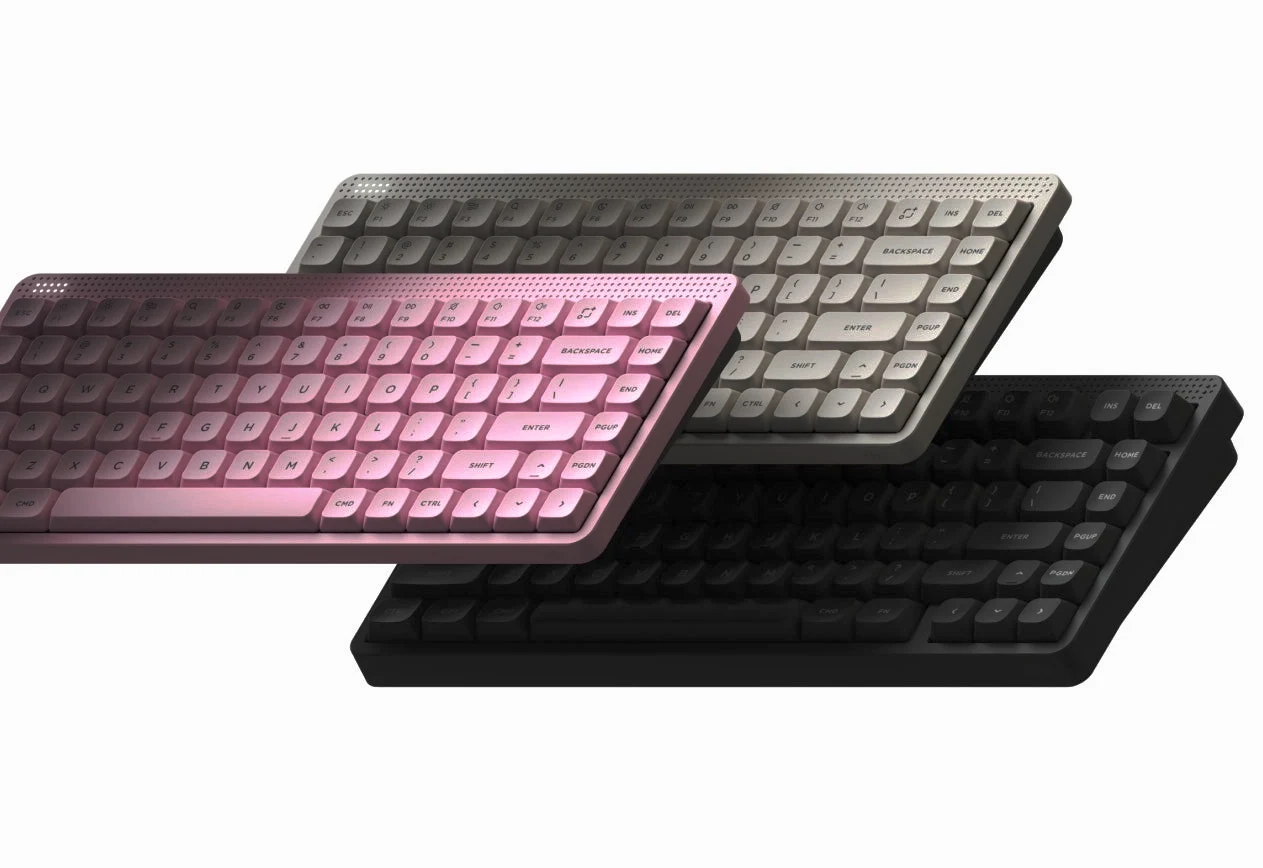
    NuPhy has recently begun to tease the Node75, a wireless mechanical keyboard that draws inspiration from retro designs, featuring a distinctive, customizable panel akin to the Apple Touch Bar situated above the F row. The keyboard manufacturer has now officially opened pre-orders for the Node75, presenting a variety of intriguing details about this forthcoming product. Current pre-orders are priced at $99.95, which positions the Node75 as an almost budget-friendly choice for both gamers and productivity users.

    Details on Versions and Specifications

    Previously, NuPhy disclosed that the Node75 would come in both full-height and low-profile versions, equipped with Gateron’s Low-Profile 3.0 Nano and Max switches. Now, they have shared the complete specifications for the Node75, hinting at impressive battery life, a sleek design, and the materials and design philosophy behind the case.

    As mentioned earlier, the Node75 is available for $99.95, and NuPhy seems to be prioritising typing experience, aesthetics, and portability. While the long-travel, low-profile switches focus on both feel and sound, the Node75’s full-height version weighs 829 g, while the low-profile version is lighter at 659 g. Although it’s not as light as some alternatives like the Logitech MX Keys S at 506 g (currently priced at $99.99 on Amazon) or the 425 g Keychron B2 Pro (currently $39.99 on Amazon), the Node75 remains relatively light for a mechanical keyboard, especially when compared to the 1,030 g low-profile Iqunix Magi65 Pro we reviewed.

    Weight and Features

    The weight likely stems from its ABS casing, though the low-profile Node75 sacrifices 1,000 mAh of battery capacity (25% smaller than the full-height version) to achieve a lighter weight. This change will probably lead to a decrease in battery life for the low-profile model. The Node75 features a gasket mount and a PC plate, which typically provide a clean and responsive sound profile based on our evaluations of similar keyboards. The ABS case also allows NuPhy to integrate handy features, such as a hardware power and connectivity switch and built-in flip-out feet for enhanced comfort. As we noted in our recent tests of keyboards like the Keychron C1 Pro 8K, plastic keyboards can offer satisfying typing feedback and strong build quality.

    Remarkably, NuPhy has kept the front height low for both the low-profile and full-height iterations of the Node75, with the low-profile version measuring just…

    Customisation Options

    Similar to the NuPhy Kick75, which we found enjoyable during our tests, NuPhy has released 3D models for the Node75, enabling deeper personalisation and customisation, which is always a welcome addition. The 3D models include a pen dock, bar tray, phone stand, display dock, brick mount (for Lego bricks), cap mount, and a card rest. If you have the skills or ambition, you can use or modify these components to create your own add-ons for the Node75.

    When NuPhy first teased the Node75, it appeared that the entire top bar to the right of the small LED matrix would be touch-sensitive. However, the latest details shared along with the pre-order page clarify that the Apple Touch Bar-style touch surface only covers a small area of that top bar in the top right corner. Interestingly, NuPhy has added two tactile bumps to mark the beginning and end of the touch area. With the right-side placement, this touch bar is designed to act as a replacement for a knob.

    Touch Surface and Desk Mats

    This touch area is customisable through NuPhyIO, the browser-based customisation tool from NuPhy, which allows you to set up both tap and swipe gestures, placing the touch area on par with most knobs found on other mechanical keyboards.

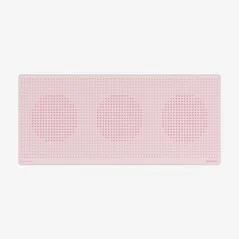
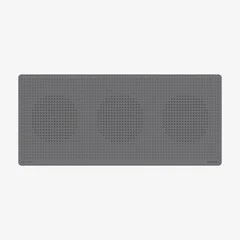
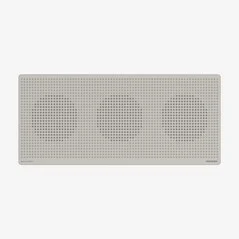
    Additionally, NuPhy has introduced three new desk mat designs that are colour-matched to the Node75, featuring the same dot matrix pattern seen on the top of the Node75’s case. These desk mats are the same dimensions as NuPhy’s standard 900 mm x 400 mm x 4 mm mats and are available for $23 when bundled with the Node75.

    Source:
    Link



  • Olares One: RTX 5090 Mini PC with 24-Core Core Ultra 9 CPU

    Olares One: RTX 5090 Mini PC with 24-Core Core Ultra 9 CPU

    Key Takeaways

    1. Olares is launching the Olares One, a powerful mini PC with a unique AI-focused operating system, Olares OS, on Kickstarter.
    2. The Olares One features a high-performance 24-core Intel Core Ultra 9 275HX processor, competing closely with AMD’s Ryzen 9 9955HX3D.
    3. It includes an Nvidia RTX 5090 Mobile GPU with 24 GB of GDDR7 memory, but limited VRAM may restrict the use of larger AI models.
    4. The device employs a vapor chamber and dual fans for cooling, ensuring quiet operation under full load, though it has limited input/output options.
    5. A smaller alternative, the GMKtec Evo-X2 mini PC, is available for those wanting more memory but at a lower performance and price point of $2,199.


    Olares is a new company looking to launch a powerful mini PC with a unique operating system that serves as a personal AI cloud. This device, called the Olares One, is set to be featured on Kickstarter, but details about its price and availability are still unclear at this moment.

    Performance Specs

    When it comes to mini PCs, the Olares One is on the heavier side, which is no surprise given its robust internals. It features a 24-core Intel Core Ultra 9 275HX processor made up of 8 performance cores and 16 efficiency cores. In various benchmark tests, this CPU performs quite well, competing closely with the well-known AMD Ryzen 9 9955HX3D.

    GPU and VRAM Limitations

    Unquestionably, a key aspect for any mini PC aiming to serve as a personal AI solution is its graphics card. The Olares One is equipped with the formidable Nvidia RTX 5090 Mobile GPU, which offers 24 GB of GDDR7 memory. While this GPU is indeed very fast, the limited VRAM could restrict the models that can be utilized. Buyers might have to either disregard larger models or choose quantized versions instead.

    Cooling Solutions and OS Features

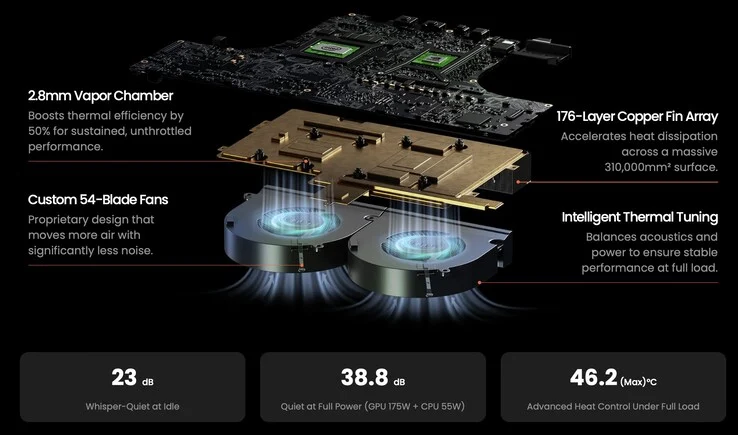
    Keeping this impressive hardware cool is a challenge, but it’s managed by a vapor chamber in conjunction with dual fans. Olares assures users that it operates quietly, even under full load, with the CPU and GPU consuming 55 and 175 watts, respectively. However, since the Olares One is not meant to replace a traditional desktop computer, its input/output options are relatively limited.

    As previously mentioned, the Olares One will come with a custom operating system called Olares OS, which will feature various AI-centric tools, built-in functionalities, and plenty of software created by the community. It will be interesting to see how the software ecosystem performs in practice, but the hardware is standard enough to support Windows, Linux, or any other operating system without much hassle. The launch on Kickstarter is anticipated in the coming months, and it will also be showcased at CES 2026.

    For those looking for a smaller option with more memory, albeit with lesser raw performance, the GMKtec Evo-X2 mini PC powered by Strix Halo (currently priced at $2,199 on Amazon) could be a viable alternative.

    Source:
    Link


  • Asus Unveils Prime AP303 ATX Case with RTX 50 GPU Bracket

    Asus Unveils Prime AP303 ATX Case with RTX 50 GPU Bracket

    Key Takeaways

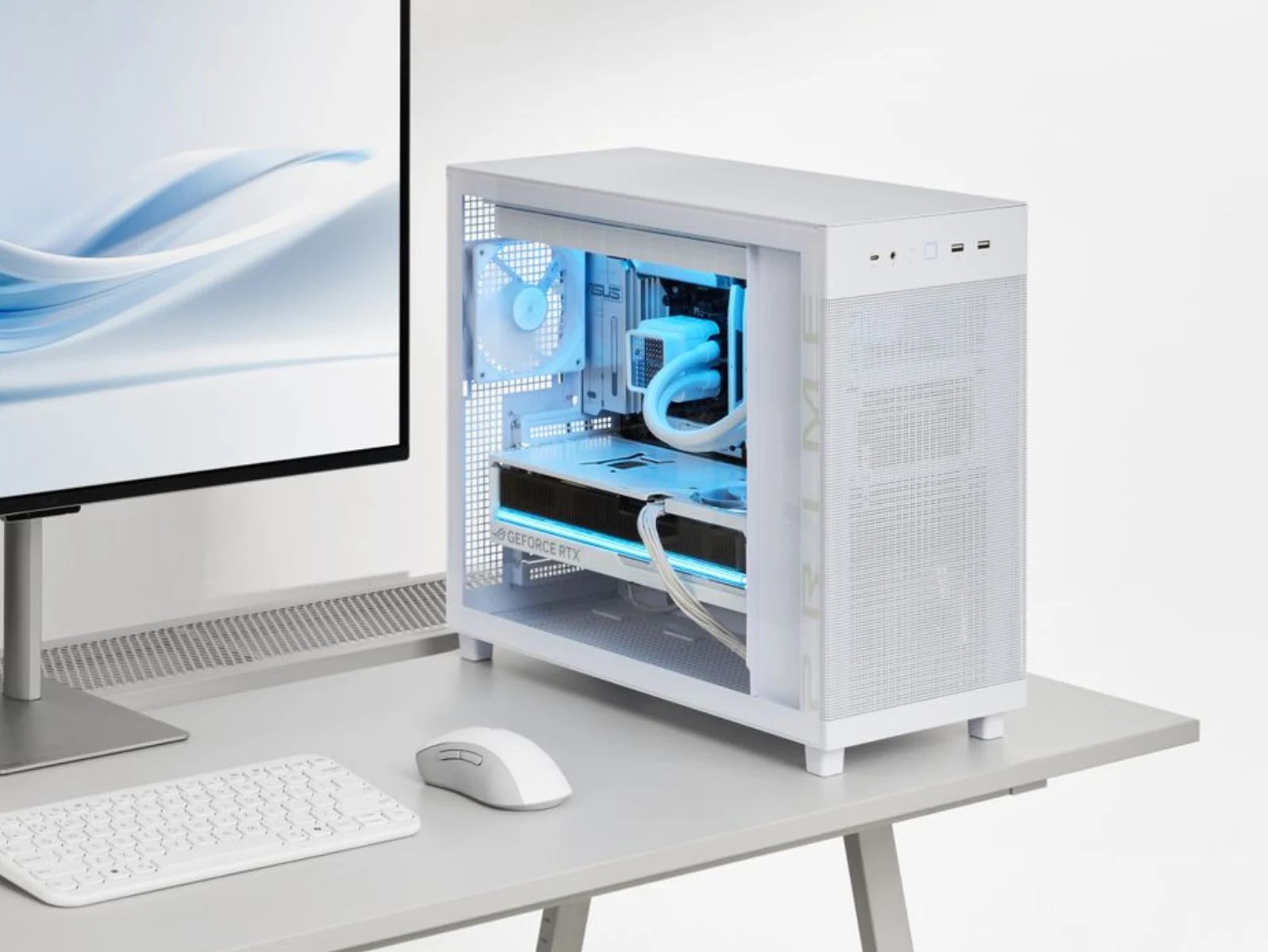
    1. The Asus Prime AP303 is a larger PC case than the Prime AP201, designed for ATX motherboards and priced starting at approximately $98.
    2. It features a volume of 44 liters, allowing for power supplies up to 1200 W and accommodating AIO coolers and graphics cards up to 360 mm long.
    3. The case includes a GPU bracket to prevent drooping of longer graphics cards, such as those from the GeForce RTX 50 series.
    4. The Prime AP303 can fit CPU coolers up to 165 mm tall and has a cable compartment that is 34 mm wide for better cable management.
    5. Front panel I/O includes USB Type-A and Type-C ports, and it is available in both mesh and glass panel versions.


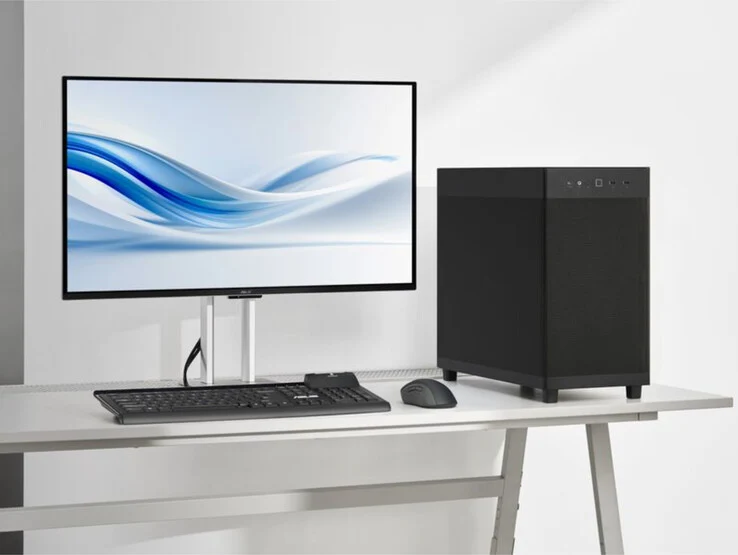
    Asus has launched the Prime AP303, an updated PC case that is larger than the existing Prime AP201, which is currently priced at $79.99 on Amazon. The Prime AP201 was specifically made for MicroATX motherboards. This new case comes in both black and white colors, similar to its predecessor, and can also be fitted with either mesh or glass side panels.

    Enhanced Features

    The Prime AP303, as shown in Asus’ promotional materials, expands to a volume of 44 liters. This makes it suitable for ATX motherboards and allows for power supplies up to 1200 W that are 180 mm long. Additionally, the case can accommodate AIO coolers and graphics cards measuring up to 360 mm in length. To help with this, Asus has added a GPU bracket to stop longer GeForce RTX 50 series cards from drooping.

    Practical Design

    There is also sufficient space in the Prime AP303 for CPU coolers up to 165 mm tall, along with a cable compartment that is 34 mm wide, helping to keep cables organized. Furthermore, the front panel I/O includes both USB Type-A and Type-C ports. The starting price for the Prime AP303 is around €85 (~$98) for the model with mesh panels, while the glass version is expected to retail for €90 (~$105). For more information, check out Asus’ official website.

    Asus via Computer Base

    Source:
    Link


  • Minisforum MS-R1 Mini-PC: CIX CP8180 Chipset & 64GB RAM

    Minisforum MS-R1 Mini-PC: CIX CP8180 Chipset & 64GB RAM

    Key Takeaways

    1. Minisforum launched the MS-R1 mini-PC powered by ARM technology, marking its entry into the ARM market.
    2. The MS-R1 features the CIX CP8180 chipset, a 12-core processor with a thermal design power of 28 W.
    3. It offers impressive AI performance, achieving up to 45 TOPS of compute with a 28.8 TOPS NPU and a 10-core Arm Immortalis-G720 MC10 GPU.
    4. The mini-PC supports up to 64 GB of LPDDR5 RAM, dual NVMe SSDs, and includes a full-length PCIe x16 slot for desktop graphics cards.
    5. Pricing for the MS-R1 starts at $503.90 for a 32 GB RAM configuration, with options up to $695.90 for 64 GB RAM and 1 TB storage, currently available at discounted prices.


    Minisforum has officially launched its first mini-PC powered by ARM technology, following an earlier presentation of the same model this month. The MS-R1 comes out just as Minisforum has revealed more information about the x86-based MS-02 Ultra, which is set to be fully unveiled in January during CES 2026. Additionally, the company has recently introduced a more affordable variant of the M1-1295, currently priced at $409 on Amazon, with more details available in a separate article.

    A Powerful New Contender

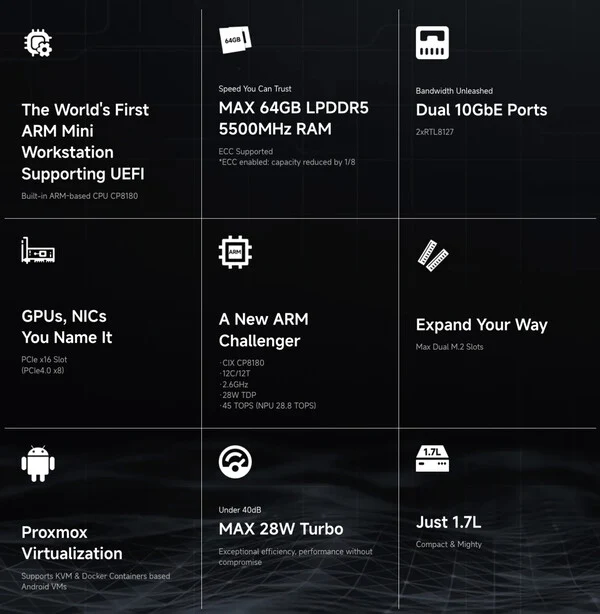
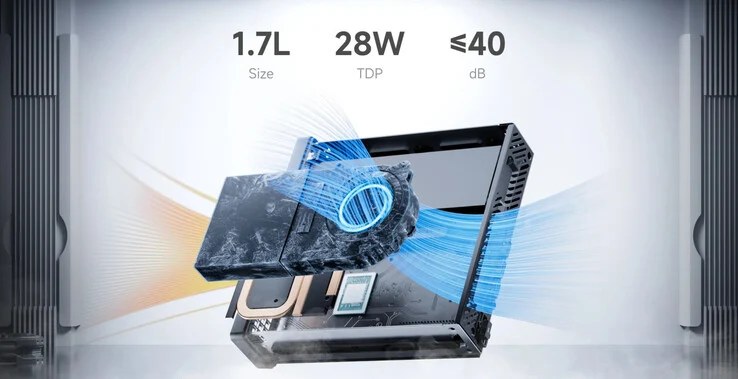
    Marketed as a new ‘ARM challenger’ boasting ‘serious power’, the MS-R1 resembles a standard mini-PC or workstation, featuring a modest design and a case size of 1.7 liters. Nonetheless, it utilizes the CIX CP8180 chipset, which is a 12-core and 12-threaded processor with a thermal design power (TDP) of 28 W.

    Impressive Performance Specs

    Reportedly capable of achieving up to 45 TOPS of AI compute thanks to a 28.8 TOPS NPU, the CIX CP8180 also incorporates an Arm Immortalis-G720 MC10 GPU, which is a 10-core variant found in the Dimensity 9400e and Dimensity 8400. Furthermore, the MS-R1 is equipped with multiple ports:

    The image below illustrates that the MS-R1 can be outfitted with as much as 64 GB of LPDDR5-5500 RAM and dual NVMe SSDs through two M.2 slots. In addition, Minisforum has incorporated a full-length PCIe x16 slot to accommodate desktop graphics cards. The starting price for the MS-R1 is $503.90 for a configuration with 32 GB of RAM but no storage. Alternatively, users can opt for a setup that includes 64 GB of RAM and up to 1 TB of storage, with the highest configuration priced at $695.90. It’s important to mention that these prices are currently discounted in honor of the MS-R1’s launch. The detailed pricing information is as follows:

    Minisforum

    Source:
    Link


  • Astronomers Capture Close-Up of Dying Star with Mysterious Dust

    Astronomers Capture Close-Up of Dying Star with Mysterious Dust

    Key Takeaways

    1. WOH G64 is a dying red supergiant star located about 160,000 light-years from Earth in the Large Magellanic Cloud.
    2. The star has an unusual long and uneven dust cocoon, differing from the typical smooth dust shells of red supergiants.
    3. WOH G64 has created a thick layer of hot, iron-rich silicate dust, which has caused it to dim in brightness over the past decade.
    4. There is a possibility of a companion star affecting WOH G64’s dimming and uneven shape, but further research is needed.
    5. The findings suggest that stars nearing their end may produce dust bursts suddenly rather than losing mass gradually.


    Stars may seem like they are always there in the night sky, but they do have an end. Astronomers have seen a star as it is dying, and it’s located outside our galaxy. The star in question is WOH G64, a red supergiant found in the Large Magellanic Cloud (LMC), which is about 160,000 light-years from Earth. The image of this star was made using the Very Large Telescope Interferometer (VLTI) at the European Southern Observatory.

    Surprising Findings

    The image of WOH G64 is not just rare, but also brings unexpected findings for the astronomers. Usually, red supergiants have a smooth, spherical dust shell around them. But WOH G64 has a long, uneven cocoon that covers it. The clarity of the image allows scientists to take a closer look at the envelope of dust surrounding the star.

    This new discovery goes against what was traditionally believed about stars losing mass before they explode as supernovae. The research team believes that WOH G64 has created a thick new layer of hot, iron-rich silicate dust. This change has notably dimmed the star’s brightness in the near-infrared spectrum over the past ten years.

    The Mystery of a Companion Star

    Another intriguing aspect of WOH G64 is the potential existence of a companion star, which hasn’t been found yet. This idea comes from observing the star’s unusual dimming and uneven shape. However, the initial results from studying the dust structure need more investigation before dismissing other possibilities.

    WOH G64 has become a key example of the wild final moments in a star’s life cycle. The findings indicate that stars nearing their end might produce dust bursts suddenly instead of losing mass in a slow and even manner.

    Astronomy and Astrophysics

    Source:
    Link