Category: Computers

  • Minisforum MS-02 Ultra: Release Date for High-End Mini-PC with USB4 V2

    Minisforum MS-02 Ultra: Release Date for High-End Mini-PC with USB4 V2

    Key Takeaways

    1. The Minisforum MS-02 Ultra was showcased at Japan Autumn IT Week 2025 and is a CES Innovation Awards 2026 Honoree.
    2. The device will be available for purchase starting November 20, but pricing details are currently unknown.
    3. The MS-02 Ultra features an Intel Core Ultra 9 285HX processor, outperforming AMD Strix Halo options in benchmarks.
    4. It includes PCIe slots for additional graphics cards and USB4 V2 ports for external GPU connectivity.
    5. The device supports up to 32 TB of storage, 256 GB of RAM, and has a compact design measuring 221.5 x 225 x 97 mm.


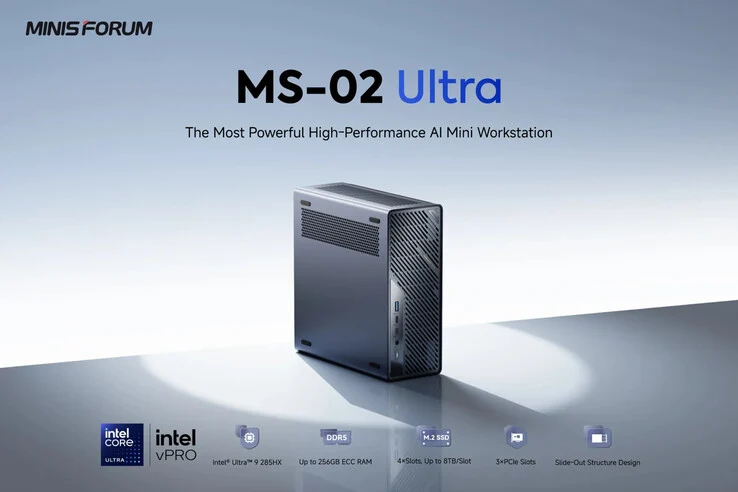
    Less than a month ago, information about the Minisforum MS-02 Ultra came to light. In that short time, Minisforum has managed to showcase a new version of the device ahead of its official launch. To summarize, the company revealed the MS-02 Ultra at Japan Autumn IT Week 2025 last month and announced last week that it was a CES Innovation Awards 2026 Honoree.

    Marketing Blitz

    For some unknown reason, Minisforum has chosen to highlight once more that the MS-02 Ultra has won a CES 2026 Innovation Award. Putting their marketing ‘milestone’ to the side, the company added an interesting detail regarding the MS-02 Ultra in their latest press release. They’ve confirmed that the device will be available for purchase starting November 20.

    Pricing and Availability

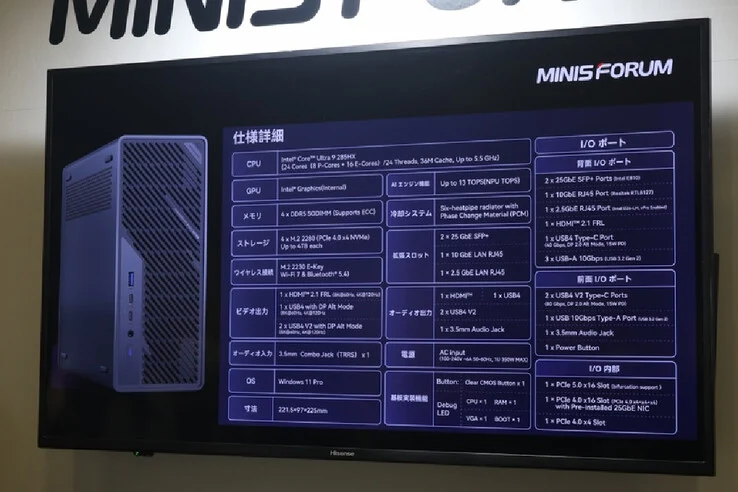
    At this point, the price remains unknown. Additionally, it’s not clear if the November 20 release date is for all markets or just specific ones. However, many specs of the MS-02 Ultra are already public. It will utilize an Intel Core Ultra 9 285HX processor, which competes against AMD Strix Halo options like the GMKtec EVO-X2 (currently priced at $1,699 on Amazon). According to our benchmarks, it boasts a 13% performance edge over the Ryzen AI Max+ 395.

    Specifications Overview

    Although the Core Ultra 9 285HX has a relatively weak integrated GPU, the MS-02 Ultra compensates for this limitation by offering PCIe slots for adding a graphics card and USB4 V2 ports for connecting external GPUs. Furthermore, the device can support up to 32 TB of storage using four M.2 2280 SSDs, along with 256 GB of RAM and a 350 W Flex PSU, all housed in a compact 4.8-liter case that measures 221.5 x 225 x 97 mm.

    Source:
    Link


  • Chilkey ND104: Wireless Mechanical Keyboard Hits $120K on Kickstarter

    Chilkey ND104: Wireless Mechanical Keyboard Hits $120K on Kickstarter

    Key Takeaways

    1. Chilkey’s ND104 Kickstarter campaign raised $123,871 from 642 supporters, exceeding its $5,000 goal.
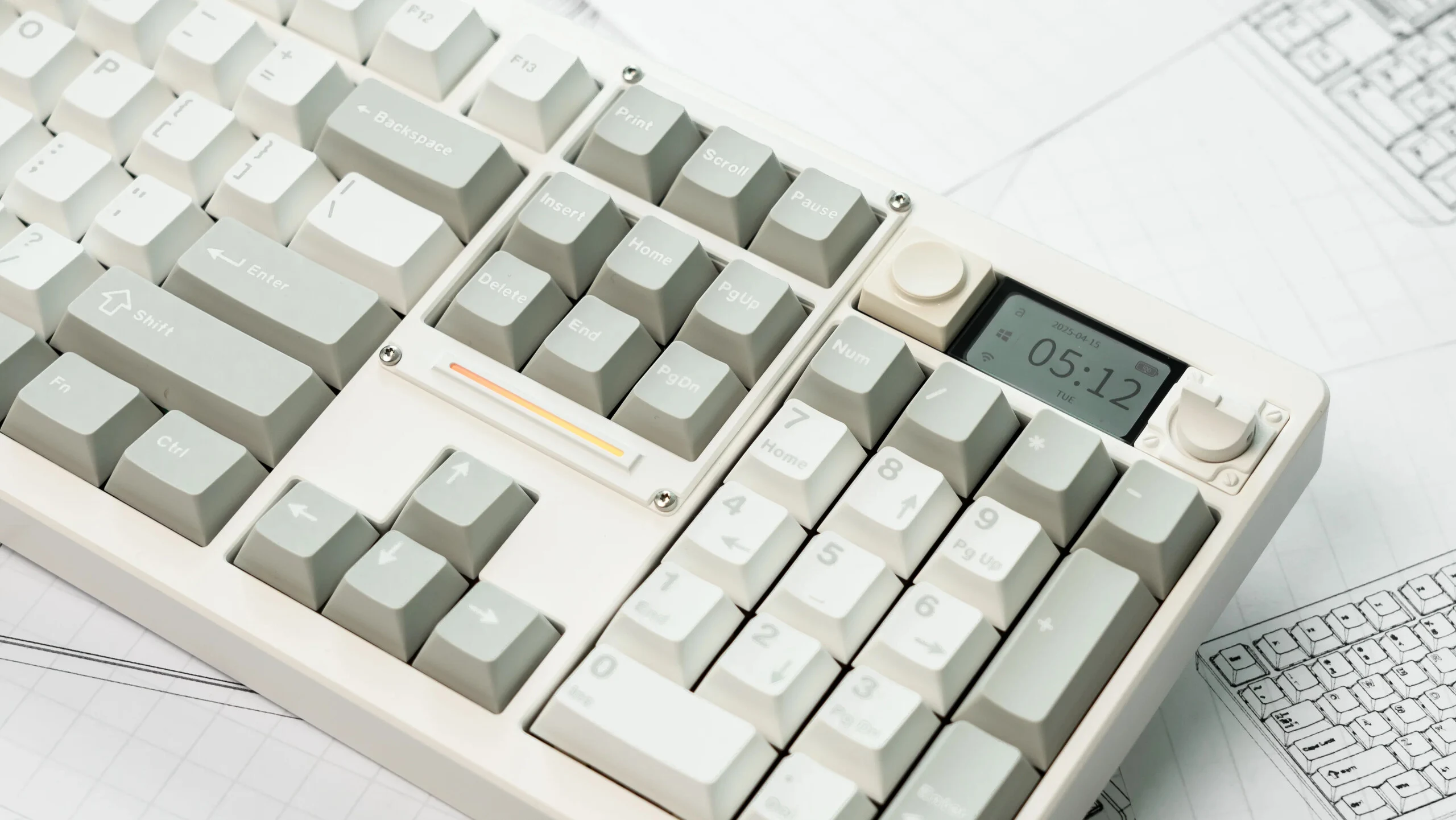
    2. The ND104 is a full-size wireless mechanical keyboard with an aluminum case, integrated display, and control knob.
    3. It offers customization options, including different mounting styles and the ability to remap layouts through VIA.
    4. The built-in screen allows users to upload custom GIFs, view time, and use it as a calculator.
    5. The keyboard features a magnetic compartment for the dongle and comes in multiple color choices to suit various styles.


    Chilkey started its ND104 Kickstarter campaign in the middle of October, aiming to raise $5,000 for the first production run of its full-size wireless mechanical keyboard. Nearly a month later, the crowdfunding event is about to wrap up. With just 46 hours remaining, Chilkey has successfully garnered $123,871 from 642 supporters, far surpassing the initial goal. Given that Chilkey is already a well-known brand in the mechanical keyboard market, it was anticipated that there would be significant interest in the ND104. Typically, these Kickstarter campaigns serve as a way to measure interest in niche projects rather than completely fund them.

    Key Features of the ND104

    At its core, the Chilkey ND104 is a full-size (104-key) wireless mechanical keyboard featuring an aluminum case, an integrated display, and a control knob. However, it also includes some fun and unique features that set it apart for both casual users and keyboard aficionados alike.

    Customization Options

    Although the ND104 comes as a pre-built keyboard with Cherry profile PBT keycaps and “office-friendly” silent or regular linear switches, it provides ample customization options, allowing adjustments in both physical and firmware layouts as well as typing sensations. Users can select from three different mounting styles: top mount for a consistent feel and sound focus, or either elastic bar or silicone particle gasket mounts, with the elastic bar providing a softer typing experience. The quick-release ball-catch system simplifies the process of changing mounts, making it easy to disassemble the ND104.

    Built-in Screen and Additional Features

    Customization goes beyond just the physical components. The built-in screen can be personalized using Chilkey’s web driver, where users can upload custom GIFs, view the time, or even use it as a calculator. The keyboard’s layout can also be remapped and customized through VIA, an open-source tool for keyboard customization. Additionally, Chilkey offers the option to replace the 3×2 navigation cluster above the arrow keys with a small storage tray for items like office supplies or screws, which is perfect for hobbyists or crafting enthusiasts.

    The ND104 also boasts several other clever features, including a bottom accent plate and a magnetic compartment for storing the 2.4 GHz dongle. Available color choices include white, grey, black, pink, yellow, and blue, catering to a wide range of personal styles.

    Source:
    Link


  • Bumble Berry Pi: Affordable DIY Palmtop Competing with OmniOne

    Bumble Berry Pi: Affordable DIY Palmtop Competing with OmniOne

    Key Takeaways

    1. Minimal skill required for assembly and low cost for the Bumble Berry Pi project.
    2. Uses easily sourced components from Amazon, with no soldering needed except for threaded inserts.
    3. Powered by a built-in 37 Watt hour battery bank, providing all-day operation.
    4. Utilizes a Raspberry Pi 3b+, with an option to upgrade to Raspberry Pi 5 for better performance.
    5. Complete project information, including instructions and materials, is available for free on GitHub, with a total cost under $100.


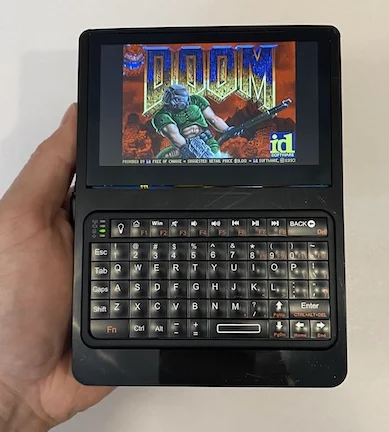
    Building a DIY laptop or portable device usually requires a fair amount of engineering skill. Yet, Samcervantes on GitHub wants to change that perception. Frustrated with the long wait time of three months for a Clockwork Pi uConsole, this modder took matters into their own hands and created their own version.

    Easy and Affordable Assembly

    What sets this creation apart is the minimal skill needed for assembly and the low cost. Besides the parts that are 3D printed, the Bumble Berry Pi can be assembled using components that are easily found on Amazon. It doesn’t require any soldering, except for using an iron to press in the threaded inserts.

    Powering the Device

    The entire setup runs on a 37 Watt hour battery bank that is built into the case, providing enough power to keep the device running all day without any interruptions.

    This build utilizes a Raspberry Pi 3b+, which may not be the most powerful option by today’s standards. However, if you’re looking for more performance, you can easily replace it with a Raspberry Pi 5 (which you can find on Amazon). Just keep in mind that upgrading may lead to shorter battery life.

    Cost-Effective Weekend Project

    While the OmniOne has gained attention on Kickstarter for $359, the Bumble Berry Pi offers a fun project that can be assembled for under $100, especially if you already own a Pi and a 3D printer.

    All the information about this project, including assembly instructions, the list of materials, and STL files, can be accessed for free on GitHub.


    Source:
    Link


  • Thunderobot Unveils Affordable AMD-Powered MIX NUC Mini PC

    Thunderobot Unveils Affordable AMD-Powered MIX NUC Mini PC

    Key Takeaways

    1. Thunderobot launched the MIX NUC mini PC featuring the Ryzen 7 H 255 chip, a rebranded Ryzen 7 8745HS.
    2. The Ryzen 7 H 255 was first introduced in China and is now available globally in systems like the Beelink SER9 Pro.
    3. The MIX NUC can support up to 32 GB of DDR5 RAM and 1 TB of NVMe storage, along with a strong cooling system for heavy use.
    4. The pricing for the Thunderobot MIX NUC is CNY 3,999 (approximately $561), making it cheaper than the AI 9 HX 370 version.
    5. There is currently no information on a global release for the MIX NUC, as Thunderobot mainly sells products in the Chinese market.


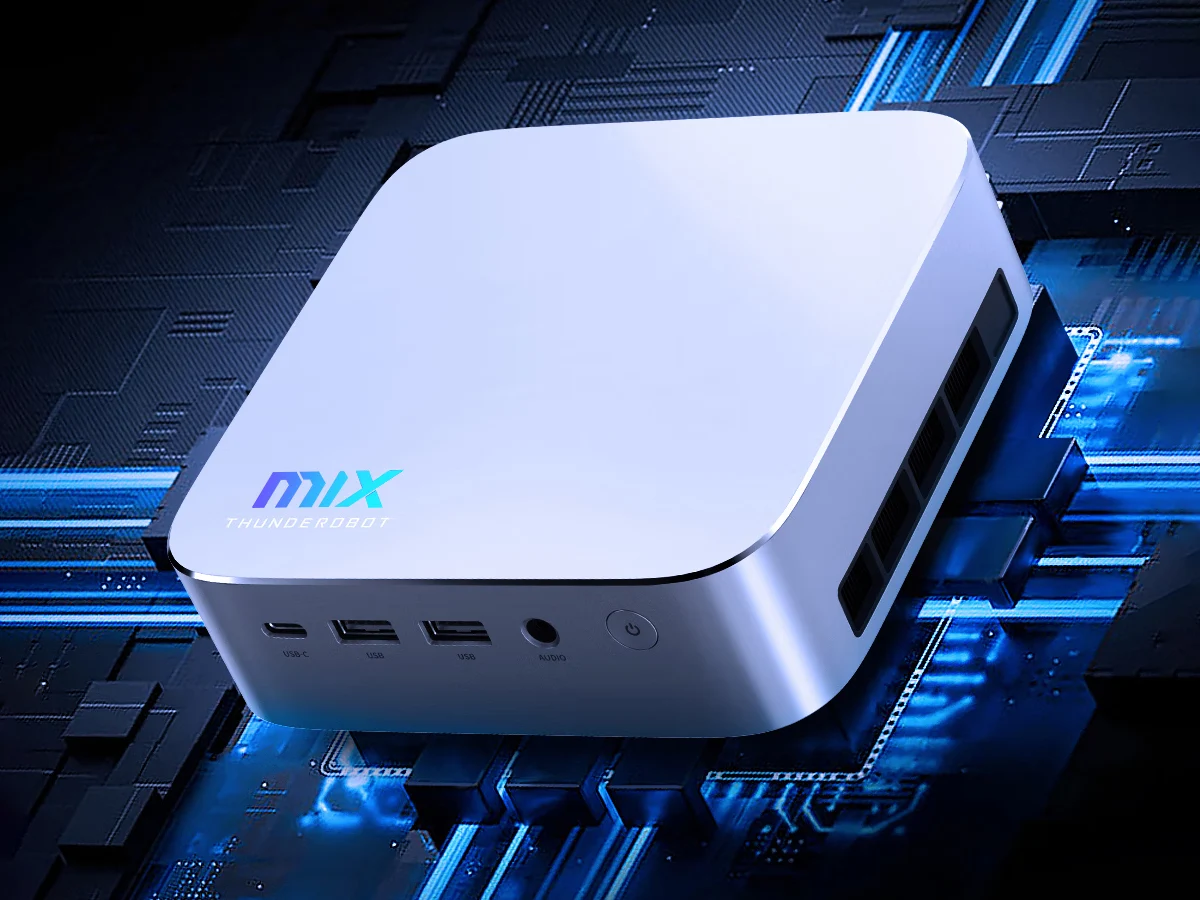
    Thunderobot has launched a fresh version of the MIX NUC mini PC. This latest model features the Ryzen 7 H 255 chip, which is essentially a rebranded Ryzen 7 8745HS.

    Global Availability of Ryzen 7 H 255

    It’s important to mention that the Ryzen 7 H 255 was first unveiled in China, but mini PC makers have already started offering systems with this processor globally. The Beelink SER9 Pro is one such example, and our testing shows that the Hawk Point chip provides the same performance as the Ryzen 7 8845HS, while the Ryzen AI 9 HX 370 is nearly 35% quicker.

    Specifications and Features

    In terms of specifications, aside from the new processor, the other features of the Thunderobot MIX NUC are the same as those found in the Ryzen AI 9 HX 370 model. This includes the port layout, which is listed below:

    The AMD processor in this new model can be combined with 32 GB of DDR5 RAM and 1 TB of NVMe storage (or a 2 TB Samsung 990 Evo Plus currently priced at $159.99 on Amazon). Thunderobot also emphasizes the cooling system of the mini PC, which is designed to maintain optimal temperatures during heavy usage. Additional features include WiFi 6, Bluetooth 5.3, and a 70 W performance mode.

    Pricing and Market Release

    As for the cost, the Thunderobot Mix NUC featuring the Ryzen 7 H 255 is priced at CNY 3,999, which is around $561. This is cheaper than the AI 9 HX 370 version, which retails for CNY 6,999, approximately $983. There’s no information available regarding a global launch yet, but it’s notable that Thunderobot typically doesn’t export most of its products beyond the Chinese market.

    Source:
    Link


  • Seenda MOU-200 Wireless Vertical Mouse: 2400 DPI & Multipoint Connection

    Seenda MOU-200 Wireless Vertical Mouse: 2400 DPI & Multipoint Connection

    Key Takeaways

    1. The Seenda MOU-200 vertical mouse is designed with a 52° angle to reduce hand fatigue and improve comfort.
    2. Priced at $24.99, it is available in black and purple and can be purchased from Seenda’s official site.
    3. The mouse has dimensions of 4.4 x 3 x 2.7 inches and weighs 83 grams, making it smaller and lighter than some competitors.
    4. It features adjustable DPI settings of 1000, 1600, and 2400 and allows connection to up to three devices via USB or Bluetooth.
    5. The MOU-200 operates on a standard AAA battery and is compatible with Windows 8 and later as well as Mac OS 10.10 and above.


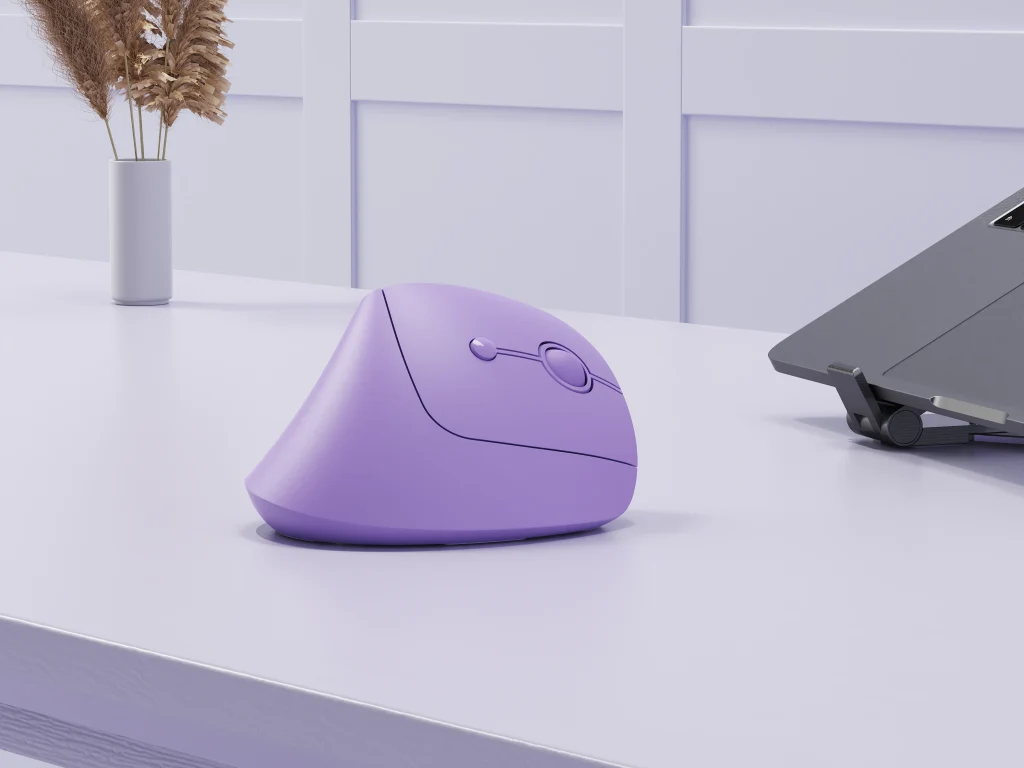
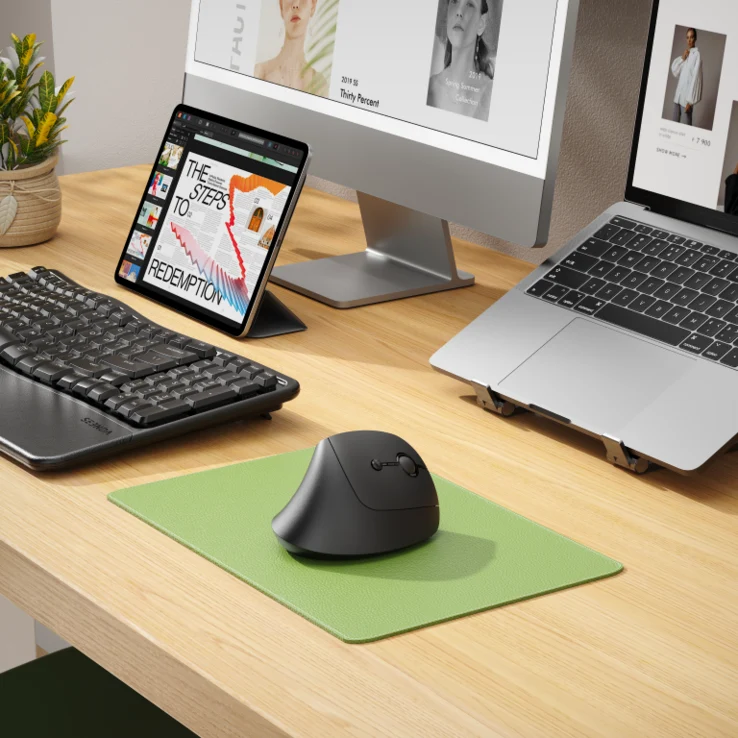
    Seenda, a maker of PC accessories, has launched its new MOU-200 vertical mouse globally. This wireless mouse is angled at 52°, which is meant to fit the natural shape of your hand, helping to lessen hand fatigue. The MOU-200 is available for $24.99 and comes in black and purple. You can buy it directly from Seenda’s official site.

    Size and Weight

    With dimensions of 4.4 x 3 x 2.7 inches (111.7 x 76.2 x 68.5 mm) and weighing 83 grams (0.18 lbs), the MOU-200 is smaller and lighter compared to the Keychron M5 vertical mouse. It features adjustable DPI settings of 000, 1600, and 2400, which users can choose based on their needs. A specific hardware button is included for DPI adjustment. Similar to the Logitech MX Master 4, which is currently priced at $119.99 on Amazon, the mouse allows for multiple connections, enabling users to connect to three devices at once via a USB receiver or Bluetooth 1/Bluetooth 2.

    Device Switching and Power

    Additionally, it comes with a switch button that enables users to toggle between connected devices easily. Unlike many mice that have built-in batteries, the MOU-200 runs on a standard AAA battery. Also, the wireless dongle features a special slot underneath for convenient storage. In terms of compatibility, this mouse works with systems ranging from Windows 8 and later to Mac OS 10.10 and above.

    Seenda’s new offering is designed to enhance user experience with its ergonomic shape and versatile connectivity options, making it a great choice for those looking for comfort and functionality in their computing accessories.

    Source:
    Link


  • Pre-order 280W Desktop Charging Station with 6 USB Ports – 49% Off

    Pre-order 280W Desktop Charging Station with 6 USB Ports – 49% Off

    Key Takeaways

    1. AOHi launched a Kickstarter campaign for the AOHi Future AI 280W GaN+ Desktop Charger, offering a 44% discount on the base package priced at $139.
    2. The charger features six ports: four USB-C (one capable of 240 W) and two USB-A, allowing for versatile charging of multiple devices.
    3. It includes an efficient GaN+ chip for smart charging management and has an LCD display to show power usage and the current time.
    4. Backers can save up to 49% when purchasing two chargers, and shipping is expected to start globally in February 2026.
    5. The campaign has exceeded its initial funding goal of $5,000 by over four times in a short period, though there are risks associated with crowdfunding projects.


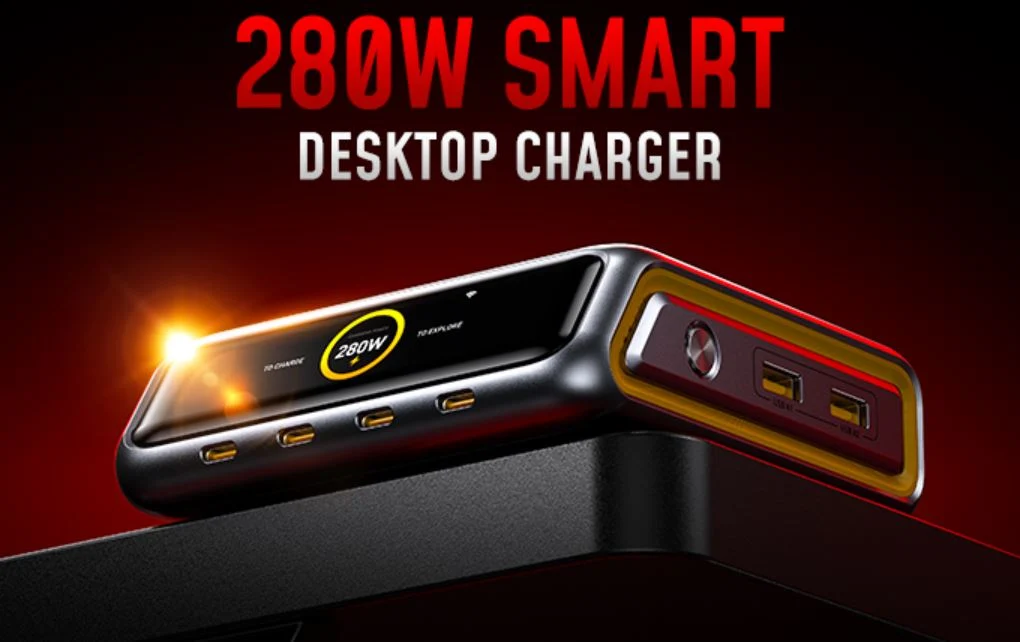
    AOHi has just kicked off a new campaign on Kickstarter to introduce their latest charging solution, the AOHi Future AI 280W GaN+ Desktop Charger. Backers who choose to get the base package for $139 will enjoy a discount of 44% off the regular price of $249. If someone decides to buy two chargers, they can save up to 49%. The shipping is expected to start globally in February 2026. Impressively, the campaign has already surpassed its initial goal of $5,000 by more than four times in a very short period.

    Design and Functionality

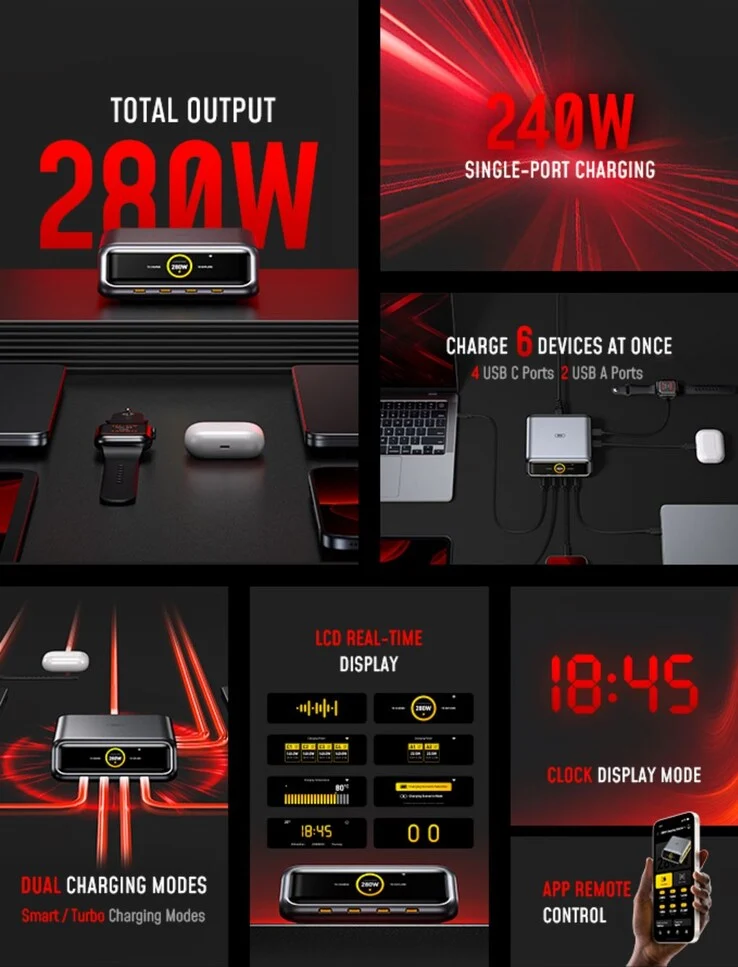
    The AOHi 280W GaN+ Desktop Charger serves as a versatile charging station for different devices. In terms of appearance, it looks quite similar to popular options from brands like Anker and EcoFlow. With a maximum power output of 280 W, this model fits neatly between those competitors. It features a total of six ports, which include four USB-C ports and two USB-A ports. Remarkably, one USB-C port can deliver up to 240 W, enabling rapid charging for high-demand devices like laptops.

    Smart Technology

    Moreover, the device incorporates a clever and efficient GaN+ chip that smartly manages the charging processes based on the devices connected to it. The front of the charger is equipped with an LCD display that indicates how many watts are being used at each port. It can also show the current time. Additionally, users can control and monitor the AOHi 280W GaN+ Desktop Charger through a dedicated app.

    Crowdfunding Considerations

    Like with any crowdfunding project, there are certain risks involved, such as the chance that the product may not be released or might not perform as promised.

    Source:
    Link


  • Cooler Master QUBE 540: Customizable Budget PC Case for Gamers

    Cooler Master QUBE 540: Customizable Budget PC Case for Gamers

    Key Takeaways

    1. Versatile Compatibility: Fits motherboards from ITX to E-ATX and supports graphics cards up to 41.5 cm long.
    2. Customization Options: Offers various 3D printable add-ons for functional and decorative enhancements.
    3. Cooling Capabilities: Supports a 360mm AiO cooler and multiple fan configurations for effective cooling.
    4. Budget-Friendly: Priced at €64, making it an affordable option for PC builders.
    5. Storage Support: Compatible with one 3.5-inch hard drive and two 2.5-inch SSDs, along with ATX and SFX power supplies.


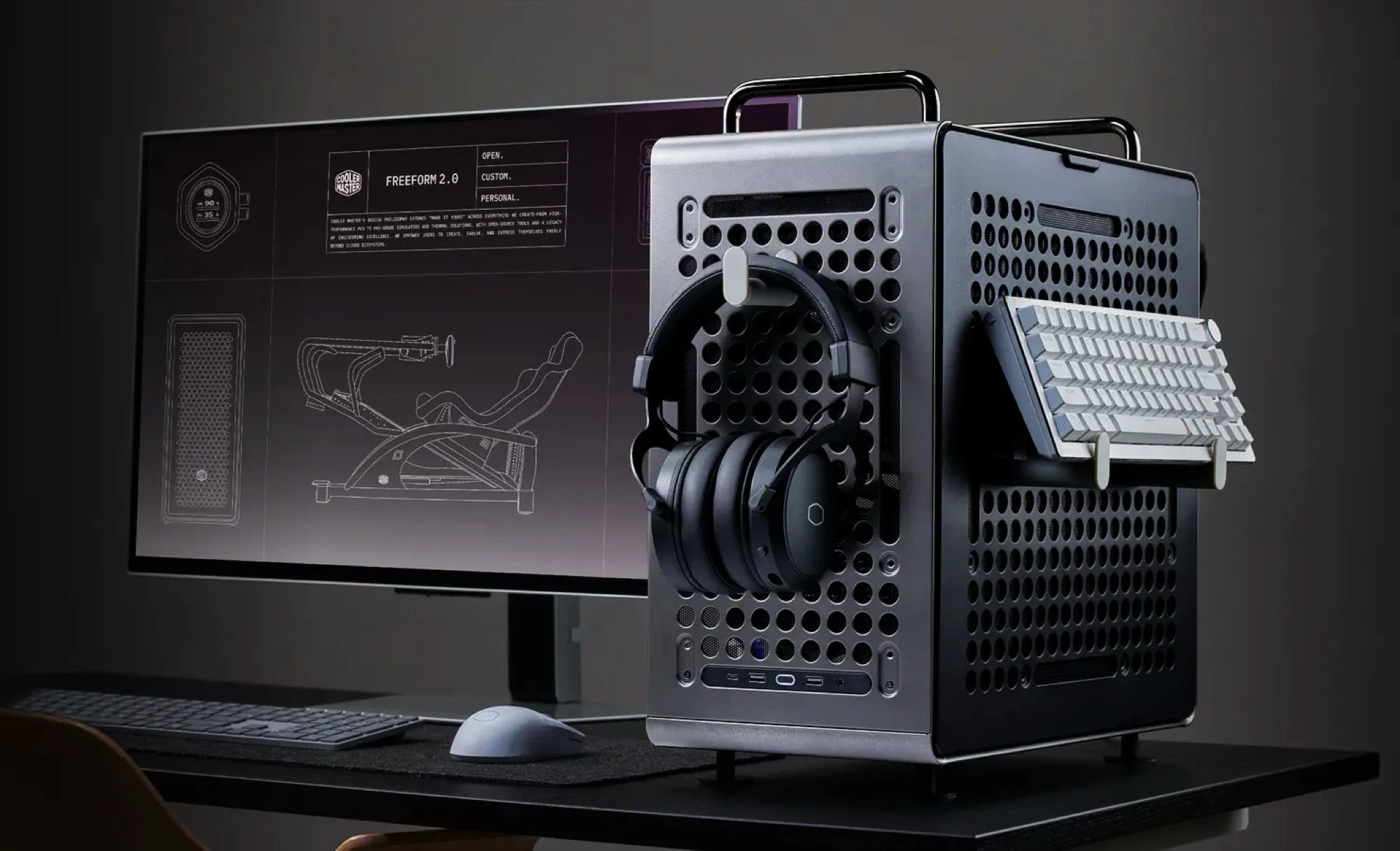
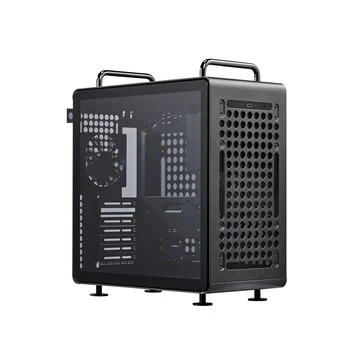
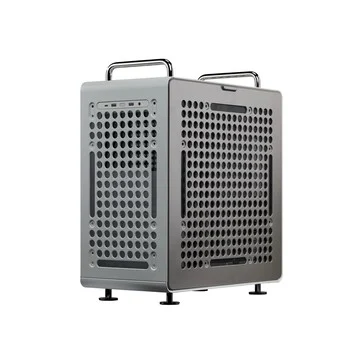
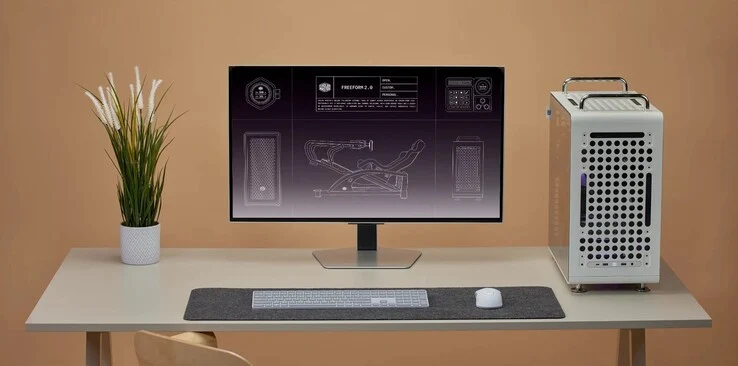
    The Cooler Master QUBE 540 is being marketed as a super adaptable PC case that comes at a fairly low cost. With measurements of 42.5 x 42.5 x 22.5 cm, it fits motherboards ranging from ITX to E-ATX and can hold graphics cards that are as long as 41.5 cm. The case features large circular holes at the front and back, which can be used to attach various accessories directly.

    Customization Galore

    For those who own 3D printers, there are plenty of creative ideas for customization available on Printables, shared by both Cooler Master and fellow users. You’ll discover functional add-ons like mounts for headphones, keyboards, and smartphones, alongside fun decorative pieces such as a chicken head or octopus tentacles. Additionally, a rotating base permits the case to spin a full 360 degrees, as long as there are no obstructing cables.

    Cooling and Compatibility

    The Cooler Master QUBE 540 has ample room for an AiO cooler that has a 360mm radiator. You can install three 120mm fans or two 140mm fans on the top, front, and bottom of the case, with the rear section designed for one 120mm fan. The CPU cooler can measure up to 17.2 cm in height, and this budget-friendly PC case is compatible with both ATX and SFX power supplies, along with one 3.5-inch hard drive and two 2.5-inch SSDs.

    Pricing Information

    The Cooler Master QUBE 540 E-ATX is priced at an MSRP of €64 in Europe. For more information about this case, you can visit the official product page.

    Source:
    Link


  • AMD Roadmap Reveals Zen 7, Medusa Point, and Gorgon Point Launch Dates

    AMD Roadmap Reveals Zen 7, Medusa Point, and Gorgon Point Launch Dates

    Key Takeaways

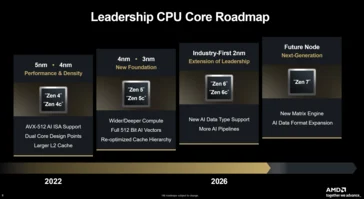
    1. Zen 7 Announcement: Zen 7 is on AMD’s roadmap with a release planned for beyond 2026, featuring a new Matrix Engine.

    2. Zen 6 Launch: Zen 6 is expected to launch in 2026, incorporating Zen 6 and Zen 6c cores, built on an unspecified TSMC 2 nm node.

    3. Laptop Developments: Medusa refers to upcoming laptop components based on Zen 6, while Gorgon is a mid-cycle update for Zen 5, with Medusa launching in 2027.

    4. Advanced Technology: Zen 7 may utilize four types of CPU cores and TSMC’s advanced A16 node, promising more 3D V-cache than Zen 5.

    5. Limited GPU Information: No specific details on the next generation of GPUs or mid-cycle updates for RDNA 4 were provided during the presentation.


    While the focus of AMD’s Financial Analyst Day was mostly on finances, Team Red also shared some details about its future products. Zen 7 has made its way onto AMD’s official roadmap, scheduled for release ‘beyond 2026.’ Sadly, there isn’t much information available, apart from the fact that Zen 7 will feature a new Matrix Engine.

    Details on Zen 7

    Earlier leaks from Moore’s Law is Dead suggested that Zen 7 might use four types of CPU cores: Classic, Dense, Efficiency, and Low Power. It is expected to utilize TSMC’s advanced A16 node and provide significantly more 3D V-cache than Zen 5. A tentative launch is set for 2028, but we can’t verify this info until more sources come forward.

    Upcoming Releases

    Looking ahead, Zen 6 is predicted to launch in 2026, combining Zen 6 and Zen 6c cores. This will be the first consumer-grade CPU in the industry to be built on an unspecified TSMC 2 nm node. This isn’t completely new information, as it was subtly confirmed earlier this year when AMD mentioned its upcoming Epyc server chip had already been taped out on a TSMC N2 class node.

    On the laptop front, AMD specifically mentioned Medusa and Gorgon. Medusa refers to laptop components that utilize the Zen 6 architecture, while Gorgon represents a mid-cycle update to existing Zen 5 components. Medusa is anticipated to feature standard Medusa Point Ryzen AI parts along with the Medusa Halo, which is the Ryzen AI Max-branded successor to the Strix Halo. However, Medusa is not expected to launch until 2027, meaning the only new AMD laptop models next year will be based on Zen 5 Gorgon parts.

    GPU Information

    Information regarding GPUs is limited, with the presentation merely recognizing the next generation of GPUs without offering a tentative release date or any indication of a mid-cycle update for the current RDNA 4 GPUs.

    AMD

    Source:
    Link


  • Smart Keyboard Laptop with AMD Ryzen 7 or Intel CPU – Extra Wide

    Smart Keyboard Laptop with AMD Ryzen 7 or Intel CPU – Extra Wide

    Key Takeaways

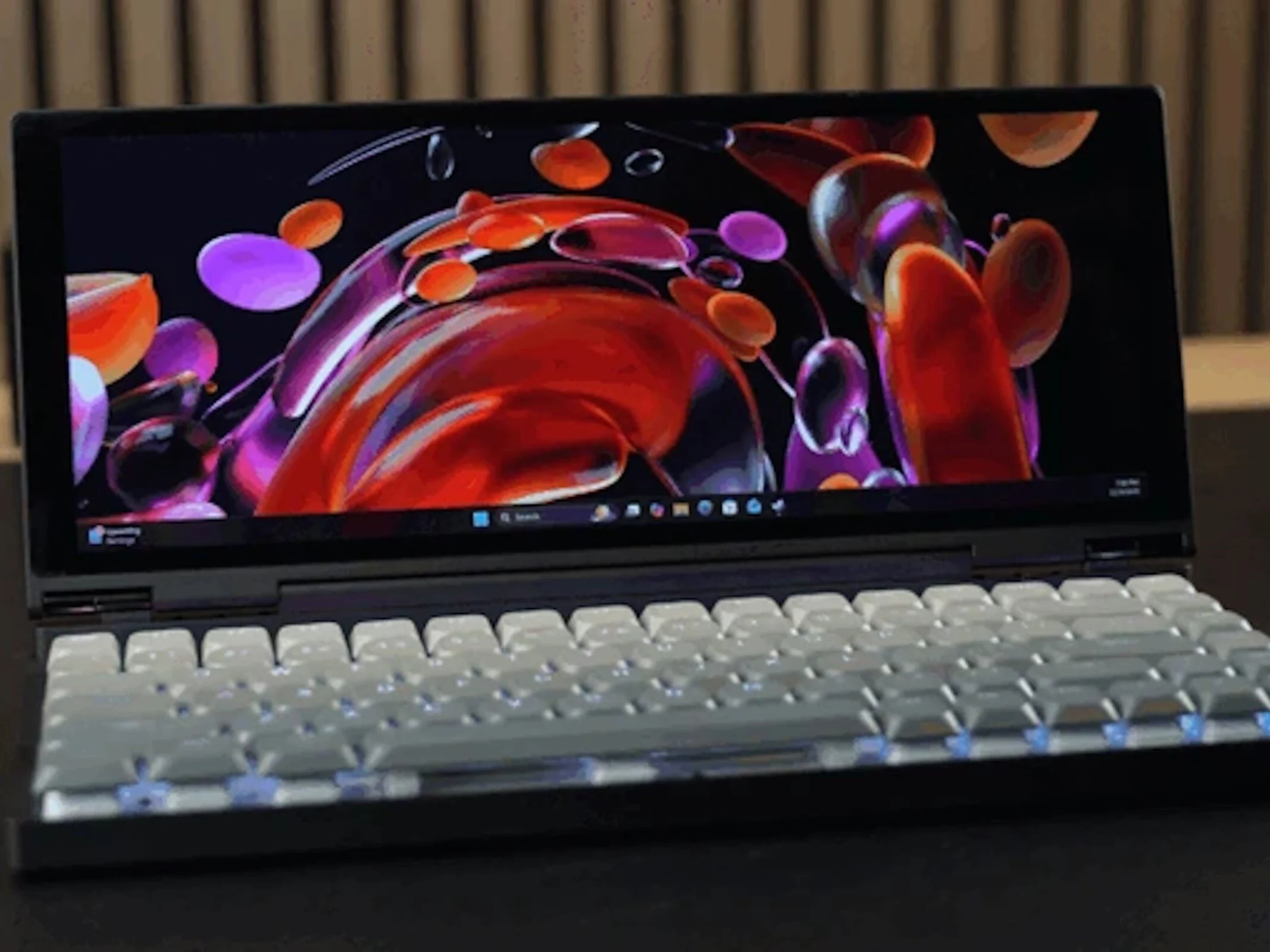
    1. The Kernelcom is marketed as a smart keyboard but is essentially a new laptop with a 12.5-inch touchscreen display (1920 x 720 pixels, 75Hz refresh rate, 400 nits brightness).
    2. It weighs 3.15 lbs and offers two configurations: Intel N150 or AMD Ryzen 7 8840U, both with 16GB DDR5 RAM and 1TB PCIe SSD.
    3. The AMD model features WiFi 7, a larger 64Wh battery, and comes with Windows 11 Pro, while the Intel version has WiFi 6 and a smaller 38Wh battery with Ubuntu.
    4. Port options differ: the AMD model has faster USB Type-A and Type-C ports (40 Gbps), while the Intel model has slower ports (10 Gbps) and HDMI 2.0 instead of HDMI 2.1.
    5. The smart keyboard is available for pre-order on Kickstarter for $290, but potential buyers should be aware of financial risks.


    The Kernelcom is really a brand new laptop, but the company markets it as a smart keyboard. It has a notably wide 12.5-inch screen with a resolution of 1920 x 720 pixels. This display also boasts a refresh rate of 75Hz, a brightness level of 400 nits, and can handle up to ten touch inputs at once.

    Specifications and Weight

    The device weighs around 3.15 lbs and comes in two different configurations. The first option is equipped with the Intel N150, while the second one runs on an AMD Ryzen 7 8840U. Both models are outfitted with 16GB of DDR5 RAM and a 1TB PCIe SSD. The pricier AMD model includes WiFi 7 instead of WiFi 6, a bigger 64Wh battery compared to the 38Wh in the Intel version, and it has Windows 11 Pro pre-installed rather than Ubuntu.

    Port Selection Differences

    The port options vary too. The AMD version has two USB Type-A ports and two USB Type-C ports, both of which can support a bandwidth of 40 Gbps. On the other hand, the Intel model is limited to 10 Gbps and features HDMI 2.0 instead of HDMI 2.1. Additionally, the laptop comes with a mechanical keyboard that has 84 keys and uses Outemu Blue low-profile switches.

    For those interested, as part of an ongoing Kickstarter campaign, the smart keyboard can be reserved for a payment of $290. However, potential customers should be cautious of the financial risks, which could be considerable in this case.


    Source:
    Link


  • UltraBar X: Modular Smart Home Control Center with Display & Sensors

    UltraBar X: Modular Smart Home Control Center with Display & Sensors

    Key Takeaways

    1. The UltraBar X is a new input device for PC users, available for $270 on Kickstarter.
    2. Backers should be aware of the financial risks associated with crowdfunding and potential delays or quality issues.
    3. The main module features a 7-inch screen with a resolution of 280 x 1424 pixels and includes USB Type-C, Bluetooth, and WiFi connectivity.
    4. The device offers various modules, including the VivoCube with a 2-inch AMOLED touchscreen and the SenseCube with multiple sensors.
    5. Additional input modules include the DotKey with mechanical switches and the KnobKey rotary dial, which can also serve as a smart home control hub.


    The UltraBar X is a fresh new input device being crowdfunded on Kickstarter for PC users. The basic package is available for $270, not including shipping cost. However, backers should be aware of the typical financial risks involved in crowdfunding. So, potential buyers shouldn’t automatically think the UltraBar X will arrive on time in April 2026 or that it will be of the expected quality.

    Features of the UltraBar X

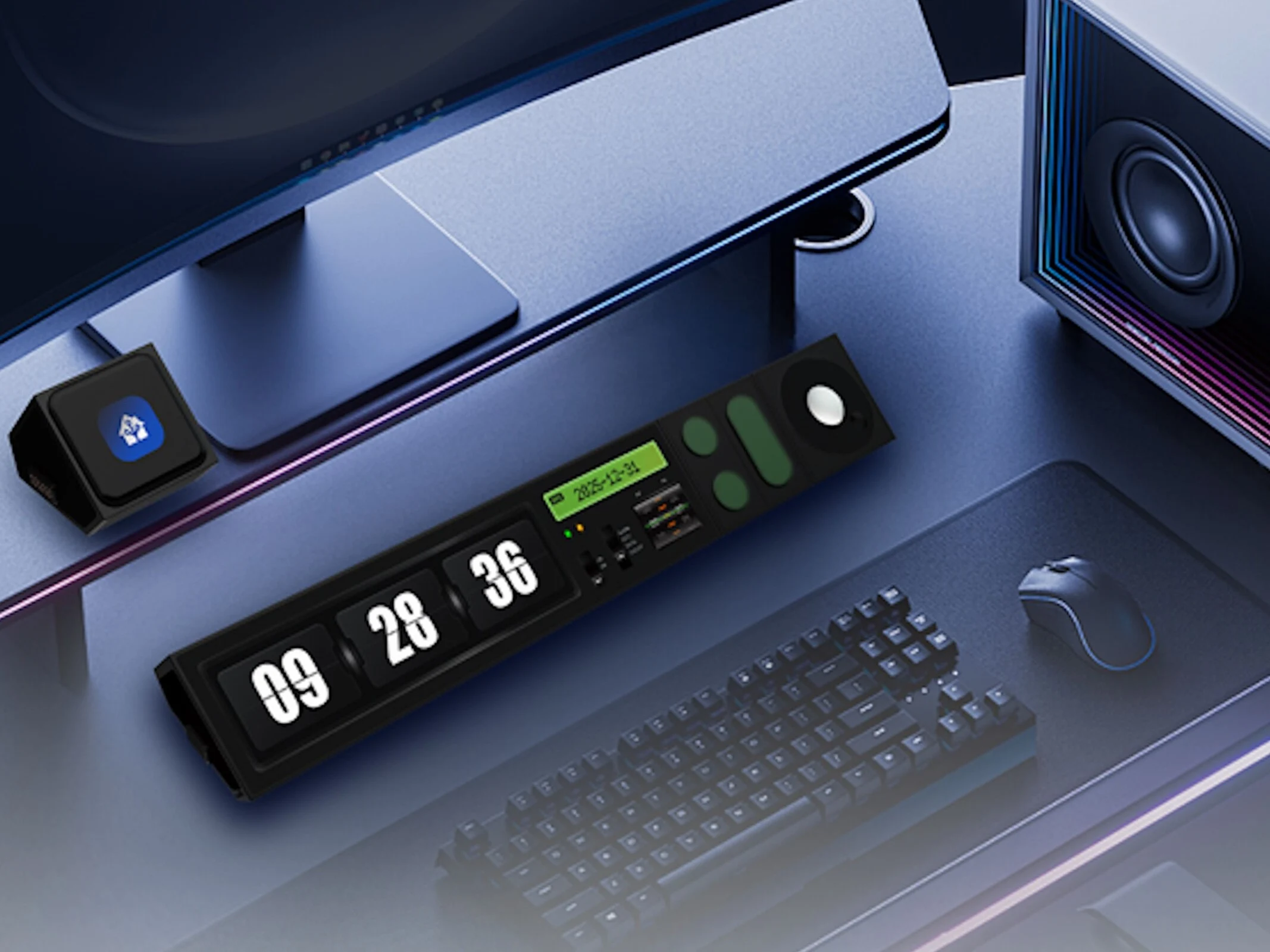
    This device is made up of separate magnetic modules that connect easily. The main module measures 199 x 50.4 x 59.6 mm and has a 7-inch screen with a resolution of 280 x 1424 pixels. It has a USB Type-C port and can connect wirelessly through Bluetooth and WiFi.

    Different Module Options

    The VivoCube is a smaller module featuring a 2-inch AMOLED touchscreen, while the SenseCube includes a variety of sensors like mmWave for motion detection, as well as temperature, humidity, and ambient light sensors.

    There are also two additional modules that function as input devices: the DotKey and the KnobKey. The DotKey has mechanical switches, and the KnobKey is a rotary dial. This accessory can also act as a control hub for smart home setups, including smart lighting control. Lastly, developers can utilize an SDK to personalize these features.

    Kickstarter

    Source:
    Link